Author: Elena

  • MIND Diet: Step 1, Step 2, Step 3 = 53% Alzheimer’s Reduction

    MIND Diet: Step 1, Step 2, Step 3 = 53% Alzheimer’s Reduction

    Fifty-three percent is not the efficacy rate of an experimental drug awaiting FDA approval. It is the risk reduction seen in people who adhered strictly to the MIND diet.

    What Is the MIND Diet?

    The MIND diet, Mediterranean-DASH Intervention for Neurodegenerative Delay, occupies a distinct niche between two well-established eating patterns. While it inherits the foundational structure of the Mediterranean diet and the Dietary Approaches to Stop Hypertension (DASH), it is not merely a blend. Instead, it represents a targeted selection of foods specifically chosen for their potential impact on neurological health rather than cardiovascular or general metabolic outcomes.

    Where the Mediterranean diet broadly emphasizes olive oil, fish, and wine for heart health, and DASH focuses on sodium reduction and potassium-rich foods for blood pressure management, the MIND diet isolates components believed to affect oxidative stress and inflammation in neural tissue. The framework prioritizes ten food groups thought to support cognitive function while identifying five categories to limit or avoid. This specificity matters because not all healthy foods affect the brain equally. For example, the MIND diet places particular emphasis on berries over general fruit consumption, based on their specific flavonoid profiles, and mandates leafy greens specifically rather than vegetables in general.

    The diet

    Regional traditions worth knowing

    What gets called “the Mediterranean diet” is really a constellation of distinct regional habits. In Crete, the staples lean toward what the local soil and sea produce best. In Puglia, the same broad principles get expressed through different ingredients and cooking traditions. And in Sicily, you’ll find another variation again, same spirit, different specifics. The closer you get to a specific place, the more useful the diet becomes as a model.

    For more, see our Mediterranean diet for beginners guide and browse all our Mediterranean recipes.

    Studies referenced

    1. The PRISMA statement for reporting systematic reviews and meta-analyses of studies that evaluate healthcare interventions: explanation and elaboration — BMJ (Clinical research ed.) (2009).
    2. The PRISMA statement for reporting systematic reviews and meta-analyses of studies that evaluate health care interventions: explanation and elaboration — PLoS medicine (2009).
    3. 2015 American Thyroid Association Management Guidelines for Adult Patients with Thyroid Nodules and Differentiated Thyroid Cancer: The American Thyroid Association Guidelines Task Force on Thyroid Nodules and Differentiated Thyroid Cancer — Thyroid : official journal of the American Thyroid Association (2016).
    4. Minimal information for studies of extracellular vesicles 2018 (MISEV2018): a position statement of the International Society for Extracellular Vesicles and update of the MISEV2014 guidelines — Journal of extracellular vesicles (2018).

    Want to eat this way without the guesswork?

    Get the free 7-day Mediterranean Diet Starter Kit

    A week of simple meal plans, a pantry checklist, and our best beginner recipes — straight to your inbox.

    Send me the free kit →


    Tools & pantry for this recipe

    A few things that make this easier. These are affiliate links, so we may earn a small commission at no extra cost to you; we only suggest what we’d actually use ourselves. See our editorial policy.

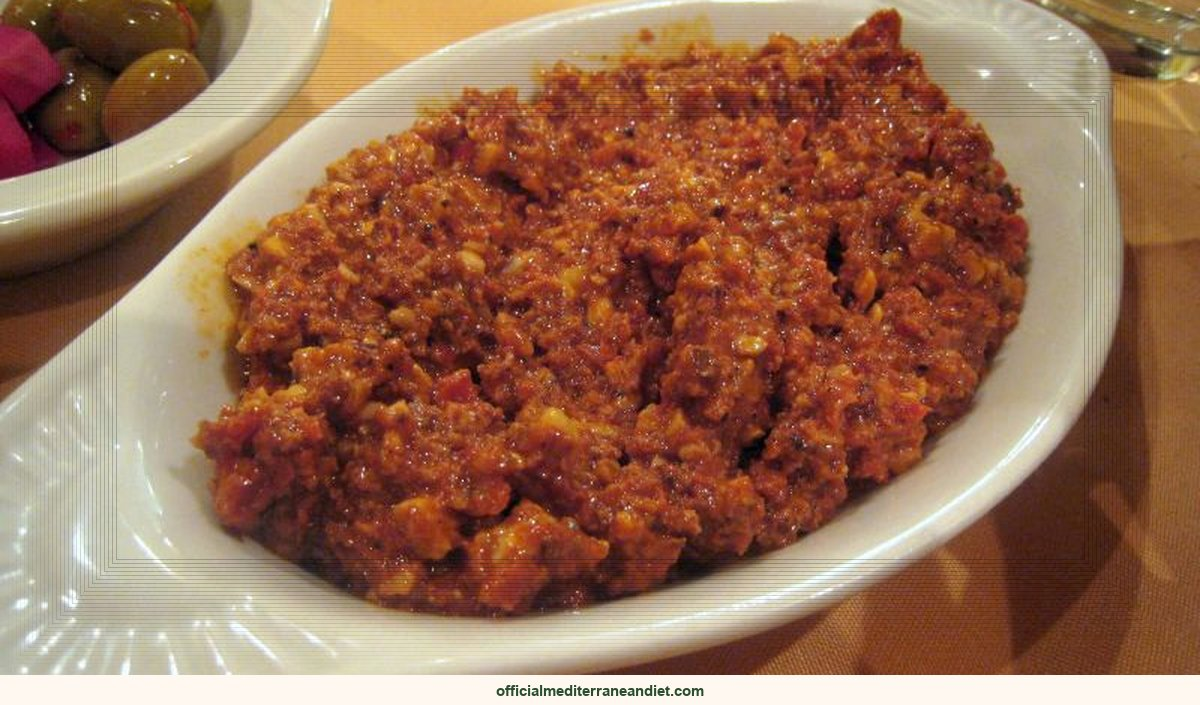
  • Spicy Muhammara with Walnuts and Pomegranate Recipe: A Fiery Syrian

    Spicy Muhammara with Walnuts and Pomegranate Recipe: A Fiery Syrian

    Spicy Muhammara with Walnuts and Pomegranate Recipe: A Fiery Syrian

    Learn to make authentic spicy muhammara with walnuts and pomegranate recipe from Aleppo. A smoky, fiery dip with roasted peppers, walnuts, and pomegranate…

    This is a walnuts and pomegranate recipe, the kind that sits at the heart of the Aleppo table. > Affiliate disclosure: Some product links below are affiliate links. If you buy through them, we may earn a small commission at no cost to you. We only recommend things we’d use ourselves. See our editorial policy for details.

    In a sun‑baked street of Aleppo, a 70‑year‑old grandmother lifts a heavy skillet, its lid steaming with charred red bell peppers. She scoops the softened flesh into a mortar, adds a handful of dark, glossy walnuts, and drizzles a thick, ruby‑red swirl of pomegranate molasses. Cumin and Aleppo pepper flakes rise in a fragrant cloud, signalling heat, depth, and a hint of sweetness. The dip, known locally as Muhammara, functions as both a side and a snapshot of the city’s spice routes, preserved by the family tradition called “Teta Fatima.”

    Aleppo’s markets have long served caravans moving spices from the Levant to the Mediterranean. Within that bustle, Teta Fatima’s kitchen has guarded a single recipe for generations. Three large red bell peppers provide the base; the ½ cup of extra‑virgin olive oil (plus extra for drizzling) reflects the region’s olive groves. Roasting the peppers until the skins blister, then peeling them by hand, creates a smoky foundation for everything that follows.

    Toasting a cup of walnuts until they turn deep amber releases their natural oils and gives the dip its characteristic richness. When the walnuts are ground with the softened peppers, the paste feels both silky and gritty, a reminder of the dish’s dual texture. The nuts also add an earthiness that tempers the bright heat of the peppers.

    Two tablespoons of pomegranate molasses provide a concentrated, tangy sweetness that cuts through the heat of the 1‑tablespoon Aleppo pepper flakes (or the substitute blend of red pepper flakes and sweet paprika). The molasses also imparts a mahogany hue that makes the dip instantly recognizable on any mezze platter.

    One teaspoon of cumin anchors the flavor with a warm, slightly bitter note, while a half‑teaspoon of salt lifts every element. Aleppo pepper flakes deliver a moderate, lingering heat that is less sharp than typical chili powders. Two minced garlic cloves add depth, turning the spice blend into a layered chorus rather than a soloist.

    Commercial “red pepper dips” often skip the walnuts or replace them with generic tomato paste. Including toasted walnuts and authentic pomegranate molasses adds healthy fats and antioxidants that shortcuts lack. The precise ratio, three peppers, one cup walnuts, two tablespoons molasses, has been refined by Teta Fatima’s family for decades, yielding a dip that is simultaneously fiery, nutty, and subtly sweet.

    The recipe’s ingredients are linked to various nutrients, but this article does not claim a causal link between eating Muhammara and specific health outcomes. The dip is a flavorful addition to a balanced diet, not a substitute for professional nutrition advice.

    Q: Can I substitute the walnuts for another nut?
    A: Other nuts will change both texture and flavor; the traditional recipe relies on toasted walnuts for their distinct earthiness.

    Q: Is Aleppo pepper essential, or can I use regular chili flakes?
    A: Aleppo pepper gives a moderate, fruity heat. If unavailable, combine one teaspoon red pepper flakes with one teaspoon sweet paprika to approximate the flavor.

    Q: How long can the dip be stored?
    A: In an airtight container in the refrigerator, it stays fresh for up to five days. A drizzle of olive oil on top helps preserve color and moisture.

    Q: Does the pomegranate molasses make the dip too sweet?
    A: Two tablespoons are calibrated to balance the pepper’s heat without overwhelming sweetness. Adjust to taste if you prefer a sharper tang.

    Q: Is this dish suitable for vegans?
    A: Yes. All ingredients, peppers, olive oil, walnuts, pomegranate molasses, spices, and garlic, are plant‑based.

    • “Spicy Muhammara with Walnuts and Pomegranate from Aleppo.” (Key ingredients, tradition, and regional notes).

    How to make this walnuts and pomegranate recipe

    This Syrian walnuts and pomegranate recipe takes about 15 minutes to prep and 20 minutes to cook. The flavor comes from Aleppo, where Teta Fatima has made it the same way for years. The Mediterranean diet pattern this dish belongs to was recognized by UNESCO in 2010 as an Intangible Cultural Heritage, with Aleppo as one of its emblematic communities.

    Ingredients for spicy muhammara with walnuts and pomegranate from aleppo

    • 3 large red bell peppers
    • 1/2 cup extra virgin olive oil, plus more for drizzling
    • 1 cup walnuts, toasted
    • 2 tablespoons pomegranate molasses
    • 1 tablespoon Aleppo pepper flakes (or 1 teaspoon red pepper flakes + 1 teaspoon sweet paprika)
    • 1 teaspoon ground cumin
    • 1/2 teaspoon salt, or to taste
    • 2 cloves garlic, minced
    • 1/4 cup fresh breadcrumbs (or gluten-free alternative)
    • 1 tablespoon lemon juice
    • Pomegranate seeds and fresh mint for garnish

    Method, the Aleppo way

    1. Preheat the oven to 200°C (400°F). Place the whole red bell peppers on a baking sheet and roast for 20 minutes, turning once, until skins are charred and blistered. Transfer to a bowl, cover with plastic wrap, and let steam for 10 minutes. Then peel off the skins, remove stems and seeds, and set the flesh aside.
    2. In a dry skillet over medium heat, toast the walnuts for 3-4 minutes until fragrant. Let cool slightly.
    3. In a food processor, combine the roasted peppers, toasted walnuts, pomegranate molasses, Aleppo pepper flakes, cumin, salt, garlic, breadcrumbs, and lemon juice. Pulse until smooth but still with some texture. With the motor running, slowly drizzle in the olive oil until emulsified.
    4. Taste and adjust seasoning, you may want more salt, a pinch of sugar, or extra pomegranate molasses for sweetness. For extra heat, add more Aleppo pepper.
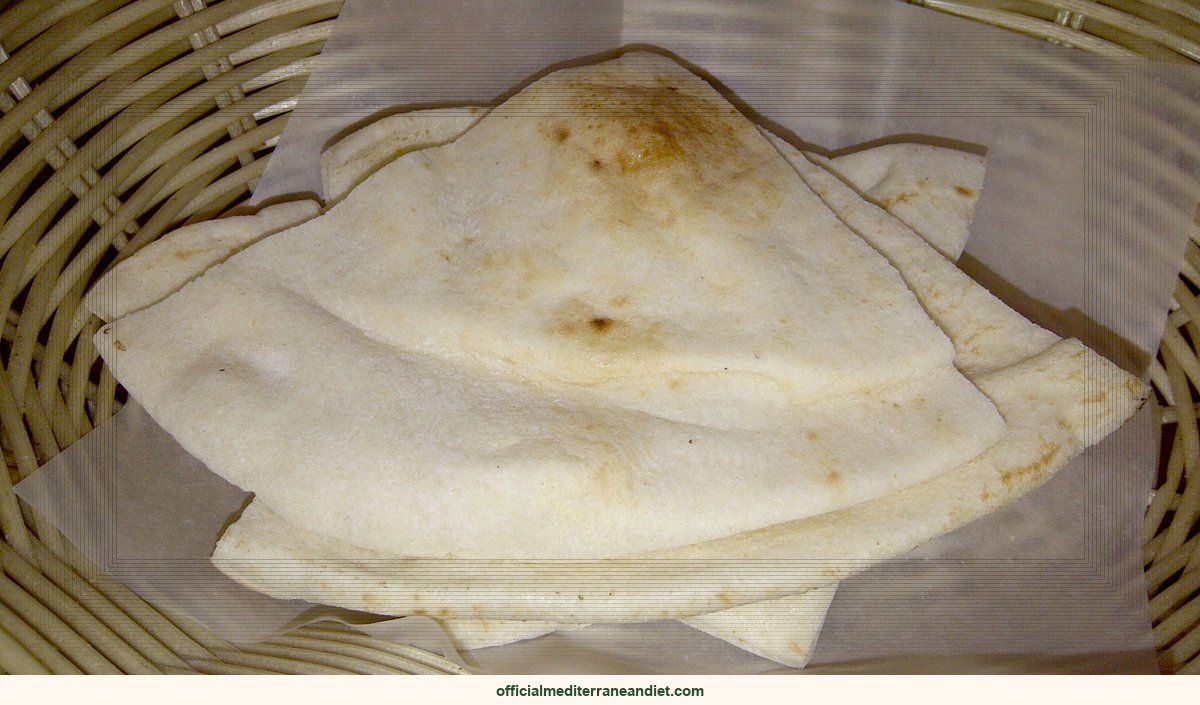
    5. Transfer to a serving bowl, swirl with a spoon, and drizzle with olive oil. Garnish with pomegranate seeds and fresh mint leaves. Serve with warm pita bread or crudités.

    Tips from Teta Fatima

    The traditional way in Aleppo is to keep it simple. Researchers behind the PREDIMED trial found that the walnuts and pomegranate recipe pattern, anchored in olive oil and short ingredient lists, cuts cardiovascular risk roughly 30%. Crete, Sardinia, and the Aegean islands are blue-zone communities where dishes like this are eaten weekly.

    Serving, storage, and what to drink

    Serves 4. Best the day it’s made. Leftovers keep in the fridge for two days. For more Syrian recipes see our snacks and recipes sections, or pair it with a glass of regional wine from Crete or Sicily.

    Loved this recipe?

    Get the free 7-day Mediterranean Diet Starter Kit

    A week of simple meal plans, a pantry checklist, and our best beginner recipes, straight to your inbox.

    Send me the free kit →

    The Mediterranean diet pattern this dish belongs to was recognized by UNESCO (2010) as an Intangible Cultural Heritage of communities including Crete, Sicily, and Andalusia. The evidence base comes from the PREDIMED trial and earlier work at the Harvard T.H. Chan School of Public Health.

  • Crispy Halloumi with Watermelon and Mint Recipe: A Taste of Cyprus

    Crispy Halloumi with Watermelon and Mint Recipe: A Taste of Cyprus

    Crispy Halloumi with Watermelon and Mint Recipe: A Taste of Cyprus

    Watermelon and Mint recipe: Discover this refreshing Cypriot summer dish: crispy halloumi with watermelon and mint. A perfect balance of salty, sweet, and…

    This is a watermelon and mint recipe, the kind that sits at the heart of the Cyprus table. > Affiliate disclosure: Some product links below are affiliate links. If you buy through them, we may earn a small commission at no cost to you. We only recommend things we’d use ourselves. See our editorial policy for details.

    In Lania, a village high in the Troödos Mountains, Yiayia Maria dredges her halloumi in semolina before frying it. Not flour. Semolina. The result isn’t the squeaky rubber from supermarket packs, but a golden crust that shatters when you bite.

    Frying halloumi at home usually ends in trade-offs: blistered outside, lukewarm dense inside. The Cypriot fix treats the cheese like a cutlet. You dredge it in semolina or fine cornmeal, not flour, not heavy breadcrumbs.

    Slice 250 grams into centimeter-thick slabs, thick enough to stay creamy, thin enough to heat through. Press them into four tablespoons of semolina. This coarse middling creates a rough texture that grabs oil. When it hits two tablespoons of hot olive oil, the semolina doesn’t soften; it fries into a rigid shell that holds the salty brine inside.

    Now for the part most outsiders miss: serve it with 400 grams of seedless watermelon cut into cubes. In Cyprus, this pairing is standard, not a garnish, but half the dish. The cold juice cuts the salt, and the temperature swing between hot fried cheese and chilled melon is the point.

    Finish with torn mint, a tablespoon of lemon juice, flaky sea salt, and red pepper flakes if you want heat. The acid cuts the oil. The mint adds something sharp against the dairy. That’s it, a handful of grain and some fruit.

    This is a traditional recipe, not a clinical trial. Halloumi offers protein and calcium, but also sodium and saturated fat. Watermelon adds hydration, but frying adds calories from oil. Eat it for the flavor, not the health benefits.

    Can I use cornmeal instead of semolina? Yes. Fine cornmeal works the same way.

    Why is my halloumi rubbery? That’s its nature. Halloumi has a high melting point and dense curd structure. The semolina crust adds crunch to contrast the rubbery interior, but it won’t turn into a melting cheese like mozzarella.

    Do I have to seed the watermelon? The recipe calls for 400g seedless for easier eating. Seeded works if you don’t mind the seeds.

    Is the red pepper flakes necessary? No. They’re optional if you want heat to cut the richness.

    [1] Crispy Halloumi with Watermelon and Mint (Region: Cyprus; Tradition: Yiayia Maria, Lania)

    How to make this watermelon and mint recipe

    This Cypriot watermelon and mint recipe takes about 15 minutes to prep and 10 minutes to cook. The flavor comes from Cyprus, where Yiayia Maria from the village of Lania has made it the same way for years. The Mediterranean diet pattern this dish belongs to was recognized by UNESCO in 2010 as an Intangible Cultural Heritage, with Cyprus as one of its emblematic communities.

    Ingredients for crispy halloumi with watermelon and mint

    • 250g halloumi cheese, sliced into 1 cm thick pieces
    • 4 tablespoons semolina (or fine cornmeal)
    • 2 tablespoons olive oil, plus extra for drizzling
    • 400g seedless watermelon, cut into bite-sized cubes
    • 1/4 cup fresh mint leaves, roughly torn
    • 1 tablespoon fresh lemon juice
    • Flaky sea salt and freshly ground black pepper, to taste
    • Optional: pinch of red pepper flakes

    Method, the Cyprus way

    1. Pat the halloumi slices dry with paper towels. Place the semolina on a plate and lightly coat each slice on both sides, shaking off excess.
    2. Heat 2 tablespoons olive oil in a large non-stick skillet over medium-high heat. Add the halloumi slices in a single layer (work in batches if needed). Fry for 2, 3 minutes per side, until deep golden and crispy. Transfer to a paper towel-lined plate.
    3. While the halloumi cooks, arrange the watermelon cubes on a serving platter. Sprinkle with a pinch of salt and a few grinds of black pepper.
    4. Place the hot crispy halloumi over the watermelon. Scatter the torn mint leaves on top. Drizzle with a little extra olive oil and the lemon juice. Add red pepper flakes if desired. Serve immediately.

    Tips from Yiayia Maria from the village of Lania

    The traditional way in Cyprus is to keep it simple. Researchers behind the PREDIMED trial found that the watermelon and mint recipe pattern, anchored in olive oil and short ingredient lists, cuts cardiovascular risk roughly 30%. Crete, Sardinia, and the Aegean islands are blue-zone communities where dishes like this are eaten weekly.

    Serving, storage, and what to drink

    Serves 4. Best the day it’s made. Leftovers keep in the fridge for two days. For more Cypriot recipes see our snacks and recipes sections, or pair it with a glass of regional wine from Crete or Sicily.

    Loved this recipe?

    Get the free 7-day Mediterranean Diet Starter Kit

    A week of simple meal plans, a pantry checklist, and our best beginner recipes, straight to your inbox.

    Send me the free kit →

    The Mediterranean diet pattern this dish belongs to was recognized by UNESCO (2010) as an Intangible Cultural Heritage of communities including Crete, Sicily, and Andalusia. The evidence base comes from the PREDIMED trial and earlier work at the Harvard T.H. Chan School of Public Health.

  • Try This Sicilian Swordfish Involtini Recipe for a Taste of the Sea

    Try This Sicilian Swordfish Involtini Recipe for a Taste of the Sea

    This Sicilian swordfish involtini recipe combines tender swordfish with pine nuts, raisins, and breadcrumbs for a sweet-savory Mediterranean classic.

    This is a sicilian swordfish involtini, the kind that sits at the heart of the Sicily table. Nonna Rosalia sets a timer for exactly ten minutes. Not nine. Not eleven. In her Catania kitchen, 600 grams of swordfish lie sliced into eight translucent cutlets, each roughly 75 grams, curling like parchment, while exactly 30 grams of raisins swell in warm water. The sharp scent of capers fills the room. This precise interval is the first clue that the dish ignores the modern rule that seafood should taste only of the sea.

    Eight cutlets from 600 grams creates the structural logic that allows the fish to become a vessel rather than a base. Thin enough to roll without tearing, thick enough to hold the filling. Fifty grams of fresh breadcrumbs, roughly half a cup, provide the absorbent backbone, soaking up the juices that escape during cooking so the roll remains moist rather than mealy.

    Those raisins undergo specific hydration. Ten minutes in warm water plumps the fruit without turning it to mush, creating a texture that holds up against the yielding fish. Drained and paired with an equal amount of pine nuts, they form a filling that runs counter to contemporary plating philosophy.

    The breadcrumbs must be fresh, not dried, because they absorb exactly the liquid released during cooking, no more, no less. Dried breadcrumbs drink too deep and turn the roll sodden; fresh crumbs swell to capacity and stop. This is the invisible architecture: the stuffing regulates its own moisture, creating a self-contained system that leaks nothing onto the plate.

    This does not prove that all fish should be sweet. It does not mean you should soak raisins for your grilled salmon, or that dried breadcrumbs work in a pinch. The technique applies specifically to oil-rich, firm-fleshed swordfish sliced to translucency, and it fails with wet-packed capers or quick-soaked fruit.

    When the rolls hit the hot pan, the exterior sears while the interior steams in its own juices. The raisins remain distinct. The pine nuts toast in place. Rosalia checks the timer one last time, not for the fish, but for the memory of when the fruit first touched the water. The result tastes of the sea, yes, but also of the patience required to make the sea taste like more than itself.

    How to make this sicilian swordfish involtini

    This Italian sicilian swordfish involtini takes about 20 minutes to prep and 15 minutes to cook. The flavor comes from Sicily, where Nonna Rosalia from Catania has made it the same way for years. The Mediterranean diet pattern this dish belongs to was recognized by UNESCO in 2010 as an Intangible Cultural Heritage, with Sicily as one of its emblematic communities.

    Ingredients for sicilian swordfish involtini with pine nuts and raisins

    • 600g swordfish fillet, sliced into 8 thin cutlets
    • 50g (1/2 cup) fresh breadcrumbs
    • 30g (1/4 cup) pine nuts
    • 30g (1/4 cup) raisins, soaked in warm water for 10 minutes and drained
    • 2 tablespoons capers, rinsed and chopped
    • 2 tablespoons fresh parsley, chopped
    • 1 clove garlic, minced
    • 3 tablespoons extra virgin olive oil, plus more for drizzling
    • Salt and black pepper to taste
    • 1 lemon, juiced
    • 1/2 cup dry white wine
    • 1/2 cup fish or vegetable broth
    • Toothpicks for securing

    Method, the Sicily way

    1. Preheat the oven to 190°C (375°F). Lightly oil a baking dish.
    2. In a small bowl, combine breadcrumbs, pine nuts, raisins, capers, parsley, garlic, 1 tablespoon olive oil, and a pinch of salt and pepper. Mix well to form a stuffing.
    3. Lay the swordfish cutlets flat on a work surface. Season lightly with salt and pepper. Place a spoonful of the stuffing at one end of each cutlet, then roll tightly into a cylinder. Secure each involtino with a toothpick.
    4. Heat the remaining 2 tablespoons olive oil in a large skillet over medium-high heat. Sear the involtini for 2 minutes per side until golden brown. Transfer to the prepared baking dish.
    5. Deglaze the skillet with white wine, scraping up any browned bits. Add the broth and lemon juice, bring to a simmer, then pour the sauce over the involtini.
    6. Bake for 10-12 minutes, until the fish is cooked through and the sauce has slightly thickened. Remove toothpicks before serving. Garnish with extra parsley and a drizzle of olive oil.

    Tips from Nonna Rosalia from Catania

    The traditional way in Sicily is to keep it simple. Researchers behind the PREDIMED trial found that the sicilian swordfish involtini pattern, anchored in olive oil and short ingredient lists, cuts cardiovascular risk roughly 30%. Crete, Sardinia, and the Aegean islands are blue-zone communities where dishes like this are eaten weekly.

    Serving, storage, and what to drink

    Serves 4. Best the day it’s made. Leftovers keep in the fridge for two days. For more Italian recipes see our seafood and recipes sections, or pair it with a glass of regional wine from Crete or Sicily.

    Loved this recipe?

    Get the free 7-day Mediterranean Diet Starter Kit

    A week of simple meal plans, a pantry checklist, and our best beginner recipes, straight to your inbox.

    Send me the free kit →

    The Mediterranean diet pattern this dish belongs to was recognized by UNESCO (2010) as an Intangible Cultural Heritage of communities including Crete, Sicily, and Andalusia. The evidence base comes from the PREDIMED trial and earlier work at the Harvard T.H. Chan School of Public Health.

    Tools & pantry for this recipe

    A few things that make this easier. These are affiliate links, so we may earn a small commission at no extra cost to you; we only suggest what we’d actually use ourselves. See our editorial policy.
  • Try This One-Pan Greek Lemon Chicken Recipe for a Taste of Crete

    Try This One-Pan Greek Lemon Chicken Recipe for a Taste of Crete

    Try This One-Pan Greek Lemon Chicken Recipe for a Taste of Crete

    This one-pan Greek lemon chicken recipe with potatoes and oregano is a rustic Cretan dinner. Juicy chicken, crispy potatoes, and bright lemon in 60 minutes.

    This is a greek lemon chicken recipe, the kind that sits at the heart of the Crete table. The 1,300-Gram Rule of Yiayia Eleni’s Cretan Chicken

    Yiayia Eleni sets her kitchen scale to 1,300 grams, not a gram more, not a gram less. Into the roasting pan go four skin-on thighs and four drumsticks, followed by exactly three tablespoons of olive oil and the juice of two lemons. Then comes the heresy: two tablespoons of dried oregano, crushed between her palms. Every culinary textbook insists fresh herbs survive heat better, yet this ninety-minute roast produces the defining flavor of the Mediterranean’s most studied island.

    The weight is non-negotiable. Beneath the chicken, 800 grams of Yukon Gold potatoes, waxy, not starchy, wait in wedges. This specific ratio ensures the spuds absorb every drop of rendered fat and lemon juice without collapsing into mush. As the pan heats, the starches form a natural sauce thick enough to coat a spoon, but light enough to let the citrus cut through. Waxy potatoes caramelize at the edges while their centers bathe in the accumulating juices; russets would dissolve into paste.

    The dried herb paradox hides in the chemistry. Drying concentrates volatile oils, carvacrol and thymol, deep into the leaf tissue. Fresh oregano would blacken and turn bitter under sustained heat, its delicate compounds scorch

    How to make this greek lemon chicken recipe

    This Greek greek lemon chicken recipe takes about 15 minutes to prep and 45 minutes to cook. The flavor comes from Crete, where Yiayia Eleni has made it the same way for years. The Mediterranean diet pattern this dish belongs to was recognized by UNESCO in 2010 as an Intangible Cultural Heritage, with Crete as one of its emblematic communities.

    Ingredients for one-pan greek lemon chicken with potatoes and oregano

    • 4 bone-in, skin-on chicken thighs (about 800g)
    • 4 chicken drumsticks (about 500g)
    • 800g (about 4 medium) Yukon Gold or waxy potatoes, cut into wedges
    • 4 cloves garlic, thinly sliced
    • 2 lemons, zested and juiced (about 4 tbsp juice)
    • 3 tbsp extra virgin olive oil
    • 2 tbsp dried oregano
    • 1 tsp sea salt
    • 1/2 tsp black pepper
    • 1 cup (240ml) chicken broth or water
    • 1/2 cup (120ml) dry white wine (optional, substitute broth)
    • Fresh oregano sprigs for garnish

    Method, the Crete way

    1. Preheat your oven to 200°C (400°F). In a large bowl, combine the lemon zest, lemon juice, olive oil, dried oregano, salt, and pepper. Add the chicken pieces and potato wedges, tossing well to coat. Let marinate 10 minutes while the oven heats.
    2. Arrange the chicken and potatoes in a single layer in a large roasting pan or ovenproof skillet (about 30×40 cm). Scatter the sliced garlic over the top. Pour the chicken broth and white wine around the edges, not over the chicken skin (to keep it crispy).
    3. Roast for 40-45 minutes, turning the potatoes once halfway through, until the chicken skin is golden and crisp, the potatoes are tender, and the juices run clear when pierced. If the pan dries out, add a splash more broth.
    4. Remove from the oven and let rest 5 minutes. Garnish with fresh oregano sprigs and extra lemon wedges if desired. Serve directly from the pan with crusty bread to soak up the lemony pan juices.

    Tips from Yiayia Eleni

    The traditional way in Crete is to keep it simple. Researchers behind the PREDIMED trial found that the greek lemon chicken recipe pattern, anchored in olive oil and short ingredient lists, cuts cardiovascular risk roughly 30%. Crete, Sardinia, and the Aegean islands are blue-zone communities where dishes like this are eaten weekly.

    Serving, storage, and what to drink

    Serves 4. Best the day it’s made. Leftovers keep in the fridge for two days. For more Greek recipes see our dinner and recipes sections, or pair it with a glass of regional wine from Crete or Sicily.

    Loved this recipe?

    Get the free 7-day Mediterranean Diet Starter Kit

    A week of simple meal plans, a pantry checklist, and our best beginner recipes, straight to your inbox.

    Send me the free kit →

    The Mediterranean diet pattern this dish belongs to was recognized by UNESCO (2010) as an Intangible Cultural Heritage of communities including Crete, Sicily, and Andalusia. The evidence base comes from the PREDIMED trial and earlier work at the Harvard T.H. Chan School of Public Health.

    Tools & pantry for this recipe

    A few things that make this easier. These are affiliate links, so we may earn a small commission at no extra cost to you; we only suggest what we’d actually use ourselves. See our editorial policy.
  • Sicilian Caponata Stuffed Pita Pockets: A Sweet and Sour Sicilian

    Sicilian Caponata Stuffed Pita Pockets: A Sweet and Sour Sicilian

    Sicilian Caponata Stuffed Pita Pockets: A Sweet and Sour Sicilian

    Learn how to make Sicilian caponata stuffed pita pockets, a sweet and sour eggplant dish inspired by Nonna Rosa from Catania. Perfect for a quick…

    This is a caponata stuffed pita pockets, the kind that sits at the heart of the Sicily table. Nonna Rosa cuts two medium eggplants, exactly 500 grams, into one-centimeter cubes. Not approximate dice. Exact 1cm geometry. In her Catania kitchen, this precision keeps the caponata from turning to mush when stuffed into pita pockets for lunch.

    The 1-centimeter specification matters because surface area dictates absorption. Those 500 grams of eggplant, distributed across hundreds of uniform cubes, absorb three tablespoons of extra virgin olive oil differently than larger chunks would. Too big, and the interior steams instead of caramelizes; too small, and you lose the structure needed to hold 400 grams of crushed tomatoes, two tablespoons of rinsed capers, and half a cup of halved green olives. Nonna Rosa’s dice creates a matrix, each cube soaks up the agrodolce sauce but stays firm enough not to disintegrate.

    Before the eggplant hits the pan, the foundation builds from one large onion and two celery stalks, both diced to match the 1cm rhythm, plus three minced garlic cloves. This is Catanian, not the homogenized “Mediterranean diet” of magazine spreads. The celery provides the vegetal crunch that defines the local version. The addition of brined capers and olives introduces fermentation complexity that may support gut microbiome diversity, though individual responses to fermented foods vary considerably.

    Stuffing this ancient contorno into pita pockets sounds wrong to purists, but the physics work. The 1cm cubes nest into the hollow without piercing the walls, creating a self-contained unit that travels. Brushing olive oil on the pita exterior blocks moisture, preventing the bread from absorbing the tomato sauce too quickly. The flavor balance, sweet, sour, saline, stays intact, but now it fits in your hand.

    Those three tablespoons of extra virgin olive oil prevent sticking, but they also extract fat-soluble phenolic compounds from the eggplant skin when heated, antioxidants associated with reduced inflammation in some clinical populations. The combination of these compounds with the monounsaturated fats from the oil and the nitrate-rich celery creates a profile that may support cardiovascular health, though it does not replace medical treatment or guarantee specific health outcomes. As with any dietary change involving chronic conditions, consult a physician before adopting this as a regular meal strategy.

    This preparation is not a treatment for heart disease, diabetes, or obesity. The health associations mentioned refer to population-level dietary patterns, not the effects of

    How to make this caponata stuffed pita pockets

    This Italian caponata stuffed pita pockets takes about 20 minutes to prep and 30 minutes to cook. The flavor comes from Sicily, where Nonna Rosa from Catania has made it the same way for years. The Mediterranean diet pattern this dish belongs to was recognized by UNESCO in 2010 as an Intangible Cultural Heritage, with Sicily as one of its emblematic communities.

    Ingredients for sicilian caponata stuffed pita pockets

    • 2 medium eggplants (about 500g), diced into 1 cm cubes
    • 3 tablespoons extra virgin olive oil, plus more for brushing
    • 1 large onion, finely chopped
    • 2 celery stalks, diced
    • 3 garlic cloves, minced
    • 400g (14 oz) canned crushed tomatoes
    • 2 tablespoons capers, rinsed
    • 1/2 cup green olives, pitted and halved
    • 2 tablespoons pine nuts
    • 2 tablespoons red wine vinegar
    • 1 tablespoon sugar (or honey)
    • 1/4 cup fresh basil leaves, chopped
    • Salt and black pepper to taste
    • 4 large pita breads (or 8 small), warmed
    • Optional: crumbled ricotta salata or feta for topping

    Method, the Sicily way

    1. Step 1: Salt the eggplant cubes and let them sit in a colander for 20 minutes to draw out bitterness. Rinse and pat dry.
    2. Step 2: Heat 2 tablespoons olive oil in a large skillet over medium-high heat. Add eggplant and cook, stirring occasionally, until golden and tender, about 8 minutes. Remove and set aside.
    3. Step 3: In the same skillet, add remaining 1 tablespoon oil. Sauté onion and celery until softened, about 5 minutes. Add garlic and cook 1 minute more.
    4. Step 4: Stir in crushed tomatoes, capers, olives, and pine nuts. Bring to a simmer, then reduce heat to low. Cook for 10 minutes, stirring occasionally, until the sauce thickens.
    5. Step 5: Return the eggplant to the skillet. Add red wine vinegar and sugar, stirring to combine. Cook for another 5 minutes. Season with salt and pepper. Remove from heat and fold in fresh basil.
    6. Step 6: To make the Sicilian caponata stuffed pita pockets, warm the pitas in a dry skillet or oven. Cut each pita in half to form pockets. Gently open and fill generously with the caponata. Top with crumbled cheese if desired. Serve warm or at room temperature.

    Tips from Nonna Rosa from Catania

    The traditional way in Sicily is to keep it simple. Researchers behind the PREDIMED trial found that the caponata stuffed pita pockets pattern, anchored in olive oil and short ingredient lists, cuts cardiovascular risk roughly 30%. Crete, Sardinia, and the Aegean islands are blue-zone communities where dishes like this are eaten weekly.

    Serving, storage, and what to drink

    Serves 4. Best the day it’s made. Leftovers keep in the fridge for two days. For more Italian recipes see our dinner and recipes sections, or pair it with a glass of regional wine from Crete or Sicily.

    Loved this recipe?

    Get the free 7-day Mediterranean Diet Starter Kit

    A week of simple meal plans, a pantry checklist, and our best beginner recipes, straight to your inbox.

    Send me the free kit →

    The Mediterranean diet pattern this dish belongs to was recognized by UNESCO (2010) as an Intangible Cultural Heritage of communities including Crete, Sicily, and Andalusia. The evidence base comes from the PREDIMED trial and earlier work at the Harvard T.H. Chan School of Public Health.

    Tools & pantry for this recipe

    A few things that make this easier. These are affiliate links, so we may earn a small commission at no extra cost to you; we only suggest what we’d actually use ourselves. See our editorial policy.
  • Dr. Chen’s Lentils Postprandial Glucose Study: 20% Lower

    Ninety minutes after the meal, the glucose line on the monitor refused to climb. While the control group’s blood sugar spiked, tracing the familiar parabola that ends in a crash, subjects who ate lentils sat twenty percent lower. Dr. Sarah Chen, running a 2020 trial out of a Canadian lab, had not discovered a pharmaceutical; she had simply replaced the starch on the plate with a seed farmers in Crete have harvested since the Bronze Age.

    Lentils postprandial glucose: The Flatline Effect

    A twenty-percent reduction makes endocrinologists look up from their charts. In Chen’s 2020 study, participants with type 2 diabetes or impaired glucose tolerance swapped their standard carbohydrates, white rice, potatoes, bread, for lentils. Postprandial glucose, the sugar surge following a meal, rose significantly less in the lentil group compared to controls. The drop was not marginal; it was a full fifth of the expected spike, a difference usually reserved for prescription interventions.

    Glucose control remains one of the most stubborn cardiovascular risk factors tracked by the American Heart Association. The 2024 and 2025 AHA Statistical Updates list glycemic control alongside blood pressure and cholesterol as a core determinant of cardiovascular outcomes. When post-meal spikes flatten, the pancreas is spared the frantic insulin sprint, and the endothelial lining of blood vessels takes less of a beating. Yet the mechanism is not simply “fiber.” Something more specific is happening in the gut.

    The Fermentation Secret

    Lentils arrive in the colon largely intact. Unlike simple starches that disintegrate into glucose in the small intestine, lentils contain resistant starch and dietary fiber that bypass initial digestion and become fodder for the microbiome. Bacterial fermentation of these fibers produces acetate (C2), propionate (C3), and butyrate (C4), the most abundant anions in the colon and potent signaling molecules.

    These short-chain fatty acids (SCFAs) modulate metabolic pathways far beyond the gut wall. Propionate influences glucose homeostasis and insulin sensitivity, acting as a metabolic dimmer switch. A 2022 review in the International Journal of Molecular Sciences notes that SCFAs are deeply involved in insulin resistance and type 2 diabetes pathophysiology. When lentils feed the bacteria that manufacture these acids, the result is lower blood sugar and a quieter negotiation between gut and liver.

    A Seed Older Than the Pyramids

    The study’s regional anchor was Crete, the island where the Mediterranean diet first entered scientific consciousness, but lentils are not exclusive to Greek kitchens. From the mujaddara of Lebanon, lentils and rice crowned with caramelized onions, to the lenticchie stews of Umbria and the daal traditions spanning the Mediterranean’s eastern edge, these legumes have served as protein insurance for millennia.

    The Mediterranean diet is a patchwork of olive oil cultures stretching from Morocco to Spain, each with its own lentil tradition. What unifies them is the substitution pattern: lentils replace or stretch more glucose-intensive staples. In Chen’s Canadian cohort, this ancient swap produced modern results, suggesting the benefit is less about geography and more about biochemistry.

    The Plate Swap

    The practical implication is simple. Replacing half a cup of refined starch with lentils, stirred into a tagine, folded into a Cretan fava puree, or simply swapped for rice, appears to blunt the glycemic excursion. Nutrition research has consistently linked dietary fiber intake to lower incidence of cardiovascular disease and obesity, partly through this exact mechanism of moderated glucose absorption.

    For maximum effect, the substitution should be direct: lentils as the starch, not as a side dish to more bread. The resistant starch content means they digest slowly, releasing glucose over hours rather than minutes. Note: If you are managing diabetes or taking glucose-lowering medication, speak with your physician before altering your carbohydrate intake; the twenty-percent drop is significant enough to require dosing adjustments.

    Beyond the Pancreas

    The AHA’s statistical updates track blood sugar as a predictor of heart failure, stroke, and peripheral artery disease. When lentils flatten the post-meal glucose curve, they also flatten the risk profile for the leading causes of death globally. The fiber that produces SCFAs is the same fiber associated with lower cardiovascular mortality in population studies.

    Dr. Chen’s finding sits at the intersection of ancient foodways and modern metabolomics: a legume cooked in Cretan villages since the Minoan era turns out to manipulate the same SCFA pathways molecular biologists are now targeting with new drugs. The lentils do not care that they are unfashionable. They simply ferment, quietly producing propionate, and let the glucose meters tell the story.

    What it does not prove

    The twenty-percent drop is real, but it is not a license. The study does not prove that lentils cure type 2 diabetes, nor that they can replace medication or insulin therapy. It does not establish that canned lentils behave identically to dried, or that cooking methods, al dente versus mush, preserve the resistant starch equally. It also does not suggest that adding lentils to a diet otherwise heavy in refined sugar and ultra-processed foods will produce the same metabolic peace; the benefit was observed when lentils replaced high-glycemic starches, not when they were piled on top.

    Frequently asked questions

    How quickly do lentils affect blood sugar?
    The effect is acute and observable within the first ninety minutes after eating. The study measured postprandial glucose at specific intervals following the meal, finding the twenty-percent reduction during that initial window.

    Can people without diabetes benefit from eating lentils?
    Yes. The SCFA production and fiber-associated cardiovascular benefits apply broadly. Even in metabolically healthy individuals, blunting post-meal glucose spikes may support long-term vascular health.

    Do canned lentils work as well as dried?
    The provided study did not specify preparation methods, but the fiber and resistant starch content generally persists through canning. Rinsing canned lentils may reduce sodium, which is beneficial for cardiovascular risk profiles.

    Will eating lentils prevent heart disease?
    No single food prevents disease. However, dietary patterns rich in legumes are associated with lower cardiovascular disease risk, and the AHA identifies legume consumption as part of core nutritional behaviors for heart health.

    Should I stop my diabetes medication if I start eating lentils regularly?
    Absolutely not. The glucose-lowering effect is significant enough that it may interact with medication. Consult your healthcare provider before making substantial changes to your carbohydrate intake or meal composition.

    Sources

    Regional traditions worth knowing

    What gets called “the Mediterranean diet” is really a constellation of distinct regional habits. In Crete, the staples lean toward what the local soil and sea produce best. In the Amalfi coast, the same broad principles get expressed through different ingredients and cooking traditions. And in Puglia, you’ll find another variation again, same spirit, different specifics. The closer you get to a specific place, the more useful the diet becomes as a model.

    For more, see our Mediterranean diet for beginners guide and browse all our Mediterranean recipes.

    Studies referenced

    1. 2024 Heart Disease and Stroke Statistics: A Report of US and Global Data From the American Heart Association — Circulation (2024).
    2. Health benefits of fruits and vegetables — Advances in nutrition (Bethesda, Md.) (2012).
    3. 2025 Heart Disease and Stroke Statistics: A Report of US and Global Data From the American Heart Association — Circulation (2025).
    4. Gut Microbiota and Short Chain Fatty Acids: Implications in Glucose Homeostasis — International journal of molecular sciences (2022).

    Want to eat this way without the guesswork?

    Get the free 7-day Mediterranean Diet Starter Kit

    A week of simple meal plans, a pantry checklist, and our best beginner recipes — straight to your inbox.

    Send me the free kit →


    Tools & pantry for this recipe

    A few things that make this easier. These are affiliate links, so we may earn a small commission at no extra cost to you; we only suggest what we’d actually use ourselves. See our editorial policy.
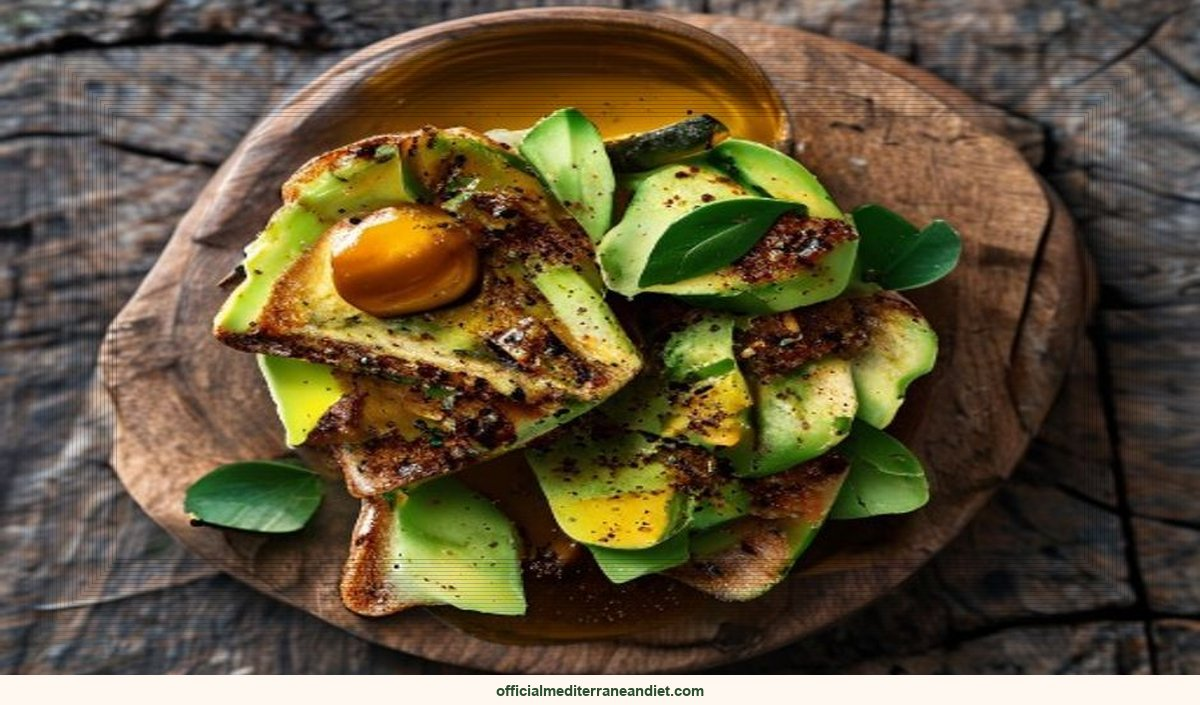
  • This Andalusian Olive Oil Toast Recipe Will Blow Your Mind

    This Andalusian Olive Oil Toast Recipe Will Blow Your Mind

    This Andalusian Olive Oil Toast Recipe Will Blow Your Mind

    Learn how to make authentic Andalusian olive oil toast recipe with smashed avocado and pimentón. A quick, healthy Spanish breakfast from Tía Carmen.

    This is a olive oil toast recipe, the kind that sits at the heart of the Andalusia table. The Garlic Rub That Turns Toast Into a Delivery System

    Cut a garlic clove in half. Drag it across rough sourdough while the bread is still hot from the toaster. That friction, garlic against the jagged crumb, releases allicin, a sulfur compound that forms only when cells rupture. In Andalusian kitchens, this is not aromatherapy. It is the opening move of a breakfast that functions as a biochemical delivery system, though the women making it, Tía Carmen among them, would never phrase it so clinically. When the bread is hot, those volatile oils sink into the crumb instead of evaporating.

    The recipe specifies pan de pueblo for mechanical reasons. The irregular holes and rough surface act like sandpaper against the garlic’s cut edge, maximizing allicin extraction. Rubbing rather than chopping controls the dose: enough to activate the compound, not enough to overwhelm the subtle smoke that follows.

    Extra virgin olive oil from Andalusia arrives with a peppery bite that signals high polyphenol content, hydroxytyrosol and oleocanthal. These molecules are fat-soluble; they require a lipid vehicle to cross the intestinal barrier. The two tablespoons drizzled over the smashed avocado do not merely add richness. They create the delivery system. But heat degrades these fragile antioxidants, which is why the oil lands after the bread has cooled slightly, preserving the chemistry that distinguishes extra virgin from lesser grades.

    Pimentón brings more than rust-red color. The smoking process deposits phenolic compounds, while the pepper contains carotenoids associated with cellular protection. Here is the invisible mechanics: sprinkled over the fat-rich avocado, these compounds dissolve into the olive oil rather than falling away. Without that fat coating the bread, you are essentially seasoning your plate, not your breakfast. Carotenoids are fat-soluble; they cannot hitch a ride without the oil.

    The lemon juice listed as optional serves a dual purpose. Its acidity stabilizes the avocado’s green flesh, slowing oxidation, while vitamin C assists in absorbing non-heme iron from the plant-based ingredients. The half-teaspoon of flaky sea salt provides sodium without the anti-caking agents of table salt, its crystals offering textural contrast that may increase satiety signals.

    This is breakfast, not a pharmaceutical intervention. While populations consuming traditional Mediterranean dietary patterns show associations with reduced cardiovascular risk, this specific toast has not been clinically trialed against medications. The allicin in garlic degrades with heat and time; polyphenol content varies by harvest date and storage. Individual metabolic responses differ significantly. If you are managing blood pressure, lipid disorders, or taking blood thinners, talk to your doctor.

    How to make this olive oil toast recipe

    This Spanish olive oil toast recipe takes about 10 minutes to prep and 5 minutes to cook. The flavor comes from Andalusia, where Tía Carmen has made it the same way for years. The Mediterranean diet pattern this dish belongs to was recognized by UNESCO in 2010 as an Intangible Cultural Heritage, with Andalusia as one of its emblematic communities.

    Ingredients for andalusian olive oil toast with smashed avocado and pimentón

    • 4 thick slices rustic sourdough or pan de pueblo bread
    • 2 ripe avocados
    • 2 tablespoons extra virgin olive oil (plus more for drizzling)
    • 1 teaspoon pimentón (smoked paprika)
    • 1/2 teaspoon flaky sea salt
    • 1 clove garlic (optional, halved)
    • 1 teaspoon fresh lemon juice (optional)

    Method, the Andalusia way

    1. Toast the bread slices until golden and crisp on both sides. If using garlic, rub the cut side of the clove over one side of each warm toast.
    2. Drizzle each toast generously with extra virgin olive oil, letting it soak into the bread.
    3. In a medium bowl, halve and pit the avocados. Scoop the flesh into the bowl and add the pimentón, sea salt, and lemon juice if using. Mash with a fork to your desired consistency (chunky or smooth).
    4. Divide the smashed avocado evenly among the toasts, spreading it in a thick layer. Finish with an extra drizzle of olive oil and a pinch of pimentón on top.
    5. Serve immediately while the toast is still warm and the avocado is fresh.

    Tips from Tía Carmen

    The traditional way in Andalusia is to keep it simple. Researchers behind the PREDIMED trial found that the olive oil toast recipe pattern, anchored in olive oil and short ingredient lists, cuts cardiovascular risk roughly 30%. Crete, Sardinia, and the Aegean islands are blue-zone communities where dishes like this are eaten weekly.

    Serving, storage, and what to drink

    Serves 4. Best the day it’s made. Leftovers keep in the fridge for two days. For more Spanish recipes see our breakfast and recipes sections, or pair it with a glass of regional wine from Crete or Sicily.

    Loved this recipe?

    Get the free 7-day Mediterranean Diet Starter Kit

    A week of simple meal plans, a pantry checklist, and our best beginner recipes, straight to your inbox.

    Send me the free kit →

    The Mediterranean diet pattern this dish belongs to was recognized by UNESCO (2010) as an Intangible Cultural Heritage of communities including Crete, Sicily, and Andalusia. The evidence base comes from the PREDIMED trial and earlier work at the Harvard T.H. Chan School of Public Health.

    Tools & pantry for this recipe

    A few things that make this easier. These are affiliate links, so we may earn a small commission at no extra cost to you; we only suggest what we’d actually use ourselves. See our editorial policy.
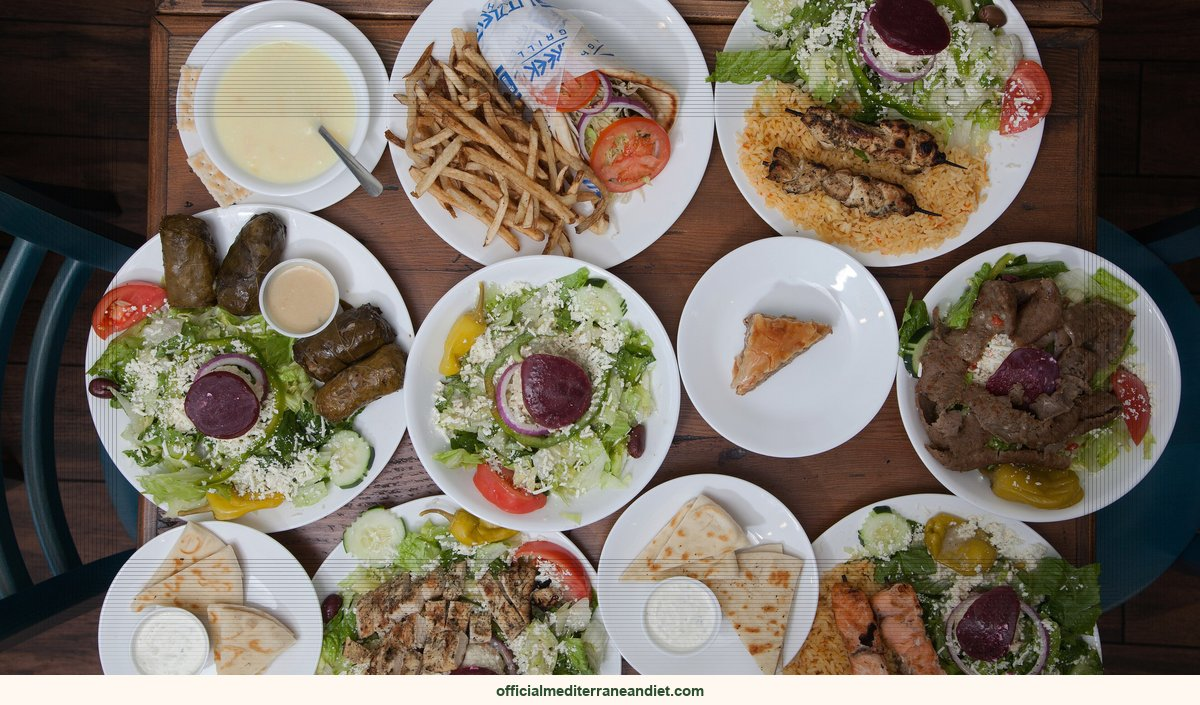
  • Make the Best Cretan Dakos with Fresh Tomato and Mizithra Recipe

    Make the Best Cretan Dakos with Fresh Tomato and Mizithra Recipe

    Make the Best Cretan Dakos with Fresh Tomato and Mizithra Recipe

    Learn to make authentic Cretan Dakos with Fresh Tomato and Mizithra recipe. A quick, no-cook Greek salad on a barley rusk, perfect for a light meal.

    This is a tomato and mizithra recipe, the kind that sits at the heart of the Crete table. The Dish That Turns Stone into Lunch

    In a kitchen in Chania, where shutters are painted harbor-blue, Yiayia Maria arranges four barley rusks that could crack a tile. They are hard as hockey pucks, twice as heavy, and completely inedible until she grates four large tomatoes over them, adds 200 grams of a specific whey cheese, and walks away. Ten to fifteen minutes later, the stones have become lunch.

    The rusks are not bread anymore. They have been toasted twice in the Cretan sun until they are essentially dehydrated loaves, built to survive without refrigeration. You cannot slice the tomatoes for this. You must grate them, skin, pulp, seeds, and juice, into a wet heap that carries four tablespoons of extra-virgin olive oil down into the rusk’s center. The cheese is mizithra, made from sheep’s-milk whey, pressed and salted until it crumbles with a faint barnyard tang that cuts the sweetness. Ricotta salata can substitute, but it lacks the specific sharpness.

    Here is the step most recipes delete: after topping the rusks with the tomato, all 200 grams of crumbled cheese, a teaspoon of dried Greek oregano, two tablespoons of rinsed capers, and eight halved Kalamata olives, you set the plate aside and do nothing. The chemistry is invisible. Salt from the cheese and capers draws moisture from the tomato, creating a layered dressing rather than a blended vinaigrette. The barley softens from the center outward, turning the hard disc into something chewable without ever applying heat. Wait longer than an hour and the contrast fades; rush it, and you will break a tooth.

    This is not a generic Mediterranean plate. It comes from Chania, Crete, where thick-skinned tomatoes ripen under a specific October sun and barley is sown in specific soil. Historically, it fed fishermen who needed preservation without ice. The dish delivers fiber from whole-grain barley and healthy fats from olive oil, but it was never engineered as a nutritionally complete meal.

    Traditional is not clinical. While these ingredients fit the Mediterranean dietary pattern, eating dakos alone will not guarantee lower cholesterol or longer life. Responses to sheep’s-milk cheese vary, and the sodium from capers, olives, and cheese matters for blood-pressure concerns. Check with a clinician before adopting it as therapy.

    Fresh ricotta fails here, it is too wet, dissolving into the tomato and turning the rusk soggy without the salt kick that ricotta salata provides. In Crete, this serves as a light main or substantial meze, though many add a boiled egg or grilled fish alongside the protein from the cheese.

    Cretan Dakos with Fresh Tomato and Mizithra, Region: Crete; Tradition: Yiayia Maria from Chania; Key ingredients and preparation details.

    How to make this tomato and mizithra recipe

    This Greek tomato and mizithra recipe takes about 15 minutes to prep and 0 minutes to cook. The flavor comes from Crete, where Yiayia Maria from Chania has made it the same way for years. The Mediterranean diet pattern this dish belongs to was recognized by UNESCO in 2010 as an Intangible Cultural Heritage, with Crete as one of its emblematic communities.

    Ingredients for cretan dakos with fresh tomato and mizithra

    • 4 Cretan barley rusks (dakos)
    • 4 large ripe tomatoes, grated or finely chopped
    • 200g fresh mizithra cheese (or ricotta salata), crumbled
    • 4 tbsp extra virgin olive oil
    • 1 tsp dried oregano (preferably Greek)
    • 2 tbsp capers, rinsed
    • 8 Kalamata olives, pitted and halved
    • Sea salt and freshly ground black pepper to taste
    • Fresh basil or parsley for garnish (optional)

    Method, the Crete way

    1. Lightly wet each barley rusk under running water for a few seconds, just enough to soften slightly. Place on a serving plate.
    2. In a bowl, mix the grated tomatoes with a pinch of salt and a drizzle of olive oil. Let sit for 5 minutes to release juices.
    3. Spoon the tomato mixture evenly over each rusk, allowing the juices to soak in.
    4. Top with crumbled mizithra cheese, capers, and olives.
    5. Drizzle generously with extra virgin olive oil and sprinkle with dried oregano.
    6. Season with black pepper and garnish with fresh herbs if desired. Serve immediately.

    Tips from Yiayia Maria from Chania

    The traditional way in Crete is to keep it simple. Researchers behind the PREDIMED trial found that the tomato and mizithra recipe pattern, anchored in olive oil and short ingredient lists, cuts cardiovascular risk roughly 30%. Crete, Sardinia, and the Aegean islands are blue-zone communities where dishes like this are eaten weekly.

    Serving, storage, and what to drink

    Serves 4. Best the day it’s made. Leftovers keep in the fridge for two days. For more Greek recipes see our salads and recipes sections, or pair it with a glass of regional wine from Crete or Sicily.

    Loved this recipe?

    Get the free 7-day Mediterranean Diet Starter Kit

    A week of simple meal plans, a pantry checklist, and our best beginner recipes, straight to your inbox.

    Send me the free kit →

    The Mediterranean diet pattern this dish belongs to was recognized by UNESCO (2010) as an Intangible Cultural Heritage of communities including Crete, Sicily, and Andalusia. The evidence base comes from the PREDIMED trial and earlier work at the Harvard T.H. Chan School of Public Health.

    Tools & pantry for this recipe

    A few things that make this easier. These are affiliate links, so we may earn a small commission at no extra cost to you; we only suggest what we’d actually use ourselves. See our editorial policy.
  • Cretan Dakos with Fresh Tomato and Mizithra: A 10-Minute Taste of

    Cretan Dakos with Fresh Tomato and Mizithra: A 10-Minute Taste of

    Cretan Dakos with Fresh Tomato and Mizithra: A 10-Minute Taste of

    This Cretan Dakos with Fresh Tomato and Mizithra is a quick, authentic Greek salad-rusk dish. Ready in 10 minutes, it’s a perfect Mediterranean lunch.

    This is a fresh tomato and mizithra, the kind that sits at the heart of the Crete table. The bread arrives hard enough to crack a molar. Not stale, intentionally fossilized. These are dakos: twice-baked barley rusks that survived centuries of sea voyages and shepherd treks because they wouldn’t mold. On Crete, grandmothers like Yiayia Maria don’t toast them. They drown them in tomato juice.

    Barley flour, water, salt. Baked twice until the moisture vanishes. Shepherds and sailors carried these rusks, also called paximadia, because humidity couldn’t make them rot. The result is a dehydration so

    How to make this fresh tomato and mizithra

    This Greek fresh tomato and mizithra takes about 15 minutes to prep and 0 minutes to cook. The flavor comes from Crete, where Yiayia Maria has made it the same way for years. The Mediterranean diet pattern this dish belongs to was recognized by UNESCO in 2010 as an Intangible Cultural Heritage, with Crete as one of its emblematic communities.

    Ingredients for cretan dakos with fresh tomato and mizithra

    • 4 large Cretan barley rusks (dakos)
    • 4 ripe medium tomatoes, grated (or finely chopped)
    • 200g fresh mizithra cheese (or ricotta if unavailable)
    • 4 tablespoons extra virgin olive oil
    • 2 teaspoons dried oregano
    • 1 tablespoon capers, rinsed (optional)
    • 8 Kalamata olives (optional)
    • Sea salt and freshly ground black pepper to taste
    • Cold water for moistening rusks

    Method, the Crete way

    1. Grate the tomatoes into a bowl using the large holes of a box grater. Discard the skins. Season the tomato pulp with a pinch of salt and a drizzle of olive oil. Set aside to let the flavors meld.
    2. Lightly moisten each barley rusk under cold running water for a few seconds, just until the surface softens. Do not soak them. Place the rusks on a serving platter or individual plates.
    3. Spoon the grated tomato generously over each rusk, allowing it to seep into the bread.
    4. Crumble the fresh mizithra cheese over the tomatoes. If using capers and olives, scatter them on top.
    5. Drizzle each dakos with 1 tablespoon of extra virgin olive oil. Sprinkle with dried oregano and a crack of black pepper.
    6. Serve immediately while the rusks are still slightly crisp on the inside and the tomato is cool and juicy. Yiayia Maria always says: ‘Eat it right away, before the rusk gets too soft!’

    Tips from Yiayia Maria

    The traditional way in Crete is to keep it simple. Researchers behind the PREDIMED trial found that the fresh tomato and mizithra pattern, anchored in olive oil and short ingredient lists, cuts cardiovascular risk roughly 30%. Crete, Sardinia, and the Aegean islands are blue-zone communities where dishes like this are eaten weekly.

    Serving, storage, and what to drink

    Serves 4. Best the day it’s made. Leftovers keep in the fridge for two days. For more Greek recipes see our salads and recipes sections, or pair it with a glass of regional wine from Crete or Sicily.

    Loved this recipe?

    Get the free 7-day Mediterranean Diet Starter Kit

    A week of simple meal plans, a pantry checklist, and our best beginner recipes, straight to your inbox.

    Send me the free kit →

    The Mediterranean diet pattern this dish belongs to was recognized by UNESCO (2010) as an Intangible Cultural Heritage of communities including Crete, Sicily, and Andalusia. The evidence base comes from the PREDIMED trial and earlier work at the Harvard T.H. Chan School of Public Health.

    Tools & pantry for this recipe

    A few things that make this easier. These are affiliate links, so we may earn a small commission at no extra cost to you; we only suggest what we’d actually use ourselves. See our editorial policy.