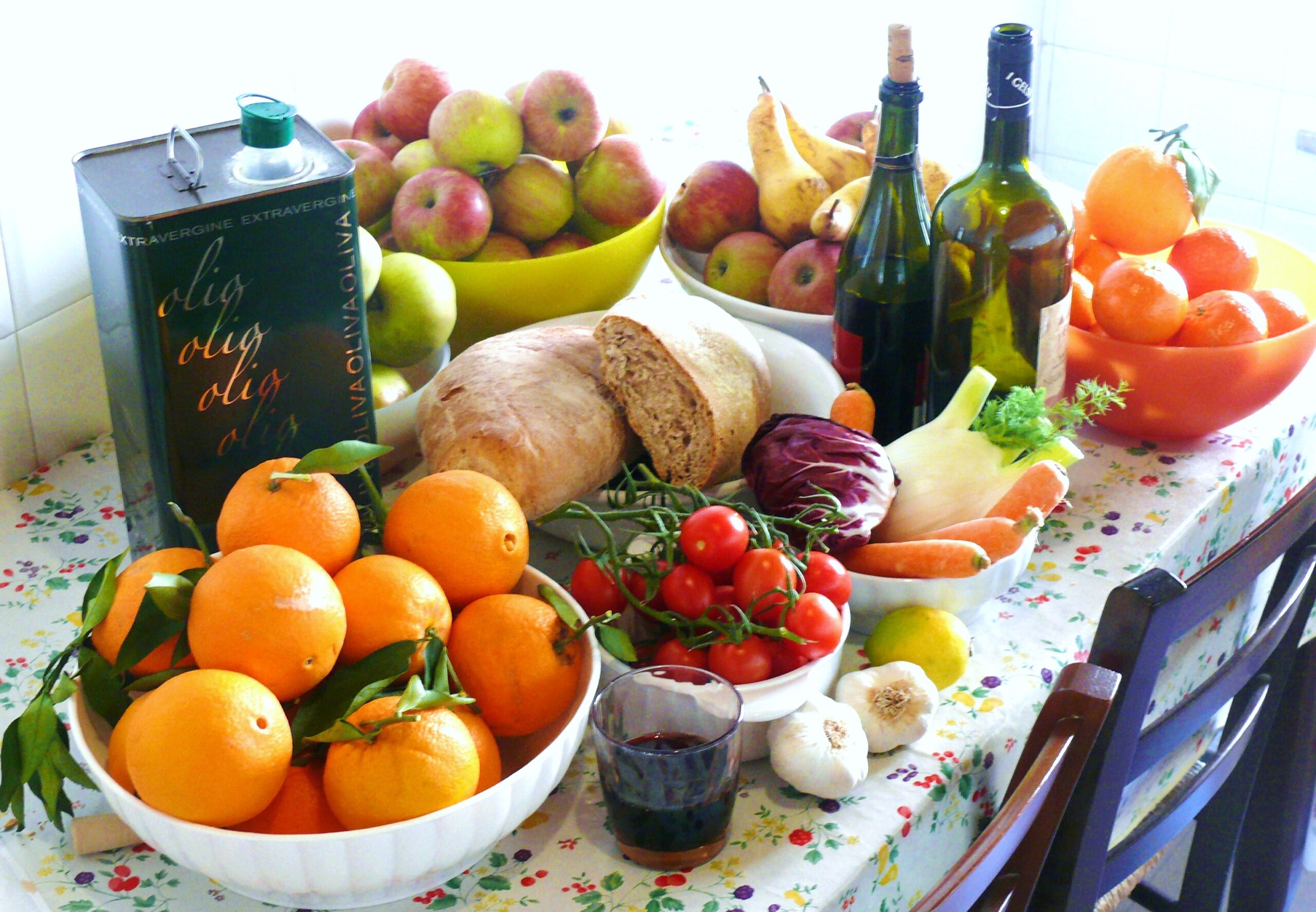
Every year, nutrition experts and health organizations name the Mediterranean diet the best overall diet in the world. It has held the top spot on U.S. News & World Report’s annual diet rankings for seven consecutive years. Cardiologists recommend it. Neurologists study it. Longevity researchers in the world’s Blue Zones have documented it. Millions of people around the globe live by it — and many of them never think of it as a “diet” at all.
That’s because in the Mediterranean region, this isn’t a diet plan. It’s just how people eat. It’s how their grandparents ate, and their grandparents before them. The foods that scientists have spent decades identifying as optimal for human health are simply the foods that have always been available and celebrated around the Mediterranean Sea.
This guide covers everything you need to know to start: what the diet is, what you eat, what the research actually says, and how to begin tomorrow without overhauling your entire kitchen.
What Is the Mediterranean Diet?
The Mediterranean diet is an eating pattern based on the traditional foods and culinary habits of people living in countries bordering the Mediterranean Sea — primarily Greece, Italy, Spain, and parts of North Africa and the Middle East. It was first described scientifically by American physiologist Ancel Keys in the 1950s and 1960s, who noticed that people in these regions had dramatically lower rates of heart disease and longer lifespans than people in the United States and northern Europe, despite similar or higher fat intake.
What Keys and subsequent researchers found wasn’t a single prescription or rule set. It was a food culture characterized by:
- A high intake of plant foods (vegetables, fruits, whole grains, legumes, nuts, and seeds)
- Olive oil as the predominant fat source
- Moderate consumption of fish and seafood
- Moderate intake of poultry, eggs, and fermented dairy (yogurt, cheese)
- Low intake of red and processed meat
- Fresh, seasonal, minimally processed food
- A social and unhurried approach to eating
- Moderate red wine consumption (optional)
Unlike most diets, the Mediterranean diet is defined more by what you add to your plate than what you remove. There are no calories to count, no macros to track, no forbidden foods (though some are much less common than others).
What Do You Actually Eat?
Eat Abundantly (Daily)
Vegetables: The foundation of every meal. Tomatoes, eggplant, zucchini, peppers, leafy greens, artichokes, fennel, onions, garlic, and whatever is seasonal in your region. Aim for at least half of every plate to be vegetables.
Legumes: Chickpeas, lentils, white beans, black-eyed peas, and fava beans are eaten several times per week. They’re the primary protein source in many Mediterranean meals. A can of chickpeas in the pantry is the backbone of dozens of fast, nutritious meals.
Whole grains: Whole wheat bread, pasta, rice, farro, bulgur, couscous, and oats. These aren’t forbidden foods on the Mediterranean diet — they’re staples. The key word is “whole” — refined white bread and pasta appear much less often.
Fruit: Fresh fruit is eaten daily, typically as dessert or a snack. Figs, grapes, pomegranates, citrus, stone fruit, and berries feature prominently in Mediterranean cooking.
Olive oil: The primary fat source for cooking, dressing salads, and finishing dishes. A generous drizzle of extra virgin olive oil is part of nearly every savory dish. This is not an ingredient to be sparing with — the health benefits are real and well-documented.
Nuts and seeds: Walnuts, almonds, pine nuts, sesame, and sunflower seeds are eaten as snacks and incorporated into salads, sauces, and baked goods. A small handful of walnuts a day is associated with significant heart and brain health benefits.
Herbs and spices: Fresh and dried herbs — oregano, thyme, rosemary, basil, mint, parsley, cumin, coriander, paprika, and cinnamon — are the flavor-building workhorses of Mediterranean cooking. Using herbs instead of salt is a key principle of the diet.
Eat Regularly (Several Times a Week)
Fish and seafood: Salmon, sardines, mackerel, anchovies, trout, shrimp, mussels, and clams are recommended at least twice a week. Fatty fish like salmon and sardines are particularly valuable for their omega-3 content.
Poultry: Chicken and turkey appear regularly in Mediterranean meals — roasted, grilled, or braised with vegetables and herbs. Moderate portions, not the enormous quantities common in Western diets.
Eggs: Eaten freely throughout the week in omelets, shakshuka, frittatas, and hard-boiled for salads.
Dairy: Primarily in fermented forms — Greek yogurt, labneh, feta, and aged cheeses like Pecorino and Parmesan. Eaten in moderate amounts as condiments and toppings rather than in large portions.
Eat Occasionally (Limited)
Red meat: Lamb, beef, and pork appear in Mediterranean cooking, but not daily and not in large quantities. A traditional Greek or Italian diet might include lamb a few times a month, often as part of a special meal or celebration.
Sweets and processed foods: Pastries, desserts, refined sugars, and processed snacks are occasional treats — not everyday staples. Honey is used as a sweetener more often than refined sugar.
The Science: What Does Research Actually Say?
The Mediterranean diet has one of the most extensive bodies of evidence of any dietary pattern in nutrition science. Here’s what the research has established:
Heart Disease
The PREDIMED trial, published in the New England Journal of Medicine in 2013, is one of the most cited nutrition studies ever conducted. It followed more than 7,000 people at high cardiovascular risk over approximately five years. Those assigned to a Mediterranean diet supplemented with extra virgin olive oil or nuts experienced approximately 30% fewer major cardiovascular events (heart attack, stroke, or cardiovascular death) compared to a low-fat control diet.
Multiple subsequent meta-analyses have confirmed: the Mediterranean diet is associated with significant reductions in heart disease risk. It’s now recommended by the American Heart Association as a cardioprotective eating pattern.
Type 2 Diabetes
Studies consistently show that the Mediterranean diet improves insulin sensitivity, reduces fasting blood glucose, and lowers HbA1c (a measure of long-term blood sugar control). A 2014 meta-analysis of 17 studies found that Mediterranean diet adherence was associated with significantly lower odds of developing Type 2 diabetes. For people already living with diabetes, the diet has been shown to reduce the need for medication in some cases.
Weight Management
The Mediterranean diet is not a low-calorie diet, yet research supports its effectiveness for healthy weight maintenance and modest weight loss. A 2020 study found that Mediterranean diet adherents maintained more weight loss at 12 months than those following a low-fat or low-carb diet, with higher rates of dietary adherence throughout.
The diet’s high fiber content, emphasis on protein-rich legumes and fish, and satiating healthy fats naturally regulate appetite without requiring calorie restriction.
Brain Health and Cognitive Decline
Some of the most exciting research in recent years concerns the Mediterranean diet’s protective effects on the aging brain. A 2015 study in the journal Neurology found that older adults who closely followed the Mediterranean diet had brains that were structurally equivalent to those 5 years younger, as measured by brain volume and cortical thickness.
Multiple studies have found associations between Mediterranean diet adherence and lower risk of Alzheimer’s disease and other dementias. Researchers believe the mechanism involves a combination of anti-inflammatory and antioxidant compounds from olive oil, fish, and polyphenol-rich vegetables and fruits.
Cancer Risk
Epidemiological evidence links high Mediterranean diet adherence with lower overall cancer risk, particularly colorectal, breast, and stomach cancers. The protective mechanisms likely include high antioxidant and polyphenol intake, the anti-inflammatory effects of olive oil, and the diet’s positive influence on the gut microbiome.
Longevity and Blue Zones
Researcher and author Dan Buettner identified five regions of the world where people consistently live to 100 at unusually high rates — he called them Blue Zones. Two of the five (Sardinia, Italy and Ikaria, Greece) are Mediterranean regions. Both populations eat in ways highly consistent with the classic Mediterranean diet: abundant vegetables and legumes, olive oil, fish, minimal meat, moderate wine, and a strong social eating culture.
The Mediterranean Diet Pyramid
The classic Mediterranean diet pyramid (developed by the Oldways Preservation Trust, working with Harvard School of Public Health) provides a visual framework:
- Base (eat at every meal): Vegetables, fruits, grains, beans, legumes, nuts, seeds, herbs, spices, olive oil
- Middle tier (eat regularly, several times a week): Fish, seafood, poultry, eggs, dairy
- Top (eat rarely or in small amounts): Red meat, sweets
- Beside the pyramid: Water as primary beverage, wine in moderation (optional)
- Around the pyramid: Physical activity and shared meals — equal in importance to the food itself
The pyramid is a helpful visual, but don’t get too attached to it. The Mediterranean diet is a pattern, not a formula. If you eat three vegetable-heavy meals today, enjoy grilled fish and a green salad tomorrow, and use olive oil as your primary cooking fat all week, you’re doing it right — even if you don’t know what tier anything falls into.
What About Olive Oil? Can I Really Use That Much?
This is one of the most common questions from beginners. The answer is yes — not just can you use that much, you should. Olive oil is calorie-dense, but the research on extra virgin olive oil is overwhelmingly positive. It contains monounsaturated fats (which support heart health), powerful antioxidant polyphenols (oleocanthal has anti-inflammatory properties similar to ibuprofen), and has been shown to improve cholesterol profiles and reduce cardiovascular risk.
Traditional Mediterranean populations use between 3–5 tablespoons of olive oil per day. That’s not a tiny drizzle — it’s a meaningful amount. In clinical studies of the Mediterranean diet, participants were often given a full liter of extra virgin olive oil per week to supplement their cooking.
The quality of your olive oil matters. Look for “extra virgin” and “first cold press” on the label, preferably with a harvest date within the last 12–18 months. California Olive Ranch and Kirkland Signature Extra Virgin Olive Oil are well-reviewed options available on Amazon.
How to Start the Mediterranean Diet
Week 1: The Swap Strategy
Don’t try to overhaul everything at once. In week one, make these simple swaps:
- Replace butter and vegetable oil with extra virgin olive oil for all cooking
- Replace white bread and pasta with whole grain versions
- Replace one meat-based dinner with a fish or legume-based dinner
- Add a vegetable side to every dinner, even if it’s just a simple salad
- Swap chips and processed snacks for nuts, fresh fruit, or hummus with vegetables
Week 2: Add More Plants
Aim for at least three different vegetables every day. Make one meal per day entirely plant-based — a grain bowl, a bean soup, a big salad. Start keeping pantry staples on hand: canned chickpeas and white beans, olive oil, canned tomatoes, whole grain pasta.
Week 3: Expand the Repertoire
Try two or three new Mediterranean recipes. Cook fish for the first time if you haven’t. Make shakshuka for breakfast. Try roasting a whole tray of vegetables with olive oil and herbs. If you want structured guidance for this phase, The Complete Mediterranean Cookbook by America’s Test Kitchen is the most comprehensive starting resource available.
Ongoing: The Cultural Shift
The Mediterranean diet isn’t just about the food on your plate — it’s about the relationship you have with eating. Slow down. Cook more meals at home. Eat with other people when you can. Treat meals as occasions, not fuel stops. This cultural dimension may sound fuzzy, but research suggests it matters: the unhurried, social nature of Mediterranean eating likely contributes to the diet’s benefits by reducing stress and promoting mindful eating.
Frequently Asked Questions
Can I lose weight on the Mediterranean diet?
Yes, though it won’t happen as dramatically or quickly as on a more restrictive diet. Most people lose weight gradually and sustainably — typically 1–2 pounds per week when combining the diet with regular physical activity. The advantage is that the weight tends to stay off, because the eating pattern is sustainable long-term.
Is the Mediterranean diet expensive?
It doesn’t have to be. Legumes, seasonal vegetables, whole grains, and canned fish are among the most affordable foods in any grocery store. The diet becomes expensive when people focus on premium fish and specialty ingredients. Build your meals around beans, lentils, and vegetables, and add fish and seafood when your budget allows.
Do I have to drink wine?
Absolutely not. Wine is part of the traditional Mediterranean cultural context, but it’s entirely optional. The diet’s health benefits do not depend on alcohol consumption, and the current scientific consensus does not recommend starting to drink alcohol for health reasons. If you don’t drink, skip the wine and you’ll still get everything the diet offers.
Can vegetarians and vegans follow the Mediterranean diet?
Easily. The diet is already heavily plant-based. Vegetarians can include eggs and dairy. Vegans simply emphasize the legumes, grains, nuts, and vegetables even more — which are already the diet’s primary foods.
Can I eat pasta and bread on the Mediterranean diet?
Yes — in their whole grain forms and in reasonable portions. Pasta in Mediterranean cooking is typically served as a smaller side dish or a modest portion accompanied by vegetables, fish, or legumes — not a mountain of fettuccine alfredo. The same applies to bread: a slice or two of good whole grain bread is a normal part of the diet.
How long before I see results?
Many people notice improved energy, better digestion, and reduced inflammation markers within 2–4 weeks of committed adherence. Weight changes vary widely depending on starting point and physical activity. Cardiovascular improvements (blood pressure, cholesterol, inflammation) are typically measurable within 3–6 months.
Resources to Help You Begin
These books are exceptional starting points for anyone ready to go deeper:
- The Complete Mediterranean Cookbook — America’s Test Kitchen: 500+ rigorously tested recipes with a thorough introduction to the diet’s principles. The most comprehensive starting resource.
- The Mediterranean Diet for Beginners — Elena Paravantes-Hargitt, RD: Written by a dietitian who grew up in Greece. Practical, accurate, and beginner-friendly.
- The Blue Zones Solution — Dan Buettner: Not a cookbook, but an essential read on the cultural and social practices behind the world’s longest-lived people, including the Sardinian and Ikarian Mediterranean cultures.
The Mediterranean diet is one of the rare cases where everything that tastes good is also good for you. The research is deep, the food is genuinely delicious, and the lifestyle is sustainable for life. Starting is the hardest part — and even a small step in the right direction makes a difference.
Begin with the oil. Begin with the fish. Begin with one more vegetable per day. You don’t have to reinvent your life overnight. The Mediterranean approach to change is the same as its approach to food: gradual, pleasurable, and built to last.
Tools & pantry for this recipe
A few things that make this easier. These are affiliate links, so we may earn a small commission at no extra cost to you; we only suggest what we’d actually use ourselves. See our editorial policy.