Category: Breakfast

Mediterranean Breakfast recipes

  • Mediterranean Roasted Vegetable Quiche

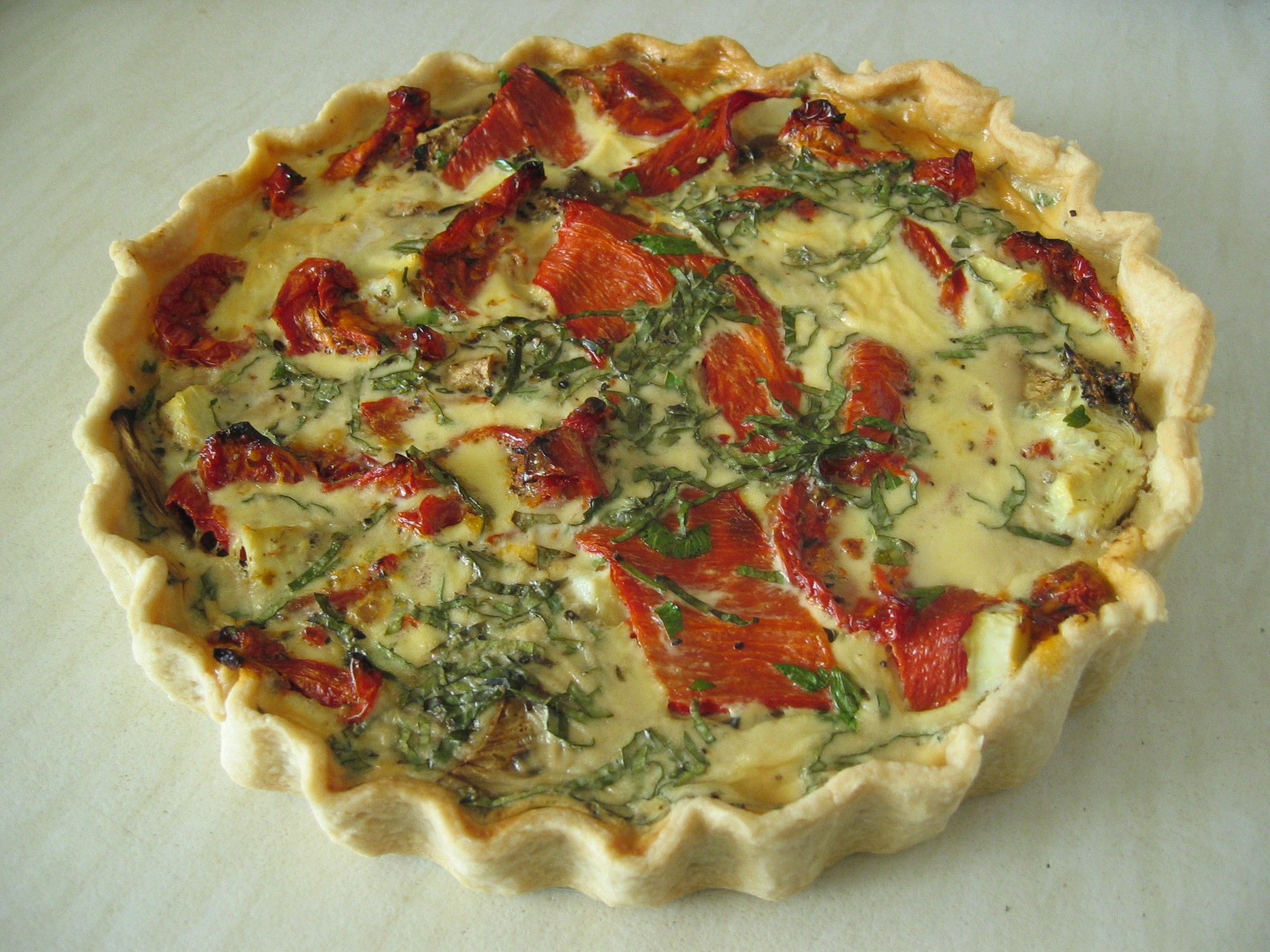
    Mediterranean Roasted Vegetable Quiche

    Mediterranean Roasted Vegetable Quiche

    Introduction Quiche has French roots, but this version is unmistakably Mediterranean — filled with roasted zucchini, bell peppers, sun-dried tomatoes, Kalamata olives, and crumbled feta cheese, then bound in a silky egg and cream custard that sets beautifully in the oven. It’s the kind of dish

    Introduction


    Quiche has French roots, but this version is unmistakably Mediterranean — filled with roasted zucchini, bell peppers, sun-dried tomatoes, Kalamata olives, and crumbled feta cheese, then bound in a silky egg and cream custard that sets beautifully in the oven. It’s the kind of dish that bridges the gap between the egg-centric eating of the eastern Mediterranean and the custard-pastry traditions of southern France and northern Italy.


    What makes a quiche Mediterranean rather than French is less about technique and more about what goes inside: roasted vegetables instead of bacon, feta instead of Gruyère, olive oil in the pastry instead of butter, and herbs like oregano and fresh dill that speak the language of Greece and the Levant. The result is brighter, lighter, and more vegetable-forward than a classic quiche Lorraine, while retaining all of the silky, satisfying richness that makes quiche so universally loved.


    This dish works as a weekend brunch centerpiece, a light weekday dinner with a green salad, or an elegant component of a larger Mediterranean spread. It slices cleanly, keeps well in the refrigerator, and is served beautifully at room temperature — making it ideal for entertaining.


    Why This Fits the Mediterranean Diet


    The Mediterranean diet places eggs as a regular, moderate protein source — approximately 4–7 eggs per week in the traditional pattern. This quiche makes that easy: one slice provides the nourishment of 1–2 eggs along with two or three servings of roasted vegetables. The pastry is made with olive oil rather than butter (a simple, lower-saturated-fat swap), and the filling emphasizes vegetables, herbs, and cheese over meat.


    Health Benefits


    Eggs — complete protein and choline: Eggs are one of nature’s most complete proteins, containing all essential amino acids. They’re also the richest dietary source of choline, essential for liver function, brain development, and metabolism. The yolk contains fat-soluble vitamins A, D, E, and K2.


    Roasted vegetables — concentrated nutrition: Roasting vegetables at high heat caramelizes their natural sugars and concentrates their nutrients, making them more flavorful and arguably more satisfying than raw. Zucchini provides vitamin C; bell peppers are extraordinarily rich in vitamin C (a red bell pepper has 3× the vitamin C of an orange); tomatoes provide lycopene.


    Feta’s calcium and probiotics: Traditional feta, made from sheep’s and goat’s milk, provides calcium and may contain beneficial bacteria from its brine-aging process. It’s naturally lower in calories than many hard cheeses.


    Olive oil pastry: Using extra virgin olive oil in place of butter in the crust reduces saturated fat significantly while adding Mediterranean monounsaturated fats and polyphenols.


    Ingredients (Serves 6–8)


    For the olive oil crust:

  • 1½ cups all-purpose flour
  • ½ teaspoon kosher salt
  • ⅓ cup extra virgin olive oil
  • 3–4 tablespoons ice water

  • For the roasted vegetable filling:

  • 1 medium zucchini, diced into ½-inch pieces
  • 1 red bell pepper, diced
  • 1 yellow bell pepper, diced
  • ½ red onion, thinly sliced
  • 4 sun-dried tomatoes in oil, roughly chopped
  • ¼ cup Kalamata olives, pitted and halved
  • 2 tablespoons extra virgin olive oil
  • ½ teaspoon dried oregano
  • Salt and black pepper

  • For the custard:

  • 4 large eggs
  • 1 cup heavy cream (or half heavy cream, half whole milk for lighter)
  • ½ teaspoon salt
  • ¼ teaspoon black pepper
  • Pinch of nutmeg

  • Finishing:

  • 100g (3.5 oz) feta cheese, crumbled
  • 2 tablespoons fresh dill, chopped
  • 2 tablespoons fresh flat-leaf parsley, chopped

  • Equipment Needed


  • 9-inch tart pan with removable bottom (preferred) or 9-inch pie plate
  • Rimmed baking sheet
  • Mixing bowls
  • Whisk
  • Parchment paper and pie weights or dried beans

  • Step-by-Step Instructions


    1. Roast the vegetables. Preheat oven to 425°F (220°C). Toss zucchini, bell peppers, and red onion with olive oil, oregano, salt, and pepper on a rimmed baking sheet. Spread in a single layer — don’t crowd them or they’ll steam. Roast 20–25 minutes until tender and caramelized at the edges. Remove and let cool. Reduce oven to 375°F (190°C).


    2. Make the olive oil crust. In a bowl, whisk flour and salt. Drizzle in the olive oil and stir with a fork until the mixture looks like coarse crumbs — it will be a bit crumbly, unlike butter pastry. Add ice water 1 tablespoon at a time, stirring, until the dough just comes together into a ball. Press into a flat disk, wrap in plastic, and rest 10–15 minutes.


    3. Press the crust into the pan. Roll or simply press the dough into your tart pan with your fingers — this olive oil crust is very forgiving and press-in works perfectly. Press evenly up the sides. Prick the bottom all over with a fork.


    4. Blind bake the crust. Line the crust with parchment and fill with pie weights or dried beans. Bake at 375°F for 15 minutes. Remove weights and parchment, bake 5 more minutes until the base is lightly golden and no longer raw-looking. Remove from oven.


    5. Make the custard. Whisk eggs, cream, salt, pepper, and nutmeg together in a bowl until completely smooth and uniform in color.


    6. Assemble the quiche. Scatter the roasted vegetables over the blind-baked crust. Add the sun-dried tomatoes and olives. Crumble the feta evenly over the top. Scatter fresh dill and parsley. Pour the custard slowly and evenly over everything — it will settle between the vegetables.


    7. Bake. Bake at 375°F for 30–35 minutes until the custard is set at the edges but has a very slight wobble in the center, like just-set Jell-O. The center will firm up as it cools. Do not overbake — a dry quiche is a sad quiche.


    8. Cool before slicing. Rest at room temperature for at least 15 minutes before cutting. This allows the custard to fully set and makes clean slices possible.


    Pro Tips & Variations


    The center should wobble. Pull the quiche from the oven when it has a quarter-sized wobble in the very center. It will set completely as it rests. Overbaking until it’s fully firm in the oven guarantees a rubbery, weeping texture.


    Roast vegetables the day before. The roasted vegetables can be made ahead, refrigerated, and used directly from the fridge. This makes assembly very fast.


    Gruyère variation: Replace feta with shredded Gruyère for a more classic, French-style quiche. Use thyme instead of dill.


    Add spinach: Sauté a handful of baby spinach until just wilted, squeeze out excess water, and add to the filling for more greens and iron.


    Crustless option: Skip the pastry entirely. Grease the pan, add filling, pour custard over, and bake. It becomes a frittata-style baked egg dish — lower carb, equally delicious.


    Nutritional Information (Per Serving, based on 8 slices)


  • Calories: ~320 kcal
  • Protein: 10g
  • Carbohydrates: 18g
  • Fat: 23g
  • Saturated Fat: 9g
  • Fiber: 2g
  • Sodium: ~480mg

  • Storage & Reheating


    Quiche is one of the best meal-prep items in the Mediterranean repertoire — it keeps and reheats beautifully.


    Refrigerator: Wrapped well, quiche keeps for 4–5 days. Flavors often improve by day 2.


    Reheating: Place slices on a baking sheet and reheat at 325°F for 12–15 minutes until warmed through. Microwave works in a pinch (60–70% power, 90 seconds) but the crust softens.


    Serving temperature: Excellent at room temperature, which makes it perfect for picnics, packed lunches, and buffet-style entertaining.


    Freezer: Freeze individual slices wrapped tightly in plastic then foil for up to 2 months. Thaw overnight in the refrigerator, then reheat in the oven.


    Pairing Suggestions


  • Simple green salad with lemon vinaigrette
  • A bowl of olives and sliced cucumbers
  • Chilled dry rosé or a crisp Sauvignon Blanc
  • Warm pita bread and tzatziki
  • Tomato and feta bruschetta as a starter

  • Frequently Asked Questions


    Can I use store-bought pie crust?

    Yes, absolutely. A pre-made refrigerated crust saves time and the quiche will still be excellent. Just blind bake before filling.


    My quiche is watery after baking — what happened?

    Watery quiche is almost always caused by vegetables that weren’t properly roasted (releasing water into the custard) or by adding raw vegetables without cooking them first. Always roast or sauté vegetables to remove excess moisture before they go into the quiche.


    Can I make this dairy-free?

    The custard can be made with full-fat coconut cream, though the flavor changes. Replace feta with dairy-free cheese. The texture will be slightly less silky but still good.


    What is blind baking and why is it necessary?

    Blind baking pre-cooks the pastry before adding the wet filling. Without it, the bottom crust is usually underdone and soggy. It takes 20 extra minutes but guarantees a properly cooked crust.


    Can this be made in advance for a dinner party?

    Quiche is an ideal dinner party dish because it must be made in advance. Bake the day before, refrigerate, and bring to room temperature an hour before serving. It slices more cleanly when cooled and re-sliced than when piping hot from the oven.


  • Bruschetta with Roasted Red Pepper and Feta

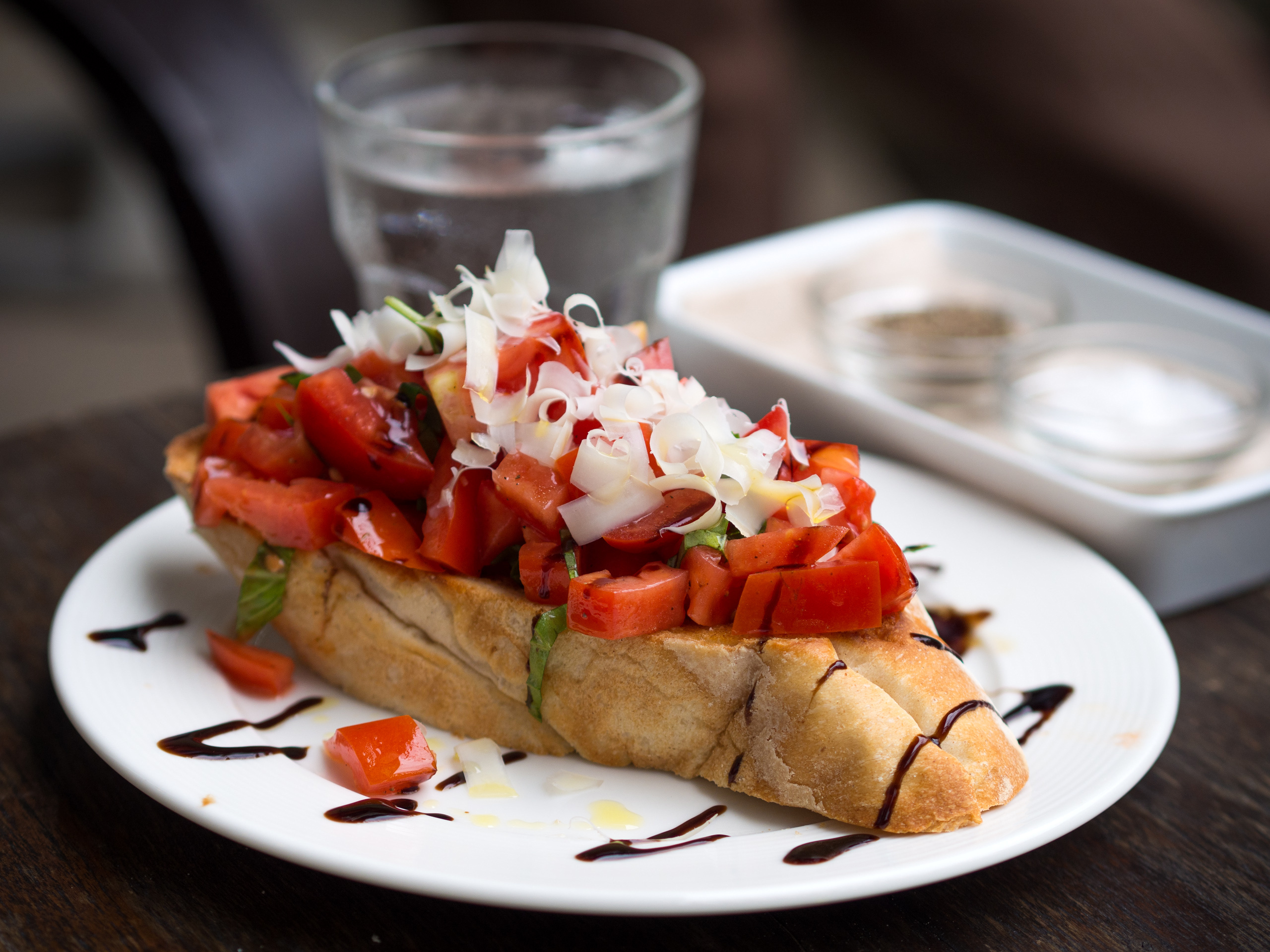
    Bruschetta with Roasted Red Pepper and Feta

    Bruschetta with Roasted Red Pepper and Feta

    Bruschetta with Roasted Red Pepper and Feta Introduction Bruschetta is one of those dishes that requires almost no cooking skill, rewards the best ingredients you can find, and is impossible to stop eating. It originated as peasant food in central Italy — a way to use day-old bread by toasting it, r

    Introduction


    Bruschetta is one of those dishes that requires almost no cooking skill, rewards the best ingredients you can find, and is impossible to stop eating. It originated as peasant food in central Italy — a way to use day-old bread by toasting it, rubbing it with raw garlic while still warm (so the rough bread acts like sandpaper and the garlic dissolves into the surface), and dressing it with good olive oil. Everything else that goes on top is seasonal, regional, and up to the cook.


    This version leans deeply Mediterranean: charred, sweet roasted red peppers from the Calabrian and Levantine traditions, tangy crumbled feta from Greece, fresh basil, and a final drizzle of extra virgin olive oil that ties it all together. The contrast of textures — crunchy toast, silky soft peppers, crumbly salty feta — and the contrast of flavors — sweet charred pepper, salty cheese, bright basil, garlicky bread — makes this one of the most satisfying quick appetizers in the Mediterranean repertoire.


    Use jarred roasted red peppers if you’re short on time. Roast your own when you have it, because the flavor difference is real and worth every minute.


    Why This Fits the Mediterranean Diet


    Bruschetta embodies the Mediterranean approach to eating: vegetables as the main event (not a side), olive oil as the primary fat, whole grain or sourdough bread as the vehicle, and cheese used as a flavor accent rather than a main ingredient. It’s a snack that satisfies without weighing you down, and it uses the core ingredients of the Mediterranean pantry — tomatoes, peppers, olive oil, garlic, and cheese — in their most direct, unprocessed forms.


    Health Benefits


    **Roasted red peppers — vitamin C powerhouse:** Red bell peppers contain more vitamin C than oranges — a single large pepper provides over 200% of the daily recommended intake. Roasting concentrates their natural sugars and enhances flavor without destroying the vitamin C significantly.


    **Whole grain bread:** Using whole grain or sourdough bread instead of white bread adds fiber, B vitamins, and slows carbohydrate absorption. Sourdough’s fermentation also pre-digests some of the gluten and phytic acid, improving mineral absorption.


    **Garlic rubbed directly on warm toast:** This method delivers raw garlic’s allicin directly and efficiently — the warm, rough bread surface releases and absorbs the allicin without heat degrading it.


    **Olive oil:** The generous drizzle at the end is not optional — it delivers monounsaturated fats, fat-soluble vitamin absorption from the peppers, and the polyphenols that make extra virgin olive oil one of the most studied foods in preventive medicine.


    Ingredients (Serves 4)


  • 8 thick slices sourdough or ciabatta bread (about 1 inch thick)
  • 3 large red bell peppers (or 1 jar/12 oz roasted red peppers, drained well)
  • 100g (3.5 oz) feta cheese, crumbled
  • 3 cloves garlic, peeled and halved
  • 3 tablespoons extra virgin olive oil, plus more for drizzling
  • 1 tablespoon balsamic vinegar (optional, adds depth)
  • Small handful fresh basil leaves, torn
  • Flaky sea salt and freshly cracked black pepper
  • Pinch of dried oregano

  • Equipment Needed


  • Grill pan, outdoor grill, or broiler (for bread and peppers)
  • Tongs

  • Step-by-Step Instructions


    1. **Roast the peppers** (skip if using jarred). Char whole peppers directly over a gas flame or under a broiler, turning with tongs, until the skin is blackened all over — 10–15 minutes. Place in a bowl, cover with plastic wrap, and let steam 15 minutes. Peel off the skin (it slips off easily), remove stem and seeds, and slice or tear into strips. Season with a pinch of salt and a drizzle of olive oil.


    2. **Toast the bread.** Grill bread slices on a very hot grill pan or outdoor grill until charred grill marks form and the bread is crisp on the outside but still slightly soft in the center — about 2 minutes per side. Alternatively, broil 2–3 minutes per side watching carefully.


    3. **Rub with garlic.** Immediately, while the bread is still hot, rub each slice firmly with a halved garlic clove. The rough warm surface works like a grater, pulling flavor from the raw garlic directly into the bread. Use one clove per 2–3 slices — adjust to taste.


    4. **Drizzle with olive oil.** Drizzle the garlic-rubbed toast with olive oil while still warm. Season with a pinch of flaky salt.


    5. **Top and finish.** Layer roasted red pepper strips over each slice. Crumble feta generously over the top. If using balsamic vinegar, drizzle a small amount over each. Scatter torn fresh basil leaves. Finish with cracked black pepper and a pinch of dried oregano.


    6. **Serve immediately.** Bruschetta waits for no one — the contrast between the crisp toast and soft toppings is the point. Serve within minutes of assembling.


    Pro Tips & Variations


    **Make your own roasted peppers when you have time.** Jarred peppers are convenient and acceptable. Home-roasted peppers have a smokier, more complex flavor that elevates this from snack to memorable appetizer.


    **The garlic rub is not negotiable.** This is what makes bruschetta bruschetta. Don’t skip it, don’t substitute garlic powder. The raw garlic on warm bread is the entire base flavor of the dish.


    **Add cherry tomatoes:** Halved cherry tomatoes tossed with olive oil, basil, and salt make a classic bruschetta variation. Combine with the peppers or use instead.


    **White bean and roasted pepper variation:** Spread a thin layer of mashed white beans (cannellini blended with olive oil and lemon) before adding the peppers — adds protein and makes it more substantial.


    **Anchovy variation:** Lay 1–2 oil-packed anchovy fillets over the peppers before adding the feta for a deeply savory, intensely Mediterranean flavor.


    Nutritional Information (Per Serving, 2 slices)


  • Calories: ~280 kcal
  • Protein: 9g
  • Carbohydrates: 28g
  • Fat: 14g
  • Fiber: 3g
  • Sodium: ~520mg

  • Storage & Reheating


    Bruschetta is meant to be made and eaten immediately. Assembled bruschetta does not store — the toast absorbs moisture from the toppings and becomes soggy within 30 minutes.


    **Prep ahead for a party:** Roast the peppers up to 3 days ahead (refrigerate in olive oil). Have the bread sliced and ready to toast. Crumble feta. Then assemble to order in under 5 minutes when guests arrive.


    Pairing Suggestions


  • Part of a mezze or antipasto spread
  • With chilled Prosecco, dry rosé, or crisp white wine
  • Before a simple pasta or grilled fish dinner
  • With a bowl of olives and marinated artichoke hearts

  • Frequently Asked Questions


    **Can I use baguette instead of sourdough?**

    Yes. Any substantial, crusty bread works. Avoid soft sandwich bread — it won’t stand up to the toppings. Ciabatta, baguette, rustic sourdough, and whole grain country loaves are all excellent.


    **My bread got soggy — what went wrong?**

    Either the peppers weren’t drained well enough (pat them dry), the toppings were added too far in advance, or the bread wasn’t toasted thick and crisp enough to stand up to the moisture. Toast longer and add toppings right before serving.


    **Can I serve this at room temperature?**

    The toppings, yes — they’re lovely at room temperature. The bread should be freshly toasted. Warm toast is essential to the garlic rub and to the contrast with the cool toppings.


    **Is jarred garlic okay for the rub?**

    No. Jarred minced garlic has been processed, lacto-fermented, and preserved. It does not have the sharp, pungent bite of fresh raw garlic and will not work the same way. Use fresh only for the rub.