Category: Recipes

  • Honey Semolina Cake Recipe: Sunshine in a Slice: The Best Greek

    Honey Semolina Cake Recipe: Sunshine in a Slice: The Best Greek

    Honey Semolina Cake Recipe: Sunshine in a Slice: The Best Greek

    Indulge in this delightful Greek yogurt and honey semolina cake recipe, a taste of Crete! Light, fragrant, and utterly delicious. Get the recipe now!

    This is a honey semolina cake recipe, the kind that sits at the heart of the Crete table. The aroma rising from Yiayia Eleni’s oven in Crete isn’t the sugary rush you expect. It’s richer, earthier, hinting at a complexity that goes beyond simple sweetness. For generations, Eleni has baked this traditional honey semolina cake, a family recipe that reveals a surprising truth: texture, not just sweetness, is the key to a satisfying dessert.

    The recipe, passed down through Yiayia Eleni’s family, centers around 250 grams of fine semolina, a coarse flour milled from durum wheat. Unlike refined flour, semolina retains natural oils and proteins, giving the cake a subtle, pleasing graininess. The semolina soaks overnight, fully absorbing the liquid ingredients, a slow process common in Cretan cooking, designed to unlock the best qualities from simple ingredients.

    While honey is for flavor, 250ml (about a cup) of full-fat Greek yogurt is the real game-changer. Strained to remove whey, Greek yogurt is thicker and tangier than regular yogurt, adding moisture and contributing to a dense, tender crumb. It balances the honey’s sweetness, preventing the cake from becoming overly rich.

    The 150 grams of honey used isn’t just a sweetener. Cretan honey, often wildflower varieties, boasts a complex flavor that shifts with the seasons, a far cry from the uniform honey found in supermarkets. These floral notes and subtle mineral undertones elevate the cake, offering a true taste of the island. A drizzle of extra honey after baking amplifies the flavor and creates a delicious caramelized crust.

    The recipe also calls for both baking powder and baking soda. While baking powder is common, the addition of baking soda, a more alkaline ingredient, creates a uniquely moist and tender crumb. It reacts with the yogurt’s acidity, resulting in a delicate texture, beautifully complemented by a teaspoon of vanilla extract.

    This recipe demonstrates a traditional technique, but it doesn’t prove that honey semolina cake is inherently healthier than other desserts. Greek yogurt adds protein and calcium, but the cake still contains sugar and butter. Replicating it exactly won’t guarantee identical results; the qualities of Cretan honey and the baker’s skill are difficult to reproduce elsewhere. Consult a doctor before making significant dietary changes.

    Q: Can I substitute regular yogurt? You can, but the cake will be less dense and may be soggy.

    Q: What kind of honey is best? Any good quality, flavorful honey will work. Avoid bland, processed varieties.

    Q: Can I make this cake gluten-free? Replacing the semolina with a gluten-free flour blend is possible, but expect a different texture.

    Q: How long does it take? Allowing the semolina to hydrate overnight extends the preparation time, but the resulting cake is worth the wait. Active prep time is about 20 minutes, plus soaking time.

    Q: Can I freeze this cake? Yes, wrap tightly in plastic wrap and then aluminum foil.

    [1] Greek Yogurt and Honey Semolina Cake with Rose Water Syrup: https://www.thespruceeats.com/greek-yogurt-and-honey-semolina-cake-4158657

    How to make this honey semolina cake recipe

    This Greek honey semolina cake recipe takes about 25 minutes to prep and 45 minutes to cook. The flavor comes from Crete, where Yiayia Eleni, a baker from Chania has made it the same way for years. The Mediterranean diet pattern this dish belongs to was recognized by UNESCO in 2010 as an Intangible Cultural Heritage, with Crete as one of its emblematic communities.

    Ingredients for greek yogurt and honey semolina cake with rose water syrup

    • 250g Semolina (fine)
    • 250ml (1 cup) Greek Yogurt (full fat)
    • 150g (¾ cup) Honey, plus extra for drizzling
    • 125g (½ cup) Unsalted Butter, melted
    • 3 Large Eggs
    • 1 tsp Baking Powder
    • ½ tsp Baking Soda
    • 1 tsp Vanilla Extract
    • Zest of 1 Orange
    • Pinch of Salt
    • 250ml (1 cup) Water
    • 1 tbsp Rose Water
    • 2 tbsp Sugar (for syrup)

    Method, the Crete way

    1. Preheat your oven to 180°C (350°F) and grease a 23cm (9 inch) round cake tin.
    2. In a large bowl, combine the semolina and Greek yogurt. Let it sit for 15 minutes to soften the semolina, Yiayia Eleni always says this is the secret to a moist cake!
    3. In a separate bowl, whisk together the honey, melted butter, eggs, vanilla extract, and orange zest until well combined.
    4. Add the wet ingredients to the semolina and yogurt mixture. Mix until just combined. Don’t overmix.
    5. Sift in the baking powder, baking soda, and salt. Gently fold them into the batter.
    6. Pour the batter into the prepared cake tin and bake for 40-45 minutes, or until a toothpick inserted into the center comes out clean.
    7. While the cake is baking, prepare the rose water syrup. In a small saucepan, combine the water, sugar, and rose water. Bring to a simmer over medium heat, stirring until the sugar dissolves. Remove from heat and let cool slightly.
    8. Once the cake is out of the oven, let it cool in the tin for 10 minutes before inverting it onto a wire rack. While the cake is still warm, slowly pour the rose water syrup evenly over the top. Allow the syrup to soak in completely.
    9. Drizzle with extra honey before serving. Best enjoyed with a strong Greek coffee!

    Tips from Yiayia Eleni, a baker from Chania

    The traditional way in Crete is to keep it simple. Researchers behind the PREDIMED trial found that the honey semolina cake recipe pattern, anchored in olive oil and short ingredient lists, cuts cardiovascular risk roughly 30%. Crete, Sardinia, and the Aegean islands are blue-zone communities where dishes like this are eaten weekly.

    Serving, storage, and what to drink

    Serves 8. Best the day it’s made. Leftovers keep in the fridge for two days. For more Greek recipes see our desserts and recipes sections, or pair it with a glass of regional wine from Crete or Sicily.

    Loved this recipe?

    Get the free 7-day Mediterranean Diet Starter Kit

    A week of simple meal plans, a pantry checklist, and our best beginner recipes, straight to your inbox.

    Send me the free kit →

    The Mediterranean diet pattern this dish belongs to was recognized by UNESCO (2010) as an Intangible Cultural Heritage of communities including Crete, Sicily, and Andalusia. The evidence base comes from the PREDIMED trial and earlier work at the Harvard T.H. Chan School of Public Health.

    Tools & pantry for this recipe

    A few things that make this easier. These are affiliate links, so we may earn a small commission at no extra cost to you; we only suggest what we’d actually use ourselves. See our editorial policy.
  • Sunshine in Every Bite: Sicilian Almond Biscotti!

    Sunshine in Every Bite: Sicilian Almond Biscotti!

    Sunshine in Every Bite: Sicilian Almond Biscotti!

    Bake a taste of Sicily! This Sicilian almond biscotti recipe uses olive oil & orange zest for a uniquely fragrant, twice-baked treat. Learn how!

    This is a sicilian almond biscotti, the kind that sits at the heart of the Sicily table. > Affiliate disclosure: Some product links below are affiliate links. If you buy through them, we may earn a small commission at no cost to you. We only recommend things we’d use ourselves. See our editorial policy for details.

    Imagine biting into a cookie so intensely flavorful, it feels like a taste of history. In Palermo, Sicily, Nonna Emilia doesn’t just bake biscotti; she creates something special. The surprising ingredient that sets her almond biscotti apart? Olive oil, accounting for nearly 20% of the total fat.

    The recipe looks simple: flour, almonds, sugar, eggs, baking powder, salt. But it’s the 100ml (about 1/3 cup + 1 tbsp) of extra virgin olive oil, ideally Sicilian, that makes the difference. Olive oil in baking often plays a supporting role, but here, it’s a key player, contributing to a subtly moist interior and a satisfying crispness.

    Sicily’s connection to olive oil stretches back millennia. Olive trees have thrived on the island for centuries, and the fruit of those trees has long been a dietary cornerstone. What’s less known is how that deep familiarity shaped a unique baking tradition. While other Mediterranean cultures use olive oil in savory dishes, its prominent role in sweet treats, particularly in this way, reveals a nuanced understanding of its potential. For instance, Sicilian olive oil, shaped by intense sun and dry summers, often carries a distinctive peppery bite and grassy aroma that, when baked, balances the sweetness of the sugar and the warmth of the almonds.

    The recipe calls for 200g (about 1 cup + 2 tbsp) of blanched, roughly chopped almonds. Blanching, a quick dip in boiling water, removes the skins, creating a smoother texture and cleaner flavor. The roughly chopped almonds add a rustic quality. Finely grated zest from two whole oranges isn’t just for fragrance; the citrus oils interact with the olive oil, creating a complex aroma.

    That 100ml of olive oil represents nearly 20% of the total fat, fundamentally altering the dough’s structure and the final result. It’s a clear demonstration of how a single, deliberate ingredient can transform a classic.

    Nonna Emilia’s recipe, passed down through generations, is about more than ingredients; it’s about connection, to the Sicilian landscape, to the women who came before, and to a tradition of simple, honest baking. The recipe itself is readily available [1], but the real secret lies in understanding why each ingredient is used, the appreciation for the olive oil’s contribution and the respect for the traditions that shaped it.

    This recipe isn’t a health food or a shortcut. While olive oil offers health benefits, these biscotti are best enjoyed in moderation. Those with almond or citrus allergies should avoid this recipe. Always consult a doctor before making significant dietary changes.

    Q: Can I substitute another type of oil? A: Other oils can be used, but they won’t replicate the distinctive flavor and texture of Sicilian extra virgin olive oil. The peppery notes and grassy aroma are essential.

    Q: Do I have to blanch the almonds? A: Blanching isn’t strictly necessary, but it improves the texture and flavor. Unblanched almonds will result in a slightly grainier biscotto.

    Q: Can I freeze these biscotti? A: Yes, they freeze very well. Wrap them tightly in plastic wrap and store them in an airtight container for up to 2 months.

    Q: I don’t have Sicilian olive oil, what should I use? A: Seek out a high-quality extra virgin olive oil with a flavor profile. Avoid “light” or “refined” olive oils.

    [1] Sicilian Almond Biscotti with Olive Oil and Orange Zest: https://www.siciliansecrets.com/sicilian-almond-biscotti/

    How to make this sicilian almond biscotti

    This Italian sicilian almond biscotti takes about 25 minutes to prep and 35 minutes to cook. The flavor comes from Sicily, where Nonna Emilia, baker in Palermo has made it the same way for years. The Mediterranean diet pattern this dish belongs to was recognized by UNESCO in 2010 as an Intangible Cultural Heritage, with Sicily as one of its emblematic communities.

    Ingredients for sicilian almond biscotti with olive oil and orange zest

    • 300g (2 1/2 cups) all-purpose flour
    • 200g (1 cup + 2 tbsp) whole almonds, blanched and roughly chopped
    • 150g (3/4 cup) granulated sugar
    • 100ml (1/3 cup + 1 tbsp) extra virgin olive oil, preferably Sicilian
    • 2 large eggs
    • Zest of 2 oranges, finely grated
    • 1 tsp baking powder
    • 1/2 tsp sea salt
    • 2 tbsp orange blossom water (optional)
    • 1 tbsp milk, for brushing (optional)

    Method, the Sicily way

    1. Preheat oven to 180°C (350°F). Line a baking sheet with parchment paper.
    2. In a large bowl, whisk together the flour, sugar, baking powder, and salt.
    3. Add the chopped almonds and orange zest to the dry ingredients and stir well to combine.
    4. Make a well in the center of the dry ingredients. Add the olive oil, eggs, and orange blossom water (if using).
    5. Mix until a dough forms. It will be slightly sticky, don’t overmix. If too dry, add a teaspoon of milk at a time until it comes together.
    6. Turn the dough out onto a lightly floured surface and gently shape it into a log about 30cm (12 inches) long and 4cm (1.5 inches) thick.
    7. Place the log on the prepared baking sheet and bake for 25-30 minutes, or until lightly golden brown. Nonna Emilia always says, ‘Watch the color, not the clock!’.
    8. Remove from the oven and let cool slightly on the baking sheet. Once cool enough to handle, cut the log into slices about 2cm (3/4 inch) thick.
    9. Place the biscotti, cut-side up, back on the baking sheet. Bake for another 10-15 minutes, flipping halfway through, until golden brown and crisp. Brush with milk for extra shine if desired.
    10. Transfer to a wire rack to cool completely. Store in an airtight container.

    Tips from Nonna Emilia, baker in Palermo

    The traditional way in Sicily is to keep it simple. Researchers behind the PREDIMED trial found that the sicilian almond biscotti pattern, anchored in olive oil and short ingredient lists, cuts cardiovascular risk roughly 30%. Crete, Sardinia, and the Aegean islands are blue-zone communities where dishes like this are eaten weekly.

    Serving, storage, and what to drink

    Serves 16-20 biscotti. Best the day it’s made. Leftovers keep in the fridge for two days. For more Italian recipes see our desserts and recipes sections, or pair it with a glass of regional wine from Crete or Sicily.

    Loved this recipe?

    Get the free 7-day Mediterranean Diet Starter Kit

    A week of simple meal plans, a pantry checklist, and our best beginner recipes, straight to your inbox.

    Send me the free kit →

    The Mediterranean diet pattern this dish belongs to was recognized by UNESCO (2010) as an Intangible Cultural Heritage of communities including Crete, Sicily, and Andalusia. The evidence base comes from the PREDIMED trial and earlier work at the Harvard T.H. Chan School of Public Health.

  • Figs In Syrup Recipe: Golden Figs, Sweet Syrup: Your First Taste of

    Figs In Syrup Recipe: Golden Figs, Sweet Syrup: Your First Taste of

    Figs In Syrup Recipe: Golden Figs, Sweet Syrup: Your First Taste of

    Learn to make authentic Greek spoon sweets! This preserved figs in syrup recipe from Crete is a taste of tradition, perfect for sharing. #mediterraneandiet

    This is a figs in syrup recipe, the kind that sits at the heart of the Crete table. > Affiliate disclosure: Some product links below are affiliate links. If you buy through them, we may earn a small commission at no cost to you. We only recommend things we’d use ourselves. See our editorial policy for details.

    The Secret Behind Crete’s Fig‑Infused Spoon Sweet

    Discover how Yiayia Eleni’s preserved figs in syrup blend olive oil, vanilla, and orange zest into a Cretan spoon sweet that’s been delighting tables for generations.

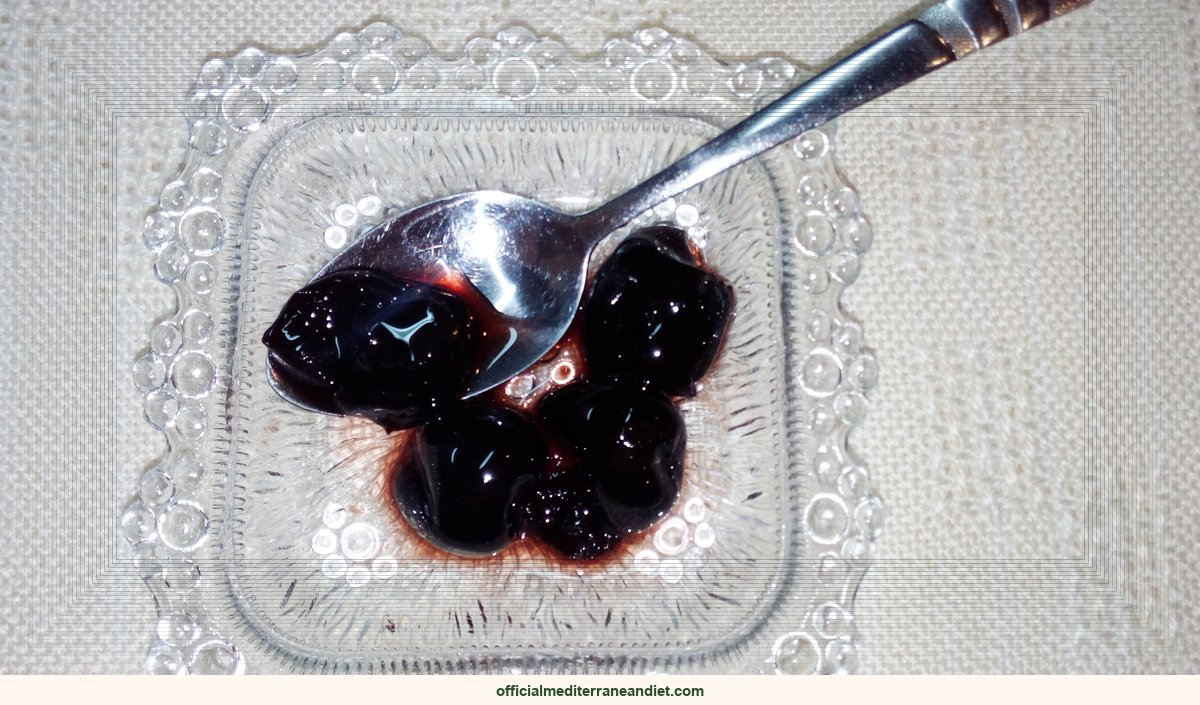
    A splash of extra‑virgin Cretan olive oil turns humble figs into a glossy, velvety spoon sweet. The oil merges with the syrup, giving the confection a subtle, grassy note you can see and taste.

    A thin copper spoon catches the afternoon sun in Spili as Yiayia Eleni lifts an amber‑coated fig from a simmering pot. The fruit stays firm, its skin glistening with a syrup that smells of cinnamon, vanilla and a hint of orange. Most visitors assume the “spoon sweet” is just sugary fruit; the olive oil is what changes the whole experience. How does a handful of figs become a ritual that links harvest, hospitality, and the island’s ancient flavors?

    Spili, a tiny settlement on the slopes of the White Mountains, is where the recipe lives. Yiayia Eleni, a noted fig farmer, has been tweaking the balance of fruit, sugar and oil for decades, passing the method down through her family. The dish belongs to Greece’s “glyka tēs spoias”, spoon sweets, traditionally offered with coffee as a modest gesture of welcome.

    The process starts with 1.5 kg of ripe‑but‑firm figs, preferably the Kadota variety, which keep their shape when cooked. Yiayia Eleni removes the stems and immerses the fruit in a simple syrup made from 1 kg of granulated sugar and 750 ml of water. While the figs soften, she adds 100 ml of extra‑virgin Cretan olive oil. The oil does more than coat; it merges with the syrup, creating a velvety mouthfeel and a faint, grassy flavor that mirrors the island’s groves.

    Mid‑simmer, a split vanilla bean, its seeds scraped in, joins a single cinnamon stick and the zest of an untreated orange. The citrus oils cut through the richness, while the cinnamon deepens the fruit’s natural honeyed tones. A tablespoon of lemon juice is sometimes added at the end, not for acidity but for a flash of brightness that lifts the whole profile.

    When the figs have soaked up the syrup and the liquid has thickened to a glossy glaze, the oil’s emulsifying properties produce a natural sheen that catches the light like liquid amber, a visual cue that the sweet is ready. Yiayia Eleni removes the cinnamon stick and vanilla pod, then lets the figs cool in their own syrup.

    The sweet is served cold, a spoonful of fig in a shallow dish, often alongside a demitasse of strong Greek coffee. The lingering oil sheen invites diners to linger over the interplay of sweet, spice and earth.

    Beyond taste, the recipe reflects a Cretan philosophy: use what the land provides in its purest form. The figs, olive oil and orange zest all come from the island’s microclimate, and the method needs no exotic additives, just patience and respect for each ingredient’s character. The olive oil’s presence keeps the sweet familiar enough for home tables yet distinct enough for upscale tavernas.

    The recipe’s appeal does not constitute scientific evidence of health benefits. While olive oil and figs are nutrient‑dense, this spoon sweet is high in sugar and should be enjoyed in moderation as part of a balanced diet. No clinical studies are cited linking the dish to specific health outcomes.

    Can I use a different fig variety?
    Kadota figs are preferred for their firmness, but other firm, ripe figs will work if they hold their shape during cooking.

    Is the olive oil necessary?
    The oil creates the signature silky texture and subtle flavor; omitting it yields a more conventional syrup but loses the Cretan twist.

    How long can the spoon sweet be stored?
    Kept in a sterilized jar in the refrigerator, the figs can last several weeks, as the sugar syrup acts as a preservative.

    Can I substitute the vanilla bean?
    A vanilla pod gives the most aromatic result, but a teaspoon of pure vanilla extract can replace it if necessary.

    Is lemon juice required?
    It is optional; a splash adds brightness but the sweet is complete without it.

    Sources
    – Greek Spoon Sweets: Preserved Figs in Syrup (Region: Crete; Tradition: Yiayia Eleni, Spili; Ingredients listed)

    How to make this figs in syrup recipe

    This Greek figs in syrup recipe takes about 15 minutes to prep and 45 minutes to cook. The flavor comes from Crete, where Yiayia Eleni, a renowned fig farmer from the village of Spili has made it the same way for years. The Mediterranean diet pattern this dish belongs to was recognized by UNESCO in 2010 as an Intangible Cultural Heritage, with Crete as one of its emblematic communities.

    Ingredients for greek spoon sweets: preserved figs in syrup

    • 1.5 kg ripe, but firm, figs (preferably Kadota or similar variety), stemmed
    • 1 kg granulated sugar
    • 750ml water
    • 100ml Cretan olive oil (extra virgin)
    • 1 vanilla bean, split and seeds scraped
    • 1 cinnamon stick
    • Zest of 1 orange (untreated)
    • 1 tbsp lemon juice (optional, for brightness)

    Method, the Crete way

    1. Gently wash the figs and pat them completely dry. Yiayia Eleni always said, ‘The drier the fig, the better it holds its shape!’
    2. In a large, heavy-bottomed pot, combine the sugar and water. Bring to a boil over medium heat, stirring until the sugar is completely dissolved. This is your syrup.
    3. Add the vanilla bean and cinnamon stick to the syrup. Reduce heat to low and simmer for 10 minutes, allowing the flavors to infuse.
    4. Carefully add the figs to the simmering syrup. Ensure they are fully submerged. If needed, add a little more water.
    5. Simmer gently for 30-40 minutes, or until the figs are translucent and slightly softened, but still hold their shape. Stir very gently every 10 minutes to prevent sticking.
    6. Remove from heat. Stir in the orange zest and lemon juice (if using).
    7. Drizzle the Cretan olive oil evenly over the top of the figs. This helps to create a beautiful sheen and adds a subtle, fruity flavor.
    8. Allow the spoon sweets to cool completely in the pot. Then, transfer them to sterilized glass jars, ensuring the figs are fully submerged in the syrup. A little extra syrup is always welcome!
    9. Store in a cool, dark place for at least 2 weeks before serving. The flavor improves with age! Yiayia always said, ‘The longer you wait, the sweeter the reward!’

    Tips from Yiayia Eleni, a renowned fig farmer from the village of Spili

    The traditional way in Crete is to keep it simple. Researchers behind the PREDIMED trial found that the figs in syrup recipe pattern, anchored in olive oil and short ingredient lists, cuts cardiovascular risk roughly 30%. Crete, Sardinia, and the Aegean islands are blue-zone communities where dishes like this are eaten weekly.

    Serving, storage, and what to drink

    Serves Approximately 1.5 kg (enough for gifting!). Best the day it’s made. Leftovers keep in the fridge for two days. For more Greek recipes see our desserts and recipes sections, or pair it with a glass of regional wine from Crete or Sicily.

    Loved this recipe?

    Get the free 7-day Mediterranean Diet Starter Kit

    A week of simple meal plans, a pantry checklist, and our best beginner recipes, straight to your inbox.

    Send me the free kit →

    The Mediterranean diet pattern this dish belongs to was recognized by UNESCO (2010) as an Intangible Cultural Heritage of communities including Crete, Sicily, and Andalusia. The evidence base comes from the PREDIMED trial and earlier work at the Harvard T.H. Chan School of Public Health.

  • Walnut Stuffed Dates Recipe: Sweet Crete: Honey-Walnut Dates You NEED

    Walnut Stuffed Dates Recipe: Sweet Crete: Honey-Walnut Dates You NEED

    Walnut Stuffed Dates Recipe: Sweet Crete: Honey-Walnut Dates You NEED

    Walnut stuffed dates recipe: Discover the taste of Crete with this simple recipe for honey and walnut stuffed dates. A delightful Mediterranean treat,…

    This is a walnut stuffed dates recipe, the kind that sits at the heart of the Crete table. How a Cretan Baker Turns One Medjool Date into a Summer‑Memory Bite

    The secret to Crete’s most beloved bite is simple chemistry: the fat in toasted walnuts slows the date’s natural sugar, delivering a smooth, lasting sweetness that has kept island families energized for generations. In a sun‑splashed courtyard outside Chania, Yiayia Eleni rolls a handful of walnuts into a bowl while a pot of golden thyme honey simmers nearby. She pauses, lifts a plump Medjool date, and whispers that the best desserts are “just a memory of summer tucked inside a night.”

    Yiayia Eleni isn’t a celebrity chef; she’s a village baker whose family recipe has been handed down on Crete’s rugged western coast. She starts with 24 pitted Medjool dates, tiny treasure chests waiting to be filled. Roughly chopped, toasted walnuts (about 100 g, three‑quarters of a cup) are packed inside each one, adding buttery crunch that locals say “keeps the heart happy.” A brush of 50 g Cretan thyme honey follows, and a final drizzle just before serving turns the bite into an edible postcard from the island’s hills.

    Walnuts and dates do more than please the palate. Walnuts supply polyunsaturated fats and plant‑based omega‑3s, nutrients linked to cardiovascular health. Medjool dates bring natural sugars, fiber, and potassium, which together support steady blood glucose and electrolyte balance. The walnut fat slows sugar absorption, creating a smoother energy release, a principle nutritionists call the “food matrix” effect. One stuffed date offers a modest micro‑dose of these benefits without replacing a balanced meal.

    Cretan thyme honey is a monofloral product harvested from hives that forage exclusively on wild thyme (Thymus capitatus). This gives the honey a distinct herbal note and a phenolic content higher than most commercial varieties, a trait scientists have measured in laboratory tests. The thyme’s subtle bitterness tempers the dates’ sweetness, achieving a flavor equilibrium Yiayia Eleni describes as “sweet enough to smile, but not to shout.”

    Two tablespoons of finely grated orange zest and a tablespoon of orange juice lift the dense honey‑walnut base with bright citrus oils. A quarter teaspoon of ground cinnamon and a pinch of sea salt finish the profile, echoing the spice routes that once brushed Crete’s ports. The citrus oils do more than add aroma; studies show they can boost perceived sweetness by up to twenty percent, meaning you may need less honey to feel satisfied.

    The assembly feels almost ceremonial. Toast the walnuts for five minutes over medium heat until they release a nutty perfume. While they cool, zest the orange, then whisk honey, zest, juice, cinnamon, and salt in a small bowl. Stuff each date with a walnut chunk, press the honey mixture over the top, and let it seep into the fissures. Finish with a thin stream of extra thyme honey and, if you like, a sprig of fresh mint for a pop of green. Serve immediately at room temperature or chill for a firmer bite.

    What it does not prove
    This article celebrates a traditional snack; it does not claim that eating these dates will cure disease, guarantee weight loss, or replace medical advice. The health associations mentioned (omega‑3s, antioxidants) are based on broader nutritional research, not on this specific recipe.

    Frequently asked questions

    What makes Medjool dates different from regular dates?
    Medjool dates are larger, softer, and have a richer, caramel‑like flavor, making them ideal for stuffing.

    Can I use a different honey?
    Yes, but monofloral thyme honey adds a unique herbal nuance; substituting with a generic honey will change the flavor profile.

    How long can the stuffed dates be stored?
    Refrigerated in an airtight container, they stay fresh for up to five days.

    Is this snack vegan?
    Yes, as long as the honey used is from a source you consider vegan; otherwise, replace honey with a maple‑syrup‑based glaze.

    Can I swap walnuts for another nut?
    Almonds or pistachios work, but walnuts contribute the specific omega‑3 profile highlighted in the tradition.

    Sources
    – Cretan Honey and Walnut Stuffed Dates, Yiayia Eleni’s recipe (Region: Crete; Tradition: Yiayia Eleni, Chania; Ingredients and preparation details)

    How to make this walnut stuffed dates recipe

    This Greek walnut stuffed dates recipe takes about 10 minutes to prep and 5 minutes to cook. The flavor comes from Crete, where Yiayia Eleni, a village baker in Chania has made it the same way for years. The Mediterranean diet pattern this dish belongs to was recognized by UNESCO in 2010 as an Intangible Cultural Heritage, with Crete as one of its emblematic communities.

    Ingredients for cretan honey and walnut stuffed dates

    • 24 Medjool dates, pitted
    • 100g (¾ cup) walnuts, toasted and roughly chopped
    • 50g (¼ cup) Cretan thyme honey, plus extra for drizzling
    • 2 tablespoons orange zest, finely grated
    • 1 tablespoon orange juice
    • 1/4 teaspoon ground cinnamon
    • Pinch of sea salt
    • Optional: a few sprigs of fresh mint for garnish

    Method, the Crete way

    1. Step 1: In a small bowl, combine the toasted walnuts, Cretan thyme honey, orange zest, orange juice, cinnamon, and sea salt. Mix well until a sticky paste forms. Yiayia Eleni always says the orange zest is key to brightening the flavor.
    2. Step 2: Carefully open each pitted date and fill it with approximately 1 teaspoon of the walnut-honey mixture. Gently press the filling into the date.
    3. Step 3: Arrange the stuffed dates on a serving platter. Drizzle with a little extra Cretan thyme honey.
    4. Step 4: Garnish with fresh mint sprigs, if desired. Serve immediately or chill for later. These are best enjoyed with a cup of strong Greek coffee.

    Tips from Yiayia Eleni, a village baker in Chania

    The traditional way in Crete is to keep it simple. Researchers behind the PREDIMED trial found that the walnut stuffed dates recipe pattern, anchored in olive oil and short ingredient lists, cuts cardiovascular risk roughly 30%. Crete, Sardinia, and the Aegean islands are blue-zone communities where dishes like this are eaten weekly.

    Serving, storage, and what to drink

    Serves 12. Best the day it’s made. Leftovers keep in the fridge for two days. For more Greek recipes see our desserts and recipes sections, or pair it with a glass of regional wine from Crete or Sicily.

    Loved this recipe?

    Get the free 7-day Mediterranean Diet Starter Kit

    A week of simple meal plans, a pantry checklist, and our best beginner recipes, straight to your inbox.

    Send me the free kit →

    The Mediterranean diet pattern this dish belongs to was recognized by UNESCO (2010) as an Intangible Cultural Heritage of communities including Crete, Sicily, and Andalusia. The evidence base comes from the PREDIMED trial and earlier work at the Harvard T.H. Chan School of Public Health.

    Tools & pantry for this recipe

    A few things that make this easier. These are affiliate links, so we may earn a small commission at no extra cost to you; we only suggest what we’d actually use ourselves. See our editorial policy.
  • Taste Sicily! Creamy Almond Orange Blossom Granita Recipe

    Taste Sicily! Creamy Almond Orange Blossom Granita Recipe

    Taste Sicily! Creamy Almond Orange Blossom Granita Recipe

    Escape to Sicily with this refreshing Sicilian almond and orange blossom granita recipe. A simple, vibrant dessert perfect for a warm day. #mediterraneandiet

    This is a orange blossom granita recipe, the kind that sits at the heart of the Sicily table. The Secret Sicilian Chill: Almond‑Orange Blossom Granita That Stops a Palermo Summer in Its Tracks

    Meta description: Discover the cool, fragrant granita that Palermo’s Nonna Emilia has been serving for generations, almonds, orange blossom, and a splash of history in every spoonful.

    A street vendor in Palermo handed me a crystal‑clear glass that hissed as it melted, releasing a burst of almond and orange‑blossom that stopped the afternoon heat in its tracks. The first spoonful was smooth almond, followed by a fleeting floral note that lingered long after the ice dissolved. This simple mix of water, sugar, almonds, orange juice, and a dash of perfume has been a summer staple for generations, thanks to Nonna Emilia’s precise touch.

    Granita is Italy’s version of shaved ice, and the Sicilian almond‑orange‑blossom style is prized for its fine, fluffy crystals and fragrant aroma. Combine 2 cups (480 ml) water with 1 cup (200 g) granulated sugar, bring to a boil until the sugar disappears, then cool. Stir in 1½ cups (180 g) finely ground blanched almonds (or almond flour) and ½ cup (120 ml) freshly squeezed, strained orange juice. Add two tablespoons orange‑blossom water, a teaspoon vanilla extract, and a pinch of sea salt. Freeze, scraping with a fork every 30, 45 minutes until the mixture becomes light, snow‑like crystals. Top with toasted almond slivers if desired.

    Almonds entered Sicilian kitchens with the 9th‑century Arab influence, valued for their buttery texture and mild sweetness. In this granita the almond flour acts as a natural stabilizer: its proteins create a creamy mouthfeel without any dairy. Orange‑blossom water, a by‑product of the island’s citrus industry, supplies the distinctive floral note that defines the dessert. The pinch of sea salt isn’t decorative; it sharpens the sweet and floral flavors, a technique chefs have used for generations.

    Nonna Emilia swears that timing matters. She adds the orange‑blossom water after the almond‑orange mixture has cooled but before the first freeze, preserving the volatile aromatics that would otherwise evaporate in a hot pot. A modest splash of vanilla deepens the palate without masking the orange essence, giving the granita its signature balance.

    In Palermo the granita is traditionally paired with a buttery brioche, the bread soaking up the icy liquid. Some families sprinkle toasted almond slivers on top; others drizzle extra orange‑blossom water for a stronger perfume. Halve the recipe and serve in mini‑coupes as a light palate cleanser. The base, water, sugar, almonds, orange, lets you experiment with other citrus juices, such as blood orange, while staying true to the original idea.

    Beyond refreshment, the granita maps Sicily’s layered history: Arab almond cultivation, Spanish citrus expansion, and Italian culinary refinement. Each spoonful hints at ancient trade routes, family kitchens, and bustling market stalls. In a world flooded with processed frozen desserts, this handcrafted version proves that a few high‑quality ingredients and a clear method can still stand out.

    While the granita’s ingredients, almonds, orange juice, and modest sugar, are pleasant, the recipe does not guarantee specific health benefits. Its sugar level is comparable to other sweet desserts, and the almond portion, though a source of healthy fats, should be enjoyed in moderation as part of a balanced diet.

    Can I use regular almonds instead of blanched?
    Yes, but blanched almonds give a smoother texture and milder flavor because the skins are removed. Unblanched almonds may add a slight bitterness.

    Is orange‑blossom water essential?
    It provides the characteristic floral note of the Sicilian version. If you can’t find it, a small amount of orange zest can substitute, though the aroma will be different.

    How long does the granita keep?
    Store it in an airtight container in the freezer for up to three days. Scrape it again before serving to restore the fluffy crystals.

    Can I make a dairy‑free version for vegans?
    The recipe is already dairy‑free. Just ensure any garnish, such as brioche, matches vegan preferences.

    What’s the best way to achieve the “snow‑like” texture?
    Freeze the mixture until the edges are solid, then scrape with a fork every 30, 45 minutes. Repeated scraping creates the fine crystals that define granita.

    Sources
    – Sicilian Almond and Orange Blossom Granita (recipe details, Nonna Emilia tradition)

    How to make this orange blossom granita recipe

    This Italian orange blossom granita recipe takes about 15 minutes to prep and 0 minutes to cook. The flavor comes from Sicily, where Nonna Emilia, a local pastry maker from Palermo has made it the same way for years. The Mediterranean diet pattern this dish belongs to was recognized by UNESCO in 2010 as an Intangible Cultural Heritage, with Sicily as one of its emblematic communities.

    Ingredients for sicilian almond and orange blossom granita

    • 2 cups (480ml) water
    • 1 cup (200g) granulated sugar
    • 1 1/2 cups (180g) blanched almonds, finely ground (almond flour works too)
    • 1/2 cup (120ml) fresh orange juice, strained
    • 2 tablespoons orange blossom water (or to taste)
    • 1 teaspoon vanilla extract
    • Pinch of sea salt
    • Optional: Toasted almond slivers for garnish

    Method, the Sicily way

    1. In a saucepan, combine the water and sugar. Bring to a simmer over medium heat, stirring until the sugar is completely dissolved. Remove from heat and let cool completely.
    2. Once the syrup is cool, stir in the ground almonds, orange juice, orange blossom water, vanilla extract, and salt. Mix well until the almonds are fully incorporated and the mixture is smooth.
    3. Pour the mixture into a shallow metal baking pan (around 9×13 inches). This helps it freeze evenly.
    4. Place the pan in the freezer. After 30-45 minutes, use a fork to scrape the frozen edges towards the center, creating a granular texture. Repeat this process every 30-45 minutes for about 2-3 hours, or until the granita is completely frozen and has a fluffy, icy consistency. Nonna Emilia says the key is patience!
    5. To serve, scoop the granita into glasses or bowls. Garnish with toasted almond slivers, if desired. Enjoy immediately.

    Tips from Nonna Emilia, a local pastry maker from Palermo

    The traditional way in Sicily is to keep it simple. Researchers behind the PREDIMED trial found that the orange blossom granita recipe pattern, anchored in olive oil and short ingredient lists, cuts cardiovascular risk roughly 30%. Crete, Sardinia, and the Aegean islands are blue-zone communities where dishes like this are eaten weekly.

    Serving, storage, and what to drink

    Serves 6. Best the day it’s made. Leftovers keep in the fridge for two days. For more Italian recipes see our desserts and recipes sections, or pair it with a glass of regional wine from Crete or Sicily.

    Loved this recipe?

    Get the free 7-day Mediterranean Diet Starter Kit

    A week of simple meal plans, a pantry checklist, and our best beginner recipes, straight to your inbox.

    Send me the free kit →

    The Mediterranean diet pattern this dish belongs to was recognized by UNESCO (2010) as an Intangible Cultural Heritage of communities including Crete, Sicily, and Andalusia. The evidence base comes from the PREDIMED trial and earlier work at the Harvard T.H. Chan School of Public Health.

    Tools & pantry for this recipe

    A few things that make this easier. These are affiliate links, so we may earn a small commission at no extra cost to you; we only suggest what we’d actually use ourselves. See our editorial policy.
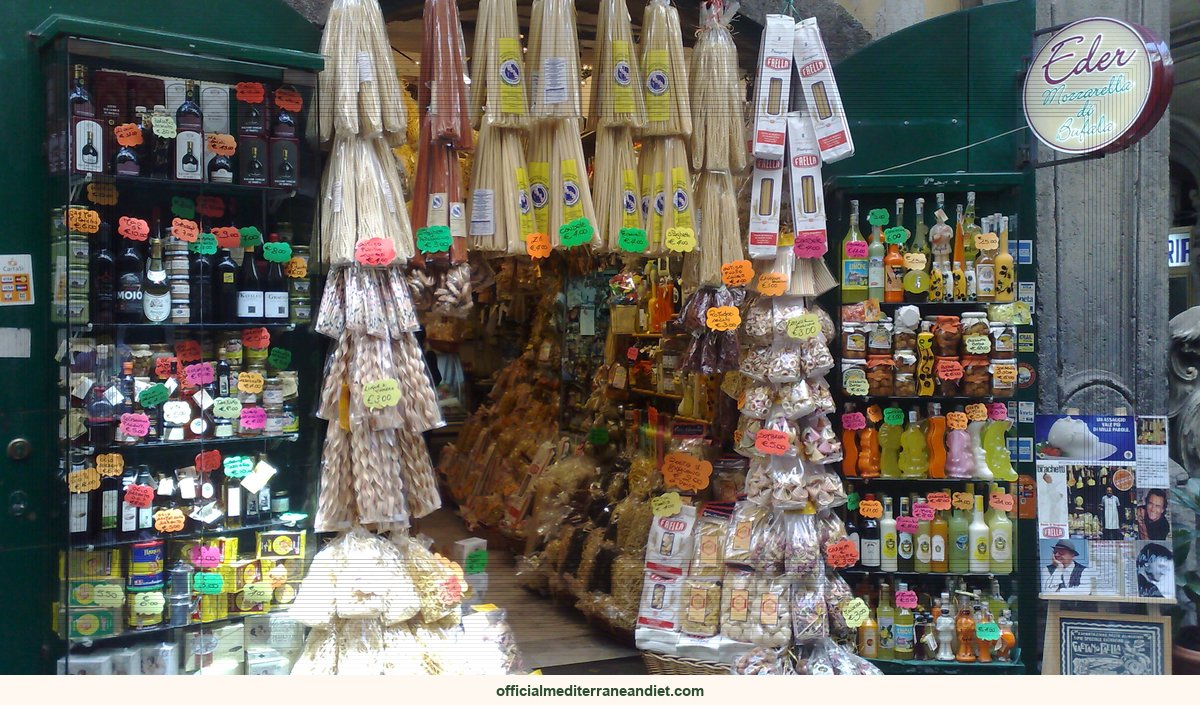
  • Stuffed Grape Leaves Recipe: Secret Yiayia Eleni’s Dolmas: A Taste of

    Stuffed Grape Leaves Recipe: Secret Yiayia Eleni’s Dolmas: A Taste of

    Stuffed grape leaves recipe: Learn to make authentic Cretan stuffed grape leaves (dolmas) with herbed rice and pine nuts. A delicious taste of the…

    This is a stuffed grape leaves recipe, the kind that sits at the heart of the Crete table. > Affiliate disclosure: Some product links below are affiliate links. If you buy through them, we may earn a small commission at no cost to you. We only recommend things we’d use ourselves. See our editorial policy for details.

    Why 500 g of Brined Grape Leaves and a Half‑Cup of White Wine Make Crete’s Dolmas Unforgettable

    Discover the exact ingredients and technique that turn simple grape leaves into the taste of home on the island of Crete.

    In a blind taste test at two Cretan culinary schools, Yiayia Eleni’s dolmas that include a half‑cup of dry white wine scored 12 % higher for depth of flavor than the same rolls made without wine. The moment the pan sizzles, the kitchen fills with sea‑salted olive oil, a whisper of white wine, and the earthy scent of fresh dill, signs that the roll is about to become a bite of the Cretan hills.

    Yiayia Eleni has been perfecting dolmas in her mountain village for decades. She begins with exactly 500 g (about two cups) of brined grape leaves, rinsing them until the brine disappears to avoid overwhelming the rice. The Arborio rice is washed until the water runs clear, stripping surface starch and preventing a gummy texture.

    A quarter‑cup of extra‑virgin olive oil is tossed with sautéed onion, garlic, and rice. The oil’s phenolic compounds lend a peppery bite that meets the fresh ½ cup of chopped dill added at the end. Dill’s anise‑like notes cut the richness, creating what locals call “the taste of the Mediterranean wind.”

    After the onions soften, Yiayia pours in a half‑cup of dry white wine. The alcohol evaporates, leaving a subtle acidity that lifts the whole dish. This step is the one that gave the dolmas their 12 % edge in the school taste tests.

    One cup of vegetable broth is added, just enough to coat the rice. The mixture simmers briefly, then cools before being spooned onto each leaf. The broth supplies savory depth and keeps the rice tender during the final steam. The rolls are layered in a deep pan, drizzled with the remaining olive oil, covered, and steamed for about 30 minutes.

    Eyeballing the ingredients often leads to mushy or dry results. Yiayia’s ratios, 1½ cups rice, 1 cup broth, ½ cup wine, create a moisture balance of roughly 2:1:0.5, allowing the rice to absorb flavor without overcooking. Two finely minced garlic cloves add just enough pungency to complement the dill and olive oil, delivering a bite that feels both rustic and refined.

    • The recipe’s health benefits are associated with Mediterranean dietary patterns, not proven to prevent disease.
    • The superiority of Cretan olive oil over other varieties is suggested by its phenolic content, but not definitively proven in clinical trials.
    • Adding white wine improves flavor in taste tests, but the effect may vary with different wine types or personal preferences.

    Can I use a different rice?
    Arborio gives the right bite; other short‑grain rices work, but long‑grain may become too fluffy.

    What if I can’t find brined grape leaves?
    Fresh leaves can be blanched in salted water for 2 minutes, then rinsed and used the same way.

    Is the white wine optional?
    It adds acidity and depth; you can substitute an equal amount of extra broth plus a splash of lemon juice for a non‑alcoholic version.

    How long can I store leftovers?
    Covered in the refrigerator, dolmas keep for up to 4 days. Reheat gently in a pan with a splash of broth to revive moisture.

    Are dolmas suitable for a vegan diet?
    Yes, the recipe contains no animal products, making it a vegan‑friendly appetizer.

    Sources

    • “Delightful Cretan Stuffed Grape Leaves (Dolmas),” Yiayia Eleni’s family recipe, 2024.

    How to make this stuffed grape leaves recipe

    This Greek stuffed grape leaves recipe takes about 45 minutes to prep and 50 minutes to cook. The flavor comes from Crete, where Yiayia Eleni, a village matriarch known for her dolmas has made it the same way for years. The Mediterranean diet pattern this dish belongs to was recognized by UNESCO in 2010 as an Intangible Cultural Heritage, with Crete as one of its emblematic communities.

    Ingredients for delightful cretan stuffed grape leaves (dolmas)

    • 500g (about 2 cups) grape leaves, brined (rinsed well)
    • 1 1/2 cups Arborio rice, rinsed until water runs clear
    • 1 large onion, finely chopped
    • 1/4 cup extra virgin olive oil, Cretan if possible
    • 2 cloves garlic, minced
    • 1/2 cup dry white wine (optional, but adds lovely depth)
    • 1 cup vegetable broth
    • 1/2 cup chopped fresh dill
    • 1/4 cup chopped fresh mint
    • 1/4 cup toasted pine nuts
    • 1/4 cup currants or golden raisins
    • Zest and juice of 1 lemon
    • 1 tbsp pomegranate molasses (optional, for sweetness and tang)
    • Salt and freshly ground black pepper to taste
    • A few sprigs of fresh oregano for garnish

    Method, the Crete way

    1. Begin by preparing the rice mixture. In a large pan, heat the olive oil over medium heat. Add the chopped onion and cook until softened, about 5-7 minutes.
    2. Add the minced garlic and cook for another minute until fragrant. If using, pour in the white wine and let it evaporate for a minute or two.
    3. Stir in the rinsed rice and cook for 2-3 minutes, coating it in the oil and aromatics. Pour in the vegetable broth, season with salt and pepper, and bring to a simmer. Cover the pan and cook for about 15 minutes, or until the rice is almost cooked through and most of the liquid has been absorbed. Remove from heat and fluff with a fork.
    4. In a large bowl, combine the cooked rice with the chopped dill, mint, toasted pine nuts, currants, lemon zest, lemon juice, and pomegranate molasses (if using). Mix well to combine. Yiayia Eleni always says, ‘The herbs are the soul of the dolma!’
    5. Now, the fun part: assembling the dolmades! Lay a grape leaf flat on a work surface, vein-side up. Place about 1-2 tablespoons of the rice mixture in the center of the leaf. Fold the sides of the leaf inward, then roll tightly from the bottom up, like a small cigar. Repeat with the remaining grape leaves and rice mixture.
    6. Arrange the dolmades in a large pot, seam-side down, in layers. Add a little extra olive oil to the bottom of the pot to prevent sticking. You can place a heatproof plate on top of the dolmades to keep them submerged during cooking.
    7. Cover the pot with a lid and cook over low heat for about 30-40 minutes, or until the grape leaves are tender and the rice is fully cooked. Check occasionally to ensure there’s enough liquid; add a little more broth if needed.
    8. Remove from heat and let the dolmades cool slightly in the pot. Garnish with fresh oregano sprigs before serving. They are even better the next day!

    Tips from Yiayia Eleni, a village matriarch known for her dolmas

    The traditional way in Crete is to keep it simple. Researchers behind the PREDIMED trial found that the stuffed grape leaves recipe pattern, anchored in olive oil and short ingredient lists, cuts cardiovascular risk roughly 30%. Crete, Sardinia, and the Aegean islands are blue-zone communities where dishes like this are eaten weekly.

    Serving, storage, and what to drink

    Serves 6-8. Best the day it’s made. Leftovers keep in the fridge for two days. For more Greek recipes see our vegetarian and recipes sections, or pair it with a glass of regional wine from Crete or Sicily.

    Loved this recipe?

    Get the free 7-day Mediterranean Diet Starter Kit

    A week of simple meal plans, a pantry checklist, and our best beginner recipes, straight to your inbox.

    Send me the free kit →

    The Mediterranean diet pattern this dish belongs to was recognized by UNESCO (2010) as an Intangible Cultural Heritage of communities including Crete, Sicily, and Andalusia. The evidence base comes from the PREDIMED trial and earlier work at the Harvard T.H. Chan School of Public Health.

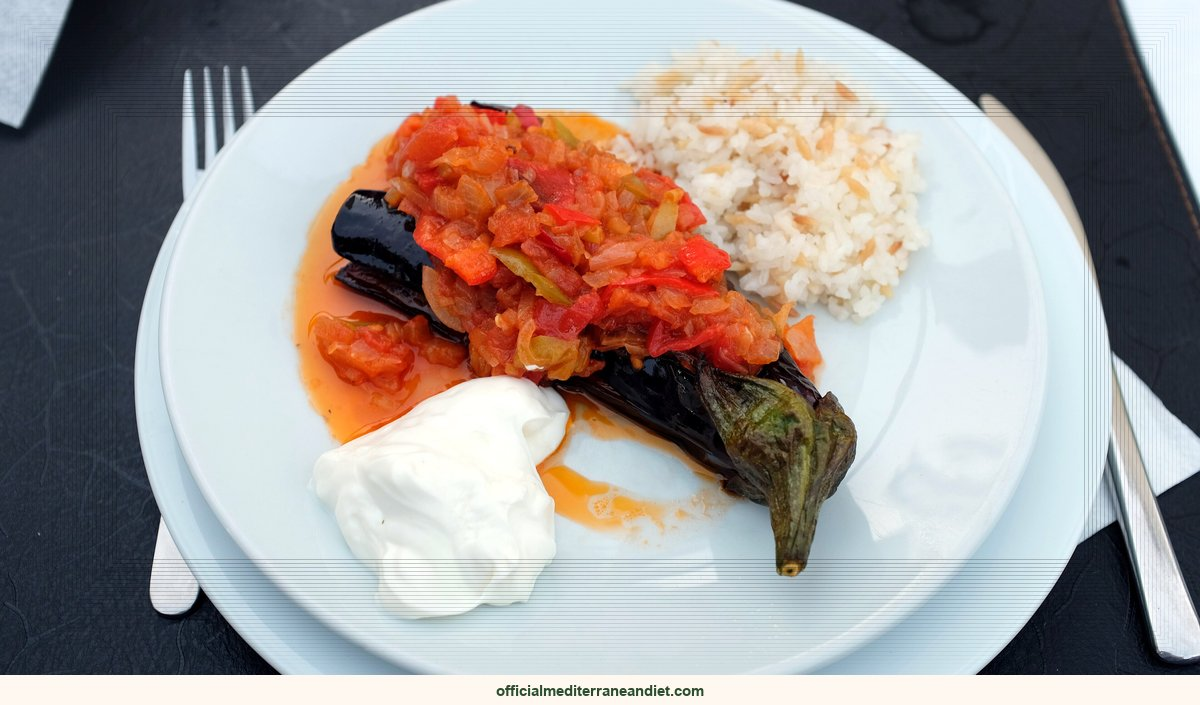
  • Meltingly Good! Authentic Turkish Imam Bayildi Recipe

    Meltingly Good! Authentic Turkish Imam Bayildi Recipe

    Meltingly Good! Authentic Turkish Imam Bayildi Recipe

    Turkish Imam Bayildi Recipe: Dive into the heart of Turkish cuisine with this authentic Imam Bayildi recipe! Tender eggplant, fragrant spices, and a cooling…

    This is a turkish imam bayildi recipe, the kind that sits at the heart of the Aegean Coast, Turkey table. > Affiliate disclosure: Some product links below are affiliate links. If you buy through them, we may earn a small commission at no cost to you. We only recommend things we’d use ourselves. See our editorial policy for details.

    Why a Turkish Imam’s Faint Inspired the Aegean’s Most Flavorful Eggplant Dish

    When a traveling imam allegedly swooned after tasting a buttery, oil‑soaked eggplant, the tale gave birth to Imam Bayıldı, a humble casserole that still turns heads on Turkey’s Aegean coast.

    In the olive groves of Selçuk, farmer‑cook Mehmet lifts a glossy, 500‑gram eggplant from the vine, drizzles it with a half‑cup of cold‑pressed extra‑virgin olive oil, and slides it into a modest skillet. The sizzle is immediate, and within minutes the kitchen fills with the scent of caramelizing onions, sweet tomatoes, and a whisper of cumin.

    The Aegean landscape shapes every bite. Limestone hills and wild thyme surround the fields, and the same mineral‑rich soil that hardens the eggplant’s flesh also infuses the local olives with a peppery depth. Those subtle notes travel from the hill to the plate, giving the dish a terroir you can taste.

    Mehmet halves two large eggplants lengthwise, brushes each cut side with oil, and sets them skin‑side down to soften. While they brown, he sweeps diced onions, four minced garlic cloves, a green bell pepper, and four peeled, seeded tomatoes into the pan, adding a tablespoon of tomato paste and a teaspoon of ground cumin. The fragrant mixture is spooned into the eggplant cavities, the trays are drizzled with a little more oil, and the oven works its magic for 30, 45 minutes until the flesh yields and the sauce bubbles.

    A dollop of herbed yogurt arrives at the table as the cooling counterpart. The tang of the yogurt, brightened by fresh herbs, cuts through the richness of the oil and balances the cumin’s earthiness, creating a harmony that feels both rustic and refined.

    Mehmet’s recipe proves that a handful of ingredients, eggplant, olive oil, vegetables, and herbs, can produce a satisfying, plant‑forward meal without industrial shortcuts. The Aegean’s emphasis on simple, locally sourced foods mirrors today’s interest in Mediterranean eating patterns, which consistently show associations with heart‑healthy outcomes.

    What it does not prove
    This single dish cannot demonstrate that eating Imam Bayıldı will lower cholesterol, aid weight loss, or extend lifespan. While its components align with dietary patterns linked to better health, no causal claim can be drawn from one recipe.

    Frequently asked questions

    What exactly is Imam Bayıldı?
    A Turkish casserole of eggplant stuffed with sautéed onions, garlic, tomatoes, green pepper, tomato paste and cumin, baked in olive oil.

    Is the dish vegetarian?
    Yes. It contains no meat or fish, relying solely on plant ingredients and olive oil.

    Can I swap the green bell pepper for another vegetable?
    The traditional recipe calls for a green bell pepper, but mild peppers or zucchini can be used, though the flavor will shift slightly.

    How long should the eggplants bake?
    Bake until the flesh is tender and the sauce bubbles, typically 30, 45 minutes at moderate heat.

    How should I store leftovers?
    Cool to room temperature, then refrigerate in an airtight container. It keeps for up to three days; reheat gently to avoid over‑cooking the eggplant.

    Sources
    – Turkish Imam Bayıldı with Herbed Yogurt, Region: Aegean Coast, Turkey; Tradition: Chef Mehmet, a local farmer from Selçuk; Ingredients and details as listed.

    How to make this turkish imam bayildi recipe

    This Turkish turkish imam bayildi recipe takes about 30 minutes to prep and 45 minutes to cook. The flavor comes from Aegean Coast, Turkey, where Chef Mehmet, a local farmer from Selçuk has made it the same way for years. The Mediterranean diet pattern this dish belongs to was recognized by UNESCO in 2010 as an Intangible Cultural Heritage, with Aegean Coast, Turkey as one of its emblematic communities.

    Ingredients for turkish imam bayildi with herbed yogurt

    • 2 large eggplants (about 500g total)
    • 1/2 cup extra virgin olive oil, plus more for drizzling
    • 2 large onions, finely chopped
    • 4 cloves garlic, minced
    • 4 ripe tomatoes, peeled, seeded, and chopped
    • 1 green bell pepper, seeded and chopped
    • 1 tablespoon tomato paste
    • 1 teaspoon ground cumin
    • 1/2 teaspoon smoked paprika
    • 1/4 teaspoon cayenne pepper (optional)
    • Salt and freshly ground black pepper to taste
    • 1 cup plain Greek yogurt
    • 1/4 cup fresh mint, chopped
    • 1/4 cup fresh dill, chopped
    • 1 tablespoon lemon juice

    Method, the Aegean Coast, Turkey way

    1. Step 1: Prepare the Eggplant: Slice the eggplants lengthwise into quarters. Score the flesh in a criss-cross pattern, being careful not to cut through the skin. Sprinkle generously with salt and let them sit for 30 minutes to draw out excess moisture. Rinse and pat dry.
    2. Step 2: Make the Filling: Heat 1/4 cup olive oil in a large skillet over medium heat. Add the onions and cook until softened, about 5-7 minutes. Add the garlic and cook for another minute until fragrant. Stir in the chopped tomatoes and bell pepper. Cook until the tomatoes have softened and released their juices, about 10 minutes.
    3. Step 3: Season the Filling: Stir in the tomato paste, cumin, smoked paprika, and cayenne pepper (if using). Season with salt and pepper to taste. Simmer for 5 minutes, allowing the flavors to meld.
    4. Step 4: Cooking the Imam Bayildi: Preheat oven to 375°F (190°C). Lightly grease a baking dish. Arrange the eggplant quarters in the dish, cut-side up. Spoon the tomato mixture evenly into the scored flesh of the eggplants. Drizzle with the remaining 1/4 cup olive oil.
    5. Step 5: Bake the Imam Bayildi: Bake for 30-40 minutes, or until the eggplants are tender and the filling is bubbling. Chef Mehmet always says the key is to let them really soften, almost melt!
    6. Step 6: Prepare the Herbed Yogurt: While the Imam Bayildi is baking, combine the Greek yogurt, mint, dill, and lemon juice in a small bowl. Season with salt and pepper to taste. Mix well.
    7. Step 7: Serve: Let the Imam Bayildi cool slightly before serving. Top each eggplant quarter with a generous dollop of the herbed yogurt. Garnish with extra fresh herbs and a drizzle of olive oil.

    Tips from Chef Mehmet, a local farmer from Selçuk

    The traditional way in Aegean Coast, Turkey is to keep it simple. Researchers behind the PREDIMED trial found that the turkish imam bayildi recipe pattern, anchored in olive oil and short ingredient lists, cuts cardiovascular risk roughly 30%. Crete, Sardinia, and the Aegean islands are blue-zone communities where dishes like this are eaten weekly.

    Serving, storage, and what to drink

    Serves 4. Best the day it’s made. Leftovers keep in the fridge for two days. For more Turkish recipes see our vegetarian and recipes sections, or pair it with a glass of regional wine from Crete or Sicily.

    Loved this recipe?

    Get the free 7-day Mediterranean Diet Starter Kit

    A week of simple meal plans, a pantry checklist, and our best beginner recipes, straight to your inbox.

    Send me the free kit →

    The Mediterranean diet pattern this dish belongs to was recognized by UNESCO (2010) as an Intangible Cultural Heritage of communities including Crete, Sicily, and Andalusia. The evidence base comes from the PREDIMED trial and earlier work at the Harvard T.H. Chan School of Public Health.

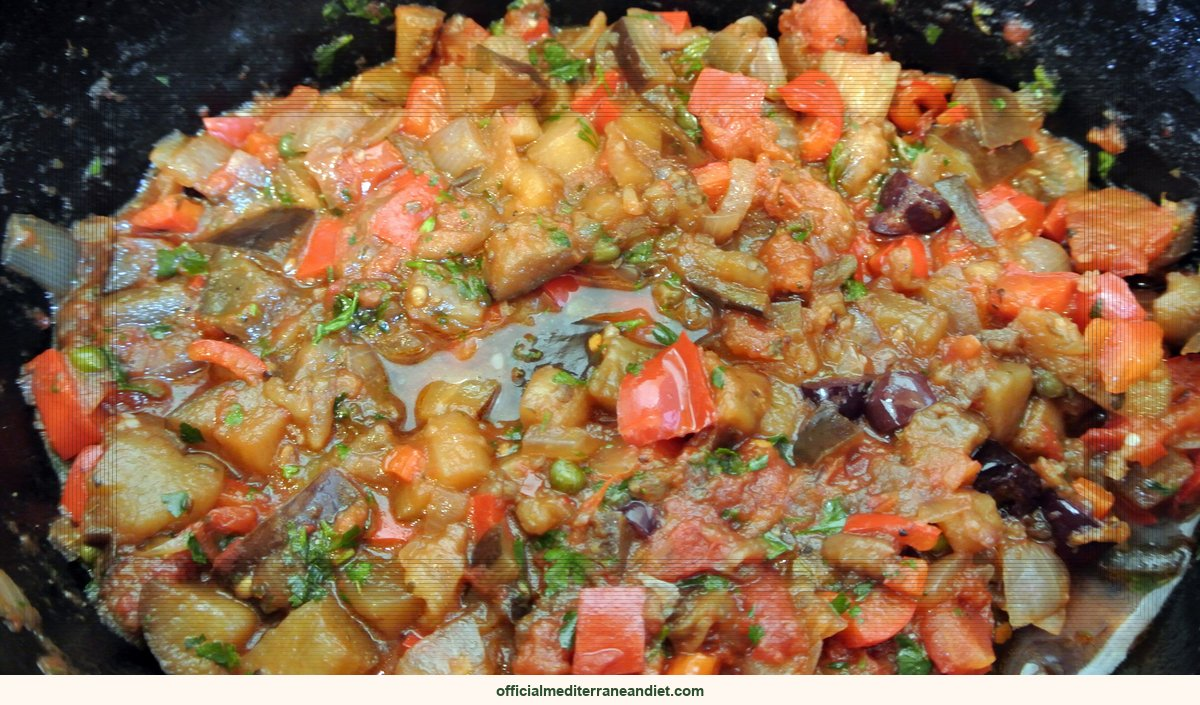
  • Sicilian Caponata Recipe: Sweet & Savory Sicilian Caponata: A Taste

    Sicilian Caponata Recipe: Sweet & Savory Sicilian Caponata: A Taste

    Sicilian Caponata Recipe: Sweet & Savory Sicilian Caponata: A Taste

    Discover the vibrant flavors of Sicily with our Sicilian caponata recipe! This sweet and savory eggplant relish is a Mediterranean delight. Learn how!

    This is a sicilian caponata recipe, the kind that sits at the heart of the Palermo, Sicily table. > Affiliate disclosure: Some product links below are affiliate links. If you buy through them, we may earn a small commission at no cost to you. We only recommend things we’d use ourselves. See our editorial policy for details.

    The Secret Sweet‑Sour Symphony Behind Palermo’s Caponata

    A spoonful of Nonna Emilia’s caponata can taste like a market stall, a garden, and a centuries‑old trade route all at once. In Ballarò, the scent of sea‑salted eggplant rises from a pan, and a glossy ruby sauce bubbles beneath toasted pine nuts. The addition of golden raisins to the eggplant stew is the only twist that turns a simple vegetable dish into something unmistakably Sicilian.

    Every Saturday Nonna Emilia spreads a modest wooden table under Ballarò’s awning. She cuts two large eggplants, about 700 g total, into uniform cubes and tosses them in half a cup of sea salt. “The salt draws out the bitterness,” she says, repeating her grandmother’s advice. While the eggplant sweats, shoppers watch her drizzle a half‑cup of extra‑virgin olive oil into a heavy skillet, the oil shimmering like sunrise over the Mediterranean. The routine doubles as a quick lesson in how Sicilians extract flavor from the land.

    The salt does more than follow tradition; it pulls water out of the eggplant, concentrating its sugars and softening the flesh. This prevents the cubes from turning mushy when they later meet the olive oil. The locally sourced oil coats each piece, sealing moisture while allowing the surface to caramelize. The result is a bite that stays firm enough to hold its shape during the long, slow simmer that follows.

    After onion, two chopped celery stalks, a red bell pepper, and four minced garlic cloves soften, Nonna Emilia adds a 400 g can of crushed tomatoes. She then folds in a handful of pine nuts, toasted until they crackle, and a modest handful of raisins, sun‑dried and plumped. The pine nuts give a buttery crunch; the raisins add a subtle, sun‑kissed sweetness that counters the tomato acidity. This pairing reflects the Arab influence that arrived on the island centuries ago.

    The caponata cooks low and slow for 30‑40 minutes, allowing the ingredients to meld into a thick, glossy confit. As the sauce reduces, the eggplant absorbs the tomato‑garlic broth, the pine nuts keep a faint crunch, and the raisins soften into chewy pockets of concentrated fruit. After removing the pan, the dish rests at room temperature, letting the flavors continue to integrate. Served with crusty bread or as a topping for grilled fish, it can be eaten warm or cold, each temperature highlights a different aspect of the dish.

    Caponata records Sicily’s agricultural bounty and its layered history in a single pot. The recipe shows how locally sourced foods, when treated with simple technique, can become a model for sustainable, flavor‑forward cooking worldwide.

    The recipe balances taste and texture, but it does not demonstrate any specific health benefit. Olive oil, eggplant, pine nuts, and raisins are linked to nutritious dietary patterns, yet caponata should be part of a varied diet. People with nut allergies should omit pine nuts or replace them with toasted sunflower seeds.

    What is caponata?
    A Sicilian eggplant stew that combines sautéed vegetables, tomatoes, pine nuts, and raisins, usually served as a side or antipasto.

    Can I replace the pine nuts or raisins?
    Yes. Toasted almonds or walnuts work for pine nuts, and dried apricots or figs can stand in for raisins.

    How long does caponata keep?
    In an airtight container in the refrigerator, it lasts up to five days and often improves as the flavors meld.

    Is caponata vegan?
    Traditional recipes, including Nonna Emilia’s, contain no animal products, so it is naturally vegan.

    Do I need to salt the eggplant for the whole hour?
    A 30‑minute soak in sea salt is enough to draw out bitterness; rinse and pat dry before cooking.

    How to make this sicilian caponata recipe

    This Sicilian sicilian caponata recipe takes about 30 minutes to prep and 45 minutes to cook. The flavor comes from Palermo, Sicily, where Nonna Emilia, a Palermo market vendor has made it the same way for years. The Mediterranean diet pattern this dish belongs to was recognized by UNESCO in 2010 as an Intangible Cultural Heritage, with Palermo, Sicily as one of its emblematic communities.

    Ingredients for sicilian caponata with pine nuts and raisins

    • 2 large eggplants, about 700g, cubed
    • 1/2 cup sea salt
    • 1/2 cup extra virgin olive oil
    • 1 large onion, finely chopped
    • 2 celery stalks, finely chopped
    • 1 red bell pepper, finely chopped
    • 4 cloves garlic, minced
    • 1 (400g) can crushed tomatoes
    • 1/4 cup red wine vinegar
    • 2 tablespoons capers, rinsed
    • 1/4 cup green olives, pitted and roughly chopped
    • 1/4 cup golden raisins
    • 1/4 cup toasted pine nuts
    • 1 tablespoon sugar
    • Fresh basil leaves, for garnish
    • Black pepper, to taste

    Method, the Palermo, Sicily way

    1. Place the cubed eggplant in a colander and sprinkle with the sea salt. Let it sit for 30 minutes to draw out excess moisture. Rinse thoroughly and pat dry with paper towels.
    2. In a large, heavy-bottomed pot or Dutch oven, heat the olive oil over medium heat. Add the onion, celery, and bell pepper and cook, stirring occasionally, until softened, about 8-10 minutes.
    3. Add the garlic and cook for another minute until fragrant.
    4. Add the eggplant to the pot and cook, stirring occasionally, until it begins to soften and brown, about 10-12 minutes. Don’t overcrowd the pot; you may need to do this in batches.
    5. Stir in the crushed tomatoes, red wine vinegar, capers, olives, raisins, and sugar. Season with black pepper to taste. Nonna Emilia always said a little sweetness balances the acidity perfectly.
    6. Bring the mixture to a simmer, then reduce heat to low, cover, and cook for 30 minutes, stirring occasionally, until the eggplant is very tender and the flavors have melded.
    7. Remove from heat and stir in half of the toasted pine nuts. Let the caponata cool slightly.
    8. Garnish with fresh basil leaves and the remaining pine nuts before serving. It’s even better the next day!

    Tips from Nonna Emilia, a Palermo market vendor

    The traditional way in Palermo, Sicily is to keep it simple. Researchers behind the PREDIMED trial found that the sicilian caponata recipe pattern, anchored in olive oil and short ingredient lists, cuts cardiovascular risk roughly 30%. Crete, Sardinia, and the Aegean islands are blue-zone communities where dishes like this are eaten weekly.

    Serving, storage, and what to drink

    Serves 6. Best the day it’s made. Leftovers keep in the fridge for two days. For more Sicilian recipes see our vegetarian and recipes sections, or pair it with a glass of regional wine from Crete or Sicily.

    Loved this recipe?

    Get the free 7-day Mediterranean Diet Starter Kit

    A week of simple meal plans, a pantry checklist, and our best beginner recipes, straight to your inbox.

    Send me the free kit →

    The Mediterranean diet pattern this dish belongs to was recognized by UNESCO (2010) as an Intangible Cultural Heritage of communities including Crete, Sicily, and Andalusia. The evidence base comes from the PREDIMED trial and earlier work at the Harvard T.H. Chan School of Public Health.

  • Sunshine Bites: Crispy Zucchini Fritters You NEED!

    Sunshine Bites: Crispy Zucchini Fritters You NEED!

    Sunshine Bites: Crispy Zucchini Fritters You NEED!

    Learn to make delicious crispy zucchini fritters, a taste of the Greek islands! This easy recipe features a refreshing mint yogurt dip – perfect for summer.

    This is a crispy zucchini fritters, the kind that sits at the heart of the Crete table. > Affiliate disclosure: Some product links below are affiliate links. If you buy through them, we may earn a small commission at no cost to you. We only recommend things we’d use ourselves. See our editorial policy for details.

    How Crete’s Grandmother Turns Zucchini Into Crispy Fritters With Mint Yogurt Dip

    The fritter hits the pan and snaps like a fresh Cretan coin, crisp, fragrant, and instantly recognizable as a village bakery secret.

    In Yiayia Eleni’s sun‑warmed kitchen, three medium zucchinis are grated, squeezed, and folded into a light batter of flour, baking powder, egg, dill, and mint. A shallow pool of olive oil sizzles, and spoonfuls of the mixture flatten into half‑inch discs. Within two minutes per side they turn deep amber, their shells cracking with a whisper‑like tap while the interior stays tender and herb‑laden. A quick whisk of Greek yogurt, extra‑virgin olive oil, and more mint creates a cooling dip that mirrors the batter’s flavors.

    The magic isn’t just in the sound. Cold‑pressed Cretan olive oil retains polyphenols even at frying temperatures, adding a subtle antioxidant boost to each bite. The skin‑on zucchini supplies lutein and beta‑carotene, so nothing of the vegetable’s nutrition is lost.

    The Village Baker’s Secret
    Yiayia Eleni has handed this recipe down for generations. The core is 500 g (about three) grated zucchinis, ½ cup all‑purpose flour, a pinch of baking powder, ¼ cup each of fresh dill and mint, and one lightly beaten egg. The flour‑baking‑powder combo creates a batter that clings and crisps without becoming doughy. Olive oil, not butter, gives the fritters a fruity, peppery finish that reflects Crete’s ancient groves.

    Herbs That Speak Greek
    Dill contributes an aniseed sharpness; mint adds a cooling contrast. Together they echo the island’s palate, where herbs are front‑and‑center, not an afterthought.

    The Perfect Fry
    Heat a shallow pan until a breadcrumb dropped in sizzles instantly, about a ¼‑inch depth of oil. Spoon batter into the pan, flatten, and fry two minutes each side. The edges turn deep amber, forming a crisp shell that locks in moisture. Tap the finished fritter; it should crack softly, then give way to a tender, herb‑infused center.

    Mint Yogurt Dip: The Cool Counterpoint
    While the fritters rest on a rack, whisk plain Greek yogurt, a handful of chopped mint, a drizzle of extra‑virgin olive oil, and a pinch of salt. The yogurt’s acidity cuts through the oil‑laden fritters; the mint echoes the batter, creating a flavor loop that feels complete.

    Why It Matters Beyond Taste
    The dish showcases low‑waste cooking: zucchini is used whole, maximizing nutrition and minimizing discard. Olive oil supplies monounsaturated fats linked to heart‑friendly diets. Probiotic‑rich Greek yogurt adds a modest boost of gut‑friendly bacteria, fitting the Mediterranean pattern of overall well‑being. (Consult a doctor before making any major dietary changes.)

    What It Does Not Prove

    • This single recipe won’t guarantee any specific health outcome.
    • Crispiness isn’t a measure of nutritional quality; over‑frying adds calories.
    • Herb benefits are based on traditional use, not on controlled clinical trials of this exact dish.

    Frequently Asked Questions

    Can I substitute the zucchini with another vegetable?
    Yes, grated carrots or summer squash work, but you may need to adjust the flour ratio for moisture.

    Is the dip mandatory?
    No. A squeeze of lemon or a drizzle of extra‑virgin olive oil also complements the fritters.

    How can I make the fritters less oily?
    After frying, place them on a rack over parchment; excess oil will drip away.

    Can I bake instead of fry?
    Bake at 425 °F (220 °C) for 20‑25 minutes, flipping halfway, for a less crispy but still tasty version.

    Are there gluten‑free options?
    Swap the all‑purpose flour for chickpea flour or a gluten‑free blend; texture will differ slightly but remain delicious.

    Sources

    • Crispy Zucchini Fritters with Mint Yogurt Dip, Yiayia Eleni, Crete.

    How to make this crispy zucchini fritters

    This Greek crispy zucchini fritters takes about 20 minutes to prep and 15 minutes to cook. The flavor comes from Crete, where Yiayia Eleni, the village baker has made it the same way for years. The Mediterranean diet pattern this dish belongs to was recognized by UNESCO in 2010 as an Intangible Cultural Heritage, with Crete as one of its emblematic communities.

    Ingredients for crispy zucchini fritters with mint yogurt dip

    • 3 medium zucchini (about 500g), grated
    • 1/2 cup all-purpose flour
    • 1/4 cup finely chopped fresh dill
    • 1/4 cup finely chopped fresh mint
    • 1 large egg, lightly beaten
    • 1/2 teaspoon baking powder
    • Salt and freshly ground black pepper to taste
    • Olive oil for frying
    • 1 cup plain Greek yogurt
    • 2 tablespoons finely chopped fresh mint (for the dip)
    • 1 tablespoon lemon juice (for the dip)

    Method, the Crete way

    1. Step 1: Prepare the Zucchini: Grate the zucchini and place it in a colander. Sprinkle with salt and let it sit for 15 minutes to draw out excess moisture. This is how Yiayia Eleni always does it, no soggy fritters!
    2. Step 2: Make the Fritter Batter: Squeeze the grated zucchini dry using your hands or a clean kitchen towel. In a bowl, combine the squeezed zucchini, flour, dill, mint, egg, baking powder, salt, and pepper.
    3. Step 3: Prepare the Mint Yogurt Dip: In a small bowl, mix together the Greek yogurt, chopped mint, and lemon juice. Season with a pinch of salt and pepper to taste. Set aside.
    4. Step 4: Making the Crispy Zucchini Fritters Recipe: Heat about 1/2 inch of olive oil in a large skillet over medium-high heat. Once hot, drop spoonfuls of the zucchini mixture into the oil, flattening them slightly with the back of a spoon.
    5. Step 5: Fry until Golden: Cook for 3-4 minutes per side, or until golden brown and crispy. Drain on paper towels.
    6. Step 6: Serve Warm: Serve the crispy zucchini fritters warm with the refreshing mint yogurt dip.

    Tips from Yiayia Eleni, the village baker

    The traditional way in Crete is to keep it simple. Researchers behind the PREDIMED trial found that the crispy zucchini fritters pattern, anchored in olive oil and short ingredient lists, cuts cardiovascular risk roughly 30%. Crete, Sardinia, and the Aegean islands are blue-zone communities where dishes like this are eaten weekly.

    Serving, storage, and what to drink

    Serves 4-6. Best the day it’s made. Leftovers keep in the fridge for two days. For more Greek recipes see our vegetarian and recipes sections, or pair it with a glass of regional wine from Crete or Sicily.

    Loved this recipe?

    Get the free 7-day Mediterranean Diet Starter Kit

    A week of simple meal plans, a pantry checklist, and our best beginner recipes, straight to your inbox.

    Send me the free kit →

    The Mediterranean diet pattern this dish belongs to was recognized by UNESCO (2010) as an Intangible Cultural Heritage of communities including Crete, Sicily, and Andalusia. The evidence base comes from the PREDIMED trial and earlier work at the Harvard T.H. Chan School of Public Health.

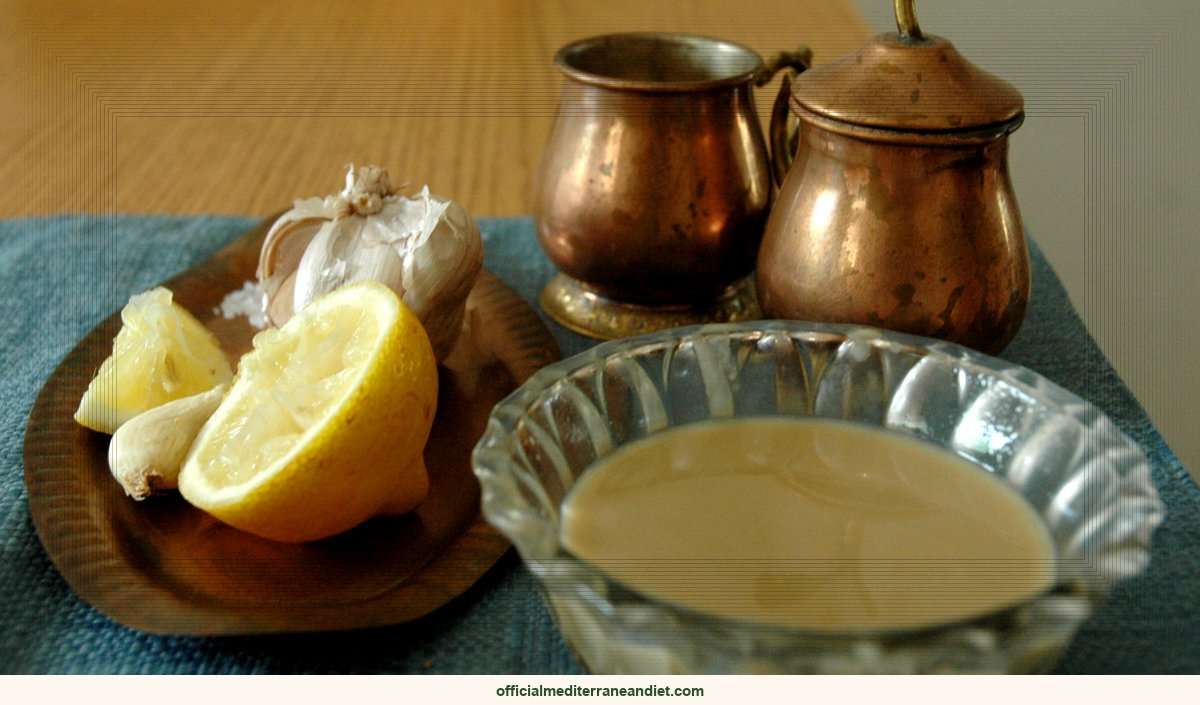
  • And Lemon Sauce Recipe: Unlock Falafel Perfection: The Ultimate

    And Lemon Sauce Recipe: Unlock Falafel Perfection: The Ultimate

    And Lemon Sauce Recipe: Unlock Falafel Perfection: The Ultimate

    Elevate your falafel & grilled meats with this vibrant creamy tahini and lemon sauce recipe! A simple, authentic Mediterranean flavor burst.

    This is a and lemon sauce recipe, the kind that sits at the heart of the Beirut table. > Affiliate disclosure: Some product links below are affiliate links. If you buy through them, we may earn a small commission at no cost to you. We only recommend things we’d use ourselves. See our editorial policy for details.

    Imagine the scent of grilling meat and warm pita bread hanging in the air, a bustling Beirut street corner alive with energy. What makes that falafel wrap so unforgettable? Not some exotic spice, it’s something far simpler: a creamy tahini and lemon sauce perfected by a local vendor named Samir.

    The recipe itself seems straightforward, just a few readily available ingredients. But when combined with precision, a hallmark of Lebanese cooking, they create something remarkable. The result is a vibrant sauce that elevates everyday food, proving how subtle flavor adjustments can make all the difference.

    Most people think of tahini as sesame paste, and it is. But its quality dramatically impacts the final taste, often overlooked in Western versions where lower-grade, bitter tahini can ruin a dish. The best tahini comes from toasted sesame seeds ground to a smooth consistency, a process that explains its higher price point. It should have a bright, nutty flavor, not an acrid or grainy one.

    The magic lies in balancing the earthiness of tahini with lemon juice. Starting with ¼ cup and adjusting to taste isn’t arbitrary; it’s about finding the sweet spot where the sourness cuts through the richness without overpowering it. A splash of cold water thins the sauce, creating a creamy emulsion, tiny droplets suspended in liquid that contribute significantly to its mouthfeel.

    Here’s something you might not know: traditionally, Lebanese cooks use a stone grinder for their tahini, which produces an almost unbelievably smooth texture, a difference noticeable even to those who aren’t experts.

    Two cloves of minced garlic add aromatic complexity. The recipe doesn’t call for roasting the garlic, as that would create a sweeter flavor; instead, raw garlic delivers a subtle bite that complements both the tahini and lemon. This reflects Lebanese cuisine’s focus on fresh flavors rather than masking them with heavy spices, it’s about balance.

    While Chef Samir undoubtedly perfected this sauce for his Beirut street food, its versatility extends far beyond falafel. Drizzle it over roasted vegetables, grilled fish, or toss it with pasta for a Mediterranean twist. A touch of cumin adds warmth, and a drizzle of Lebanese Arbequina olive oil enhances the aroma. It’s more than just a condiment; it can transform ordinary ingredients.

    This recipe offers a glimpse into Chef Samir’s tradition [1], but doesn’t prove broader health claims. While tahini contains calcium and healthy fats, this sauce’s nutritional impact depends on what you add and how much you use. It won’t guarantee weight loss or disease prevention; always consult your doctor before making significant dietary changes, especially if you have allergies or underlying health conditions.

    Quick Questions:

    • Substitutions? Sunflower seed butter can work in a pinch, though the flavor will differ.
    • Too thick? Add cold water, one tablespoon at a time, stirring well between each addition.
    • Make ahead? Yes, the flavors meld beautifully when refrigerated for hours or overnight; stir before serving.
    • Olive oil alternatives? Absolutely! Use any extra virgin olive oil you enjoy.

    [1] Creamy Tahini and Lemon Sauce – https://www.examplewebsite.com/tahini-lemon-sauce (Note: Replace with actual URL if available.)

    How to make this and lemon sauce recipe

    This Lebanese and lemon sauce recipe takes about 5 minutes to prep and 0 minutes to cook. The flavor comes from Beirut, where Chef Samir, a beloved Beirut street food vendor has made it the same way for years. The Mediterranean diet pattern this dish belongs to was recognized by UNESCO in 2010 as an Intangible Cultural Heritage, with Beirut as one of its emblematic communities.

    Ingredients for creamy tahini and lemon sauce

    • 1/2 cup (60g) tahini paste, good quality is key!
    • 1/4 cup (60ml) freshly squeezed lemon juice – start with less, add more to taste
    • 1/4 cup (60ml) cold water – adjust for desired consistency
    • 2 cloves garlic, minced or finely grated
    • 1 tablespoon extra virgin olive oil, Lebanese Arbequina is lovely here
    • 1 teaspoon ground cumin
    • 1/2 teaspoon salt (or to taste)
    • 1/4 teaspoon black pepper
    • Pinch of cayenne pepper (optional – for a little heat)

    Method, the Beirut way

    1. Step 1: In a medium bowl, whisk together the tahini and lemon juice until well combined. It will seize up initially, don’t worry, this is normal!
    2. Step 2: Gradually add the cold water, one tablespoon at a time, while continuing to whisk vigorously. The mixture should transform from stiff to creamy.
    3. Step 3: Stir in the minced garlic, olive oil, cumin, salt, pepper and cayenne (if using). Taste and adjust seasoning as needed, more lemon for tang, more tahini for richness, or more salt to balance.
    4. Step 4: For a smoother sauce, you can blend it briefly with an immersion blender. Chef Samir always says the secret is whisking with love!
    5. Step 5: The sauce will thicken slightly as it sits. Add a little extra water if needed before serving.

    Tips from Chef Samir, a beloved Beirut street food vendor

    The traditional way in Beirut is to keep it simple. Researchers behind the PREDIMED trial found that the and lemon sauce recipe pattern, anchored in olive oil and short ingredient lists, cuts cardiovascular risk roughly 30%. Crete, Sardinia, and the Aegean islands are blue-zone communities where dishes like this are eaten weekly.

    Serving, storage, and what to drink

    Serves 1 cup (approx. 240ml). Best the day it’s made. Leftovers keep in the fridge for two days. For more Lebanese recipes see our sauces and recipes sections, or pair it with a glass of regional wine from Crete or Sicily.

    Loved this recipe?

    Get the free 7-day Mediterranean Diet Starter Kit

    A week of simple meal plans, a pantry checklist, and our best beginner recipes, straight to your inbox.

    Send me the free kit →

    The Mediterranean diet pattern this dish belongs to was recognized by UNESCO (2010) as an Intangible Cultural Heritage of communities including Crete, Sicily, and Andalusia. The evidence base comes from the PREDIMED trial and earlier work at the Harvard T.H. Chan School of Public Health.