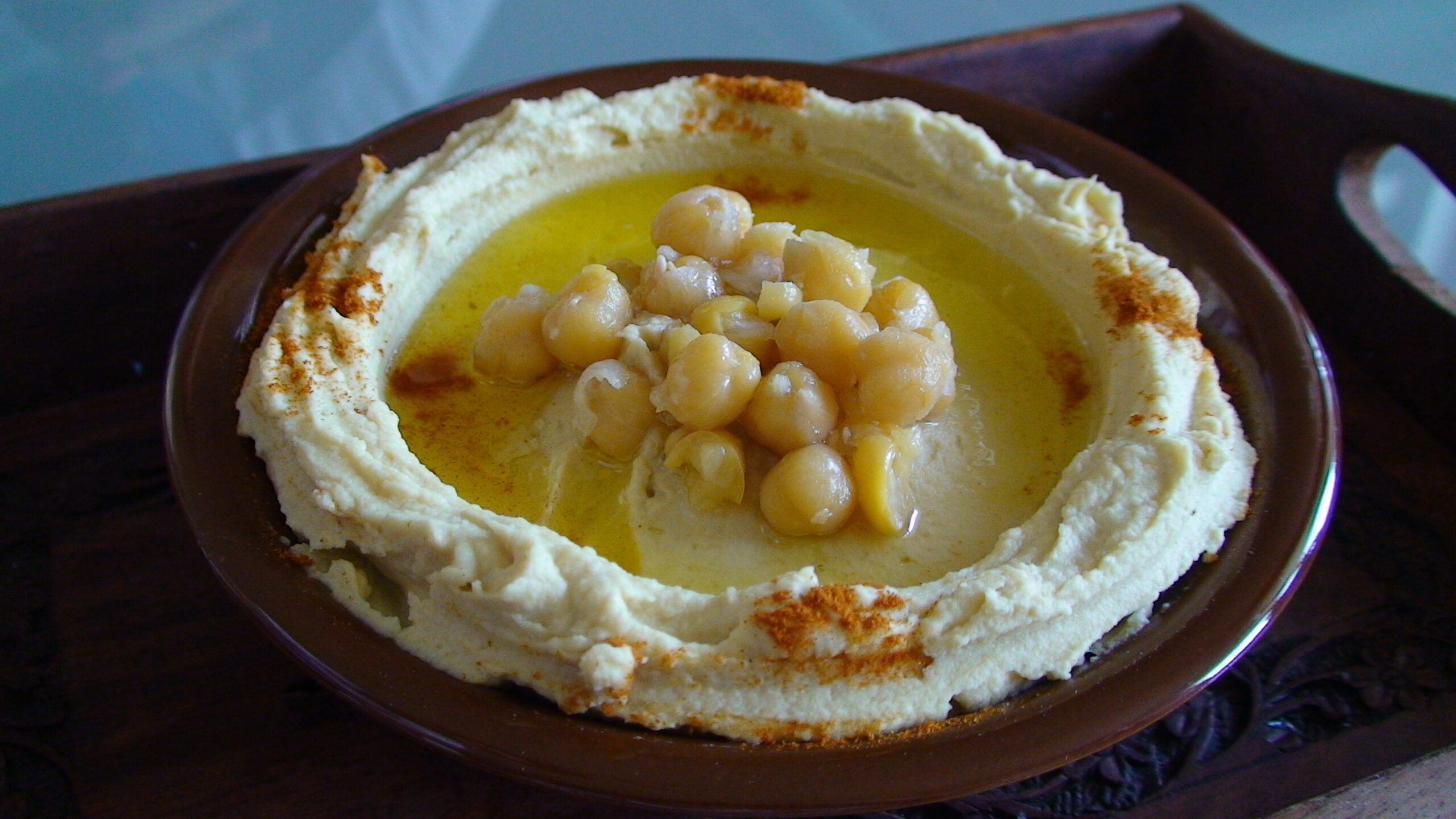
Roasted Red Pepper Hummus
A Mediterranean Classic with a Smoky Twist
Hummus is one of the oldest and most beloved dishes in Mediterranean cuisine, with roots stretching back thousands of years across the Levant, North Africa, and Southern Europe. This roasted red pepper version takes the classic chickpea dip into richer territory — the char of oven-roasted peppers brings a gentle smokiness that balances the earthiness of tahini and the brightness of lemon. It is the kind of recipe that looks impressive on a table but comes together in under 30 minutes, which makes it a staple in Mediterranean households for good reason.
The Mediterranean diet is built around exactly this kind of food: plant-based, olive oil-forward, nutrient-dense, and genuinely satisfying. Hummus delivers protein and fiber from chickpeas, healthy monounsaturated fats from olive oil and tahini, and a range of micronutrients that processed snack foods simply cannot match. Swap out the chip bowl at your next gathering for a platter of roasted red pepper hummus with warm pita and raw vegetables, and the difference in how you feel afterward will be noticeable.
This recipe works as an appetizer, a snack, a sandwich spread, or the center of a mezze platter. It keeps well in the refrigerator for up to a week, which means making a double batch is almost always worth it.
—
Why It Fits the Mediterranean Diet
Chickpeas are a cornerstone of the Mediterranean diet for good reason. A single cup provides approximately 15 grams of protein and 12 grams of fiber — the kind of plant-based protein that keeps blood sugar stable and hunger in check for hours. The fiber in chickpeas has been specifically studied for its effect on LDL cholesterol reduction.
Tahini, made from ground sesame seeds, contributes calcium, iron, and healthy fats. Sesame seeds are rich in lignans — plant compounds with documented antioxidant properties. Extra virgin olive oil provides oleocanthal, a natural anti-inflammatory compound with effects comparable to ibuprofen at culinary doses.
Roasted red peppers are an excellent source of vitamin C (a single pepper contains more than an orange) and beta-carotene, which converts to vitamin A in the body. The combination of chickpeas, olive oil, tahini, and peppers in a single dish delivers a nutritional profile that would take a dozen processed products to replicate.
—
Ingredients
For the hummus:
For serving:
Quality notes: Use whole chickpeas from a can rather than a carton — the texture is better. For tahini, buy a brand where the only ingredient is sesame seeds; the natural oils should separate to the top (stir before using). Use the best olive oil you can for finishing — it matters more here than in cooked applications.
—
Equipment Needed
—
Step-by-Step Instructions
1. Roast the peppers.
Preheat your oven to 450°F (230°C). Place whole red bell peppers directly on the baking sheet. Roast for 25–30 minutes, turning with tongs halfway through, until the skins are blackened and blistered on all sides. Transfer to a bowl, cover tightly with plastic wrap or a plate, and let steam for 10 minutes. The steam loosens the skin. Peel off and discard the charred skin, remove the stem and seeds, and roughly chop the flesh. Set aside.
2. Prepare the chickpeas.
Drain and rinse the chickpeas, reserving ¼ cup of the liquid (aquafaba). For the smoothest hummus, take 2 minutes to slip the thin skins off the chickpeas — just pinch each one between your fingers. This step is optional but noticeably improves the texture.
3. Build the hummus.
Add the garlic to the food processor and pulse until minced. Add the chickpeas, roasted red pepper flesh, tahini, lemon juice, cumin, smoked paprika, salt, and cayenne if using. Process for 1 full minute. Scrape down the sides. With the machine running, drizzle in the olive oil, then add the reserved chickpea liquid a tablespoon at a time until the hummus reaches your preferred consistency — smooth and creamy, not stiff. Process for another 2 minutes for the smoothest result.
4. Taste and adjust.
Taste for salt, lemon, and cumin. Mediterranean hummus should be distinctly lemony and well-seasoned. Add more lemon or salt if needed. If the hummus is too thick, add another tablespoon of chickpea liquid.
5. Serve.
Transfer to a wide, shallow bowl. Use the back of a spoon to create a swirl pattern. Drizzle generously with olive oil, dust with smoked paprika, and scatter chopped parsley over the top.
—
Pro Tips and Variations
Make it creamier: The secret to restaurant-quality hummus is processing longer than you think necessary — at least 3–4 full minutes total. The extended blending breaks down the cell walls of the chickpeas for a much smoother result.
Roasting shortcut: If you need to move faster, use jarred roasted red peppers (drain and pat dry). The flavor is slightly less smoky but very close.
Sun-dried tomato variation: Substitute half the roasted peppers with oil-packed sun-dried tomatoes for a more intense, concentrated flavor.
Add heat: A teaspoon of harissa paste or a whole roasted jalapeño blended in gives the hummus a North African character that pairs beautifully with grilled meats.
For a smooth surface: If serving for a gathering, refrigerate the hummus for at least 30 minutes before serving — cold hummus holds its shape better for presentation.
—
Nutritional Info (per serving, approximately ¼ cup)
Calories: 180 | Protein: 7g | Carbs: 18g | Fat: 10g | Fiber: 5g | Vitamin C: 45% DV
—
Storage and Reheating
Store in an airtight container in the refrigerator for up to 7 days. The flavor actually improves after 24 hours as the garlic mellows and the spices deepen. Keep a thin layer of olive oil on the surface to prevent the top from drying out.
This hummus does not freeze well — the texture becomes grainy after thawing.
—
What to Serve With It
Pair with warm whole wheat pita, sliced cucumber, carrot sticks, and cherry tomatoes for a classic mezze presentation. On the Mediterranean diet, hummus is also excellent as a spread on sandwiches in place of mayonnaise, as a topping for grain bowls, or alongside grilled chicken or fish. Try it with our Grilled Eggplant and Bell Pepper Skewers for a fully plant-forward Mediterranean meal.
—
FAQs
Can I use dried chickpeas instead of canned?
Yes, and the result will be even smoother. Soak 1½ cups dried chickpeas overnight, then simmer with ½ teaspoon baking soda for about 1 hour until very tender. The baking soda helps break down the chickpeas for a creamier texture. Reserve the cooking liquid in place of aquafaba.
Why is my hummus grainy instead of smooth?
Usually this means the chickpeas weren’t processed long enough, or the tahini was not properly stirred before measuring (the sesame paste separates and the dry portion makes for gritty hummus). Process for at least 3–4 minutes and use room-temperature ingredients.
Is this recipe gluten-free?
Yes. All ingredients are naturally gluten-free. Serve with gluten-free crackers or vegetable dippers for a fully gluten-free option.
How much does this yield?
This recipe makes approximately 3 cups — enough for 8–10 as an appetizer or 12 as part of a larger mezze spread.
Tools & pantry for this recipe
A few things that make this easier. These are affiliate links, so we may earn a small commission at no extra cost to you; we only suggest what we’d actually use ourselves. See our editorial policy.