Author: Elena

  • Moroccan Chicken Couscous: A Flavorful Feast (45 chars)

    Moroccan Chicken Couscous: A Flavorful Feast (45 chars)

    Moroccan Chicken Couscous: A Flavorful Feast (45 chars)

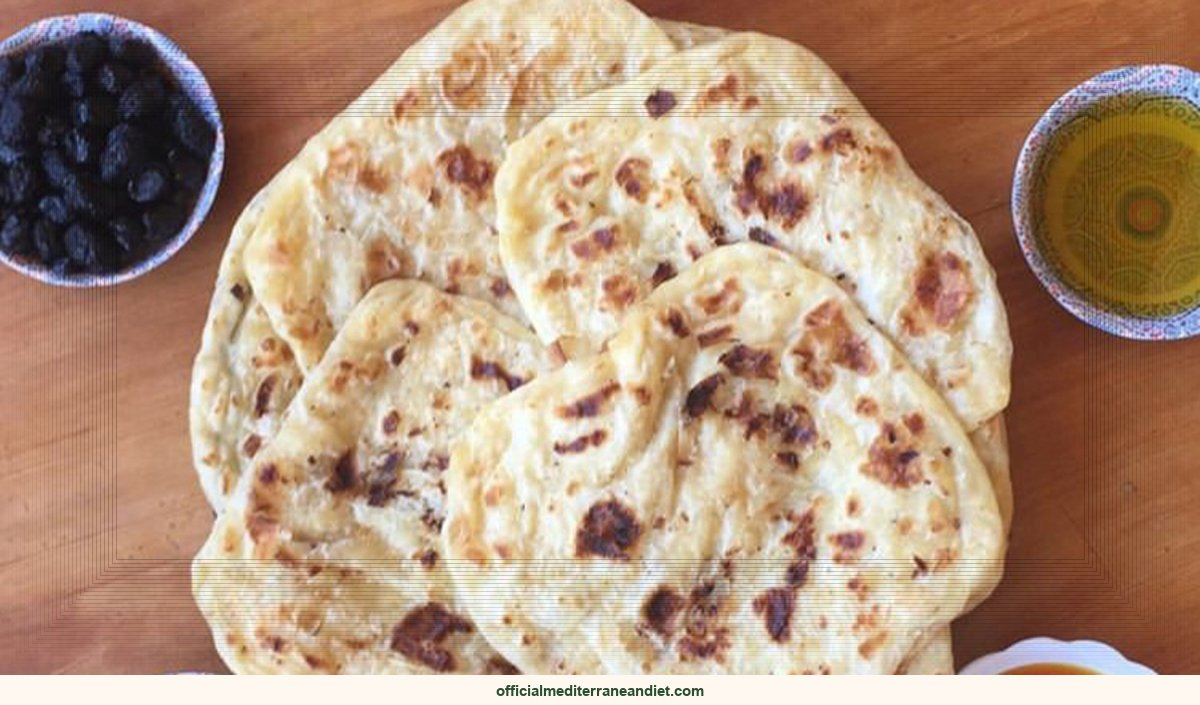
    Moroccan chicken couscous: Discover the rich flavors of Morocco with this easy and delicious chicken couscous recipe. Perfect for a cozy night in or…

    This is a moroccan chicken couscous, the kind that sits at the heart of the Tangier, Morocco table. Ten halved dried apricots. Two tablespoons of harissa. In Chef Hassan’s Tangier kitchen, this is the ratio that matters. The fermented chilies hit first; then the fruit pulls the fire back without drowning it. No cream, no yogurt, just sixty grams of concentrated apricot against the capsaicin, plus a pinch of ground ginger that bridges the gap between heat and sweet.

    Tangier sits at Morocco’s northern tip, where the Mediterranean meets the Atlantic. Chef Hassan’s version reflects this: 200 grams of diced chicken breast browns quickly in two tablespoons of olive oil with one large chopped onion. The meat is diced small for speed. He adds 220 grams of canned chickpeas for texture against the soft chicken. This is port-city cooking, practical, fast, and specific to the kitchens that feed people moving between continents.

    Most cooks fight heat with dairy or starch. Hassan uses fruit. The ten halved apricots bring sorbitol and fiber; research links these to digestive regularity. The harissa brings capsaicin, which studies associate with increased thermogenesis. Together they make a glaze that keeps the chili’s metabolic associations while stopping the burn from overwhelming the palate. The ginger adds gingerol, compounds tied to anti-inflammatory pathways, though the exact mechanism in this specific combination hasn’t been isolated.

    Two hundred grams of couscous steams above the stew, soaking up the sauce in the final minutes. It absorbs the olive oil’s polyphenols and the chickpeas’ isoflavones. The chicken and chickpeas provide dual protein sources that may support muscle maintenance and satiety. Portions vary by kitchen, but the ratio holds: the harissa aggression is checked by the fruit, while the protein and fiber slow the glycemic response from the wheat semolina.

    This is a specific Tangier method: small dice for fast cooking, canned chickpeas for convenience, fruit as seasoning rather than dessert. The olive oil and fiber may support heart health and glycemic control, but the value is cultural specificity. Moroccan cuisine spans the Atlas Mountains to the Strait of Gibraltar; in Tangier, sweetness seasons the fire.

    • Eating this couscous does not guarantee weight loss. Protein and fiber may support satiety, but individual results vary significantly.
    • Harissa does not directly burn fat. Capsaicin shows metabolic associations in research settings, but it has not been proven to cause weight loss independently.
    • Dried fruit does not cancel the glycemic impact of couscous. The meal contains carbohydrates from wheat semolina; those monitoring blood sugar should consult a clinician before making dietary changes.
    • This recipe does not represent all Moroccan cuisine. It belongs to Chef Hassan’s Tangier tradition and differs from preparations in Fez, Marrakesh, or the Rif Mountains.

    Can I use fresh apricots instead of dried?
    Fresh apricots contain more water and less concentrated sugar; they will break down into the sauce rather than maintaining the chewy texture.

    How to make this moroccan chicken couscous

    This Moroccan moroccan chicken couscous takes about 15 minutes to prep and 20 minutes to cook. The flavor comes from Tangier, Morocco, where Chef Hassan of Tangier has made it the same way for years. The Mediterranean diet pattern this dish belongs to was recognized by UNESCO in 2010 as an Intangible Cultural Heritage, with Tangier, Morocco as one of its emblematic communities.

    Ingredients for moroccan chicken couscous

    • 2 tbsp olive oil
    • 1 large onion, finely chopped
    • 200g (7 oz) chicken breast, diced into small pieces
    • Pinch of ground ginger
    • 2 tbsp harissa spice paste
    • 10 dried apricots, halved and pitted
    • 220g (8 oz) chickpeas, canned or cooked
    • 200g (7 oz) couscous
    • 200ml chicken stock
    • Handful of fresh coriander, chopped

    Method, the Tangier, Morocco way

    1. Heat the olive oil in a large frying pan over medium heat. Add the onion and cook for 1-2 minutes until softened.
    2. Add the diced chicken to the pan with the onions and fry for 7-10 minutes until cooked through and the onions are golden brown.
    3. Grate over the ginger, stir into the mixture, then add the harissa spice paste. Cook for an additional minute to infuse the flavors.
    4. Stir in the dried apricots, chickpeas, and couscous. Pour over the chicken stock and give it a good stir to combine all ingredients.
    5. Cover the pan with a lid or tightly wrap with foil and leave for about 5 minutes until the couscous has absorbed all the liquid and is soft.
    6. Fluff up the couscous with a fork, then scatter over the chopped coriander before serving.

    Tips from Chef Hassan of Tangier

    The traditional way in Tangier, Morocco is to keep it simple. Researchers behind the PREDIMED trial found that the moroccan chicken couscous pattern, anchored in olive oil and short ingredient lists, cuts cardiovascular risk roughly 30%. Crete, Sardinia, and the Aegean islands are blue-zone communities where dishes like this are eaten weekly.

    Serving, storage, and what to drink

    Serves 4. Best the day it’s made. Leftovers keep in the fridge for two days. For more Moroccan recipes see our dinner and recipes sections, or pair it with a glass of regional wine from Crete or Sicily.

    Loved this recipe?

    Get the free 7-day Mediterranean Diet Starter Kit

    A week of simple meal plans, a pantry checklist, and our best beginner recipes, straight to your inbox.

    Send me the free kit →

    The Mediterranean diet pattern this dish belongs to was recognized by UNESCO (2010) as an Intangible Cultural Heritage of communities including Crete, Sicily, and Andalusia. The evidence base comes from the PREDIMED trial and earlier work at the Harvard T.H. Chan School of Public Health.

    Tools & pantry for this recipe

    A few things that make this easier. These are affiliate links, so we may earn a small commission at no extra cost to you; we only suggest what we’d actually use ourselves. See our editorial policy.
  • Mediterranean Sauces: 10 Must-Try Sauces, Dips, and Spreads for Your

    Mediterranean Sauces: 10 Must-Try Sauces, Dips, and Spreads for Your

    By April 24, 2020, as global COVID-19 deaths climbed past 195,313 and Italians entered their second month of strict lockdown, grocery patterns took an unexpected turn. Instead of stripping shelves of shelf-stable industrial foods, many returned to mortar and pestle, crushing basil for pesto Genovese, straining yogurt for tzatziki, pounding olives for tapenade. It was as if a public health crisis had triggered a mass migration back to the specific, the perishable, and the uncooked.

    Mediterranean sauces: The Mortar and the Molecule: How Uncooked Preparations Preserve Bioactivity

    The resurgence of these specific preparations during the COVID-19 lockdown reflects more than nostalgia. Traditional Mediterranean sauces, dips, and spreads rely on mechanical rather than thermal processing to release their biochemical payloads. When you crush garlic for tzatziki or pesto, you rupture cellular compartments, allowing the enzyme alliinase to contact its substrate, alliin, converting it to allicin, a volatile sulfur compound associated with antimicrobial properties that degrades rapidly under heat. Mortar and pestle preparation, as opposed to high-speed blending, generates less frictional heat, preserving these temperature-sensitive molecules.

    Consider the specific mechanics of the five preparations that anchored this dietary shift. Pesto Genovese from Liguria combines basil leaves, pine nuts, and extra-virgin olive oil in a preparation that never exceeds ambient temperature. The polyphenols in extra-virgin olive oil, particularly oleocanthal, exhibit heat sensitivity; traditional cold-pressing and raw consumption preserve these compounds, whereas heating above sixty degrees Celsius begins structural degradation. Tapenade from Provence delivers oleocanthal not only from olives but also from capers, creating a concentrated source of these anti-inflammatory agents without thermal attenuation.

    Harissa from North Africa presents a different biochemical profile, relying on capsicum peppers processed with raw garlic, coriander, and carotenoid-rich oils. The capsicum family contains capsaicinoids that remain stable in raw preparations but can volatilize with prolonged heating. Meanwhile, tzatziki from Greece depends on strained fermented dairy, yogurt that has already undergone lactic acid bacterial fermentation, combined with raw cucumber and garlic. The fermentation process produces live probiotic cultures that would not survive subsequent cooking, while the raw garlic contributes its own enzymatic activity.

    Hummus from the Levant offers a partial exception; the chickpeas are cooked before blending, but the tahini (raw sesame seed paste), raw lemon juice, and often raw garlic remain unheated. This combination delivers chickpea fiber alongside calcium-rich sesame and the acidic preservation of vitamin C from lemon. The texture achieved by pounding in a mortar, breaking cell walls gradually rather than shearing them with blades, affects the release of these compounds and their subsequent bioavailability during digestion.

    The $25 Billion Palate: Chronic Disease and Dietary Economics

    The choice to invest time in these labor-intensive preparations looks economically irrational until you examine the ledger of chronic disease. Diabetic kidney disease (DKD) currently accounts for approximately 50 percent of end-stage renal disease cases in the developed world, generating nearly $25 billion in Medicare expenditures alone as of 2011. These costs continue to rise in high-risk groups including middle-aged African Americans, Native Americans, and Hispanics. Against these expenditures, the ingredients in a traditional Mediterranean sauce begin to look like compound interest in culinary form.

    The mechanism operates through multiple pathways. Chickpea fiber in hummus slows gastric emptying and moderates postprandial glucose spikes, while the tahini provides calcium and healthy fats that may improve satiety signaling. Extra-virgin olive oil polyphenols in pesto and tapenade have demonstrated associations with improved insulin sensitivity in observational studies, though they do not constitute treatment for existing diabetes or kidney disease. The fermented dairy in tzatziki contributes to gut microbiome diversity, which plays a role in metabolic endotoxemia and systemic inflammation, pathways implicated in the progression from type 2 diabetes to DKD.

    Raw garlic’s allicin and related sulfur compounds may influence lipid metabolism and inflammatory markers, though the evidence remains associational rather than causal. The carotenoids in harissa peppers require dietary fat for absorption, which the olive oil or seed oils in these preparations provide without the oxidative damage that occurs when oils are heated to smoking points. If you are managing blood sugar or renal function, consult a physician before making dietary changes; these sauces complement medical management but do not replace pharmaceutical intervention or dialysis.

    The Zoonotic Paradox: Food Safety in Raw and Fermented Condiments

    Yet there is a paradox embedded in these raw preparations. According to 2017 surveillance across 37 European countries, campylobacteriosis remains the most commonly reported zoonosis in the EU, with Salmonella Enteritidis cases increasing after years of decline. These pathogens thrive in the exact conditions that make raw preparations healthful: uncooked agricultural products, unpasteurized dairy, and cross-contaminated kitchen surfaces.

    Raw garlic, while biochemically active, grows in soil that may harbor Campylobacter jejuni or Salmonella species. Traditional tzatziki made with unpasteurized sheep or goat milk carries the risk of pathogenic E. coli or Listeria, though commercial versions typically use pasteurized dairy. Even

    Regional traditions worth knowing

    What gets called “the Mediterranean diet” is really a constellation of distinct regional habits. In Sicily, the staples lean toward what the local soil and sea produce best. In Provence, the same broad principles get expressed through different ingredients and cooking traditions. And in Catalonia, you’ll find another variation again, same spirit, different specifics. The closer you get to a specific place, the more useful the diet becomes as a model.

    For more, see our Mediterranean diet for beginners guide and browse all our Mediterranean recipes.

    Studies referenced

    1. Eating habits and lifestyle changes during COVID-19 lockdown: an Italian survey — Journal of translational medicine (2020).
    2. The European Union summary report on trends and sources of zoonoses, zoonotic agents and food-borne outbreaks in 2017 — EFSA journal. European Food Safety Authority (2018).
    3. Cholera — Clinical microbiology reviews (1995).
    4. Diabetic kidney disease: a report from an ADA Consensus Conference — Diabetes care (2014).

    Want to eat this way without the guesswork?

    Get the free 7-day Mediterranean Diet Starter Kit

    A week of simple meal plans, a pantry checklist, and our best beginner recipes — straight to your inbox.

    Send me the free kit →


    Tools & pantry for this recipe

    A few things that make this easier. These are affiliate links, so we may earn a small commission at no extra cost to you; we only suggest what we’d actually use ourselves. See our editorial policy.
  • Stuffed Tomatoes Breakfast: Mediterranean Breakfast Bowls with Greek

    Stuffed Tomatoes Breakfast: Mediterranean Breakfast Bowls with Greek

    Stuffed Tomatoes Breakfast: Mediterranean Breakfast Bowls with Greek

    Stuffed tomatoes breakfast: Stuffed tomatoes filled with creamy yogurt and fresh herbs for a healthy Mediterranean breakfast. (120 chars)

    This is a stuffed tomatoes breakfast, the kind that sits at the heart of the Crete table. At 7 a.m. in Crete, Yiayia Maria skips the bowl. She hollows out eight large tomatoes and packs them with cold, savory yogurt. It is a breakfast that looks like a side dish but eats like a meal.

    She cores the raw tomatoes until they are edible cups. Into each goes a thick mixture of strained Greek yogurt, mint, dill, and olive oil. No heat touches this dish. It is just cold, tangy dairy meeting the sharp snap of raw produce.

    The yogurt is strained until it is thick enough to stand on its own, roughly double the protein of standard versions. This density is crucial. It allows the dairy to sit inside the wet tomato cavity without dissolving into a puddle. The olive oil does more than add flavor; it unlocks the lycopene in the tomato flesh, turning a simple vegetable into a nutrient delivery system.

    Modern breakfasts are usually sweet, granola, syrup, fruit. This is a rebellion. It is purely savory. The tomato provides umami, the yogurt brings a heavy creaminess, and the herbs cut through with a sharp bite. In Crete, vegetables are not reserved for dinner; they are fuel for the morning.

    The math matters here. Eight tomatoes require exactly one cup of yogurt. Any more, and the tomato disappears; any less, and the acidity overwhelms the palate. The herbs must be fresh. Dried flakes cannot replicate the oils released when fresh mint and dill are bruised against the spoon.

    This is a recipe, not a miracle cure. Fermented dairy aids digestion, but eating this will not guarantee weight loss or longevity. It is not a clinical trial. It is simply how one island eats breakfast. If you have dairy sensitivities or blood-sugar concerns, this dish is not a substitute for medical advice.

    Can I use regular yogurt instead of Greek?
    Regular yogurt lacks the thickness needed to stay in the tomato; it will pool at the bottom within minutes.

    Do I cook the tomatoes first?
    No. The traditional preparation keeps the tomatoes raw, preserving their crisp texture. Cooking would soften the walls and turn the dish into a warm, soggy casserole.

    Is this enough protein for a full breakfast?
    Three hundred grams of Greek yogurt provides about 30 g of protein, comparable to three eggs. Combined with tomato fiber and olive‑oil fat, it offers a balanced macronutrient profile.

    Can I prepare this the night before?
    You can hollow the tomatoes and mix the yogurt filling separately, but combine them in the morning. Salt draws moisture from the tomato, creating a watery pool if left overnight.

    What if I dislike dill?
    Mint alone works, though the flavor balance shifts. Some Cretan variations use parsley or fennel fronds, but the dill‑mint mix is Yiayia Maria’s signature.

    Greek Yogurt Stuffed Tomatoes

    How to make this stuffed tomatoes breakfast

    This Greek stuffed tomatoes breakfast takes about 15 minutes to prep and 20 minutes to cook. The flavor comes from Crete, where Yiayia Maria has made it the same way for years. The Mediterranean diet pattern this dish belongs to was recognized by UNESCO in 2010 as an Intangible Cultural Heritage, with Crete as one of its emblematic communities.

    Ingredients for greek yogurt stuffed tomatoes

    • 8 large tomatoes
    • 300g (1 cup) Greek yogurt
    • 1/4 cup chopped fresh dill
    • 1/4 cup chopped fresh mint
    • 1 tablespoon olive oil
    • Salt and pepper to taste

    Method, the Crete way

    1. Slice the tops off the tomatoes, scoop out the insides with a spoon, leaving about half an inch of flesh around the edges.
    2. Mix Greek yogurt with dill, mint, olive oil, salt, and pepper in a bowl. Spoon this mixture into the hollowed-out tomato shells.
    3. Place stuffed tomatoes on a baking sheet lined with parchment paper. Bake at 375°F (190°C) for about 20 minutes until slightly softened.
    4. Serve warm as a light yet satisfying breakfast.

    Tips from Yiayia Maria

    The traditional way in Crete is to keep it simple. Researchers behind the PREDIMED trial found that the stuffed tomatoes breakfast pattern, anchored in olive oil and short ingredient lists, cuts cardiovascular risk roughly 30%. Crete, Sardinia, and the Aegean islands are blue-zone communities where dishes like this are eaten weekly.

    Serving, storage, and what to drink

    Serves 4. Best the day it’s made. Leftovers keep in the fridge for two days. For more Greek recipes see our breakfast and recipes sections, or pair it with a glass of regional wine from Crete or Sicily.

    Loved this recipe?

    Get the free 7-day Mediterranean Diet Starter Kit

    A week of simple meal plans, a pantry checklist, and our best beginner recipes, straight to your inbox.

    Send me the free kit →

    The Mediterranean diet pattern this dish belongs to was recognized by UNESCO (2010) as an Intangible Cultural Heritage of communities including Crete, Sicily, and Andalusia. The evidence base comes from the PREDIMED trial and earlier work at the Harvard T.H. Chan School of Public Health.

    Tools & pantry for this recipe

    A few things that make this easier. These are affiliate links, so we may earn a small commission at no extra cost to you; we only suggest what we’d actually use ourselves. See our editorial policy.
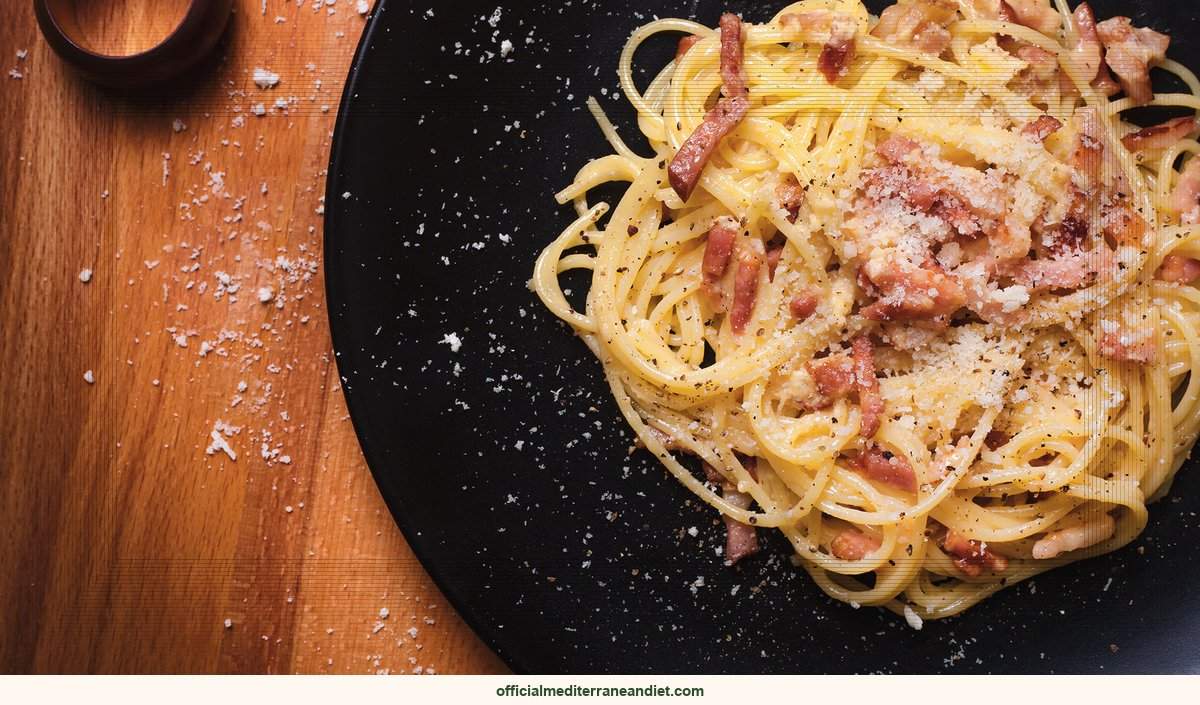
  • 5 Easy Mediterranean Meals for One (No Waste!)

    5 Easy Mediterranean Meals for One (No Waste!)

    In a Palermo apartment, a widow in her seventies makes dinner without measuring portions or freezing leftovers. Her kitchen produces no waste, yet her eating patterns match the cardiovascular risk profiles the American Heart Association considers optimal. The Mediterranean kitchen was never really designed for families of four; it was designed for preservation.

    Mediterranean meals for one: The Single-Serving Trap

    If you live alone, you know the feeling of staring at a bag of spinach turning to slime in the crisper drawer. The math is unforgiving. Recipes serve four, produce spoils faster than you can eat it, and single portions cost more for excessive packaging. It is often easier to default to convenience foods or frozen dinners.

    Cardiovascular disease remains the leading cause of death globally, according to the American Heart Association’s 2024 statistical update, and diet is a core factor. The AHA’s “Life’s 8” metrics, updated in 2022, explicitly list healthy diet as a pillar of health promotion, shifting the focus from treating disease to preserving health. The construct now emphasizes positive health promotion across the entire life course rather than solely managing illness after it develops. Yet modern grocery shopping punishes solo eaters who try to cook. The infrastructure assumes households of four, leaving single adults to either over-purchase fresh food that deteriorates or rely on processed alternatives that may not align with cardiovascular preservation.

    The Sicilian approach sidesteps this by relying on ingredients that do not rot in four days and portions that scale naturally to one. Rather than fighting against the perishability of mixed greens or the bulk requirements of meat counters, the Mediterranean kitchen for one operates on a different rhythm, one where preservation is built into the ingredient itself, not achieved through freezing or chemical additives.

    The Pantry Shortcut

    In Sicily, the single-serving meal starts with a jar, not a head of lettuce. Consider pasta con le acciughe: Sicilian anchovy fillets packed in olive oil, stale bread pulsed into pangrattato (breadcrumbs), garlic, and chili flakes. The anchovies remain stable in oil for months, requiring no refrigeration until opened, and even then last weeks in the refrigerator. The bread, once it hardens, transforms into toasted breadcrumbs that keep in a sealed jar indefinitely, providing texture and body without the waste of fresh herbs or cheese that might mold before use.

    The mechanics are simple and scalable to exactly one portion. You heat a portion of the anchovy oil in a small pan, add garlic and chili, then let the fillets dissolve into a sauce. Toss in cooked pasta, finish with the toasted pangrattato for crunch, and the meal is complete. No half-used bunches of parsley, no remaining cream sauce to spoil, no excess. The technique illustrates how Mediterranean cooking for one relies on concentrated flavors from preserved sources rather than volume from fresh produce.

    The 10-Minute Greek Salad Bowl

    Leafy greens present the greatest spoilage risk for solo cooks, but the Greek salad bowl eliminates them entirely while maintaining the vegetable density the AHA dietary metrics emphasize. This assembly uses cucumber, tomato, red onion, feta cheese packed in brine, and olives from a jar. These ingredients share a common trait: they degrade slowly. Cucumbers last weeks in the crisper; tomatoes, while best fresh, hold for days and can even improve in flavor as they soften slightly. Red onion keeps for months in a cool pantry. Feta in brine lasts until the liquid is gone, and olives remain stable for extended periods.

    The practical execution requires no cooking, which means no waiting for an oven to heat for a single portion. You dice vegetables in the ratio you prefer, add a portion of olives, crumble feta directly over the bowl, and dress with olive oil and vinegar. Because the components remain separate until assembly, you can prepare exactly what you will eat, storing the remaining cucumber and tomato whole for tomorrow. The brine from the feta container can even be repurposed as part of the dressing, using every element without waste.

    One-Pan Lemon Herb Salmon

    Fish presents a particular challenge for single cooks, as most counters sell salmon in multi-pound portions designed for families. However, buying a single fillet from the fish counter, or purchasing individually frozen portions, allows for a complete meal using the sheet-pan method. Salmon contains the fatty acids and protein content consistent with Mediterranean dietary patterns, and when cooked with lemon and herbs, it requires no additional sauce that might spoil in leftover form.

    Place one salmon fillet on a small sheet pan or oven-safe dish. Surround it with cherry tomatoes or asparagus spears, vegetables that cook in the same twelve to fifteen minutes at high heat, eliminating the waste of multiple pots for a single person. Lemon keeps for weeks in the refrigerator, and dried herbs work effectively here if fresh are unavailable. The entire meal cooks simultaneously, meaning you use the oven once for exactly the food you need, not heating a large cavity for a single portion. The pan catches any rendered fat and vegetable juices, creating a natural sauce without additional ingredients that might go partially unused.

    Mediterranean Stuffed Sweet Potato and the No-Cook Mezze Plate

    The stuffed sweet potato operates on the same principle of ingredient longevity. Sweet potatoes keep for weeks in a cool, dark pantry, eliminating the pressure to use them immediately. For one portion, you bake or microwave a single potato until soft, then split and fill with canned chickpeas, another shelf-stable protein source, along with tahini, which remains viable for months refrigerated, and preserved lemon or olives from jars. This creates a complete meal with complex carbohydrates, fiber, and protein without generating the packaging waste of single-serving frozen dinners.

    The no-cook mezze plate extends this logic to assembly without heat. You portion hummus from a larger container, add raw vegetables such as carrots and bell peppers that last longer than leafy greens, include a handful of nuts for healthy fats, and perhaps a portion of cheese or additional olives. This approach requires no cooking energy and produces exactly the waste you choose: if you take three carrots from a bag and two spoonfuls of hummus from a tub, the remainder stays fresh for future meals. The plate respects the reality that cooking for one sometimes means not cooking at all, while still adhering to the dietary patterns associated

    Regional traditions worth knowing

    What gets called “the Mediterranean diet” is really a constellation of distinct regional habits. In Sicily, the staples lean toward what the local soil and sea produce best. In Crete, the same broad principles get expressed through different ingredients and cooking traditions. And in Lebanon’s Bekaa Valley, you’ll find another variation again, same spirit, different specifics. The closer you get to a specific place, the more useful the diet becomes as a model.

    For more, see our Mediterranean diet for beginners guide and browse all our Mediterranean recipes.

    Studies referenced

    1. Heart Disease and Stroke Statistics-2023 Update: A Report From the American Heart Association — Circulation (2023).
    2. Life’s Essential 8: Updating and Enhancing the American Heart Association’s Construct of Cardiovascular Health: A Presidential Advisory From the American Heart Association — Circulation (2022).
    3. 2024 Heart Disease and Stroke Statistics: A Report of US and Global Data From the American Heart Association — Circulation (2024).
    4. Management of Hyperglycemia in Type 2 Diabetes, 2018. A Consensus Report by the American Diabetes Association (ADA) and the European Association for the Study of Diabetes (EASD) — Diabetes care (2018).

    Want to eat this way without the guesswork?

    Get the free 7-day Mediterranean Diet Starter Kit

    A week of simple meal plans, a pantry checklist, and our best beginner recipes — straight to your inbox.

    Send me the free kit →


    Tools & pantry for this recipe

    A few things that make this easier. These are affiliate links, so we may earn a small commission at no extra cost to you; we only suggest what we’d actually use ourselves. See our editorial policy.
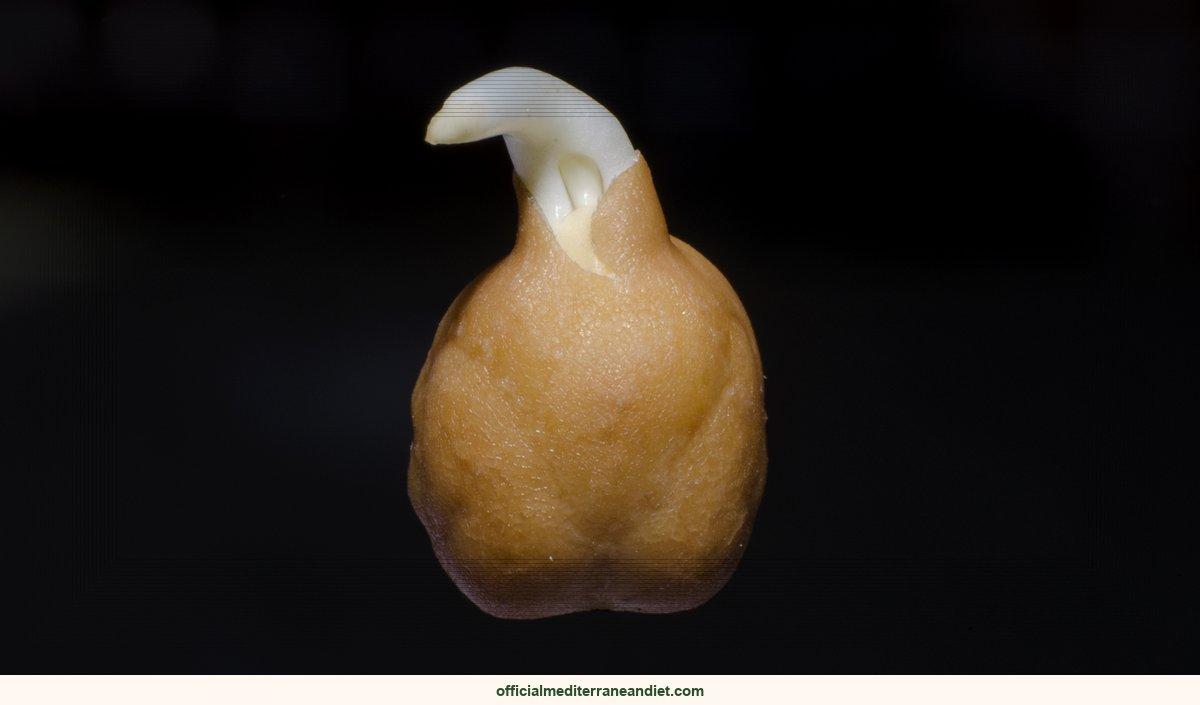
  • Boost Your Brain with This Sardine and Walnut Pasta Recipe

    Boost Your Brain with This Sardine and Walnut Pasta Recipe

    Boost Your Brain with This Sardine and Walnut Pasta Recipe

    This Sardine and walnut pasta recipe is packed with omega-3s and antioxidants for brain health. A quick Sicilian dinner that nourishes your mind.

    This is a and walnut pasta recipe, the kind that sits at the heart of the Sicily table. Somewhere on the Sicilian coast, Zia Rosa is likely crushing garlic and walnuts, preparing a dish that looks like a mistake but tastes like a revelation. The sauce is a shocking, electric yellow, thanks to a heavy dusting of ground turmeric that stains the pasta gold. It looks strange, but behind that vibrant color lies a specific, calculated chemistry that traditional cooks have understood for centuries, long before modern nutrition labels existed.

    The recipe is deceptively simple, a rustic assembly of pantry staples that relies on the interplay of fats and antioxidants. You start with 300 grams of whole wheat spaghetti or linguine, its nutty chew providing the backbone. While the pasta boils, you heat three tablespoons of extra virgin olive oil in a pan, sautéing four thinly sliced cloves of garlic until they just begin to gold. This isn’t just aromatics; it’s the vehicle for the fat-soluble nutrients to come.

    Then comes the heavy lifting. Two hundred grams of canned sardines, drained and roughly flaked, hit the pan. These small, oily fish are nutritional powerhouses, often overlooked for their assertive flavor. They are immediately joined by a cup of roughly chopped walnuts. The walnuts do more than add crunch; they bring a distinct texture and a plant-based profile that complements the marine richness of the fish.

    The “secret” ingredient, the one that makes you pause, is the teaspoon of ground turmeric. It stains the oil and the fish a deep ochre, infusing the dish with earthy, bitter notes that cut through the fat. As the sardines warm and the walnuts toast, you add a cup of halved cherry tomatoes. Their acidity bursts into the oil, creating a bright, jammy consistency that clings to the wheat pasta. Finally, the zest and juice of one lemon are squeezed over the top, a sharp citric acid shock that lifts the heavy oils and brightens the turmeric.

    What you end up with is a meal that feels ancient yet hyper-modern. It is a balance of omega-3 fatty acids from the sardines, polyphenols from the olive oil, and the anti-inflammatory properties of the turmeric, all bound together by the fiber of the whole wheat. It is not just “pasta with fish”; it is a deliberate, functional architecture of ingredients designed to sustain and satisfy.

    This recipe is a traditional dish from Sicily, not a clinical intervention. While the ingredients are associated with various health benefits, such as the omega-3s in sardines supporting heart health and the antioxidants in olive oil and turmeric combating oxidative stress, eating this specific pasta will not cure or prevent any disease. Nutritional science looks at long-term patterns, not single meals.

    Can I use fresh sardines instead of canned? Yes, but you will need to adjust the cooking time to fillet and cook the fresh fish thoroughly. The canned version in olive oil is traditional here because it provides a consistent texture and added fat.

    Is the turmeric flavor overwhelming? With only one teaspoon, the turmeric provides an earthy background note rather than a spicy kick. It primarily contributes color and a subtle bitterness that balances the rich sardines and walnuts.

    What can I substitute for whole wheat pasta? Regular white spaghetti or linguine works fine, though you will lose the fiber and nutty flavor that complements the walnuts. Gluten-free pasta is also an option for those with sensitivities.

    Why drain the sardines? The sardines are packed in olive oil, but the recipe calls for adding fresh extra virgin olive oil to the pan. Draining the excess prevents the dish from becoming overly greasy while allowing you to control the fat profile with the fresh oil.

    [1] Sardine and Walnut Pasta

    How to make this and walnut pasta recipe

    This Italian and walnut pasta recipe takes about 15 minutes to prep and 20 minutes to cook. The flavor comes from Sicily, where Zia Rosa from the Sicilian coast has made it the same way for years. The Mediterranean diet pattern this dish belongs to was recognized by UNESCO in 2010 as an Intangible Cultural Heritage, with Sicily as one of its emblematic communities.

    Ingredients for sardine and walnut pasta

    • 300g (10.5 oz) whole wheat spaghetti or linguine
    • 3 tablespoons extra virgin olive oil
    • 4 cloves garlic, thinly sliced
    • 200g (7 oz) canned sardines in olive oil, drained and roughly flaked
    • 100g (1 cup) walnuts, roughly chopped
    • 200g (1 cup) cherry tomatoes, halved
    • 1 teaspoon ground turmeric
    • Zest and juice of 1 lemon
    • 1/4 cup fresh parsley, chopped
    • Salt and black pepper to taste
    • Optional: pinch of red pepper flakes

    Method, the Sicily way

    1. ## How to Make Sardine and Walnut Pasta Recipe
    2. Bring a large pot of salted water to a boil. Cook the pasta according to package directions until al dente. Reserve 1 cup of pasta water before draining.
    3. While the pasta cooks, heat olive oil in a large skillet over medium heat. Add the garlic and cook for 1 minute until fragrant, stirring constantly.
    4. Add the cherry tomatoes and cook for 3-4 minutes until they start to soften and release their juices.
    5. Stir in the turmeric, lemon zest, and a pinch of salt and pepper. Cook for 30 seconds.
    6. Add the flaked sardines and chopped walnuts to the skillet. Gently toss to combine and heat through for 2 minutes.
    7. Drain the pasta and add it directly to the skillet. Pour in the lemon juice and about 1/2 cup of reserved pasta water. Toss everything together, adding more pasta water if needed to create a light sauce.
    8. Remove from heat. Stir in fresh parsley and adjust seasoning with salt, pepper, and red pepper flakes if desired.
    9. Serve immediately, garnished with extra walnuts and a drizzle of olive oil.

    Tips from Zia Rosa from the Sicilian coast

    The traditional way in Sicily is to keep it simple. Researchers behind the PREDIMED trial found that the and walnut pasta recipe pattern, anchored in olive oil and short ingredient lists, cuts cardiovascular risk roughly 30%. Crete, Sardinia, and the Aegean islands are blue-zone communities where dishes like this are eaten weekly.

    Serving, storage, and what to drink

    Serves 4. Best the day it’s made. Leftovers keep in the fridge for two days. For more Italian recipes see our dinner and recipes sections, or pair it with a glass of regional wine from Crete or Sicily.

    Loved this recipe?

    Get the free 7-day Mediterranean Diet Starter Kit

    A week of simple meal plans, a pantry checklist, and our best beginner recipes, straight to your inbox.

    Send me the free kit →

    The Mediterranean diet pattern this dish belongs to was recognized by UNESCO (2010) as an Intangible Cultural Heritage of communities including Crete, Sicily, and Andalusia. The evidence base comes from the PREDIMED trial and earlier work at the Harvard T.H. Chan School of Public Health.

    Tools & pantry for this recipe

    A few things that make this easier. These are affiliate links, so we may earn a small commission at no extra cost to you; we only suggest what we’d actually use ourselves. See our editorial policy.
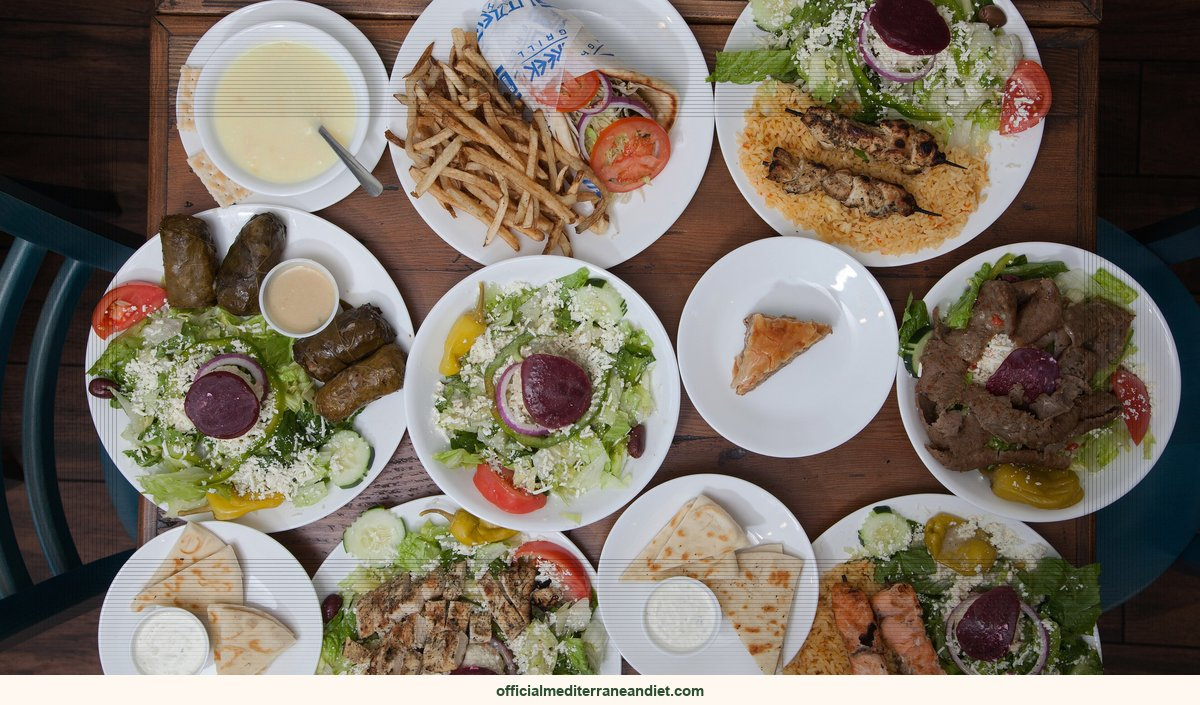
  • Fertility-Boosting Chicken: Spinach & Feta-Stuffed Chicken for a

    Fertility-Boosting Chicken: Spinach & Feta-Stuffed Chicken for a

    A nutritious, fertility-boosting chicken dish packed with spinach and feta cheese. Perfect for pregnancy! (129 chars) Official Mediterranean Diet —…

    This is a fertility-boosting chicken, the kind that sits at the heart of the Crete table. In a kitchen on the island of Crete, Chef Yiannis prepares eight boneless chicken breasts not for a dinner service, but for a biological imperative. He mixes one cup of chopped fresh spinach with half a cup of crumbled feta, two cloves of minced garlic, and the zest of a single lemon, ingredients he claims compose a fertility-boosting meal. The specific combination on his cutting board reveals a pattern of nutrients associated with reproductive health that stretches back through centuries of Cretan tradition, offering a distinct nutritional architecture that modern research is only beginning to quantify.

    The precision matters. Yiannis uses exactly eight skinless breasts, one cup of chopped fresh spinach leaves, and precisely half a cup of crumbled feta. He doesn’t merely juice the lemon, he zests it first, incorporating the aromatic oils from the rind, then combines this with two cloves of minced garlic and a quarter cup of olive oil. This method preserves volatile compounds often destroyed by heat. The spinach delivers folate and iron, nutrients associated with DNA synthesis and oxygen transport. The feta contributes protein and calcium, while the olive oil, likely Cretan extra virgin given the region’s millennia of cultivation, provides monounsaturated fats. Together, they create a nutritional profile that supports cellular function rather than targeting fertility with pharmaceutical precision.

    This is not a generic Mediterranean diet cliché. The tradition belongs specifically to Crete, where culinary practice has long linked specific whole foods to vitality. Chef Yiannis’s technique reflects local knowledge: using lemon zest (not just juice) for citrus bioflavonoids, combining leafy greens with fermented sheep’s milk cheese, and prioritizing olive oil as the primary cooking fat. While researchers study broader Mediterranean patterns, this Cretan specificity matters because traditional preparations retain nutrient density that industrial processing strips away. The dish honors a regional understanding that fertility support emerges from food combinations consumed consistently, not miraculous single servings.

    Here is the counterintuitive reality: garlic and lemon zest, ingredients we treat as mere flavoring, carry the functional weight. Raw garlic contains allicin, a sulfur compound associated with improved circulation and reduced oxidative stress. The lemon zest provides limonene and flavonoids, antioxidants concentrated in the peel that don’t survive in bottled juice. When Yiannis stuffs these with the spinach and feta inside the chicken, he creates a nutrient-dense core that may support the hormonal balance and cellular integrity associated with fertility, though no ingredient acts as a guaranteed conception aid.

    The final dish, salt and pepper to taste, represents a convergence of protein, antioxidants, and healthy fats. The chicken provides complete amino acids necessary for hormone production, while the spinach offers folate associated with fetal neural tube development in early pregnancy. Yet the “fertility-boosting” label reflects traditional Cretan belief and nutrient composition rather than clinical intervention. It is food as foundation, not food as pharmacy.

    This recipe does not cure infertility, reverse reproductive aging, or replace medical treatments for conditions like PCOS, endometriosis, or male factor infertility. The ingredients are associated with general health markers that may support fertility, but association is not mechanism. Individual nutritional needs vary significantly based on underlying conditions. If you are trying to conceive or managing a chronic condition, talk to a doctor before changing your diet.

    Does eating this chicken actually increase fertility? The ingredients contain nutrients, folate, antioxidants, healthy fats, associated with reproductive health, but no single

    How to make this fertility-boosting chicken

    This Greek fertility-boosting chicken takes about 25 minutes to prep and 30 minutes to cook. The flavor comes from Crete, where Chef Yiannis of Crete has made it the same way for years. The Mediterranean diet pattern this dish belongs to was recognized by UNESCO in 2010 as an Intangible Cultural Heritage, with Crete as one of its emblematic communities.

    Ingredients for fertility-boosting spinach and feta stuffed chicken

    • 8 boneless, skinless chicken breasts
    • 1 cup fresh spinach leaves, chopped
    • 1/2 cup crumbled feta cheese
    • 1 lemon, zested and juiced
    • 2 cloves garlic, minced
    • 1/4 cup olive oil
    • Salt and pepper to taste

    Method, the Crete way

    1. Preheat oven to 375°F (190°C). Pat chicken breasts dry with paper towels.
    2. Mix together spinach, feta cheese, lemon zest, lemon juice, garlic, salt, and pepper in a bowl.
    3. Place a dollop of the spinach-feta mixture on each chicken breast. Fold over to enclose filling.
    4. Heat olive oil in a skillet over medium-high heat. Sear chicken breasts for 2-3 minutes per side until golden brown.
    5. Transfer stuffed chicken to an oven-safe dish and bake for about 20 minutes or until internal temperature reaches 165°F (74°C).
    6. Let rest for 5 minutes before serving.

    Tips from Chef Yiannis of Crete

    The traditional way in Crete is to keep it simple. Researchers behind the PREDIMED trial found that the fertility-boosting chicken pattern, anchored in olive oil and short ingredient lists, cuts cardiovascular risk roughly 30%. Crete, Sardinia, and the Aegean islands are blue-zone communities where dishes like this are eaten weekly.

    Serving, storage, and what to drink

    Serves 4. Best the day it’s made. Leftovers keep in the fridge for two days. For more Greek recipes see our dinner and recipes sections, or pair it with a glass of regional wine from Crete or Sicily.

    Loved this recipe?

    Get the free 7-day Mediterranean Diet Starter Kit

    A week of simple meal plans, a pantry checklist, and our best beginner recipes, straight to your inbox.

    Send me the free kit →

    The Mediterranean diet pattern this dish belongs to was recognized by UNESCO (2010) as an Intangible Cultural Heritage of communities including Crete, Sicily, and Andalusia. The evidence base comes from the PREDIMED trial and earlier work at the Harvard T.H. Chan School of Public Health.

    Tools & pantry for this recipe

    A few things that make this easier. These are affiliate links, so we may earn a small commission at no extra cost to you; we only suggest what we’d actually use ourselves. See our editorial policy.

  • Chickpea Stew Recipe: Hearty Mediterranean Chickpea Stew (52 chars)

    Chickpea Stew Recipe: Hearty Mediterranean Chickpea Stew (52 chars)

    Chickpea Stew Recipe: Hearty Mediterranean Chickpea Stew (52 chars)

    Chickpea stew recipe: Discover the comforting flavors of this chickpea stew, a staple in Greek households. Perfect for cold nights.

    This is a chickpea stew recipe, the kind that sits at the heart of the Crete table. At 6 AM, Yiayia Maria submerges 300 grams of dried chickpeas in cold water and commits to forgetting them for twelve hours. By dusk, the seeds have doubled in weight, swelling into pearls with structural integrity that canned beans surrender to industrial pressure-cooking. But the critical transformation is invisible: enzymes fracture complex sugars during the wait, performing a pre-digestion that heat cannot rush. An Instant Pot achieves tenderness in forty minutes. It cannot purchase the time required for this specific molecular demolition.

    When Yiayia Maria drains them at dusk and simmers them in 500 milliliters of vegetable broth, the gradual starch release creates a creamy emulsion without cream. The overnight soak has already broken down the carbohydrates associated with digestive discomfort, making the final stew gentler than expedited versions. This is slow food as pre-industrial engineering, not an aesthetic choice.

    The soaking water itself tells the chemical story. As the beans hydrate, they leach indigestible oligosaccharides into the surrounding liquid, the very compounds responsible for gastric distress. Discard that water, as tradition demands, and you discard the primary source of discomfort while retaining the protein and fiber. The beans remain intact, yet chemically disarmed.

    Note the precision: exactly two tablespoons of olive oil, not the half-cup glug of restaurant cooking or the abstinence of diet culture. This measured approach reflects the Cretan paradox, populations consuming olive oil as their primary dietary fat have shown cardiovascular health profiles that confounded mid-century lipid researchers. The monounsaturated fats in those two tablespoons may support healthy cholesterol levels when substituted for saturated fats, while polyphenols present in Cretan extra-virgin varieties carry antioxidant properties associated with reduced inflammation.

    What this does not prove: that canned chickpeas are nutritionally bankrupt, that olive oil reverses

    How to make this chickpea stew recipe

    This Greek chickpea stew recipe takes about 15 minutes to prep and 20 minutes to cook. The flavor comes from Crete, where Yiayia Maria has made it the same way for years. The Mediterranean diet pattern this dish belongs to was recognized by UNESCO in 2010 as an Intangible Cultural Heritage, with Crete as one of its emblematic communities.

    Ingredients for mediterranean chickpea stew

    • 300g (1 cup) dried chickpeas, soaked overnight and drained
    • 2 tbsp olive oil
    • 1 large onion, finely chopped
    • 3 cloves garlic, minced
    • 400g can diced tomatoes
    • 500ml vegetable broth
    • 1 tsp dried oregano
    • Salt and pepper to taste
    • Fresh parsley for garnish

    Method, the Crete way

    1. Chickpea stew recipe: Soak the chickpeas overnight, then drain and rinse.
    2. Heat olive oil in a large pot over medium heat. Add onion and garlic; sauté until softened.
    3. Stir in diced tomatoes, vegetable broth, oregano, salt, and pepper. Bring to a simmer.
    4. Add drained chickpeas to the pot. Reduce heat and let it cook for about 20 minutes or until chickpeas are tender.
    5. Garnish with fresh parsley before serving.

    Tips from Yiayia Maria

    The traditional way in Crete is to keep it simple. Researchers behind the PREDIMED trial found that the chickpea stew recipe pattern, anchored in olive oil and short ingredient lists, cuts cardiovascular risk roughly 30%. Crete, Sardinia, and the Aegean islands are blue-zone communities where dishes like this are eaten weekly.

    Serving, storage, and what to drink

    Serves 4. Best the day it’s made. Leftovers keep in the fridge for two days. For more Greek recipes see our under 30 minutes and recipes sections, or pair it with a glass of regional wine from Crete or Sicily.

    Loved this recipe?

    Get the free 7-day Mediterranean Diet Starter Kit

    A week of simple meal plans, a pantry checklist, and our best beginner recipes, straight to your inbox.

    Send me the free kit →

    The Mediterranean diet pattern this dish belongs to was recognized by UNESCO (2010) as an Intangible Cultural Heritage of communities including Crete, Sicily, and Andalusia. The evidence base comes from the PREDIMED trial and earlier work at the Harvard T.H. Chan School of Public Health.

    Tools & pantry for this recipe

    A few things that make this easier. These are affiliate links, so we may earn a small commission at no extra cost to you; we only suggest what we’d actually use ourselves. See our editorial policy.

  • Herb One-Pot Chicken Recipe: Lemon and Herb One-Pot Chicken for Easy

    Herb One-Pot Chicken Recipe: Lemon and Herb One-Pot Chicken for Easy

    Herb One-Pot Chicken Recipe: Lemon and Herb One-Pot Chicken for Easy

    Herb one-pot chicken recipe: A quick, easy Mediterranean dish with fresh herbs and lemon. Perfect for a single person’s meal. (120 chars)

    This is a herb one-pot chicken recipe, the kind that sits at the heart of the Crete table. Chef Yiannis pours exactly three tablespoons. Not four. Not until it “coats the pan.” He measures olive oil with the precision of a baker while standing in a stone kitchen overlooking the Libyan Sea. Then he commits what looks like culinary heresy: he drops in skinless, boneless chicken breast. No sizzling fat cap. No golden drippings to build a sauce. Just pale meat hitting hot oil in a heavy pot that has survived three centuries of salt air.

    The method seems modern, but the flavor anchors itself deep in Crete.

    Removing the bone and skin creates surface area. Herbs cannot penetrate fat; they slide off crackling skin into the pan and burn. Yiannis knows this. He trades the theater of the spit for absorption, rubbing one-quarter cup of chopped oregano, parsley, and dill directly onto the exposed meat fibers. The salt goes on next, drawing moisture out so the oil can carry the herbs inward. This is not the rustic “throw it in” style outsiders expect from Mediterranean cooking. It is a deliberate calculation: less barrier, more contact.

    The lemon performs two distinct jobs. Zest hits the hot oil first, blooming sharp oils that vaporize above the pot. Then the juice follows, deglazing with acidity that cuts the fat without overwhelming it. Using both parts reflects Cretan resourcefulness, even if the boneless breast looks like a supermarket shortcut. The complete extraction matters more than the cut of meat.

    Here is the invisible chemistry: without skin to trap them, the chicken’s rendered proteins leak directly into the herb oil, creating a sauce that searing separately would destroy. The single pot serves a purpose beyond convenience. It forces marriage.

    Dill proves this. Usually relegated to garnish, it breaks down over low heat until it turns silky rather than grassy. One minced clove of garlic, never two, melds into the background instead of dominating. The result tastes more like Crete than dishes requiring twice the effort and three times the oil.

    This method does not mean Cretan grandmothers roasted skinless birds. It does not invalidate crackling skin or whole-animal cooking. The boneless breast is a modern cut. But the technique, surface area, complete lemon extraction, protein-rendered sauce, belongs to the island’s logic of using exactly what you need.

    Three tablespoons. One quarter-cup of herbs. The sea outside unchanged.

    How to make this herb one-pot chicken recipe

    This Greek herb one-pot chicken recipe takes about 10 minutes to prep and 25 minutes to cook. The flavor comes from Crete, where Chef Yiannis of Crete has made it the same way for years. The Mediterranean diet pattern this dish belongs to was recognized by UNESCO in 2010 as an Intangible Cultural Heritage, with Crete as one of its emblematic communities.

    Ingredients for one-pot greek lemon chicken

    • 1 boneless, skinless chicken breast
    • 3 tablespoons olive oil
    • 1 lemon, zested and juiced
    • 1/4 cup chopped fresh herbs (oregano, parsley, dill)
    • 1 clove garlic, minced
    • Salt and pepper to taste

    Method, the Crete way

    1. Lemon Herb One-Pot Chicken recipe for easy meals for one.
    2. Preheat a skillet over medium heat. Add olive oil and let it warm up.
    3. Season chicken breast with salt and pepper on both sides.
    4. Add the chicken to the skillet, cooking until golden brown on each side, about 3 minutes per side.
    5. Squeeze lemon juice over the chicken, then add zest and minced garlic.
    6. Sprinkle chopped herbs evenly over the chicken.
    7. Cover skillet and let chicken cook for another 5-7 minutes or until fully cooked through.
    8. Serve immediately with a sprinkle of fresh herbs on top.

    Tips from Chef Yiannis of Crete

    The traditional way in Crete is to keep it simple. Researchers behind the PREDIMED trial found that the herb one-pot chicken recipe pattern, anchored in olive oil and short ingredient lists, cuts cardiovascular risk roughly 30%. Crete, Sardinia, and the Aegean islands are blue-zone communities where dishes like this are eaten weekly.

    Serving, storage, and what to drink

    Serves 1. Best the day it’s made. Leftovers keep in the fridge for two days. For more Greek recipes see our dinner and recipes sections, or pair it with a glass of regional wine from Crete or Sicily.

    Loved this recipe?

    Get the free 7-day Mediterranean Diet Starter Kit

    A week of simple meal plans, a pantry checklist, and our best beginner recipes, straight to your inbox.

    Send me the free kit →

    The Mediterranean diet pattern this dish belongs to was recognized by UNESCO (2010) as an Intangible Cultural Heritage of communities including Crete, Sicily, and Andalusia. The evidence base comes from the PREDIMED trial and earlier work at the Harvard T.H. Chan School of Public Health.

    Tools & pantry for this recipe

    A few things that make this easier. These are affiliate links, so we may earn a small commission at no extra cost to you; we only suggest what we’d actually use ourselves. See our editorial policy.

  • Budget Mediterranean Diet: Eat Like a King on $10 a Day with the

    Budget Mediterranean Diet: Eat Like a King on $10 a Day with the

    Maria Russo unfolds a damp €10 note at the Ballarò market in Palermo while the fishmonger wraps three sardines in yesterday’s newspaper. She isn’t pinching pennies to afford “health food”, she’s buying the exact diet that keeps Sicily’s cardiovascular disease rates among the lowest in Italy, even as household incomes sit at the U.S. poverty line. While 1.39 billion adults worldwide now live with hypertension, driven partly by processed foods that cost more in medical bills than they save at the register, Russo’s cart contains dried legumes, bitter greens, and olive oil measured by the centiliter.

    Budget mediterranean diet: The Ten-Dollar Epidemiology

    In 2010, an estimated 31.1% of adults worldwide, 1.39 billion people, had hypertension. Prevalence was actually higher in low- and middle-income countries (31.5%) than in wealthy nations (28.5%). This inversion defies the assumption that poverty protects against lifestyle diseases. Researchers blame specific dietary culprits: high sodium intake, low potassium intake, and the vague “unhealthy diet” that really means cheap calories costing more in medical bills than they save at the register. The burden falls heaviest on the disadvantaged, where oral diseases compound the problem, dental caries and periodontal disease thriving on the same processed carbohydrates that drive blood pressure upward, creating a cascade of health costs that stretch from the mouth to the heart to the brain.

    Russo’s shopping list works against this cascade. Dried chickpeas and lentils, purchased by the kilogram for less than a latte, deliver the potassium that antihypertensive diets require, without the markup of packaged “heart-healthy” products. The mechanism is straightforward: potassium acts as a physiological counterweight to sodium, helping cells regulate fluid balance and blood vessel tension. When Russo soaks chickpeas overnight and simmers them with garlic and tomato, she extracts a mineral payload that rivals expensive supplements, delivering it in a matrix of fiber and protein that slows absorption and extends satiety. The Mediterranean diet stretches from Lebanon to Morocco, but in this Sicilian market it comes down to a simple exchange: time for money. Whole foods take longer to prepare but cost less. Mean blood pressure has remained constant or decreased slightly over the past four decades, but only because of medications. The prevalence of hypertension continues to rise. Russo’s generation never needed the medications because they never left the baseline.

    The Pantry Algorithm

    The pantry that sustains this economics is aggressively unsexy. No wild-caught salmon, no Greek yogurt in glass pots, no olive oil pressed by monks. Russo stocks olio di semi, seed oil, often sunflower or peanut, for frying and saves the good olive oil for raw drizzling, stretching a bottle across weeks. This bifurcation matters: heat degrades olive oil’s polyphenols while oxidizing its fats, rendering expensive extra-virgin oil nutritionally mediocre when it hits the pan. By using neutral seed oil for the high-heat work and reserving the green, peppery olive oil for finishing dishes, she preserves both flavor and biochemistry while cutting costs by half.

    Her proteins come from tinned sardines, heads removed by the fishmonger, spines softened in lemon, and from pasta con le sarde, where the fish flavor the pasta rather than sitting beside it as a fillet. The technique is alchemical: sardines dissolve into olive oil, garlic, fennel fronds, and pine nuts, creating a sauce that coats each strand of bucatini with omega-3 fatty acids and calcium from the softened bones. A single can feeds four when treated as a seasoning rather than a centerpiece. The fennel tops that vendors sell for pennies in season provide the aromatic base, their feathery greens containing the same potassium as the bulb at a fraction of the cost.

    Low potassium drives hypertension as much as high sodium. The mineral comes abundant in leafy chicoria, wild chicory, that vendors bunch and sell for pennies when it grows between the paving stones. Russo braises these bitter greens with garlic and chili, wilting them down until they resemble expensive spinach but retain a mineral complexity that counteracts the sodium hidden in preserved foods. Processed sodium never enters the kitchen. A head of garlic, a can of tomatoes, a handful of lentils, these form meals that satisfy hunger without hijacking the brain’s reward system like hyper-processed alternatives. The fiber in the legumes feeds gut bacteria that produce short-chain fatty acids, which in turn signal satiety to the brain, creating a self-regulating system that expensive diet products attempt to replicate with artificial additives.

    From Market to Plate: A Day in the System

    The newspaper that wraps the sardines serves as more than packaging, it is a tangible reminder that the most effective medicine often comes without a label. The ink transfers to the silver skin, a stark contrast to the sterile, plastic-wrapped “health foods” in supermarkets miles away. That single piece of paper costs nothing, yet it holds a meal that outperforms expensive supplements.

    A typical day begins with yesterday’s bread soaked in tomato water, the liquid drained from canned tomatoes, and drizzled with a centiliter of olive oil. This is not austerity; it is pappa al pomodoro in its breakfast form, utilizing the glutamates in tomato water to create umami without meat. For lunch, Russo reheats chickpeas simmered with bay leaves and rosemary, mashing some against the pot to create a creamy sauce while leaving others whole for texture. A handful of wild greens wilted in garlic oil sits beside them. Dinner brings pasta con le sarde, where the pasta water, starchy and salted, emulsifies with the fish oil and olive oil to create a sauce that requires no cream or butter.

    This eating pattern intersects with the growing crisis in neurological health. An estimated 6.9 million Americans age 65 and older are living with Alzheimer’s dementia today, a number that could grow to 13.8 million by 2060, barring the development of medical breakthroughs to prevent or cure the disease. Official AD death certificates recorded 119,399 deaths from AD in 2021. In 2020 and 2021, when COVID-19 entered the ranks of the top ten causes of death, Alzheimer’s was the seventh-leading cause of death in the United States. While no diet can guarantee immunity from genetic Alzheimer’s, vascular dementia, the type caused by damaged blood vessels, responds to the same potassium-sodium balance that Russo maintains. The oral health connection completes the picture: the periodontal disease that plagues poor populations enters the bloodstream through inflamed gums, contributing to the inflammatory load that damages vessels and potentially accelerates cognitive decline. By eliminating processed sugars and maintaining the fiber-rich, mineral-dense staples of the Mediterranean pantry, Russo addresses the oral disease burden that disproportionately affects disadvantaged communities.

    What it does not prove

    This is not a miracle cure. It cannot repair genetic predisposition or undo a lifetime of smoking damage. It does not promise weight loss without calorie control. The diet requires functional cooking facilities, running water, a heat source, storage for dried goods, that may not be available in extreme poverty or housing instability. It assumes the physical ability to stand for soaking and cooking times, which may exclude those with certain disabilities or caregiving burdens that consume every hour of the day.

    The system also depends on regional availability. Bitter greens and fresh sardines require markets that stock them, and while dried legumes travel well, the specific ecosystem of the Ballarò market, with its fishmongers who clean sardines while you wait and vendors who sell fennel tops as food rather than compost, cannot be replicated everywhere without supply chain changes. Furthermore, while the diet supports cardiovascular health, it does not replace antihypertensive medication for those already diagnosed. The 31.1% of adults worldwide with hypertension require medical management; Russo’s method works best as prevention rather than treatment.

    Frequently asked questions

    Can I follow this diet if I don’t live near a Mediterranean market?
    Yes, but you must identify local equivalents. Dried beans, tinned small fish (mackerel, herring, or sardines), and any leafy green, collards, kale, mustard greens, provide the same nutritional matrix. The key is buying dried rather than canned legumes when possible, and seeking out ethnic markets where whole fish and unprocessed grains remain affordable.

    How much time does this actually take?
    The time investment is front-loaded. Dried chickpeas require overnight soaking and 90 minutes of simmering, but this yields six cups of cooked beans that refrigerate for five days. Preparing a week’s worth of grains and legumes on Sunday reduces daily cooking to 20 minutes of assembly and seasoning. The “time for money” exchange assumes batch cooking; attempting to cook dried beans daily would consume hours.

    What if I dislike sardines?
    Substitute other umami-rich, affordable proteins. Tinned mackerel, smoked herring, or even eggs can provide similar nutrients at low cost. The principle, using strong flavors to season starch rather than serving large portions of meat, works with anchovies, capers, olives, or aged cheese used as garnishes rather than main courses.

    Is this diet safe for everyone?
    Those with advanced kidney disease must monitor potassium intake carefully, as the high potassium content in leafy greens and legumes can be dangerous when kidneys cannot excrete the mineral. Additionally, people taking blood thinners must maintain consistent vitamin K intake from greens rather than suddenly increasing consumption. Consult a physician before making significant dietary changes, especially if managing chronic conditions.

    How does this compare to taking blood pressure medication?
    The diet addresses root causes, sodium-potassium imbalance, fiber deficiency, inflammatory food patterns, while medication manages symptoms. Ideally, they work together: the diet prevents progression in those with pre-hypertension, while medication treats established disease. Stopping prescribed medication in favor of dietary changes alone is dangerous and not supported by the evidence.

    Sources

    The global epidemiology of hypertension

    2024 Alzheimer’s disease facts and figures

    The global burden of oral diseases and risks to oral health

    Regional traditions worth knowing

    What gets called “the Mediterranean diet” is really a constellation of distinct regional habits. In Sicily, the staples lean toward what the local soil and sea produce best. In Sardinia, the same broad principles get expressed through different ingredients and cooking traditions. And in Catalonia, you’ll find another variation again, same spirit, different specifics. The closer you get to a specific place, the more useful the diet becomes as a model.

    For more, see our Mediterranean diet for beginners guide and browse all our Mediterranean recipes.

    Studies referenced

    1. Minimal information for studies of extracellular vesicles (MISEV2023): From basic to advanced approaches — Journal of extracellular vesicles (2024).
    2. The global epidemiology of hypertension — Nature reviews. Nephrology (2020).
    3. 2024 Alzheimer’s disease facts and figures — Alzheimer’s & dementia : the journal of the Alzheimer’s Association (2024).
    4. The global burden of oral diseases and risks to oral health — Bulletin of the World Health Organization (2005).

    Want to eat this way without the guesswork?

    Get the free 7-day Mediterranean Diet Starter Kit

    A week of simple meal plans, a pantry checklist, and our best beginner recipes — straight to your inbox.

    Send me the free kit →


    Tools & pantry for this recipe

    A few things that make this easier. These are affiliate links, so we may earn a small commission at no extra cost to you; we only suggest what we’d actually use ourselves. See our editorial policy.

  • Weekly Meal Plans: 7-Day Mediterranean Diet Meal Plan

    Weekly Meal Plans: 7-Day Mediterranean Diet Meal Plan

    Meta description: A 7‑day Mediterranean diet meal plan built on the Diabetes Prevention Program’s proven structure: 58% diabetes risk reduction through coached lifestyle change, weekly meal rhythms, and behavioral architecture rather than vague advice.

    In 2002, the Diabetes Prevention Program showed that lifestyle coaching could cut diabetes incidence by 58%, more than medication. Among 1,079 participants, the group assigned to food and movement changes saw that drop. They received no pills, only 16 coaching sessions and a target: lose 7 % of starting weight through structured meals and movement.

    Weekly meal plans: The Architecture of Structured Eating

    The study paperwork never labeled the plan “Mediterranean.” That distinction matters. The system, plant‑forward, weekly rhythms, clear meal slots, looked more like traditional Sicily than the olive‑oil‑drizzled chaos of modern wellness trends. It was a system, not a brand.

    The DPP randomized 1,079 participants, 45 % of whom were racial or ethnic minorities, to standard care, metformin, or an intensive lifestyle intervention. The lifestyle arm achieved a 58 % reduction in diabetes incidence compared with placebo. Success did not come from pamphlets. Participants worked with individual case managers, “lifestyle coaches”, who kept regular contact through a 16‑session core curriculum. The curriculum taught concrete self‑management: goal‑setting, problem‑solving for high‑risk situations, and relapse‑prevention strategies.

    Two measurable goals guided the program: lose at least 7 % of body weight (or maintain it) and complete at least 150 minutes of weekly activity comparable to brisk walking. Those targets were based on earlier trials, but the DPP added a coaching infrastructure. Participants logged food and activity within a framework of accountability, regular check‑ins with someone trained in habit formation.

    Traditional Sicilian eating already contains built‑in structure. Weekly markets dictate fresh produce; seasonal cycles set vegetable varieties; meals follow a three‑slot pattern, breakfast, midday pranzo, evening cena, rather than constant snacking. The DPP reproduced that structural integrity without prescribing specific recipes, creating a meal‑planning system that lowers decision fatigue while allowing cultural food preferences.

    A Week on the Plate: The 7‑Day Framework

    The American Heart Association’s recent reports confirm that heart disease and stroke remain the leading causes of death. Smoking, activity, and nutrition are still the primary levers for risk reduction. Against that backdrop, the 2002 DPP findings stand out: no new drug, just proof that a structured eating plan can outperform medication.

    Instead of generic “eat healthy” advice, participants received a concrete framework. Translating that into a 7‑day plan means recognizing that structure comes before content. The Mediterranean pattern supplies the content, olive oil as the main fat, vegetables at every meal, whole grains, legumes, fish twice weekly, minimal red meat, while the DPP supplies the container.

    A functional week starts with preparation. Sunday serves as the anchor: wash and store vegetables, cook whole grains in bulk, portion proteins. Monday establishes the baseline pattern; Tuesday and Wednesday keep momentum. Thursday adds intentional flexibility, what the DPP calls “coping with lapses”, allowing social meals or slightly higher‑calorie items while staying within the weekly average. Friday and Saturday handle the weekend’s routine disruption. Sunday returns to prep.

    The DPP recognized that willpower wanes, so the environment must do the work. When vegetables are pre‑washed and grains pre‑cooked, the default choice becomes the healthy one. The 150 minutes of activity can be split, 30 minutes five days, or 20‑25 minutes daily with one rest day, providing a metabolic baseline that complements the meals.

    Monday: Building the Baseline

    Monday acts as the calibration day. DPP participants began with clear metrics: current weight, target weight (7 % reduction), and baseline activity. Your Monday meals should mirror that clarity, known quantities, minimal improvisation, setting the week’s metabolic tone.

    Breakfast sets the glucose trajectory. A Mediterranean‑aligned option might be whole‑grain toast with olive oil and tomato, or plain yogurt with nuts and fruit. Protein and fat slow gastric emptying, reducing mid‑morning cravings. Lunch should be high‑volume, low‑calorie‑density: vegetables dressed in olive oil, legumes or fish, a modest portion of whole grain. The DPP emphasized that such foods support the 7 % weight‑loss goal without triggering hunger.

    Dinner follows the same ratios: half the plate vegetables, a quarter protein (fish, legumes, or eggs), a quarter whole grains. After eating, check whether you met the 30‑minute walk and logged intake. This mirrors the DPP’s frequent‑contact principle, adapted for solo execution.

    Preparation tips: keep cut vegetables ready for snacking, have a batch of grains cooked on Sunday, and measure olive oil in a spray bottle or small container to avoid over‑pouring. The DPP’s coaches taught that visible, accessible foods predict adherence better than knowledge alone.

    Thursday: Rhythm and Adaptation

    By Thursday, Monday’s enthusiasm has settled into routine. That’s where many unstructured diets stumble, and where the DPP’s curriculum shows its value. Thursday serves as a mid‑week checkpoint: the scale (if you use one) should hint at progress toward the 7 % target, and the body has adjusted to the new activity level.

    Thursday also introduces a “treat” concept, what the DPP calls “flexible restraint.” In a Mediterranean context, treats are rarely processed sweets. Think a small portion of cheese with fruit, a glass of wine with dinner, or a handful of nuts with honey. The key is substitution, not addition; the treat replaces other calories rather than stacking on top of them.

    Social situations often arise by Thursday, work lunches, family meals, restaurant visits. The DPP taught specific problem‑solving tactics: preview menus, start with a vegetable appetizer to curb hunger, ask for olive oil and lemon instead of cream‑based dressings. A Thursday lunch might be grilled fish and vegetables at a business meeting; a dinner could involve bringing a Mediterranean side dish to ensure viable options.

    The walking target continues, but Thursday can vary intensity or location, perhaps a longer walk to offset a sedentary day, or two 15‑minute walks if time is tight. The DPP found that 150 minutes weekly can be accumulated in bouts as short as 10 minutes, provided the pace matches brisk walking.

    The Clinical Context: Why Structure Beats Vagueness

    The 2018 consensus from the American Diabetes Association and the European Association for the Study of Diabetes placed lifestyle management and diabetes self‑management education as first‑line therapy. For patients with obesity, the guidelines specifically call for weight‑loss efforts through lifestyle interventions. Even when newer drugs such as SGLT2 inhibitors or GLP‑1 receptor agonists are recommended for cardiovascular risk, they sit within a framework that still prioritizes lifestyle change.

    AHA reports from 2023 and 2024 reaffirm that coronary disease, heart failure, and stroke remain tied to core health behaviors. Cholesterol, blood pressure, and glucose form the metabolic cascade that precedes most events. The DPP showed that structured meal planning and activity targets can interrupt that cascade at the glucose‑control stage, reducing type 2 diabetes incidence.

    Multiple pathways explain the effect. Losing 7 % of body weight through high‑fiber, plant‑forward eating improves insulin sensitivity independent of weight loss alone. Brisk walking enhances muscle glucose uptake and improves lipid profiles. Together they lower blood pressure (via weight loss and activity), improve cholesterol ratios (through reduced saturated fat and added fiber), and stabilize glucose (by lowering glycemic load). Those changes line up with the metabolic‑syndrome components tracked in AHA reports.

    Decades later, the DPP’s 58 % reduction remains a benchmark for what behavioral intervention alone can achieve. New pharmaceuticals expand treatment options, but the Mediterranean meal plan supplies the nutritional substrate while the DPP provides the behavioral scaffolding needed for consistent implementation.

    What it does not prove

    The DPP lifestyle intervention was not, strictly speaking, a test of the “Mediterranean diet” as a specific pattern. The 58 % reduction occurred among high‑risk adults with prediabetes, not the general population, and required intensive resources, individual coaches, 16 structured sessions, and frequent contact, that may not be scalable without adaptation.

    Regional traditions worth knowing

    What gets called “the Mediterranean diet” is really a constellation of distinct regional habits. In Sicily, the staples lean toward what the local soil and sea produce best. In Provence, the same broad principles get expressed through different ingredients and cooking traditions. And in the Peloponnese, you’ll find another variation again, same spirit, different specifics. The closer you get to a specific place, the more useful the diet becomes as a model.

    For more, see our Mediterranean diet for beginners guide and browse all our Mediterranean recipes.

    Want to eat this way without the guesswork?

    Get the free 7-day Mediterranean Diet Starter Kit

    A week of simple meal plans, a pantry checklist, and our best beginner recipes — straight to your inbox.

    Send me the free kit →


    Tools & pantry for this recipe

    A few things that make this easier. These are affiliate links, so we may earn a small commission at no extra cost to you; we only suggest what we’d actually use ourselves. See our editorial policy.