Tag: vegetarian

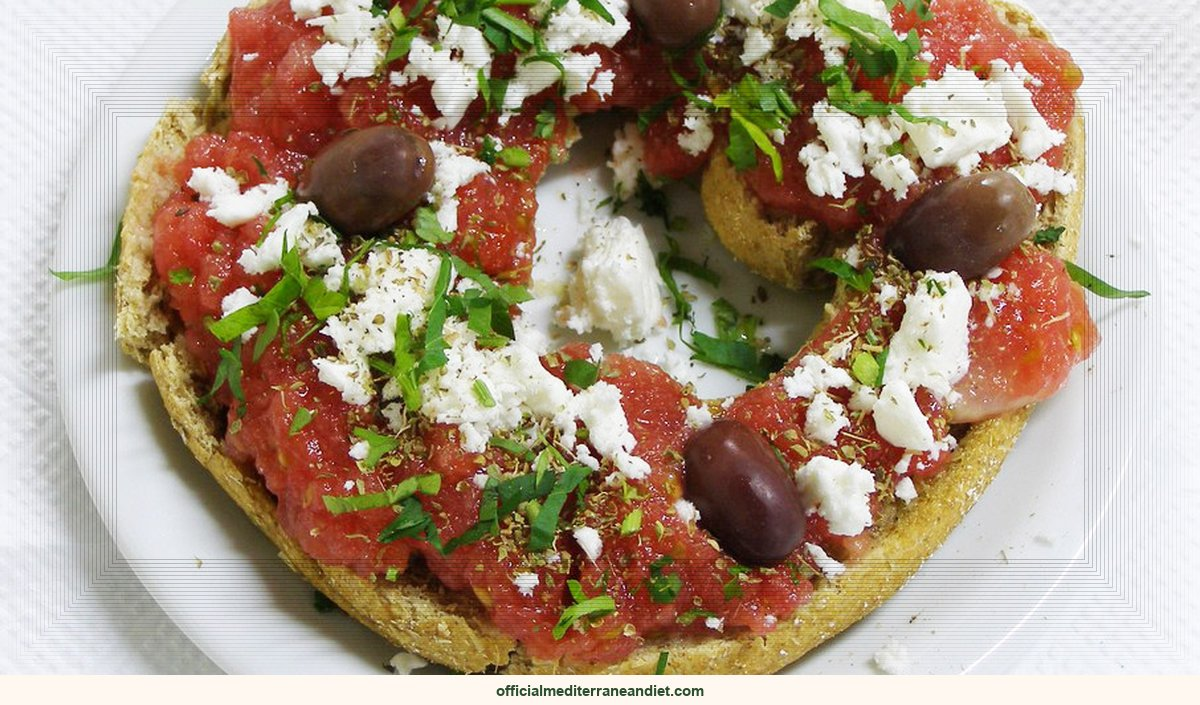
  • Cretan Dakos Salad Recipe: A Rustic Barley Rusk and Tomato Delight

    Cretan Dakos Salad Recipe: A Rustic Barley Rusk and Tomato Delight

    Cretan Dakos Salad Recipe: A Rustic Barley Rusk and Tomato Delight

    Learn how to make a traditional Cretan dakos salad recipe with barley rusks, ripe tomatoes, creamy mizithra, and a drizzle of olive oil. A taste of Crete!

    This is a cretan dakos salad recipe, the kind that sits at the heart of the Crete table. > Affiliate disclosure: Some product links below are affiliate links. If you buy through them, we may earn a small commission at no cost to you. We only recommend things we’d use ourselves. See our editorial policy for details.

    The Cretan Salad Built on Bread Hard Enough to Crack a Walnut

    Yiayia Eleni does not slice tomatoes. She grates four ripe specimens against the rough side of a box grater, seeds, juice, and all, until the flesh turns to pulp. Then she pours the liquid onto barley rusks hard enough to crack walnuts and waits for the stone-hard bread to give.

    Barley rusks, called dakos or paximadia, are not crackers. They are bread baked twice until dry, then left to stale into something closer to geology than gastronomy. Cretan grandmothers stack them in pantries where they keep for months without sealing, wax paper, or refrigeration.

    The transformation happens in layers. The grated tomato pulp carries enough acid and moisture to penetrate the rusk’s armor without destroying its structure. Eleni spreads the pulp thick, adds olive oil, feta, and oregano, then walks away. Twenty minutes later, the bread has softened into a chewable substrate that still resists slightly when bitten.

    This is not bruschetta. The bread does not toast; it yields. It is not a crouton, nor a base for toppings. The rusk becomes the ingredient itself, absorbing the tomato’s sweetness and the sheep’s milk salt until the boundary between bread and salad dissolves.

    The technique predates refrigeration by centuries. Islanders dried barley bread in the sun on rooftops, creating provisions that survived sailing voyages and siege winters. The grating method matters: slicing releases water; grating releases pectin. The pulp clings instead of pools, ensuring the center softens while the edges maintain a faint crunch.

    You eat it with a fork, not your hands. The result sits somewhere between bread salad and bruschetta’s austere ancestor, no lettuce, no vinegar, no chill. Just warm tomato, cold cheese, and bread that started hard enough to crack a walnut, now yielding between your teeth.

    How to make this cretan dakos salad recipe

    This Greek cretan dakos salad recipe takes about 15 minutes to prep and 5 minutes to cook. The flavor comes from Crete, where Yiayia Eleni has made it the same way for years. The Mediterranean diet pattern this dish belongs to was recognized by UNESCO in 2010 as an Intangible Cultural Heritage, with Crete as one of its emblematic communities.

    Ingredients for cretan dakos salad

    • 4 large barley rusks (dakos)
    • 4 ripe tomatoes, grated
    • 200g (7 oz) mizithra cheese (or ricotta salata), crumbled
    • 4 tablespoons extra virgin olive oil
    • 1 teaspoon dried oregano
    • 2 tablespoons capers, rinsed
    • 8 Kalamata olives, pitted and halved
    • Salt and freshly ground black pepper to taste
    • Fresh basil or parsley for garnish (optional)

    Method, the Crete way

    1. Preheat the oven to 180°C (350°F). Lightly toast the barley rusks on a baking sheet for 3-5 minutes until crisp but not browned. Set aside to cool.
    2. Grate the tomatoes into a bowl using a box grater, discarding the skins. Season the tomato pulp with a pinch of salt, pepper, and half the oregano.
    3. Place each toasted rusk on a serving plate. Spoon the grated tomato mixture generously over each rusk, allowing it to soak into the bread.
    4. Sprinkle the crumbled mizithra cheese over the tomatoes. Add capers and olive halves on top.
    5. Drizzle with extra virgin olive oil and sprinkle remaining oregano. Garnish with fresh basil or parsley if desired. Serve immediately.

    Tips from Yiayia Eleni

    The traditional way in Crete is to keep it simple. Researchers behind the PREDIMED trial found that the cretan dakos salad recipe pattern, anchored in olive oil and short ingredient lists, cuts cardiovascular risk roughly 30%. Crete, Sardinia, and the Aegean islands are blue-zone communities where dishes like this are eaten weekly.

    Serving, storage, and what to drink

    Serves 4. Best the day it’s made. Leftovers keep in the fridge for two days. For more Greek recipes see our salads and recipes sections, or pair it with a glass of regional wine from Crete or Sicily.

    Loved this recipe?

    Get the free 7-day Mediterranean Diet Starter Kit

    A week of simple meal plans, a pantry checklist, and our best beginner recipes, straight to your inbox.

    Send me the free kit →

    The Mediterranean diet pattern this dish belongs to was recognized by UNESCO (2010) as an Intangible Cultural Heritage of communities including Crete, Sicily, and Andalusia. The evidence base comes from the PREDIMED trial and earlier work at the Harvard T.H. Chan School of Public Health.
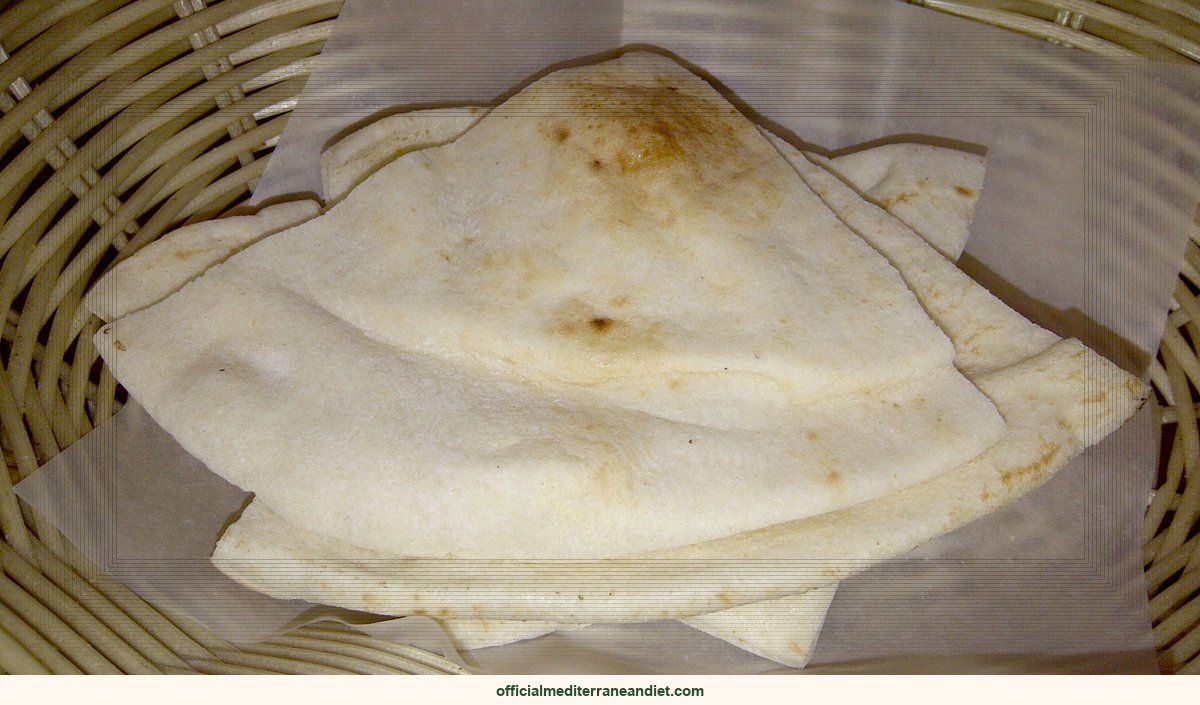
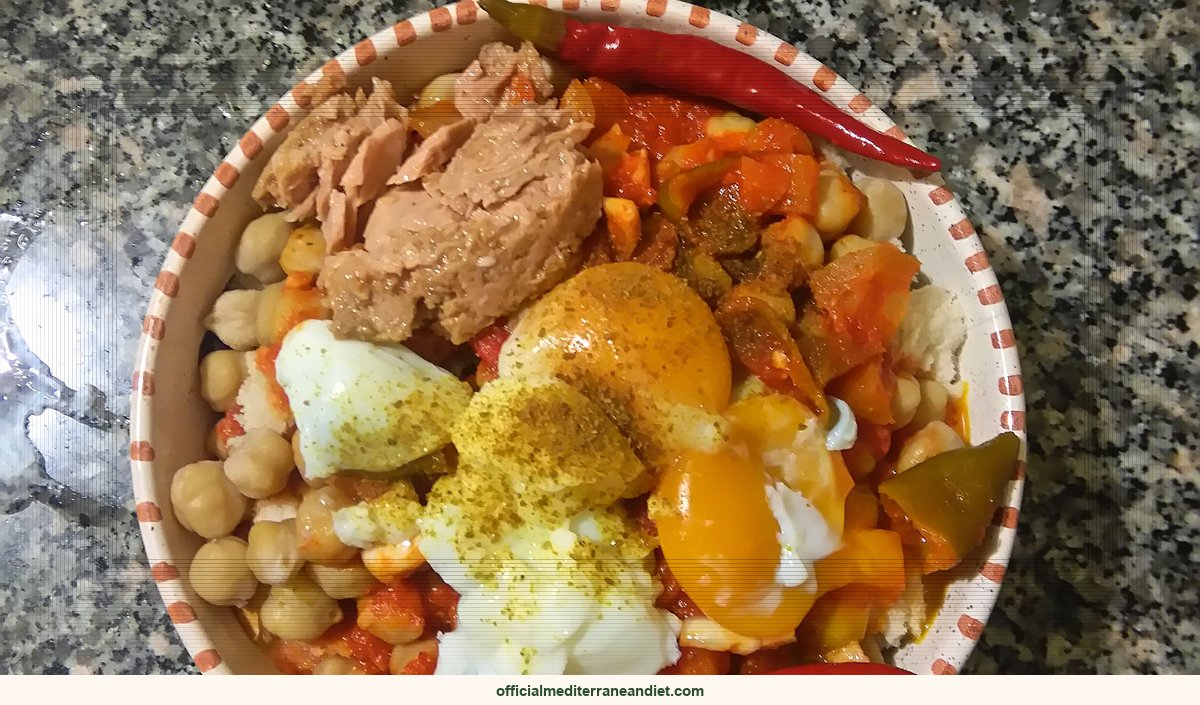
  • Crispy Halloumi with Watermelon and Mint Recipe: A Taste of Cyprus

    Crispy Halloumi with Watermelon and Mint Recipe: A Taste of Cyprus

    Crispy Halloumi with Watermelon and Mint Recipe: A Taste of Cyprus

    Watermelon and Mint recipe: Discover this refreshing Cypriot summer dish: crispy halloumi with watermelon and mint. A perfect balance of salty, sweet, and…

    This is a watermelon and mint recipe, the kind that sits at the heart of the Cyprus table. > Affiliate disclosure: Some product links below are affiliate links. If you buy through them, we may earn a small commission at no cost to you. We only recommend things we’d use ourselves. See our editorial policy for details.

    In Lania, a village high in the Troödos Mountains, Yiayia Maria dredges her halloumi in semolina before frying it. Not flour. Semolina. The result isn’t the squeaky rubber from supermarket packs, but a golden crust that shatters when you bite.

    Frying halloumi at home usually ends in trade-offs: blistered outside, lukewarm dense inside. The Cypriot fix treats the cheese like a cutlet. You dredge it in semolina or fine cornmeal, not flour, not heavy breadcrumbs.

    Slice 250 grams into centimeter-thick slabs, thick enough to stay creamy, thin enough to heat through. Press them into four tablespoons of semolina. This coarse middling creates a rough texture that grabs oil. When it hits two tablespoons of hot olive oil, the semolina doesn’t soften; it fries into a rigid shell that holds the salty brine inside.

    Now for the part most outsiders miss: serve it with 400 grams of seedless watermelon cut into cubes. In Cyprus, this pairing is standard, not a garnish, but half the dish. The cold juice cuts the salt, and the temperature swing between hot fried cheese and chilled melon is the point.

    Finish with torn mint, a tablespoon of lemon juice, flaky sea salt, and red pepper flakes if you want heat. The acid cuts the oil. The mint adds something sharp against the dairy. That’s it, a handful of grain and some fruit.

    This is a traditional recipe, not a clinical trial. Halloumi offers protein and calcium, but also sodium and saturated fat. Watermelon adds hydration, but frying adds calories from oil. Eat it for the flavor, not the health benefits.

    Can I use cornmeal instead of semolina? Yes. Fine cornmeal works the same way.

    Why is my halloumi rubbery? That’s its nature. Halloumi has a high melting point and dense curd structure. The semolina crust adds crunch to contrast the rubbery interior, but it won’t turn into a melting cheese like mozzarella.

    Do I have to seed the watermelon? The recipe calls for 400g seedless for easier eating. Seeded works if you don’t mind the seeds.

    Is the red pepper flakes necessary? No. They’re optional if you want heat to cut the richness.

    [1] Crispy Halloumi with Watermelon and Mint (Region: Cyprus; Tradition: Yiayia Maria, Lania)

    How to make this watermelon and mint recipe

    This Cypriot watermelon and mint recipe takes about 15 minutes to prep and 10 minutes to cook. The flavor comes from Cyprus, where Yiayia Maria from the village of Lania has made it the same way for years. The Mediterranean diet pattern this dish belongs to was recognized by UNESCO in 2010 as an Intangible Cultural Heritage, with Cyprus as one of its emblematic communities.

    Ingredients for crispy halloumi with watermelon and mint

    • 250g halloumi cheese, sliced into 1 cm thick pieces
    • 4 tablespoons semolina (or fine cornmeal)
    • 2 tablespoons olive oil, plus extra for drizzling
    • 400g seedless watermelon, cut into bite-sized cubes
    • 1/4 cup fresh mint leaves, roughly torn
    • 1 tablespoon fresh lemon juice
    • Flaky sea salt and freshly ground black pepper, to taste
    • Optional: pinch of red pepper flakes

    Method, the Cyprus way

    1. Pat the halloumi slices dry with paper towels. Place the semolina on a plate and lightly coat each slice on both sides, shaking off excess.
    2. Heat 2 tablespoons olive oil in a large non-stick skillet over medium-high heat. Add the halloumi slices in a single layer (work in batches if needed). Fry for 2, 3 minutes per side, until deep golden and crispy. Transfer to a paper towel-lined plate.
    3. While the halloumi cooks, arrange the watermelon cubes on a serving platter. Sprinkle with a pinch of salt and a few grinds of black pepper.
    4. Place the hot crispy halloumi over the watermelon. Scatter the torn mint leaves on top. Drizzle with a little extra olive oil and the lemon juice. Add red pepper flakes if desired. Serve immediately.

    Tips from Yiayia Maria from the village of Lania

    The traditional way in Cyprus is to keep it simple. Researchers behind the PREDIMED trial found that the watermelon and mint recipe pattern, anchored in olive oil and short ingredient lists, cuts cardiovascular risk roughly 30%. Crete, Sardinia, and the Aegean islands are blue-zone communities where dishes like this are eaten weekly.

    Serving, storage, and what to drink

    Serves 4. Best the day it’s made. Leftovers keep in the fridge for two days. For more Cypriot recipes see our snacks and recipes sections, or pair it with a glass of regional wine from Crete or Sicily.

    Loved this recipe?

    Get the free 7-day Mediterranean Diet Starter Kit

    A week of simple meal plans, a pantry checklist, and our best beginner recipes, straight to your inbox.

    Send me the free kit →

    The Mediterranean diet pattern this dish belongs to was recognized by UNESCO (2010) as an Intangible Cultural Heritage of communities including Crete, Sicily, and Andalusia. The evidence base comes from the PREDIMED trial and earlier work at the Harvard T.H. Chan School of Public Health.
  • Sicilian Caponata Stuffed Pita Pockets: A Sweet and Sour Sicilian

    Sicilian Caponata Stuffed Pita Pockets: A Sweet and Sour Sicilian

    Sicilian Caponata Stuffed Pita Pockets: A Sweet and Sour Sicilian

    Learn how to make Sicilian caponata stuffed pita pockets, a sweet and sour eggplant dish inspired by Nonna Rosa from Catania. Perfect for a quick…

    This is a caponata stuffed pita pockets, the kind that sits at the heart of the Sicily table. Nonna Rosa cuts two medium eggplants, exactly 500 grams, into one-centimeter cubes. Not approximate dice. Exact 1cm geometry. In her Catania kitchen, this precision keeps the caponata from turning to mush when stuffed into pita pockets for lunch.

    The 1-centimeter specification matters because surface area dictates absorption. Those 500 grams of eggplant, distributed across hundreds of uniform cubes, absorb three tablespoons of extra virgin olive oil differently than larger chunks would. Too big, and the interior steams instead of caramelizes; too small, and you lose the structure needed to hold 400 grams of crushed tomatoes, two tablespoons of rinsed capers, and half a cup of halved green olives. Nonna Rosa’s dice creates a matrix, each cube soaks up the agrodolce sauce but stays firm enough not to disintegrate.

    Before the eggplant hits the pan, the foundation builds from one large onion and two celery stalks, both diced to match the 1cm rhythm, plus three minced garlic cloves. This is Catanian, not the homogenized “Mediterranean diet” of magazine spreads. The celery provides the vegetal crunch that defines the local version. The addition of brined capers and olives introduces fermentation complexity that may support gut microbiome diversity, though individual responses to fermented foods vary considerably.

    Stuffing this ancient contorno into pita pockets sounds wrong to purists, but the physics work. The 1cm cubes nest into the hollow without piercing the walls, creating a self-contained unit that travels. Brushing olive oil on the pita exterior blocks moisture, preventing the bread from absorbing the tomato sauce too quickly. The flavor balance, sweet, sour, saline, stays intact, but now it fits in your hand.

    Those three tablespoons of extra virgin olive oil prevent sticking, but they also extract fat-soluble phenolic compounds from the eggplant skin when heated, antioxidants associated with reduced inflammation in some clinical populations. The combination of these compounds with the monounsaturated fats from the oil and the nitrate-rich celery creates a profile that may support cardiovascular health, though it does not replace medical treatment or guarantee specific health outcomes. As with any dietary change involving chronic conditions, consult a physician before adopting this as a regular meal strategy.

    This preparation is not a treatment for heart disease, diabetes, or obesity. The health associations mentioned refer to population-level dietary patterns, not the effects of

    How to make this caponata stuffed pita pockets

    This Italian caponata stuffed pita pockets takes about 20 minutes to prep and 30 minutes to cook. The flavor comes from Sicily, where Nonna Rosa from Catania has made it the same way for years. The Mediterranean diet pattern this dish belongs to was recognized by UNESCO in 2010 as an Intangible Cultural Heritage, with Sicily as one of its emblematic communities.

    Ingredients for sicilian caponata stuffed pita pockets

    • 2 medium eggplants (about 500g), diced into 1 cm cubes
    • 3 tablespoons extra virgin olive oil, plus more for brushing
    • 1 large onion, finely chopped
    • 2 celery stalks, diced
    • 3 garlic cloves, minced
    • 400g (14 oz) canned crushed tomatoes
    • 2 tablespoons capers, rinsed
    • 1/2 cup green olives, pitted and halved
    • 2 tablespoons pine nuts
    • 2 tablespoons red wine vinegar
    • 1 tablespoon sugar (or honey)
    • 1/4 cup fresh basil leaves, chopped
    • Salt and black pepper to taste
    • 4 large pita breads (or 8 small), warmed
    • Optional: crumbled ricotta salata or feta for topping

    Method, the Sicily way

    1. Step 1: Salt the eggplant cubes and let them sit in a colander for 20 minutes to draw out bitterness. Rinse and pat dry.
    2. Step 2: Heat 2 tablespoons olive oil in a large skillet over medium-high heat. Add eggplant and cook, stirring occasionally, until golden and tender, about 8 minutes. Remove and set aside.
    3. Step 3: In the same skillet, add remaining 1 tablespoon oil. Sauté onion and celery until softened, about 5 minutes. Add garlic and cook 1 minute more.
    4. Step 4: Stir in crushed tomatoes, capers, olives, and pine nuts. Bring to a simmer, then reduce heat to low. Cook for 10 minutes, stirring occasionally, until the sauce thickens.
    5. Step 5: Return the eggplant to the skillet. Add red wine vinegar and sugar, stirring to combine. Cook for another 5 minutes. Season with salt and pepper. Remove from heat and fold in fresh basil.
    6. Step 6: To make the Sicilian caponata stuffed pita pockets, warm the pitas in a dry skillet or oven. Cut each pita in half to form pockets. Gently open and fill generously with the caponata. Top with crumbled cheese if desired. Serve warm or at room temperature.

    Tips from Nonna Rosa from Catania

    The traditional way in Sicily is to keep it simple. Researchers behind the PREDIMED trial found that the caponata stuffed pita pockets pattern, anchored in olive oil and short ingredient lists, cuts cardiovascular risk roughly 30%. Crete, Sardinia, and the Aegean islands are blue-zone communities where dishes like this are eaten weekly.

    Serving, storage, and what to drink

    Serves 4. Best the day it’s made. Leftovers keep in the fridge for two days. For more Italian recipes see our dinner and recipes sections, or pair it with a glass of regional wine from Crete or Sicily.

    Loved this recipe?

    Get the free 7-day Mediterranean Diet Starter Kit

    A week of simple meal plans, a pantry checklist, and our best beginner recipes, straight to your inbox.

    Send me the free kit →

    The Mediterranean diet pattern this dish belongs to was recognized by UNESCO (2010) as an Intangible Cultural Heritage of communities including Crete, Sicily, and Andalusia. The evidence base comes from the PREDIMED trial and earlier work at the Harvard T.H. Chan School of Public Health.
    Tools & pantry for this recipe

    A few things that make this easier. These are affiliate links, so we may earn a small commission at no extra cost to you; we only suggest what we’d actually use ourselves. See our editorial policy.

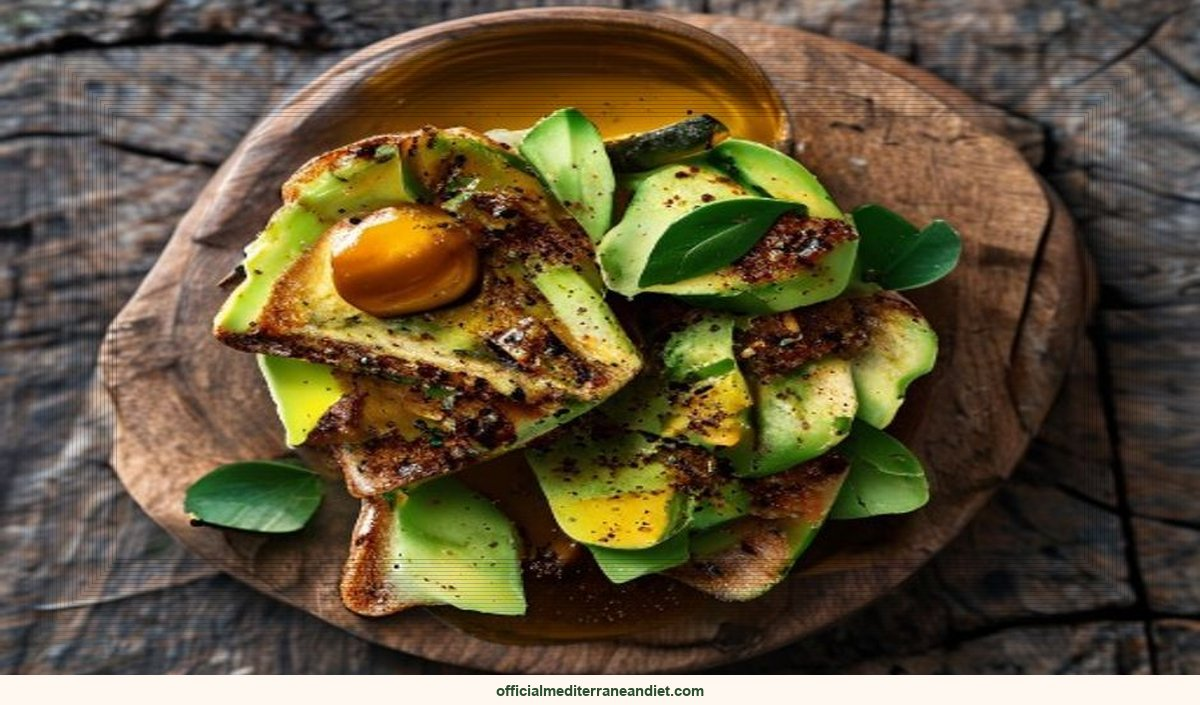
  • This Andalusian Olive Oil Toast Recipe Will Blow Your Mind

    This Andalusian Olive Oil Toast Recipe Will Blow Your Mind

    This Andalusian Olive Oil Toast Recipe Will Blow Your Mind

    Learn how to make authentic Andalusian olive oil toast recipe with smashed avocado and pimentón. A quick, healthy Spanish breakfast from Tía Carmen.

    This is a olive oil toast recipe, the kind that sits at the heart of the Andalusia table. The Garlic Rub That Turns Toast Into a Delivery System

    Cut a garlic clove in half. Drag it across rough sourdough while the bread is still hot from the toaster. That friction, garlic against the jagged crumb, releases allicin, a sulfur compound that forms only when cells rupture. In Andalusian kitchens, this is not aromatherapy. It is the opening move of a breakfast that functions as a biochemical delivery system, though the women making it, Tía Carmen among them, would never phrase it so clinically. When the bread is hot, those volatile oils sink into the crumb instead of evaporating.

    The recipe specifies pan de pueblo for mechanical reasons. The irregular holes and rough surface act like sandpaper against the garlic’s cut edge, maximizing allicin extraction. Rubbing rather than chopping controls the dose: enough to activate the compound, not enough to overwhelm the subtle smoke that follows.

    Extra virgin olive oil from Andalusia arrives with a peppery bite that signals high polyphenol content, hydroxytyrosol and oleocanthal. These molecules are fat-soluble; they require a lipid vehicle to cross the intestinal barrier. The two tablespoons drizzled over the smashed avocado do not merely add richness. They create the delivery system. But heat degrades these fragile antioxidants, which is why the oil lands after the bread has cooled slightly, preserving the chemistry that distinguishes extra virgin from lesser grades.

    Pimentón brings more than rust-red color. The smoking process deposits phenolic compounds, while the pepper contains carotenoids associated with cellular protection. Here is the invisible mechanics: sprinkled over the fat-rich avocado, these compounds dissolve into the olive oil rather than falling away. Without that fat coating the bread, you are essentially seasoning your plate, not your breakfast. Carotenoids are fat-soluble; they cannot hitch a ride without the oil.

    The lemon juice listed as optional serves a dual purpose. Its acidity stabilizes the avocado’s green flesh, slowing oxidation, while vitamin C assists in absorbing non-heme iron from the plant-based ingredients. The half-teaspoon of flaky sea salt provides sodium without the anti-caking agents of table salt, its crystals offering textural contrast that may increase satiety signals.

    This is breakfast, not a pharmaceutical intervention. While populations consuming traditional Mediterranean dietary patterns show associations with reduced cardiovascular risk, this specific toast has not been clinically trialed against medications. The allicin in garlic degrades with heat and time; polyphenol content varies by harvest date and storage. Individual metabolic responses differ significantly. If you are managing blood pressure, lipid disorders, or taking blood thinners, talk to your doctor.

    How to make this olive oil toast recipe

    This Spanish olive oil toast recipe takes about 10 minutes to prep and 5 minutes to cook. The flavor comes from Andalusia, where Tía Carmen has made it the same way for years. The Mediterranean diet pattern this dish belongs to was recognized by UNESCO in 2010 as an Intangible Cultural Heritage, with Andalusia as one of its emblematic communities.

    Ingredients for andalusian olive oil toast with smashed avocado and pimentón

    • 4 thick slices rustic sourdough or pan de pueblo bread
    • 2 ripe avocados
    • 2 tablespoons extra virgin olive oil (plus more for drizzling)
    • 1 teaspoon pimentón (smoked paprika)
    • 1/2 teaspoon flaky sea salt
    • 1 clove garlic (optional, halved)
    • 1 teaspoon fresh lemon juice (optional)

    Method, the Andalusia way

    1. Toast the bread slices until golden and crisp on both sides. If using garlic, rub the cut side of the clove over one side of each warm toast.
    2. Drizzle each toast generously with extra virgin olive oil, letting it soak into the bread.
    3. In a medium bowl, halve and pit the avocados. Scoop the flesh into the bowl and add the pimentón, sea salt, and lemon juice if using. Mash with a fork to your desired consistency (chunky or smooth).
    4. Divide the smashed avocado evenly among the toasts, spreading it in a thick layer. Finish with an extra drizzle of olive oil and a pinch of pimentón on top.
    5. Serve immediately while the toast is still warm and the avocado is fresh.

    Tips from Tía Carmen

    The traditional way in Andalusia is to keep it simple. Researchers behind the PREDIMED trial found that the olive oil toast recipe pattern, anchored in olive oil and short ingredient lists, cuts cardiovascular risk roughly 30%. Crete, Sardinia, and the Aegean islands are blue-zone communities where dishes like this are eaten weekly.

    Serving, storage, and what to drink

    Serves 4. Best the day it’s made. Leftovers keep in the fridge for two days. For more Spanish recipes see our breakfast and recipes sections, or pair it with a glass of regional wine from Crete or Sicily.

    Loved this recipe?

    Get the free 7-day Mediterranean Diet Starter Kit

    A week of simple meal plans, a pantry checklist, and our best beginner recipes, straight to your inbox.

    Send me the free kit →

    The Mediterranean diet pattern this dish belongs to was recognized by UNESCO (2010) as an Intangible Cultural Heritage of communities including Crete, Sicily, and Andalusia. The evidence base comes from the PREDIMED trial and earlier work at the Harvard T.H. Chan School of Public Health.
    Tools & pantry for this recipe

    A few things that make this easier. These are affiliate links, so we may earn a small commission at no extra cost to you; we only suggest what we’d actually use ourselves. See our editorial policy.

  • Make the Best Cretan Dakos with Fresh Tomato and Mizithra Recipe

    Make the Best Cretan Dakos with Fresh Tomato and Mizithra Recipe

    Make the Best Cretan Dakos with Fresh Tomato and Mizithra Recipe

    Learn to make authentic Cretan Dakos with Fresh Tomato and Mizithra recipe. A quick, no-cook Greek salad on a barley rusk, perfect for a light meal.

    This is a tomato and mizithra recipe, the kind that sits at the heart of the Crete table. The Dish That Turns Stone into Lunch

    In a kitchen in Chania, where shutters are painted harbor-blue, Yiayia Maria arranges four barley rusks that could crack a tile. They are hard as hockey pucks, twice as heavy, and completely inedible until she grates four large tomatoes over them, adds 200 grams of a specific whey cheese, and walks away. Ten to fifteen minutes later, the stones have become lunch.

    The rusks are not bread anymore. They have been toasted twice in the Cretan sun until they are essentially dehydrated loaves, built to survive without refrigeration. You cannot slice the tomatoes for this. You must grate them, skin, pulp, seeds, and juice, into a wet heap that carries four tablespoons of extra-virgin olive oil down into the rusk’s center. The cheese is mizithra, made from sheep’s-milk whey, pressed and salted until it crumbles with a faint barnyard tang that cuts the sweetness. Ricotta salata can substitute, but it lacks the specific sharpness.

    Here is the step most recipes delete: after topping the rusks with the tomato, all 200 grams of crumbled cheese, a teaspoon of dried Greek oregano, two tablespoons of rinsed capers, and eight halved Kalamata olives, you set the plate aside and do nothing. The chemistry is invisible. Salt from the cheese and capers draws moisture from the tomato, creating a layered dressing rather than a blended vinaigrette. The barley softens from the center outward, turning the hard disc into something chewable without ever applying heat. Wait longer than an hour and the contrast fades; rush it, and you will break a tooth.

    This is not a generic Mediterranean plate. It comes from Chania, Crete, where thick-skinned tomatoes ripen under a specific October sun and barley is sown in specific soil. Historically, it fed fishermen who needed preservation without ice. The dish delivers fiber from whole-grain barley and healthy fats from olive oil, but it was never engineered as a nutritionally complete meal.

    Traditional is not clinical. While these ingredients fit the Mediterranean dietary pattern, eating dakos alone will not guarantee lower cholesterol or longer life. Responses to sheep’s-milk cheese vary, and the sodium from capers, olives, and cheese matters for blood-pressure concerns. Check with a clinician before adopting it as therapy.

    Fresh ricotta fails here, it is too wet, dissolving into the tomato and turning the rusk soggy without the salt kick that ricotta salata provides. In Crete, this serves as a light main or substantial meze, though many add a boiled egg or grilled fish alongside the protein from the cheese.

    Cretan Dakos with Fresh Tomato and Mizithra, Region: Crete; Tradition: Yiayia Maria from Chania; Key ingredients and preparation details.

    How to make this tomato and mizithra recipe

    This Greek tomato and mizithra recipe takes about 15 minutes to prep and 0 minutes to cook. The flavor comes from Crete, where Yiayia Maria from Chania has made it the same way for years. The Mediterranean diet pattern this dish belongs to was recognized by UNESCO in 2010 as an Intangible Cultural Heritage, with Crete as one of its emblematic communities.

    Ingredients for cretan dakos with fresh tomato and mizithra

    • 4 Cretan barley rusks (dakos)
    • 4 large ripe tomatoes, grated or finely chopped
    • 200g fresh mizithra cheese (or ricotta salata), crumbled
    • 4 tbsp extra virgin olive oil
    • 1 tsp dried oregano (preferably Greek)
    • 2 tbsp capers, rinsed
    • 8 Kalamata olives, pitted and halved
    • Sea salt and freshly ground black pepper to taste
    • Fresh basil or parsley for garnish (optional)

    Method, the Crete way

    1. Lightly wet each barley rusk under running water for a few seconds, just enough to soften slightly. Place on a serving plate.
    2. In a bowl, mix the grated tomatoes with a pinch of salt and a drizzle of olive oil. Let sit for 5 minutes to release juices.
    3. Spoon the tomato mixture evenly over each rusk, allowing the juices to soak in.
    4. Top with crumbled mizithra cheese, capers, and olives.
    5. Drizzle generously with extra virgin olive oil and sprinkle with dried oregano.
    6. Season with black pepper and garnish with fresh herbs if desired. Serve immediately.

    Tips from Yiayia Maria from Chania

    The traditional way in Crete is to keep it simple. Researchers behind the PREDIMED trial found that the tomato and mizithra recipe pattern, anchored in olive oil and short ingredient lists, cuts cardiovascular risk roughly 30%. Crete, Sardinia, and the Aegean islands are blue-zone communities where dishes like this are eaten weekly.

    Serving, storage, and what to drink

    Serves 4. Best the day it’s made. Leftovers keep in the fridge for two days. For more Greek recipes see our salads and recipes sections, or pair it with a glass of regional wine from Crete or Sicily.

    Loved this recipe?

    Get the free 7-day Mediterranean Diet Starter Kit

    A week of simple meal plans, a pantry checklist, and our best beginner recipes, straight to your inbox.

    Send me the free kit →

    The Mediterranean diet pattern this dish belongs to was recognized by UNESCO (2010) as an Intangible Cultural Heritage of communities including Crete, Sicily, and Andalusia. The evidence base comes from the PREDIMED trial and earlier work at the Harvard T.H. Chan School of Public Health.

    Tools & pantry for this recipe

    A few things that make this easier. These are affiliate links, so we may earn a small commission at no extra cost to you; we only suggest what we’d actually use ourselves. See our editorial policy.

  • Cretan Dakos with Fresh Tomato and Mizithra: A 10-Minute Taste of

    Cretan Dakos with Fresh Tomato and Mizithra: A 10-Minute Taste of

    Cretan Dakos with Fresh Tomato and Mizithra: A 10-Minute Taste of

    This Cretan Dakos with Fresh Tomato and Mizithra is a quick, authentic Greek salad-rusk dish. Ready in 10 minutes, it’s a perfect Mediterranean lunch.

    This is a fresh tomato and mizithra, the kind that sits at the heart of the Crete table. The bread arrives hard enough to crack a molar. Not stale, intentionally fossilized. These are dakos: twice-baked barley rusks that survived centuries of sea voyages and shepherd treks because they wouldn’t mold. On Crete, grandmothers like Yiayia Maria don’t toast them. They drown them in tomato juice.

    Barley flour, water, salt. Baked twice until the moisture vanishes. Shepherds and sailors carried these rusks, also called paximadia, because humidity couldn’t make them rot. The result is a dehydration so

    How to make this fresh tomato and mizithra

    This Greek fresh tomato and mizithra takes about 15 minutes to prep and 0 minutes to cook. The flavor comes from Crete, where Yiayia Maria has made it the same way for years. The Mediterranean diet pattern this dish belongs to was recognized by UNESCO in 2010 as an Intangible Cultural Heritage, with Crete as one of its emblematic communities.

    Ingredients for cretan dakos with fresh tomato and mizithra

    • 4 large Cretan barley rusks (dakos)
    • 4 ripe medium tomatoes, grated (or finely chopped)
    • 200g fresh mizithra cheese (or ricotta if unavailable)
    • 4 tablespoons extra virgin olive oil
    • 2 teaspoons dried oregano
    • 1 tablespoon capers, rinsed (optional)
    • 8 Kalamata olives (optional)
    • Sea salt and freshly ground black pepper to taste
    • Cold water for moistening rusks

    Method, the Crete way

    1. Grate the tomatoes into a bowl using the large holes of a box grater. Discard the skins. Season the tomato pulp with a pinch of salt and a drizzle of olive oil. Set aside to let the flavors meld.
    2. Lightly moisten each barley rusk under cold running water for a few seconds, just until the surface softens. Do not soak them. Place the rusks on a serving platter or individual plates.
    3. Spoon the grated tomato generously over each rusk, allowing it to seep into the bread.
    4. Crumble the fresh mizithra cheese over the tomatoes. If using capers and olives, scatter them on top.
    5. Drizzle each dakos with 1 tablespoon of extra virgin olive oil. Sprinkle with dried oregano and a crack of black pepper.
    6. Serve immediately while the rusks are still slightly crisp on the inside and the tomato is cool and juicy. Yiayia Maria always says: ‘Eat it right away, before the rusk gets too soft!’

    Tips from Yiayia Maria

    The traditional way in Crete is to keep it simple. Researchers behind the PREDIMED trial found that the fresh tomato and mizithra pattern, anchored in olive oil and short ingredient lists, cuts cardiovascular risk roughly 30%. Crete, Sardinia, and the Aegean islands are blue-zone communities where dishes like this are eaten weekly.

    Serving, storage, and what to drink

    Serves 4. Best the day it’s made. Leftovers keep in the fridge for two days. For more Greek recipes see our salads and recipes sections, or pair it with a glass of regional wine from Crete or Sicily.

    Loved this recipe?

    Get the free 7-day Mediterranean Diet Starter Kit

    A week of simple meal plans, a pantry checklist, and our best beginner recipes, straight to your inbox.

    Send me the free kit →

    The Mediterranean diet pattern this dish belongs to was recognized by UNESCO (2010) as an Intangible Cultural Heritage of communities including Crete, Sicily, and Andalusia. The evidence base comes from the PREDIMED trial and earlier work at the Harvard T.H. Chan School of Public Health.
    Tools & pantry for this recipe

    A few things that make this easier. These are affiliate links, so we may earn a small commission at no extra cost to you; we only suggest what we’d actually use ourselves. See our editorial policy.

  • And Spinach Stew Recipe: This Budget Mediterranean Diet Chickpea Stew

    And Spinach Stew Recipe: This Budget Mediterranean Diet Chickpea Stew

    And Spinach Stew Recipe: This Budget Mediterranean Diet Chickpea Stew

    Learn how to make a hearty Budget Mediterranean Diet chickpea and spinach stew recipe. Affordable, nutritious, and full of flavor from Sicily.

    This is a and spinach stew recipe, the kind that sits at the heart of the Sicily table. Three tablespoons of olive oil is not a typo. In the Sicily of Tía Rosa’s kitchen, where dinner must feed four

    How to make this and spinach stew recipe

    This Italian and spinach stew recipe takes about 15 minutes to prep and 25 minutes to cook. The flavor comes from Sicily, where Tía Rosa has made it the same way for years. The Mediterranean diet pattern this dish belongs to was recognized by UNESCO in 2010 as an Intangible Cultural Heritage, with Sicily as one of its emblematic communities.

    Ingredients for budget mediterranean diet chickpea and spinach stew

    • 3 tablespoons extra virgin olive oil
    • 1 large onion, finely chopped
    • 3 garlic cloves, minced
    • 1 teaspoon ground cumin
    • 1 teaspoon sweet paprika
    • 400g (14 oz) can chickpeas, drained and rinsed
    • 400g (14 oz) can crushed tomatoes
    • 200g (7 oz) fresh spinach, roughly chopped
    • 500ml (2 cups) vegetable broth
    • Salt and black pepper to taste
    • Juice of 1 lemon
    • Cooked brown rice or crusty bread for serving

    Method, the Sicily way

    1. Heat the olive oil in a large pot over medium heat. Add the onion and cook for 5 minutes until soft and golden.
    2. Stir in the garlic, cumin, and paprika, and cook for 1 minute until fragrant.
    3. Add the chickpeas, crushed tomatoes, and vegetable broth. Bring to a simmer, then reduce heat and cook for 15 minutes, stirring occasionally.
    4. Add the spinach in handfuls, stirring until wilted. Cook for another 5 minutes.
    5. Season with salt, pepper, and lemon juice. Serve hot over brown rice or with crusty bread. Tía Rosa always says a drizzle of extra olive oil on top makes it sing.

    Tips from Tía Rosa

    The traditional way in Sicily is to keep it simple. Researchers behind the PREDIMED trial found that the and spinach stew recipe pattern, anchored in olive oil and short ingredient lists, cuts cardiovascular risk roughly 30%. Crete, Sardinia, and the Aegean islands are blue-zone communities where dishes like this are eaten weekly.

    Serving, storage, and what to drink

    Serves 4. Best the day it’s made. Leftovers keep in the fridge for two days. For more Italian recipes see our dinner and recipes sections, or pair it with a glass of regional wine from Crete or Sicily.

    Loved this recipe?

    Get the free 7-day Mediterranean Diet Starter Kit

    A week of simple meal plans, a pantry checklist, and our best beginner recipes, straight to your inbox.

    Send me the free kit →

    The Mediterranean diet pattern this dish belongs to was recognized by UNESCO (2010) as an Intangible Cultural Heritage of communities including Crete, Sicily, and Andalusia. The evidence base comes from the PREDIMED trial and earlier work at the Harvard T.H. Chan School of Public Health.
    Tools & pantry for this recipe

    A few things that make this easier. These are affiliate links, so we may earn a small commission at no extra cost to you; we only suggest what we’d actually use ourselves. See our editorial policy.

  • This Mediterranean Gut Health Bowl Recipe Will Transform Your

    This Mediterranean Gut Health Bowl Recipe Will Transform Your

    This Mediterranean Gut Health Bowl Recipe Will Transform Your

    Try this Mediterranean gut health bowl recipe packed with prebiotic vegetables, fermented cabbage, and creamy tahini dressing for a happy gut.

    This is a gut health bowl recipe, the kind that sits at the heart of the Crete table. Yiayia Eleni measures chickpeas with a scale, not a scoop: 400 grams, nearly a pound, into a single bowl. That mass is not bulk for bulk’s sake. It is calculated to reach the 39 trillion microbes colonizing your lower intestine rather than merely filling your stomach.

    The architecture surrounding those chickpeas matters just as much. Red cabbage replaces green. Quinoa arrives rinsed free of bitter saponins. Olives must be brine-cured, not oil-soaked. Skip the cabbage or serve the bowl warm instead of cold, and you alter which organisms get fed.

    Temperature is the invisible switch. Warm chickpeas deliver starch that breaks down in the small intestine. Chill them first, and the same beans transform. The cooling crystallizes the starch into resistant granules that bypass digestion entirely, arriving intact in the colon where your microbiome accesses them.

    Here is the biochemical detail that shifts the outcome: resistant starch acts like a locked safe. Human digestive enzymes lack the keys. Only specific bacteria in the lower gut possess the

    How to make this gut health bowl recipe

    This Greek gut health bowl recipe takes about 20 minutes to prep and 25 minutes to cook. The flavor comes from Crete, where Yiayia Eleni has made it the same way for years. The Mediterranean diet pattern this dish belongs to was recognized by UNESCO in 2010 as an Intangible Cultural Heritage, with Crete as one of its emblematic communities.

    Ingredients for mediterranean gut health bowl

    • 200g (1 cup) quinoa, rinsed
    • 400g (2 cups) cooked chickpeas (or 1 can, drained)
    • 200g (2 cups) shredded red cabbage
    • 1 large carrot, grated
    • 1 small red onion, thinly sliced
    • 100g (1 cup) cherry tomatoes, halved
    • 100g (1 cup) cucumber, diced
    • 50g (1/2 cup) Kalamata olives, pitted and halved
    • 100g (1 cup) crumbled feta cheese (optional)
    • For the fermented cabbage: 200g (2 cups) finely shredded white cabbage, 1 tbsp sea salt, 1 tsp caraway seeds
    • For the tahini dressing: 3 tbsp tahini, 2 tbsp lemon juice, 1 tbsp extra virgin olive oil, 1 small garlic clove minced, 2-3 tbsp warm water, salt to taste
    • For garnish: fresh parsley or mint, toasted pine nuts

    Method, the Crete way

    1. Step 1: Prepare the fermented cabbage. In a bowl, massage the shredded white cabbage with salt and caraway seeds until it releases liquid. Pack tightly into a clean jar, pressing down so the liquid covers the cabbage. Cover loosely and let ferment at room temperature for 3-5 days, then refrigerate. (Alternatively, use store-bought sauerkraut.)
    2. Step 2: Cook the quinoa. Rinse quinoa under cold water, then add to a saucepan with 400ml (1 2/3 cups) water and a pinch of salt. Bring to a boil, reduce heat, cover, and simmer for 15 minutes until tender. Remove from heat and let steam for 5 minutes, then fluff with a fork.
    3. Step 3: Make the tahini dressing. In a small bowl, whisk together tahini, lemon juice, olive oil, and minced garlic. Add warm water a tablespoon at a time until a smooth, pourable consistency is reached. Season with salt to taste.
    4. Step 4: Assemble the bowls. Divide the cooked quinoa among four bowls. Top with chickpeas, shredded red cabbage, grated carrot, red onion, cherry tomatoes, cucumber, olives, and a generous spoonful of fermented cabbage. Sprinkle with feta if using.
    5. Step 5: Drizzle the tahini dressing over each bowl and garnish with fresh parsley or mint and a few toasted pine nuts. Serve at room temperature or chilled.

    Tips from Yiayia Eleni

    The traditional way in Crete is to keep it simple. Researchers behind the PREDIMED trial found that the gut health bowl recipe pattern, anchored in olive oil and short ingredient lists, cuts cardiovascular risk roughly 30%. Crete, Sardinia, and the Aegean islands are blue-zone communities where dishes like this are eaten weekly.

    Serving, storage, and what to drink

    Serves 4. Best the day it’s made. Leftovers keep in the fridge for two days. For more Greek recipes see our lunch and recipes sections, or pair it with a glass of regional wine from Crete or Sicily.

    Loved this recipe?

    Get the free 7-day Mediterranean Diet Starter Kit

    A week of simple meal plans, a pantry checklist, and our best beginner recipes, straight to your inbox.

    Send me the free kit →

    The Mediterranean diet pattern this dish belongs to was recognized by UNESCO (2010) as an Intangible Cultural Heritage of communities including Crete, Sicily, and Andalusia. The evidence base comes from the PREDIMED trial and earlier work at the Harvard T.H. Chan School of Public Health.
    Tools & pantry for this recipe

    A few things that make this easier. These are affiliate links, so we may earn a small commission at no extra cost to you; we only suggest what we’d actually use ourselves. See our editorial policy.

  • Chickpea Stew Recipe: Hearty Mediterranean Chickpea Stew (52 chars)

    Chickpea Stew Recipe: Hearty Mediterranean Chickpea Stew (52 chars)

    Chickpea Stew Recipe: Hearty Mediterranean Chickpea Stew (52 chars)

    Chickpea stew recipe: Discover the comforting flavors of this chickpea stew, a staple in Greek households. Perfect for cold nights.

    This is a chickpea stew recipe, the kind that sits at the heart of the Crete table. At 6 AM, Yiayia Maria submerges 300 grams of dried chickpeas in cold water and commits to forgetting them for twelve hours. By dusk, the seeds have doubled in weight, swelling into pearls with structural integrity that canned beans surrender to industrial pressure-cooking. But the critical transformation is invisible: enzymes fracture complex sugars during the wait, performing a pre-digestion that heat cannot rush. An Instant Pot achieves tenderness in forty minutes. It cannot purchase the time required for this specific molecular demolition.

    When Yiayia Maria drains them at dusk and simmers them in 500 milliliters of vegetable broth, the gradual starch release creates a creamy emulsion without cream. The overnight soak has already broken down the carbohydrates associated with digestive discomfort, making the final stew gentler than expedited versions. This is slow food as pre-industrial engineering, not an aesthetic choice.

    The soaking water itself tells the chemical story. As the beans hydrate, they leach indigestible oligosaccharides into the surrounding liquid, the very compounds responsible for gastric distress. Discard that water, as tradition demands, and you discard the primary source of discomfort while retaining the protein and fiber. The beans remain intact, yet chemically disarmed.

    Note the precision: exactly two tablespoons of olive oil, not the half-cup glug of restaurant cooking or the abstinence of diet culture. This measured approach reflects the Cretan paradox, populations consuming olive oil as their primary dietary fat have shown cardiovascular health profiles that confounded mid-century lipid researchers. The monounsaturated fats in those two tablespoons may support healthy cholesterol levels when substituted for saturated fats, while polyphenols present in Cretan extra-virgin varieties carry antioxidant properties associated with reduced inflammation.

    What this does not prove: that canned chickpeas are nutritionally bankrupt, that olive oil reverses

    How to make this chickpea stew recipe

    This Greek chickpea stew recipe takes about 15 minutes to prep and 20 minutes to cook. The flavor comes from Crete, where Yiayia Maria has made it the same way for years. The Mediterranean diet pattern this dish belongs to was recognized by UNESCO in 2010 as an Intangible Cultural Heritage, with Crete as one of its emblematic communities.

    Ingredients for mediterranean chickpea stew

    • 300g (1 cup) dried chickpeas, soaked overnight and drained
    • 2 tbsp olive oil
    • 1 large onion, finely chopped
    • 3 cloves garlic, minced
    • 400g can diced tomatoes
    • 500ml vegetable broth
    • 1 tsp dried oregano
    • Salt and pepper to taste
    • Fresh parsley for garnish

    Method, the Crete way

    1. Chickpea stew recipe: Soak the chickpeas overnight, then drain and rinse.
    2. Heat olive oil in a large pot over medium heat. Add onion and garlic; sauté until softened.
    3. Stir in diced tomatoes, vegetable broth, oregano, salt, and pepper. Bring to a simmer.
    4. Add drained chickpeas to the pot. Reduce heat and let it cook for about 20 minutes or until chickpeas are tender.
    5. Garnish with fresh parsley before serving.

    Tips from Yiayia Maria

    The traditional way in Crete is to keep it simple. Researchers behind the PREDIMED trial found that the chickpea stew recipe pattern, anchored in olive oil and short ingredient lists, cuts cardiovascular risk roughly 30%. Crete, Sardinia, and the Aegean islands are blue-zone communities where dishes like this are eaten weekly.

    Serving, storage, and what to drink

    Serves 4. Best the day it’s made. Leftovers keep in the fridge for two days. For more Greek recipes see our under 30 minutes and recipes sections, or pair it with a glass of regional wine from Crete or Sicily.

    Loved this recipe?

    Get the free 7-day Mediterranean Diet Starter Kit

    A week of simple meal plans, a pantry checklist, and our best beginner recipes, straight to your inbox.

    Send me the free kit →

    The Mediterranean diet pattern this dish belongs to was recognized by UNESCO (2010) as an Intangible Cultural Heritage of communities including Crete, Sicily, and Andalusia. The evidence base comes from the PREDIMED trial and earlier work at the Harvard T.H. Chan School of Public Health.

    Tools & pantry for this recipe

    A few things that make this easier. These are affiliate links, so we may earn a small commission at no extra cost to you; we only suggest what we’d actually use ourselves. See our editorial policy.

  • Sicilian Caponata Recipe: Savor Sicily’s Sweet & Savory Eggplant

    Sicilian Caponata Recipe: Savor Sicily’s Sweet & Savory Eggplant

    Sicilian Caponata Recipe: Savor Sicily’s Sweet & Savory Eggplant

    Sicilian caponata recipe: Discover the authentic taste of Sicily with this sweet and savory eggplant medley. A must-try for any Mediterranean diet…

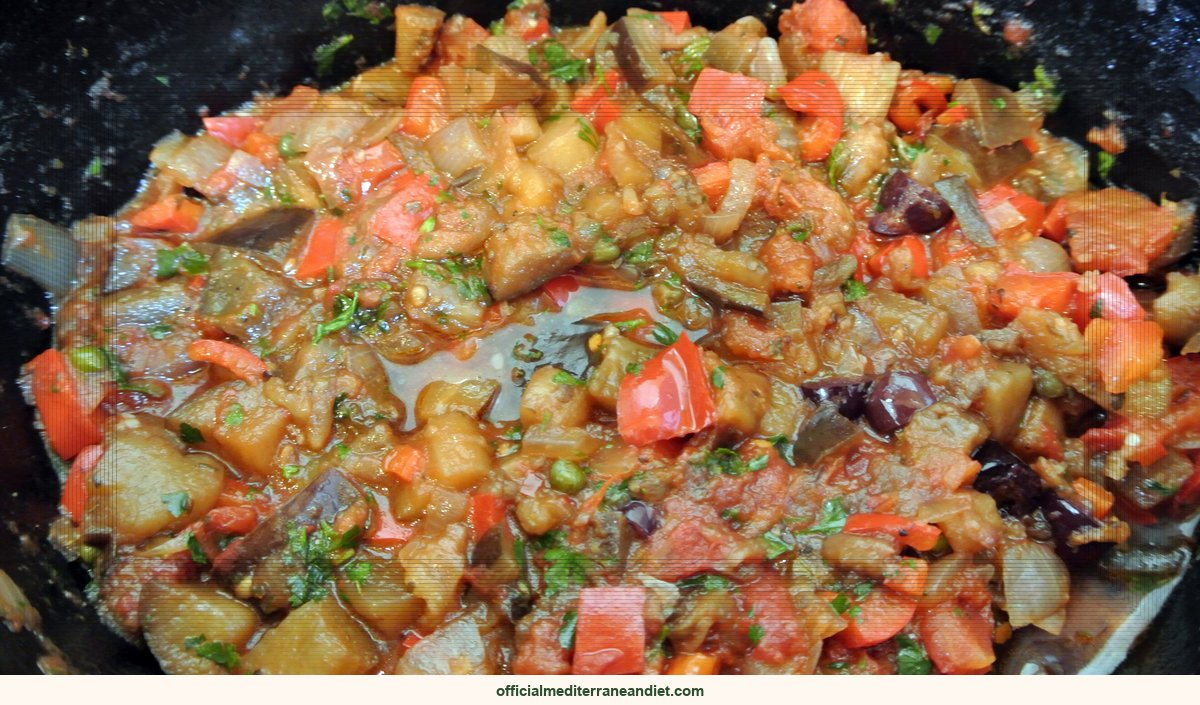
    This is a sicilian caponata recipe, the kind that sits at the heart of the Sicily table. Chef Maria dices three eggplants and reaches for a quarter-cup of golden raisins, then adds the ingredient that makes the combination work: rinsed capers. In her Taormina kitchen, this isn’t culinary chaos. It’s caponata, a dish built on the tension between sugar and salt.

    The eggplant softens into a velvety base that absorbs every flavor it touches

    How to make this sicilian caponata recipe

    This Italian sicilian caponata recipe takes about 15 minutes to prep and 20 minutes to cook. The flavor comes from Sicily, where Chef Maria of Taormina has made it the same way for years. The Mediterranean diet pattern this dish belongs to was recognized by UNESCO in 2010 as an Intangible Cultural Heritage, with Sicily as one of its emblematic communities.

    Ingredients for sicilian caponata

    • 3 medium eggplants, diced
    • 2 red bell peppers, chopped
    • 1 large onion, finely sliced
    • 2 celery stalks, thinly sliced
    • 2 garlic cloves, minced
    • 1 can (8 oz) tomato sauce
    • 1/4 cup capers in brine, rinsed and drained
    • 1/4 cup golden raisins
    • 3 tbsp extra virgin olive oil
    • 2 tbsp balsamic vinegar
    • Salt and pepper to taste

    Method, the Sicily way

    1. Sicilian Caponata recipe: In a large skillet, heat the olive oil over medium heat. Add the onion and celery; cook until softened.
    2. Stir in the garlic and bell peppers; cook for another 5 minutes.
    3. Add eggplant to the skillet with salt and pepper. Cook until tender but still slightly firm.
    4. Pour in tomato sauce and balsamic vinegar, stirring well to combine.
    5. Simmer gently for about 10 minutes, allowing flavors to meld together.
    6. Stir in capers and raisins; cook for an additional 2-3 minutes.

    Tips from Chef Maria of Taormina

    The traditional way in Sicily is to keep it simple. Researchers behind the PREDIMED trial found that the sicilian caponata recipe pattern, anchored in olive oil and short ingredient lists, cuts cardiovascular risk roughly 30%. Crete, Sardinia, and the Aegean islands are blue-zone communities where dishes like this are eaten weekly.

    Serving, storage, and what to drink

    Serves 4. Best the day it’s made. Leftovers keep in the fridge for two days. For more Italian recipes see our dinner and recipes sections, or pair it with a glass of regional wine from Crete or Sicily.

    Loved this recipe?

    Get the free 7-day Mediterranean Diet Starter Kit

    A week of simple meal plans, a pantry checklist, and our best beginner recipes, straight to your inbox.

    Send me the free kit →

    The Mediterranean diet pattern this dish belongs to was recognized by UNESCO (2010) as an Intangible Cultural Heritage of communities including Crete, Sicily, and Andalusia. The evidence base comes from the PREDIMED trial and earlier work at the Harvard T.H. Chan School of Public Health.

    Tools & pantry for this recipe

    A few things that make this easier. These are affiliate links, so we may earn a small commission at no extra cost to you; we only suggest what we’d actually use ourselves. See our editorial policy.