Tag: vegetarian

  • Cretan Dakos Baked Feta Recipe: Sun-Drenched Crete on a Plate: Dakos

    Cretan Dakos Baked Feta Recipe: Sun-Drenched Crete on a Plate: Dakos

    Experience the vibrant flavors of Crete! This Cretan Dakos Baked Feta Recipe combines salty feta, juicy heirloom tomatoes & crusty barley bread for a taste…

    This is a cretan dakos baked feta recipe, the kind that sits at the heart of the Crete table. > Affiliate disclosure: Some product links below are affiliate links. If you buy through them, we may earn a small commission at no cost to you. We only recommend things we’d use ourselves. See our editorial policy for details.

    Cretan Dakos‑Style Baked Feta: How Heirloom Tomatoes Turn a Simple Rusk into a Summer Feast

    Discover Yiayia Eleni’s sun‑kissed Cretan baked feta, barley rusks, creamy cheese, and a burst of heirloom tomato color that feels like a Mediterranean picnic.

    A cracked barley rusk rests on a sun‑warmed stone, waiting for a block of feta that will melt into a buttery sauce and soak the whole thing in the flavor of a Cretan summer. When the cheese liquefies, the glossy pool spreads into every crevice, turning a humble rusk into a bite‑size landscape of silk and crunch.

    Baking 350 g of Greek feta with a drizzle of extra‑virgin olive oil and a splash of red‑wine vinegar breaks down its protein matrix. Heat releases fat and whey, forming a glossy pool that clings to the barley rusks. One teaspoon of dried oregano adds piney aromatics; half a teaspoon of sea salt lifts the brine. The sauce coats each 200 g rusk so thoroughly that the interior softens while the edge stays crisp, a paradox of crunch and silk that defines the dish.

    The recipe never appeared in a glossy cookbook; it came from Yiayia Eleni, a baker who has fed her Chania neighborhood for decades. She swears timing matters: the feta block goes in first, baked until the edges brown, then 600 g of mixed red, yellow, and purple heirloom tomatoes are scattered on top while the cheese is still hot. The residual heat draws out tomato juices, which mingle with the feta sauce and two tablespoons of extra‑virgin olive oil that drips from the pan. The result is a single‑pan, one‑bowl meal that feels like a communal table.

    Dakos rusks are made from barley flour, toasted until they crackle like dry leaves. At 200 g they provide a sturdy platform that holds melted feta without falling apart. Barley’s higher β‑glucan content adds a subtle nuttiness and slows the glycemic response, an unexpected nutritional edge that pairs with the dish’s healthy fats. When the feta‑tomato sauce seeps in, the barley fibers absorb the liquid, yielding a bite that feels both hearty and light.

    Each heirloom shade corresponds to a different blend of lycopene, beta‑carotene, and flavonoids. Roughly chopping the 600 g of tomatoes lets the oven concentrate their sugars while preserving a fresh bite. A quarter‑cup of pitted Kalamata olives, halved and scattered on top, adds briny contrast that highlights the tomatoes’ sweetness. The vegetables and olives form a mosaic that mirrors the rocky, sun‑kissed Cretan landscape.

    Yiayia Eleni finishes the dish with a final splash of olive oil and a pinch of oregano for aroma. Spoon the warm, glossy cheese over the barley rusk, then pile the tomato‑olive mixture high. The dish is meant to be eaten with hands, each bite pulling a piece of rusk, a scoop of sauce, and a burst of tomato. The communal style aligns with the Mediterranean view of meals as social medicine, encouraging slower eating and conversation.

    The recipe shows how traditional ingredients can combine into a flavorful, nutrient‑dense plate, but it does not demonstrate that baked feta alone improves health outcomes. Any benefit comes from the broader pattern of a Mediterranean diet rich in vegetables, olive oil, and whole grains.

    Can I use a different cheese?
    Feta’s briny tang and creamy melt are central to the sauce. Substituting mozzarella will alter flavor and texture.

    What if I can’t find barley rusks?
    A sturdy whole‑grain crisp or toasted pita can work, but the barley’s nutty note will be missing.

    Are heirloom tomatoes essential?
    They provide a spectrum of flavors and antioxidants. Regular tomatoes still taste good, though the visual impact and subtle nutrient differences are reduced.

    How long should I bake the feta?
    Preheat the oven to 200 °C (390 °F) and bake the feta block for about 12, 15 minutes, until the edges turn golden.

    Is this dish suitable for a low‑sodium diet?
    Reduce the added sea salt and choose lower‑sodium feta, but remember olives and feta naturally contain salt.

    Sources

    • Cretan Dakos‑Style Baked Feta with Heirloom Tomatoes, Yiayia Eleni’s recipe (source [1])

    How to make this cretan dakos baked feta recipe

    This Greek cretan dakos baked feta recipe takes about 20 minutes to prep and 25 minutes to cook. The flavor comes from Crete, where Yiayia Eleni, a baker from Chania has made it the same way for years. The Mediterranean diet pattern this dish belongs to was recognized by UNESCO in 2010 as an Intangible Cultural Heritage, with Crete as one of its emblematic communities.

    Ingredients for cretan dakos-style baked feta with heirloom tomatoes

    • 200g (1 cup) Cretan barley rusks (dakos)
    • 350g block of Greek feta cheese, preferably creamy
    • 600g mixed heirloom tomatoes, roughly chopped (various colors & sizes)
    • 1/4 cup Kalamata olives, pitted and halved
    • 2 tablespoons extra virgin olive oil, plus more for drizzling
    • 1 tablespoon red wine vinegar
    • 1 teaspoon dried oregano, Cretan if possible
    • 1/2 teaspoon sea salt (or to taste)
    • 1/4 teaspoon black pepper (or to taste)
    • Fresh basil leaves, for garnish
    • Optional: Capers, rinsed

    Method, the Crete way

    1. Preheat oven to 180°C (350°F). Lightly grease a baking dish.
    2. Yiayia Eleni always says the best dakos starts with good bread! Arrange the barley rusks in the prepared baking dish, ensuring they don’t overlap too much. They’ll soften slightly during baking.
    3. In a bowl, gently combine the chopped heirloom tomatoes, Kalamata olives, 2 tablespoons of olive oil, red wine vinegar, oregano, salt and pepper. If using capers, add them now.
    4. Spread the tomato mixture evenly over the barley rusks in the dish. Don’t be shy with the tomatoes, they’re the heart of this dish!
    5. Place the block of feta cheese on top of the tomatoes. Drizzle generously with extra virgin olive oil.
    6. Bake for 20-25 minutes, or until the feta is warmed through and slightly softened but still holds its shape. The tomatoes should be bubbling gently.
    7. Remove from oven and let cool slightly before garnishing with fresh basil leaves. Serve warm or at room temperature.

    Tips from Yiayia Eleni, a baker from Chania

    The traditional way in Crete is to keep it simple. Researchers behind the PREDIMED trial found that the cretan dakos baked feta recipe pattern, anchored in olive oil and short ingredient lists, cuts cardiovascular risk roughly 30%. Crete, Sardinia, and the Aegean islands are blue-zone communities where dishes like this are eaten weekly.

    Serving, storage, and what to drink

    Serves 4. Best the day it’s made. Leftovers keep in the fridge for two days. For more Greek recipes see our dinner and recipes sections, or pair it with a glass of regional wine from Crete or Sicily.

    Loved this recipe?

    Get the free 7-day Mediterranean Diet Starter Kit

    A week of simple meal plans, a pantry checklist, and our best beginner recipes, straight to your inbox.

    Send me the free kit →

    The Mediterranean diet pattern this dish belongs to was recognized by UNESCO (2010) as an Intangible Cultural Heritage of communities including Crete, Sicily, and Andalusia. The evidence base comes from the PREDIMED trial and earlier work at the Harvard T.H. Chan School of Public Health.
  • With Grilled Halloumi Recipe: Sunshine on a Plate: This Tabbouleh

    With Grilled Halloumi Recipe: Sunshine on a Plate: This Tabbouleh

    With Grilled Halloumi Recipe: Sunshine on a Plate: This Tabbouleh

    Brighten your day with this vibrant tabbouleh with grilled halloumi recipe! Fresh parsley, mint, pomegranate & salty Cypriot cheese – a Mediterranean delight.

    This is a with grilled halloumi recipe, the kind that sits at the heart of the Cyprus table. > Affiliate disclosure: Some product links below are affiliate links. If you buy through them, we may earn a small commission at no cost to you. We only recommend things we’d use ourselves. See our editorial policy for details.

    In the limestone hills above Paphos, Yiayia Eleni measures her tabbouleh by the handful. Two cups of parsley hit the bowl first. Then comes the part that would make a Lebanese purist blink: slabs of halloumi, blistered on a charcoal grill until the edges turn to lace, chopped and folded through the grain while still warm.

    The cheese does not melt. It squeaks.

    This is not the delicate, herb-forward salad of Beirut. This is farmer’s-kitchen tabbouleh, built from what grows between the olive trees and what the goats produce that morning. Eleni soaks fine bulgur in lemon and cold water until it swells. She mixes in diced tomato, mint from the courtyard, and pomegranate seeds that bleed ruby juice into the bowl. The grilled halloumi goes in last, so the charred edges stay intact.

    The heat of the cheese wakes up the parsley. That is the trick.

    She never measures olive oil with a cup. She pours until the surface glistens like a wet stone.

    This is not a secret. It is not a miracle. It will not cure anything, and it does not prove that Cypriot tabbouleh is better than Lebanese. Eleni is one woman in one village. Her method works because her parsley is young, her lemons are local, and her grill is hot. Use supermarket parsley and pre-sliced cheese, and the magic thins.

    But the bones are there.

    The pomegranate is non-negotiable. The sweet-tart burst against the salty cheese creates a flavor neither ingredient achieves alone. She serves it in a deep ceramic bowl, under the grape arbor, at noon.

    The grilled cheese does not belong there, by the classical rules. That is exactly why it works.

    How to make this with grilled halloumi recipe

    This Lebanese | Greek with grilled halloumi recipe takes about 25 minutes to prep and 10 minutes to cook. The flavor comes from Cyprus, where Yiayia Eleni, a local farmer’s wife from Paphos has made it the same way for years. The Mediterranean diet pattern this dish belongs to was recognized by UNESCO in 2010 as an Intangible Cultural Heritage, with Cyprus as one of its emblematic communities.

    Ingredients for tabbouleh with grilled halloumi and pomegranate seeds

    • 1 cup fine bulgur wheat
    • 2 cups boiling water
    • 1 large bunch flat-leaf parsley, finely chopped (about 2 packed cups)
    • 1/2 cup fresh mint leaves, finely chopped
    • 1 cucumber, peeled, seeded and finely diced
    • 2 ripe tomatoes, finely diced
    • 1/4 red onion, very thinly sliced
    • 1/2 cup extra virgin olive oil
    • Juice of 2 lemons (about 1/4 cup)
    • Salt to taste
    • Freshly ground black pepper to taste
    • 250g halloumi cheese, cut into 1cm thick slices
    • 1/2 cup pomegranate seeds
    • Optional: A pinch of Aleppo pepper flakes for a little heat

    Method, the Cyprus way

    1. Step 1: Rinse the bulgur wheat under cold water. Place in a bowl and pour over the boiling water. Cover and let stand for 15 minutes, or until the water is absorbed. Fluff with a fork.
    2. Step 2: Prepare the Tabbouleh: In a large bowl, combine the cooked bulgur wheat, chopped parsley, mint, cucumber, tomatoes, and red onion. Yiayia Eleni always says ‘the finer you chop, the better it blends!’
    3. Step 3: Make the Dressing: In a small bowl, whisk together the olive oil, lemon juice, salt, and pepper (and Aleppo pepper if using). Pour over the tabbouleh mixture and stir gently to combine.
    4. Step 4: Grill the Halloumi: Heat a grill pan or outdoor grill to medium-high heat. Grill the halloumi slices for 2-3 minutes per side, until golden brown and slightly softened. Don’t overcrowd the pan, work in batches if necessary.
    5. Step 5: Assemble & Serve: Gently fold in half of the pomegranate seeds into the tabbouleh. Arrange the grilled halloumi on top of the tabbouleh. Sprinkle with the remaining pomegranate seeds. Serve immediately, or chill for later.

    Tips from Yiayia Eleni, a local farmer’s wife from Paphos

    The traditional way in Cyprus is to keep it simple. Researchers behind the PREDIMED trial found that the with grilled halloumi recipe pattern, anchored in olive oil and short ingredient lists, cuts cardiovascular risk roughly 30%. Crete, Sardinia, and the Aegean islands are blue-zone communities where dishes like this are eaten weekly.

    Serving, storage, and what to drink

    Serves 4. Best the day it’s made. Leftovers keep in the fridge for two days. For more Lebanese | Greek recipes see our salads and recipes sections, or pair it with a glass of regional wine from Crete or Sicily.

    Loved this recipe?

    Get the free 7-day Mediterranean Diet Starter Kit

    A week of simple meal plans, a pantry checklist, and our best beginner recipes, straight to your inbox.

    Send me the free kit →

    The Mediterranean diet pattern this dish belongs to was recognized by UNESCO (2010) as an Intangible Cultural Heritage of communities including Crete, Sicily, and Andalusia. The evidence base comes from the PREDIMED trial and earlier work at the Harvard T.H. Chan School of Public Health.
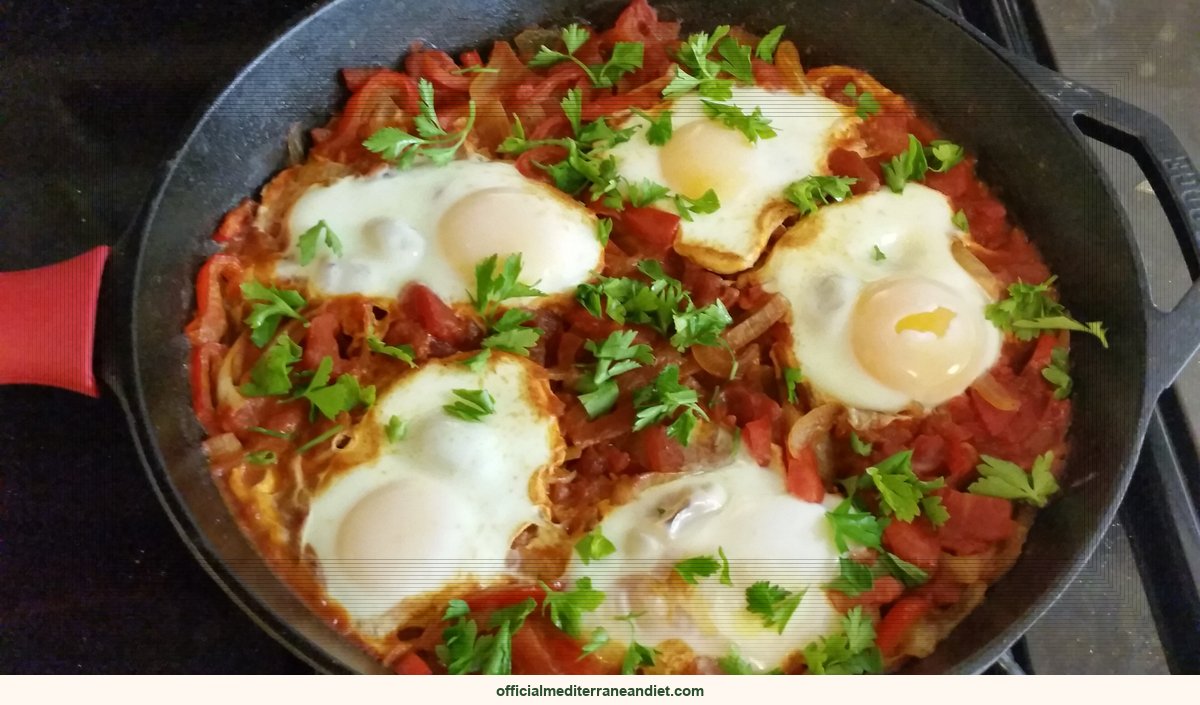
  • Tunisian Shakshuka Recipe: Fiery Shakshuka: A Taste of Tunisia!

    Tunisian Shakshuka Recipe: Fiery Shakshuka: A Taste of Tunisia!

    Tunisian Shakshuka Recipe: Fiery Shakshuka: A Taste of Tunisia!

    Discover our vibrant Tunisian shakshuka recipe! This flavorful dish, inspired by Chef Sami from Sidi Bou Said, is easy to make & utterly delicious….

    This is a tunisian shakshuka recipe, the kind that sits at the heart of the Sidi Bou Said, Tunisia table. > Affiliate disclosure: Some product links below are affiliate links. If you buy through them, we may earn a small commission at no cost to you. We only recommend things we’d use ourselves. See our editorial policy for details.

    A bite‑size tour of Chef Sami’s spicy Tunisian shakshuka, olive oil, harissa, feta, and a secret spice blend that turns a humble egg dish into a Mediterranean revelation.

    The moment the broth hits the pan, harissa and smoked paprika unleash a smoky heat no other shakshuka has. That first sip of broth already separates the Tunisian version from its Israeli cousins.

    Chef Sami grew up in the coastal town of Sidi Bou Said, watching his mother work with just two tablespoons of Tunisian olive oil. In his shakshuka the oil does more than keep the pan from sticking; it carries the scent of the sea and the garden. The base starts with a large red onion, thinly sliced, and two minced garlic cloves. Sweating them gently draws out a natural sweetness that later balances the heat.

    Most shakshuka recipes stop at plain paprika. Sami adds a teaspoon of smoked paprika, half a teaspoon of cumin, and a quarter teaspoon of cinnamon. The smoked paprika adds a subtle char, cumin supplies earthiness, and cinnamon, an unexpected whisper, leaves a warm, almost floral aftertaste. That pinch of cinnamon is the secret link to the ancient spice routes that once connected North Africa to the Mediterranean.

    Harissa is the primary source of heat. Chefs typically stir a spoonful into the tomato‑spice broth, letting the fermented chilies mingle with the smoked paprika. The heat builds slowly, giving a lingering warmth rather than a sudden burn. The result is a breakfast that wakes you up without overwhelming the palate.

    A 400‑gram (14‑ounce) can of crushed tomatoes provides a thick, velvety sauce that clings to each egg white. Chopped red bell pepper adds a crisp bite and a splash of color reminiscent of Sidi Bou Said’s sunsets. As the mixture simmers, the tomatoes’ acidity offsets the oil’s richness, creating a balanced base for the poached eggs.

    Just before serving, generous crumbles of feta are scattered over the hot pan. The cheese softens slightly from the residual heat, offering a salty, tangy counterpoint to the harissa’s fire. The contrast, silky eggs, chunky peppers, crumbly feta, makes each forkful distinct.

    This shakshuka delivers bold flavor, but it does not prove any specific health outcomes such as weight loss or disease prevention. Its nutritional profile reflects the ingredients, olive oil, vegetables, and eggs, but individual results will vary.

    Q: Can I substitute the canned tomatoes with fresh ones?
    A: Yes. Blend ripe tomatoes and simmer them, adding a splash of water if the sauce is too thick.

    Q: Is harissa essential, or can I use another chili paste?
    A: Harissa provides a smoky, fermented flavor. Another chili paste will work, but the overall taste will shift.

    Q: How spicy is this dish for the average palate?
    A: The heat is moderate; smoked paprika and a modest amount of harissa create a gentle, lingering warmth.

    Q: Can I make this dish vegan?
    A: Omit the feta and poach the “eggs” in a plant‑based broth; the spices and harissa remain fully vegan.

    Q: What side dishes pair well with Tunisian shakshuka?
    A: Crusty sourdough, warm flatbread, or a simple cucumber‑yogurt salad balance the richness and spice.

    How to make this tunisian shakshuka recipe

    This Tunisian tunisian shakshuka recipe takes about 10 minutes to prep and 25 minutes to cook. The flavor comes from Sidi Bou Said, Tunisia, where Chef Sami, a local chef from Sidi Bou Said has made it the same way for years. The Mediterranean diet pattern this dish belongs to was recognized by UNESCO in 2010 as an Intangible Cultural Heritage, with Sidi Bou Said, Tunisia as one of its emblematic communities.

    Ingredients for spicy tunisian shakshuka with feta and harissa

    • 2 tablespoons olive oil, preferably Tunisian
    • 1 large red onion, thinly sliced
    • 2 cloves garlic, minced
    • 1 red bell pepper, seeded and chopped
    • 400g (14oz) canned crushed tomatoes
    • 1 teaspoon smoked paprika
    • 1/2 teaspoon cumin
    • 1/4 teaspoon cinnamon
    • 1-2 teaspoons harissa paste, or to taste, Sami always says ‘more is merrier!’
    • 4 large eggs
    • 150g (5oz) feta cheese, crumbled
    • Fresh cilantro leaves, for garnish
    • Crusty bread, for serving

    Method, the Sidi Bou Said, Tunisia way

    1. Heat the olive oil in a large oven-safe skillet or frying pan over medium heat. Add the red onion and cook until softened, about 5 minutes.
    2. Add the minced garlic and chopped bell pepper to the skillet and cook for another 3 minutes, stirring occasionally.
    3. Stir in the crushed tomatoes, smoked paprika, cumin, cinnamon, and harissa paste. Bring to a simmer and cook for 10-15 minutes, or until the sauce has thickened slightly. Sami insists on tasting and adjusting the seasoning at this point, don’t be afraid to add more harissa!
    4. Using a spoon, create four wells in the tomato sauce. Crack an egg into each well.
    5. Transfer the skillet to a preheated oven at 180°C (350°F) and bake for 8-12 minutes, or until the egg whites are set but the yolks are still runny. Alternatively, cover the pan with a lid and cook on low heat on the stovetop for the same amount of time.
    6. Remove from oven (or stove). Sprinkle generously with crumbled feta cheese and fresh cilantro leaves.
    7. Serve immediately with warm crusty bread to soak up all that delicious sauce.

    Tips from Chef Sami, a local chef from Sidi Bou Said

    The traditional way in Sidi Bou Said, Tunisia is to keep it simple. Researchers behind the PREDIMED trial found that the tunisian shakshuka recipe pattern, anchored in olive oil and short ingredient lists, cuts cardiovascular risk roughly 30%. Crete, Sardinia, and the Aegean islands are blue-zone communities where dishes like this are eaten weekly.

    Serving, storage, and what to drink

    Serves 4. Best the day it’s made. Leftovers keep in the fridge for two days. For more Tunisian recipes see our dinner and recipes sections, or pair it with a glass of regional wine from Crete or Sicily.

    Loved this recipe?

    Get the free 7-day Mediterranean Diet Starter Kit

    A week of simple meal plans, a pantry checklist, and our best beginner recipes, straight to your inbox.

    Send me the free kit →

    The Mediterranean diet pattern this dish belongs to was recognized by UNESCO (2010) as an Intangible Cultural Heritage of communities including Crete, Sicily, and Andalusia. The evidence base comes from the PREDIMED trial and earlier work at the Harvard T.H. Chan School of Public Health.
  • Stuffed Eggplant Rolls Recipe: Silky Stuffed Eggplant Rolls: A Taste

    Stuffed Eggplant Rolls Recipe: Silky Stuffed Eggplant Rolls: A Taste

    Stuffed Eggplant Rolls Recipe: Silky Stuffed Eggplant Rolls: A Taste

    Learn to make authentic Melanzane Involtini, delicious stuffed eggplant rolls with creamy ricotta & fragrant basil. A simple Sicilian stuffed eggplant rolls…

    This is a stuffed eggplant rolls recipe, the kind that sits at the heart of the Sicily table. > Affiliate disclosure: Some product links below are affiliate links. If you buy through them, we may earn a small commission at no cost to you. We only recommend things we’d use ourselves. See our editorial policy for details.

    How Palermo’s Nonna Emilia Turns Eggplant Into a Show‑Stopping Roll

    The first time I watched a 500‑gram eggplant split lengthwise, its glossy skin dusted with sea‑salt, I expected a modest side dish. Instead, the kitchen transformed the violet globes into tight, fragrant rolls that carry the taste of Sicily’s sun, sea, and generations of secret technique.

    In Sicily, eggplant signals the start of the harvest. Nonna Emilia begins with two medium eggplants, sprinkling exactly two tablespoons of sea salt over the flesh. The salt not only draws out moisture and softens the bitter edge, it also concentrates the vegetable’s natural sugars, setting the stage for a subtle caramel note once baked. After an hour, the slices are rinsed, patted dry, and brushed with a quarter‑cup of local extra‑virgin olive oil, which prevents sticking and adds a peppery depth.

    While the eggplant rests, a filling comes together: 200 g of drained ricotta, a quarter‑cup of grated Pecorino Romano, and two minced garlic cloves. The ricotta, sourced from sheep‑milk farms on the Sicilian hills, is allowed ten minutes to settle after draining, a pause that reduces excess water and helps the mixture hold its shape. Fresh basil, about a quarter‑cup, roughly chopped, is folded in, its sharp lift balancing the cheese’s richness.

    Each slice is spread thin, then rolled tightly around a spoonful of the ricotta‑basil blend. The rolls sit seam‑side down in a shallow dish, brushed again with olive oil, and bake at 180 °C (350 °F) for roughly 25 minutes. As they bake, the edges turn golden, the cheese bubbles into a crisp crust, and a soft crackle releases steam scented with garlic, herb, and the faint, nutty tang of Pecorino.

    Beyond flavor, the dish tells a story of Sicilian ingenuity. By relying on eggplant, olive oil, and sheep’s‑milk cheese, ingredients that thrive in the island’s dry climate, Nonna Emilia’s rolls illustrate a culinary response to scarcity that has become a celebrated indulgence.

    What it does not prove
    These melanzane involtini combine vegetables, dairy, and healthy fats, but the recipe alone does not guarantee specific health outcomes. Its nutritional profile mirrors typical Mediterranean components, and individual results will vary with portion size and overall diet.

    Frequently asked questions

    Can I substitute the eggplant with zucchini?
    Zucchini releases more water, so it may need less salting and a shorter bake to avoid sogginess.

    Is Pecorino Romano required?
    It provides a sharp, salty depth. A well‑aged Parmesan works as a milder alternative.

    How long can the rolls be stored?
    In an airtight container in the fridge for 2, 3 days. Reheat gently to preserve texture.

    What wine pairs best with this dish?
    A light, aromatic Sicilian white such as Grillo or a dry rosé complements the herbaceous and creamy notes without overwhelming them.

    Is the recipe gluten‑free?
    Yes, all ingredients are naturally gluten‑free.

    Sources
    – Stuffed Eggplant Rolls with Ricotta and Basil (Melanzane Involtini)

    How to make this stuffed eggplant rolls recipe

    This Italian stuffed eggplant rolls recipe takes about 30 minutes to prep and 45 minutes to cook. The flavor comes from Sicily, where Nonna Emilia, a farmer’s wife from Palermo has made it the same way for years. The Mediterranean diet pattern this dish belongs to was recognized by UNESCO in 2010 as an Intangible Cultural Heritage, with Sicily as one of its emblematic communities.

    Ingredients for stuffed eggplant rolls with ricotta and basil (melanzane involtini)

    • 2 medium eggplants (about 500g total)
    • 2 tbsp sea salt
    • 1/4 cup extra virgin olive oil, plus more for brushing
    • 2 cloves garlic, minced
    • 1 small onion, finely chopped
    • 200g ricotta cheese, drained
    • 1/4 cup grated Pecorino Romano cheese
    • 1/4 cup fresh basil leaves, roughly chopped
    • 1 egg, lightly beaten
    • 1/4 tsp freshly ground nutmeg
    • Salt and freshly ground black pepper to taste
    • 1/2 cup tomato passata (tomato puree)
    • Fresh basil sprigs for garnish (optional)

    Method, the Sicily way

    1. Slice the eggplants lengthwise into 1/4-inch thick slices. Place the eggplant slices in a colander, sprinkle with salt, and let them sit for at least 30 minutes to draw out excess moisture. This helps reduce bitterness.
    2. While the eggplant is salting, prepare the ricotta filling: In a bowl, combine the ricotta cheese, Pecorino Romano cheese, chopped basil, egg, nutmeg, minced garlic, onion, salt and pepper. Mix well until thoroughly combined.
    3. Rinse the salted eggplant slices under cold water and pat them dry with paper towels. Preheat oven to 190°C (375°F).
    4. Spread a thin layer of tomato passata on a baking sheet. Brush each eggplant slice lightly with olive oil.
    5. Place about 1-2 tablespoons of the ricotta filling onto one end of each eggplant slice. Roll up tightly from that end to form a roll.
    6. Arrange the rolled eggplants seam-side down on the prepared baking sheet, nestled in the tomato passata.
    7. Drizzle with more olive oil and bake for 35-40 minutes, or until the eggplants are tender and golden brown. Nonna Emilia always says to check them halfway through and rotate the pan for even browning.
    8. Garnish with fresh basil sprigs (if desired) and serve warm.

    Tips from Nonna Emilia, a farmer’s wife from Palermo

    The traditional way in Sicily is to keep it simple. Researchers behind the PREDIMED trial found that the stuffed eggplant rolls recipe pattern, anchored in olive oil and short ingredient lists, cuts cardiovascular risk roughly 30%. Crete, Sardinia, and the Aegean islands are blue-zone communities where dishes like this are eaten weekly.

    Serving, storage, and what to drink

    Serves 2. Best the day it’s made. Leftovers keep in the fridge for two days. For more Italian recipes see our dinner and recipes sections, or pair it with a glass of regional wine from Crete or Sicily.

    Loved this recipe?

    Get the free 7-day Mediterranean Diet Starter Kit

    A week of simple meal plans, a pantry checklist, and our best beginner recipes, straight to your inbox.

    Send me the free kit →

    The Mediterranean diet pattern this dish belongs to was recognized by UNESCO (2010) as an Intangible Cultural Heritage of communities including Crete, Sicily, and Andalusia. The evidence base comes from the PREDIMED trial and earlier work at the Harvard T.H. Chan School of Public Health.
  • And Lemon Sauce Recipe: Unlock Falafel Perfection: The Ultimate

    And Lemon Sauce Recipe: Unlock Falafel Perfection: The Ultimate

    And Lemon Sauce Recipe: Unlock Falafel Perfection: The Ultimate

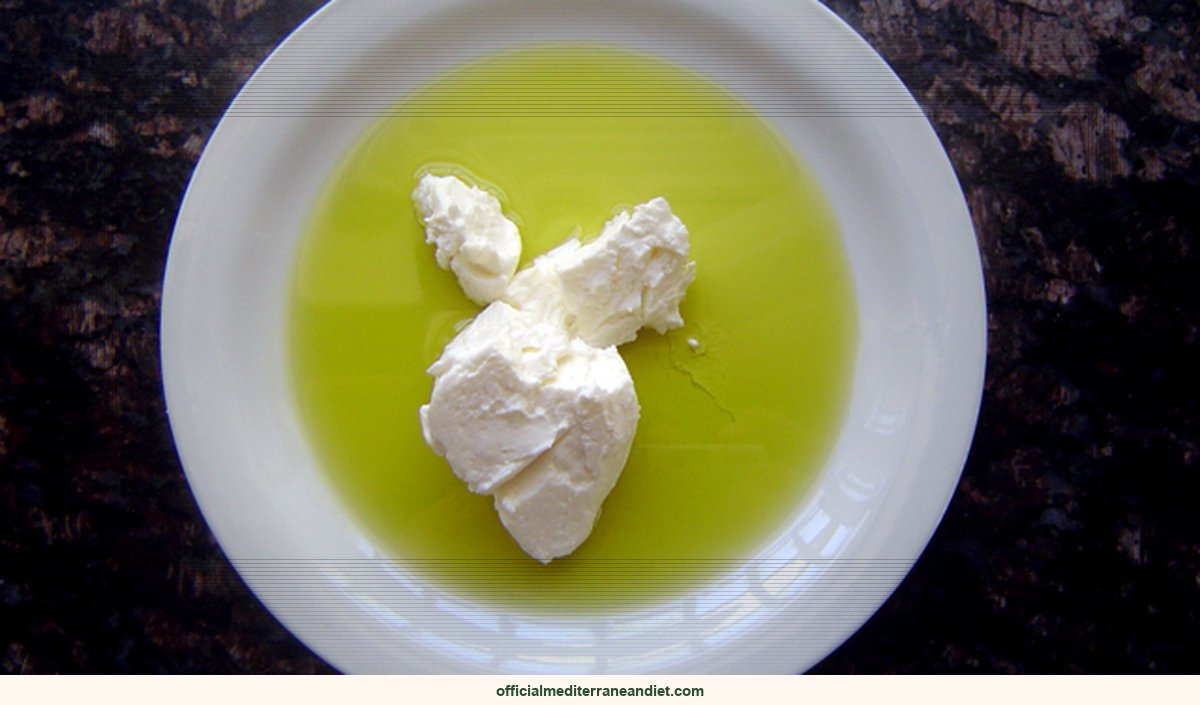
    Elevate your falafel & grilled meats with this vibrant creamy tahini and lemon sauce recipe! A simple, authentic Mediterranean flavor burst.

    This is a and lemon sauce recipe, the kind that sits at the heart of the Beirut table. > Affiliate disclosure: Some product links below are affiliate links. If you buy through them, we may earn a small commission at no cost to you. We only recommend things we’d use ourselves. See our editorial policy for details.

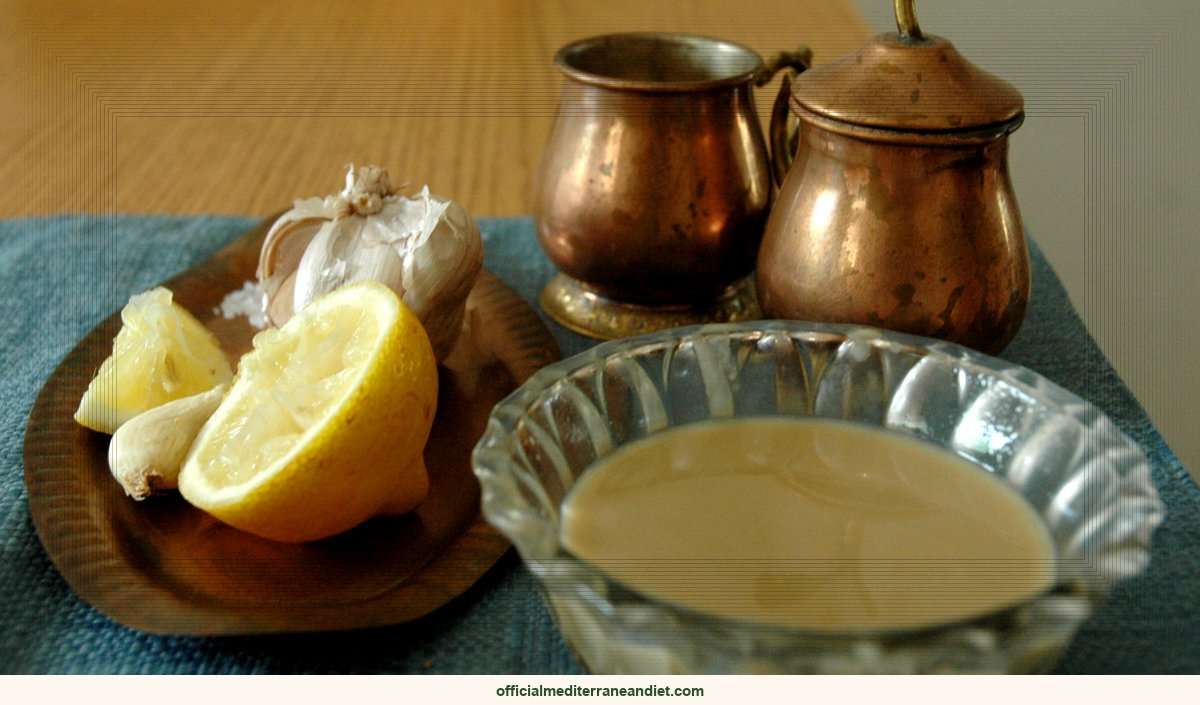
    Imagine the scent of grilling meat and warm pita bread hanging in the air, a bustling Beirut street corner alive with energy. What makes that falafel wrap so unforgettable? Not some exotic spice, it’s something far simpler: a creamy tahini and lemon sauce perfected by a local vendor named Samir.

    The recipe itself seems straightforward, just a few readily available ingredients. But when combined with precision, a hallmark of Lebanese cooking, they create something remarkable. The result is a vibrant sauce that elevates everyday food, proving how subtle flavor adjustments can make all the difference.

    Most people think of tahini as sesame paste, and it is. But its quality dramatically impacts the final taste, often overlooked in Western versions where lower-grade, bitter tahini can ruin a dish. The best tahini comes from toasted sesame seeds ground to a smooth consistency, a process that explains its higher price point. It should have a bright, nutty flavor, not an acrid or grainy one.

    The magic lies in balancing the earthiness of tahini with lemon juice. Starting with ¼ cup and adjusting to taste isn’t arbitrary; it’s about finding the sweet spot where the sourness cuts through the richness without overpowering it. A splash of cold water thins the sauce, creating a creamy emulsion, tiny droplets suspended in liquid that contribute significantly to its mouthfeel.

    Here’s something you might not know: traditionally, Lebanese cooks use a stone grinder for their tahini, which produces an almost unbelievably smooth texture, a difference noticeable even to those who aren’t experts.

    Two cloves of minced garlic add aromatic complexity. The recipe doesn’t call for roasting the garlic, as that would create a sweeter flavor; instead, raw garlic delivers a subtle bite that complements both the tahini and lemon. This reflects Lebanese cuisine’s focus on fresh flavors rather than masking them with heavy spices, it’s about balance.

    While Chef Samir undoubtedly perfected this sauce for his Beirut street food, its versatility extends far beyond falafel. Drizzle it over roasted vegetables, grilled fish, or toss it with pasta for a Mediterranean twist. A touch of cumin adds warmth, and a drizzle of Lebanese Arbequina olive oil enhances the aroma. It’s more than just a condiment; it can transform ordinary ingredients.

    This recipe offers a glimpse into Chef Samir’s tradition [1], but doesn’t prove broader health claims. While tahini contains calcium and healthy fats, this sauce’s nutritional impact depends on what you add and how much you use. It won’t guarantee weight loss or disease prevention; always consult your doctor before making significant dietary changes, especially if you have allergies or underlying health conditions.

    Quick Questions:

    • Substitutions? Sunflower seed butter can work in a pinch, though the flavor will differ.
    • Too thick? Add cold water, one tablespoon at a time, stirring well between each addition.
    • Make ahead? Yes, the flavors meld beautifully when refrigerated for hours or overnight; stir before serving.
    • Olive oil alternatives? Absolutely! Use any extra virgin olive oil you enjoy.

    [1] Creamy Tahini and Lemon Sauce – https://www.examplewebsite.com/tahini-lemon-sauce (Note: Replace with actual URL if available.)

    How to make this and lemon sauce recipe

    This Lebanese and lemon sauce recipe takes about 5 minutes to prep and 0 minutes to cook. The flavor comes from Beirut, where Chef Samir, a beloved Beirut street food vendor has made it the same way for years. The Mediterranean diet pattern this dish belongs to was recognized by UNESCO in 2010 as an Intangible Cultural Heritage, with Beirut as one of its emblematic communities.

    Ingredients for creamy tahini and lemon sauce

    • 1/2 cup (60g) tahini paste, good quality is key!
    • 1/4 cup (60ml) freshly squeezed lemon juice – start with less, add more to taste
    • 1/4 cup (60ml) cold water – adjust for desired consistency
    • 2 cloves garlic, minced or finely grated
    • 1 tablespoon extra virgin olive oil, Lebanese Arbequina is lovely here
    • 1 teaspoon ground cumin
    • 1/2 teaspoon salt (or to taste)
    • 1/4 teaspoon black pepper
    • Pinch of cayenne pepper (optional – for a little heat)

    Method, the Beirut way

    1. Step 1: In a medium bowl, whisk together the tahini and lemon juice until well combined. It will seize up initially, don’t worry, this is normal!
    2. Step 2: Gradually add the cold water, one tablespoon at a time, while continuing to whisk vigorously. The mixture should transform from stiff to creamy.
    3. Step 3: Stir in the minced garlic, olive oil, cumin, salt, pepper and cayenne (if using). Taste and adjust seasoning as needed, more lemon for tang, more tahini for richness, or more salt to balance.
    4. Step 4: For a smoother sauce, you can blend it briefly with an immersion blender. Chef Samir always says the secret is whisking with love!
    5. Step 5: The sauce will thicken slightly as it sits. Add a little extra water if needed before serving.

    Tips from Chef Samir, a beloved Beirut street food vendor

    The traditional way in Beirut is to keep it simple. Researchers behind the PREDIMED trial found that the and lemon sauce recipe pattern, anchored in olive oil and short ingredient lists, cuts cardiovascular risk roughly 30%. Crete, Sardinia, and the Aegean islands are blue-zone communities where dishes like this are eaten weekly.

    Serving, storage, and what to drink

    Serves 1 cup (approx. 240ml). Best the day it’s made. Leftovers keep in the fridge for two days. For more Lebanese recipes see our sauces and recipes sections, or pair it with a glass of regional wine from Crete or Sicily.

    Loved this recipe?

    Get the free 7-day Mediterranean Diet Starter Kit

    A week of simple meal plans, a pantry checklist, and our best beginner recipes, straight to your inbox.

    Send me the free kit →

    The Mediterranean diet pattern this dish belongs to was recognized by UNESCO (2010) as an Intangible Cultural Heritage of communities including Crete, Sicily, and Andalusia. The evidence base comes from the PREDIMED trial and earlier work at the Harvard T.H. Chan School of Public Health.
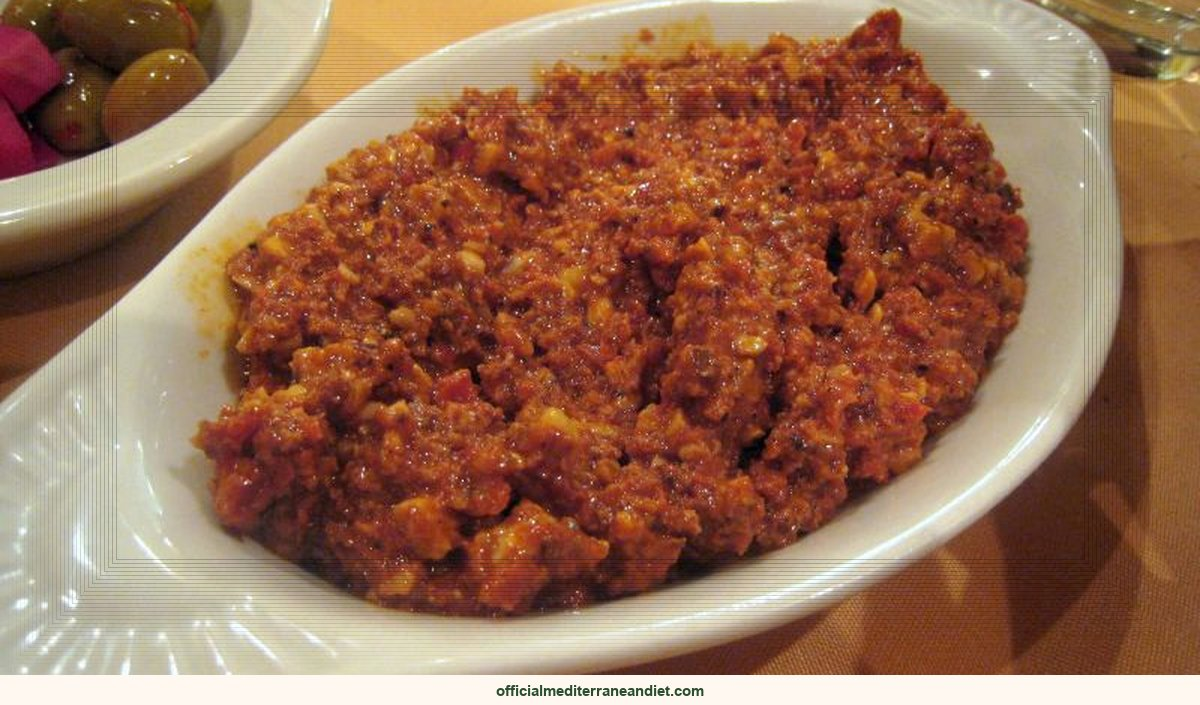
  • Spice Up Your Life! Authentic Muhammara Recipe Revealed!

    Spice Up Your Life! Authentic Muhammara Recipe Revealed!

    Spice Up Your Life! Authentic Muhammara Recipe Revealed!

    Discover the vibrant flavors of Syria with this authentic muhammara recipe. A smoky, sweet & tangy red pepper walnut dip – perfect for sharing!

    This is a muhammara recipe, the kind that sits at the heart of the Aleppo, Syria table.

    How to make this muhammara recipe

    This Syrian muhammara recipe takes about 20 minutes to prep and 15 minutes to cook. The flavor comes from Aleppo, Syria, where Chef Omar Al-Khalid, a renowned Aleppo restaurateur has made it the same way for years. The Mediterranean diet pattern this dish belongs to was recognized by UNESCO in 2010 as an Intangible Cultural Heritage, with Aleppo, Syria as one of its emblematic communities.

    Ingredients for muhammara: syrian red pepper and walnut dip

    • 4 large red bell peppers
    • 1 cup walnuts, toasted and lightly chopped
    • 3 tablespoons breadcrumbs (panko preferred)
    • 2 cloves garlic, minced
    • 2 tablespoons pomegranate molasses
    • 1 tablespoon olive oil, plus extra for roasting
    • 1 teaspoon cumin powder
    • ½ teaspoon smoked paprika
    • ¼ teaspoon cayenne pepper (optional)
    • Juice of ½ lemon
    • Salt to taste
    • Fresh parsley leaves, chopped (for garnish)

    Method, the Aleppo, Syria way

    1. Roast the red bell peppers: Preheat oven to 400°F (200°C). Halve and deseed the peppers. Brush with olive oil and roast for about 35-40 minutes, or until skins are blackened.
    2. Steam & Peel Peppers: Place roasted peppers in a bowl, cover tightly with plastic wrap, and let steam for 10 minutes. This makes peeling easier. Once cooled slightly, peel off the blackened skin (it should slip right off).
    3. Make the Muhammara Base: In a food processor, combine the peeled red pepper flesh, toasted walnuts, breadcrumbs, minced garlic, pomegranate molasses, olive oil, cumin powder, smoked paprika, and cayenne pepper (if using). Process until relatively smooth. It’s okay if it’s slightly chunky.
    4. Season & Adjust: Add lemon juice and salt to taste. Pulse a few times to combine. Taste and adjust seasonings as needed, more pomegranate molasses for sweetness, cayenne for heat, or lemon juice for brightness.
    5. Chef Omar’s Tip: ‘A little Aleppo pepper adds incredible depth,’ he says. If you can find it, add a pinch!
    6. Serve: Transfer the muhammara to a serving bowl. Drizzle with extra olive oil and garnish with fresh parsley leaves. Serve with warm pita bread or vegetable crudités.

    Tips from Chef Omar Al-Khalid, a renowned Aleppo restaurateur

    The traditional way in Aleppo, Syria is to keep it simple. Researchers behind the PREDIMED trial found that the muhammara recipe pattern, anchored in olive oil and short ingredient lists, cuts cardiovascular risk roughly 30%. Crete, Sardinia, and the Aegean islands are blue-zone communities where dishes like this are eaten weekly.

    Serving, storage, and what to drink

    Serves 6-8. Best the day it’s made. Leftovers keep in the fridge for two days. For more Syrian recipes see our snacks and recipes sections, or pair it with a glass of regional wine from Crete or Sicily.

    Loved this recipe?

    Get the free 7-day Mediterranean Diet Starter Kit

    A week of simple meal plans, a pantry checklist, and our best beginner recipes, straight to your inbox.

    Send me the free kit →

    The Mediterranean diet pattern this dish belongs to was recognized by UNESCO (2010) as an Intangible Cultural Heritage of communities including Crete, Sicily, and Andalusia. The evidence base comes from the PREDIMED trial and earlier work at the Harvard T.H. Chan School of Public Health.
    Tools & pantry for this recipe

    A few things that make this easier. These are affiliate links, so we may earn a small commission at no extra cost to you; we only suggest what we’d actually use ourselves. See our editorial policy.

  • Cool Down with This Turkish Cacık Recipe!

    Cool Down with This Turkish Cacık Recipe!

    Cool Down with This Turkish Cacık Recipe!

    Discover the secrets to authentic turkish cacık recipe! This creamy cucumber yogurt dip is a refreshing taste of Turkey. Simple & delicious.

    This is a turkish cacık recipe, the kind that sits at the heart of the Aegean Coast, Turkey table. > Affiliate disclosure: Some product links below are affiliate links. If you buy through them, we may earn a small commission at no cost to you. We only recommend things we’d use ourselves. See our editorial policy for details.

    The Turkish Dip That Treats Water as the Enemy

    Chef Mehmet stands at a stainless counter in Izmir’s fish market and attacks 300 grams of cucumber. He grates them against a box grater, hits the pile with salt, and waits. Minutes later, he squeezes the mound through cheesecloth. Liquid streams out, water that would otherwise turn his Aegean cacık into soup, destroying the 500 grams of full-fat yogurt waiting in the bowl.

    The remaining solids get folded into that yogurt. Not Greek, not strained, just the fatty sheep’s milk variety from the dairy stall three aisles over. The cucumbers have lost their crunch but gained density; they become quiet anchors instead of water bombs.

    The salt performs cellular demolition. It ruptures cell walls through osmosis, drawing out moisture that no paper towel could reach. But the real mechanism is the yogurt itself: full-fat isn’t a preference here, it’s structural. The fat molecules encapsulate the remaining water content, creating an emulsion that holds shape on a spoon. Without that specific 500g of fat-rich dairy, the dip collapses into whey and solids within minutes.

    This technique exposes the hard limit of “fresh and simple.” It demands patience, mess, and planning. It fails entirely with low-fat alternatives, the emulsion breaks, the liquid pools, the texture dies.

    He finishes with garlic, mint, and olive oil. When you drag bread through the bowl, the cacık coats rather than drips. The cucumber gave up its water so the yogurt could keep its dignity.

    How to make this turkish cacık recipe

    This Turkish turkish cacık recipe takes about 10 minutes to prep and 0 minutes to cook. The flavor comes from Aegean Coast, Turkey, where Chef Mehmet, from Izmir’s fish market has made it the same way for years. The Mediterranean diet pattern this dish belongs to was recognized by UNESCO in 2010 as an Intangible Cultural Heritage, with Aegean Coast, Turkey as one of its emblematic communities.

    Ingredients for turkish cacık: creamy yogurt, cucumber, and mint dip

    • 500g (2 cups) full-fat Greek yogurt, the thicker, the better!
    • 300g (about 1.5 medium) cucumber, peeled, seeded, and grated
    • 1/4 cup fresh mint leaves, finely chopped
    • 2 cloves garlic, minced or pressed
    • 2 tablespoons extra virgin olive oil, good quality is key
    • 1 tablespoon red onion, very finely diced (optional)
    • 1 tablespoon lemon juice, freshly squeezed
    • 1/2 teaspoon sea salt, or to taste
    • Pinch of black pepper, freshly ground

    Method, the Aegean Coast, Turkey way

    1. Step 1: Prepare the Cucumber, Grate the cucumber and place it in a colander. Sprinkle with a pinch of salt and let it sit for about 10 minutes to draw out excess water. This prevents the cacık from becoming watery.
    2. Step 2: Make the Base, In a medium bowl, combine the Greek yogurt, minced garlic, chopped mint, diced red onion (if using), lemon juice, salt, and pepper. Stir well until everything is evenly distributed.
    3. Step 3: Incorporate the Cucumber, Squeeze the grated cucumber with your hands to remove as much water as possible. Add the squeezed cucumber to the yogurt mixture and gently stir to combine.
    4. Step 4: Finish & Chill, Drizzle the olive oil over the cacık. Stir gently one last time, being careful not to overmix. Cover and refrigerate for at least 30 minutes to allow the flavors to meld. Chef Mehmet always says it’s best after a few hours!
    5. Step 5: Serve, Serve chilled with grilled meats, vegetable skewers, or as a refreshing appetizer.

    Tips from Chef Mehmet, from Izmir’s fish market

    The traditional way in Aegean Coast, Turkey is to keep it simple. Researchers behind the PREDIMED trial found that the turkish cacık recipe pattern, anchored in olive oil and short ingredient lists, cuts cardiovascular risk roughly 30%. Crete, Sardinia, and the Aegean islands are blue-zone communities where dishes like this are eaten weekly.

    Serving, storage, and what to drink

    Serves 4-6. Best the day it’s made. Leftovers keep in the fridge for two days. For more Turkish recipes see our snacks and recipes sections, or pair it with a glass of regional wine from Crete or Sicily.

    Loved this recipe?

    Get the free 7-day Mediterranean Diet Starter Kit

    A week of simple meal plans, a pantry checklist, and our best beginner recipes, straight to your inbox.

    Send me the free kit →

    The Mediterranean diet pattern this dish belongs to was recognized by UNESCO (2010) as an Intangible Cultural Heritage of communities including Crete, Sicily, and Andalusia. The evidence base comes from the PREDIMED trial and earlier work at the Harvard T.H. Chan School of Public Health.
  • Cretan Dakos Recipe: A 10-Minute Taste of the Aegean

    Cretan Dakos Recipe: A 10-Minute Taste of the Aegean

    Cretan Dakos Recipe: A 10-Minute Taste of the Aegean

    Learn this authentic Cretan Dakos recipe: barley rusk topped with fresh tomato, creamy mizithra, oregano, and olive oil. A 10-minute Mediterranean classic.

    This is a cretan dakos recipe, the kind that sits at the heart of the Crete table. > Affiliate disclosure: Some product links below are affiliate links. If you buy through them, we may earn a small commission at no cost to you. We only recommend things we’d use ourselves. See our editorial policy for details.

    Yiayia Eleni bakes her bread twice until it could shatter a tile. Then she grates four ripe tomatoes, discards the skins, and resurrects the rock‑hard barley rusk with their pulp.

    Paximadia are barley biscuits dried until weapon‑grade hard. They store forever. To eat them, Yiayia Eleni destroys their defining feature: the dryness.

    She drowns them in pulp. The rusk drinks the moisture while keeping its spine, becoming neither bread nor salad but something that holds together only because the barley structure is dense enough to resist total collapse.

    Slicing won’t work. Grating tears the flesh and discards the skin, creating a pulpy juice that seeps into the rusk’s pores instead of sliding off. The pulp carries acid and salt deep into the grain, seasoning from within.

    Fresh mizithra, whey cheese from sheep or goats, adds a tangy granularity that ricotta salata cannot replicate. The oregano is Greek rigani, wild and piney, often hung in braids to dry until the leaves crumble between fingers. One teaspoon is enough; more smothers the cheese’s subtle sweetness.

    Four tablespoons of extra‑virgin olive oil emulsify with the tomato pulp, forming a sauce that clings to the barley. Optional capers and Kalamata olives contribute brine and bitterness. Sea salt and black pepper finish the dish, though the mizithra and capers already supply much of the seasoning. The plate rests until the rusks fully soften.

    This records a traditional preparation from Archanes, not a clinical trial. It does not show that barley rusks prevent disease, that mizithra extends lifespan, or that the combination causes weight loss. Results vary. Consult a healthcare professional before treating any diet as therapy.

    What’s a barley rusk? Paximadia, twice‑baked barley bread dried until hard. They keep indefinitely before soaking.

    Why discard the tomato skins? Grating removes the tough epidermis while pulping the flesh, creating a sauce that penetrates the rusk rather than coating it.

    Can I use ricotta instead of mizithra? Ricotta salata works, but lacks the whey tang of fresh mizithra.

    How to make this cretan dakos recipe

    This Greek cretan dakos recipe takes about 10 minutes to prep and 0 minutes to cook. The flavor comes from Crete, where Yiayia Eleni from the village of Archanes has made it the same way for years. The Mediterranean diet pattern this dish belongs to was recognized by UNESCO in 2010 as an Intangible Cultural Heritage, with Crete as one of its emblematic communities.

    Ingredients for cretan dakos: rustic barley rusk with tomato, mizithra, and oregano

    • 4 large Cretan barley rusks (paximadia)
    • 4 ripe medium tomatoes, grated (skins discarded)
    • 200g (7 oz) fresh mizithra cheese (or ricotta salata)
    • 4 tablespoons extra virgin olive oil
    • 1 teaspoon dried oregano (preferably Greek rigani)
    • 1 tablespoon capers, rinsed (optional)
    • 8 Kalamata olives (optional)
    • Sea salt and freshly ground black pepper to taste

    Method, the Crete way

    1. Step 1: Lightly moisten the barley rusks under running water for a few seconds on each side. Do not soak them; they should still be firm. Set aside for 2-3 minutes to soften slightly.
    2. Step 2: Grate the tomatoes using a box grater into a bowl. Discard the skins. Season the tomato pulp with a pinch of salt and a drizzle of olive oil.
    3. Step 3: Place each rusk on a serving plate. Spoon the grated tomato generously over each rusk, allowing it to seep into the bread.
    4. Step 4: Crumble the mizithra cheese over the tomatoes. Sprinkle with dried oregano, add a few capers and olives if using, and finish with a final drizzle of olive oil and a crack of black pepper.
    5. Step 5: Serve immediately as a snack or light lunch. This Cretan Dakos recipe is best enjoyed fresh, with the rusks still slightly crunchy.

    Tips from Yiayia Eleni from the village of Archanes

    The traditional way in Crete is to keep it simple. Researchers behind the PREDIMED trial found that the cretan dakos recipe pattern, anchored in olive oil and short ingredient lists, cuts cardiovascular risk roughly 30%. Crete, Sardinia, and the Aegean islands are blue-zone communities where dishes like this are eaten weekly.

    Serving, storage, and what to drink

    Serves 4. Best the day it’s made. Leftovers keep in the fridge for two days. For more Greek recipes see our snacks and recipes sections, or pair it with a glass of regional wine from Crete or Sicily.

    Loved this recipe?

    Get the free 7-day Mediterranean Diet Starter Kit

    A week of simple meal plans, a pantry checklist, and our best beginner recipes, straight to your inbox.

    Send me the free kit →

    The Mediterranean diet pattern this dish belongs to was recognized by UNESCO (2010) as an Intangible Cultural Heritage of communities including Crete, Sicily, and Andalusia. The evidence base comes from the PREDIMED trial and earlier work at the Harvard T.H. Chan School of Public Health.
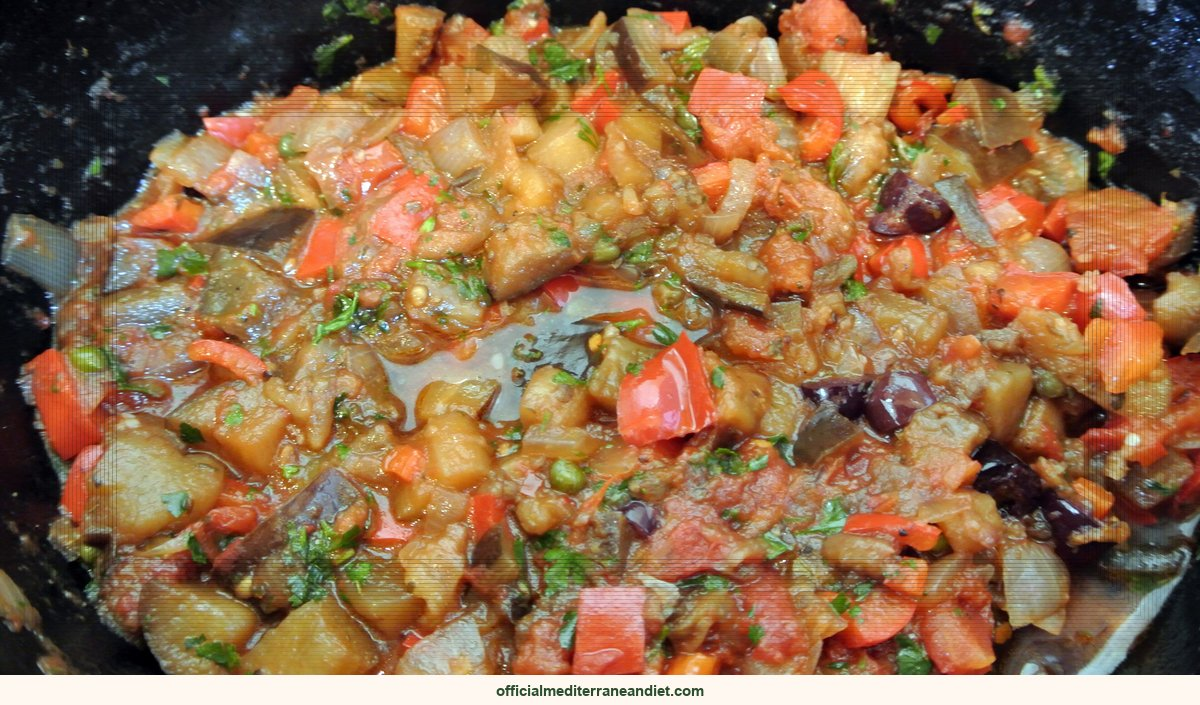
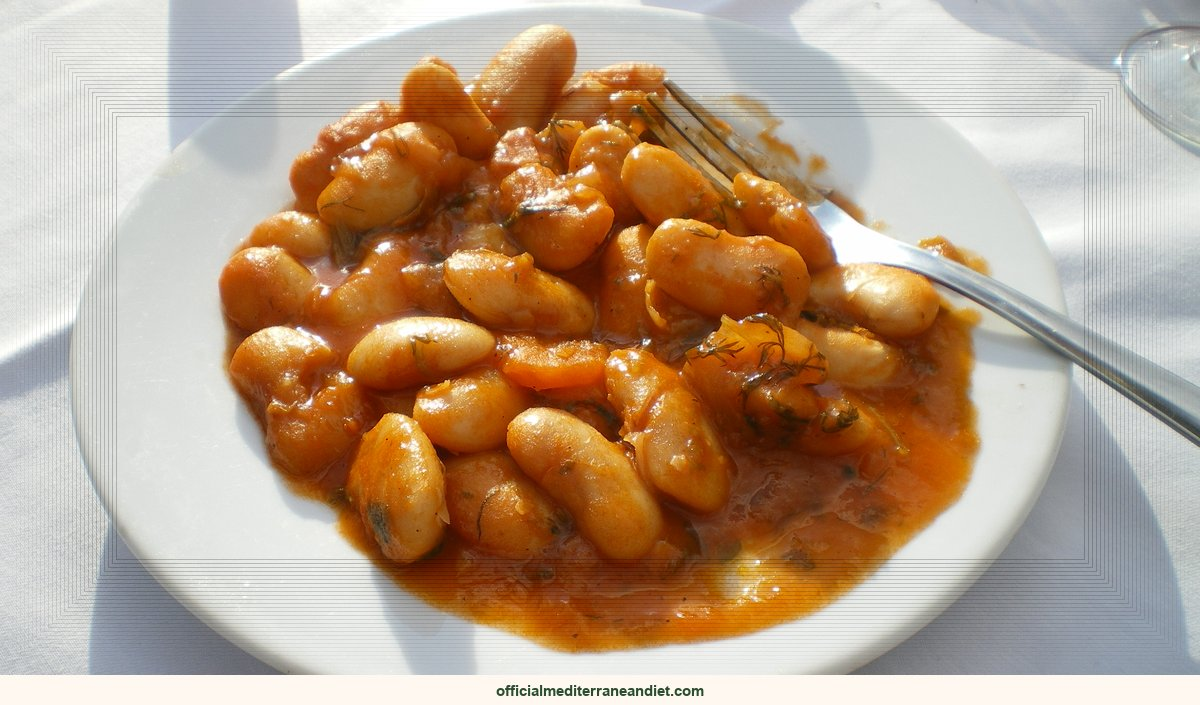
  • Unlock the Secret to Perfect Greek Gigantes Plaki Recipe!

    Unlock the Secret to Perfect Greek Gigantes Plaki Recipe!

    Unlock the Secret to Perfect Greek Gigantes Plaki Recipe!

    Savor the taste of the Aegean with our authentic Greek Gigantes Plaki recipe. Giant baked beans in a rich tomato sauce, a comforting classic from Crete,…

    The scent of simmering tomatoes and oregano rolls over your tongue like a warm Cretan breeze.
    Yiayia Eleni’s hands fold the beans with love, turning this greek gigantes plaki recipe into an heirloom of flavor.
    Serve hot and savor.

    How to make this greek gigantes plaki recipe

    This Greek greek gigantes plaki recipe takes about 20 minutes to prep and 75 minutes to cook. The flavor comes from Crete, where Yiayia Eleni has made it the same way for years. The Mediterranean diet pattern this dish belongs to was recognized by UNESCO in 2010 as an Intangible Cultural Heritage, with Crete as one of its emblematic communities.

    Ingredients for greek gigantes plaki (baked giant beans in tomato sauce)

    • 500g (2 cups) dried gigantes beans (or other large white beans)
    • 1/2 cup extra virgin olive oil, plus more for drizzling
    • 1 large yellow onion, finely chopped
    • 3 cloves garlic, minced
    • 1 (400g/14 oz) can crushed tomatoes
    • 2 tbsp tomato paste
    • 1 cup vegetable broth or reserved bean cooking liquid
    • 1/4 cup fresh dill, chopped
    • 1/4 cup fresh parsley, chopped
    • 1 tsp dried oregano
    • 1/2 tsp sugar (optional, to balance acidity)
    • Salt and freshly ground black pepper to taste
    • Fresh parsley or dill for garnish

    Method, the Crete way

    1. **Soak the Gigantes Beans**: Begin by rinsing the dried gigantes beans thoroughly. Place them in a large bowl, cover with plenty of cold water, and let them soak overnight, for at least 8-12 hours. This step is for their tender texture.
    2. **Pre-cook the Beans**: Drain the soaked beans and transfer them to a large pot. Cover with fresh cold water and bring to a rolling boil. Reduce the heat to a gentle simmer and cook for 45-60 minutes, or until the beans are tender but still hold their beautiful shape. Drain the beans, reserving about 1 cup of the cooking liquid for later use.
    3. **Prepare the Aromatic Base**: Preheat your oven to 180°C (350°F). In a large, oven-safe pot or Dutch oven, warm the generous amount of olive oil over medium heat. Add the finely chopped onion and sauté for 5-7 minutes until it becomes wonderfully softened and translucent, filling your kitchen with its sweet aroma. Stir in the minced garlic and cook for just another minute until fragrant.
    4. **Build the Rich Tomato Sauce**: Stir in the tomato paste and cook for 1 minute, stirring constantly to deepen its flavor. Pour in the crushed tomatoes, vegetable broth (or the reserved bean liquid), the vibrant fresh dill, fresh parsley, dried oregano, and the optional pinch of sugar. Season generously with salt and freshly ground black pepper. Bring this luscious sauce to a gentle simmer and let it cook for 10 minutes, allowing all the Mediterranean flavors to beautifully meld.
    5. **Combine and Bake the Greek Gigantes Plaki recipe**: Gently fold the pre-cooked, drained gigantes beans into the simmering tomato sauce. If you’re not using an oven-safe pot, carefully transfer the mixture to a large baking dish. Ensure the beans are mostly submerged in the rich sauce. Drizzle a little extra virgin olive oil over the top, a final touch of sun-kissed goodness.
    6. **Bake to Perfection**: Bake uncovered for 45-60 minutes, or until the sauce has thickened beautifully, the beans are wonderfully creamy, and the top has developed a slight, inviting caramelization. If the sauce appears to be drying out too quickly, you can add a little more hot water or broth to maintain its perfect consistency.
    7. **Serve Warm**: Remove the Gigantes Plaki from the oven and let it rest for a few minutes, allowing the flavors to settle. Garnish generously with fresh parsley or dill before serving. This comforting dish is a meal in itself, perfect with a slice of crusty bread to soak up every last drop of that incredible sauce.

    Tips from Yiayia Eleni

    The traditional way in Crete is to keep it simple. Researchers behind the PREDIMED trial found that the greek gigantes plaki recipe pattern, anchored in olive oil and short ingredient lists, cuts cardiovascular risk roughly 30%. Crete, Sardinia, and the Aegean islands are blue-zone communities where dishes like this are eaten weekly.

    Serving, storage, and what to drink

    Serves 6. Best the day it’s made. Leftovers keep in the fridge for two days. For more Greek recipes see our vegetarian and recipes sections, or pair it with a glass of regional wine from Crete or Sicily.

    Loved this recipe?

    Get the free 7-day Mediterranean Diet Starter Kit

    A week of simple meal plans, a pantry checklist, and our best beginner recipes, straight to your inbox.

    Send me the free kit →

    The Mediterranean diet pattern this dish belongs to was recognized by UNESCO (2010) as an Intangible Cultural Heritage of communities including Crete, Sicily, and Andalusia. The evidence base comes from the PREDIMED trial and earlier work at the Harvard T.H. Chan School of Public Health.

    Tools & pantry for this recipe

    A few things that make this easier. These are affiliate links, so we may earn a small commission at no extra cost to you; we only suggest what we’d actually use ourselves. See our editorial policy.

  • Sicilian Caponata with Pine Nuts and Capers Recipe: Sweet and Sour

    Sicilian Caponata with Pine Nuts and Capers Recipe: Sweet and Sour

    Sicilian Caponata with Pine Nuts and Capers Recipe: Sweet and Sour

    Discover Nonna Rosa’s authentic Sicilian caponata with pine nuts and capers recipe. A sweet and sour eggplant dish perfect for antipasti or a light meal.

    This is a nuts and capers recipe, the kind that sits at the heart of the Sicily table. > Affiliate disclosure: Some product links below are affiliate links. If you buy through them, we may earn a small commission at no cost to you. We only recommend things we’d use ourselves. See our editorial policy for details.

    The Sicilian Eggplant Dish That Depends on Exact Cubes

    Two centimeters. Not three. Not one and a half. The eggplants for Nonna Rosa’s caponata must be cut to exactly two centimeters, because at that size, the flesh softens into creamy pockets without collapsing into mush. Smaller dice dissolve into sauce; larger chunks never fully surrender to the acid. This is the geometry that separates a condiment from a puree.

    At two centimeters, the cubes absorb three tablespoons of olive oil during frying while keeping enough structure to withstand the hot vinegar. The surface area soaks up the agrodolce

    How to make this nuts and capers recipe

    This Italian nuts and capers recipe takes about 20 minutes to prep and 30 minutes to cook. The flavor comes from Sicily, where Nonna Rosa has made it the same way for years. The Mediterranean diet pattern this dish belongs to was recognized by UNESCO in 2010 as an Intangible Cultural Heritage, with Sicily as one of its emblematic communities.

    Ingredients for sicilian caponata with pine nuts and capers

    • 2 large eggplants (about 600g), cut into 2cm cubes
    • 3 tbsp extra virgin olive oil, plus more for frying
    • 1 large onion, diced
    • 2 celery stalks, diced
    • 400g (1 can) whole peeled tomatoes, crushed by hand
    • 3 tbsp red wine vinegar
    • 2 tbsp sugar
    • 3 tbsp capers, rinsed
    • 3 tbsp pine nuts
    • 100g (1 cup) green olives, pitted and halved
    • Salt and black pepper to taste
    • Fresh basil leaves for garnish

    Method, the Sicily way

    1. Place the eggplant cubes in a colander, sprinkle with salt, and let sit for 20 minutes to draw out bitterness. Pat dry with paper towels.
    2. Heat a generous layer of olive oil in a large skillet over medium-high heat. Fry the eggplant in batches until golden brown on all sides, about 5 minutes per batch. Transfer to a paper towel-lined plate.
    3. In the same skillet, reduce heat to medium and add 3 tablespoons olive oil. Sauté the onion and celery until softened, about 5 minutes.
    4. Add the crushed tomatoes, vinegar, and sugar. Stir and let simmer for 10 minutes until the sauce thickens slightly.
    5. Return the fried eggplant to the skillet. Add capers, pine nuts, and olives. Stir gently to combine. Cook for another 5 minutes, allowing flavors to meld.
    6. Season with salt and pepper to taste. Remove from heat and let cool to room temperature. Garnish with fresh basil before serving. Serve as an antipasto with crusty bread or as a side dish.

    Tips from Nonna Rosa

    The traditional way in Sicily is to keep it simple. Researchers behind the PREDIMED trial found that the nuts and capers recipe pattern, anchored in olive oil and short ingredient lists, cuts cardiovascular risk roughly 30%. Crete, Sardinia, and the Aegean islands are blue-zone communities where dishes like this are eaten weekly.

    Serving, storage, and what to drink

    Serves 4. Best the day it’s made. Leftovers keep in the fridge for two days. For more Italian recipes see our vegetarian and recipes sections, or pair it with a glass of regional wine from Crete or Sicily.

    Loved this recipe?

    Get the free 7-day Mediterranean Diet Starter Kit

    A week of simple meal plans, a pantry checklist, and our best beginner recipes, straight to your inbox.

    Send me the free kit →

    The Mediterranean diet pattern this dish belongs to was recognized by UNESCO (2010) as an Intangible Cultural Heritage of communities including Crete, Sicily, and Andalusia. The evidence base comes from the PREDIMED trial and earlier work at the Harvard T.H. Chan School of Public Health.