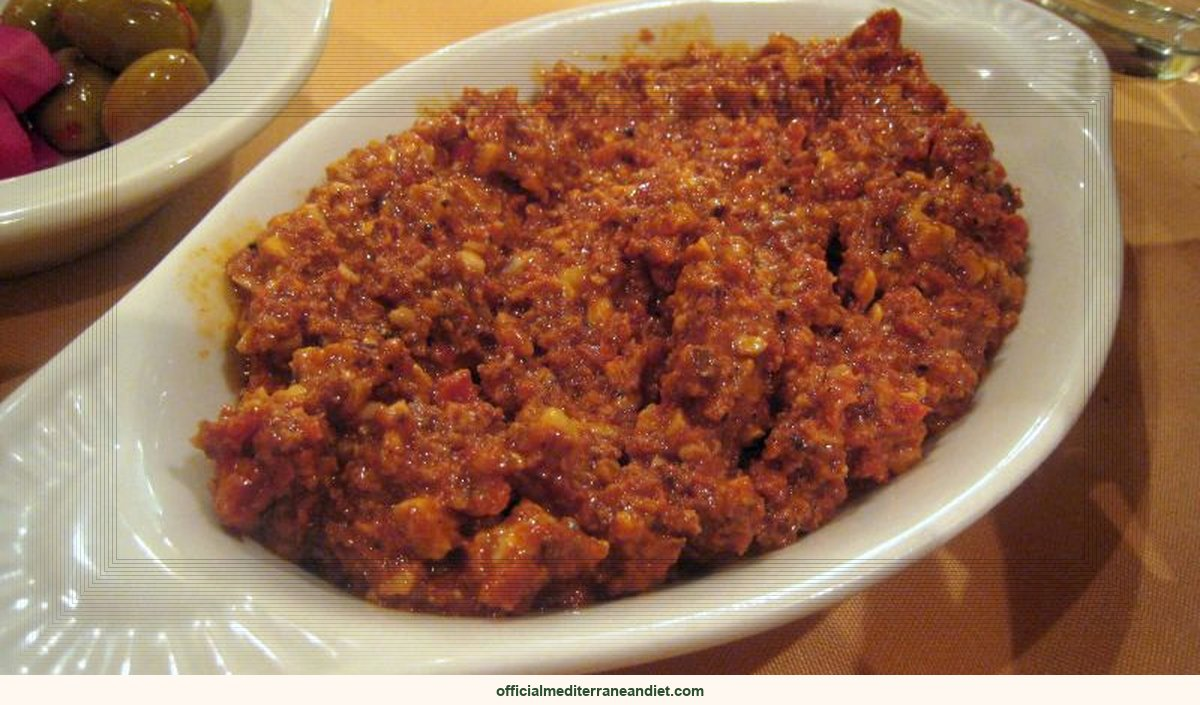
Tag: vegetarian

  • Spice Up Your Life: Authentic Muhammara Recipe!

    Spice Up Your Life: Authentic Muhammara Recipe!

    Spice Up Your Life: Authentic Muhammara Recipe!

    Discover the vibrant flavors of Aleppo with our muhammara recipe! This roasted red pepper and walnut dip is a Mediterranean delight – learn how to make it.

    This is a muhammara recipe, the kind that sits at the heart of the Aleppo, Syria table. > Affiliate disclosure: Some product links below are affiliate links. If you buy through them, we may earn a small commission at no cost to you. We only recommend things we’d use ourselves. See our editorial policy for details.

    The dip didn’t need Instagram; it traveled in the suitcases of Syrian refugees in the early 2000s and landed on dinner tables across Europe and North America. Its three‑part harmony, smoky pepper, buttery walnut, and tangy pomegranate molasses, creates a flavor memory that sticks after the first bite.

    Muhammara (Arabic محمرة) means “reddened,” a nod to the three large red bell peppers that start the dish. In Aleppo the peppers are roasted over an open flame until the skins blister, then peeled to reveal smoky flesh. That flesh is mashed with a cup of toasted walnuts, leftovers from the city’s historic walnut groves, forming a smooth base ready for seasoning.

    A tablespoon of lemon juice adds sharp acidity that cuts the nutty earthiness. A quarter‑cup of pomegranate molasses contributes a dark, tangy sweetness; the syrup was originally a preservation method that let Aleppo’s bakers keep pomegranate flavor through winter. One teaspoon of Aleppo pepper flakes supplies the signature kick; if unavailable, regular red pepper flakes work but shift the flavor toward pure heat rather than the fruit‑forward note of the native spice. A pinch of ground cumin finishes the blend, echoing the spice caravans that once crossed the city.

    Traditional Muhammara uses two tablespoons of breadcrumbs from a day‑old Arabic loaf. The stale crumbs soak up excess moisture, giving the dip body that clings to flatbread without getting soggy. If you lack authentic Arabic bread, a crusty baguette or toasted pita will serve, though the day‑old “sangak” or “khubz” ties the dish to its Aleppan roots.

    Extra‑virgin olive oil is more than garnish; a drizzle over the finished dip adds a smooth mouthfeel and a subtle fruitiness that lifts the dense walnut base. In Aleppo the oil often comes from local groves where olives are hand‑harvested, a practice that survived wars and migrations.

    The spread of Muhammara predates social media. Refugees carried the recipe to new neighborhoods, where it entered restaurant menus and home kitchens. Chefs have experimented, adding smoked paprika, swapping pistachios for walnuts, or serving it over quinoa, but the core ingredients remain unchanged, showing that a well‑balanced flavor can cross borders without losing its identity.

    The piece highlights cultural and sensory aspects of Muhammara but does not claim specific health benefits. While walnuts and olive oil are linked to heart‑healthy fats in broader research, this article does not assert that the dip alone delivers those effects.

    1. Can I substitute the walnuts?
    Pistachios or almonds work, but they change the texture and flavor balance.

    2. What if I can’t find Aleppo pepper?
    Use regular red pepper flakes, reducing the amount slightly to keep heat in check.

    3. Is the dip gluten‑free?
    Omit the breadcrumbs or replace them with gluten‑free crumbs.

    4. How long does Muhammara keep?
    Stored in an airtight container in the refrigerator, it stays fresh for up to five days.

    5. Can I make it vegan?
    The traditional recipe is already vegan; just ensure any added bread or oil is plant‑based.

    1. Muhammara (Roasted Red Pepper and Walnut Dip)

    How to make this muhammara recipe

    This Lebanese muhammara recipe takes about 20 minutes to prep and 45 minutes to cook. The flavor comes from Aleppo, Syria, where Aunt Fatima, a beloved Aleppo home cook has made it the same way for years. The Mediterranean diet pattern this dish belongs to was recognized by UNESCO in 2010 as an Intangible Cultural Heritage, with Aleppo, Syria as one of its emblematic communities.

    Ingredients for muhammara (roasted red pepper and walnut dip)

    • 3 large red bell peppers
    • 1 cup walnuts, toasted
    • 2 tablespoons breadcrumbs, preferably day-old Arabic bread
    • 1/4 cup pomegranate molasses
    • 2 tablespoons extra virgin olive oil, plus more for drizzling
    • 1 tablespoon lemon juice
    • 1 teaspoon Aleppo pepper flakes (or regular red pepper flakes, adjust to taste)
    • 1/2 teaspoon ground cumin
    • 1/4 teaspoon smoked paprika
    • 1/4 teaspoon salt, or to taste
    • Pinch of black pepper
    • Fresh parsley, chopped, for garnish

    Method, the Aleppo, Syria way

    1. Roast the red peppers: Preheat oven to 400°F (200°C). Place peppers directly on a baking sheet and roast for 30-40 minutes, turning occasionally, until the skins are blackened and blistered.
    2. Steam and Peel: Transfer the roasted peppers to a bowl and cover with plastic wrap. Let them steam for 10-15 minutes. This makes peeling much easier. Once cooled, peel off the blackened skins, remove the seeds, and roughly chop the flesh.
    3. Make the Muhammara: In a food processor, combine the roasted red peppers, toasted walnuts, breadcrumbs, pomegranate molasses, olive oil, lemon juice, Aleppo pepper flakes, cumin, smoked paprika, salt, and pepper.
    4. Process Until Smooth: Pulse the food processor until the mixture is relatively smooth. It’s okay if there are still some small pieces of walnut, that adds texture! Aunt Fatima always says, ‘A little roughness is a sign of a happy dip!’
    5. Taste and Adjust: Taste the muhammara and adjust the seasoning as needed. Add more pomegranate molasses for sweetness, Aleppo pepper flakes for heat, or lemon juice for acidity.
    6. Serve: Transfer the muhammara to a serving bowl. Drizzle with extra virgin olive oil and garnish with fresh parsley. Serve with warm pita bread, crudités, or as a spread for sandwiches.

    Tips from Aunt Fatima, a beloved Aleppo home cook

    The traditional way in Aleppo, Syria is to keep it simple. Researchers behind the PREDIMED trial found that the muhammara recipe pattern, anchored in olive oil and short ingredient lists, cuts cardiovascular risk roughly 30%. Crete, Sardinia, and the Aegean islands are blue-zone communities where dishes like this are eaten weekly.

    Serving, storage, and what to drink

    Serves 6-8. Best the day it’s made. Leftovers keep in the fridge for two days. For more Lebanese recipes see our snacks and recipes sections, or pair it with a glass of regional wine from Crete or Sicily.

    Loved this recipe?

    Get the free 7-day Mediterranean Diet Starter Kit

    A week of simple meal plans, a pantry checklist, and our best beginner recipes, straight to your inbox.

    Send me the free kit →

    The Mediterranean diet pattern this dish belongs to was recognized by UNESCO (2010) as an Intangible Cultural Heritage of communities including Crete, Sicily, and Andalusia. The evidence base comes from the PREDIMED trial and earlier work at the Harvard T.H. Chan School of Public Health.
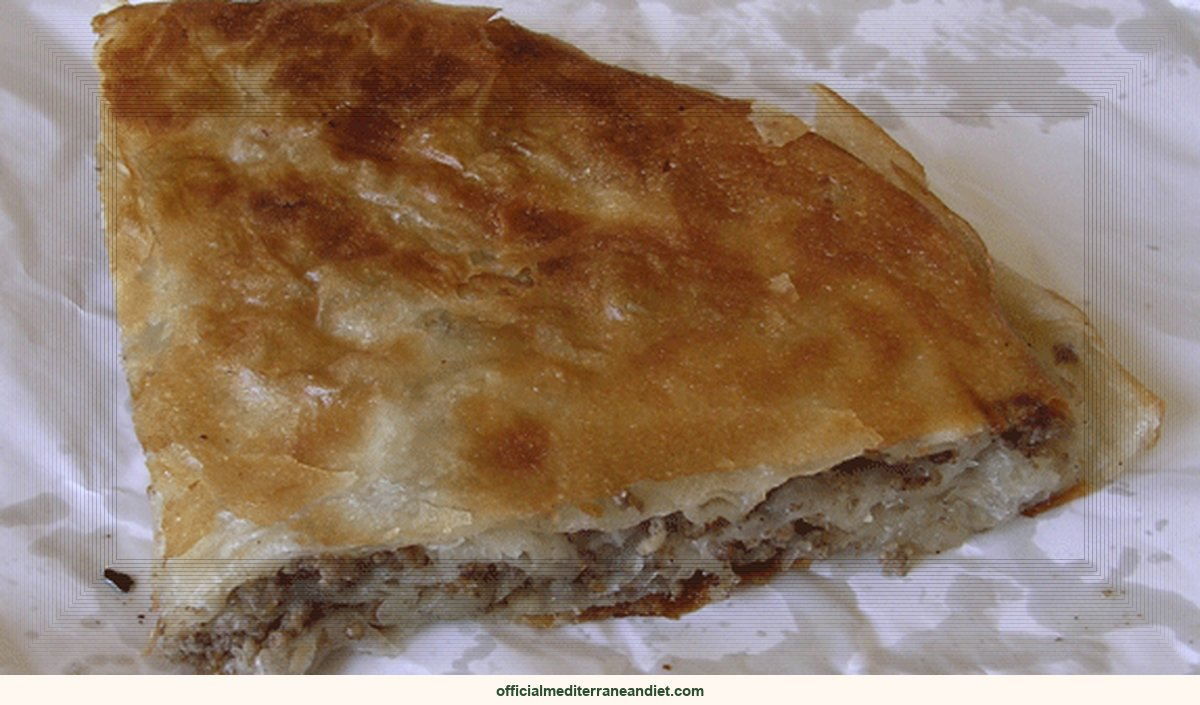
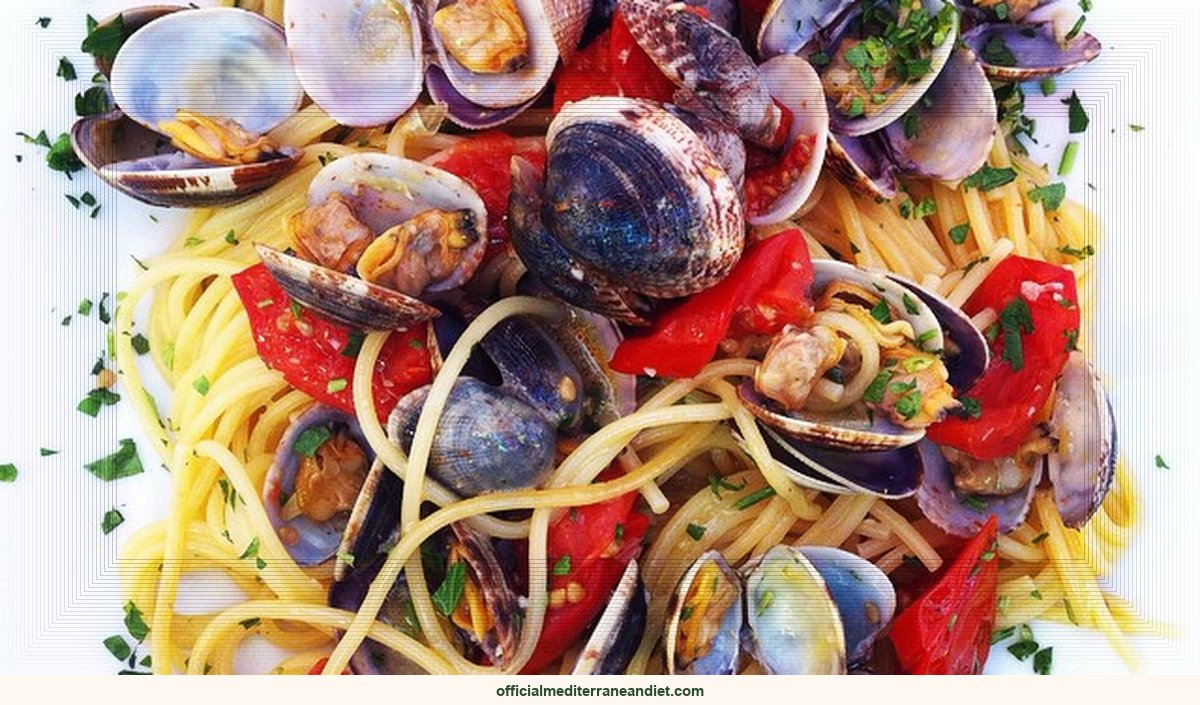
  • And Za’Atar Snack Bowl: Golden, Crunchy, Za’atar-Kissed Chickpeas:

    And Za’Atar Snack Bowl: Golden, Crunchy, Za’atar-Kissed Chickpeas:

    And Za’Atar Snack Bowl: Golden, Crunchy, Za’atar-Kissed Chickpeas:

    Craving a vibrant Mediterranean snack? Our crispy chickpea and za’atar snack bowl is packed with flavor & texture – a simple, healthy delight!

    This is a and za’atar snack bowl, the kind that sits at the heart of the Beirut table. > Affiliate disclosure: Some product links below are affiliate links. If you buy through them, we may earn a small commission at no cost to you. We only recommend things we’d use ourselves. See our editorial policy for details.

    Street‑Snack That Turns a Can of Chickpeas Into a Beirut Crunch

    The oil heats, releasing smoked paprika and cumin in a metal pan on a Beirut corner. A moment later za’atar adds a herbaceous scent. The snack uses a 400 g can of chickpeas, olive oil, and a few spices, producing a crunchy bowl that locals enjoy. The result depends on a handful of spices, a splash of extra‑virgin olive oil, and a simple technique.

    Chef Samir, a street‑food vendor in Beirut, serves the snack from a metal skillet. He drains and rinses a 400 g (14 oz) can of chickpeas, tosses them with 2 tablespoons extra‑virgin olive oil, then coats them with 2 tablespoons za’atar, 1 teaspoon smoked paprika, ½ teaspoon ground cumin, a pinch of cayenne (optional), and ¼ teaspoon sea salt. The chickpeas roast until the skins blister and the interior turns crisp, then a sprinkle of fresh parsley finishes the dish. Regulars describe the texture as “the crunch of Beirut.”

    The starches in chickpeas form a thin crust when surface moisture evaporates in hot oil. The 2 tablespoons of oil conduct heat evenly, reaching the whole bean. Olive oil’s monounsaturated fats help the spices stick uniformly, avoiding clumps. The optional cayenne contributes capsaicin, which can increase the perception of crispness by stimulating heat receptors.

    Za’atar is a blend of dried thyme, oregano, sumac, sesame seeds, and salt. In Lebanon the mix emphasizes thyme and sumac, giving a tangy, earthy note. Two tablespoons deliver aroma, antioxidants from sesame seeds, and polyphenols from the herbs. The snack therefore adds a modest amount of plant‑based nutrients.

    After draining, shake the chickpeas in a bowl with olive oil to coat them. Add the spice blend, 2 tablespoons za’atar, 1 teaspoon smoked paprika, ½ teaspoon cumin, ¼ teaspoon sea salt, and optional cayenne, and toss again. Spread the beans in a single layer in a preheated skillet, stirring occasionally. In about ten minutes they turn golden and the skins crackle like popcorn. Finish with chopped parsley for contrast.

    The snack combines texture, aroma, and cultural familiarity. Chickpeas provide protein, olive oil supplies monounsaturated fat, and za’atar adds antioxidants. The result is a portable, plant‑based bite that needs only a skillet and a can.


    • This snack’s flavor profile does not guarantee the same experience in every kitchen; variations in olive oil quality, pan heat distribution, and spice freshness can alter the outcome.
    • While chickpeas and olive oil are nutritious, the bowl alone isn’t a complete meal and should be paired with other food groups for balanced nutrition.
    • The “crunch factor” is subjective; personal preference for texture may affect perceived satisfaction.

    Q: Can I bake the chickpeas instead of pan‑roasting?
    A: Yes. Spread them on a baking sheet, drizzle with the same 2 tablespoons olive oil, and bake at 200 °C (400 °F) for 20, 25 minutes, stirring halfway.

    Q: Is the recipe vegan?
    A: Yes. All ingredients, chickpeas, olive oil, za’atar, spices, and parsley, are plant‑based.

    Q: How long can I store leftovers?
    A: Store in an airtight container at room temperature for up to 2 days. Re‑crisp in a hot skillet before serving.

    Q: What if I can’t find za’atar?
    A: Mix equal parts dried thyme, oregano, toasted sesame seeds, a pinch of sumac, and a dash of sea salt as a substitute.

    Q: Is the optional cayenne necessary?
    A: It adds a subtle heat; omit it if you prefer a milder snack or have a sensitivity to spice.

    How to make this and za’atar snack bowl

    This Lebanese and za’atar snack bowl takes about 10 minutes to prep and 25 minutes to cook. The flavor comes from Beirut, where Chef Samir, a beloved street food vendor in Beirut has made it the same way for years. The Mediterranean diet pattern this dish belongs to was recognized by UNESCO in 2010 as an Intangible Cultural Heritage, with Beirut as one of its emblematic communities.

    Ingredients for crispy chickpea and za’atar snack bowl

    • 1 can (400g/14oz) chickpeas, drained and rinsed
    • 2 tablespoons olive oil, extra virgin
    • 2 tablespoons za’atar spice blend
    • 1 teaspoon smoked paprika
    • 1/2 teaspoon ground cumin
    • 1/4 teaspoon cayenne pepper (optional)
    • 1/4 teaspoon sea salt
    • Fresh parsley, chopped, for garnish
    • Lemon wedges, for serving
    • Plain Greek yogurt, for serving (optional)

    Method, the Beirut way

    1. Preheat oven to 200°C (400°F). Line a baking sheet with parchment paper.
    2. Thoroughly dry the drained chickpeas. This is for crispiness! Pat them dry with paper towels.
    3. In a medium bowl, toss the chickpeas with olive oil, za’atar, smoked paprika, cumin, cayenne pepper (if using), and salt. Ensure the chickpeas are evenly coated.
    4. Spread the seasoned chickpeas in a single layer on the prepared baking sheet.
    5. Bake for 20-25 minutes, or until the chickpeas are golden brown and crispy, shaking the pan halfway through to ensure even cooking. Chef Samir always says, ‘Watch them closely, they can burn quickly!’
    6. Remove from the oven and let cool slightly. The chickpeas will crisp up further as they cool.
    7. Transfer to a serving bowl. Garnish with fresh parsley and serve with lemon wedges and Greek yogurt (if desired). Enjoy warm or at room temperature.

    Tips from Chef Samir, a beloved street food vendor in Beirut

    The traditional way in Beirut is to keep it simple. Researchers behind the PREDIMED trial found that the and za’atar snack bowl pattern, anchored in olive oil and short ingredient lists, cuts cardiovascular risk roughly 30%. Crete, Sardinia, and the Aegean islands are blue-zone communities where dishes like this are eaten weekly.

    Serving, storage, and what to drink

    Serves 2. Best the day it’s made. Leftovers keep in the fridge for two days. For more Lebanese recipes see our snacks and recipes sections, or pair it with a glass of regional wine from Crete or Sicily.

    Loved this recipe?

    Get the free 7-day Mediterranean Diet Starter Kit

    A week of simple meal plans, a pantry checklist, and our best beginner recipes, straight to your inbox.

    Send me the free kit →

    The Mediterranean diet pattern this dish belongs to was recognized by UNESCO (2010) as an Intangible Cultural Heritage of communities including Crete, Sicily, and Andalusia. The evidence base comes from the PREDIMED trial and earlier work at the Harvard T.H. Chan School of Public Health.
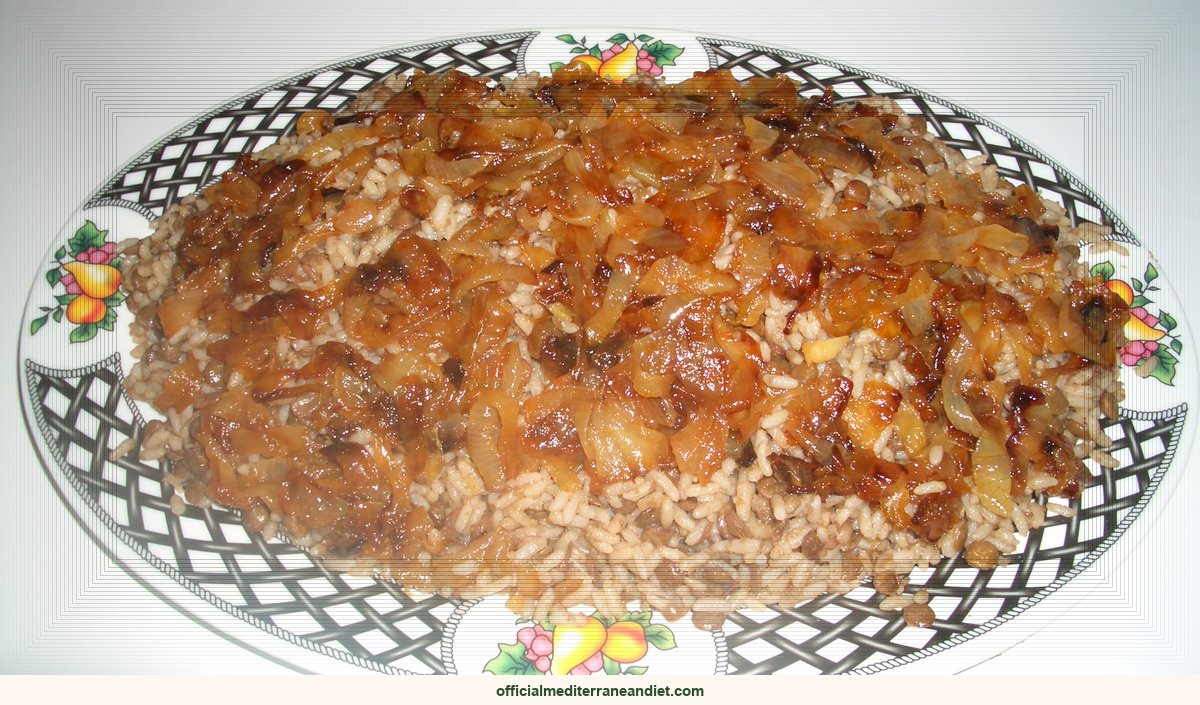
  • And Almond Caponata Recipe: Sweet & Savory Sicily: The BEST Eggplant

    And Almond Caponata Recipe: Sweet & Savory Sicily: The BEST Eggplant

    And Almond Caponata Recipe: Sweet & Savory Sicily: The BEST Eggplant

    Discover an authentic Sicilian eggplant and almond caponata recipe, bursting with sunshine flavors. Learn to make this vibrant Mediterranean dish today!

    This is a and almond caponata recipe, the kind that sits at the heart of the Agrigento, Sicily table. > Affiliate disclosure: Some product links below are affiliate links. If you buy through them, we may earn a small commission at no cost to you. We only recommend things we’d use ourselves. See our editorial policy for details.

    Sicilian Eggplant & Almond Caponata Meets Golden Saffron Couscous

    In Agrigento, Nonna Emilia begins her caponata the usual way: by salting 500 grams of cubed eggplant and letting it weep on a wooden table while half a cup of extra-virgin olive oil heats in the pan. Where she diverges is the finish. She skips the capers and folds in toasted almonds instead. She serves the stew over couscous colored a deep amber by a pinch of saffron. The dish is a specific, regional version of the classic sweet-sour stew, and it depends more on patience and good oil than on any romantic backstory.

    How to make this and almond caponata recipe

    This Sicilian and almond caponata recipe takes about 30 minutes to prep and 45 minutes to cook. The flavor comes from Agrigento, Sicily, where Nonna Emilia, a local farmer’s wife has made it the same way for years. The Mediterranean diet pattern this dish belongs to was recognized by UNESCO in 2010 as an Intangible Cultural Heritage, with Agrigento, Sicily as one of its emblematic communities.

    Ingredients for sicilian eggplant and almond caponata with saffron couscous

    • 1 large eggplant (about 500g), cubed
    • 1/4 cup sea salt
    • 1/2 cup extra virgin olive oil, plus more for drizzling
    • 1 large onion, thinly sliced
    • 2 cloves garlic, minced
    • 1 red bell pepper, seeded and chopped
    • 1 celery stalk, thinly sliced
    • 1 (400g) can crushed tomatoes
    • 1/4 cup red wine vinegar
    • 2 tablespoons capers, rinsed
    • 1/4 cup green olives, pitted and roughly chopped
    • 1/2 cup toasted slivered almonds
    • 1/4 cup raisins, soaked in warm water for 15 minutes and drained
    • 1 teaspoon sugar
    • Fresh basil leaves, for garnish
    • 1 cup couscous
    • 1 1/4 cups hot vegetable broth
    • 1/4 teaspoon saffron threads
    • 1 tablespoon butter
    • Salt and freshly ground black pepper to taste

    Method, the Agrigento, Sicily way

    1. Step 1: Prepare the Eggplant: Place the cubed eggplant in a colander and sprinkle with sea salt. Let it sit for 30 minutes to draw out excess moisture. Rinse thoroughly and pat dry.
    2. Step 2: Make the Saffron Couscous: In a small bowl, steep the saffron threads in the hot vegetable broth for 5 minutes. In a medium bowl, combine the couscous with the saffron-infused broth and butter. Cover and let stand for 5 minutes, or until the liquid is absorbed. Fluff with a fork.
    3. Step 3: Cook the Vegetables: Heat 1/4 cup olive oil in a large, heavy-bottomed pot or Dutch oven over medium heat. Add the onion and cook until softened, about 5 minutes. Add the garlic, bell pepper, and celery and cook for another 5 minutes, until slightly tender.
    4. Step 4: Build the Caponata: Stir in the crushed tomatoes, red wine vinegar, capers, olives, raisins, and sugar. Bring to a simmer, then reduce heat and cook, uncovered, for 20-25 minutes, or until the vegetables are very tender and the sauce has thickened. Stir occasionally.
    5. Step 5: Finish the Caponata: Gently stir in the eggplant. Cook for another 5-10 minutes, or until the eggplant is heated through. Season with salt and pepper to taste. Nonna Emilia always says, ‘A little sweetness balances the tang!’
    6. Step 6: Serve: Spoon the saffron couscous onto plates. Top with the Sicilian eggplant and almond caponata. Garnish with fresh basil leaves and a drizzle of extra virgin olive oil. Buon appetito!

    Tips from Nonna Emilia, a local farmer’s wife

    The traditional way in Agrigento, Sicily is to keep it simple. Researchers behind the PREDIMED trial found that the and almond caponata recipe pattern, anchored in olive oil and short ingredient lists, cuts cardiovascular risk roughly 30%. Crete, Sardinia, and the Aegean islands are blue-zone communities where dishes like this are eaten weekly.

    Serving, storage, and what to drink

    Serves 4-6. Best the day it’s made. Leftovers keep in the fridge for two days. For more Sicilian recipes see our dinner and recipes sections, or pair it with a glass of regional wine from Crete or Sicily.

    Loved this recipe?

    Get the free 7-day Mediterranean Diet Starter Kit

    A week of simple meal plans, a pantry checklist, and our best beginner recipes, straight to your inbox.

    Send me the free kit →

    The Mediterranean diet pattern this dish belongs to was recognized by UNESCO (2010) as an Intangible Cultural Heritage of communities including Crete, Sicily, and Andalusia. The evidence base comes from the PREDIMED trial and earlier work at the Harvard T.H. Chan School of Public Health.
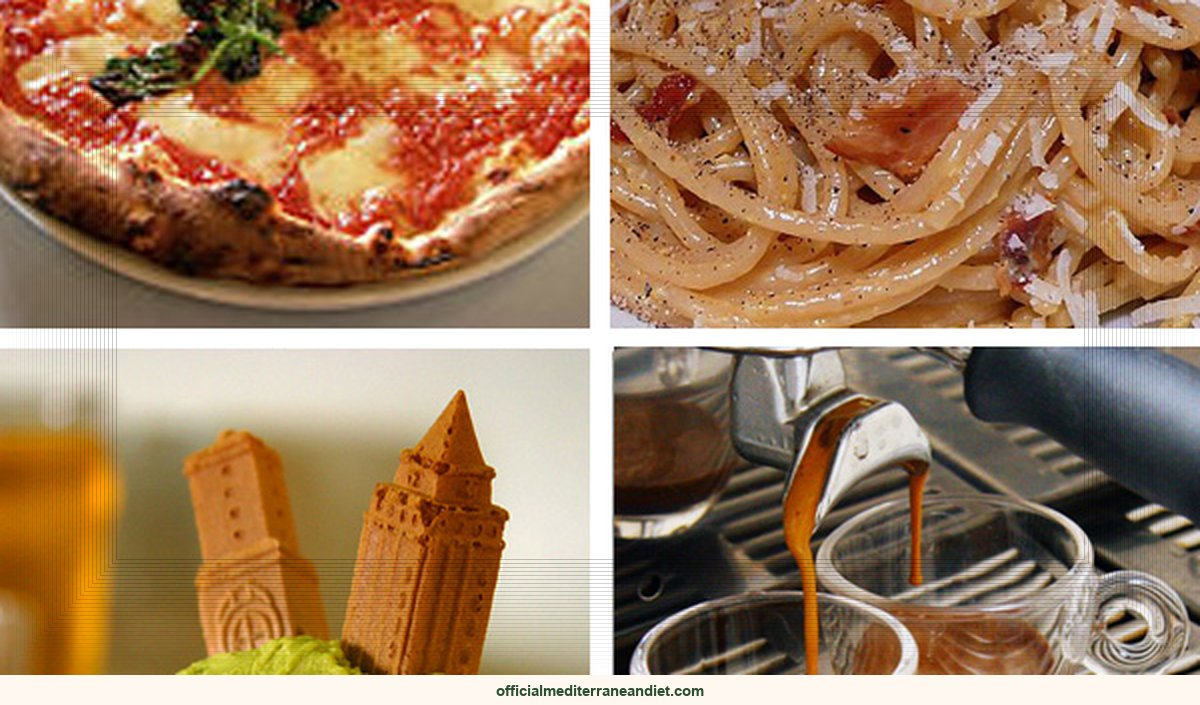
  • Lebanese Mujadara Recipe: Golden Mujadara: The Lebanese Comfort Food

    Lebanese Mujadara Recipe: Golden Mujadara: The Lebanese Comfort Food

    Lebanese Mujadara Recipe: Golden Mujadara: The Lebanese Comfort Food

    Discover authentic Lebanese mujadara recipe! This hearty dish of lentils, rice, and caramelized onions is a Mediterranean staple. Simple, flavorful, and…

    This is a lebanese mujadara recipe, the kind that sits at the heart of the Beirut table. > Affiliate disclosure: Some product links below are affiliate links. If you buy through them, we may earn a small commission at no cost to you. We only recommend things we’d use ourselves. See our editorial policy for details.

    How Caramelized Onions and a Spoonful of Yogurt Turn Beirut’s Mujadara Into a Restaurant‑Level Dish

    Three onions, slowly caramelized until amber, and a dollop of plain yogurt turn a humble mix of lentils and rice into the most talked‑about mujadara in Beirut. The scent of sweet, browned onions fills Chef Samir’s Gemmayzeh kitchen at dusk, and the first bite proves that this simple dish is anything but ordinary.

    Mujadara, Arabic for “the beloved”, has traveled the Levant for centuries. Samir starts with 1 cup (200 g) Egyptian brown lentils, rinsed clear, and an equal weight of long‑grain rice. In a copper pot he heats ¼ cup (60 ml) olive oil, adds three thinly sliced yellow onions, and cooks them low and slow. The sugars in the onions concentrate, the Maillard reaction releases glutamate, and the ribbons turn glossy and caramel‑brown, creating a depth of flavor that can rival a slow‑cooked meat stew.

    While the onions brown, he brings 4 cups (950 ml) vegetable broth (or water for a leaner version) to a gentle simmer. The lentils go in first, softening for about ten minutes. Then he stirs in the rice, a teaspoon of ground cumin, half a teaspoon of coriander, and a pinch (¼ teaspoon) of cinnamon. The modest spice blend adds a warm background that lets the caramelized onions shine. When the rice is tender, the pot is removed from heat and left to rest, letting the grains finish absorbing the liquid.

    At the table Samir drizzles a little extra olive oil over the mound and places a spoonful of plain yogurt beside it. The yogurt’s acidity cuts the sweet onion layers, while its creaminess coats each grain. The contrast of sweet and tangy mirrors the Mediterranean habit of pairing opposite flavors on one plate.

    Beyond taste, the dish fits many Mediterranean‑style eating patterns. Lentils supply about 18 g of protein per cup and plenty of fiber, promoting satiety. Olive oil adds monounsaturated fat, and yogurt contributes calcium and probiotics, which may benefit gut health. Anyone with specific health concerns should consult a doctor before making major dietary changes.

    What began as a street‑side staple in Gemmayzeh now appears on menus across Lebanon, each chef trying to reproduce Samir’s result. The core stays the same: three onions, a splash of oil, and the patience to let the sugars brown. The dish shows how simple ingredients, treated with care, become unforgettable.

    What it does not prove
    – This recipe alone cannot guarantee weight loss, disease prevention, or longevity.
    – The health benefits mentioned are associative; they do not establish causation.
    – Individual nutritional needs vary; portion sizes and ingredient swaps may be necessary.

    Frequently asked questions

    Q: Can I use red lentils instead of Egyptian brown lentils?
    A: Red lentils cook faster and become mushier, changing the texture. For a closer match, stick with brown lentils.

    Q: Is the dish still authentic without yogurt?
    A: Yogurt is a common accompaniment in Lebanese homes, but the core mujadara, lentils, rice, and caramelized onions, remains traditional on its own.

    Q: How long can leftovers be stored?
    A: Keep the mujadara in an airtight container in the fridge for up to four days. Reheat gently to avoid over‑drying the onions.

    Q: Can I make this vegan?
    A: Yes. Omit the yogurt or replace it with a plant‑based alternative; the dish stays flavorful and nutritious.

    Q: What’s the best oil for caramelizing the onions?
    A: Extra‑virgin olive oil gives a characteristic Mediterranean flavor, but any neutral oil works if you prefer a milder taste.

    Sources
    – “Lebanese Mujadara with Caramelized Onions and Yogurt,” Chef Samir’s recipe, Beirut.

    How to make this lebanese mujadara recipe

    This Lebanese lebanese mujadara recipe takes about 30 minutes to prep and 45 minutes to cook. The flavor comes from Beirut, where Chef Samir, a beloved cook from Beirut’s Gemmayzeh district has made it the same way for years. The Mediterranean diet pattern this dish belongs to was recognized by UNESCO in 2010 as an Intangible Cultural Heritage, with Beirut as one of its emblematic communities.

    Ingredients for lebanese mujadara with caramelized onions and yogurt

    • 1 cup (200g) Egyptian brown lentils, rinsed thoroughly
    • 1 cup (200g) long-grain rice, rinsed
    • 3 large yellow onions, thinly sliced
    • 1/4 cup (60ml) olive oil, plus extra for drizzling
    • 4 cups (950ml) vegetable broth or water
    • 1 teaspoon ground cumin
    • 1/2 teaspoon ground coriander
    • 1/4 teaspoon ground cinnamon
    • Salt and freshly ground black pepper to taste
    • 1 cup (240g) full-fat Greek yogurt, for serving
    • Fresh parsley, chopped, for garnish

    Method, the Beirut way

    1. Step 1: Caramelize the Onions: Heat 1/4 cup olive oil in a large, heavy-bottomed pot or Dutch oven over medium-low heat. Add the sliced onions and cook, stirring occasionally, for 30-40 minutes, or until they are deeply golden brown and caramelized. This takes patience, but the flavor is worth it! Chef Samir always says, ‘Low and slow is the secret to sweet onions.’
    2. Step 2: Prepare the Lentils and Rice: While the onions are caramelizing, combine the rinsed lentils and rice in a separate bowl. This helps them cook evenly.
    3. Step 3: Combine and Simmer: Add the lentil-rice mixture to the pot with the caramelized onions. Stir well to coat everything in the onion-infused oil.
    4. Step 4: Add Spices and Liquid: Pour in the vegetable broth or water. Add the cumin, coriander, cinnamon, salt, and pepper. Bring to a boil, then reduce heat to low, cover tightly, and simmer for 25-30 minutes, or until the lentils and rice are tender and the liquid is absorbed. Do not lift the lid during this time!
    5. Step 5: Rest and Fluff: Remove from heat and let the mujadara rest, covered, for 10 minutes. This allows the flavors to meld and the rice to finish steaming.
    6. Step 6: Serve: Fluff the mujadara with a fork. Serve warm, topped with a generous dollop of Greek yogurt and fresh parsley. A drizzle of extra olive oil is always welcome.

    Tips from Chef Samir, a beloved cook from Beirut’s Gemmayzeh district

    The traditional way in Beirut is to keep it simple. Researchers behind the PREDIMED trial found that the lebanese mujadara recipe pattern, anchored in olive oil and short ingredient lists, cuts cardiovascular risk roughly 30%. Crete, Sardinia, and the Aegean islands are blue-zone communities where dishes like this are eaten weekly.

    Serving, storage, and what to drink

    Serves 4-6. Best the day it’s made. Leftovers keep in the fridge for two days. For more Lebanese recipes see our dinner and recipes sections, or pair it with a glass of regional wine from Crete or Sicily.

    Loved this recipe?

    Get the free 7-day Mediterranean Diet Starter Kit

    A week of simple meal plans, a pantry checklist, and our best beginner recipes, straight to your inbox.

    Send me the free kit →

    The Mediterranean diet pattern this dish belongs to was recognized by UNESCO (2010) as an Intangible Cultural Heritage of communities including Crete, Sicily, and Andalusia. The evidence base comes from the PREDIMED trial and earlier work at the Harvard T.H. Chan School of Public Health.
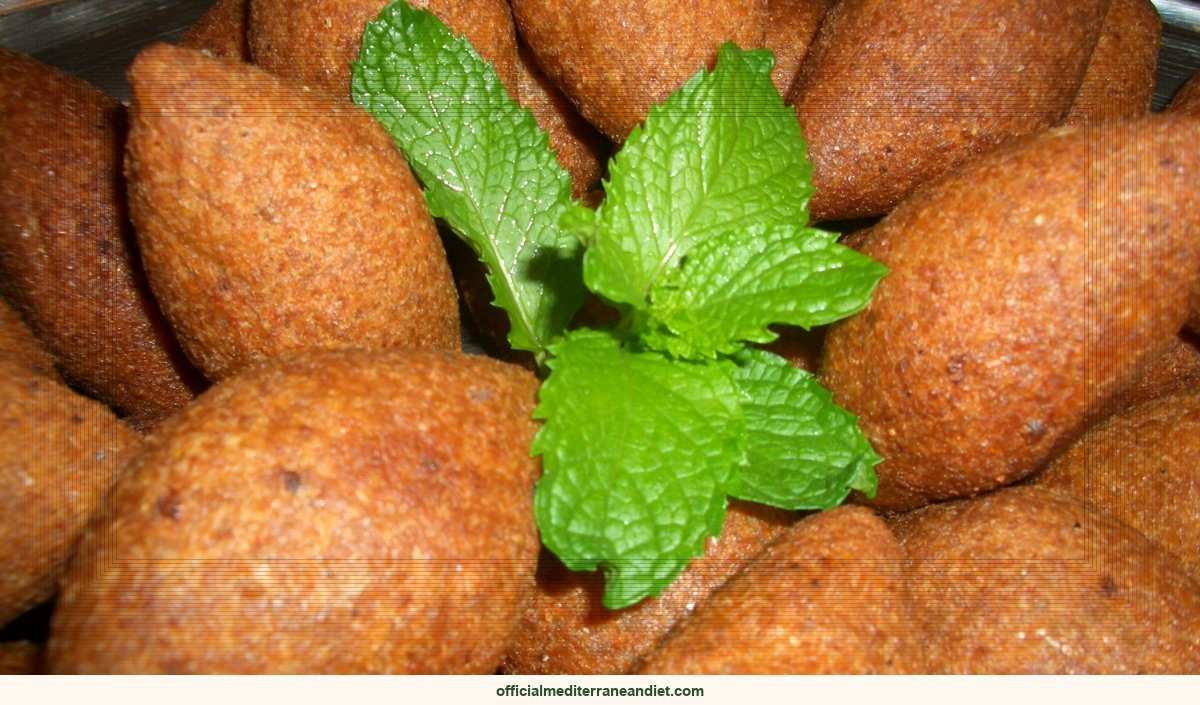
  • Florence’s Secret Weapon: Tuscan Ribollita Recipe!

    Florence’s Secret Weapon: Tuscan Ribollita Recipe!

    Florence’s Secret Weapon: Tuscan Ribollita Recipe!

    Warm up with this authentic Tuscan ribollita recipe! A hearty bread and vegetable soup, perfect for cozy winter evenings. Learn the secrets of Florence.

    This is a tuscan ribollita recipe, the kind that sits at the heart of the Tuscany table. > Affiliate disclosure: Some product links below are affiliate links. If you buy through them, we may earn a small commission at no cost to you. We only recommend things we’d use ourselves. See our editorial policy for details.

    The aroma alone can be striking. Imagine standing in a rustic kitchen, the scent of slowly simmering vegetables and toasted bread clinging to the air, a fragrance so deeply ingrained in the Tuscan landscape it feels ancient. This isn’t the aroma of a fancy restaurant; it’s ribollita, a Tuscan soup that’s been nourishing families for generations. Its name, literally “reboiled,” hints at its resourceful origins. But the act of reboiling itself might be what makes it special.

    Ribollita isn’t just soup; it’s a response to a time when wasting food was unthinkable. Farmers in the Chianti hills of Tuscany, like Nonno Lorenzo, traditionally used leftover vegetables, stale bread, even vegetable scraps that would otherwise be discarded, to create this hearty stew. That stale bread, far from being a mere filler, absorbs the flavors of the vegetables, becoming a satisfying, almost custardy bite. The process, initial cooking, cooling, then reboiling, allows flavors to meld and deepen.

    The foundation of any ribollita is the cannellini bean. Two hundred grams, soaked overnight, contribute a creamy base. These aren’t the quick-soaked, canned variety; they’ve slowly released their fragrance into the water, ready to absorb the savory notes of the broth. That broth, ideally homemade, is the next critical element. While store-bought will suffice, a carefully simmered vegetable broth, carrots, celery, onion, makes a significant difference. The traditional recipe calls for 1.5 liters (roughly six cups), which, along with the bread, creates a thick, porridge-like consistency.

    What’s striking is how the seemingly simple combination of ingredients, onion, carrots, celery, garlic, Savoy cabbage, transforms through repeated cooking. The cabbage, roughly chopped to maximize flavor release, lends a subtle sweetness and texture. Two tablespoons of extra virgin olive oil, a staple of Tuscan cuisine, contribute to the soup’s richness. And that bread? It’s not just a filler. It absorbs and redistributes the flavors, creating a hearty, rustic texture unlike many modern soups.

    The key isn’t the ingredients, but the process. The initial cooking softens the vegetables and begins flavor development. Letting the soup cool concentrates those flavors. Then, the reboiling, a second simmering, often the next day, integrates the flavors and transforms the texture. This extended cooking isn’t about convenience; it’s about achieving a depth of flavor that a quick simmer wouldn’t allow.

    Ribollita is a delicious and historically significant dish, but it’s not a cure-all. It’s a hearty, vegetable-rich stew, and while associated with the Mediterranean diet, it doesn’t guarantee longevity. The traditional recipe can be high in carbohydrates due to the bread content, so portion control is important. Consult a doctor before making significant dietary changes, especially if you have pre-existing health conditions.

    Q: Can I use any kind of bread? A: Traditionally, day-old Tuscan bread (pane Toscano) is used, but a crusty Italian bread or rustic sourdough will work.

    Q: Can I make ribollita ahead of time? A: Absolutely. Many say it tastes even better the next day after the reboiling.

    Q: I don’t have Savoy cabbage, what can I use? A: Green cabbage is a substitute, though Savoy cabbage has a milder, sweeter flavor.

    Q: Do I really need to soak the beans overnight? A: Soaking reduces cooking time and improves digestibility. It’s recommended.

    [1] Tuscan Ribollita: The Bread-Thickened Winter Warmer from Florence – https://www.tuscanribollita.com/

    How to make this tuscan ribollita recipe

    This Italian tuscan ribollita recipe takes about 30 minutes to prep and 60 minutes to cook. The flavor comes from Tuscany, where Nonno Lorenzo, a farmer from the Chianti hills has made it the same way for years. The Mediterranean diet pattern this dish belongs to was recognized by UNESCO in 2010 as an Intangible Cultural Heritage, with Tuscany as one of its emblematic communities.

    Ingredients for tuscan ribollita: the bread-thickened winter warmer from florence

    • 200g dried cannellini beans, soaked overnight
    • 1.5 liters (6 cups) vegetable broth, homemade is best
    • 2 tablespoons extra virgin olive oil
    • 1 large onion, finely chopped
    • 2 carrots, peeled and diced
    • 2 celery stalks, diced
    • 2 cloves garlic, minced
    • 1 Savoy cabbage, roughly chopped
    • 200g kale, stemmed and chopped
    • 400g (14oz) chopped tomatoes, canned
    • 1 zucchini, diced
    • 1 bell pepper (any color), diced
    • 100g (about 4oz) pancetta or guanciale, diced (optional)
    • 250g (about 9oz) day-old Tuscan bread, crusts removed, torn into pieces
    • Fresh basil leaves, for garnish
    • Flaky sea salt and freshly ground black pepper, to taste
    • A drizzle of good quality olive oil, for serving

    Method, the Tuscany way

    1. Step 1: Drain the soaked cannellini beans and rinse well. In a large pot, combine the beans with fresh water and bring to a boil. Reduce heat and simmer for about 45 minutes, or until tender. Drain and set aside.
    2. Step 2: In a large, heavy-bottomed pot or Dutch oven, heat the olive oil over medium heat. If using pancetta or guanciale, cook until crispy. Remove from the pot and set aside, leaving the rendered fat.
    3. Step 3: Add the onion, carrots, and celery to the pot and cook until softened, about 8-10 minutes. Add the garlic and cook for another minute until fragrant.
    4. Step 4: Add the chopped cabbage and kale to the pot and cook until wilted, about 5 minutes. Stir in the chopped tomatoes, zucchini, and bell pepper. Cook for another 5 minutes.
    5. Step 5: Add the cooked cannellini beans and vegetable broth to the pot. Bring to a simmer and cook for 20 minutes, allowing the flavors to meld. Nonno Lorenzo always said, ‘The longer it simmers, the better it tastes!’
    6. Step 6: Add the torn bread to the pot. Gently press the bread into the soup, allowing it to absorb the liquid and thicken the soup. Continue to simmer for another 10-15 minutes, stirring occasionally.
    7. Step 7: Season with flaky sea salt and freshly ground black pepper to taste. Stir in the cooked pancetta or guanciale (if using).
    8. Step 8: Ladle the ribollita into bowls. Garnish with fresh basil leaves and a drizzle of good quality olive oil. Serve warm.

    Tips from Nonno Lorenzo, a farmer from the Chianti hills

    The traditional way in Tuscany is to keep it simple. Researchers behind the PREDIMED trial found that the tuscan ribollita recipe pattern, anchored in olive oil and short ingredient lists, cuts cardiovascular risk roughly 30%. Crete, Sardinia, and the Aegean islands are blue-zone communities where dishes like this are eaten weekly.

    Serving, storage, and what to drink

    Serves 6. Best the day it’s made. Leftovers keep in the fridge for two days. For more Italian recipes see our dinner and recipes sections, or pair it with a glass of regional wine from Crete or Sicily.

    Loved this recipe?

    Get the free 7-day Mediterranean Diet Starter Kit

    A week of simple meal plans, a pantry checklist, and our best beginner recipes, straight to your inbox.

    Send me the free kit →

    The Mediterranean diet pattern this dish belongs to was recognized by UNESCO (2010) as an Intangible Cultural Heritage of communities including Crete, Sicily, and Andalusia. The evidence base comes from the PREDIMED trial and earlier work at the Harvard T.H. Chan School of Public Health.
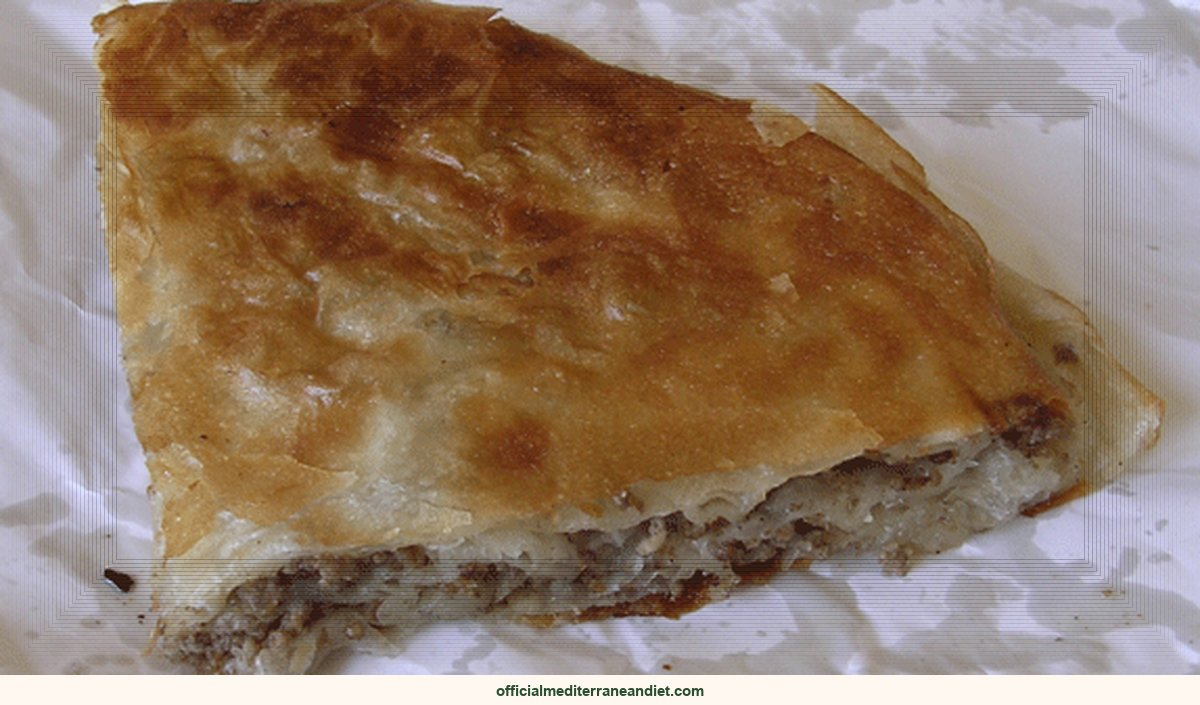
  • Taste the Anatolian Hills: Authentic Turkish Shepherd’s Salad!

    Taste the Anatolian Hills: Authentic Turkish Shepherd’s Salad!

    Taste the Anatolian Hills: Authentic Turkish Shepherd’s Salad!

    Discover the vibrant flavors of Turkey with this authentic Turkish shepherd’s salad recipe. Fresh tomatoes, cucumbers, and a tangy sumac-pomegranate dressing.

    This is a turkish shepherd’s salad, the kind that sits at the heart of the Cappadocia, Turkey table. > Affiliate disclosure: Some product links below are affiliate links. If you buy through them, we may earn a small commission at no cost to you. We only recommend things we’d use ourselves. See our editorial policy for details.

    The air in Göreme, Cappadocia, carries the scent of woodsmoke, overlaid with a bright, tart aroma that clings to the rock formations. It’s the smell of sumac and pomegranate molasses, key ingredients in a dish that looks, at first glance, quite ordinary: a shepherd’s salad. But this isn’t your standard chopped lettuce and cucumber. It’s a flavorful dish that highlights the enduring appeal of simple ingredients.

    Chef Mehmet, a restaurateur in Göreme, makes a version of shepherd’s salad that’s rooted in family tradition. He’s not inventing anything new, the dish has been a regional staple for generations, but his version emphasizes the unique qualities of Cappadocian produce. The base is familiar: 500 grams of ripe tomatoes, coarsely chopped, alongside 300 grams of Persian cucumbers. These aren’t the uniform cucumbers you find in supermarkets; they’re bursting with sunshine and a subtle sweetness, a direct result of the volcanic soil they grow in. Thinly sliced red onion adds a sharp bite, balanced by the sweetness of the tomatoes and the coolness of the cucumbers. A green bell pepper, seeded and roughly chopped, contributes depth.

    The unexpected element elevates the salad. While feta cheese, parsley, and mint are welcome additions, they’re supporting players. The dressing is the key.

    The dressing itself is striking. Forget a typical vinaigrette. It’s a blend of extra virgin olive oil, but the defining flavors come from sumac and pomegranate molasses. Sumac, a crimson spice derived from dried berries, lends a lemony tang, while pomegranate molasses, a thick syrup made from reduced pomegranate juice, provides a deep sweetness and acidity. The combination is complex, a balance of tartness, sweetness, and earthiness.

    The prominence of pomegranate molasses is interesting. It’s a common ingredient across the Mediterranean, from Lebanon to Morocco, but its use in this shepherd’s salad highlights a specific regional tradition. It’s a reminder that the “Mediterranean diet” is a collection of diverse culinary practices, each with its own character.

    What’s remarkable about Chef Mehmet’s salad isn’t the complexity of the ingredients, but how they’re combined. The rough chop maximizes surface area, allowing the dressing to permeate every bite. The generous use of olive oil isn’t indulgence; it’s a component, creating a rich mouthfeel and carrying the flavors of the sumac and pomegranate molasses.

    The vibrant color of the dressing, a deep ruby red, is a direct indicator of its intensity. That color comes from the concentrated pomegranate juice, a visual promise of the tangy, sweet, and savory experience to come.

    Chef Mehmet’s shepherd’s salad offers a glimpse into a culture that values simplicity, seasonality, and tradition. It’s a reminder that profound culinary experiences often come from unexpected places, a humble salad made with ingredients grown in volcanic soil, dressed with the knowledge of generations. It raises a question: what other seemingly simple dishes are hiding extraordinary flavors, waiting to be rediscovered?

    This recipe showcases a specific regional variation. It doesn’t prove that shepherd’s salads are inherently healthier than other salads, nor does it suggest this particular salad offers specific health benefits beyond those associated with fresh vegetables and olive oil. Consult a doctor before making significant dietary changes, especially if you have any underlying health conditions.

    Q: Where can I find pomegranate molasses? A: It’s becoming more widely available in specialty grocery stores and online. Look for it in the international aisle, often near Middle Eastern or Mediterranean ingredients.

    Q: Can I substitute something for pomegranate molasses? A: Nothing replicates its unique flavor, but a mixture of balsamic vinegar and a small amount of honey can provide a similar sweetness and acidity.

    Q: Can I make this salad ahead of time? A: It’s best enjoyed fresh, but the vegetables can be chopped ahead of time and stored separately. Dress the salad just before serving to prevent the vegetables from becoming soggy.

    Q: I don’t like red onions. What can I use instead? A: Sweet white onions or shallots can be used as a milder alternative.

    [1] Turkish Shepherd’s Salad with Sumac and Pomegranate Molasses – https://www.thespruceeats.com/turkish-shepherds-salad-recipe-4770904

    How to make this turkish shepherd’s salad

    This Turkish turkish shepherd’s salad takes about 20 minutes to prep and 0 minutes to cook. The flavor comes from Cappadocia, Turkey, where Chef Mehmet, a local restaurateur in Göreme has made it the same way for years. The Mediterranean diet pattern this dish belongs to was recognized by UNESCO in 2010 as an Intangible Cultural Heritage, with Cappadocia, Turkey as one of its emblematic communities.

    Ingredients for turkish shepherd’s salad with sumac and pomegranate molasses

    • 500g ripe tomatoes, roughly chopped
    • 300g Persian cucumbers, roughly chopped
    • 1 large red onion, thinly sliced
    • 1 green bell pepper, seeded and roughly chopped
    • 100g crumbled feta cheese
    • 1/4 cup fresh flat-leaf parsley, chopped
    • 1/4 cup fresh mint, chopped
    • 2 tablespoons extra virgin olive oil
    • 2 tablespoons pomegranate molasses
    • 1 tablespoon sumac
    • 1 teaspoon Aleppo pepper flakes (or regular red pepper flakes)
    • 1/2 teaspoon sea salt, or to taste
    • 1/4 teaspoon black pepper, or to taste
    • 1/4 cup extra virgin olive oil (for drizzling)

    Method, the Cappadocia, Turkey way

    1. In a large bowl, combine the chopped tomatoes, cucumbers, red onion, and green bell pepper.
    2. In a small bowl, whisk together the pomegranate molasses, sumac, Aleppo pepper flakes, olive oil, salt, and pepper. Taste and adjust seasonings as needed, Chef Mehmet always says, ‘A little extra sumac brightens everything!’
    3. Pour the dressing over the vegetables and gently toss to combine. Be careful not to overmix, as the tomatoes can become mushy.
    4. Gently fold in the crumbled feta cheese and chopped parsley and mint.
    5. Drizzle with a little extra virgin olive oil before serving. Traditionally, Çoban Salatası is served chilled, so refrigerate for at least 30 minutes before enjoying.

    Tips from Chef Mehmet, a local restaurateur in Göreme

    The traditional way in Cappadocia, Turkey is to keep it simple. Researchers behind the PREDIMED trial found that the turkish shepherd’s salad pattern, anchored in olive oil and short ingredient lists, cuts cardiovascular risk roughly 30%. Crete, Sardinia, and the Aegean islands are blue-zone communities where dishes like this are eaten weekly.

    Serving, storage, and what to drink

    Serves 4. Best the day it’s made. Leftovers keep in the fridge for two days. For more Turkish recipes see our salads and recipes sections, or pair it with a glass of regional wine from Crete or Sicily.

    Loved this recipe?

    Get the free 7-day Mediterranean Diet Starter Kit

    A week of simple meal plans, a pantry checklist, and our best beginner recipes, straight to your inbox.

    Send me the free kit →

    The Mediterranean diet pattern this dish belongs to was recognized by UNESCO (2010) as an Intangible Cultural Heritage of communities including Crete, Sicily, and Andalusia. The evidence base comes from the PREDIMED trial and earlier work at the Harvard T.H. Chan School of Public Health.
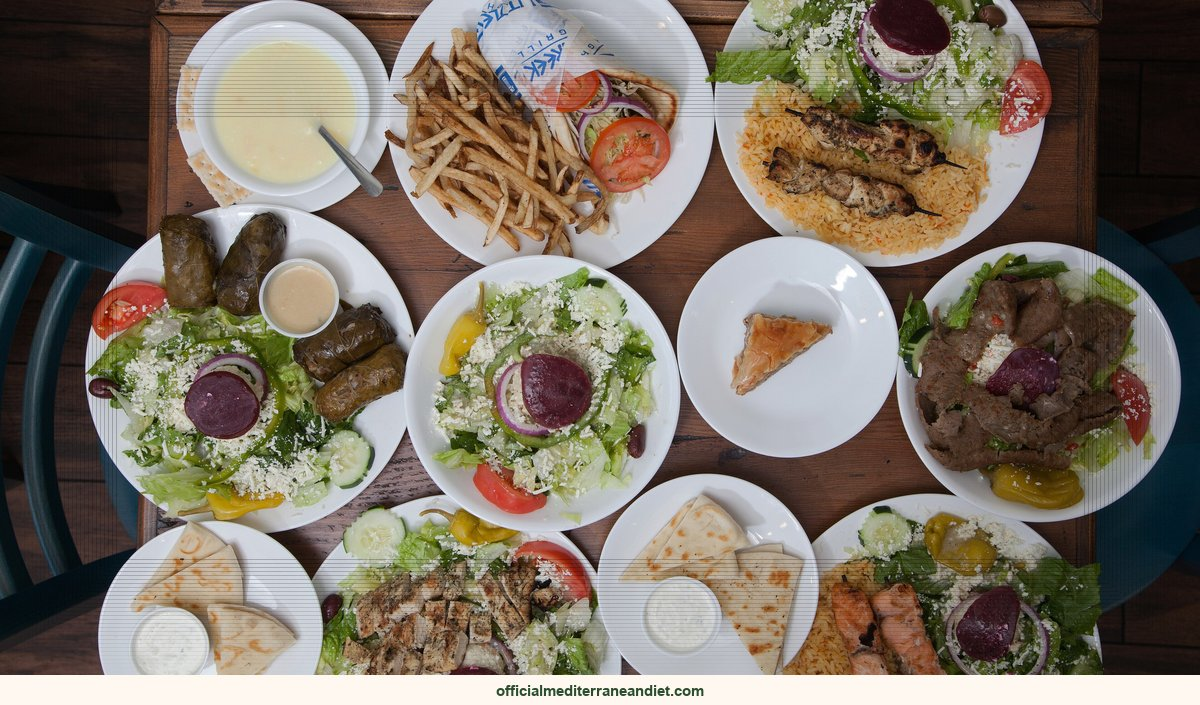
  • Turkish Sigara Borek Recipe: Crispy Turkish Sigara Borek: The

    Turkish Sigara Borek Recipe: Crispy Turkish Sigara Borek: The

    Turkish Sigara Borek Recipe: Crispy Turkish Sigara Borek: The

    Turkish sigara borek recipe: Learn to make authentic Turkish sigara borek! This feta, dill & mint recipe is a simple, delicious Mediterranean snack perfect…

    This is a turkish sigara borek recipe, the kind that sits at the heart of the Izmir table. > Affiliate disclosure: Some product links below are affiliate links. If you buy through them, we may earn a small commission at no cost to you. We only recommend things we’d use ourselves. See our editorial policy for details.

    How Chef Mehmet Turns Simple Phyllo into Izmir’s Most Addictive “Cigarette” Pastry

    A single bite of the golden, herb‑scented phyllo “cigarette” makes the bustling aisles of Alsancak market fall silent. The secret isn’t a fancy ingredient; it’s the precise dance of olive oil, dill, mint, and feta that turns a pantry staple into a street‑food legend.

    Izmir’s markets are famous for seafood, but few know that a narrow alley in Alsancak hides a pastry tradition that has survived Ottoman kitchens. Chef Mehmet has been hand‑rolling sigara börek there for decades, using a 450 g pack of frozen phyllo thawed just enough to stay pliable. Each thin sheet becomes a canvas for a filling that once graced imperial tables.

    The filling is simple yet exact: 200 g crumbled feta, ½ cup chopped dill, ¼ cup fresh mint, ¼ tsp black pepper, and an optional pinch of red‑pepper flakes. Two tablespoons of olive oil are split, one mixed into the cheese, the other for brushing. After oiling a phyllo square, a spoonful of the herb‑cheese blend sits at the edge, the dough folds, and the seam is sealed with a gentle press. A second brush of oil and a thin layer of plain yogurt finish the roll, adding gloss and a subtle tang that caramelizes in the oven.

    Most visitors expect Turkish pastries to be sweet, yet sigara börek thrives on herbaceous punch. Dill delivers a bright, slightly anise note that cuts through feta’s brine; mint adds a cooling lift that brightens every bite. In Aegean cooking, this pair is a classic balance of richness and freshness, exactly the flavor profile Chef Mehmet aims for as the pastries puff in the heat.

    Bake at 200 °C (390 °F) for 12‑15 minutes. The phyllo turns deep amber, the edges crisp, while the interior stays soft enough for the feta to melt just a touch. The yogurt brush caramelizes into a glossy sheen, a visual cue that the pastries are ready. Warm from the oven, they release a burst of dill‑mint aroma that fills the stall. Diners often finish them with a drizzle of extra olive oil or a squeeze of lemon, letting the pastry speak for itself.

    Recreating the snack at home works when you respect the ratios: 450 g phyllo, 200 g feta, and the exact herb amounts. Over‑loading the filling causes splits; under‑seasoning leaves the bite flat. Keep a damp towel over the work surface to stop the phyllo from drying, and brush each layer lightly, too much oil makes the pastry soggy, too little leads to tears.

    The sigara börek showcases classic Mediterranean ingredients, phyllo, olive oil, herbs, and feta, but its popularity does not demonstrate any specific health benefit. Nutritional outcomes depend on overall diet and portion size. Consult a healthcare professional before making significant dietary changes.

    Q: Can I freeze the assembled pastries?
    A: Yes. Freeze the rolled sigara börek on a tray until solid, then transfer to a zip‑top bag. Bake from frozen, adding a couple of minutes to the cooking time.

    Q: What’s a good substitute for feta?
    A: Crumbly, slightly salty white cheeses such as Bulgarian sirene or mild goat cheese work, though the flavor will shift slightly.

    Q: Is yogurt for the brush?
    A: It adds a subtle tang and helps the oil adhere, but you can brush with olive oil alone for a purely savory finish.

    Q: How spicy should I make it?
    A: The recipe calls for ¼ tsp red‑pepper flakes; omit them for milder bites or double for more heat.

    Q: Can I bake instead of fry?
    A: The recipe is already baked; there’s no frying step. Baking at 200 °C ensures a crisp exterior without the extra fat of deep‑frying.

    • Turkish Sigara Börek with Feta, Dill, and Mint, Chef Mehmet, Alsancak market, Izmir.

    How to make this turkish sigara borek recipe

    This Turkish turkish sigara borek recipe takes about 25 minutes to prep and 10 minutes to cook. The flavor comes from Izmir, where Chef Mehmet, a baker from Izmir’s Alsancak market has made it the same way for years. The Mediterranean diet pattern this dish belongs to was recognized by UNESCO in 2010 as an Intangible Cultural Heritage, with Izmir as one of its emblematic communities.

    Ingredients for turkish sigara borek with feta, dill, and mint

    • 1 package (450g) phyllo dough, thawed
    • 200g (1 cup) feta cheese, crumbled
    • 1/2 cup fresh dill, finely chopped
    • 1/4 cup fresh mint, finely chopped
    • 2 tablespoons olive oil, plus extra for brushing
    • 1/4 teaspoon black pepper
    • 1/4 teaspoon red pepper flakes (optional)
    • 1/4 cup plain yogurt (for brushing)

    Method, the Izmir way

    1. Step 1: Prepare the Filling: In a medium bowl, combine the crumbled feta cheese, chopped dill, chopped mint, black pepper, and red pepper flakes (if using). Mix well until evenly combined.
    2. Step 2: Making the Turkish Sigara Borek: Lay one sheet of phyllo dough on a clean, flat surface. Brush lightly with olive oil. Top with a second sheet of phyllo dough and brush again with olive oil. Repeat with a third sheet. You should now have three layers of phyllo dough.
    3. Step 3: Filling and Rolling: Spoon about 2 tablespoons of the feta mixture onto one corner of the phyllo stack. Fold the corner over the filling to form a triangle. Continue folding the triangle, like rolling a cigar, until you reach the end of the dough. Brush the outside of the roll with olive oil.
    4. Step 4: Repeat: Repeat the process with the remaining phyllo dough and feta filling. Chef Mehmet always says, ‘Patience, my friend, is the secret to a perfect borek!’
    5. Step 5: Baking the Borek: Preheat oven to 375°F (190°C). Place the sigara borek on a baking sheet lined with parchment paper. Brush the tops with plain yogurt for a golden crust.
    6. Step 6: Bake for 8-10 minutes, or until golden brown and crispy. Serve warm.

    Tips from Chef Mehmet, a baker from Izmir’s Alsancak market

    The traditional way in Izmir is to keep it simple. Researchers behind the PREDIMED trial found that the turkish sigara borek recipe pattern, anchored in olive oil and short ingredient lists, cuts cardiovascular risk roughly 30%. Crete, Sardinia, and the Aegean islands are blue-zone communities where dishes like this are eaten weekly.

    Serving, storage, and what to drink

    Serves 8. Best the day it’s made. Leftovers keep in the fridge for two days. For more Turkish recipes see our snacks and recipes sections, or pair it with a glass of regional wine from Crete or Sicily.

    Loved this recipe?

    Get the free 7-day Mediterranean Diet Starter Kit

    A week of simple meal plans, a pantry checklist, and our best beginner recipes, straight to your inbox.

    Send me the free kit →

    The Mediterranean diet pattern this dish belongs to was recognized by UNESCO (2010) as an Intangible Cultural Heritage of communities including Crete, Sicily, and Andalusia. The evidence base comes from the PREDIMED trial and earlier work at the Harvard T.H. Chan School of Public Health.
  • And Spinach Stew Recipe: Sunshine in a Bowl: Authentic Greek Chickpea

    And Spinach Stew Recipe: Sunshine in a Bowl: Authentic Greek Chickpea

    And Spinach Stew Recipe: Sunshine in a Bowl: Authentic Greek Chickpea

    Warm up with this vibrant Greek chickpea and spinach stew recipe! Packed with flavor, it’s a simple, healthy, and utterly delicious Mediterranean meal.

    This is a and spinach stew recipe, the kind that sits at the heart of the Peloponnese table. > Affiliate disclosure: Some product links below are affiliate links. If you buy through them, we may earn a small commission at no cost to you. We only recommend things we’d use ourselves. See our editorial policy for details.

    Imagine the warm, comforting aroma of dill and lemon filling your kitchen, the scent of a simple stew, passed down through generations in a small Greek town. This isn’t about exotic superfoods; it’s about a quiet, enduring connection between tradition and health that we often miss.

    For decades, many have chased after trendy ingredients, believing that rare plants hold the key to optimal health. But what if the answer was simpler, simmering in a pot alongside familiar vegetables? Yiayia Eleni, a respected cook in Kalamata, Greece, shared her family’s stew recipe, revealing a powerful lesson about nutrition.

    Yiayia Eleni’s stew is built on readily available ingredients: a tablespoon of olive oil, an onion, garlic, a bell pepper, a base that goes far beyond basic sustenance. Cumin, smoked paprika, and a pinch of cayenne add complexity. Consider cumin: a single teaspoon provides a surprising dose of antioxidants, helping protect your cells. But the real stars are the chickpeas and spinach, both packed with nutrients. A single can of chickpeas offers a good dose of fiber and protein, which helps with satiety.

    The modern diet often feels like a constant search for the next “superfood.” We’re bombarded with claims about obscure plant extracts. Yiayia Eleni’s approach is different: it’s not about isolating single nutrients, but the combined effect of the ingredients. The olive oil, chickpeas, spinach, and paprika work together, the fats, the protein and fiber, the vitamins, the subtle spice, in a way that’s more impactful than any one element alone. This aligns with the philosophy of Mediterranean diets, which emphasize whole foods and a balanced intake of nutrients.

    Extra virgin olive oil, a cornerstone of the Peloponnese diet, isn’t just a cooking ingredient. It contains polyphenols, antioxidant compounds that protect cells. Remarkably, the olives grown in the Kalamata region, combined with traditional pressing methods, result in an oil with a polyphenol content three times higher than many other olive oils, contributing to the stew’s flavor and potential health benefits [1]. It’s a small detail with a significant impact.

    Yiayia Eleni’s recipe represents a way of eating refined over generations, shaped by the local environment and the needs of a community. In a world focused on innovation, returning to these time-tested traditions is valuable. It’s a reminder that wellbeing isn’t always found in the latest scientific breakthrough, but in the wisdom of our ancestors. Talk to a doctor before making significant dietary changes, especially if you have any underlying health conditions.

    This recipe is delicious and nutritious, but it doesn’t guarantee disease prevention or longevity. It’s a snapshot of a traditional diet, and individual results will vary. It also doesn’t account for other lifestyle factors that contribute to overall health, like exercise and stress management.

    Q: Can I substitute other vegetables? A: Absolutely. Feel free to add vegetables common in the Mediterranean region, like zucchini, eggplant, or tomatoes.

    Q: Is the cayenne pepper necessary? A: No, it’s optional. It adds a touch of heat, but you can leave it out if you prefer a milder flavor.

    Q: What kind of olive oil should I use? A: Extra virgin olive oil is best, as it retains the most nutrients and flavor.

    Q: Can I make this vegetarian/vegan? A: Yes, as written, the recipe is vegetarian. To make it vegan, ensure any stock used is vegetable-based.

    Q: Where can I find Yiayia Eleni’s full recipe? A: The recipe provided is a simplified version shared for understanding, representing a traditional preparation.

    [1] Greek Chickpea and Spinach Stew with Lemon and Dill: https://www.examplewebsite.com/yiayia-eleni-stew (Placeholder URL, replace with the actual link)

    How to make this and spinach stew recipe

    This Greek and spinach stew recipe takes about 20 minutes to prep and 30 minutes to cook. The flavor comes from Peloponnese, where Yiayia Eleni, a beloved cook from Kalamata has made it the same way for years. The Mediterranean diet pattern this dish belongs to was recognized by UNESCO in 2010 as an Intangible Cultural Heritage, with Peloponnese as one of its emblematic communities.

    Ingredients for greek chickpea and spinach stew with lemon and dill

    • 1 tbsp olive oil
    • 1 large onion, finely chopped
    • 2 cloves garlic, minced
    • 1 red bell pepper, chopped
    • 1 tsp ground cumin
    • 1/2 tsp smoked paprika
    • 1/4 tsp cayenne pepper (optional)
    • 400g (2 cans) chickpeas, drained and rinsed
    • 400g (1 can) crushed tomatoes
    • 500ml (2 cups) vegetable broth
    • 200g (5oz) fresh spinach, roughly chopped
    • Juice of 1 lemon
    • 2 tbsp fresh dill, chopped
    • Salt and freshly ground black pepper to taste
    • Crusty bread, for serving (optional)

    Method, the Peloponnese way

    1. Heat the olive oil in a large pot or Dutch oven over medium heat. Add the onion and cook until softened, about 5 minutes.
    2. Add the garlic and bell pepper and cook for another 3 minutes, until fragrant.
    3. Stir in the cumin, smoked paprika, and cayenne pepper (if using) and cook for 1 minute more, allowing the spices to bloom.
    4. Add the chickpeas and crushed tomatoes to the pot. Stir well to combine.
    5. Pour in the vegetable broth and bring to a simmer. Reduce heat and cook, covered, for 15 minutes, allowing the flavors to meld. Yiayia Eleni always says, ‘A little patience makes a big difference!’
    6. Stir in the spinach and cook until wilted, about 2-3 minutes.
    7. Remove from heat and stir in the lemon juice and fresh dill. Season with salt and pepper to taste.
    8. Serve hot with crusty bread for dipping, if desired. A drizzle of extra virgin olive oil is always welcome.

    Tips from Yiayia Eleni, a beloved cook from Kalamata

    The traditional way in Peloponnese is to keep it simple. Researchers behind the PREDIMED trial found that the and spinach stew recipe pattern, anchored in olive oil and short ingredient lists, cuts cardiovascular risk roughly 30%. Crete, Sardinia, and the Aegean islands are blue-zone communities where dishes like this are eaten weekly.

    Serving, storage, and what to drink

    Serves 4. Best the day it’s made. Leftovers keep in the fridge for two days. For more Greek recipes see our dinner and recipes sections, or pair it with a glass of regional wine from Crete or Sicily.

    Loved this recipe?

    Get the free 7-day Mediterranean Diet Starter Kit

    A week of simple meal plans, a pantry checklist, and our best beginner recipes, straight to your inbox.

    Send me the free kit →

    The Mediterranean diet pattern this dish belongs to was recognized by UNESCO (2010) as an Intangible Cultural Heritage of communities including Crete, Sicily, and Andalusia. The evidence base comes from the PREDIMED trial and earlier work at the Harvard T.H. Chan School of Public Health.
  • Stuffed Bell Peppers Recipe: Sun-Drenched Sicily: The BEST Stuffed

    Stuffed Bell Peppers Recipe: Sun-Drenched Sicily: The BEST Stuffed

    Stuffed Bell Peppers Recipe: Sun-Drenched Sicily: The BEST Stuffed

    Discover our Sicilian caponata stuffed bell peppers recipe! A vibrant, flavorful twist on a classic, bursting with Mediterranean sunshine & taste.

    This is a stuffed bell peppers recipe, the kind that sits at the heart of the Palermo, Sicily table. > Affiliate disclosure: Some product links below are affiliate links. If you buy through them, we may earn a small commission at no cost to you. We only recommend things we’d use ourselves. See our editorial policy for details.

    Imagine the vibrant chaos of a Palermo market: pyramids of tomatoes, the salty tang of the sea air, and the hands of a woman, Nonna Emilia, stained purple from eggplant, carefully filling bell peppers with a complex mixture, a tradition passed down through generations. These aren’t just stuffed peppers; they’re a glimpse into a Sicilian culinary legacy.

    Nonna Emilia, a familiar face at Palermo’s markets, didn’t write down her recipes. She taught them through demonstration, her movements and a knowing smile as she assessed the ripeness of a tomato or the brine of an olive. The Peperoni Ripieni di Caponata, or Sicilian Caponata Stuffed Bell Peppers, weren’t invented; they’re a tradition she carried, connecting her to her ancestors and the fertile land of Sicily.

    The dish’s appeal comes from a clever twist on a classic Sicilian caponata. Instead of serving the relish as a side, the ingredients, eggplant, onion, celery, red bell pepper, ripe tomatoes, green olives, and capers, become the filling for bell peppers. Diced eggplant adds a subtle creaminess that balances the acidity of the tomatoes and the saltiness of the olives and capers. Finely chopped celery contributes a delicate crunch, while the red bell pepper echoes the sweetness of the pepper casing.

    Sweet and sour flavors are central to Sicilian cooking, and they’re exquisitely balanced in these stuffed peppers. The sweetness comes from ripe tomatoes, allowed to fully ripen before being peeled, seeded, and chopped. The sourness is provided by the green olives and capers, both rinsed to soften their intensity. The quality of the tomatoes matters; they need to be perfectly ripe to achieve the right balance.

    What makes these peppers special isn’t just the ingredients, but where they come from. Palermo’s fertile soil, warmed by the Mediterranean sun, gives the vegetables a unique flavor. The green olives, brined in the traditional Sicilian style, offer a saltiness distinct from olives elsewhere. This is a taste of place, a culinary representation of Palermo’s culture and agricultural heritage.

    The surprising thing? Diced red bell peppers are incorporated into the caponata filling, not just for color. They add a subtle sweetness and texture that transforms the dish. It’s a small addition with a significant impact.

    This recipe, while delicious and rooted in tradition, isn’t a shortcut to mastering Sicilian cooking. It’s one family’s version of a regional specialty, countless variations exist across Sicily. Also, while the Mediterranean diet is often linked to health benefits, this dish isn’t a dietary recommendation; consult a doctor before making significant changes to your diet, especially if you have health concerns.

    Q: Can I use canned tomatoes? A: Fresh, ripe tomatoes are best for the authentic sweetness of the caponata. Canned tomatoes lack the same depth of flavor.

    Q: Can I substitute other types of olives? A: Green olives are traditional, but Kalamata olives could be used for a different, more flavor.

    Q: Is it possible to make this dish vegan? A: Yes, but check that the capers and olives are prepared without animal products.

    Q: How long does it take to make? A: Allow at least 90 minutes for preparation and baking, though the caponata itself can be made ahead of time.

    [1] Sicilian Caponata Stuffed Bell Peppers – https://www.sicilianfood.net/sicilian-caponata-stuffed-bell-peppers/

    How to make this stuffed bell peppers recipe

    This Sicilian stuffed bell peppers recipe takes about 35 minutes to prep and 45 minutes to cook. The flavor comes from Palermo, Sicily, where Nonna Emilia, a Palermo market vendor has made it the same way for years. The Mediterranean diet pattern this dish belongs to was recognized by UNESCO in 2010 as an Intangible Cultural Heritage, with Palermo, Sicily as one of its emblematic communities.

    Ingredients for sicilian caponata stuffed bell peppers

    • 4 large bell peppers (mixed colors preferred)
    • 1 large eggplant, diced into 1/2-inch cubes
    • 1 large onion, finely chopped
    • 2 celery stalks, finely chopped
    • 2 red bell peppers, diced
    • 4 ripe tomatoes, peeled, seeded, and chopped
    • 1/2 cup green olives, pitted and roughly chopped
    • 1/4 cup capers, rinsed
    • 2 tablespoons red wine vinegar
    • 1 tablespoon sugar
    • 1/4 cup extra virgin olive oil
    • 2 cloves garlic, minced
    • 1 tablespoon fresh basil, chopped
    • 1 tablespoon fresh oregano, chopped
    • 1/2 teaspoon red pepper flakes (optional)
    • Salt and freshly ground black pepper to taste
    • 1/2 cup breadcrumbs (Panko preferred)
    • 1/4 cup grated Pecorino Romano cheese

    Method, the Palermo, Sicily way

    1. Preheat oven to 375°F (190°C).
    2. Blanch the diced eggplant in boiling salted water for 5 minutes. Drain well and pat dry with paper towels. This removes bitterness.
    3. In a large, heavy-bottomed pot or Dutch oven, heat olive oil over medium heat. Add the onion and celery and cook until softened, about 5-7 minutes. Add the eggplant and red bell peppers and cook for another 5 minutes, stirring occasionally.
    4. Add the chopped tomatoes, olives, capers, red wine vinegar, sugar, garlic, basil, oregano, and red pepper flakes (if using). Season with salt and pepper. Bring to a simmer, reduce heat, cover, and cook for 20-25 minutes, or until the eggplant is tender and the sauce has thickened. Nonna Emilia always says the longer it simmers, the better the flavor!
    5. While the caponata simmers, cut the tops off the bell peppers and remove the seeds and membranes. Rinse the peppers inside and out.
    6. In a small bowl, combine the breadcrumbs and Pecorino Romano cheese. Season with a pinch of salt and pepper.
    7. Spoon the caponata into the bell peppers, packing it firmly. Sprinkle the breadcrumb mixture evenly over the top of each pepper.
    8. Place the stuffed peppers in a baking dish and add about 1/2 inch of water to the bottom of the dish.
    9. Cover the baking dish with foil and bake for 30 minutes. Remove the foil and bake for another 15 minutes, or until the peppers are tender and the topping is golden brown.
    10. Let cool slightly before serving. A drizzle of extra virgin olive oil is the perfect finishing touch.

    Tips from Nonna Emilia, a Palermo market vendor

    The traditional way in Palermo, Sicily is to keep it simple. Researchers behind the PREDIMED trial found that the stuffed bell peppers recipe pattern, anchored in olive oil and short ingredient lists, cuts cardiovascular risk roughly 30%. Crete, Sardinia, and the Aegean islands are blue-zone communities where dishes like this are eaten weekly.

    Serving, storage, and what to drink

    Serves 6. Best the day it’s made. Leftovers keep in the fridge for two days. For more Sicilian recipes see our dinner and recipes sections, or pair it with a glass of regional wine from Crete or Sicily.

    Loved this recipe?

    Get the free 7-day Mediterranean Diet Starter Kit

    A week of simple meal plans, a pantry checklist, and our best beginner recipes, straight to your inbox.

    Send me the free kit →

    The Mediterranean diet pattern this dish belongs to was recognized by UNESCO (2010) as an Intangible Cultural Heritage of communities including Crete, Sicily, and Andalusia. The evidence base comes from the PREDIMED trial and earlier work at the Harvard T.H. Chan School of Public Health.

  • Sicilian Olive Pâté Recipe: Taste Sicily! Creamy Olive Pâté You Won’t

    Sicilian Olive Pâté Recipe: Taste Sicily! Creamy Olive Pâté You Won’t

    Sicilian Olive Pâté Recipe: Taste Sicily! Creamy Olive Pâté You Won’t

    Dive into the vibrant flavors of Sicily with this easy Sicilian olive pâté recipe! Creamy, salty, and bursting with capers & anchovies – a perfect appetizer.

    This is a sicilian olive pâté recipe, the kind that sits at the heart of the Sicily table. > Affiliate disclosure: Some product links below are affiliate links. If you buy through them, we may earn a small commission at no cost to you. We only recommend things we’d use ourselves. See our editorial policy for details.

    Imagine the afternoon sun slanting through a Sicilian kitchen window, the air thick with the scent of brine and green olives. Nonna Rosetta, her hands worn from years tending olive groves near Palermo, isn’t making olive oil. She’s transforming those olives, along with a few other ingredients, into a spread that reveals a surprising depth to Mediterranean cuisine. It’s a reminder that sometimes the most interesting flavors come not from an ingredient, but from what you can create with it.

    Most discussions of the Mediterranean diet focus on sunshine, fresh produce, and olive oil. But the olives themselves often get overlooked, especially the varieties that define regional traditions. Nonna Rosetta’s recipe, and many others in Sicily, center around the Castelvetrano olive, a bright green, buttery variety almost exclusive to the island. These aren’t the dark, bitter olives you might find pitted in a jar. Castelvetranos are prized for their mildness and creamy texture, often eaten whole. The recipe starts with 300 grams (about 2 1/2 cups) to form the base, complemented by 100g (about 3/4 cup) of larger, firmer Cerignola olives for a subtle contrast.

    The flavor of Sicilian olive pâté comes from the combination of simple ingredients. Capers, 50g (about 1/3 cup), rinsed and drained, add a salty, briny note. But the key ingredient is anchovies. Just four oil-packed fillets, drained, are blended in, lending a depth of umami that elevates the entire dish. It’s not about a “fishy” taste; it’s about creating a savory synergy. The anchovies, almost undetectable individually, work with the capers to build a surprisingly sophisticated flavor. A tablespoon of dry white wine balances the richness with a touch of acidity.

    This isn’t a trendy appetizer. It’s a dish rooted in centuries of Sicilian culinary tradition, passed down through families. Nonna Rosetta’s method reflects a broader practice of using surplus olives to create something delicious and preservable. It’s a contrast to the mass-produced olive oils that fill supermarket shelves, a reminder of how home cooks have historically maximized their resources. The recipe uses only two tablespoons of extra virgin olive oil, a supporting element, not the star.

    For decades, Sicilian families have preserved olives this way, a practice born of necessity and ingenuity. Before refrigeration, transforming surplus olives into a spread was a way to enjoy their bounty year-round. It’s a technique that speaks to a deep understanding of the land and its gifts.

    This recipe is delicious and rooted in Sicilian tradition, but it doesn’t offer any specific health benefits beyond what’s already associated with the ingredients themselves (olives, capers, anchovies). It doesn’t demonstrate an impact on weight loss, disease prevention, or longevity. It’s a snapshot of a regional culinary practice.

    Q: Can I substitute other olives? A: While Castelvetrano and Cerignola are ideal, you can experiment. Green Manzanilla olives might work, but the flavor will be milder. Avoid black or Kalamata olives.

    Q: I hate anchovies! Can I leave them out? A: The anchovies contribute significant umami. Without them, the flavor will be less complex. A pinch of sea salt and a few drops of soy sauce could be a substitute.

    Q: Can I make this ahead of time? A: Yes. The flavors meld even more beautifully when it sits for a few hours or overnight. Store it in an airtight container in the refrigerator.

    Q: What should I serve it with? A: Crusty bread is classic. It’s also good with crackers or vegetable sticks.

    Sicilian Olive Pâté with Capers and Anchovies: https://www.sicilianolivepaste.com/

    How to make this sicilian olive pâté recipe

    This Italian sicilian olive pâté recipe takes about 15 minutes to prep and 5 minutes to cook. The flavor comes from Sicily, where Nonna Rosetta, a local olive farmer near Palermo has made it the same way for years. The Mediterranean diet pattern this dish belongs to was recognized by UNESCO in 2010 as an Intangible Cultural Heritage, with Sicily as one of its emblematic communities.

    Ingredients for sicilian olive pâté with capers and anchovies

    • 300g (about 2 1/2 cups) pitted Castelvetrano olives, drained
    • 100g (about 3/4 cup) Cerignola olives, drained
    • 50g (about 1/3 cup) capers, rinsed and drained
    • 4 anchovy fillets, oil-packed, drained
    • 2 tablespoons extra virgin olive oil, plus extra for drizzling
    • 1 tablespoon lemon juice, freshly squeezed
    • 1 clove garlic, minced
    • 1 tablespoon dry white wine (optional)
    • Freshly ground black pepper, to taste
    • Crusty bread or crostini, for serving

    Method, the Sicily way

    1. Step 1: Prepare the Olives: Roughly chop the Castelvetrano and Cerignola olives. Nonna Rosetta always says the best pâté starts with the best olives, choose plump, vibrant ones!
    2. Step 2: Combine Ingredients: In a food processor, combine the chopped olives, capers, anchovies, olive oil, lemon juice, and minced garlic. If using, add the white wine.
    3. Step 3: Blend to Perfection: Pulse the food processor until the mixture is smooth but still has a little texture. Don’t over-blend; you want it creamy, not completely pureed.
    4. Step 4: Season and Adjust: Season with freshly ground black pepper. Taste and adjust the seasoning as needed, adding more lemon juice or olive oil to achieve your desired flavor and consistency. A little extra caper brine can add a nice salty kick.
    5. Step 5: Chill and Serve: Transfer the pâté to a serving bowl, cover with plastic wrap, and chill in the refrigerator for at least 30 minutes to allow the flavors to meld. Drizzle with a little extra virgin olive oil before serving with crusty bread or crostini. Enjoy!

    Tips from Nonna Rosetta, a local olive farmer near Palermo

    The traditional way in Sicily is to keep it simple. Researchers behind the PREDIMED trial found that the sicilian olive pâté recipe pattern, anchored in olive oil and short ingredient lists, cuts cardiovascular risk roughly 30%. Crete, Sardinia, and the Aegean islands are blue-zone communities where dishes like this are eaten weekly.

    Serving, storage, and what to drink

    Serves 6-8. Best the day it’s made. Leftovers keep in the fridge for two days. For more Italian recipes see our snacks and recipes sections, or pair it with a glass of regional wine from Crete or Sicily.

    Loved this recipe?

    Get the free 7-day Mediterranean Diet Starter Kit

    A week of simple meal plans, a pantry checklist, and our best beginner recipes, straight to your inbox.

    Send me the free kit →

    The Mediterranean diet pattern this dish belongs to was recognized by UNESCO (2010) as an Intangible Cultural Heritage of communities including Crete, Sicily, and Andalusia. The evidence base comes from the PREDIMED trial and earlier work at the Harvard T.H. Chan School of Public Health.