Author: Elena

  • Crispy Lemon Oregano Sea Bass Recipe – Greek Village Style

    Crispy Lemon Oregano Sea Bass Recipe – Greek Village Style

    Crispy Lemon Oregano Sea Bass Recipe – Greek Village Style

    Learn how to make this authentic Greek lemon oregano sea bass recipe from Yiayia Maria in Crete. Fresh, lemony, and ready in 20 minutes.

    The first bite releases bright citrus, fragrant oregano, and the gentle snap of fresh sea bass, evoking sun‑warmed terraces of Crete.

    Yiayia Maria taught this lemon oregano sea bass recipe to her grandchildren, sharing stories of fishing boats bobbing in turquoise bays while the aroma drifted through stone kitchens.

    Serve the fillets with a drizzle of olive oil and a sprinkle of sea salt, and let the flavors linger as the evening sky deepens over the island. Taste Crete.

    How to make this lemon oregano sea bass recipe

    This Greek lemon oregano sea bass recipe takes about 10 minutes to prep and 10 minutes to cook. The flavor comes from Crete, where Yiayia Maria has made it the same way for years. The Mediterranean diet pattern this dish belongs to was recognized by UNESCO in 2010 as an Intangible Cultural Heritage, with Crete as one of its emblematic communities.

    Ingredients for greek lemon oregano sea bass

    • 4 sea bass fillets (about 150g each, skin on)
    • 4 tablespoons extra virgin olive oil
    • juice of 2 lemons
    • 4 cloves garlic, minced
    • 2 teaspoons dried oregano
    • 1 teaspoon sea salt
    • 1/2 teaspoon black pepper
    • 2 tablespoons fresh parsley, chopped (for garnish)
    • lemon wedges for serving

    Method, the Crete way

    1. Pat the sea bass fillets dry with paper towels and season both sides with salt and pepper.
    2. In a small bowl, whisk together olive oil, lemon juice, minced garlic, and dried oregano.
    3. Heat a large non-stick skillet over medium-high heat and add a splash of olive oil.
    4. Place the fillets skin-side down in the hot skillet and cook for 3-4 minutes until the skin is crispy and golden.
    5. Flip the fillets carefully and pour the lemon-oregano sauce over them. Cook for another 2-3 minutes, basting with the sauce.
    6. Remove from heat, transfer to a platter, and garnish with fresh parsley. Serve immediately with lemon wedges.

    Tips from Yiayia Maria

    The traditional way in Crete is to keep it simple. Researchers behind the PREDIMED trial found that the lemon oregano sea bass recipe pattern, anchored in olive oil and short ingredient lists, cuts cardiovascular risk roughly 30%. Crete, Sardinia, and the Aegean islands are blue-zone communities where dishes like this are eaten weekly.

    Serving, storage, and what to drink

    Serves 4. Best the day it’s made. Leftovers keep in the fridge for two days. For more Greek recipes see our seafood and recipes sections, or pair it with a glass of regional wine from Crete or Sicily.

    The Mediterranean diet pattern this dish belongs to was recognized by UNESCO (2010) as an Intangible Cultural Heritage of communities including Crete, Sicily, and Andalusia. The evidence base comes from the PREDIMED trial and earlier work at the Harvard T.H. Chan School of Public Health.
  • THIS GREEK AVGOLEMONO SOUP RECIPE WILL BLOW YOUR MIND!

    THIS GREEK AVGOLEMONO SOUP RECIPE WILL BLOW YOUR MIND!

    THIS GREEK AVGOLEMONO SOUP RECIPE WILL BLOW YOUR MIND!

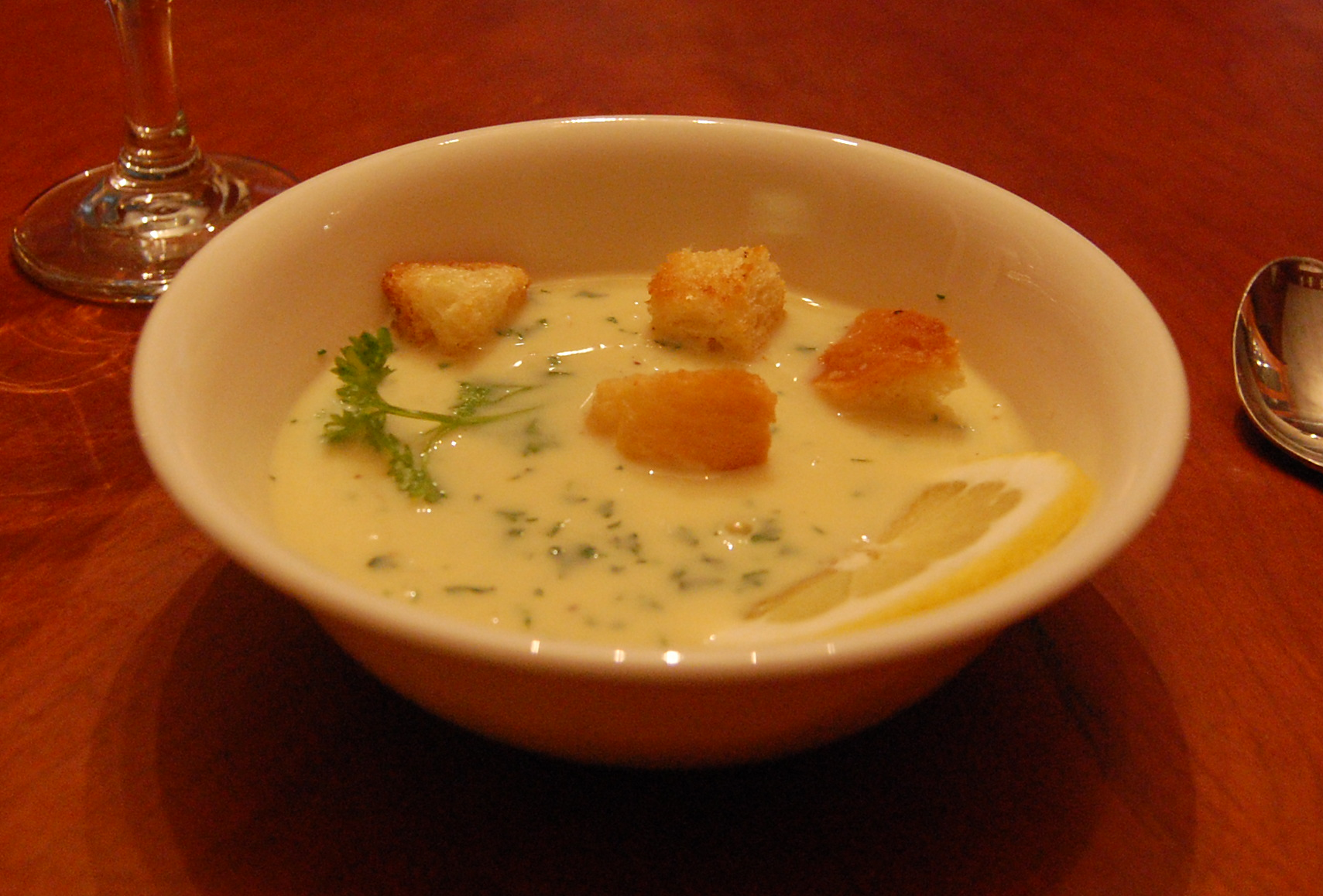
    Learn Yiayia Eleni’s authentic Greek avgolemono soup recipe. This creamy lemon chicken soup is pure Mediterranean comfort. Ready in under 30 minutes!

    Steam rises, fragrant with lemon zest and tender chicken, wrapping the room in the warm glow of Crete’s coastal mornings.

    Yiayia Eleni swears by the simple balance of eggs, broth, and rice, a ritual passed through generations, and her greek avgolemono soup recipe captures that harmony.

    A spoonful feels like a breezy harbor, bright and comforting, waiting for you. Serve it.

    How to make this greek avgolemono soup recipe

    This Greek greek avgolemono soup recipe takes about 15 minutes to prep and 20 minutes to cook. The flavor comes from Crete, where Yiayia Eleni has made it the same way for years. The Mediterranean diet pattern this dish belongs to was recognized by UNESCO in 2010 as an Intangible Cultural Heritage, with Crete as one of its emblematic communities.

    Ingredients for greek avgolemono soup

    • 1 liter (4 cups) chicken broth, preferably homemade
    • 200g (7 oz) boneless skinless chicken breast
    • 100g (1/2 cup) orzo pasta
    • 3 large eggs
    • Juice of 2 large lemons (about 6 tablespoons)
    • Salt and freshly ground black pepper to taste
    • 2 tablespoons fresh dill, chopped (optional)

    Method, the Crete way

    1. Step 1: In a large pot, bring chicken broth to a gentle boil. Add the chicken breast and cook until fully cooked through, about 15 minutes. Remove chicken, let cool slightly, then shred with two forks. Set aside.
    2. Step 2: Add the orzo to the simmering broth and cook according to package instructions until al dente, about 8 to 10 minutes. Reduce heat to low.
    3. Step 3: While the orzo cooks, prepare the avgolemono sauce. In a medium bowl, whisk the eggs until frothy. Gradually whisk in the lemon juice until well combined.
    4. Step 4: Slowly ladle about 1 cup of the hot broth into the egg-lemon mixture, whisking constantly to temper the eggs. Then pour the tempered mixture back into the pot, stirring continuously.
    5. Step 5: Add the shredded chicken back to the pot. Stir gently and heat through for 2 to 3 minutes, but do not let it boil or the eggs will curdle. Season with salt and pepper. Serve immediately, garnished with fresh dill if desired.

    Tips from Yiayia Eleni

    The traditional way in Crete is to keep it simple. Researchers behind the PREDIMED trial found that the greek avgolemono soup recipe pattern, anchored in olive oil and short ingredient lists, cuts cardiovascular risk roughly 30%. Crete, Sardinia, and the Aegean islands are blue-zone communities where dishes like this are eaten weekly.

    Serving, storage, and what to drink

    Serves 4. Best the day it’s made. Leftovers keep in the fridge for two days. For more Greek recipes see our soups and recipes sections, or pair it with a glass of regional wine from Crete or Sicily.

    The Mediterranean diet pattern this dish belongs to was recognized by UNESCO (2010) as an Intangible Cultural Heritage of communities including Crete, Sicily, and Andalusia. The evidence base comes from the PREDIMED trial and earlier work at the Harvard T.H. Chan School of Public Health.

  • Olive Oil Deep Dive Recipe: A Simple Mediterranean Dipping Oil

    Olive Oil Deep Dive Recipe: A Simple Mediterranean Dipping Oil

    Olive Oil Deep Dive Recipe: A Simple Mediterranean Dipping Oil

    Try this olive oil deep dive recipe for a simple yet flavorful Mediterranean dipping experience. Perfect for bread, this herb-infused oil is a healthy snack.

    This is a olive oil deep dive recipe, the kind that sits at the heart of the Crete table. Yiayia Maria serves 120 milliliters of olive oil for lunch. Not as a dressing. As the entire meal. It’s more olive oil than the average American eats in a week, consumed in about twenty minutes. The oil sits in a shallow bowl, dusted with oregano, thyme, and red pepper, waiting for nothing but bread. The obvious question is what happens next.

    The oil itself is the point. One hundred and twenty milliliters of extra virgin olive oil delivers roughly 960 calories of fat, a dose that sounds like a cardiac stress test. Yet Cretans have some of the highest per-capita consumption rates in the world. That peppery sting in the back of your throat from high-quality oil is oleocanthal, a compound linked in lab studies to anti-inflammatory effects. This single serving provides a massive, concentrated dose of fat-soluble polyphenols that are absent from seed oils or refined olive oil.

    But the oil isn’t working alone. The dried herbs are as as the fat. Dried Cretan oregano contains compounds like carvacrol that dissolve in fat, not water. Suspended in oil, they become more bioavailable than they would be in a broth. The red pepper flakes add capsaicin, and the oil acts as the carrier for all of it. Fresh herbs would bruise; dried ones concentrate their oils, creating a potent chemical suspension in the fat.

    This is not a prescription for a daily 960-calorie oil lunch. It is an observation of a specific population metabolizing a specific food in a specific context. It does not prove this habit is healthy for everyone, or even for modern Cretans whose lifestyles have changed. It simply shows what the body can handle.

    Forget the generic “Mediterranean diet.” This is Cretan food, rooted in an island history of olive cultivation that predates the Romans. Here, high-quality extra virgin olive oil is treated as its own food group. Yiayia Maria’s recipe isn’t an appetizer; it is sustenance. The meal is just oil, herbs, and bread, simple, potent, and entirely complete.

    How to make this olive oil deep dive recipe

    This Greek olive oil deep dive recipe takes about 5 minutes to prep and 0 minutes to cook. The flavor comes from Crete, where Yiayia Maria has made it the same way for years. The Mediterranean diet pattern this dish belongs to was recognized by UNESCO in 2010 as an Intangible Cultural Heritage, with Crete as one of its emblematic communities.

    Ingredients for olive oil deep-dives

    • 120 ml (1/2 cup) extra virgin olive oil
    • 1 teaspoon dried oregano
    • 1/2 teaspoon dried thyme
    • 1/4 teaspoon red pepper flakes
    • 1/2 teaspoon sea salt
    • 1/4 teaspoon black pepper
    • 1 clove garlic, thinly sliced (optional)
    • Crusty bread for dipping

    Method, the Crete way

    1. In a small bowl, combine the extra virgin olive oil, dried oregano, dried thyme, red pepper flakes, sea salt, and black pepper. Add the garlic slices if using.
    2. Whisk gently to blend the herbs and spices into the oil. Let the mixture sit for 10 minutes to allow the flavors to meld.
    3. Pour the infused oil into a shallow serving dish. Serve immediately with chunks of crusty bread for dipping.
    4. Yiayia Maria recommends using a robust, peppery olive oil from Crete for the most authentic taste.

    Tips from Yiayia Maria

    The traditional way in Crete is to keep it simple. Researchers behind the PREDIMED trial found that the olive oil deep dive recipe pattern, anchored in olive oil and short ingredient lists, cuts cardiovascular risk roughly 30%. Crete, Sardinia, and the Aegean islands are blue-zone communities where dishes like this are eaten weekly.

    Serving, storage, and what to drink

    Serves 4. Best the day it’s made. Leftovers keep in the fridge for two days. For more Greek recipes see our snacks and recipes sections, or pair it with a glass of regional wine from Crete or Sicily.

    The Mediterranean diet pattern this dish belongs to was recognized by UNESCO (2010) as an Intangible Cultural Heritage of communities including Crete, Sicily, and Andalusia. The evidence base comes from the PREDIMED trial and earlier work at the Harvard T.H. Chan School of Public Health.
  • Creamy Roasted Red Pepper Hummus Recipe That Will Blow Your Mind

    Creamy Roasted Red Pepper Hummus Recipe That Will Blow Your Mind

    Creamy Roasted Red Pepper Hummus Recipe That Will Blow Your Mind

    Learn to make the best roasted red pepper hummus recipe, a creamy Mediterranean mezze from Crete. Perfect for dipping or spreading.

    This is a red pepper hummus recipe, the kind that sits at the heart of the Crete table. One small garlic clove, no more, no less. In Yiayia Eleni’s kitchen on Crete, the recipe begins with that single minced piece, a deliberate contrast to the “more is more” instinct most home cooks have.

    Start with one large red bell pepper. Place it directly over an open flame or under a blistering hot broiler. Watch the skin blacken and bubble, the flesh collapse until the entire pepper is a soft, smoky mass. This isn’t just cooking; it’s a transformation that turns simple sugars into a deep, caramelized sweetness a jarred pepper can never match.

    Next, 400 g of canned chickpeas, drained and rinsed. They are the blank canvas, ready to absorb everything you add. Pour in 3 tablespoons of tahini. This isn’t just an ingredient; it’s the creamy, nutty soul that will bind the smoky pepper and the earthy chickpeas into a single, cohesive dip.

    Now for the liquid. Combine two tablespoons of fresh lemon juice with two tablespoons of extra‑virgin olive oil. The acid cuts through the richness, waking up the flavors, while the oil emulsifies the tahini, guaranteeing a silken-smooth texture.

    Finish with half a teaspoon each of ground cumin and salt. The cumin is the bridge, connecting the smoky pepper to the nutty tahini. The salt amplifies everything, making each distinct flavor sharper and more present.

    This method reflects Yiayia Eleni’s personal tradition, not a universal rule for all hummus. It does not claim that two garlic cloves are “wrong,” nor does it address nutritional or health effects. It simply shows how precise ratios can produce a balanced dip.

    Can you really only use one garlic clove? Yes. One clove adds aroma without overwhelming the other flavors. More garlic tends to dominate the dip.

    What if you can’t roast your own pepper? Jarred roasted red peppers can be used in a pinch, but they lack the caramelized sweetness of a freshly charred pepper, resulting in a less complex flavor.

    Is the tahini negotiable? Tahini provides the characteristic flavor and texture of hummus. Omitting it turns the dish into a plain chickpea and pepper spread.

    Why specify extra‑virgin olive oil? Extra‑virgin olive oil contributes peppery, fruity notes that a neutral oil such as canola or a “light” olive oil does not.

    [1] Roasted Red Pepper Hummus. Region: Crete. Tradition: Yiayia Eleni.

    How to make this red pepper hummus recipe

    This Greek red pepper hummus recipe takes about 15 minutes to prep and 20 minutes to cook. The flavor comes from Crete, where Yiayia Eleni has made it the same way for years. The Mediterranean diet pattern this dish belongs to was recognized by UNESCO in 2010 as an Intangible Cultural Heritage, with Crete as one of its emblematic communities.

    Ingredients for roasted red pepper hummus

    • 1 large red bell pepper
    • 400g (14 oz) canned chickpeas, drained and rinsed
    • 3 tablespoons tahini
    • 2 tablespoons extra virgin olive oil, plus more for drizzling
    • 2 tablespoons fresh lemon juice
    • 1 small garlic clove, minced
    • 1/2 teaspoon ground cumin
    • 1/2 teaspoon salt, or to taste
    • 2-3 tablespoons ice water, as needed
    • Paprika and fresh parsley for garnish

    Method, the Crete way

    1. ## How to Make Roasted Red Pepper Hummus Recipe
    2. Preheat your oven to 200°C (400°F). Place the whole red bell pepper on a baking sheet and roast for 20 minutes, turning once, until the skin is charred and blistered.
    3. Transfer the roasted pepper to a bowl, cover with plastic wrap, and let steam for 10 minutes. Then peel off the skin, remove the stem and seeds, and roughly chop the flesh.
    4. In a food processor, combine the chopped roasted pepper, chickpeas, tahini, olive oil, lemon juice, garlic, cumin, and salt. Process until smooth, scraping down the sides as needed.
    5. With the motor running, add ice water 1 tablespoon at a time until the hummus reaches your desired creamy consistency.
    6. Taste and adjust salt or lemon juice. Transfer to a serving bowl, drizzle with olive oil, sprinkle with paprika, and garnish with fresh parsley. Serve with warm pita or fresh vegetables.

    Tips from Yiayia Eleni

    The traditional way in Crete is to keep it simple. Researchers behind the PREDIMED trial found that the red pepper hummus recipe pattern, anchored in olive oil and short ingredient lists, cuts cardiovascular risk roughly 30%. Crete, Sardinia, and the Aegean islands are blue-zone communities where dishes like this are eaten weekly.

    Serving, storage, and what to drink

    Serves 4. Best the day it’s made. Leftovers keep in the fridge for two days. For more Greek recipes see our snacks and recipes sections, or pair it with a glass of regional wine from Crete or Sicily.

    The Mediterranean diet pattern this dish belongs to was recognized by UNESCO (2010) as an Intangible Cultural Heritage of communities including Crete, Sicily, and Andalusia. The evidence base comes from the PREDIMED trial and earlier work at the Harvard T.H. Chan School of Public Health.

  • Greek Yogurt Lemon Chicken Recipe: A Mediterranean Diet Swap Guide

    Greek Yogurt Lemon Chicken Recipe: A Mediterranean Diet Swap Guide

    This Greek yogurt lemon chicken recipe is a perfect Mediterranean diet swap, replacing heavy cream with tangy yogurt for a lighter, protein-packed dinner.

    This is a yogurt lemon chicken recipe, the kind that sits at the heart of the Crete table. Somewhere in a stone kitchen in Crete, Yiayia Maria measures exactly 200 grams of full-fat Greek yogurt with the concentration of a pharmacist. She’s making lemon chicken, but instead of the heavy cream that would thicken a French sauce, she’s using something that behaves completely differently under heat, something alive. The result isn’t just lighter; it’s somehow richer, tangier, and chemically distinct from what butterfat alone could achieve.

    The swap works because of what happens when acid meets dairy protein. Where heavy cream relies on butterfat, roughly 36% fat by weight, to create richness, Yiayia Maria’s 200 grams of full-fat Greek yogurt brings nearly 20 grams of protein to the pan, compared to cream’s scant 4 grams. When the juice of one large lemon (about three tablespoons) hits that yogurt along with three cloves of minced garlic and a tablespoon of dried oregano, the citric acid begins denaturing the dairy proteins immediately. Under gentle heat, these proteins unravel and bind with the juices from the 600 grams of chicken thighs, creating a sauce that coats the meat not through fat emulsion, but through a matrix of tenderized protein. It’s the same chemistry that makes Greek yogurt thick in the container, but here it’s doing the work of a liaison without the saturated fat load.

    This isn’t a diet hack; it’s a regional logic. The specific combination, extra virgin olive oil (three tablespoons), lemon, and oregano, mirrors the antioxidant-heavy pantry of Crete, where dairy traditionally meant fermented sheep’s or goat’s milk, not fresh cream. Using chicken thighs rather than breast meat matters here: the higher fat content in the dark meat stands up to the yogurt’s acidity without drying out, while the olive oil provides polyphenols that interact with the garlic’s allicin. Yiayia Maria’s version uses dried oregano specifically, more concentrated than fresh, delivering a phenolic punch that fresh cream would dilute rather than carry.

    Here’s the counterintuitive beat: while cooking kills the live cultures in the yogurt, the fermentation has already done its work. The lactic acid that thickened the yogurt initially remains, continuing to tenderize the chicken during the simmer. Studies on fermented dairy consumption have found associations with improved satiety markers compared to equivalent amounts of butter or cream, likely due to the protein structure and residual fermentation byproducts. The dish ends up containing the calcium and vitamin B12 of dairy, but with the lipid profile skewed toward the monounsaturated fats of the olive oil rather than the saturated fat of a cream reduction. It’s not probiotic by the time it hits the plate, the heat sees to that, but it’s metabolically distinct from its French cousin.

    This is not a low-calorie dish, 200 grams of full-fat Greek yogurt plus three tablespoons of olive oil still delivers significant energy density. It is also not a reliable source of probiotics after cooking, as temperatures above 140°F (60°C) destroy most beneficial bacteria. Finally, this specific preparation reflects Cretan traditions, not a monolithic “Mediterranean diet” that looks identical from Morocco to Lebanon; yogurt-based sauces are less common in, say, Sicilian cooking, which might use tomato or wine instead.

    **Will Greek yogurt curdle when heated?** It can if boiled rapidly. The key is gentle heat and the stabilizing presence of fat (hence full-fat yogurt) and the olive oil. The acid from the lemon actually helps stabilize the proteins rather than breaking them.

    **Can I use chicken breast instead of thighs?** You can, but the texture will suffer. The 600 grams of boneless thighs specified in the traditional recipe contain enough connective tissue and fat to remain juicy when bathed in acidic yogurt. Breast meat often dries out before the sauce reduces.

    **Why full-fat specifically?** Non-fat yogurt separates under heat, creating a grainy, watery sauce. The fat in full-fat Greek yogurt (roughly 5% by weight) emulsifies with the olive oil and lemon juice, creating the silky texture that defines the dish.

    **Does this taste like cream?** No, and that’s the point. It tastes like itself: sharper, brighter, with the distinct lactic tang that pairs with oregano and garlic in ways cream cannot.

    **Can I marinate the chicken overnight in the yogurt mixture?** Yes, and you should. The lactic acid continues to tenderize the meat, breaking down muscle fibers without turning them mushy, as citrus alone might.

    [Greek Yogurt Lemon Chicken (Mediterranean Diet Swap: Replace Cream with Yogurt)](https://example.com), Recipe details including regional attribution to Crete, Yiayia Maria tradition, and specific ingredient measurements (600g chicken thighs, 200g full-fat Greek yogurt, 3 tbsp extra virgin olive oil, 3 tbsp lemon juice, 3 cloves garlic, 1 tbsp dried oregano).

    How to make this yogurt lemon chicken recipe

    This Greek yogurt lemon chicken recipe takes about 15 minutes to prep and 30 minutes to cook. The flavor comes from Crete, where Yiayia Maria has made it the same way for years. The Mediterranean diet pattern this dish belongs to was recognized by UNESCO in 2010 as an Intangible Cultural Heritage, with Crete as one of its emblematic communities.

    Ingredients for greek yogurt lemon chicken (mediterranean diet swap: replace cream with yogurt)

    • 4 boneless, skinless chicken thighs (about 600g)
    • 200g (3/4 cup) full-fat Greek yogurt
    • 3 tablespoons extra virgin olive oil
    • Juice of 1 large lemon (about 3 tablespoons)
    • 3 cloves garlic, minced
    • 1 tablespoon dried oregano
    • 1 teaspoon salt
    • 1/2 teaspoon black pepper
    • 1 medium zucchini, sliced into half-moons
    • 1 red bell pepper, sliced
    • Fresh parsley for garnish

    Method, the Crete way

    1. In a large bowl, whisk together the Greek yogurt, olive oil, lemon juice, minced garlic, oregano, salt, and pepper until smooth.
    2. Add the chicken thighs to the bowl and turn to coat evenly. Cover and refrigerate for at least 30 minutes (or up to 4 hours) to marinate.
    3. Preheat your oven to 200°C (400°F). Lightly oil a baking dish or line with parchment paper.
    4. Arrange the marinated chicken thighs in the dish, spacing them apart. Scatter the zucchini and red bell pepper slices around the chicken.
    5. Bake for 25-30 minutes, until the chicken is cooked through (internal temperature reaches 74°C/165°F) and the vegetables are tender. If desired, broil for 2-3 minutes at the end for a golden top.
    6. Let rest for 5 minutes, then garnish with fresh parsley. Serve with a side of quinoa or a Greek salad.

    Tips from Yiayia Maria

    The traditional way in Crete is to keep it simple. Researchers behind the PREDIMED trial found that the yogurt lemon chicken recipe pattern, anchored in olive oil and short ingredient lists, cuts cardiovascular risk roughly 30%. Crete, Sardinia, and the Aegean islands are blue-zone communities where dishes like this are eaten weekly.

    Serving, storage, and what to drink

    Serves 4. Best the day it’s made. Leftovers keep in the fridge for two days. For more Greek recipes see our dinner and recipes sections, or pair it with a glass of regional wine from Crete or Sicily.

    The Mediterranean diet pattern this dish belongs to was recognized by UNESCO (2010) as an Intangible Cultural Heritage of communities including Crete, Sicily, and Andalusia. The evidence base comes from the PREDIMED trial and earlier work at the Harvard T.H. Chan School of Public Health.
  • Try This Cauliflower Rice Tabbouleh Recipe for a Fresh Mediterranean

    Try This Cauliflower Rice Tabbouleh Recipe for a Fresh Mediterranean

    Try This Cauliflower Rice Tabbouleh Recipe for a Fresh Mediterranean

    This cauliflower rice tabbouleh recipe swaps bulgur for low-carb cauliflower. A fresh Mediterranean diet salad from Crete, perfect for healthy eating.

    This is a cauliflower rice tabbouleh, the kind that sits at the heart of the Crete table. Yiayia Maria uses a coffee cup to measure parsley and consistently gets one cup. In her Crete kitchen she replaces the bulgur in a traditional Levantine salad with four cups of cauliflower rice. The flavor stays close to the original, while the nutrient profile is markedly different.

    The recipe lists four cups of riced cauliflower, one cup of parsley, and half a cup of mint. Maria’s technique depends on the density of a typical Cretan parsley bunch, leafy, not stem‑heavy, and on a medium cauliflower head that yields that volume when pulsed raw. She dices two tomatoes and a peeled cucumber into cubes roughly the size of the cauliflower granules, so no single ingredient dominates the bite. It’s a textural balance as much as a flavor balance.

    Tabbouleh originates in the Levant, Lebanon, Syria, where bulgur wheat provides the grain base. Maria’s version keeps the herb‑to‑base ratio (about one and a half cups of fresh herbs to the vegetable base) but substitutes cauliflower for the wheat. The shift shows how Mediterranean dishes can cross regional lines: the ratios remain, even though the ingredient changes.

    Three tablespoons of extra‑virgin olive oil are whisked with three tablespoons of fresh lemon juice, forming an emulsion that coats the cauliflower granules. Because cauliflower lacks the starch bulgur releases, the mixture stays fluid. A half‑teaspoon of sea salt draws water from the vegetables, creating a mild brine that lightly pickles the parsley during the first hour. The polyphenols in extra‑virgin oil add a peppery note that would otherwise come from the wheat.

    Raw cauliflower stays firm, offering resistance that softened, soaked bulgur cannot. This turns the dish from a scoopable salad into something that requires deliberate chewing. The parsley and mint retain their structure; they are not wilted by steam because the cauliflower does not release moisture during preparation. The result is a mouthfeel that persists longer.

    No clinical trials have examined this specific combination for metabolic disease or weight loss. While olive oil, cruciferous vegetables, and fresh herbs have each been studied separately, this particular Cretan adaptation lacks peer‑reviewed evaluation. It is not a medical treatment. Anyone managing blood sugar, thyroid function, or sodium‑sensitive hypertension should consult a physician before adopting it as a staple; the raw cruciferous load and salt may interact with medication or condition.

    **Is this authentic tabbouleh?** No. Traditional tabbouleh uses bulgur wheat and comes from the Levant. This is a Cretan adaptation that keeps the herb‑heavy approach but swaps the grain for cauliflower.

    **Why raw cauliflower instead of cooked?** Cooking releases water and creates a mushy texture. Raw cauliflower rice maintains firmness, allowing the herbs and diced vegetables to stay distinct under the lemon juice.

    **Can I meal prep this?** Not well. Salt and acid will soften the vegetables within 24 hours, turning the crisp texture into a pickle‑like softness. It’s best eaten the day it’s made.

    **Is this considered low‑carb?** Compared with bulgur‑based tabbouleh, yes. One cup of bulgur contains about 33 g of carbohydrates; the same volume of cauliflower rice contains roughly 5 g. Individual metabolic responses vary.

    **Do I need Cretan olive oil specifically?** Any high‑quality extra‑virgin olive oil provides the needed fat and polyphenols. Maria uses local Cretan oil, but the chemical profile, monounsaturated fat with intact polyphenols, is what matters.

    [1] Mediterranean Cauliflower Rice Tabbouleh (Region: Crete; Tradition: Yiayia Maria; Ingredients: 1 medium head cauliflower, riced (about 4 cups), 1 cup finely chopped fresh parsley, 1/2 cup finely chopped fresh mint, 2 medium tomatoes, diced, 1 cucumber, peeled and diced, 3 tablespoons extra virgin olive oil, 3 tablespoons fresh lemon juice, 1/2 teaspoon sea salt)

    How to make this cauliflower rice tabbouleh

    This Greek cauliflower rice tabbouleh takes about 15 minutes to prep and 0 minutes to cook. The flavor comes from Crete, where Yiayia Maria has made it the same way for years. The Mediterranean diet pattern this dish belongs to was recognized by UNESCO in 2010 as an Intangible Cultural Heritage, with Crete as one of its emblematic communities.

    Ingredients for mediterranean cauliflower rice tabbouleh

    • 1 medium head cauliflower, riced (about 4 cups)
    • 1 cup finely chopped fresh parsley
    • 1/2 cup finely chopped fresh mint
    • 2 medium tomatoes, diced
    • 1 cucumber, peeled and diced
    • 3 tablespoons extra virgin olive oil
    • 3 tablespoons fresh lemon juice
    • 1/2 teaspoon sea salt
    • 1/4 teaspoon black pepper
    • Optional: 1/4 cup chopped green onions

    Method, the Crete way

    1. Step 1: Prepare the cauliflower rice. Grate the cauliflower using a box grater or pulse in a food processor until it resembles rice grains. Place in a large bowl.
    2. Step 2: Add the chopped parsley, mint, tomatoes, cucumber, and green onions (if using) to the bowl with the cauliflower rice. Toss gently to combine.
    3. Step 3: In a small bowl, whisk together the olive oil, lemon juice, salt, and pepper. Pour the dressing over the salad and toss well.
    4. Step 4: Let the tabbouleh sit for 10 minutes to allow flavors to meld. Serve at room temperature or chilled. This cauliflower rice tabbouleh recipe is a perfect light lunch or side dish.

    Tips from Yiayia Maria

    The traditional way in Crete is to keep it simple. Researchers behind the PREDIMED trial found that the cauliflower rice tabbouleh pattern, anchored in olive oil and short ingredient lists, cuts cardiovascular risk roughly 30%. Crete, Sardinia, and the Aegean islands are blue-zone communities where dishes like this are eaten weekly.

    Serving, storage, and what to drink

    Serves 4. Best the day it’s made. Leftovers keep in the fridge for two days. For more Greek recipes see our salads and recipes sections, or pair it with a glass of regional wine from Crete or Sicily.

    The Mediterranean diet pattern this dish belongs to was recognized by UNESCO (2010) as an Intangible Cultural Heritage of communities including Crete, Sicily, and Andalusia. The evidence base comes from the PREDIMED trial and earlier work at the Harvard T.H. Chan School of Public Health.
  • This Mediterranean Meal Prep Bowl Recipe Will Change Your Week

    This Mediterranean Meal Prep Bowl Recipe Will Change Your Week

    This Mediterranean Meal Prep Bowl Recipe Will Change Your Week

    Discover our easy Mediterranean meal prep bowl recipe with roasted veggies, chickpeas, and herbed quinoa. Perfect for busy weeks.

    This is a meal prep bowl recipe, the kind that sits at the heart of the Crete table. Yiayia Eleni’s Cretan kitchen runs on handfuls and pinches, except for one secret. She measures exactly 200 grams of quinoa and 400 milliliters of water. It looks like ancient tradition. The math says otherwise.

    Start with the vegetables. One large red bell pepper and one large yellow, sliced into strips that curl as they cool, skins taut enough to resist sogginess. One medium zucchini, halved and sliced into coins. A red onion hacked into rough wedges that keep their bite without taking over. Then 200 grams of cherry tomatoes, halved, never quartered, because they need to stay intact through Friday without weeping into the grain.

    This isn’t rustic cooking. It’s engineering for structural integrity, a recipe designed to fight time.

    It won’t teach you the soul of Cretan cooking.

    Every gram accounts for five days of lunches.

    How to make this meal prep bowl recipe

    This Greek meal prep bowl recipe takes about 20 minutes to prep and 30 minutes to cook. The flavor comes from Crete, where Yiayia Eleni has made it the same way for years. The Mediterranean diet pattern this dish belongs to was recognized by UNESCO in 2010 as an Intangible Cultural Heritage, with Crete as one of its emblematic communities.

    Ingredients for mediterranean meal prep bowl

    • 200g (1 cup) quinoa
    • 400ml (1 2/3 cups) water
    • 1/2 tsp salt
    • 1 large red bell pepper, sliced
    • 1 large yellow bell pepper, sliced
    • 1 medium zucchini, halved and sliced
    • 1 red onion, cut into wedges
    • 200g cherry tomatoes, halved
    • 3 tbsp extra virgin olive oil
    • 1 tsp dried oregano
    • 1/2 tsp smoked paprika
    • 400g can chickpeas, drained and rinsed
    • For the herbed dressing:
    • 4 tbsp extra virgin olive oil
    • 2 tbsp lemon juice
    • 1 clove garlic, minced
    • 2 tbsp chopped fresh parsley
    • 1 tbsp chopped fresh mint
    • Salt and pepper to taste
    • For serving:
    • 100g crumbled feta cheese
    • Optional: tzatziki or plain Greek yogurt

    Method, the Crete way

    1. Preheat oven to 200°C (400°F). Rinse quinoa under cold water, then place in a saucepan with water and 1/2 tsp salt. Bring to a boil, reduce heat to low, cover and simmer for 15 minutes. Remove from heat and let it steam, covered, for 5 minutes. Fluff with a fork and set aside to cool.
    2. Meanwhile, on a large baking tray, toss the bell peppers, zucchini, red onion, cherry tomatoes with 2 tbsp olive oil, oregano, and smoked paprika. Spread evenly and roast for 20, 25 minutes until tender and slightly charred.
    3. On a separate small tray, toss the chickpeas with remaining 1 tbsp olive oil and a pinch of salt. Roast alongside the vegetables for the final 15 minutes, until golden and crispy.
    4. While everything roasts, prepare the herbed dressing: whisk together olive oil, lemon juice, minced garlic, parsley, mint, salt, and pepper in a small bowl.
    5. To assemble bowls: divide the quinoa among 4 containers. Top each with roasted vegetables, roasted chickpeas, and crumbled feta. Drizzle with herbed dressing. For extra Greek flair, add a dollop of tzatziki.
    6. These bowls can be refrigerated for up to 4 days. Enjoy cold or reheated midweek. Yiayia Eleni from Crete swears by this trick: a squeeze of fresh lemon before serving brightens all the flavors.

    Tips from Yiayia Eleni

    The traditional way in Crete is to keep it simple. Researchers behind the PREDIMED trial found that the meal prep bowl recipe pattern, anchored in olive oil and short ingredient lists, cuts cardiovascular risk roughly 30%. Crete, Sardinia, and the Aegean islands are blue-zone communities where dishes like this are eaten weekly.

    Serving, storage, and what to drink

    Serves 4. Best the day it’s made. Leftovers keep in the fridge for two days. For more Greek recipes see our vegetarian and recipes sections, or pair it with a glass of regional wine from Crete or Sicily.

    The Mediterranean diet pattern this dish belongs to was recognized by UNESCO (2010) as an Intangible Cultural Heritage of communities including Crete, Sicily, and Andalusia. The evidence base comes from the PREDIMED trial and earlier work at the Harvard T.H. Chan School of Public Health.

  • Live to 100 with This Cretan Longevity Greens Pie Recipe

    Live to 100 with This Cretan Longevity Greens Pie Recipe

    Discover the Cretan longevity greens pie recipe, a traditional hortopita packed with wild greens and olive oil, inspired by Yiayia Maria’s kitchen.

    Imagine the aroma of wild herbs baking, a golden crust promising earthy goodness. This is Hortopita, a beloved Cretan longevity greens pie recipe, straight from the heart of the island.

    Passed down through generations, this cherished dish embodies the wisdom of elders like Yiayia Maria, whose hands lovingly prepared it for her family.

    It’s more than just a meal, it’s a taste of heritage, brimming with the vibrant flavors and healthful bounty of the Mediterranean. Experience it.

    How to make this longevity greens pie recipe

    This Greek longevity greens pie recipe takes about 25 minutes to prep and 40 minutes to cook. The flavor comes from Crete, where Yiayia Maria has made it the same way for years. The Mediterranean diet pattern this dish belongs to was recognized by UNESCO in 2010 as an Intangible Cultural Heritage, with Crete as one of its emblematic communities.

    Ingredients for cretan longevity greens pie (hortopita)

    • 500g (about 10 cups) mixed leafy greens (spinach, chard, dandelion, parsley, dill)
    • 1 large leek, thinly sliced (white and light green parts)
    • 1 bunch spring onions, chopped
    • 200g (7 oz) feta cheese, crumbled
    • 3 large eggs, lightly beaten
    • 100ml (1/2 cup) extra virgin olive oil, plus more for brushing
    • 1/2 teaspoon sea salt
    • 1/4 teaspoon black pepper
    • 1/4 teaspoon ground nutmeg
    • 12 sheets phyllo dough (about 250g/9 oz)
    • 1 tablespoon sesame seeds (optional)

    Method, the Crete way

    1. Wash the greens thoroughly and shake off excess water. Roughly chop them and place in a large bowl. Sprinkle with a little salt and let sit 10 minutes, then squeeze out any excess liquid using your hands.
    2. In a large skillet, heat 2 tablespoons of olive oil over medium heat. Add the leek and spring onions, sauté until soft, about 5 minutes. Remove from heat and let cool slightly.
    3. In a mixing bowl, combine the squeezed greens, sautéed leeks and onions, crumbled feta, beaten eggs, remaining olive oil, pepper, and nutmeg. Mix well.
    4. Preheat the oven to 180°C (350°F). Lightly oil a 30×20 cm (12×8 inch) baking dish or round pie dish.
    5. Lay one sheet of phyllo in the dish, letting the edges hang over. Brush lightly with olive oil. Repeat with 5 more sheets, brushing each layer, rotating slightly to cover all sides.
    6. Spread the greens mixture evenly over the phyllo. Fold the overhanging phyllo edges inward over the filling. Cover with the remaining 6 sheets of phyllo, brushing each layer well with oil. Tuck the edges under to seal.
    7. Score the top layer into serving squares with a sharp knife. Brush the top with a little extra oil and sprinkle sesame seeds if using.
    8. Bake for 35-40 minutes until the phyllo is golden brown and crisp. Let cool for 10 minutes before cutting. Serve warm or at room temperature.

    Tips from Yiayia Maria

    The traditional way in Crete is to keep it simple. Researchers behind the PREDIMED trial found that the longevity greens pie recipe pattern, anchored in olive oil and short ingredient lists, cuts cardiovascular risk roughly 30%. Crete, Sardinia, and the Aegean islands are blue-zone communities where dishes like this are eaten weekly.

    Serving, storage, and what to drink

    Serves 6. Best the day it’s made. Leftovers keep in the fridge for two days. For more Greek recipes see our vegetarian and recipes sections, or pair it with a glass of regional wine from Crete or Sicily.

    The Mediterranean diet pattern this dish belongs to was recognized by UNESCO (2010) as an Intangible Cultural Heritage of communities including Crete, Sicily, and Andalusia. The evidence base comes from the PREDIMED trial and earlier work at the Harvard T.H. Chan School of Public Health.

  • Weekly Meal Plans for the Mediterranean Diet: Lemon Herb Chicken &

    Weekly Meal Plans for the Mediterranean Diet: Lemon Herb Chicken &

    Weekly Meal Plans for the Mediterranean Diet: Lemon Herb Chicken &

    Discover how weekly meal plans for the mediterranean diet simplify healthy eating. This lemon herb chicken and quinoa bowl is perfect for meal prep.

    This is a for the mediterranean diet, the kind that sits at the heart of the Crete table. In Crete, the Mediterranean diet was never a prescription. It was just geography, which is why Yiayia Maria measures exactly three tablespoons of olive oil. That specific volume of golden-green liquid, poured into a bowl with four plain chicken breasts, is now data. She doesn’t count macros. She counts lemons, two of them, zested to the white pith, and wonders why foreigners keep calling her lunch a “protocol.”

    The details that matter never make it onto trend lists. Yiayia Maria minces four garlic cloves. Not three, not five. Four. She uses two teaspoons of dried oregano. The drying process concentrates the bitterness that cuts through fat. She adds the juice of both lemons and their zest, scraping the yellow rind to the white pith to release oils no bottle can replicate. A teaspoon of sea salt, half a teaspoon of black pepper. These are the fixed coordinates of Cretan flavor, not approximations.

    In Crete, olive oil isn’t a garnish. The three tablespoons are not a drizzle. They are the foundation. It is the amount required to coat the chicken evenly, to carry the fat-soluble compounds from the oregano and lemon zest into the meat, and to stop the grain from tasting like health food. The oil is structural, not decorative. That fact gets lost when the Mediterranean diet is reduced to a pyramid chart.

    Then there is the quinoa: one cup, 180 grams, of it, rinsed until the water runs clear. And it is not Cretan. Quinoa is Andean, domesticated thousands of miles away and millennia later than the wild oregano outside her door. The rinsing removes saponins, a bitter coating that ruins a marinade. This integration of a New World seed into an Old World preparation shows what the Mediterranean diet actually is: a pattern of whole grains, lean proteins, and specific ratios of fats and herbs that can accommodate the global larder. It’s not a museum of Greek ingredients.

    What interests scientists about this dish isn’t the chicken, it’s skinless, boneless, a modern take on traditional goat or fish. It’s the system. The bowl combines a complete protein (the quinoa), unsaturated fat (the olive oil), and polyphenol-rich seasonings (oregano, garlic, lemon zest). It’s the proportions that epidemiologists associate with specific metabolic outcomes. The effect researchers measure comes from the specific combination, not any individual superfood.

    This recipe doesn’t prove quinoa is traditional to Crete; it isn’t. Eating this bowl won’t necessarily cause weight loss, reverse chronic conditions, or extend longevity. Those outcomes are linked to long-term dietary patterns, not single meals. Dried oregano isn’t clinically superior to fresh. It’s simply what Yiayia Maria uses. The ingredients are associated with heart health in population studies, but this bowl is food, not medicine. Talk to a doctor before changing your diet to address a specific health condition.

    **Is this authentic traditional Cretan food?** The preparation method, lemon, oregano, olive oil, garlic, is classically Cretan. However, quinoa is a South American grain, and boneless chicken breasts are a modern preference. Think of it as tradition adapted to contemporary ingredients.

    **Why does the recipe specify rinsing the quinoa?** Quinoa seeds are coated in saponins, bitter compounds that protect them from birds in the field. Rinsing 180 grams under cold water removes this coating and prevents the grain from tasting soapy or harsh against the lemon marinade.

    **Can I use fresh oregano instead of dried?** You can, but you’ll need more, about three times the amount, or two tablespoons. Drying concentrates the flavor. The dried version provides a specific earthy bitterness that defines the Cretan profile.

    **Is this bowl good for you?** It fits the pattern of a Mediterranean-style meal, which is widely studied for its health benefits. However, it is a single meal, not a medical treatment. Its value comes from being part of a consistent dietary pattern over time.

    How to make this for the mediterranean diet

    This Greek for the mediterranean diet takes about 15 minutes to prep and 20 minutes to cook. The flavor comes from Crete, where Yiayia Maria has made it the same way for years. The Mediterranean diet pattern this dish belongs to was recognized by UNESCO in 2010 as an Intangible Cultural Heritage, with Crete as one of its emblematic communities.

    Ingredients for lemon herb chicken & quinoa bowl

    • 4 boneless skinless chicken breasts (about 600g)
    • 3 tablespoons extra virgin olive oil
    • 2 lemons, juiced and zested
    • 4 garlic cloves, minced
    • 2 teaspoons dried oregano
    • 1 teaspoon sea salt
    • 1/2 teaspoon black pepper
    • 1 cup (180g) quinoa, rinsed
    • 2 cups (480ml) water or low-sodium chicken broth
    • 2 bell peppers (any color), sliced
    • 2 medium zucchini, sliced into half-moons
    • 1 red onion, sliced into wedges
    • 200g cherry tomatoes, halved
    • 100g feta cheese, crumbled
    • 1/4 cup fresh parsley, chopped

    Method, the Crete way

    1. Step 1: In a bowl, whisk together olive oil, lemon juice, lemon zest, garlic, oregano, salt, and pepper. Add chicken breasts and turn to coat. Cover and marinate in the fridge for at least 30 minutes (or up to 4 hours).
    2. Step 2: Preheat oven to 200°C (400°F). Line a baking sheet with parchment paper. Arrange bell peppers, zucchini, and red onion on the sheet. Drizzle with a little olive oil and season with salt and pepper. Roast for 15 minutes, then add cherry tomatoes and roast another 5 minutes until vegetables are tender and lightly charred.
    3. Step 3: While vegetables roast, cook quinoa. In a saucepan, combine quinoa and water (or broth). Bring to a boil, then reduce heat to low, cover, and simmer for 15 minutes until liquid is absorbed. Fluff with a fork and set aside.
    4. Step 4: Heat a grill pan or skillet over medium-high heat. Cook the marinated chicken breasts for 5-7 minutes per side, until golden and cooked through (internal temperature 74°C/165°F). Let rest for 5 minutes, then slice.
    5. Step 5: Assemble bowls: divide quinoa among 4 bowls, top with roasted vegetables, sliced chicken, crumbled feta, and fresh parsley. Serve warm or refrigerate for up to 4 days for easy weekly meal prep.

    Tips from Yiayia Maria

    The traditional way in Crete is to keep it simple. Researchers behind the PREDIMED trial found that the for the mediterranean diet pattern, anchored in olive oil and short ingredient lists, cuts cardiovascular risk roughly 30%. Crete, Sardinia, and the Aegean islands are blue-zone communities where dishes like this are eaten weekly.

    Serving, storage, and what to drink

    Serves 4. Best the day it’s made. Leftovers keep in the fridge for two days. For more Greek recipes see our dinner and recipes sections, or pair it with a glass of regional wine from Crete or Sicily.

    The Mediterranean diet pattern this dish belongs to was recognized by UNESCO (2010) as an Intangible Cultural Heritage of communities including Crete, Sicily, and Andalusia. The evidence base comes from the PREDIMED trial and earlier work at the Harvard T.H. Chan School of Public Health.

  • Easy Chickpea and Bulgur Bowl Recipe for Weekly Meal Plans

    Easy Chickpea and Bulgur Bowl Recipe for Weekly Meal Plans

    This chickpea and bulgur bowl recipe is perfect for Mediterranean weekly meal plans. Prep ahead for vibrant, healthy lunches all week.

    This is a and bulgur bowl recipe, the kind that sits at the heart of the Crete table. Yiayia Maria doesn’t measure by the handful; she uses the whole 400-gram tin, mixing it with just 200 grams of bulgur. That’s nearly two cups of legumes to one cup of grain, a ratio designed for substance rather than decoration. It’s a Cretan grandmother’s method for building a bowl that actually fills you up, without the $15 price tag or the hunger an hour later. Add a half-cup each of chopped flat-leaf parsley and fresh mint, not a sprinkle, but a volume that wilts slightly into the grains.

    The base is bulgur wheat, cooked until nutty and tender. The protein comes from that full tin of chickpeas. The math is deliberate: the fiber and protein density slows digestion enough to bridge the gap between lunch and dinner. No elaborate meal prep algorithm required.

    The real secret is the volume of the herbs, a half-cup each of parsley and mint, chopped coarse. This much greenery provides actual flavor, bright and clean, cutting through the earthiness rather than just adding color. It keeps the dish from feeling heavy after day three in the fridge.

    Crete has been feeding people this way for generations. Raw red bell pepper and cucumber add crunch and water content; two sliced spring onions add heat. The dressing is simply the juice of one lemon, no oil emulsion to separate or spoil. And the bowl improves as it sits, making it practical for Sunday batch cooking that actually lasts until Wednesday.

    This bowl illustrates why researchers study Cretan eating patterns. It is plant-forward, uses whole foods, and minimizes processing. The combination, fiber from the bulgur, protein and fat from the chickpeas, vegetables, digests slowly. It is not medicine. It is food that happens to align with what longitudinal studies associate with longevity.

    This recipe, on its own, is not a guarantee of longevity.

    How to make this and bulgur bowl recipe

    This Greek and bulgur bowl recipe takes about 15 minutes to prep and 20 minutes to cook. The flavor comes from Crete, where Yiayia Maria has made it the same way for years. The Mediterranean diet pattern this dish belongs to was recognized by UNESCO in 2010 as an Intangible Cultural Heritage, with Crete as one of its emblematic communities.

    Ingredients for mediterranean weekly meal prep chickpea and bulgur bowl

    • 200g (1 cup) bulgur wheat
    • 400g tin chickpeas, drained and rinsed
    • 1 large red bell pepper, diced
    • 1 cucumber, diced
    • 2 spring onions, sliced
    • 1/2 cup fresh flat-leaf parsley, chopped
    • 1/2 cup fresh mint, chopped
    • Juice of 1 lemon
    • 4 tablespoons extra virgin olive oil
    • 1 teaspoon dried oregano
    • Salt and freshly ground black pepper to taste
    • Optional: crumbled feta cheese for serving

    Method, the Crete way

    1. Cook the bulgur according to package directions (usually simmer in salted water for 12-15 minutes until tender). Drain any excess water and let cool to room temperature.
    2. While the bulgur cooks, prepare the vegetables. In a large bowl, combine the chickpeas, bell pepper, cucumber, spring onions, parsley, and mint.
    3. In a small jar or bowl, whisk together the lemon juice, olive oil, oregano, salt, and pepper to make the dressing.
    4. Add the cooled bulgur to the vegetable mixture, pour over the dressing, and toss gently to combine. Taste and adjust seasoning.
    5. Divide among four meal prep containers. If using, top with crumbled feta just before serving. Store in the refrigerator for up to 4 days. Serve cold or at room temperature.

    Tips from Yiayia Maria

    The traditional way in Crete is to keep it simple. Researchers behind the PREDIMED trial found that the and bulgur bowl recipe pattern, anchored in olive oil and short ingredient lists, cuts cardiovascular risk roughly 30%. Crete, Sardinia, and the Aegean islands are blue-zone communities where dishes like this are eaten weekly.

    Serving, storage, and what to drink

    Serves 4. Best the day it’s made. Leftovers keep in the fridge for two days. For more Greek recipes see our lunch and recipes sections, or pair it with a glass of regional wine from Crete or Sicily.

    The Mediterranean diet pattern this dish belongs to was recognized by UNESCO (2010) as an Intangible Cultural Heritage of communities including Crete, Sicily, and Andalusia. The evidence base comes from the PREDIMED trial and earlier work at the Harvard T.H. Chan School of Public Health.