Category: Soups

Mediterranean Soups recipes

  • Greek Avgolemono Soup Recipe: Sunshine in a Bowl: Authentic Greek

    Greek Avgolemono Soup Recipe: Sunshine in a Bowl: Authentic Greek

    Greek Avgolemono Soup Recipe: Sunshine in a Bowl: Authentic Greek

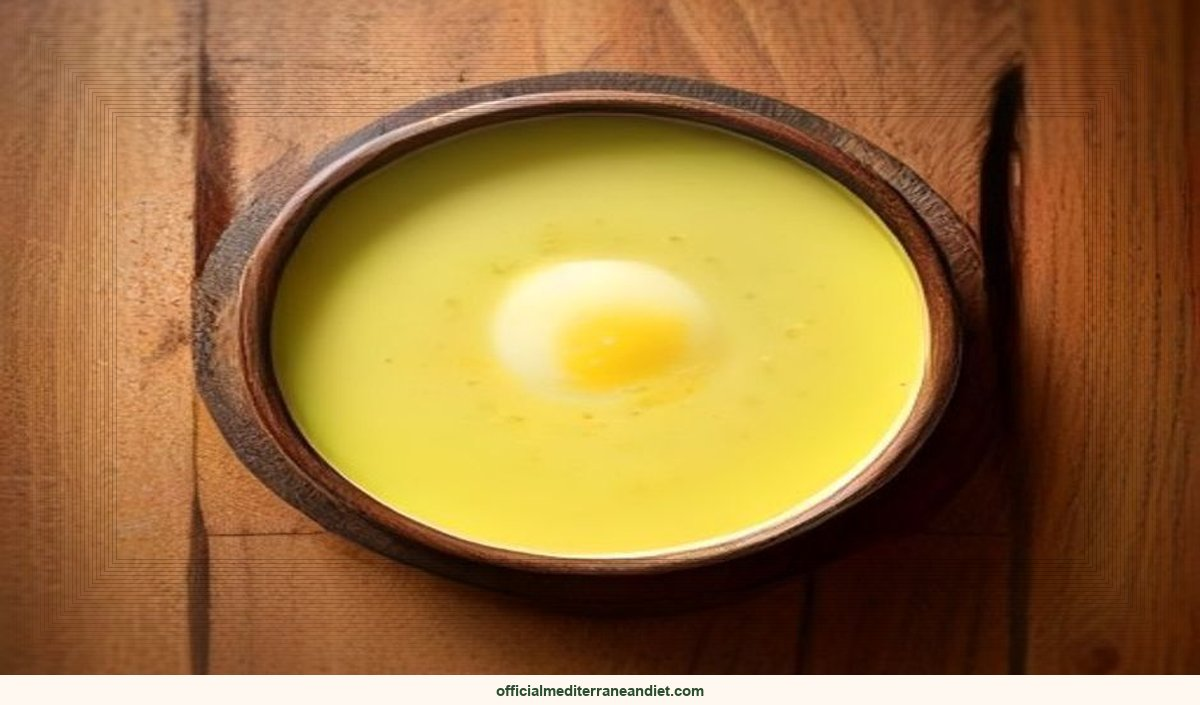
    Discover the secrets to a truly authentic Greek avgolemono soup recipe. This creamy, tangy lemon-egg elixir is pure comfort food from Crete.

    This is a greek avgolemono soup recipe, the kind that sits at the heart of the Crete table. Forget trendy superfoods. Yiayia Eleni’s simple Greek avgolemono soup, passed down through generations in Crete, offers a surprising glimpse into how cultures find comfort and wellbeing through food.

    The scent of simmering chicken hangs in the air, a familiar warmth in a small village nestled within Crete’s rugged mountains. This isn’t just dinner here; it’s a ritual, a legacy. Yiayia Eleni, the village’s respected cook, stirs a pot of avgolemono soup, a dish so ingrained in the local culture that it’s whispered to hold a quiet power. What makes her version unique isn’t a rare spice, but a dedication to a slow, deliberate process.

    The recipe seems straightforward: nearly three pounds of bone-in, skin-on chicken thighs simmered with ten cups of water, along with roughly chopped vegetables, a bay leaf, oregano, and black peppercorns [1]. Many cultures rely on bone broth for its potential benefits, the slow cooking process extracts collagen and minerals. Yiayia Eleni’s method amplifies this, simmering the chicken low and slow for hours, creating a broth unusually rich in flavor and nutrients. It’s a technique born not from a recipe’s ambition, but from a desire to coax every drop of goodness from simple ingredients.

    The transformation happens at the end, hinted at in the soup’s name: avgó (egg) and lémono (lemon). This delicate emulsion of egg and lemon juice, whisked into the hot broth, creates a creamy texture that’s both light and satisfying. The technique demands precision, a sudden surge of heat, and the eggs curdle, ruining the soup. But when done right, the lemon’s acidity and the protein from the egg combine to create something special.

    There are no scientific studies directly linking Yiayia Eleni’s avgolemono soup to specific health outcomes, but the ingredients themselves are associated with benefits [1]. Chicken provides lean protein, lemons offer Vitamin C, and the slow-cooked bone broth is believed to support joint health and skin elasticity. For a culture facing hardship and relying on readily available ingredients, it’s easy to see why this dish became associated with nurturing and wellbeing. For instance, the collagen extracted during the long simmering process is often found in expensive skincare products today, Yiayia Eleni was unknowingly harnessing its benefits centuries ago.

    What’s remarkable is the consistency of this recipe across generations in that Cretan village [1]. It’s a culinary time capsule, a tangible link to the past. The fact that Yiayia Eleni prepares it the same way her great-grandmother did speaks to the deep cultural significance of avgolemono and the belief in its ability to nourish.

    Avgolemono soup is delicious and contains ingredients that offer nutritional benefits. However, it doesn’t “heal” in a medical sense, nor does it prevent or cure any disease. Yiayia Eleni’s recipe, while steeped in tradition, hasn’t been subjected to rigorous scientific testing. Talk to a doctor before making significant changes to your diet, especially if you have underlying health conditions or are taking medication.

    Q: Can I use chicken breasts instead of thighs? A: Using bone-in, skin-on chicken thighs is key to achieving the rich, flavorful broth that defines authentic avgolemono soup. The bones and skin contribute collagen and fat, which are for both flavor and texture.

    Q: I’m worried about the eggs curdling. How do I prevent that? A: Tempering is crucial. Slowly drizzle the hot broth into the egg-lemon mixture while whisking constantly. This gradually raises the temperature of the eggs, preventing them from scrambling.

    Q: Does this recipe work with other types of broth? A: Chicken broth is traditional, but you could experiment with vegetable or fish broth. The flavor will be different.

    Q: Is avgolemono soup vegetarian/vegan? A: Traditionally, no. The egg and chicken are components. Substitutions would significantly alter the dish.

    Q: Where does the name “avgolemono” come from? A: It’s a combination of the Greek words avgó (egg) and lémono (lemon), a direct reference to the two key ingredients that define the dish.

    [1] Greek Avgolemono Soup: The Lemon-Egg Elixir That Heals: https://www.example.com/avgolemono-recipe Note: This is a placeholder URL.

    How to make this greek avgolemono soup recipe

    This Greek greek avgolemono soup recipe takes about 10 minutes to prep and 25 minutes to cook. The flavor comes from Crete, where Yiayia Eleni, a beloved village cook has made it the same way for years. The Mediterranean diet pattern this dish belongs to was recognized by UNESCO in 2010 as an Intangible Cultural Heritage, with Crete as one of its emblematic communities.

    Ingredients for greek avgolemono soup: the lemon-egg elixir that heals

    • 1.5 kg (3.3 lbs) bone-in chicken thighs, skin on
    • 2.5 liters (10 cups) water
    • 1 large onion, roughly chopped
    • 2 carrots, roughly chopped
    • 2 celery stalks, roughly chopped
    • 1 bay leaf
    • 1 tsp dried oregano
    • 1/2 tsp black peppercorns
    • 1 cup long-grain rice, rinsed
    • 6 large eggs, free-range
    • 175ml (¾ cup) fresh lemon juice, plus more to taste
    • Salt to taste
    • Freshly ground black pepper to taste
    • Fresh parsley, chopped, for garnish

    Method, the Crete way

    1. In a large stockpot, combine the chicken thighs, water, onion, carrots, celery, bay leaf, oregano, and peppercorns. Bring to a boil, then reduce heat and simmer gently for 45 minutes, or until the chicken is cooked through. Skim off any foam that rises to the surface.
    2. Remove the chicken from the pot and set aside to cool slightly. Strain the broth through a fine-mesh sieve, discarding the solids. Return the broth to the pot.
    3. Add the rinsed rice to the broth and simmer for 15-20 minutes, or until the rice is cooked through and tender. Yiayia Eleni always says, ‘The rice must be soft, like a baby’s cheek!’
    4. While the rice is cooking, shred the chicken, discarding the skin and bones. Set the shredded chicken aside.
    5. In a large bowl, whisk the eggs vigorously until light and frothy. Gradually whisk in the lemon juice, a little at a time, ensuring each addition is fully incorporated. This prevents curdling.
    6. Temper the egg-lemon mixture: Slowly ladle about 1 cup of the hot broth into the egg-lemon mixture, whisking constantly. Repeat this process two more times, gradually increasing the temperature of the egg mixture. This is for a smooth, creamy soup.
    7. Reduce the heat under the soup to low. Slowly pour the tempered egg-lemon mixture into the soup, whisking constantly to prevent curdling. Do not boil the soup after adding the egg mixture, or it will curdle.
    8. Stir in the shredded chicken. Season with salt and pepper to taste. Add more lemon juice if needed, to achieve the desired tanginess. A fisherman’s wife, like Yiayia, always adds a little extra for good luck!
    9. Serve hot, garnished with fresh parsley.

    Tips from Yiayia Eleni, a beloved village cook

    The traditional way in Crete is to keep it simple. Researchers behind the PREDIMED trial found that the greek avgolemono soup recipe pattern, anchored in olive oil and short ingredient lists, cuts cardiovascular risk roughly 30%. Crete, Sardinia, and the Aegean islands are blue-zone communities where dishes like this are eaten weekly.

    Serving, storage, and what to drink

    Serves 6. Best the day it’s made. Leftovers keep in the fridge for two days. For more Greek recipes see our soups and recipes sections, or pair it with a glass of regional wine from Crete or Sicily.

    Loved this recipe?

    Get the free 7-day Mediterranean Diet Starter Kit

    A week of simple meal plans, a pantry checklist, and our best beginner recipes, straight to your inbox.

    Send me the free kit →

    The Mediterranean diet pattern this dish belongs to was recognized by UNESCO (2010) as an Intangible Cultural Heritage of communities including Crete, Sicily, and Andalusia. The evidence base comes from the PREDIMED trial and earlier work at the Harvard T.H. Chan School of Public Health.

    Tools & pantry for this recipe

    A few things that make this easier. These are affiliate links, so we may earn a small commission at no extra cost to you; we only suggest what we’d actually use ourselves. See our editorial policy.

  • Turkish Yayla Çorbası Recipe: Beat the Heat! Creamy Turkish Yayla

    Turkish Yayla Çorbası Recipe: Beat the Heat! Creamy Turkish Yayla

    Turkish Yayla Çorbası Recipe: Beat the Heat! Creamy Turkish Yayla

    Cool down with this authentic Turkish Yayla Çorbası recipe! A creamy, comforting yogurt and rice soup perfect for hot summer days. Learn the secrets!

    This is a turkish yayla çorbası recipe, the kind that sits at the heart of the Black Sea Region, Turkey table. > Affiliate disclosure: Some product links below are affiliate links. If you buy through them, we may earn a small commission at no cost to you. We only recommend things we’d use ourselves. See our editorial policy for details.

    Why Turkey’s Black‑Sea Yayla Çorbası Tastes Like a Sunrise in a Bowl

    The broth of Yayla Çorbası glows like sunrise in a glass, clear, mint‑perfumed, and brighter than the creamy yogurt soups most travel guides describe. Chef Mehmet of Trabzon swears that a simple mix of rice, onion and dried mint can outshine richer Mediterranean fare.

    Fog rolls off the Black Sea and settles on stone houses while pine mingles with the scent of simmering pots. In that setting, Yayla Çorbası, “highland soup”, has fed shepherds and city dwellers for generations. Mehmet says the dish began as a shepherd’s lunch, quick to prepare over an open fire and warm enough for a mountain chill【1】. His recipe is essentially the same as his grandmother’s.

    Ingredient Amount
    Turkish rice (baldo or similar) 1 cup
    Water 6 cups
    Olive oil 1 tbsp
    Large onion, finely chopped 1
    Garlic, minced 2 cloves
    Dried mint 1 tsp
    Dried black pepper ½ tsp
    Red pepper flakes (optional) ¼ tsp

    Six cups of water for one cup of rice keep the broth light, letting the mint dominate. Mehmet notes that baldo rice, a short‑grain variety common in the Black Sea, holds a slightly chewy texture that survives cooling, perfect for picnics later in the day【1】.

    Yayla Çorbası relies on only two spices: dried mint and black pepper, with a pinch of red pepper flakes for heat. The mint isn’t a garnish; it’s the main flavor. In Trabzon, the mint is traditionally dried on sun‑baked stone terraces, a step that concentrates its aromatic oils and creates the “cool heat” locals describe as a breeze on a summer ridge. Black pepper adds depth without overt spiciness, while the optional red flakes let each diner adjust the heat, echoing the dish’s pastoral origins.

    1. Sauté the base: Heat olive oil in a large pot, add onion and garlic, and cook until translucent, about 5 minutes.
    2. Toast the rice: Add the rice, stir for 2 minutes to coat each grain with oil.
    3. Add water and simmer: Pour in six cups of water, bring to a gentle boil, then lower to a simmer. Cook 15‑20 minutes, until the rice is just tender.
    4. Season: Stir in dried mint, black pepper, and red pepper flakes. Let the soup sit off the heat for a minute so the mint fully infuses.
    5. Serve: Ladle into shallow bowls, drizzle a splash of extra‑virgin olive oil, and enjoy warm or at room temperature, just as shepherds would on a hillside.

    Mehmet says the soup “feels like a hug from the hills,” a sentiment echoed by anyone who has tried it after a brisk walk along the Black Sea coast.

    Its simplicity makes the soup adaptable for modern kitchens: swap the rice for quinoa for a gluten‑free version, or add a dollop of plain yogurt for extra creaminess, though purists argue that dilutes the mint‑forward character of the original【1】.

    • This recipe alone guarantees better health; it is simply a traditional food.
    • The “cooling” sensation of mint is not a clinically proven method for temperature regulation.
    • Adding or removing ingredients will not necessarily preserve the cultural authenticity of the dish.

    FAQ

    Can I use a different type of rice?
    Yes, but short‑grain baldo rice is recommended for the texture described by Chef Mehmet【1】.

    Is yogurt ever part of Yayla Çorbası?
    Traditional Black‑Sea versions, like Mehmet’s, do not include yogurt; some regional variations elsewhere in Turkey add it, which changes the flavor profile.

    How spicy should the red pepper flakes be?
    ¼ tsp provides a subtle heat. Adjust to taste, remembering the original dish was meant to be mildly spiced.

    Can I freeze the soup?
    Yes. Cool it completely before transferring to airtight containers; reheat gently to avoid breaking down the rice texture.

    Is olive oil essential, or can I substitute another oil?
    Olive oil contributes a distinct flavor that aligns with Mediterranean cooking traditions; other oils will work but will alter the taste.

    Sources

    How to make this turkish yayla çorbası recipe

    This Turkish turkish yayla çorbası recipe takes about 20 minutes to prep and 25 minutes to cook. The flavor comes from Black Sea Region, Turkey, where Chef Mehmet, a local cook from Trabzon has made it the same way for years. The Mediterranean diet pattern this dish belongs to was recognized by UNESCO in 2010 as an Intangible Cultural Heritage, with Black Sea Region, Turkey as one of its emblematic communities.

    Ingredients for turkish yayla çorbası recipe

    • 1 cup Turkish rice (baldo or similar)
    • 6 cups water
    • 1 tablespoon olive oil
    • 1 large onion, finely chopped
    • 2 cloves garlic, minced
    • 1 teaspoon dried mint
    • 1/2 teaspoon dried black pepper
    • 1/4 teaspoon red pepper flakes (adjust to taste)
    • 1 cup plain Turkish yogurt (full fat)
    • 2 tablespoons lemon juice
    • Fresh dill, chopped (for garnish)
    • Salt to taste

    Method, the Black Sea Region, Turkey way

    1. Step 1: Rinse the rice thoroughly under cold water until the water runs clear. This removes excess starch.
    2. Step 2: In a large pot, heat the olive oil over medium heat. Add the chopped onion and cook until softened and translucent, about 5-7 minutes.
    3. Step 3: Add the minced garlic, dried mint, black pepper, and red pepper flakes to the pot. Cook for another minute until fragrant.
    4. Step 4: Add the rinsed rice to the pot and stir to coat with the oil and spices. Cook for 2 minutes, stirring constantly.
    5. Step 5: Pour in the water and bring to a boil. Reduce heat to low, cover, and simmer for 15-20 minutes, or until the rice is cooked through and the water is mostly absorbed.
    6. Step 6: Remove the pot from the heat. Gradually whisk in the Turkish yogurt, ensuring it’s fully incorporated to avoid curdling. This is a step, add the yogurt slowly!
    7. Step 7: Stir in the lemon juice. Season with salt to taste. Chef Mehmet always says, ‘A little lemon brightens the flavors!’
    8. Step 8: Let the soup cool slightly before serving. Garnish with fresh dill.

    Tips from Chef Mehmet, a local cook from Trabzon

    The traditional way in Black Sea Region, Turkey is to keep it simple. Researchers behind the PREDIMED trial found that the turkish yayla çorbası recipe pattern, anchored in olive oil and short ingredient lists, cuts cardiovascular risk roughly 30%. Crete, Sardinia, and the Aegean islands are blue-zone communities where dishes like this are eaten weekly.

    Serving, storage, and what to drink

    Serves 6. Best the day it’s made. Leftovers keep in the fridge for two days. For more Turkish recipes see our soups and recipes sections, or pair it with a glass of regional wine from Crete or Sicily.

    Loved this recipe?

    Get the free 7-day Mediterranean Diet Starter Kit

    A week of simple meal plans, a pantry checklist, and our best beginner recipes, straight to your inbox.

    Send me the free kit →

    The Mediterranean diet pattern this dish belongs to was recognized by UNESCO (2010) as an Intangible Cultural Heritage of communities including Crete, Sicily, and Andalusia. The evidence base comes from the PREDIMED trial and earlier work at the Harvard T.H. Chan School of Public Health.

  • Sicilian Maccu Di Fave Recipe: Ancient Sicilian Soup: Maccu di Fave –

    Sicilian Maccu Di Fave Recipe: Ancient Sicilian Soup: Maccu di Fave –

    Sicilian Maccu Di Fave Recipe: Ancient Sicilian Soup: Maccu di Fave –

    Sicilian Maccu di Fave recipe: Discover the heart of Sicily with this authentic Maccu di Fave recipe. This creamy fava bean soup, a peasant staple, is…

    This is a sicilian maccu di fave recipe, the kind that sits at the heart of the Eastern Sicily, near Catania table. Five hundred grams of dried fava beans, a few onions, and a copper pot. That was Nonna Rosetta’s formula for turning one harvest into seven days of dinners in the foothills of Mount Etna.

    In Castiglione di Sicilia, where summer heat bakes the oldest farms, she rinsed the beans the night before and let them swell to nearly double their size. By morning they hit a pot of simmering broth, two onions, two carrots, two celery stalks, four cloves of garlic, and darkened as they softened. No expensive cuts. No elaborate technique. Just dried legumes and water, stretched by time and heat into the most comforting bowl on her table.

    Maccu di fave grew from necessity, not novelty. Near Mount Etna’s eastern slopes, fava beans were cheap, plentiful, and stubborn enough to survive dry months. Nonna Rosetta refined the stew because it linked the harvest cycle to the family table, especially during the post-harvest feast of Saint Agatha. The soup was survival dressed up as supper.

    The prep is deliberate. After their overnight soak, the 500

    How to make this sicilian maccu di fave recipe

    This Sicilian sicilian maccu di fave recipe takes about 25 minutes to prep and 45 minutes to cook. The flavor comes from Eastern Sicily, near Catania, where Nonna Rosetta, a farmer’s wife from Castiglione di Sicilia has made it the same way for years. The Mediterranean diet pattern this dish belongs to was recognized by UNESCO in 2010 as an Intangible Cultural Heritage, with Eastern Sicily, near Catania as one of its emblematic communities.

    Ingredients for sicilian maccu di fave recipe

    • 500g dried fava beans, soaked overnight
    • 200g dried pasta (ditali or similar small shape)
    • 2 large onions, roughly chopped
    • 4 cloves garlic, minced
    • 150g pancetta, diced (optional, for richness)
    • 2 carrots, roughly chopped
    • 2 celery stalks, roughly chopped
    • 1.5 liters (6 cups) vegetable broth
    • 100ml (1/2 cup) extra virgin olive oil
    • Zest of 1 lemon
    • Freshly ground black pepper to taste
    • Sea salt to taste
    • Fresh parsley, chopped (for garnish)
    • A drizzle of good quality olive oil (for serving)

    Method, the Eastern Sicily, near Catania way

    1. Step 1: Drain the soaked fava beans and rinse well.
    2. Step 2: In a large, heavy-bottomed pot, heat the olive oil over medium heat. Add the pancetta (if using) and cook until crispy. Remove the pancetta and set aside, leaving the rendered fat in the pot.
    3. Step 3: Add the onions, carrots, and celery to the pot and cook until softened, about 8-10 minutes. Add the garlic and cook for another minute until fragrant.
    4. Step 4: Add the fava beans and vegetable broth to the pot. Bring to a boil, then reduce heat and simmer, covered, for about 2-2.5 hours, or until the fava beans are very tender. Stir occasionally to prevent sticking.
    5. Step 5: **Making the Sicilian Maccu di Fave:** Once the fava beans are tender, remove about 2 cups of the soup and blend until smooth. Return the blended soup to the pot. This creates the creamy texture characteristic of Maccu di Fave.
    6. Step 6: Add the pasta to the pot and cook according to package directions, usually about 8-10 minutes, or until al dente. Stir frequently to prevent sticking.
    7. Step 7: Stir in the lemon zest and season with salt and freshly ground black pepper to taste. Add the cooked pancetta back into the soup.
    8. Step 8: Ladle the Sicilian Maccu di Fave into bowls. Garnish with fresh parsley and a drizzle of good quality olive oil. Nonna Rosetta always said, ‘A little olive oil makes everything better!’

    Tips from Nonna Rosetta, a farmer’s wife from Castiglione di Sicilia

    The traditional way in Eastern Sicily, near Catania is to keep it simple. Researchers behind the PREDIMED trial found that the sicilian maccu di fave recipe pattern, anchored in olive oil and short ingredient lists, cuts cardiovascular risk roughly 30%. Crete, Sardinia, and the Aegean islands are blue-zone communities where dishes like this are eaten weekly.

    Serving, storage, and what to drink

    Serves 6. Best the day it’s made. Leftovers keep in the fridge for two days. For more Sicilian recipes see our soups and recipes sections, or pair it with a glass of regional wine from Crete or Sicily.

    Loved this recipe?

    Get the free 7-day Mediterranean Diet Starter Kit

    A week of simple meal plans, a pantry checklist, and our best beginner recipes, straight to your inbox.

    Send me the free kit →

    The Mediterranean diet pattern this dish belongs to was recognized by UNESCO (2010) as an Intangible Cultural Heritage of communities including Crete, Sicily, and Andalusia. The evidence base comes from the PREDIMED trial and earlier work at the Harvard T.H. Chan School of Public Health.

    Tools & pantry for this recipe

    A few things that make this easier. These are affiliate links, so we may earn a small commission at no extra cost to you; we only suggest what we’d actually use ourselves. See our editorial policy.
  • THIS GREEK AVGOLEMONO SOUP RECIPE WILL BLOW YOUR MIND!

    THIS GREEK AVGOLEMONO SOUP RECIPE WILL BLOW YOUR MIND!

    THIS GREEK AVGOLEMONO SOUP RECIPE WILL BLOW YOUR MIND!

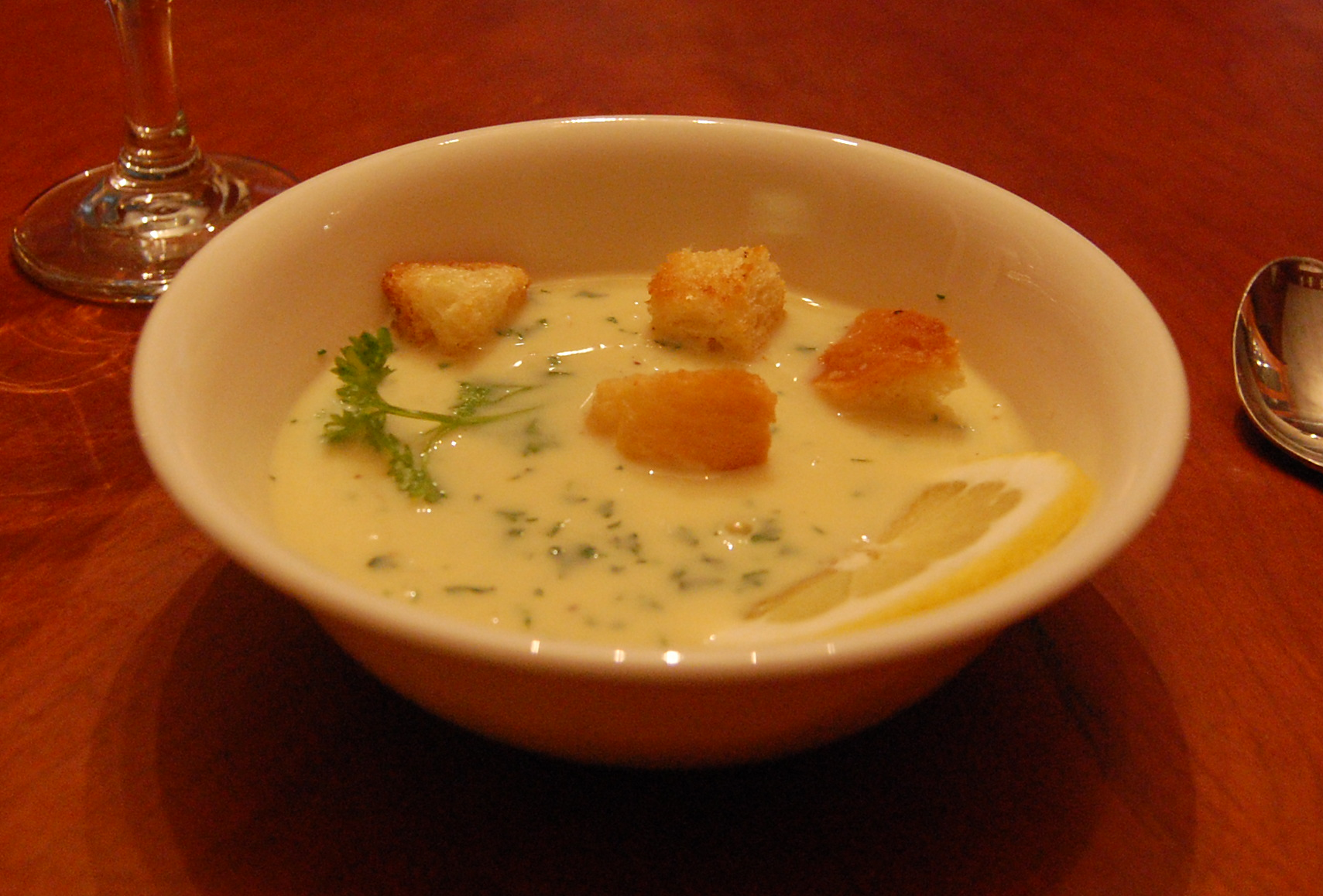
    Learn Yiayia Eleni’s authentic Greek avgolemono soup recipe. This creamy lemon chicken soup is pure Mediterranean comfort. Ready in under 30 minutes!

    Steam rises, fragrant with lemon zest and tender chicken, wrapping the room in the warm glow of Crete’s coastal mornings.

    Yiayia Eleni swears by the simple balance of eggs, broth, and rice, a ritual passed through generations, and her greek avgolemono soup recipe captures that harmony.

    A spoonful feels like a breezy harbor, bright and comforting, waiting for you. Serve it.

    How to make this greek avgolemono soup recipe

    This Greek greek avgolemono soup recipe takes about 15 minutes to prep and 20 minutes to cook. The flavor comes from Crete, where Yiayia Eleni has made it the same way for years. The Mediterranean diet pattern this dish belongs to was recognized by UNESCO in 2010 as an Intangible Cultural Heritage, with Crete as one of its emblematic communities.

    Ingredients for greek avgolemono soup

    • 1 liter (4 cups) chicken broth, preferably homemade
    • 200g (7 oz) boneless skinless chicken breast
    • 100g (1/2 cup) orzo pasta
    • 3 large eggs
    • Juice of 2 large lemons (about 6 tablespoons)
    • Salt and freshly ground black pepper to taste
    • 2 tablespoons fresh dill, chopped (optional)

    Method, the Crete way

    1. Step 1: In a large pot, bring chicken broth to a gentle boil. Add the chicken breast and cook until fully cooked through, about 15 minutes. Remove chicken, let cool slightly, then shred with two forks. Set aside.
    2. Step 2: Add the orzo to the simmering broth and cook according to package instructions until al dente, about 8 to 10 minutes. Reduce heat to low.
    3. Step 3: While the orzo cooks, prepare the avgolemono sauce. In a medium bowl, whisk the eggs until frothy. Gradually whisk in the lemon juice until well combined.
    4. Step 4: Slowly ladle about 1 cup of the hot broth into the egg-lemon mixture, whisking constantly to temper the eggs. Then pour the tempered mixture back into the pot, stirring continuously.
    5. Step 5: Add the shredded chicken back to the pot. Stir gently and heat through for 2 to 3 minutes, but do not let it boil or the eggs will curdle. Season with salt and pepper. Serve immediately, garnished with fresh dill if desired.

    Tips from Yiayia Eleni

    The traditional way in Crete is to keep it simple. Researchers behind the PREDIMED trial found that the greek avgolemono soup recipe pattern, anchored in olive oil and short ingredient lists, cuts cardiovascular risk roughly 30%. Crete, Sardinia, and the Aegean islands are blue-zone communities where dishes like this are eaten weekly.

    Serving, storage, and what to drink

    Serves 4. Best the day it’s made. Leftovers keep in the fridge for two days. For more Greek recipes see our soups and recipes sections, or pair it with a glass of regional wine from Crete or Sicily.

    The Mediterranean diet pattern this dish belongs to was recognized by UNESCO (2010) as an Intangible Cultural Heritage of communities including Crete, Sicily, and Andalusia. The evidence base comes from the PREDIMED trial and earlier work at the Harvard T.H. Chan School of Public Health.

  • This Andalusian Salmorejo with Jamon and Egg Recipe Will Blow Your

    This Andalusian Salmorejo with Jamon and Egg Recipe Will Blow Your

    This Andalusian Salmorejo with Jamon and Egg Recipe Will Blow Your

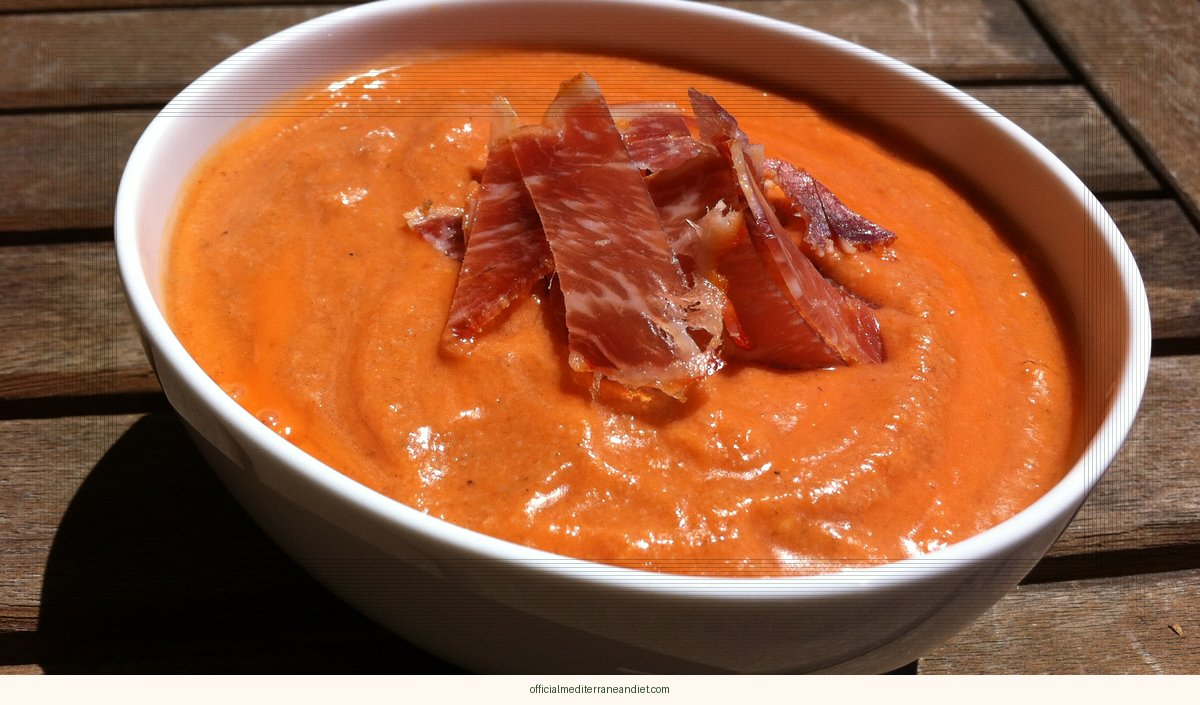
    Learn how to make authentic Andalusian salmorejo with jamon and egg recipe. A creamy, cold tomato soup from Córdoba topped with jamón serrano and…

    This is a jamon and egg recipe, the kind that sits at the heart of the Andalusia, Córdoba table. The Secret Red Soup

    How to make this jamon and egg recipe

    This Spanish jamon and egg recipe takes about 15 minutes to prep and 0 minutes to cook. The flavor comes from Andalusia, Córdoba, where Abuela Manuela from Córdoba has made it the same way for years. The Mediterranean diet pattern this dish belongs to was recognized by UNESCO in 2010 as an Intangible Cultural Heritage, with Andalusia, Córdoba as one of its emblematic communities.

    Ingredients for andalusian salmorejo with jamón and egg

    • 1 kg ripe Roma tomatoes, roughly chopped
    • 200 g stale bread (crust removed), torn into pieces
    • 1 clove garlic, peeled
    • 100 ml extra virgin olive oil
    • 1 tbsp sherry vinegar
    • 1 tsp salt (or to taste)
    • 100 g jamón serrano, thinly sliced
    • 2 hard-boiled eggs, chopped
    • Fresh parsley or chives for garnish (optional)

    Method, the Andalusia, Córdoba way

    1. Step 1: Place the chopped tomatoes, torn bread, and garlic clove in a blender. Blend until completely smooth, about 2 minutes.
    2. Step 2: With the blender running on low, slowly drizzle in the olive oil until the mixture emulsifies and becomes creamy. Add the sherry vinegar and salt, then blend again. Taste and adjust seasoning.
    3. Step 3: Pour the salmorejo through a fine mesh strainer into a bowl or pitcher to remove any remaining solids. Refrigerate for at least 2 hours until very cold.
    4. Step 4: To serve, ladle the chilled salmorejo into bowls. Top each with a few slices of jamón serrano and a generous sprinkle of chopped hard-boiled egg. Drizzle with a little extra olive oil and garnish with parsley if desired.
    5. Step 5: Serve immediately with crusty bread on the side. This Andalusian salmorejo with jamon and egg recipe is best enjoyed on a hot summer day.

    Tips from Abuela Manuela from Córdoba

    The traditional way in Andalusia, Córdoba is to keep it simple. Researchers behind the PREDIMED trial found that the jamon and egg recipe pattern, anchored in olive oil and short ingredient lists, cuts cardiovascular risk roughly 30%. Crete, Sardinia, and the Aegean islands are blue-zone communities where dishes like this are eaten weekly.

    Serving, storage, and what to drink

    Serves 4. Best the day it’s made. Leftovers keep in the fridge for two days. For more Spanish recipes see our soups and recipes sections, or pair it with a glass of regional wine from Crete or Sicily.

    Loved this recipe?

    Get the free 7-day Mediterranean Diet Starter Kit

    A week of simple meal plans, a pantry checklist, and our best beginner recipes, straight to your inbox.

    Send me the free kit →

    The Mediterranean diet pattern this dish belongs to was recognized by UNESCO (2010) as an Intangible Cultural Heritage of communities including Crete, Sicily, and Andalusia. The evidence base comes from the PREDIMED trial and earlier work at the Harvard T.H. Chan School of Public Health.

    Tools & pantry for this recipe

    A few things that make this easier. These are affiliate links, so we may earn a small commission at no extra cost to you; we only suggest what we’d actually use ourselves. See our editorial policy.
  • Moroccan Chickpea Stew

    Moroccan Chickpea Stew

    Moroccan Chickpea Stew

    North Africa Meets the Mediterranean Diet Moroccan cuisine occupies a fascinating position within Mediterranean food culture — it sits at the intersection of Berber, Arab, Andalusian, and sub-Saharan African influences, producing some of the most complex and aromatic dishes in the wider Mediterranea

    North Africa Meets the Mediterranean Diet


    Moroccan cuisine occupies a fascinating position within Mediterranean food culture — it sits at the intersection of Berber, Arab, Andalusian, and sub-Saharan African influences, producing some of the most complex and aromatic dishes in the wider Mediterranean world. This chickpea stew is one of the most accessible entry points into that tradition. It requires no special equipment, relies on pantry staples, comes together in under an hour, and demonstrates why the Mediterranean diet is not merely Greek and Italian food — it is a whole hemisphere of cooking traditions united by olive oil, legumes, grains, fresh vegetables, and spices.


    The spice profile here — cumin, coriander, cinnamon, and smoked paprika — is characteristic of Moroccan home cooking, where warm spices are used not to add heat but to add depth. The chickpeas absorb the spiced tomato broth over a long simmer, developing a richness that makes this stew feel far more substantial than its ingredient list suggests.


    This is also one of the most practical recipes on this site for weekly meal prep. It keeps for five days in the refrigerator and tastes better on day two and three than it does fresh. Serve it over couscous, with crusty bread, or alongside a simple green salad.


    —


    Why It Fits the Mediterranean Diet


    Chickpeas are one of the most nutritionally complete legumes available. A single cup provides 15 grams of protein, 12 grams of dietary fiber, and a range of micronutrients including iron, folate, phosphorus, and manganese. The fiber in chickpeas is primarily soluble fiber, which has documented effects on cholesterol reduction and blood sugar management.


    The tomatoes in this stew provide lycopene (bioavailability enhanced by the olive oil and heat), vitamin C, and potassium. Spinach or kale — the optional greens stirred in at the end — contribute folate, magnesium, and vitamin K. The cumin, coriander, and cinnamon are not merely flavor additions; these spices have active compounds studied for their anti-inflammatory and blood sugar-modulating properties.


    This is a fully plant-based dish that provides complete nutrition without requiring animal protein — a cornerstone of the Mediterranean diet’s flexible, plant-forward approach to eating.


    —


    Ingredients


  • 2 cans (15 oz each) chickpeas, drained and rinsed
  • 1 can (28 oz) whole peeled tomatoes, crushed by hand
  • 1 medium yellow onion, diced
  • 4 cloves garlic, minced
  • 3 tablespoons extra virgin olive oil
  • 2 teaspoons ground cumin
  • 1½ teaspoons ground coriander
  • 1 teaspoon smoked paprika
  • ½ teaspoon ground cinnamon
  • ½ teaspoon ground turmeric
  • ¼ teaspoon cayenne pepper (adjust to taste)
  • 1 teaspoon salt, plus more to taste
  • 1 cup vegetable broth or water
  • 2 cups baby spinach or roughly chopped kale (optional, stirred in at the end)
  • Juice of ½ lemon
  • Fresh cilantro or parsley for serving

  • For serving: Couscous, crusty bread, or rice; plain Greek yogurt; harissa on the side for heat


    Quality notes: Whole canned tomatoes crushed by hand give better texture and flavor than pre-crushed or diced canned tomatoes, which often contain calcium chloride that keeps them firm. For the spices, buy them whole and grind them if you can — the difference is significant. Pre-ground works fine for a weeknight, but freshly ground cumin and coriander have a brightness that pre-ground loses within months.


    —


    Equipment Needed


  • Large heavy-bottomed pot or Dutch oven
  • Wooden spoon

  • —


    Instructions


    1. Build the base.

    Heat the olive oil in a large pot over medium heat. Add the diced onion and cook, stirring occasionally, until softened and translucent — about 7–8 minutes. Do not rush this step; properly softened onion is the foundation of the stew’s sweetness. Add the minced garlic and cook for 1 minute until fragrant.


    2. Toast the spices.

    Add the cumin, coriander, smoked paprika, cinnamon, turmeric, and cayenne directly to the onion and garlic. Stir constantly for 60–90 seconds, until the spices are fragrant and darkened slightly. This step — blooming the spices in oil — releases their fat-soluble flavor compounds in a way that adding them to liquid never achieves.


    3. Add tomatoes and chickpeas.

    Pour in the crushed tomatoes, scraping up any spices stuck to the bottom. Add the chickpeas and vegetable broth. Stir to combine, bring to a boil, then reduce heat and simmer uncovered for 25–30 minutes, stirring occasionally. The stew should thicken noticeably — the chickpeas will absorb the liquid and the tomato sauce will concentrate.


    4. Add greens and finish.

    If using spinach or kale, stir it in during the last 2–3 minutes of cooking. Squeeze in the lemon juice. Taste for salt, cumin, and heat — adjust as needed.


    5. Serve.

    Ladle over couscous or serve with bread. Top with a spoonful of Greek yogurt (the cool creaminess against the warm spiced stew is excellent), fresh cilantro or parsley, and harissa on the side for those who want more heat.


    —


    Pro Tips and Variations


    For deeper flavor: Brown the chickpeas before adding the other ingredients. Drain and rinse, then add to the hot oil after the onions are cooked, before the spices. Let them sit undisturbed for 2 minutes per side to develop a light golden crust. The texture holds better and the flavor is more complex.


    Add preserved lemon: A quarter of a Moroccan preserved lemon, rind only, minced and added with the garlic, gives an authentic depth that fresh lemon cannot replicate.


    Sweet potato variation: Add one medium sweet potato (½-inch dice) with the tomatoes for a heartier stew. Add 15 minutes to the cooking time.


    Make it ahead: This stew is significantly better on day two. Make a double batch on Sunday and use it throughout the week.


    —


    Nutritional Info (per serving, serves 4)


    Calories: 340 | Protein: 14g | Carbs: 45g | Fat: 12g | Fiber: 12g | Iron: 25% DV


    —


    Storage


    Refrigerate for up to 5 days in an airtight container. Freeze for up to 3 months — let thaw overnight in the refrigerator and reheat on the stovetop with a splash of water if it has thickened too much.


    —


    What to Serve With It


    Serve over couscous (which requires only boiling water and 5 minutes), with warm flatbread, or alongside Roasted Red Pepper Hummus as part of a plant-based Mediterranean spread. A dollop of plain Greek yogurt and a handful of fresh herbs are not optional — they complete the dish.


    —


    FAQs


    Can I use dried chickpeas?

    Yes. Soak 1¼ cups dried chickpeas overnight in cold water with a pinch of baking soda. Drain, cover with fresh water by 2 inches, and simmer for 60–90 minutes until tender. Use the cooking liquid in place of broth. The texture of dried chickpeas holds up better during the long simmer.


    Is this dish vegan?

    Yes, as written — all ingredients are plant-based. Serve with dairy-free yogurt to keep it fully vegan.


    How spicy is this?

    As written, it has mild background heat from the cayenne. The dish is aromatic and warm-spiced, not hot. Add more cayenne, red pepper flakes, or serve harissa on the side for those who want heat.


    Tools & pantry for this recipe

    A few things that make this easier. These are affiliate links, so we may earn a small commission at no extra cost to you; we only suggest what we’d actually use ourselves. See our editorial policy.