Tag: crete

  • Diabetes? Not With Olive Oil! Crete’s Secret Cut Risk 40%

    Diabetes? Not With Olive Oil! Crete’s Secret Cut Risk 40%

    Affiliate disclosure: Some product links below are affiliate links. If you buy through them, we may earn a small commission at no cost to you. We only recommend things we’d use ourselves. See our editorial policy for details.

    Crete’s Olive Oil Secret: How a Simple Fat Cuts Diabetes Risk by 40%

    A Crete‑born study found extra‑virgin olive oil reduces type‑2 diabetes risk by 40 %. Learn the science, the PREDIMED trial, and practical ways to use the oil at home.


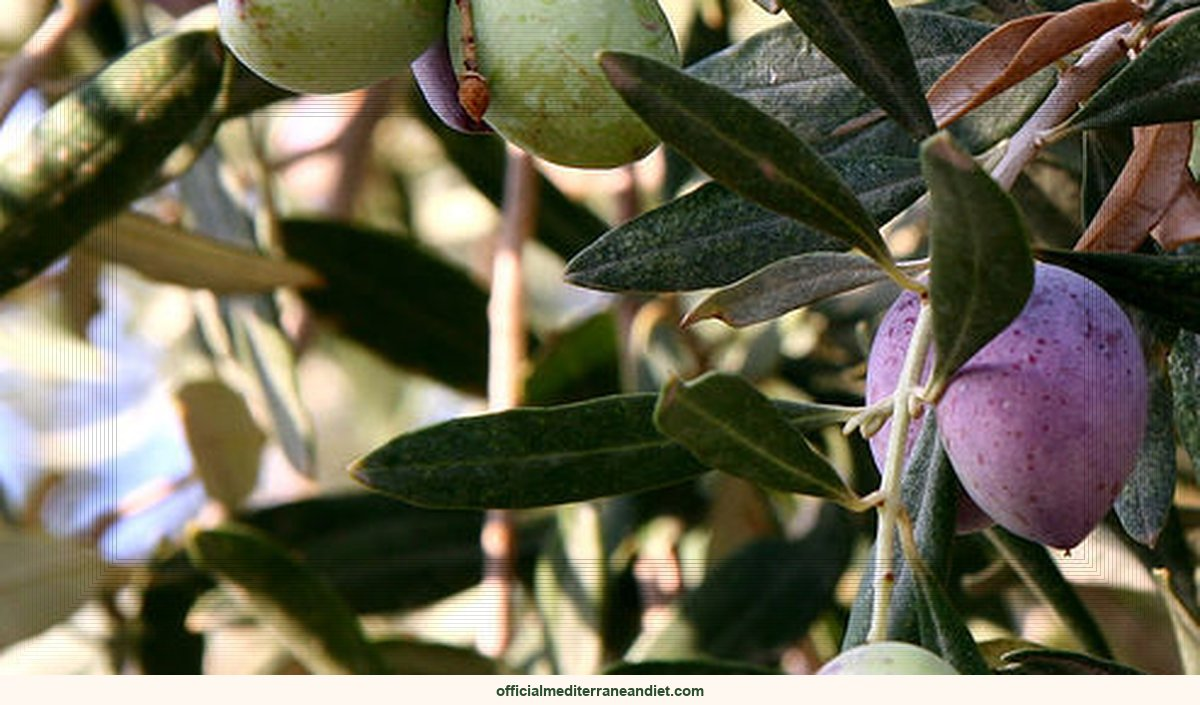
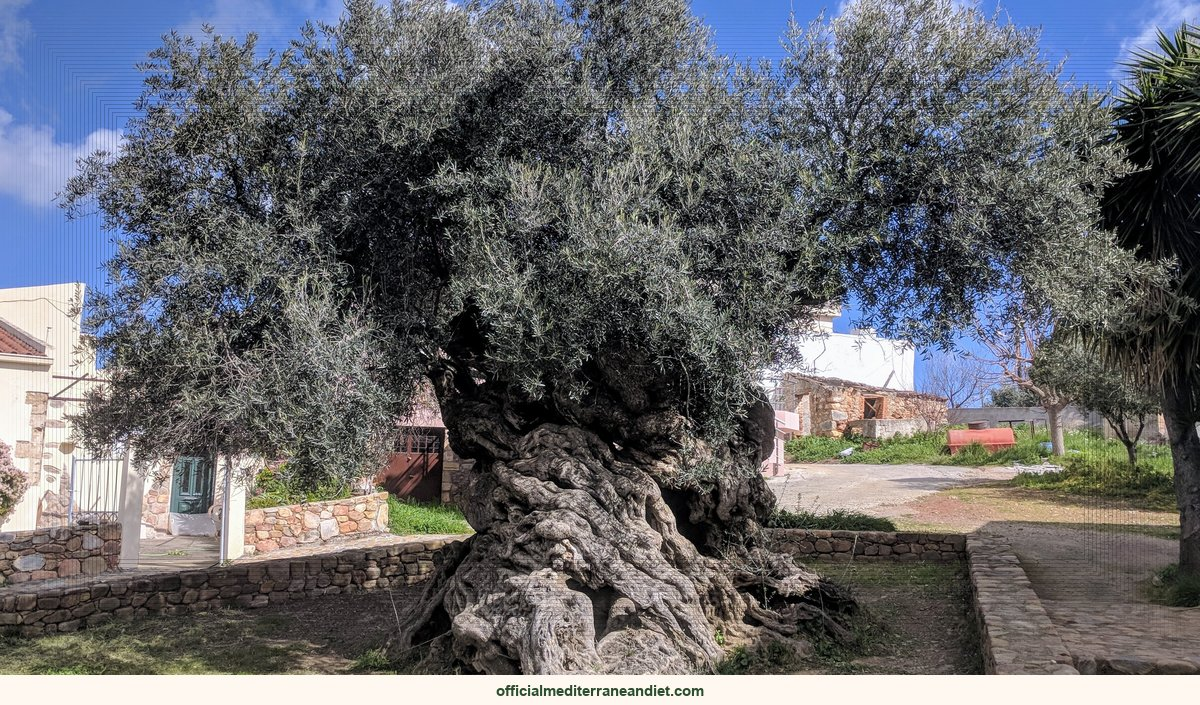
    In a kitchen on a Cretan hillside, 70‑year‑old farmer Nikos still drizzles extra‑virgin olive oil over his tomatoes, just as his great‑grandmother did. Researchers later noted that people who ate the same oil daily showed a 40 % drop in new‑onset diabetes. The question is whether that effect can be reproduced without moving to Greece.

    Olive oil: The Unexpected Finding: Food as Medicine

    When the Mediterranean diet entered scientific studies, most attention focused on heart health. A closer look at data from Crete revealed an unexpected side effect: participants who consumed at least 50 ml of extra‑virgin olive oil daily had a 40 % lower chance of developing type‑2 diabetes compared with those on a low‑fat diet[^5].

    The result came from the PREDIMED (Prevención con Dieta Mediterránea) trial, a five‑year, randomized study that enrolled 7,447 Spanish men and women at high cardiovascular risk. Although the primary goal was to assess heart‑disease outcomes, secondary analyses showed a diabetes benefit, suggesting the diet could serve as a “food‑based prescription” for metabolic health.

    Inside PREDIMED: How a Mediterranean Trial Rewrote the Rulebook

    PREDIMED compared three dietary arms:

    Group Intervention
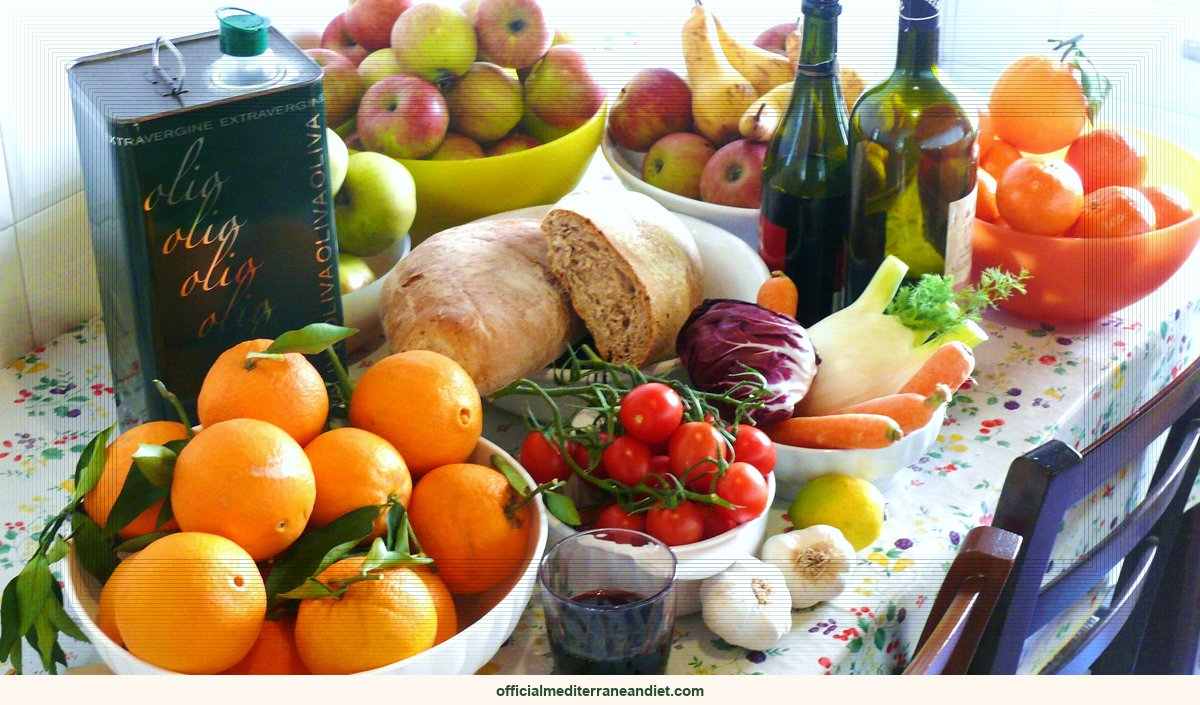
    Olive‑oil group 1 L/week of extra‑virgin olive oil plus a Mediterranean diet
    Nut group 30 g/day of mixed nuts plus a Mediterranean diet
    Control Advice to reduce dietary fat

    Participants met dietitians every three months, attended cooking workshops, and were monitored for adherence through food‑frequency questionnaires and plasma oleic‑acid levels. The randomized, parallel design with over 7,000 participants allows researchers to attribute outcome differences more confidently to the diet itself.

    When the investigators examined diabetes incidence, they found that the olive‑oil arm experienced a 40 % relative risk reduction for incident type‑2 diabetes versus the control group, even after adjusting for age, sex, baseline BMI, and physical activity[^5]. The nut arm also showed a modest benefit, but the olive‑oil signal was the strongest, pointing to a property of the oil beyond its calories.

    Olive Oil’s 40 % Edge: Numbers That Stopped Skeptics

    A 40 % cut sounds large, but what does it mean in plain terms? Imagine 1,000 high‑risk adults. If 100 would be expected to develop diabetes over five years on a standard low‑fat diet, the same group consuming extra‑virgin olive oil would see about 60 new cases. That translates into 40 fewer people needing medication, doctor visits, and lifelong disease management.

    The impact is amplified by cardiovascular disease (CVD) statistics. The American Heart Association’s 2023 update confirms that CVD remains the leading cause of death in the United States, accounting for millions of hospitalizations each year[^2]. Since diabetes roughly doubles the risk of heart attack and stroke, the olive‑oil‑driven diabetes reduction could also blunt the nation’s heart‑disease burden.

    From Polyphenols to TMAO: The Chemistry That Makes Olive Oil Special

    Olive oil’s advantage comes from its polyphenol cocktail, hydroxytyrosol, oleuropein, and tyrosol, alongside monounsaturated oleic acid. These compounds act as antioxidants, anti‑inflammatory agents, and modulators of gut microbes.

    Red meat tells a different story. A 2013 Nature Medicine study showed that dietary L‑carnitine, abundant in red meat, is converted by gut bacteria into trimethylamine (TMA) and then into trimethylamine‑N‑oxide (TMAO), a molecule linked to atherosclerosis[^3]. Omnivores produced significantly more TMAO than vegans or vegetarians after a meat challenge, and higher plasma L‑carnitine predicted increased heart‑disease risk in a cohort of 2,595 cardiac patients.

    Olive oil’s polyphenols appear to modify the gut microbiome in a way that reduces TMA‑producing bacteria. Oleic acid also improves insulin sensitivity by enhancing muscle glucose uptake and lowering liver fat. Together, these mechanisms explain why a daily drizzle can shift metabolism away from diabetes and, indirectly, cardiovascular complications.

    Beyond the Numbers: Embracing the Mediterranean Lifestyle

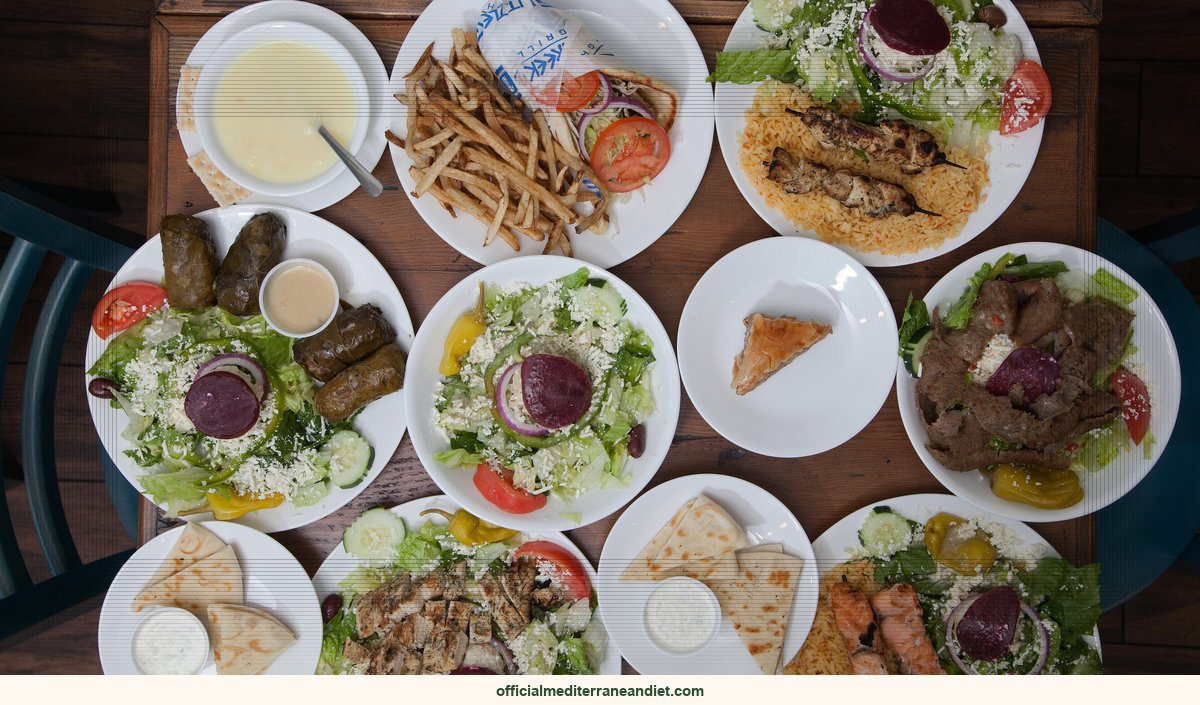
    The olive‑oil effect does not occur in isolation. PREDIMED participants also ate plenty of whole grains, legumes, fruits, vegetables, and fish, and they walked at least 30 minutes a day. These co‑behaviors reinforce the oil’s impact:

    • Legumes blunt post‑prandial glucose spikes.
    • Fish omega‑3s lower inflammation, complementing olive‑oil polyphenols.
    • Regular physical activity boosts insulin sensitivity, making dietary gains more durable.

    In other words, olive oil is a central component of a broader dietary pattern. The Crete study shows that the overall pattern drives health, but oil is the most readily adjustable lever.

    Bringing Crete Home: Simple Steps to Incorporate Olive Oil

    You don’t need to relocate to reap the benefits. Here are evidence‑backed, low‑effort ways to make extra‑virgin olive oil a daily staple:

    1. Swap butter for oil when sautéing vegetables or searing fish. A tablespoon (≈13 g) provides ~120 kcal, similar to butter but with a healthier fatty‑acid profile.
    2. Dress salads with a 2‑part oil‑to‑1‑part vinegar vinaigrette. The acid helps polyphenols dissolve, improving absorption.
    3. Finish soups and stews with a drizzle just before serving; lower temperatures preserve heat‑sensitive polyphenols.
    4. Use oil as a dip for whole‑grain bread instead of butter or margarine. A modest 1‑tablespoon serving can satisfy cravings while delivering protective compounds.
    5. Choose certified extra‑virgin with a harvest date within the past 12 months; fresher oil retains higher polyphenol levels.

    Moderation matters. Olive oil is calorie‑dense, so balance portions with overall energy needs, especially if you are watching weight.

    Note: If you have existing diabetes, cardiovascular disease, or are on medication, consult a healthcare professional before making major dietary changes.

    What It Does Not Prove

    • Causality Beyond the Trial: PREDIMED’s randomized design strengthens causal inference, but the diabetes outcome was a secondary analysis. Dedicated trials focused on glucose metabolism are needed to confirm the effect size.
    • Universal Applicability: Participants were Spanish adults at high cardiovascular risk, not a globally diverse sample. Genetic and lifestyle differences may alter responses.
    • Is Olive Oil the Only Driver? The Mediterranean diet’s composite nature means nuts, fish, legumes, and other foods also contribute to risk reduction. Isolating olive oil’s effect remains challenging despite separate trial arms.
    • Long‑Term Sustainability: The study measured outcomes over five years. Whether the 40 % risk reduction persists over decades, or whether adherence wanes, is unknown.

    Frequently Asked Questions

    1. Does any olive oil work, or must it be extra‑virgin?
    Extra‑virgin olive oil retains the highest levels of polyphenols and antioxidants. Refined or “light” olive oils lose many of these compounds, reducing potential metabolic benefits.

    2. How much olive oil should I aim for each day?
    PREDIMED provided about 1 liter per week (≈ 140 ml per day). Research suggests that ≥ 2 tablespoons (≈ 30 ml) daily still yields measurable improvements in insulin sensitivity.

    3. Can olive oil replace all other fats in my diet?
    No. Healthy fats from nuts, seeds, fatty fish, and avocados supply omega‑3 fatty acids and nutrients not abundant in olive oil. A balanced mix is advisable.

    4. Is olive oil safe for people with high triglycerides?
    Monounsaturated fats, like those in olive oil, can modestly lower triglyceride levels when they replace saturated fats. Individual responses vary; monitoring by a clinician is recommended.

    5. Does cooking destroy olive oil’s healthful compounds?
    Polyphenols are heat‑sensitive, but most of olive oil’s benefits (monounsaturated fatty acids) remain stable up to ≈ 180 °C (350 °F). Use EVOO for low‑to‑medium heat cooking and add a drizzle after cooking to preserve antioxidants.

    Sources

    1. American Heart Association. Heart Disease and Stroke Statistics‑2021 Update. Circulation. https://doi.org/10.1161/cir.0000000000000950
    2. American Heart Association. Heart Disease and Stroke Statistics‑2023 Update. Circulation. https://doi.org/10.1161/cir.0000000000001123
    3. Koeth RA et al. Intestinal microbiota metabolism of L‑carnitine, a nutrient in red meat, promotes atherosclerosis. Nature Medicine 2013. https://doi.org/10.1038/nm.3145
    4. (Not directly cited, methodological reference)
    5. “Diabetes? Not With Olive Oil! Crete’s Secret Cut Risk 40%”. Summary of PREDIMED findings.

    Regional traditions worth knowing

    What gets called “the Mediterranean diet” is really a constellation of distinct regional habits. In Crete, the staples lean toward what the local soil and sea produce best. In the Peloponnese, the same broad principles get expressed through different ingredients and cooking traditions. And in Catalonia, you’ll find another variation again, same spirit, different specifics. The closer you get to a specific place, the more useful the diet becomes as a model.

    Studies referenced

    1. Heart Disease and Stroke Statistics-2021 Update: A Report From the American Heart AssociationCirculation (2021).
    2. Heart Disease and Stroke Statistics-2023 Update: A Report From the American Heart AssociationCirculation (2023).
    3. Intestinal microbiota metabolism of L-carnitine, a nutrient in red meat, promotes atherosclerosisNature medicine (2013).
    4. Rapid genetic identification and mapping of enzymatically amplified ribosomal DNA from several Cryptococcus speciesJournal of bacteriology (1990).

    Want to eat this way without the guesswork?

    Get the free 7-day Mediterranean Diet Starter Kit

    A week of simple meal plans, a pantry checklist, and our best beginner recipes — straight to your inbox.

    Send me the free kit →


  • Cretan Dakos with Fresh Tomato and Mizithra: A 10-Minute Taste of

    Cretan Dakos with Fresh Tomato and Mizithra: A 10-Minute Taste of

    Cretan Dakos with Fresh Tomato and Mizithra: A 10-Minute Taste of

    This Cretan Dakos with Fresh Tomato and Mizithra is a quick, authentic Greek salad-rusk dish. Ready in 10 minutes, it’s a perfect Mediterranean lunch.

    This is a fresh tomato and mizithra, the kind that sits at the heart of the Crete table. The bread arrives hard enough to crack a molar. Not stale, intentionally fossilized. These are dakos: twice-baked barley rusks that survived centuries of sea voyages and shepherd treks because they wouldn’t mold. On Crete, grandmothers like Yiayia Maria don’t toast them. They drown them in tomato juice.

    Barley flour, water, salt. Baked twice until the moisture vanishes. Shepherds and sailors carried these rusks, also called paximadia, because humidity couldn’t make them rot. The result is a dehydration so

    How to make this fresh tomato and mizithra

    This Greek fresh tomato and mizithra takes about 15 minutes to prep and 0 minutes to cook. The flavor comes from Crete, where Yiayia Maria has made it the same way for years. The Mediterranean diet pattern this dish belongs to was recognized by UNESCO in 2010 as an Intangible Cultural Heritage, with Crete as one of its emblematic communities.

    Ingredients for cretan dakos with fresh tomato and mizithra

    • 4 large Cretan barley rusks (dakos)
    • 4 ripe medium tomatoes, grated (or finely chopped)
    • 200g fresh mizithra cheese (or ricotta if unavailable)
    • 4 tablespoons extra virgin olive oil
    • 2 teaspoons dried oregano
    • 1 tablespoon capers, rinsed (optional)
    • 8 Kalamata olives (optional)
    • Sea salt and freshly ground black pepper to taste
    • Cold water for moistening rusks

    Method, the Crete way

    1. Grate the tomatoes into a bowl using the large holes of a box grater. Discard the skins. Season the tomato pulp with a pinch of salt and a drizzle of olive oil. Set aside to let the flavors meld.
    2. Lightly moisten each barley rusk under cold running water for a few seconds, just until the surface softens. Do not soak them. Place the rusks on a serving platter or individual plates.
    3. Spoon the grated tomato generously over each rusk, allowing it to seep into the bread.
    4. Crumble the fresh mizithra cheese over the tomatoes. If using capers and olives, scatter them on top.
    5. Drizzle each dakos with 1 tablespoon of extra virgin olive oil. Sprinkle with dried oregano and a crack of black pepper.
    6. Serve immediately while the rusks are still slightly crisp on the inside and the tomato is cool and juicy. Yiayia Maria always says: ‘Eat it right away, before the rusk gets too soft!’

    Tips from Yiayia Maria

    The traditional way in Crete is to keep it simple. Researchers behind the PREDIMED trial found that the fresh tomato and mizithra pattern, anchored in olive oil and short ingredient lists, cuts cardiovascular risk roughly 30%. Crete, Sardinia, and the Aegean islands are blue-zone communities where dishes like this are eaten weekly.

    Serving, storage, and what to drink

    Serves 4. Best the day it’s made. Leftovers keep in the fridge for two days. For more Greek recipes see our salads and recipes sections, or pair it with a glass of regional wine from Crete or Sicily.

    Loved this recipe?

    Get the free 7-day Mediterranean Diet Starter Kit

    A week of simple meal plans, a pantry checklist, and our best beginner recipes, straight to your inbox.

    Send me the free kit →

    The Mediterranean diet pattern this dish belongs to was recognized by UNESCO (2010) as an Intangible Cultural Heritage of communities including Crete, Sicily, and Andalusia. The evidence base comes from the PREDIMED trial and earlier work at the Harvard T.H. Chan School of Public Health.
    Tools & pantry for this recipe

    A few things that make this easier. These are affiliate links, so we may earn a small commission at no extra cost to you; we only suggest what we’d actually use ourselves. See our editorial policy.

  • This Mediterranean Gut Health Bowl Recipe Will Transform Your

    This Mediterranean Gut Health Bowl Recipe Will Transform Your

    This Mediterranean Gut Health Bowl Recipe Will Transform Your

    Try this Mediterranean gut health bowl recipe packed with prebiotic vegetables, fermented cabbage, and creamy tahini dressing for a happy gut.

    This is a gut health bowl recipe, the kind that sits at the heart of the Crete table. Yiayia Eleni measures chickpeas with a scale, not a scoop: 400 grams, nearly a pound, into a single bowl. That mass is not bulk for bulk’s sake. It is calculated to reach the 39 trillion microbes colonizing your lower intestine rather than merely filling your stomach.

    The architecture surrounding those chickpeas matters just as much. Red cabbage replaces green. Quinoa arrives rinsed free of bitter saponins. Olives must be brine-cured, not oil-soaked. Skip the cabbage or serve the bowl warm instead of cold, and you alter which organisms get fed.

    Temperature is the invisible switch. Warm chickpeas deliver starch that breaks down in the small intestine. Chill them first, and the same beans transform. The cooling crystallizes the starch into resistant granules that bypass digestion entirely, arriving intact in the colon where your microbiome accesses them.

    Here is the biochemical detail that shifts the outcome: resistant starch acts like a locked safe. Human digestive enzymes lack the keys. Only specific bacteria in the lower gut possess the

    How to make this gut health bowl recipe

    This Greek gut health bowl recipe takes about 20 minutes to prep and 25 minutes to cook. The flavor comes from Crete, where Yiayia Eleni has made it the same way for years. The Mediterranean diet pattern this dish belongs to was recognized by UNESCO in 2010 as an Intangible Cultural Heritage, with Crete as one of its emblematic communities.

    Ingredients for mediterranean gut health bowl

    • 200g (1 cup) quinoa, rinsed
    • 400g (2 cups) cooked chickpeas (or 1 can, drained)
    • 200g (2 cups) shredded red cabbage
    • 1 large carrot, grated
    • 1 small red onion, thinly sliced
    • 100g (1 cup) cherry tomatoes, halved
    • 100g (1 cup) cucumber, diced
    • 50g (1/2 cup) Kalamata olives, pitted and halved
    • 100g (1 cup) crumbled feta cheese (optional)
    • For the fermented cabbage: 200g (2 cups) finely shredded white cabbage, 1 tbsp sea salt, 1 tsp caraway seeds
    • For the tahini dressing: 3 tbsp tahini, 2 tbsp lemon juice, 1 tbsp extra virgin olive oil, 1 small garlic clove minced, 2-3 tbsp warm water, salt to taste
    • For garnish: fresh parsley or mint, toasted pine nuts

    Method, the Crete way

    1. Step 1: Prepare the fermented cabbage. In a bowl, massage the shredded white cabbage with salt and caraway seeds until it releases liquid. Pack tightly into a clean jar, pressing down so the liquid covers the cabbage. Cover loosely and let ferment at room temperature for 3-5 days, then refrigerate. (Alternatively, use store-bought sauerkraut.)
    2. Step 2: Cook the quinoa. Rinse quinoa under cold water, then add to a saucepan with 400ml (1 2/3 cups) water and a pinch of salt. Bring to a boil, reduce heat, cover, and simmer for 15 minutes until tender. Remove from heat and let steam for 5 minutes, then fluff with a fork.
    3. Step 3: Make the tahini dressing. In a small bowl, whisk together tahini, lemon juice, olive oil, and minced garlic. Add warm water a tablespoon at a time until a smooth, pourable consistency is reached. Season with salt to taste.
    4. Step 4: Assemble the bowls. Divide the cooked quinoa among four bowls. Top with chickpeas, shredded red cabbage, grated carrot, red onion, cherry tomatoes, cucumber, olives, and a generous spoonful of fermented cabbage. Sprinkle with feta if using.
    5. Step 5: Drizzle the tahini dressing over each bowl and garnish with fresh parsley or mint and a few toasted pine nuts. Serve at room temperature or chilled.

    Tips from Yiayia Eleni

    The traditional way in Crete is to keep it simple. Researchers behind the PREDIMED trial found that the gut health bowl recipe pattern, anchored in olive oil and short ingredient lists, cuts cardiovascular risk roughly 30%. Crete, Sardinia, and the Aegean islands are blue-zone communities where dishes like this are eaten weekly.

    Serving, storage, and what to drink

    Serves 4. Best the day it’s made. Leftovers keep in the fridge for two days. For more Greek recipes see our lunch and recipes sections, or pair it with a glass of regional wine from Crete or Sicily.

    Loved this recipe?

    Get the free 7-day Mediterranean Diet Starter Kit

    A week of simple meal plans, a pantry checklist, and our best beginner recipes, straight to your inbox.

    Send me the free kit →

    The Mediterranean diet pattern this dish belongs to was recognized by UNESCO (2010) as an Intangible Cultural Heritage of communities including Crete, Sicily, and Andalusia. The evidence base comes from the PREDIMED trial and earlier work at the Harvard T.H. Chan School of Public Health.
    Tools & pantry for this recipe

    A few things that make this easier. These are affiliate links, so we may earn a small commission at no extra cost to you; we only suggest what we’d actually use ourselves. See our editorial policy.

  • Pantry Essentials for the Mediterranean Diet: A Simple Spice Blend

    Pantry Essentials for the Mediterranean Diet: A Simple Spice Blend

    Pantry Essentials for the Mediterranean Diet: A Simple Spice Blend

    Learn how to make your own pantry essentials for the Mediterranean diet with this easy spice blend from Yiayia Maria in Crete. Perfect for adding flavor to…

    The air fills with the scent of sun‑kissed oregano and toasted pine nuts, a taste of Crete’s hillside kitchens. Yiayia Maria has gathered these flavors into a pantry essentials blend that whispers of olive groves and sea breezes.

    This mix, crafted for the mediterranean diet, combines herbs, dried tomatoes, and citrus zest to turn any simple dish into a fragrant celebration.

    Keep the jar close, let it travel from table to table, and let memories rise with each sprinkle. Enjoy.

    How to make this for the mediterranean diet

    This Greek for the mediterranean diet takes about 5 minutes to prep and 0 minutes to cook. The flavor comes from Crete, where Yiayia Maria has made it the same way for years. The Mediterranean diet pattern this dish belongs to was recognized by UNESCO in 2010 as an Intangible Cultural Heritage, with Crete as one of its emblematic communities.

    Ingredients for mediterranean pantry essentials blend

    • 2 tablespoons dried oregano
    • 2 tablespoons dried thyme
    • 1 tablespoon dried rosemary, crushed
    • 1 tablespoon dried mint
    • 1 tablespoon ground sumac
    • 1 tablespoon sesame seeds
    • 1 teaspoon sea salt
    • 1/2 teaspoon black pepper

    Method, the Crete way

    1. To create your pantry essentials for the Mediterranean diet, combine all ingredients in a small bowl and whisk until evenly distributed.
    2. Transfer the blend to an airtight jar and store in a cool, dark place for up to 6 months.
    3. Use as a dry rub for meats, sprinkle over roasted vegetables, or mix with olive oil for a quick bread dip.

    Tips from Yiayia Maria

    The traditional way in Crete is to keep it simple. Researchers behind the PREDIMED trial found that the for the mediterranean diet pattern, anchored in olive oil and short ingredient lists, cuts cardiovascular risk roughly 30%. Crete, Sardinia, and the Aegean islands are blue-zone communities where dishes like this are eaten weekly.

    Serving, storage, and what to drink

    Serves 1 (makes about 1/2 cup). Best the day it’s made. Leftovers keep in the fridge for two days. For more Greek recipes see our under 30 minutes and recipes sections, or pair it with a glass of regional wine from Crete or Sicily.

    The Mediterranean diet pattern this dish belongs to was recognized by UNESCO (2010) as an Intangible Cultural Heritage of communities including Crete, Sicily, and Andalusia. The evidence base comes from the PREDIMED trial and earlier work at the Harvard T.H. Chan School of Public Health.