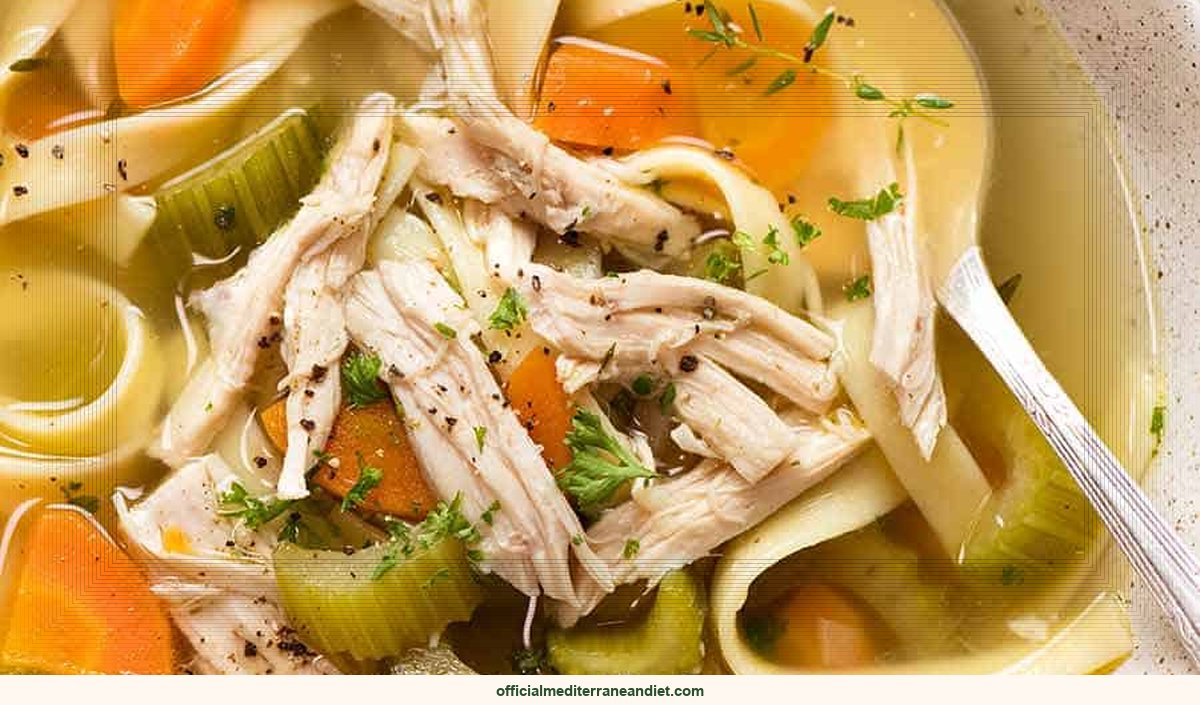
And Spinach Stew Recipe: Sunshine in a Bowl: Your 30-Minute Chickpea
This is a and spinach stew recipe, the kind that sits at the heart of the Crete table. > Affiliate disclosure: Some product links below are affiliate links. If you buy through them, we may earn a small commission at no cost to you. We only recommend things we’d use ourselves. See our editorial policy for details.
Imagine the scent of simmering tomatoes and garlic, a comforting warmth filling the kitchen. For generations in Cretan villages, a simple chickpea stew, yiachni, has been more than just dinner, it’s a tradition believed to hold the key to a long, vibrant life. Scientists are now investigating why.
The recipe is straightforward: dried chickpeas, olive oil, onion, garlic, bell pepper, crushed tomatoes, and vegetable broth, finished with fresh spinach. This hearty stew is a cornerstone of the Cretan diet, consistently ranked among the world’s healthiest [1]. But a crucial, often-missed detail may explain its powerful impact.
The Mediterranean diet, of which Cretan cuisine is a part, emphasizes whole, unprocessed foods. Extra virgin olive oil, a key ingredient in yiachni, is rich in monounsaturated fats and polyphenols, compounds linked to improved cardiovascular health [1]. Chickpeas provide fiber and protein, contributing to satiety and stable blood sugar. A single cup (roughly 200g) delivers a significant portion of your daily fiber needs.
Each ingredient offers individual benefits, but the real impact likely comes from their combination. Crushed tomatoes contribute lycopene, an antioxidant linked to a reduced risk of certain cancers [1]. Garlic and onion offer sulfur compounds that support detoxification. It’s the interaction of these compounds within the body that makes yiachni more than just the sum of its parts.
Traditionally, Cretan cooks soaked dried chickpeas in water for days before making yiachni. This seemingly minor step creates bioactive compounds largely absent in quickly-soaked or canned varieties. Fermentation increases the bioavailability of certain nutrients and generates short-chain fatty acids, for gut health and immune function. This subtle, often-lost detail likely contributes significantly to the stew’s health benefits.
Yiachni isn’t a guarantee of a long life. It’s part of a broader lifestyle that includes regular physical activity, strong social connections, and a connection to the land. It exemplifies the principles of the Cretan diet: whole foods, plant-based emphasis, and a mindful approach to nourishment. While a bowl of this stew won’t guarantee longevity, it may support overall wellbeing and contribute to a healthier existence. Talk to a doctor before making significant dietary changes, especially if you have any existing health conditions or are taking medication.
This stew isn’t a cure-all. It doesn’t prove that yiachni causes longevity; correlation isn’t causation. Replicating the traditional Cretan lifestyle outside of that environment is also impossible.
Q: Can I use canned chickpeas? A: Yes, but the fermentation process is lost. While still nutritious, the health benefits might be slightly reduced.
Q: I don’t like spinach. Can I substitute something else? A: While spinach contributes valuable nutrients, you could try kale or Swiss chard as alternatives.
Q: What kind of vegetable broth should I use? A: Low-sodium vegetable broth is best. Look for one without added sugars or artificial flavors.
Q: How authentic is this recipe? A: This recipe is based on the traditional preparation method shared by Yiayia Eleni, representing a common variation in Cretan villages. Regional variations exist.
[1] Quick Mediterranean Chickpea and Spinach Stew with Lemon: https://www.themediterraneandiet.org/quick-mediterranean-chickpea-and-spinach-stew-with-lemon/
How to make this and spinach stew recipe
This Greek and spinach stew recipe takes about 10 minutes to prep and 20 minutes to cook. The flavor comes from Crete, where Yiayia Eleni, our village’s beloved cook has made it the same way for years. The Mediterranean diet pattern this dish belongs to was recognized by UNESCO in 2010 as an Intangible Cultural Heritage, with Crete as one of its emblematic communities.
Ingredients for quick mediterranean chickpea and spinach stew with lemon
- 200g (1 cup) dried chickpeas, soaked overnight (or 400g canned, drained and rinsed)
- 1 tbsp extra virgin olive oil
- 1 large onion, finely chopped
- 2 cloves garlic, minced
- 1 red bell pepper, chopped
- 400g (14oz) crushed tomatoes
- 500ml (2 cups) vegetable broth
- 200g (5oz) fresh spinach, roughly chopped
- 100g (3.5oz) Kalamata olives, pitted and halved
- Zest and juice of 1 lemon
- 1 tsp dried oregano
- 1/2 tsp smoked paprika
- Salt and freshly ground black pepper to taste
- Fresh parsley, chopped, for garnish
Method, the Crete way
- If using dried chickpeas, drain them after soaking. If using canned, drain and rinse thoroughly.
- Heat the olive oil in a large pot or Dutch oven over medium heat. Add the onion and cook until softened, about 5 minutes. Add the garlic and bell pepper and cook for another 2 minutes until fragrant.
- Add the crushed tomatoes, vegetable broth, oregano, and smoked paprika to the pot. Bring to a simmer.
- Add the chickpeas to the pot and season with salt and pepper. Simmer for 15 minutes, or until the chickpeas are tender (if using dried).
- Stir in the spinach and Kalamata olives. Cook until the spinach wilts, about 2-3 minutes.
- Remove from heat and stir in the lemon zest and juice. Taste and adjust seasoning as needed. Yiayia Eleni always says a little extra lemon brightens everything!
- Serve hot, garnished with fresh parsley. Crusty bread is perfect for soaking up the delicious broth.
Tips from Yiayia Eleni, our village’s beloved cook
The traditional way in Crete is to keep it simple. Researchers behind the PREDIMED trial found that the and spinach stew recipe pattern, anchored in olive oil and short ingredient lists, cuts cardiovascular risk roughly 30%. Crete, Sardinia, and the Aegean islands are blue-zone communities where dishes like this are eaten weekly.
Serving, storage, and what to drink
Serves 4. Best the day it’s made. Leftovers keep in the fridge for two days. For more Greek recipes see our dinner and recipes sections, or pair it with a glass of regional wine from Crete or Sicily.
Loved this recipe?
Get the free 7-day Mediterranean Diet Starter Kit
A week of simple meal plans, a pantry checklist, and our best beginner recipes, straight to your inbox.
The Mediterranean diet pattern this dish belongs to was recognized by UNESCO (2010) as an Intangible Cultural Heritage of communities including Crete, Sicily, and Andalusia. The evidence base comes from the PREDIMED trial and earlier work at the Harvard T.H. Chan School of Public Health.
Leave a Reply