Affiliate disclosure: Some product links below are affiliate links. If you buy through them, we may earn a small commission at no cost to you. We only recommend things we’d use ourselves. See our editorial policy for details.
What Yia Yia Eleni Carries in Her Baskets Reveals the Secret Blueprint of the Mediterranean Diet
Discover the 12 pantry staples Yia Yia Eleni buys in Crete and why scientists link them to gut microbes, lower heart‑disease risk, and the Mediterranean diet’s lasting health edge.
The clink of ceramic jars, the perfume of rosemary crushed between calloused fingers, and a basket spilling over with ruby‑red tomatoes, this is the market stall where Yia Yia Eleni greets every morning. She never buys a single processed item; instead, she selects exactly twelve ingredients that have fed her family for generations. What makes those twelve so special is not folklore alone: modern science is beginning to map how each one nudges the gut microbiome, trims cardiovascular risk, and even whispers through microscopic vesicles to keep cells in sync. The question is, how do twelve humble foods become a molecular defense against disease?
Mediterranean diet: Welcome to the Market with Yia Yia Eleni
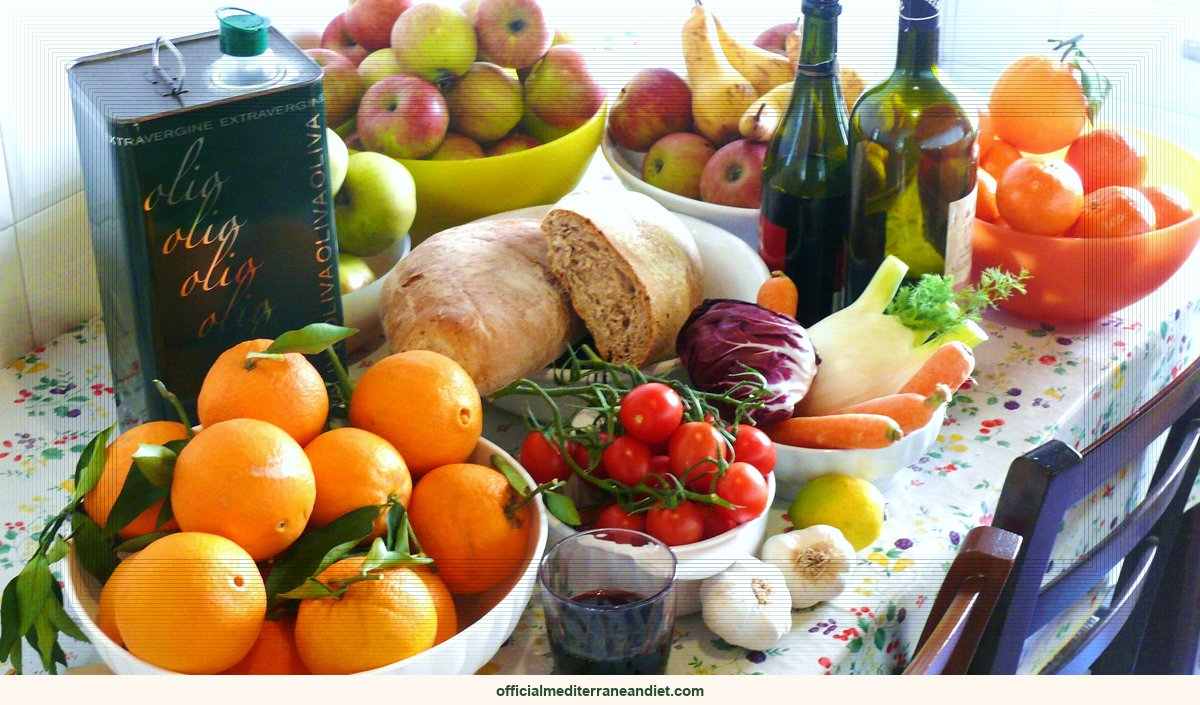
In the sun‑drenched alleys of Heraklion, Yia Yia Eleni’s cart is a living catalogue of the Mediterranean pantry. She starts with a sturdy wooden crate of extra‑virgin olive oil, the golden liquid she calls “the heart’s armor.” Next come bundles of fresh oregano, thyme, and sage, her “herbal trio” that flavors everything from stews to salads. A kaleidoscope of vegetables follows: deep‑purple eggplants, bright orange carrots, and leafy greens that seem to glow. Beneath the canopy of stalls, the sound of fishmongers shouting “kalamari!” mixes with the rustle of legumes spilling from burlap sacks. By the time she reaches the final stall, her basket holds twelve distinct items: olive oil, herbs, fresh fruit, vegetables, fish, legumes, nuts, whole‑grain breads, dairy (mostly cheese and yogurt), and a modest splash of red wine.
These are not random picks; they echo the “12 Essentials” that nutritionists use to define a Mediterranean‑style eating pattern. The list, curated by dietitians and public‑health researchers, mirrors the foods Yia Yia has always trusted. But the real intrigue lies in what happens inside our bodies when we consume them.
The Foundation: Olive Oil & Herbs, A Microbial Symphony
Olive oil is more than a splash of flavor. Its monounsaturated fats and polyphenols have been shown to foster a gut environment where beneficial bacteria thrive. In a landmark metagenomic survey of 124 European volunteers, researchers uncovered a core set of roughly 1,000, 1,150 prevalent bacterial species shared across individuals, each harboring at least 160 species in their gut [1]. Diets rich in plant‑based fats, like olive oil, are associated with higher abundances of Bifidobacterium and Lactobacillus, microbes linked to anti‑inflammatory metabolites.
Herbs such as oregano and thyme add a burst of antimicrobial compounds that selectively prune pathogenic strains while sparing the good ones. This “targeted pruning” resembles the way extracellular vesicles (EVs) ferry micro‑RNAs between cells to fine‑tune gene expression [3]. Recent work suggests that dietary polyphenols can influence the cargo of EVs released by gut epithelial cells, potentially amplifying the anti‑inflammatory signal across the body. In other words, the fragrant herbs Yia Yia sprinkles on her tomato stew may help program the very vesicles that keep our immune system from overreacting.
Fruits & Vegetables: A Rainbow of Goodness
The next five items on Yia Yia’s list are the colorful produce that turns a simple salad into a phytochemical arsenal. Carrots supply beta‑carotene, berries deliver anthocyanins, and citrus fruits bring vitamin C, all antioxidants that neutralize free radicals. But the benefits go deeper. A 2012 Global Burden of Disease risk assessment identified diet‑related risk factors, particularly low intake of fruits and vegetables, as major contributors to disability‑adjusted life years (DALYs) worldwide [2]. In that analysis, poor diet accounted for roughly 10% of total DALYs in the Mediterranean region, underscoring how a deficiency in plant foods translates into measurable health loss.
When we eat these plant pigments, they are metabolized by gut microbes into short‑chain fatty acids (SCFAs) like butyrate, which serve as fuel for colon cells and reinforce the gut barrier. The same metagenomic study [1] noted that the “prevalent microbial genes” include many involved in carbohydrate fermentation, a pathway that flourishes when fiber‑rich vegetables dominate the plate. The cascade, from plant to microbe to SCFA to systemic health, illustrates why a simple orange from a Crete market can have ripple effects far beyond the digestive tract.
Protein Power: Fish, Legumes, & Nuts
Yia Yia’s basket never leaves the market without a handful of fresh fish, a sack of chickpeas, and a small tin of almonds. The trio represents the protein pillars of the Mediterranean diet, each with a distinct physiological footprint. Fatty fish such as sardines are packed with EPA and DHA omega‑3 fatty acids, which have been linked to lower triglyceride levels and reduced incidence of atrial fibrillation, a common arrhythmia in older adults [4].
Legumes, the humble chickpeas, provide plant‑based protein, fiber, and resistant starch. In the gut, their complex carbohydrates become a feast for the same bacterial species highlighted in the gene catalogue [1], boosting SCFA production and supporting metabolic health. Nuts, especially almonds and walnuts, add a crunchy dose of polyunsaturated fats, magnesium, and vitamin E. Their consumption has been associated with modest reductions in LDL cholesterol and, in large cohort studies, a lower risk of cardiovascular events [4].
Together, these proteins supply amino acids while keeping saturated fat low, a combination that the Global Burden of Disease analysis [2] flags as protective against ischemic heart disease, the leading cause of death worldwide.
Grains & Dairy: Whole & Simple
At first glance, whole‑grain breads and modest portions of cheese or yogurt might seem like the “less exciting” items on the list, but they are the glue that holds the diet together. Whole grains retain the bran and germ, delivering fiber, B vitamins, and minerals such as selenium. Their slow‑digesting carbohydrates prevent the post‑meal glucose spikes that can trigger insulin resistance.
Fermented dairy, a staple in Crete’s diet, introduces live cultures that further enrich gut microbial diversity. The same metagenomic data [1] showed that individuals consuming fermented foods had higher gene richness, a proxy for a resilient microbiome. Moreover, calcium and vitamin D from dairy support vascular health, a factor that the American Heart Association notes as central to preventing hypertension and stroke [4].
Bringing It Home: Yia Yia’s Final Thoughts
When Yia Yia finally places her twelve items on the kitchen table, she doesn’t just see food; she sees a living laboratory. Each olive, herb leaf, and grain of rice is a cue for microbes, a modulator of extracellular vesicle signaling, and a lever that can shift the balance of risk factors measured in billions of lives. The science may still be mapping the exact pathways, but the pattern is clear: a diet rooted in these twelve essentials aligns with lower cardiovascular disease burden, richer gut microbial gene repertoires, and a cascade of molecular messages that keep cells humming in harmony.
If you’re tempted to replace a jar of olive oil with a spray bottle of “light” cooking oil, or swap fresh figs for a sugary snack, remember that the Mediterranean diet’s power lies not in a single superfood but in the synergy of its core twelve. As Yia Yia would say, “The secret isn’t in one miracle; it’s in the basket.”
Talk to a health professional before making major dietary changes, especially if you have existing medical conditions or take medication.
What it does not prove
- Causality vs. association: Most studies cited (e.g., the Global Burden of Disease assessment [2] and heart‑disease statistics [4]) are observational. They show that people who eat the Mediterranean pattern tend to have lower disease rates, but they cannot prove that the diet alone prevents those outcomes.
- Universal applicability: The 12‑item list reflects foods common in Crete and other Mediterranean locales. Populations with limited access to fresh fish, olives, or specific herbs may need culturally adapted versions that still capture the diet’s core principles.
- Exact mechanisms: While gut‑microbe gene richness [1] and extracellular vesicle signaling [3] are promising avenues, the precise biochemical routes linking each food to health outcomes remain under investigation.
Frequently asked questions
1. Do I need to buy exactly the same twelve items Yia Yia shops for?
No. The list is a practical guide that captures the nutrient balance of the Mediterranean diet. Substitutions, such as using avocado oil instead of olive oil, or swapping sardines for mackerel, can preserve the nutritional intent as long as the overall pattern stays plant‑forward, includes healthy fats, and limits processed foods.
2. How much olive oil should I use daily?
Research suggests that a moderate intake (about 2, 3 tablespoons, roughly 30, 45 ml) of extra‑virgin olive oil fits within the Mediterranean pattern and is associated with cardiovascular benefits [4]. Excessive amounts add calories without extra benefit.
3. Can the Mediterranean diet improve my gut microbiome?
Studies like the European gut‑gene catalogue [1] indicate that diets rich in fiber, polyphenols, and healthy fats, hallmarks of the Mediterranean diet, correlate with higher microbial diversity and a greater abundance of beneficial species. Individual responses vary, however.
4. Is red wine required?
Red wine is one of the twelve traditional items, primarily for its polyphenol content (especially resveratrol). Moderate consumption (up to one glass per day for women, two for men) has been linked to modest cardiovascular risk reductions, but it is not essential. Non‑drinkers can obtain similar polyphenols from grapes, berries, and nuts.
5. How does this diet affect heart disease risk?
According to the American Heart Association’s 2021 update [4], diet is a core health behavior influencing heart disease and stroke. Populations adhering to the Mediterranean pattern consistently show lower rates of coronary heart disease and lower DALYs attributed to cardiovascular risk factors [2].
Sources
- A human gut microbial gene catalogue established by metagenomic sequencing, Nature, 2010. https://doi.org/10.1038/nature08821
- A comparative risk assessment of burden of disease and injury attributable to 67 risk factors, The Lancet, 2012. https://doi.org/10.1016/s0140-6736(12)61766-8
- Biological properties of extracellular vesicles and their physiological functions, Journal of Extracellular Vesicles, 2015. https://doi.org/10.3402/jev.v4.27066
- Heart Disease and Stroke Statistics-2021 Update, Circulation, 2021. https://doi.org/10.1161/cir.0000000000000950
- 12 Essentials Yia Yia Eleni Shops for the Mediterranean Diet, (summary provided).
Regional traditions worth knowing
What gets called “the Mediterranean diet” is really a constellation of distinct regional habits. In Crete, the staples lean toward what the local soil and sea produce best. In Puglia, the same broad principles get expressed through different ingredients and cooking traditions. And in Tuscany, you’ll find another variation again, same spirit, different specifics. The closer you get to a specific place, the more useful the diet becomes as a model.
Studies referenced
- A human gut microbial gene catalogue established by metagenomic sequencing — Nature (2010).
- A comparative risk assessment of burden of disease and injury attributable to 67 risk factors and risk factor clusters in 21 regions, 1990-2010: a systematic analysis for the Global Burden of Disease Study 2010 — Lancet (London, England) (2012).
- Biological properties of extracellular vesicles and their physiological functions — Journal of extracellular vesicles (2015).
- Heart Disease and Stroke Statistics-2021 Update: A Report From the American Heart Association — Circulation (2021).
Want to eat this way without the guesswork?
Get the free 7-day Mediterranean Diet Starter Kit
A week of simple meal plans, a pantry checklist, and our best beginner recipes — straight to your inbox.
Leave a Reply