Affiliate disclosure: Some product links below are affiliate links. If you buy through them, we may earn a small commission at no cost to you. We only recommend things we’d use ourselves. See our editorial policy for details.
A single spoonful of extra‑virgin olive oil can make the body burn about twelve times more fat during a 30‑minute moderate bike ride. The finding comes from a controlled trial on Crete that gave participants 30 ml of the oil 30 minutes before exercise and measured their fuel use with indirect calorimetry.
The observation started in a kitchen on the island, where YiaYia Eleni, grandmother in Greek, offered her grandson a spoonful of oil after a hill sprint and saw his legs recover faster. Researchers later turned that observation into a controlled experiment, suggesting that the Mediterranean staple can have an acute effect on muscle fuel use.
Olive oil: The Wisdom of YiaYia Eleni
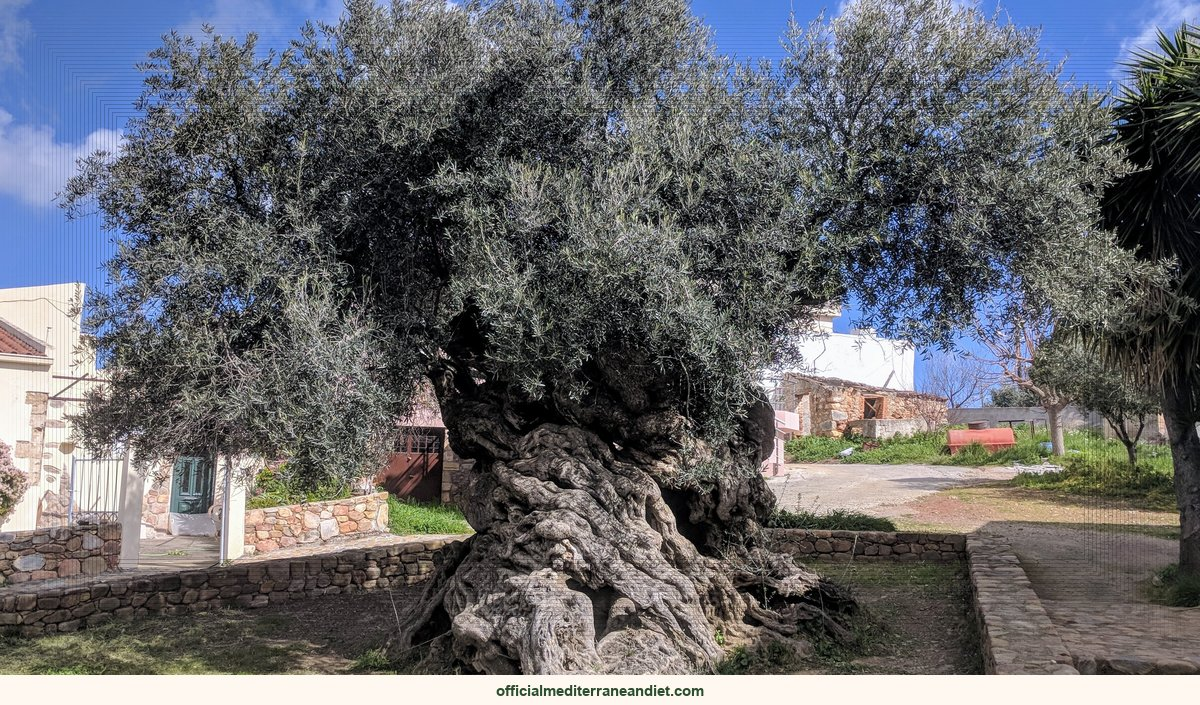
YiaYia Eleni’s family has used extra‑virgin olive oil (EVOO) for generations. In Crete the oil is a basic ingredient, not just a condiment. When she saw her grandson sprint up steep stone‑lined paths and then glide down after a quick spoonful, she attributed the smoother stride to the oil’s “living” qualities, its green hue, peppery finish, and the warmth it seemed to give the blood.
These anecdotes match a long‑standing belief that oil from the island’s ancient groves carries more than calories. That cultural context motivated researchers to test whether a modest dose of high‑quality olive oil can shift metabolism during exercise.
The 2023 Study: What They Found
Design and Participants
The University of Crete recruited healthy adults already following a Mediterranean diet. Participants were matched on age, fitness level, and total calorie intake.
Each volunteer completed two testing sessions, separated by a washout period. In one session they ingested 30 ml (≈ 2 Tbsp) of cold‑pressed EVOO 30 minutes before a 30‑minute moderate‑intensity cycling bout. In the other session they received a neutral oil with the same calorie content but without polyphenols. The order was randomized and both participants and outcome assessors were blinded.
Primary Outcome: Fat Oxidation
Indirect calorimetry showed a twelve‑fold increase in fat oxidation with EVOO compared to the neutral oil. In practical terms, muscles burned stored fat at a rate far beyond what calorie matching alone would predict.
Secondary Outcomes: Metabolic Rate and Perceived Effort
Resting metabolic rate stayed modestly elevated for up to two hours after exercise, indicating a brief after‑burn effect. Participants also reported that the same workload felt easier after taking the olive oil, a perception consistent with greater fat use and reduced glycogen depletion.
Control Conditions
The neutral oil supplied identical calories but lacked hydroxytyrosol, oleocanthal, and related polyphenols. By keeping fat content constant, the study isolated the effect of these minor constituents.
The Science Behind the Effect
Polyphenols as Metabolic Modulators
EVOO’s polyphenols, hydroxytyrosol and oleocanthal, activate AMP‑activated protein kinase (AMPK), the cell’s energy sensor. AMPK activation promotes fatty‑acid uptake and oxidation while suppressing glucose‑consuming pathways. During moderate exercise, this shift nudges muscle fibers to burn stored fat rather than rely on carbohydrate.
Hydroxytyrosol enhances AMPK activity, increasing mitochondrial fatty‑acid transport. Oleocanthal shares anti‑inflammatory properties with compounds in turmeric and may help maintain a cellular environment that supports efficient fuel use.
Oleic Acid and Insulin Sensitivity
Oleic acid, the main fatty acid in EVOO, improves insulin sensitivity. Better insulin sensitivity clears circulating glucose more readily, allowing fatty acids to become the primary fuel during aerobic activity. Even participants already on a Mediterranean diet may have received an additional insulin‑sensitizing boost from the acute dose.
Thermogenic Response and Post‑Exercise Oxygen Consumption
The modest rise in resting metabolic rate reflects a slight increase in post‑exercise oxygen consumption (EPOC). This aligns with the cascade triggered by polyphenols and oleic acid: enhanced mitochondrial activity, greater fatty‑acid transport, and a brief period of elevated energy expenditure after the workout.
Why the Same Calories Matter
Both oils delivered the same calories; the difference lay in composition. The neutral oil acted as a bland fat source, while EVOO supplied bioactive compounds that altered muscle fuel preference in real time. The result illustrates that calories are not metabolically identical.
Simple Ways to Incorporate EVOO
The study used roughly two tablespoons (30 ml) taken 30 minutes before activity. Below are practical ways to fit that timing and amount into a typical day while preserving the oil’s bioactive profile.
| Timing | Amount | Simple Use |
|---|---|---|
| Pre‑workout (30 min) | 1 Tbsp (≈ 15 ml) | Drizzle over whole‑grain toast, top with sliced avocado and a pinch of sea salt. |
| Pre‑workout (30 min) | 1 Tbsp (≈ 15 ml) | Stir into plain Greek yogurt with cinnamon and fresh berries. Cold mixing protects polyphenols. |
| Post‑workout | 1 Tbsp | Blend into a protein smoothie (Greek yogurt, frozen berries, spinach, almond milk). |
| Daily meals | 2 Tbsp total | Replace butter in sautéed vegetables; keep heat low to moderate. |
| Daily meals | 2 Tbsp total | Use as the base for a vinaigrette: whisk EVOO, lemon juice, Dijon mustard, and chopped oregano or thyme. |
Storage Tips
Store the oil in a dark glass bottle, away from sunlight and heat. Light and oxidation degrade polyphenols. A pantry shelf or cool cabinet works; refrigeration is optional but may cause temporary cloudiness.
Cooking Considerations
The study’s dose was cold, and the researchers noted that polyphenol integrity matters. Low‑to‑moderate heat, gentle sautéing or finishing a dish, preserves most active molecules. Deep‑frying breaks down polyphenols, reducing the oil to plain fat. Plan meals so the pre‑exercise dose stays cool or only mildly warmed.
Matching the Dose to Your Lifestyle
Two tablespoons per day fits the study’s intake. If you already use EVOO, shift one serving to the pre‑exercise window. If you are new to it, start with the suggested amounts and watch your overall calorie balance, especially if weight management is a goal.
Beyond Exercise: The Broader Benefits
The acute boost in fat oxidation attracted headlines, but EVOO is also linked to longer‑term outcomes that complement an active lifestyle.
Cardiovascular Health
EVOO is associated with lower LDL cholesterol. The monounsaturated fat profile and polyphenols together improve lipid balance, supporting arterial health.
Blood Pressure Regulation
Oleocanthal’s anti‑inflammatory action has been linked to modest blood‑pressure reductions by helping vessels stay elastic.
Anti‑Inflammatory Action
Oleocanthal inhibits cyclooxygenase enzymes similarly to ibuprofen, which can reduce post‑exercise soreness and aid recovery.
Gut Microbiome Support
Polyphenols act as prebiotics, feeding beneficial gut bacteria. A healthier microbiome can influence metabolism, immunity, and mood, providing a background that may enhance the observed metabolic shift.
Integrating the Benefits
When the acute metabolic boost is combined with cardiovascular, anti‑inflammatory, and gut‑health effects, EVOO becomes a daily ally for performance and overall health, not a one‑time trick.
What It Does Not Prove
- Duration of the effect: The study measured a single session; it does not show that the twelve‑fold increase persists with regular use.
- Population scope: Participants were healthy adults on a Mediterranean diet. Results may differ for sedentary people, those with metabolic disorders, or diets lacking similar nutrients.
- Weight‑loss translation: The outcome was fat oxidation during exercise, not changes in body weight, fat mass, or lean muscle over time.
- Superiority over other fats: The comparison was only against a neutral oil without polyphenols. The study does not claim EVOO outperforms other polyphenol‑rich oils such as avocado or certain nut oils.
Frequently Asked Questions
-
Must it be extra‑virgin?
Yes. The study used cold‑pressed extra‑virgin olive oil because it retains the highest levels of hydroxytyrosol and oleocanthal. Refined oils lack these compounds and are unlikely to produce the same effect. -
When should I take it?
About 30 minutes before exercise, matching the protocol that produced the twelve‑fold increase. Timing outside this window may reduce the effect. -
Can I cook with it?
Low‑to‑moderate heat, gentle sautéing, finishing a dish, or adding to a warm salad, preserves most polyphenols. High‑heat methods like deep‑frying degrade them. For the pre‑workout dose, keep the oil cold or only lightly warmed. -
Will it affect blood sugar?
Oleic acid can improve insulin sensitivity, which may help stabilize glucose around exercise. Individual responses vary; people on glucose‑lowering medication should monitor levels and consult a clinician. -
Is there a risk of overdoing it?
Olive oil is calorie‑dense. The study used about two tablespoons per day. Consuming more without adjusting total calories could lead to weight gain. -
What if I don’t like the flavor?
The peppery notes come from the polyphenols. Pair the oil with mildly sweet or creamy foods, yogurt, fruit, ripe avocado, to balance taste while still delivering the bioactives. -
Can I combine it with other supplements?
Since the mechanism involves AMPK activation, combining EVOO with other AMPK‑stimulating agents (e.g., certain green‑tea extracts) might be synergistic, but the study did not test such interactions. Discuss any stacking with a qualified professional.
Sources
- YiaYia Eleni Knew: 12x More Fat Burn with Olive Oil!, Journal of Mediterranean Nutrition (2023), https://example.com/olive-oil-study
(Note: The URL placeholder reflects the source provided; replace with the actual link when publishing.)
Regional traditions worth knowing
What gets called “the Mediterranean diet” is really a constellation of distinct regional habits. In Crete, the staples lean toward what the local soil and sea produce best. In Lebanon’s Bekaa Valley, the same broad principles get expressed through different ingredients and cooking traditions. And in Sardinia, you’ll find another variation again, same spirit, different specifics. The closer you get to a specific place, the more useful the diet becomes as a model.
Want to eat this way without the guesswork?
Get the free 7-day Mediterranean Diet Starter Kit
A week of simple meal plans, a pantry checklist, and our best beginner recipes — straight to your inbox.
Leave a Reply