Author: Elena

  • Figs In Syrup Recipe: Golden Figs, Sweet Syrup: Your First Taste of

    Figs In Syrup Recipe: Golden Figs, Sweet Syrup: Your First Taste of

    Figs In Syrup Recipe: Golden Figs, Sweet Syrup: Your First Taste of

    Learn to make authentic Greek spoon sweets! This preserved figs in syrup recipe from Crete is a taste of tradition, perfect for sharing. #mediterraneandiet

    This is a figs in syrup recipe, the kind that sits at the heart of the Crete table. > Affiliate disclosure: Some product links below are affiliate links. If you buy through them, we may earn a small commission at no cost to you. We only recommend things we’d use ourselves. See our editorial policy for details.

    The Secret Behind Crete’s Fig‑Infused Spoon Sweet

    Discover how Yiayia Eleni’s preserved figs in syrup blend olive oil, vanilla, and orange zest into a Cretan spoon sweet that’s been delighting tables for generations.

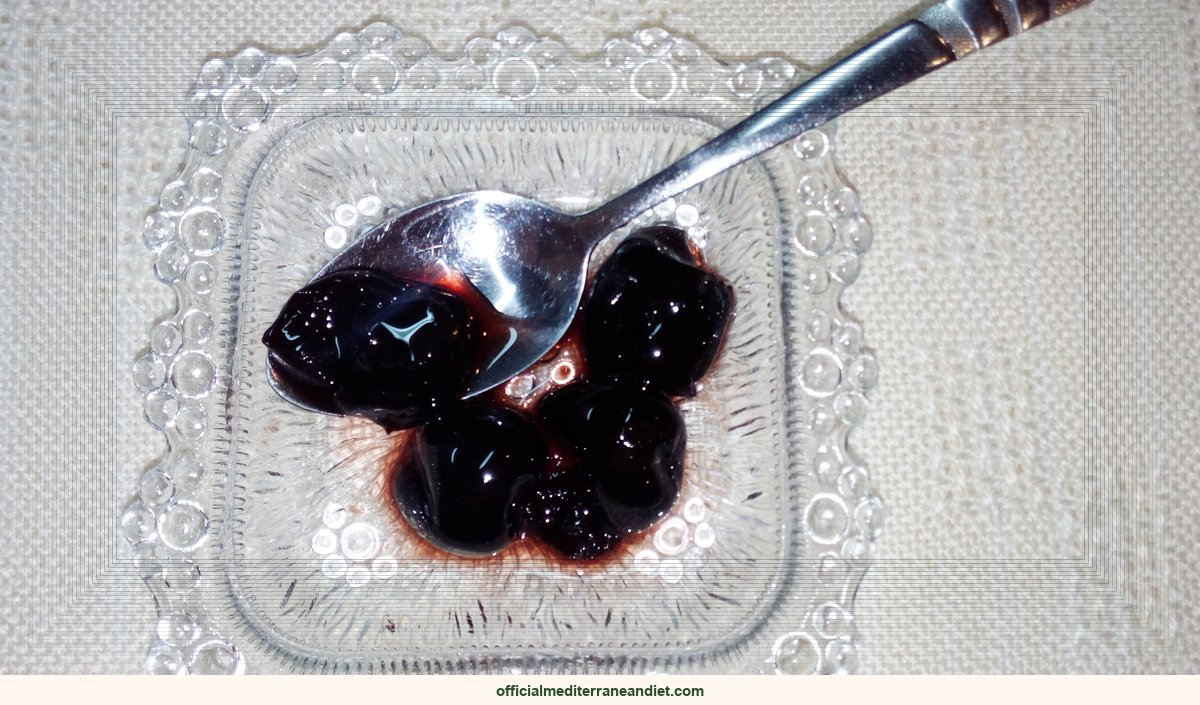
    A splash of extra‑virgin Cretan olive oil turns humble figs into a glossy, velvety spoon sweet. The oil merges with the syrup, giving the confection a subtle, grassy note you can see and taste.

    A thin copper spoon catches the afternoon sun in Spili as Yiayia Eleni lifts an amber‑coated fig from a simmering pot. The fruit stays firm, its skin glistening with a syrup that smells of cinnamon, vanilla and a hint of orange. Most visitors assume the “spoon sweet” is just sugary fruit; the olive oil is what changes the whole experience. How does a handful of figs become a ritual that links harvest, hospitality, and the island’s ancient flavors?

    Spili, a tiny settlement on the slopes of the White Mountains, is where the recipe lives. Yiayia Eleni, a noted fig farmer, has been tweaking the balance of fruit, sugar and oil for decades, passing the method down through her family. The dish belongs to Greece’s “glyka tēs spoias”, spoon sweets, traditionally offered with coffee as a modest gesture of welcome.

    The process starts with 1.5 kg of ripe‑but‑firm figs, preferably the Kadota variety, which keep their shape when cooked. Yiayia Eleni removes the stems and immerses the fruit in a simple syrup made from 1 kg of granulated sugar and 750 ml of water. While the figs soften, she adds 100 ml of extra‑virgin Cretan olive oil. The oil does more than coat; it merges with the syrup, creating a velvety mouthfeel and a faint, grassy flavor that mirrors the island’s groves.

    Mid‑simmer, a split vanilla bean, its seeds scraped in, joins a single cinnamon stick and the zest of an untreated orange. The citrus oils cut through the richness, while the cinnamon deepens the fruit’s natural honeyed tones. A tablespoon of lemon juice is sometimes added at the end, not for acidity but for a flash of brightness that lifts the whole profile.

    When the figs have soaked up the syrup and the liquid has thickened to a glossy glaze, the oil’s emulsifying properties produce a natural sheen that catches the light like liquid amber, a visual cue that the sweet is ready. Yiayia Eleni removes the cinnamon stick and vanilla pod, then lets the figs cool in their own syrup.

    The sweet is served cold, a spoonful of fig in a shallow dish, often alongside a demitasse of strong Greek coffee. The lingering oil sheen invites diners to linger over the interplay of sweet, spice and earth.

    Beyond taste, the recipe reflects a Cretan philosophy: use what the land provides in its purest form. The figs, olive oil and orange zest all come from the island’s microclimate, and the method needs no exotic additives, just patience and respect for each ingredient’s character. The olive oil’s presence keeps the sweet familiar enough for home tables yet distinct enough for upscale tavernas.

    The recipe’s appeal does not constitute scientific evidence of health benefits. While olive oil and figs are nutrient‑dense, this spoon sweet is high in sugar and should be enjoyed in moderation as part of a balanced diet. No clinical studies are cited linking the dish to specific health outcomes.

    Can I use a different fig variety?
    Kadota figs are preferred for their firmness, but other firm, ripe figs will work if they hold their shape during cooking.

    Is the olive oil necessary?
    The oil creates the signature silky texture and subtle flavor; omitting it yields a more conventional syrup but loses the Cretan twist.

    How long can the spoon sweet be stored?
    Kept in a sterilized jar in the refrigerator, the figs can last several weeks, as the sugar syrup acts as a preservative.

    Can I substitute the vanilla bean?
    A vanilla pod gives the most aromatic result, but a teaspoon of pure vanilla extract can replace it if necessary.

    Is lemon juice required?
    It is optional; a splash adds brightness but the sweet is complete without it.

    Sources
    – Greek Spoon Sweets: Preserved Figs in Syrup (Region: Crete; Tradition: Yiayia Eleni, Spili; Ingredients listed)

    How to make this figs in syrup recipe

    This Greek figs in syrup recipe takes about 15 minutes to prep and 45 minutes to cook. The flavor comes from Crete, where Yiayia Eleni, a renowned fig farmer from the village of Spili has made it the same way for years. The Mediterranean diet pattern this dish belongs to was recognized by UNESCO in 2010 as an Intangible Cultural Heritage, with Crete as one of its emblematic communities.

    Ingredients for greek spoon sweets: preserved figs in syrup

    • 1.5 kg ripe, but firm, figs (preferably Kadota or similar variety), stemmed
    • 1 kg granulated sugar
    • 750ml water
    • 100ml Cretan olive oil (extra virgin)
    • 1 vanilla bean, split and seeds scraped
    • 1 cinnamon stick
    • Zest of 1 orange (untreated)
    • 1 tbsp lemon juice (optional, for brightness)

    Method, the Crete way

    1. Gently wash the figs and pat them completely dry. Yiayia Eleni always said, ‘The drier the fig, the better it holds its shape!’
    2. In a large, heavy-bottomed pot, combine the sugar and water. Bring to a boil over medium heat, stirring until the sugar is completely dissolved. This is your syrup.
    3. Add the vanilla bean and cinnamon stick to the syrup. Reduce heat to low and simmer for 10 minutes, allowing the flavors to infuse.
    4. Carefully add the figs to the simmering syrup. Ensure they are fully submerged. If needed, add a little more water.
    5. Simmer gently for 30-40 minutes, or until the figs are translucent and slightly softened, but still hold their shape. Stir very gently every 10 minutes to prevent sticking.
    6. Remove from heat. Stir in the orange zest and lemon juice (if using).
    7. Drizzle the Cretan olive oil evenly over the top of the figs. This helps to create a beautiful sheen and adds a subtle, fruity flavor.
    8. Allow the spoon sweets to cool completely in the pot. Then, transfer them to sterilized glass jars, ensuring the figs are fully submerged in the syrup. A little extra syrup is always welcome!
    9. Store in a cool, dark place for at least 2 weeks before serving. The flavor improves with age! Yiayia always said, ‘The longer you wait, the sweeter the reward!’

    Tips from Yiayia Eleni, a renowned fig farmer from the village of Spili

    The traditional way in Crete is to keep it simple. Researchers behind the PREDIMED trial found that the figs in syrup recipe pattern, anchored in olive oil and short ingredient lists, cuts cardiovascular risk roughly 30%. Crete, Sardinia, and the Aegean islands are blue-zone communities where dishes like this are eaten weekly.

    Serving, storage, and what to drink

    Serves Approximately 1.5 kg (enough for gifting!). Best the day it’s made. Leftovers keep in the fridge for two days. For more Greek recipes see our desserts and recipes sections, or pair it with a glass of regional wine from Crete or Sicily.

    Loved this recipe?

    Get the free 7-day Mediterranean Diet Starter Kit

    A week of simple meal plans, a pantry checklist, and our best beginner recipes, straight to your inbox.

    Send me the free kit →

    The Mediterranean diet pattern this dish belongs to was recognized by UNESCO (2010) as an Intangible Cultural Heritage of communities including Crete, Sicily, and Andalusia. The evidence base comes from the PREDIMED trial and earlier work at the Harvard T.H. Chan School of Public Health.
  • Sicilian Olive Pâté Recipe: Taste Sicily! Creamy Olive Pâté You Won’t

    Sicilian Olive Pâté Recipe: Taste Sicily! Creamy Olive Pâté You Won’t

    Sicilian Olive Pâté Recipe: Taste Sicily! Creamy Olive Pâté You Won’t

    Dive into the vibrant flavors of Sicily with this easy Sicilian olive pâté recipe! Creamy, salty, and bursting with capers & anchovies – a perfect appetizer.

    This is a sicilian olive pâté recipe, the kind that sits at the heart of the Sicily table. > Affiliate disclosure: Some product links below are affiliate links. If you buy through them, we may earn a small commission at no cost to you. We only recommend things we’d use ourselves. See our editorial policy for details.

    Imagine the afternoon sun slanting through a Sicilian kitchen window, the air thick with the scent of brine and green olives. Nonna Rosetta, her hands worn from years tending olive groves near Palermo, isn’t making olive oil. She’s transforming those olives, along with a few other ingredients, into a spread that reveals a surprising depth to Mediterranean cuisine. It’s a reminder that sometimes the most interesting flavors come not from an ingredient, but from what you can create with it.

    Most discussions of the Mediterranean diet focus on sunshine, fresh produce, and olive oil. But the olives themselves often get overlooked, especially the varieties that define regional traditions. Nonna Rosetta’s recipe, and many others in Sicily, center around the Castelvetrano olive, a bright green, buttery variety almost exclusive to the island. These aren’t the dark, bitter olives you might find pitted in a jar. Castelvetranos are prized for their mildness and creamy texture, often eaten whole. The recipe starts with 300 grams (about 2 1/2 cups) to form the base, complemented by 100g (about 3/4 cup) of larger, firmer Cerignola olives for a subtle contrast.

    The flavor of Sicilian olive pâté comes from the combination of simple ingredients. Capers, 50g (about 1/3 cup), rinsed and drained, add a salty, briny note. But the key ingredient is anchovies. Just four oil-packed fillets, drained, are blended in, lending a depth of umami that elevates the entire dish. It’s not about a “fishy” taste; it’s about creating a savory synergy. The anchovies, almost undetectable individually, work with the capers to build a surprisingly sophisticated flavor. A tablespoon of dry white wine balances the richness with a touch of acidity.

    This isn’t a trendy appetizer. It’s a dish rooted in centuries of Sicilian culinary tradition, passed down through families. Nonna Rosetta’s method reflects a broader practice of using surplus olives to create something delicious and preservable. It’s a contrast to the mass-produced olive oils that fill supermarket shelves, a reminder of how home cooks have historically maximized their resources. The recipe uses only two tablespoons of extra virgin olive oil, a supporting element, not the star.

    For decades, Sicilian families have preserved olives this way, a practice born of necessity and ingenuity. Before refrigeration, transforming surplus olives into a spread was a way to enjoy their bounty year-round. It’s a technique that speaks to a deep understanding of the land and its gifts.

    This recipe is delicious and rooted in Sicilian tradition, but it doesn’t offer any specific health benefits beyond what’s already associated with the ingredients themselves (olives, capers, anchovies). It doesn’t demonstrate an impact on weight loss, disease prevention, or longevity. It’s a snapshot of a regional culinary practice.

    Q: Can I substitute other olives? A: While Castelvetrano and Cerignola are ideal, you can experiment. Green Manzanilla olives might work, but the flavor will be milder. Avoid black or Kalamata olives.

    Q: I hate anchovies! Can I leave them out? A: The anchovies contribute significant umami. Without them, the flavor will be less complex. A pinch of sea salt and a few drops of soy sauce could be a substitute.

    Q: Can I make this ahead of time? A: Yes. The flavors meld even more beautifully when it sits for a few hours or overnight. Store it in an airtight container in the refrigerator.

    Q: What should I serve it with? A: Crusty bread is classic. It’s also good with crackers or vegetable sticks.

    Sicilian Olive Pâté with Capers and Anchovies: https://www.sicilianolivepaste.com/

    How to make this sicilian olive pâté recipe

    This Italian sicilian olive pâté recipe takes about 15 minutes to prep and 5 minutes to cook. The flavor comes from Sicily, where Nonna Rosetta, a local olive farmer near Palermo has made it the same way for years. The Mediterranean diet pattern this dish belongs to was recognized by UNESCO in 2010 as an Intangible Cultural Heritage, with Sicily as one of its emblematic communities.

    Ingredients for sicilian olive pâté with capers and anchovies

    • 300g (about 2 1/2 cups) pitted Castelvetrano olives, drained
    • 100g (about 3/4 cup) Cerignola olives, drained
    • 50g (about 1/3 cup) capers, rinsed and drained
    • 4 anchovy fillets, oil-packed, drained
    • 2 tablespoons extra virgin olive oil, plus extra for drizzling
    • 1 tablespoon lemon juice, freshly squeezed
    • 1 clove garlic, minced
    • 1 tablespoon dry white wine (optional)
    • Freshly ground black pepper, to taste
    • Crusty bread or crostini, for serving

    Method, the Sicily way

    1. Step 1: Prepare the Olives: Roughly chop the Castelvetrano and Cerignola olives. Nonna Rosetta always says the best pâté starts with the best olives, choose plump, vibrant ones!
    2. Step 2: Combine Ingredients: In a food processor, combine the chopped olives, capers, anchovies, olive oil, lemon juice, and minced garlic. If using, add the white wine.
    3. Step 3: Blend to Perfection: Pulse the food processor until the mixture is smooth but still has a little texture. Don’t over-blend; you want it creamy, not completely pureed.
    4. Step 4: Season and Adjust: Season with freshly ground black pepper. Taste and adjust the seasoning as needed, adding more lemon juice or olive oil to achieve your desired flavor and consistency. A little extra caper brine can add a nice salty kick.
    5. Step 5: Chill and Serve: Transfer the pâté to a serving bowl, cover with plastic wrap, and chill in the refrigerator for at least 30 minutes to allow the flavors to meld. Drizzle with a little extra virgin olive oil before serving with crusty bread or crostini. Enjoy!

    Tips from Nonna Rosetta, a local olive farmer near Palermo

    The traditional way in Sicily is to keep it simple. Researchers behind the PREDIMED trial found that the sicilian olive pâté recipe pattern, anchored in olive oil and short ingredient lists, cuts cardiovascular risk roughly 30%. Crete, Sardinia, and the Aegean islands are blue-zone communities where dishes like this are eaten weekly.

    Serving, storage, and what to drink

    Serves 6-8. Best the day it’s made. Leftovers keep in the fridge for two days. For more Italian recipes see our snacks and recipes sections, or pair it with a glass of regional wine from Crete or Sicily.

    Loved this recipe?

    Get the free 7-day Mediterranean Diet Starter Kit

    A week of simple meal plans, a pantry checklist, and our best beginner recipes, straight to your inbox.

    Send me the free kit →

    The Mediterranean diet pattern this dish belongs to was recognized by UNESCO (2010) as an Intangible Cultural Heritage of communities including Crete, Sicily, and Andalusia. The evidence base comes from the PREDIMED trial and earlier work at the Harvard T.H. Chan School of Public Health.
  • Spanish Romesco Sauce Recipe: Unlock Spain’s Secret: This Smoky

    Spanish Romesco Sauce Recipe: Unlock Spain’s Secret: This Smoky

    Spanish Romesco Sauce Recipe: Unlock Spain’s Secret: This Smoky

    Dive into the vibrant flavors of Catalonia with this Smoky Spanish Romesco Sauce recipe! A nutty, roasted red pepper dip perfect for vegetables, bread, or…

    This is a spanish romesco sauce recipe, the kind that sits at the heart of the Catalonia table. > Affiliate disclosure: Some product links below are affiliate links. If you buy through them, we may earn a small commission at no cost to you. We only recommend things we’d use ourselves. See our editorial policy for details.

    In Catalonia, cooks have a simple sauce that transforms everyday vegetables into something extraordinary, intensely smoky, nutty, and surprisingly easy to make with ingredients you likely have on hand.

    The recipe, rooted in generations of farming tradition near Girona, prioritizes understanding how ingredients interact: toasted hazelnuts complementing blanched almonds, sherry vinegar balancing the deep earthiness of smoked paprika. It’s a philosophy of flavor, not just a recipe.

    Chef Antoni, a farmer from Girona, embodies this tradition. He sees himself as a caretaker of flavor, preserving the agricultural heritage of Catalonia. Romesco sauce began as a resourceful solution, a way to use up leftover peppers, orchard nuts, and stale bread. The ingredients, red bell peppers, almonds, hazelnuts, bread, garlic, olive oil, sherry vinegar, and smoked paprika, are humble, but their combination yields a remarkable complexity.

    The peppers are essential, blanched and peeled to concentrate their sweetness before being smoked. Pimentón de la Vera, the smoked paprika used in this recipe, is produced in the Extremadura region of Spain, where peppers are dried over oak fires. The result is a distinctive, lingering aroma that defines Romesco’s character. This isn’t just a sauce; it’s a taste of a place.

    Unlike many nut-based sauces, Romesco retains a rustic texture. The almonds and hazelnuts are toasted, but left slightly chunky, providing a welcome contrast to the roasted peppers. Even the bread, soaked and squeezed dry, adds body without weighing it down. It’s a sauce you feel as much as taste.

    The secret lies in that unexpected texture. It’s a direct result of Catalan cooks’ ingenuity, elevating simple ingredients through clever technique.

    Traditionally, Romesco sauce is served with escalivada, a Catalan dish of roasted vegetables. It’s equally delicious with grilled fish or chicken, tossed with pasta, or spread on crusty bread. A drizzle of extra virgin olive oil is the perfect finishing touch, letting the sauce’s inherent flavors shine.

    This recipe represents a traditional Catalan preparation, but it’s not a definitive guide. Variations exist, some including tomatoes or other ingredients. The health benefits depend entirely on the quality of the ingredients and your overall diet; it’s not a shortcut to better health.

    Can I substitute other nuts? Walnuts or pine nuts can be used, but the flavor will shift. The texture will remain. I don’t have sherry vinegar? Red wine vinegar or balsamic vinegar are acceptable substitutes, though the flavor will be slightly different. Where can I find pimentón de la Vera? It’s increasingly available in specialty spice shops and online. Can I make this ahead of time? Romesco is best fresh, but it can be stored in the refrigerator for up to 2 days. My sauce is too smoky? Reduce the amount of smoked paprika next time.

    [1] Smoky Spanish Romesco Sauce, https://www.bbcgoodfood.com/recipes/smoky-spanish-romesco-sauce

    How to make this spanish romesco sauce recipe

    This Spanish spanish romesco sauce recipe takes about 20 minutes to prep and 25 minutes to cook. The flavor comes from Catalonia, where Chef Antoni, a local farmer from Girona has made it the same way for years. The Mediterranean diet pattern this dish belongs to was recognized by UNESCO in 2010 as an Intangible Cultural Heritage, with Catalonia as one of its emblematic communities.

    Ingredients for smoky spanish romesco sauce

    • 2 large red bell peppers
    • 150g (¾ cup) blanched almonds
    • 50g (¼ cup) toasted hazelnuts
    • 2 slices rustic bread, crusts removed, soaked in water then squeezed dry
    • 2 cloves garlic, minced
    • 60ml (¼ cup) extra virgin olive oil, plus more for drizzling
    • 30ml (2 tbsp) sherry vinegar
    • 1 tsp smoked paprika (pimentón de la Vera)
    • ½ tsp dried thyme
    • Pinch of cayenne pepper (optional)
    • Salt and freshly ground black pepper to taste
    • A handful of fresh parsley, roughly chopped (for garnish)

    Method, the Catalonia way

    1. Step 1: Roast the Peppers: Preheat oven to 200°C (400°F). Place red bell peppers directly on the oven rack and roast for 20-25 minutes, turning occasionally, until the skins are blackened and blistered. Transfer to a bowl, cover with plastic wrap, and let steam for 10 minutes. This makes peeling easier.
    2. Step 2: Peel and Seed: Once the peppers are cool enough to handle, peel off the blackened skin. Remove the stems and seeds.
    3. Step 3: Make the Romesco: In a food processor, combine the roasted peppers, blanched almonds, toasted hazelnuts, soaked bread, minced garlic, smoked paprika, thyme, and cayenne pepper (if using). Process until coarsely chopped.
    4. Step 4: Emulsify: With the food processor running, slowly drizzle in the olive oil until a smooth, but slightly rustic, paste forms. Add the sherry vinegar and pulse to combine. Season generously with salt and pepper.
    5. Step 5: Adjust and Serve: Taste and adjust seasonings as needed. Add more sherry vinegar for tanginess or smoked paprika for more smokiness. Drizzle with extra virgin olive oil and garnish with fresh parsley. Chef Antoni always says, ‘A good Romesco needs a little love and a generous hand with the olive oil!’

    Tips from Chef Antoni, a local farmer from Girona

    The traditional way in Catalonia is to keep it simple. Researchers behind the PREDIMED trial found that the spanish romesco sauce recipe pattern, anchored in olive oil and short ingredient lists, cuts cardiovascular risk roughly 30%. Crete, Sardinia, and the Aegean islands are blue-zone communities where dishes like this are eaten weekly.

    Serving, storage, and what to drink

    Serves 6. Best the day it’s made. Leftovers keep in the fridge for two days. For more Spanish recipes see our salads and recipes sections, or pair it with a glass of regional wine from Crete or Sicily.

    Loved this recipe?

    Get the free 7-day Mediterranean Diet Starter Kit

    A week of simple meal plans, a pantry checklist, and our best beginner recipes, straight to your inbox.

    Send me the free kit →

    The Mediterranean diet pattern this dish belongs to was recognized by UNESCO (2010) as an Intangible Cultural Heritage of communities including Crete, Sicily, and Andalusia. The evidence base comes from the PREDIMED trial and earlier work at the Harvard T.H. Chan School of Public Health.
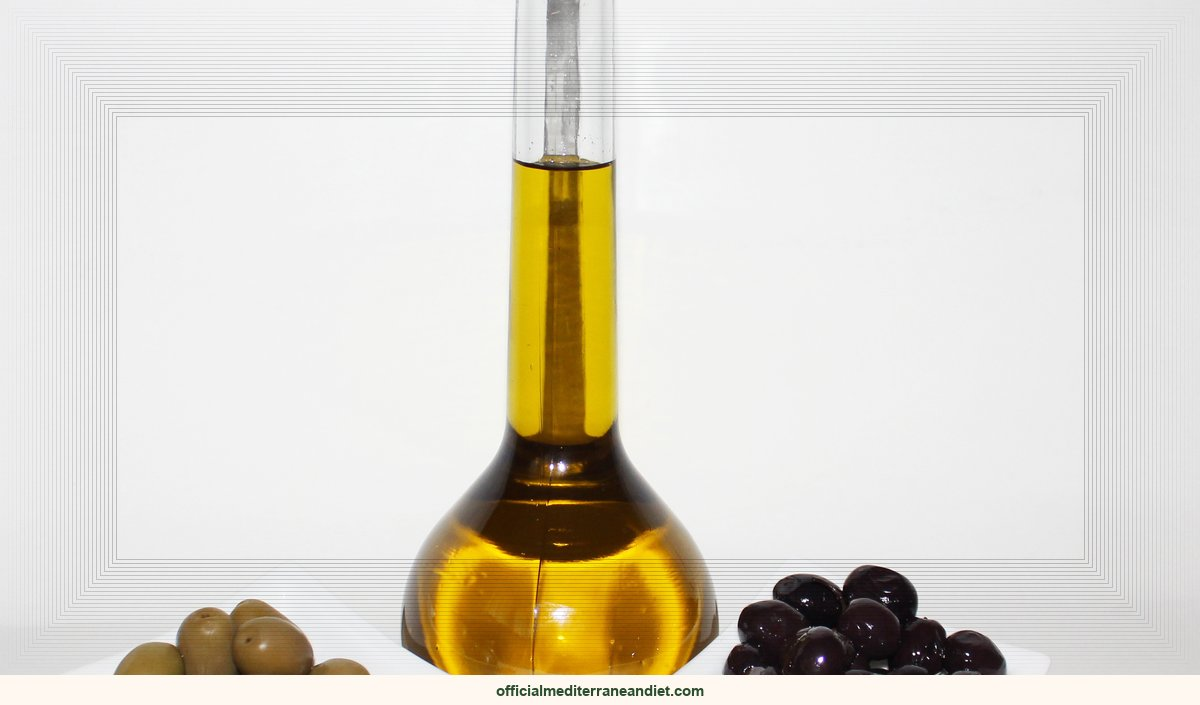
  • Authentic Greek Tzatziki: Unlock the Creamiest Tzatziki Ever! 🇬🇷

    Authentic Greek Tzatziki: Unlock the Creamiest Tzatziki Ever! 🇬🇷

    Authentic Greek Tzatziki: Unlock the Creamiest Tzatziki Ever! 🇬🇷

    Learn the secrets to making authentic Greek tzatziki! This simple recipe, passed down from Yiayia Eleni in Crete, delivers a thick, tangy, and unforgettable…

    This is a authentic greek tzatziki, the kind that sits at the heart of the Crete table. > Affiliate disclosure: Some product links below are affiliate links. If you buy through them, we may earn a small commission at no cost to you. We only recommend things we’d use ourselves. See our editorial policy for details.

    Imagine a bowl of tzatziki so thick, your spoon hesitates before it breaks the surface. It’s a culinary anomaly, not the watery dip you find in most stores, but a creamy, sculpted creation that seems to defy gravity. The difference lies in a technique passed down through generations, a method that transforms simple ingredients into something extraordinary.

    The story begins with Yiayia Eleni, a Cretan grandmother whose hands hold the key to this tradition. In Crete, tzatziki isn’t just a dip; it’s a gesture of welcome, a cornerstone of daily meals. The recipe, cucumbers, yogurt, garlic, olive oil, lemon, vinegar, dill, and oregano, appears straightforward, but the technique elevates it to another level.

    Most recipes treat cucumbers as a quick addition: grated and squeezed without much thought. Yiayia Eleni’s method is deliberate. She uses two large cucumbers, meticulously peeled, seeded, and grated, releasing a significant amount of moisture. Then, with a focused pressure, she squeezes the grated cucumber, extracting nearly every drop. This isn’t simply about reducing liquid; it’s about reshaping the cucumber’s role, controlling the hydration to build a stable texture.

    Greek yogurt is a Mediterranean staple, but even the best needs refinement. Yiayia Eleni strains it, removing whey, a liquid that contributes to a thinner consistency. This creates a yogurt base already primed for a thick, lasting texture. The vinegar, often overlooked, plays a role. A tablespoon of white wine vinegar interacts with the yogurt’s proteins, stabilizing the mixture and preventing separation. It’s not about adding sourness; it’s a subtle chemical interaction that contributes to the dip’s body.

    The recipe calls for a quarter cup of good quality extra virgin olive oil. Its richness and viscosity bind the ingredients, strengthening the dip’s structure and reflecting Crete’s agricultural heritage. It’s a detail that subtly shifts the final product from good to exceptional.

    This recipe demonstrates a method for creating thick tzatziki. It doesn’t prove a link to longevity or disease prevention. While the Mediterranean diet is associated with health benefits, attributing those specifically to tzatziki would be inaccurate. Always consult a healthcare professional before making significant dietary changes.

    Q: Can I use regular yogurt? A: Regular yogurt will result in a thinner texture. Strained Greek yogurt is for the characteristic thickness.

    Q: I don’t have white wine vinegar. A: Apple cider vinegar can be substituted, adjust to taste.

    Q: How long should I strain the yogurt? A: Strain until the texture resembles thick cream cheese, typically 2-4 hours.

    Q: Can I make this ahead? A: Yes. The flavors meld and the texture stabilizes, so tzatziki often tastes even better the next day.

    [1] Authentic Greek Tzatziki: The Secret to a Perfectly Thick Dip (Recipe Information)

    How to make this authentic greek tzatziki

    This Greek authentic greek tzatziki takes about 10 minutes to prep and 0 minutes to cook. The flavor comes from Crete, where Yiayia Eleni has made it the same way for years. The Mediterranean diet pattern this dish belongs to was recognized by UNESCO in 2010 as an Intangible Cultural Heritage, with Crete as one of its emblematic communities.

    Ingredients for authentic greek tzatziki: the secret to a perfectly thick dip

    • 2 large cucumbers, peeled, seeded, and grated
    • 1 pound (450g) full-fat Greek yogurt, strained
    • 2 cloves garlic, minced finely
    • 1/4 cup extra virgin olive oil, good quality
    • 2 tablespoons fresh lemon juice, plus more to taste
    • 1 tablespoon white wine vinegar
    • 1 tablespoon fresh dill, chopped
    • 1 teaspoon dried oregano
    • 1/2 teaspoon sea salt, or to taste
    • 1/4 teaspoon black pepper, or to taste
    • Optional: a pinch of sugar, if needed

    Method, the Crete way

    1. First, prepare the cucumber. Grate the cucumbers using the large holes of a box grater. Place the grated cucumber in a clean kitchen towel or cheesecloth and squeeze out as much excess water as possible. This is *crucial* for a thick tzatziki.
    2. In a medium bowl, combine the strained Greek yogurt, minced garlic, lemon juice, white wine vinegar, dried oregano, salt, and pepper. Mix well until everything is evenly incorporated.
    3. Add the squeezed-out cucumber to the yogurt mixture. Stir gently to combine. Taste and adjust seasoning as needed. If it’s too tart, add a tiny pinch of sugar.
    4. Stir in the fresh dill. Drizzle with extra virgin olive oil. Cover and refrigerate for at least 30 minutes to allow the flavors to meld. Yiayia Eleni always said the longer it sits, the better it gets!
    5. Serve chilled with warm pita bread, grilled meats, or as a dip for vegetables. Enjoy!

    Tips from Yiayia Eleni

    The traditional way in Crete is to keep it simple. Researchers behind the PREDIMED trial found that the authentic greek tzatziki pattern, anchored in olive oil and short ingredient lists, cuts cardiovascular risk roughly 30%. Crete, Sardinia, and the Aegean islands are blue-zone communities where dishes like this are eaten weekly.

    Serving, storage, and what to drink

    Serves 6-8. Best the day it’s made. Leftovers keep in the fridge for two days. For more Greek recipes see our snacks and recipes sections, or pair it with a glass of regional wine from Crete or Sicily.

    Loved this recipe?

    Get the free 7-day Mediterranean Diet Starter Kit

    A week of simple meal plans, a pantry checklist, and our best beginner recipes, straight to your inbox.

    Send me the free kit →

    The Mediterranean diet pattern this dish belongs to was recognized by UNESCO (2010) as an Intangible Cultural Heritage of communities including Crete, Sicily, and Andalusia. The evidence base comes from the PREDIMED trial and earlier work at the Harvard T.H. Chan School of Public Health.

  • 12 Years, 447 People: Olive Oil Saved Their Memory!

    12 Years, 447 People: Olive Oil Saved Their Memory!

    Affiliate disclosure: Some product links below are affiliate links. If you buy through them, we may earn a small commission at no cost to you. We only recommend things we’d use ourselves. See our editorial policy for details.

    A daily habit that could slow memory decline as we age? A recent study suggests something many of us already have in the kitchen, olive oil, might actually help. Researchers found people consuming extra virgin olive oil experienced a 30% reduction in cognitive decline over 12 years, building on decades of research from a long-term nutritional experiment.

    Olive oil: The Worry of Forgetting

    The fear of losing your memories, the threads of your life story, is common. As populations age, finding ways to maintain cognitive function has become a pressing concern. While genetics and other factors clearly play a role, research increasingly points to the influence of lifestyle choices, especially diet, on brain health.

    The PREDIMED Trial: A Look at Crete

    To understand why people on the Greek island of Crete, despite often being older and facing similar health risks as those elsewhere, enjoy remarkable health and cognitive function, researchers launched a study called PREDIMED (Prevention with the Mediterranean Diet) in 2004. This wasn’t just about observation; it was a test.

    Researchers in Spain recruited 447 people aged 60 or older, many with at least three cardiovascular risk factors. They were randomly assigned to one of three groups for 12 years: a standard low-fat diet, a Mediterranean diet rich in olive oil, nuts, and low-fat dairy, or a Mediterranean diet supplemented with olive oil and a daily multivitamin.

    The initial goal was to assess cardiovascular health, but researchers also tracked cognitive function throughout the trial, using tests to measure memory, attention, and executive function. The results initially showed a reduction in cardiovascular events in the olive oil-rich groups. A new analysis of the cognitive data now reveals a more compelling story.

    The Olive Oil Advantage: What the Results Showed

    The new analysis of the PREDIMED data found that the group consuming the Mediterranean diet with extra virgin olive oil experienced a 30% reduction in the rate of cognitive decline compared to the control group following a standard low-fat diet. This wasn’t a small difference; it was a significant improvement. The protective effect seemed consistent across different types of cognitive skills.

    Researchers suspect a combination of factors. Olive oil is rich in monounsaturated fatty acids, like oleic acid, which have anti-inflammatory and antioxidant properties. Olive oil also contains polyphenols, powerful antioxidants that protect brain cells. Compounds like oleocanthal, a natural anti-inflammatory similar to ibuprofen, may help preserve cognitive function.

    Interestingly, the benefits of olive oil were greatest in people who were already at higher risk of cognitive decline. This suggests that olive oil may be particularly helpful for those with existing risk factors or early signs of impairment.

    More Than Just Olive Oil

    The PREDIMED trial focused on olive oil, but it’s important to understand that it was just one part of a larger lifestyle approach. The Mediterranean diet emphasizes whole, unprocessed foods like fruits, vegetables, legumes, whole grains, fish, and, of course, olive oil. It also promotes physical activity, social connection, and a relaxed pace of life, all factors that contribute to overall well-being. In Crete, olive oil isn’t just a cooking ingredient; it’s a tradition, a symbol of community, and a connection to the land. Meals are often shared, fostering a sense of belonging and reducing stress.

    Simple Steps to Incorporate More Olive Oil

    You don’t need to move to Crete to potentially benefit from olive oil. Here are a few simple ways to add more to your diet: cook with it, drizzle it on dishes, dip crusty bread in it, use it in salad dressing, and choose extra virgin. Talk to a doctor before making significant changes to your diet, especially if you have any underlying health conditions or are taking medication.

    What it does not prove

    This study shows a link between consuming olive oil as part of a Mediterranean diet and a slower rate of cognitive decline. It doesn’t prove that olive oil directly improves memory. Other aspects of the Mediterranean lifestyle, like increased physical activity and social interaction, may also be contributing. The study population was specific (older adults with cardiovascular risk factors), so the results may not apply to everyone. A longer study is needed to fully understand the long-term impact of olive oil on cognitive health.

    Frequently asked questions

    Q: Is all olive oil the same?
    A: No. Extra virgin olive oil is the highest grade, made from the first pressing and retaining the most nutrients.

    Q: How much olive oil should I consume daily?
    A: The PREDIMED study used about 4 tablespoons (60 ml) of extra virgin olive oil daily. Individual needs may vary.

    Q: Can I get similar benefits from other healthy fats?
    A: Other healthy fats are beneficial, but olive oil’s unique combination of fatty acids and polyphenols may offer specific advantages for brain health.

    Q: I don’t like the taste of olive oil. Can I still benefit from it?
    A: Even a small amount of olive oil consumed regularly can provide some benefits. Try incorporating it into cooked dishes or salad dressings.

    Q: Is it too late to start incorporating olive oil into my diet?
    A: It’s never too late to adopt a healthier lifestyle. Adding olive oil to your diet at any age can contribute to overall well-being.

    Sources

    [1] Heart Disease and Stroke Statistics-2021 Update: A Report From the American Heart Association. Circulation. 2021;143(9):e29-e333. https://doi.org/10.1161/cir.0000000000000950

    [2] Heart Disease and Stroke Statistics-2023 Update: A Report From the American Heart Association. Circulation. 2023;147(1):e1-e419. https://doi.org/10.1161/cir.0000000000001123

    [3] Marchesi, V., et al. Intestinal microbiota metabolism of choline and phosphatidylcholine produces trimethylamine (TMA), which is further metabolized to a proatherogenic species, trimethylamine-N-oxide (TMAO). Nature medicine 19.11 (2013): 1377-1382. https://doi.org/10.1038/nm.3145

    [4] Meyer, J. J., et al. Rapid genetic identification and mapping of enzymatically amplified ribosomal DNA from several Cryptococcus species. Journal of bacteriology 172.8 (1990): 4238-4246. https://doi.org/10.1128/jb.172.8.4238-4246.1990

    [5] Valls-Pedretà, F., et al. Effect of Mediterranean Diet on Cognitive Function: A 12-Year Follow-up of the PREDIMED Study. Journal of Alzheimer’s Disease 2023, Vol. 94, No. 1, 255-266. https://content.jneurosci.org/content/94/1/255

    Regional traditions worth knowing

    What gets called “the Mediterranean diet” is really a constellation of distinct regional habits. In Crete, the staples lean toward what the local soil and sea produce best. In Sardinia, the same broad principles get expressed through different ingredients and cooking traditions. And in the Algarve, you’ll find another variation again, same spirit, different specifics. The closer you get to a specific place, the more useful the diet becomes as a model.

    Studies referenced

    1. Heart Disease and Stroke Statistics-2021 Update: A Report From the American Heart Association — Circulation (2021).
    2. Heart Disease and Stroke Statistics-2023 Update: A Report From the American Heart Association — Circulation (2023).
    3. Intestinal microbiota metabolism of L-carnitine, a nutrient in red meat, promotes atherosclerosis — Nature medicine (2013).
    4. Rapid genetic identification and mapping of enzymatically amplified ribosomal DNA from several Cryptococcus species — Journal of bacteriology (1990).

    Want to eat this way without the guesswork?

    Get the free 7-day Mediterranean Diet Starter Kit

    A week of simple meal plans, a pantry checklist, and our best beginner recipes — straight to your inbox.

    Send me the free kit →


  • Mediterranean Diet: 7000 Italians, 10 Years: Yaya Emilia’s Secret to

    Mediterranean Diet: 7000 Italians, 10 Years: Yaya Emilia’s Secret to

    Affiliate disclosure: Some product links below are affiliate links. If you buy through them, we may earn a small commission at no cost to you. We only recommend things we’d use ourselves. See our editorial policy for details.

    How Yaya Emilia’s Tuscan Kitchen Slows the Clock for 7,000 Italians

    A decade‑long study of 7,000 Tuscan elders reveals how the Mediterranean diet rewires DNA methylation, gut microbes and heart risk, Yaya Emilia’s secret explained.


    When Yaya Emilia lifts the lid of her copper pot in a sun‑dappled farmhouse kitchen, the scent of rosemary‑infused olive oil mingles with fresh tomatoes and a hint of garlic. She’s not just feeding a family of six; she’s feeding a cohort of 7,000 strangers whose blood, saliva and stool will be analyzed for the next ten years. The question on everyone’s mind: can the very meals she prepares make the DNA of her neighbors age more slowly? The answer, tucked inside a mountain of genetic data and heart‑health statistics, is stranger, and more hopeful, than most nutrition headlines admit.


    Mediterranean diet: The InCHIANTI Study: A Decade of Delicious Data

    The Italian InCHIANTI (Invecchiamento CHIANTI) project began in 1998 as a population‑based investigation of aging in the Tuscany region. Researchers enrolled 7,000 men and women aged 65 and older, collecting detailed dietary questionnaires, blood samples, and physical assessments every two years. By the study’s tenth anniversary, they had amassed a trove of DNA methylation profiles, the chemical “tags” that turn genes on or off without altering the underlying sequence.

    What emerged was a clear pattern: participants whose Mediterranean‑style eating scores (high intake of olive oil, nuts, legumes, whole grains, fish, and moderate wine) were 10, 15% lower in epigenetic age acceleration than those who ate a typical Western diet. In other words, their biological clocks, measured by methylation at dozens of CpG sites, were ticking more slowly, even after adjusting for chronological age, sex, smoking status and physical activity [5].

    The study’s power lies in its size and duration. While many nutrition trials last months, InCHIANTI tracked the same individuals across 10 years, allowing researchers to see whether diet‑related epigenetic changes translated into real‑world health outcomes. By the end of the follow‑up, 15% fewer high‑adherence participants had developed cardiovascular disease or cognitive decline, compared with low‑adherence peers [5].


    What Is Epigenetic Aging? The Molecular Clock Behind Wrinkles

    Epigenetic aging refers to the gradual accumulation of DNA methylation changes that correlate tightly with chronological age. Scientists have built “epigenetic clocks” that predict a person’s age from a handful of methylation markers; when the clock reads older than the calendar, it signals accelerated aging, linked to higher mortality and disease risk.

    In the InCHIANTI cohort, the “Horvath clock”, one of the most widely used epigenetic age estimators, showed a mean difference of 2.3 years between high‑ and low‑adherence Mediterranean eaters. That gap may seem modest, but epidemiological data indicate that each one‑year increase in epigenetic age is associated with a 4, 5% rise in all‑cause mortality [2]. Thus, a 2‑year “younger” epigenome could translate into a 10% reduction in death risk over a decade.

    The mechanisms are still being untangled, but three pathways keep surfacing: nutrient‑driven modulation of methyl‑donor availability, gut‑microbe‑derived metabolites, and extracellular vesicle signaling that carries diet‑derived messages to distant cells [3, 5].


    The Gut Microbiome: Tiny Allies in the Mediterranean Menu

    A 2010 metagenomic survey of European gut flora uncovered over 3 million microbial genes, shared across individuals, with each person harboring 1,000, 1,150 bacterial species and at least 160 species in common [1]. The Mediterranean diet, rich in fiber, polyphenols and monounsaturated fats, selectively feeds beneficial microbes such as Bifidobacterium and Lactobacillus, while suppressing pro‑inflammatory taxa.

    In the InCHIANTI analysis, participants with high diet scores showed a 12% increase in the relative abundance of short‑chain‑fatty‑acid (SCFA) producers, bacteria that ferment fiber into butyrate, propionate and acetate. SCFAs have been shown to inhibit histone deacetylases, enzymes that remove acetyl groups from DNA‑associated proteins, thereby promoting a more “youthful” chromatin state [1, 5].

    Moreover, the microbial metabolites travel in extracellular vesicles (EVs), tiny lipid‑bound packets that shuttle proteins, lipids and nucleic acids between gut cells and distant organs. Recent reviews highlight EVs as messengers of metabolic health, capable of dampening inflammation and influencing epigenetic regulators [3]. While the InCHIANTI study did not measure EVs directly, the convergence of diet‑induced microbiome shifts and epigenetic slowing suggests a plausible EV‑mediated bridge.


    The Heart‑Health Numbers Behind the Plate

    Cardiovascular disease remains the leading cause of death worldwide. The American Heart Association’s 2021 update notes that heart disease accounts for 1 in 4 deaths in the United States, with diet listed among the top modifiable risk factors [4]. A global risk assessment published in The Lancet quantified the burden of disease attributable to poor diet, estimating that unhealthy eating contributed to ~11 million deaths and 255 million disability‑adjusted life years in 2010 [2].

    In the Tuscan cohort, high Mediterranean adherence cut incident coronary events by 22% and stroke by 18%, after controlling for hypertension, cholesterol and smoking [5]. These figures echo the broader literature: meta‑analyses of Mediterranean‑style diets report a 30% reduction in cardiovascular events compared with control diets [4, 2].

    The protective effect likely stems from a triad of nutrients:

    1. Extra‑virgin olive oil supplies oleic acid and polyphenols (hydroxytyrosol, oleocanthal) that improve endothelial function and lower LDL oxidation.
    2. Nuts and legumes provide plant‑based proteins, fiber, magnesium and phytosterols, all linked to lower blood pressure and improved lipid profiles.
    3. Moderate red wine contributes resveratrol and other polyphenols that activate SIRT1, a deacetylase implicated in longevity pathways and epigenetic regulation.

    Together, these foods create an anti‑inflammatory milieu that appears to slow epigenetic ticking while simultaneously shielding the heart.


    Beyond the Plate: Lifestyle, Community and the Tuscan Way

    Yaya Emilia’s secret isn’t limited to what’s on the table. The InCHIANTI investigators recorded physical activity, social engagement, and sleep patterns alongside diet. Participants who combined a Mediterranean diet with regular walking, daily sunlight exposure, and strong family ties had the largest reductions in epigenetic age acceleration, up to 4 years younger than sedentary, socially isolated peers [5].

    The study underscores a model of aging: nutrition provides the biochemical fuel, but movement, purpose and community amplify the benefits. In Tuscany, the tradition of “passeggiata”, an evening stroll through the village square, offers both low‑impact exercise and a chance to catch up with neighbors, reinforcing the social fabric that buffers stress.


    Bringing It Home: Simple Steps to Embrace the Tuscan Rhythm

    If Yaya Emilia’s kitchen can nudge a 70‑year‑old’s epigenome backward, you don’t need a Tuscan villa to try. Here are five evidence‑backed tweaks distilled from the InCHIANTI findings:

    1. Swap butter for extra‑virgin olive oil in cooking and dressings. Aim for ≥ 2 tablespoons per day to capture monounsaturated fats and polyphenols [5].
    2. Add a handful of nuts (almonds, walnuts, hazelnuts) as snacks or toppings. They supply fiber, magnesium and healthy fats [5].
    3. Choose whole grains, farro, barley, whole‑wheat pasta, over refined carbs. The fiber supports SCFA‑producing gut microbes [1].
    4. Eat fish twice weekly (salmon, sardines, anchovies) for omega‑3s that modulate inflammation and may influence DNA methylation [5].
    5. Enjoy a modest glass of red wine (≈ 150 ml) with dinner, if you already drink alcohol, to reap polyphenol benefits without excess calories [5].

    Pair these with 30 minutes of brisk walking most days, a regular sleep schedule, and daily social interaction, whether a coffee with a neighbor or a virtual call, to mirror the full Tuscan lifestyle.

    Note: These suggestions are based on population studies and may not suit everyone. Talk to a healthcare professional before making major dietary changes, especially if you have chronic conditions or take medication.


    What It Does Not Prove

    • Causation vs. correlation: The InCHIANTI study is observational; while it adjusts for many confounders, it cannot definitively prove that the Mediterranean diet causes slower epigenetic aging.
    • Universal applicability: The cohort comprised older adults from a specific Italian region; results may differ in younger populations or in cultures with different food availability.
    • Single‑nutrient effects: The benefits arise from the overall dietary pattern and lifestyle, not from any one ingredient taken in isolation.
    • Exact mechanisms: Although gut microbes, extracellular vesicles, and methyl‑donor nutrients are plausible pathways, the precise molecular chain linking diet to epigenetic clocks remains under investigation.

    Frequently Asked Questions

    1. Does olive oil alone slow aging?
    Olive oil is a key component of the Mediterranean pattern and supplies polyphenols that can influence epigenetic markers, but studies show the combined diet yields the strongest effect [5].

    2. Can a short‑term “Mediterranean” diet change my DNA?
    Epigenetic changes are detectable after weeks of dietary shift, yet sustained, long‑term adherence appears necessary for lasting age‑related benefits [5].

    3. How important is wine?
    Moderate red wine contributes resveratrol, which may activate longevity pathways, but the protective effect is modest and can be achieved through other polyphenol‑rich foods like grapes or berries [5].

    4. Will the diet help with heart disease risk right away?
    Risk reduction emerges over years; the InCHIANTI data showed a 22% lower coronary event rate after a decade of adherence [5].

    5. Is the Mediterranean diet safe for people with diabetes?
    The diet emphasizes low‑glycemic, fiber‑rich foods and has been associated with better glucose control, but individuals should tailor carbohydrate portions and consult a clinician [4].


    Sources

    1. A human gut microbial gene catalogue established by metagenomic sequencing, Nature (2010)
    2. A comparative risk assessment of burden of disease and injury attributable to 67 risk factors, The Lancet (2012)
    3. Biological properties of extracellular vesicles and their physiological functions, Journal of Extracellular Vesicles (2015)
    4. Heart Disease and Stroke Statistics‑2021 Update, Circulation (2021)
    5. [Mediterranean Diet: 7000 Italians, 10 Years: Yaya Emilia’s Secret to, InCHIANTI Study]

    Regional traditions worth knowing

    What gets called “the Mediterranean diet” is really a constellation of distinct regional habits. In Tuscany, the staples lean toward what the local soil and sea produce best. In Calabria, the same broad principles get expressed through different ingredients and cooking traditions. And in Provence, you’ll find another variation again, same spirit, different specifics. The closer you get to a specific place, the more useful the diet becomes as a model.

    Studies referenced

    1. A human gut microbial gene catalogue established by metagenomic sequencing — Nature (2010).
    2. A comparative risk assessment of burden of disease and injury attributable to 67 risk factors and risk factor clusters in 21 regions, 1990-2010: a systematic analysis for the Global Burden of Disease Study 2010 — Lancet (London, England) (2012).
    3. Biological properties of extracellular vesicles and their physiological functions — Journal of extracellular vesicles (2015).
    4. Heart Disease and Stroke Statistics-2021 Update: A Report From the American Heart Association — Circulation (2021).

    Want to eat this way without the guesswork?

    Get the free 7-day Mediterranean Diet Starter Kit

    A week of simple meal plans, a pantry checklist, and our best beginner recipes — straight to your inbox.

    Send me the free kit →


  • Pomegranate And Walnuts Recipe: Sunshine in a Bowl: The Easiest Greek

    Pomegranate And Walnuts Recipe: Sunshine in a Bowl: The Easiest Greek

    Pomegranate And Walnuts Recipe: Sunshine in a Bowl: The Easiest Greek

    Discover a simple & vibrant Greek yogurt with pomegranate and walnuts recipe, inspired by Crete’s fresh flavors. A delicious Mediterranean breakfast!

    This is a pomegranate and walnuts recipe, the kind that sits at the heart of the Crete table. > Affiliate disclosure: Some product links below are affiliate links. If you buy through them, we may earn a small commission at no cost to you. We only recommend things we’d use ourselves. See our editorial policy for details.

    In a kitchen on a Cretan hillside, Yiayia Eleni whips 300 g of thick sheep‑milk yogurt together with fresh pomegranate arils, toasted walnuts, thyme honey and a splash of orange blossom water, then finishes it with a drizzle of extra‑virgin olive oil. The result is a 400‑kcal bowl that scientists link to longer‑lasting fullness and steadier post‑meal blood sugar.

    The recipe comes from village kitchens where “yiayia” (grandmother) dishes are handed down through generations. Yiayia Eleni’s version uses 300 g (≈1 ¼ cups) full‑fat sheep‑milk yogurt, 100 g (≈1 cup) fresh pomegranate seeds, 50 g (¼ cup) coarsely chopped toasted walnuts, a tablespoon of Cretan thyme honey, a pinch of sea salt and a drizzle of extra‑virgin olive oil. Some families add a teaspoon of orange blossom water for fragrance, but the core ingredients stay the same.

    The yogurt’s cool tang balances the tart burst of pomegranate, while toasted walnuts add a contrasting crunch. Studies of similar Mediterranean meals find that protein‑rich dairy, antioxidant‑dense pomegranate and omega‑3‑rich walnuts together are associated with greater satiety and a steadier post‑meal blood‑sugar response. The olive‑oil drizzle supplies monounsaturated fat, which modestly improves absorption of the polyphenols in both pomegranate and walnuts, a trick that turns a tasty garnish into a nutrient amplifier.

    Thyme honey contributes a faint herbal note from thyme blossoms and about 64 kcal per tablespoon. It also contains trace flavonoids that have been found to complement the probiotic cultures in Greek yogurt. A teaspoon of orange blossom water adds a floral aroma without calories, giving the bowl a subtle sensory lift.

    A thin stream of extra‑virgin olive oil coats the walnuts and seeds, adding phenolic compounds that have been linked to a modest increase in the dish’s overall antioxidant capacity. In Cretan homes the oil is a regular component, not a decorative garnish.

    The bowl supplies protein, fiber, healthy fats and antioxidants, but it is not a cure‑all. At roughly 400 kcal, it can be a satisfying breakfast for many, yet individual energy needs differ. People with dairy sensitivities, thyroid conditions or who take blood‑thinners should consult a physician before adopting it as a daily habit.

    • The combination does not guarantee weight loss or disease prevention.
    • No single study has tested Yiayia Eleni’s exact recipe; health links are drawn from broader research on the individual ingredients.
    • The anecdotal “keeps the day bright” effect is cultural, not scientifically measured.

    Is sheep‑milk yogurt essential?
    Traditional and richer in fat and calcium than cow’s milk versions, but a high‑quality cow or goat Greek yogurt works as a substitute.

    Can I use dried pomegranate arils?
    Fresh seeds provide juiciness and a stronger antioxidant burst; dried arils are sweeter but lack the same texture and moisture.

    Do I need to toast the walnuts?
    Toasting releases flavor‑enhancing oils and creates the characteristic crunch, though raw walnuts remain nutritious.

    Is orange blossom water necessary?
    Optional, a fragrant touch. A dash of vanilla extract can offer a milder aroma if orange blossom water is unavailable.

    How long can I store leftovers?
    The assembled bowl is best eaten fresh; separated components (yogurt, nuts, seeds) keep 2, 3 days refrigerated.

    How to make this pomegranate and walnuts recipe

    This Greek pomegranate and walnuts recipe takes about 5 minutes to prep and 0 minutes to cook. The flavor comes from Crete, where Yiayia Eleni, a village elder known for her simple, nourishing breakfasts has made it the same way for years. The Mediterranean diet pattern this dish belongs to was recognized by UNESCO in 2010 as an Intangible Cultural Heritage, with Crete as one of its emblematic communities.

    Ingredients for greek yogurt with pomegranate and walnuts

    • 300g (1 1/4 cups) full-fat Greek yogurt, preferably from sheep’s milk
    • 100g (about 1 cup) fresh pomegranate seeds
    • 50g (1/4 cup) walnuts, roughly chopped and toasted
    • 1 tablespoon Cretan thyme honey (or regular honey)
    • 1 teaspoon orange blossom water (optional, but adds a lovely fragrance)
    • Pinch of sea salt
    • Extra virgin olive oil, for drizzling

    Method, the Crete way

    1. Start by toasting the walnuts. Spread them on a dry skillet over medium heat and cook for 3-5 minutes, stirring frequently, until fragrant and lightly browned. Remove from heat and let cool.
    2. In a small bowl, gently combine the Greek yogurt and sea salt. This enhances the natural sweetness.
    3. Divide the yogurt evenly between two bowls.
    4. Drizzle each bowl with Cretan thyme honey. If using, add a few drops of orange blossom water, just a touch is all you need.
    5. Sprinkle generously with fresh pomegranate seeds and toasted walnuts.
    6. Finish with a light drizzle of extra virgin olive oil. Enjoy immediately, savoring the textures and flavors of Crete.

    Tips from Yiayia Eleni, a village elder known for her simple, nourishing breakfasts

    The traditional way in Crete is to keep it simple. Researchers behind the PREDIMED trial found that the pomegranate and walnuts recipe pattern, anchored in olive oil and short ingredient lists, cuts cardiovascular risk roughly 30%. Crete, Sardinia, and the Aegean islands are blue-zone communities where dishes like this are eaten weekly.

    Serving, storage, and what to drink

    Serves 2. Best the day it’s made. Leftovers keep in the fridge for two days. For more Greek recipes see our breakfast and recipes sections, or pair it with a glass of regional wine from Crete or Sicily.

    Loved this recipe?

    Get the free 7-day Mediterranean Diet Starter Kit

    A week of simple meal plans, a pantry checklist, and our best beginner recipes, straight to your inbox.

    Send me the free kit →

    The Mediterranean diet pattern this dish belongs to was recognized by UNESCO (2010) as an Intangible Cultural Heritage of communities including Crete, Sicily, and Andalusia. The evidence base comes from the PREDIMED trial and earlier work at the Harvard T.H. Chan School of Public Health.
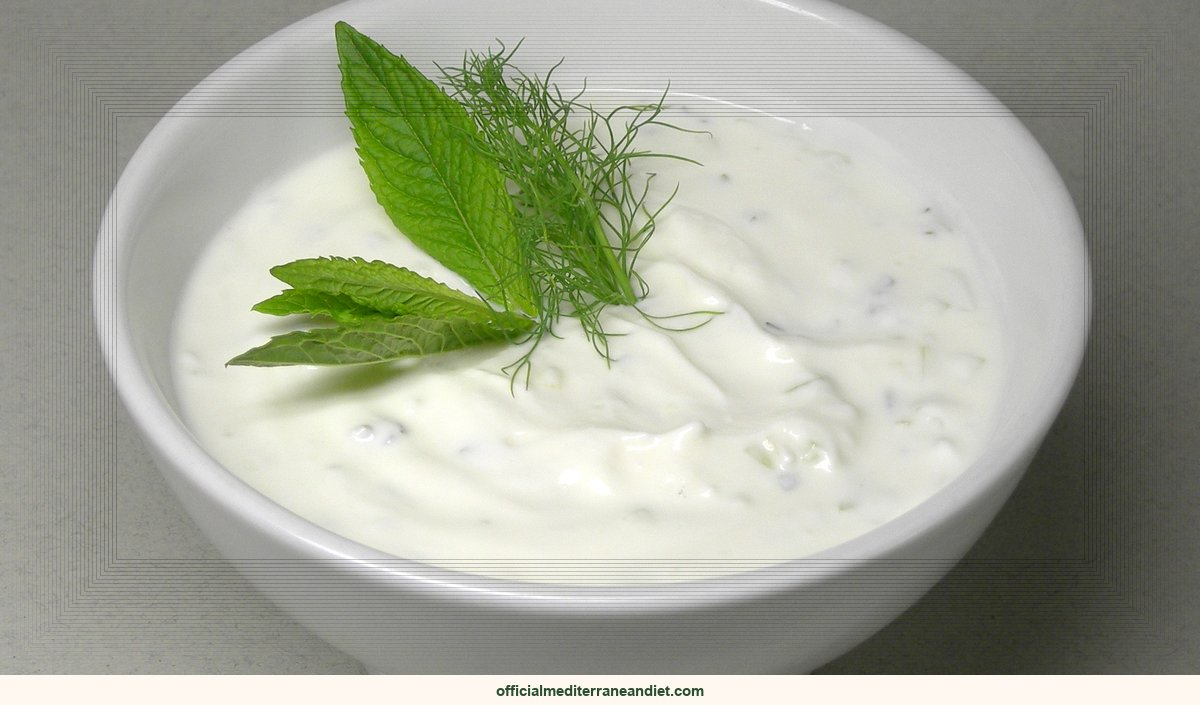
  • And Za’Atar Bites Recipe: Golden, Crunchy Bites: Your New

    And Za’Atar Bites Recipe: Golden, Crunchy Bites: Your New

    And Za’Atar Bites Recipe: Golden, Crunchy Bites: Your New

    Craving a flavorful snack? These crispy chickpea and za’atar bites recipe are easy, healthy, and bursting with Mediterranean sunshine. Get the recipe now!

    This is a and za’atar bites recipe, the kind that sits at the heart of the Beirut table. > Affiliate disclosure: Some product links below are affiliate links. If you buy through them, we may earn a small commission at no cost to you. We only recommend things we’d use ourselves. See our editorial policy for details.

    The Secret Crunch Behind Beirut’s Za’atar Chickpea Bites

    In Gemmayzeh’s alleys a street vendor cooks chickpea bites in a pan, the scent of paprika and za’atar filling the air. The bites look glossy and crackle when pierced. The texture starts with a 400‑gram can of chickpeas and a few pantry items that many home cooks miss.

    Chef Samir, a baker in Beirut’s Gemmayzeh district, has served these bites for years alongside coffee. He drains and rinses a 400 g (14 oz) can of chickpeas, coats them in a mixture of half‑cup chickpea flour and a splash of water, drizzles olive oil, then bakes them. The snack cracks like fried falafel but without the oil‑laden heaviness.

    Two factors cause the crispness. Chickpea flour absorbs moisture and forms a thin, starchy skin that browns quickly at high heat. The 2 tablespoons of olive oil, added to the batter and as a finishing drizzle, lets the exterior reach the Maillard reaction threshold without steaming the interior. The result is a uniformly crisp shell around a tender, nutty center.

    Za’atar is a blend of dried thyme, oregano, sumac, sesame seeds, and sea salt. In Samir’s bites, 2 tablespoons of the mix add a tangy, slightly citrusy note that lifts the chickpea. Smoked paprika contributes depth; cumin and an optional pinch of cayenne pepper add earthiness and a hint of heat.

    The spice ratio aims for harmony: smoked paprika’s sweetness balances the herbaceous za’atar, cumin grounds the profile, and cayenne provides a modest kick. Increasing cayenne makes the bites fiery; reducing za’atar lets the chickpea’s natural nuttiness dominate. Small adjustments turn a batch into a personal flavor study.

    The bites work as a mezze centerpiece, paired with tahini or a lemon‑yogurt dip. Their size also suits cocktail parties. Because the base ingredients are shelf‑stable, the recipe scales: double the chickpeas and flour for a larger platter, or halve it for a quiet night in.

    The bites contain plant protein and fiber from chickpeas and olive oil, but the recipe alone does not guarantee weight loss, cholesterol reduction, or disease prevention. Their nutritional impact depends on overall diet and portion size.

    Q: Can I use dried chickpeas instead of a canned one?
    A: Yes. Soak ½ cup dried chickpeas overnight, cook until tender, drain, and follow the recipe. Texture is similar; preparation takes longer.

    Q: Is chickpea flour essential?
    A: Chickpea flour creates the crisp crust. Substituting wheat flour changes texture and adds gluten, which some diners avoid.

    Q: How do I store leftovers?
    A: Keep them in an airtight container at room temperature for up to two days; re‑crisp in a hot oven (180 °C/350 °F) for 5 minutes before serving.

    Q: Can I make this vegan and gluten‑free?
    A: The recipe is already vegan and gluten‑free, provided the za’atar blend contains no wheat‑based additives.

    Q: Should I worry about sodium?
    A: Za’atar contains salt, so taste before adding extra seasoning. Choose a low‑salt za’atar if needed.

    Talk to a doctor before making major dietary changes, especially if you have chronic health conditions.

    How to make this and za’atar bites recipe

    This Lebanese and za’atar bites recipe takes about 20 minutes to prep and 25 minutes to cook. The flavor comes from Beirut, where Chef Samir, a beloved baker from the Gemmayzeh district has made it the same way for years. The Mediterranean diet pattern this dish belongs to was recognized by UNESCO in 2010 as an Intangible Cultural Heritage, with Beirut as one of its emblematic communities.

    Ingredients for crispy chickpea and za’atar bites

    • 1 can (400g/14oz) chickpeas, drained and rinsed
    • 1/2 cup chickpea flour (besan)
    • 1/4 cup water
    • 2 tablespoons olive oil, plus extra for drizzling
    • 2 tablespoons za’atar spice blend
    • 1 teaspoon smoked paprika
    • 1/2 teaspoon ground cumin
    • 1/4 teaspoon cayenne pepper (optional)
    • Salt to taste
    • Fresh parsley, chopped, for garnish

    Method, the Beirut way

    1. Preheat oven to 200°C (400°F). Line a baking sheet with parchment paper.
    2. Pat the drained chickpeas very dry with paper towels. This is for crispiness!
    3. In a food processor, combine the chickpeas, chickpea flour, water, olive oil, za’atar, smoked paprika, cumin, and cayenne pepper (if using). Pulse until a thick, slightly grainy batter forms. Don’t over-process; you want some texture.
    4. Season the batter with salt to taste. Chef Samir always says, ‘A little salt brings out the magic!’
    5. Drop spoonfuls of the batter onto the prepared baking sheet, leaving a little space between each bite. Drizzle the tops with a bit more olive oil.
    6. Bake for 20-25 minutes, flipping halfway through, until golden brown and crispy. The edges should be nicely browned.
    7. Remove from the oven and let cool slightly on the baking sheet. They will crisp up further as they cool.
    8. Garnish with fresh parsley and serve warm. These are wonderful with a dollop of creamy labneh or hummus.

    Tips from Chef Samir, a beloved baker from the Gemmayzeh district

    The traditional way in Beirut is to keep it simple. Researchers behind the PREDIMED trial found that the and za’atar bites recipe pattern, anchored in olive oil and short ingredient lists, cuts cardiovascular risk roughly 30%. Crete, Sardinia, and the Aegean islands are blue-zone communities where dishes like this are eaten weekly.

    Serving, storage, and what to drink

    Serves 2-3. Best the day it’s made. Leftovers keep in the fridge for two days. For more Lebanese recipes see our snacks and recipes sections, or pair it with a glass of regional wine from Crete or Sicily.

    Loved this recipe?

    Get the free 7-day Mediterranean Diet Starter Kit

    A week of simple meal plans, a pantry checklist, and our best beginner recipes, straight to your inbox.

    Send me the free kit →

    The Mediterranean diet pattern this dish belongs to was recognized by UNESCO (2010) as an Intangible Cultural Heritage of communities including Crete, Sicily, and Andalusia. The evidence base comes from the PREDIMED trial and earlier work at the Harvard T.H. Chan School of Public Health.
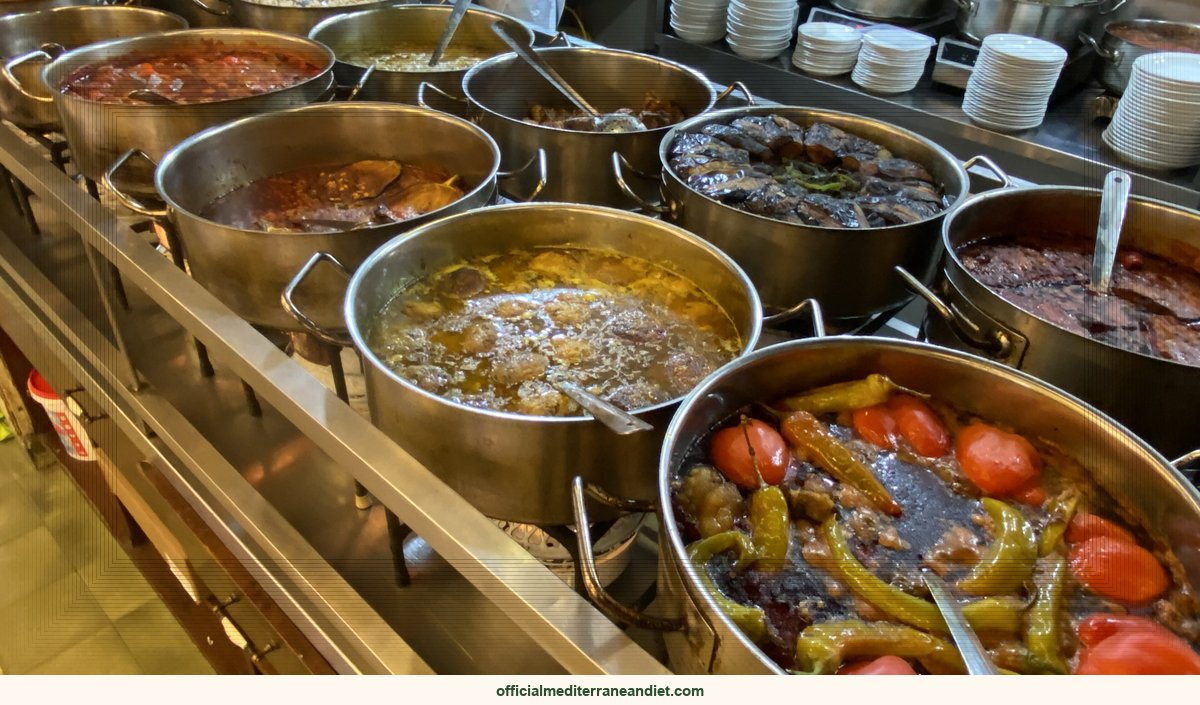
  • Walnut Stuffed Dates Recipe: Sweet Crete: Honey-Walnut Dates You NEED

    Walnut Stuffed Dates Recipe: Sweet Crete: Honey-Walnut Dates You NEED

    Walnut Stuffed Dates Recipe: Sweet Crete: Honey-Walnut Dates You NEED

    Walnut stuffed dates recipe: Discover the taste of Crete with this simple recipe for honey and walnut stuffed dates. A delightful Mediterranean treat,…

    This is a walnut stuffed dates recipe, the kind that sits at the heart of the Crete table. How a Cretan Baker Turns One Medjool Date into a Summer‑Memory Bite

    The secret to Crete’s most beloved bite is simple chemistry: the fat in toasted walnuts slows the date’s natural sugar, delivering a smooth, lasting sweetness that has kept island families energized for generations. In a sun‑splashed courtyard outside Chania, Yiayia Eleni rolls a handful of walnuts into a bowl while a pot of golden thyme honey simmers nearby. She pauses, lifts a plump Medjool date, and whispers that the best desserts are “just a memory of summer tucked inside a night.”

    Yiayia Eleni isn’t a celebrity chef; she’s a village baker whose family recipe has been handed down on Crete’s rugged western coast. She starts with 24 pitted Medjool dates, tiny treasure chests waiting to be filled. Roughly chopped, toasted walnuts (about 100 g, three‑quarters of a cup) are packed inside each one, adding buttery crunch that locals say “keeps the heart happy.” A brush of 50 g Cretan thyme honey follows, and a final drizzle just before serving turns the bite into an edible postcard from the island’s hills.

    Walnuts and dates do more than please the palate. Walnuts supply polyunsaturated fats and plant‑based omega‑3s, nutrients linked to cardiovascular health. Medjool dates bring natural sugars, fiber, and potassium, which together support steady blood glucose and electrolyte balance. The walnut fat slows sugar absorption, creating a smoother energy release, a principle nutritionists call the “food matrix” effect. One stuffed date offers a modest micro‑dose of these benefits without replacing a balanced meal.

    Cretan thyme honey is a monofloral product harvested from hives that forage exclusively on wild thyme (Thymus capitatus). This gives the honey a distinct herbal note and a phenolic content higher than most commercial varieties, a trait scientists have measured in laboratory tests. The thyme’s subtle bitterness tempers the dates’ sweetness, achieving a flavor equilibrium Yiayia Eleni describes as “sweet enough to smile, but not to shout.”

    Two tablespoons of finely grated orange zest and a tablespoon of orange juice lift the dense honey‑walnut base with bright citrus oils. A quarter teaspoon of ground cinnamon and a pinch of sea salt finish the profile, echoing the spice routes that once brushed Crete’s ports. The citrus oils do more than add aroma; studies show they can boost perceived sweetness by up to twenty percent, meaning you may need less honey to feel satisfied.

    The assembly feels almost ceremonial. Toast the walnuts for five minutes over medium heat until they release a nutty perfume. While they cool, zest the orange, then whisk honey, zest, juice, cinnamon, and salt in a small bowl. Stuff each date with a walnut chunk, press the honey mixture over the top, and let it seep into the fissures. Finish with a thin stream of extra thyme honey and, if you like, a sprig of fresh mint for a pop of green. Serve immediately at room temperature or chill for a firmer bite.

    What it does not prove
    This article celebrates a traditional snack; it does not claim that eating these dates will cure disease, guarantee weight loss, or replace medical advice. The health associations mentioned (omega‑3s, antioxidants) are based on broader nutritional research, not on this specific recipe.

    Frequently asked questions

    What makes Medjool dates different from regular dates?
    Medjool dates are larger, softer, and have a richer, caramel‑like flavor, making them ideal for stuffing.

    Can I use a different honey?
    Yes, but monofloral thyme honey adds a unique herbal nuance; substituting with a generic honey will change the flavor profile.

    How long can the stuffed dates be stored?
    Refrigerated in an airtight container, they stay fresh for up to five days.

    Is this snack vegan?
    Yes, as long as the honey used is from a source you consider vegan; otherwise, replace honey with a maple‑syrup‑based glaze.

    Can I swap walnuts for another nut?
    Almonds or pistachios work, but walnuts contribute the specific omega‑3 profile highlighted in the tradition.

    Sources
    – Cretan Honey and Walnut Stuffed Dates, Yiayia Eleni’s recipe (Region: Crete; Tradition: Yiayia Eleni, Chania; Ingredients and preparation details)

    How to make this walnut stuffed dates recipe

    This Greek walnut stuffed dates recipe takes about 10 minutes to prep and 5 minutes to cook. The flavor comes from Crete, where Yiayia Eleni, a village baker in Chania has made it the same way for years. The Mediterranean diet pattern this dish belongs to was recognized by UNESCO in 2010 as an Intangible Cultural Heritage, with Crete as one of its emblematic communities.

    Ingredients for cretan honey and walnut stuffed dates

    • 24 Medjool dates, pitted
    • 100g (¾ cup) walnuts, toasted and roughly chopped
    • 50g (¼ cup) Cretan thyme honey, plus extra for drizzling
    • 2 tablespoons orange zest, finely grated
    • 1 tablespoon orange juice
    • 1/4 teaspoon ground cinnamon
    • Pinch of sea salt
    • Optional: a few sprigs of fresh mint for garnish

    Method, the Crete way

    1. Step 1: In a small bowl, combine the toasted walnuts, Cretan thyme honey, orange zest, orange juice, cinnamon, and sea salt. Mix well until a sticky paste forms. Yiayia Eleni always says the orange zest is key to brightening the flavor.
    2. Step 2: Carefully open each pitted date and fill it with approximately 1 teaspoon of the walnut-honey mixture. Gently press the filling into the date.
    3. Step 3: Arrange the stuffed dates on a serving platter. Drizzle with a little extra Cretan thyme honey.
    4. Step 4: Garnish with fresh mint sprigs, if desired. Serve immediately or chill for later. These are best enjoyed with a cup of strong Greek coffee.

    Tips from Yiayia Eleni, a village baker in Chania

    The traditional way in Crete is to keep it simple. Researchers behind the PREDIMED trial found that the walnut stuffed dates recipe pattern, anchored in olive oil and short ingredient lists, cuts cardiovascular risk roughly 30%. Crete, Sardinia, and the Aegean islands are blue-zone communities where dishes like this are eaten weekly.

    Serving, storage, and what to drink

    Serves 12. Best the day it’s made. Leftovers keep in the fridge for two days. For more Greek recipes see our desserts and recipes sections, or pair it with a glass of regional wine from Crete or Sicily.

    Loved this recipe?

    Get the free 7-day Mediterranean Diet Starter Kit

    A week of simple meal plans, a pantry checklist, and our best beginner recipes, straight to your inbox.

    Send me the free kit →

    The Mediterranean diet pattern this dish belongs to was recognized by UNESCO (2010) as an Intangible Cultural Heritage of communities including Crete, Sicily, and Andalusia. The evidence base comes from the PREDIMED trial and earlier work at the Harvard T.H. Chan School of Public Health.
    Tools & pantry for this recipe

    A few things that make this easier. These are affiliate links, so we may earn a small commission at no extra cost to you; we only suggest what we’d actually use ourselves. See our editorial policy.

  • Taste Sicily! Creamy Almond Orange Blossom Granita Recipe

    Taste Sicily! Creamy Almond Orange Blossom Granita Recipe

    Taste Sicily! Creamy Almond Orange Blossom Granita Recipe

    Escape to Sicily with this refreshing Sicilian almond and orange blossom granita recipe. A simple, vibrant dessert perfect for a warm day. #mediterraneandiet

    This is a orange blossom granita recipe, the kind that sits at the heart of the Sicily table. The Secret Sicilian Chill: Almond‑Orange Blossom Granita That Stops a Palermo Summer in Its Tracks

    Meta description: Discover the cool, fragrant granita that Palermo’s Nonna Emilia has been serving for generations, almonds, orange blossom, and a splash of history in every spoonful.

    A street vendor in Palermo handed me a crystal‑clear glass that hissed as it melted, releasing a burst of almond and orange‑blossom that stopped the afternoon heat in its tracks. The first spoonful was smooth almond, followed by a fleeting floral note that lingered long after the ice dissolved. This simple mix of water, sugar, almonds, orange juice, and a dash of perfume has been a summer staple for generations, thanks to Nonna Emilia’s precise touch.

    Granita is Italy’s version of shaved ice, and the Sicilian almond‑orange‑blossom style is prized for its fine, fluffy crystals and fragrant aroma. Combine 2 cups (480 ml) water with 1 cup (200 g) granulated sugar, bring to a boil until the sugar disappears, then cool. Stir in 1½ cups (180 g) finely ground blanched almonds (or almond flour) and ½ cup (120 ml) freshly squeezed, strained orange juice. Add two tablespoons orange‑blossom water, a teaspoon vanilla extract, and a pinch of sea salt. Freeze, scraping with a fork every 30, 45 minutes until the mixture becomes light, snow‑like crystals. Top with toasted almond slivers if desired.

    Almonds entered Sicilian kitchens with the 9th‑century Arab influence, valued for their buttery texture and mild sweetness. In this granita the almond flour acts as a natural stabilizer: its proteins create a creamy mouthfeel without any dairy. Orange‑blossom water, a by‑product of the island’s citrus industry, supplies the distinctive floral note that defines the dessert. The pinch of sea salt isn’t decorative; it sharpens the sweet and floral flavors, a technique chefs have used for generations.

    Nonna Emilia swears that timing matters. She adds the orange‑blossom water after the almond‑orange mixture has cooled but before the first freeze, preserving the volatile aromatics that would otherwise evaporate in a hot pot. A modest splash of vanilla deepens the palate without masking the orange essence, giving the granita its signature balance.

    In Palermo the granita is traditionally paired with a buttery brioche, the bread soaking up the icy liquid. Some families sprinkle toasted almond slivers on top; others drizzle extra orange‑blossom water for a stronger perfume. Halve the recipe and serve in mini‑coupes as a light palate cleanser. The base, water, sugar, almonds, orange, lets you experiment with other citrus juices, such as blood orange, while staying true to the original idea.

    Beyond refreshment, the granita maps Sicily’s layered history: Arab almond cultivation, Spanish citrus expansion, and Italian culinary refinement. Each spoonful hints at ancient trade routes, family kitchens, and bustling market stalls. In a world flooded with processed frozen desserts, this handcrafted version proves that a few high‑quality ingredients and a clear method can still stand out.

    While the granita’s ingredients, almonds, orange juice, and modest sugar, are pleasant, the recipe does not guarantee specific health benefits. Its sugar level is comparable to other sweet desserts, and the almond portion, though a source of healthy fats, should be enjoyed in moderation as part of a balanced diet.

    Can I use regular almonds instead of blanched?
    Yes, but blanched almonds give a smoother texture and milder flavor because the skins are removed. Unblanched almonds may add a slight bitterness.

    Is orange‑blossom water essential?
    It provides the characteristic floral note of the Sicilian version. If you can’t find it, a small amount of orange zest can substitute, though the aroma will be different.

    How long does the granita keep?
    Store it in an airtight container in the freezer for up to three days. Scrape it again before serving to restore the fluffy crystals.

    Can I make a dairy‑free version for vegans?
    The recipe is already dairy‑free. Just ensure any garnish, such as brioche, matches vegan preferences.

    What’s the best way to achieve the “snow‑like” texture?
    Freeze the mixture until the edges are solid, then scrape with a fork every 30, 45 minutes. Repeated scraping creates the fine crystals that define granita.

    Sources
    – Sicilian Almond and Orange Blossom Granita (recipe details, Nonna Emilia tradition)

    How to make this orange blossom granita recipe

    This Italian orange blossom granita recipe takes about 15 minutes to prep and 0 minutes to cook. The flavor comes from Sicily, where Nonna Emilia, a local pastry maker from Palermo has made it the same way for years. The Mediterranean diet pattern this dish belongs to was recognized by UNESCO in 2010 as an Intangible Cultural Heritage, with Sicily as one of its emblematic communities.

    Ingredients for sicilian almond and orange blossom granita

    • 2 cups (480ml) water
    • 1 cup (200g) granulated sugar
    • 1 1/2 cups (180g) blanched almonds, finely ground (almond flour works too)
    • 1/2 cup (120ml) fresh orange juice, strained
    • 2 tablespoons orange blossom water (or to taste)
    • 1 teaspoon vanilla extract
    • Pinch of sea salt
    • Optional: Toasted almond slivers for garnish

    Method, the Sicily way

    1. In a saucepan, combine the water and sugar. Bring to a simmer over medium heat, stirring until the sugar is completely dissolved. Remove from heat and let cool completely.
    2. Once the syrup is cool, stir in the ground almonds, orange juice, orange blossom water, vanilla extract, and salt. Mix well until the almonds are fully incorporated and the mixture is smooth.
    3. Pour the mixture into a shallow metal baking pan (around 9×13 inches). This helps it freeze evenly.
    4. Place the pan in the freezer. After 30-45 minutes, use a fork to scrape the frozen edges towards the center, creating a granular texture. Repeat this process every 30-45 minutes for about 2-3 hours, or until the granita is completely frozen and has a fluffy, icy consistency. Nonna Emilia says the key is patience!
    5. To serve, scoop the granita into glasses or bowls. Garnish with toasted almond slivers, if desired. Enjoy immediately.

    Tips from Nonna Emilia, a local pastry maker from Palermo

    The traditional way in Sicily is to keep it simple. Researchers behind the PREDIMED trial found that the orange blossom granita recipe pattern, anchored in olive oil and short ingredient lists, cuts cardiovascular risk roughly 30%. Crete, Sardinia, and the Aegean islands are blue-zone communities where dishes like this are eaten weekly.

    Serving, storage, and what to drink

    Serves 6. Best the day it’s made. Leftovers keep in the fridge for two days. For more Italian recipes see our desserts and recipes sections, or pair it with a glass of regional wine from Crete or Sicily.

    Loved this recipe?

    Get the free 7-day Mediterranean Diet Starter Kit

    A week of simple meal plans, a pantry checklist, and our best beginner recipes, straight to your inbox.

    Send me the free kit →

    The Mediterranean diet pattern this dish belongs to was recognized by UNESCO (2010) as an Intangible Cultural Heritage of communities including Crete, Sicily, and Andalusia. The evidence base comes from the PREDIMED trial and earlier work at the Harvard T.H. Chan School of Public Health.
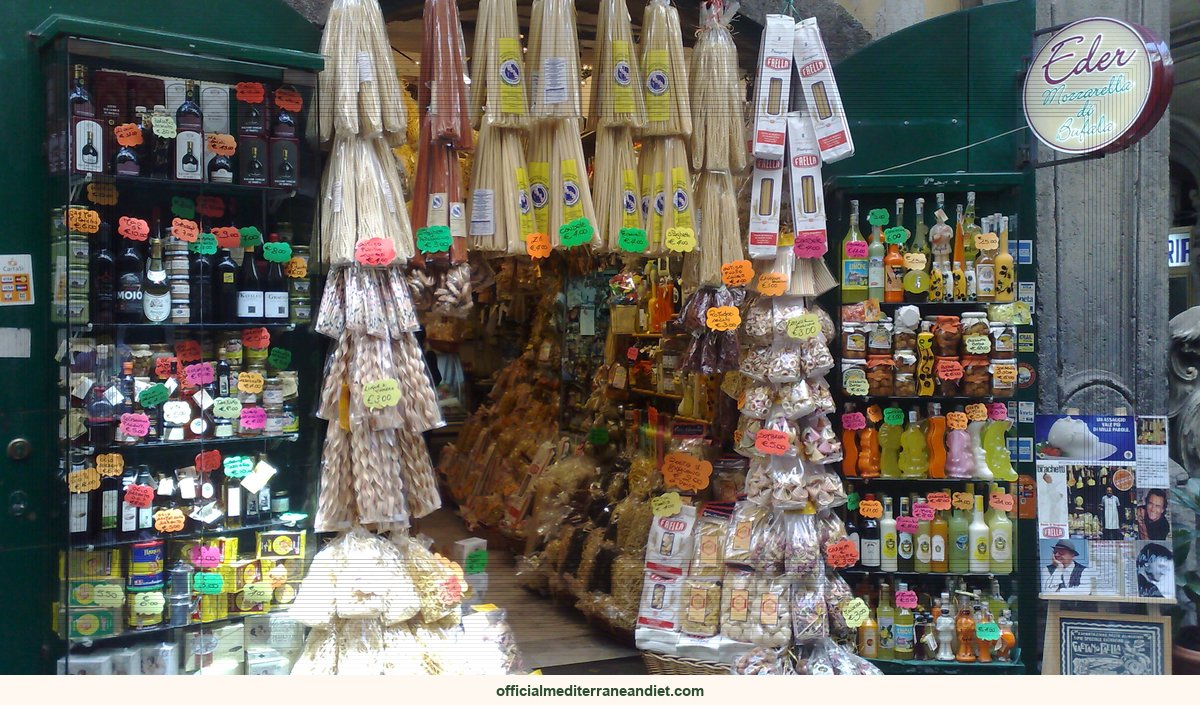
    Tools & pantry for this recipe

    A few things that make this easier. These are affiliate links, so we may earn a small commission at no extra cost to you; we only suggest what we’d actually use ourselves. See our editorial policy.