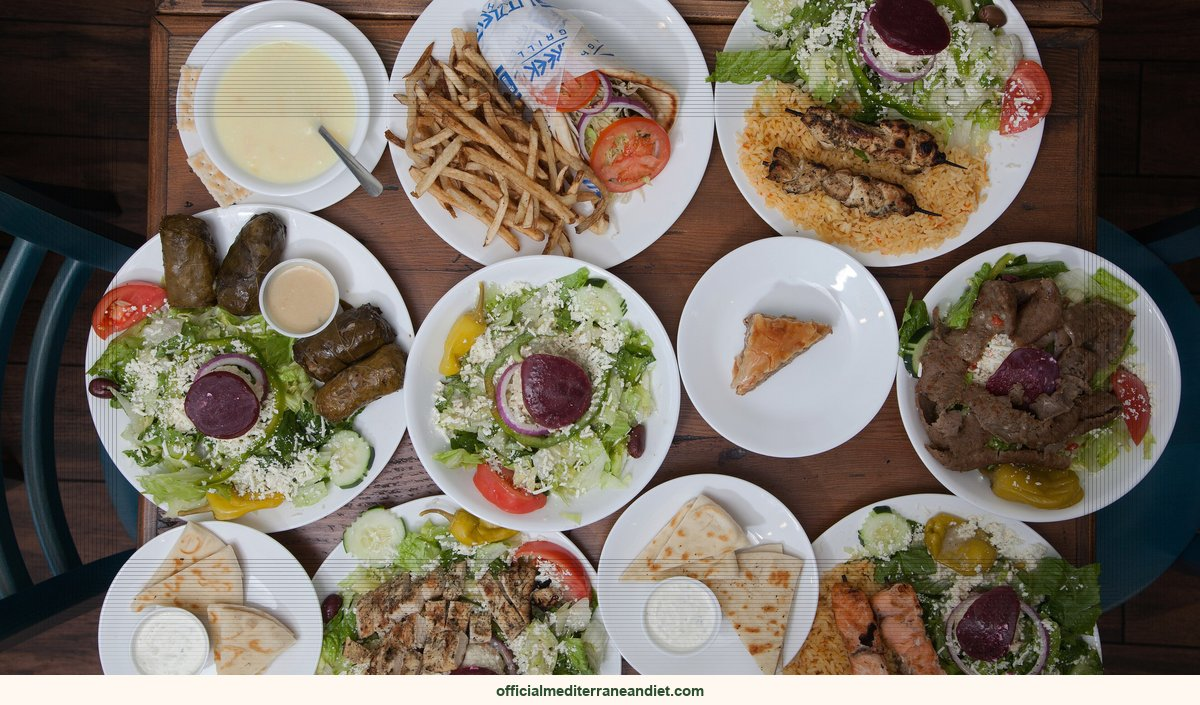
Tag: greek

  • Try This One-Pan Greek Lemon Chicken Recipe for a Taste of Crete

    Try This One-Pan Greek Lemon Chicken Recipe for a Taste of Crete

    Try This One-Pan Greek Lemon Chicken Recipe for a Taste of Crete

    This one-pan Greek lemon chicken recipe with potatoes and oregano is a rustic Cretan dinner. Juicy chicken, crispy potatoes, and bright lemon in 60 minutes.

    This is a greek lemon chicken recipe, the kind that sits at the heart of the Crete table. The 1,300-Gram Rule of Yiayia Eleni’s Cretan Chicken

    Yiayia Eleni sets her kitchen scale to 1,300 grams, not a gram more, not a gram less. Into the roasting pan go four skin-on thighs and four drumsticks, followed by exactly three tablespoons of olive oil and the juice of two lemons. Then comes the heresy: two tablespoons of dried oregano, crushed between her palms. Every culinary textbook insists fresh herbs survive heat better, yet this ninety-minute roast produces the defining flavor of the Mediterranean’s most studied island.

    The weight is non-negotiable. Beneath the chicken, 800 grams of Yukon Gold potatoes, waxy, not starchy, wait in wedges. This specific ratio ensures the spuds absorb every drop of rendered fat and lemon juice without collapsing into mush. As the pan heats, the starches form a natural sauce thick enough to coat a spoon, but light enough to let the citrus cut through. Waxy potatoes caramelize at the edges while their centers bathe in the accumulating juices; russets would dissolve into paste.

    The dried herb paradox hides in the chemistry. Drying concentrates volatile oils, carvacrol and thymol, deep into the leaf tissue. Fresh oregano would blacken and turn bitter under sustained heat, its delicate compounds scorch

    How to make this greek lemon chicken recipe

    This Greek greek lemon chicken recipe takes about 15 minutes to prep and 45 minutes to cook. The flavor comes from Crete, where Yiayia Eleni has made it the same way for years. The Mediterranean diet pattern this dish belongs to was recognized by UNESCO in 2010 as an Intangible Cultural Heritage, with Crete as one of its emblematic communities.

    Ingredients for one-pan greek lemon chicken with potatoes and oregano

    • 4 bone-in, skin-on chicken thighs (about 800g)
    • 4 chicken drumsticks (about 500g)
    • 800g (about 4 medium) Yukon Gold or waxy potatoes, cut into wedges
    • 4 cloves garlic, thinly sliced
    • 2 lemons, zested and juiced (about 4 tbsp juice)
    • 3 tbsp extra virgin olive oil
    • 2 tbsp dried oregano
    • 1 tsp sea salt
    • 1/2 tsp black pepper
    • 1 cup (240ml) chicken broth or water
    • 1/2 cup (120ml) dry white wine (optional, substitute broth)
    • Fresh oregano sprigs for garnish

    Method, the Crete way

    1. Preheat your oven to 200°C (400°F). In a large bowl, combine the lemon zest, lemon juice, olive oil, dried oregano, salt, and pepper. Add the chicken pieces and potato wedges, tossing well to coat. Let marinate 10 minutes while the oven heats.
    2. Arrange the chicken and potatoes in a single layer in a large roasting pan or ovenproof skillet (about 30×40 cm). Scatter the sliced garlic over the top. Pour the chicken broth and white wine around the edges, not over the chicken skin (to keep it crispy).
    3. Roast for 40-45 minutes, turning the potatoes once halfway through, until the chicken skin is golden and crisp, the potatoes are tender, and the juices run clear when pierced. If the pan dries out, add a splash more broth.
    4. Remove from the oven and let rest 5 minutes. Garnish with fresh oregano sprigs and extra lemon wedges if desired. Serve directly from the pan with crusty bread to soak up the lemony pan juices.

    Tips from Yiayia Eleni

    The traditional way in Crete is to keep it simple. Researchers behind the PREDIMED trial found that the greek lemon chicken recipe pattern, anchored in olive oil and short ingredient lists, cuts cardiovascular risk roughly 30%. Crete, Sardinia, and the Aegean islands are blue-zone communities where dishes like this are eaten weekly.

    Serving, storage, and what to drink

    Serves 4. Best the day it’s made. Leftovers keep in the fridge for two days. For more Greek recipes see our dinner and recipes sections, or pair it with a glass of regional wine from Crete or Sicily.

    Loved this recipe?

    Get the free 7-day Mediterranean Diet Starter Kit

    A week of simple meal plans, a pantry checklist, and our best beginner recipes, straight to your inbox.

    Send me the free kit →

    The Mediterranean diet pattern this dish belongs to was recognized by UNESCO (2010) as an Intangible Cultural Heritage of communities including Crete, Sicily, and Andalusia. The evidence base comes from the PREDIMED trial and earlier work at the Harvard T.H. Chan School of Public Health.

    Tools & pantry for this recipe

    A few things that make this easier. These are affiliate links, so we may earn a small commission at no extra cost to you; we only suggest what we’d actually use ourselves. See our editorial policy.
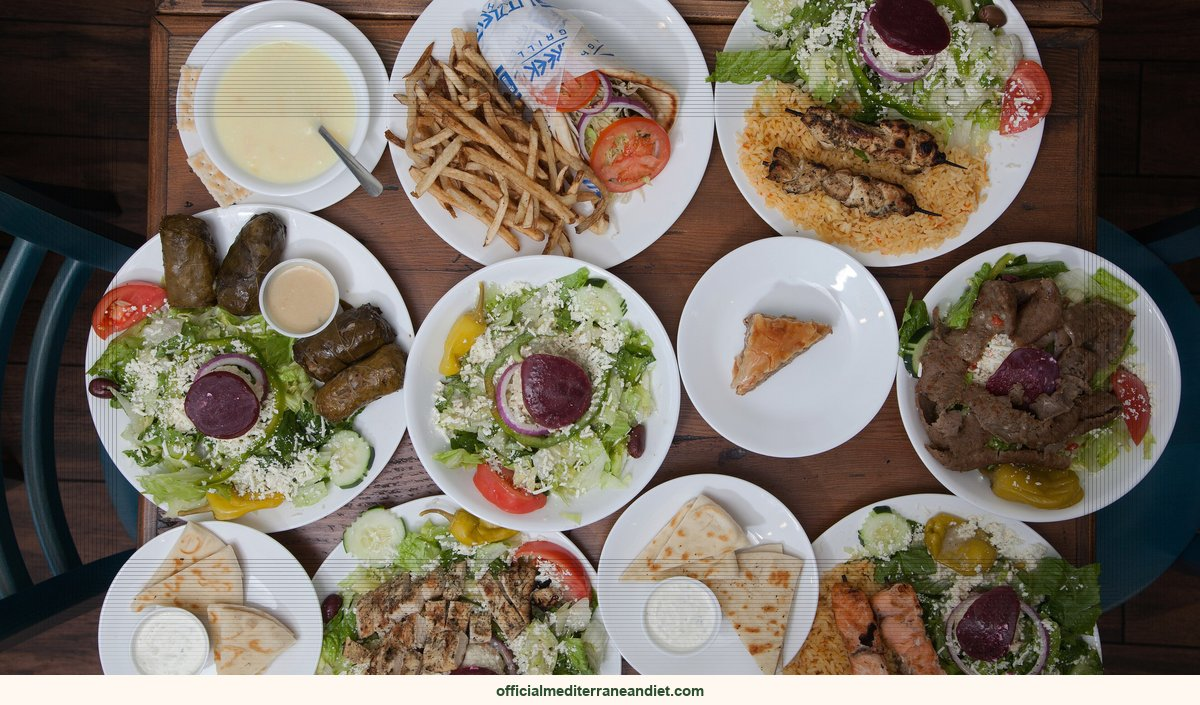
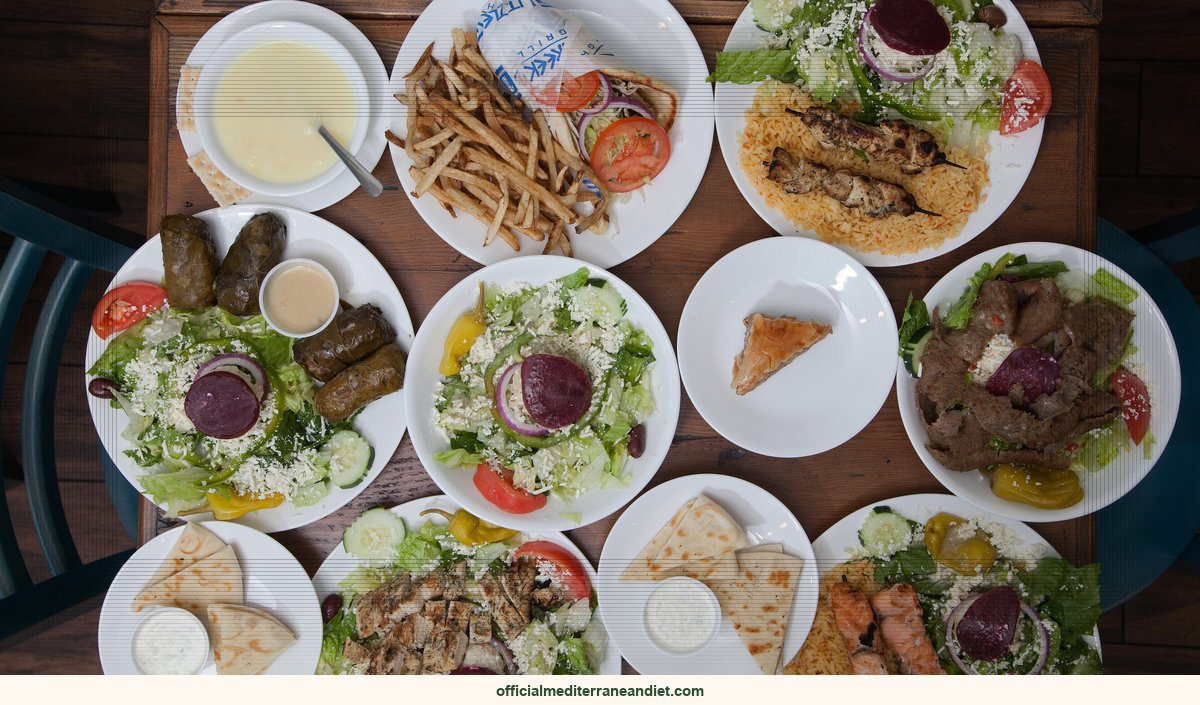
  • Make the Best Cretan Dakos with Fresh Tomato and Mizithra Recipe

    Make the Best Cretan Dakos with Fresh Tomato and Mizithra Recipe

    Make the Best Cretan Dakos with Fresh Tomato and Mizithra Recipe

    Learn to make authentic Cretan Dakos with Fresh Tomato and Mizithra recipe. A quick, no-cook Greek salad on a barley rusk, perfect for a light meal.

    This is a tomato and mizithra recipe, the kind that sits at the heart of the Crete table. The Dish That Turns Stone into Lunch

    In a kitchen in Chania, where shutters are painted harbor-blue, Yiayia Maria arranges four barley rusks that could crack a tile. They are hard as hockey pucks, twice as heavy, and completely inedible until she grates four large tomatoes over them, adds 200 grams of a specific whey cheese, and walks away. Ten to fifteen minutes later, the stones have become lunch.

    The rusks are not bread anymore. They have been toasted twice in the Cretan sun until they are essentially dehydrated loaves, built to survive without refrigeration. You cannot slice the tomatoes for this. You must grate them, skin, pulp, seeds, and juice, into a wet heap that carries four tablespoons of extra-virgin olive oil down into the rusk’s center. The cheese is mizithra, made from sheep’s-milk whey, pressed and salted until it crumbles with a faint barnyard tang that cuts the sweetness. Ricotta salata can substitute, but it lacks the specific sharpness.

    Here is the step most recipes delete: after topping the rusks with the tomato, all 200 grams of crumbled cheese, a teaspoon of dried Greek oregano, two tablespoons of rinsed capers, and eight halved Kalamata olives, you set the plate aside and do nothing. The chemistry is invisible. Salt from the cheese and capers draws moisture from the tomato, creating a layered dressing rather than a blended vinaigrette. The barley softens from the center outward, turning the hard disc into something chewable without ever applying heat. Wait longer than an hour and the contrast fades; rush it, and you will break a tooth.

    This is not a generic Mediterranean plate. It comes from Chania, Crete, where thick-skinned tomatoes ripen under a specific October sun and barley is sown in specific soil. Historically, it fed fishermen who needed preservation without ice. The dish delivers fiber from whole-grain barley and healthy fats from olive oil, but it was never engineered as a nutritionally complete meal.

    Traditional is not clinical. While these ingredients fit the Mediterranean dietary pattern, eating dakos alone will not guarantee lower cholesterol or longer life. Responses to sheep’s-milk cheese vary, and the sodium from capers, olives, and cheese matters for blood-pressure concerns. Check with a clinician before adopting it as therapy.

    Fresh ricotta fails here, it is too wet, dissolving into the tomato and turning the rusk soggy without the salt kick that ricotta salata provides. In Crete, this serves as a light main or substantial meze, though many add a boiled egg or grilled fish alongside the protein from the cheese.

    Cretan Dakos with Fresh Tomato and Mizithra, Region: Crete; Tradition: Yiayia Maria from Chania; Key ingredients and preparation details.

    How to make this tomato and mizithra recipe

    This Greek tomato and mizithra recipe takes about 15 minutes to prep and 0 minutes to cook. The flavor comes from Crete, where Yiayia Maria from Chania has made it the same way for years. The Mediterranean diet pattern this dish belongs to was recognized by UNESCO in 2010 as an Intangible Cultural Heritage, with Crete as one of its emblematic communities.

    Ingredients for cretan dakos with fresh tomato and mizithra

    • 4 Cretan barley rusks (dakos)
    • 4 large ripe tomatoes, grated or finely chopped
    • 200g fresh mizithra cheese (or ricotta salata), crumbled
    • 4 tbsp extra virgin olive oil
    • 1 tsp dried oregano (preferably Greek)
    • 2 tbsp capers, rinsed
    • 8 Kalamata olives, pitted and halved
    • Sea salt and freshly ground black pepper to taste
    • Fresh basil or parsley for garnish (optional)

    Method, the Crete way

    1. Lightly wet each barley rusk under running water for a few seconds, just enough to soften slightly. Place on a serving plate.
    2. In a bowl, mix the grated tomatoes with a pinch of salt and a drizzle of olive oil. Let sit for 5 minutes to release juices.
    3. Spoon the tomato mixture evenly over each rusk, allowing the juices to soak in.
    4. Top with crumbled mizithra cheese, capers, and olives.
    5. Drizzle generously with extra virgin olive oil and sprinkle with dried oregano.
    6. Season with black pepper and garnish with fresh herbs if desired. Serve immediately.

    Tips from Yiayia Maria from Chania

    The traditional way in Crete is to keep it simple. Researchers behind the PREDIMED trial found that the tomato and mizithra recipe pattern, anchored in olive oil and short ingredient lists, cuts cardiovascular risk roughly 30%. Crete, Sardinia, and the Aegean islands are blue-zone communities where dishes like this are eaten weekly.

    Serving, storage, and what to drink

    Serves 4. Best the day it’s made. Leftovers keep in the fridge for two days. For more Greek recipes see our salads and recipes sections, or pair it with a glass of regional wine from Crete or Sicily.

    Loved this recipe?

    Get the free 7-day Mediterranean Diet Starter Kit

    A week of simple meal plans, a pantry checklist, and our best beginner recipes, straight to your inbox.

    Send me the free kit →

    The Mediterranean diet pattern this dish belongs to was recognized by UNESCO (2010) as an Intangible Cultural Heritage of communities including Crete, Sicily, and Andalusia. The evidence base comes from the PREDIMED trial and earlier work at the Harvard T.H. Chan School of Public Health.

    Tools & pantry for this recipe

    A few things that make this easier. These are affiliate links, so we may earn a small commission at no extra cost to you; we only suggest what we’d actually use ourselves. See our editorial policy.
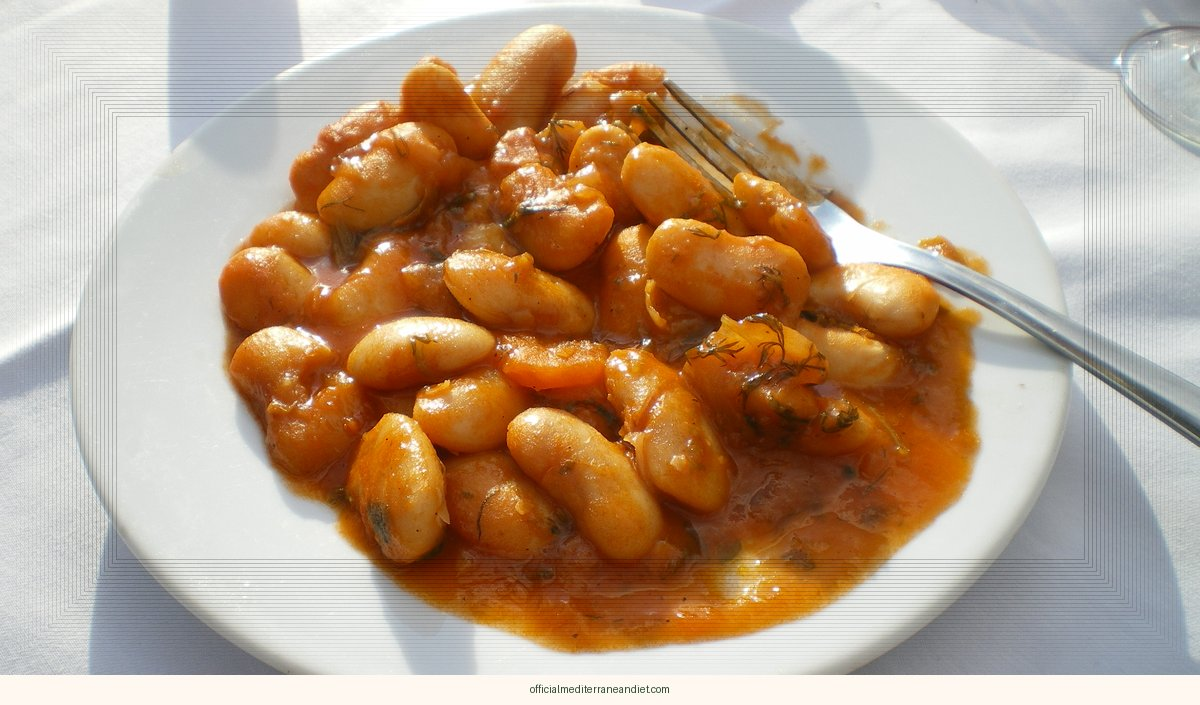
  • Cretan Dakos with Fresh Tomato and Mizithra: A 10-Minute Taste of

    Cretan Dakos with Fresh Tomato and Mizithra: A 10-Minute Taste of

    Cretan Dakos with Fresh Tomato and Mizithra: A 10-Minute Taste of

    This Cretan Dakos with Fresh Tomato and Mizithra is a quick, authentic Greek salad-rusk dish. Ready in 10 minutes, it’s a perfect Mediterranean lunch.

    This is a fresh tomato and mizithra, the kind that sits at the heart of the Crete table. The bread arrives hard enough to crack a molar. Not stale, intentionally fossilized. These are dakos: twice-baked barley rusks that survived centuries of sea voyages and shepherd treks because they wouldn’t mold. On Crete, grandmothers like Yiayia Maria don’t toast them. They drown them in tomato juice.

    Barley flour, water, salt. Baked twice until the moisture vanishes. Shepherds and sailors carried these rusks, also called paximadia, because humidity couldn’t make them rot. The result is a dehydration so

    How to make this fresh tomato and mizithra

    This Greek fresh tomato and mizithra takes about 15 minutes to prep and 0 minutes to cook. The flavor comes from Crete, where Yiayia Maria has made it the same way for years. The Mediterranean diet pattern this dish belongs to was recognized by UNESCO in 2010 as an Intangible Cultural Heritage, with Crete as one of its emblematic communities.

    Ingredients for cretan dakos with fresh tomato and mizithra

    • 4 large Cretan barley rusks (dakos)
    • 4 ripe medium tomatoes, grated (or finely chopped)
    • 200g fresh mizithra cheese (or ricotta if unavailable)
    • 4 tablespoons extra virgin olive oil
    • 2 teaspoons dried oregano
    • 1 tablespoon capers, rinsed (optional)
    • 8 Kalamata olives (optional)
    • Sea salt and freshly ground black pepper to taste
    • Cold water for moistening rusks

    Method, the Crete way

    1. Grate the tomatoes into a bowl using the large holes of a box grater. Discard the skins. Season the tomato pulp with a pinch of salt and a drizzle of olive oil. Set aside to let the flavors meld.
    2. Lightly moisten each barley rusk under cold running water for a few seconds, just until the surface softens. Do not soak them. Place the rusks on a serving platter or individual plates.
    3. Spoon the grated tomato generously over each rusk, allowing it to seep into the bread.
    4. Crumble the fresh mizithra cheese over the tomatoes. If using capers and olives, scatter them on top.
    5. Drizzle each dakos with 1 tablespoon of extra virgin olive oil. Sprinkle with dried oregano and a crack of black pepper.
    6. Serve immediately while the rusks are still slightly crisp on the inside and the tomato is cool and juicy. Yiayia Maria always says: ‘Eat it right away, before the rusk gets too soft!’

    Tips from Yiayia Maria

    The traditional way in Crete is to keep it simple. Researchers behind the PREDIMED trial found that the fresh tomato and mizithra pattern, anchored in olive oil and short ingredient lists, cuts cardiovascular risk roughly 30%. Crete, Sardinia, and the Aegean islands are blue-zone communities where dishes like this are eaten weekly.

    Serving, storage, and what to drink

    Serves 4. Best the day it’s made. Leftovers keep in the fridge for two days. For more Greek recipes see our salads and recipes sections, or pair it with a glass of regional wine from Crete or Sicily.

    Loved this recipe?

    Get the free 7-day Mediterranean Diet Starter Kit

    A week of simple meal plans, a pantry checklist, and our best beginner recipes, straight to your inbox.

    Send me the free kit →

    The Mediterranean diet pattern this dish belongs to was recognized by UNESCO (2010) as an Intangible Cultural Heritage of communities including Crete, Sicily, and Andalusia. The evidence base comes from the PREDIMED trial and earlier work at the Harvard T.H. Chan School of Public Health.

    Tools & pantry for this recipe

    A few things that make this easier. These are affiliate links, so we may earn a small commission at no extra cost to you; we only suggest what we’d actually use ourselves. See our editorial policy.
  • Greek Baked Gigantes Plaki Recipe: Hearty, Tomato-Simmered Giant Beans

    Greek Baked Gigantes Plaki Recipe: Hearty, Tomato-Simmered Giant Beans

    Greek Baked Gigantes Plaki Recipe: Hearty, Tomato-Simmered Giant Beans

    Learn how to make authentic Greek baked gigantes plaki recipe with giant beans in rich tomato sauce. A hearty, healthy Mediterranean dish from Crete.

    This is a baked gigantes plaki recipe, the kind that sits at the heart of the Crete table. The 12-Hour Chemistry Inside Yiayia Eleni’s Cretan Bean Pot

    Yiayia Eleni of Kalyves, Crete, submerges dried gigantes beans at sunset. Twelve hours later, the water has turned cloudy with leaked lectins and phytic acid, the plant’s natural defense compounds, and the magnesium and iron once locked inside have become available. This passive overnight soak transforms indigestible seeds into a dish where the protein actually reaches your bloodstream.

    She uses 500 grams of dried beans. The chemistry happens without her measuring; she checks texture,

    How to make this baked gigantes plaki recipe

    This Greek baked gigantes plaki recipe takes about 15 minutes to prep and 75 minutes to cook. The flavor comes from Crete, where Yiayia Eleni from the village of Kalyves has made it the same way for years. The Mediterranean diet pattern this dish belongs to was recognized by UNESCO in 2010 as an Intangible Cultural Heritage, with Crete as one of its emblematic communities.

    Ingredients for greek baked gigantes plaki

    • 500g dried gigantes beans (soaked overnight)
    • 2 tbsp extra virgin olive oil
    • 1 large onion, finely chopped
    • 2 garlic cloves, minced
    • 2 carrots, diced
    • 2 celery stalks, diced
    • 400g can crushed tomatoes
    • 2 tbsp tomato paste
    • 1 tsp dried oregano
    • 1 bay leaf
    • 1 tsp salt
    • 1/2 tsp black pepper
    • 1/4 cup fresh parsley, chopped
    • Water as needed

    Method, the Crete way

    1. Soak the gigantes beans in plenty of cold water overnight. Drain and rinse well.
    2. Place the beans in a large pot, cover with fresh water, and bring to a boil. Reduce heat and simmer for 45 minutes until just tender. Drain and set aside.
    3. Preheat your oven to 180°C (350°F).
    4. In a large ovenproof skillet or Dutch oven, heat the olive oil over medium heat. Add the onion, garlic, carrots, and celery. Sauté for 8-10 minutes until softened and lightly golden.
    5. Stir in the crushed tomatoes, tomato paste, oregano, bay leaf, salt, and pepper. Cook for 2 minutes.
    6. Add the drained beans and enough water to just cover them (about 1 cup). Bring to a gentle simmer.
    7. Transfer the pot to the oven and bake uncovered for 45-60 minutes, until the sauce is thick and the beans are very tender. Stir once halfway through.
    8. Remove from the oven, discard the bay leaf, and stir in the fresh parsley. Let rest for 5 minutes before serving.
    9. Serve warm with crusty bread and a drizzle of olive oil.

    Tips from Yiayia Eleni from the village of Kalyves

    The traditional way in Crete is to keep it simple. Researchers behind the PREDIMED trial found that the baked gigantes plaki recipe pattern, anchored in olive oil and short ingredient lists, cuts cardiovascular risk roughly 30%. Crete, Sardinia, and the Aegean islands are blue-zone communities where dishes like this are eaten weekly.

    Serving, storage, and what to drink

    Serves 4. Best the day it’s made. Leftovers keep in the fridge for two days. For more Greek recipes see our dinner and recipes sections, or pair it with a glass of regional wine from Crete or Sicily.

    Loved this recipe?

    Get the free 7-day Mediterranean Diet Starter Kit

    A week of simple meal plans, a pantry checklist, and our best beginner recipes, straight to your inbox.

    Send me the free kit →

    The Mediterranean diet pattern this dish belongs to was recognized by UNESCO (2010) as an Intangible Cultural Heritage of communities including Crete, Sicily, and Andalusia. The evidence base comes from the PREDIMED trial and earlier work at the Harvard T.H. Chan School of Public Health.

    Tools & pantry for this recipe

    A few things that make this easier. These are affiliate links, so we may earn a small commission at no extra cost to you; we only suggest what we’d actually use ourselves. See our editorial policy.
  • Creamy Tzatziki Sauce Recipe That Will Transform Your Meals

    Creamy Tzatziki Sauce Recipe That Will Transform Your Meals

    Creamy Tzatziki Sauce Recipe That Will Transform Your Meals

    Learn this easy Tzatziki sauce recipe from Yiayia Eleni in Crete. Cool cucumber, garlic, and yogurt make the perfect Mediterranean dip.

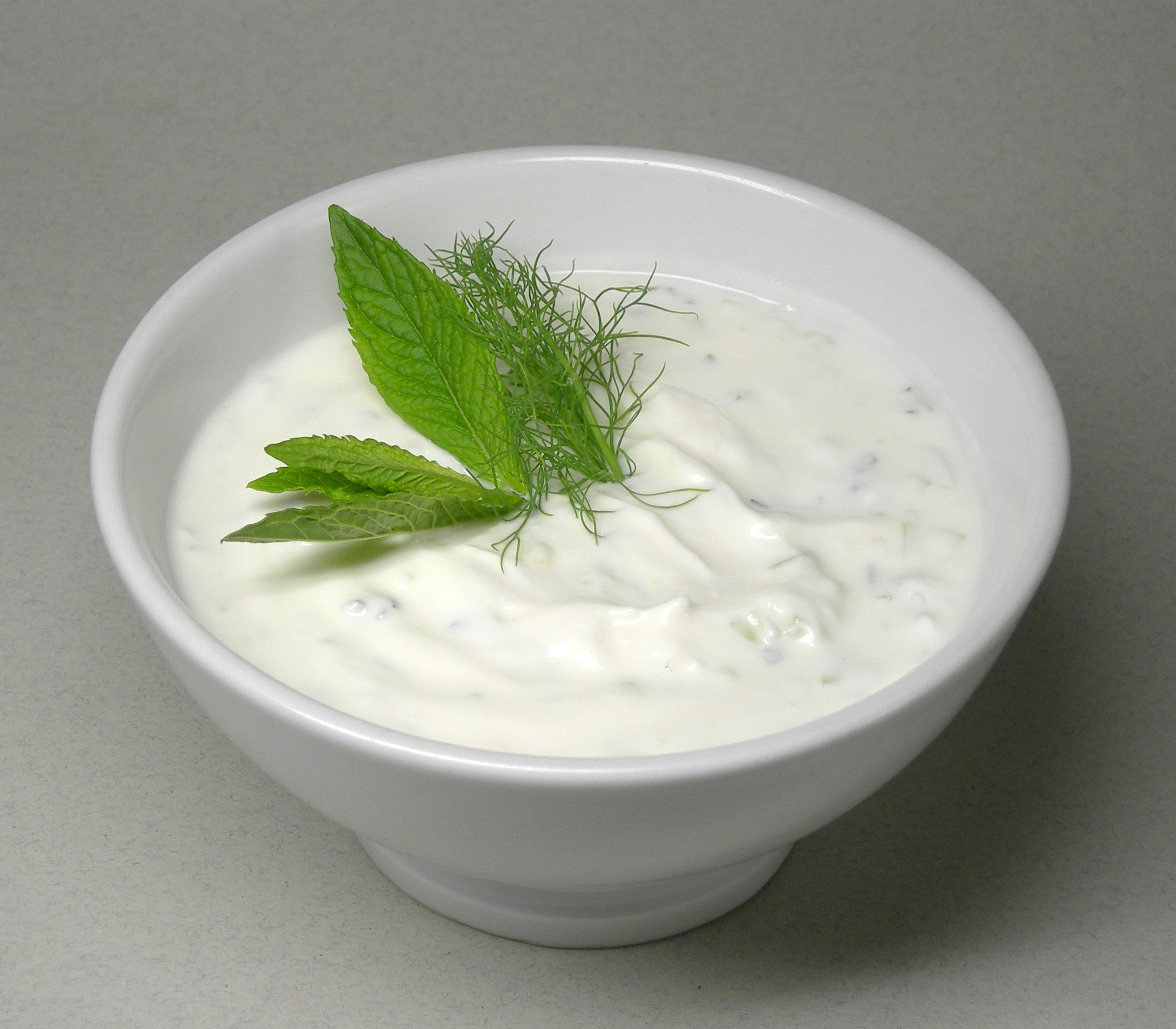
    A cool dollop of creamy tzatziki, speckled with fresh cucumber and fragrant dill, instantly conjures the sun‑kissed terraces of Crete.

    Yiayia Eleni’s tzatziki sauce recipe blends thick Greek yogurt, grated cucumber, garlic, and a drizzle of olive oil, echoing the island’s breezy evenings.

    Taste it, and the coast comes alive.

    How to make this tzatziki sauce recipe

    This Greek tzatziki sauce recipe takes about 15 minutes to prep and 0 minutes to cook. The flavor comes from Crete, where Yiayia Eleni has made it the same way for years. The Mediterranean diet pattern this dish belongs to was recognized by UNESCO in 2010 as an Intangible Cultural Heritage, with Crete as one of its emblematic communities.

    Ingredients for tzatziki sauce recipe

    • 2 cups (480 ml) full-fat Greek yogurt
    • 1 medium cucumber, grated
    • 2 cloves garlic, minced
    • 2 tablespoons extra virgin olive oil
    • 1 tablespoon fresh lemon juice
    • 1 tablespoon chopped fresh dill (or mint)
    • Salt to taste
    • Optional: a pinch of black pepper

    Method, the Crete way

    1. Grate the cucumber and place it in a clean kitchen towel. Squeeze out as much liquid as possible. This step is for a thick tzatziki.
    2. In a medium bowl, combine the strained cucumber with the Greek yogurt, minced garlic, olive oil, lemon juice, and dill. Stir well until smooth and creamy.
    3. Season with salt and optional pepper. Taste and adjust garlic or lemon as needed.
    4. Cover and refrigerate for at least 30 minutes before serving to let the flavors meld. Serve chilled with pita, veggies, or alongside grilled meats.

    Tips from Yiayia Eleni

    The traditional way in Crete is to keep it simple. Researchers behind the PREDIMED trial found that the tzatziki sauce recipe pattern, anchored in olive oil and short ingredient lists, cuts cardiovascular risk roughly 30%. Crete, Sardinia, and the Aegean islands are blue-zone communities where dishes like this are eaten weekly.

    Serving, storage, and what to drink

    Serves 4. Best the day it’s made. Leftovers keep in the fridge for two days. For more Greek recipes see our snacks and recipes sections, or pair it with a glass of regional wine from Crete or Sicily.

    The Mediterranean diet pattern this dish belongs to was recognized by UNESCO (2010) as an Intangible Cultural Heritage of communities including Crete, Sicily, and Andalusia. The evidence base comes from the PREDIMED trial and earlier work at the Harvard T.H. Chan School of Public Health.

    Tools & pantry for this recipe

    A few things that make this easier. These are affiliate links, so we may earn a small commission at no extra cost to you; we only suggest what we’d actually use ourselves. See our editorial policy.

  • Pantry Essentials for the Mediterranean Diet: A Simple Spice Blend

    Pantry Essentials for the Mediterranean Diet: A Simple Spice Blend

    Pantry Essentials for the Mediterranean Diet: A Simple Spice Blend

    Learn how to make your own pantry essentials for the Mediterranean diet with this easy spice blend from Yiayia Maria in Crete. Perfect for adding flavor to…

    The air fills with the scent of sun‑kissed oregano and toasted pine nuts, a taste of Crete’s hillside kitchens. Yiayia Maria has gathered these flavors into a pantry essentials blend that whispers of olive groves and sea breezes.

    This mix, crafted for the mediterranean diet, combines herbs, dried tomatoes, and citrus zest to turn any simple dish into a fragrant celebration.

    Keep the jar close, let it travel from table to table, and let memories rise with each sprinkle. Enjoy.

    How to make this for the mediterranean diet

    This Greek for the mediterranean diet takes about 5 minutes to prep and 0 minutes to cook. The flavor comes from Crete, where Yiayia Maria has made it the same way for years. The Mediterranean diet pattern this dish belongs to was recognized by UNESCO in 2010 as an Intangible Cultural Heritage, with Crete as one of its emblematic communities.

    Ingredients for mediterranean pantry essentials blend

    • 2 tablespoons dried oregano
    • 2 tablespoons dried thyme
    • 1 tablespoon dried rosemary, crushed
    • 1 tablespoon dried mint
    • 1 tablespoon ground sumac
    • 1 tablespoon sesame seeds
    • 1 teaspoon sea salt
    • 1/2 teaspoon black pepper

    Method, the Crete way

    1. To create your pantry essentials for the Mediterranean diet, combine all ingredients in a small bowl and whisk until evenly distributed.
    2. Transfer the blend to an airtight jar and store in a cool, dark place for up to 6 months.
    3. Use as a dry rub for meats, sprinkle over roasted vegetables, or mix with olive oil for a quick bread dip.

    Tips from Yiayia Maria

    The traditional way in Crete is to keep it simple. Researchers behind the PREDIMED trial found that the for the mediterranean diet pattern, anchored in olive oil and short ingredient lists, cuts cardiovascular risk roughly 30%. Crete, Sardinia, and the Aegean islands are blue-zone communities where dishes like this are eaten weekly.

    Serving, storage, and what to drink

    Serves 1 (makes about 1/2 cup). Best the day it’s made. Leftovers keep in the fridge for two days. For more Greek recipes see our under 30 minutes and recipes sections, or pair it with a glass of regional wine from Crete or Sicily.

    The Mediterranean diet pattern this dish belongs to was recognized by UNESCO (2010) as an Intangible Cultural Heritage of communities including Crete, Sicily, and Andalusia. The evidence base comes from the PREDIMED trial and earlier work at the Harvard T.H. Chan School of Public Health.