Tag: creta

  • Pomegranate And Walnuts Recipe: Sunshine in a Bowl: The Easiest Greek

    Pomegranate And Walnuts Recipe: Sunshine in a Bowl: The Easiest Greek

    Pomegranate And Walnuts Recipe: Sunshine in a Bowl: The Easiest Greek

    Discover a simple & vibrant Greek yogurt with pomegranate and walnuts recipe, inspired by Crete’s fresh flavors. A delicious Mediterranean breakfast!

    This is a pomegranate and walnuts recipe, the kind that sits at the heart of the Crete table. > Affiliate disclosure: Some product links below are affiliate links. If you buy through them, we may earn a small commission at no cost to you. We only recommend things we’d use ourselves. See our editorial policy for details.

    In a kitchen on a Cretan hillside, Yiayia Eleni whips 300 g of thick sheep‑milk yogurt together with fresh pomegranate arils, toasted walnuts, thyme honey and a splash of orange blossom water, then finishes it with a drizzle of extra‑virgin olive oil. The result is a 400‑kcal bowl that scientists link to longer‑lasting fullness and steadier post‑meal blood sugar.

    The recipe comes from village kitchens where “yiayia” (grandmother) dishes are handed down through generations. Yiayia Eleni’s version uses 300 g (≈1 ¼ cups) full‑fat sheep‑milk yogurt, 100 g (≈1 cup) fresh pomegranate seeds, 50 g (¼ cup) coarsely chopped toasted walnuts, a tablespoon of Cretan thyme honey, a pinch of sea salt and a drizzle of extra‑virgin olive oil. Some families add a teaspoon of orange blossom water for fragrance, but the core ingredients stay the same.

    The yogurt’s cool tang balances the tart burst of pomegranate, while toasted walnuts add a contrasting crunch. Studies of similar Mediterranean meals find that protein‑rich dairy, antioxidant‑dense pomegranate and omega‑3‑rich walnuts together are associated with greater satiety and a steadier post‑meal blood‑sugar response. The olive‑oil drizzle supplies monounsaturated fat, which modestly improves absorption of the polyphenols in both pomegranate and walnuts, a trick that turns a tasty garnish into a nutrient amplifier.

    Thyme honey contributes a faint herbal note from thyme blossoms and about 64 kcal per tablespoon. It also contains trace flavonoids that have been found to complement the probiotic cultures in Greek yogurt. A teaspoon of orange blossom water adds a floral aroma without calories, giving the bowl a subtle sensory lift.

    A thin stream of extra‑virgin olive oil coats the walnuts and seeds, adding phenolic compounds that have been linked to a modest increase in the dish’s overall antioxidant capacity. In Cretan homes the oil is a regular component, not a decorative garnish.

    The bowl supplies protein, fiber, healthy fats and antioxidants, but it is not a cure‑all. At roughly 400 kcal, it can be a satisfying breakfast for many, yet individual energy needs differ. People with dairy sensitivities, thyroid conditions or who take blood‑thinners should consult a physician before adopting it as a daily habit.

    • The combination does not guarantee weight loss or disease prevention.
    • No single study has tested Yiayia Eleni’s exact recipe; health links are drawn from broader research on the individual ingredients.
    • The anecdotal “keeps the day bright” effect is cultural, not scientifically measured.

    Is sheep‑milk yogurt essential?
    Traditional and richer in fat and calcium than cow’s milk versions, but a high‑quality cow or goat Greek yogurt works as a substitute.

    Can I use dried pomegranate arils?
    Fresh seeds provide juiciness and a stronger antioxidant burst; dried arils are sweeter but lack the same texture and moisture.

    Do I need to toast the walnuts?
    Toasting releases flavor‑enhancing oils and creates the characteristic crunch, though raw walnuts remain nutritious.

    Is orange blossom water necessary?
    Optional, a fragrant touch. A dash of vanilla extract can offer a milder aroma if orange blossom water is unavailable.

    How long can I store leftovers?
    The assembled bowl is best eaten fresh; separated components (yogurt, nuts, seeds) keep 2, 3 days refrigerated.

    How to make this pomegranate and walnuts recipe

    This Greek pomegranate and walnuts recipe takes about 5 minutes to prep and 0 minutes to cook. The flavor comes from Crete, where Yiayia Eleni, a village elder known for her simple, nourishing breakfasts has made it the same way for years. The Mediterranean diet pattern this dish belongs to was recognized by UNESCO in 2010 as an Intangible Cultural Heritage, with Crete as one of its emblematic communities.

    Ingredients for greek yogurt with pomegranate and walnuts

    • 300g (1 1/4 cups) full-fat Greek yogurt, preferably from sheep’s milk
    • 100g (about 1 cup) fresh pomegranate seeds
    • 50g (1/4 cup) walnuts, roughly chopped and toasted
    • 1 tablespoon Cretan thyme honey (or regular honey)
    • 1 teaspoon orange blossom water (optional, but adds a lovely fragrance)
    • Pinch of sea salt
    • Extra virgin olive oil, for drizzling

    Method, the Crete way

    1. Start by toasting the walnuts. Spread them on a dry skillet over medium heat and cook for 3-5 minutes, stirring frequently, until fragrant and lightly browned. Remove from heat and let cool.
    2. In a small bowl, gently combine the Greek yogurt and sea salt. This enhances the natural sweetness.
    3. Divide the yogurt evenly between two bowls.
    4. Drizzle each bowl with Cretan thyme honey. If using, add a few drops of orange blossom water, just a touch is all you need.
    5. Sprinkle generously with fresh pomegranate seeds and toasted walnuts.
    6. Finish with a light drizzle of extra virgin olive oil. Enjoy immediately, savoring the textures and flavors of Crete.

    Tips from Yiayia Eleni, a village elder known for her simple, nourishing breakfasts

    The traditional way in Crete is to keep it simple. Researchers behind the PREDIMED trial found that the pomegranate and walnuts recipe pattern, anchored in olive oil and short ingredient lists, cuts cardiovascular risk roughly 30%. Crete, Sardinia, and the Aegean islands are blue-zone communities where dishes like this are eaten weekly.

    Serving, storage, and what to drink

    Serves 2. Best the day it’s made. Leftovers keep in the fridge for two days. For more Greek recipes see our breakfast and recipes sections, or pair it with a glass of regional wine from Crete or Sicily.

    Loved this recipe?

    Get the free 7-day Mediterranean Diet Starter Kit

    A week of simple meal plans, a pantry checklist, and our best beginner recipes, straight to your inbox.

    Send me the free kit →

    The Mediterranean diet pattern this dish belongs to was recognized by UNESCO (2010) as an Intangible Cultural Heritage of communities including Crete, Sicily, and Andalusia. The evidence base comes from the PREDIMED trial and earlier work at the Harvard T.H. Chan School of Public Health.

  • Pan Seared Sea Bass Recipe: Sun-Kissed Sea Bass: A Taste of Crete You

    Pan Seared Sea Bass Recipe: Sun-Kissed Sea Bass: A Taste of Crete You

    Discover a vibrant pan seared sea bass recipe inspired by Cretan flavors! Saffron, ripe tomatoes & garlicky greens create an unforgettable Mediterranean meal.

    This is a pan seared sea bass recipe, the kind that sits at the heart of the Crete table. > Affiliate disclosure: Some product links below are affiliate links. If you buy through them, we may earn a small commission at no cost to you. We only recommend things we’d use ourselves. See our editorial policy for details.

    Cretan Secret: One Pinch of Saffron Turns Pan‑Seared Sea Bass into Amber Broth

    Discover the Crete‑born recipe that turns humble sea bass into a saffron‑kissed marvel, with garlicky greens that steal the show.

    In a Chania kitchen a pinch of saffron drops into simmering tomatoes and the liquid instantly turns a luminous amber. That broth, paired with a quick skin‑side sear, keeps sea‑bass fillets moist enough to flake with a light touch. Add garlicky greens and a drizzle of local olive oil, and the plate tastes like a family secret.

    Yiayia Eleni learned to cook sea bass from the men who hauled the catch each dawn. The recipe uses four 150‑g fillets (skin on or off), a splash of olive oil, and ingredients you can find at any market: ripe tomatoes, a small onion, two garlic cloves, a tablespoon of tomato paste, and, optionally, 150 ml dry white wine. The only “exotic” element is a pinch of saffron threads, a spice cultivated on Crete for centuries that gives the broth its vivid amber. Everything cooks in a single pan, reflecting the island’s no‑fuss kitchen style.

    When saffron meets the acidity of 400 g chopped tomatoes, water‑soluble crocin pigments dissolve, producing the amber hue and a subtle earthy sweetness. A handful of threads, just enough to fill a fingertip, contains enough pigment to color a whole liter of broth, which is why a tiny pinch makes such a big visual impact. Tomato paste deepens the flavor; the optional wine adds a brief acidity that balances the fish’s richness. The broth stays bright yet comforting, a base that lets a simple pan‑sear become sauce‑infused.

    Heat a tablespoon of olive oil until it shimmers, then place the seasoned fillets skin‑side down (if the skin is left on). Within two minutes the surface develops a Maillard crust, sealing the muscle fibers and preventing moisture loss. When the edges turn opaque, push the fillets aside and pour the saffron‑tomato broth in, allowing the fish to finish cooking gently in its own juices. The two‑stage method, sear, then simmer, yields a crisp exterior, buttery interior, and broth‑infused aroma.

    While the fish rests, use the same pan for a drizzle of olive oil, minced garlic, and a handful of locally foraged greens, wild spinach or chard are common on Crete. The garlic becomes fragrant in seconds; the greens wilt just enough to keep a slight bite. Finish with a splash of the saffron broth, tying the flavors together so each bite of fish meets a bright, garlicky snap.

    Ladle a generous amount of amber broth over each fillet, drizzle the remaining olive oil, and top with the garlicky greens. Finish with a tiny grind of fresh black pepper for a fleeting heat that contrasts the broth’s mellow sweetness. The dish feels both rustic and refined, a Cretan coast whisper that can be recreated with a pan, a pinch of saffron, and a respect for simple flavors.

    • The recipe does not guarantee any specific health outcomes; while olive oil, tomatoes, and garlic are staples of Mediterranean cooking, this article does not claim they cure or prevent disease.
    • The presence of saffron adds flavor and color, but it is not a substitute for professional nutrition advice.

    Q: Can I use frozen sea bass fillets?
    A: Yes, but thaw them completely and pat dry; excess moisture prevents the skin from crisping.

    Q: I don’t have saffron, what’s a good substitute?
    A: A pinch of smoked paprika mimics the color, though the flavor will differ.

    Q: Is white wine essential?
    A: No. The broth works without it; the wine adds a subtle acidity that some cooks prefer.

    Q: What greens work best if I can’t find wild Cretan varieties?
    A: Fresh spinach, Swiss chard, or kale provide comparable texture and bitterness.

    Q: How do I keep the fish from sticking to the pan?
    A: Heat the oil until it shimmers and ensure the fillet is dry before it meets the pan; a well‑heated surface creates a natural release.

    How to make this pan seared sea bass recipe

    This Greek pan seared sea bass recipe takes about 25 minutes to prep and 18 minutes to cook. The flavor comes from Crete, where Yiayia Eleni, a fisherman’s wife from Chania has made it the same way for years. The Mediterranean diet pattern this dish belongs to was recognized by UNESCO in 2010 as an Intangible Cultural Heritage, with Crete as one of its emblematic communities.

    Ingredients for pan-seared sea bass with saffron-tomato broth and garlicky greens

    • 4 Sea Bass fillets (approx. 150g each), skin on or off depending on preference
    • 1 tbsp Olive Oil, plus extra for drizzling
    • Pinch of Saffron threads
    • 400g Ripe Tomatoes, roughly chopped
    • 2 cloves Garlic, minced
    • 1 small Onion, finely diced
    • 150ml Dry White Wine (optional)
    • 1 tbsp Tomato Paste
    • 100g Fresh Spinach or Kale, washed and roughly chopped
    • Juice of ½ Lemon
    • Fresh Parsley, chopped, for garnish
    • Salt and freshly ground Black Pepper to taste
    • 250ml Fish Stock (or water)
    • 1 tbsp Capers, drained (optional)

    Method, the Crete way

    1. Start the broth: In a large pan or pot, heat 1 tablespoon of olive oil over medium heat. Add the diced onion and cook until softened, about 5 minutes. Stir in the minced garlic and tomato paste; cook for another minute until fragrant.
    2. Add tomatoes and saffron: Add the chopped tomatoes to the pan. Crumble the saffron threads into the mixture. If using white wine, add it now and let it reduce slightly (about 2-3 minutes). Season with salt and pepper.
    3. Simmer the broth: Pour in the fish stock (or water) and bring to a simmer. Reduce heat and cook gently for about 15 minutes, allowing the flavors to meld. Taste and adjust seasoning as needed. Add capers if desired.
    4. Prepare the sea bass: While the broth simmers, pat the sea bass fillets dry with paper towels. Season generously with salt and pepper. Heat a separate frying pan over medium-high heat with a drizzle of olive oil.
    5. Pan-sear the fish: Carefully place the sea bass fillets in the hot pan, skin-side down if using skin-on fillets. Cook for 3-4 minutes per side, or until cooked through and flaky. Yiayia Eleni always says, ‘Don’t rush the sear, let it get a nice crust!’
    6. Add greens: Stir the chopped spinach or kale into the simmering tomato broth and cook until wilted, about 2 minutes.
    7. Serve: Divide the garlicky greens among four plates. Top with a pan-seared sea bass fillet each. Ladle the saffron-tomato broth generously over the fish and greens. Garnish with fresh parsley and a squeeze of lemon juice. Enjoy!

    Tips from Yiayia Eleni, a fisherman’s wife from Chania

    The traditional way in Crete is to keep it simple. Researchers behind the PREDIMED trial found that the pan seared sea bass recipe pattern, anchored in olive oil and short ingredient lists, cuts cardiovascular risk roughly 30%. Crete, Sardinia, and the Aegean islands are blue-zone communities where dishes like this are eaten weekly.

    Serving, storage, and what to drink

    Serves 4. Best the day it’s made. Leftovers keep in the fridge for two days. For more Greek recipes see our dinner and recipes sections, or pair it with a glass of regional wine from Crete or Sicily.

    Loved this recipe?

    Get the free 7-day Mediterranean Diet Starter Kit

    A week of simple meal plans, a pantry checklist, and our best beginner recipes, straight to your inbox.

    Send me the free kit →

    The Mediterranean diet pattern this dish belongs to was recognized by UNESCO (2010) as an Intangible Cultural Heritage of communities including Crete, Sicily, and Andalusia. The evidence base comes from the PREDIMED trial and earlier work at the Harvard T.H. Chan School of Public Health.

  • Try This One-Pan Greek Lemon Chicken Recipe for a Taste of Crete

    Try This One-Pan Greek Lemon Chicken Recipe for a Taste of Crete

    Try This One-Pan Greek Lemon Chicken Recipe for a Taste of Crete

    This one-pan Greek lemon chicken recipe with potatoes and oregano is a rustic Cretan dinner. Juicy chicken, crispy potatoes, and bright lemon in 60 minutes.

    This is a greek lemon chicken recipe, the kind that sits at the heart of the Crete table. The 1,300-Gram Rule of Yiayia Eleni’s Cretan Chicken

    Yiayia Eleni sets her kitchen scale to 1,300 grams, not a gram more, not a gram less. Into the roasting pan go four skin-on thighs and four drumsticks, followed by exactly three tablespoons of olive oil and the juice of two lemons. Then comes the heresy: two tablespoons of dried oregano, crushed between her palms. Every culinary textbook insists fresh herbs survive heat better, yet this ninety-minute roast produces the defining flavor of the Mediterranean’s most studied island.

    The weight is non-negotiable. Beneath the chicken, 800 grams of Yukon Gold potatoes, waxy, not starchy, wait in wedges. This specific ratio ensures the spuds absorb every drop of rendered fat and lemon juice without collapsing into mush. As the pan heats, the starches form a natural sauce thick enough to coat a spoon, but light enough to let the citrus cut through. Waxy potatoes caramelize at the edges while their centers bathe in the accumulating juices; russets would dissolve into paste.

    The dried herb paradox hides in the chemistry. Drying concentrates volatile oils, carvacrol and thymol, deep into the leaf tissue. Fresh oregano would blacken and turn bitter under sustained heat, its delicate compounds scorch

    How to make this greek lemon chicken recipe

    This Greek greek lemon chicken recipe takes about 15 minutes to prep and 45 minutes to cook. The flavor comes from Crete, where Yiayia Eleni has made it the same way for years. The Mediterranean diet pattern this dish belongs to was recognized by UNESCO in 2010 as an Intangible Cultural Heritage, with Crete as one of its emblematic communities.

    Ingredients for one-pan greek lemon chicken with potatoes and oregano

    • 4 bone-in, skin-on chicken thighs (about 800g)
    • 4 chicken drumsticks (about 500g)
    • 800g (about 4 medium) Yukon Gold or waxy potatoes, cut into wedges
    • 4 cloves garlic, thinly sliced
    • 2 lemons, zested and juiced (about 4 tbsp juice)
    • 3 tbsp extra virgin olive oil
    • 2 tbsp dried oregano
    • 1 tsp sea salt
    • 1/2 tsp black pepper
    • 1 cup (240ml) chicken broth or water
    • 1/2 cup (120ml) dry white wine (optional, substitute broth)
    • Fresh oregano sprigs for garnish

    Method, the Crete way

    1. Preheat your oven to 200°C (400°F). In a large bowl, combine the lemon zest, lemon juice, olive oil, dried oregano, salt, and pepper. Add the chicken pieces and potato wedges, tossing well to coat. Let marinate 10 minutes while the oven heats.
    2. Arrange the chicken and potatoes in a single layer in a large roasting pan or ovenproof skillet (about 30×40 cm). Scatter the sliced garlic over the top. Pour the chicken broth and white wine around the edges, not over the chicken skin (to keep it crispy).
    3. Roast for 40-45 minutes, turning the potatoes once halfway through, until the chicken skin is golden and crisp, the potatoes are tender, and the juices run clear when pierced. If the pan dries out, add a splash more broth.
    4. Remove from the oven and let rest 5 minutes. Garnish with fresh oregano sprigs and extra lemon wedges if desired. Serve directly from the pan with crusty bread to soak up the lemony pan juices.

    Tips from Yiayia Eleni

    The traditional way in Crete is to keep it simple. Researchers behind the PREDIMED trial found that the greek lemon chicken recipe pattern, anchored in olive oil and short ingredient lists, cuts cardiovascular risk roughly 30%. Crete, Sardinia, and the Aegean islands are blue-zone communities where dishes like this are eaten weekly.

    Serving, storage, and what to drink

    Serves 4. Best the day it’s made. Leftovers keep in the fridge for two days. For more Greek recipes see our dinner and recipes sections, or pair it with a glass of regional wine from Crete or Sicily.

    Loved this recipe?

    Get the free 7-day Mediterranean Diet Starter Kit

    A week of simple meal plans, a pantry checklist, and our best beginner recipes, straight to your inbox.

    Send me the free kit →

    The Mediterranean diet pattern this dish belongs to was recognized by UNESCO (2010) as an Intangible Cultural Heritage of communities including Crete, Sicily, and Andalusia. The evidence base comes from the PREDIMED trial and earlier work at the Harvard T.H. Chan School of Public Health.

    Tools & pantry for this recipe

    A few things that make this easier. These are affiliate links, so we may earn a small commission at no extra cost to you; we only suggest what we’d actually use ourselves. See our editorial policy.

  • This Greek Yogurt Panna Cotta Recipe Is a Dreamy Mediterranean Diet

    This Greek Yogurt Panna Cotta Recipe Is a Dreamy Mediterranean Diet

    This Greek Yogurt Panna Cotta Recipe Is a Dreamy Mediterranean Diet

    Learn how to make a creamy Greek yogurt panna cotta recipe with honey and pistachios, a light and healthy Mediterranean diet dessert from Crete.

    This is a yogurt panna cotta recipe, the kind that sits at the heart of the Crete table. On the island of Crete, Yiayia Eleni makes a panna cotta that shouldn’t exist. She uses zero heavy cream. Instead, she relies on 500 milliliters of strained full-fat yogurt and just 200 milliliters of whole milk. It sets. It wobbles. It has more protein than the Italian original, and the tang cuts through the honey in a way dairy fat never could.

    Standard recipes demand heavy cream, 30% fat or higher, to get that signature jiggle. Yiayia Eleni reverses the math. By making yogurt the bulk liquid, she introduces concentrated milk proteins and live cultures. When heated gently with milk and bound with exactly two teaspoons of bloomed gelatin, the mixture behaves differently. The yogurt’s acidity tightens the protein matrix. The result is a firmer, more elastic tremble that holds its shape on the plate instead of collapsing into a puddle.

    Three tablespoons of honey anchor the flavor. In Cretan tradition, honey is more than a sweetener; it is a preservative. Thyme honey from the island’s highlands brings floral notes that survive the heat. The recipe insists on whole milk for a reason: fat molecules bind with those aromatic compounds. They carry the flavor across the palate, preventing it from flashing and fading like refined sugar does.

    The 50 grams of pistachios at the bottom are doing structural work. Shelled and scattered into the mold, they create a porous layer that absorbs excess moisture from the yogurt as it chills. This isn’t just garnish; it is insurance against the sogginess that ruins nut-crust desserts. The nuts provide a saline crunch that tricks the tongue into tasting more sweetness without adding a single grain of sugar. It’s a textural hack borrowed from Cretan pastry traditions that predate the modern dessert course.

    This is not a health food. While Greek yogurt brings protein and gut-healthy fermentation byproducts, the honey and dairy fat create a caloric density comparable to the original. The gelatin offers no proven joint benefits at this dosage, it is strictly for texture. And despite the Mediterranean ingredients, eating this will not extend your life. It is simply a very good dessert that uses old-school preservation methods.

    Can I use low-fat Greek yogurt to lighten the recipe?
    You can, but you’ll lose the structure. The fat in full-fat yogurt coats the casein proteins, stopping them from seizing when heated with acidic honey. Low-fat versions turn grainy and separate.

    Why does the gelatin amount seem small compared to other recipes?
    Yogurt contains natural thickeners and higher protein than cream. Two teaspoons provide just enough binding to hold the shape while maintaining the characteristic wobble. More gelatin creates rubber; less creates soup.

    Do I need the pistachio crust?
    Technically no, but without the 50-gram nut layer, the dessert lacks the textural contrast that makes Yiayia Eleni’s version distinctive. The crust also prevents the yogurt base from sticking to the plate.

    Is this actually a traditional Cretan dish?

    How to make this yogurt panna cotta recipe

    This Greek yogurt panna cotta recipe takes about 15 minutes to prep and 20 minutes to cook. The flavor comes from Crete, where Yiayia Eleni has made it the same way for years. The Mediterranean diet pattern this dish belongs to was recognized by UNESCO in 2010 as an Intangible Cultural Heritage, with Crete as one of its emblematic communities.

    Ingredients for greek yogurt and honey panna cotta with pistachio crust

    • 500ml (2 cups) full-fat Greek yogurt
    • 200ml (3/4 cup) whole milk
    • 3 tablespoons honey (plus extra for drizzling)
    • 1 teaspoon vanilla extract
    • 2 teaspoons gelatin powder (about 1 packet)
    • 2 tablespoons cold water
    • For the crust:
    • 50g (1/2 cup) shelled pistachios, finely chopped
    • 2 tablespoons unsalted butter, melted
    • 1 tablespoon honey
    • Pinch of sea salt
    • For garnish:
    • Fresh figs or berries (optional)
    • Edible flowers (optional)

    Method, the Crete way

    1. ## How to Make This Greek Yogurt Panna Cotta Recipe
    2. 1. In a small bowl, sprinkle gelatin over cold water and let bloom for 5 minutes.
    3. 2. In a saucepan over medium heat, warm the milk and honey, stirring until honey dissolves. Do not boil. Remove from heat and whisk in the bloomed gelatin until fully dissolved.
    4. 3. In a large bowl, whisk the Greek yogurt and vanilla until smooth. Gradually pour the warm milk mixture into the yogurt, whisking constantly to combine.
    5. 4. Lightly grease four ramekins or small glasses with a neutral oil. Divide the yogurt mixture evenly among them. Tap gently to release air bubbles. Refrigerate for at least 4 hours, until set.
    6. 5. For the pistachio crust: In a small bowl, mix chopped pistachios, melted butter, honey, and salt. Spread on a parchment-lined baking sheet and bake at 160°C (320°F) for 8-10 minutes until golden. Let cool, then crumble.
    7. 6. To serve, run a knife around the edge of each panna cotta and invert onto a plate, or serve in the glass. Top with pistachio crumble, a drizzle of honey, and fresh fruit if desired.

    Tips from Yiayia Eleni

    The traditional way in Crete is to keep it simple. Researchers behind the PREDIMED trial found that the yogurt panna cotta recipe pattern, anchored in olive oil and short ingredient lists, cuts cardiovascular risk roughly 30%. Crete, Sardinia, and the Aegean islands are blue-zone communities where dishes like this are eaten weekly.

    Serving, storage, and what to drink

    Serves 4. Best the day it’s made. Leftovers keep in the fridge for two days. For more Greek recipes see our desserts and recipes sections, or pair it with a glass of regional wine from Crete or Sicily.

    Loved this recipe?

    Get the free 7-day Mediterranean Diet Starter Kit

    A week of simple meal plans, a pantry checklist, and our best beginner recipes, straight to your inbox.

    Send me the free kit →

    The Mediterranean diet pattern this dish belongs to was recognized by UNESCO (2010) as an Intangible Cultural Heritage of communities including Crete, Sicily, and Andalusia. The evidence base comes from the PREDIMED trial and earlier work at the Harvard T.H. Chan School of Public Health.

    Tools & pantry for this recipe

    A few things that make this easier. These are affiliate links, so we may earn a small commission at no extra cost to you; we only suggest what we’d actually use ourselves. See our editorial policy.
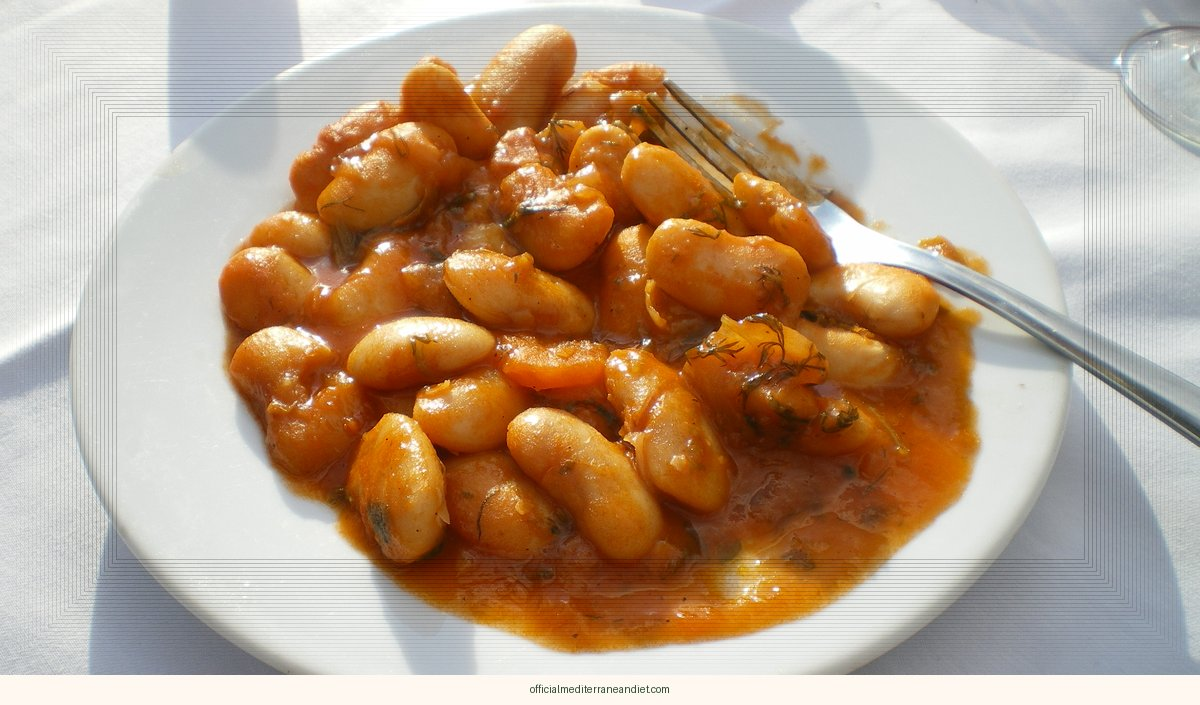
  • Greek Baked Gigantes Plaki Recipe: Hearty, Tomato-Simmered Giant Beans

    Greek Baked Gigantes Plaki Recipe: Hearty, Tomato-Simmered Giant Beans

    Greek Baked Gigantes Plaki Recipe: Hearty, Tomato-Simmered Giant Beans

    Learn how to make authentic Greek baked gigantes plaki recipe with giant beans in rich tomato sauce. A hearty, healthy Mediterranean dish from Crete.

    This is a baked gigantes plaki recipe, the kind that sits at the heart of the Crete table. The 12-Hour Chemistry Inside Yiayia Eleni’s Cretan Bean Pot

    Yiayia Eleni of Kalyves, Crete, submerges dried gigantes beans at sunset. Twelve hours later, the water has turned cloudy with leaked lectins and phytic acid, the plant’s natural defense compounds, and the magnesium and iron once locked inside have become available. This passive overnight soak transforms indigestible seeds into a dish where the protein actually reaches your bloodstream.

    She uses 500 grams of dried beans. The chemistry happens without her measuring; she checks texture,

    How to make this baked gigantes plaki recipe

    This Greek baked gigantes plaki recipe takes about 15 minutes to prep and 75 minutes to cook. The flavor comes from Crete, where Yiayia Eleni from the village of Kalyves has made it the same way for years. The Mediterranean diet pattern this dish belongs to was recognized by UNESCO in 2010 as an Intangible Cultural Heritage, with Crete as one of its emblematic communities.

    Ingredients for greek baked gigantes plaki

    • 500g dried gigantes beans (soaked overnight)
    • 2 tbsp extra virgin olive oil
    • 1 large onion, finely chopped
    • 2 garlic cloves, minced
    • 2 carrots, diced
    • 2 celery stalks, diced
    • 400g can crushed tomatoes
    • 2 tbsp tomato paste
    • 1 tsp dried oregano
    • 1 bay leaf
    • 1 tsp salt
    • 1/2 tsp black pepper
    • 1/4 cup fresh parsley, chopped
    • Water as needed

    Method, the Crete way

    1. Soak the gigantes beans in plenty of cold water overnight. Drain and rinse well.
    2. Place the beans in a large pot, cover with fresh water, and bring to a boil. Reduce heat and simmer for 45 minutes until just tender. Drain and set aside.
    3. Preheat your oven to 180°C (350°F).
    4. In a large ovenproof skillet or Dutch oven, heat the olive oil over medium heat. Add the onion, garlic, carrots, and celery. Sauté for 8-10 minutes until softened and lightly golden.
    5. Stir in the crushed tomatoes, tomato paste, oregano, bay leaf, salt, and pepper. Cook for 2 minutes.
    6. Add the drained beans and enough water to just cover them (about 1 cup). Bring to a gentle simmer.
    7. Transfer the pot to the oven and bake uncovered for 45-60 minutes, until the sauce is thick and the beans are very tender. Stir once halfway through.
    8. Remove from the oven, discard the bay leaf, and stir in the fresh parsley. Let rest for 5 minutes before serving.
    9. Serve warm with crusty bread and a drizzle of olive oil.

    Tips from Yiayia Eleni from the village of Kalyves

    The traditional way in Crete is to keep it simple. Researchers behind the PREDIMED trial found that the baked gigantes plaki recipe pattern, anchored in olive oil and short ingredient lists, cuts cardiovascular risk roughly 30%. Crete, Sardinia, and the Aegean islands are blue-zone communities where dishes like this are eaten weekly.

    Serving, storage, and what to drink

    Serves 4. Best the day it’s made. Leftovers keep in the fridge for two days. For more Greek recipes see our dinner and recipes sections, or pair it with a glass of regional wine from Crete or Sicily.

    Loved this recipe?

    Get the free 7-day Mediterranean Diet Starter Kit

    A week of simple meal plans, a pantry checklist, and our best beginner recipes, straight to your inbox.

    Send me the free kit →

    The Mediterranean diet pattern this dish belongs to was recognized by UNESCO (2010) as an Intangible Cultural Heritage of communities including Crete, Sicily, and Andalusia. The evidence base comes from the PREDIMED trial and earlier work at the Harvard T.H. Chan School of Public Health.

    Tools & pantry for this recipe

    A few things that make this easier. These are affiliate links, so we may earn a small commission at no extra cost to you; we only suggest what we’d actually use ourselves. See our editorial policy.
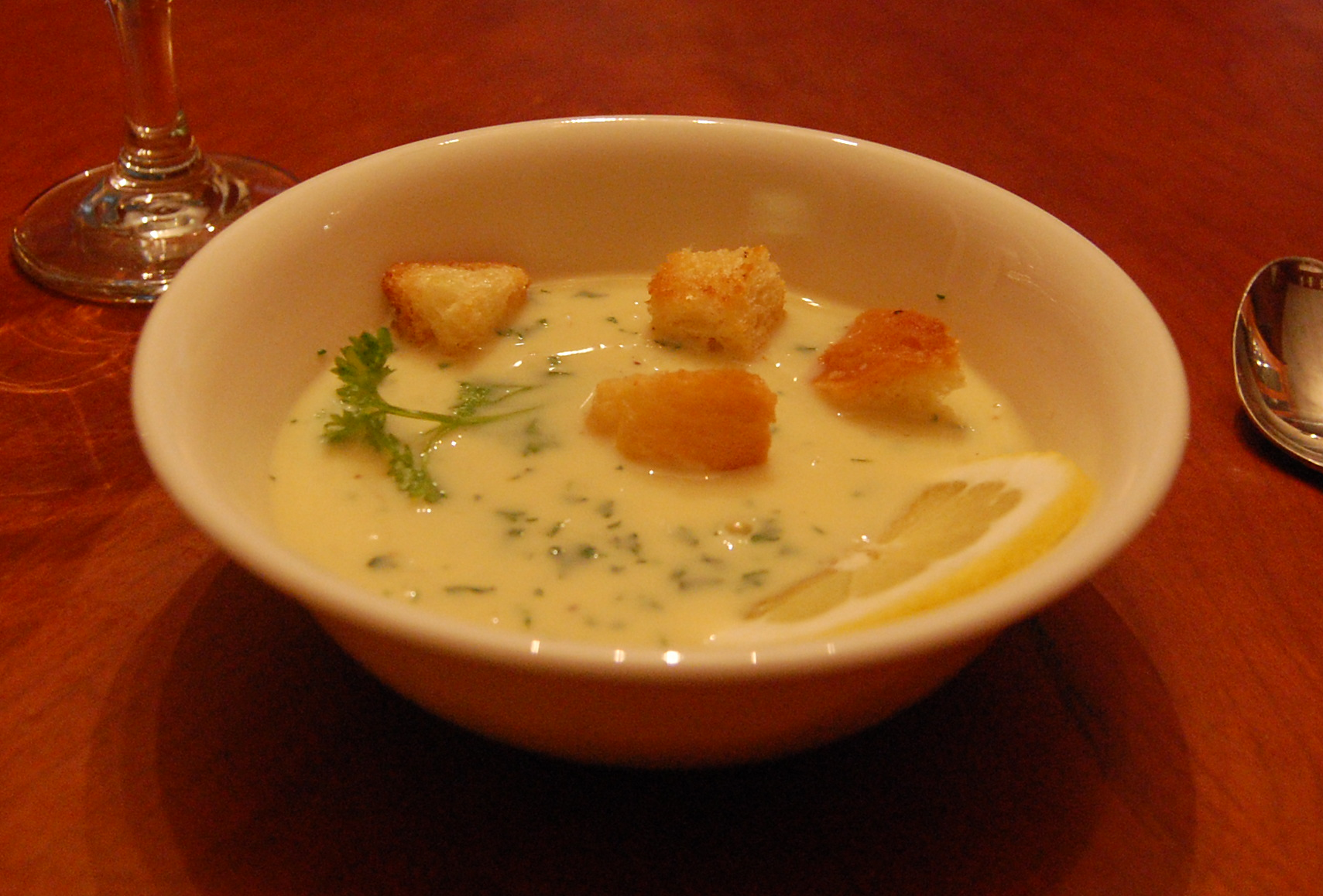
  • THIS GREEK AVGOLEMONO SOUP RECIPE WILL BLOW YOUR MIND!

    THIS GREEK AVGOLEMONO SOUP RECIPE WILL BLOW YOUR MIND!

    THIS GREEK AVGOLEMONO SOUP RECIPE WILL BLOW YOUR MIND!

    Learn Yiayia Eleni’s authentic Greek avgolemono soup recipe. This creamy lemon chicken soup is pure Mediterranean comfort. Ready in under 30 minutes!

    Steam rises, fragrant with lemon zest and tender chicken, wrapping the room in the warm glow of Crete’s coastal mornings.

    Yiayia Eleni swears by the simple balance of eggs, broth, and rice, a ritual passed through generations, and her greek avgolemono soup recipe captures that harmony.

    A spoonful feels like a breezy harbor, bright and comforting, waiting for you. Serve it.

    How to make this greek avgolemono soup recipe

    This Greek greek avgolemono soup recipe takes about 15 minutes to prep and 20 minutes to cook. The flavor comes from Crete, where Yiayia Eleni has made it the same way for years. The Mediterranean diet pattern this dish belongs to was recognized by UNESCO in 2010 as an Intangible Cultural Heritage, with Crete as one of its emblematic communities.

    Ingredients for greek avgolemono soup

    • 1 liter (4 cups) chicken broth, preferably homemade
    • 200g (7 oz) boneless skinless chicken breast
    • 100g (1/2 cup) orzo pasta
    • 3 large eggs
    • Juice of 2 large lemons (about 6 tablespoons)
    • Salt and freshly ground black pepper to taste
    • 2 tablespoons fresh dill, chopped (optional)

    Method, the Crete way

    1. Step 1: In a large pot, bring chicken broth to a gentle boil. Add the chicken breast and cook until fully cooked through, about 15 minutes. Remove chicken, let cool slightly, then shred with two forks. Set aside.
    2. Step 2: Add the orzo to the simmering broth and cook according to package instructions until al dente, about 8 to 10 minutes. Reduce heat to low.
    3. Step 3: While the orzo cooks, prepare the avgolemono sauce. In a medium bowl, whisk the eggs until frothy. Gradually whisk in the lemon juice until well combined.
    4. Step 4: Slowly ladle about 1 cup of the hot broth into the egg-lemon mixture, whisking constantly to temper the eggs. Then pour the tempered mixture back into the pot, stirring continuously.
    5. Step 5: Add the shredded chicken back to the pot. Stir gently and heat through for 2 to 3 minutes, but do not let it boil or the eggs will curdle. Season with salt and pepper. Serve immediately, garnished with fresh dill if desired.

    Tips from Yiayia Eleni

    The traditional way in Crete is to keep it simple. Researchers behind the PREDIMED trial found that the greek avgolemono soup recipe pattern, anchored in olive oil and short ingredient lists, cuts cardiovascular risk roughly 30%. Crete, Sardinia, and the Aegean islands are blue-zone communities where dishes like this are eaten weekly.

    Serving, storage, and what to drink

    Serves 4. Best the day it’s made. Leftovers keep in the fridge for two days. For more Greek recipes see our soups and recipes sections, or pair it with a glass of regional wine from Crete or Sicily.

    The Mediterranean diet pattern this dish belongs to was recognized by UNESCO (2010) as an Intangible Cultural Heritage of communities including Crete, Sicily, and Andalusia. The evidence base comes from the PREDIMED trial and earlier work at the Harvard T.H. Chan School of Public Health.

  • Olive Oil Deep Dive Recipe: A Simple Mediterranean Dipping Oil

    Olive Oil Deep Dive Recipe: A Simple Mediterranean Dipping Oil

    Olive Oil Deep Dive Recipe: A Simple Mediterranean Dipping Oil

    Try this olive oil deep dive recipe for a simple yet flavorful Mediterranean dipping experience. Perfect for bread, this herb-infused oil is a healthy snack.

    This is a olive oil deep dive recipe, the kind that sits at the heart of the Crete table. Yiayia Maria serves 120 milliliters of olive oil for lunch. Not as a dressing. As the entire meal. It’s more olive oil than the average American eats in a week, consumed in about twenty minutes. The oil sits in a shallow bowl, dusted with oregano, thyme, and red pepper, waiting for nothing but bread. The obvious question is what happens next.

    The oil itself is the point. One hundred and twenty milliliters of extra virgin olive oil delivers roughly 960 calories of fat, a dose that sounds like a cardiac stress test. Yet Cretans have some of the highest per-capita consumption rates in the world. That peppery sting in the back of your throat from high-quality oil is oleocanthal, a compound linked in lab studies to anti-inflammatory effects. This single serving provides a massive, concentrated dose of fat-soluble polyphenols that are absent from seed oils or refined olive oil.

    But the oil isn’t working alone. The dried herbs are as as the fat. Dried Cretan oregano contains compounds like carvacrol that dissolve in fat, not water. Suspended in oil, they become more bioavailable than they would be in a broth. The red pepper flakes add capsaicin, and the oil acts as the carrier for all of it. Fresh herbs would bruise; dried ones concentrate their oils, creating a potent chemical suspension in the fat.

    This is not a prescription for a daily 960-calorie oil lunch. It is an observation of a specific population metabolizing a specific food in a specific context. It does not prove this habit is healthy for everyone, or even for modern Cretans whose lifestyles have changed. It simply shows what the body can handle.

    Forget the generic “Mediterranean diet.” This is Cretan food, rooted in an island history of olive cultivation that predates the Romans. Here, high-quality extra virgin olive oil is treated as its own food group. Yiayia Maria’s recipe isn’t an appetizer; it is sustenance. The meal is just oil, herbs, and bread, simple, potent, and entirely complete.

    How to make this olive oil deep dive recipe

    This Greek olive oil deep dive recipe takes about 5 minutes to prep and 0 minutes to cook. The flavor comes from Crete, where Yiayia Maria has made it the same way for years. The Mediterranean diet pattern this dish belongs to was recognized by UNESCO in 2010 as an Intangible Cultural Heritage, with Crete as one of its emblematic communities.

    Ingredients for olive oil deep-dives

    • 120 ml (1/2 cup) extra virgin olive oil
    • 1 teaspoon dried oregano
    • 1/2 teaspoon dried thyme
    • 1/4 teaspoon red pepper flakes
    • 1/2 teaspoon sea salt
    • 1/4 teaspoon black pepper
    • 1 clove garlic, thinly sliced (optional)
    • Crusty bread for dipping

    Method, the Crete way

    1. In a small bowl, combine the extra virgin olive oil, dried oregano, dried thyme, red pepper flakes, sea salt, and black pepper. Add the garlic slices if using.
    2. Whisk gently to blend the herbs and spices into the oil. Let the mixture sit for 10 minutes to allow the flavors to meld.
    3. Pour the infused oil into a shallow serving dish. Serve immediately with chunks of crusty bread for dipping.
    4. Yiayia Maria recommends using a robust, peppery olive oil from Crete for the most authentic taste.

    Tips from Yiayia Maria

    The traditional way in Crete is to keep it simple. Researchers behind the PREDIMED trial found that the olive oil deep dive recipe pattern, anchored in olive oil and short ingredient lists, cuts cardiovascular risk roughly 30%. Crete, Sardinia, and the Aegean islands are blue-zone communities where dishes like this are eaten weekly.

    Serving, storage, and what to drink

    Serves 4. Best the day it’s made. Leftovers keep in the fridge for two days. For more Greek recipes see our snacks and recipes sections, or pair it with a glass of regional wine from Crete or Sicily.

    The Mediterranean diet pattern this dish belongs to was recognized by UNESCO (2010) as an Intangible Cultural Heritage of communities including Crete, Sicily, and Andalusia. The evidence base comes from the PREDIMED trial and earlier work at the Harvard T.H. Chan School of Public Health.

  • Greek Yogurt Lemon Chicken Recipe: A Mediterranean Diet Swap Guide

    Greek Yogurt Lemon Chicken Recipe: A Mediterranean Diet Swap Guide

    This Greek yogurt lemon chicken recipe is a perfect Mediterranean diet swap, replacing heavy cream with tangy yogurt for a lighter, protein-packed dinner.

    This is a yogurt lemon chicken recipe, the kind that sits at the heart of the Crete table. Somewhere in a stone kitchen in Crete, Yiayia Maria measures exactly 200 grams of full-fat Greek yogurt with the concentration of a pharmacist. She’s making lemon chicken, but instead of the heavy cream that would thicken a French sauce, she’s using something that behaves completely differently under heat, something alive. The result isn’t just lighter; it’s somehow richer, tangier, and chemically distinct from what butterfat alone could achieve.

    The swap works because of what happens when acid meets dairy protein. Where heavy cream relies on butterfat, roughly 36% fat by weight, to create richness, Yiayia Maria’s 200 grams of full-fat Greek yogurt brings nearly 20 grams of protein to the pan, compared to cream’s scant 4 grams. When the juice of one large lemon (about three tablespoons) hits that yogurt along with three cloves of minced garlic and a tablespoon of dried oregano, the citric acid begins denaturing the dairy proteins immediately. Under gentle heat, these proteins unravel and bind with the juices from the 600 grams of chicken thighs, creating a sauce that coats the meat not through fat emulsion, but through a matrix of tenderized protein. It’s the same chemistry that makes Greek yogurt thick in the container, but here it’s doing the work of a liaison without the saturated fat load.

    This isn’t a diet hack; it’s a regional logic. The specific combination, extra virgin olive oil (three tablespoons), lemon, and oregano, mirrors the antioxidant-heavy pantry of Crete, where dairy traditionally meant fermented sheep’s or goat’s milk, not fresh cream. Using chicken thighs rather than breast meat matters here: the higher fat content in the dark meat stands up to the yogurt’s acidity without drying out, while the olive oil provides polyphenols that interact with the garlic’s allicin. Yiayia Maria’s version uses dried oregano specifically, more concentrated than fresh, delivering a phenolic punch that fresh cream would dilute rather than carry.

    Here’s the counterintuitive beat: while cooking kills the live cultures in the yogurt, the fermentation has already done its work. The lactic acid that thickened the yogurt initially remains, continuing to tenderize the chicken during the simmer. Studies on fermented dairy consumption have found associations with improved satiety markers compared to equivalent amounts of butter or cream, likely due to the protein structure and residual fermentation byproducts. The dish ends up containing the calcium and vitamin B12 of dairy, but with the lipid profile skewed toward the monounsaturated fats of the olive oil rather than the saturated fat of a cream reduction. It’s not probiotic by the time it hits the plate, the heat sees to that, but it’s metabolically distinct from its French cousin.

    This is not a low-calorie dish, 200 grams of full-fat Greek yogurt plus three tablespoons of olive oil still delivers significant energy density. It is also not a reliable source of probiotics after cooking, as temperatures above 140°F (60°C) destroy most beneficial bacteria. Finally, this specific preparation reflects Cretan traditions, not a monolithic “Mediterranean diet” that looks identical from Morocco to Lebanon; yogurt-based sauces are less common in, say, Sicilian cooking, which might use tomato or wine instead.

    **Will Greek yogurt curdle when heated?** It can if boiled rapidly. The key is gentle heat and the stabilizing presence of fat (hence full-fat yogurt) and the olive oil. The acid from the lemon actually helps stabilize the proteins rather than breaking them.

    **Can I use chicken breast instead of thighs?** You can, but the texture will suffer. The 600 grams of boneless thighs specified in the traditional recipe contain enough connective tissue and fat to remain juicy when bathed in acidic yogurt. Breast meat often dries out before the sauce reduces.

    **Why full-fat specifically?** Non-fat yogurt separates under heat, creating a grainy, watery sauce. The fat in full-fat Greek yogurt (roughly 5% by weight) emulsifies with the olive oil and lemon juice, creating the silky texture that defines the dish.

    **Does this taste like cream?** No, and that’s the point. It tastes like itself: sharper, brighter, with the distinct lactic tang that pairs with oregano and garlic in ways cream cannot.

    **Can I marinate the chicken overnight in the yogurt mixture?** Yes, and you should. The lactic acid continues to tenderize the meat, breaking down muscle fibers without turning them mushy, as citrus alone might.

    [Greek Yogurt Lemon Chicken (Mediterranean Diet Swap: Replace Cream with Yogurt)](https://example.com), Recipe details including regional attribution to Crete, Yiayia Maria tradition, and specific ingredient measurements (600g chicken thighs, 200g full-fat Greek yogurt, 3 tbsp extra virgin olive oil, 3 tbsp lemon juice, 3 cloves garlic, 1 tbsp dried oregano).

    How to make this yogurt lemon chicken recipe

    This Greek yogurt lemon chicken recipe takes about 15 minutes to prep and 30 minutes to cook. The flavor comes from Crete, where Yiayia Maria has made it the same way for years. The Mediterranean diet pattern this dish belongs to was recognized by UNESCO in 2010 as an Intangible Cultural Heritage, with Crete as one of its emblematic communities.

    Ingredients for greek yogurt lemon chicken (mediterranean diet swap: replace cream with yogurt)

    • 4 boneless, skinless chicken thighs (about 600g)
    • 200g (3/4 cup) full-fat Greek yogurt
    • 3 tablespoons extra virgin olive oil
    • Juice of 1 large lemon (about 3 tablespoons)
    • 3 cloves garlic, minced
    • 1 tablespoon dried oregano
    • 1 teaspoon salt
    • 1/2 teaspoon black pepper
    • 1 medium zucchini, sliced into half-moons
    • 1 red bell pepper, sliced
    • Fresh parsley for garnish

    Method, the Crete way

    1. In a large bowl, whisk together the Greek yogurt, olive oil, lemon juice, minced garlic, oregano, salt, and pepper until smooth.
    2. Add the chicken thighs to the bowl and turn to coat evenly. Cover and refrigerate for at least 30 minutes (or up to 4 hours) to marinate.
    3. Preheat your oven to 200°C (400°F). Lightly oil a baking dish or line with parchment paper.
    4. Arrange the marinated chicken thighs in the dish, spacing them apart. Scatter the zucchini and red bell pepper slices around the chicken.
    5. Bake for 25-30 minutes, until the chicken is cooked through (internal temperature reaches 74°C/165°F) and the vegetables are tender. If desired, broil for 2-3 minutes at the end for a golden top.
    6. Let rest for 5 minutes, then garnish with fresh parsley. Serve with a side of quinoa or a Greek salad.

    Tips from Yiayia Maria

    The traditional way in Crete is to keep it simple. Researchers behind the PREDIMED trial found that the yogurt lemon chicken recipe pattern, anchored in olive oil and short ingredient lists, cuts cardiovascular risk roughly 30%. Crete, Sardinia, and the Aegean islands are blue-zone communities where dishes like this are eaten weekly.

    Serving, storage, and what to drink

    Serves 4. Best the day it’s made. Leftovers keep in the fridge for two days. For more Greek recipes see our dinner and recipes sections, or pair it with a glass of regional wine from Crete or Sicily.

    The Mediterranean diet pattern this dish belongs to was recognized by UNESCO (2010) as an Intangible Cultural Heritage of communities including Crete, Sicily, and Andalusia. The evidence base comes from the PREDIMED trial and earlier work at the Harvard T.H. Chan School of Public Health.

  • Easy Chickpea and Bulgur Bowl Recipe for Weekly Meal Plans

    Easy Chickpea and Bulgur Bowl Recipe for Weekly Meal Plans

    This chickpea and bulgur bowl recipe is perfect for Mediterranean weekly meal plans. Prep ahead for vibrant, healthy lunches all week.

    This is a and bulgur bowl recipe, the kind that sits at the heart of the Crete table. Yiayia Maria doesn’t measure by the handful; she uses the whole 400-gram tin, mixing it with just 200 grams of bulgur. That’s nearly two cups of legumes to one cup of grain, a ratio designed for substance rather than decoration. It’s a Cretan grandmother’s method for building a bowl that actually fills you up, without the $15 price tag or the hunger an hour later. Add a half-cup each of chopped flat-leaf parsley and fresh mint, not a sprinkle, but a volume that wilts slightly into the grains.

    The base is bulgur wheat, cooked until nutty and tender. The protein comes from that full tin of chickpeas. The math is deliberate: the fiber and protein density slows digestion enough to bridge the gap between lunch and dinner. No elaborate meal prep algorithm required.

    The real secret is the volume of the herbs, a half-cup each of parsley and mint, chopped coarse. This much greenery provides actual flavor, bright and clean, cutting through the earthiness rather than just adding color. It keeps the dish from feeling heavy after day three in the fridge.

    Crete has been feeding people this way for generations. Raw red bell pepper and cucumber add crunch and water content; two sliced spring onions add heat. The dressing is simply the juice of one lemon, no oil emulsion to separate or spoil. And the bowl improves as it sits, making it practical for Sunday batch cooking that actually lasts until Wednesday.

    This bowl illustrates why researchers study Cretan eating patterns. It is plant-forward, uses whole foods, and minimizes processing. The combination, fiber from the bulgur, protein and fat from the chickpeas, vegetables, digests slowly. It is not medicine. It is food that happens to align with what longitudinal studies associate with longevity.

    This recipe, on its own, is not a guarantee of longevity.

    How to make this and bulgur bowl recipe

    This Greek and bulgur bowl recipe takes about 15 minutes to prep and 20 minutes to cook. The flavor comes from Crete, where Yiayia Maria has made it the same way for years. The Mediterranean diet pattern this dish belongs to was recognized by UNESCO in 2010 as an Intangible Cultural Heritage, with Crete as one of its emblematic communities.

    Ingredients for mediterranean weekly meal prep chickpea and bulgur bowl

    • 200g (1 cup) bulgur wheat
    • 400g tin chickpeas, drained and rinsed
    • 1 large red bell pepper, diced
    • 1 cucumber, diced
    • 2 spring onions, sliced
    • 1/2 cup fresh flat-leaf parsley, chopped
    • 1/2 cup fresh mint, chopped
    • Juice of 1 lemon
    • 4 tablespoons extra virgin olive oil
    • 1 teaspoon dried oregano
    • Salt and freshly ground black pepper to taste
    • Optional: crumbled feta cheese for serving

    Method, the Crete way

    1. Cook the bulgur according to package directions (usually simmer in salted water for 12-15 minutes until tender). Drain any excess water and let cool to room temperature.
    2. While the bulgur cooks, prepare the vegetables. In a large bowl, combine the chickpeas, bell pepper, cucumber, spring onions, parsley, and mint.
    3. In a small jar or bowl, whisk together the lemon juice, olive oil, oregano, salt, and pepper to make the dressing.
    4. Add the cooled bulgur to the vegetable mixture, pour over the dressing, and toss gently to combine. Taste and adjust seasoning.
    5. Divide among four meal prep containers. If using, top with crumbled feta just before serving. Store in the refrigerator for up to 4 days. Serve cold or at room temperature.

    Tips from Yiayia Maria

    The traditional way in Crete is to keep it simple. Researchers behind the PREDIMED trial found that the and bulgur bowl recipe pattern, anchored in olive oil and short ingredient lists, cuts cardiovascular risk roughly 30%. Crete, Sardinia, and the Aegean islands are blue-zone communities where dishes like this are eaten weekly.

    Serving, storage, and what to drink

    Serves 4. Best the day it’s made. Leftovers keep in the fridge for two days. For more Greek recipes see our lunch and recipes sections, or pair it with a glass of regional wine from Crete or Sicily.

    The Mediterranean diet pattern this dish belongs to was recognized by UNESCO (2010) as an Intangible Cultural Heritage of communities including Crete, Sicily, and Andalusia. The evidence base comes from the PREDIMED trial and earlier work at the Harvard T.H. Chan School of Public Health.