Category: Dinner

Mediterranean Dinner recipes

  • Fertility-Boosting Chicken: Spinach & Feta-Stuffed Chicken for a

    Fertility-Boosting Chicken: Spinach & Feta-Stuffed Chicken for a

    A nutritious, fertility-boosting chicken dish packed with spinach and feta cheese. Perfect for pregnancy! (129 chars) Official Mediterranean Diet —…

    This is a fertility-boosting chicken, the kind that sits at the heart of the Crete table. In a kitchen on the island of Crete, Chef Yiannis prepares eight boneless chicken breasts not for a dinner service, but for a biological imperative. He mixes one cup of chopped fresh spinach with half a cup of crumbled feta, two cloves of minced garlic, and the zest of a single lemon, ingredients he claims compose a fertility-boosting meal. The specific combination on his cutting board reveals a pattern of nutrients associated with reproductive health that stretches back through centuries of Cretan tradition, offering a distinct nutritional architecture that modern research is only beginning to quantify.

    The precision matters. Yiannis uses exactly eight skinless breasts, one cup of chopped fresh spinach leaves, and precisely half a cup of crumbled feta. He doesn’t merely juice the lemon, he zests it first, incorporating the aromatic oils from the rind, then combines this with two cloves of minced garlic and a quarter cup of olive oil. This method preserves volatile compounds often destroyed by heat. The spinach delivers folate and iron, nutrients associated with DNA synthesis and oxygen transport. The feta contributes protein and calcium, while the olive oil, likely Cretan extra virgin given the region’s millennia of cultivation, provides monounsaturated fats. Together, they create a nutritional profile that supports cellular function rather than targeting fertility with pharmaceutical precision.

    This is not a generic Mediterranean diet cliché. The tradition belongs specifically to Crete, where culinary practice has long linked specific whole foods to vitality. Chef Yiannis’s technique reflects local knowledge: using lemon zest (not just juice) for citrus bioflavonoids, combining leafy greens with fermented sheep’s milk cheese, and prioritizing olive oil as the primary cooking fat. While researchers study broader Mediterranean patterns, this Cretan specificity matters because traditional preparations retain nutrient density that industrial processing strips away. The dish honors a regional understanding that fertility support emerges from food combinations consumed consistently, not miraculous single servings.

    Here is the counterintuitive reality: garlic and lemon zest, ingredients we treat as mere flavoring, carry the functional weight. Raw garlic contains allicin, a sulfur compound associated with improved circulation and reduced oxidative stress. The lemon zest provides limonene and flavonoids, antioxidants concentrated in the peel that don’t survive in bottled juice. When Yiannis stuffs these with the spinach and feta inside the chicken, he creates a nutrient-dense core that may support the hormonal balance and cellular integrity associated with fertility, though no ingredient acts as a guaranteed conception aid.

    The final dish, salt and pepper to taste, represents a convergence of protein, antioxidants, and healthy fats. The chicken provides complete amino acids necessary for hormone production, while the spinach offers folate associated with fetal neural tube development in early pregnancy. Yet the “fertility-boosting” label reflects traditional Cretan belief and nutrient composition rather than clinical intervention. It is food as foundation, not food as pharmacy.

    This recipe does not cure infertility, reverse reproductive aging, or replace medical treatments for conditions like PCOS, endometriosis, or male factor infertility. The ingredients are associated with general health markers that may support fertility, but association is not mechanism. Individual nutritional needs vary significantly based on underlying conditions. If you are trying to conceive or managing a chronic condition, talk to a doctor before changing your diet.

    Does eating this chicken actually increase fertility? The ingredients contain nutrients, folate, antioxidants, healthy fats, associated with reproductive health, but no single

    How to make this fertility-boosting chicken

    This Greek fertility-boosting chicken takes about 25 minutes to prep and 30 minutes to cook. The flavor comes from Crete, where Chef Yiannis of Crete has made it the same way for years. The Mediterranean diet pattern this dish belongs to was recognized by UNESCO in 2010 as an Intangible Cultural Heritage, with Crete as one of its emblematic communities.

    Ingredients for fertility-boosting spinach and feta stuffed chicken

    • 8 boneless, skinless chicken breasts
    • 1 cup fresh spinach leaves, chopped
    • 1/2 cup crumbled feta cheese
    • 1 lemon, zested and juiced
    • 2 cloves garlic, minced
    • 1/4 cup olive oil
    • Salt and pepper to taste

    Method, the Crete way

    1. Preheat oven to 375°F (190°C). Pat chicken breasts dry with paper towels.
    2. Mix together spinach, feta cheese, lemon zest, lemon juice, garlic, salt, and pepper in a bowl.
    3. Place a dollop of the spinach-feta mixture on each chicken breast. Fold over to enclose filling.
    4. Heat olive oil in a skillet over medium-high heat. Sear chicken breasts for 2-3 minutes per side until golden brown.
    5. Transfer stuffed chicken to an oven-safe dish and bake for about 20 minutes or until internal temperature reaches 165°F (74°C).
    6. Let rest for 5 minutes before serving.

    Tips from Chef Yiannis of Crete

    The traditional way in Crete is to keep it simple. Researchers behind the PREDIMED trial found that the fertility-boosting chicken pattern, anchored in olive oil and short ingredient lists, cuts cardiovascular risk roughly 30%. Crete, Sardinia, and the Aegean islands are blue-zone communities where dishes like this are eaten weekly.

    Serving, storage, and what to drink

    Serves 4. Best the day it’s made. Leftovers keep in the fridge for two days. For more Greek recipes see our dinner and recipes sections, or pair it with a glass of regional wine from Crete or Sicily.

    Loved this recipe?

    Get the free 7-day Mediterranean Diet Starter Kit

    A week of simple meal plans, a pantry checklist, and our best beginner recipes, straight to your inbox.

    Send me the free kit →

    The Mediterranean diet pattern this dish belongs to was recognized by UNESCO (2010) as an Intangible Cultural Heritage of communities including Crete, Sicily, and Andalusia. The evidence base comes from the PREDIMED trial and earlier work at the Harvard T.H. Chan School of Public Health.

    Tools & pantry for this recipe

    A few things that make this easier. These are affiliate links, so we may earn a small commission at no extra cost to you; we only suggest what we’d actually use ourselves. See our editorial policy.
  • Herb One-Pot Chicken Recipe: Lemon and Herb One-Pot Chicken for Easy

    Herb One-Pot Chicken Recipe: Lemon and Herb One-Pot Chicken for Easy

    Herb One-Pot Chicken Recipe: Lemon and Herb One-Pot Chicken for Easy

    Herb one-pot chicken recipe: A quick, easy Mediterranean dish with fresh herbs and lemon. Perfect for a single person’s meal. (120 chars)

    This is a herb one-pot chicken recipe, the kind that sits at the heart of the Crete table. Chef Yiannis pours exactly three tablespoons. Not four. Not until it “coats the pan.” He measures olive oil with the precision of a baker while standing in a stone kitchen overlooking the Libyan Sea. Then he commits what looks like culinary heresy: he drops in skinless, boneless chicken breast. No sizzling fat cap. No golden drippings to build a sauce. Just pale meat hitting hot oil in a heavy pot that has survived three centuries of salt air.

    The method seems modern, but the flavor anchors itself deep in Crete.

    Removing the bone and skin creates surface area. Herbs cannot penetrate fat; they slide off crackling skin into the pan and burn. Yiannis knows this. He trades the theater of the spit for absorption, rubbing one-quarter cup of chopped oregano, parsley, and dill directly onto the exposed meat fibers. The salt goes on next, drawing moisture out so the oil can carry the herbs inward. This is not the rustic “throw it in” style outsiders expect from Mediterranean cooking. It is a deliberate calculation: less barrier, more contact.

    The lemon performs two distinct jobs. Zest hits the hot oil first, blooming sharp oils that vaporize above the pot. Then the juice follows, deglazing with acidity that cuts the fat without overwhelming it. Using both parts reflects Cretan resourcefulness, even if the boneless breast looks like a supermarket shortcut. The complete extraction matters more than the cut of meat.

    Here is the invisible chemistry: without skin to trap them, the chicken’s rendered proteins leak directly into the herb oil, creating a sauce that searing separately would destroy. The single pot serves a purpose beyond convenience. It forces marriage.

    Dill proves this. Usually relegated to garnish, it breaks down over low heat until it turns silky rather than grassy. One minced clove of garlic, never two, melds into the background instead of dominating. The result tastes more like Crete than dishes requiring twice the effort and three times the oil.

    This method does not mean Cretan grandmothers roasted skinless birds. It does not invalidate crackling skin or whole-animal cooking. The boneless breast is a modern cut. But the technique, surface area, complete lemon extraction, protein-rendered sauce, belongs to the island’s logic of using exactly what you need.

    Three tablespoons. One quarter-cup of herbs. The sea outside unchanged.

    How to make this herb one-pot chicken recipe

    This Greek herb one-pot chicken recipe takes about 10 minutes to prep and 25 minutes to cook. The flavor comes from Crete, where Chef Yiannis of Crete has made it the same way for years. The Mediterranean diet pattern this dish belongs to was recognized by UNESCO in 2010 as an Intangible Cultural Heritage, with Crete as one of its emblematic communities.

    Ingredients for one-pot greek lemon chicken

    • 1 boneless, skinless chicken breast
    • 3 tablespoons olive oil
    • 1 lemon, zested and juiced
    • 1/4 cup chopped fresh herbs (oregano, parsley, dill)
    • 1 clove garlic, minced
    • Salt and pepper to taste

    Method, the Crete way

    1. Lemon Herb One-Pot Chicken recipe for easy meals for one.
    2. Preheat a skillet over medium heat. Add olive oil and let it warm up.
    3. Season chicken breast with salt and pepper on both sides.
    4. Add the chicken to the skillet, cooking until golden brown on each side, about 3 minutes per side.
    5. Squeeze lemon juice over the chicken, then add zest and minced garlic.
    6. Sprinkle chopped herbs evenly over the chicken.
    7. Cover skillet and let chicken cook for another 5-7 minutes or until fully cooked through.
    8. Serve immediately with a sprinkle of fresh herbs on top.

    Tips from Chef Yiannis of Crete

    The traditional way in Crete is to keep it simple. Researchers behind the PREDIMED trial found that the herb one-pot chicken recipe pattern, anchored in olive oil and short ingredient lists, cuts cardiovascular risk roughly 30%. Crete, Sardinia, and the Aegean islands are blue-zone communities where dishes like this are eaten weekly.

    Serving, storage, and what to drink

    Serves 1. Best the day it’s made. Leftovers keep in the fridge for two days. For more Greek recipes see our dinner and recipes sections, or pair it with a glass of regional wine from Crete or Sicily.

    Loved this recipe?

    Get the free 7-day Mediterranean Diet Starter Kit

    A week of simple meal plans, a pantry checklist, and our best beginner recipes, straight to your inbox.

    Send me the free kit →

    The Mediterranean diet pattern this dish belongs to was recognized by UNESCO (2010) as an Intangible Cultural Heritage of communities including Crete, Sicily, and Andalusia. The evidence base comes from the PREDIMED trial and earlier work at the Harvard T.H. Chan School of Public Health.

    Tools & pantry for this recipe

    A few things that make this easier. These are affiliate links, so we may earn a small commission at no extra cost to you; we only suggest what we’d actually use ourselves. See our editorial policy.
  • Sicilian Caponata Recipe: Savor Sicily’s Sweet & Savory Eggplant

    Sicilian Caponata Recipe: Savor Sicily’s Sweet & Savory Eggplant

    Sicilian Caponata Recipe: Savor Sicily’s Sweet & Savory Eggplant

    Sicilian caponata recipe: Discover the authentic taste of Sicily with this sweet and savory eggplant medley. A must-try for any Mediterranean diet…

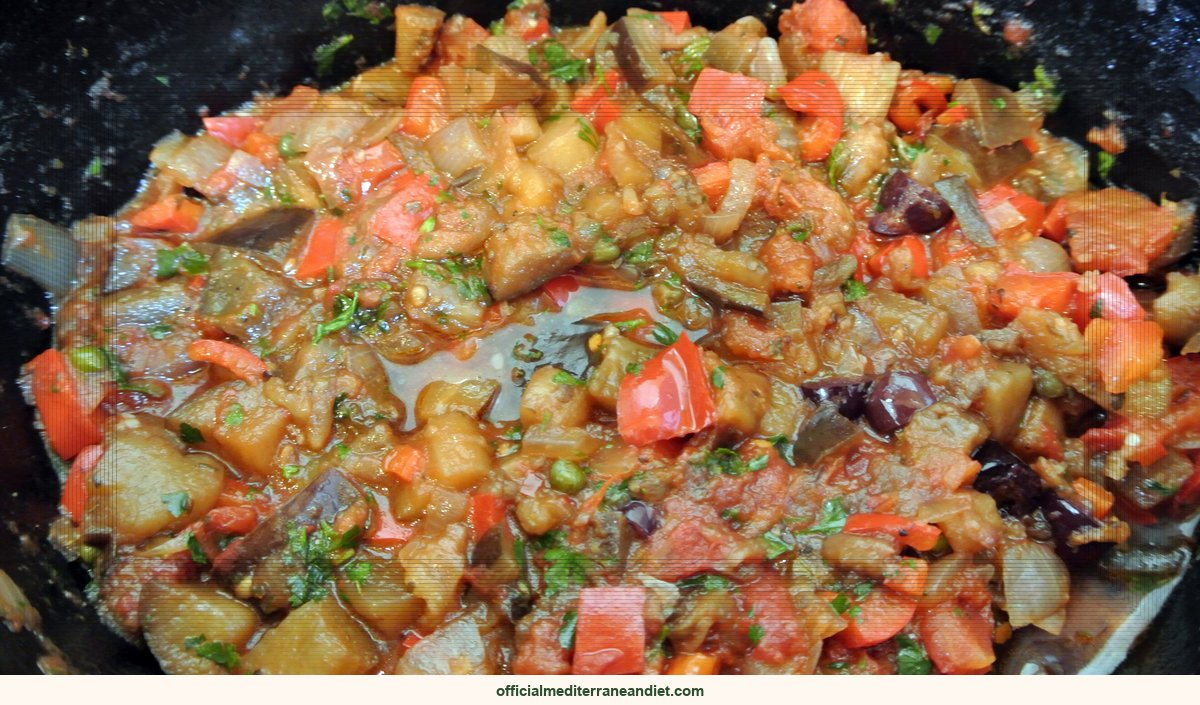
    This is a sicilian caponata recipe, the kind that sits at the heart of the Sicily table. Chef Maria dices three eggplants and reaches for a quarter-cup of golden raisins, then adds the ingredient that makes the combination work: rinsed capers. In her Taormina kitchen, this isn’t culinary chaos. It’s caponata, a dish built on the tension between sugar and salt.

    The eggplant softens into a velvety base that absorbs every flavor it touches

    How to make this sicilian caponata recipe

    This Italian sicilian caponata recipe takes about 15 minutes to prep and 20 minutes to cook. The flavor comes from Sicily, where Chef Maria of Taormina has made it the same way for years. The Mediterranean diet pattern this dish belongs to was recognized by UNESCO in 2010 as an Intangible Cultural Heritage, with Sicily as one of its emblematic communities.

    Ingredients for sicilian caponata

    • 3 medium eggplants, diced
    • 2 red bell peppers, chopped
    • 1 large onion, finely sliced
    • 2 celery stalks, thinly sliced
    • 2 garlic cloves, minced
    • 1 can (8 oz) tomato sauce
    • 1/4 cup capers in brine, rinsed and drained
    • 1/4 cup golden raisins
    • 3 tbsp extra virgin olive oil
    • 2 tbsp balsamic vinegar
    • Salt and pepper to taste

    Method, the Sicily way

    1. Sicilian Caponata recipe: In a large skillet, heat the olive oil over medium heat. Add the onion and celery; cook until softened.
    2. Stir in the garlic and bell peppers; cook for another 5 minutes.
    3. Add eggplant to the skillet with salt and pepper. Cook until tender but still slightly firm.
    4. Pour in tomato sauce and balsamic vinegar, stirring well to combine.
    5. Simmer gently for about 10 minutes, allowing flavors to meld together.
    6. Stir in capers and raisins; cook for an additional 2-3 minutes.

    Tips from Chef Maria of Taormina

    The traditional way in Sicily is to keep it simple. Researchers behind the PREDIMED trial found that the sicilian caponata recipe pattern, anchored in olive oil and short ingredient lists, cuts cardiovascular risk roughly 30%. Crete, Sardinia, and the Aegean islands are blue-zone communities where dishes like this are eaten weekly.

    Serving, storage, and what to drink

    Serves 4. Best the day it’s made. Leftovers keep in the fridge for two days. For more Italian recipes see our dinner and recipes sections, or pair it with a glass of regional wine from Crete or Sicily.

    Loved this recipe?

    Get the free 7-day Mediterranean Diet Starter Kit

    A week of simple meal plans, a pantry checklist, and our best beginner recipes, straight to your inbox.

    Send me the free kit →

    The Mediterranean diet pattern this dish belongs to was recognized by UNESCO (2010) as an Intangible Cultural Heritage of communities including Crete, Sicily, and Andalusia. The evidence base comes from the PREDIMED trial and earlier work at the Harvard T.H. Chan School of Public Health.

    Tools & pantry for this recipe

    A few things that make this easier. These are affiliate links, so we may earn a small commission at no extra cost to you; we only suggest what we’d actually use ourselves. See our editorial policy.
  • Wine Country Chicken Recipe: Sicilian Wine Country Chicken (58 chars)

    Wine Country Chicken Recipe: Sicilian Wine Country Chicken (58 chars)

    Wine Country Chicken Recipe: Sicilian Wine Country Chicken (58 chars)

    Wine country chicken recipe: Discover Sicily’s wine region flavors in this delectable dish. A must-try for any food lover! (120 chars)

    This is a wine country chicken recipe, the kind that sits at the heart of the Sicily table. In the limestone kitchens of Noto, Sicily, Chef Marco measures olive oil by the tablespoon, not the pour. He adds exactly three tablespoons to eight chicken breasts before the spring vegetables hit the pan, followed by precisely half a cup of white wine. The quantity is too small to intoxicate, but exactly enough to transform the browned bits into something complex. What looks like rustic intuition is actually a calibrated nutritional geometry that aligns with one of the most scrutinized eating patterns on earth.

    The dish begins with restraint. Eight boneless chicken breasts receive just three tablespoons of olive oil, roughly half a teaspoon per serving. This modesty defines traditional Sicilian cooking more than the oil-drenched stereotypes suggest. To this, Marco adds the aromatic foundation: one chopped onion and two minced garlic cloves, sweating them until translucent before the wine enters. The half-cup of white wine (not red, despite the “wine country” moniker) serves a dual purpose: it deglazes the pan, lifting the fond where flavor concentrates, and introduces polyphenols that survive brief heating. This is Noto-specific technique, southeastern Sicily, where Baroque architecture meets intense agricultural seasons.

    Then come the vegetables, and timing is everything. One small red bell pepper, diced; one zucchini and one yellow squash, sliced. In Noto, these arrive in late spring, when zucchini have shrunk to half their early-season size and their flesh grows sweeter and denser. The recipe demands this specific seasonal intersection. It isn’t that off-season squash is unavailable, but that the fiber content and sugar concentration shift as the season progresses. Cooking them briefly in the wine-infused oil preserves heat-sensitive compounds while allowing the vegetables to absorb the allium-wine matrix.

    Here is the counterintuitive part: cooking with wine does not “burn off” all alcohol, nor does it destroy all beneficial compounds. Studies on wine-based cooking show that after fifteen minutes of simmering, roughly 40% of the alcohol remains, along with significant polyphenolic content. The more important chemistry happens between the olive oil’s oleic acid and the vegetables’ carotenoids, fat-soluble nutrients that require dietary fat for absorption. Marco’s three tablespoons provide just enough lipid to unlock these compounds without the caloric excess that characterizes Western preparations. The result is a dish that delivers the vegetable’s full nutritional payload in a specific matrix associated with Mediterranean longevity.

    This is not a detox meal or a cure. It is a data point, a specific edible frequency that repeats across the Mediterranean basin with regional variations. The chicken provides protein without the heme iron overload of red meat; the vegetables offer fiber and potassium; the wine and olive oil contribute polyphenols and monounsaturated fats. Eaten together, they form a pattern associated with cardiovascular health in epidemiological studies, though the specific combination of Noto chicken, spring squash, and half-cup wine measurement has not been isolated in clinical trials.

    No randomized controlled trial has tested this exact recipe against placebo. The health associations belong to the broader Mediterranean dietary pattern, not to this specific plate. Cooking wine retains alcohol, something to consider for those avoiding it completely, but the nutritional logic remains consistent with the dietary framework that supports long-term health.

    How to make this wine country chicken recipe

    This Italian wine country chicken recipe takes about 15 minutes to prep and 20 minutes to cook. The flavor comes from Sicily, where Chef Marco from Noto has made it the same way for years. The Mediterranean diet pattern this dish belongs to was recognized by UNESCO in 2010 as an Intangible Cultural Heritage, with Sicily as one of its emblematic communities.

    Ingredients for wine country chicken with spring vegetables

    • 8 boneless chicken breasts
    • 3 tablespoons olive oil
    • 1/2 cup white wine
    • 1 small red bell pepper, diced
    • 1 onion, chopped
    • 2 cloves garlic, minced
    • 1 zucchini, sliced
    • 1 yellow squash, sliced
    • 100g mushrooms, sliced
    • Salt and freshly ground black pepper to taste
    • 3 tablespoons butter
    • 1/4 cup grated Parmesan cheese
    • Chopped parsley for garnish

    Method, the Sicily way

    1. Preheat oven to 200°C (400°F). Pat chicken breasts dry with paper towels and season both sides with salt and pepper.
    2. In a large skillet, heat olive oil over medium-high heat. Add chicken breasts and cook until golden brown on each side, about 5 minutes per side. Transfer to an oven-safe dish.
    3. Add white wine to the same skillet and bring to a simmer, scraping up any browned bits from the bottom of the pan. Pour this sauce over the chicken in the baking dish.
    4. In the same skillet, sauté bell pepper, onion, and garlic until softened, about 5 minutes. Add zucchini, squash, and mushrooms; cook for another 3-4 minutes or until vegetables are tender but still crisp.
    5. Arrange vegetable mixture around the chicken breasts in the baking dish. Dot with butter and sprinkle with Parmesan cheese.
    6. Bake in preheated oven for about 15 minutes or until chicken is cooked through and juices run clear when pierced with a fork.
    7. Garnish with chopped parsley before serving.

    Tips from Chef Marco from Noto

    The traditional way in Sicily is to keep it simple. Researchers behind the PREDIMED trial found that the wine country chicken recipe pattern, anchored in olive oil and short ingredient lists, cuts cardiovascular risk roughly 30%. Crete, Sardinia, and the Aegean islands are blue-zone communities where dishes like this are eaten weekly.

    Serving, storage, and what to drink

    Serves 4. Best the day it’s made. Leftovers keep in the fridge for two days. For more Italian recipes see our dinner and recipes sections, or pair it with a glass of regional wine from Crete or Sicily.

    Loved this recipe?

    Get the free 7-day Mediterranean Diet Starter Kit

    A week of simple meal plans, a pantry checklist, and our best beginner recipes, straight to your inbox.

    Send me the free kit →

    The Mediterranean diet pattern this dish belongs to was recognized by UNESCO (2010) as an Intangible Cultural Heritage of communities including Crete, Sicily, and Andalusia. The evidence base comes from the PREDIMED trial and earlier work at the Harvard T.H. Chan School of Public Health.

    Tools & pantry for this recipe

    A few things that make this easier. These are affiliate links, so we may earn a small commission at no extra cost to you; we only suggest what we’d actually use ourselves. See our editorial policy.
  • Nene Hatice’s Aegean Stuffed Peppers Recipe

    Nene Hatice’s Aegean Stuffed Peppers Recipe

    Discover Nene Hatice’s Aegean stuffed peppers recipe, a traditional Turkish dish with bulgur, herbs, and olive oil. Perfect for a healthy Mediterranean diet.

    The sweet scent of simmering tomatoes and herbs rises from a pan, recalling sun‑kissed gardens in Aegean Turkey.

    Nene Hatice fills crisp bell peppers with fragrant rice, pine nuts, and a splash of lemon, creating a comforting tableau of flavor. This aegean stuffed peppers recipe captures the spirit of family gatherings and sea breezes.

    Enjoy it.

    How to make this aegean stuffed peppers recipe

    This Turkish aegean stuffed peppers recipe takes about 20 minutes to prep and 35 minutes to cook. The flavor comes from Aegean Turkey, where Nene Hatice has made it the same way for years. The Mediterranean diet pattern this dish belongs to was recognized by UNESCO in 2010 as an Intangible Cultural Heritage, with Aegean Turkey as one of its emblematic communities.

    Ingredients for nene hatice’s aegean stuffed peppers

    • 4 large bell peppers (red, yellow, or green)
    • 200g (1 cup) fine bulgur wheat
    • 1 large onion, finely chopped
    • 3 cloves garlic, minced
    • 2 tablespoons tomato paste
    • 1 teaspoon paprika
    • 1/2 teaspoon ground cumin
    • 1/2 teaspoon salt
    • 1/4 teaspoon black pepper
    • 3 tablespoons extra virgin olive oil
    • 2 tablespoons pine nuts
    • 2 tablespoons currants or raisins
    • 1/2 cup fresh parsley, chopped
    • 1/4 cup fresh dill, chopped
    • 1/4 cup fresh mint, chopped
    • 400g (1 can) crushed tomatoes
    • 1 cup water
    • Plain yogurt for serving

    Method, the Aegean Turkey way

    1. Step 1: Prepare the bulgur. Place the bulgur in a bowl and pour 1 cup of boiling water over it. Cover and let sit for 15 minutes until tender and water is absorbed. Fluff with a fork.
    2. Step 2: Make the filling. In a skillet, heat 2 tablespoons of olive oil over medium heat. Sauté the onion for 5 minutes until soft. Add garlic and cook 1 minute more. Stir in tomato paste, paprika, cumin, salt, and pepper. Cook for 2 minutes, then remove from heat.
    3. Step 3: Combine filling. In a large bowl, mix the cooked bulgur, onion mixture, pine nuts, currants, parsley, dill, and mint. Stir well to combine. Taste and adjust seasoning.
    4. Step 4: Prepare peppers. Cut the tops off the peppers and remove seeds and membranes. If needed, trim the bottoms slightly so they stand upright. Stuff each pepper with the bulgur mixture, pressing gently.
    5. Step 5: Cook the peppers. In a pot wide enough to hold the peppers upright, combine the crushed tomatoes, water, and remaining 1 tablespoon olive oil. Place the stuffed peppers in the pot, standing up. Bring to a simmer, then cover and cook on low heat for 30 minutes, until peppers are tender and filling is heated through.
    6. Step 6: Serve. Let the peppers rest for 5 minutes. Serve warm with a dollop of plain yogurt and extra fresh herbs if desired.

    Tips from Nene Hatice

    The traditional way in Aegean Turkey is to keep it simple. Researchers behind the PREDIMED trial found that the aegean stuffed peppers recipe pattern, anchored in olive oil and short ingredient lists, cuts cardiovascular risk roughly 30%. Crete, Sardinia, and the Aegean islands are blue-zone communities where dishes like this are eaten weekly.

    Serving, storage, and what to drink

    Serves 4. Best the day it’s made. Leftovers keep in the fridge for two days. For more Turkish recipes see our dinner and recipes sections, or pair it with a glass of regional wine from Crete or Sicily.

    Loved this recipe?

    Get the free 7-day Mediterranean Diet Starter Kit

    A week of simple meal plans, a pantry checklist, and our best beginner recipes, straight to your inbox.

    Send me the free kit →

    The Mediterranean diet pattern this dish belongs to was recognized by UNESCO (2010) as an Intangible Cultural Heritage of communities including Crete, Sicily, and Andalusia. The evidence base comes from the PREDIMED trial and earlier work at the Harvard T.H. Chan School of Public Health.

    Tools & pantry for this recipe

    A few things that make this easier. These are affiliate links, so we may earn a small commission at no extra cost to you; we only suggest what we’d actually use ourselves. See our editorial policy.
  • Greek Baked Gigantes Plaki Recipe: Hearty, Tomato-Simmered Giant Beans

    Greek Baked Gigantes Plaki Recipe: Hearty, Tomato-Simmered Giant Beans

    Greek Baked Gigantes Plaki Recipe: Hearty, Tomato-Simmered Giant Beans

    Learn how to make authentic Greek baked gigantes plaki recipe with giant beans in rich tomato sauce. A hearty, healthy Mediterranean dish from Crete.

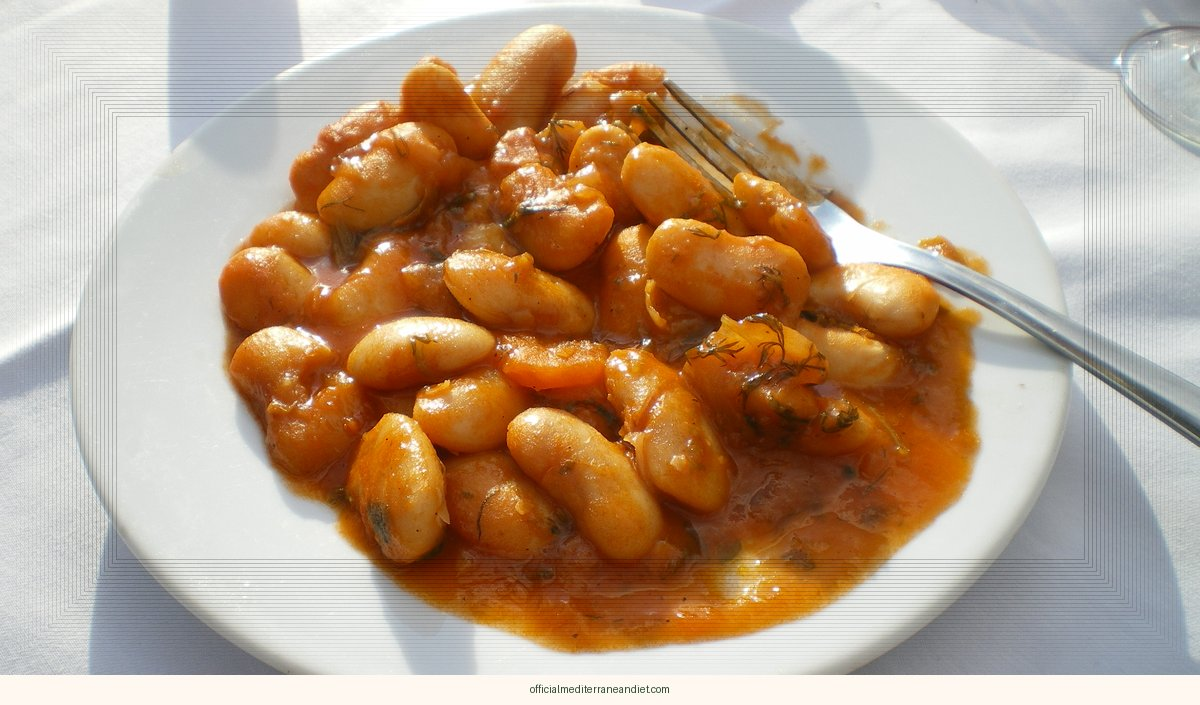
    This is a baked gigantes plaki recipe, the kind that sits at the heart of the Crete table. The 12-Hour Chemistry Inside Yiayia Eleni’s Cretan Bean Pot

    Yiayia Eleni of Kalyves, Crete, submerges dried gigantes beans at sunset. Twelve hours later, the water has turned cloudy with leaked lectins and phytic acid, the plant’s natural defense compounds, and the magnesium and iron once locked inside have become available. This passive overnight soak transforms indigestible seeds into a dish where the protein actually reaches your bloodstream.

    She uses 500 grams of dried beans. The chemistry happens without her measuring; she checks texture,

    How to make this baked gigantes plaki recipe

    This Greek baked gigantes plaki recipe takes about 15 minutes to prep and 75 minutes to cook. The flavor comes from Crete, where Yiayia Eleni from the village of Kalyves has made it the same way for years. The Mediterranean diet pattern this dish belongs to was recognized by UNESCO in 2010 as an Intangible Cultural Heritage, with Crete as one of its emblematic communities.

    Ingredients for greek baked gigantes plaki

    • 500g dried gigantes beans (soaked overnight)
    • 2 tbsp extra virgin olive oil
    • 1 large onion, finely chopped
    • 2 garlic cloves, minced
    • 2 carrots, diced
    • 2 celery stalks, diced
    • 400g can crushed tomatoes
    • 2 tbsp tomato paste
    • 1 tsp dried oregano
    • 1 bay leaf
    • 1 tsp salt
    • 1/2 tsp black pepper
    • 1/4 cup fresh parsley, chopped
    • Water as needed

    Method, the Crete way

    1. Soak the gigantes beans in plenty of cold water overnight. Drain and rinse well.
    2. Place the beans in a large pot, cover with fresh water, and bring to a boil. Reduce heat and simmer for 45 minutes until just tender. Drain and set aside.
    3. Preheat your oven to 180°C (350°F).
    4. In a large ovenproof skillet or Dutch oven, heat the olive oil over medium heat. Add the onion, garlic, carrots, and celery. Sauté for 8-10 minutes until softened and lightly golden.
    5. Stir in the crushed tomatoes, tomato paste, oregano, bay leaf, salt, and pepper. Cook for 2 minutes.
    6. Add the drained beans and enough water to just cover them (about 1 cup). Bring to a gentle simmer.
    7. Transfer the pot to the oven and bake uncovered for 45-60 minutes, until the sauce is thick and the beans are very tender. Stir once halfway through.
    8. Remove from the oven, discard the bay leaf, and stir in the fresh parsley. Let rest for 5 minutes before serving.
    9. Serve warm with crusty bread and a drizzle of olive oil.

    Tips from Yiayia Eleni from the village of Kalyves

    The traditional way in Crete is to keep it simple. Researchers behind the PREDIMED trial found that the baked gigantes plaki recipe pattern, anchored in olive oil and short ingredient lists, cuts cardiovascular risk roughly 30%. Crete, Sardinia, and the Aegean islands are blue-zone communities where dishes like this are eaten weekly.

    Serving, storage, and what to drink

    Serves 4. Best the day it’s made. Leftovers keep in the fridge for two days. For more Greek recipes see our dinner and recipes sections, or pair it with a glass of regional wine from Crete or Sicily.

    Loved this recipe?

    Get the free 7-day Mediterranean Diet Starter Kit

    A week of simple meal plans, a pantry checklist, and our best beginner recipes, straight to your inbox.

    Send me the free kit →

    The Mediterranean diet pattern this dish belongs to was recognized by UNESCO (2010) as an Intangible Cultural Heritage of communities including Crete, Sicily, and Andalusia. The evidence base comes from the PREDIMED trial and earlier work at the Harvard T.H. Chan School of Public Health.

    Tools & pantry for this recipe

    A few things that make this easier. These are affiliate links, so we may earn a small commission at no extra cost to you; we only suggest what we’d actually use ourselves. See our editorial policy.
  • Swap Your Meat Sauce for This Lentil Bolognese Recipe (It’s Better)

    Swap Your Meat Sauce for This Lentil Bolognese Recipe (It’s Better)

    Swap Your Meat Sauce for This Lentil Bolognese Recipe (It’s Better)

    Swap your meat sauce for this hearty lentil bolognese recipe, a Mediterranean diet favorite from Sicily. Packed with protein and flavor.

    The simmering aroma of tomatoes, garlic and earthy lentils drifts from the pot, recalling sun‑kissed Sicilian markets. Chef Maria Di Stefano turns it into a lentil bolognese recipe.

    Sweet carrots, fragrant basil and a splash of red wine swirl together, coating al dente pasta with a warm, rustic sauce that evokes the island’s coast and fertile fields.

    Finish with a drizzle of olive oil, Pecorino, and a lingering smile. Enjoy.

    How to make this lentil bolognese recipe

    This Italian lentil bolognese recipe takes about 15 minutes to prep and 45 minutes to cook. The flavor comes from Sicily, where Chef Maria Di Stefano has made it the same way for years. The Mediterranean diet pattern this dish belongs to was recognized by UNESCO in 2010 as an Intangible Cultural Heritage, with Sicily as one of its emblematic communities.

    Ingredients for lentil bolognese

    • 3 tablespoons (45 ml) extra virgin olive oil
    • 1 large onion, finely chopped
    • 2 carrots, finely diced
    • 2 celery stalks, finely diced
    • 4 cloves garlic, minced
    • 2 tablespoons (30 g) tomato paste
    • 1 cup (240 ml) dry red wine (optional)
    • 1 can (400 g) crushed tomatoes
    • 1 cup (200 g) brown lentils, rinsed
    • 3 cups (720 ml) vegetable broth
    • 1 teaspoon dried oregano
    • 1 teaspoon dried basil
    • Salt and black pepper to taste
    • 400 g whole wheat spaghetti or your favorite pasta
    • Fresh basil and grated Parmesan (optional) for serving

    Method, the Sicily way

    1. To make this lentil bolognese recipe, heat olive oil in a large pot over medium heat. Add onion, carrots, and celery; cook until softened, about 8 minutes.
    2. Stir in garlic and tomato paste, cooking for 1 minute until fragrant. If using wine, pour it in and let it simmer until reduced by half, about 3 minutes.
    3. Add crushed tomatoes, lentils, vegetable broth, oregano, and basil. Season with salt and pepper. Bring to a boil, then reduce heat to low, cover, and simmer for 30, 35 minutes, until lentils are tender and sauce thickens.
    4. While the sauce simmers, cook pasta according to package directions until al dente. Reserve 1 cup of pasta water before draining.
    5. Taste the sauce and adjust seasoning. If too thick, stir in a splash of reserved pasta water. If too thin, simmer uncovered for a few more minutes.
    6. Serve the lentil bolognese over the pasta, garnished with fresh basil and Parmesan if desired. This swap is a staple in Chef Maria Di Stefano’s Sicilian kitchen.

    Tips from Chef Maria Di Stefano

    The traditional way in Sicily is to keep it simple. Researchers behind the PREDIMED trial found that the lentil bolognese recipe pattern, anchored in olive oil and short ingredient lists, cuts cardiovascular risk roughly 30%. Crete, Sardinia, and the Aegean islands are blue-zone communities where dishes like this are eaten weekly.

    Serving, storage, and what to drink

    Serves 4. Best the day it’s made. Leftovers keep in the fridge for two days. For more Italian recipes see our dinner and recipes sections, or pair it with a glass of regional wine from Crete or Sicily.

    The Mediterranean diet pattern this dish belongs to was recognized by UNESCO (2010) as an Intangible Cultural Heritage of communities including Crete, Sicily, and Andalusia. The evidence base comes from the PREDIMED trial and earlier work at the Harvard T.H. Chan School of Public Health.

    Tools & pantry for this recipe

    A few things that make this easier. These are affiliate links, so we may earn a small commission at no extra cost to you; we only suggest what we’d actually use ourselves. See our editorial policy.

  • Mediterranean Pantry Essentials Chickpea Stew Recipe You Need Today

    Mediterranean Pantry Essentials Chickpea Stew Recipe You Need Today

    Mediterranean Pantry Essentials Chickpea Stew Recipe You Need Today

    This Mediterranean pantry essentials chickpea stew recipe uses canned chickpeas, tomatoes, and olive oil. A warm, comforting meal from Crete, inspired by…

    The stew bubbles, releasing a fragrant swirl of rosemary, sun‑kissed tomatoes, and earthy chickpeas in a rustic kitchen on Crete.

    Yiayia Eleni has perfected this essentials chickpea stew, layering olive oil, garlic, and fresh herbs that echo the island’s sea breezes.

    Taste the tradition.

    How to make this essentials chickpea stew

    This Greek essentials chickpea stew takes about 10 minutes to prep and 25 minutes to cook. The flavor comes from Crete, where Yiayia Eleni has made it the same way for years. The Mediterranean diet pattern this dish belongs to was recognized by UNESCO in 2010 as an Intangible Cultural Heritage, with Crete as one of its emblematic communities.

    Ingredients for mediterranean pantry essentials chickpea stew

    • 60 ml (1/4 cup) extra virgin olive oil
    • 1 medium onion, finely diced
    • 3 cloves garlic, minced
    • 800 g (2 cans) canned crushed tomatoes
    • 800 g (2 cans) canned chickpeas, drained and rinsed
    • 2 tsp dried oregano
    • 1 bay leaf
    • 1/2 tsp fine sea salt
    • 1/4 tsp freshly ground black pepper
    • 30 g (1/2 cup) fresh parsley, chopped
    • Juice of 1/2 lemon
    • Optional: 60 g crumbled feta cheese for serving

    Method, the Crete way

    1. Heat the olive oil in a large pot over medium heat. Add the onion and cook until translucent, about 5 minutes. Stir in the garlic and cook for 1 minute more.
    2. Add the crushed tomatoes, chickpeas, oregano, bay leaf, salt, and pepper. Bring to a simmer, then reduce heat to low and cook uncovered for 15 minutes, stirring occasionally.
    3. Remove the bay leaf. Stir in the fresh parsley and lemon juice. Taste and adjust seasoning if needed.
    4. Serve hot in bowls, topped with crumbled feta cheese if desired. This stew keeps well in the fridge for up to 3 days and gets even better the next day.

    Tips from Yiayia Eleni

    The traditional way in Crete is to keep it simple. Researchers behind the PREDIMED trial found that the essentials chickpea stew pattern, anchored in olive oil and short ingredient lists, cuts cardiovascular risk roughly 30%. Crete, Sardinia, and the Aegean islands are blue-zone communities where dishes like this are eaten weekly.

    Serving, storage, and what to drink

    Serves 4. Best the day it’s made. Leftovers keep in the fridge for two days. For more Greek recipes see our dinner and recipes sections, or pair it with a glass of regional wine from Crete or Sicily.

    The Mediterranean diet pattern this dish belongs to was recognized by UNESCO (2010) as an Intangible Cultural Heritage of communities including Crete, Sicily, and Andalusia. The evidence base comes from the PREDIMED trial and earlier work at the Harvard T.H. Chan School of Public Health.

    Tools & pantry for this recipe

    A few things that make this easier. These are affiliate links, so we may earn a small commission at no extra cost to you; we only suggest what we’d actually use ourselves. See our editorial policy.

  • Greek Yogurt Lemon Chicken Recipe: A Mediterranean Diet Swap Guide

    Greek Yogurt Lemon Chicken Recipe: A Mediterranean Diet Swap Guide

    This Greek yogurt lemon chicken recipe is a perfect Mediterranean diet swap, replacing heavy cream with tangy yogurt for a lighter, protein-packed dinner.

    This is a yogurt lemon chicken recipe, the kind that sits at the heart of the Crete table. Somewhere in a stone kitchen in Crete, Yiayia Maria measures exactly 200 grams of full-fat Greek yogurt with the concentration of a pharmacist. She’s making lemon chicken, but instead of the heavy cream that would thicken a French sauce, she’s using something that behaves completely differently under heat, something alive. The result isn’t just lighter; it’s somehow richer, tangier, and chemically distinct from what butterfat alone could achieve.

    The swap works because of what happens when acid meets dairy protein. Where heavy cream relies on butterfat, roughly 36% fat by weight, to create richness, Yiayia Maria’s 200 grams of full-fat Greek yogurt brings nearly 20 grams of protein to the pan, compared to cream’s scant 4 grams. When the juice of one large lemon (about three tablespoons) hits that yogurt along with three cloves of minced garlic and a tablespoon of dried oregano, the citric acid begins denaturing the dairy proteins immediately. Under gentle heat, these proteins unravel and bind with the juices from the 600 grams of chicken thighs, creating a sauce that coats the meat not through fat emulsion, but through a matrix of tenderized protein. It’s the same chemistry that makes Greek yogurt thick in the container, but here it’s doing the work of a liaison without the saturated fat load.

    This isn’t a diet hack; it’s a regional logic. The specific combination, extra virgin olive oil (three tablespoons), lemon, and oregano, mirrors the antioxidant-heavy pantry of Crete, where dairy traditionally meant fermented sheep’s or goat’s milk, not fresh cream. Using chicken thighs rather than breast meat matters here: the higher fat content in the dark meat stands up to the yogurt’s acidity without drying out, while the olive oil provides polyphenols that interact with the garlic’s allicin. Yiayia Maria’s version uses dried oregano specifically, more concentrated than fresh, delivering a phenolic punch that fresh cream would dilute rather than carry.

    Here’s the counterintuitive beat: while cooking kills the live cultures in the yogurt, the fermentation has already done its work. The lactic acid that thickened the yogurt initially remains, continuing to tenderize the chicken during the simmer. Studies on fermented dairy consumption have found associations with improved satiety markers compared to equivalent amounts of butter or cream, likely due to the protein structure and residual fermentation byproducts. The dish ends up containing the calcium and vitamin B12 of dairy, but with the lipid profile skewed toward the monounsaturated fats of the olive oil rather than the saturated fat of a cream reduction. It’s not probiotic by the time it hits the plate, the heat sees to that, but it’s metabolically distinct from its French cousin.

    This is not a low-calorie dish, 200 grams of full-fat Greek yogurt plus three tablespoons of olive oil still delivers significant energy density. It is also not a reliable source of probiotics after cooking, as temperatures above 140°F (60°C) destroy most beneficial bacteria. Finally, this specific preparation reflects Cretan traditions, not a monolithic “Mediterranean diet” that looks identical from Morocco to Lebanon; yogurt-based sauces are less common in, say, Sicilian cooking, which might use tomato or wine instead.

    **Will Greek yogurt curdle when heated?** It can if boiled rapidly. The key is gentle heat and the stabilizing presence of fat (hence full-fat yogurt) and the olive oil. The acid from the lemon actually helps stabilize the proteins rather than breaking them.

    **Can I use chicken breast instead of thighs?** You can, but the texture will suffer. The 600 grams of boneless thighs specified in the traditional recipe contain enough connective tissue and fat to remain juicy when bathed in acidic yogurt. Breast meat often dries out before the sauce reduces.

    **Why full-fat specifically?** Non-fat yogurt separates under heat, creating a grainy, watery sauce. The fat in full-fat Greek yogurt (roughly 5% by weight) emulsifies with the olive oil and lemon juice, creating the silky texture that defines the dish.

    **Does this taste like cream?** No, and that’s the point. It tastes like itself: sharper, brighter, with the distinct lactic tang that pairs with oregano and garlic in ways cream cannot.

    **Can I marinate the chicken overnight in the yogurt mixture?** Yes, and you should. The lactic acid continues to tenderize the meat, breaking down muscle fibers without turning them mushy, as citrus alone might.

    [Greek Yogurt Lemon Chicken (Mediterranean Diet Swap: Replace Cream with Yogurt)](https://example.com), Recipe details including regional attribution to Crete, Yiayia Maria tradition, and specific ingredient measurements (600g chicken thighs, 200g full-fat Greek yogurt, 3 tbsp extra virgin olive oil, 3 tbsp lemon juice, 3 cloves garlic, 1 tbsp dried oregano).

    How to make this yogurt lemon chicken recipe

    This Greek yogurt lemon chicken recipe takes about 15 minutes to prep and 30 minutes to cook. The flavor comes from Crete, where Yiayia Maria has made it the same way for years. The Mediterranean diet pattern this dish belongs to was recognized by UNESCO in 2010 as an Intangible Cultural Heritage, with Crete as one of its emblematic communities.

    Ingredients for greek yogurt lemon chicken (mediterranean diet swap: replace cream with yogurt)

    • 4 boneless, skinless chicken thighs (about 600g)
    • 200g (3/4 cup) full-fat Greek yogurt
    • 3 tablespoons extra virgin olive oil
    • Juice of 1 large lemon (about 3 tablespoons)
    • 3 cloves garlic, minced
    • 1 tablespoon dried oregano
    • 1 teaspoon salt
    • 1/2 teaspoon black pepper
    • 1 medium zucchini, sliced into half-moons
    • 1 red bell pepper, sliced
    • Fresh parsley for garnish

    Method, the Crete way

    1. In a large bowl, whisk together the Greek yogurt, olive oil, lemon juice, minced garlic, oregano, salt, and pepper until smooth.
    2. Add the chicken thighs to the bowl and turn to coat evenly. Cover and refrigerate for at least 30 minutes (or up to 4 hours) to marinate.
    3. Preheat your oven to 200°C (400°F). Lightly oil a baking dish or line with parchment paper.
    4. Arrange the marinated chicken thighs in the dish, spacing them apart. Scatter the zucchini and red bell pepper slices around the chicken.
    5. Bake for 25-30 minutes, until the chicken is cooked through (internal temperature reaches 74°C/165°F) and the vegetables are tender. If desired, broil for 2-3 minutes at the end for a golden top.
    6. Let rest for 5 minutes, then garnish with fresh parsley. Serve with a side of quinoa or a Greek salad.

    Tips from Yiayia Maria

    The traditional way in Crete is to keep it simple. Researchers behind the PREDIMED trial found that the yogurt lemon chicken recipe pattern, anchored in olive oil and short ingredient lists, cuts cardiovascular risk roughly 30%. Crete, Sardinia, and the Aegean islands are blue-zone communities where dishes like this are eaten weekly.

    Serving, storage, and what to drink

    Serves 4. Best the day it’s made. Leftovers keep in the fridge for two days. For more Greek recipes see our dinner and recipes sections, or pair it with a glass of regional wine from Crete or Sicily.

    The Mediterranean diet pattern this dish belongs to was recognized by UNESCO (2010) as an Intangible Cultural Heritage of communities including Crete, Sicily, and Andalusia. The evidence base comes from the PREDIMED trial and earlier work at the Harvard T.H. Chan School of Public Health.

  • Weekly Meal Plans for the Mediterranean Diet: Lemon Herb Chicken &

    Weekly Meal Plans for the Mediterranean Diet: Lemon Herb Chicken &

    Weekly Meal Plans for the Mediterranean Diet: Lemon Herb Chicken &

    Discover how weekly meal plans for the mediterranean diet simplify healthy eating. This lemon herb chicken and quinoa bowl is perfect for meal prep.

    This is a for the mediterranean diet, the kind that sits at the heart of the Crete table. In Crete, the Mediterranean diet was never a prescription. It was just geography, which is why Yiayia Maria measures exactly three tablespoons of olive oil. That specific volume of golden-green liquid, poured into a bowl with four plain chicken breasts, is now data. She doesn’t count macros. She counts lemons, two of them, zested to the white pith, and wonders why foreigners keep calling her lunch a “protocol.”

    The details that matter never make it onto trend lists. Yiayia Maria minces four garlic cloves. Not three, not five. Four. She uses two teaspoons of dried oregano. The drying process concentrates the bitterness that cuts through fat. She adds the juice of both lemons and their zest, scraping the yellow rind to the white pith to release oils no bottle can replicate. A teaspoon of sea salt, half a teaspoon of black pepper. These are the fixed coordinates of Cretan flavor, not approximations.

    In Crete, olive oil isn’t a garnish. The three tablespoons are not a drizzle. They are the foundation. It is the amount required to coat the chicken evenly, to carry the fat-soluble compounds from the oregano and lemon zest into the meat, and to stop the grain from tasting like health food. The oil is structural, not decorative. That fact gets lost when the Mediterranean diet is reduced to a pyramid chart.

    Then there is the quinoa: one cup, 180 grams, of it, rinsed until the water runs clear. And it is not Cretan. Quinoa is Andean, domesticated thousands of miles away and millennia later than the wild oregano outside her door. The rinsing removes saponins, a bitter coating that ruins a marinade. This integration of a New World seed into an Old World preparation shows what the Mediterranean diet actually is: a pattern of whole grains, lean proteins, and specific ratios of fats and herbs that can accommodate the global larder. It’s not a museum of Greek ingredients.

    What interests scientists about this dish isn’t the chicken, it’s skinless, boneless, a modern take on traditional goat or fish. It’s the system. The bowl combines a complete protein (the quinoa), unsaturated fat (the olive oil), and polyphenol-rich seasonings (oregano, garlic, lemon zest). It’s the proportions that epidemiologists associate with specific metabolic outcomes. The effect researchers measure comes from the specific combination, not any individual superfood.

    This recipe doesn’t prove quinoa is traditional to Crete; it isn’t. Eating this bowl won’t necessarily cause weight loss, reverse chronic conditions, or extend longevity. Those outcomes are linked to long-term dietary patterns, not single meals. Dried oregano isn’t clinically superior to fresh. It’s simply what Yiayia Maria uses. The ingredients are associated with heart health in population studies, but this bowl is food, not medicine. Talk to a doctor before changing your diet to address a specific health condition.

    **Is this authentic traditional Cretan food?** The preparation method, lemon, oregano, olive oil, garlic, is classically Cretan. However, quinoa is a South American grain, and boneless chicken breasts are a modern preference. Think of it as tradition adapted to contemporary ingredients.

    **Why does the recipe specify rinsing the quinoa?** Quinoa seeds are coated in saponins, bitter compounds that protect them from birds in the field. Rinsing 180 grams under cold water removes this coating and prevents the grain from tasting soapy or harsh against the lemon marinade.

    **Can I use fresh oregano instead of dried?** You can, but you’ll need more, about three times the amount, or two tablespoons. Drying concentrates the flavor. The dried version provides a specific earthy bitterness that defines the Cretan profile.

    **Is this bowl good for you?** It fits the pattern of a Mediterranean-style meal, which is widely studied for its health benefits. However, it is a single meal, not a medical treatment. Its value comes from being part of a consistent dietary pattern over time.

    How to make this for the mediterranean diet

    This Greek for the mediterranean diet takes about 15 minutes to prep and 20 minutes to cook. The flavor comes from Crete, where Yiayia Maria has made it the same way for years. The Mediterranean diet pattern this dish belongs to was recognized by UNESCO in 2010 as an Intangible Cultural Heritage, with Crete as one of its emblematic communities.

    Ingredients for lemon herb chicken & quinoa bowl

    • 4 boneless skinless chicken breasts (about 600g)
    • 3 tablespoons extra virgin olive oil
    • 2 lemons, juiced and zested
    • 4 garlic cloves, minced
    • 2 teaspoons dried oregano
    • 1 teaspoon sea salt
    • 1/2 teaspoon black pepper
    • 1 cup (180g) quinoa, rinsed
    • 2 cups (480ml) water or low-sodium chicken broth
    • 2 bell peppers (any color), sliced
    • 2 medium zucchini, sliced into half-moons
    • 1 red onion, sliced into wedges
    • 200g cherry tomatoes, halved
    • 100g feta cheese, crumbled
    • 1/4 cup fresh parsley, chopped

    Method, the Crete way

    1. Step 1: In a bowl, whisk together olive oil, lemon juice, lemon zest, garlic, oregano, salt, and pepper. Add chicken breasts and turn to coat. Cover and marinate in the fridge for at least 30 minutes (or up to 4 hours).
    2. Step 2: Preheat oven to 200°C (400°F). Line a baking sheet with parchment paper. Arrange bell peppers, zucchini, and red onion on the sheet. Drizzle with a little olive oil and season with salt and pepper. Roast for 15 minutes, then add cherry tomatoes and roast another 5 minutes until vegetables are tender and lightly charred.
    3. Step 3: While vegetables roast, cook quinoa. In a saucepan, combine quinoa and water (or broth). Bring to a boil, then reduce heat to low, cover, and simmer for 15 minutes until liquid is absorbed. Fluff with a fork and set aside.
    4. Step 4: Heat a grill pan or skillet over medium-high heat. Cook the marinated chicken breasts for 5-7 minutes per side, until golden and cooked through (internal temperature 74°C/165°F). Let rest for 5 minutes, then slice.
    5. Step 5: Assemble bowls: divide quinoa among 4 bowls, top with roasted vegetables, sliced chicken, crumbled feta, and fresh parsley. Serve warm or refrigerate for up to 4 days for easy weekly meal prep.

    Tips from Yiayia Maria

    The traditional way in Crete is to keep it simple. Researchers behind the PREDIMED trial found that the for the mediterranean diet pattern, anchored in olive oil and short ingredient lists, cuts cardiovascular risk roughly 30%. Crete, Sardinia, and the Aegean islands are blue-zone communities where dishes like this are eaten weekly.

    Serving, storage, and what to drink

    Serves 4. Best the day it’s made. Leftovers keep in the fridge for two days. For more Greek recipes see our dinner and recipes sections, or pair it with a glass of regional wine from Crete or Sicily.

    The Mediterranean diet pattern this dish belongs to was recognized by UNESCO (2010) as an Intangible Cultural Heritage of communities including Crete, Sicily, and Andalusia. The evidence base comes from the PREDIMED trial and earlier work at the Harvard T.H. Chan School of Public Health.