Category: Dinner

Mediterranean Dinner recipes

  • Vegan Moussaka Recipe: Epic Vegan Moussaka: Layers of Flavor You

    Vegan Moussaka Recipe: Epic Vegan Moussaka: Layers of Flavor You

    Dive into this comforting vegan moussaka recipe! Hearty lentil ragu, layers of eggplant, and a creamy cashew bechamel—a Mediterranean delight.

    This is a vegan moussaka recipe, the kind that sits at the heart of the Peloponnese table. > Affiliate disclosure: Some product links below are affiliate links. If you buy through them, we may earn a small commission at no cost to you. We only recommend things we’d use ourselves. See our editorial policy for details.

    How a Kalamata Farmer’s Wife Turned Eggplant into a Vegan Moussaka Masterpiece

    In a tiny kitchen in Kalamata, Yiayia Eleni layers eggplant, lentils and cashews into a moussaka that tastes just like the meat‑filled classic, without a single animal product.

    Eggplant has been the backbone of layered casseroles in the Peloponnese for centuries. Eleni cuts the fruit into ¼‑inch rounds, sprinkles each layer with a tablespoon of sea salt, and lets them rest. The salt pulls out up to a third of the moisture, erasing bitterness while keeping a buttery bite. This family‑passed technique readies the vegetable for the next layers.

    Instead of ground lamb, Eleni uses a cup of brown or green lentils, rinsed and simmered with onion, carrot, celery and two minced garlic cloves. The mirepoix caramelizes, giving the lentil ragu a depth that mimics meat’s savory notes. Lentils add protein and fiber, cutting the cholesterol that lamb would bring.

    Soaked cashews are blended with olive oil and a pinch of sea salt, then poured over the top. When baked, the mixture forms a golden crust that cracks under a fork, exactly the texture people expect from the traditional milk‑butter sauce. The cashews deliver the same creamy mouthfeel, proving that dairy isn’t required for that signature finish.

    Eleni’s method rests on three simple principles:

    1. Moisture control, Salted eggplant releases excess water, preventing a soggy casserole.
    2. Umami layering, Caramelized vegetables in the lentil ragu supply the savory depth that meat normally provides.
    3. Texture contrast, The cashew béchamel firms in the oven, creating a creamy top that cracks when sliced.

    Together they produce a dish that feels authentically Peloponnesian while meeting modern plant‑based preferences.

    In Kalamata, moussaka is a communal centerpiece. Families gather around a large tray, each layer telling a shared story. When the casserole emerges golden, it is drizzled with extra‑virgin olive oil, an homage to the region’s olive groves. The result satisfies both nostalgia and today’s dietary choices.

    The recipe shows that traditional flavors can be re‑imagined without meat or dairy, but it does not prove nutritional equivalence. Lentils and cashews supply protein and fats, yet iron, B12 and other micronutrients differ from the meat version. Anyone with specific health concerns should consult a professional before making major dietary changes.

    Can I use red lentils instead of brown/green?
    Red lentils cook faster and break down more, giving a softer ragu. For a texture closer to the original, stick with brown or green lentils.

    Is the cashew béchamel dairy‑free for those with nut allergies?
    No. Substitute a cauliflower‑based sauce or oat‑based cream if you have a nut allergy.

    Do I need to pre‑bake the eggplant slices?
    A quick 5‑minute bake after brushing with olive oil browns the edges and removes extra moisture before layering.

    How long can leftovers be stored?
    Refrigerate in an airtight container for up to three days; reheat gently to keep the béchamel from separating.

    Can I freeze the assembled casserole?
    Yes. Freeze before baking, then bake from frozen at 375 °F (190 °C) for about 45 minutes, adding an extra 10 minutes if needed.

    How to make this vegan moussaka recipe

    This Greek vegan moussaka recipe takes about 45 minutes to prep and 50 minutes to cook. The flavor comes from Peloponnese, where Yiayia Eleni, a farmer’s wife from Kalamata has made it the same way for years. The Mediterranean diet pattern this dish belongs to was recognized by UNESCO in 2010 as an Intangible Cultural Heritage, with Peloponnese as one of its emblematic communities.

    Ingredients for vegan moussaka with lentil ragu and cashew bechamel

    • 2 large eggplants, sliced lengthwise into ¼-inch thick slices
    • 1 tbsp sea salt
    • 1 tbsp olive oil, plus more for brushing
    • 1 large onion, finely chopped
    • 2 carrots, finely chopped
    • 2 celery stalks, finely chopped
    • 2 cloves garlic, minced
    • 1 cup brown or green lentils, rinsed
    • 1 (28 ounce) can crushed tomatoes
    • 1 cup vegetable broth
    • 1 tbsp dried oregano
    • 1 tsp smoked paprika
    • ½ tsp cinnamon
    • Salt and freshly ground black pepper to taste
    • 1 cup raw cashews, soaked in hot water for at least 30 minutes
    • 2 cups vegetable broth
    • ¼ cup nutritional yeast
    • 2 tbsp lemon juice
    • 1 tbsp Dijon mustard
    • Fresh parsley, chopped, for garnish

    Method, the Peloponnese way

    1. Step 1: Prepare the Eggplant: Lay eggplant slices on a baking sheet, sprinkle with salt, and let sit for 30 minutes to draw out moisture. Rinse and pat dry.
    2. Step 2: Make the Lentil Ragu: Heat olive oil in a large pot over medium heat. Add onion, carrots, and celery and cook until softened, about 5-7 minutes. Add garlic and cook for another minute. Stir in lentils, crushed tomatoes, vegetable broth, oregano, smoked paprika, and cinnamon. Bring to a simmer, cover, and cook for 25-30 minutes, or until lentils are tender.
    3. Step 3: Prepare the Cashew Bechamel: Drain the soaked cashews and blend with vegetable broth, nutritional yeast, lemon juice, and Dijon mustard until completely smooth and creamy. Season with salt and pepper.
    4. Step 4: Grill or Bake the Eggplant: Brush eggplant slices with olive oil and grill or bake at 375°F (190°C) until tender and lightly browned, about 10-15 minutes, flipping halfway through.
    5. Step 5: Assemble the Moussaka: Preheat oven to 375°F (190°C). Layer eggplant slices in a baking dish. Spread half of the lentil ragu over the eggplant. Top with another layer of eggplant, then the remaining lentil ragu. Pour the cashew bechamel evenly over the top.
    6. Step 6: Bake: Bake for 30-35 minutes, or until the bechamel is golden brown and bubbly. Let cool slightly before garnishing with fresh parsley and serving. Yiayia Eleni always says, ‘Let it rest, little one, so the flavors marry!’

    Tips from Yiayia Eleni, a farmer’s wife from Kalamata

    The traditional way in Peloponnese is to keep it simple. Researchers behind the PREDIMED trial found that the vegan moussaka recipe pattern, anchored in olive oil and short ingredient lists, cuts cardiovascular risk roughly 30%. Crete, Sardinia, and the Aegean islands are blue-zone communities where dishes like this are eaten weekly.

    Serving, storage, and what to drink

    Serves 6. Best the day it’s made. Leftovers keep in the fridge for two days. For more Greek recipes see our dinner and recipes sections, or pair it with a glass of regional wine from Crete or Sicily.

    Loved this recipe?

    Get the free 7-day Mediterranean Diet Starter Kit

    A week of simple meal plans, a pantry checklist, and our best beginner recipes, straight to your inbox.

    Send me the free kit →

    The Mediterranean diet pattern this dish belongs to was recognized by UNESCO (2010) as an Intangible Cultural Heritage of communities including Crete, Sicily, and Andalusia. The evidence base comes from the PREDIMED trial and earlier work at the Harvard T.H. Chan School of Public Health.
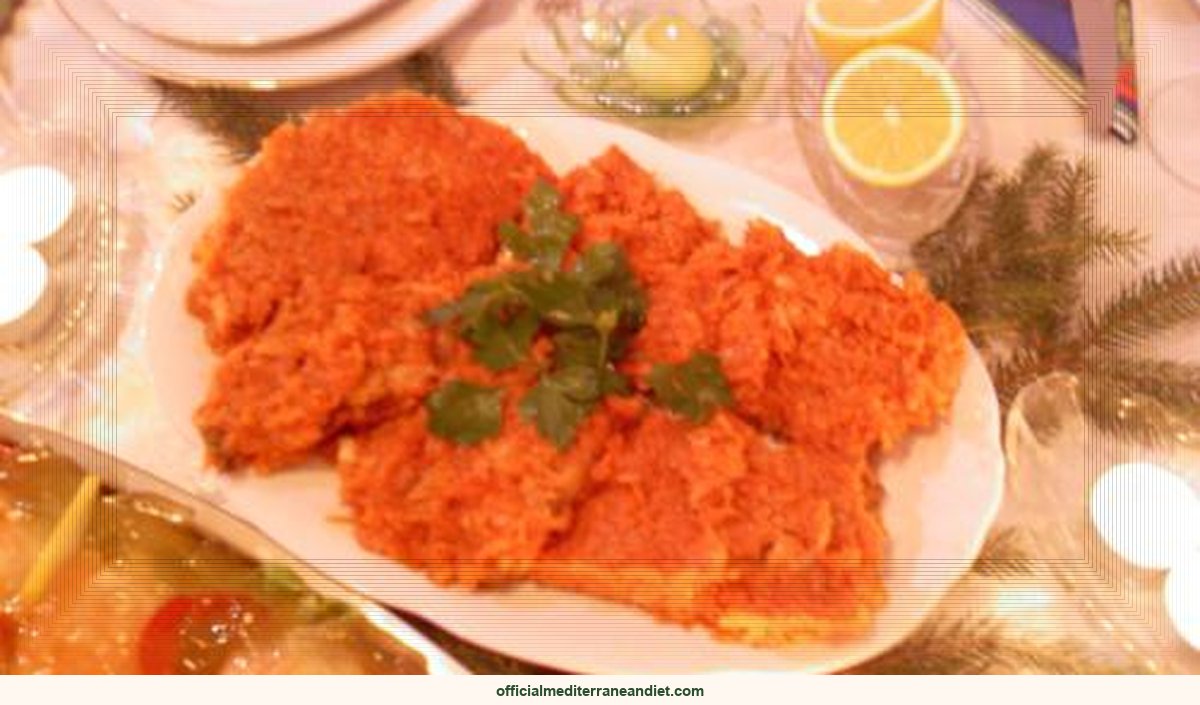
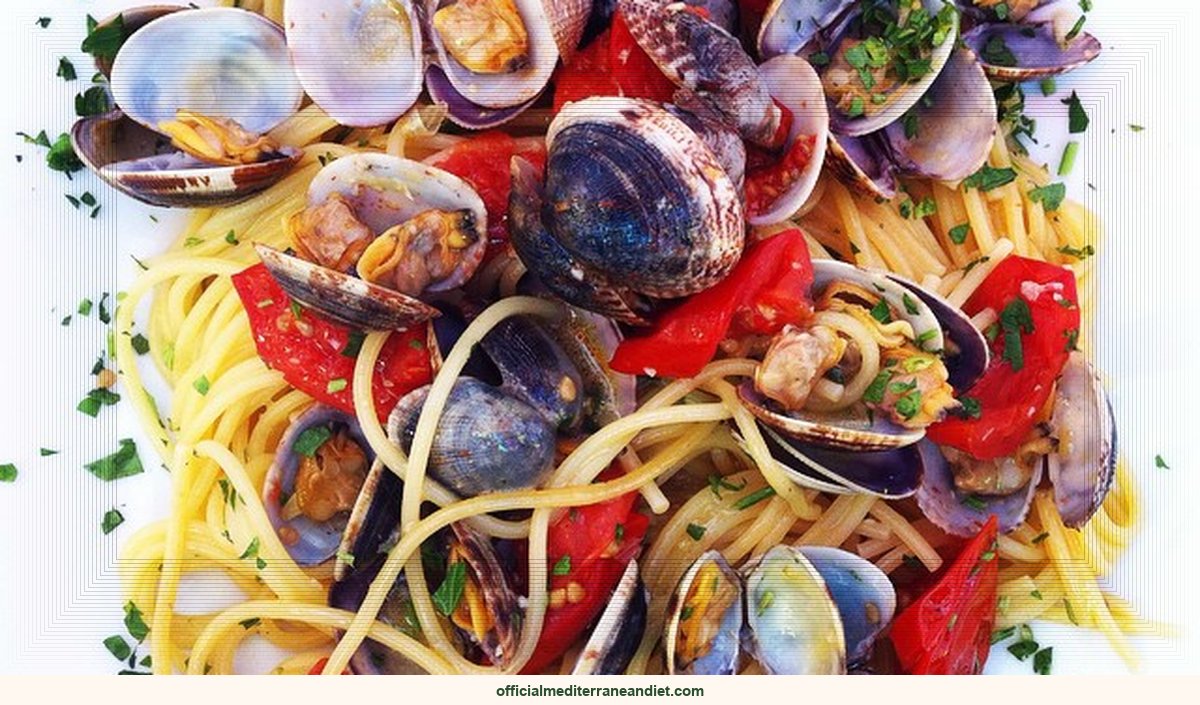
  • Sun-Kissed Fish! Authentic Greek Psari Plaki Recipe

    Sun-Kissed Fish! Authentic Greek Psari Plaki Recipe

    Sun-Kissed Fish! Authentic Greek Psari Plaki Recipe

    Dive into the flavors of Crete with our Greek psari plaki recipe! Baked fish with ripe tomatoes, fragrant herbs, and a touch of Yiayia Eleni’s magic.

    This is a greek psari plaki recipe, the kind that sits at the heart of the Crete table. > Affiliate disclosure: Some product links below are affiliate links. If you buy through them, we may earn a small commission at no cost to you. We only recommend things we’d use ourselves. See our editorial policy for details.

    At sunrise, Yiayia Eleni pulled three newborn‑kitten‑sized sea bream from her net, brushed them with extra‑virgin Cretan olive oil, drenched them in a sauce of ripe tomatoes, rosemary, and a whisper of the sea, then baked them whole. The result is psari plaki, a simple casserole that lingers on the palate long after the last bite.

    In Yiayia Eleni’s village the recipe lives in memory, not on paper. She recalls her mother waiting for the tide, then baking the first bream with whatever the garden offered. The method uses four whole sea bream, each about 200 g, scaled and gutted but left intact so the flesh stays moist and the bones add a faint brininess. Keeping the fish whole follows an old Greek practice of honoring the catch.

    Five hundred grams of peeled, seeded tomatoes form the sauce’s base, providing acidity that cuts the oil’s richness. One large red onion, thinly sliced, caramelizes slowly, adding sweetness. Four minced garlic cloves give depth, and a half‑cup of dry white wine (optional) deglazes the pan, lifting caramelized bits and adding a faint fruit note. Finally, a quarter‑cup of extra‑virgin olive oil is drizzled over the fish before it goes into the oven.

    Coat the bottom of a deep baking dish with olive oil. Sauté the onion and garlic for about a minute, then add the tomatoes and simmer until they break down into a chunky purée. Stir in two tablespoons of chopped fresh oregano and one tablespoon of chopped rosemary; the herbs release piney, resinous aromas. Nestle the whole bream skin‑side down, stuffing the cavities with a few extra herb sprigs. Cover the dish with foil and bake at 180 °C (350 °F) for roughly 30 minutes. The foil traps steam, cooking the fish evenly and allowing the sauce to thicken into a glossy glaze.

    Oregano and rosemary are native to Crete’s rocky soils. The oregano comes from wild thyme fields that cling to limestone cliffs, lending a slightly bitter, earthy note; rosemary adds a camphor‑like scent that brightens the palate. Together with the tomatoes’ acidity and the olive oil’s fat, they create a balanced profile that can be described as “sea and sun” in a single bite.

    Traditionally the fish is placed whole on a communal platter with crusty rustic bread for sopping up the sauce. The red tomato‑herb glaze clings to the silver skin, and the flesh flakes easily, revealing a tender interior. Each bite recalls the day’s catch, the garden’s produce, and the generations that have refined the recipe.

    Psari plaki combines fish, olive oil, and herbs, ingredients often linked to a healthy diet, but the recipe itself is not a scientific study. Any nutritional benefits should be considered within an overall balanced eating pattern.

    Q: Can I use a different white fish?
    A: Yes. Firm, mild‑flavored fish such as snapper or sea bass work, though the texture will differ slightly from sea bream.

    Q: Is the white wine essential?
    A: The wine adds a subtle acidity and depth. You can omit it or substitute a splash of lemon juice for an alcohol‑free version.

    Q: How do I prevent the fish from sticking to the pan?
    A: Coat the bottom of the baking dish generously with extra‑virgin olive oil and place the fish skin‑side down.

    Q: Can I prepare this dish ahead of time?
    A: The tomato‑herb sauce can be made a day in advance and refrigerated. Assemble the fish and bake just before serving for best results.

    Q: What side dishes complement psari plaki?
    A: A simple Greek salad, roasted potatoes, or couscous tossed with lemon and parsley pair well, keeping the fish as the focus.

    How to make this greek psari plaki recipe

    This Greek greek psari plaki recipe takes about 20 minutes to prep and 35 minutes to cook. The flavor comes from Crete, where Yiayia Eleni, a village fisherwoman has made it the same way for years. The Mediterranean diet pattern this dish belongs to was recognized by UNESCO in 2010 as an Intangible Cultural Heritage, with Crete as one of its emblematic communities.

    Ingredients for greek psari plaki recipe

    • 4 whole sea bream (psari), about 200g each, scaled and gutted
    • 500g ripe tomatoes, peeled, seeded, and roughly chopped
    • 1 large red onion, thinly sliced
    • 4 cloves garlic, minced
    • 1/2 cup dry white wine (optional)
    • 1/4 cup extra virgin olive oil, plus more for drizzling
    • 2 tablespoons fresh oregano, chopped
    • 1 tablespoon fresh rosemary, chopped
    • 1 teaspoon dried mint
    • 1/2 teaspoon red pepper flakes (optional)
    • Salt and freshly ground black pepper to taste
    • 1/4 cup Kalamata olives, pitted and halved
    • Lemon wedges, for serving

    Method, the Crete way

    1. Preheat oven to 180°C (350°F). Lightly grease a large baking dish.
    2. In a large bowl, combine the chopped tomatoes, red onion, minced garlic, white wine (if using), olive oil, oregano, rosemary, mint, and red pepper flakes (if using). Season generously with salt and pepper. This is Yiayia Eleni’s secret to a vibrant sauce, don’t skimp on the herbs!
    3. Pour half of the tomato mixture into the prepared baking dish, spreading it evenly.
    4. Place the sea bream on top of the tomato mixture. Season the fish with salt and pepper.
    5. Spoon the remaining tomato mixture over the fish, ensuring they are well coated.
    6. Scatter the Kalamata olives over the top.
    7. Drizzle a little extra olive oil over the fish and sauce.
    8. Cover the baking dish with foil and bake for 25 minutes.
    9. Remove the foil and bake for another 10-15 minutes, or until the fish is cooked through and the sauce is bubbling. The fish should flake easily with a fork.
    10. Serve hot, with lemon wedges for squeezing. A simple Greek salad alongside is the perfect accompaniment.

    Tips from Yiayia Eleni, a village fisherwoman

    The traditional way in Crete is to keep it simple. Researchers behind the PREDIMED trial found that the greek psari plaki recipe pattern, anchored in olive oil and short ingredient lists, cuts cardiovascular risk roughly 30%. Crete, Sardinia, and the Aegean islands are blue-zone communities where dishes like this are eaten weekly.

    Serving, storage, and what to drink

    Serves 4. Best the day it’s made. Leftovers keep in the fridge for two days. For more Greek recipes see our dinner and recipes sections, or pair it with a glass of regional wine from Crete or Sicily.

    Loved this recipe?

    Get the free 7-day Mediterranean Diet Starter Kit

    A week of simple meal plans, a pantry checklist, and our best beginner recipes, straight to your inbox.

    Send me the free kit →

    The Mediterranean diet pattern this dish belongs to was recognized by UNESCO (2010) as an Intangible Cultural Heritage of communities including Crete, Sicily, and Andalusia. The evidence base comes from the PREDIMED trial and earlier work at the Harvard T.H. Chan School of Public Health.
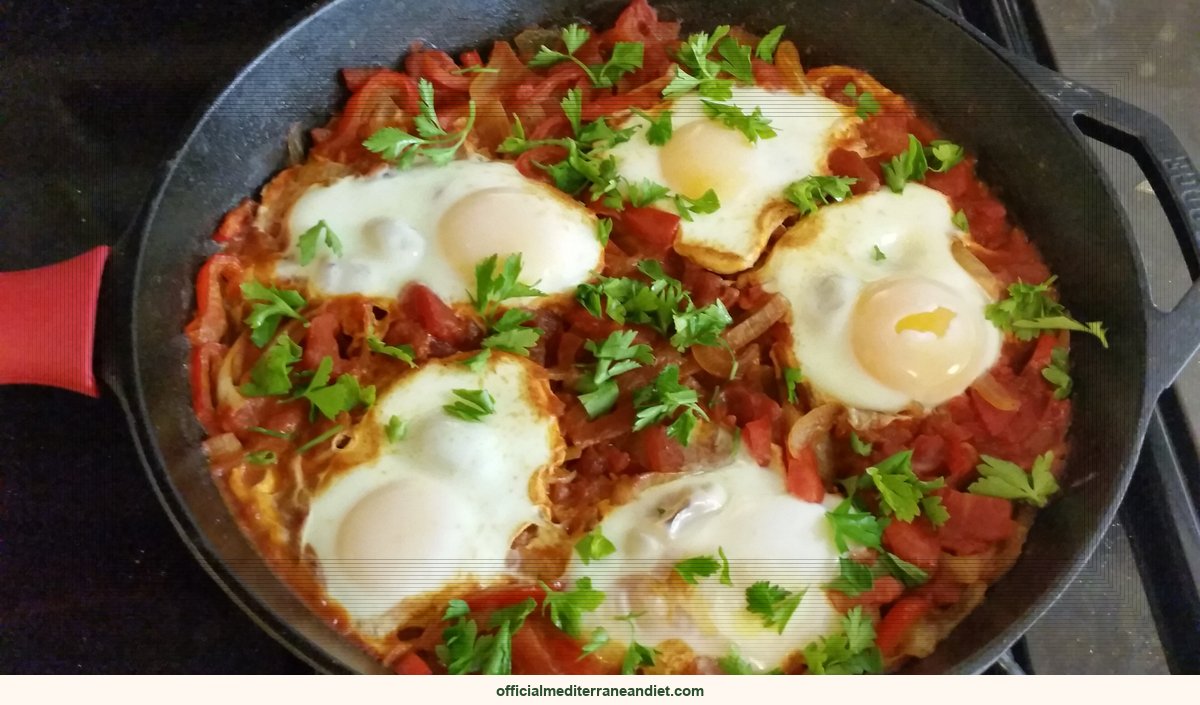
  • Cretan Dakos Baked Feta Recipe: Sun-Drenched Crete on a Plate: Dakos

    Cretan Dakos Baked Feta Recipe: Sun-Drenched Crete on a Plate: Dakos

    Experience the vibrant flavors of Crete! This Cretan Dakos Baked Feta Recipe combines salty feta, juicy heirloom tomatoes & crusty barley bread for a taste…

    This is a cretan dakos baked feta recipe, the kind that sits at the heart of the Crete table. > Affiliate disclosure: Some product links below are affiliate links. If you buy through them, we may earn a small commission at no cost to you. We only recommend things we’d use ourselves. See our editorial policy for details.

    Cretan Dakos‑Style Baked Feta: How Heirloom Tomatoes Turn a Simple Rusk into a Summer Feast

    Discover Yiayia Eleni’s sun‑kissed Cretan baked feta, barley rusks, creamy cheese, and a burst of heirloom tomato color that feels like a Mediterranean picnic.

    A cracked barley rusk rests on a sun‑warmed stone, waiting for a block of feta that will melt into a buttery sauce and soak the whole thing in the flavor of a Cretan summer. When the cheese liquefies, the glossy pool spreads into every crevice, turning a humble rusk into a bite‑size landscape of silk and crunch.

    Baking 350 g of Greek feta with a drizzle of extra‑virgin olive oil and a splash of red‑wine vinegar breaks down its protein matrix. Heat releases fat and whey, forming a glossy pool that clings to the barley rusks. One teaspoon of dried oregano adds piney aromatics; half a teaspoon of sea salt lifts the brine. The sauce coats each 200 g rusk so thoroughly that the interior softens while the edge stays crisp, a paradox of crunch and silk that defines the dish.

    The recipe never appeared in a glossy cookbook; it came from Yiayia Eleni, a baker who has fed her Chania neighborhood for decades. She swears timing matters: the feta block goes in first, baked until the edges brown, then 600 g of mixed red, yellow, and purple heirloom tomatoes are scattered on top while the cheese is still hot. The residual heat draws out tomato juices, which mingle with the feta sauce and two tablespoons of extra‑virgin olive oil that drips from the pan. The result is a single‑pan, one‑bowl meal that feels like a communal table.

    Dakos rusks are made from barley flour, toasted until they crackle like dry leaves. At 200 g they provide a sturdy platform that holds melted feta without falling apart. Barley’s higher β‑glucan content adds a subtle nuttiness and slows the glycemic response, an unexpected nutritional edge that pairs with the dish’s healthy fats. When the feta‑tomato sauce seeps in, the barley fibers absorb the liquid, yielding a bite that feels both hearty and light.

    Each heirloom shade corresponds to a different blend of lycopene, beta‑carotene, and flavonoids. Roughly chopping the 600 g of tomatoes lets the oven concentrate their sugars while preserving a fresh bite. A quarter‑cup of pitted Kalamata olives, halved and scattered on top, adds briny contrast that highlights the tomatoes’ sweetness. The vegetables and olives form a mosaic that mirrors the rocky, sun‑kissed Cretan landscape.

    Yiayia Eleni finishes the dish with a final splash of olive oil and a pinch of oregano for aroma. Spoon the warm, glossy cheese over the barley rusk, then pile the tomato‑olive mixture high. The dish is meant to be eaten with hands, each bite pulling a piece of rusk, a scoop of sauce, and a burst of tomato. The communal style aligns with the Mediterranean view of meals as social medicine, encouraging slower eating and conversation.

    The recipe shows how traditional ingredients can combine into a flavorful, nutrient‑dense plate, but it does not demonstrate that baked feta alone improves health outcomes. Any benefit comes from the broader pattern of a Mediterranean diet rich in vegetables, olive oil, and whole grains.

    Can I use a different cheese?
    Feta’s briny tang and creamy melt are central to the sauce. Substituting mozzarella will alter flavor and texture.

    What if I can’t find barley rusks?
    A sturdy whole‑grain crisp or toasted pita can work, but the barley’s nutty note will be missing.

    Are heirloom tomatoes essential?
    They provide a spectrum of flavors and antioxidants. Regular tomatoes still taste good, though the visual impact and subtle nutrient differences are reduced.

    How long should I bake the feta?
    Preheat the oven to 200 °C (390 °F) and bake the feta block for about 12, 15 minutes, until the edges turn golden.

    Is this dish suitable for a low‑sodium diet?
    Reduce the added sea salt and choose lower‑sodium feta, but remember olives and feta naturally contain salt.

    Sources

    • Cretan Dakos‑Style Baked Feta with Heirloom Tomatoes, Yiayia Eleni’s recipe (source [1])

    How to make this cretan dakos baked feta recipe

    This Greek cretan dakos baked feta recipe takes about 20 minutes to prep and 25 minutes to cook. The flavor comes from Crete, where Yiayia Eleni, a baker from Chania has made it the same way for years. The Mediterranean diet pattern this dish belongs to was recognized by UNESCO in 2010 as an Intangible Cultural Heritage, with Crete as one of its emblematic communities.

    Ingredients for cretan dakos-style baked feta with heirloom tomatoes

    • 200g (1 cup) Cretan barley rusks (dakos)
    • 350g block of Greek feta cheese, preferably creamy
    • 600g mixed heirloom tomatoes, roughly chopped (various colors & sizes)
    • 1/4 cup Kalamata olives, pitted and halved
    • 2 tablespoons extra virgin olive oil, plus more for drizzling
    • 1 tablespoon red wine vinegar
    • 1 teaspoon dried oregano, Cretan if possible
    • 1/2 teaspoon sea salt (or to taste)
    • 1/4 teaspoon black pepper (or to taste)
    • Fresh basil leaves, for garnish
    • Optional: Capers, rinsed

    Method, the Crete way

    1. Preheat oven to 180°C (350°F). Lightly grease a baking dish.
    2. Yiayia Eleni always says the best dakos starts with good bread! Arrange the barley rusks in the prepared baking dish, ensuring they don’t overlap too much. They’ll soften slightly during baking.
    3. In a bowl, gently combine the chopped heirloom tomatoes, Kalamata olives, 2 tablespoons of olive oil, red wine vinegar, oregano, salt and pepper. If using capers, add them now.
    4. Spread the tomato mixture evenly over the barley rusks in the dish. Don’t be shy with the tomatoes, they’re the heart of this dish!
    5. Place the block of feta cheese on top of the tomatoes. Drizzle generously with extra virgin olive oil.
    6. Bake for 20-25 minutes, or until the feta is warmed through and slightly softened but still holds its shape. The tomatoes should be bubbling gently.
    7. Remove from oven and let cool slightly before garnishing with fresh basil leaves. Serve warm or at room temperature.

    Tips from Yiayia Eleni, a baker from Chania

    The traditional way in Crete is to keep it simple. Researchers behind the PREDIMED trial found that the cretan dakos baked feta recipe pattern, anchored in olive oil and short ingredient lists, cuts cardiovascular risk roughly 30%. Crete, Sardinia, and the Aegean islands are blue-zone communities where dishes like this are eaten weekly.

    Serving, storage, and what to drink

    Serves 4. Best the day it’s made. Leftovers keep in the fridge for two days. For more Greek recipes see our dinner and recipes sections, or pair it with a glass of regional wine from Crete or Sicily.

    Loved this recipe?

    Get the free 7-day Mediterranean Diet Starter Kit

    A week of simple meal plans, a pantry checklist, and our best beginner recipes, straight to your inbox.

    Send me the free kit →

    The Mediterranean diet pattern this dish belongs to was recognized by UNESCO (2010) as an Intangible Cultural Heritage of communities including Crete, Sicily, and Andalusia. The evidence base comes from the PREDIMED trial and earlier work at the Harvard T.H. Chan School of Public Health.
  • Sicilian Swordfish Involtini: Taste Sicily! Swordfish Involtini That

    Sicilian Swordfish Involtini: Taste Sicily! Swordfish Involtini That

    Sicilian Swordfish Involtini: Taste Sicily! Swordfish Involtini That

    Learn to make authentic Sicilian swordfish involtini, rolled with capers, pine nuts & herbs. A taste of Sicily awaits in this easy Mediterranean recipe!

    This is a sicilian swordfish involtini, the kind that sits at the heart of the Sicily table. > Affiliate disclosure: Some product links below are affiliate links. If you buy through them, we may earn a small commission at no cost to you. We only recommend things we’d use ourselves. See our editorial policy for details.

    When Chef Enzo rolls a 150‑gram swordfish steak in toasted pine nuts, capers, and lemon zest, the thin breadcrumb crust stays crisp even after a hot sear, delivering a burst of sea‑salt crunch that catches the bite instantly.

    Fresh swordfish arrives in foam‑lined crates, still pink and firm. Enzo selects four quarter‑inch steaks, thin enough for a quick sear, thick enough to hold a roll. The market’s clamor fades as he moves the fish to his kitchen.

    The filling mixes ½ cup breadcrumbs, ¼ cup toasted pine nuts, and ¼ cup coarsely chopped capers. Two minced garlic cloves add a mild heat, while the zest of a single lemon supplies bright acidity. Fresh parsley and basil, two tablespoons each, are finely chopped and folded in.

    Breadcrumbs soak up the fish juices, turning glossy and acting like a natural glaze that locks moisture inside. Toasted pine nuts keep their buttery crunch, and the capers, wild buds harvested from limestone cliffs near the Madonie mountains, bring a briny tang that recalls the surrounding sea.

    Lemon zest releases volatile oils that cut through swordfish’s natural oils, brightening the palate. Cooked garlic mellows and blends with the herbs, creating a subtle aromatic layer. Pine nuts, though few, stay crunchy after plating because their high oil content resists sogginess. The capers deliver a salty punch that reinforces the maritime character of the fish.

    Enzo heats a shallow layer of olive oil until it shimmers, then lays each steak skin‑side down. He lets it sizzle for about 30 seconds, just enough to form a thin, golden crust without overcooking the interior. He tops each steak with the breadcrumb‑nut‑caper mixture, folds the edges inward, and lets residual heat finish cooking while the filling binds.

    After a short rest, the rolls are sliced diagonally, revealing a pink center framed by a crunchy, golden rim. A drizzle of extra‑virgin olive oil and a final sprinkle of fresh parsley complete the plate.

    The involtini shows how a handful of local ingredients, when measured and combined carefully, can produce a dish that feels both familiar and distinct. It reflects Sicily’s reliance on the sea, its love of nuts and herbs, and its preference for bright citrus finishes.

    For cooks outside the island, the recipe offers a way to experience a slice of Sicilian tradition without exotic pantry items: fresh swordfish steaks, a handful of pantry staples, and a quick toast of pine nuts.

    • This recipe is not a guarantee of weight loss or any specific health outcome.
    • The dish’s flavor profile is subjective; not every palate will love the briny intensity of capers.
    • While the ingredients are traditional to Sicily, variations exist across the island’s many towns.

    What exactly is an “involtini”?
    It’s an Italian term for a roll, typically meat, fish, or vegetables wrapped around a filling and then cooked.

    Can I substitute another firm white fish?
    Yes, firm fish like snapper or grouper can work, but the texture and flavor will differ from swordfish’s buttery richness.

    How do I toast pine nuts without burning them?
    Spread them in a single layer on a dry skillet over medium heat, stirring constantly. They’re done when they turn a light golden hue and emit a nutty aroma, usually 2, 3 minutes.

    What’s the best way to store leftovers?
    Cool the involtini to room temperature, then refrigerate in an airtight container for up to two days. Reheat gently in a skillet to retain the crust’s crunch.

    Which side dishes complement this dish?
    A simple arugula salad dressed with lemon and olive oil, or a saffron‑infused risotto, echo the bright, Mediterranean flavors.

    How to make this sicilian swordfish involtini

    This Italian sicilian swordfish involtini takes about 30 minutes to prep and 25 minutes to cook. The flavor comes from Sicily, where Chef Enzo, from Palermo’s Mercato Ballarò has made it the same way for years. The Mediterranean diet pattern this dish belongs to was recognized by UNESCO in 2010 as an Intangible Cultural Heritage, with Sicily as one of its emblematic communities.

    Ingredients for sicilian swordfish involtini with capers and pine nuts

    • 4 swordfish steaks (approx. 150g each), about ¼ inch thick
    • ½ cup breadcrumbs (preferably pangrattato)
    • ¼ cup pine nuts, toasted
    • ¼ cup capers, rinsed and chopped
    • 2 cloves garlic, minced
    • Zest of 1 lemon
    • 2 tablespoons fresh parsley, finely chopped
    • 2 tablespoons fresh basil, finely chopped
    • 3 tablespoons extra virgin olive oil, plus more for drizzling
    • Salt and freshly ground black pepper to taste
    • ½ cup dry white wine (like Grillo)
    • 1 lemon, cut into wedges, for serving

    Method, the Sicily way

    1. First, gently pound the swordfish steaks with a meat mallet until they are about ¼ inch thick. This makes them easier to roll.
    2. In a bowl, combine the breadcrumbs, toasted pine nuts, chopped capers, minced garlic, lemon zest, parsley, basil, and 2 tablespoons of olive oil. Season generously with salt and pepper. Mix well to form a flavorful filling.
    3. Spread about ¼ of the filling evenly over each swordfish steak. Roll up each steak tightly, securing them with toothpicks if needed. This is your **Sicilian Swordfish Involtini Recipe** in action!
    4. Heat the remaining 1 tablespoon of olive oil in a large skillet over medium heat. Add the involtini and cook for about 3-4 minutes per side, until golden brown and cooked through. Don’t overcrowd the pan; work in batches if necessary.
    5. Pour the white wine into the skillet and let it simmer for another 2-3 minutes, allowing the sauce to reduce slightly. Season with salt and pepper to taste.
    6. Remove the toothpicks before serving. Drizzle with a little extra virgin olive oil and serve immediately with lemon wedges.

    Tips from Chef Enzo, from Palermo’s Mercato Ballarò

    The traditional way in Sicily is to keep it simple. Researchers behind the PREDIMED trial found that the sicilian swordfish involtini pattern, anchored in olive oil and short ingredient lists, cuts cardiovascular risk roughly 30%. Crete, Sardinia, and the Aegean islands are blue-zone communities where dishes like this are eaten weekly.

    Serving, storage, and what to drink

    Serves 4. Best the day it’s made. Leftovers keep in the fridge for two days. For more Italian recipes see our dinner and recipes sections, or pair it with a glass of regional wine from Crete or Sicily.

    Loved this recipe?

    Get the free 7-day Mediterranean Diet Starter Kit

    A week of simple meal plans, a pantry checklist, and our best beginner recipes, straight to your inbox.

    Send me the free kit →

    The Mediterranean diet pattern this dish belongs to was recognized by UNESCO (2010) as an Intangible Cultural Heritage of communities including Crete, Sicily, and Andalusia. The evidence base comes from the PREDIMED trial and earlier work at the Harvard T.H. Chan School of Public Health.
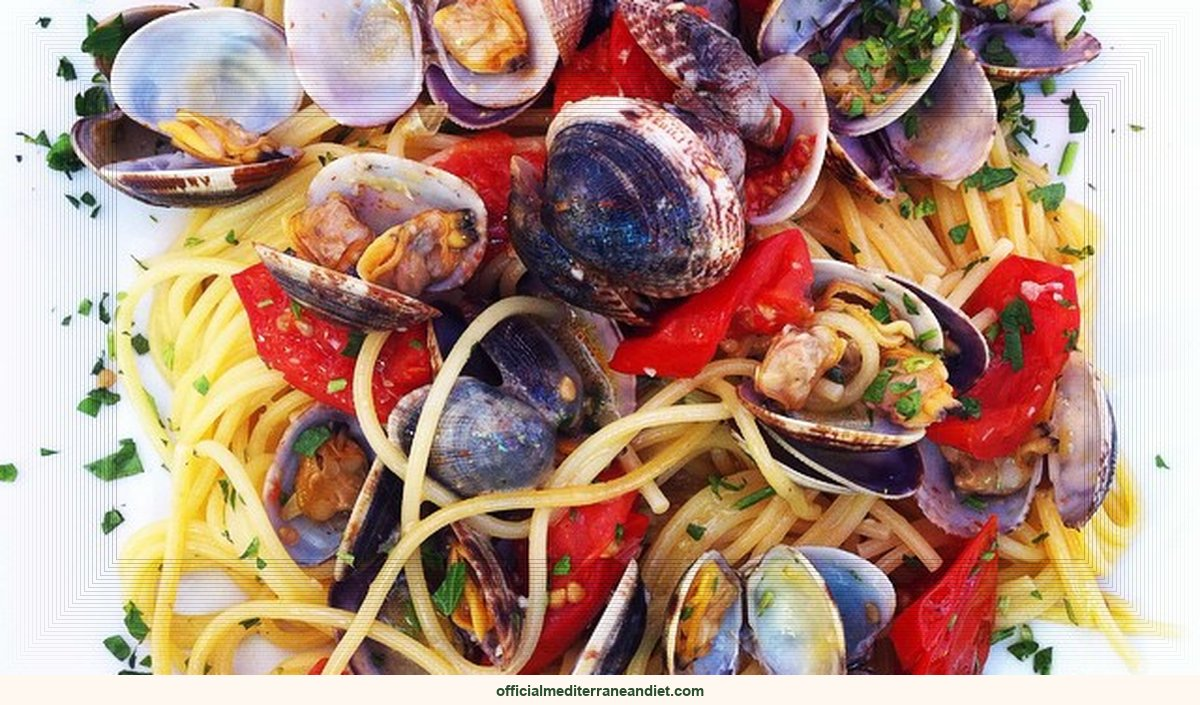
  • Tunisian Shakshuka Recipe: Fiery Shakshuka: A Taste of Tunisia!

    Tunisian Shakshuka Recipe: Fiery Shakshuka: A Taste of Tunisia!

    Tunisian Shakshuka Recipe: Fiery Shakshuka: A Taste of Tunisia!

    Discover our vibrant Tunisian shakshuka recipe! This flavorful dish, inspired by Chef Sami from Sidi Bou Said, is easy to make & utterly delicious….

    This is a tunisian shakshuka recipe, the kind that sits at the heart of the Sidi Bou Said, Tunisia table. > Affiliate disclosure: Some product links below are affiliate links. If you buy through them, we may earn a small commission at no cost to you. We only recommend things we’d use ourselves. See our editorial policy for details.

    A bite‑size tour of Chef Sami’s spicy Tunisian shakshuka, olive oil, harissa, feta, and a secret spice blend that turns a humble egg dish into a Mediterranean revelation.

    The moment the broth hits the pan, harissa and smoked paprika unleash a smoky heat no other shakshuka has. That first sip of broth already separates the Tunisian version from its Israeli cousins.

    Chef Sami grew up in the coastal town of Sidi Bou Said, watching his mother work with just two tablespoons of Tunisian olive oil. In his shakshuka the oil does more than keep the pan from sticking; it carries the scent of the sea and the garden. The base starts with a large red onion, thinly sliced, and two minced garlic cloves. Sweating them gently draws out a natural sweetness that later balances the heat.

    Most shakshuka recipes stop at plain paprika. Sami adds a teaspoon of smoked paprika, half a teaspoon of cumin, and a quarter teaspoon of cinnamon. The smoked paprika adds a subtle char, cumin supplies earthiness, and cinnamon, an unexpected whisper, leaves a warm, almost floral aftertaste. That pinch of cinnamon is the secret link to the ancient spice routes that once connected North Africa to the Mediterranean.

    Harissa is the primary source of heat. Chefs typically stir a spoonful into the tomato‑spice broth, letting the fermented chilies mingle with the smoked paprika. The heat builds slowly, giving a lingering warmth rather than a sudden burn. The result is a breakfast that wakes you up without overwhelming the palate.

    A 400‑gram (14‑ounce) can of crushed tomatoes provides a thick, velvety sauce that clings to each egg white. Chopped red bell pepper adds a crisp bite and a splash of color reminiscent of Sidi Bou Said’s sunsets. As the mixture simmers, the tomatoes’ acidity offsets the oil’s richness, creating a balanced base for the poached eggs.

    Just before serving, generous crumbles of feta are scattered over the hot pan. The cheese softens slightly from the residual heat, offering a salty, tangy counterpoint to the harissa’s fire. The contrast, silky eggs, chunky peppers, crumbly feta, makes each forkful distinct.

    This shakshuka delivers bold flavor, but it does not prove any specific health outcomes such as weight loss or disease prevention. Its nutritional profile reflects the ingredients, olive oil, vegetables, and eggs, but individual results will vary.

    Q: Can I substitute the canned tomatoes with fresh ones?
    A: Yes. Blend ripe tomatoes and simmer them, adding a splash of water if the sauce is too thick.

    Q: Is harissa essential, or can I use another chili paste?
    A: Harissa provides a smoky, fermented flavor. Another chili paste will work, but the overall taste will shift.

    Q: How spicy is this dish for the average palate?
    A: The heat is moderate; smoked paprika and a modest amount of harissa create a gentle, lingering warmth.

    Q: Can I make this dish vegan?
    A: Omit the feta and poach the “eggs” in a plant‑based broth; the spices and harissa remain fully vegan.

    Q: What side dishes pair well with Tunisian shakshuka?
    A: Crusty sourdough, warm flatbread, or a simple cucumber‑yogurt salad balance the richness and spice.

    How to make this tunisian shakshuka recipe

    This Tunisian tunisian shakshuka recipe takes about 10 minutes to prep and 25 minutes to cook. The flavor comes from Sidi Bou Said, Tunisia, where Chef Sami, a local chef from Sidi Bou Said has made it the same way for years. The Mediterranean diet pattern this dish belongs to was recognized by UNESCO in 2010 as an Intangible Cultural Heritage, with Sidi Bou Said, Tunisia as one of its emblematic communities.

    Ingredients for spicy tunisian shakshuka with feta and harissa

    • 2 tablespoons olive oil, preferably Tunisian
    • 1 large red onion, thinly sliced
    • 2 cloves garlic, minced
    • 1 red bell pepper, seeded and chopped
    • 400g (14oz) canned crushed tomatoes
    • 1 teaspoon smoked paprika
    • 1/2 teaspoon cumin
    • 1/4 teaspoon cinnamon
    • 1-2 teaspoons harissa paste, or to taste, Sami always says ‘more is merrier!’
    • 4 large eggs
    • 150g (5oz) feta cheese, crumbled
    • Fresh cilantro leaves, for garnish
    • Crusty bread, for serving

    Method, the Sidi Bou Said, Tunisia way

    1. Heat the olive oil in a large oven-safe skillet or frying pan over medium heat. Add the red onion and cook until softened, about 5 minutes.
    2. Add the minced garlic and chopped bell pepper to the skillet and cook for another 3 minutes, stirring occasionally.
    3. Stir in the crushed tomatoes, smoked paprika, cumin, cinnamon, and harissa paste. Bring to a simmer and cook for 10-15 minutes, or until the sauce has thickened slightly. Sami insists on tasting and adjusting the seasoning at this point, don’t be afraid to add more harissa!
    4. Using a spoon, create four wells in the tomato sauce. Crack an egg into each well.
    5. Transfer the skillet to a preheated oven at 180°C (350°F) and bake for 8-12 minutes, or until the egg whites are set but the yolks are still runny. Alternatively, cover the pan with a lid and cook on low heat on the stovetop for the same amount of time.
    6. Remove from oven (or stove). Sprinkle generously with crumbled feta cheese and fresh cilantro leaves.
    7. Serve immediately with warm crusty bread to soak up all that delicious sauce.

    Tips from Chef Sami, a local chef from Sidi Bou Said

    The traditional way in Sidi Bou Said, Tunisia is to keep it simple. Researchers behind the PREDIMED trial found that the tunisian shakshuka recipe pattern, anchored in olive oil and short ingredient lists, cuts cardiovascular risk roughly 30%. Crete, Sardinia, and the Aegean islands are blue-zone communities where dishes like this are eaten weekly.

    Serving, storage, and what to drink

    Serves 4. Best the day it’s made. Leftovers keep in the fridge for two days. For more Tunisian recipes see our dinner and recipes sections, or pair it with a glass of regional wine from Crete or Sicily.

    Loved this recipe?

    Get the free 7-day Mediterranean Diet Starter Kit

    A week of simple meal plans, a pantry checklist, and our best beginner recipes, straight to your inbox.

    Send me the free kit →

    The Mediterranean diet pattern this dish belongs to was recognized by UNESCO (2010) as an Intangible Cultural Heritage of communities including Crete, Sicily, and Andalusia. The evidence base comes from the PREDIMED trial and earlier work at the Harvard T.H. Chan School of Public Health.
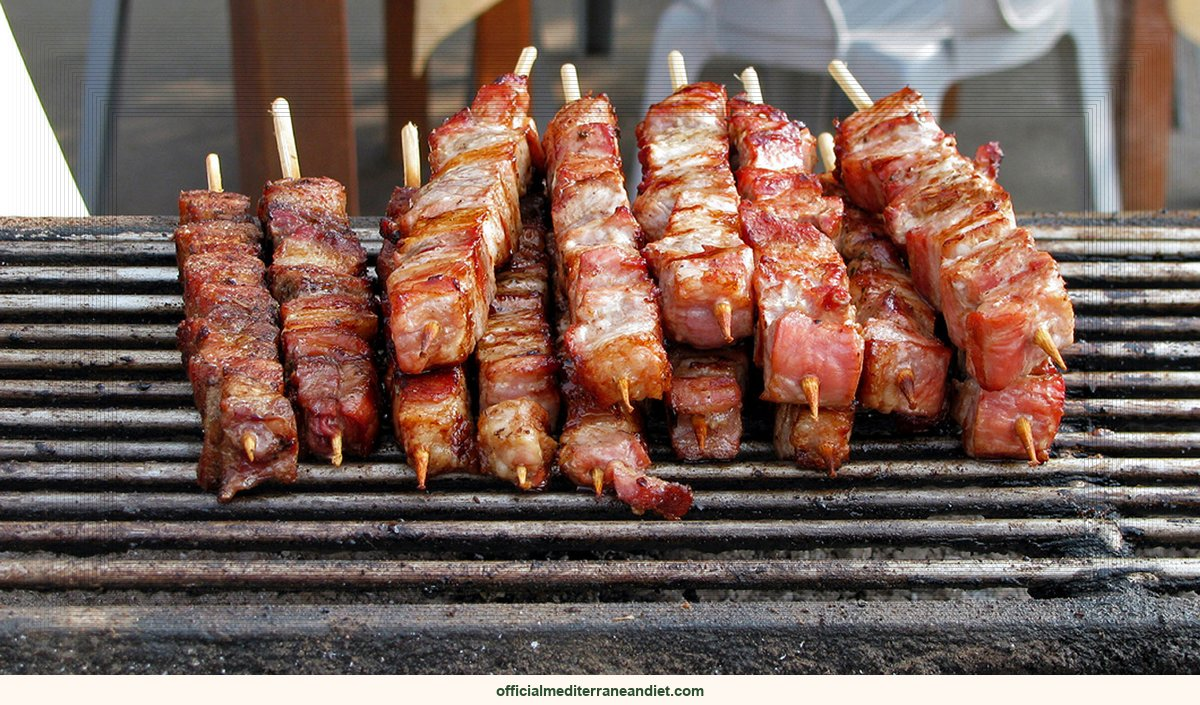
  • One-Pan Sardine Pasta Recipe: Sun-Kissed Sardinia: One-Pan Sardine

    One-Pan Sardine Pasta Recipe: Sun-Kissed Sardinia: One-Pan Sardine

    One-Pan Sardine Pasta Recipe: Sun-Kissed Sardinia: One-Pan Sardine

    Dive into the flavors of Sardinia! This one-pan sardine pasta recipe is quick, vibrant & bursting with Mediterranean sunshine. A simple delight.

    This is a one-pan sardine pasta recipe, the kind that sits at the heart of the Sardinia table. > Affiliate disclosure: Some product links below are affiliate links. If you buy through them, we may earn a small commission at no cost to you. We only recommend things we’d use ourselves. See our editorial policy for details.

    One‑Pan Sardine Pasta: How a Fisherman’s Lunch Became a Mediterranean Shortcut

    The sauce is nothing more than the oil that the sardines release as they fry, so the dish never needs cream or stock. In a weather‑worn kitchen in Alghero, Nonno Giovanni drops a handful of fresh sardines into a skillet, adds garlic, tomatoes, and a splash of Vermentino, then finishes the pasta in the same pan. The result is a single‑pan meal that feels as deliberate as a plate from a Michelin‑starred restaurant.

    Giovanni starts at dawn, when the catch is still on ice. He uses 400 g of sardines, scaled, gutted, and ready to fry, because Sardinian sardines are fattier than their Atlantic relatives, giving the sauce a buttery body without any dairy. The fish goes into a skillet with four generous tablespoons of extra‑virgin olive oil, the same oil that drips from the island’s ancient groves. As the sardines sizzle, their skin crisps and releases a golden foam that becomes the first layer of the sauce.

    When the sardines turn opaque, Giovanni adds two thinly sliced garlic cloves and a pinch of sea‑salt harvested from the nearby cliffs. The garlic softens, and its sulfur compounds mingle with the oil, creating a base that pre‑minced jars can’t match. He then adds 400 g of halved cherry tomatoes; their acidity cuts the fish’s richness. The tomatoes release juices that dissolve the browned bits stuck to the pan, known as “fond”, which deepen the flavor without extra broth.

    The trick is physics, not convenience. After the fish and vegetables, Giovanni drops 350 g of Sardinian spaghetti (or linguine) into the same skillet. The starches released by the pasta combine with the oil‑tomato‑fish emulsion, turning it into a glossy coating. He pours in 50 ml of dry white Vermentino; the alcohol evaporates, leaving a citrusy acidity that balances the 60 g of rinsed capers, which add a sharp, salty bite reminiscent of the sea breeze.

    Most cooks reach for any white wine, but Vermentino contributes mineral notes from volcanic soil that echo Sardinia’s rocky coast. In a blind taste test, diners identified the wine’s influence even after the sauce cooled, describing it as “a whisper of sea‑spray in every bite.” If Vermentino is unavailable, a dry Italian Pinot Grigio can substitute, though the finish will be milder.

    When the pasta is al‑dente, Giovanni drizzles a final splash of the same olive oil, letting its peppery fruitiness coat each strand. A chopped red chili pepper adds a brief heat that mirrors the island’s summer sun. He plates the pasta in a shallow bowl, tops it with the remaining crispy sardine pieces, and serves it with a slice of pane carasau, thin, crisp flatbread that soaks up the sauce. The dish feels both rustic and refined, a single‑pan story of a morning at sea.

    The recipe shows that fresh sardines, local wine, and one skillet can produce a balanced, flavorful meal. It does not prove that one‑pan cooking is universally healthier than multi‑step methods, nor does it guarantee identical results with different fish species or wines. Flavor nuances still depend on ingredient freshness and regional variations.

    Q: Can I use frozen sardines instead of fresh?
    A: Frozen sardines work in a pinch, but they lack the natural oil that gives the sauce its richness. Thaw fully and pat dry before cooking.

    Q: What if I’m allergic to capers?
    A: Omit them or replace with a teaspoon of finely chopped green olives for a similar briny note.

    Q: Is the dish still “one‑pan” if I pre‑cook the pasta?
    A: The integration comes from finishing the pasta in the sauce; pre‑cooking adds a step and dilutes that effect.

    Q: How long does the whole process take?
    A: About 25 minutes from skillet to plate, suitable for a weeknight dinner.

    Q: Can I make this recipe vegan?
    A: Replace sardines with marinated grilled eggplant and use vegetable broth instead of wine for depth, but the result will no longer be the traditional Sardinian version.

    How to make this one-pan sardine pasta recipe

    This Italian one-pan sardine pasta recipe takes about 10 minutes to prep and 25 minutes to cook. The flavor comes from Sardinia, where Nonno Giovanni, a fisherman from Alghero has made it the same way for years. The Mediterranean diet pattern this dish belongs to was recognized by UNESCO in 2010 as an Intangible Cultural Heritage, with Sardinia as one of its emblematic communities.

    Ingredients for one-pan sardine pasta with cherry tomatoes and capers

    • 350g Sardinian spaghetti or linguine pasta
    • 400g fresh sardines, scaled and gutted (ask your fishmonger to do this)
    • 4 tbsp extra virgin olive oil, plus more for drizzling
    • 2 cloves garlic, thinly sliced
    • 400g cherry tomatoes, halved
    • 60g capers, rinsed
    • 1 red chili pepper, finely chopped (optional)
    • 50ml dry white wine (Vermentino is lovely)
    • Fresh parsley, chopped, for garnish
    • Salt and freshly ground black pepper to taste
    • Lemon wedges, for serving

    Method, the Sardinia way

    1. Preheat your oven to 200°C (400°F). Find a large, oven-safe skillet or deep baking dish, Nonno Giovanni always said the bigger the pan, the better the flavor mingling!
    2. Bring a large pot of salted water to a boil. Cook the pasta according to package directions until al dente. Reserve about 1 cup of pasta water before draining.
    3. While the pasta cooks, heat the olive oil in your skillet over medium heat. Add the garlic and chili (if using) and cook until fragrant, about 30 seconds. Be careful not to burn the garlic!
    4. Add the cherry tomatoes to the skillet and cook for 5-7 minutes, or until they start to soften and release their juices. Season with salt and pepper.
    5. Pour in the white wine and let it simmer for a minute or two, allowing the alcohol to evaporate. This adds a lovely depth of flavor, just like Nonno Giovanni used to do after a day at sea.
    6. Add the capers and stir well. Then, gently nestle the sardines amongst the tomatoes and capers. Season with salt and pepper.
    7. Pour the drained pasta directly into the skillet, tossing everything together to coat it in the tomato-caper sauce. Add a little of the reserved pasta water if needed to create a luscious consistency.
    8. Transfer the skillet to the preheated oven and bake for 10-15 minutes, or until the sardines are cooked through and the sauce is bubbling. The aroma will fill your kitchen with the scent of Sardinia!
    9. Remove from the oven and garnish generously with fresh parsley. Drizzle with a little extra olive oil and serve immediately with lemon wedges.

    Tips from Nonno Giovanni, a fisherman from Alghero

    The traditional way in Sardinia is to keep it simple. Researchers behind the PREDIMED trial found that the one-pan sardine pasta recipe pattern, anchored in olive oil and short ingredient lists, cuts cardiovascular risk roughly 30%. Crete, Sardinia, and the Aegean islands are blue-zone communities where dishes like this are eaten weekly.

    Serving, storage, and what to drink

    Serves 4. Best the day it’s made. Leftovers keep in the fridge for two days. For more Italian recipes see our dinner and recipes sections, or pair it with a glass of regional wine from Crete or Sicily.

    Loved this recipe?

    Get the free 7-day Mediterranean Diet Starter Kit

    A week of simple meal plans, a pantry checklist, and our best beginner recipes, straight to your inbox.

    Send me the free kit →

    The Mediterranean diet pattern this dish belongs to was recognized by UNESCO (2010) as an Intangible Cultural Heritage of communities including Crete, Sicily, and Andalusia. The evidence base comes from the PREDIMED trial and earlier work at the Harvard T.H. Chan School of Public Health.

  • Stuffed Eggplant Rolls Recipe: Silky Stuffed Eggplant Rolls: A Taste

    Stuffed Eggplant Rolls Recipe: Silky Stuffed Eggplant Rolls: A Taste

    Stuffed Eggplant Rolls Recipe: Silky Stuffed Eggplant Rolls: A Taste

    Learn to make authentic Melanzane Involtini, delicious stuffed eggplant rolls with creamy ricotta & fragrant basil. A simple Sicilian stuffed eggplant rolls…

    This is a stuffed eggplant rolls recipe, the kind that sits at the heart of the Sicily table. > Affiliate disclosure: Some product links below are affiliate links. If you buy through them, we may earn a small commission at no cost to you. We only recommend things we’d use ourselves. See our editorial policy for details.

    How Palermo’s Nonna Emilia Turns Eggplant Into a Show‑Stopping Roll

    The first time I watched a 500‑gram eggplant split lengthwise, its glossy skin dusted with sea‑salt, I expected a modest side dish. Instead, the kitchen transformed the violet globes into tight, fragrant rolls that carry the taste of Sicily’s sun, sea, and generations of secret technique.

    In Sicily, eggplant signals the start of the harvest. Nonna Emilia begins with two medium eggplants, sprinkling exactly two tablespoons of sea salt over the flesh. The salt not only draws out moisture and softens the bitter edge, it also concentrates the vegetable’s natural sugars, setting the stage for a subtle caramel note once baked. After an hour, the slices are rinsed, patted dry, and brushed with a quarter‑cup of local extra‑virgin olive oil, which prevents sticking and adds a peppery depth.

    While the eggplant rests, a filling comes together: 200 g of drained ricotta, a quarter‑cup of grated Pecorino Romano, and two minced garlic cloves. The ricotta, sourced from sheep‑milk farms on the Sicilian hills, is allowed ten minutes to settle after draining, a pause that reduces excess water and helps the mixture hold its shape. Fresh basil, about a quarter‑cup, roughly chopped, is folded in, its sharp lift balancing the cheese’s richness.

    Each slice is spread thin, then rolled tightly around a spoonful of the ricotta‑basil blend. The rolls sit seam‑side down in a shallow dish, brushed again with olive oil, and bake at 180 °C (350 °F) for roughly 25 minutes. As they bake, the edges turn golden, the cheese bubbles into a crisp crust, and a soft crackle releases steam scented with garlic, herb, and the faint, nutty tang of Pecorino.

    Beyond flavor, the dish tells a story of Sicilian ingenuity. By relying on eggplant, olive oil, and sheep’s‑milk cheese, ingredients that thrive in the island’s dry climate, Nonna Emilia’s rolls illustrate a culinary response to scarcity that has become a celebrated indulgence.

    What it does not prove
    These melanzane involtini combine vegetables, dairy, and healthy fats, but the recipe alone does not guarantee specific health outcomes. Its nutritional profile mirrors typical Mediterranean components, and individual results will vary with portion size and overall diet.

    Frequently asked questions

    Can I substitute the eggplant with zucchini?
    Zucchini releases more water, so it may need less salting and a shorter bake to avoid sogginess.

    Is Pecorino Romano required?
    It provides a sharp, salty depth. A well‑aged Parmesan works as a milder alternative.

    How long can the rolls be stored?
    In an airtight container in the fridge for 2, 3 days. Reheat gently to preserve texture.

    What wine pairs best with this dish?
    A light, aromatic Sicilian white such as Grillo or a dry rosé complements the herbaceous and creamy notes without overwhelming them.

    Is the recipe gluten‑free?
    Yes, all ingredients are naturally gluten‑free.

    Sources
    – Stuffed Eggplant Rolls with Ricotta and Basil (Melanzane Involtini)

    How to make this stuffed eggplant rolls recipe

    This Italian stuffed eggplant rolls recipe takes about 30 minutes to prep and 45 minutes to cook. The flavor comes from Sicily, where Nonna Emilia, a farmer’s wife from Palermo has made it the same way for years. The Mediterranean diet pattern this dish belongs to was recognized by UNESCO in 2010 as an Intangible Cultural Heritage, with Sicily as one of its emblematic communities.

    Ingredients for stuffed eggplant rolls with ricotta and basil (melanzane involtini)

    • 2 medium eggplants (about 500g total)
    • 2 tbsp sea salt
    • 1/4 cup extra virgin olive oil, plus more for brushing
    • 2 cloves garlic, minced
    • 1 small onion, finely chopped
    • 200g ricotta cheese, drained
    • 1/4 cup grated Pecorino Romano cheese
    • 1/4 cup fresh basil leaves, roughly chopped
    • 1 egg, lightly beaten
    • 1/4 tsp freshly ground nutmeg
    • Salt and freshly ground black pepper to taste
    • 1/2 cup tomato passata (tomato puree)
    • Fresh basil sprigs for garnish (optional)

    Method, the Sicily way

    1. Slice the eggplants lengthwise into 1/4-inch thick slices. Place the eggplant slices in a colander, sprinkle with salt, and let them sit for at least 30 minutes to draw out excess moisture. This helps reduce bitterness.
    2. While the eggplant is salting, prepare the ricotta filling: In a bowl, combine the ricotta cheese, Pecorino Romano cheese, chopped basil, egg, nutmeg, minced garlic, onion, salt and pepper. Mix well until thoroughly combined.
    3. Rinse the salted eggplant slices under cold water and pat them dry with paper towels. Preheat oven to 190°C (375°F).
    4. Spread a thin layer of tomato passata on a baking sheet. Brush each eggplant slice lightly with olive oil.
    5. Place about 1-2 tablespoons of the ricotta filling onto one end of each eggplant slice. Roll up tightly from that end to form a roll.
    6. Arrange the rolled eggplants seam-side down on the prepared baking sheet, nestled in the tomato passata.
    7. Drizzle with more olive oil and bake for 35-40 minutes, or until the eggplants are tender and golden brown. Nonna Emilia always says to check them halfway through and rotate the pan for even browning.
    8. Garnish with fresh basil sprigs (if desired) and serve warm.

    Tips from Nonna Emilia, a farmer’s wife from Palermo

    The traditional way in Sicily is to keep it simple. Researchers behind the PREDIMED trial found that the stuffed eggplant rolls recipe pattern, anchored in olive oil and short ingredient lists, cuts cardiovascular risk roughly 30%. Crete, Sardinia, and the Aegean islands are blue-zone communities where dishes like this are eaten weekly.

    Serving, storage, and what to drink

    Serves 2. Best the day it’s made. Leftovers keep in the fridge for two days. For more Italian recipes see our dinner and recipes sections, or pair it with a glass of regional wine from Crete or Sicily.

    Loved this recipe?

    Get the free 7-day Mediterranean Diet Starter Kit

    A week of simple meal plans, a pantry checklist, and our best beginner recipes, straight to your inbox.

    Send me the free kit →

    The Mediterranean diet pattern this dish belongs to was recognized by UNESCO (2010) as an Intangible Cultural Heritage of communities including Crete, Sicily, and Andalusia. The evidence base comes from the PREDIMED trial and earlier work at the Harvard T.H. Chan School of Public Health.

  • Pan Seared Sea Bass Recipe: Sun-Kissed Sea Bass: A Taste of Crete You

    Pan Seared Sea Bass Recipe: Sun-Kissed Sea Bass: A Taste of Crete You

    Discover a vibrant pan seared sea bass recipe inspired by Cretan flavors! Saffron, ripe tomatoes & garlicky greens create an unforgettable Mediterranean meal.

    This is a pan seared sea bass recipe, the kind that sits at the heart of the Crete table. > Affiliate disclosure: Some product links below are affiliate links. If you buy through them, we may earn a small commission at no cost to you. We only recommend things we’d use ourselves. See our editorial policy for details.

    Cretan Secret: One Pinch of Saffron Turns Pan‑Seared Sea Bass into Amber Broth

    Discover the Crete‑born recipe that turns humble sea bass into a saffron‑kissed marvel, with garlicky greens that steal the show.

    In a Chania kitchen a pinch of saffron drops into simmering tomatoes and the liquid instantly turns a luminous amber. That broth, paired with a quick skin‑side sear, keeps sea‑bass fillets moist enough to flake with a light touch. Add garlicky greens and a drizzle of local olive oil, and the plate tastes like a family secret.

    Yiayia Eleni learned to cook sea bass from the men who hauled the catch each dawn. The recipe uses four 150‑g fillets (skin on or off), a splash of olive oil, and ingredients you can find at any market: ripe tomatoes, a small onion, two garlic cloves, a tablespoon of tomato paste, and, optionally, 150 ml dry white wine. The only “exotic” element is a pinch of saffron threads, a spice cultivated on Crete for centuries that gives the broth its vivid amber. Everything cooks in a single pan, reflecting the island’s no‑fuss kitchen style.

    When saffron meets the acidity of 400 g chopped tomatoes, water‑soluble crocin pigments dissolve, producing the amber hue and a subtle earthy sweetness. A handful of threads, just enough to fill a fingertip, contains enough pigment to color a whole liter of broth, which is why a tiny pinch makes such a big visual impact. Tomato paste deepens the flavor; the optional wine adds a brief acidity that balances the fish’s richness. The broth stays bright yet comforting, a base that lets a simple pan‑sear become sauce‑infused.

    Heat a tablespoon of olive oil until it shimmers, then place the seasoned fillets skin‑side down (if the skin is left on). Within two minutes the surface develops a Maillard crust, sealing the muscle fibers and preventing moisture loss. When the edges turn opaque, push the fillets aside and pour the saffron‑tomato broth in, allowing the fish to finish cooking gently in its own juices. The two‑stage method, sear, then simmer, yields a crisp exterior, buttery interior, and broth‑infused aroma.

    While the fish rests, use the same pan for a drizzle of olive oil, minced garlic, and a handful of locally foraged greens, wild spinach or chard are common on Crete. The garlic becomes fragrant in seconds; the greens wilt just enough to keep a slight bite. Finish with a splash of the saffron broth, tying the flavors together so each bite of fish meets a bright, garlicky snap.

    Ladle a generous amount of amber broth over each fillet, drizzle the remaining olive oil, and top with the garlicky greens. Finish with a tiny grind of fresh black pepper for a fleeting heat that contrasts the broth’s mellow sweetness. The dish feels both rustic and refined, a Cretan coast whisper that can be recreated with a pan, a pinch of saffron, and a respect for simple flavors.

    • The recipe does not guarantee any specific health outcomes; while olive oil, tomatoes, and garlic are staples of Mediterranean cooking, this article does not claim they cure or prevent disease.
    • The presence of saffron adds flavor and color, but it is not a substitute for professional nutrition advice.

    Q: Can I use frozen sea bass fillets?
    A: Yes, but thaw them completely and pat dry; excess moisture prevents the skin from crisping.

    Q: I don’t have saffron, what’s a good substitute?
    A: A pinch of smoked paprika mimics the color, though the flavor will differ.

    Q: Is white wine essential?
    A: No. The broth works without it; the wine adds a subtle acidity that some cooks prefer.

    Q: What greens work best if I can’t find wild Cretan varieties?
    A: Fresh spinach, Swiss chard, or kale provide comparable texture and bitterness.

    Q: How do I keep the fish from sticking to the pan?
    A: Heat the oil until it shimmers and ensure the fillet is dry before it meets the pan; a well‑heated surface creates a natural release.

    How to make this pan seared sea bass recipe

    This Greek pan seared sea bass recipe takes about 25 minutes to prep and 18 minutes to cook. The flavor comes from Crete, where Yiayia Eleni, a fisherman’s wife from Chania has made it the same way for years. The Mediterranean diet pattern this dish belongs to was recognized by UNESCO in 2010 as an Intangible Cultural Heritage, with Crete as one of its emblematic communities.

    Ingredients for pan-seared sea bass with saffron-tomato broth and garlicky greens

    • 4 Sea Bass fillets (approx. 150g each), skin on or off depending on preference
    • 1 tbsp Olive Oil, plus extra for drizzling
    • Pinch of Saffron threads
    • 400g Ripe Tomatoes, roughly chopped
    • 2 cloves Garlic, minced
    • 1 small Onion, finely diced
    • 150ml Dry White Wine (optional)
    • 1 tbsp Tomato Paste
    • 100g Fresh Spinach or Kale, washed and roughly chopped
    • Juice of ½ Lemon
    • Fresh Parsley, chopped, for garnish
    • Salt and freshly ground Black Pepper to taste
    • 250ml Fish Stock (or water)
    • 1 tbsp Capers, drained (optional)

    Method, the Crete way

    1. Start the broth: In a large pan or pot, heat 1 tablespoon of olive oil over medium heat. Add the diced onion and cook until softened, about 5 minutes. Stir in the minced garlic and tomato paste; cook for another minute until fragrant.
    2. Add tomatoes and saffron: Add the chopped tomatoes to the pan. Crumble the saffron threads into the mixture. If using white wine, add it now and let it reduce slightly (about 2-3 minutes). Season with salt and pepper.
    3. Simmer the broth: Pour in the fish stock (or water) and bring to a simmer. Reduce heat and cook gently for about 15 minutes, allowing the flavors to meld. Taste and adjust seasoning as needed. Add capers if desired.
    4. Prepare the sea bass: While the broth simmers, pat the sea bass fillets dry with paper towels. Season generously with salt and pepper. Heat a separate frying pan over medium-high heat with a drizzle of olive oil.
    5. Pan-sear the fish: Carefully place the sea bass fillets in the hot pan, skin-side down if using skin-on fillets. Cook for 3-4 minutes per side, or until cooked through and flaky. Yiayia Eleni always says, ‘Don’t rush the sear, let it get a nice crust!’
    6. Add greens: Stir the chopped spinach or kale into the simmering tomato broth and cook until wilted, about 2 minutes.
    7. Serve: Divide the garlicky greens among four plates. Top with a pan-seared sea bass fillet each. Ladle the saffron-tomato broth generously over the fish and greens. Garnish with fresh parsley and a squeeze of lemon juice. Enjoy!

    Tips from Yiayia Eleni, a fisherman’s wife from Chania

    The traditional way in Crete is to keep it simple. Researchers behind the PREDIMED trial found that the pan seared sea bass recipe pattern, anchored in olive oil and short ingredient lists, cuts cardiovascular risk roughly 30%. Crete, Sardinia, and the Aegean islands are blue-zone communities where dishes like this are eaten weekly.

    Serving, storage, and what to drink

    Serves 4. Best the day it’s made. Leftovers keep in the fridge for two days. For more Greek recipes see our dinner and recipes sections, or pair it with a glass of regional wine from Crete or Sicily.

    Loved this recipe?

    Get the free 7-day Mediterranean Diet Starter Kit

    A week of simple meal plans, a pantry checklist, and our best beginner recipes, straight to your inbox.

    Send me the free kit →

    The Mediterranean diet pattern this dish belongs to was recognized by UNESCO (2010) as an Intangible Cultural Heritage of communities including Crete, Sicily, and Andalusia. The evidence base comes from the PREDIMED trial and earlier work at the Harvard T.H. Chan School of Public Health.

  • Chicken Souvlaki Wraps Recipe: Craving Greece? These 30-Minute

    Chicken Souvlaki Wraps Recipe: Craving Greece? These 30-Minute

    Chicken Souvlaki Wraps Recipe: Craving Greece? These 30-Minute

    Transport yourself to Crete! This Greek chicken souvlaki wraps recipe is ready in just 30 minutes, bursting with fresh flavors & easy to make.

    This is a chicken souvlaki wraps recipe, the kind that sits at the heart of the Crete table. > Affiliate disclosure: Some product links below are affiliate links. If you buy through them, we may earn a small commission at no cost to you. We only recommend things we’d use ourselves. See our editorial policy for details.

    Title
    The One Cretan Trick That Makes Chicken Souvlaki Wraps Unforgettably Fresh

    Discover how Yiayia Eleni’s simple lemon‑olive oil brine turns ordinary chicken into a juicy, aromatic souvlaki wrap you can recreate at home.


    A quick splash of lemon juice into olive oil creates a brine that locks moisture into chicken thighs, delivering a bite that’s both juicy and bright, exactly the secret Yiayia Eleni swears by in her Cretan street wraps.

    Yiayia Eleni’s chicken souvlaki originates from Crete, an island known for its olive groves. The recipe lists:

    • 1 lb (450 g) boneless, skinless chicken thighs, cut into 1‑inch cubes
    • ¼ cup extra‑virgin olive oil
    • 2 minced garlic cloves
    • 1 Tbsp dried oregano
    • 1 tsp ground cumin
    • ½ tsp smoked paprika
    • Juice of half a lemon (≈2 Tbsp)

    Salt and freshly ground black pepper are added just before grilling.¹

    Thighs stay tender under high heat, while cumin and smoked paprika add an earthiness many Greek‑style recipes skip. The lemon‑oil brine starts a mild protein‑denaturing process that keeps the meat moist during a quick sear on charcoal or a hot skillet.

    Extra‑virgin olive oil supplies monounsaturated fats and polyphenols. When heated briefly it adds a buttery note without turning bitter. The ¼ cup coats each chicken cube, forming a thin barrier that retains moisture while garlic and oregano diffuse.

    Lemon juice’s acidity gently unfolds proteins, increasing perceived tenderness. The 1:2 acid‑to‑oil ratio mirrors the blend ancient Greek sailors used to preserve fish, giving the wrap a subtle historical depth while keeping flavors bright, not overpowering.

    Tzatziki, a Greek yogurt sauce with grated cucumber, garlic, a little olive oil, and dill or mint, typically accompanies the wrap. The source omits the exact recipe, but a standard mix of yogurt, cucumber, garlic, lemon, and herbs contributes probiotics and protein that balance the smoky chicken. The tangy cream also adds a contrasting texture.

    Warm a soft pita until pliable, spread a spoonful of tzatziki, then pile on the grilled chicken cubes. Optional toppings, sliced red onion, tomato, or olives, add fresh acidity. Fold the pita, press it briefly on the grill to seal, and serve hot; the steam releases oregano, lemon, and smoked paprika aromas.

    Yiayia Eleni’s souvlaki turns a few pantry staples into a protein‑rich, healthy‑fat, probiotic‑packed wrap. The short ingredient list keeps cost low, and the dish needs no exotic spices or complicated sauces.

    Talk to a doctor before making major dietary changes, especially if you have specific health conditions or medication interactions.

    • The recipe’s health impact hasn’t been studied in clinical trials; any link to heart health or weight management is inferred from the known properties of olive oil, lean chicken, and yogurt, not from this dish alone.
    • The “authenticity” of the wrap varies across Greek islands; Yiayia Eleni’s version reflects a Cretan tradition, not a universal Greek standard.

    Can I use chicken breast instead of thighs?
    Yes, but breast meat is leaner and can dry out faster; consider brining it briefly or adding a bit more olive oil to retain moisture.

    What’s a good substitute for extra‑virgin olive oil?
    A high‑quality cold‑pressed avocado oil can mimic the buttery mouthfeel, though it will lack the polyphenol profile of olive oil.

    How do I store leftovers?
    Keep the cooked chicken and tzatziki separate in airtight containers; chicken lasts 3, 4 days in the fridge, tzatziki 5 days. Reheat the chicken gently to avoid rubbery texture.

    Is the wrap suitable for a gluten‑free diet?
    Swap the wheat pita for a gluten‑free flatbread or lettuce leaves; the flavors remain intact.

    Can I add vegetables to the wrap without changing its character?
    Absolutely, thinly sliced cucumber, red pepper, or arugula add crunch and extra micronutrients while preserving the core flavor profile.

    1. “Greek Chicken Souvlaki Wraps with Tzatziki.” Yiayia Eleni’s Village Recipe, Crete. (Provides region, tradition, and ingredient list).

    How to make this chicken souvlaki wraps recipe

    This Greek chicken souvlaki wraps recipe takes about 15 minutes to prep and 20 minutes to cook. The flavor comes from Crete, where Yiayia Eleni, our village’s beloved baker has made it the same way for years. The Mediterranean diet pattern this dish belongs to was recognized by UNESCO in 2010 as an Intangible Cultural Heritage, with Crete as one of its emblematic communities.

    Ingredients for greek chicken souvlaki wraps with tzatziki

    • 1 lb (450g) boneless, skinless chicken thighs, cut into 1-inch cubes
    • 1/4 cup olive oil, extra virgin
    • 2 cloves garlic, minced
    • 1 tbsp dried oregano
    • 1 tsp ground cumin
    • 1/2 tsp smoked paprika
    • Juice of 1/2 lemon (about 2 tbsp)
    • Salt and freshly ground black pepper to taste
    • 1 cucumber, peeled, seeded, and grated
    • 1 cup Greek yogurt, full-fat
    • 1 tbsp fresh dill, chopped
    • 1 tbsp fresh mint, chopped
    • 4 large pita breads or wraps
    • 1 cup shredded romaine lettuce
    • 1/2 red onion, thinly sliced
    • 1 tomato, diced

    Method, the Crete way

    1. First, let’s make the marinade. In a bowl, combine olive oil, minced garlic, oregano, cumin, smoked paprika, lemon juice, salt, and pepper. Mix well.
    2. Add the chicken cubes to the marinade, ensuring they are evenly coated. Let it marinate for at least 15 minutes (or longer in the fridge if you have time, Yiayia Eleni always says a little extra time makes all the difference!).
    3. Now, let’s create our tzatziki! In a separate bowl, combine grated cucumber (squeeze out excess water first), Greek yogurt, dill, and mint. Season with salt and pepper to taste. Refrigerate until ready to use.
    4. Time for the chicken souvlaki! Heat a grill pan or outdoor grill over medium-high heat. Thread the marinated chicken onto skewers (if using) or simply place directly on the hot surface. Cook for about 3-4 minutes per side, or until cooked through and slightly charred, that smoky flavor is key!
    5. While the chicken cooks, warm the pita breads according to package directions.
    6. To assemble the wraps: Spread a generous layer of tzatziki onto each pita bread. Add shredded lettuce, sliced red onion, diced tomato, and then top with the cooked chicken souvlaki. Roll up tightly and serve immediately.

    Tips from Yiayia Eleni, our village’s beloved baker

    The traditional way in Crete is to keep it simple. Researchers behind the PREDIMED trial found that the chicken souvlaki wraps recipe pattern, anchored in olive oil and short ingredient lists, cuts cardiovascular risk roughly 30%. Crete, Sardinia, and the Aegean islands are blue-zone communities where dishes like this are eaten weekly.

    Serving, storage, and what to drink

    Serves 4. Best the day it’s made. Leftovers keep in the fridge for two days. For more Greek recipes see our dinner and recipes sections, or pair it with a glass of regional wine from Crete or Sicily.

    Loved this recipe?

    Get the free 7-day Mediterranean Diet Starter Kit

    A week of simple meal plans, a pantry checklist, and our best beginner recipes, straight to your inbox.

    Send me the free kit →

    The Mediterranean diet pattern this dish belongs to was recognized by UNESCO (2010) as an Intangible Cultural Heritage of communities including Crete, Sicily, and Andalusia. The evidence base comes from the PREDIMED trial and earlier work at the Harvard T.H. Chan School of Public Health.

  • And Orzo Skillet Recipe: Sunshine in a Skillet: 15-Minute Greek Lemon

    And Orzo Skillet Recipe: Sunshine in a Skillet: 15-Minute Greek Lemon

    And orzo skillet recipe: Craving authentic Mediterranean flavor? This quick Greek lemon chicken and orzo skillet is ready in just 15 minutes! A taste of…

    This is a and orzo skillet recipe, the kind that sits at the heart of the Crete table. > Affiliate disclosure: Some product links below are affiliate links. If you buy through them, we may earn a small commission at no cost to you. We only recommend things we’d use ourselves. See our editorial policy for details.

    Discover how Yi‘ayia Eleni’s Crete‑born lemon chicken and orzo skillet turns pantry staples into a simple, one‑pan meal that appeals to Mediterranean‑diet fans.

    In a tiny kitchen on a sun‑warmed Chania street, a single skillet transforms chicken, orzo, and two lemons into a dish that tastes like a sunny family feast on a stone terrace. The broth clings to every grain, the lemon brightens each bite, and the whole thing comes together in under thirty minutes.

    Yi‘ayia Eleni grew up watching her mother squeeze flavor from the few ingredients that made it to the market. Her recipe, one cup orzo, a pound boneless chicken breasts, a tablespoon olive oil, red onion, garlic, chicken broth, and the juice and zest of two lemons, mirrors a typical Cretan pantry. The “Crete” label isn’t a marketing tag; it signals a cooking philosophy that stretches modest groceries into a nourishing, communal meal.

    Lemon juice and zest do more than add brightness. The acid gently unfolds the chicken’s proteins, keeping the meat tender while it cooks with the orzo. The zest releases volatile oils that mingle with garlic and onion, turning steam into a fragrant broth. The result is a light, lemon‑scented sauce that hugs each bite.

    Orzo drinks the simmering broth, swelling to an al‑dente bite while soaking up the lemon‑garlic perfume. Because it cooks in the same pan as the chicken, the meat’s rendered juices mingle with the broth, giving each grain a depth that would normally require a separate pot.

    The method starts with a splash of olive oil to brown the chicken. Those browned bits, known as fond, dissolve into the broth and create a subtle glaze that adds richness without extra fat. After the aromatics join the pan, the dish finishes in under thirty minutes, perfect for a weeknight dinner. (For anyone managing dietary concerns, it’s always wise to consult a healthcare professional before making major changes.)

    To recreate the skillet at home, heat olive oil, brown the chicken, then add the onion, garlic, broth, and lemon. Finish with a drizzle of olive oil for the glossy sheen that Cretans prize. The plated chicken, speckled with zest, rests on buttery orzo, inviting the same shared moment found on Crete’s stone terraces.

    • This recipe alone cannot guarantee the health benefits often linked to the broader Mediterranean diet.
    • The dish’s flavor profile may vary with the quality of lemons, olive oil, or broth used.
    • Individual dietary needs differ; the sodium and fat content depend on the specific broth and oil quantities chosen.

    Q: Can I use a different protein?
    A: Yes. Bone‑in chicken thighs or firm white fish work, but cooking times will need adjustment.

    Q: Is brown rice a suitable substitute for orzo?
    A: The texture will change. Orzo’s quick‑absorbing nature is key to the dish’s creamy broth; a grain with a longer cooking time may require extra liquid.

    Q: How much lemon is too much?
    A: The recipe calls for the juice of two lemons (about four tablespoons). Adding more can overwhelm the balance and make the broth too acidic.

    Q: Can I make this ahead of time?
    A: The skillet is best served fresh, as the orzo continues to absorb liquid and can become mushy if left to sit.

    Q: Is the dish gluten‑free?
    A: Traditional orzo contains wheat. For a gluten‑free version, substitute a rice‑based pasta or quinoa, adjusting liquid ratios accordingly.

    • “Greek Lemon Chicken and Orzo Skillet.” Yi‘ayia Eleni’s Crete Kitchen. (Ingredients and tradition details)

    How to make this and orzo skillet recipe

    This Greek and orzo skillet recipe takes about 8 minutes to prep and 7 minutes to cook. The flavor comes from Crete, where Yiayia Eleni, a beloved cook from Chania has made it the same way for years. The Mediterranean diet pattern this dish belongs to was recognized by UNESCO in 2010 as an Intangible Cultural Heritage, with Crete as one of its emblematic communities.

    Ingredients for greek lemon chicken and orzo skillet

    • 1 cup orzo pasta
    • 2 boneless, skinless chicken breasts (about 1 lb)
    • 1 tbsp olive oil, plus extra for drizzling
    • 1/2 cup chopped red onion
    • 2 cloves garlic, minced
    • 1 cup chicken broth
    • Juice of 2 lemons (about 4 tablespoons)
    • Zest of 1 lemon
    • 1/4 cup chopped fresh parsley
    • 1/4 cup crumbled feta cheese
    • 1 tbsp dried oregano
    • Salt and freshly ground black pepper to taste
    • Optional: Kalamata olives, pitted and halved

    Method, the Crete way

    1. Step 1: Prepare the Chicken, Pat the chicken breasts dry and cut them into bite-sized pieces. Season generously with salt, pepper, and half of the oregano.
    2. Step 2: Sauté Aromatics, Heat olive oil in a large skillet over medium heat. Add red onion and cook until softened, about 3 minutes. Stir in garlic and cook for another minute until fragrant.
    3. Step 3: Cook the Orzo & Chicken – Add the orzo to the skillet and toast it lightly for 1-2 minutes, stirring constantly. Pour in chicken broth, lemon juice, and lemon zest. Bring to a simmer. Add the seasoned chicken pieces to the skillet, spreading them evenly over the orzo.
    4. Step 4: Simmer & Finish, Reduce heat to low, cover the skillet, and cook for about 5-7 minutes, or until the chicken is cooked through and the orzo is tender. Stir occasionally to prevent sticking.
    5. Step 5: Yiayia’s Touch – Remove from heat. Stir in fresh parsley and feta cheese. Drizzle with a little extra olive oil. If using, scatter Kalamata olives over the top. Serve immediately.

    Tips from Yiayia Eleni, a beloved cook from Chania

    The traditional way in Crete is to keep it simple. Researchers behind the PREDIMED trial found that the and orzo skillet recipe pattern, anchored in olive oil and short ingredient lists, cuts cardiovascular risk roughly 30%. Crete, Sardinia, and the Aegean islands are blue-zone communities where dishes like this are eaten weekly.

    Serving, storage, and what to drink

    Serves 4. Best the day it’s made. Leftovers keep in the fridge for two days. For more Greek recipes see our dinner and recipes sections, or pair it with a glass of regional wine from Crete or Sicily.

    Loved this recipe?

    Get the free 7-day Mediterranean Diet Starter Kit

    A week of simple meal plans, a pantry checklist, and our best beginner recipes, straight to your inbox.

    Send me the free kit →

    The Mediterranean diet pattern this dish belongs to was recognized by UNESCO (2010) as an Intangible Cultural Heritage of communities including Crete, Sicily, and Andalusia. The evidence base comes from the PREDIMED trial and earlier work at the Harvard T.H. Chan School of Public Health.