Category: Dinner

Mediterranean Dinner recipes

  • Tagine-Cooked Moroccan Lamb Recipe: A Step-by-Step Guide

    Tagine-Cooked Moroccan Lamb Recipe: A Step-by-Step Guide

    Tagine-Cooked Moroccan Lamb Recipe: A Step-by-Step Guide

    Learn how to make a tender tagine-cooked Moroccan lamb recipe with aromatic spices. A complete guide to using your tagine for authentic Mediterranean flavors.

    This is a cooked moroccan lamb recipe, the kind that sits at the heart of the Marrakech table. The 5‑Centimeter Rule: Why This Moroccan Lamb Falls Apart at the Sigh of a Spoon

    Five centimeters. Not four. Not six. Chef Hassan cuts his lamb shoulder into exact five‑centimeter cubes before sealing them under a conical terracotta lid for three hours. The meat emerges fragile enough to separate at the sigh of a spoon, not from secret spices, but from the geometry of the cut.

    Home cooks slice arbitrarily, but the Marrakech tradition demands five‑centimeter chunks. At that scale, a 500‑gram lamb shoulder hits a surface‑area‑to‑mass ratio that balances heat exposure against moisture retention. Smaller pieces desiccate at 120 °C; larger ones trap toughness at the core while the exterior overcooks. Two tablespoons of olive oil coat precisely the exposed surface area, creating a lipid medium for fat‑soluble aromatics before liquid ever touches the pan.

    The tagine is not a steamer. Its ceramic cone functions as a condenser, remaining cool enough to touch while the base simmers below. As onion and garlic soften, lamb juices vaporize, strike the ceramic, and drip back within seconds, each droplet carrying dissolved collagen and volatile compounds. This self‑basting cycle concentrates flavor and converts tissue to gelatin without boiling the muscle fibers. Chef Hassan never lifts the lid; a single opening releases the micro‑climate and breaks the effect irreversibly.

    The blend follows strict algebra: one teaspoon each of cumin, coriander, and ginger, balanced against half a teaspoon of cinnamon. This 2:1 ratio of earthiness to sweetness defines the Marrakech profile. Cumin supplies cuminaldehyde, coriander contributes linalool, and ginger delivers gingerol, which chemically dehydrates into zingerone during the steam phase, softening the heat without adding sugar. Exceed the half‑teaspoon of cinnamon, and the dish drifts toward the sweet mrouzia style of Fez.

    This is regional precision, not clinical protocol. Slow‑cooked lamb provides protein; the spices contain bioactive compounds. But no randomized trial validates this recipe for weight loss, inflammation reduction, or disease prevention. It remains a precisely executed dinner.

    **Can I use a Dutch oven instead?** A Dutch oven maintains temperature, but its flat lid vents steam. The tagine’s cone recaptures every droplet, creating the condensation cycle that produces the lamb’s specific texture.

    **Why lamb shoulder specifically?** Shoulder carries enough connective tissue and intramuscular fat to survive three hours at 120 °C. Lean cuts turn to chalk; tougher cuts demand longer cooks that overwhelm the spice balance.

    **Can I adjust the spice measurements?** You could, but you exit the tradition. The 1:1:1:0.5 ratio is tuned to the onion’s sweetness and the lamb’s gaminess. Additional cinnamon pushes the profile toward Fez.

    **Is this the “authentic” Moroccan way?** It is one authentic way. Moroccan cooking shifts by city and season; this method represents a specific Marrakech preparation, not a national standard.

    [Tagine‑Cooked Moroccan Lamb](URL)

    How to make this cooked moroccan lamb recipe

    This Moroccan cooked moroccan lamb recipe takes about 20 minutes to prep and 90 minutes to cook. The flavor comes from Marrakech, where Chef Hassan has made it the same way for years. The Mediterranean diet pattern this dish belongs to was recognized by UNESCO in 2010 as an Intangible Cultural Heritage, with Marrakech as one of its emblematic communities.

    Ingredients for tagine-cooked moroccan lamb

    • 500g (1.1 lb) lamb shoulder, cut into 5 cm chunks
    • 2 tablespoons olive oil
    • 1 large onion, finely chopped
    • 3 cloves garlic, minced
    • 1 teaspoon ground cumin
    • 1 teaspoon ground coriander
    • 1 teaspoon ground ginger
    • 1/2 teaspoon ground cinnamon
    • 1/2 teaspoon turmeric
    • 1/4 teaspoon saffron threads, crumbled
    • 1 teaspoon salt
    • 1/2 teaspoon black pepper
    • 400g (14 oz) canned diced tomatoes
    • 200 ml (3/4 cup) chicken or vegetable broth
    • 2 carrots, peeled and cut into thick rounds
    • 1 large zucchini, cut into chunks
    • 100g (1/2 cup) dried apricots, halved
    • 2 tablespoons honey
    • 2 tablespoons fresh cilantro, chopped
    • 2 tablespoons fresh parsley, chopped
    • 1 preserved lemon, quartered and seeds removed (optional)

    Method, the Marrakech way

    1. Heat the olive oil in a tagine base over medium heat. Add the lamb chunks and brown on all sides, about 5 minutes. Remove lamb and set aside.
    2. In the same tagine, add the onion and garlic. Sauté until soft and golden, about 5 minutes. Stir in the cumin, coriander, ginger, cinnamon, turmeric, saffron, salt, and pepper. Cook for 1 minute until fragrant.
    3. Return the lamb to the tagine. Add the diced tomatoes and broth. Bring to a gentle simmer, then cover with the tagine lid. Reduce heat to low and cook for 45 minutes, stirring occasionally.
    4. Add the carrots, zucchini, dried apricots, and honey. Stir to combine. Cover again and cook for another 30 minutes, until the lamb is tender and the vegetables are cooked through.
    5. If using preserved lemon, add the quarters during the last 10 minutes of cooking. Taste and adjust seasoning with salt and pepper.
    6. Remove from heat. Sprinkle with fresh cilantro and parsley. Serve directly from the tagine with warm crusty bread or couscous.

    Tips from Chef Hassan

    The traditional way in Marrakech is to keep it simple. Researchers behind the PREDIMED trial found that the cooked moroccan lamb recipe pattern, anchored in olive oil and short ingredient lists, cuts cardiovascular risk roughly 30%. Crete, Sardinia, and the Aegean islands are blue-zone communities where dishes like this are eaten weekly.

    Serving, storage, and what to drink

    Serves 4. Best the day it’s made. Leftovers keep in the fridge for two days. For more Moroccan recipes see our dinner and recipes sections, or pair it with a glass of regional wine from Crete or Sicily.

    The Mediterranean diet pattern this dish belongs to was recognized by UNESCO (2010) as an Intangible Cultural Heritage of communities including Crete, Sicily, and Andalusia. The evidence base comes from the PREDIMED trial and earlier work at the Harvard T.H. Chan School of Public Health.
  • Budget Mediterranean Diet Recipe: Hearty Chickpea & Spinach Stew

    Budget Mediterranean Diet Recipe: Hearty Chickpea & Spinach Stew

    Budget Mediterranean Diet Recipe: Hearty Chickpea & Spinach Stew

    This budget Mediterranean diet recipe features chickpeas, spinach, and tomatoes for a healthy, affordable meal. Ready in 30 minutes, it’s perfect for…

    This is a budget mediterranean diet, the kind that sits at the heart of the Crete table. Three euros and a handful of change. That’s what Yiayia Maria spends to feed four people a dinner that fits the pattern of diets keeping Cretan hearts ticking into their ninth decade. Forget the price. The secret is the cinnamon.

    Yiayia Maria pulls from her cupboard a 400-gram can of chickpeas, drained and rinsed. She adds another can of diced tomatoes, one large onion chopped fine, and three cloves of garlic minced into paste. Two tablespoons of extra virgin olive oil, likely from her cousin’s grove, but a supermarket bottle works, sizzles in the pot. This is the economics of the everyday Mediterranean diet, not the one you see with artichoke hearts and saffron. The spinach, added at the end to wilt in the steam, brings a mineral bitterness that balances the warmth to come.

    One teaspoon of ground cumin, one of sweet paprika, and half a teaspoon of ground cinnamon. That last one surprises Americans who think cinnamon belongs in pastries, but in Crete it’s standard savory arsenal. The spices bloom in the hot oil. Then the tomatoes hit, simmering until the oil separates and glistens orange-red, a technique Cretan cooks call waiting for the oil to weep. The chickpeas absorb this sauce, transforming from bland canned starch to something that tastes like it simmered for hours over a wood fire.

    In her village outside Chania, this is simply *φαγητό*, food. The dish represents a tradition that predates the Mediterranean diet’s fame by centuries: legumes as meat, oil as wealth, canned goods accepted without shame when gardens sleep. Researchers studying Crete’s longevity don’t credit single recipes; they credit patterns. This stew fits the pattern, delivering the fatty acid profile and fiber content associated with some of the lowest cardiovascular disease rates ever recorded in population studies. It costs less than a latte but carries the weight of a culinary lineage that stretches back to the Minoans.

    Canned chickpeas offer the accessibility that makes this a weeknight staple, but they come with sodium, roughly 300 milligrams per serving before rinsing. Yiayia Maria drains and rinses hers, which removes about a third, yet the dish remains saltier than one made from dried beans soaked overnight. The trade-off is time versus tradition, a tension familiar to anyone trying to eat like a Cretan while working a double shift.

    This recipe does not demonstrate that canned ingredients match fresh in every nutritional aspect, or that eating this stew alone prevents chronic disease. It does not prove that “authentic” Mediterranean cooking requires specific brands, only that dietary patterns associated with Crete have been linked to longevity in large observational studies. Individual metabolic responses vary; talk to a doctor before changing your diet to address specific health conditions.

    **How much does this actually cost to make?** Depending on your location and whether you buy generic canned goods, the core ingredients, chickpeas, tomatoes, onion, garlic, and spices, typically total under $4 total, or roughly $1 per serving.

    **Can I substitute dried chickpeas for canned?** Absolutely, though the source specifically calls for canned (400g, drained and rinsed) for speed. If using dried, soak and cook about 240g (1¼ cups) dried beans first.

    **Why is there cinnamon in a savory dish?** In Cretan cooking, warm spices like cinnamon frequently appear in savory contexts. It adds depth without heat, pairing especially well with the earthy sweetness of chickpeas and tomatoes.

    **Is this really what they eat in Crete?** The recipe comes from the tradition of Yiayia Maria in Crete, though specific preparations vary by household and season. It reflects the broader Cretan pattern of legume-based stews abundant with olive oil.

    **Can I freeze leftovers?** Yes, though the texture of the spinach softens upon thawing. Freeze the chickpea and tomato base without the greens, then stir in fresh spinach when reheating.

    [1] [Budget Mediterranean Chickpea and Spinach Stew]( )

    How to make this budget mediterranean diet

    This Greek budget mediterranean diet takes about 10 minutes to prep and 20 minutes to cook. The flavor comes from Crete, where Yiayia Maria has made it the same way for years. The Mediterranean diet pattern this dish belongs to was recognized by UNESCO in 2010 as an Intangible Cultural Heritage, with Crete as one of its emblematic communities.

    Ingredients for budget mediterranean chickpea and spinach stew

    • 2 tbsp extra virgin olive oil
    • 1 large onion, finely chopped
    • 3 garlic cloves, minced
    • 1 tsp ground cumin
    • 1 tsp sweet paprika
    • 1/2 tsp ground cinnamon
    • 400g (14 oz) can diced tomatoes
    • 400g (14 oz) can chickpeas, drained and rinsed
    • 200g (7 oz) frozen spinach, thawed and squeezed dry
    • 500ml (2 cups) vegetable broth
    • Salt and black pepper to taste
    • Juice of 1/2 lemon
    • Fresh parsley or dill for garnish (optional)

    Method, the Crete way

    1. Heat olive oil in a large pot over medium heat. Add onion and cook until softened, about 4 minutes. Stir in garlic, cumin, paprika, and cinnamon; cook 1 minute until fragrant.
    2. Add diced tomatoes, chickpeas, spinach, and vegetable broth. Bring to a boil, then reduce heat and simmer uncovered for 15 minutes, stirring occasionally, until flavors meld and stew thickens slightly.
    3. Season with salt and pepper to taste. Stir in lemon juice just before serving. Garnish with fresh herbs if desired. Serve with crusty bread or over rice.

    Tips from Yiayia Maria

    The traditional way in Crete is to keep it simple. Researchers behind the PREDIMED trial found that the budget mediterranean diet pattern, anchored in olive oil and short ingredient lists, cuts cardiovascular risk roughly 30%. Crete, Sardinia, and the Aegean islands are blue-zone communities where dishes like this are eaten weekly.

    Serving, storage, and what to drink

    Serves 4. Best the day it’s made. Leftovers keep in the fridge for two days. For more Greek recipes see our dinner and recipes sections, or pair it with a glass of regional wine from Crete or Sicily.

    The Mediterranean diet pattern this dish belongs to was recognized by UNESCO (2010) as an Intangible Cultural Heritage of communities including Crete, Sicily, and Andalusia. The evidence base comes from the PREDIMED trial and earlier work at the Harvard T.H. Chan School of Public Health.
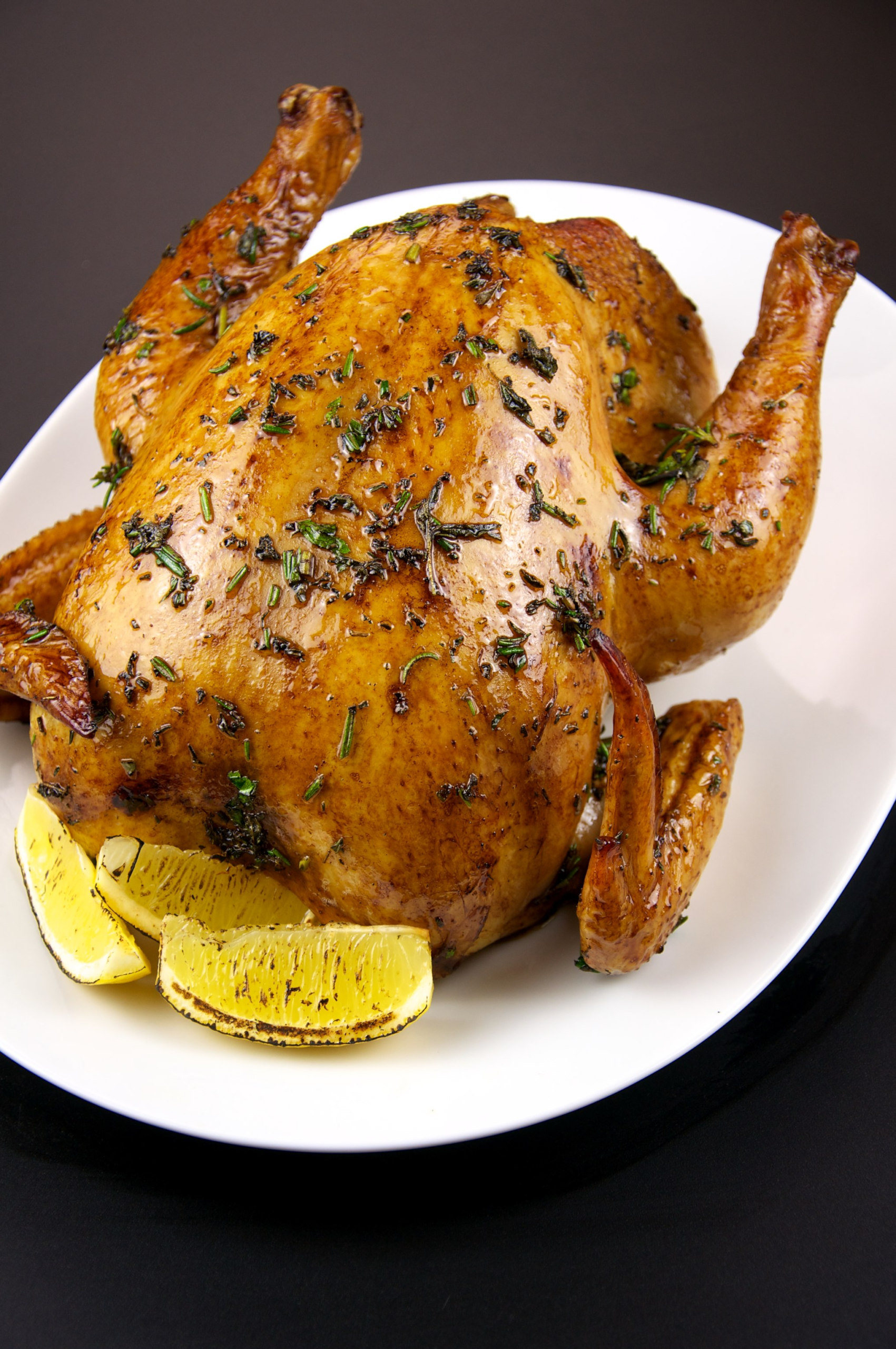
  • Spicy Grilled Chicken with Lemon and Garlic

    Spicy Grilled Chicken with Lemon and Garlic

    Spicy Grilled Chicken with Lemon and Garlic

    Introduction Grilled chicken marinated in lemon, garlic, and warm spices is one of the most beloved dishes across the entire Mediterranean basin — from the grilled piri piri chicken of North Africa to the Lebanese shish tawook to the simple lemon-oregano grilled chicken of Greece. This version bring

    Introduction


    Grilled chicken marinated in lemon, garlic, and warm spices is one of the most beloved dishes across the entire Mediterranean basin — from the grilled piri piri chicken of North Africa to the Lebanese shish tawook to the simple lemon-oregano grilled chicken of Greece. This version brings together the best of all of them: a bright, punchy marinade built on lemon zest, fresh garlic, extra virgin olive oil, and a careful hand with spices that delivers heat without overwhelming the dish.


    What makes this recipe distinctly Mediterranean is the marinade philosophy: acid (lemon) to tenderize, fat (olive oil) to carry flavor and prevent sticking, and aromatics (garlic, herbs, spices) to build complexity. The result is chicken that is juicy on the inside with slightly charred, deeply flavored edges on the outside — the kind of meal that tastes like it took hours to prepare but comes together in minutes once the marinating is done.


    On the Mediterranean diet, chicken is a secondary protein compared to fish, but still preferred over red meat. Eaten 2–3 times per week, it provides lean protein without the saturated fat load of beef or pork. This preparation maximizes flavor while keeping the dish clean and aligned with the diet’s core principles.


    Why This Fits the Mediterranean Diet


    This dish exemplifies Mediterranean cooking values: real ingredients, simple technique, bold flavor without processed sauces. The marinade uses olive oil as the fat base (not butter or vegetable oil), fresh lemon (not bottled juice), and real garlic (not powder). The heat comes from Aleppo pepper and cayenne — both used throughout the Mediterranean and Middle East — rather than sugary hot sauces.


    Health Benefits


    Lean protein: Skinless chicken breast provides approximately 31g of protein per 4oz serving with only 4g of fat. Adequate protein intake supports muscle maintenance, immune function, and satiety.


    Garlic’s cardiovascular benefits: Multiple studies show that allicin in fresh garlic reduces blood pressure, lowers LDL cholesterol, and has antibacterial properties. Using 6+ cloves per batch provides a meaningful dose.


    Lemon’s vitamin C and flavor efficiency: Fresh lemon juice and zest provide vitamin C and flavonoids that act as antioxidants. Marinating in acid also reduces the formation of heterocyclic amines (HCAs) during grilling — carcinogenic compounds that form when protein is charred.


    Olive oil’s monounsaturated fats: The base fat in the marinade coats the meat and carries fat-soluble flavors and spices into the flesh, while providing the Mediterranean diet’s hallmark heart-healthy fat profile.


    Ingredients (Serves 4)


  • 4 boneless, skinless chicken breasts (or 8 bone-in thighs for more flavor)
  • 6 cloves garlic, minced or grated on a microplane
  • Zest and juice of 2 lemons (about ¼ cup juice)
  • 3 tablespoons extra virgin olive oil
  • 1 teaspoon Aleppo pepper (or ½ tsp crushed red pepper)
  • ¼ teaspoon cayenne pepper
  • 1 teaspoon ground cumin
  • 1 teaspoon smoked paprika
  • 1 teaspoon dried oregano
  • 1 teaspoon kosher salt
  • ½ teaspoon freshly ground black pepper
  • 2 tablespoons fresh flat-leaf parsley, chopped, for serving
  • Lemon wedges for serving

  • Equipment Needed


  • Gas or charcoal grill, or ridged cast iron grill pan
  • Zip-lock bag or shallow glass baking dish for marinating
  • Instant-read thermometer (essential for chicken doneness)
  • Tongs

  • Step-by-Step Instructions


    1. Prepare the marinade. In a small bowl, combine garlic, lemon zest, lemon juice, olive oil, Aleppo pepper, cayenne, cumin, smoked paprika, oregano, salt, and black pepper. Whisk until fully combined.


    2. Pound the chicken to even thickness. Place each breast between two sheets of plastic wrap. Using a meat mallet or heavy skillet, pound to an even 3/4-inch thickness. This ensures even cooking and prevents dry edges while the thick center finishes.


    3. Marinate. Place chicken in a zip-lock bag or shallow dish. Pour marinade over and turn to coat thoroughly. Seal or cover. Marinate in the refrigerator for at least 2 hours, ideally 6–8 hours. Do not marinate longer than 24 hours — the acid will begin to break down the proteins and make the texture mushy.


    4. Bring to room temperature. Remove the chicken from the refrigerator 20–30 minutes before grilling. Cold chicken on a hot grill cooks unevenly — charred outside, raw inside.


    5. Heat the grill. Heat gas grill to medium-high (400–450°F) or prepare a two-zone charcoal fire. If using a cast iron grill pan, heat over high heat for 3–4 minutes until very hot. Brush grates or pan with a folded paper towel dipped in oil.


    6. Grill the chicken. Remove chicken from marinade, letting excess drip off. Place on the hot grill. Cook without moving for 5–6 minutes until distinct grill marks form and the chicken releases easily from the grates. Flip and cook 4–5 minutes more.


    7. Check doneness. Insert an instant-read thermometer into the thickest part. Pull at 160°F — carryover heat will bring it to the safe 165°F during resting. Do not overcook to 165°F on the grill or the breast will be dry.


    8. Rest before serving. Transfer to a cutting board and tent loosely with foil. Rest 5 minutes — this allows the juices to redistribute throughout the meat.


    9. Slice and serve. Slice against the grain into strips or serve whole. Scatter fresh parsley over the top. Serve with lemon wedges, roasted vegetables, and a simple salad.


    Pro Tips & Variations


    Bone-in thighs are more forgiving. If you tend to overcook chicken breasts, use bone-in skin-on thighs instead — they have more fat and tolerate higher temperatures without drying out. Cook to 175–180°F for best texture.


    Aleppo pepper is worth finding. This Syrian dried pepper is less hot than cayenne but has a fruity, slightly smoky depth that plain red pepper flakes don’t replicate. Find it at Middle Eastern grocery stores or online. It’s worth having in the pantry for Mediterranean cooking.


    Overnight marinade = maximum flavor. The longer the chicken sits in the lemon-garlic marinade (up to 24 hours), the more deeply flavored it becomes. Make it the night before for a weeknight dinner.


    Make extra for meal prep. This chicken reheats well and works beautifully cold in salads, wraps, and grain bowls throughout the week.


    Yogurt variation: Add ¼ cup full-fat Greek yogurt to the marinade for an even more tender result and a slight tang that complements the spices.


    Nutritional Information (Per Serving, 1 breast)


  • Calories: ~285 kcal
  • Protein: 38g
  • Carbohydrates: 4g
  • Fat: 12g (mostly monounsaturated)
  • Fiber: 0.5g
  • Sodium: ~520mg

  • Storage & Reheating


    Refrigerator: Cooked chicken keeps well for 3–4 days in an airtight container.


    Reheating: Reheat in a covered skillet over medium-low heat with a splash of water or broth to prevent drying out. Alternatively, slice cold and serve at room temperature over a salad — often better than reheated.


    Freezer: Freeze cooked chicken for up to 3 months. Thaw overnight in the refrigerator. Best sliced thin before freezing for faster thawing.


    Pairing Suggestions


  • Creamy tzatziki and warm pita bread
  • Simple Greek salad (tomatoes, cucumber, olives, feta)
  • Roasted lemon potatoes with oregano
  • Tabbouleh or couscous with herbs
  • Roasted or grilled zucchini and bell peppers

  • Frequently Asked Questions


    How spicy is this dish?

    With 1 tsp Aleppo pepper and ¼ tsp cayenne, it has a mild to moderate warmth — noticeable but not overpowering. Reduce or eliminate the cayenne for a milder version; double it if you like real heat.


    Can I bake this instead of grilling?

    Yes. Bake at 425°F on a rimmed sheet pan for 18–22 minutes, then broil 2–3 minutes for color. The texture differs slightly but the flavor is nearly as good.


    What if I don’t have Aleppo pepper?

    Substitute ½ teaspoon regular crushed red pepper flakes plus ¼ teaspoon sweet paprika. It’s not identical but close enough.


    Can this be made ahead for a party?

    Absolutely. Marinate the day before, grill up to 2 hours ahead, rest, slice, and serve at room temperature. It’s excellent party food.


    Why is my grilled chicken always dry?

    Three most common reasons: didn’t pound to even thickness, cooked to 165°F on the grill (overcooked — pull at 160°F), or didn’t rest before cutting.


    Tools & pantry for this recipe

    A few things that make this easier. These are affiliate links, so we may earn a small commission at no extra cost to you; we only suggest what we’d actually use ourselves. See our editorial policy.

  • Lemon and Herb Roasted Chicken Thighs

    Lemon and Herb Roasted Chicken Thighs

    Lemon and Herb Roasted Chicken Thighs

    Lemon and Herb Roasted Chicken Thighs A Classic Mediterranean Dish Inspired by Greek Cuisine Ingredients: #### Key Ingredients: **Chicken Thighs**: Choose skin-on thighs for extra flavor. Skinless alternatives can be substituted but will result in a less rich texture. *Quality Notes*: Opt for fresh,

    A Classic Mediterranean Dish Inspired by Greek Cuisine


    Ingredients:

    #### Key Ingredients:

  • **Chicken Thighs**: Choose skin-on thighs for extra flavor. Skinless alternatives can be substituted but will result in a less rich texture.
  • *Quality Notes*: Opt for fresh, organic chicken if available; it tends to have more robust flavors and is better for you.


  • **Lemon Juice**: Essential for adding brightness and zest to the dish. Use freshly squeezed lemon juice for maximum flavor and freshness.
  • *Substitutions*: If lemons aren’t readily accessible, consider using bottled lemon juice or even lime juice as an alternative.


  • **Olive Oil**: A cornerstone of Mediterranean cooking; extra virgin olive oil is preferred for its superior taste and health benefits.
  • *Quality Notes*: Look for cold-pressed varieties with a distinct fruity aroma.


  • **Garlic & Herbs**:
  • – Fresh garlic adds depth while parsley, oregano, and thyme provide aromatic complexity.


    *Substitutions*: For oregano, dried Italian seasoning can be used instead. Alternatively, fresh basil or cilantro could substitute for some of the herbs if desired.


    Equipment Needed

  • Baking dish (for roasting)
  • Mixing bowl (to prepare marinade)

  • Instructions:

    1. **Preheat Oven**: Begin by preheating your oven to 400°F (200°C). This ensures the chicken will cook evenly from the start.

    *Tip*: If you’re short on time, you can use a convection setting to reduce cooking time slightly.


    2. **Prepare Marinade**:

    – In a small bowl, mix together lemon juice, minced garlic, olive oil, chopped parsley, dried oregano, salt, and pepper until well combined.

    *Timing*: This step takes about 3-5 minutes.


    3. **Season Chicken**:

    – Rub the chicken thighs thoroughly with the marinade mixture to ensure every inch is coated in flavor.

    *Tip*: Using your hands works best for this part; don’t be afraid to get messy!


    4. **Roast Thighs**:

    – Place seasoned chicken thighs into a single layer on a baking dish and add fresh thyme sprigs if desired.

    – Roast in the preheated oven for approximately 25-30 minutes or until the internal temperature reaches at least 165°F (74°C).


    *Tip*: Use an instant-read thermometer inserted into the thickest part of a thigh to check doneness.


    Pro Tips and Variations:

    For those looking for additional flavor profiles, consider these variations:

  • **Herb Mix**: Experiment with different combinations such as rosemary, tarragon, or dill alongside oregano.
  • **Citrus Twist**: Use a combination of lemon zest along with orange juice and zest to introduce another layer of brightness.
  • **Cheese Lovers**: Add a sprinkle of grated parmesan cheese over the thighs during the last 5 minutes for added richness.

  • Nutritional Info per Serving (Estimate)

    Calories: ~280 | Protein: ~34g | Carbs: ~3g | Fat: ~17g | Fiber: ~0.6g


    Storage and Reheating

    Allow leftovers to cool completely before storing them in an airtight container in the refrigerator for up to 3 days or freeze for up to 2 months.

    To reheat, either microwave on high power until warmed through or place in a preheated oven at 350°F (180°C) for about 10-15 minutes.


    What to Serve With It

    Pair this dish with some Greek salad dressed lightly with olive oil and vinegar, or serve alongside steamed vegetables like green beans or broccoli florets.


    FAQs About This Dish

    **Q: Can I use chicken breasts instead?**

    A: Yes! Chicken breasts would work well too. Just adjust the cooking time to around 30-35 minutes due to their thicker cut.


    **Q: How do you know when it’s done?**

    A: Insert a meat thermometer into the thickest part of a thigh; it should read at least 165°F (74°C).


    **Q: What if I don’t have oregano on hand?**

    A: Substitute with Italian seasoning or use fresh basil for a lighter, more aromatic note.

    Tools & pantry for this recipe

    A few things that make this easier. These are affiliate links, so we may earn a small commission at no extra cost to you; we only suggest what we’d actually use ourselves. See our editorial policy.

  • Grilled Eggplant and Bell Pepper Skewers with Herb Marinade

    Grilled Eggplant and Bell Pepper Skewers with Herb Marinade

    Grilled Eggplant and Bell Pepper Skewers with Herb Marinade

    Grilled Eggplant and Bell Pepper Skewers with Herb Marinade Introduction Grilled vegetable skewers are summer cooking at its most effortless and most satisfying — and across the Mediterranean, from the kebab traditions of Turkey and Lebanon to the grilled vegetable antipasti of southern Italy and th

    Introduction


    Grilled vegetable skewers are summer cooking at its most effortless and most satisfying — and across the Mediterranean, from the kebab traditions of Turkey and Lebanon to the grilled vegetable antipasti of southern Italy and the escalivada of Catalonia, grilled eggplant and peppers are a foundational combination. There is something almost elemental about what fire does to these two vegetables: the eggplant transforms from dense and slightly bitter to silky, smoky, and tender; the bell peppers char and caramelize, their natural sugars concentrating and deepening into something almost jammy at the edges.


    This recipe builds on that tradition with a simple herb marinade — olive oil, garlic, lemon zest, fresh oregano, and smoked paprika — that coats the vegetables before they hit the grill, seasons them deeply during cooking, and provides a basting layer that caramelizes against the hot grates. Thread onto skewers for easy grilling and a beautiful presentation, or cook them loose on a grill rack. Serve with tzatziki and warm flatbread for a complete vegetarian Mediterranean meal, or alongside grilled meat as a side.


    Eggplant is one of the most important vegetables in Mediterranean cooking — it appears in Greek moussaka, Turkish imam bayildi, Italian parmigiana, Levantine baba ghanoush, and Moroccan tagines. Its ability to absorb fat and flavor while taking on a uniquely creamy interior texture makes it one of the most versatile and satisfying vegetables for those following a plant-forward eating pattern.


    Why This Fits the Mediterranean Diet


    The Mediterranean diet places vegetables at the foundation of every meal, with grilling being one of the most praised cooking methods for preserving nutrients and flavor without added fat beyond the olive oil marinade. Eggplant and peppers are among the most nutrient-dense, low-calorie vegetables in the Mediterranean pantry. This dish is completely plant-based and can form the protein foundation of a meal when served with legumes, cheese, or yogurt sauce.


    Health Benefits


    **Eggplant’s nasunin:** Eggplant skin contains nasunin — a potent anthocyanin antioxidant that has been shown to protect cell membranes from free radical damage and may support brain health. Grilling with the skin on maximizes this compound.


    **Eggplant’s low calorie density and fiber:** Eggplant is primarily water and fiber, making it one of the most satiating vegetables relative to its calorie content. It also contains chlorogenic acid, one of the most potent antioxidants found in any vegetable.


    **Bell peppers — exceptional vitamin C:** Red and yellow bell peppers are among the richest sources of vitamin C in the entire plant kingdom — more per gram than citrus fruit. Grilling preserves a significant portion of this vitamin C while concentrating flavor.


    **The marinade’s anti-inflammatory compounds:** Garlic (allicin), olive oil (oleocanthal), and lemon (limonene and vitamin C) together create a marinade that is functionally anti-inflammatory. These are the building blocks of the Mediterranean diet’s documented health effects.


    Ingredients (Serves 4)


  • 1 large eggplant (about 1 lb), cut into 1½-inch cubes
  • 2 red bell peppers, cut into 1½-inch pieces
  • 1 yellow bell pepper, cut into 1½-inch pieces
  • 1 green bell pepper, cut into 1½-inch pieces
  • 1 medium zucchini, cut into ½-inch rounds (optional, excellent addition)
  • 1 red onion, cut into wedges through the root (keeps pieces together)

  • **Herb Marinade:**

  • 4 tablespoons extra virgin olive oil
  • 3 cloves garlic, grated on a microplane
  • Zest and juice of 1 lemon
  • 1 teaspoon smoked paprika
  • 1 teaspoon dried oregano
  • ½ teaspoon ground cumin
  • ½ teaspoon kosher salt
  • ¼ teaspoon black pepper
  • ¼ teaspoon crushed red pepper flakes

  • **For serving:**

  • Tzatziki sauce
  • Fresh flat-leaf parsley, chopped
  • Lemon wedges
  • Warm pita or flatbread

  • Equipment Needed


  • Metal or bamboo skewers (soak bamboo in water 30 minutes before use)
  • Grill or ridged grill pan
  • Pastry brush for basting
  • Large bowl for marinating

  • Step-by-Step Instructions


    1. **Salt the eggplant.** Place eggplant cubes in a colander, sprinkle generously with salt, toss, and let sit for 20–30 minutes. The salt draws out excess moisture and any bitterness. Rinse and pat completely dry. This step is important — it prevents the eggplant from absorbing excessive oil and ensures it grills rather than steams.


    2. **Make the marinade.** Whisk together olive oil, grated garlic, lemon zest, lemon juice, smoked paprika, oregano, cumin, salt, pepper, and red pepper flakes.


    3. **Marinate the vegetables.** Combine the dried eggplant, bell pepper pieces, onion wedges, and zucchini (if using) in a large bowl. Pour the marinade over and toss thoroughly to coat. Let marinate for at least 30 minutes at room temperature, or up to 4 hours refrigerated.


    4. **Thread the skewers.** Thread vegetables onto skewers, alternating eggplant, pepper, onion, zucchini in a colorful pattern. Leave a small gap between pieces so heat can circulate. Don’t pack too tightly.


    5. **Heat the grill.** Heat an outdoor grill or grill pan to medium-high. Brush grates with oil. The grill should be properly hot before the skewers go on.


    6. **Grill the skewers.** Place skewers on the grill. Cook 3–4 minutes per side without moving, turning 3–4 times to cook all sides, for a total of 12–16 minutes. Brush with any remaining marinade during the first two turns. The vegetables should be tender, slightly charred at the edges, and fragrant.


    7. **Check the eggplant.** Eggplant is done when it’s completely tender and slightly collapsed — test with a fork or knife, it should pierce with no resistance. Undercooked eggplant is unpleasant; properly cooked eggplant is transformative.


    8. **Serve.** Remove from skewers (or serve on the skewers for presentation). Scatter fresh parsley over the top. Serve immediately with tzatziki, warm pita, and lemon wedges.


    Pro Tips & Variations


    **Don’t skip salting the eggplant.** Modern eggplant varieties are less bitter than older ones, but salting still draws out moisture that would cause steaming instead of grilling. The difference in final texture is significant.


    **Cut pieces uniformly.** All pieces should be roughly the same size so they cook at the same rate. If eggplant pieces are larger than pepper pieces, the peppers will char before the eggplant is cooked through.


    **Keep the onion pieces intact.** Cut onion through the root end — the root holds the layers together on the skewer. If you cut through the middle, the layers fall off.


    **Add halloumi to the skewers:** Cube halloumi the same size as the vegetables and alternate on the skewers. It grills beautifully alongside the vegetables and adds protein and richness.


    **Serve over grains:** Remove vegetables from skewers and serve over warm couscous, bulgur, or farro for a complete meal.


    Nutritional Information (Per Serving)


  • Calories: ~190 kcal
  • Protein: 3g
  • Carbohydrates: 18g
  • Fat: 13g (predominantly monounsaturated)
  • Fiber: 6g
  • Sodium: ~320mg

  • Storage & Reheating


    **Refrigerator:** Grilled vegetable skewers keep well for 3–4 days in an airtight container. They’re often better the next day — the marinade continues to season the vegetables overnight.


    **Reheating:** Reheat in a skillet over medium heat or spread on a baking sheet and roast at 400°F for 8–10 minutes. Microwave works but softens the exterior.


    **Room temperature:** These skewers are excellent at room temperature as part of a mezze spread. Don’t feel obligated to reheat them.


    **Freezer:** Not recommended — the vegetables become mushy when thawed.


    Pairing Suggestions


  • Creamy tzatziki and warm pita (classic)
  • Hummus spread with the vegetables placed on top
  • As a side to grilled lamb chops or spiced chicken
  • Part of a large mezze spread with olives, cheese, and salads
  • Over couscous with preserved lemon and chickpeas

  • Frequently Asked Questions


    **Can I make these in the oven instead?**

    Yes. Spread the marinated vegetables in a single layer on a rimmed baking sheet (no skewers needed). Roast at 425°F for 25–30 minutes, turning once at the halfway point. You won’t get the smoky char of the grill, but the flavor is excellent.


    **The eggplant is absorbing all the oil in the marinade — is that okay?**

    Yes, this is normal eggplant behavior. The oil will release partially during grilling as the heat opens the cell structure. Don’t add more oil — if the marinade seems absorbed, proceed with grilling.


    **How do I know when the vegetables are done?**

    The eggplant should be fork-tender with no resistance; the peppers should have visible char on the edges and be soft but not collapsing; the onion should be slightly caramelized and translucent. Total grill time of 12–16 minutes at medium-high is typical.


    **Can I prep these the night before?**

    Yes — marinate overnight, thread skewers in the morning, and grill at dinnertime. Overnight marinating deeply flavors the vegetables.


    Tools & pantry for this recipe

    A few things that make this easier. These are affiliate links, so we may earn a small commission at no extra cost to you; we only suggest what we’d actually use ourselves. See our editorial policy.