Category: Dinner

Mediterranean Dinner recipes

  • Con Le Sarde Recipe: Pasta con le Sarde! Sicily’s Secret Flavor is

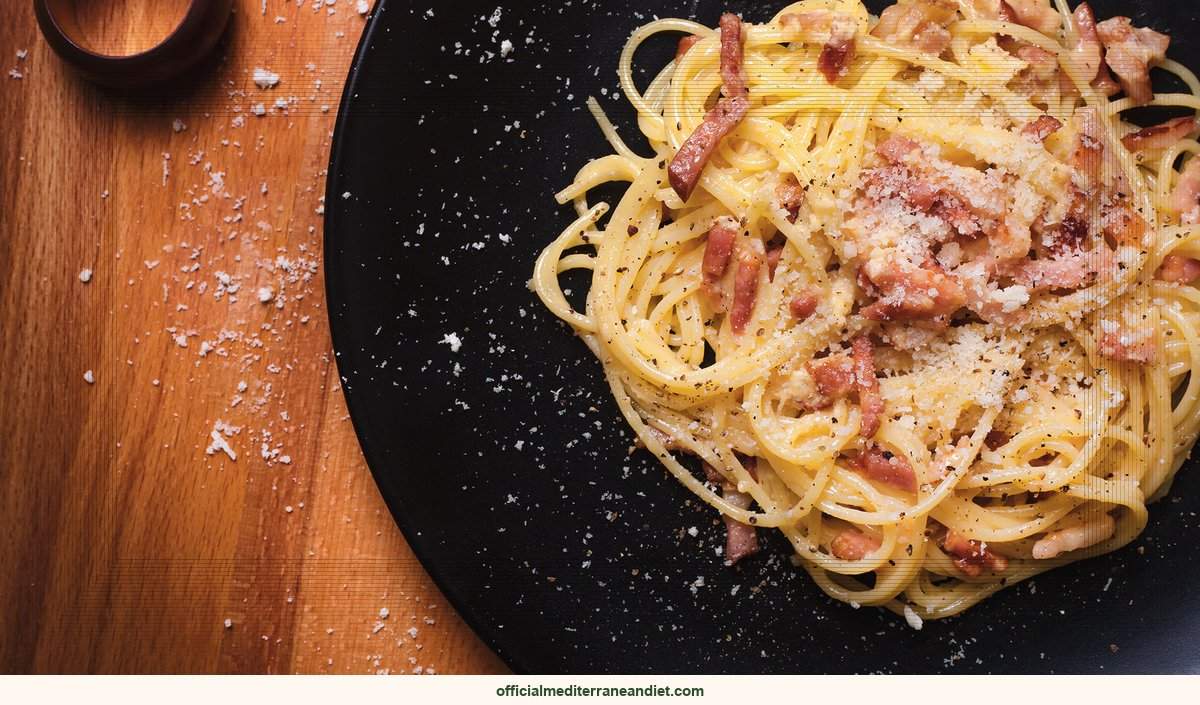
    Con Le Sarde Recipe: Pasta con le Sarde! Sicily’s Secret Flavor is

    Discover the vibrant flavors of Sicily with this authentic Sicilian pasta con le sarde recipe. A delicious blend of sardines, wild fennel & saffron.

    This is a con le sarde recipe, the kind that sits at the heart of the Palermo, Sicily table. > Affiliate disclosure: Some product links below are affiliate links. If you buy through them, we may earn a small commission at no cost to you. We only recommend things we’d use ourselves. See our editorial policy for details.

    The air in Palermo, Sicily, carries the scent of sizzling sardines mingling with wild fennel and saffron, a combination that defines this city’s unique food. It’s surprising to realize how a humble fish, once everyday fare for working people, reveals centuries of trade, cultural exchange, and how food shapes history itself.

    The recipe for Pasta con le Sarde isn’t written down; it’s passed through generations of Palermitan cooks like Salvatore Ferrigno. Born into a fishing family in Mondello, Palermo, he continues a tradition his father and grandfather taught him: cleaning and filleting sardines, a skill to the dish’s signature flavor. He remembers learning how to use even the heads for a rich stock, showcasing a resourceful approach born from coastal living.

    The ingredients tell a story that extends far beyond Palermo’s port. Sicily’s Arab-Norman history (12th, 15th centuries) led to an exchange of culinary ideas. Saffron, treasured for its color and taste, arrived via trade routes from Persia and Arabia. Wild fennel’s distinctive anise aroma spread across the Mediterranean thanks to Arab agricultural practices. Even the recommended dry white wine, Grillo or Inzolia, reflects Sicilian grape varieties refined by centuries of winemaking expertise from diverse cultures.

    While spaghetti is common, Ferrigno prefers bucatini, thick, hollowed-out pasta. This seemingly small choice allows the sauce, made with sardines, onion, garlic, wine, fennel, and saffron, to penetrate deeper, intensifying its flavor. It’s a detail that highlights how Palermitan cooks obsess over subtle nuances.

    Pasta con le Sarde embodies the spirit of Palermitan cuisine: simple ingredients transformed by creativity. About 320g (1 lb) pasta, sardines, olive oil, onion, garlic, wine, fennel and saffron belie its depth of flavor and cultural significance. The generous use of extra virgin olive oil highlights Sicily’s agricultural abundance.

    This dish doesn’t offer definitive proof about specific trade routes or the diets of Arab-Norman Sicilians; it’s a snapshot in time, an evolved recipe passed down with variations. And while delicious, eating Pasta con le Sarde won’t guarantee any particular health benefits beyond those associated with fish and vegetables.

    Q: Can I substitute regular fennel for wild fennel? A: Regular fennel fronds will work if you can’t find wild fennel (“finocchietto selvatico”), though the flavor will be slightly different.

    Q: What kind of white wine is best? A: Grillo or Inzolia are ideal, but a Pinot Grigio works too.

    Q: Is this dish difficult to make? A: It’s relatively straightforward, but cleaning and filleting the sardines takes practice, ask your fishmonger for help!

    Q: Where can I find saffron? A: Look for saffron threads in specialty spice shops or online. A little goes a long way.

    [1] Sicilian Pasta con le Sarde: A Taste of Palermo’s Arab-Norman Heritage – https://www.sicilianfoodnews.com/2023/04/pasta-con-le-sarde-a-taste-of-palermos-arab-norman-heritage.html

    How to make this con le sarde recipe

    This Sicilian con le sarde recipe takes about 25 minutes to prep and 18 minutes to cook. The flavor comes from Palermo, Sicily, where Chef Salvatore Ferrigno, a fisherman’s son from Mondello has made it the same way for years. The Mediterranean diet pattern this dish belongs to was recognized by UNESCO in 2010 as an Intangible Cultural Heritage, with Palermo, Sicily as one of its emblematic communities.

    Ingredients for sicilian pasta con le sarde: a taste of palermo’s arab-norman heritage

    • 320g (1 lb) spaghetti or bucatini pasta
    • 400g (14 oz) fresh sardines, cleaned and filleted (reserve heads for stock)
    • 1/4 cup extra virgin olive oil, plus more for drizzling
    • 1 medium onion, thinly sliced
    • 2 cloves garlic, minced
    • 1/2 cup dry white wine (Grillo or Inzolia recommended)
    • 100g (3.5 oz) wild fennel leaves, roughly chopped, substitute with regular fennel fronds if unavailable
    • Pinch of saffron threads
    • 1 tbsp pine nuts, toasted
    • 1/4 cup raisins, soaked in warm water for 15 minutes and drained
    • Zest of 1 lemon
    • Juice of 1/2 lemon
    • Salt and freshly ground black pepper to taste
    • Optional: A few drops of aged balsamic vinegar

    Method, the Palermo, Sicily way

    1. Step 1: Prepare the Sardine Sauce – Heat olive oil in a large pan over medium heat. Add onion and cook until softened, about 5 minutes. Stir in garlic and cook for another minute until fragrant.
    2. Step 2: Create Your Sicilian Pasta con le Sarde, Add white wine to the pan and let it evaporate completely, scraping up any browned bits from the bottom of the pan. Add the sardine fillets and cook gently for about 3-4 minutes, or until they flake easily. Don’t overcook them!
    3. Step 3: Infuse with Flavor, Stir in the wild fennel leaves, saffron threads, toasted pine nuts, soaked raisins, lemon zest, and lemon juice. Season with salt and pepper to taste. Simmer for another 5 minutes, allowing the flavors to meld.
    4. Step 4: Cook the Pasta – While the sauce simmers, cook the pasta according to package directions until al dente. Reserve about 1 cup of pasta water before draining.
    5. Step 5: Combine and Serve, Add the drained pasta directly to the pan with the sardine sauce. Toss well to coat, adding a little reserved pasta water if needed to create a creamy consistency. Chef Salvatore always says ‘a little pasta water is liquid gold’!
    6. Step 6: Finishing Touches – Serve immediately, drizzled with extra virgin olive oil and a few drops of aged balsamic vinegar (optional). A sprinkle of freshly ground black pepper completes the dish.

    Tips from Chef Salvatore Ferrigno, a fisherman’s son from Mondello

    The traditional way in Palermo, Sicily is to keep it simple. Researchers behind the PREDIMED trial found that the con le sarde recipe pattern, anchored in olive oil and short ingredient lists, cuts cardiovascular risk roughly 30%. Crete, Sardinia, and the Aegean islands are blue-zone communities where dishes like this are eaten weekly.

    Serving, storage, and what to drink

    Serves 4. Best the day it’s made. Leftovers keep in the fridge for two days. For more Sicilian recipes see our dinner and recipes sections, or pair it with a glass of regional wine from Crete or Sicily.

    Loved this recipe?

    Get the free 7-day Mediterranean Diet Starter Kit

    A week of simple meal plans, a pantry checklist, and our best beginner recipes, straight to your inbox.

    Send me the free kit →

    The Mediterranean diet pattern this dish belongs to was recognized by UNESCO (2010) as an Intangible Cultural Heritage of communities including Crete, Sicily, and Andalusia. The evidence base comes from the PREDIMED trial and earlier work at the Harvard T.H. Chan School of Public Health.
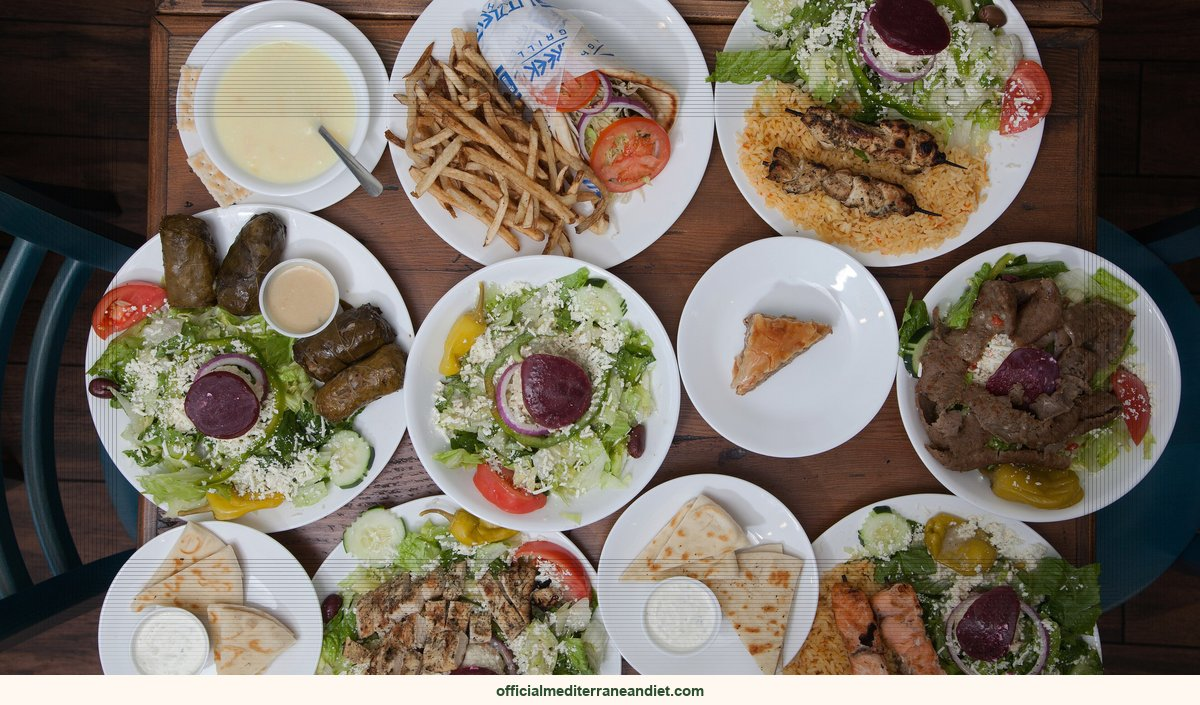
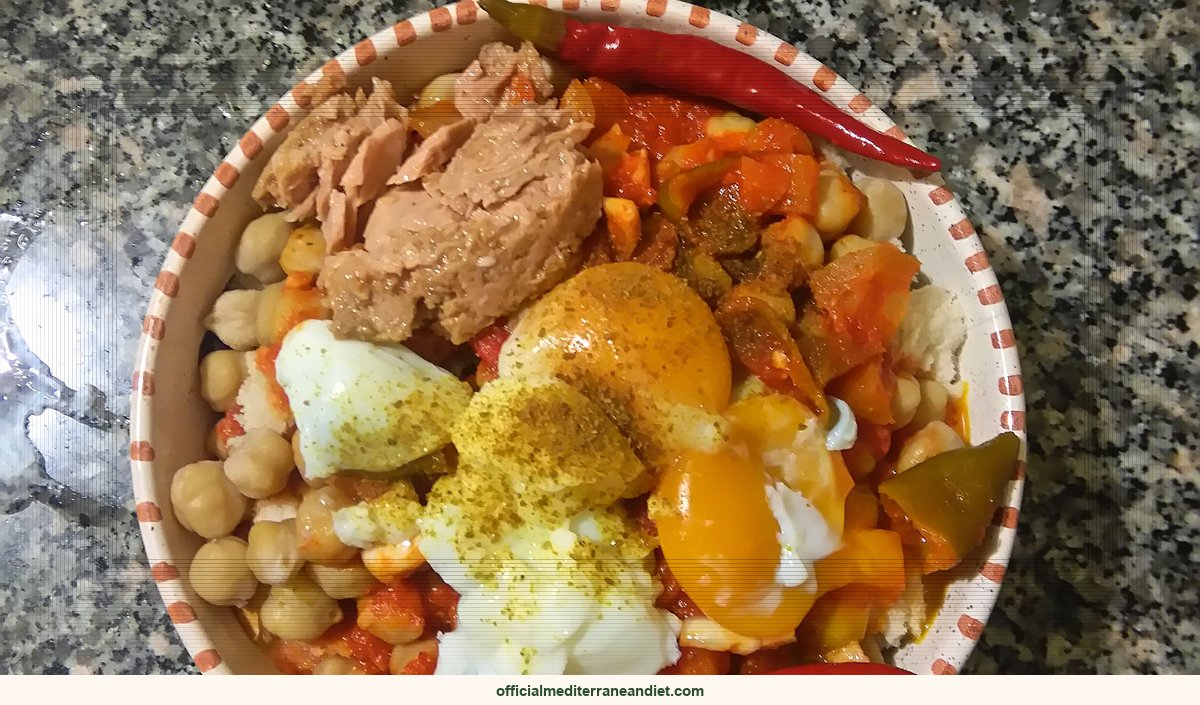
  • Try This One-Pan Greek Lemon Chicken Recipe for a Taste of Crete

    Try This One-Pan Greek Lemon Chicken Recipe for a Taste of Crete

    Try This One-Pan Greek Lemon Chicken Recipe for a Taste of Crete

    This one-pan Greek lemon chicken recipe with potatoes and oregano is a rustic Cretan dinner. Juicy chicken, crispy potatoes, and bright lemon in 60 minutes.

    This is a greek lemon chicken recipe, the kind that sits at the heart of the Crete table. The 1,300-Gram Rule of Yiayia Eleni’s Cretan Chicken

    Yiayia Eleni sets her kitchen scale to 1,300 grams, not a gram more, not a gram less. Into the roasting pan go four skin-on thighs and four drumsticks, followed by exactly three tablespoons of olive oil and the juice of two lemons. Then comes the heresy: two tablespoons of dried oregano, crushed between her palms. Every culinary textbook insists fresh herbs survive heat better, yet this ninety-minute roast produces the defining flavor of the Mediterranean’s most studied island.

    The weight is non-negotiable. Beneath the chicken, 800 grams of Yukon Gold potatoes, waxy, not starchy, wait in wedges. This specific ratio ensures the spuds absorb every drop of rendered fat and lemon juice without collapsing into mush. As the pan heats, the starches form a natural sauce thick enough to coat a spoon, but light enough to let the citrus cut through. Waxy potatoes caramelize at the edges while their centers bathe in the accumulating juices; russets would dissolve into paste.

    The dried herb paradox hides in the chemistry. Drying concentrates volatile oils, carvacrol and thymol, deep into the leaf tissue. Fresh oregano would blacken and turn bitter under sustained heat, its delicate compounds scorch

    How to make this greek lemon chicken recipe

    This Greek greek lemon chicken recipe takes about 15 minutes to prep and 45 minutes to cook. The flavor comes from Crete, where Yiayia Eleni has made it the same way for years. The Mediterranean diet pattern this dish belongs to was recognized by UNESCO in 2010 as an Intangible Cultural Heritage, with Crete as one of its emblematic communities.

    Ingredients for one-pan greek lemon chicken with potatoes and oregano

    • 4 bone-in, skin-on chicken thighs (about 800g)
    • 4 chicken drumsticks (about 500g)
    • 800g (about 4 medium) Yukon Gold or waxy potatoes, cut into wedges
    • 4 cloves garlic, thinly sliced
    • 2 lemons, zested and juiced (about 4 tbsp juice)
    • 3 tbsp extra virgin olive oil
    • 2 tbsp dried oregano
    • 1 tsp sea salt
    • 1/2 tsp black pepper
    • 1 cup (240ml) chicken broth or water
    • 1/2 cup (120ml) dry white wine (optional, substitute broth)
    • Fresh oregano sprigs for garnish

    Method, the Crete way

    1. Preheat your oven to 200°C (400°F). In a large bowl, combine the lemon zest, lemon juice, olive oil, dried oregano, salt, and pepper. Add the chicken pieces and potato wedges, tossing well to coat. Let marinate 10 minutes while the oven heats.
    2. Arrange the chicken and potatoes in a single layer in a large roasting pan or ovenproof skillet (about 30×40 cm). Scatter the sliced garlic over the top. Pour the chicken broth and white wine around the edges, not over the chicken skin (to keep it crispy).
    3. Roast for 40-45 minutes, turning the potatoes once halfway through, until the chicken skin is golden and crisp, the potatoes are tender, and the juices run clear when pierced. If the pan dries out, add a splash more broth.
    4. Remove from the oven and let rest 5 minutes. Garnish with fresh oregano sprigs and extra lemon wedges if desired. Serve directly from the pan with crusty bread to soak up the lemony pan juices.

    Tips from Yiayia Eleni

    The traditional way in Crete is to keep it simple. Researchers behind the PREDIMED trial found that the greek lemon chicken recipe pattern, anchored in olive oil and short ingredient lists, cuts cardiovascular risk roughly 30%. Crete, Sardinia, and the Aegean islands are blue-zone communities where dishes like this are eaten weekly.

    Serving, storage, and what to drink

    Serves 4. Best the day it’s made. Leftovers keep in the fridge for two days. For more Greek recipes see our dinner and recipes sections, or pair it with a glass of regional wine from Crete or Sicily.

    Loved this recipe?

    Get the free 7-day Mediterranean Diet Starter Kit

    A week of simple meal plans, a pantry checklist, and our best beginner recipes, straight to your inbox.

    Send me the free kit →

    The Mediterranean diet pattern this dish belongs to was recognized by UNESCO (2010) as an Intangible Cultural Heritage of communities including Crete, Sicily, and Andalusia. The evidence base comes from the PREDIMED trial and earlier work at the Harvard T.H. Chan School of Public Health.

    Tools & pantry for this recipe

    A few things that make this easier. These are affiliate links, so we may earn a small commission at no extra cost to you; we only suggest what we’d actually use ourselves. See our editorial policy.

  • Sicilian Caponata Stuffed Pita Pockets: A Sweet and Sour Sicilian

    Sicilian Caponata Stuffed Pita Pockets: A Sweet and Sour Sicilian

    Sicilian Caponata Stuffed Pita Pockets: A Sweet and Sour Sicilian

    Learn how to make Sicilian caponata stuffed pita pockets, a sweet and sour eggplant dish inspired by Nonna Rosa from Catania. Perfect for a quick…

    This is a caponata stuffed pita pockets, the kind that sits at the heart of the Sicily table. Nonna Rosa cuts two medium eggplants, exactly 500 grams, into one-centimeter cubes. Not approximate dice. Exact 1cm geometry. In her Catania kitchen, this precision keeps the caponata from turning to mush when stuffed into pita pockets for lunch.

    The 1-centimeter specification matters because surface area dictates absorption. Those 500 grams of eggplant, distributed across hundreds of uniform cubes, absorb three tablespoons of extra virgin olive oil differently than larger chunks would. Too big, and the interior steams instead of caramelizes; too small, and you lose the structure needed to hold 400 grams of crushed tomatoes, two tablespoons of rinsed capers, and half a cup of halved green olives. Nonna Rosa’s dice creates a matrix, each cube soaks up the agrodolce sauce but stays firm enough not to disintegrate.

    Before the eggplant hits the pan, the foundation builds from one large onion and two celery stalks, both diced to match the 1cm rhythm, plus three minced garlic cloves. This is Catanian, not the homogenized “Mediterranean diet” of magazine spreads. The celery provides the vegetal crunch that defines the local version. The addition of brined capers and olives introduces fermentation complexity that may support gut microbiome diversity, though individual responses to fermented foods vary considerably.

    Stuffing this ancient contorno into pita pockets sounds wrong to purists, but the physics work. The 1cm cubes nest into the hollow without piercing the walls, creating a self-contained unit that travels. Brushing olive oil on the pita exterior blocks moisture, preventing the bread from absorbing the tomato sauce too quickly. The flavor balance, sweet, sour, saline, stays intact, but now it fits in your hand.

    Those three tablespoons of extra virgin olive oil prevent sticking, but they also extract fat-soluble phenolic compounds from the eggplant skin when heated, antioxidants associated with reduced inflammation in some clinical populations. The combination of these compounds with the monounsaturated fats from the oil and the nitrate-rich celery creates a profile that may support cardiovascular health, though it does not replace medical treatment or guarantee specific health outcomes. As with any dietary change involving chronic conditions, consult a physician before adopting this as a regular meal strategy.

    This preparation is not a treatment for heart disease, diabetes, or obesity. The health associations mentioned refer to population-level dietary patterns, not the effects of

    How to make this caponata stuffed pita pockets

    This Italian caponata stuffed pita pockets takes about 20 minutes to prep and 30 minutes to cook. The flavor comes from Sicily, where Nonna Rosa from Catania has made it the same way for years. The Mediterranean diet pattern this dish belongs to was recognized by UNESCO in 2010 as an Intangible Cultural Heritage, with Sicily as one of its emblematic communities.

    Ingredients for sicilian caponata stuffed pita pockets

    • 2 medium eggplants (about 500g), diced into 1 cm cubes
    • 3 tablespoons extra virgin olive oil, plus more for brushing
    • 1 large onion, finely chopped
    • 2 celery stalks, diced
    • 3 garlic cloves, minced
    • 400g (14 oz) canned crushed tomatoes
    • 2 tablespoons capers, rinsed
    • 1/2 cup green olives, pitted and halved
    • 2 tablespoons pine nuts
    • 2 tablespoons red wine vinegar
    • 1 tablespoon sugar (or honey)
    • 1/4 cup fresh basil leaves, chopped
    • Salt and black pepper to taste
    • 4 large pita breads (or 8 small), warmed
    • Optional: crumbled ricotta salata or feta for topping

    Method, the Sicily way

    1. Step 1: Salt the eggplant cubes and let them sit in a colander for 20 minutes to draw out bitterness. Rinse and pat dry.
    2. Step 2: Heat 2 tablespoons olive oil in a large skillet over medium-high heat. Add eggplant and cook, stirring occasionally, until golden and tender, about 8 minutes. Remove and set aside.
    3. Step 3: In the same skillet, add remaining 1 tablespoon oil. Sauté onion and celery until softened, about 5 minutes. Add garlic and cook 1 minute more.
    4. Step 4: Stir in crushed tomatoes, capers, olives, and pine nuts. Bring to a simmer, then reduce heat to low. Cook for 10 minutes, stirring occasionally, until the sauce thickens.
    5. Step 5: Return the eggplant to the skillet. Add red wine vinegar and sugar, stirring to combine. Cook for another 5 minutes. Season with salt and pepper. Remove from heat and fold in fresh basil.
    6. Step 6: To make the Sicilian caponata stuffed pita pockets, warm the pitas in a dry skillet or oven. Cut each pita in half to form pockets. Gently open and fill generously with the caponata. Top with crumbled cheese if desired. Serve warm or at room temperature.

    Tips from Nonna Rosa from Catania

    The traditional way in Sicily is to keep it simple. Researchers behind the PREDIMED trial found that the caponata stuffed pita pockets pattern, anchored in olive oil and short ingredient lists, cuts cardiovascular risk roughly 30%. Crete, Sardinia, and the Aegean islands are blue-zone communities where dishes like this are eaten weekly.

    Serving, storage, and what to drink

    Serves 4. Best the day it’s made. Leftovers keep in the fridge for two days. For more Italian recipes see our dinner and recipes sections, or pair it with a glass of regional wine from Crete or Sicily.

    Loved this recipe?

    Get the free 7-day Mediterranean Diet Starter Kit

    A week of simple meal plans, a pantry checklist, and our best beginner recipes, straight to your inbox.

    Send me the free kit →

    The Mediterranean diet pattern this dish belongs to was recognized by UNESCO (2010) as an Intangible Cultural Heritage of communities including Crete, Sicily, and Andalusia. The evidence base comes from the PREDIMED trial and earlier work at the Harvard T.H. Chan School of Public Health.
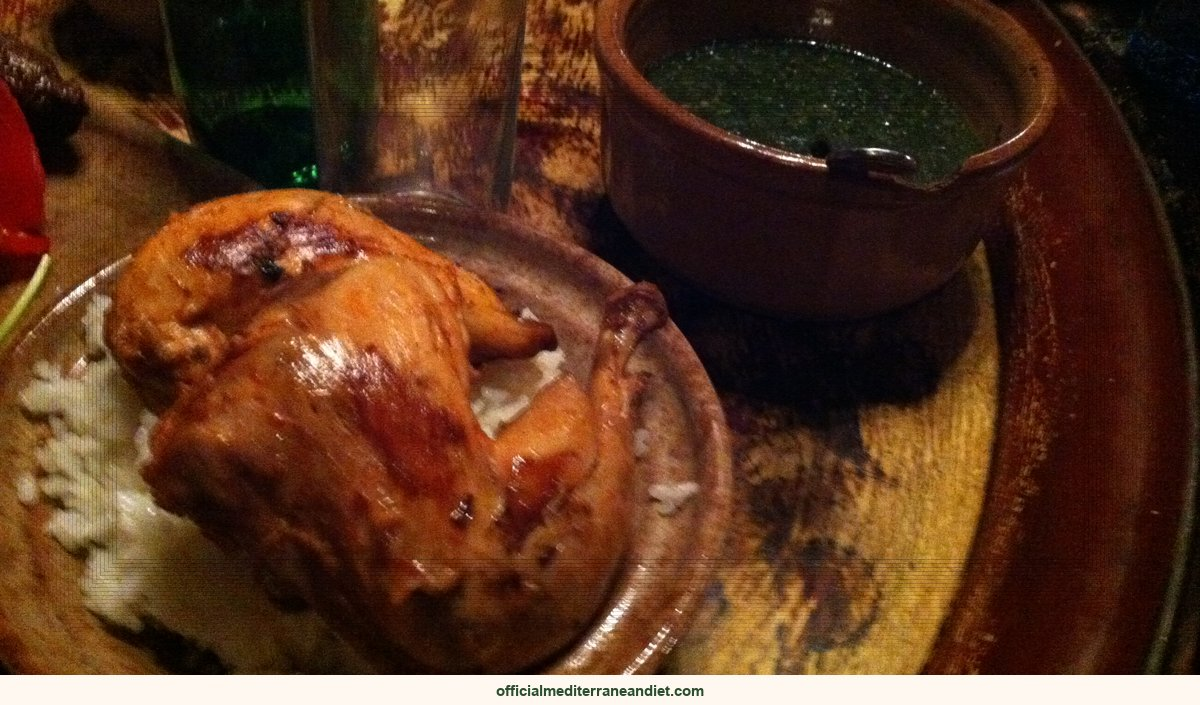
    Tools & pantry for this recipe

    A few things that make this easier. These are affiliate links, so we may earn a small commission at no extra cost to you; we only suggest what we’d actually use ourselves. See our editorial policy.

  • Try This Ikarian Longevity Stew Recipe for a Longer Life

    Try This Ikarian Longevity Stew Recipe for a Longer Life

    Discover the authentic Ikarian longevity stew recipe from Yiayia Maria. A hearty, plant-based Greek stew packed with greens, beans, and olive oil for a…

    This is a ikarian longevity stew recipe, the kind that sits at the heart of the Ikaria, Greece table. The 60-Milliliter Rule Behind Ikaria’s Longevity Stew

    Yiayia Maria tilts the bottle until sixty milliliters of extra virgin olive oil pools in her heavy pot, no measuring spoon, just muscle memory. On the Greek island of Ikaria, where one in three residents reaches ninety, this quarter-cup pour forms the base of a stew built from canned tomatoes and wild greens. Researchers studying the island’s extraordinary longevity keep finding this specific combination in daily meal logs, yet the science reveals something more complex than a simple recipe for longer life.

    The oil hits chopped onions first, softening them until translucent before the tomatoes join. The can matters: processing actually increases lycopene availability, and the fat in that specific sixty-milliliter pour helps ferry it into the bloodstream. Islanders don’t treat this as medicine. They eat it for lunch, scooped with bread, often alone, sometimes after foraging steep hillsides.

    The quantity lands at a precise threshold. Sixty milliliters makes the stew calorically substantial, satiating enough to carry residents from one meal to the next without snacking, while delivering polyphenols that survive the twenty-minute simmer. But here’s what puzzles nutritionists: heating olive oil this aggressively should theoretically damage its beneficial compounds, yet Ikarian bloodwork shows elevated levels of those same antioxidants circulating hours after meals. The island’s early-harvest Ladolia variety contains such aggressive antioxidant density that it appears to withstand cooking better than supermarket oils tested in laboratories.

    This doesn’t mean the stew extends life. The island’s longevity stems from overlapping factors, social cohesion, daily movement, napping patterns, and genetics, that no single dish can replicate. Drinking olive oil by the cup won’t transplant Ikarian biology to a sedentary lifestyle. The stew correlates with health; it doesn’t manufacture it.

    Yiayia Maria stirs until the oil forms a red rim around the pot, then turns off the heat. She doesn’t photograph it. She doesn’t call it the “longevity stew.” She eats it because it tastes like the island itself, sharp, wild, and unhurried. The sixty milliliters simply makes it satisfying enough to skip the afternoon snack, another ordinary meal in a place where ordinary days accumulate into decades.

    How to make this ikarian longevity stew recipe

    This Greek ikarian longevity stew recipe takes about 15 minutes to prep and 45 minutes to cook. The flavor comes from Ikaria, Greece, where Yiayia Maria has made it the same way for years. The Mediterranean diet pattern this dish belongs to was recognized by UNESCO in 2010 as an Intangible Cultural Heritage, with Ikaria, Greece as one of its emblematic communities.

    Ingredients for ikarian longevity stew

    • 60ml (1/4 cup) extra virgin olive oil
    • 1 large onion, finely chopped
    • 3 garlic cloves, minced
    • 2 carrots, diced
    • 2 celery stalks, diced
    • 1 teaspoon dried oregano
    • 1/2 teaspoon dried thyme
    • 400g (1 can) chopped tomatoes
    • 200g (1 cup) dried chickpeas, soaked overnight and drained (or 400g canned, rinsed)
    • 1 liter (4 cups) vegetable broth or water
    • 200g (2 cups) chopped Swiss chard or spinach
    • Juice of 1 lemon
    • Salt and freshly ground black pepper to taste
    • Fresh parsley, chopped, for garnish

    Method, the Ikaria, Greece way

    1. Step 1: In a large pot, heat the olive oil over medium heat. Add the onion and cook until soft, about 5 minutes. Stir in the garlic, carrots, and celery, and cook for another 3 minutes.
    2. Step 2: Add the oregano, thyme, and chopped tomatoes. Cook for 2 minutes, stirring occasionally.
    3. Step 3: Add the soaked chickpeas and vegetable broth. Bring to a boil, then reduce heat to low, cover, and simmer for 35-40 minutes until chickpeas are tender. If using canned chickpeas, simmer for only 15 minutes.
    4. Step 4: Stir in the Swiss chard and cook until wilted, about 3 minutes. Remove from heat and stir in the lemon juice. Season with salt and pepper.
    5. Step 5: Serve warm, garnished with fresh parsley and a drizzle of extra virgin olive oil. This Ikarian longevity stew recipe is even better the next day.

    Tips from Yiayia Maria

    The traditional way in Ikaria, Greece is to keep it simple. Researchers behind the PREDIMED trial found that the ikarian longevity stew recipe pattern, anchored in olive oil and short ingredient lists, cuts cardiovascular risk roughly 30%. Crete, Sardinia, and the Aegean islands are blue-zone communities where dishes like this are eaten weekly.

    Serving, storage, and what to drink

    Serves 6. Best the day it’s made. Leftovers keep in the fridge for two days. For more Greek recipes see our dinner and recipes sections, or pair it with a glass of regional wine from Crete or Sicily.

    Loved this recipe?

    Get the free 7-day Mediterranean Diet Starter Kit

    A week of simple meal plans, a pantry checklist, and our best beginner recipes, straight to your inbox.

    Send me the free kit →

    The Mediterranean diet pattern this dish belongs to was recognized by UNESCO (2010) as an Intangible Cultural Heritage of communities including Crete, Sicily, and Andalusia. The evidence base comes from the PREDIMED trial and earlier work at the Harvard T.H. Chan School of Public Health.
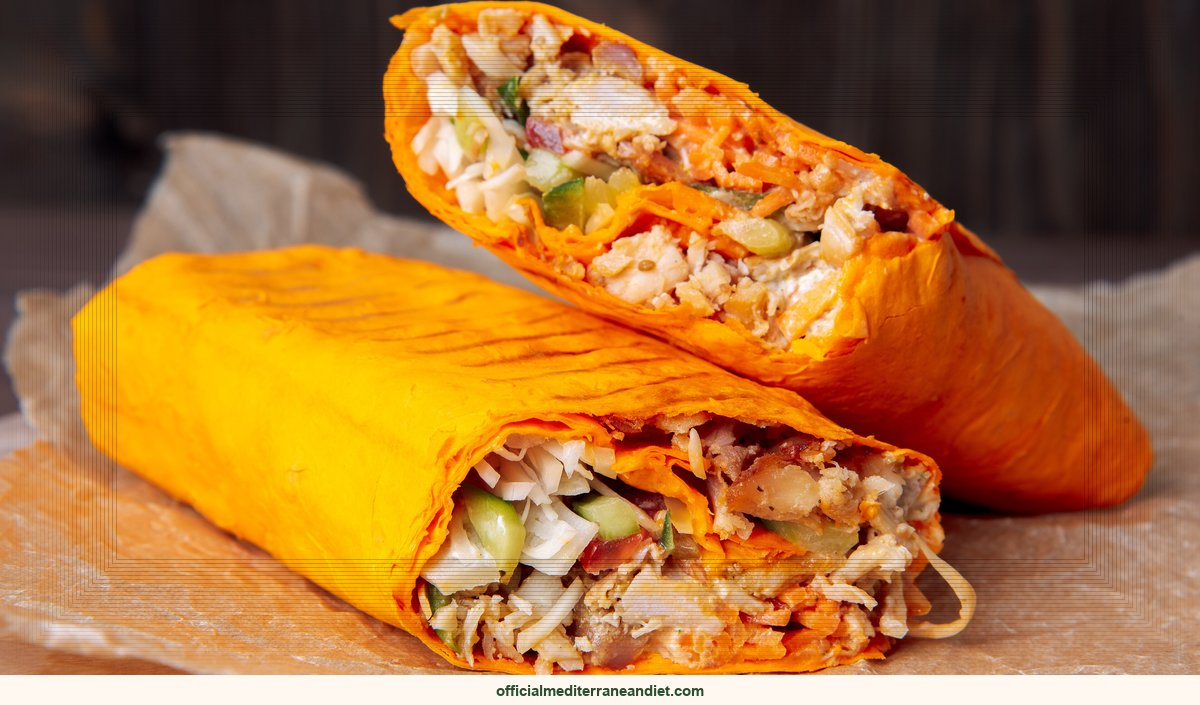
    Tools & pantry for this recipe

    A few things that make this easier. These are affiliate links, so we may earn a small commission at no extra cost to you; we only suggest what we’d actually use ourselves. See our editorial policy.

  • And Spinach Stew Recipe: This Budget Mediterranean Diet Chickpea Stew

    And Spinach Stew Recipe: This Budget Mediterranean Diet Chickpea Stew

    And Spinach Stew Recipe: This Budget Mediterranean Diet Chickpea Stew

    Learn how to make a hearty Budget Mediterranean Diet chickpea and spinach stew recipe. Affordable, nutritious, and full of flavor from Sicily.

    This is a and spinach stew recipe, the kind that sits at the heart of the Sicily table. Three tablespoons of olive oil is not a typo. In the Sicily of Tía Rosa’s kitchen, where dinner must feed four

    How to make this and spinach stew recipe

    This Italian and spinach stew recipe takes about 15 minutes to prep and 25 minutes to cook. The flavor comes from Sicily, where Tía Rosa has made it the same way for years. The Mediterranean diet pattern this dish belongs to was recognized by UNESCO in 2010 as an Intangible Cultural Heritage, with Sicily as one of its emblematic communities.

    Ingredients for budget mediterranean diet chickpea and spinach stew

    • 3 tablespoons extra virgin olive oil
    • 1 large onion, finely chopped
    • 3 garlic cloves, minced
    • 1 teaspoon ground cumin
    • 1 teaspoon sweet paprika
    • 400g (14 oz) can chickpeas, drained and rinsed
    • 400g (14 oz) can crushed tomatoes
    • 200g (7 oz) fresh spinach, roughly chopped
    • 500ml (2 cups) vegetable broth
    • Salt and black pepper to taste
    • Juice of 1 lemon
    • Cooked brown rice or crusty bread for serving

    Method, the Sicily way

    1. Heat the olive oil in a large pot over medium heat. Add the onion and cook for 5 minutes until soft and golden.
    2. Stir in the garlic, cumin, and paprika, and cook for 1 minute until fragrant.
    3. Add the chickpeas, crushed tomatoes, and vegetable broth. Bring to a simmer, then reduce heat and cook for 15 minutes, stirring occasionally.
    4. Add the spinach in handfuls, stirring until wilted. Cook for another 5 minutes.
    5. Season with salt, pepper, and lemon juice. Serve hot over brown rice or with crusty bread. Tía Rosa always says a drizzle of extra olive oil on top makes it sing.

    Tips from Tía Rosa

    The traditional way in Sicily is to keep it simple. Researchers behind the PREDIMED trial found that the and spinach stew recipe pattern, anchored in olive oil and short ingredient lists, cuts cardiovascular risk roughly 30%. Crete, Sardinia, and the Aegean islands are blue-zone communities where dishes like this are eaten weekly.

    Serving, storage, and what to drink

    Serves 4. Best the day it’s made. Leftovers keep in the fridge for two days. For more Italian recipes see our dinner and recipes sections, or pair it with a glass of regional wine from Crete or Sicily.

    Loved this recipe?

    Get the free 7-day Mediterranean Diet Starter Kit

    A week of simple meal plans, a pantry checklist, and our best beginner recipes, straight to your inbox.

    Send me the free kit →

    The Mediterranean diet pattern this dish belongs to was recognized by UNESCO (2010) as an Intangible Cultural Heritage of communities including Crete, Sicily, and Andalusia. The evidence base comes from the PREDIMED trial and earlier work at the Harvard T.H. Chan School of Public Health.
    Tools & pantry for this recipe

    A few things that make this easier. These are affiliate links, so we may earn a small commission at no extra cost to you; we only suggest what we’d actually use ourselves. See our editorial policy.

  • This Mediterranean Pantry Essentials Frittata Recipe Saves Dinner

    This Mediterranean Pantry Essentials Frittata Recipe Saves Dinner

    This Mediterranean Pantry Essentials Frittata Recipe Saves Dinner

    Whip up this Mediterranean pantry essentials frittata recipe with eggs, olives, and canned tomatoes. A quick, healthy dinner from your pantry.

    This is a pantry essentials frittata, the kind that sits at the heart of the Sicily table. Drain the tomatoes first. Rinse the capers twice. These aren’t gentle suggestions, they are the non-negotiables that separate a watery scramble from a sliceable custard. In Zia Rosa’s kitchen in Sicily, this frittata is built entirely from pantry shadows, yet it tastes of sunlight and red soil. The secret isn’t freshness in the way we usually mean it. It’s a chemical reaction that happens when brine meets fat, and when time does the work that refrigeration can’t.

    Zia Rosa’s pantry is not a backup plan. It is a palette of ingredients that have already lived full lives. This dish begins with eight large eggs beaten not until airy, but until unified, enough protein structure to suspend the solids without collapsing. Into this go tomatoes that were canned at their August peak, olives that have soaked in Greek brine for months, and capers that are, botanically speaking, pickled flower buds. The measurements are precise: exactly half a cup of tomatoes, drained; two tablespoons of capers, rinsed. Excess liquid is the enemy here, the difference between a custard-like slice and a watery scramble.

    Consider the invisible chemistry. Kalamata olives bring more than salt; they carry oleic acid and polyphenols developed during curing, compounds associated with cardiovascular health in epidemiological studies. Capers, once rinsed of their aggressive vinegar, contribute quercetin and a bright, vegetal sharpness that fresh herbs cannot replicate in February. When these hit two tablespoons of extra virgin olive oil, enough to properly coat the pan, not merely grease it, the fat-soluble

    How to make this pantry essentials frittata

    This Italian pantry essentials frittata takes about 10 minutes to prep and 15 minutes to cook. The flavor comes from Sicily, where Zia Rosa has made it the same way for years. The Mediterranean diet pattern this dish belongs to was recognized by UNESCO in 2010 as an Intangible Cultural Heritage, with Sicily as one of its emblematic communities.

    Ingredients for mediterranean pantry essentials frittata

    • 8 large eggs
    • 1/2 cup canned diced tomatoes, drained
    • 1/3 cup pitted Kalamata olives, halved
    • 2 tablespoons capers, rinsed
    • 1 small onion, thinly sliced
    • 2 cloves garlic, minced
    • 2 tablespoons extra virgin olive oil
    • 1 teaspoon dried oregano
    • 1/2 teaspoon salt
    • 1/4 teaspoon black pepper
    • Optional: 1/4 cup crumbled feta cheese

    Method, the Sicily way

    1. Preheat your oven’s broiler. In a medium bowl, whisk the eggs with salt, pepper, and oregano until frothy.
    2. Heat olive oil in a 10-inch oven-safe skillet over medium heat. Add the onion and cook until softened, about 4 minutes. Add garlic and cook 30 seconds more.
    3. Stir in the drained tomatoes, olives, and capers. Cook for 1 minute to warm through.
    4. Pour the whisked eggs evenly over the vegetable mixture. Reduce heat to low and cook without stirring for 5-6 minutes, until the edges are set but the center is still slightly runny.
    5. If using feta, sprinkle it over the top. Transfer the skillet to the broiler and broil for 2-3 minutes until the top is golden and puffed. Let rest 2 minutes, then slice and serve.

    Tips from Zia Rosa

    The traditional way in Sicily is to keep it simple. Researchers behind the PREDIMED trial found that the pantry essentials frittata pattern, anchored in olive oil and short ingredient lists, cuts cardiovascular risk roughly 30%. Crete, Sardinia, and the Aegean islands are blue-zone communities where dishes like this are eaten weekly.

    Serving, storage, and what to drink

    Serves 4. Best the day it’s made. Leftovers keep in the fridge for two days. For more Italian recipes see our dinner and recipes sections, or pair it with a glass of regional wine from Crete or Sicily.

    Loved this recipe?

    Get the free 7-day Mediterranean Diet Starter Kit

    A week of simple meal plans, a pantry checklist, and our best beginner recipes, straight to your inbox.

    Send me the free kit →

    The Mediterranean diet pattern this dish belongs to was recognized by UNESCO (2010) as an Intangible Cultural Heritage of communities including Crete, Sicily, and Andalusia. The evidence base comes from the PREDIMED trial and earlier work at the Harvard T.H. Chan School of Public Health.
    Tools & pantry for this recipe

    A few things that make this easier. These are affiliate links, so we may earn a small commission at no extra cost to you; we only suggest what we’d actually use ourselves. See our editorial policy.

  • Greece-Inspired Chicken: Savor the Flavors of Greece: Mediterranean

    Greece-Inspired Chicken: Savor the Flavors of Greece: Mediterranean

    Greece-Inspired Chicken: Savor the Flavors of Greece: Mediterranean

    Greece-inspired chicken: Discover Yiayia’s secret for tender, flavorful Greek-style chicken shawarma. Perfect for a quick weeknight meal or a weekend feast….

    This is a greece-inspired chicken, the kind that sits at the heart of the Crete table. The 3-Tablespoon Threshold

    Yiayia Maria pours olive oil with her eyes closed. Since 1962, her hand has stopped at exactly three tablespoons for every 500 grams of chicken, not approximate, but a calibrated chemical threshold. That volume contains precisely enough fat to dissolve the volatile compounds in dried Cretan oregano, suspend lemon juice into a stable emulsion, and carry the sharp edge of two minced garlic cloves deep into meat without leaving pools of grease. What looks like grandmother intuition is actually a delivery system.

    The ingredient list reads like a sparse chemistry equation: 3 tablespoons olive oil, 1 lemon’s juice, 1 tablespoon dried oregano, 1 teaspoon ground cumin, and those two cloves. Most marinades fail at the physics. Oil and acid separate. Oregano sits on the surface. Flavor stays outside.

    But three tablespoons creates a fragile micro-emulsion. At this specific ratio, the oil forms micelles that trap lemon juice and fat-soluble oregano compounds together, a suspension that breaks if you add even one extra tablespoon, separating into layers that fry the surface instead of penetrating it.

    This precision has strict boundaries. Three tablespoons will not salvage factory-farmed chicken or mask stale spices. It does not tenderize meat; it only carries flavor. Fresh oregano fails here, the oil extracts chlorophyll that turns aggressively bitter, which is why Yiayia insists on dried.

    The result is not a coating but a permeation. The emulsion carries the volatile oils past surface proteins, creating that specific Cretan taste that lingers without greasiness. Yiayia still closes her eyes. The spoon confirms what her hand already knows: three tablespoons is where chemistry meets intuition.

    How to make this greece-inspired chicken

    This Greek greece-inspired chicken takes about 30 minutes to prep and 25 minutes to cook. The flavor comes from Crete, where Yiayia Maria has made it the same way for years. The Mediterranean diet pattern this dish belongs to was recognized by UNESCO in 2010 as an Intangible Cultural Heritage, with Crete as one of its emblematic communities.

    Ingredients for mediterranean chicken shawarma

    • 500g (1 lb) boneless, skinless chicken breasts
    • 2 large onions, thinly sliced
    • 2 cloves garlic, minced
    • Juice of 1 lemon
    • 3 tablespoons olive oil
    • 1 tablespoon dried oregano
    • 1 teaspoon ground cumin
    • 1/4 teaspoon paprika
    • Salt and pepper to taste
    • Pita breads for serving
    • Tzatziki sauce, store-bought or homemade

    Method, the Crete way

    1. Greece-inspired chicken shawarma recipe: In a large bowl, marinate the sliced chicken breasts with lemon juice, minced garlic, olive oil, oregano, cumin, paprika, salt, and pepper. Cover and refrigerate for at least 1 hour.
    2. Heat a grill or skillet over medium-high heat. Remove chicken from marinade, letting any excess drip off. Grill the chicken until cooked through, about 6-7 minutes per side.
    3. While chicken cooks, prepare pita breads by toasting them lightly in the oven or on the stove top. Serve each pita with slices of grilled chicken, tzatziki sauce, and a sprinkle of fresh parsley.
    4. Enjoy your delicious Greece-inspired shawarma!

    Tips from Yiayia Maria

    The traditional way in Crete is to keep it simple. Researchers behind the PREDIMED trial found that the greece-inspired chicken pattern, anchored in olive oil and short ingredient lists, cuts cardiovascular risk roughly 30%. Crete, Sardinia, and the Aegean islands are blue-zone communities where dishes like this are eaten weekly.

    Serving, storage, and what to drink

    Serves 4. Best the day it’s made. Leftovers keep in the fridge for two days. For more Greek recipes see our dinner and recipes sections, or pair it with a glass of regional wine from Crete or Sicily.

    Loved this recipe?

    Get the free 7-day Mediterranean Diet Starter Kit

    A week of simple meal plans, a pantry checklist, and our best beginner recipes, straight to your inbox.

    Send me the free kit →

    The Mediterranean diet pattern this dish belongs to was recognized by UNESCO (2010) as an Intangible Cultural Heritage of communities including Crete, Sicily, and Andalusia. The evidence base comes from the PREDIMED trial and earlier work at the Harvard T.H. Chan School of Public Health.
    Tools & pantry for this recipe

    A few things that make this easier. These are affiliate links, so we may earn a small commission at no extra cost to you; we only suggest what we’d actually use ourselves. See our editorial policy.

  • This Sicilian Marsala Chicken Recipe Will Blow Your Mind

    This Sicilian Marsala Chicken Recipe Will Blow Your Mind

    This Sicilian Marsala Chicken Recipe Will Blow Your Mind

    Learn how to make authentic Sicilian Marsala chicken recipe, a Mediterranean diet favorite from the vineyards of Marsala, Sicily. Ready in 30 minutes!

    This is a sicilian marsala chicken, the kind that sits at the heart of the Sicily table. Chef Maria doesn’t believe in handfuls. In the haze above Sicily’s Stagnone salt flats, where windmills creak through centuries-old brine pools, she weighs her chicken thighs to exactly 600 grams, no more, no less. She measures her mushrooms with the seriousness of a

    How to make this sicilian marsala chicken

    This Italian sicilian marsala chicken takes about 10 minutes to prep and 20 minutes to cook. The flavor comes from Sicily, where Chef Maria from the Stagnone salt flats has made it the same way for years. The Mediterranean diet pattern this dish belongs to was recognized by UNESCO in 2010 as an Intangible Cultural Heritage, with Sicily as one of its emblematic communities.

    Ingredients for sicilian marsala chicken

    • 4 boneless, skinless chicken thighs (about 600g)
    • 2 tablespoons all-purpose flour
    • 1 teaspoon sea salt
    • 1/2 teaspoon black pepper
    • 2 tablespoons extra virgin olive oil
    • 2 tablespoons unsalted butter
    • 200g cremini mushrooms, sliced
    • 3 cloves garlic, minced
    • 1/2 cup (120ml) dry Marsala wine (from Sicily)
    • 1/2 cup (120ml) low-sodium chicken broth
    • 2 tablespoons fresh parsley, chopped
    • 1 teaspoon fresh thyme leaves

    Method, the Sicily way

    1. Pat the chicken thighs dry and season both sides with salt and pepper. Dredge lightly in flour, shaking off excess.
    2. Heat olive oil and 1 tablespoon butter in a large skillet over medium-high heat. Add chicken and cook until golden brown, about 4 minutes per side. Transfer to a plate.
    3. Reduce heat to medium. Add remaining butter and mushrooms. Sauté until mushrooms are golden and have released their liquid, about 5 minutes. Add garlic and cook 30 seconds until fragrant.
    4. Pour in the Marsala wine, scraping up any browned bits from the pan. Let it simmer for 2 minutes to reduce slightly.
    5. Add chicken broth and thyme, then return the chicken to the skillet. Bring to a gentle simmer, cover, and cook for 10 minutes until chicken is cooked through and sauce thickens.
    6. Taste and adjust seasoning. Sprinkle with fresh parsley and serve immediately with crusty bread or over pasta.

    Tips from Chef Maria from the Stagnone salt flats

    The traditional way in Sicily is to keep it simple. Researchers behind the PREDIMED trial found that the sicilian marsala chicken pattern, anchored in olive oil and short ingredient lists, cuts cardiovascular risk roughly 30%. Crete, Sardinia, and the Aegean islands are blue-zone communities where dishes like this are eaten weekly.

    Serving, storage, and what to drink

    Serves 4. Best the day it’s made. Leftovers keep in the fridge for two days. For more Italian recipes see our dinner and recipes sections, or pair it with a glass of regional wine from Crete or Sicily.

    Loved this recipe?

    Get the free 7-day Mediterranean Diet Starter Kit

    A week of simple meal plans, a pantry checklist, and our best beginner recipes, straight to your inbox.

    Send me the free kit →

    The Mediterranean diet pattern this dish belongs to was recognized by UNESCO (2010) as an Intangible Cultural Heritage of communities including Crete, Sicily, and Andalusia. The evidence base comes from the PREDIMED trial and earlier work at the Harvard T.H. Chan School of Public Health.

    Tools & pantry for this recipe

    A few things that make this easier. These are affiliate links, so we may earn a small commission at no extra cost to you; we only suggest what we’d actually use ourselves. See our editorial policy.

  • Moroccan Chicken Couscous: A Flavorful Feast (45 chars)

    Moroccan Chicken Couscous: A Flavorful Feast (45 chars)

    Moroccan Chicken Couscous: A Flavorful Feast (45 chars)

    Moroccan chicken couscous: Discover the rich flavors of Morocco with this easy and delicious chicken couscous recipe. Perfect for a cozy night in or…

    This is a moroccan chicken couscous, the kind that sits at the heart of the Tangier, Morocco table. Ten halved dried apricots. Two tablespoons of harissa. In Chef Hassan’s Tangier kitchen, this is the ratio that matters. The fermented chilies hit first; then the fruit pulls the fire back without drowning it. No cream, no yogurt, just sixty grams of concentrated apricot against the capsaicin, plus a pinch of ground ginger that bridges the gap between heat and sweet.

    Tangier sits at Morocco’s northern tip, where the Mediterranean meets the Atlantic. Chef Hassan’s version reflects this: 200 grams of diced chicken breast browns quickly in two tablespoons of olive oil with one large chopped onion. The meat is diced small for speed. He adds 220 grams of canned chickpeas for texture against the soft chicken. This is port-city cooking, practical, fast, and specific to the kitchens that feed people moving between continents.

    Most cooks fight heat with dairy or starch. Hassan uses fruit. The ten halved apricots bring sorbitol and fiber; research links these to digestive regularity. The harissa brings capsaicin, which studies associate with increased thermogenesis. Together they make a glaze that keeps the chili’s metabolic associations while stopping the burn from overwhelming the palate. The ginger adds gingerol, compounds tied to anti-inflammatory pathways, though the exact mechanism in this specific combination hasn’t been isolated.

    Two hundred grams of couscous steams above the stew, soaking up the sauce in the final minutes. It absorbs the olive oil’s polyphenols and the chickpeas’ isoflavones. The chicken and chickpeas provide dual protein sources that may support muscle maintenance and satiety. Portions vary by kitchen, but the ratio holds: the harissa aggression is checked by the fruit, while the protein and fiber slow the glycemic response from the wheat semolina.

    This is a specific Tangier method: small dice for fast cooking, canned chickpeas for convenience, fruit as seasoning rather than dessert. The olive oil and fiber may support heart health and glycemic control, but the value is cultural specificity. Moroccan cuisine spans the Atlas Mountains to the Strait of Gibraltar; in Tangier, sweetness seasons the fire.

    • Eating this couscous does not guarantee weight loss. Protein and fiber may support satiety, but individual results vary significantly.
    • Harissa does not directly burn fat. Capsaicin shows metabolic associations in research settings, but it has not been proven to cause weight loss independently.
    • Dried fruit does not cancel the glycemic impact of couscous. The meal contains carbohydrates from wheat semolina; those monitoring blood sugar should consult a clinician before making dietary changes.
    • This recipe does not represent all Moroccan cuisine. It belongs to Chef Hassan’s Tangier tradition and differs from preparations in Fez, Marrakesh, or the Rif Mountains.

    Can I use fresh apricots instead of dried?
    Fresh apricots contain more water and less concentrated sugar; they will break down into the sauce rather than maintaining the chewy texture.

    How to make this moroccan chicken couscous

    This Moroccan moroccan chicken couscous takes about 15 minutes to prep and 20 minutes to cook. The flavor comes from Tangier, Morocco, where Chef Hassan of Tangier has made it the same way for years. The Mediterranean diet pattern this dish belongs to was recognized by UNESCO in 2010 as an Intangible Cultural Heritage, with Tangier, Morocco as one of its emblematic communities.

    Ingredients for moroccan chicken couscous

    • 2 tbsp olive oil
    • 1 large onion, finely chopped
    • 200g (7 oz) chicken breast, diced into small pieces
    • Pinch of ground ginger
    • 2 tbsp harissa spice paste
    • 10 dried apricots, halved and pitted
    • 220g (8 oz) chickpeas, canned or cooked
    • 200g (7 oz) couscous
    • 200ml chicken stock
    • Handful of fresh coriander, chopped

    Method, the Tangier, Morocco way

    1. Heat the olive oil in a large frying pan over medium heat. Add the onion and cook for 1-2 minutes until softened.
    2. Add the diced chicken to the pan with the onions and fry for 7-10 minutes until cooked through and the onions are golden brown.
    3. Grate over the ginger, stir into the mixture, then add the harissa spice paste. Cook for an additional minute to infuse the flavors.
    4. Stir in the dried apricots, chickpeas, and couscous. Pour over the chicken stock and give it a good stir to combine all ingredients.
    5. Cover the pan with a lid or tightly wrap with foil and leave for about 5 minutes until the couscous has absorbed all the liquid and is soft.
    6. Fluff up the couscous with a fork, then scatter over the chopped coriander before serving.

    Tips from Chef Hassan of Tangier

    The traditional way in Tangier, Morocco is to keep it simple. Researchers behind the PREDIMED trial found that the moroccan chicken couscous pattern, anchored in olive oil and short ingredient lists, cuts cardiovascular risk roughly 30%. Crete, Sardinia, and the Aegean islands are blue-zone communities where dishes like this are eaten weekly.

    Serving, storage, and what to drink

    Serves 4. Best the day it’s made. Leftovers keep in the fridge for two days. For more Moroccan recipes see our dinner and recipes sections, or pair it with a glass of regional wine from Crete or Sicily.

    Loved this recipe?

    Get the free 7-day Mediterranean Diet Starter Kit

    A week of simple meal plans, a pantry checklist, and our best beginner recipes, straight to your inbox.

    Send me the free kit →

    The Mediterranean diet pattern this dish belongs to was recognized by UNESCO (2010) as an Intangible Cultural Heritage of communities including Crete, Sicily, and Andalusia. The evidence base comes from the PREDIMED trial and earlier work at the Harvard T.H. Chan School of Public Health.

    Tools & pantry for this recipe

    A few things that make this easier. These are affiliate links, so we may earn a small commission at no extra cost to you; we only suggest what we’d actually use ourselves. See our editorial policy.

  • Boost Your Brain with This Sardine and Walnut Pasta Recipe

    Boost Your Brain with This Sardine and Walnut Pasta Recipe

    Boost Your Brain with This Sardine and Walnut Pasta Recipe

    This Sardine and walnut pasta recipe is packed with omega-3s and antioxidants for brain health. A quick Sicilian dinner that nourishes your mind.

    This is a and walnut pasta recipe, the kind that sits at the heart of the Sicily table. Somewhere on the Sicilian coast, Zia Rosa is likely crushing garlic and walnuts, preparing a dish that looks like a mistake but tastes like a revelation. The sauce is a shocking, electric yellow, thanks to a heavy dusting of ground turmeric that stains the pasta gold. It looks strange, but behind that vibrant color lies a specific, calculated chemistry that traditional cooks have understood for centuries, long before modern nutrition labels existed.

    The recipe is deceptively simple, a rustic assembly of pantry staples that relies on the interplay of fats and antioxidants. You start with 300 grams of whole wheat spaghetti or linguine, its nutty chew providing the backbone. While the pasta boils, you heat three tablespoons of extra virgin olive oil in a pan, sautéing four thinly sliced cloves of garlic until they just begin to gold. This isn’t just aromatics; it’s the vehicle for the fat-soluble nutrients to come.

    Then comes the heavy lifting. Two hundred grams of canned sardines, drained and roughly flaked, hit the pan. These small, oily fish are nutritional powerhouses, often overlooked for their assertive flavor. They are immediately joined by a cup of roughly chopped walnuts. The walnuts do more than add crunch; they bring a distinct texture and a plant-based profile that complements the marine richness of the fish.

    The “secret” ingredient, the one that makes you pause, is the teaspoon of ground turmeric. It stains the oil and the fish a deep ochre, infusing the dish with earthy, bitter notes that cut through the fat. As the sardines warm and the walnuts toast, you add a cup of halved cherry tomatoes. Their acidity bursts into the oil, creating a bright, jammy consistency that clings to the wheat pasta. Finally, the zest and juice of one lemon are squeezed over the top, a sharp citric acid shock that lifts the heavy oils and brightens the turmeric.

    What you end up with is a meal that feels ancient yet hyper-modern. It is a balance of omega-3 fatty acids from the sardines, polyphenols from the olive oil, and the anti-inflammatory properties of the turmeric, all bound together by the fiber of the whole wheat. It is not just “pasta with fish”; it is a deliberate, functional architecture of ingredients designed to sustain and satisfy.

    This recipe is a traditional dish from Sicily, not a clinical intervention. While the ingredients are associated with various health benefits, such as the omega-3s in sardines supporting heart health and the antioxidants in olive oil and turmeric combating oxidative stress, eating this specific pasta will not cure or prevent any disease. Nutritional science looks at long-term patterns, not single meals.

    Can I use fresh sardines instead of canned? Yes, but you will need to adjust the cooking time to fillet and cook the fresh fish thoroughly. The canned version in olive oil is traditional here because it provides a consistent texture and added fat.

    Is the turmeric flavor overwhelming? With only one teaspoon, the turmeric provides an earthy background note rather than a spicy kick. It primarily contributes color and a subtle bitterness that balances the rich sardines and walnuts.

    What can I substitute for whole wheat pasta? Regular white spaghetti or linguine works fine, though you will lose the fiber and nutty flavor that complements the walnuts. Gluten-free pasta is also an option for those with sensitivities.

    Why drain the sardines? The sardines are packed in olive oil, but the recipe calls for adding fresh extra virgin olive oil to the pan. Draining the excess prevents the dish from becoming overly greasy while allowing you to control the fat profile with the fresh oil.

    [1] Sardine and Walnut Pasta

    How to make this and walnut pasta recipe

    This Italian and walnut pasta recipe takes about 15 minutes to prep and 20 minutes to cook. The flavor comes from Sicily, where Zia Rosa from the Sicilian coast has made it the same way for years. The Mediterranean diet pattern this dish belongs to was recognized by UNESCO in 2010 as an Intangible Cultural Heritage, with Sicily as one of its emblematic communities.

    Ingredients for sardine and walnut pasta

    • 300g (10.5 oz) whole wheat spaghetti or linguine
    • 3 tablespoons extra virgin olive oil
    • 4 cloves garlic, thinly sliced
    • 200g (7 oz) canned sardines in olive oil, drained and roughly flaked
    • 100g (1 cup) walnuts, roughly chopped
    • 200g (1 cup) cherry tomatoes, halved
    • 1 teaspoon ground turmeric
    • Zest and juice of 1 lemon
    • 1/4 cup fresh parsley, chopped
    • Salt and black pepper to taste
    • Optional: pinch of red pepper flakes

    Method, the Sicily way

    1. ## How to Make Sardine and Walnut Pasta Recipe
    2. Bring a large pot of salted water to a boil. Cook the pasta according to package directions until al dente. Reserve 1 cup of pasta water before draining.
    3. While the pasta cooks, heat olive oil in a large skillet over medium heat. Add the garlic and cook for 1 minute until fragrant, stirring constantly.
    4. Add the cherry tomatoes and cook for 3-4 minutes until they start to soften and release their juices.
    5. Stir in the turmeric, lemon zest, and a pinch of salt and pepper. Cook for 30 seconds.
    6. Add the flaked sardines and chopped walnuts to the skillet. Gently toss to combine and heat through for 2 minutes.
    7. Drain the pasta and add it directly to the skillet. Pour in the lemon juice and about 1/2 cup of reserved pasta water. Toss everything together, adding more pasta water if needed to create a light sauce.
    8. Remove from heat. Stir in fresh parsley and adjust seasoning with salt, pepper, and red pepper flakes if desired.
    9. Serve immediately, garnished with extra walnuts and a drizzle of olive oil.

    Tips from Zia Rosa from the Sicilian coast

    The traditional way in Sicily is to keep it simple. Researchers behind the PREDIMED trial found that the and walnut pasta recipe pattern, anchored in olive oil and short ingredient lists, cuts cardiovascular risk roughly 30%. Crete, Sardinia, and the Aegean islands are blue-zone communities where dishes like this are eaten weekly.

    Serving, storage, and what to drink

    Serves 4. Best the day it’s made. Leftovers keep in the fridge for two days. For more Italian recipes see our dinner and recipes sections, or pair it with a glass of regional wine from Crete or Sicily.

    Loved this recipe?

    Get the free 7-day Mediterranean Diet Starter Kit

    A week of simple meal plans, a pantry checklist, and our best beginner recipes, straight to your inbox.

    Send me the free kit →

    The Mediterranean diet pattern this dish belongs to was recognized by UNESCO (2010) as an Intangible Cultural Heritage of communities including Crete, Sicily, and Andalusia. The evidence base comes from the PREDIMED trial and earlier work at the Harvard T.H. Chan School of Public Health.

    Tools & pantry for this recipe

    A few things that make this easier. These are affiliate links, so we may earn a small commission at no extra cost to you; we only suggest what we’d actually use ourselves. See our editorial policy.