Tag: under-30-minutes

  • Cretan Dakos with Fresh Tomato and Mizithra: A 10-Minute Taste of

    Cretan Dakos with Fresh Tomato and Mizithra: A 10-Minute Taste of

    Cretan Dakos with Fresh Tomato and Mizithra: A 10-Minute Taste of

    This Cretan Dakos with Fresh Tomato and Mizithra is a quick, authentic Greek salad-rusk dish. Ready in 10 minutes, it’s a perfect Mediterranean lunch.

    This is a fresh tomato and mizithra, the kind that sits at the heart of the Crete table. The bread arrives hard enough to crack a molar. Not stale, intentionally fossilized. These are dakos: twice-baked barley rusks that survived centuries of sea voyages and shepherd treks because they wouldn’t mold. On Crete, grandmothers like Yiayia Maria don’t toast them. They drown them in tomato juice.

    Barley flour, water, salt. Baked twice until the moisture vanishes. Shepherds and sailors carried these rusks, also called paximadia, because humidity couldn’t make them rot. The result is a dehydration so

    How to make this fresh tomato and mizithra

    This Greek fresh tomato and mizithra takes about 15 minutes to prep and 0 minutes to cook. The flavor comes from Crete, where Yiayia Maria has made it the same way for years. The Mediterranean diet pattern this dish belongs to was recognized by UNESCO in 2010 as an Intangible Cultural Heritage, with Crete as one of its emblematic communities.

    Ingredients for cretan dakos with fresh tomato and mizithra

    • 4 large Cretan barley rusks (dakos)
    • 4 ripe medium tomatoes, grated (or finely chopped)
    • 200g fresh mizithra cheese (or ricotta if unavailable)
    • 4 tablespoons extra virgin olive oil
    • 2 teaspoons dried oregano
    • 1 tablespoon capers, rinsed (optional)
    • 8 Kalamata olives (optional)
    • Sea salt and freshly ground black pepper to taste
    • Cold water for moistening rusks

    Method, the Crete way

    1. Grate the tomatoes into a bowl using the large holes of a box grater. Discard the skins. Season the tomato pulp with a pinch of salt and a drizzle of olive oil. Set aside to let the flavors meld.
    2. Lightly moisten each barley rusk under cold running water for a few seconds, just until the surface softens. Do not soak them. Place the rusks on a serving platter or individual plates.
    3. Spoon the grated tomato generously over each rusk, allowing it to seep into the bread.
    4. Crumble the fresh mizithra cheese over the tomatoes. If using capers and olives, scatter them on top.
    5. Drizzle each dakos with 1 tablespoon of extra virgin olive oil. Sprinkle with dried oregano and a crack of black pepper.
    6. Serve immediately while the rusks are still slightly crisp on the inside and the tomato is cool and juicy. Yiayia Maria always says: ‘Eat it right away, before the rusk gets too soft!’

    Tips from Yiayia Maria

    The traditional way in Crete is to keep it simple. Researchers behind the PREDIMED trial found that the fresh tomato and mizithra pattern, anchored in olive oil and short ingredient lists, cuts cardiovascular risk roughly 30%. Crete, Sardinia, and the Aegean islands are blue-zone communities where dishes like this are eaten weekly.

    Serving, storage, and what to drink

    Serves 4. Best the day it’s made. Leftovers keep in the fridge for two days. For more Greek recipes see our salads and recipes sections, or pair it with a glass of regional wine from Crete or Sicily.

    Loved this recipe?

    Get the free 7-day Mediterranean Diet Starter Kit

    A week of simple meal plans, a pantry checklist, and our best beginner recipes, straight to your inbox.

    Send me the free kit →

    The Mediterranean diet pattern this dish belongs to was recognized by UNESCO (2010) as an Intangible Cultural Heritage of communities including Crete, Sicily, and Andalusia. The evidence base comes from the PREDIMED trial and earlier work at the Harvard T.H. Chan School of Public Health.

    Tools & pantry for this recipe

    A few things that make this easier. These are affiliate links, so we may earn a small commission at no extra cost to you; we only suggest what we’d actually use ourselves. See our editorial policy.

  • Chickpea Stew Recipe: Hearty Mediterranean Chickpea Stew (52 chars)

    Chickpea Stew Recipe: Hearty Mediterranean Chickpea Stew (52 chars)

    Chickpea Stew Recipe: Hearty Mediterranean Chickpea Stew (52 chars)

    Chickpea stew recipe: Discover the comforting flavors of this chickpea stew, a staple in Greek households. Perfect for cold nights.

    This is a chickpea stew recipe, the kind that sits at the heart of the Crete table. At 6 AM, Yiayia Maria submerges 300 grams of dried chickpeas in cold water and commits to forgetting them for twelve hours. By dusk, the seeds have doubled in weight, swelling into pearls with structural integrity that canned beans surrender to industrial pressure-cooking. But the critical transformation is invisible: enzymes fracture complex sugars during the wait, performing a pre-digestion that heat cannot rush. An Instant Pot achieves tenderness in forty minutes. It cannot purchase the time required for this specific molecular demolition.

    When Yiayia Maria drains them at dusk and simmers them in 500 milliliters of vegetable broth, the gradual starch release creates a creamy emulsion without cream. The overnight soak has already broken down the carbohydrates associated with digestive discomfort, making the final stew gentler than expedited versions. This is slow food as pre-industrial engineering, not an aesthetic choice.

    The soaking water itself tells the chemical story. As the beans hydrate, they leach indigestible oligosaccharides into the surrounding liquid, the very compounds responsible for gastric distress. Discard that water, as tradition demands, and you discard the primary source of discomfort while retaining the protein and fiber. The beans remain intact, yet chemically disarmed.

    Note the precision: exactly two tablespoons of olive oil, not the half-cup glug of restaurant cooking or the abstinence of diet culture. This measured approach reflects the Cretan paradox, populations consuming olive oil as their primary dietary fat have shown cardiovascular health profiles that confounded mid-century lipid researchers. The monounsaturated fats in those two tablespoons may support healthy cholesterol levels when substituted for saturated fats, while polyphenols present in Cretan extra-virgin varieties carry antioxidant properties associated with reduced inflammation.

    What this does not prove: that canned chickpeas are nutritionally bankrupt, that olive oil reverses

    How to make this chickpea stew recipe

    This Greek chickpea stew recipe takes about 15 minutes to prep and 20 minutes to cook. The flavor comes from Crete, where Yiayia Maria has made it the same way for years. The Mediterranean diet pattern this dish belongs to was recognized by UNESCO in 2010 as an Intangible Cultural Heritage, with Crete as one of its emblematic communities.

    Ingredients for mediterranean chickpea stew

    • 300g (1 cup) dried chickpeas, soaked overnight and drained
    • 2 tbsp olive oil
    • 1 large onion, finely chopped
    • 3 cloves garlic, minced
    • 400g can diced tomatoes
    • 500ml vegetable broth
    • 1 tsp dried oregano
    • Salt and pepper to taste
    • Fresh parsley for garnish

    Method, the Crete way

    1. Chickpea stew recipe: Soak the chickpeas overnight, then drain and rinse.
    2. Heat olive oil in a large pot over medium heat. Add onion and garlic; sauté until softened.
    3. Stir in diced tomatoes, vegetable broth, oregano, salt, and pepper. Bring to a simmer.
    4. Add drained chickpeas to the pot. Reduce heat and let it cook for about 20 minutes or until chickpeas are tender.
    5. Garnish with fresh parsley before serving.

    Tips from Yiayia Maria

    The traditional way in Crete is to keep it simple. Researchers behind the PREDIMED trial found that the chickpea stew recipe pattern, anchored in olive oil and short ingredient lists, cuts cardiovascular risk roughly 30%. Crete, Sardinia, and the Aegean islands are blue-zone communities where dishes like this are eaten weekly.

    Serving, storage, and what to drink

    Serves 4. Best the day it’s made. Leftovers keep in the fridge for two days. For more Greek recipes see our under 30 minutes and recipes sections, or pair it with a glass of regional wine from Crete or Sicily.

    Loved this recipe?

    Get the free 7-day Mediterranean Diet Starter Kit

    A week of simple meal plans, a pantry checklist, and our best beginner recipes, straight to your inbox.

    Send me the free kit →

    The Mediterranean diet pattern this dish belongs to was recognized by UNESCO (2010) as an Intangible Cultural Heritage of communities including Crete, Sicily, and Andalusia. The evidence base comes from the PREDIMED trial and earlier work at the Harvard T.H. Chan School of Public Health.

  • Creamy Tzatziki Sauce Recipe That Will Transform Your Meals

    Creamy Tzatziki Sauce Recipe That Will Transform Your Meals

    Creamy Tzatziki Sauce Recipe That Will Transform Your Meals

    Learn this easy Tzatziki sauce recipe from Yiayia Eleni in Crete. Cool cucumber, garlic, and yogurt make the perfect Mediterranean dip.

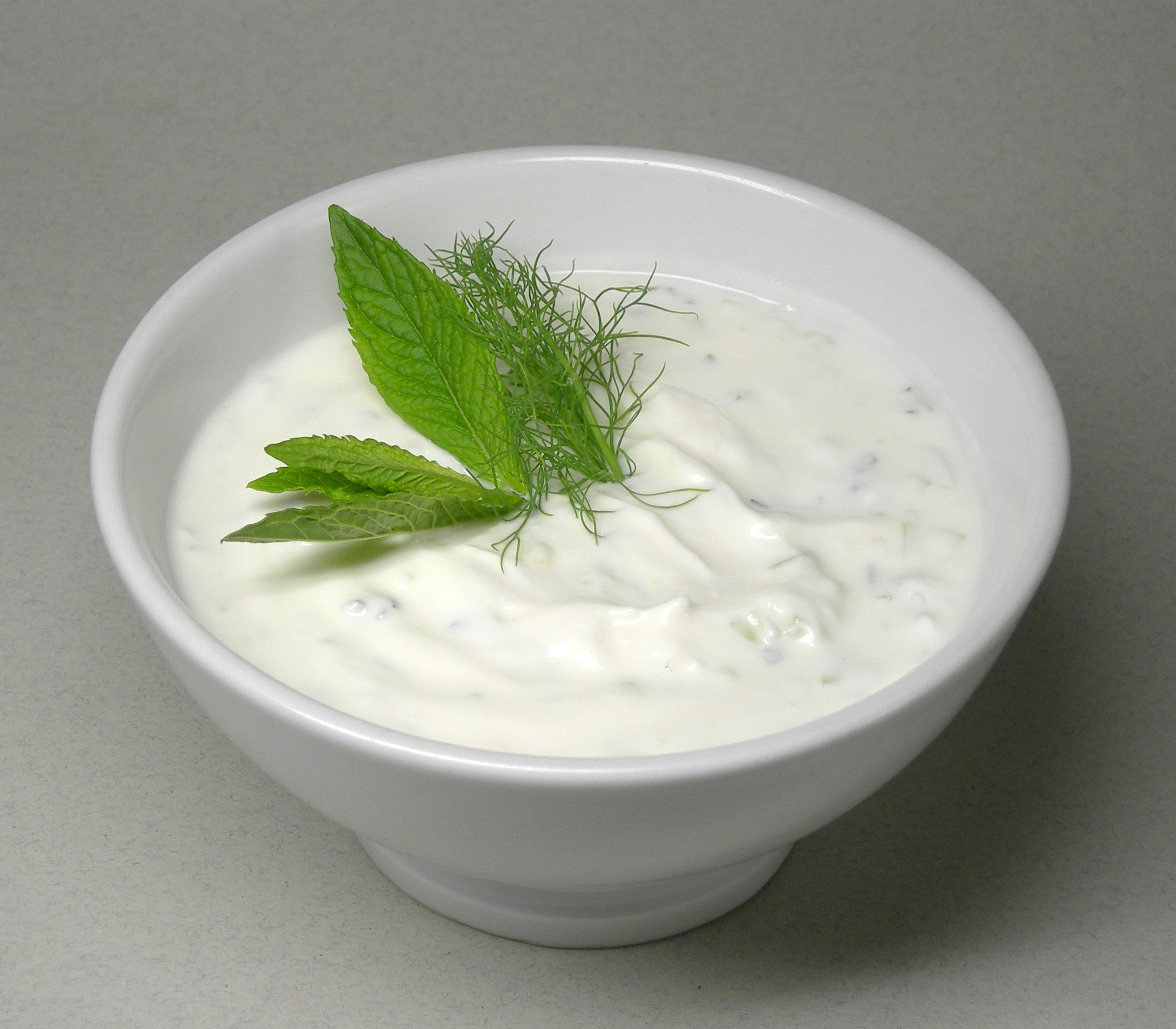
    A cool dollop of creamy tzatziki, speckled with fresh cucumber and fragrant dill, instantly conjures the sun‑kissed terraces of Crete.

    Yiayia Eleni’s tzatziki sauce recipe blends thick Greek yogurt, grated cucumber, garlic, and a drizzle of olive oil, echoing the island’s breezy evenings.

    Taste it, and the coast comes alive.

    How to make this tzatziki sauce recipe

    This Greek tzatziki sauce recipe takes about 15 minutes to prep and 0 minutes to cook. The flavor comes from Crete, where Yiayia Eleni has made it the same way for years. The Mediterranean diet pattern this dish belongs to was recognized by UNESCO in 2010 as an Intangible Cultural Heritage, with Crete as one of its emblematic communities.

    Ingredients for tzatziki sauce recipe

    • 2 cups (480 ml) full-fat Greek yogurt
    • 1 medium cucumber, grated
    • 2 cloves garlic, minced
    • 2 tablespoons extra virgin olive oil
    • 1 tablespoon fresh lemon juice
    • 1 tablespoon chopped fresh dill (or mint)
    • Salt to taste
    • Optional: a pinch of black pepper

    Method, the Crete way

    1. Grate the cucumber and place it in a clean kitchen towel. Squeeze out as much liquid as possible. This step is for a thick tzatziki.
    2. In a medium bowl, combine the strained cucumber with the Greek yogurt, minced garlic, olive oil, lemon juice, and dill. Stir well until smooth and creamy.
    3. Season with salt and optional pepper. Taste and adjust garlic or lemon as needed.
    4. Cover and refrigerate for at least 30 minutes before serving to let the flavors meld. Serve chilled with pita, veggies, or alongside grilled meats.

    Tips from Yiayia Eleni

    The traditional way in Crete is to keep it simple. Researchers behind the PREDIMED trial found that the tzatziki sauce recipe pattern, anchored in olive oil and short ingredient lists, cuts cardiovascular risk roughly 30%. Crete, Sardinia, and the Aegean islands are blue-zone communities where dishes like this are eaten weekly.

    Serving, storage, and what to drink

    Serves 4. Best the day it’s made. Leftovers keep in the fridge for two days. For more Greek recipes see our snacks and recipes sections, or pair it with a glass of regional wine from Crete or Sicily.

    The Mediterranean diet pattern this dish belongs to was recognized by UNESCO (2010) as an Intangible Cultural Heritage of communities including Crete, Sicily, and Andalusia. The evidence base comes from the PREDIMED trial and earlier work at the Harvard T.H. Chan School of Public Health.

    Tools & pantry for this recipe

    A few things that make this easier. These are affiliate links, so we may earn a small commission at no extra cost to you; we only suggest what we’d actually use ourselves. See our editorial policy.
  • Budget Mediterranean Diet Recipe: Hearty Chickpea & Spinach Stew

    Budget Mediterranean Diet Recipe: Hearty Chickpea & Spinach Stew

    Budget Mediterranean Diet Recipe: Hearty Chickpea & Spinach Stew

    This budget Mediterranean diet recipe features chickpeas, spinach, and tomatoes for a healthy, affordable meal. Ready in 30 minutes, it’s perfect for…

    This is a budget mediterranean diet, the kind that sits at the heart of the Crete table. Three euros and a handful of change. That’s what Yiayia Maria spends to feed four people a dinner that fits the pattern of diets keeping Cretan hearts ticking into their ninth decade. Forget the price. The secret is the cinnamon.

    Yiayia Maria pulls from her cupboard a 400-gram can of chickpeas, drained and rinsed. She adds another can of diced tomatoes, one large onion chopped fine, and three cloves of garlic minced into paste. Two tablespoons of extra virgin olive oil, likely from her cousin’s grove, but a supermarket bottle works, sizzles in the pot. This is the economics of the everyday Mediterranean diet, not the one you see with artichoke hearts and saffron. The spinach, added at the end to wilt in the steam, brings a mineral bitterness that balances the warmth to come.

    One teaspoon of ground cumin, one of sweet paprika, and half a teaspoon of ground cinnamon. That last one surprises Americans who think cinnamon belongs in pastries, but in Crete it’s standard savory arsenal. The spices bloom in the hot oil. Then the tomatoes hit, simmering until the oil separates and glistens orange-red, a technique Cretan cooks call waiting for the oil to weep. The chickpeas absorb this sauce, transforming from bland canned starch to something that tastes like it simmered for hours over a wood fire.

    In her village outside Chania, this is simply *φαγητό*, food. The dish represents a tradition that predates the Mediterranean diet’s fame by centuries: legumes as meat, oil as wealth, canned goods accepted without shame when gardens sleep. Researchers studying Crete’s longevity don’t credit single recipes; they credit patterns. This stew fits the pattern, delivering the fatty acid profile and fiber content associated with some of the lowest cardiovascular disease rates ever recorded in population studies. It costs less than a latte but carries the weight of a culinary lineage that stretches back to the Minoans.

    Canned chickpeas offer the accessibility that makes this a weeknight staple, but they come with sodium, roughly 300 milligrams per serving before rinsing. Yiayia Maria drains and rinses hers, which removes about a third, yet the dish remains saltier than one made from dried beans soaked overnight. The trade-off is time versus tradition, a tension familiar to anyone trying to eat like a Cretan while working a double shift.

    This recipe does not demonstrate that canned ingredients match fresh in every nutritional aspect, or that eating this stew alone prevents chronic disease. It does not prove that “authentic” Mediterranean cooking requires specific brands, only that dietary patterns associated with Crete have been linked to longevity in large observational studies. Individual metabolic responses vary; talk to a doctor before changing your diet to address specific health conditions.

    **How much does this actually cost to make?** Depending on your location and whether you buy generic canned goods, the core ingredients, chickpeas, tomatoes, onion, garlic, and spices, typically total under $4 total, or roughly $1 per serving.

    **Can I substitute dried chickpeas for canned?** Absolutely, though the source specifically calls for canned (400g, drained and rinsed) for speed. If using dried, soak and cook about 240g (1¼ cups) dried beans first.

    **Why is there cinnamon in a savory dish?** In Cretan cooking, warm spices like cinnamon frequently appear in savory contexts. It adds depth without heat, pairing especially well with the earthy sweetness of chickpeas and tomatoes.

    **Is this really what they eat in Crete?** The recipe comes from the tradition of Yiayia Maria in Crete, though specific preparations vary by household and season. It reflects the broader Cretan pattern of legume-based stews abundant with olive oil.

    **Can I freeze leftovers?** Yes, though the texture of the spinach softens upon thawing. Freeze the chickpea and tomato base without the greens, then stir in fresh spinach when reheating.

    [1] [Budget Mediterranean Chickpea and Spinach Stew]( )

    How to make this budget mediterranean diet

    This Greek budget mediterranean diet takes about 10 minutes to prep and 20 minutes to cook. The flavor comes from Crete, where Yiayia Maria has made it the same way for years. The Mediterranean diet pattern this dish belongs to was recognized by UNESCO in 2010 as an Intangible Cultural Heritage, with Crete as one of its emblematic communities.

    Ingredients for budget mediterranean chickpea and spinach stew

    • 2 tbsp extra virgin olive oil
    • 1 large onion, finely chopped
    • 3 garlic cloves, minced
    • 1 tsp ground cumin
    • 1 tsp sweet paprika
    • 1/2 tsp ground cinnamon
    • 400g (14 oz) can diced tomatoes
    • 400g (14 oz) can chickpeas, drained and rinsed
    • 200g (7 oz) frozen spinach, thawed and squeezed dry
    • 500ml (2 cups) vegetable broth
    • Salt and black pepper to taste
    • Juice of 1/2 lemon
    • Fresh parsley or dill for garnish (optional)

    Method, the Crete way

    1. Heat olive oil in a large pot over medium heat. Add onion and cook until softened, about 4 minutes. Stir in garlic, cumin, paprika, and cinnamon; cook 1 minute until fragrant.
    2. Add diced tomatoes, chickpeas, spinach, and vegetable broth. Bring to a boil, then reduce heat and simmer uncovered for 15 minutes, stirring occasionally, until flavors meld and stew thickens slightly.
    3. Season with salt and pepper to taste. Stir in lemon juice just before serving. Garnish with fresh herbs if desired. Serve with crusty bread or over rice.

    Tips from Yiayia Maria

    The traditional way in Crete is to keep it simple. Researchers behind the PREDIMED trial found that the budget mediterranean diet pattern, anchored in olive oil and short ingredient lists, cuts cardiovascular risk roughly 30%. Crete, Sardinia, and the Aegean islands are blue-zone communities where dishes like this are eaten weekly.

    Serving, storage, and what to drink

    Serves 4. Best the day it’s made. Leftovers keep in the fridge for two days. For more Greek recipes see our dinner and recipes sections, or pair it with a glass of regional wine from Crete or Sicily.

    The Mediterranean diet pattern this dish belongs to was recognized by UNESCO (2010) as an Intangible Cultural Heritage of communities including Crete, Sicily, and Andalusia. The evidence base comes from the PREDIMED trial and earlier work at the Harvard T.H. Chan School of Public Health.