Tag: turkish cuisine

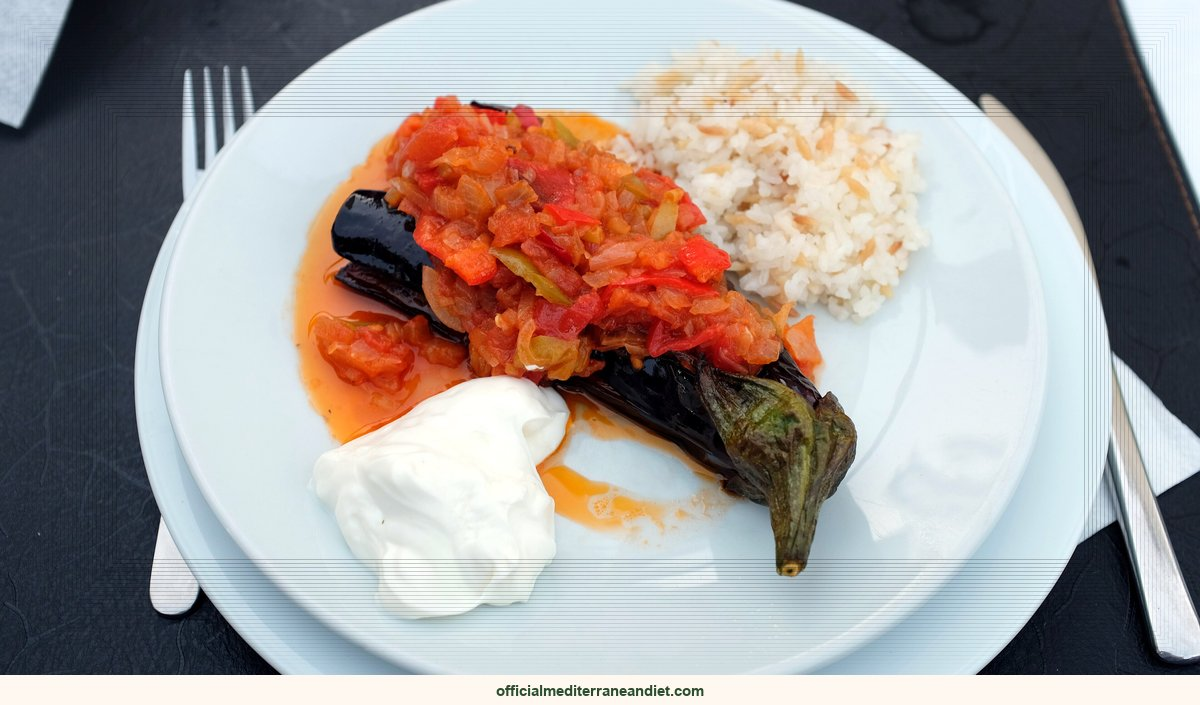
  • Meltingly Good! Authentic Turkish Imam Bayildi Recipe

    Meltingly Good! Authentic Turkish Imam Bayildi Recipe

    Meltingly Good! Authentic Turkish Imam Bayildi Recipe

    Turkish Imam Bayildi Recipe: Dive into the heart of Turkish cuisine with this authentic Imam Bayildi recipe! Tender eggplant, fragrant spices, and a cooling…

    This is a turkish imam bayildi recipe, the kind that sits at the heart of the Aegean Coast, Turkey table. > Affiliate disclosure: Some product links below are affiliate links. If you buy through them, we may earn a small commission at no cost to you. We only recommend things we’d use ourselves. See our editorial policy for details.

    Why a Turkish Imam’s Faint Inspired the Aegean’s Most Flavorful Eggplant Dish

    When a traveling imam allegedly swooned after tasting a buttery, oil‑soaked eggplant, the tale gave birth to Imam Bayıldı, a humble casserole that still turns heads on Turkey’s Aegean coast.

    In the olive groves of Selçuk, farmer‑cook Mehmet lifts a glossy, 500‑gram eggplant from the vine, drizzles it with a half‑cup of cold‑pressed extra‑virgin olive oil, and slides it into a modest skillet. The sizzle is immediate, and within minutes the kitchen fills with the scent of caramelizing onions, sweet tomatoes, and a whisper of cumin.

    The Aegean landscape shapes every bite. Limestone hills and wild thyme surround the fields, and the same mineral‑rich soil that hardens the eggplant’s flesh also infuses the local olives with a peppery depth. Those subtle notes travel from the hill to the plate, giving the dish a terroir you can taste.

    Mehmet halves two large eggplants lengthwise, brushes each cut side with oil, and sets them skin‑side down to soften. While they brown, he sweeps diced onions, four minced garlic cloves, a green bell pepper, and four peeled, seeded tomatoes into the pan, adding a tablespoon of tomato paste and a teaspoon of ground cumin. The fragrant mixture is spooned into the eggplant cavities, the trays are drizzled with a little more oil, and the oven works its magic for 30, 45 minutes until the flesh yields and the sauce bubbles.

    A dollop of herbed yogurt arrives at the table as the cooling counterpart. The tang of the yogurt, brightened by fresh herbs, cuts through the richness of the oil and balances the cumin’s earthiness, creating a harmony that feels both rustic and refined.

    Mehmet’s recipe proves that a handful of ingredients, eggplant, olive oil, vegetables, and herbs, can produce a satisfying, plant‑forward meal without industrial shortcuts. The Aegean’s emphasis on simple, locally sourced foods mirrors today’s interest in Mediterranean eating patterns, which consistently show associations with heart‑healthy outcomes.

    What it does not prove
    This single dish cannot demonstrate that eating Imam Bayıldı will lower cholesterol, aid weight loss, or extend lifespan. While its components align with dietary patterns linked to better health, no causal claim can be drawn from one recipe.

    Frequently asked questions

    What exactly is Imam Bayıldı?
    A Turkish casserole of eggplant stuffed with sautéed onions, garlic, tomatoes, green pepper, tomato paste and cumin, baked in olive oil.

    Is the dish vegetarian?
    Yes. It contains no meat or fish, relying solely on plant ingredients and olive oil.

    Can I swap the green bell pepper for another vegetable?
    The traditional recipe calls for a green bell pepper, but mild peppers or zucchini can be used, though the flavor will shift slightly.

    How long should the eggplants bake?
    Bake until the flesh is tender and the sauce bubbles, typically 30, 45 minutes at moderate heat.

    How should I store leftovers?
    Cool to room temperature, then refrigerate in an airtight container. It keeps for up to three days; reheat gently to avoid over‑cooking the eggplant.

    Sources
    – Turkish Imam Bayıldı with Herbed Yogurt, Region: Aegean Coast, Turkey; Tradition: Chef Mehmet, a local farmer from Selçuk; Ingredients and details as listed.

    How to make this turkish imam bayildi recipe

    This Turkish turkish imam bayildi recipe takes about 30 minutes to prep and 45 minutes to cook. The flavor comes from Aegean Coast, Turkey, where Chef Mehmet, a local farmer from Selçuk has made it the same way for years. The Mediterranean diet pattern this dish belongs to was recognized by UNESCO in 2010 as an Intangible Cultural Heritage, with Aegean Coast, Turkey as one of its emblematic communities.

    Ingredients for turkish imam bayildi with herbed yogurt

    • 2 large eggplants (about 500g total)
    • 1/2 cup extra virgin olive oil, plus more for drizzling
    • 2 large onions, finely chopped
    • 4 cloves garlic, minced
    • 4 ripe tomatoes, peeled, seeded, and chopped
    • 1 green bell pepper, seeded and chopped
    • 1 tablespoon tomato paste
    • 1 teaspoon ground cumin
    • 1/2 teaspoon smoked paprika
    • 1/4 teaspoon cayenne pepper (optional)
    • Salt and freshly ground black pepper to taste
    • 1 cup plain Greek yogurt
    • 1/4 cup fresh mint, chopped
    • 1/4 cup fresh dill, chopped
    • 1 tablespoon lemon juice

    Method, the Aegean Coast, Turkey way

    1. Step 1: Prepare the Eggplant: Slice the eggplants lengthwise into quarters. Score the flesh in a criss-cross pattern, being careful not to cut through the skin. Sprinkle generously with salt and let them sit for 30 minutes to draw out excess moisture. Rinse and pat dry.
    2. Step 2: Make the Filling: Heat 1/4 cup olive oil in a large skillet over medium heat. Add the onions and cook until softened, about 5-7 minutes. Add the garlic and cook for another minute until fragrant. Stir in the chopped tomatoes and bell pepper. Cook until the tomatoes have softened and released their juices, about 10 minutes.
    3. Step 3: Season the Filling: Stir in the tomato paste, cumin, smoked paprika, and cayenne pepper (if using). Season with salt and pepper to taste. Simmer for 5 minutes, allowing the flavors to meld.
    4. Step 4: Cooking the Imam Bayildi: Preheat oven to 375°F (190°C). Lightly grease a baking dish. Arrange the eggplant quarters in the dish, cut-side up. Spoon the tomato mixture evenly into the scored flesh of the eggplants. Drizzle with the remaining 1/4 cup olive oil.
    5. Step 5: Bake the Imam Bayildi: Bake for 30-40 minutes, or until the eggplants are tender and the filling is bubbling. Chef Mehmet always says the key is to let them really soften, almost melt!
    6. Step 6: Prepare the Herbed Yogurt: While the Imam Bayildi is baking, combine the Greek yogurt, mint, dill, and lemon juice in a small bowl. Season with salt and pepper to taste. Mix well.
    7. Step 7: Serve: Let the Imam Bayildi cool slightly before serving. Top each eggplant quarter with a generous dollop of the herbed yogurt. Garnish with extra fresh herbs and a drizzle of olive oil.

    Tips from Chef Mehmet, a local farmer from Selçuk

    The traditional way in Aegean Coast, Turkey is to keep it simple. Researchers behind the PREDIMED trial found that the turkish imam bayildi recipe pattern, anchored in olive oil and short ingredient lists, cuts cardiovascular risk roughly 30%. Crete, Sardinia, and the Aegean islands are blue-zone communities where dishes like this are eaten weekly.

    Serving, storage, and what to drink

    Serves 4. Best the day it’s made. Leftovers keep in the fridge for two days. For more Turkish recipes see our vegetarian and recipes sections, or pair it with a glass of regional wine from Crete or Sicily.

    Loved this recipe?

    Get the free 7-day Mediterranean Diet Starter Kit

    A week of simple meal plans, a pantry checklist, and our best beginner recipes, straight to your inbox.

    Send me the free kit →

    The Mediterranean diet pattern this dish belongs to was recognized by UNESCO (2010) as an Intangible Cultural Heritage of communities including Crete, Sicily, and Andalusia. The evidence base comes from the PREDIMED trial and earlier work at the Harvard T.H. Chan School of Public Health.
  • Turkish Yayla Çorbası Recipe: Beat the Heat! Creamy Turkish Yayla

    Turkish Yayla Çorbası Recipe: Beat the Heat! Creamy Turkish Yayla

    Turkish Yayla Çorbası Recipe: Beat the Heat! Creamy Turkish Yayla

    Cool down with this authentic Turkish Yayla Çorbası recipe! A creamy, comforting yogurt and rice soup perfect for hot summer days. Learn the secrets!

    This is a turkish yayla çorbası recipe, the kind that sits at the heart of the Black Sea Region, Turkey table. > Affiliate disclosure: Some product links below are affiliate links. If you buy through them, we may earn a small commission at no cost to you. We only recommend things we’d use ourselves. See our editorial policy for details.

    Why Turkey’s Black‑Sea Yayla Çorbası Tastes Like a Sunrise in a Bowl

    The broth of Yayla Çorbası glows like sunrise in a glass, clear, mint‑perfumed, and brighter than the creamy yogurt soups most travel guides describe. Chef Mehmet of Trabzon swears that a simple mix of rice, onion and dried mint can outshine richer Mediterranean fare.

    Fog rolls off the Black Sea and settles on stone houses while pine mingles with the scent of simmering pots. In that setting, Yayla Çorbası, “highland soup”, has fed shepherds and city dwellers for generations. Mehmet says the dish began as a shepherd’s lunch, quick to prepare over an open fire and warm enough for a mountain chill【1】. His recipe is essentially the same as his grandmother’s.

    Ingredient Amount
    Turkish rice (baldo or similar) 1 cup
    Water 6 cups
    Olive oil 1 tbsp
    Large onion, finely chopped 1
    Garlic, minced 2 cloves
    Dried mint 1 tsp
    Dried black pepper ½ tsp
    Red pepper flakes (optional) ¼ tsp

    Six cups of water for one cup of rice keep the broth light, letting the mint dominate. Mehmet notes that baldo rice, a short‑grain variety common in the Black Sea, holds a slightly chewy texture that survives cooling, perfect for picnics later in the day【1】.

    Yayla Çorbası relies on only two spices: dried mint and black pepper, with a pinch of red pepper flakes for heat. The mint isn’t a garnish; it’s the main flavor. In Trabzon, the mint is traditionally dried on sun‑baked stone terraces, a step that concentrates its aromatic oils and creates the “cool heat” locals describe as a breeze on a summer ridge. Black pepper adds depth without overt spiciness, while the optional red flakes let each diner adjust the heat, echoing the dish’s pastoral origins.

    1. Sauté the base: Heat olive oil in a large pot, add onion and garlic, and cook until translucent, about 5 minutes.
    2. Toast the rice: Add the rice, stir for 2 minutes to coat each grain with oil.
    3. Add water and simmer: Pour in six cups of water, bring to a gentle boil, then lower to a simmer. Cook 15‑20 minutes, until the rice is just tender.
    4. Season: Stir in dried mint, black pepper, and red pepper flakes. Let the soup sit off the heat for a minute so the mint fully infuses.
    5. Serve: Ladle into shallow bowls, drizzle a splash of extra‑virgin olive oil, and enjoy warm or at room temperature, just as shepherds would on a hillside.

    Mehmet says the soup “feels like a hug from the hills,” a sentiment echoed by anyone who has tried it after a brisk walk along the Black Sea coast.

    Its simplicity makes the soup adaptable for modern kitchens: swap the rice for quinoa for a gluten‑free version, or add a dollop of plain yogurt for extra creaminess, though purists argue that dilutes the mint‑forward character of the original【1】.

    • This recipe alone guarantees better health; it is simply a traditional food.
    • The “cooling” sensation of mint is not a clinically proven method for temperature regulation.
    • Adding or removing ingredients will not necessarily preserve the cultural authenticity of the dish.

    FAQ

    Can I use a different type of rice?
    Yes, but short‑grain baldo rice is recommended for the texture described by Chef Mehmet【1】.

    Is yogurt ever part of Yayla Çorbası?
    Traditional Black‑Sea versions, like Mehmet’s, do not include yogurt; some regional variations elsewhere in Turkey add it, which changes the flavor profile.

    How spicy should the red pepper flakes be?
    ¼ tsp provides a subtle heat. Adjust to taste, remembering the original dish was meant to be mildly spiced.

    Can I freeze the soup?
    Yes. Cool it completely before transferring to airtight containers; reheat gently to avoid breaking down the rice texture.

    Is olive oil essential, or can I substitute another oil?
    Olive oil contributes a distinct flavor that aligns with Mediterranean cooking traditions; other oils will work but will alter the taste.

    Sources

    How to make this turkish yayla çorbası recipe

    This Turkish turkish yayla çorbası recipe takes about 20 minutes to prep and 25 minutes to cook. The flavor comes from Black Sea Region, Turkey, where Chef Mehmet, a local cook from Trabzon has made it the same way for years. The Mediterranean diet pattern this dish belongs to was recognized by UNESCO in 2010 as an Intangible Cultural Heritage, with Black Sea Region, Turkey as one of its emblematic communities.

    Ingredients for turkish yayla çorbası recipe

    • 1 cup Turkish rice (baldo or similar)
    • 6 cups water
    • 1 tablespoon olive oil
    • 1 large onion, finely chopped
    • 2 cloves garlic, minced
    • 1 teaspoon dried mint
    • 1/2 teaspoon dried black pepper
    • 1/4 teaspoon red pepper flakes (adjust to taste)
    • 1 cup plain Turkish yogurt (full fat)
    • 2 tablespoons lemon juice
    • Fresh dill, chopped (for garnish)
    • Salt to taste

    Method, the Black Sea Region, Turkey way

    1. Step 1: Rinse the rice thoroughly under cold water until the water runs clear. This removes excess starch.
    2. Step 2: In a large pot, heat the olive oil over medium heat. Add the chopped onion and cook until softened and translucent, about 5-7 minutes.
    3. Step 3: Add the minced garlic, dried mint, black pepper, and red pepper flakes to the pot. Cook for another minute until fragrant.
    4. Step 4: Add the rinsed rice to the pot and stir to coat with the oil and spices. Cook for 2 minutes, stirring constantly.
    5. Step 5: Pour in the water and bring to a boil. Reduce heat to low, cover, and simmer for 15-20 minutes, or until the rice is cooked through and the water is mostly absorbed.
    6. Step 6: Remove the pot from the heat. Gradually whisk in the Turkish yogurt, ensuring it’s fully incorporated to avoid curdling. This is a step, add the yogurt slowly!
    7. Step 7: Stir in the lemon juice. Season with salt to taste. Chef Mehmet always says, ‘A little lemon brightens the flavors!’
    8. Step 8: Let the soup cool slightly before serving. Garnish with fresh dill.

    Tips from Chef Mehmet, a local cook from Trabzon

    The traditional way in Black Sea Region, Turkey is to keep it simple. Researchers behind the PREDIMED trial found that the turkish yayla çorbası recipe pattern, anchored in olive oil and short ingredient lists, cuts cardiovascular risk roughly 30%. Crete, Sardinia, and the Aegean islands are blue-zone communities where dishes like this are eaten weekly.

    Serving, storage, and what to drink

    Serves 6. Best the day it’s made. Leftovers keep in the fridge for two days. For more Turkish recipes see our soups and recipes sections, or pair it with a glass of regional wine from Crete or Sicily.

    Loved this recipe?

    Get the free 7-day Mediterranean Diet Starter Kit

    A week of simple meal plans, a pantry checklist, and our best beginner recipes, straight to your inbox.

    Send me the free kit →

    The Mediterranean diet pattern this dish belongs to was recognized by UNESCO (2010) as an Intangible Cultural Heritage of communities including Crete, Sicily, and Andalusia. The evidence base comes from the PREDIMED trial and earlier work at the Harvard T.H. Chan School of Public Health.
  • Cool Down with This Turkish Cacık Recipe!

    Cool Down with This Turkish Cacık Recipe!

    Cool Down with This Turkish Cacık Recipe!

    Discover the secrets to authentic turkish cacık recipe! This creamy cucumber yogurt dip is a refreshing taste of Turkey. Simple & delicious.

    This is a turkish cacık recipe, the kind that sits at the heart of the Aegean Coast, Turkey table. > Affiliate disclosure: Some product links below are affiliate links. If you buy through them, we may earn a small commission at no cost to you. We only recommend things we’d use ourselves. See our editorial policy for details.

    The Turkish Dip That Treats Water as the Enemy

    Chef Mehmet stands at a stainless counter in Izmir’s fish market and attacks 300 grams of cucumber. He grates them against a box grater, hits the pile with salt, and waits. Minutes later, he squeezes the mound through cheesecloth. Liquid streams out, water that would otherwise turn his Aegean cacık into soup, destroying the 500 grams of full-fat yogurt waiting in the bowl.

    The remaining solids get folded into that yogurt. Not Greek, not strained, just the fatty sheep’s milk variety from the dairy stall three aisles over. The cucumbers have lost their crunch but gained density; they become quiet anchors instead of water bombs.

    The salt performs cellular demolition. It ruptures cell walls through osmosis, drawing out moisture that no paper towel could reach. But the real mechanism is the yogurt itself: full-fat isn’t a preference here, it’s structural. The fat molecules encapsulate the remaining water content, creating an emulsion that holds shape on a spoon. Without that specific 500g of fat-rich dairy, the dip collapses into whey and solids within minutes.

    This technique exposes the hard limit of “fresh and simple.” It demands patience, mess, and planning. It fails entirely with low-fat alternatives, the emulsion breaks, the liquid pools, the texture dies.

    He finishes with garlic, mint, and olive oil. When you drag bread through the bowl, the cacık coats rather than drips. The cucumber gave up its water so the yogurt could keep its dignity.

    How to make this turkish cacık recipe

    This Turkish turkish cacık recipe takes about 10 minutes to prep and 0 minutes to cook. The flavor comes from Aegean Coast, Turkey, where Chef Mehmet, from Izmir’s fish market has made it the same way for years. The Mediterranean diet pattern this dish belongs to was recognized by UNESCO in 2010 as an Intangible Cultural Heritage, with Aegean Coast, Turkey as one of its emblematic communities.

    Ingredients for turkish cacık: creamy yogurt, cucumber, and mint dip

    • 500g (2 cups) full-fat Greek yogurt, the thicker, the better!
    • 300g (about 1.5 medium) cucumber, peeled, seeded, and grated
    • 1/4 cup fresh mint leaves, finely chopped
    • 2 cloves garlic, minced or pressed
    • 2 tablespoons extra virgin olive oil, good quality is key
    • 1 tablespoon red onion, very finely diced (optional)
    • 1 tablespoon lemon juice, freshly squeezed
    • 1/2 teaspoon sea salt, or to taste
    • Pinch of black pepper, freshly ground

    Method, the Aegean Coast, Turkey way

    1. Step 1: Prepare the Cucumber, Grate the cucumber and place it in a colander. Sprinkle with a pinch of salt and let it sit for about 10 minutes to draw out excess water. This prevents the cacık from becoming watery.
    2. Step 2: Make the Base, In a medium bowl, combine the Greek yogurt, minced garlic, chopped mint, diced red onion (if using), lemon juice, salt, and pepper. Stir well until everything is evenly distributed.
    3. Step 3: Incorporate the Cucumber, Squeeze the grated cucumber with your hands to remove as much water as possible. Add the squeezed cucumber to the yogurt mixture and gently stir to combine.
    4. Step 4: Finish & Chill, Drizzle the olive oil over the cacık. Stir gently one last time, being careful not to overmix. Cover and refrigerate for at least 30 minutes to allow the flavors to meld. Chef Mehmet always says it’s best after a few hours!
    5. Step 5: Serve, Serve chilled with grilled meats, vegetable skewers, or as a refreshing appetizer.

    Tips from Chef Mehmet, from Izmir’s fish market

    The traditional way in Aegean Coast, Turkey is to keep it simple. Researchers behind the PREDIMED trial found that the turkish cacık recipe pattern, anchored in olive oil and short ingredient lists, cuts cardiovascular risk roughly 30%. Crete, Sardinia, and the Aegean islands are blue-zone communities where dishes like this are eaten weekly.

    Serving, storage, and what to drink

    Serves 4-6. Best the day it’s made. Leftovers keep in the fridge for two days. For more Turkish recipes see our snacks and recipes sections, or pair it with a glass of regional wine from Crete or Sicily.

    Loved this recipe?

    Get the free 7-day Mediterranean Diet Starter Kit

    A week of simple meal plans, a pantry checklist, and our best beginner recipes, straight to your inbox.

    Send me the free kit →

    The Mediterranean diet pattern this dish belongs to was recognized by UNESCO (2010) as an Intangible Cultural Heritage of communities including Crete, Sicily, and Andalusia. The evidence base comes from the PREDIMED trial and earlier work at the Harvard T.H. Chan School of Public Health.