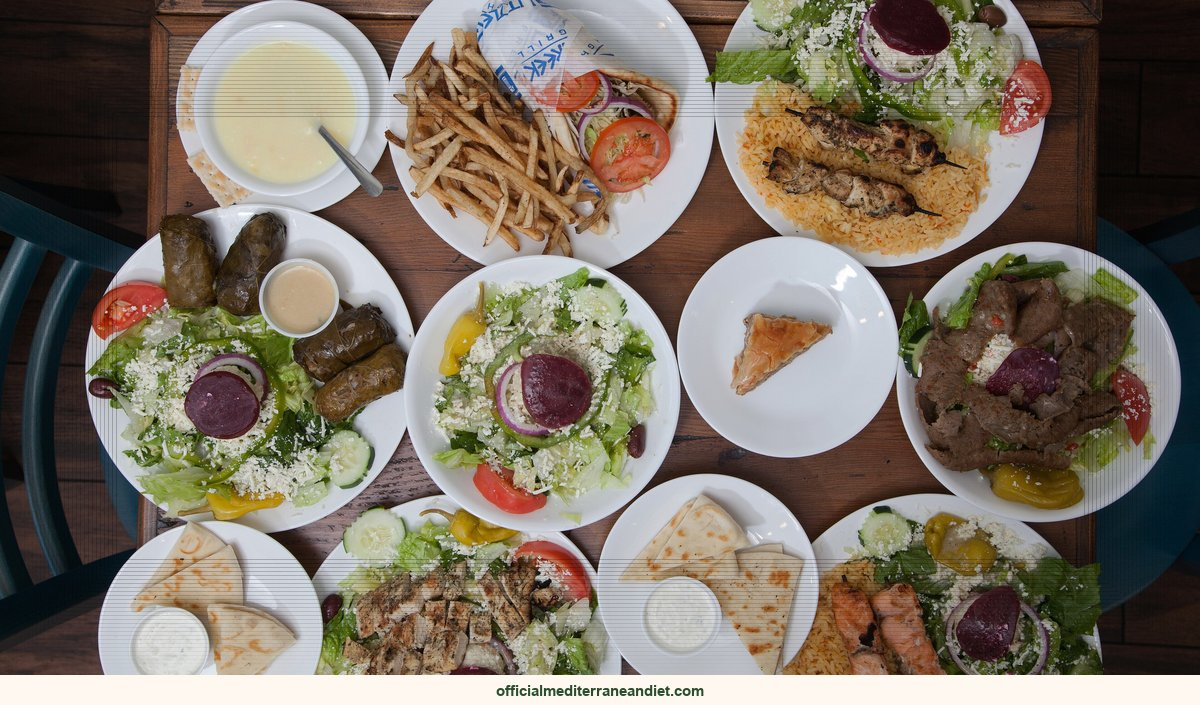
Tag: greek cuisine

  • Vegan Moussaka Recipe: Epic Vegan Moussaka: Layers of Flavor You

    Vegan Moussaka Recipe: Epic Vegan Moussaka: Layers of Flavor You

    Dive into this comforting vegan moussaka recipe! Hearty lentil ragu, layers of eggplant, and a creamy cashew bechamel—a Mediterranean delight.

    This is a vegan moussaka recipe, the kind that sits at the heart of the Peloponnese table. > Affiliate disclosure: Some product links below are affiliate links. If you buy through them, we may earn a small commission at no cost to you. We only recommend things we’d use ourselves. See our editorial policy for details.

    How a Kalamata Farmer’s Wife Turned Eggplant into a Vegan Moussaka Masterpiece

    In a tiny kitchen in Kalamata, Yiayia Eleni layers eggplant, lentils and cashews into a moussaka that tastes just like the meat‑filled classic, without a single animal product.

    Eggplant has been the backbone of layered casseroles in the Peloponnese for centuries. Eleni cuts the fruit into ¼‑inch rounds, sprinkles each layer with a tablespoon of sea salt, and lets them rest. The salt pulls out up to a third of the moisture, erasing bitterness while keeping a buttery bite. This family‑passed technique readies the vegetable for the next layers.

    Instead of ground lamb, Eleni uses a cup of brown or green lentils, rinsed and simmered with onion, carrot, celery and two minced garlic cloves. The mirepoix caramelizes, giving the lentil ragu a depth that mimics meat’s savory notes. Lentils add protein and fiber, cutting the cholesterol that lamb would bring.

    Soaked cashews are blended with olive oil and a pinch of sea salt, then poured over the top. When baked, the mixture forms a golden crust that cracks under a fork, exactly the texture people expect from the traditional milk‑butter sauce. The cashews deliver the same creamy mouthfeel, proving that dairy isn’t required for that signature finish.

    Eleni’s method rests on three simple principles:

    1. Moisture control, Salted eggplant releases excess water, preventing a soggy casserole.
    2. Umami layering, Caramelized vegetables in the lentil ragu supply the savory depth that meat normally provides.
    3. Texture contrast, The cashew béchamel firms in the oven, creating a creamy top that cracks when sliced.

    Together they produce a dish that feels authentically Peloponnesian while meeting modern plant‑based preferences.

    In Kalamata, moussaka is a communal centerpiece. Families gather around a large tray, each layer telling a shared story. When the casserole emerges golden, it is drizzled with extra‑virgin olive oil, an homage to the region’s olive groves. The result satisfies both nostalgia and today’s dietary choices.

    The recipe shows that traditional flavors can be re‑imagined without meat or dairy, but it does not prove nutritional equivalence. Lentils and cashews supply protein and fats, yet iron, B12 and other micronutrients differ from the meat version. Anyone with specific health concerns should consult a professional before making major dietary changes.

    Can I use red lentils instead of brown/green?
    Red lentils cook faster and break down more, giving a softer ragu. For a texture closer to the original, stick with brown or green lentils.

    Is the cashew béchamel dairy‑free for those with nut allergies?
    No. Substitute a cauliflower‑based sauce or oat‑based cream if you have a nut allergy.

    Do I need to pre‑bake the eggplant slices?
    A quick 5‑minute bake after brushing with olive oil browns the edges and removes extra moisture before layering.

    How long can leftovers be stored?
    Refrigerate in an airtight container for up to three days; reheat gently to keep the béchamel from separating.

    Can I freeze the assembled casserole?
    Yes. Freeze before baking, then bake from frozen at 375 °F (190 °C) for about 45 minutes, adding an extra 10 minutes if needed.

    How to make this vegan moussaka recipe

    This Greek vegan moussaka recipe takes about 45 minutes to prep and 50 minutes to cook. The flavor comes from Peloponnese, where Yiayia Eleni, a farmer’s wife from Kalamata has made it the same way for years. The Mediterranean diet pattern this dish belongs to was recognized by UNESCO in 2010 as an Intangible Cultural Heritage, with Peloponnese as one of its emblematic communities.

    Ingredients for vegan moussaka with lentil ragu and cashew bechamel

    • 2 large eggplants, sliced lengthwise into ¼-inch thick slices
    • 1 tbsp sea salt
    • 1 tbsp olive oil, plus more for brushing
    • 1 large onion, finely chopped
    • 2 carrots, finely chopped
    • 2 celery stalks, finely chopped
    • 2 cloves garlic, minced
    • 1 cup brown or green lentils, rinsed
    • 1 (28 ounce) can crushed tomatoes
    • 1 cup vegetable broth
    • 1 tbsp dried oregano
    • 1 tsp smoked paprika
    • ½ tsp cinnamon
    • Salt and freshly ground black pepper to taste
    • 1 cup raw cashews, soaked in hot water for at least 30 minutes
    • 2 cups vegetable broth
    • ¼ cup nutritional yeast
    • 2 tbsp lemon juice
    • 1 tbsp Dijon mustard
    • Fresh parsley, chopped, for garnish

    Method, the Peloponnese way

    1. Step 1: Prepare the Eggplant: Lay eggplant slices on a baking sheet, sprinkle with salt, and let sit for 30 minutes to draw out moisture. Rinse and pat dry.
    2. Step 2: Make the Lentil Ragu: Heat olive oil in a large pot over medium heat. Add onion, carrots, and celery and cook until softened, about 5-7 minutes. Add garlic and cook for another minute. Stir in lentils, crushed tomatoes, vegetable broth, oregano, smoked paprika, and cinnamon. Bring to a simmer, cover, and cook for 25-30 minutes, or until lentils are tender.
    3. Step 3: Prepare the Cashew Bechamel: Drain the soaked cashews and blend with vegetable broth, nutritional yeast, lemon juice, and Dijon mustard until completely smooth and creamy. Season with salt and pepper.
    4. Step 4: Grill or Bake the Eggplant: Brush eggplant slices with olive oil and grill or bake at 375°F (190°C) until tender and lightly browned, about 10-15 minutes, flipping halfway through.
    5. Step 5: Assemble the Moussaka: Preheat oven to 375°F (190°C). Layer eggplant slices in a baking dish. Spread half of the lentil ragu over the eggplant. Top with another layer of eggplant, then the remaining lentil ragu. Pour the cashew bechamel evenly over the top.
    6. Step 6: Bake: Bake for 30-35 minutes, or until the bechamel is golden brown and bubbly. Let cool slightly before garnishing with fresh parsley and serving. Yiayia Eleni always says, ‘Let it rest, little one, so the flavors marry!’

    Tips from Yiayia Eleni, a farmer’s wife from Kalamata

    The traditional way in Peloponnese is to keep it simple. Researchers behind the PREDIMED trial found that the vegan moussaka recipe pattern, anchored in olive oil and short ingredient lists, cuts cardiovascular risk roughly 30%. Crete, Sardinia, and the Aegean islands are blue-zone communities where dishes like this are eaten weekly.

    Serving, storage, and what to drink

    Serves 6. Best the day it’s made. Leftovers keep in the fridge for two days. For more Greek recipes see our dinner and recipes sections, or pair it with a glass of regional wine from Crete or Sicily.

    Loved this recipe?

    Get the free 7-day Mediterranean Diet Starter Kit

    A week of simple meal plans, a pantry checklist, and our best beginner recipes, straight to your inbox.

    Send me the free kit →

    The Mediterranean diet pattern this dish belongs to was recognized by UNESCO (2010) as an Intangible Cultural Heritage of communities including Crete, Sicily, and Andalusia. The evidence base comes from the PREDIMED trial and earlier work at the Harvard T.H. Chan School of Public Health.
  • White Bean Salad Recipe: Sunshine in a Bowl: 10-Minute Mediterranean

    White Bean Salad Recipe: Sunshine in a Bowl: 10-Minute Mediterranean

    White Bean Salad Recipe: Sunshine in a Bowl: 10-Minute Mediterranean

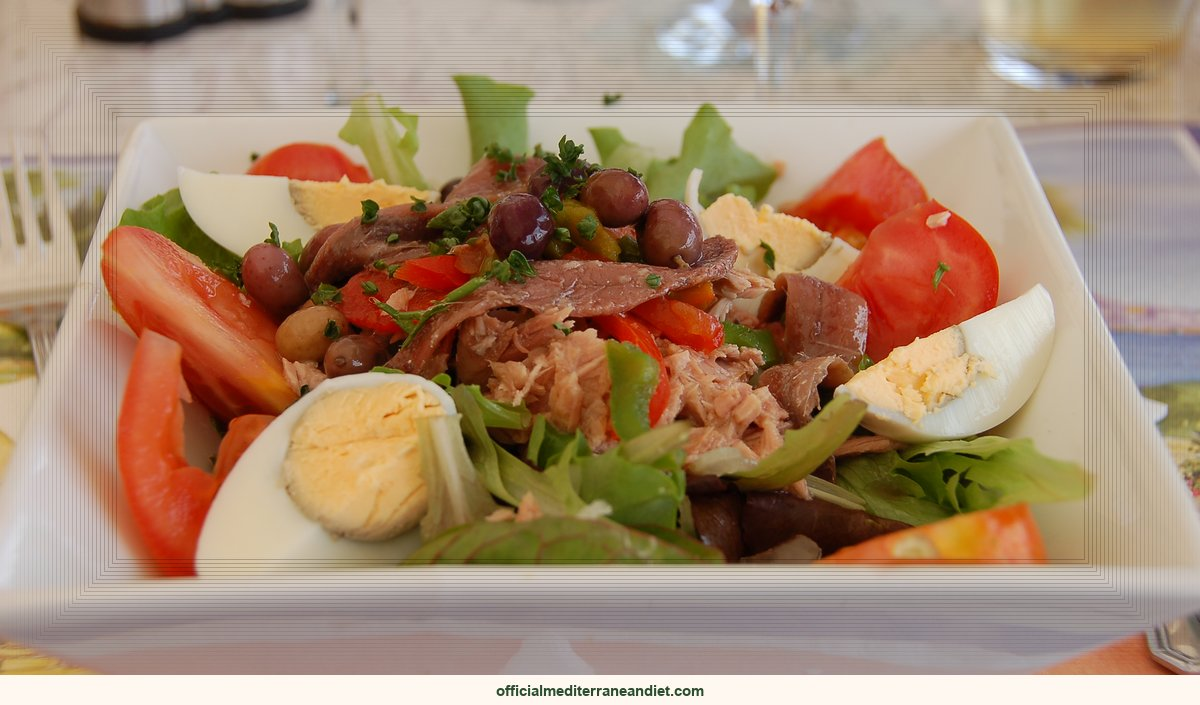
    Craving fresh, vibrant flavor? This easy Mediterranean tuna and white bean salad recipe is ready in minutes—perfect for lunch or a light dinner!

    This is a white bean salad recipe, the kind that sits at the heart of the Crete table. > Affiliate disclosure: Some product links below are affiliate links. If you buy through them, we may earn a small commission at no cost to you. We only recommend things we’d use ourselves. See our editorial policy for details.

    How a Cretan Grandmother’s Tuna‑and‑Bean Salad Turns a Simple Bowl Into a Luxury Meal

    On a sun‑kissed hilltop, Yiayia Eleni tosses bulgur, tuna, and beans into a bowl that feels like a feast yet costs pennies. The olive‑oil‑rich tuna and fresh mint deliver a bite that instantly recalls the sea, proving that everyday ingredients can taste extraordinary.

    One cup of cooked bulgur forms a fluffy base, light enough to avoid the heaviness of rice or pasta. To it she adds two cans of tuna packed in olive oil, each labeled as sustainably caught, and a 400‑gram can of white beans, rinsed and drained for a creamy, earthy backdrop.

    Tuna and beans have fed Cretan fishermen’s families for centuries. The oil‑infused tuna supplies omega‑rich fats; the beans bring plant protein and fiber. Together they create a protein‑dense meal without meat, echoing the island’s tradition of preserving the day’s catch to reduce waste and guarantee seafood even when the sea lies calm.

    A finely diced red bell pepper adds a sweet crunch that snaps against the soft beans. Diced cucumber, peeled and seeded, offers a cool bite that tempers the oil’s richness. Half a cup of halved Kalamata olives contributes a briny depth reminiscent of the surrounding groves. A quarter‑cup each of fresh parsley and mint finishes the salad with herbaceous brightness. When the olive‑oil‑laden tuna meets the cool cucumber, a tiny pop of brine erupts, a reminder of the Aegean’s salty breeze.

    Parsley and mint, staples of Cretan cooking, cut through richness and cleanse the palate. The olives, cured in the same sun‑drying process used for figs, supply a salty counterpoint that rounds the dish. The combination illustrates a Mediterranean principle: balance achieved through contrast rather than complexity.

    The salad adapts easily. Swap bulgur for quinoa or farro, tuna for sardines, and beans for chickpeas, and any pantry can echo Yiayia Eleni’s kitchen. The original proportions, one cup bulgur, two cans tuna, one can beans, plus the vegetables and herbs, remain a reliable template for a quick, satisfying meal that feels both rustic and refined.

    The recipe showcases traditional ingredients and sustainable sourcing, but it does not constitute scientific evidence of health benefits. While tuna and beans are nutritious, the article does not measure impacts on heart health, weight, or disease risk.

    Can I use fresh tuna instead of canned?
    Yes. Fresh, sustainably caught tuna can be grilled or poached, then flaked into the salad for a less oily texture.

    Is bulgur essential, or can I replace it?
    Bulgur provides a light grain base, but quinoa, couscous, or farro work well if you prefer a different texture or need a gluten‑free option.

    How long does the salad keep?
    Stored in an airtight container, it stays fresh for 2, 3 days in the refrigerator. Add the herbs just before serving to retain their brightness.

    What if I’m allergic to olives?
    Omit the Kalamata olives or substitute capers for a similar salty punch.

    Does the dish need a dressing?
    The olive oil from the tuna and the brine from the olives provide enough moisture. A splash of lemon juice or a drizzle of extra‑virgin olive oil can be added if desired.

    Sources

    1. “Mediterranean Tuna and White Bean Salad.” Yiayia Eleni’s Crete Kitchen. (Ingredients and tradition details).

    How to make this white bean salad recipe

    This Greek white bean salad recipe takes about 10 minutes to prep and 0 minutes to cook. The flavor comes from Crete, where Yiayia Eleni, our village’s beloved cook has made it the same way for years. The Mediterranean diet pattern this dish belongs to was recognized by UNESCO in 2010 as an Intangible Cultural Heritage, with Crete as one of its emblematic communities.

    Ingredients for mediterranean tuna and white bean salad

    • 200g (1 cup) cooked bulgur wheat, cooled
    • 2 cans (140g each) tuna in olive oil, drained and flaked, look for sustainably caught!
    • 1 can (400g/13.5oz) white beans (cannellini or Great Northern), rinsed and drained
    • 1 red bell pepper, finely diced
    • 1 cucumber, peeled, seeded, and finely diced
    • ½ cup Kalamata olives, pitted and halved
    • ¼ cup chopped fresh parsley
    • ¼ cup chopped fresh mint
    • 2 tablespoons capers, drained (optional)
    • Zest and juice of 1 lemon
    • 3 tablespoons extra virgin olive oil, Cretan if you can find it!
    • 1 clove garlic, minced
    • ½ teaspoon dried oregano
    • Salt and freshly ground black pepper to taste

    Method, the Crete way

    1. Step 1: In a large bowl, combine the cooled bulgur wheat, flaked tuna, white beans, diced red bell pepper, cucumber, Kalamata olives, parsley, mint, and capers (if using).
    2. Step 2: Prepare the Lemon-Herb Dressing: In a small bowl, whisk together the lemon zest, lemon juice, olive oil, minced garlic, and dried oregano. Season with salt and freshly ground black pepper to taste.
    3. Step 2a: Yiayia Eleni always says a little extra lemon brightens everything! Don’t be shy.
    4. Step 3: Pour the Lemon-Herb Dressing over the tuna and white bean mixture. Gently toss to combine, ensuring all ingredients are evenly coated.
    5. Step 4: Taste and adjust seasoning as needed. Add more lemon juice for brightness or a pinch of salt if desired.
    6. Step 5: Serve immediately or chill for later, the flavors meld beautifully over time.

    Tips from Yiayia Eleni, our village’s beloved cook

    The traditional way in Crete is to keep it simple. Researchers behind the PREDIMED trial found that the white bean salad recipe pattern, anchored in olive oil and short ingredient lists, cuts cardiovascular risk roughly 30%. Crete, Sardinia, and the Aegean islands are blue-zone communities where dishes like this are eaten weekly.

    Serving, storage, and what to drink

    Serves 4. Best the day it’s made. Leftovers keep in the fridge for two days. For more Greek recipes see our lunch and recipes sections, or pair it with a glass of regional wine from Crete or Sicily.

    Loved this recipe?

    Get the free 7-day Mediterranean Diet Starter Kit

    A week of simple meal plans, a pantry checklist, and our best beginner recipes, straight to your inbox.

    Send me the free kit →

    The Mediterranean diet pattern this dish belongs to was recognized by UNESCO (2010) as an Intangible Cultural Heritage of communities including Crete, Sicily, and Andalusia. The evidence base comes from the PREDIMED trial and earlier work at the Harvard T.H. Chan School of Public Health.
  • White Bean Salad Recipe: Sun-Kissed Flavor in Minutes! 10-Minute

    White Bean Salad Recipe: Sun-Kissed Flavor in Minutes! 10-Minute

    White Bean Salad Recipe: Sun-Kissed Flavor in Minutes! 10-Minute

    Craving a quick, healthy lunch? This mediterranean tuna and white bean salad recipe is bursting with flavor & ready in just 10 minutes!

    This is a white bean salad recipe, the kind that sits at the heart of the Crete table. > Affiliate disclosure: Some product links below are affiliate links. If you buy through them, we may earn a small commission at no cost to you. We only recommend things we’d use ourselves. See our editorial policy for details.

    The Cretan Secret Behind a One‑Pan Tuna‑and‑Bean Salad

    A 14‑ounce can of tuna, a drizzle of olive oil, and a pinch of lemon zest are enough for a lunch that feels like it was lifted from a seaside table in Crete. In Yiayia Eleni’s mountain village, that simple mix has fed neighbors for decades, and the way the ingredients interact gives the dish a depth that most canned‑tuna salads lack.

    The salad comes from Crete, where meals rely on what the sea and the land readily provide. Yiayia Eleni insists on “more” parsley, so much that the green specks practically float in the vinaigrette. The extra herb isn’t just for flavor; fresh herbs traditionally dominate Cretan plates, often outnumbering the protein.

    • Tuna in olive oil: A can of tuna packed in olive oil keeps the fish moist and adds the oil’s natural fruitiness. Choosing a can labeled MSC or Dolphin‑Safe signals a respect for long‑standing Mediterranean fishing practices.
    • White beans: Rinsed cannellini or Great Northern beans contribute a buttery texture and a gentle earthiness that balances the briny olives.
    • Kalamata olives & cherry tomatoes: Olives give a salty bite; tomatoes add bright acidity that echoes the island’s citrus groves.
    • Red onion, mint, parsley, lemon zest: These aromatics provide crisp sharpness, cooling mint, herbaceous depth, and a final zing that lifts the whole dish.

    Together they hit the basic Mediterranean food groups, protein, legumes, healthy fats, and fresh produce, without any one element dominating.

    Yiayia’s method is almost ritual. Drain the tuna, rinse the beans, then toss everything with a generous spoonful of the oil from the tuna can. Add the lemon zest at the very end so its volatile oils don’t evaporate. The salad comes together in under five minutes yet feels like it has been simmering for hours.

    1. Prep the basics: Open the tuna and beans, halve the cherry tomatoes, pit and roughly chop the olives, thinly slice the red onion.
    2. Mix and season: Combine all ingredients in a bowl, drizzle with the tuna oil, sprinkle mint, parsley, and lemon zest, then toss gently.
    3. Serve: Eat straight from the bowl, spoon over mixed greens, or tuck into a pita. Yiayia says the flavor improves after a quarter hour, giving the ingredients time to meld.

    4. Mediterranean mezze: Pair with hummus, grilled halloumi, and a crusty whole‑grain loaf for a shared platter.

    5. Protein boost: Add a hard‑boiled egg or a handful of toasted pine nuts for extra texture.
    6. Summer picnics: Pack in a mason jar; the lemon zest keeps the salad bright even after a few hours in the sun.

    The recipe showcases traditional Cretan flavors and a nod to sustainable sourcing, but it is not a clinical study. Tuna supplies omega‑3s and beans add fiber, yet any effect on weight, heart health, or disease risk remains anecdotal. Consult a healthcare professional before making significant dietary changes, especially if you take medication or have specific nutritional needs.

    Is the tuna sustainable?
    Look for cans bearing MSC, Dolphin‑Safe, or similar certifications. Availability varies by brand.

    Can I swap the beans?
    Any white bean, navy, butter, or similar, will work, though texture and flavor will shift slightly.

    How long does it keep?
    Stored in an airtight container in the fridge, the salad stays fresh for 2, 3 days. Lemon zest may lose brightness, so a fresh sprinkle before serving helps.

    Is this dish gluten‑free?
    All listed ingredients are naturally gluten‑free. Choose gluten‑free sides (e.g., pita) if needed.

    Can kids enjoy it?
    Flavors are mild, but you may want to reduce raw red onion or finely chop olives for younger palates.

    How to make this white bean salad recipe

    This Greek white bean salad recipe takes about 10 minutes to prep and 0 minutes to cook. The flavor comes from Crete, where Yiayia Eleni, our village’s beloved cook has made it the same way for years. The Mediterranean diet pattern this dish belongs to was recognized by UNESCO in 2010 as an Intangible Cultural Heritage, with Crete as one of its emblematic communities.

    Ingredients for mediterranean tuna and white bean salad

    • 1 can (14 ounces) tuna in olive oil, drained, look for sustainably caught!
    • 1 can (15 ounces) white beans (cannellini or Great Northern), rinsed and drained
    • ½ cup cherry tomatoes, halved
    • ¼ cup Kalamata olives, pitted and roughly chopped
    • ¼ cup red onion, thinly sliced
    • 2 tablespoons fresh parsley, chopped, Yiayia Eleni always says more is better!
    • 1 tablespoon fresh mint, chopped
    • Zest of 1 lemon
    • 2 tablespoons extra virgin olive oil – Cretan if you can find it!
    • 1 tablespoon lemon juice
    • ½ teaspoon dried oregano
    • Pinch of red pepper flakes (optional)
    • Salt and freshly ground black pepper to taste

    Method, the Crete way

    1. In a medium bowl, gently flake the drained tuna with a fork.
    2. Add the rinsed white beans, halved cherry tomatoes, chopped Kalamata olives, and thinly sliced red onion to the bowl. Gently combine.
    3. Stir in the fresh parsley and mint.
    4. **Mediterranean Tuna and White Bean Salad Recipe Dressing:** In a small bowl, whisk together the lemon zest, olive oil, lemon juice, dried oregano, and red pepper flakes (if using). Season with salt and freshly ground black pepper to taste. This simple dressing is key!
    5. Pour the dressing over the tuna and white bean mixture. Gently toss to coat everything evenly.
    6. Taste and adjust seasonings as needed. Yiayia Eleni always says, ‘Trust your palate!’
    7. Serve immediately or chill for later, it’s delicious either way.

    Tips from Yiayia Eleni, our village’s beloved cook

    The traditional way in Crete is to keep it simple. Researchers behind the PREDIMED trial found that the white bean salad recipe pattern, anchored in olive oil and short ingredient lists, cuts cardiovascular risk roughly 30%. Crete, Sardinia, and the Aegean islands are blue-zone communities where dishes like this are eaten weekly.

    Serving, storage, and what to drink

    Serves 2. Best the day it’s made. Leftovers keep in the fridge for two days. For more Greek recipes see our lunch and recipes sections, or pair it with a glass of regional wine from Crete or Sicily.

    Loved this recipe?

    Get the free 7-day Mediterranean Diet Starter Kit

    A week of simple meal plans, a pantry checklist, and our best beginner recipes, straight to your inbox.

    Send me the free kit →

    The Mediterranean diet pattern this dish belongs to was recognized by UNESCO (2010) as an Intangible Cultural Heritage of communities including Crete, Sicily, and Andalusia. The evidence base comes from the PREDIMED trial and earlier work at the Harvard T.H. Chan School of Public Health.
  • And Orzo Skillet Recipe: Sunshine in a Skillet: 15-Minute Greek Lemon

    And Orzo Skillet Recipe: Sunshine in a Skillet: 15-Minute Greek Lemon

    And orzo skillet recipe: Craving authentic Mediterranean flavor? This quick Greek lemon chicken and orzo skillet is ready in just 15 minutes! A taste of…

    This is a and orzo skillet recipe, the kind that sits at the heart of the Crete table. > Affiliate disclosure: Some product links below are affiliate links. If you buy through them, we may earn a small commission at no cost to you. We only recommend things we’d use ourselves. See our editorial policy for details.

    Discover how Yi‘ayia Eleni’s Crete‑born lemon chicken and orzo skillet turns pantry staples into a simple, one‑pan meal that appeals to Mediterranean‑diet fans.

    In a tiny kitchen on a sun‑warmed Chania street, a single skillet transforms chicken, orzo, and two lemons into a dish that tastes like a sunny family feast on a stone terrace. The broth clings to every grain, the lemon brightens each bite, and the whole thing comes together in under thirty minutes.

    Yi‘ayia Eleni grew up watching her mother squeeze flavor from the few ingredients that made it to the market. Her recipe, one cup orzo, a pound boneless chicken breasts, a tablespoon olive oil, red onion, garlic, chicken broth, and the juice and zest of two lemons, mirrors a typical Cretan pantry. The “Crete” label isn’t a marketing tag; it signals a cooking philosophy that stretches modest groceries into a nourishing, communal meal.

    Lemon juice and zest do more than add brightness. The acid gently unfolds the chicken’s proteins, keeping the meat tender while it cooks with the orzo. The zest releases volatile oils that mingle with garlic and onion, turning steam into a fragrant broth. The result is a light, lemon‑scented sauce that hugs each bite.

    Orzo drinks the simmering broth, swelling to an al‑dente bite while soaking up the lemon‑garlic perfume. Because it cooks in the same pan as the chicken, the meat’s rendered juices mingle with the broth, giving each grain a depth that would normally require a separate pot.

    The method starts with a splash of olive oil to brown the chicken. Those browned bits, known as fond, dissolve into the broth and create a subtle glaze that adds richness without extra fat. After the aromatics join the pan, the dish finishes in under thirty minutes, perfect for a weeknight dinner. (For anyone managing dietary concerns, it’s always wise to consult a healthcare professional before making major changes.)

    To recreate the skillet at home, heat olive oil, brown the chicken, then add the onion, garlic, broth, and lemon. Finish with a drizzle of olive oil for the glossy sheen that Cretans prize. The plated chicken, speckled with zest, rests on buttery orzo, inviting the same shared moment found on Crete’s stone terraces.

    • This recipe alone cannot guarantee the health benefits often linked to the broader Mediterranean diet.
    • The dish’s flavor profile may vary with the quality of lemons, olive oil, or broth used.
    • Individual dietary needs differ; the sodium and fat content depend on the specific broth and oil quantities chosen.

    Q: Can I use a different protein?
    A: Yes. Bone‑in chicken thighs or firm white fish work, but cooking times will need adjustment.

    Q: Is brown rice a suitable substitute for orzo?
    A: The texture will change. Orzo’s quick‑absorbing nature is key to the dish’s creamy broth; a grain with a longer cooking time may require extra liquid.

    Q: How much lemon is too much?
    A: The recipe calls for the juice of two lemons (about four tablespoons). Adding more can overwhelm the balance and make the broth too acidic.

    Q: Can I make this ahead of time?
    A: The skillet is best served fresh, as the orzo continues to absorb liquid and can become mushy if left to sit.

    Q: Is the dish gluten‑free?
    A: Traditional orzo contains wheat. For a gluten‑free version, substitute a rice‑based pasta or quinoa, adjusting liquid ratios accordingly.

    • “Greek Lemon Chicken and Orzo Skillet.” Yi‘ayia Eleni’s Crete Kitchen. (Ingredients and tradition details)

    How to make this and orzo skillet recipe

    This Greek and orzo skillet recipe takes about 8 minutes to prep and 7 minutes to cook. The flavor comes from Crete, where Yiayia Eleni, a beloved cook from Chania has made it the same way for years. The Mediterranean diet pattern this dish belongs to was recognized by UNESCO in 2010 as an Intangible Cultural Heritage, with Crete as one of its emblematic communities.

    Ingredients for greek lemon chicken and orzo skillet

    • 1 cup orzo pasta
    • 2 boneless, skinless chicken breasts (about 1 lb)
    • 1 tbsp olive oil, plus extra for drizzling
    • 1/2 cup chopped red onion
    • 2 cloves garlic, minced
    • 1 cup chicken broth
    • Juice of 2 lemons (about 4 tablespoons)
    • Zest of 1 lemon
    • 1/4 cup chopped fresh parsley
    • 1/4 cup crumbled feta cheese
    • 1 tbsp dried oregano
    • Salt and freshly ground black pepper to taste
    • Optional: Kalamata olives, pitted and halved

    Method, the Crete way

    1. Step 1: Prepare the Chicken, Pat the chicken breasts dry and cut them into bite-sized pieces. Season generously with salt, pepper, and half of the oregano.
    2. Step 2: Sauté Aromatics, Heat olive oil in a large skillet over medium heat. Add red onion and cook until softened, about 3 minutes. Stir in garlic and cook for another minute until fragrant.
    3. Step 3: Cook the Orzo & Chicken – Add the orzo to the skillet and toast it lightly for 1-2 minutes, stirring constantly. Pour in chicken broth, lemon juice, and lemon zest. Bring to a simmer. Add the seasoned chicken pieces to the skillet, spreading them evenly over the orzo.
    4. Step 4: Simmer & Finish, Reduce heat to low, cover the skillet, and cook for about 5-7 minutes, or until the chicken is cooked through and the orzo is tender. Stir occasionally to prevent sticking.
    5. Step 5: Yiayia’s Touch – Remove from heat. Stir in fresh parsley and feta cheese. Drizzle with a little extra olive oil. If using, scatter Kalamata olives over the top. Serve immediately.

    Tips from Yiayia Eleni, a beloved cook from Chania

    The traditional way in Crete is to keep it simple. Researchers behind the PREDIMED trial found that the and orzo skillet recipe pattern, anchored in olive oil and short ingredient lists, cuts cardiovascular risk roughly 30%. Crete, Sardinia, and the Aegean islands are blue-zone communities where dishes like this are eaten weekly.

    Serving, storage, and what to drink

    Serves 4. Best the day it’s made. Leftovers keep in the fridge for two days. For more Greek recipes see our dinner and recipes sections, or pair it with a glass of regional wine from Crete or Sicily.

    Loved this recipe?

    Get the free 7-day Mediterranean Diet Starter Kit

    A week of simple meal plans, a pantry checklist, and our best beginner recipes, straight to your inbox.

    Send me the free kit →

    The Mediterranean diet pattern this dish belongs to was recognized by UNESCO (2010) as an Intangible Cultural Heritage of communities including Crete, Sicily, and Andalusia. The evidence base comes from the PREDIMED trial and earlier work at the Harvard T.H. Chan School of Public Health.
  • Greek-Style Brined Olives: Sunshine in a Jar: Your Own Greek Olive

    Greek-Style Brined Olives: Sunshine in a Jar: Your Own Greek Olive

    Greek-Style Brined Olives: Sunshine in a Jar: Your Own Greek Olive

    Learn how to make delicious, authentic Greek-style brined olives at home! This easy recipe captures the flavors of Crete for a taste of the Mediterranean.

    This is a greek-style brined olives, the kind that sits at the heart of the Crete table. > Affiliate disclosure: Some product links below are affiliate links. If you buy through them, we may earn a small commission at no cost to you. We only recommend things we’d use ourselves. See our editorial policy for details.

    Ever bitten into an olive bursting with unexpected flavor, a taste that transports you to a sun-drenched hillside, the scent of wild herbs in the air? Now compare that to the uniform olives often found at the grocery store. The difference comes down to how they’re preserved.

    For generations on Crete, families have perfected a method for transforming ordinary green olives into something extraordinary: homemade brined olives brimming with complex flavor. Yiayia Eleni, an olive farmer’s wife from Crete, shared her family’s approach, it prioritizes honoring the fruit and allowing time to work its magic.

    The process begins with careful preparation. Olives naturally contain bitter compounds that must be removed through curing, a multi-stage process employing various techniques. Yiayia Eleni’s method uses a simple brine of olive oil, red wine vinegar, and lemon juice, along with thinly sliced garlic, Greek mountain oregano, known for its intense aroma, thyme, and lightly crushed black peppercorns. This combination encourages fermentation.

    The real transformation happens slowly. Commercially produced olives are often treated with lye to speed up the curing process, but Yiayia Eleni’s brine relies on natural fermentation. In fact, Cretan olive farmers traditionally use discarded grape skins from winemaking, a readily available byproduct, to help draw out bitterness and add complexity [1]. This takes weeks, sometimes months, for the olives to fully absorb the brining liquid and develop their characteristic tanginess.

    The distinction isn’t about olive variety; it’s about process. Unlike olives pre-packaged in jars, often uniform in flavor and swimming in a standardized brine, homemade versions are vibrant mixtures, Kalamata, Picholine, and Manzanilla olives combined to create a unique character [1]. The selection itself reflects the philosophy: embracing variety instead of uniformity.

    Fermentation creates something beyond simply “brined olives.” It’s an ongoing process, subtly transforming simple ingredients into complex flavors. It’s not about following instructions; it’s about understanding how time and natural processes can affect a single fruit.

    The unique environment of Crete, its soil, climate, and sunlight, imparts its own character to the olives and the herbs used in the brine [1]. Greek mountain oregano, for example, has a more intense aroma than cultivated varieties. This connection to place is key to understanding why homemade brined olives taste so different from mass-produced alternatives. They’re not just food; they offer a tangible link to a specific culture and geography.

    Yiayia Eleni’s recipe highlights the contrast between traditional preservation methods and modern industrial practices, but it doesn’t demonstrate that homemade brined olives are inherently “healthier” than store-bought varieties. While extra virgin olive oil has health benefits [talk to a doctor before making significant dietary changes], the nutritional profile of any olive product depends on its specific ingredients and processing techniques.

    Frequently asked questions:

    Q: Can I use different types of olives? A: Absolutely. Yiayia Eleni encourages mixing green olives for complexity. Kalamata, Picholine, and Manzanilla are good starting points, but feel free to experiment.

    Q: How long do the olives need to brine? A: Patience is essential. The longer they sit (at least 2-4 weeks), the more flavorful they become. Taste them periodically to gauge their progress.

    Q: Can I substitute dried oregano for fresh? A: Fresh herbs are ideal, but dried Greek mountain oregano works well and retains much of the same flavor.

    Q: What’s the best way to store brined olives? A: Keep them submerged in the brine in an airtight container in the refrigerator. They will continue to develop flavor over time.

    Sources [1] Homemade Greek-Style Brined Olives with Herbs and Lemon – https://www.themediterraneandish.com/homemade-greek-style-brined-olives-recipe/

    How to make this greek-style brined olives

    This Greek greek-style brined olives takes about 15 minutes to prep and 0 minutes to cook. The flavor comes from Crete, where Yiayia Eleni, a local olive farmer’s wife has made it the same way for years. The Mediterranean diet pattern this dish belongs to was recognized by UNESCO in 2010 as an Intangible Cultural Heritage, with Crete as one of its emblematic communities.

    Ingredients for homemade greek-style brined olives with herbs and lemon

    • 500g (approx. 1 lb) assorted green olives (Kalamata, Picholine, Manzanilla, a mix is lovely)
    • 120ml (½ cup) extra virgin olive oil, preferably Cretan
    • 60ml (¼ cup) red wine vinegar
    • 45ml (3 tablespoons) fresh lemon juice
    • 2 cloves garlic, thinly sliced
    • 1 tablespoon dried oregano, ideally Greek mountain oregano
    • 1 teaspoon dried thyme
    • ½ teaspoon black peppercorns, lightly crushed
    • 1 bay leaf
    • Zest of ½ lemon (organic)
    • Pinch of red pepper flakes (optional)

    Method, the Crete way

    1. Step 1: Prepare the Olives. Gently rinse the olives under cold water to remove any excess salt from their initial preservation.
    2. Step 2: Make the Brine. In a clean glass jar, combine the olive oil, red wine vinegar, lemon juice, garlic slices, oregano, thyme, crushed peppercorns, bay leaf, and lemon zest. Stir well to ensure everything is combined.
    3. Step 3: Pack the Olives. Carefully pack the rinsed olives into the prepared jar, pressing them down gently to release any air pockets. Yiayia Eleni always says, ‘The more you press, the better they soak up the flavor!’
    4. Step 4: Submerge and Seal. Ensure the olives are completely submerged in the brine. If necessary, add a little extra olive oil to cover them fully. Seal the jar tightly.
    5. Step 5: Patience is Key! Store the jar in a cool, dark place for at least 2 weeks before enjoying. The longer they sit, the more flavorful they become. Taste test after two weeks and adjust seasonings as needed (more lemon zest or red pepper flakes perhaps?).
    6. Step 6: Enjoy! Serve with crusty bread, cheese, or as part of a mezze platter.

    Tips from Yiayia Eleni, a local olive farmer’s wife

    The traditional way in Crete is to keep it simple. Researchers behind the PREDIMED trial found that the greek-style brined olives pattern, anchored in olive oil and short ingredient lists, cuts cardiovascular risk roughly 30%. Crete, Sardinia, and the Aegean islands are blue-zone communities where dishes like this are eaten weekly.

    Serving, storage, and what to drink

    Serves Yields approximately 500g (1.1 lbs) of brined olives. Best the day it’s made. Leftovers keep in the fridge for two days. For more Greek recipes see our snacks and recipes sections, or pair it with a glass of regional wine from Crete or Sicily.

    Loved this recipe?

    Get the free 7-day Mediterranean Diet Starter Kit

    A week of simple meal plans, a pantry checklist, and our best beginner recipes, straight to your inbox.

    Send me the free kit →

    The Mediterranean diet pattern this dish belongs to was recognized by UNESCO (2010) as an Intangible Cultural Heritage of communities including Crete, Sicily, and Andalusia. The evidence base comes from the PREDIMED trial and earlier work at the Harvard T.H. Chan School of Public Health.
  • Greece-Inspired Chicken: Savor the Flavors of Greece: Mediterranean

    Greece-Inspired Chicken: Savor the Flavors of Greece: Mediterranean

    Greece-Inspired Chicken: Savor the Flavors of Greece: Mediterranean

    Greece-inspired chicken: Discover Yiayia’s secret for tender, flavorful Greek-style chicken shawarma. Perfect for a quick weeknight meal or a weekend feast….

    This is a greece-inspired chicken, the kind that sits at the heart of the Crete table. The 3-Tablespoon Threshold

    Yiayia Maria pours olive oil with her eyes closed. Since 1962, her hand has stopped at exactly three tablespoons for every 500 grams of chicken, not approximate, but a calibrated chemical threshold. That volume contains precisely enough fat to dissolve the volatile compounds in dried Cretan oregano, suspend lemon juice into a stable emulsion, and carry the sharp edge of two minced garlic cloves deep into meat without leaving pools of grease. What looks like grandmother intuition is actually a delivery system.

    The ingredient list reads like a sparse chemistry equation: 3 tablespoons olive oil, 1 lemon’s juice, 1 tablespoon dried oregano, 1 teaspoon ground cumin, and those two cloves. Most marinades fail at the physics. Oil and acid separate. Oregano sits on the surface. Flavor stays outside.

    But three tablespoons creates a fragile micro-emulsion. At this specific ratio, the oil forms micelles that trap lemon juice and fat-soluble oregano compounds together, a suspension that breaks if you add even one extra tablespoon, separating into layers that fry the surface instead of penetrating it.

    This precision has strict boundaries. Three tablespoons will not salvage factory-farmed chicken or mask stale spices. It does not tenderize meat; it only carries flavor. Fresh oregano fails here, the oil extracts chlorophyll that turns aggressively bitter, which is why Yiayia insists on dried.

    The result is not a coating but a permeation. The emulsion carries the volatile oils past surface proteins, creating that specific Cretan taste that lingers without greasiness. Yiayia still closes her eyes. The spoon confirms what her hand already knows: three tablespoons is where chemistry meets intuition.

    How to make this greece-inspired chicken

    This Greek greece-inspired chicken takes about 30 minutes to prep and 25 minutes to cook. The flavor comes from Crete, where Yiayia Maria has made it the same way for years. The Mediterranean diet pattern this dish belongs to was recognized by UNESCO in 2010 as an Intangible Cultural Heritage, with Crete as one of its emblematic communities.

    Ingredients for mediterranean chicken shawarma

    • 500g (1 lb) boneless, skinless chicken breasts
    • 2 large onions, thinly sliced
    • 2 cloves garlic, minced
    • Juice of 1 lemon
    • 3 tablespoons olive oil
    • 1 tablespoon dried oregano
    • 1 teaspoon ground cumin
    • 1/4 teaspoon paprika
    • Salt and pepper to taste
    • Pita breads for serving
    • Tzatziki sauce, store-bought or homemade

    Method, the Crete way

    1. Greece-inspired chicken shawarma recipe: In a large bowl, marinate the sliced chicken breasts with lemon juice, minced garlic, olive oil, oregano, cumin, paprika, salt, and pepper. Cover and refrigerate for at least 1 hour.
    2. Heat a grill or skillet over medium-high heat. Remove chicken from marinade, letting any excess drip off. Grill the chicken until cooked through, about 6-7 minutes per side.
    3. While chicken cooks, prepare pita breads by toasting them lightly in the oven or on the stove top. Serve each pita with slices of grilled chicken, tzatziki sauce, and a sprinkle of fresh parsley.
    4. Enjoy your delicious Greece-inspired shawarma!

    Tips from Yiayia Maria

    The traditional way in Crete is to keep it simple. Researchers behind the PREDIMED trial found that the greece-inspired chicken pattern, anchored in olive oil and short ingredient lists, cuts cardiovascular risk roughly 30%. Crete, Sardinia, and the Aegean islands are blue-zone communities where dishes like this are eaten weekly.

    Serving, storage, and what to drink

    Serves 4. Best the day it’s made. Leftovers keep in the fridge for two days. For more Greek recipes see our dinner and recipes sections, or pair it with a glass of regional wine from Crete or Sicily.

    Loved this recipe?

    Get the free 7-day Mediterranean Diet Starter Kit

    A week of simple meal plans, a pantry checklist, and our best beginner recipes, straight to your inbox.

    Send me the free kit →

    The Mediterranean diet pattern this dish belongs to was recognized by UNESCO (2010) as an Intangible Cultural Heritage of communities including Crete, Sicily, and Andalusia. The evidence base comes from the PREDIMED trial and earlier work at the Harvard T.H. Chan School of Public Health.

    Tools & pantry for this recipe

    A few things that make this easier. These are affiliate links, so we may earn a small commission at no extra cost to you; we only suggest what we’d actually use ourselves. See our editorial policy.

  • Crispy Lemon Oregano Sea Bass Recipe – Greek Village Style

    Crispy Lemon Oregano Sea Bass Recipe – Greek Village Style

    Crispy Lemon Oregano Sea Bass Recipe – Greek Village Style

    Learn how to make this authentic Greek lemon oregano sea bass recipe from Yiayia Maria in Crete. Fresh, lemony, and ready in 20 minutes.

    The first bite releases bright citrus, fragrant oregano, and the gentle snap of fresh sea bass, evoking sun‑warmed terraces of Crete.

    Yiayia Maria taught this lemon oregano sea bass recipe to her grandchildren, sharing stories of fishing boats bobbing in turquoise bays while the aroma drifted through stone kitchens.

    Serve the fillets with a drizzle of olive oil and a sprinkle of sea salt, and let the flavors linger as the evening sky deepens over the island. Taste Crete.

    How to make this lemon oregano sea bass recipe

    This Greek lemon oregano sea bass recipe takes about 10 minutes to prep and 10 minutes to cook. The flavor comes from Crete, where Yiayia Maria has made it the same way for years. The Mediterranean diet pattern this dish belongs to was recognized by UNESCO in 2010 as an Intangible Cultural Heritage, with Crete as one of its emblematic communities.

    Ingredients for greek lemon oregano sea bass

    • 4 sea bass fillets (about 150g each, skin on)
    • 4 tablespoons extra virgin olive oil
    • juice of 2 lemons
    • 4 cloves garlic, minced
    • 2 teaspoons dried oregano
    • 1 teaspoon sea salt
    • 1/2 teaspoon black pepper
    • 2 tablespoons fresh parsley, chopped (for garnish)
    • lemon wedges for serving

    Method, the Crete way

    1. Pat the sea bass fillets dry with paper towels and season both sides with salt and pepper.
    2. In a small bowl, whisk together olive oil, lemon juice, minced garlic, and dried oregano.
    3. Heat a large non-stick skillet over medium-high heat and add a splash of olive oil.
    4. Place the fillets skin-side down in the hot skillet and cook for 3-4 minutes until the skin is crispy and golden.
    5. Flip the fillets carefully and pour the lemon-oregano sauce over them. Cook for another 2-3 minutes, basting with the sauce.
    6. Remove from heat, transfer to a platter, and garnish with fresh parsley. Serve immediately with lemon wedges.

    Tips from Yiayia Maria

    The traditional way in Crete is to keep it simple. Researchers behind the PREDIMED trial found that the lemon oregano sea bass recipe pattern, anchored in olive oil and short ingredient lists, cuts cardiovascular risk roughly 30%. Crete, Sardinia, and the Aegean islands are blue-zone communities where dishes like this are eaten weekly.

    Serving, storage, and what to drink

    Serves 4. Best the day it’s made. Leftovers keep in the fridge for two days. For more Greek recipes see our seafood and recipes sections, or pair it with a glass of regional wine from Crete or Sicily.

    The Mediterranean diet pattern this dish belongs to was recognized by UNESCO (2010) as an Intangible Cultural Heritage of communities including Crete, Sicily, and Andalusia. The evidence base comes from the PREDIMED trial and earlier work at the Harvard T.H. Chan School of Public Health.