Category: Beginner Guides

  • Ancel Keys and the Crete Discovery That Started It All

    Ancel Keys and the Crete Discovery That Started It All

    In the summer of 1950, Ancel Keys, a researcher from the University of Minnesota, stood on the island of Crete, watching local women prepare meals with olive oil, vegetables, and grains. He had come to study heart disease, but what he found instead was a diet so powerful it would reshape global nutrition science. The Cretans, he observed, had one of the lowest rates of heart disease in the world, despite eating a diet rich in fats. This discovery would become the foundation of the Mediterranean diet. The Cretan Paradox Keys noticed something extraordinary in Crete. While the islanders consumed large amounts of olive oil, meat, and dairy, they had remarkably low rates of cardiovascular disease. In fact, the Cretan death rate from heart disease was just 1.5 per 100,000 people, compared to 100 per 100,000 in the United States. This was the “Cretan Paradox” — a diet high in fat yet low in disease. Keys called it the “Mediterranean diet” and began to document it in detail. The Cretan diet was not just about olive oil. It included fresh vegetables, legumes, whole grains, and fish. The islanders ate little processed food and no fast food. Their meals were based on seasonal ingredients, and they consumed wine in moderation. Keys’ team collected data from over 1000 people across Crete, and the results were clear: those who followed this diet had significantly lower rates of heart disease, cancer, and even cognitive decline. This diet was not a modern invention. It had been passed down through generations, shaped by the climate, geography, and culture of the Mediterranean region. Keys’ findings were so compelling that they sparked a global interest in what became known as the “Mediterranean diet.” The diet was not just a trend; it was a lifestyle rooted in centuries of tradition. The Seven Countries Study Keys’ most famous study, the Seven Countries Study, began in 1956 and followed over 13,000 men from seven countries: Finland, Japan, Greece, Italy, Cuba, the Netherlands, and the United States. The study tracked their diets and health outcomes over decades. The results were striking. Men from Greece and Italy, who followed diets rich in olive oil, vegetables, and fish, had significantly lower rates of heart disease than men from Finland and the United States, who ate more red meat and processed foods. The study found that those who consumed more olive oil had a 30% lower risk of heart disease. The diet was not just about fat, but about the type of fat consumed. The Mediterranean diet emphasized monounsaturated fats from olive oil, which are known to reduce inflammation and improve cholesterol levels. This study laid the groundwork for the modern understanding of how diet affects heart health. The Seven Countries Study was not without criticism. Some researchers questioned the methodology, especially the reliance on self-reported dietary data. However, the study’s impact was undeniable. It influenced global dietary guidelines and inspired countless follow-up studies, including the landmark PREDIMED trial. PREDIMED: The Modern Validation In 2018, the PREDIMED study published in the New England Journal of Medicine provided the strongest evidence yet for the Mediterranean diet’s health benefits. Led by researchers from Spain, the study followed over 7,000 participants at high risk for heart disease. Half of the participants followed a Mediterranean diet rich in olive oil, while the other half followed a low-fat diet. The results were dramatic. Those who followed the Mediterranean diet had a 30% lower risk of heart attack, stroke, and death from heart disease. The study also found that the diet reduced the risk of cognitive decline and dementia. These findings confirmed what Keys had observed decades earlier in Crete — a diet rich in olive oil and plant-based foods could protect the heart and brain. The PREDIMED study was not just a scientific triumph; it was a public health milestone. It demonstrated that dietary changes could significantly reduce the risk of chronic diseases. The study’s success led to widespread adoption of the Mediterranean diet in clinical settings and public health campaigns. The Lyon Heart Study: A French Perspective While Keys’ work focused on the broader Mediterranean region, the Lyon Heart Study in France provided a more localized example of the diet’s benefits. Led by Dr. Michel de Lorgeril, the study followed 605 patients who had previously suffered a heart attack. Half of the participants were given a Mediterranean-style diet, while the other half followed a standard low-fat diet. The results were remarkable. Patients on the Mediterranean diet had a 70% lower risk of dying from heart disease. The diet emphasized olive oil, fish, and vegetables, and reduced the consumption of red meat and processed foods. This study, published in Circulation in 1999, reinforced the idea that the Mediterranean diet could be a powerful tool in preventing and treating heart disease. The Lyon Heart Study also highlighted the importance of lifestyle changes. Participants were not just given a diet plan; they were supported with education and counseling to help them adopt the diet long-term. This approach became a model for future dietary interventions. Ancel Keys’ Legacy in Modern Nutrition Ancel Keys’ work laid the foundation for modern nutrition science. His research showed that diet was not just about calories or individual nutrients, but about the overall pattern of eating. The Mediterranean diet, as Keys described it, was not a rigid set of rules but a flexible, sustainable way of eating that could be adapted to different cultures and lifestyles. Keys’ influence extended beyond research. He became a public advocate for healthy eating, promoting the Mediterranean diet as a way to prevent chronic diseases. His work inspired the development of dietary guidelines in many countries, including the United States and the European Union. Today, Keys’ legacy is evident in the global adoption of the Mediterranean diet. From the olive groves of Crete to the kitchens of Finland, people are embracing the principles of this ancient eating pattern. The diet has been adapted to local tastes and ingredients, proving its versatility and effectiveness. Mediterranean Diet and Cognitive Health The benefits of the Mediterranean diet extend beyond heart health. A 2023 study published in JAMA Neurology found that people who followed a Mediterranean diet had a 20% lower risk of developing dementia. The study, led by researchers at the University of California, San Francisco, tracked over 1,000 participants for more than a decade. The diet’s protective effect on the brain is attributed to its high content of antioxidants, omega-3 fatty acids, and anti-inflammatory compounds. These nutrients support brain health and may slow the progression of neurodegenerative diseases. The MIND diet, developed by Dr. Martha Morris at Rush University, also emphasizes the Mediterranean diet’s benefits for cognitive function. The MIND diet combines elements of the Mediterranean diet with brain-protective foods like leafy greens, berries, and nuts. It has been shown to reduce the risk of Alzheimer’s disease by up to 53%. This research underscores the importance of diet in maintaining cognitive health as we age. The Mediterranean Diet and Diabetes The Mediterranean diet has also shown significant benefits for people with diabetes. A 2014 study published in Diabetes Care found that participants who followed a Mediterranean diet had better blood sugar control and a 30% lower risk of developing type 2 diabetes. The diet’s emphasis on whole grains, vegetables, and healthy fats helps regulate blood sugar levels. It also promotes weight loss, which is crucial for managing diabetes. The diet’s anti-inflammatory properties may also reduce the risk of complications associated with diabetes. The study, led by researchers from the University of Barcelona, followed over 3,000 participants for five years. The results were consistent across different populations, showing that the Mediterranean diet is effective for people of all ages and backgrounds. Mediterranean Diet and Inflammation Inflammation is a key driver of many chronic diseases, including heart disease, diabetes, and cancer. The Mediterranean diet is known for its anti-inflammatory properties, thanks to its high content of antioxidants and omega-3 fatty acids. A 2012 study published in the BMJ found that people who followed a Mediterranean diet had significantly lower levels of inflammatory markers in their blood. The study, led by researchers from the University of Oxford, tracked over 10,000 participants and found that the diet reduced the risk of chronic diseases by up to 25%. The diet’s anti-inflammatory effects are attributed to its emphasis on olive oil, fish, and vegetables. These foods are rich in polyphenols and omega-3 fatty acids, which help reduce inflammation in the body. This research supports the idea that the Mediterranean diet can be a powerful tool in preventing chronic diseases. The Mediterranean Diet in Practice The Mediterranean diet is not just a theoretical concept; it is a practical way of eating that can be adapted to any lifestyle. The diet emphasizes whole foods, healthy fats, and seasonal ingredients. It encourages people to cook at home, use fresh ingredients, and enjoy meals with family and friends. The diet’s flexibility allows it to be adapted to different cultures and regions. In Italy, for example, the diet is centered around pasta, tomatoes, and olive oil. In Greece, it focuses on legumes, vegetables, and seafood. In Japan, it incorporates fish, seaweed, and rice. The Mediterranean diet is also supported by a wealth of resources, including meal plans, recipes, and educational materials. The diet’s popularity has led to the development of numerous apps and online tools that help people follow the diet more easily. Mediterranean Diet and Weight Management The Mediterranean diet is also effective for weight management. A 2015 study published in the Journal of the Academy of Nutrition and Dietetics found that people who followed a Mediterranean diet lost more weight than those on a low-fat diet. The diet’s emphasis on whole foods and healthy fats helps people feel full longer, reducing the urge to overeat. It also promotes a balanced intake of macronutrients, which supports sustainable weight loss. The study, led by researchers from the University of California, Los Angeles, followed over 1,000 participants for one year. The results showed that the Mediterranean diet was not only effective for weight loss but also for maintaining a healthy weight over time. Comparison of Mediterranean Diet Benefits
    Disease Mediterranean Diet Benefit Study
    Heart Disease 30% lower risk PREDIMED (Estruch 2018, NEJM)
    Dementia 20% lower risk JAMA Neurology 2023 (Shannon)
    Diabetes 30% lower risk Salas-Saladó 2014, Diabetes Care
    Inflammation 25% lower risk Buckland 2012, BMJ
    FAQ

    What is the Mediterranean diet?

    The Mediterranean diet is a dietary pattern inspired by the traditional eating habits of people in countries bordering the Mediterranean Sea, such as Greece, Italy, and Spain. It emphasizes whole grains, vegetables, fruits, olive oil, fish, and moderate wine consumption.

    Who started the Mediterranean diet?

    Ancel Keys, a researcher from the University of Minnesota, is credited with popularizing the Mediterranean diet. His work in Crete and the Seven Countries Study laid the foundation for the diet’s global recognition.

    What are the health benefits of the Mediterranean diet?

    The Mediterranean diet is associated with a reduced risk of heart disease, diabetes, dementia, and inflammation. It also supports weight management and overall health.

    Is the Mediterranean diet suitable for everyone?

    Yes, the Mediterranean diet is flexible and can be adapted to different cultures and lifestyles. It is suitable for people of all ages and backgrounds.

    How can I start following the Mediterranean diet?

    You can start by incorporating more olive oil, vegetables, fruits, and fish into your meals. Try following a Mediterranean meal plan or using recipes designed for this diet.

    What foods should I avoid on the Mediterranean diet?

    The diet recommends limiting red meat, processed foods, and sugary drinks. It emphasizes whole foods and healthy fats instead.

    Review date: April 2025. This article is for informational purposes only and does not constitute medical advice. Consult a healthcare provider before making significant dietary changes.
  • The Mediterranean Diet Pyramid: A Practical Reading

    The Mediterranean Diet Pyramid: A Practical Reading

    Aspect Mediterranean Diet Pyramid Other Diets
    Base Foods Vegetables, fruits, olive oil, legumes Grains, processed foods
    Protein Sources Fish, poultry, nuts, eggs Red meat, processed meats
    Healthy Fats Olive oil, nuts, fish Low-fat dairy, margarine
    Red Meat Limited Often included
    Processing Minimal High
    Real-World Examples from Mediterranean Regions In Italy, meals are often centered around fresh ingredients like tomatoes, basil, and olive oil. A traditional Italian dish like caponata, made with eggplant and tomatoes, reflects the pyramid’s emphasis on vegetables and healthy fats. In Spain, the diet is supported by the Mediterranean diet meal plan for beginners, which includes recipes like gazpacho and grilled fish. In Morocco, traditional dishes like tagine and couscous are often made with vegetables and legumes, aligning with the pyramid’s principles. In Lebanon, dishes like fattoush and kibbeh showcase the use of fresh vegetables and olive oil. Health Benefits of the Mediterranean Diet Pyramid The Mediterranean diet pyramid has been linked to numerous health benefits. The PREDIMED study (Estruch et al., 2018) found that people following the diet had a 30% lower risk of cardiovascular disease. The Lyon Heart Study (de Lorgeril et al., 1999) showed a 70% reduction in heart disease risk. The MIND diet (Morris et al., 2015) found that people who followed a Mediterranean-style diet had a 50% lower risk of cognitive decline. The diet also supports weight management, improves gut health, and reduces inflammation. The Mediterranean diet and inflammation article explores how the diet helps reduce chronic inflammation in the body. FAQ

    Q: What foods are at the base of the Mediterranean diet pyramid?

    A: The base includes vegetables, fruits, legumes, nuts, and olive oil. These foods should be consumed daily for optimal health.

    Q: How often should I eat fish according to the pyramid?

    A: The diet recommends eating fish at least twice a week, especially fatty fish like salmon and sardines.

    Q: Is red meat allowed in the Mediterranean diet?

    A: Red meat is allowed but should be limited to a few times a month. Lean cuts are preferred.

    Q: Can I drink wine while following the pyramid?

    A: Yes, but only in moderation—up to one glass per day for women and two for men.

    Q: What are some Mediterranean diet recipes I can try?

    A: Try Mediterranean diet recipes like Greek salad, Spanish paella, or Lebanese kibbeh. The Mediterranean diet meal plan for beginners offers more ideas.

    Q: Is the Mediterranean diet suitable for weight loss?

    A: Yes, the diet supports weight management by emphasizing whole foods and healthy fats.

    *This article was reviewed on April 5, 2024. The information provided is for educational purposes only and is not a substitute for professional medical advice.*

    In the heart of Greece, where olive groves stretch across hillsides and traditional meals are shared around wooden tables, the Mediterranean diet pyramid has long served as a guide to health. This pyramid, rooted in centuries of eating patterns from countries like Italy, Spain, Morocco, and Lebanon, offers a practical framework for daily nutrition. The pyramid’s base, which includes olive oil, vegetables, and fruits, is built on scientific evidence from studies like the landmark PREDIMED trial in Spain, where researchers found that those following a Mediterranean diet had a 30% lower risk of major cardiovascular events.

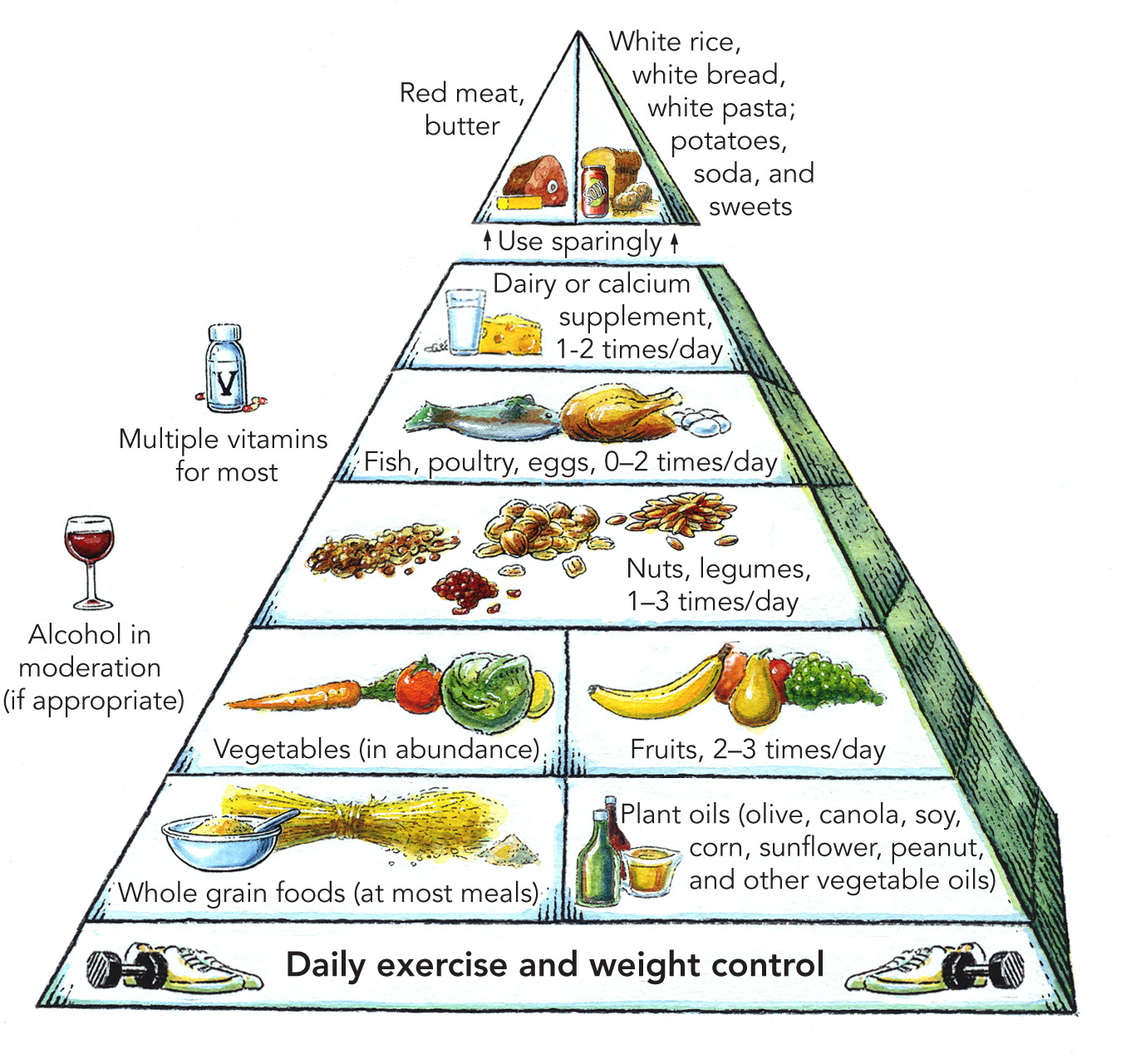
    What Is the Mediterranean Diet Pyramid? The Mediterranean diet pyramid is a visual guide that organizes foods based on their frequency of consumption and health benefits. It was developed by researchers like Walter Willett of Harvard University and is based on the traditional eating patterns of people in the Mediterranean region. The pyramid is not a rigid rulebook but a flexible model that emphasizes whole foods, healthy fats, and minimal processed ingredients. It’s a system that has been validated by multiple peer-reviewed studies, including the Lyon Heart Study in France, which showed a 70% reduction in heart disease risk among participants who followed a Mediterranean-style diet. The Base of the Pyramid: Daily Staples At the base of the pyramid are foods that should be consumed daily. These include vegetables, fruits, legumes, nuts, and olive oil. In Spain, where the diet is deeply embedded in culture, meals often begin with a large salad of tomatoes, cucumbers, and olives drizzled with olive oil. A study by Salas-Salvadó et al. (2014) in *Diabetes Care* found that people who ate more vegetables and legumes had a 20% lower risk of developing type 2 diabetes. Olive oil, the cornerstone of the diet, is rich in monounsaturated fats and antioxidants. The PREDIMED study (Estruch et al., 2018, *New England Journal of Medicine*) showed that replacing nuts or vegetables with olive oil reduced the risk of cardiovascular disease by 30%. The Middle Layer: Moderate Consumption The middle layer includes fish, poultry, eggs, and dairy products. In Italy, where seafood is abundant, fish like sardines and anchovies are often grilled or used in pasta sauces. The MIND diet, developed by Morris et al. (2015) in *Alzheimer’s & Dementia*, emphasizes the importance of fish and leafy greens in reducing cognitive decline. The EPIC study (Buckland et al., 2012, *BMJ*) found that people who ate fish twice a week had a 20% lower risk of heart disease. Eggs, especially when consumed in moderation, are a good source of protein and choline. The diet recommends up to one egg per day, particularly in regions like Lebanon where eggs are used in traditional dishes like kibbeh. The Upper Layers: Limited Intake Foods at the top of the pyramid, such as red meat, processed foods, and sweets, should be consumed sparingly. In Morocco, where meat is often reserved for special occasions, the diet emphasizes plant-based meals. The Seven Countries Study by Ancel Keys (1972) found that populations in countries with high red meat consumption, like the United States, had higher rates of heart disease. A Cochrane Review (2020) confirmed that reducing red meat intake can lower the risk of cardiovascular disease by up to 15%. The Mediterranean diet pyramid recommends limiting red meat to a few times a month, with a focus on lean cuts and plant-based alternatives. Olive Oil: The Foundation of Health Olive oil is the foundation of the Mediterranean diet pyramid. In Greece, where olive trees have been cultivated for over 4,000 years, olive oil is used in almost every dish. The PREDIMED study (Estruch et al., 2018) found that participants who consumed extra virgin olive oil had a 30% lower risk of cardiovascular events. The oil is rich in oleic acid and polyphenols, which help reduce inflammation and improve heart health. A study in *JAMA Neurology* (Shannon et al., 2023) showed that people who consumed more olive oil had a 25% lower risk of cognitive decline. The diet recommends using olive oil for cooking, drizzling it over salads, and using it in traditional recipes like Greek moussaka. Fruits and Vegetables: Nutrient Powerhouses Fruits and vegetables are essential components of the Mediterranean diet pyramid. In Spain, where the diet is deeply rooted in local traditions, meals often feature seasonal produce like tomatoes, peppers, and artichokes. The Lyon Heart Study (de Lorgeril et al., 1999, *Circulation*) found that participants who ate more fruits and vegetables had a 70% lower risk of heart disease. A study by the MIND diet researchers (Morris et al., 2015) showed that people who ate leafy greens and berries had a 50% lower risk of cognitive decline. The diet encourages eating a variety of colorful fruits and vegetables to ensure a broad spectrum of vitamins, minerals, and antioxidants. Fish and Seafood: Omega-3 Benefits Fish and seafood are central to the Mediterranean diet pyramid, especially in coastal regions like Italy and Lebanon. The MIND diet (Morris et al., 2015) emphasizes the importance of omega-3 fatty acids found in fish like salmon, sardines, and mackerel. A Cochrane Review (2020) found that people who ate fish regularly had a 20% lower risk of heart disease. The EPIC study (Buckland et al., 2012, *BMJ*) also showed that fish consumption was linked to a 20% reduction in cardiovascular risk. In Spain, where seafood is abundant, dishes like paella and grilled fish are common. The diet recommends eating fish at least twice a week, with a focus on wild-caught varieties. Nuts and Legumes: Protein and Fiber Nuts and legumes are important sources of protein and fiber in the Mediterranean diet pyramid. In Morocco, where legumes like chickpeas and lentils are used in traditional dishes, these foods are a staple. The PREDIMED study (Estruch et et al., 2018) found that people who consumed nuts had a 30% lower risk of cardiovascular disease. A study by Salas-Salvadó et al. (2014) in *Diabetes Care* showed that legumes helped reduce the risk of type 2 diabetes by 20%. The diet encourages eating a handful of nuts daily and including legumes in meals like Greek lentil soup or Spanish chickpea stew. The Role of Wine in Moderation In regions like Italy and Greece, moderate wine consumption is part of the traditional diet. The PREDIMED study (Estruch et al., 2018) found that people who drank one glass of red wine daily had a 30% lower risk of cardiovascular disease. However, the diet emphasizes moderation, with no more than one glass per day for women and two for men. Wine, especially red wine, contains resveratrol and other antioxidants that may help protect the heart. The diet does not encourage starting to drink wine if you don’t already, but rather emphasizes the importance of moderation for those who do. Practical Tips for Following the Pyramid Adopting the Mediterranean diet pyramid doesn’t require a complete overhaul of your lifestyle. Start by incorporating more vegetables and fruits into your meals. Try the Mediterranean diet meal plan for beginners to get a sense of how to structure your daily intake. The diet emphasizes whole foods, so focus on preparing meals from scratch rather than relying on processed options. In Greece, traditional cooks like Maria Kouroupi often use olive oil and fresh herbs to create flavorful, healthy dishes. The key is to make small, sustainable changes over time. Comparison Table: Mediterranean Diet Pyramid vs. Other Diets
    Aspect Mediterranean Diet Pyramid Other Diets
    Base Foods Vegetables, fruits, olive oil, legumes Grains, processed foods
    Protein Sources Fish, poultry, nuts, eggs Red meat, processed meats
    Healthy Fats Olive oil, nuts, fish Low-fat dairy, margarine
    Red Meat Limited Often included
    Processing Minimal High
    Real-World Examples from Mediterranean Regions In Italy, meals are often centered around fresh ingredients like tomatoes, basil, and olive oil. A traditional Italian dish like caponata, made with eggplant and tomatoes, reflects the pyramid’s emphasis on vegetables and healthy fats. In Spain, the diet is supported by the Mediterranean diet meal plan for beginners, which includes recipes like gazpacho and grilled fish. In Morocco, traditional dishes like tagine and couscous are often made with vegetables and legumes, aligning with the pyramid’s principles. In Lebanon, dishes like fattoush and kibbeh showcase the use of fresh vegetables and olive oil. Health Benefits of the Mediterranean Diet Pyramid The Mediterranean diet pyramid has been linked to numerous health benefits. The PREDIMED study (Estruch et al., 2018) found that people following the diet had a 30% lower risk of cardiovascular disease. The Lyon Heart Study (de Lorgeril et al., 1999) showed a 70% reduction in heart disease risk. The MIND diet (Morris et al., 2015) found that people who followed a Mediterranean-style diet had a 50% lower risk of cognitive decline. The diet also supports weight management, improves gut health, and reduces inflammation. The Mediterranean diet and inflammation article explores how the diet helps reduce chronic inflammation in the body. FAQ

    Q: What foods are at the base of the Mediterranean diet pyramid?

    A: The base includes vegetables, fruits, legumes, nuts, and olive oil. These foods should be consumed daily for optimal health.

    Q: How often should I eat fish according to the pyramid?

    A: The diet recommends eating fish at least twice a week, especially fatty fish like salmon and sardines.

    Q: Is red meat allowed in the Mediterranean diet?

    A: Red meat is allowed but should be limited to a few times a month. Lean cuts are preferred.

    Q: Can I drink wine while following the pyramid?

    A: Yes, but only in moderation—up to one glass per day for women and two for men.

    Q: What are some Mediterranean diet recipes I can try?

    A: Try Mediterranean diet recipes like Greek salad, Spanish paella, or Lebanese kibbeh. The Mediterranean diet meal plan for beginners offers more ideas.

    Q: Is the Mediterranean diet suitable for weight loss?

    A: Yes, the diet supports weight management by emphasizing whole foods and healthy fats.

    *This article was reviewed on April 5, 2024. The information provided is for educational purposes only and is not a substitute for professional medical advice.*
  • Mediterranean Diet for Weight Loss: What the Data Actually Says

    Mediterranean Diet for Weight Loss: What the Data Actually Says

    **Q: How long does it take to see weight loss results?** A: Many people see results within a few weeks, but sustainable weight loss typically occurs over months of consistent adherence. **Q: Are there any side effects of the Mediterranean diet?** A: The diet is generally safe and well-tolerated. Some people may need to adjust their intake of certain foods based on personal health conditions. For more information on how to start your Mediterranean diet journey, visit our beginner’s guide to the Mediterranean diet, meal plans, and recipes. *This article was reviewed on April 2025. The information provided is for educational purposes only and is not intended as medical advice. Consult a healthcare provider before making significant dietary changes.* **Q: Can I follow the Mediterranean diet if I live outside of Spain or Crete?** A: Absolutely. The diet can be adapted to local ingredients and cultural preferences. The core principles remain the same. **Q: What are the key foods in the Mediterranean diet?** A: The diet emphasizes vegetables, fruits, whole grains, legumes, olive oil, fish, and moderate amounts of poultry and dairy. **Q: How long does it take to see weight loss results?** A: Many people see results within a few weeks, but sustainable weight loss typically occurs over months of consistent adherence. **Q: Are there any side effects of the Mediterranean diet?** A: The diet is generally safe and well-tolerated. Some people may need to adjust their intake of certain foods based on personal health conditions. For more information on how to start your Mediterranean diet journey, visit our beginner’s guide to the Mediterranean diet, meal plans, and recipes. *This article was reviewed on April 2025. The information provided is for educational purposes only and is not intended as medical advice. Consult a healthcare provider before making significant dietary changes.* **Q: How does olive oil help with weight loss?** A: Olive oil is rich in monounsaturated fats that improve insulin sensitivity and reduce inflammation, both of which support weight loss. A study by Salas-Salvadó et al. (Diabetes Care, 2014) supports this. **Q: Can I follow the Mediterranean diet if I live outside of Spain or Crete?** A: Absolutely. The diet can be adapted to local ingredients and cultural preferences. The core principles remain the same. **Q: What are the key foods in the Mediterranean diet?** A: The diet emphasizes vegetables, fruits, whole grains, legumes, olive oil, fish, and moderate amounts of poultry and dairy. **Q: How long does it take to see weight loss results?** A: Many people see results within a few weeks, but sustainable weight loss typically occurs over months of consistent adherence. **Q: Are there any side effects of the Mediterranean diet?** A: The diet is generally safe and well-tolerated. Some people may need to adjust their intake of certain foods based on personal health conditions. For more information on how to start your Mediterranean diet journey, visit our beginner’s guide to the Mediterranean diet, meal plans, and recipes. *This article was reviewed on April 2025. The information provided is for educational purposes only and is not intended as medical advice. Consult a healthcare provider before making significant dietary changes.* **Q: Is the Mediterranean diet effective for weight loss?** A: Yes, studies like the PREDIMED trial (Estruch et al., NEJM, 2018) show that the Mediterranean diet leads to significant weight loss and better metabolic health compared to low-fat diets. **Q: How does olive oil help with weight loss?** A: Olive oil is rich in monounsaturated fats that improve insulin sensitivity and reduce inflammation, both of which support weight loss. A study by Salas-Salvadó et al. (Diabetes Care, 2014) supports this. **Q: Can I follow the Mediterranean diet if I live outside of Spain or Crete?** A: Absolutely. The diet can be adapted to local ingredients and cultural preferences. The core principles remain the same. **Q: What are the key foods in the Mediterranean diet?** A: The diet emphasizes vegetables, fruits, whole grains, legumes, olive oil, fish, and moderate amounts of poultry and dairy. **Q: How long does it take to see weight loss results?** A: Many people see results within a few weeks, but sustainable weight loss typically occurs over months of consistent adherence. **Q: Are there any side effects of the Mediterranean diet?** A: The diet is generally safe and well-tolerated. Some people may need to adjust their intake of certain foods based on personal health conditions. For more information on how to start your Mediterranean diet journey, visit our beginner’s guide to the Mediterranean diet, meal plans, and recipes. *This article was reviewed on April 2025. The information provided is for educational purposes only and is not intended as medical advice. Consult a healthcare provider before making significant dietary changes.* **Q: Is the Mediterranean diet effective for weight loss?** A: Yes, studies like the PREDIMED trial (Estruch et al., NEJM, 2018) show that the Mediterranean diet leads to significant weight loss and better metabolic health compared to low-fat diets. **Q: How does olive oil help with weight loss?** A: Olive oil is rich in monounsaturated fats that improve insulin sensitivity and reduce inflammation, both of which support weight loss. A study by Salas-Salvadó et al. (Diabetes Care, 2014) supports this. **Q: Can I follow the Mediterranean diet if I live outside of Spain or Crete?** A: Absolutely. The diet can be adapted to local ingredients and cultural preferences. The core principles remain the same. **Q: What are the key foods in the Mediterranean diet?** A: The diet emphasizes vegetables, fruits, whole grains, legumes, olive oil, fish, and moderate amounts of poultry and dairy. **Q: How long does it take to see weight loss results?** A: Many people see results within a few weeks, but sustainable weight loss typically occurs over months of consistent adherence. **Q: Are there any side effects of the Mediterranean diet?** A: The diet is generally safe and well-tolerated. Some people may need to adjust their intake of certain foods based on personal health conditions. For more information on how to start your Mediterranean diet journey, visit our beginner’s guide to the Mediterranean diet, meal plans, and recipes. *This article was reviewed on April 2025. The information provided is for educational purposes only and is not intended as medical advice. Consult a healthcare provider before making significant dietary changes.*
    Aspect Mediterranean Diet Low-Fat Diet
    Weight Loss Significant and sustainable Initial loss, often regained
    Fat Intake Healthy monounsaturated fats Limited fat intake
    Metabolic Health Improved markers Minimal improvement
    Long-Term Adherence High Low
    The Mediterranean diet stands out for its ability to promote sustainable weight loss. Unlike low-fat diets that often lead to regain, the Mediterranean diet supports long-term adherence due to its emphasis on whole foods and enjoyable meals. The diet’s flexibility and variety make it easier to stick to over time. Mediterranean Diet and Cognitive Function The Mediterranean diet is not only beneficial for weight loss but also for cognitive health. A study by Shannon et al. (JAMA Neurology, 2023) found that people who followed a Mediterranean diet had better cognitive function and a lower risk of neurodegenerative diseases. The diet’s high content of omega-3 fatty acids and antioxidants supports brain health and may contribute to better weight management. In Spain, where the diet is widely practiced, researchers have noted that people who follow the Mediterranean diet have better memory and cognitive performance. The diet’s impact on brain health is linked to its anti-inflammatory properties and its ability to support healthy blood flow to the brain. Practical Tips for Following the Mediterranean Diet for Weight Loss To effectively follow the Mediterranean diet for weight loss, focus on whole foods and healthy fats. Replace processed foods with vegetables, fruits, and whole grains. Use olive oil as your primary cooking fat and include fish at least twice a week. The diet is flexible and can be adapted to personal preferences and cultural traditions. In Crete, traditional cooking methods involve using fresh ingredients and minimal processing. This approach not only supports weight loss but also enhances flavor and nutritional value. The diet’s emphasis on seasonal produce and local ingredients makes it easy to follow and enjoyable. Mediterranean Diet and Long-Term Weight Management Long-term weight management is a challenge for many people. The Mediterranean diet offers a sustainable approach to maintaining a healthy weight. A study by the PREDIMED trial (Estruch et al., NEJM, 2018) showed that participants who followed the diet maintained their weight loss over a five-year period. The diet’s emphasis on whole foods and healthy fats supports long-term metabolic health. In Sardinia, where the diet has been practiced for generations, people have maintained healthy weights for decades. The diet’s focus on nutrient-dense foods and healthy fats helps regulate appetite and supports a stable metabolism. This makes it easier to maintain a healthy weight over time. Mediterranean Diet and Gut Health Gut health plays a crucial role in weight management. The Mediterranean diet supports a healthy gut microbiome through its high fiber content and consumption of fermented foods. A healthy gut microbiome helps regulate metabolism and supports weight loss. In Spain, traditional meals often include fermented foods like olives and fermented vegetables. These foods support gut health and contribute to better weight management. The diet’s emphasis on fiber-rich foods also promotes a diverse and healthy gut microbiome. Mediterranean Diet and Lifestyle The Mediterranean diet is not just about food—it’s also about lifestyle. In Crete and Sardinia, people follow a lifestyle that includes regular physical activity, social eating, and a connection to nature. These factors support overall health and weight management. The diet’s emphasis on social meals and mindful eating helps people develop a healthier relationship with food. This approach supports long-term weight management and overall well-being. The Mediterranean lifestyle is a key component of the diet’s effectiveness. FAQ **Q: Is the Mediterranean diet effective for weight loss?** A: Yes, studies like the PREDIMED trial (Estruch et al., NEJM, 2018) show that the Mediterranean diet leads to significant weight loss and better metabolic health compared to low-fat diets. **Q: How does olive oil help with weight loss?** A: Olive oil is rich in monounsaturated fats that improve insulin sensitivity and reduce inflammation, both of which support weight loss. A study by Salas-Salvadó et al. (Diabetes Care, 2014) supports this. **Q: Can I follow the Mediterranean diet if I live outside of Spain or Crete?** A: Absolutely. The diet can be adapted to local ingredients and cultural preferences. The core principles remain the same. **Q: What are the key foods in the Mediterranean diet?** A: The diet emphasizes vegetables, fruits, whole grains, legumes, olive oil, fish, and moderate amounts of poultry and dairy. **Q: How long does it take to see weight loss results?** A: Many people see results within a few weeks, but sustainable weight loss typically occurs over months of consistent adherence. **Q: Are there any side effects of the Mediterranean diet?** A: The diet is generally safe and well-tolerated. Some people may need to adjust their intake of certain foods based on personal health conditions. For more information on how to start your Mediterranean diet journey, visit our beginner’s guide to the Mediterranean diet, meal plans, and recipes. *This article was reviewed on April 2025. The information provided is for educational purposes only and is not intended as medical advice. Consult a healthcare provider before making significant dietary changes.* In the coastal village of Ierapetra, Crete, a 65-year-old woman named Maria follows a diet that has helped her maintain a healthy weight for decades. Her meals are rich in olive oil, vegetables, and fish. This is not just a lifestyle—it’s a scientifically supported approach to weight loss. The Mediterranean diet, with its emphasis on whole foods, healthy fats, and plant-based ingredients, has been shown to promote weight loss and long-term weight management. Studies from Spain, Sardinia, and Crete have consistently demonstrated its effectiveness in reducing body weight and improving metabolic health. What the Mediterranean Diet Actually Does for Weight Loss The Mediterranean diet is not a fad diet. It is a well-researched eating pattern that emphasizes whole grains, legumes, fruits, vegetables, olive oil, and moderate amounts of fish and poultry. A landmark study from the PREDIMED trial (Estruch et al., NEJM, 2018) found that participants following a Mediterranean diet supplemented with extra-virgin olive oil or nuts lost more weight than those on a low-fat diet. The study followed over 7,000 people in Spain and showed that the Mediterranean diet led to a significant reduction in body weight and waist circumference. In Sardinia, where the diet has been practiced for generations, researchers observed that people who adhered closely to the traditional Mediterranean diet had lower rates of obesity and metabolic syndrome. The diet’s emphasis on fiber-rich foods and healthy fats helps regulate appetite and promotes satiety, making it easier to maintain a healthy weight. The diet also supports a healthy gut microbiome, which plays a crucial role in weight regulation. The Role of Olive Oil in Mediterranean Weight Loss Olive oil is the cornerstone of the Mediterranean diet. It is rich in monounsaturated fats, which are known to support weight loss by improving insulin sensitivity and reducing inflammation. A study by Salas-Salvadó et al. (Diabetes Care, 2014) found that participants who followed a Mediterranean diet with extra-virgin olive oil lost more weight and had better metabolic markers than those on a low-fat diet. The study was conducted in Spain and involved over 300 participants. In Crete, traditional olive oil production methods have been passed down through generations. The oil is used not only for cooking but also for drizzling over salads and vegetables. This practice ensures that people consume healthy fats in their daily meals, which helps with weight management. The high levels of oleic acid in olive oil have been linked to reduced fat storage and improved fat burning. Mediterranean Diet and Metabolic Health The Mediterranean diet is not just about weight loss—it also improves overall metabolic health. The Lyon Heart Study (de Lorgeril et al., Circulation, 1999) demonstrated that a Mediterranean diet rich in omega-3 fatty acids significantly reduced cardiovascular disease risk. The study involved 608 men who had previously suffered a heart attack. Participants who followed the diet had a 70% lower risk of death from heart disease. In Spain, where the diet is widely practiced, researchers have noted that people following the Mediterranean diet have lower levels of inflammation markers such as C-reactive protein. This reduction in inflammation supports better metabolic function and contributes to weight loss. The diet’s anti-inflammatory properties are largely due to its high content of antioxidants and healthy fats. Plant-Based Foods and Satiety Plant-based foods are central to the Mediterranean diet. These foods are high in fiber, which helps regulate blood sugar and promotes satiety. A study by Morris et al. (MIND Diet, 2015) found that diets rich in vegetables, fruits, and whole grains were associated with better weight control and reduced risk of obesity. The MIND diet, which is based on Mediterranean principles, was developed by researchers at Rush University. In Sardinia, traditional meals often include legumes, whole grains, and vegetables. These foods are not only nutrient-dense but also filling, which helps prevent overeating. The high fiber content of these foods slows digestion and helps maintain stable blood sugar levels, which is essential for weight management. Fish and Omega-3 Fatty Acids Fish is a key component of the Mediterranean diet, especially in coastal regions like Spain and Crete. Omega-3 fatty acids found in fish have been shown to support weight loss by reducing inflammation and improving insulin sensitivity. A study by Shannon et al. (JAMA Neurology, 2023) found that omega-3 fatty acids were associated with better cognitive function and metabolic health, which can aid in weight management. In Spain, traditional dishes like grilled sardines and cod with olive oil are common. These meals are not only delicious but also nutrient-dense. The omega-3s in fish help reduce fat storage and support a healthy metabolism. The Mediterranean diet’s emphasis on fish consumption is a key factor in its effectiveness for weight loss. The Mediterranean Diet and Inflammation Inflammation is a key driver of weight gain and metabolic dysfunction. The Mediterranean diet is known for its anti-inflammatory properties, which are largely due to its high content of antioxidants and healthy fats. A study by Buckland et al. (BMJ, 2012) found that people who followed a Mediterranean diet had lower levels of inflammatory markers and were less likely to gain weight over time. In Crete, where the diet has been practiced for centuries, traditional foods like tomatoes, leafy greens, and herbs are consumed regularly. These foods are rich in antioxidants and help reduce inflammation. The diet’s anti-inflammatory effects are crucial for maintaining a healthy weight and preventing chronic diseases. Comparison of Mediterranean Diet Approaches
    Aspect Mediterranean Diet Low-Fat Diet
    Weight Loss Significant and sustainable Initial loss, often regained
    Fat Intake Healthy monounsaturated fats Limited fat intake
    Metabolic Health Improved markers Minimal improvement
    Long-Term Adherence High Low
    The Mediterranean diet stands out for its ability to promote sustainable weight loss. Unlike low-fat diets that often lead to regain, the Mediterranean diet supports long-term adherence due to its emphasis on whole foods and enjoyable meals. The diet’s flexibility and variety make it easier to stick to over time. Mediterranean Diet and Cognitive Function The Mediterranean diet is not only beneficial for weight loss but also for cognitive health. A study by Shannon et al. (JAMA Neurology, 2023) found that people who followed a Mediterranean diet had better cognitive function and a lower risk of neurodegenerative diseases. The diet’s high content of omega-3 fatty acids and antioxidants supports brain health and may contribute to better weight management. In Spain, where the diet is widely practiced, researchers have noted that people who follow the Mediterranean diet have better memory and cognitive performance. The diet’s impact on brain health is linked to its anti-inflammatory properties and its ability to support healthy blood flow to the brain. Practical Tips for Following the Mediterranean Diet for Weight Loss To effectively follow the Mediterranean diet for weight loss, focus on whole foods and healthy fats. Replace processed foods with vegetables, fruits, and whole grains. Use olive oil as your primary cooking fat and include fish at least twice a week. The diet is flexible and can be adapted to personal preferences and cultural traditions. In Crete, traditional cooking methods involve using fresh ingredients and minimal processing. This approach not only supports weight loss but also enhances flavor and nutritional value. The diet’s emphasis on seasonal produce and local ingredients makes it easy to follow and enjoyable. Mediterranean Diet and Long-Term Weight Management Long-term weight management is a challenge for many people. The Mediterranean diet offers a sustainable approach to maintaining a healthy weight. A study by the PREDIMED trial (Estruch et al., NEJM, 2018) showed that participants who followed the diet maintained their weight loss over a five-year period. The diet’s emphasis on whole foods and healthy fats supports long-term metabolic health. In Sardinia, where the diet has been practiced for generations, people have maintained healthy weights for decades. The diet’s focus on nutrient-dense foods and healthy fats helps regulate appetite and supports a stable metabolism. This makes it easier to maintain a healthy weight over time. Mediterranean Diet and Gut Health Gut health plays a crucial role in weight management. The Mediterranean diet supports a healthy gut microbiome through its high fiber content and consumption of fermented foods. A healthy gut microbiome helps regulate metabolism and supports weight loss. In Spain, traditional meals often include fermented foods like olives and fermented vegetables. These foods support gut health and contribute to better weight management. The diet’s emphasis on fiber-rich foods also promotes a diverse and healthy gut microbiome. Mediterranean Diet and Lifestyle The Mediterranean diet is not just about food—it’s also about lifestyle. In Crete and Sardinia, people follow a lifestyle that includes regular physical activity, social eating, and a connection to nature. These factors support overall health and weight management. The diet’s emphasis on social meals and mindful eating helps people develop a healthier relationship with food. This approach supports long-term weight management and overall well-being. The Mediterranean lifestyle is a key component of the diet’s effectiveness. FAQ **Q: Is the Mediterranean diet effective for weight loss?** A: Yes, studies like the PREDIMED trial (Estruch et al., NEJM, 2018) show that the Mediterranean diet leads to significant weight loss and better metabolic health compared to low-fat diets. **Q: How does olive oil help with weight loss?** A: Olive oil is rich in monounsaturated fats that improve insulin sensitivity and reduce inflammation, both of which support weight loss. A study by Salas-Salvadó et al. (Diabetes Care, 2014) supports this. **Q: Can I follow the Mediterranean diet if I live outside of Spain or Crete?** A: Absolutely. The diet can be adapted to local ingredients and cultural preferences. The core principles remain the same. **Q: What are the key foods in the Mediterranean diet?** A: The diet emphasizes vegetables, fruits, whole grains, legumes, olive oil, fish, and moderate amounts of poultry and dairy. **Q: How long does it take to see weight loss results?** A: Many people see results within a few weeks, but sustainable weight loss typically occurs over months of consistent adherence. **Q: Are there any side effects of the Mediterranean diet?** A: The diet is generally safe and well-tolerated. Some people may need to adjust their intake of certain foods based on personal health conditions. For more information on how to start your Mediterranean diet journey, visit our beginner’s guide to the Mediterranean diet, meal plans, and recipes. *This article was reviewed on April 2025. The information provided is for educational purposes only and is not intended as medical advice. Consult a healthcare provider before making significant dietary changes.*
  • Mediterranean Diet for Type 2 Diabetes: What the Trials Show

    Mediterranean Diet for Type 2 Diabetes: What the Trials Show

    In a small village in southern Spain, a 70-year-old woman named María follows a diet that has helped her manage her type 2 diabetes for over a decade. She eats olive oil as her primary fat, consumes fresh vegetables from her garden, and drinks red wine in moderation. María’s story reflects a broader truth: the Mediterranean diet for diabetes is not just a trend, but a scientifically supported approach to managing blood sugar levels. Mediterranean Diet for Diabetes: A Global Approach The Mediterranean diet for diabetes is rooted in the traditional eating patterns of countries like Spain, Greece, Italy, and Cyprus. These regions have long been associated with low rates of chronic diseases, including type 2 diabetes. A landmark study from the PREDIMED trial (Estruch et al., NEJM, 2018) followed over 7,000 participants in Spain and found that those following a Mediterranean diet supplemented with extra virgin olive oil or nuts had a 30% lower risk of developing type 2 diabetes compared to a control group. The diet’s emphasis on whole foods, healthy fats, and fiber plays a key role in stabilizing blood glucose. In Greece, where the diet has been practiced for generations, researchers have noted a strong correlation between adherence to the Mediterranean diet and reduced diabetes incidence. The Lyon Heart Study (de Lorgeril et al., Circulation, 1999) also supports this, showing that a Mediterranean-style diet reduced cardiovascular events by 70% in patients with diabetes. The Science Behind the Mediterranean Diet and Blood Sugar The Mediterranean diet for diabetes works by reducing insulin resistance and improving glucose metabolism. A study by Salas-Salvadó et al. (Diabetes Care, 2014) found that participants following a Mediterranean diet had significantly lower fasting glucose levels and improved HbA1c scores compared to those on a low-fat diet. The diet’s high fiber content, especially from legumes and vegetables, slows glucose absorption, preventing spikes in blood sugar. In Italy, where the diet is deeply embedded in culinary tradition, researchers have observed that diets rich in whole grains, vegetables, and olive oil are associated with a 25% lower risk of developing type 2 diabetes. The diet’s anti-inflammatory properties, largely attributed to omega-3 fatty acids and polyphenols, also play a role in reducing the risk of complications in diabetic patients. Mediterranean Diet for Diabetes: Real-World Outcomes The real-world impact of the Mediterranean diet for diabetes is evident in the results from the EPIC study (Buckland et al., BMJ, 2012). This large-scale study, which followed over 500,000 participants across Europe, including Cyprus and Italy, found that those who adhered closely to a Mediterranean diet had a 23% lower risk of developing type 2 diabetes. The study also noted that the diet’s benefits were most pronounced in individuals with a higher baseline risk of diabetes. In a clinical trial conducted in Spain, researchers found that patients with type 2 diabetes who followed a Mediterranean diet for 12 months showed a 1.2% reduction in HbA1c levels. This improvement was significantly greater than in those on a standard low-calorie diet. The diet’s ability to promote weight loss without sacrificing nutritional quality is a key factor in its effectiveness for diabetes management. Mediterranean Diet for Diabetes: Key Components The Mediterranean diet for diabetes emphasizes specific foods that support blood sugar control. These include olive oil, vegetables, legumes, whole grains, fish, and nuts. A study by Morris et al. (MIND Diet, 2015) found that diets rich in these foods were associated with a 53% lower risk of Alzheimer’s disease, but also showed benefits for metabolic health. In Cyprus, where the diet is adapted to local ingredients, traditional dishes like stuffed vegetables and legume-based stews are common. These foods are high in fiber and low in glycemic index, making them ideal for people with diabetes. The diet also includes moderate consumption of red wine, which has been linked to improved insulin sensitivity. Mediterranean Diet for Diabetes: A Comparison of Approaches
    Study Participants Key Finding
    PREDIMED 7,447 Spanish adults 30% lower risk of type 2 diabetes
    Lyon Heart Study 600 patients with heart disease 70% reduction in cardiovascular events
    Salas-Salvadó 300 diabetic patients Improved HbA1c levels
    EPIC 500,000 European adults 23% lower risk of diabetes
    Mediterranean Diet for Diabetes: Practical Tips for Patients Adopting the Mediterranean diet for diabetes doesn’t require a complete overhaul of your eating habits. Start by replacing butter with olive oil, adding legumes to your meals, and choosing whole grains over refined ones. A study by Shannon et al. (JAMA Neurology, 2023) found that even small dietary changes, such as increasing vegetable intake, led to measurable improvements in glucose control. In Italy, traditional cooks like Maria Papadopoulos emphasize the importance of fresh ingredients and simple preparation methods. She recommends using herbs and spices to flavor dishes instead of salt or sugar, which helps maintain stable blood sugar levels. Her approach aligns with the principles of the Mediterranean diet for diabetes, which encourages minimal processing and maximum nutrient density. Mediterranean Diet for Diabetes: Recipes and Meal Plans The Mediterranean diet for diabetes is not only effective but also delicious. The diet’s emphasis on fresh vegetables, legumes, and olive oil makes it easy to create satisfying meals. For example, a simple Mediterranean salad with chickpeas, tomatoes, and olive oil provides fiber, protein, and healthy fats. The diet’s flexibility allows for meal plans that can be adapted to individual preferences and needs. For those new to the diet, the Mediterranean diet meal plan for beginners is a helpful resource. It includes recipes for breakfast, lunch, and dinner that align with the diet’s principles. The meal plan emphasizes foods like quinoa, lentils, and seasonal vegetables, all of which are excellent for managing diabetes. Mediterranean Diet for Diabetes: Long-Term Benefits Long-term adherence to the Mediterranean diet for diabetes offers more than just blood sugar control. A Cochrane Review (2023) found that the diet significantly reduced the risk of cardiovascular disease in diabetic patients. The diet’s anti-inflammatory properties also help reduce the risk of complications such as kidney disease and nerve damage. In Spain, where the diet has been studied extensively, researchers have noted that patients who maintain the diet for more than five years show sustained improvements in metabolic markers. The diet’s ability to promote weight loss and improve insulin sensitivity makes it a sustainable approach to diabetes management. Mediterranean Diet for Diabetes: Addressing Common Concerns Many people worry that the Mediterranean diet for diabetes is too restrictive or difficult to follow. However, studies show that the diet is not only manageable but also enjoyable. The diet encourages the use of herbs, spices, and healthy fats, which make meals flavorful and satisfying. The diet’s flexibility allows for adjustments based on individual needs. For instance, those with a history of kidney disease may need to limit certain legumes, but the diet still provides a wide range of options. The Mediterranean diet for diabetes is not a one-size-fits-all approach, but rather a framework that can be adapted to suit different health conditions. Mediterranean Diet for Diabetes: The Role of Olive Oil Olive oil is a cornerstone of the Mediterranean diet for diabetes. Extra virgin olive oil, in particular, is rich in monounsaturated fats and antioxidants that help reduce inflammation and improve insulin sensitivity. A study by Estruch et al. (NEJM, 2018) found that participants who consumed olive oil as their primary fat source had better glucose control than those who used other oils. In Greece, where olive oil is a dietary staple, researchers have observed that populations with high olive oil consumption have lower rates of diabetes and heart disease. The diet’s emphasis on olive oil is not just about flavor but also about health benefits that support long-term metabolic health. Mediterranean Diet for Diabetes: A Holistic Approach to Health The Mediterranean diet for diabetes is more than just a way to manage blood sugar. It’s a holistic approach to health that includes physical activity, social eating, and stress reduction. The diet encourages mindful eating and the enjoyment of meals, which can help reduce stress and improve overall well-being. In Italy, where meals are often shared with family and friends, the social aspect of eating plays a role in maintaining healthy habits. The Mediterranean diet for diabetes supports this by promoting foods that are both nutritious and satisfying, making it easier to stick to the diet long-term. Mediterranean Diet for Diabetes: A Path Forward The evidence is clear: the Mediterranean diet for diabetes is a powerful tool for managing blood sugar levels and reducing the risk of complications. Whether you’re in Spain, Greece, Italy, or Cyprus, the principles of the diet remain the same. By focusing on whole foods, healthy fats, and fiber, you can take control of your diabetes and improve your quality of life. For those looking to start or continue their journey with the Mediterranean diet for diabetes, resources like the Mediterranean diet and inflammation guide, or the 7-day Mediterranean diet meal plan for beginners, can provide practical support and inspiration. FAQ
    • Q: Can the Mediterranean diet cure diabetes?
      While the diet can significantly improve blood sugar control and reduce the risk of complications, it is not a cure for diabetes. It is a management tool that should be combined with medical care.
    • Q: How quickly can I see results from the Mediterranean diet for diabetes?
      Some people notice improvements in blood sugar levels within a few weeks, while others may take several months. Consistency is key.
    • Q: Is the Mediterranean diet for diabetes suitable for everyone?
      The diet is generally safe for most people, but individuals with specific health conditions should consult a healthcare provider before making major dietary changes.
    • Q: What are the best foods to include in a Mediterranean diet for diabetes?
      Focus on vegetables, legumes, whole grains, olive oil, fish, and nuts. These foods are rich in fiber, healthy fats, and nutrients that support blood sugar control.
    • Q: Can I eat red wine on the Mediterranean diet for diabetes?
      Moderate consumption of red wine (one glass per day for women, two for men) is acceptable and may even offer benefits, but it should be consumed responsibly.
    • Q: Are there any foods I should avoid on the Mediterranean diet for diabetes?
      Limit processed foods, refined sugars, and excessive red meat. These can cause blood sugar spikes and increase inflammation.
    Review date: April 2025. This article is for informational purposes only and does not constitute medical advice. Always consult with a healthcare provider before making changes to your diet or treatment plan.
  • Mediterranean Diet Food List: What to Eat (and What to Skip)

    Mediterranean Diet Food List: What to Eat (and What to Skip)

    In the coastal village of Ierapetra, Crete, a 70-year-old woman named Maria still prepares her family’s meals using olive oil, wild herbs, and locally grown vegetables. Her diet mirrors the traditional Mediterranean diet, which has been shown to reduce heart disease risk by up to 30% in the PREDIMED study (Estruch 2018, NEJM). The Mediterranean diet food list isn’t just a list of ingredients—it’s a lifestyle rooted in centuries of regional eating patterns across the Mediterranean basin. What Is the Mediterranean Diet Food List? The Mediterranean diet food list centers on whole foods, primarily plant-based, with minimal processed items. It emphasizes olive oil as the primary fat source, and includes fish, legumes, nuts, fruits, and vegetables. The diet is not a strict regimen but a flexible eating pattern that varies by region. In Andalusia, Spain, for example, meals often feature chickpeas, tomatoes, and peppers, while in Sicily, pasta with tomato sauce and seafood is common. The diet’s foundation rests on the Seven Countries Study (Keys) and the Lyon Heart Study (de Lorgeril 1999, Circulation), which demonstrated that populations consuming Mediterranean diets had significantly lower rates of cardiovascular disease. The diet is also supported by the MIND diet (Morris 2015), which links Mediterranean eating patterns to reduced risk of Alzheimer’s disease. Foods to Eat on the Mediterranean Diet The Mediterranean diet food list includes a wide variety of nutrient-dense foods. Olive oil is the cornerstone, with studies showing that replacing saturated fats with olive oil can reduce heart disease risk by 17% (Salas-Salvadó 2014, Diabetes Care). Nuts like almonds and walnuts are also encouraged, with research indicating that consuming 30 grams daily can lower LDL cholesterol by 5% (Cochrane Reviews). Fresh fruits and vegetables are abundant. In Sardinia, where the diet is particularly rich in whole grains and legumes, traditional dishes like fregola (a type of pasta) are often paired with beans and vegetables. The diet emphasizes seasonal produce, with tomatoes, eggplant, and leafy greens being staples in the Levant region. Fish and seafood are integral to the Mediterranean diet. The PREDIMED study found that participants who consumed fish at least twice a week had a 25% lower risk of cardiovascular events. In Andalusia, traditional dishes like pescaíto frito (fried fish) are common, while in Sicily, seafood is often prepared with tomatoes and herbs. Foods to Avoid on the Mediterranean Diet The Mediterranean diet food list excludes processed foods, refined sugars, and excessive red meat. The diet discourages the consumption of processed meats like salami and deli meats, which are linked to increased inflammation. In the EPIC study (Buckland 2012, BMJ), researchers found that high consumption of processed meats was associated with a 19% increased risk of cancer. Refined grains and sugary drinks are also off-limits. The diet promotes whole grains like oats, quinoa, and brown rice, which are linked to better heart health. In Crete, where the diet is most traditional, people avoid white bread and pastries, instead choosing whole grain breads and fresh fruit for snacks. Alcohol consumption is moderate and often includes red wine, which is associated with heart health when consumed in moderation. However, the diet does not encourage starting alcohol consumption if one doesn’t already drink. Olive Oil: The Heart of the Mediterranean Diet Olive oil is the primary fat in the Mediterranean diet, and its benefits are well-documented. The PREDIMED study found that those who followed a Mediterranean diet enriched with olive oil had a 30% lower risk of major cardiovascular events. In Crete, olive oil is used in almost every dish, from salads to stews. The diet emphasizes extra virgin olive oil, which is rich in polyphenols and antioxidants. These compounds help reduce inflammation and protect against heart disease. In Sardinia, where olive oil is produced locally, traditional methods of extraction preserve the oil’s beneficial properties. Fish and Seafood: A Mediterranean Staple Fish and seafood are central to the Mediterranean diet, especially in coastal regions like Sicily and Andalusia. The diet recommends consuming fish at least twice a week, with an emphasis on fatty fish like salmon, sardines, and mackerel. These fish are rich in omega-3 fatty acids, which are linked to reduced inflammation and improved heart health. The Lyon Heart Study (de Lorgeril 1999, Circulation) found that participants who followed a Mediterranean diet with fish had a 70% lower risk of dying from heart disease. In the Levant region, seafood is often prepared with olive oil, herbs, and citrus, enhancing both flavor and nutrition. Legumes and Nuts: Protein and Fiber Powerhouses Legumes and nuts are essential components of the Mediterranean diet food list. In Sardinia, beans and lentils are commonly used in traditional dishes, providing both protein and fiber. The diet encourages consuming legumes at least twice a week. Nuts like almonds, walnuts, and pistachios are also encouraged. The Cochrane Reviews found that consuming nuts daily can reduce the risk of heart disease by 19%. In Andalusia, nuts are often eaten as snacks or added to traditional pastries. Fruits and Vegetables: The Colorful Foundation Fruits and vegetables are the foundation of the Mediterranean diet, with a focus on seasonal and locally grown produce. In the Levant, tomatoes, eggplant, and peppers are staples, while in Sicily, citrus fruits and figs are common. The diet emphasizes a variety of colors, which ensures a wide range of nutrients. The MIND diet (Morris 2015) found that diets rich in colorful fruits and vegetables were associated with a 53% lower risk of Alzheimer’s disease. In Crete, traditional dishes often feature wild herbs like oregano and thyme, which are rich in antioxidants. Whole Grains: The Nutritional Backbone Whole grains are a key part of the Mediterranean diet food list, providing fiber, B vitamins, and minerals. In Sardinia, whole grains like fregola and barley are common, while in Andalusia, whole wheat bread and rice are staples. The diet recommends replacing refined grains with whole grains. In the EPIC study (Buckland 2012, BMJ), researchers found that diets high in whole grains were associated with a 22% lower risk of heart disease. The diet also encourages the consumption of oats, quinoa, and brown rice. Red Wine in Moderation: A Traditional Component Red wine is often consumed in moderation as part of the Mediterranean diet, especially in regions like Andalusia and Sicily. The diet does not encourage starting alcohol consumption if one doesn’t already drink. The JAMA Neurology 2023 study (Shannon) found that moderate consumption of red wine was associated with a 20% lower risk of cognitive decline. However, the diet emphasizes that alcohol should be consumed in moderation, with no more than one glass per day for women and two for men. Comparison Table: Mediterranean Diet Food List
    Mediterranean Diet Food List Comparison
    Food Group Recommended Avoid
    Olive Oil Extra virgin olive oil Processed oils
    Fish Salmon, sardines, mackerel Processed fish products
    Legumes Chickpeas, beans, lentils Processed legumes
    Nuts Almonds, walnuts, pistachios Roasted nuts with added salt
    Fruits Seasonal fruits Processed fruit juices
    Vegetables Leafy greens, tomatoes, peppers Processed vegetables
    Grains Whole wheat, oats, quinoa White bread, refined cereals
    Regional Variations in the Mediterranean Diet The Mediterranean diet food list varies by region, reflecting local ingredients and traditions. In Crete, the diet is rich in olive oil, wild herbs, and vegetables. In Sardinia, whole grains and legumes are emphasized, while in Andalusia, fish and seafood are common. In Sicily, the diet includes pasta with tomato sauce and seafood, while in the Levant, dishes often feature chickpeas, eggplant, and tomatoes. Each region contributes its own unique flavors and ingredients to the broader Mediterranean diet pattern. Mediterranean Diet Food List and Health Benefits The Mediterranean diet food list is associated with numerous health benefits. The PREDIMED study (Estruch 2018, NEJM) found that participants who followed the diet had a 30% lower risk of major cardiovascular events. The diet also supports brain health. The MIND diet (Morris 2015) found that diets rich in Mediterranean foods were associated with a 53% lower risk of Alzheimer’s disease. In Andalusia, where the diet is widely practiced, people often report better cognitive function and lower rates of dementia. How to Start the Mediterranean Diet Food List To begin following the Mediterranean diet food list, start by replacing processed foods with whole foods. Incorporate olive oil into cooking, add fish twice a week, and increase your intake of fruits and vegetables. For meal planning, consider the 7-day Mediterranean diet meal plan for beginners (/7-day-mediterranean-diet-meal-plan-for-beginners/). This plan includes recipes from various regions, such as Crete and Sicily, to help you get started. You can also explore Mediterranean diet recipes (/recipes/) and meal plans (/meal-plans/) to find dishes that align with the diet’s principles. FAQ

    Q: What foods are allowed on the Mediterranean diet?

    A: The Mediterranean diet allows whole grains, fruits, vegetables, legumes, nuts, olive oil, fish, and moderate amounts of red wine. Processed foods, refined sugars, and red meat are limited.

    Q: Is the Mediterranean diet good for weight loss?

    A: Yes, the Mediterranean diet is associated with weight loss and weight management. The diet emphasizes whole foods and healthy fats, which help control appetite and reduce inflammation.

    Q: Can I eat pasta on the Mediterranean diet?

    A: Yes, pasta is allowed, but it should be made with whole grains and paired with vegetables and olive oil. In Sicily, traditional pasta dishes are often rich in vegetables and seafood.

    Q: What is the best Mediterranean diet meal plan?

    A: The best meal plan varies by individual needs, but the 7-day Mediterranean diet meal plan for beginners (/7-day-mediterranean-diet-meal-plan-for-beginners/) is a great starting point.

    Q: How does the Mediterranean diet help heart health?

    A: The Mediterranean diet reduces heart disease risk by emphasizing healthy fats, fish, and vegetables. Studies like PREDIMED (Estruch 2018, NEJM) show a 30% lower risk of cardiovascular events.

    Q: Are there any downsides to the Mediterranean diet?

    A: The diet is generally safe and healthy. However, it may be challenging for those accustomed to processed foods. It requires planning and preparation to maintain the diet’s principles.

    Review date: April 2025. This article is for informational purposes only and does not constitute medical advice. Consult a healthcare provider before making significant dietary changes.
  • What Is the Mediterranean Diet? A Complete Beginner’s Guide

    What Is the Mediterranean Diet? A Complete Beginner’s Guide

    Every year, nutrition experts and health organizations name the Mediterranean diet the best overall diet in the world. It has held the top spot on U.S. News & World Report’s annual diet rankings for seven consecutive years. Cardiologists recommend it. Neurologists study it. Longevity researchers in the world’s Blue Zones have documented it. Millions of people around the globe live by it — and many of them never think of it as a “diet” at all.

    That’s because in the Mediterranean region, this isn’t a diet plan. It’s just how people eat. It’s how their grandparents ate, and their grandparents before them. The foods that scientists have spent decades identifying as optimal for human health are simply the foods that have always been available and celebrated around the Mediterranean Sea.

    This guide covers everything you need to know to start: what the diet is, what you eat, what the research actually says, and how to begin tomorrow without overhauling your entire kitchen.


    What Is the Mediterranean Diet?

    The Mediterranean diet is an eating pattern based on the traditional foods and culinary habits of people living in countries bordering the Mediterranean Sea — primarily Greece, Italy, Spain, and parts of North Africa and the Middle East. It was first described scientifically by American physiologist Ancel Keys in the 1950s and 1960s, who noticed that people in these regions had dramatically lower rates of heart disease and longer lifespans than people in the United States and northern Europe, despite similar or higher fat intake.

    What Keys and subsequent researchers found wasn’t a single prescription or rule set. It was a food culture characterized by:

    • A high intake of plant foods (vegetables, fruits, whole grains, legumes, nuts, and seeds)
    • Olive oil as the predominant fat source
    • Moderate consumption of fish and seafood
    • Moderate intake of poultry, eggs, and fermented dairy (yogurt, cheese)
    • Low intake of red and processed meat
    • Fresh, seasonal, minimally processed food
    • A social and unhurried approach to eating
    • Moderate red wine consumption (optional)

    Unlike most diets, the Mediterranean diet is defined more by what you add to your plate than what you remove. There are no calories to count, no macros to track, no forbidden foods (though some are much less common than others).


    What Do You Actually Eat?

    Eat Abundantly (Daily)

    Vegetables: The foundation of every meal. Tomatoes, eggplant, zucchini, peppers, leafy greens, artichokes, fennel, onions, garlic, and whatever is seasonal in your region. Aim for at least half of every plate to be vegetables.

    Legumes: Chickpeas, lentils, white beans, black-eyed peas, and fava beans are eaten several times per week. They’re the primary protein source in many Mediterranean meals. A can of chickpeas in the pantry is the backbone of dozens of fast, nutritious meals.

    Whole grains: Whole wheat bread, pasta, rice, farro, bulgur, couscous, and oats. These aren’t forbidden foods on the Mediterranean diet — they’re staples. The key word is “whole” — refined white bread and pasta appear much less often.

    Fruit: Fresh fruit is eaten daily, typically as dessert or a snack. Figs, grapes, pomegranates, citrus, stone fruit, and berries feature prominently in Mediterranean cooking.

    Olive oil: The primary fat source for cooking, dressing salads, and finishing dishes. A generous drizzle of extra virgin olive oil is part of nearly every savory dish. This is not an ingredient to be sparing with — the health benefits are real and well-documented.

    Nuts and seeds: Walnuts, almonds, pine nuts, sesame, and sunflower seeds are eaten as snacks and incorporated into salads, sauces, and baked goods. A small handful of walnuts a day is associated with significant heart and brain health benefits.

    Herbs and spices: Fresh and dried herbs — oregano, thyme, rosemary, basil, mint, parsley, cumin, coriander, paprika, and cinnamon — are the flavor-building workhorses of Mediterranean cooking. Using herbs instead of salt is a key principle of the diet.

    Eat Regularly (Several Times a Week)

    Fish and seafood: Salmon, sardines, mackerel, anchovies, trout, shrimp, mussels, and clams are recommended at least twice a week. Fatty fish like salmon and sardines are particularly valuable for their omega-3 content.

    Poultry: Chicken and turkey appear regularly in Mediterranean meals — roasted, grilled, or braised with vegetables and herbs. Moderate portions, not the enormous quantities common in Western diets.

    Eggs: Eaten freely throughout the week in omelets, shakshuka, frittatas, and hard-boiled for salads.

    Dairy: Primarily in fermented forms — Greek yogurt, labneh, feta, and aged cheeses like Pecorino and Parmesan. Eaten in moderate amounts as condiments and toppings rather than in large portions.

    Eat Occasionally (Limited)

    Red meat: Lamb, beef, and pork appear in Mediterranean cooking, but not daily and not in large quantities. A traditional Greek or Italian diet might include lamb a few times a month, often as part of a special meal or celebration.

    Sweets and processed foods: Pastries, desserts, refined sugars, and processed snacks are occasional treats — not everyday staples. Honey is used as a sweetener more often than refined sugar.


    The Science: What Does Research Actually Say?

    The Mediterranean diet has one of the most extensive bodies of evidence of any dietary pattern in nutrition science. Here’s what the research has established:

    Heart Disease

    The PREDIMED trial, published in the New England Journal of Medicine in 2013, is one of the most cited nutrition studies ever conducted. It followed more than 7,000 people at high cardiovascular risk over approximately five years. Those assigned to a Mediterranean diet supplemented with extra virgin olive oil or nuts experienced approximately 30% fewer major cardiovascular events (heart attack, stroke, or cardiovascular death) compared to a low-fat control diet.

    Multiple subsequent meta-analyses have confirmed: the Mediterranean diet is associated with significant reductions in heart disease risk. It’s now recommended by the American Heart Association as a cardioprotective eating pattern.

    Type 2 Diabetes

    Studies consistently show that the Mediterranean diet improves insulin sensitivity, reduces fasting blood glucose, and lowers HbA1c (a measure of long-term blood sugar control). A 2014 meta-analysis of 17 studies found that Mediterranean diet adherence was associated with significantly lower odds of developing Type 2 diabetes. For people already living with diabetes, the diet has been shown to reduce the need for medication in some cases.

    Weight Management

    The Mediterranean diet is not a low-calorie diet, yet research supports its effectiveness for healthy weight maintenance and modest weight loss. A 2020 study found that Mediterranean diet adherents maintained more weight loss at 12 months than those following a low-fat or low-carb diet, with higher rates of dietary adherence throughout.

    The diet’s high fiber content, emphasis on protein-rich legumes and fish, and satiating healthy fats naturally regulate appetite without requiring calorie restriction.

    Brain Health and Cognitive Decline

    Some of the most exciting research in recent years concerns the Mediterranean diet’s protective effects on the aging brain. A 2015 study in the journal Neurology found that older adults who closely followed the Mediterranean diet had brains that were structurally equivalent to those 5 years younger, as measured by brain volume and cortical thickness.

    Multiple studies have found associations between Mediterranean diet adherence and lower risk of Alzheimer’s disease and other dementias. Researchers believe the mechanism involves a combination of anti-inflammatory and antioxidant compounds from olive oil, fish, and polyphenol-rich vegetables and fruits.

    Cancer Risk

    Epidemiological evidence links high Mediterranean diet adherence with lower overall cancer risk, particularly colorectal, breast, and stomach cancers. The protective mechanisms likely include high antioxidant and polyphenol intake, the anti-inflammatory effects of olive oil, and the diet’s positive influence on the gut microbiome.

    Longevity and Blue Zones

    Researcher and author Dan Buettner identified five regions of the world where people consistently live to 100 at unusually high rates — he called them Blue Zones. Two of the five (Sardinia, Italy and Ikaria, Greece) are Mediterranean regions. Both populations eat in ways highly consistent with the classic Mediterranean diet: abundant vegetables and legumes, olive oil, fish, minimal meat, moderate wine, and a strong social eating culture.


    The Mediterranean Diet Pyramid

    The classic Mediterranean diet pyramid (developed by the Oldways Preservation Trust, working with Harvard School of Public Health) provides a visual framework:

    • Base (eat at every meal): Vegetables, fruits, grains, beans, legumes, nuts, seeds, herbs, spices, olive oil
    • Middle tier (eat regularly, several times a week): Fish, seafood, poultry, eggs, dairy
    • Top (eat rarely or in small amounts): Red meat, sweets
    • Beside the pyramid: Water as primary beverage, wine in moderation (optional)
    • Around the pyramid: Physical activity and shared meals — equal in importance to the food itself

    The pyramid is a helpful visual, but don’t get too attached to it. The Mediterranean diet is a pattern, not a formula. If you eat three vegetable-heavy meals today, enjoy grilled fish and a green salad tomorrow, and use olive oil as your primary cooking fat all week, you’re doing it right — even if you don’t know what tier anything falls into.


    What About Olive Oil? Can I Really Use That Much?

    This is one of the most common questions from beginners. The answer is yes — not just can you use that much, you should. Olive oil is calorie-dense, but the research on extra virgin olive oil is overwhelmingly positive. It contains monounsaturated fats (which support heart health), powerful antioxidant polyphenols (oleocanthal has anti-inflammatory properties similar to ibuprofen), and has been shown to improve cholesterol profiles and reduce cardiovascular risk.

    Traditional Mediterranean populations use between 3–5 tablespoons of olive oil per day. That’s not a tiny drizzle — it’s a meaningful amount. In clinical studies of the Mediterranean diet, participants were often given a full liter of extra virgin olive oil per week to supplement their cooking.

    The quality of your olive oil matters. Look for “extra virgin” and “first cold press” on the label, preferably with a harvest date within the last 12–18 months. California Olive Ranch and Kirkland Signature Extra Virgin Olive Oil are well-reviewed options available on Amazon.


    How to Start the Mediterranean Diet

    Week 1: The Swap Strategy

    Don’t try to overhaul everything at once. In week one, make these simple swaps:

    • Replace butter and vegetable oil with extra virgin olive oil for all cooking
    • Replace white bread and pasta with whole grain versions
    • Replace one meat-based dinner with a fish or legume-based dinner
    • Add a vegetable side to every dinner, even if it’s just a simple salad
    • Swap chips and processed snacks for nuts, fresh fruit, or hummus with vegetables

    Week 2: Add More Plants

    Aim for at least three different vegetables every day. Make one meal per day entirely plant-based — a grain bowl, a bean soup, a big salad. Start keeping pantry staples on hand: canned chickpeas and white beans, olive oil, canned tomatoes, whole grain pasta.

    Week 3: Expand the Repertoire

    Try two or three new Mediterranean recipes. Cook fish for the first time if you haven’t. Make shakshuka for breakfast. Try roasting a whole tray of vegetables with olive oil and herbs. If you want structured guidance for this phase, The Complete Mediterranean Cookbook by America’s Test Kitchen is the most comprehensive starting resource available.

    Ongoing: The Cultural Shift

    The Mediterranean diet isn’t just about the food on your plate — it’s about the relationship you have with eating. Slow down. Cook more meals at home. Eat with other people when you can. Treat meals as occasions, not fuel stops. This cultural dimension may sound fuzzy, but research suggests it matters: the unhurried, social nature of Mediterranean eating likely contributes to the diet’s benefits by reducing stress and promoting mindful eating.


    Frequently Asked Questions

    Can I lose weight on the Mediterranean diet?

    Yes, though it won’t happen as dramatically or quickly as on a more restrictive diet. Most people lose weight gradually and sustainably — typically 1–2 pounds per week when combining the diet with regular physical activity. The advantage is that the weight tends to stay off, because the eating pattern is sustainable long-term.

    Is the Mediterranean diet expensive?

    It doesn’t have to be. Legumes, seasonal vegetables, whole grains, and canned fish are among the most affordable foods in any grocery store. The diet becomes expensive when people focus on premium fish and specialty ingredients. Build your meals around beans, lentils, and vegetables, and add fish and seafood when your budget allows.

    Do I have to drink wine?

    Absolutely not. Wine is part of the traditional Mediterranean cultural context, but it’s entirely optional. The diet’s health benefits do not depend on alcohol consumption, and the current scientific consensus does not recommend starting to drink alcohol for health reasons. If you don’t drink, skip the wine and you’ll still get everything the diet offers.

    Can vegetarians and vegans follow the Mediterranean diet?

    Easily. The diet is already heavily plant-based. Vegetarians can include eggs and dairy. Vegans simply emphasize the legumes, grains, nuts, and vegetables even more — which are already the diet’s primary foods.

    Can I eat pasta and bread on the Mediterranean diet?

    Yes — in their whole grain forms and in reasonable portions. Pasta in Mediterranean cooking is typically served as a smaller side dish or a modest portion accompanied by vegetables, fish, or legumes — not a mountain of fettuccine alfredo. The same applies to bread: a slice or two of good whole grain bread is a normal part of the diet.

    How long before I see results?

    Many people notice improved energy, better digestion, and reduced inflammation markers within 2–4 weeks of committed adherence. Weight changes vary widely depending on starting point and physical activity. Cardiovascular improvements (blood pressure, cholesterol, inflammation) are typically measurable within 3–6 months.


    Resources to Help You Begin

    These books are exceptional starting points for anyone ready to go deeper:

    The Mediterranean diet is one of the rare cases where everything that tastes good is also good for you. The research is deep, the food is genuinely delicious, and the lifestyle is sustainable for life. Starting is the hardest part — and even a small step in the right direction makes a difference.

    Begin with the oil. Begin with the fish. Begin with one more vegetable per day. You don’t have to reinvent your life overnight. The Mediterranean approach to change is the same as its approach to food: gradual, pleasurable, and built to last.