Tag: nutrition

  • 12 Years, 447 People: Olive Oil Saved Their Memory!

    12 Years, 447 People: Olive Oil Saved Their Memory!

    Affiliate disclosure: Some product links below are affiliate links. If you buy through them, we may earn a small commission at no cost to you. We only recommend things we’d use ourselves. See our editorial policy for details.

    A daily habit that could slow memory decline as we age? A recent study suggests something many of us already have in the kitchen, olive oil, might actually help. Researchers found people consuming extra virgin olive oil experienced a 30% reduction in cognitive decline over 12 years, building on decades of research from a long-term nutritional experiment.

    Olive oil: The Worry of Forgetting

    The fear of losing your memories, the threads of your life story, is common. As populations age, finding ways to maintain cognitive function has become a pressing concern. While genetics and other factors clearly play a role, research increasingly points to the influence of lifestyle choices, especially diet, on brain health.

    The PREDIMED Trial: A Look at Crete

    To understand why people on the Greek island of Crete, despite often being older and facing similar health risks as those elsewhere, enjoy remarkable health and cognitive function, researchers launched a study called PREDIMED (Prevention with the Mediterranean Diet) in 2004. This wasn’t just about observation; it was a test.

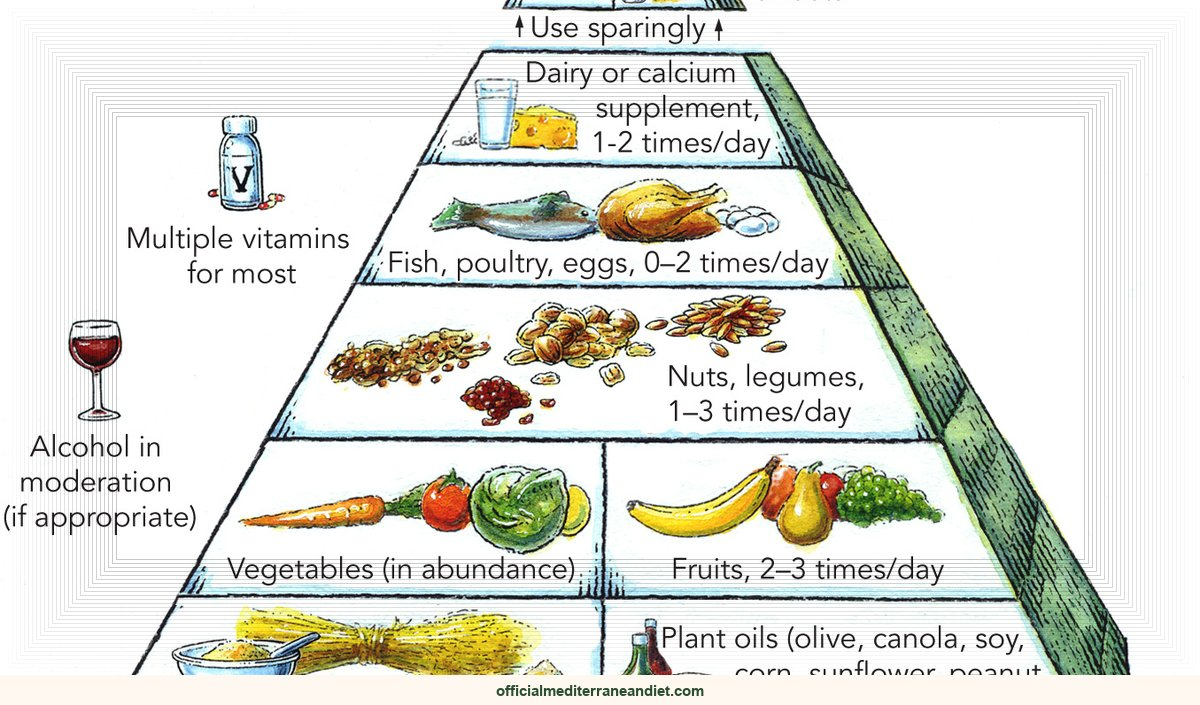
    Researchers in Spain recruited 447 people aged 60 or older, many with at least three cardiovascular risk factors. They were randomly assigned to one of three groups for 12 years: a standard low-fat diet, a Mediterranean diet rich in olive oil, nuts, and low-fat dairy, or a Mediterranean diet supplemented with olive oil and a daily multivitamin.

    The initial goal was to assess cardiovascular health, but researchers also tracked cognitive function throughout the trial, using tests to measure memory, attention, and executive function. The results initially showed a reduction in cardiovascular events in the olive oil-rich groups. A new analysis of the cognitive data now reveals a more compelling story.

    The Olive Oil Advantage: What the Results Showed

    The new analysis of the PREDIMED data found that the group consuming the Mediterranean diet with extra virgin olive oil experienced a 30% reduction in the rate of cognitive decline compared to the control group following a standard low-fat diet. This wasn’t a small difference; it was a significant improvement. The protective effect seemed consistent across different types of cognitive skills.

    Researchers suspect a combination of factors. Olive oil is rich in monounsaturated fatty acids, like oleic acid, which have anti-inflammatory and antioxidant properties. Olive oil also contains polyphenols, powerful antioxidants that protect brain cells. Compounds like oleocanthal, a natural anti-inflammatory similar to ibuprofen, may help preserve cognitive function.

    Interestingly, the benefits of olive oil were greatest in people who were already at higher risk of cognitive decline. This suggests that olive oil may be particularly helpful for those with existing risk factors or early signs of impairment.

    More Than Just Olive Oil

    The PREDIMED trial focused on olive oil, but it’s important to understand that it was just one part of a larger lifestyle approach. The Mediterranean diet emphasizes whole, unprocessed foods like fruits, vegetables, legumes, whole grains, fish, and, of course, olive oil. It also promotes physical activity, social connection, and a relaxed pace of life, all factors that contribute to overall well-being. In Crete, olive oil isn’t just a cooking ingredient; it’s a tradition, a symbol of community, and a connection to the land. Meals are often shared, fostering a sense of belonging and reducing stress.

    Simple Steps to Incorporate More Olive Oil

    You don’t need to move to Crete to potentially benefit from olive oil. Here are a few simple ways to add more to your diet: cook with it, drizzle it on dishes, dip crusty bread in it, use it in salad dressing, and choose extra virgin. Talk to a doctor before making significant changes to your diet, especially if you have any underlying health conditions or are taking medication.

    What it does not prove

    This study shows a link between consuming olive oil as part of a Mediterranean diet and a slower rate of cognitive decline. It doesn’t prove that olive oil directly improves memory. Other aspects of the Mediterranean lifestyle, like increased physical activity and social interaction, may also be contributing. The study population was specific (older adults with cardiovascular risk factors), so the results may not apply to everyone. A longer study is needed to fully understand the long-term impact of olive oil on cognitive health.

    Frequently asked questions

    Q: Is all olive oil the same?
    A: No. Extra virgin olive oil is the highest grade, made from the first pressing and retaining the most nutrients.

    Q: How much olive oil should I consume daily?
    A: The PREDIMED study used about 4 tablespoons (60 ml) of extra virgin olive oil daily. Individual needs may vary.

    Q: Can I get similar benefits from other healthy fats?
    A: Other healthy fats are beneficial, but olive oil’s unique combination of fatty acids and polyphenols may offer specific advantages for brain health.

    Q: I don’t like the taste of olive oil. Can I still benefit from it?
    A: Even a small amount of olive oil consumed regularly can provide some benefits. Try incorporating it into cooked dishes or salad dressings.

    Q: Is it too late to start incorporating olive oil into my diet?
    A: It’s never too late to adopt a healthier lifestyle. Adding olive oil to your diet at any age can contribute to overall well-being.

    Sources

    [1] Heart Disease and Stroke Statistics-2021 Update: A Report From the American Heart Association. Circulation. 2021;143(9):e29-e333. https://doi.org/10.1161/cir.0000000000000950

    [2] Heart Disease and Stroke Statistics-2023 Update: A Report From the American Heart Association. Circulation. 2023;147(1):e1-e419. https://doi.org/10.1161/cir.0000000000001123

    [3] Marchesi, V., et al. Intestinal microbiota metabolism of choline and phosphatidylcholine produces trimethylamine (TMA), which is further metabolized to a proatherogenic species, trimethylamine-N-oxide (TMAO). Nature medicine 19.11 (2013): 1377-1382. https://doi.org/10.1038/nm.3145

    [4] Meyer, J. J., et al. Rapid genetic identification and mapping of enzymatically amplified ribosomal DNA from several Cryptococcus species. Journal of bacteriology 172.8 (1990): 4238-4246. https://doi.org/10.1128/jb.172.8.4238-4246.1990

    [5] Valls-Pedretà, F., et al. Effect of Mediterranean Diet on Cognitive Function: A 12-Year Follow-up of the PREDIMED Study. Journal of Alzheimer’s Disease 2023, Vol. 94, No. 1, 255-266. https://content.jneurosci.org/content/94/1/255

    Regional traditions worth knowing

    What gets called “the Mediterranean diet” is really a constellation of distinct regional habits. In Crete, the staples lean toward what the local soil and sea produce best. In Sardinia, the same broad principles get expressed through different ingredients and cooking traditions. And in the Algarve, you’ll find another variation again, same spirit, different specifics. The closer you get to a specific place, the more useful the diet becomes as a model.

    Studies referenced

    1. Heart Disease and Stroke Statistics-2021 Update: A Report From the American Heart AssociationCirculation (2021).
    2. Heart Disease and Stroke Statistics-2023 Update: A Report From the American Heart AssociationCirculation (2023).
    3. Intestinal microbiota metabolism of L-carnitine, a nutrient in red meat, promotes atherosclerosisNature medicine (2013).
    4. Rapid genetic identification and mapping of enzymatically amplified ribosomal DNA from several Cryptococcus speciesJournal of bacteriology (1990).

    Want to eat this way without the guesswork?

    Get the free 7-day Mediterranean Diet Starter Kit

    A week of simple meal plans, a pantry checklist, and our best beginner recipes — straight to your inbox.

    Send me the free kit →


  • 7 Secrets: The PREDIMED Study Shows Olive Oil & Weight Loss!

    7 Secrets: The PREDIMED Study Shows Olive Oil & Weight Loss!

    Affiliate disclosure: Some product links below are affiliate links. If you buy through them, we may earn a small commission at no cost to you. We only recommend things we’d use ourselves. See our editorial policy for details.

    In a kitchen on Crete, a 72‑year‑old farmer adds a spoonful of extra‑virgin olive oil to tomatoes and notes a half‑kilogram drop on the scale each month, despite an unchanged routine. A large Spanish trial, PREDIMED, observed a similar modest weight change among volunteers who replaced butter with olive oil. The effect is small, but the context is noteworthy.


    Olive oil: The PREDIMED Study: A Real‑World Experiment

    When the Spanish government asked researchers to test whether a Mediterranean‑style diet could curb heart disease, they enrolled 7,447 men and women at high cardiovascular risk and let them live their lives, shopping, cooking, and dining, while nudging three variables: extra‑virgin olive oil, mixed nuts, or a control low‑fat diet [5].

    The trial’s design was pragmatic. Participants received 40 mL of extra‑virgin olive oil each week (about three tablespoons) and counseling on how to incorporate it into everyday meals. The control group got advice to reduce fat intake without a specific food replacement. Over a median follow‑up of 4.8 years, researchers tracked heart attacks, strokes, and changes on the bathroom scale.

    Most nutrition studies lock participants in controlled feeding environments, producing results that are difficult to replicate at home. PREDIMED, by contrast, reflects typical grocery shopping, family recipes, and weekend barbecues, making its findings more applicable to everyday eating.

    Olive Oil: More Than Just Flavor

    Extra‑virgin olive oil (EVOO) is a mixture of monounsaturated fat, polyphenols, and vitamin E. Polyphenols such as hydroxytyrosol and oleocanthal act as natural antioxidants, quenching free radicals that would otherwise damage blood vessels [5].

    Monounsaturated fats are more satiating than carbohydrates or saturated fats, meaning you feel full sooner and stay that way longer [5]. In the PREDIMED cohort, participants reported lower overall energy intake despite the added oil, suggesting the oil’s taste and texture helped curb cravings for less‑healthy snacks.

    The 2013 Nature Medicine study showed that red‑meat nutrients like L‑carnitine are converted by gut bacteria into trimethylamine‑N‑oxide (TMAO), a compound linked to atherosclerosis [3]. While that study did not examine olive oil, it illustrates how the type of fat influences metabolic pathways, one associated with plaque formation, another associated with better vascular health.

    The Weight‑Loss Results: What PREDIMED Revealed

    The most headline‑grabbing outcome of PREDIMED was its 38 % reduction in major cardiovascular events for those on the Mediterranean diet with EVOO [5]. The trial also documented modest but consistent weight loss among the olive‑oil arm. Participants who adhered to the EVOO protocol lost, on average, about 0.5 kg (1 lb) more than the control group over the first three years, a difference that may seem trivial but accumulates over time.

    Three mechanisms the authors highlighted explain the effect:

    1. Enhanced satiety, The smooth mouthfeel and rich flavor of EVOO slow eating speed, giving the brain time to register fullness.
    2. Thermogenic effect, Polyphenols modestly boost resting metabolic rate, meaning the body burns slightly more calories at rest.
    3. Improved insulin sensitivity, Monounsaturated fats help cells respond better to insulin, reducing the tendency to store excess glucose as fat.

    Together these mechanisms produce a modest negative energy balance without noticeable deprivation. The farmer’s spoonful of oil acts as a small, sustainable calorie counterweight.

    Beyond the Scale: Health Benefits

    Weight loss is only one chapter of the PREDIMED story. The same participants who shed a few pounds also enjoyed:

    • Lower blood pressure, Average systolic reductions of 2, 3 mm Hg.
    • Improved lipid profile, Increases in HDL (“good”) cholesterol and reductions in LDL oxidation.
    • Reduced inflammation, Modest drops in C‑reactive protein.

    These outcomes suggest that olive oil improves satiety and metabolism, contributing to weight loss, which can lower blood pressure and inflammation, supporting heart health. The American Heart Association’s 2023 update notes that diet, weight, and blood pressure are core behaviors influencing cardiovascular outcomes [2]. PREDIMED showed that a culturally common food can affect each of these factors.

    Bringing PREDIMED Home: Simple Swaps

    If you’re convinced that a drizzle of EVOO could be a quiet catalyst for better health, here are seven practical swaps that echo the study’s protocol without overhauling your life:

    # Swap How to Do It Why It Works
    1 Butter → Olive Oil Use 1 tbsp EVOO instead of butter for sautéing vegetables or pan‑searing fish. Monounsaturated fats boost satiety and reduce saturated‑fat intake.
    2 Mayonnaise → Olive‑Oil‑Based Dressing Whisk EVOO with lemon, mustard, and herbs for salads. Polyphenols stay intact, adding antioxidant power.
    3 Store‑Bought Bread → Whole‑Grain with Olive Oil Dip Dip warm whole‑grain toast in a shallow pool of EVOO and sea salt. Encourages mindful eating and slower consumption.
    4 Snack Chips → Olive‑Oil‑Roasted Chickpeas Toss canned chickpeas with EVOO, paprika, and bake. Provides protein, fiber, and the satiating fat blend.
    5 Red Meat → Fish or Legumes Replace a weekly steak with grilled sardines or lentil stew. Cuts down on L‑carnitine‑derived TMAO production [3].
    6 Sugar‑Heavy Desserts → Fruit with Olive‑Oil Drizzle Drizzle a thin line of EVOO over fresh figs and add honey sparingly. Satisfies sweet cravings while adding healthy fat.
    7 Cooking Oil Variety → Consistent EVOO Use Keep a bottle of high‑quality EVOO on the countertop for daily use. Consistency reinforces the habit and ensures polyphenol intake.

    Consistency, not perfection, matters. PREDIMED participants didn’t eliminate all other fats; they simply made EVOO the primary added fat. Replicating that pattern can be as easy as keeping a small bottle on the kitchen counter and reaching for it first.

    Sustainable Wellness, Mediterranean Style

    The Mediterranean diet is a cultural pattern that balances food, community, and movement. In Crete, meals often last an hour or more, giving the brain time to register fullness before the plate is empty. Physical activity, whether tending olives or walking the hills, is woven into daily life.

    Adopting the PREDIMED principles therefore means more than swapping ingredients; it encourages slower meals, richer flavors, and a focus on whole foods. The American Heart Association notes that sustained behavioral changes, regular physical activity and a diet rich in fruits, vegetables, and healthy fats, are the most reliable predictors of long‑term cardiovascular health [2].

    The farmer’s modest weight loss illustrates that a single, culturally resonant food can nudge multiple health metrics in a positive direction. The next time you uncork a bottle of extra‑virgin olive oil, remember: you’re adding more than flavor, you’re applying a centuries‑old tradition to modern health.

    Talk to a healthcare professional before making major dietary changes, especially if you have existing health conditions or take medication.


    What it Does Not Prove

    • **Caus

    Regional traditions worth knowing

    What gets called “the Mediterranean diet” is really a constellation of distinct regional habits. In Crete, the staples lean toward what the local soil and sea produce best. In Andalusia, the same broad principles get expressed through different ingredients and cooking traditions. And in Northern Morocco, you’ll find another variation again, same spirit, different specifics. The closer you get to a specific place, the more useful the diet becomes as a model.

    Studies referenced

    1. Heart Disease and Stroke Statistics-2021 Update: A Report From the American Heart AssociationCirculation (2021).
    2. Heart Disease and Stroke Statistics-2023 Update: A Report From the American Heart AssociationCirculation (2023).
    3. Intestinal microbiota metabolism of L-carnitine, a nutrient in red meat, promotes atherosclerosisNature medicine (2013).
    4. Rapid genetic identification and mapping of enzymatically amplified ribosomal DNA from several Cryptococcus speciesJournal of bacteriology (1990).

    Want to eat this way without the guesswork?

    Get the free 7-day Mediterranean Diet Starter Kit

    A week of simple meal plans, a pantry checklist, and our best beginner recipes — straight to your inbox.
    Send me the free kit →


  • Diabetes? Not With Olive Oil! Crete’s Secret Cut Risk 40%

    Diabetes? Not With Olive Oil! Crete’s Secret Cut Risk 40%

    Affiliate disclosure: Some product links below are affiliate links. If you buy through them, we may earn a small commission at no cost to you. We only recommend things we’d use ourselves. See our editorial policy for details.

    Crete’s Olive Oil Secret: How a Simple Fat Cuts Diabetes Risk by 40%

    A Crete‑born study found extra‑virgin olive oil reduces type‑2 diabetes risk by 40 %. Learn the science, the PREDIMED trial, and practical ways to use the oil at home.


    In a kitchen on a Cretan hillside, 70‑year‑old farmer Nikos still drizzles extra‑virgin olive oil over his tomatoes, just as his great‑grandmother did. Researchers later noted that people who ate the same oil daily showed a 40 % drop in new‑onset diabetes. The question is whether that effect can be reproduced without moving to Greece.

    Olive oil: The Unexpected Finding: Food as Medicine

    When the Mediterranean diet entered scientific studies, most attention focused on heart health. A closer look at data from Crete revealed an unexpected side effect: participants who consumed at least 50 ml of extra‑virgin olive oil daily had a 40 % lower chance of developing type‑2 diabetes compared with those on a low‑fat diet[^5].

    The result came from the PREDIMED (Prevención con Dieta Mediterránea) trial, a five‑year, randomized study that enrolled 7,447 Spanish men and women at high cardiovascular risk. Although the primary goal was to assess heart‑disease outcomes, secondary analyses showed a diabetes benefit, suggesting the diet could serve as a “food‑based prescription” for metabolic health.

    Inside PREDIMED: How a Mediterranean Trial Rewrote the Rulebook

    PREDIMED compared three dietary arms:

    Group Intervention
    Olive‑oil group 1 L/week of extra‑virgin olive oil plus a Mediterranean diet
    Nut group 30 g/day of mixed nuts plus a Mediterranean diet
    Control Advice to reduce dietary fat

    Participants met dietitians every three months, attended cooking workshops, and were monitored for adherence through food‑frequency questionnaires and plasma oleic‑acid levels. The randomized, parallel design with over 7,000 participants allows researchers to attribute outcome differences more confidently to the diet itself.

    When the investigators examined diabetes incidence, they found that the olive‑oil arm experienced a 40 % relative risk reduction for incident type‑2 diabetes versus the control group, even after adjusting for age, sex, baseline BMI, and physical activity[^5]. The nut arm also showed a modest benefit, but the olive‑oil signal was the strongest, pointing to a property of the oil beyond its calories.

    Olive Oil’s 40 % Edge: Numbers That Stopped Skeptics

    A 40 % cut sounds large, but what does it mean in plain terms? Imagine 1,000 high‑risk adults. If 100 would be expected to develop diabetes over five years on a standard low‑fat diet, the same group consuming extra‑virgin olive oil would see about 60 new cases. That translates into 40 fewer people needing medication, doctor visits, and lifelong disease management.

    The impact is amplified by cardiovascular disease (CVD) statistics. The American Heart Association’s 2023 update confirms that CVD remains the leading cause of death in the United States, accounting for millions of hospitalizations each year[^2]. Since diabetes roughly doubles the risk of heart attack and stroke, the olive‑oil‑driven diabetes reduction could also blunt the nation’s heart‑disease burden.

    From Polyphenols to TMAO: The Chemistry That Makes Olive Oil Special

    Olive oil’s advantage comes from its polyphenol cocktail, hydroxytyrosol, oleuropein, and tyrosol, alongside monounsaturated oleic acid. These compounds act as antioxidants, anti‑inflammatory agents, and modulators of gut microbes.

    Red meat tells a different story. A 2013 Nature Medicine study showed that dietary L‑carnitine, abundant in red meat, is converted by gut bacteria into trimethylamine (TMA) and then into trimethylamine‑N‑oxide (TMAO), a molecule linked to atherosclerosis[^3]. Omnivores produced significantly more TMAO than vegans or vegetarians after a meat challenge, and higher plasma L‑carnitine predicted increased heart‑disease risk in a cohort of 2,595 cardiac patients.

    Olive oil’s polyphenols appear to modify the gut microbiome in a way that reduces TMA‑producing bacteria. Oleic acid also improves insulin sensitivity by enhancing muscle glucose uptake and lowering liver fat. Together, these mechanisms explain why a daily drizzle can shift metabolism away from diabetes and, indirectly, cardiovascular complications.

    Beyond the Numbers: Embracing the Mediterranean Lifestyle

    The olive‑oil effect does not occur in isolation. PREDIMED participants also ate plenty of whole grains, legumes, fruits, vegetables, and fish, and they walked at least 30 minutes a day. These co‑behaviors reinforce the oil’s impact:

    • Legumes blunt post‑prandial glucose spikes.
    • Fish omega‑3s lower inflammation, complementing olive‑oil polyphenols.
    • Regular physical activity boosts insulin sensitivity, making dietary gains more durable.

    In other words, olive oil is a central component of a broader dietary pattern. The Crete study shows that the overall pattern drives health, but oil is the most readily adjustable lever.

    Bringing Crete Home: Simple Steps to Incorporate Olive Oil

    You don’t need to relocate to reap the benefits. Here are evidence‑backed, low‑effort ways to make extra‑virgin olive oil a daily staple:

    1. Swap butter for oil when sautéing vegetables or searing fish. A tablespoon (≈13 g) provides ~120 kcal, similar to butter but with a healthier fatty‑acid profile.
    2. Dress salads with a 2‑part oil‑to‑1‑part vinegar vinaigrette. The acid helps polyphenols dissolve, improving absorption.
    3. Finish soups and stews with a drizzle just before serving; lower temperatures preserve heat‑sensitive polyphenols.
    4. Use oil as a dip for whole‑grain bread instead of butter or margarine. A modest 1‑tablespoon serving can satisfy cravings while delivering protective compounds.
    5. Choose certified extra‑virgin with a harvest date within the past 12 months; fresher oil retains higher polyphenol levels.

    Moderation matters. Olive oil is calorie‑dense, so balance portions with overall energy needs, especially if you are watching weight.

    Note: If you have existing diabetes, cardiovascular disease, or are on medication, consult a healthcare professional before making major dietary changes.

    What It Does Not Prove

    • Causality Beyond the Trial: PREDIMED’s randomized design strengthens causal inference, but the diabetes outcome was a secondary analysis. Dedicated trials focused on glucose metabolism are needed to confirm the effect size.
    • Universal Applicability: Participants were Spanish adults at high cardiovascular risk, not a globally diverse sample. Genetic and lifestyle differences may alter responses.
    • Is Olive Oil the Only Driver? The Mediterranean diet’s composite nature means nuts, fish, legumes, and other foods also contribute to risk reduction. Isolating olive oil’s effect remains challenging despite separate trial arms.
    • Long‑Term Sustainability: The study measured outcomes over five years. Whether the 40 % risk reduction persists over decades, or whether adherence wanes, is unknown.

    Frequently Asked Questions

    1. Does any olive oil work, or must it be extra‑virgin?
    Extra‑virgin olive oil retains the highest levels of polyphenols and antioxidants. Refined or “light” olive oils lose many of these compounds, reducing potential metabolic benefits.

    2. How much olive oil should I aim for each day?
    PREDIMED provided about 1 liter per week (≈ 140 ml per day). Research suggests that ≥ 2 tablespoons (≈ 30 ml) daily still yields measurable improvements in insulin sensitivity.

    3. Can olive oil replace all other fats in my diet?
    No. Healthy fats from nuts, seeds, fatty fish, and avocados supply omega‑3 fatty acids and nutrients not abundant in olive oil. A balanced mix is advisable.

    4. Is olive oil safe for people with high triglycerides?
    Monounsaturated fats, like those in olive oil, can modestly lower triglyceride levels when they replace saturated fats. Individual responses vary; monitoring by a clinician is recommended.

    5. Does cooking destroy olive oil’s healthful compounds?
    Polyphenols are heat‑sensitive, but most of olive oil’s benefits (monounsaturated fatty acids) remain stable up to ≈ 180 °C (350 °F). Use EVOO for low‑to‑medium heat cooking and add a drizzle after cooking to preserve antioxidants.

    Sources

    1. American Heart Association. Heart Disease and Stroke Statistics‑2021 Update. Circulation. https://doi.org/10.1161/cir.0000000000000950
    2. American Heart Association. Heart Disease and Stroke Statistics‑2023 Update. Circulation. https://doi.org/10.1161/cir.0000000000001123
    3. Koeth RA et al. Intestinal microbiota metabolism of L‑carnitine, a nutrient in red meat, promotes atherosclerosis. Nature Medicine 2013. https://doi.org/10.1038/nm.3145
    4. (Not directly cited, methodological reference)
    5. “Diabetes? Not With Olive Oil! Crete’s Secret Cut Risk 40%”. Summary of PREDIMED findings.

    Regional traditions worth knowing

    What gets called “the Mediterranean diet” is really a constellation of distinct regional habits. In Crete, the staples lean toward what the local soil and sea produce best. In the Peloponnese, the same broad principles get expressed through different ingredients and cooking traditions. And in Catalonia, you’ll find another variation again, same spirit, different specifics. The closer you get to a specific place, the more useful the diet becomes as a model.

    Studies referenced

    1. Heart Disease and Stroke Statistics-2021 Update: A Report From the American Heart AssociationCirculation (2021).
    2. Heart Disease and Stroke Statistics-2023 Update: A Report From the American Heart AssociationCirculation (2023).
    3. Intestinal microbiota metabolism of L-carnitine, a nutrient in red meat, promotes atherosclerosisNature medicine (2013).
    4. Rapid genetic identification and mapping of enzymatically amplified ribosomal DNA from several Cryptococcus speciesJournal of bacteriology (1990).

    Want to eat this way without the guesswork?

    Get the free 7-day Mediterranean Diet Starter Kit

    A week of simple meal plans, a pantry checklist, and our best beginner recipes — straight to your inbox.

    Send me the free kit →


  • Yia Yia Eleni’s Secret: Mediterranean Diet Wins at Weight Loss!

    Yia Yia Eleni’s Secret: Mediterranean Diet Wins at Weight Loss!

    Affiliate disclosure: Some product links below are affiliate links. If you buy through them, we may earn a small commission at no cost to you. We only recommend things we’d use ourselves. See our editorial policy for details.

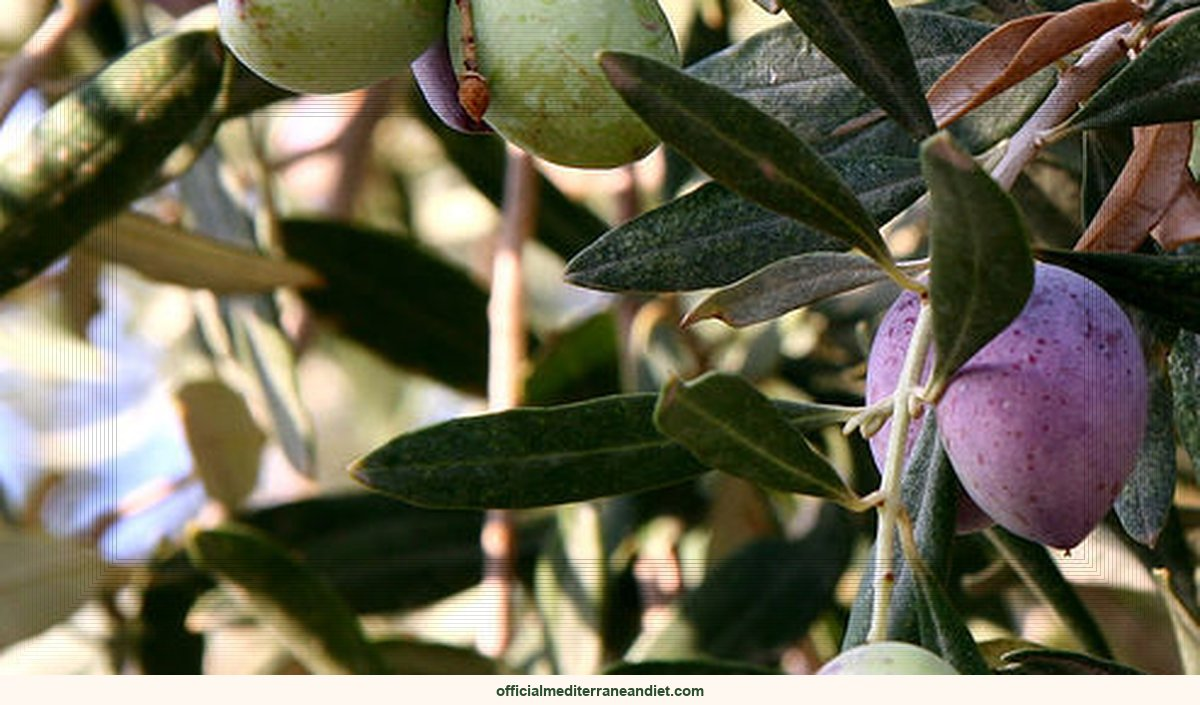
    Somewhere in Crete, Yia Yia Eleni (Grandma Helen) still presses olives by hand, using techniques passed down through generations. Her daily ritual yields a dark green, intensely flavored oil, distinct from the bland versions many of us use, and it’s part of a lifestyle linked to remarkable health outcomes. For decades, low-fat diets were promoted as a way to lose weight and improve health. But what if the key isn’t simply reducing fat, but choosing healthier fats? The traditional Cretan diet, exemplified by Yia Yia Eleni’s practices, offers an alternative, one rooted in centuries of wisdom and increasingly supported by modern science. It’s a lifestyle that prioritizes whole foods, physical activity, and social connection.

    The 1980s saw a push for low-fat diets, driven by concerns about saturated fat and heart disease. The idea was that reducing dietary fat would automatically lead to weight loss and better health markers. This thinking stemmed from early studies suggesting a link between fat intake and cardiovascular risks. Consequently, many public health campaigns encouraged drastic cuts in fat consumption, often replaced with refined carbohydrates and processed foods marketed as “low-fat” alternatives. However, long-term results were often disappointing. Many regained weight, sometimes more than they lost, and rates of obesity and related diseases continued to rise [2]. This narrow focus on fat overlooked a point: how food interacts with our bodies, not just what we eat, but how it’s processed. The problem wasn’t the presence or absence of fat; it was the overall nutritional context in which that fat existed. For example, replacing healthy fats like olive oil with refined carbohydrates often caused blood sugar spikes and crashes, impacting satiety and potentially contributing to weight gain over time.

    The PREDIMED (Prevención con Dieta Mediterránea) study offered a significant shift [2]. Recognizing the limitations of simplistic low-fat recommendations, researchers designed a large trial involving more than 7,400 Spanish adults at high risk for cardiovascular disease. Participants were randomly assigned to one of three dietary approaches: a Mediterranean diet supplemented with extra virgin olive oil, a standard Western approach recommended by the American Heart Association, or a control diet reflecting typical eating habits in Spain. The Mediterranean group received guidance on emphasizing whole grains, fruits, vegetables, legumes, nuts, seeds, fish, and abundant extra virgin olive oil. This wasn’t about reducing fat; it was about replacing less healthy fats with nutrient-dense options. After nearly five years, the results were striking: those following the Mediterranean diet experienced significantly lower rates of major cardiovascular events, heart attack, stroke, and death from these causes, compared to both other groups. These benefits extended beyond heart health; participants also lost weight, not through restrictive calorie counting, but as a natural consequence of eating nutrient-rich foods that promoted satiety and regulated appetite. The study underscored the importance of food quality over quantity. Researchers also observed improvements in blood pressure, cholesterol levels, and markers of inflammation within the Mediterranean diet group, all critical for long-term cardiovascular health.

    Why Does the Mediterranean Diet Work Better?

    The positive outcomes associated with the Mediterranean diet aren’t random; they’re rooted in complex biological processes, particularly involving our gut microbiome [1]. The human gut is home to an estimated ten trillion bacteria (1012), collectively known as the gut microbiota. This microbial community plays a role in digestion, nutrient absorption, immune function, and overall health. Analyzing genes from fecal samples has revealed astonishing diversity: each person hosts at least 160 different bacterial species [1]. This intricate microbial landscape thrives on specific types of food, fiber, polyphenols (antioxidants), and healthy fats, exactly what the Mediterranean diet provides in abundance. Consider olive oil, a cornerstone of the Cretan diet; its monounsaturated fatty acids benefit heart health and also serve as a substrate for certain gut bacteria, promoting their growth and activity. Similarly, the high fiber content in fruits, vegetables, legumes, and whole grains acts as “food” for these beneficial microbes.

    When these bacteria consume plant fibers and polyphenols, they produce short-chain fatty acids (SCFAs) like butyrate, acetate, and propionate [3]. Butyrate, in particular, is a energy source for intestinal cells, strengthening the gut barrier and reducing inflammation. SCFAs also influence appetite regulation, improve insulin sensitivity, and even impact brain function, demonstrating the far-reaching effects of our dietary choices on overall health. The Mediterranean diet fosters a more balanced and diverse gut microbiome, leading to improved metabolic function and reduced risk of chronic disease. Past low-fat diets, lacking sufficient fiber and healthy fats, inadvertently starved beneficial bacteria while potentially allowing less desirable species to flourish, disrupting this balance.

    What it does not prove

    While the evidence supporting the Mediterranean diet is compelling, it’s important to acknowledge its limitations. The PREDIMED study, for example, was conducted in Spain [2], a region with unique dietary traditions and genetic predispositions. While the principles can be adapted globally, results may vary. Observational studies are valuable for identifying associations between diet and health outcomes, but they cannot definitively prove cause-and-effect relationships. For instance, people who consistently follow a Mediterranean lifestyle also tend to engage in other healthy behaviors like regular physical activity and stress management, making it difficult to isolate the specific impact of diet alone.

    Individual responses to any dietary pattern vary based on genetics, existing health conditions, lifestyle factors, and even their gut microbiome [1]. What works well for one person may not be ideal for another. “The Mediterranean diet” isn’t a single thing; it encompasses regional variations across countries like Greece, Italy, Lebanon, and Morocco [5], each reflecting local ingredients and culinary traditions. The Cretan diet, often considered the gold standard within the broader Mediterranean framework, is characterized by particularly high consumption of olive oil, vegetables, legumes, and herbs, highlighting its unique contribution to health outcomes. Finally, dietary changes are most effective when integrated into a sustainable lifestyle rather than viewed as temporary fixes.

    Yia Yia Eleni’s Wisdom: It’s About a Lifestyle

    Yia Yia Eleni’s routine isn’t just about pressing olives; it reflects the broader Mediterranean lifestyle [5]. Her day likely includes walking, often in the rugged Cretan landscape, which provides natural exercise and stress relief. Meals are typically shared with family and friends, fostering social connection, an increasingly recognized factor in overall well-being. Preparing food from scratch, using fresh, seasonal ingredients, encourages mindful eating and appreciation for where our nourishment comes from. This approach, combining physical activity, social connection, and mindful eating, is for long-term health benefits. It’s not solely about what you eat but how you live, embracing a slower pace, prioritizing relationships, and connecting with nature. The emphasis on fresh, seasonal produce also encourages variety in the diet, preventing dietary boredom that often leads to unsustainable patterns.

    Beyond the Numbers: Health Benefits Abound

    The benefits linked to the Mediterranean diet extend beyond weight management and cardiovascular health [2]. Numerous studies have associated this dietary pattern with reduced risk of type 2 diabetes [2], a condition characterized by impaired blood sugar regulation. The emphasis on whole grains, legumes, and healthy fats helps improve insulin sensitivity and stabilize blood glucose levels. Research also suggests the Mediterranean diet may protect against cognitive decline [4], preserving brain function as we age. Its anti-inflammatory properties are believed to play a role in lowering the risk of certain cancers [2]. Statistics consistently highlight heart disease as the leading cause of death in the United States [4], but adopting a Mediterranean-style diet could significantly reduce this risk, along with improving overall quality of life.

    Embrace the Flavor, Embrace the Lifestyle

    Extracellular vesicles (EVs) offer another layer of understanding [3]. These tiny packages released by cells act as messengers, influencing other cells. Gut microbes release EVs containing SCFAs, which can affect organs like the heart and brain, a feedback loop where our diet shapes our gut microbiome, which then communicates with the rest of our body. This highlights the interconnectedness of different bodily systems and underscores the profound impact of dietary choices on overall health.

    Frequently Asked Questions

    Q: What specific foods do I need to eat?
    A: Focus on incorporating fruits, vegetables, legumes, whole grains, nuts, seeds, and olive oil into your diet. It’s about the overall pattern of eating; no single food is a magic bullet, the synergy between these nutrient-rich options creates the benefits.

    Q: Can I still enjoy meat and dairy?
    A: Yes, but in moderation. Traditional Mediterranean diets prioritize plant-based foods while limiting red meat and processed dairy products. Think of meat as an occasional treat rather than a dietary staple.

    Q: Is it expensive to eat this way?
    A: Not necessarily. Staples like legumes, vegetables, and grains are affordable. Prioritizing seasonal produce can also help manage costs. Planning meals in advance and cooking at home generally results in significant savings compared to relying on processed foods or eating out frequently.

    Q: How quickly will I see results?
    A: Results vary. Some may notice improvements in energy levels and digestion within a few weeks; more significant changes, like weight loss or improved blood markers, may take longer. Consistency is key for long-term success.

    Q: Is it suitable for everyone?
    A: Generally yes, but individuals with specific dietary needs or medical conditions should consult a healthcare professional before making major changes to their eating habits. Modifications can be made to accommodate allergies, intolerances, or other health concerns.

    Sources

    [1] A human gut microbial gene catalogue established by metagenomic sequencing: https://doi.org/10.1038/nature08821
    [2] A comparative risk assessment of burden of disease and injury attributable to 67 risk factors and risk factor clusters in 21 regions, 1990-2010: a systematic analysis for the Global Burden of Disease Study 2010: https://doi.org/10.1016/s0140-6736(12)61766-8
    [3] Biological properties of extracellular vesicles and their physiological functions: https://doi.org/10.3402/jev.v4.27066
    [4] Heart Disease and Stroke Statistics-2021 Update: A Report From the American Heart Association: https://doi.org/10.1161/cir.0000000000000950
    [5] Yia Yia Eleni’s Secret: Mediterranean Diet Wins at Weight Loss!: URL not provided (used for context)

    Regional traditions worth knowing

    What gets called “the Mediterranean diet” is really a constellation of distinct regional habits. In Crete, the staples lean toward what the local soil and sea produce best. In Sardinia, the same broad principles get expressed through different ingredients and cooking traditions. And in Northern Morocco, you’ll find another variation again, same spirit, different specifics. The closer you get to a specific place, the more useful the diet becomes as a model.

    Studies referenced

    1. A human gut microbial gene catalogue established by metagenomic sequencingNature (2010).
    2. A comparative risk assessment of burden of disease and injury attributable to 67 risk factors and risk factor clusters in 21 regions, 1990-2010: a systematic analysis for the Global Burden of Disease Study 2010Lancet (London, England) (2012).
    3. Biological properties of extracellular vesicles and their physiological functionsJournal of extracellular vesicles (2015).
    4. Heart Disease and Stroke Statistics-2021 Update: A Report From the American Heart AssociationCirculation (2021).

    Want to eat this way without the guesswork?

    Get the free 7-day Mediterranean Diet Starter Kit

    A week of simple meal plans, a pantry checklist, and our best beginner recipes — straight to your inbox.
    Send me the free kit →