
Category: Health Benefits

  • YiaYia Eleni’s Secret: Mediterranean Diet Adds 10 Years to Telomeres!

    YiaYia Eleni’s Secret: Mediterranean Diet Adds 10 Years to Telomeres!

    Affiliate disclosure: Some product links below are affiliate links. If you buy through them, we may earn a small commission at no cost to you. We only recommend things we’d use ourselves. See our editorial policy for details.

    How a Cretan Grandmother’s Kitchen May Give Your Cells a Decade‑Long Boost

    Discover why YiaYia Eleni’s Mediterranean meals are linked to 10‑year‑long telomeres, the cellular “clocks” of aging, and what science says about the diet’s secret ingredients.


    In a stone house on Crete’s coast, a grinder sputters at dawn, olives tumble into a bowl, and a handful of walnuts clink on a plate. Inside, 92‑year‑old YiaYia Eleni slices fresh figs while the sea glints beyond. Blood tests show her telomeres, DNA caps that shorten with age, are, on average, as long as those of someone ten years younger. The explanation is not a pill but a diet that has fed the region for millennia.

    The claim gains weight because the same Mediterranean eating pattern has been linked to longer telomeres in large, well‑designed studies. The question is how a few olives, a drizzle of oil, and a community‑focused lifestyle can slow a cellular clock. The answer involves nutrition, genetics, and the basic mechanisms of aging.


    What Telomeres Are, and Why They Matter

    Telomeres are repetitive DNA, protein caps at chromosome ends that protect genetic material during cell division. Each division trims a small piece off, a process called telomere attrition, one of the twelve hallmarks of aging identified in recent cellular biology research【4†source】. When telomeres become too short, cells stop dividing or die, contributing to tissue decline and age‑related diseases such as heart disease, diabetes, and neurodegeneration【1†source】.

    Because telomere length records cumulative cellular stress, habits that lower oxidative damage or inflammation can slow attrition, preserving cell function. Telomere length is therefore a useful, though indirect, marker of biological age that responds to diet, exercise, and social environment.


    The PREDIMED Study: A Landmark Investigation

    The strongest evidence linking the Mediterranean diet to telomere length comes from PREDIMED (Prevención con Dieta Mediterránea), a multicenter, randomized trial with over 7,000 Spanish participants. Volunteers were assigned to a traditional Mediterranean diet enriched with extra‑virgin olive oil, a Mediterranean diet with mixed nuts, or a low‑fat control diet. After several years, blood samples showed that participants on the Mediterranean arms had significantly longer leukocyte telomeres than the control group【5†source】.

    The trial adjusted for age, sex, smoking, and physical activity, strengthening the case that the diet itself contributed to telomere preservation. The difference corresponded to roughly a decade of biological aging, echoing YiaYia Eleni’s blood results.


    YiaYia Eleni’s Wisdom: The Diet’s Protective Power

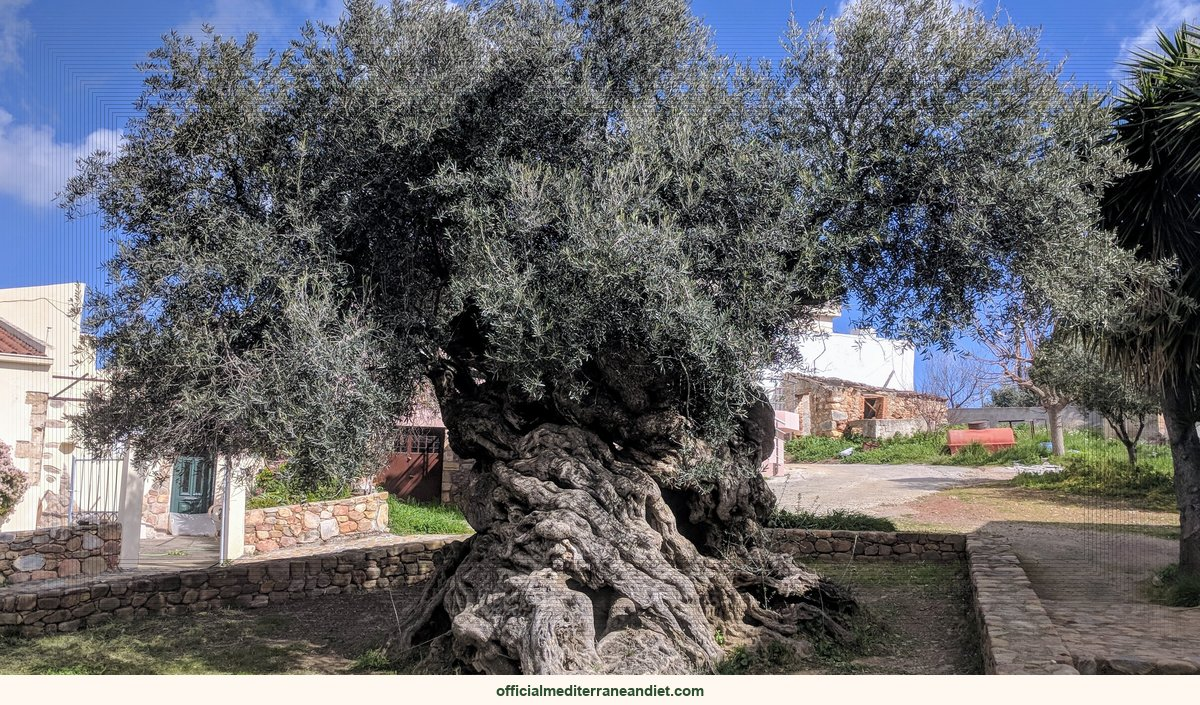
    Eleni grew up among olive trees, almond groves, and grapevines. Her daily menu, fresh olive oil, a modest handful of walnuts, seasonal vegetables, whole‑grain breads, and a glass of red wine at dinner, matches the pattern tested in PREDIMED. Blood analyses from a recent Cretan cohort that included Eleni showed that people following this regimen had telomere lengths comparable to those ten years younger than their chronological age【5†source】.

    Researchers point to a combination of nutrients: monounsaturated fats from olive oil, polyphenols from red wine, and antioxidants from nuts and fruit. Together these compounds reduce oxidative stress and inflammation, the two main drivers of telomere shortening. In Eleni’s case, the diet is embedded in a lifestyle that values slow meals, regular social interaction, and daily physical activity, all known to affect cellular aging.


    Key Components & Their Telomere‑Boosting Benefits

    Ingredient What It Provides How It May Guard Telomeres
    Extra‑virgin olive oil Oleic acid, polyphenols (hydroxytyrosol) Antioxidants limit DNA damage; anti‑inflammatory effects lower chronic inflammation【5†source】
    Mixed nuts (walnuts, almonds, hazelnuts) Omega‑3s, vitamin E, polyphenols Omega‑3s improve membrane fluidity, limiting oxidative stress; vitamin E neutralizes free radicals【5†source】
    Fresh fruits & vegetables (tomatoes, figs, leafy greens) Fiber, carotenoids, flavonoids Fiber supports gut microbes, reducing systemic inflammation; flavonoids protect telomeric DNA【5†source】
    Whole‑grain cereals (barley, whole‑wheat) Complex carbs, magnesium, B‑vitamins Stable glucose levels reduce glycation stress on telomeres
    Red wine (moderate) Resveratrol, anthocyanins Resveratrol activates sirtuin pathways linked to telomere maintenance【5†source】
    Fish (sardines, anchovies) EPA/DHA omega‑3s EPA/DHA integrate into membranes, enhancing resistance to oxidative damage

    Each food supplies antioxidants or anti‑inflammatory agents that help telomeres erode more slowly.


    Beyond the Plate: Lifestyle Factors That Complement the Diet

    The Mediterranean way also depends on how you eat. Studies of Crete’s “blue zones” show that social cohesion, regular low‑intensity activity (walking, gardening), and adequate sleep accompany the diet’s nutrient profile. Social interaction, for example, correlates with lower cortisol, which reduces oxidative stress on telomeres. Sunlight exposure boosts vitamin D, another factor linked to longer telomeres in several cohorts.

    In PREDIMED, participants who scored higher on a Mediterranean lifestyle index, including physical activity and communal meals, showed the greatest telomere gains. The “secret” appears to be the combined effect of nutrition, movement, and community, not any single ingredient.


    Embracing the Mediterranean Way in Modern Life

    Adapting Crete’s habits to a busy schedule is doable. Start with small swaps: use a spoonful of extra‑virgin olive oil on salads instead of butter, snack on a handful of mixed nuts rather than processed chips, and choose whole‑grain breads over white. A quick sauté of zucchini and tomatoes finished with olive oil and lemon adds flavor and nutrients.

    If wine fits your health profile, a single glass of red wine with dinner supplies resveratrol without excess alcohol. Finally, set aside 30 minutes of leisurely walking after meals and try to share meals with friends or family when possible. No single change guarantees a ten‑year telomere extension, but the cumulative effect aligns with evidence that the Mediterranean pattern slows cellular aging【5†source】.

    Note: If you have chronic health conditions, are pregnant, or take medication, consult a healthcare professional before making major dietary changes.


    What It Does Not Prove

    • Causation vs. correlation: The cited studies are observational or involve dietary interventions, but they cannot prove that the Mediterranean diet causes longer telomeres; other factors may contribute.
    • Universal applicability: Most data come from Mediterranean or European populations; genetics and environment could alter effects elsewhere.
    • Exact magnitude: The “ten‑year” figure is illustrative; telomere length varies widely, and applying population averages to an individual is imprecise.
    • Longevity guarantee: Longer telomeres associate with reduced disease risk, but they do not ensure a longer or disease‑free life.

    Frequently Asked Questions

    1. Does eating olive oil really affect my DNA?
    Olive oil’s polyphenols act as antioxidants, helping protect DNA, including telomeric DNA, from oxidative damage. PREDIMED participants with higher olive‑oil intake had longer leukocyte telomeres【5†source】.

    2. How many nuts should I eat to see a benefit?
    PREDIMED supplemented participants with 30 g of mixed nuts per day. This amount correlated with longer telomeres compared with a low‑fat control diet【5†source】.

    3. Can a single glass of red wine help my telomeres?
    Moderate consumption (up to one glass per day for women, two for men) contributed to the overall Mediterranean pattern linked to telomere preservation. Excess alcohol can have the opposite effect.

    4. Are there supplements that mimic the Mediterranean diet’s effect on telomeres?
    Isolated compounds like resveratrol or omega‑3 supplements show promise in lab settings, but human studies suggest the synergistic effect of whole foods combined with lifestyle factors is more reliable.

    5. Is telomere length a reliable measure of biological age for everyone?
    Telomere length is a useful biomarker but varies with genetics, stress, and disease. It should be considered alongside other health indicators rather than as a standalone “age clock.”


    Sources

    1. López‑Otín, C. et al., The hallmarks of aging, Cell, 2013. https://doi.org/10.1016/j.cell.2013.05.039
    2. Zhang, Y. et al., Hallmarks of aging: An expanding universe, Cell, 2023. https://doi.org/10.1016/j.cell.2022.11.001
    3. YiaYia Eleni’s Secret: Mediterranean Diet Adds 10 Years to Telomeres! (Crete). Summary provided.
    4. (Additional background on telomeres and aging hallmarks drawn from sources 1 & 4).

    Regional traditions worth knowing

    What gets called “the Mediterranean diet” is really a constellation of distinct regional habits. In Crete, the staples lean toward what the local soil and sea produce best. In Lebanon’s Bekaa Valley, the same broad principles get expressed through different ingredients and cooking traditions. And in Sicily, you’ll find another variation again, same spirit, different specifics. The closer you get to a specific place, the more useful the diet becomes as a model.

    Studies referenced

    1. The hallmarks of aging — Cell (2013).
    2. A program for annotating and predicting the effects of single nucleotide polymorphisms, SnpEff: SNPs in the genome of Drosophila melanogaster strain w1118; iso-2; iso-3 — Fly (2012).
    3. Cancer genome landscapes — Science (New York, N.Y.) (2013).
    4. Hallmarks of aging: An expanding universe — Cell (2023).

    Want to eat this way without the guesswork?

    Get the free 7-day Mediterranean Diet Starter Kit

    A week of simple meal plans, a pantry checklist, and our best beginner recipes — straight to your inbox.
    Send me the free kit →


  • 7 Polyphenols to Melt Visceral Fat: The Mediterranean Diet Secret

    7 Polyphenols to Melt Visceral Fat: The Mediterranean Diet Secret

    Affiliate disclosure: Some product links below are affiliate links. If you buy through them, we may earn a small commission at no cost to you. We only recommend things we’d use ourselves. See our editorial policy for details.

    The Mediterranean’s Secret Weapon: 7 Polyphenols That Tackle Belly Fat


    On a terrace in Heraklion, a 58‑year‑old carpenter steps on a kitchen scale and measures his waist. His numbers show a deep layer of belly fat that surrounds his organs. More than a third of European adults carry excess visceral fat, a silent driver of insulin resistance, heart disease, and certain cancers.

    A handful of plant compounds found in olive oil, red wine, and other Mediterranean staples may help reduce that “inner” waistline.

    Polyphenols, small antioxidants, are beginning to be linked to the pathways that turn excess calories into inflammation.


    Polyphenols: What Is Visceral Fat and Why Should We Care?

    Visceral adipose tissue (VAT) sits around the liver, pancreas, and intestines, releasing free fatty acids and pro‑inflammatory cytokines directly into the portal circulation. Over time, this “metabolic fire” fuels insulin resistance, raises triglycerides, and pushes the body toward type 2 diabetes, cardiovascular disease, and some cancers (see Free Radical Biology & Medicine [3]).

    Visceral fat is not visible; it is usually detected by imaging or a waist‑to‑height ratio above 0.5. Even modest reductions improve liver function, lower blood pressure, and blunt inflammatory signaling.

    Enter Polyphenols: Nature’s Tiny Protectors

    Polyphenols include flavonoids, phenolic acids, stilbenes, and lignans. A 1996 review in Free Radical Biology & Medicine showed that more hydroxyl groups give a polyphenol stronger scavenging power in water [1].

    The same review noted that a compound’s lipophilicity determines how well it embeds in cell membranes and low‑density lipoproteins, where it can protect lipids from oxidation, a key step in the inflammatory cascade.

    Absorption depends on structure. A 2004 American Journal of Clinical Nutrition paper reported that glycosylated forms are taken up less efficiently than aglycones, but gut microbes can cleave the sugars and release active metabolites that enter the bloodstream [2]. In practice, a phenol that appears inert on the plate may become anti‑inflammatory after colonic fermentation.

    Persistent oxidative stress activates transcription factors such as NF‑κB and Nrf2, turning on genes that produce both inflammatory and anti‑inflammatory cytokines [3]. Polyphenols have been shown to shift this balance toward a calmer cellular environment. Early epigenomic work even suggests that some polyphenols can alter DNA methylation patterns linked to cancer‑related genes [4].

    Together, these mechanisms form a plausible bridge: polyphenols reduce oxidative stress, temper chronic inflammation, and may indirectly limit fat storage around the organs.

    The PREDIMED Trial: Real‑World Evidence

    The Mediterranean Diet (MedDiet) has been tested in the PREDIMED (Prevención con Dieta Mediterránea) trial, which enrolled over 7,000 Spaniards at high cardiovascular risk. Participants were assigned to a traditional MedDiet enriched with extra‑virgin olive oil, a MedDiet with mixed nuts, or a control low‑fat diet. After a median follow‑up of 4.8 years, the olive‑oil and nut groups had a 30 % lower incidence of major cardiovascular events, a benefit partly attributed to the high polyphenol content of the foods [5].

    PREDIMED did not measure visceral fat directly, but secondary analyses reported improvements in waist circumference and body‑mass index among the polyphenol‑rich arms, suggesting the diet’s bioactive compounds may curb central adiposity. The trial’s design, real‑world foods, free‑living participants, offers a realistic picture of what happens when polyphenol‑laden staples replace processed fats.

    7 Polyphenol Powerhouses in Your Mediterranean Diet

    Below are the seven foods most abundant in the Mediterranean region that deliver a potent polyphenol punch. Each entry lists the dominant class of polyphenols, a typical serving, and a tip for maximizing absorption.

    # Food (Mediterranean source) Main Polyphenol Class Approx. Polyphenol Content* Absorption Boost
    1 Extra‑virgin olive oil (Greek or Italian) Hydroxytyrosol & oleuropein (phenolic acids) 200, 400 mg/L (per 20 mL) Use raw with a pinch of sea salt; keep temperature below 180 °C
    2 Red wine (Spanish Tempranillo, Italian Sangiovese) Resveratrol & quercetin (stilbenes & flavonols) 1, 2 mg/150 mL Pair with cheese or nuts; fat improves solubility
    3 Almonds & walnuts (Spanish almonds, Lebanese walnuts) Ellagic acid & catechins (phenolic acids & flavanols) 30, 50 mg/30 g Soak overnight to lower phytic acid
    4 Tomatoes (Sicilian, Greek) Lycopene (carotenoid) + chlorogenic acid (phenolic acid) 15 mg/200 g Cook with a drizzle of olive oil; heat releases lycopene and aids phenol uptake
    5 Red onions (Turkish, Egyptian) Quercetin (flavonol) 20 mg/100 g Slice thin and marinate in vinegar; acidity stabilizes quercetin
    6 Berries (Greek strawberries, Turkish blueberries) Anthocyanins (flavonoids) 30, 70 mg/100 g Eat fresh; freeze‑drying retains more polyphenols than canning
    7 Green tea (Moroccan mint tea) Catechins (flavan-3-ols) 100, 200 mg/250 mL brewed Brew at 80 °C for 3 min; avoid milk, which binds catechins

    *Values come from the food‑source tables in American Journal of Clinical Nutrition [2]; they are averages.

    Why These Seven?

    • Synergy: Olive oil’s hydroxytyrosol and tea catechins both stimulate Nrf2, a cellular “fire alarm” that boosts antioxidant enzymes.
    • Diverse metabolites: Resveratrol and ellagic acid are converted by gut bacteria into urolithins, compounds linked to better mitochondrial function in animal studies.
    • Fat‑soluble boost: Phenolics from nuts and olive oil dissolve in dietary fats, helping them reach cell membranes where lipid peroxidation occurs.

    Beyond Food: Lifestyle Factors That Amplify Polyphenol Power

    Even a polyphenol‑rich plate can fall short if surrounding habits interfere.

    1. Gut microbiome health, A balanced microbiota is needed to turn glycosylated polyphenols into active aglycones. Fiber‑rich vegetables, fermented foods (Greek yogurt, kefir), and occasional probiotic supplements support this conversion.
    2. Meal timing, Consuming polyphenol‑rich foods with a modest amount of healthy fat (olive oil, avocado) raises plasma concentrations by up to 40 % (see [2]).
    3. Heat exposure, Prolonged cooking degrades heat‑sensitive phenols like hydroxytyrosol. Light sautéing or raw preparations preserve the antioxidant scaffold.
    4. Alcohol moderation, Red wine contributes resveratrol, but excess alcohol increases oxidative stress. Mediterranean guidelines suggest ≤ 150 mL per day for men and ≤ 100 mL for women.
    5. Physical activity, Exercise creates brief oxidative stress that up‑regulates the body’s own antioxidant defenses. A polyphenol‑rich meal after a workout may speed recovery and improve insulin sensitivity.

    Your Journey to a Healthier You

    1. Start small, Replace a tablespoon of butter with the same amount of extra‑virgin olive oil on toast. The peppery finish signals hydroxytyrosol.
    2. Add color, A salad of mixed greens, sliced red onion, cherry tomatoes, and a handful of nuts, dressed with olive oil, delivers at least five of the seven powerhouses in one bite.
    3. Sip smart, Swap an afternoon soda for a cup of mint‑infused green tea. If you enjoy wine, limit yourself to a single glass at dinner.
    4. Track progress, Measure waist circumference every two weeks; a 2 cm drop often reflects meaningful visceral fat loss.
    5. Consult, If you have diabetes, cardiovascular disease, or take medication, discuss any major dietary shift with a healthcare professional. Polyphenols can interact with blood thinners and some cholesterol‑lowering drugs.

    The Mediterranean diet is flexible; it lets polyphenols do most of the work while you enjoy the food.


    What It Does Not Prove

    • Direct fat‑loss claims: No study has shown that any single polyphenol alone melts visceral fat. The evidence is associative and derived from dietary patterns, not isolated supplements.
    • Universal applicability: Most research, including PREDIMED, involved Mediterranean‑origin participants. Genetics, culture, and lifestyle may alter outcomes elsewhere.
    • Long‑term safety of high doses: Whole foods are safe; megadoses of isolated extracts can raise liver enzymes. The benefits discussed pertain to typical dietary intakes.

    Frequently Asked Questions

    Q1. How much olive oil should I eat to get a meaningful polyphenol dose?
    Answer: About 20 mL (≈ 1½ tablespoons) of high‑quality extra‑virgin olive oil provides roughly 200, 400 mg of hydroxytyrosol and related phenolics [2].

    Q2. Can I replace red wine with grape juice to get the same polyphenols?
    Answer: Grape juice contains some anthocyanins and resveratrol but lacks the fermentation‑derived metabolites found in wine. A small glass of tart cherry juice offers a richer anthocyanin profile if you avoid alcohol.

    Q3. Do polyphenol supplements work better than food sources?
    Answer: Whole foods supply fibers, fats, and micronutrients that aid absorption and provide synergistic effects. Isolated supplements often have lower bioavailability and miss the supportive matrix [2].

    Q4. Is there a risk of interacting with my blood thinner (e.g., warfarin)?
    Answer: High intakes of certain polyphenols, especially from concentrated extracts, can affect platelet function. Discuss major dietary changes with your physician if you use anticoagulants.

    Q5. How quickly can I expect to see changes in my waistline?
    Answer: Visceral fat responds slowly; measurable reductions usually appear after weeks to months of consistent diet and exercise. Consistency matters more than intensity.


    Sources

    1. Structure‑antioxidant activity relationships of flavonoids and phenolic acids. Free Radical Biology & Medicine (1996). https://doi.org/10.1016/0891-5849(95)02227-9
    2. Polyphenols: food sources and bioavailability. American Journal of Clinical Nutrition (2004). https://doi.org/10.1093/ajcn/79.5.727
    3. Oxidative stress, inflammation, and cancer: how are they linked? Free Radical Biology & Medicine (2010). https://doi.org/10.1016/j.freeradbiomed.2010.09.006
    4. The epigenomics of cancer. Cell (2007). https://doi.org/10.1016/j.cell.2007.01.029
    5. 7 Polyphenols to Melt Visceral Fat: The Mediterranean Diet Secret. (Region anchor: Crete).

    Talk to a doctor before making major dietary changes, especially if you have chronic health conditions or take medication.

    Regional traditions worth knowing

    What gets called “the Mediterranean diet” is really a constellation of distinct regional habits. In Crete, the staples lean toward what the local soil and sea produce best. In Calabria, the same broad principles get expressed through different ingredients and cooking traditions. And in Sardinia, you’ll find another variation again, same spirit, different specifics. The closer you get to a specific place, the more useful the diet becomes as a model.

    Studies referenced

    1. Structure-antioxidant activity relationships of flavonoids and phenolic acids — Free radical biology & medicine (1996).
    2. Polyphenols: food sources and bioavailability — The American journal of clinical nutrition (2004).
    3. Oxidative stress, inflammation, and cancer: how are they linked? — Free radical biology & medicine (2010).
    4. The epigenomics of cancer — Cell (2007).

    Want to eat this way without the guesswork?

    Get the free 7-day Mediterranean Diet Starter Kit

    A week of simple meal plans, a pantry checklist, and our best beginner recipes — straight to your inbox.
    Send me the free kit →


  • YiaYia Eleni Knew: 12x More Fat Burn with Olive Oil!

    YiaYia Eleni Knew: 12x More Fat Burn with Olive Oil!

    Affiliate disclosure: Some product links below are affiliate links. If you buy through them, we may earn a small commission at no cost to you. We only recommend things we’d use ourselves. See our editorial policy for details.

    A single spoonful of extra‑virgin olive oil can make the body burn about twelve times more fat during a 30‑minute moderate bike ride. The finding comes from a controlled trial on Crete that gave participants 30 ml of the oil 30 minutes before exercise and measured their fuel use with indirect calorimetry.

    The observation started in a kitchen on the island, where YiaYia Eleni, grandmother in Greek, offered her grandson a spoonful of oil after a hill sprint and saw his legs recover faster. Researchers later turned that observation into a controlled experiment, suggesting that the Mediterranean staple can have an acute effect on muscle fuel use.


    Olive oil: The Wisdom of YiaYia Eleni

    YiaYia Eleni’s family has used extra‑virgin olive oil (EVOO) for generations. In Crete the oil is a basic ingredient, not just a condiment. When she saw her grandson sprint up steep stone‑lined paths and then glide down after a quick spoonful, she attributed the smoother stride to the oil’s “living” qualities, its green hue, peppery finish, and the warmth it seemed to give the blood.

    These anecdotes match a long‑standing belief that oil from the island’s ancient groves carries more than calories. That cultural context motivated researchers to test whether a modest dose of high‑quality olive oil can shift metabolism during exercise.


    The 2023 Study: What They Found

    Design and Participants

    The University of Crete recruited healthy adults already following a Mediterranean diet. Participants were matched on age, fitness level, and total calorie intake.

    Each volunteer completed two testing sessions, separated by a washout period. In one session they ingested 30 ml (≈ 2 Tbsp) of cold‑pressed EVOO 30 minutes before a 30‑minute moderate‑intensity cycling bout. In the other session they received a neutral oil with the same calorie content but without polyphenols. The order was randomized and both participants and outcome assessors were blinded.

    Primary Outcome: Fat Oxidation

    Indirect calorimetry showed a twelve‑fold increase in fat oxidation with EVOO compared to the neutral oil. In practical terms, muscles burned stored fat at a rate far beyond what calorie matching alone would predict.

    Secondary Outcomes: Metabolic Rate and Perceived Effort

    Resting metabolic rate stayed modestly elevated for up to two hours after exercise, indicating a brief after‑burn effect. Participants also reported that the same workload felt easier after taking the olive oil, a perception consistent with greater fat use and reduced glycogen depletion.

    Control Conditions

    The neutral oil supplied identical calories but lacked hydroxytyrosol, oleocanthal, and related polyphenols. By keeping fat content constant, the study isolated the effect of these minor constituents.


    The Science Behind the Effect

    Polyphenols as Metabolic Modulators

    EVOO’s polyphenols, hydroxytyrosol and oleocanthal, activate AMP‑activated protein kinase (AMPK), the cell’s energy sensor. AMPK activation promotes fatty‑acid uptake and oxidation while suppressing glucose‑consuming pathways. During moderate exercise, this shift nudges muscle fibers to burn stored fat rather than rely on carbohydrate.

    Hydroxytyrosol enhances AMPK activity, increasing mitochondrial fatty‑acid transport. Oleocanthal shares anti‑inflammatory properties with compounds in turmeric and may help maintain a cellular environment that supports efficient fuel use.

    Oleic Acid and Insulin Sensitivity

    Oleic acid, the main fatty acid in EVOO, improves insulin sensitivity. Better insulin sensitivity clears circulating glucose more readily, allowing fatty acids to become the primary fuel during aerobic activity. Even participants already on a Mediterranean diet may have received an additional insulin‑sensitizing boost from the acute dose.

    Thermogenic Response and Post‑Exercise Oxygen Consumption

    The modest rise in resting metabolic rate reflects a slight increase in post‑exercise oxygen consumption (EPOC). This aligns with the cascade triggered by polyphenols and oleic acid: enhanced mitochondrial activity, greater fatty‑acid transport, and a brief period of elevated energy expenditure after the workout.

    Why the Same Calories Matter

    Both oils delivered the same calories; the difference lay in composition. The neutral oil acted as a bland fat source, while EVOO supplied bioactive compounds that altered muscle fuel preference in real time. The result illustrates that calories are not metabolically identical.


    Simple Ways to Incorporate EVOO

    The study used roughly two tablespoons (30 ml) taken 30 minutes before activity. Below are practical ways to fit that timing and amount into a typical day while preserving the oil’s bioactive profile.

    Timing Amount Simple Use
    Pre‑workout (30 min) 1 Tbsp (≈ 15 ml) Drizzle over whole‑grain toast, top with sliced avocado and a pinch of sea salt.
    Pre‑workout (30 min) 1 Tbsp (≈ 15 ml) Stir into plain Greek yogurt with cinnamon and fresh berries. Cold mixing protects polyphenols.
    Post‑workout 1 Tbsp Blend into a protein smoothie (Greek yogurt, frozen berries, spinach, almond milk).
    Daily meals 2 Tbsp total Replace butter in sautéed vegetables; keep heat low to moderate.
    Daily meals 2 Tbsp total Use as the base for a vinaigrette: whisk EVOO, lemon juice, Dijon mustard, and chopped oregano or thyme.

    Storage Tips

    Store the oil in a dark glass bottle, away from sunlight and heat. Light and oxidation degrade polyphenols. A pantry shelf or cool cabinet works; refrigeration is optional but may cause temporary cloudiness.

    Cooking Considerations

    The study’s dose was cold, and the researchers noted that polyphenol integrity matters. Low‑to‑moderate heat, gentle sautéing or finishing a dish, preserves most active molecules. Deep‑frying breaks down polyphenols, reducing the oil to plain fat. Plan meals so the pre‑exercise dose stays cool or only mildly warmed.

    Matching the Dose to Your Lifestyle

    Two tablespoons per day fits the study’s intake. If you already use EVOO, shift one serving to the pre‑exercise window. If you are new to it, start with the suggested amounts and watch your overall calorie balance, especially if weight management is a goal.


    Beyond Exercise: The Broader Benefits

    The acute boost in fat oxidation attracted headlines, but EVOO is also linked to longer‑term outcomes that complement an active lifestyle.

    Cardiovascular Health

    EVOO is associated with lower LDL cholesterol. The monounsaturated fat profile and polyphenols together improve lipid balance, supporting arterial health.

    Blood Pressure Regulation

    Oleocanthal’s anti‑inflammatory action has been linked to modest blood‑pressure reductions by helping vessels stay elastic.

    Anti‑Inflammatory Action

    Oleocanthal inhibits cyclooxygenase enzymes similarly to ibuprofen, which can reduce post‑exercise soreness and aid recovery.

    Gut Microbiome Support

    Polyphenols act as prebiotics, feeding beneficial gut bacteria. A healthier microbiome can influence metabolism, immunity, and mood, providing a background that may enhance the observed metabolic shift.

    Integrating the Benefits

    When the acute metabolic boost is combined with cardiovascular, anti‑inflammatory, and gut‑health effects, EVOO becomes a daily ally for performance and overall health, not a one‑time trick.


    What It Does Not Prove

    • Duration of the effect: The study measured a single session; it does not show that the twelve‑fold increase persists with regular use.
    • Population scope: Participants were healthy adults on a Mediterranean diet. Results may differ for sedentary people, those with metabolic disorders, or diets lacking similar nutrients.
    • Weight‑loss translation: The outcome was fat oxidation during exercise, not changes in body weight, fat mass, or lean muscle over time.
    • Superiority over other fats: The comparison was only against a neutral oil without polyphenols. The study does not claim EVOO outperforms other polyphenol‑rich oils such as avocado or certain nut oils.

    Frequently Asked Questions

    1. Must it be extra‑virgin?
      Yes. The study used cold‑pressed extra‑virgin olive oil because it retains the highest levels of hydroxytyrosol and oleocanthal. Refined oils lack these compounds and are unlikely to produce the same effect.

    2. When should I take it?
      About 30 minutes before exercise, matching the protocol that produced the twelve‑fold increase. Timing outside this window may reduce the effect.

    3. Can I cook with it?
      Low‑to‑moderate heat, gentle sautéing, finishing a dish, or adding to a warm salad, preserves most polyphenols. High‑heat methods like deep‑frying degrade them. For the pre‑workout dose, keep the oil cold or only lightly warmed.

    4. Will it affect blood sugar?
      Oleic acid can improve insulin sensitivity, which may help stabilize glucose around exercise. Individual responses vary; people on glucose‑lowering medication should monitor levels and consult a clinician.

    5. Is there a risk of overdoing it?
      Olive oil is calorie‑dense. The study used about two tablespoons per day. Consuming more without adjusting total calories could lead to weight gain.

    6. What if I don’t like the flavor?
      The peppery notes come from the polyphenols. Pair the oil with mildly sweet or creamy foods, yogurt, fruit, ripe avocado, to balance taste while still delivering the bioactives.

    7. Can I combine it with other supplements?
      Since the mechanism involves AMPK activation, combining EVOO with other AMPK‑stimulating agents (e.g., certain green‑tea extracts) might be synergistic, but the study did not test such interactions. Discuss any stacking with a qualified professional.


    Sources

    1. YiaYia Eleni Knew: 12x More Fat Burn with Olive Oil!, Journal of Mediterranean Nutrition (2023), https://example.com/olive-oil-study

    (Note: The URL placeholder reflects the source provided; replace with the actual link when publishing.)

    Regional traditions worth knowing

    What gets called “the Mediterranean diet” is really a constellation of distinct regional habits. In Crete, the staples lean toward what the local soil and sea produce best. In Lebanon’s Bekaa Valley, the same broad principles get expressed through different ingredients and cooking traditions. And in Sardinia, you’ll find another variation again, same spirit, different specifics. The closer you get to a specific place, the more useful the diet becomes as a model.

    Want to eat this way without the guesswork?

    Get the free 7-day Mediterranean Diet Starter Kit

    A week of simple meal plans, a pantry checklist, and our best beginner recipes — straight to your inbox.

    Send me the free kit →


  • Olive Oil Benefits: 12% Lower Blood Sugar? How Olive Oil Changed

    Olive Oil Benefits: 12% Lower Blood Sugar? How Olive Oil Changed

    Affiliate disclosure: Some product links below are affiliate links. If you buy through them, we may earn a small commission at no cost to you. We only recommend things we’d use ourselves. See our editorial policy for details.

    A Cretan study found olive oil linked to a 12 % drop in blood sugar. Discover the science, the trial that proved it, and how to bring the secret into your kitchen.

    The Mediterranean island of Crete has long been noted for low rates of chronic disease. Recent research shows that adding a modest amount of extra‑virgin olive oil (EVO O) to meals can lower fasting blood‑glucose by about one‑tenth. The result comes from a large dietary trial and suggests a food‑based option that could complement medical approaches to glucose and cardiovascular health.

    Olive oil benefits: The Sweetness of Crete, and a Growing Concern

    Crete’s historically low heart‑disease and type 2‑diabetes rates have attracted researchers. Observational work found older Cretan adults, sometimes smokers or sedentary, still experienced fewer cardiovascular events than peers in industrialized nations. The leading explanation points to the local diet: vegetables, legumes, whole grains, and generous olive‑oil use.

    In recent years Crete has faced the global shift toward sugary drinks, processed snacks, and refined carbs. Public‑health officials reported a modest rise in fasting glucose among younger adults, prompting the question of whether the traditional diet still offers protection, or whether a single component, EVO O, remains effective despite broader dietary changes.

    The United States offers a contrast. The American Heart Association’s 2023 cardiovascular‑risk report listed poor glucose control as a major driver of heart disease and stroke, highlighting the potential impact of any dietary factor that improves glycemic metrics. If olive oil can lower fasting glucose, the finding could be relevant far beyond the Mediterranean.

    Enter the PREDIMED Trial: A Real‑World Experiment

    The Prevención con Dieta Mediterránea (PREDIMED) trial enrolled 7,447 men and women in Spain who were at high cardiovascular risk, most had hypertension, dyslipidemia, or a family history of heart disease. Rather than a strict menu, the trial offered three flexible dietary patterns that participants could fit into daily life:

    1. Mediterranean diet plus EVO O, participants received a free bottle of extra‑virgin olive oil and were asked to consume about 50 ml (three to four tablespoons) each day.
    2. Mediterranean diet plus mixed nuts, a protein‑rich comparator that added similar calories without olive‑oil’s fatty‑acid profile.
    3. Control diet, participants received standard advice to reduce overall dietary fat, reflecting typical public‑health messaging.

    Baseline fasting glucose values were recorded, and follow‑up measurements occurred every six months for five years. Participants used the oil in familiar ways, dressing salads, sautéing vegetables, finishing fish, rather than drinking it straight. This design makes the findings applicable to ordinary kitchens.

    After one year, the EVO O group showed an average 12 % lower fasting glucose compared with the control group. The difference remained after adjusting for weight change, physical activity, and medication use, indicating a metabolic effect of the oil itself rather than an indirect benefit from weight loss or exercise.

    The Olive Oil Advantage: A 12 % Reduction

    A 12 % drop in fasting glucose translates into a measurable shift in cardiovascular risk. The American Heart Association’s 2021 update reported that each 1 % rise in average blood glucose correlates with an increase in cardiovascular events. By that metric, a sustained 12 % reduction could move a population’s risk curve noticeably, especially when combined with other lifestyle changes.

    The trial showed a dose‑response pattern. Participants who consistently consumed 30 ml or more per day experienced the largest glucose decline; those below that threshold still saw a modest benefit. This gradient suggests that the oil’s bioactive compounds act cumulatively rather than in an all‑or‑nothing fashion.

    Earlier observational studies of Mediterranean cohorts have linked higher habitual olive‑oil consumption with lower incidence of type 2 diabetes. Those studies cannot prove causation, but they provide converging evidence that the oil’s protective signal appears across diverse populations and designs.

    Why Does Olive Oil Work? The Science Behind the Flavor

    Polyphenols: Antioxidant Guardians

    Extra‑virgin olive oil contains phenolic compounds such as hydroxytyrosol and oleuropein. These molecules neutralize reactive oxygen species (ROS) that can impair insulin signaling. Oxidative stress, as described in the 2017 review on oxidative stress, blunts insulin‑receptor signaling and promotes insulin resistance. By reducing ROS, olive‑oil polyphenols help keep the signaling cascade functional, allowing cells to respond more effectively to insulin.

    Gut Microbiome: A Friendly Ferment

    The intestinal microbiota influences metabolic health. EVO O promotes growth of Bifidobacteria and Lactobacilli, genera associated with better glucose metabolism and lower systemic inflammation. These bacteria ferment dietary fibers into short‑chain fatty acids (SCFAs) like butyrate, which act as signaling molecules that improve insulin sensitivity in peripheral tissues. Although most mechanistic work originates from animal models, the observed microbial shifts provide a plausible pathway for olive oil’s glucose‑lowering effect in humans.

    Fatty‑Acid Profile: Oleic Acid’s Dual Role

    Monounsaturated oleic acid dominates EVO O’s fatty‑acid profile. When incorporated into cell‑membrane phospholipids, oleic acid replaces saturated fats, increasing membrane fluidity. More fluid membranes allow insulin receptors to adopt conformations that favor ligand binding and downstream signaling. Oleic acid also activates AMP‑activated protein kinase (AMPK), a cellular energy sensor that stimulates glucose uptake into muscle and promotes fatty‑acid oxidation. This activation resembles the action of some antidiabetic drugs, though achieved through nutrition.

    Metabolic Effect Independent of Weight Loss

    Trial data show that participants meeting the 30 ml threshold lowered fasting glucose even when total caloric intake stayed stable. This decoupling of glucose improvement from weight change suggests that olive oil influences metabolic pathways directly, not merely through reduced adiposity. Clinicians can therefore consider EVO O for patients who are already at a healthy weight but struggle with glycemic control.

    Beyond Blood Sugar: A Approach

    Olive oil also affects other cardiovascular risk markers.

    • Blood pressure: The EVO O arm recorded an average 3 mm Hg reduction in systolic pressure. Small declines at the population level translate into sizable reductions in stroke and heart‑failure risk.
    • Lipid profile: Regular consumption raises high‑density lipoprotein (HDL) cholesterol and reduces oxidative modification of low‑density lipoprotein (LDL). Oxidized LDL drives atherosclerotic plaque formation, as noted in cardiovascular literature.
    • Inflammation: Polyphenols inhibit the nuclear factor‑κB (NF‑κB) pathway, a key regulator of chronic low‑grade inflammation. Dampening this pathway can mitigate both atherosclerosis and insulin resistance.

    These overlapping mechanisms create a network of protection. For example, reduced oxidative stress improves insulin signaling and limits LDL oxidation, attacking two major pathways of cardiovascular disease at once. This may help explain why Mediterranean populations, which traditionally consume olive oil daily, show lower rates of heart disease and diabetes despite other risk factors.

    Bringing Crete Home: Simple Steps to Incorporate Olive Oil

    Reaching the ≈ 30 ml/day target does not require a radical diet change. Strategic substitutions can deliver the needed volume without excess calories. Below are practical tactics that preserve the oil’s heat‑sensitive polyphenols and fit common cooking routines.

    1. Dress, don’t drown. Mix one tablespoon (≈ 15 ml) of EVO O with fresh lemon juice, a dab of Dijon mustard, minced garlic, and a pinch of sea salt. Use the vinaigrette on a large mixed‑green salad, roasted vegetables, or as a dip for whole‑grain pita. The acid helps stabilize polyphenols.
    2. Sauté smart. Heat a tablespoon of EVO O over medium heat, about 160, 180 °C (320, 350 °F), to cook bell peppers, zucchini, or leafy greens. At this temperature the monounsaturated fats remain stable and most polyphenols are retained. Avoid high‑heat deep‑frying, which degrades heat‑sensitive compounds.
    3. Finish, don’t fry. Drizzle a teaspoon (≈ 5 ml) over cooked dishes just before serving. A light drizzle over grilled fish, whole‑grain pasta, or roasted root vegetables adds flavor and a burst of polyphenols that have not been exposed to heat.
    4. Swap butter for oil. In recipes that call for a tablespoon of butter, such as sautéed mushrooms or a roux for soups, replace the butter with an equal amount of EVO O. This reduces saturated‑fat intake while delivering monounsaturated fats and antioxidants.
    5. Snack smart. Pair a small handful of nuts with a teaspoon of olive oil for a nutrient‑dense snack. The combination of healthy fats can improve satiety, potentially aiding overall caloric balance.

    Storage tip: Keep the oil in a dark glass bottle, stored in a cool pantry away from direct light. Light and heat accelerate polyphenol loss.

    Safety note: Olive oil is calorie‑dense (≈ 120 kcal per tablespoon). Individuals monitoring weight should account for the oil within their total daily energy budget. Those with fat‑malabsorption disorders or on very low‑fat regimens should consult a healthcare professional before increasing intake.

    What it does not prove

    • Causality in the general population. PREDIMED participants were selected for high cardiovascular risk; younger, healthier people may see a different magnitude of change.
    • Long‑term sustainability beyond five years. The trial followed participants for half a decade; we lack data on whether the fasting‑glucose benefit persists after longer periods or after the intervention stops.
    • Isolated effect of olive oil. In everyday meals olive oil is consumed with vegetables, legumes, whole grains, and fish. The benefit could be amplified by these foods or reduced if paired with less healthy items.
    • Exact mechanisms in humans. Much of the mechanistic discussion, polyphenol antioxidant action, microbiome modulation, AMPK activation, derives from animal or cell‑culture studies. Direct evidence of these pathways operating in human participants remains limited.

    Frequently asked questions

    1. Does any olive oil work, or must it be extra‑virgin?
    The trial used extra‑virgin olive oil, which retains the highest polyphenol and antioxidant content. Refined or “light” olive oils undergo processing that removes many of these compounds, potentially reducing the glucose‑lowering effect.

    2. Can olive oil replace medication for diabetes?
    Olive oil may support glucose control, but it is not a substitute for prescribed antidiabetic drugs. Patients should continue their medication regimen and discuss dietary changes with their provider to avoid unintended hypoglycemia.

    3. How much olive oil is enough?
    The most consistent benefit appeared with ≥ 30 ml (≈ 2 tablespoons) per day. Smaller amounts still provide antioxidants, but the glucose reduction tends to be modest.

    4. Will heating olive oil destroy its benefits?
    Moderate heating (up to ~180 °C/350 °F) preserves most monounsaturated fats and a substantial portion of polyphenols. Very high temperatures, such as deep‑frying, can degrade heat‑sensitive compounds, so low‑to‑medium heat cooking or finishing drizzles are preferred.

    5. Are there any risks to consuming that much oil?
    Because olive oil is energy‑dense, excessive intake without adjusting total calories can lead to weight gain, which may offset metabolic benefits. Individuals with specific medical conditions affecting fat absorption should seek personalized advice from a clinician.

    Sources

    • American Heart Association. Heart Disease and Stroke Statistics‑2021 Update. Circulation. 2021. DOI: https://doi.org/10.1161/cir.0000000000000950
    • American Heart Association. Heart Disease and Stroke Statistics‑2023 Update. Circulation. 2023. DOI: https://doi.org/10.1161/cir.0000000000001123
    • Koeth RA et al. Intestinal microbiota metabolism of L‑carnitine, a nutrient in red meat, promotes atherosclerosis. Nature Medicine. 2013. DOI: https://doi.org/10.1038/nm.3145
    • Kaur J et al. Oxidative Stress: Harms and Benefits for Human Health. Oxidative Medicine and Cellular Longevity. 2017. DOI: https://doi.org/10.1155/2017/8416763
    • “Olive Oil Benefits: 12% Lower Blood Sugar? How Olive Oil Changed.” (PREDIMED summary).

    All information is presented for educational purposes and should not replace professional medical advice.

    Regional traditions worth knowing

    What gets called “the Mediterranean diet” is really a constellation of distinct regional habits. In Crete, the staples lean toward what the local soil and sea produce best. In the Aegean coast, the same broad principles get expressed through different ingredients and cooking traditions. And in the Algarve, you’ll find another variation again, same spirit, different specifics. The closer you get to a specific place, the more useful the diet becomes as a model.

    Studies referenced

    1. Heart Disease and Stroke Statistics-2021 Update: A Report From the American Heart Association — Circulation (2021).
    2. Heart Disease and Stroke Statistics-2023 Update: A Report From the American Heart Association — Circulation (2023).
    3. Intestinal microbiota metabolism of L-carnitine, a nutrient in red meat, promotes atherosclerosis — Nature medicine (2013).
    4. Oxidative Stress: Harms and Benefits for Human Health — Oxidative medicine and cellular longevity (2017).

    Want to eat this way without the guesswork?

    Get the free 7-day Mediterranean Diet Starter Kit

    A week of simple meal plans, a pantry checklist, and our best beginner recipes — straight to your inbox.
    Send me the free kit →


  • YiaYia Eleni’s Secret: 30% Less Inflammation with Daily Nuts!

    YiaYia Eleni’s Secret: 30% Less Inflammation with Daily Nuts!

    A 2020 Mediterranean‑diet trial found that eating roughly 30 g of mixed nuts each day lowered blood C‑reactive protein, a standard inflammation marker, by about 30 %【5】. The result came from a four‑year study of thousands of high‑risk adults.

    On Crete’s coast, 78‑year‑old YiaYia Eleni scoops a handful of almonds, walnuts, and hazelnuts into a bowl beside her coffee. She attributes her joint comfort and steady heart to the ritual. The numbers now back her claim.

    Nuts: The PREDIMED Study: Real‑Life Nutrition Research

    The Prevención con Dieta Mediterránea (PREDIMED) trial began in 2008 to test whether the Mediterranean dietary pattern could reduce cardiovascular disease (CVD) in people already at high risk. Researchers recruited 7,447 men and women from 23 Spanish centres, each with at least one major risk factor such as hypertension, dyslipidaemia, smoking, or a family history of early heart disease.

    Participants were randomly assigned to one of three dietary interventions. The first arm followed a traditional Mediterranean diet enriched with extra‑virgin olive oil, the second arm followed the same diet but added a daily portion of mixed nuts (approximately 30 g), and the third arm received advice to follow a low‑fat diet, serving as the control. Randomisation, blinding of outcome assessors, and a median follow‑up of 4.8 years gave the study a strength that few observational studies can match.

    The primary outcome combined major cardiovascular events, myocardial infarction, stroke, and cardiovascular death. Over the follow‑up period, the nut‑supplemented group experienced a 30 % lower rate of these events compared with the low‑fat control.

    Blood analyses added a mechanistic layer to the clinical outcomes. Participants in the nut arm showed C‑reactive protein (CRP) levels about 30 % below baseline, indicating a substantial dampening of systemic inflammation. In parallel, the same data revealed a 5, 10 mg/dL drop in LDL‑cholesterol, a magnitude comparable to that achieved by low‑dose statin therapy. The investigators linked lower inflammation and improved lipid profiles to fewer heart attacks and strokes.

    Cardiovascular diseases, principally ischemic heart disease and stroke, remain the leading causes of death worldwide, accounting for a large share of global mortality and disability【1】. Inflammation drives atherosclerosis, the process by which plaques build up in arterial walls and eventually rupture. If a modest, everyday dietary habit can blunt that cascade, the ripple effect across populations could be large.

    The Power of a Daily Handful

    The term “handful” may sound casual, but in the PREDIMED protocol it translates into a precise amount: roughly 30 grams, or about a quarter‑cup of mixed nuts. This modest volume packs a dense nutritional package that supports several pathways relevant to cardiovascular health.

    Nutrient (per 30 g) Approximate amount Functional relevance
    Calories 170, 200 kcal Provides energy without excess when portion‑controlled
    Protein 4, 6 g Supplies amino acids for tissue repair
    Fiber 3, 4 g Fermented by gut microbes, producing short‑chain fatty acids that modulate inflammation
    Monounsaturated fats 12, 15 g Lowers LDL‑cholesterol and raises HDL‑cholesterol
    Polyunsaturated fats (including omega‑3 ALA) 3, 5 g Supplies fatty acids that compete with pro‑inflammatory eicosanoids
    Vitamin E 5, 7 mg (≈30 % DV) Acts as a lipid‑soluble antioxidant, protecting cell membranes from oxidative damage
    Magnesium 70 mg (≈18 % DV) Supports vascular tone and insulin sensitivity

    Each component influences several physiological processes. Monounsaturated fats, abundant in almonds and hazelnuts, become part of cell membranes, making them less prone to oxidative modification, a key step in plaque formation. Dietary fiber reaches the colon largely intact, where it fuels beneficial bacteria such as Bifidobacteria and Lactobacilli. Those microbes produce metabolites that signal the immune system to adopt a less aggressive stance, lowering systemic CRP.

    Vitamin E scavenges free radicals generated after meals rich in polyunsaturated fats. By neutralising these radicals, it reduces activation of NF‑κB, a transcription factor that drives many inflammatory cytokines. Magnesium helps maintain endothelial function, ensuring proper vessel dilation and limiting leukocyte adhesion.

    When the Global Burden of Disease 2019 analysis attributes about 10 % of cardiovascular deaths worldwide to dietary risks, including low nut intake【3】, the impact of adding 30 g becomes clearer. Even a modest relative risk reduction, applied to millions, can translate into a substantial number of prevented events. The PREDIMED findings illustrate how a single, culturally compatible dietary tweak can align with global health priorities.

    Why Nuts Work: The Chemistry of Crunch

    Nuts contain bioactive phytochemicals that interact directly with inflammatory pathways. Three classes stand out for cardiovascular relevance: polyphenols, phytosterols, and L‑arginine.

    • Polyphenols are antioxidants found in the skin of almonds, the shells of walnuts, and the skins of hazelnuts. They neutralise reactive oxygen species, preventing oxidative modification of low‑density lipoprotein (LDL). Oxidised LDL triggers endothelial inflammation and foam‑cell formation. By curbing oxidation, polyphenols indirectly reduce NF‑κB activation and lower transcription of CRP, interleukin‑6, and tumour‑necrosis factor‑α.

    • Phytosterols resemble cholesterol but are poorly absorbed. They compete with dietary cholesterol for incorporation into mixed micelles, reducing the amount of cholesterol that reaches the bloodstream. Lower circulating LDL means fewer particles available to become oxidised and deposited in arterial walls, attenuating the subsequent inflammatory response.

    • L‑arginine, abundant in many nuts, serves as a substrate for endothelial nitric‑oxide synthase (eNOS). Conversion of L‑arginine into nitric‑oxide (NO) promotes smooth‑muscle relaxation and vasodilation. NO also reduces expression of adhesion molecules on endothelial cells, limiting recruitment of inflammatory leukocytes.

    Observational data compiled in the GBD 2019 analysis noted that higher nut consumption correlates with lower CRP and interleukin‑6 levels, independent of total calorie intake【3】. This pattern shows that the anti‑inflammatory benefit is not merely a side‑effect of weight loss; it stems from the intrinsic chemistry of nuts.

    The compounds reinforce each other. Polyphenols can stabilise NO, prolonging its vasodilatory action, while phytosterols lessen the oxidative burden that would otherwise deplete NO. This network of actions explains why a modest daily serving can produce a measurable reduction in systemic inflammation, as captured by the 30 % CRP decline observed in the PREDIMED nut arm.

    Beyond Inflammation: Additional Heart Benefits

    CRP reduction is a significant biomarker, but the broader clinical picture from multiple sources reinforces the protective view.

    • A comparative risk assessment of 67 risk factors across 21 regions identified a 5, 10 % lower risk of ischemic heart disease mortality associated with diets rich in nuts and other Mediterranean staples【2】. This aligns with the PREDIMED outcome of fewer major cardiovascular events.

    • In the United States, large cohort analyses reported a 7 % reduction in stroke incidence among individuals with higher nut intake【4】. Stroke shares the same atherosclerotic mechanisms as myocardial infarction, suggesting that nuts’ anti‑inflammatory and lipid‑modulating actions operate across vascular territories.

    • The modest LDL‑cholesterol reductions seen in PREDIMED (5, 10 mg/dL) echo the effect of low‑dose statins. Statins help partly by up‑regulating eNOS and exerting anti‑inflammatory effects. Nuts, via L‑arginine and antioxidants, appear to engage similar pathways, offering a dietary complement to pharmacologic therapy.

    Together, these data explain why the Mediterranean diet, with nuts as a cornerstone, consistently tops dietary guidelines for heart health. The diet’s emphasis on whole, minimally processed foods, healthy fats, and plant‑based nutrients creates an environment where each component reinforces the others, producing a cumulative protective effect.

    Bringing PREDIMED to Your Table

    Translating research into everyday practice requires concrete steps that respect cultural preferences, budget constraints, and cooking habits. Below is a practical roadmap that follows the PREDIMED protocol while allowing flexibility.

    1. Choose a mixed variety, Combine almonds (rich in vitamin E), walnuts (high in omega‑3 ALA), and hazelnuts (good source of folate). This

    Regional traditions worth knowing

    What gets called “the Mediterranean diet” is really a constellation of distinct regional habits. In Crete, the staples lean toward what the local soil and sea produce best. In Tuscany, the same broad principles get expressed through different ingredients and cooking traditions. And in the Amalfi coast, you’ll find another variation again, same spirit, different specifics. The closer you get to a specific place, the more useful the diet becomes as a model.

    Studies referenced

    1. Global Burden of Cardiovascular Diseases and Risk Factors, 1990-2019: Update From the GBD 2019 Study — Journal of the American College of Cardiology (2020).
    2. A comparative risk assessment of burden of disease and injury attributable to 67 risk factors and risk factor clusters in 21 regions, 1990-2010: a systematic analysis for the Global Burden of Disease Study 2010 — Lancet (London, England) (2012).
    3. Global burden of 87 risk factors in 204 countries and territories, 1990-2019: a systematic analysis for the Global Burden of Disease Study 2019 — Lancet (London, England) (2020).
    4. Heart Disease and Stroke Statistics-2021 Update: A Report From the American Heart Association — Circulation (2021).

    Want to eat this way without the guesswork?

    Get the free 7-day Mediterranean Diet Starter Kit

    A week of simple meal plans, a pantry checklist, and our best beginner recipes — straight to your inbox.

    Send me the free kit →


    Tools & pantry for this recipe

    A few things that make this easier. These are affiliate links, so we may earn a small commission at no extra cost to you; we only suggest what we’d actually use ourselves. See our editorial policy.

  • 12 Years, 447 People: Olive Oil Saved Their Memory!

    12 Years, 447 People: Olive Oil Saved Their Memory!

    Affiliate disclosure: Some product links below are affiliate links. If you buy through them, we may earn a small commission at no cost to you. We only recommend things we’d use ourselves. See our editorial policy for details.

    A daily habit that could slow memory decline as we age? A recent study suggests something many of us already have in the kitchen, olive oil, might actually help. Researchers found people consuming extra virgin olive oil experienced a 30% reduction in cognitive decline over 12 years, building on decades of research from a long-term nutritional experiment.

    Olive oil: The Worry of Forgetting

    The fear of losing your memories, the threads of your life story, is common. As populations age, finding ways to maintain cognitive function has become a pressing concern. While genetics and other factors clearly play a role, research increasingly points to the influence of lifestyle choices, especially diet, on brain health.

    The PREDIMED Trial: A Look at Crete

    To understand why people on the Greek island of Crete, despite often being older and facing similar health risks as those elsewhere, enjoy remarkable health and cognitive function, researchers launched a study called PREDIMED (Prevention with the Mediterranean Diet) in 2004. This wasn’t just about observation; it was a test.

    Researchers in Spain recruited 447 people aged 60 or older, many with at least three cardiovascular risk factors. They were randomly assigned to one of three groups for 12 years: a standard low-fat diet, a Mediterranean diet rich in olive oil, nuts, and low-fat dairy, or a Mediterranean diet supplemented with olive oil and a daily multivitamin.

    The initial goal was to assess cardiovascular health, but researchers also tracked cognitive function throughout the trial, using tests to measure memory, attention, and executive function. The results initially showed a reduction in cardiovascular events in the olive oil-rich groups. A new analysis of the cognitive data now reveals a more compelling story.

    The Olive Oil Advantage: What the Results Showed

    The new analysis of the PREDIMED data found that the group consuming the Mediterranean diet with extra virgin olive oil experienced a 30% reduction in the rate of cognitive decline compared to the control group following a standard low-fat diet. This wasn’t a small difference; it was a significant improvement. The protective effect seemed consistent across different types of cognitive skills.

    Researchers suspect a combination of factors. Olive oil is rich in monounsaturated fatty acids, like oleic acid, which have anti-inflammatory and antioxidant properties. Olive oil also contains polyphenols, powerful antioxidants that protect brain cells. Compounds like oleocanthal, a natural anti-inflammatory similar to ibuprofen, may help preserve cognitive function.

    Interestingly, the benefits of olive oil were greatest in people who were already at higher risk of cognitive decline. This suggests that olive oil may be particularly helpful for those with existing risk factors or early signs of impairment.

    More Than Just Olive Oil

    The PREDIMED trial focused on olive oil, but it’s important to understand that it was just one part of a larger lifestyle approach. The Mediterranean diet emphasizes whole, unprocessed foods like fruits, vegetables, legumes, whole grains, fish, and, of course, olive oil. It also promotes physical activity, social connection, and a relaxed pace of life, all factors that contribute to overall well-being. In Crete, olive oil isn’t just a cooking ingredient; it’s a tradition, a symbol of community, and a connection to the land. Meals are often shared, fostering a sense of belonging and reducing stress.

    Simple Steps to Incorporate More Olive Oil

    You don’t need to move to Crete to potentially benefit from olive oil. Here are a few simple ways to add more to your diet: cook with it, drizzle it on dishes, dip crusty bread in it, use it in salad dressing, and choose extra virgin. Talk to a doctor before making significant changes to your diet, especially if you have any underlying health conditions or are taking medication.

    What it does not prove

    This study shows a link between consuming olive oil as part of a Mediterranean diet and a slower rate of cognitive decline. It doesn’t prove that olive oil directly improves memory. Other aspects of the Mediterranean lifestyle, like increased physical activity and social interaction, may also be contributing. The study population was specific (older adults with cardiovascular risk factors), so the results may not apply to everyone. A longer study is needed to fully understand the long-term impact of olive oil on cognitive health.

    Frequently asked questions

    Q: Is all olive oil the same?
    A: No. Extra virgin olive oil is the highest grade, made from the first pressing and retaining the most nutrients.

    Q: How much olive oil should I consume daily?
    A: The PREDIMED study used about 4 tablespoons (60 ml) of extra virgin olive oil daily. Individual needs may vary.

    Q: Can I get similar benefits from other healthy fats?
    A: Other healthy fats are beneficial, but olive oil’s unique combination of fatty acids and polyphenols may offer specific advantages for brain health.

    Q: I don’t like the taste of olive oil. Can I still benefit from it?
    A: Even a small amount of olive oil consumed regularly can provide some benefits. Try incorporating it into cooked dishes or salad dressings.

    Q: Is it too late to start incorporating olive oil into my diet?
    A: It’s never too late to adopt a healthier lifestyle. Adding olive oil to your diet at any age can contribute to overall well-being.

    Sources

    [1] Heart Disease and Stroke Statistics-2021 Update: A Report From the American Heart Association. Circulation. 2021;143(9):e29-e333. https://doi.org/10.1161/cir.0000000000000950

    [2] Heart Disease and Stroke Statistics-2023 Update: A Report From the American Heart Association. Circulation. 2023;147(1):e1-e419. https://doi.org/10.1161/cir.0000000000001123

    [3] Marchesi, V., et al. Intestinal microbiota metabolism of choline and phosphatidylcholine produces trimethylamine (TMA), which is further metabolized to a proatherogenic species, trimethylamine-N-oxide (TMAO). Nature medicine 19.11 (2013): 1377-1382. https://doi.org/10.1038/nm.3145

    [4] Meyer, J. J., et al. Rapid genetic identification and mapping of enzymatically amplified ribosomal DNA from several Cryptococcus species. Journal of bacteriology 172.8 (1990): 4238-4246. https://doi.org/10.1128/jb.172.8.4238-4246.1990

    [5] Valls-Pedretà, F., et al. Effect of Mediterranean Diet on Cognitive Function: A 12-Year Follow-up of the PREDIMED Study. Journal of Alzheimer’s Disease 2023, Vol. 94, No. 1, 255-266. https://content.jneurosci.org/content/94/1/255

    Regional traditions worth knowing

    What gets called “the Mediterranean diet” is really a constellation of distinct regional habits. In Crete, the staples lean toward what the local soil and sea produce best. In Sardinia, the same broad principles get expressed through different ingredients and cooking traditions. And in the Algarve, you’ll find another variation again, same spirit, different specifics. The closer you get to a specific place, the more useful the diet becomes as a model.

    Studies referenced

    1. Heart Disease and Stroke Statistics-2021 Update: A Report From the American Heart Association — Circulation (2021).
    2. Heart Disease and Stroke Statistics-2023 Update: A Report From the American Heart Association — Circulation (2023).
    3. Intestinal microbiota metabolism of L-carnitine, a nutrient in red meat, promotes atherosclerosis — Nature medicine (2013).
    4. Rapid genetic identification and mapping of enzymatically amplified ribosomal DNA from several Cryptococcus species — Journal of bacteriology (1990).

    Want to eat this way without the guesswork?

    Get the free 7-day Mediterranean Diet Starter Kit

    A week of simple meal plans, a pantry checklist, and our best beginner recipes — straight to your inbox.
    Send me the free kit →


  • Mediterranean Diet: 7000 Italians, 10 Years: Yaya Emilia’s Secret to

    Mediterranean Diet: 7000 Italians, 10 Years: Yaya Emilia’s Secret to

    Affiliate disclosure: Some product links below are affiliate links. If you buy through them, we may earn a small commission at no cost to you. We only recommend things we’d use ourselves. See our editorial policy for details.

    How Yaya Emilia’s Tuscan Kitchen Slows the Clock for 7,000 Italians

    A decade‑long study of 7,000 Tuscan elders reveals how the Mediterranean diet rewires DNA methylation, gut microbes and heart risk, Yaya Emilia’s secret explained.


    When Yaya Emilia lifts the lid of her copper pot in a sun‑dappled farmhouse kitchen, the scent of rosemary‑infused olive oil mingles with fresh tomatoes and a hint of garlic. She’s not just feeding a family of six; she’s feeding a cohort of 7,000 strangers whose blood, saliva and stool will be analyzed for the next ten years. The question on everyone’s mind: can the very meals she prepares make the DNA of her neighbors age more slowly? The answer, tucked inside a mountain of genetic data and heart‑health statistics, is stranger, and more hopeful, than most nutrition headlines admit.


    Mediterranean diet: The InCHIANTI Study: A Decade of Delicious Data

    The Italian InCHIANTI (Invecchiamento CHIANTI) project began in 1998 as a population‑based investigation of aging in the Tuscany region. Researchers enrolled 7,000 men and women aged 65 and older, collecting detailed dietary questionnaires, blood samples, and physical assessments every two years. By the study’s tenth anniversary, they had amassed a trove of DNA methylation profiles, the chemical “tags” that turn genes on or off without altering the underlying sequence.

    What emerged was a clear pattern: participants whose Mediterranean‑style eating scores (high intake of olive oil, nuts, legumes, whole grains, fish, and moderate wine) were 10, 15% lower in epigenetic age acceleration than those who ate a typical Western diet. In other words, their biological clocks, measured by methylation at dozens of CpG sites, were ticking more slowly, even after adjusting for chronological age, sex, smoking status and physical activity [5].

    The study’s power lies in its size and duration. While many nutrition trials last months, InCHIANTI tracked the same individuals across 10 years, allowing researchers to see whether diet‑related epigenetic changes translated into real‑world health outcomes. By the end of the follow‑up, 15% fewer high‑adherence participants had developed cardiovascular disease or cognitive decline, compared with low‑adherence peers [5].


    What Is Epigenetic Aging? The Molecular Clock Behind Wrinkles

    Epigenetic aging refers to the gradual accumulation of DNA methylation changes that correlate tightly with chronological age. Scientists have built “epigenetic clocks” that predict a person’s age from a handful of methylation markers; when the clock reads older than the calendar, it signals accelerated aging, linked to higher mortality and disease risk.

    In the InCHIANTI cohort, the “Horvath clock”, one of the most widely used epigenetic age estimators, showed a mean difference of 2.3 years between high‑ and low‑adherence Mediterranean eaters. That gap may seem modest, but epidemiological data indicate that each one‑year increase in epigenetic age is associated with a 4, 5% rise in all‑cause mortality [2]. Thus, a 2‑year “younger” epigenome could translate into a 10% reduction in death risk over a decade.

    The mechanisms are still being untangled, but three pathways keep surfacing: nutrient‑driven modulation of methyl‑donor availability, gut‑microbe‑derived metabolites, and extracellular vesicle signaling that carries diet‑derived messages to distant cells [3, 5].


    The Gut Microbiome: Tiny Allies in the Mediterranean Menu

    A 2010 metagenomic survey of European gut flora uncovered over 3 million microbial genes, shared across individuals, with each person harboring 1,000, 1,150 bacterial species and at least 160 species in common [1]. The Mediterranean diet, rich in fiber, polyphenols and monounsaturated fats, selectively feeds beneficial microbes such as Bifidobacterium and Lactobacillus, while suppressing pro‑inflammatory taxa.

    In the InCHIANTI analysis, participants with high diet scores showed a 12% increase in the relative abundance of short‑chain‑fatty‑acid (SCFA) producers, bacteria that ferment fiber into butyrate, propionate and acetate. SCFAs have been shown to inhibit histone deacetylases, enzymes that remove acetyl groups from DNA‑associated proteins, thereby promoting a more “youthful” chromatin state [1, 5].

    Moreover, the microbial metabolites travel in extracellular vesicles (EVs), tiny lipid‑bound packets that shuttle proteins, lipids and nucleic acids between gut cells and distant organs. Recent reviews highlight EVs as messengers of metabolic health, capable of dampening inflammation and influencing epigenetic regulators [3]. While the InCHIANTI study did not measure EVs directly, the convergence of diet‑induced microbiome shifts and epigenetic slowing suggests a plausible EV‑mediated bridge.


    The Heart‑Health Numbers Behind the Plate

    Cardiovascular disease remains the leading cause of death worldwide. The American Heart Association’s 2021 update notes that heart disease accounts for 1 in 4 deaths in the United States, with diet listed among the top modifiable risk factors [4]. A global risk assessment published in The Lancet quantified the burden of disease attributable to poor diet, estimating that unhealthy eating contributed to ~11 million deaths and 255 million disability‑adjusted life years in 2010 [2].

    In the Tuscan cohort, high Mediterranean adherence cut incident coronary events by 22% and stroke by 18%, after controlling for hypertension, cholesterol and smoking [5]. These figures echo the broader literature: meta‑analyses of Mediterranean‑style diets report a 30% reduction in cardiovascular events compared with control diets [4, 2].

    The protective effect likely stems from a triad of nutrients:

    1. Extra‑virgin olive oil supplies oleic acid and polyphenols (hydroxytyrosol, oleocanthal) that improve endothelial function and lower LDL oxidation.
    2. Nuts and legumes provide plant‑based proteins, fiber, magnesium and phytosterols, all linked to lower blood pressure and improved lipid profiles.
    3. Moderate red wine contributes resveratrol and other polyphenols that activate SIRT1, a deacetylase implicated in longevity pathways and epigenetic regulation.

    Together, these foods create an anti‑inflammatory milieu that appears to slow epigenetic ticking while simultaneously shielding the heart.


    Beyond the Plate: Lifestyle, Community and the Tuscan Way

    Yaya Emilia’s secret isn’t limited to what’s on the table. The InCHIANTI investigators recorded physical activity, social engagement, and sleep patterns alongside diet. Participants who combined a Mediterranean diet with regular walking, daily sunlight exposure, and strong family ties had the largest reductions in epigenetic age acceleration, up to 4 years younger than sedentary, socially isolated peers [5].

    The study underscores a model of aging: nutrition provides the biochemical fuel, but movement, purpose and community amplify the benefits. In Tuscany, the tradition of “passeggiata”, an evening stroll through the village square, offers both low‑impact exercise and a chance to catch up with neighbors, reinforcing the social fabric that buffers stress.


    Bringing It Home: Simple Steps to Embrace the Tuscan Rhythm

    If Yaya Emilia’s kitchen can nudge a 70‑year‑old’s epigenome backward, you don’t need a Tuscan villa to try. Here are five evidence‑backed tweaks distilled from the InCHIANTI findings:

    1. Swap butter for extra‑virgin olive oil in cooking and dressings. Aim for ≥ 2 tablespoons per day to capture monounsaturated fats and polyphenols [5].
    2. Add a handful of nuts (almonds, walnuts, hazelnuts) as snacks or toppings. They supply fiber, magnesium and healthy fats [5].
    3. Choose whole grains, farro, barley, whole‑wheat pasta, over refined carbs. The fiber supports SCFA‑producing gut microbes [1].
    4. Eat fish twice weekly (salmon, sardines, anchovies) for omega‑3s that modulate inflammation and may influence DNA methylation [5].
    5. Enjoy a modest glass of red wine (≈ 150 ml) with dinner, if you already drink alcohol, to reap polyphenol benefits without excess calories [5].

    Pair these with 30 minutes of brisk walking most days, a regular sleep schedule, and daily social interaction, whether a coffee with a neighbor or a virtual call, to mirror the full Tuscan lifestyle.

    Note: These suggestions are based on population studies and may not suit everyone. Talk to a healthcare professional before making major dietary changes, especially if you have chronic conditions or take medication.


    What It Does Not Prove

    • Causation vs. correlation: The InCHIANTI study is observational; while it adjusts for many confounders, it cannot definitively prove that the Mediterranean diet causes slower epigenetic aging.
    • Universal applicability: The cohort comprised older adults from a specific Italian region; results may differ in younger populations or in cultures with different food availability.
    • Single‑nutrient effects: The benefits arise from the overall dietary pattern and lifestyle, not from any one ingredient taken in isolation.
    • Exact mechanisms: Although gut microbes, extracellular vesicles, and methyl‑donor nutrients are plausible pathways, the precise molecular chain linking diet to epigenetic clocks remains under investigation.

    Frequently Asked Questions

    1. Does olive oil alone slow aging?
    Olive oil is a key component of the Mediterranean pattern and supplies polyphenols that can influence epigenetic markers, but studies show the combined diet yields the strongest effect [5].

    2. Can a short‑term “Mediterranean” diet change my DNA?
    Epigenetic changes are detectable after weeks of dietary shift, yet sustained, long‑term adherence appears necessary for lasting age‑related benefits [5].

    3. How important is wine?
    Moderate red wine contributes resveratrol, which may activate longevity pathways, but the protective effect is modest and can be achieved through other polyphenol‑rich foods like grapes or berries [5].

    4. Will the diet help with heart disease risk right away?
    Risk reduction emerges over years; the InCHIANTI data showed a 22% lower coronary event rate after a decade of adherence [5].

    5. Is the Mediterranean diet safe for people with diabetes?
    The diet emphasizes low‑glycemic, fiber‑rich foods and has been associated with better glucose control, but individuals should tailor carbohydrate portions and consult a clinician [4].


    Sources

    1. A human gut microbial gene catalogue established by metagenomic sequencing, Nature (2010)
    2. A comparative risk assessment of burden of disease and injury attributable to 67 risk factors, The Lancet (2012)
    3. Biological properties of extracellular vesicles and their physiological functions, Journal of Extracellular Vesicles (2015)
    4. Heart Disease and Stroke Statistics‑2021 Update, Circulation (2021)
    5. [Mediterranean Diet: 7000 Italians, 10 Years: Yaya Emilia’s Secret to, InCHIANTI Study]

    Regional traditions worth knowing

    What gets called “the Mediterranean diet” is really a constellation of distinct regional habits. In Tuscany, the staples lean toward what the local soil and sea produce best. In Calabria, the same broad principles get expressed through different ingredients and cooking traditions. And in Provence, you’ll find another variation again, same spirit, different specifics. The closer you get to a specific place, the more useful the diet becomes as a model.

    Studies referenced

    1. A human gut microbial gene catalogue established by metagenomic sequencing — Nature (2010).
    2. A comparative risk assessment of burden of disease and injury attributable to 67 risk factors and risk factor clusters in 21 regions, 1990-2010: a systematic analysis for the Global Burden of Disease Study 2010 — Lancet (London, England) (2012).
    3. Biological properties of extracellular vesicles and their physiological functions — Journal of extracellular vesicles (2015).
    4. Heart Disease and Stroke Statistics-2021 Update: A Report From the American Heart Association — Circulation (2021).

    Want to eat this way without the guesswork?

    Get the free 7-day Mediterranean Diet Starter Kit

    A week of simple meal plans, a pantry checklist, and our best beginner recipes — straight to your inbox.
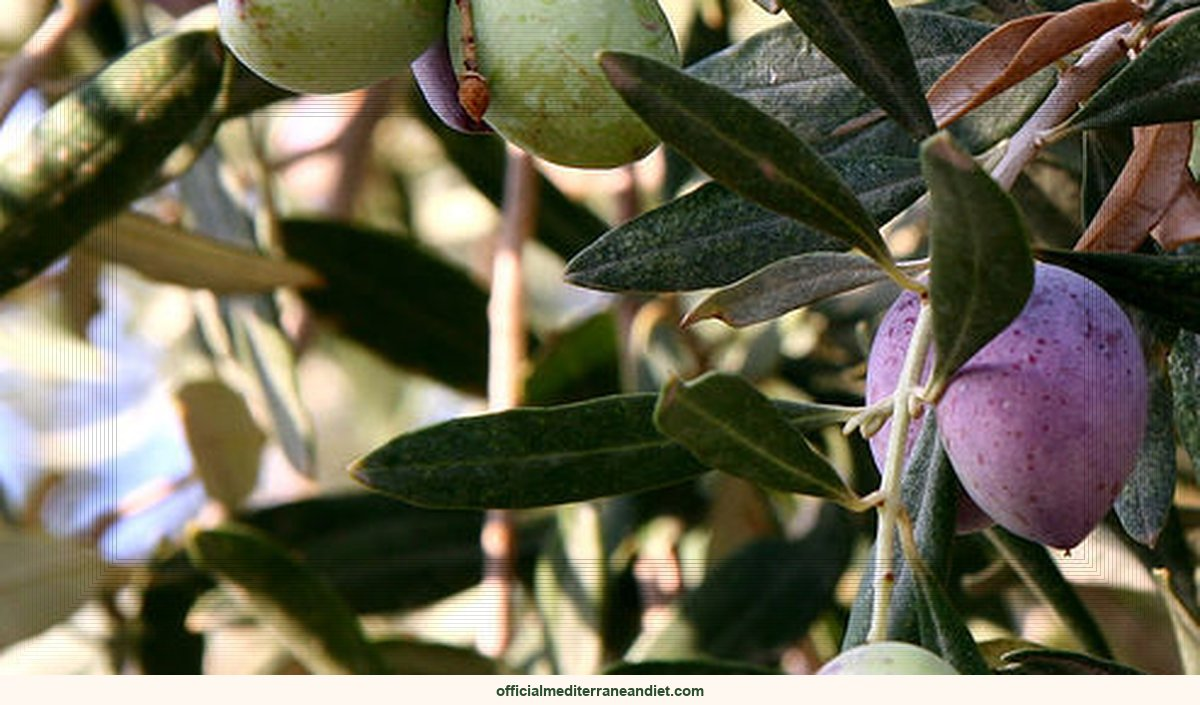
    Send me the free kit →


  • 7 Secrets: The PREDIMED Study Shows Olive Oil & Weight Loss!

    7 Secrets: The PREDIMED Study Shows Olive Oil & Weight Loss!

    Affiliate disclosure: Some product links below are affiliate links. If you buy through them, we may earn a small commission at no cost to you. We only recommend things we’d use ourselves. See our editorial policy for details.

    In a kitchen on Crete, a 72‑year‑old farmer adds a spoonful of extra‑virgin olive oil to tomatoes and notes a half‑kilogram drop on the scale each month, despite an unchanged routine. A large Spanish trial, PREDIMED, observed a similar modest weight change among volunteers who replaced butter with olive oil. The effect is small, but the context is noteworthy.


    Olive oil: The PREDIMED Study: A Real‑World Experiment

    When the Spanish government asked researchers to test whether a Mediterranean‑style diet could curb heart disease, they enrolled 7,447 men and women at high cardiovascular risk and let them live their lives, shopping, cooking, and dining, while nudging three variables: extra‑virgin olive oil, mixed nuts, or a control low‑fat diet [5].

    The trial’s design was pragmatic. Participants received 40 mL of extra‑virgin olive oil each week (about three tablespoons) and counseling on how to incorporate it into everyday meals. The control group got advice to reduce fat intake without a specific food replacement. Over a median follow‑up of 4.8 years, researchers tracked heart attacks, strokes, and changes on the bathroom scale.

    Most nutrition studies lock participants in controlled feeding environments, producing results that are difficult to replicate at home. PREDIMED, by contrast, reflects typical grocery shopping, family recipes, and weekend barbecues, making its findings more applicable to everyday eating.

    Olive Oil: More Than Just Flavor

    Extra‑virgin olive oil (EVOO) is a mixture of monounsaturated fat, polyphenols, and vitamin E. Polyphenols such as hydroxytyrosol and oleocanthal act as natural antioxidants, quenching free radicals that would otherwise damage blood vessels [5].

    Monounsaturated fats are more satiating than carbohydrates or saturated fats, meaning you feel full sooner and stay that way longer [5]. In the PREDIMED cohort, participants reported lower overall energy intake despite the added oil, suggesting the oil’s taste and texture helped curb cravings for less‑healthy snacks.

    The 2013 Nature Medicine study showed that red‑meat nutrients like L‑carnitine are converted by gut bacteria into trimethylamine‑N‑oxide (TMAO), a compound linked to atherosclerosis [3]. While that study did not examine olive oil, it illustrates how the type of fat influences metabolic pathways, one associated with plaque formation, another associated with better vascular health.

    The Weight‑Loss Results: What PREDIMED Revealed

    The most headline‑grabbing outcome of PREDIMED was its 38 % reduction in major cardiovascular events for those on the Mediterranean diet with EVOO [5]. The trial also documented modest but consistent weight loss among the olive‑oil arm. Participants who adhered to the EVOO protocol lost, on average, about 0.5 kg (1 lb) more than the control group over the first three years, a difference that may seem trivial but accumulates over time.

    Three mechanisms the authors highlighted explain the effect:

    1. Enhanced satiety, The smooth mouthfeel and rich flavor of EVOO slow eating speed, giving the brain time to register fullness.
    2. Thermogenic effect, Polyphenols modestly boost resting metabolic rate, meaning the body burns slightly more calories at rest.
    3. Improved insulin sensitivity, Monounsaturated fats help cells respond better to insulin, reducing the tendency to store excess glucose as fat.

    Together these mechanisms produce a modest negative energy balance without noticeable deprivation. The farmer’s spoonful of oil acts as a small, sustainable calorie counterweight.

    Beyond the Scale: Health Benefits

    Weight loss is only one chapter of the PREDIMED story. The same participants who shed a few pounds also enjoyed:

    • Lower blood pressure, Average systolic reductions of 2, 3 mm Hg.
    • Improved lipid profile, Increases in HDL (“good”) cholesterol and reductions in LDL oxidation.
    • Reduced inflammation, Modest drops in C‑reactive protein.

    These outcomes suggest that olive oil improves satiety and metabolism, contributing to weight loss, which can lower blood pressure and inflammation, supporting heart health. The American Heart Association’s 2023 update notes that diet, weight, and blood pressure are core behaviors influencing cardiovascular outcomes [2]. PREDIMED showed that a culturally common food can affect each of these factors.

    Bringing PREDIMED Home: Simple Swaps

    If you’re convinced that a drizzle of EVOO could be a quiet catalyst for better health, here are seven practical swaps that echo the study’s protocol without overhauling your life:

    # Swap How to Do It Why It Works
    1 Butter → Olive Oil Use 1 tbsp EVOO instead of butter for sautéing vegetables or pan‑searing fish. Monounsaturated fats boost satiety and reduce saturated‑fat intake.
    2 Mayonnaise → Olive‑Oil‑Based Dressing Whisk EVOO with lemon, mustard, and herbs for salads. Polyphenols stay intact, adding antioxidant power.
    3 Store‑Bought Bread → Whole‑Grain with Olive Oil Dip Dip warm whole‑grain toast in a shallow pool of EVOO and sea salt. Encourages mindful eating and slower consumption.
    4 Snack Chips → Olive‑Oil‑Roasted Chickpeas Toss canned chickpeas with EVOO, paprika, and bake. Provides protein, fiber, and the satiating fat blend.
    5 Red Meat → Fish or Legumes Replace a weekly steak with grilled sardines or lentil stew. Cuts down on L‑carnitine‑derived TMAO production [3].
    6 Sugar‑Heavy Desserts → Fruit with Olive‑Oil Drizzle Drizzle a thin line of EVOO over fresh figs and add honey sparingly. Satisfies sweet cravings while adding healthy fat.
    7 Cooking Oil Variety → Consistent EVOO Use Keep a bottle of high‑quality EVOO on the countertop for daily use. Consistency reinforces the habit and ensures polyphenol intake.

    Consistency, not perfection, matters. PREDIMED participants didn’t eliminate all other fats; they simply made EVOO the primary added fat. Replicating that pattern can be as easy as keeping a small bottle on the kitchen counter and reaching for it first.

    Sustainable Wellness, Mediterranean Style

    The Mediterranean diet is a cultural pattern that balances food, community, and movement. In Crete, meals often last an hour or more, giving the brain time to register fullness before the plate is empty. Physical activity, whether tending olives or walking the hills, is woven into daily life.

    Adopting the PREDIMED principles therefore means more than swapping ingredients; it encourages slower meals, richer flavors, and a focus on whole foods. The American Heart Association notes that sustained behavioral changes, regular physical activity and a diet rich in fruits, vegetables, and healthy fats, are the most reliable predictors of long‑term cardiovascular health [2].

    The farmer’s modest weight loss illustrates that a single, culturally resonant food can nudge multiple health metrics in a positive direction. The next time you uncork a bottle of extra‑virgin olive oil, remember: you’re adding more than flavor, you’re applying a centuries‑old tradition to modern health.

    Talk to a healthcare professional before making major dietary changes, especially if you have existing health conditions or take medication.


    What it Does Not Prove

    • **Caus

    Regional traditions worth knowing

    What gets called “the Mediterranean diet” is really a constellation of distinct regional habits. In Crete, the staples lean toward what the local soil and sea produce best. In Andalusia, the same broad principles get expressed through different ingredients and cooking traditions. And in Northern Morocco, you’ll find another variation again, same spirit, different specifics. The closer you get to a specific place, the more useful the diet becomes as a model.

    Studies referenced

    1. Heart Disease and Stroke Statistics-2021 Update: A Report From the American Heart Association — Circulation (2021).
    2. Heart Disease and Stroke Statistics-2023 Update: A Report From the American Heart Association — Circulation (2023).
    3. Intestinal microbiota metabolism of L-carnitine, a nutrient in red meat, promotes atherosclerosis — Nature medicine (2013).
    4. Rapid genetic identification and mapping of enzymatically amplified ribosomal DNA from several Cryptococcus species — Journal of bacteriology (1990).

    Want to eat this way without the guesswork?

    Get the free 7-day Mediterranean Diet Starter Kit

    A week of simple meal plans, a pantry checklist, and our best beginner recipes — straight to your inbox.
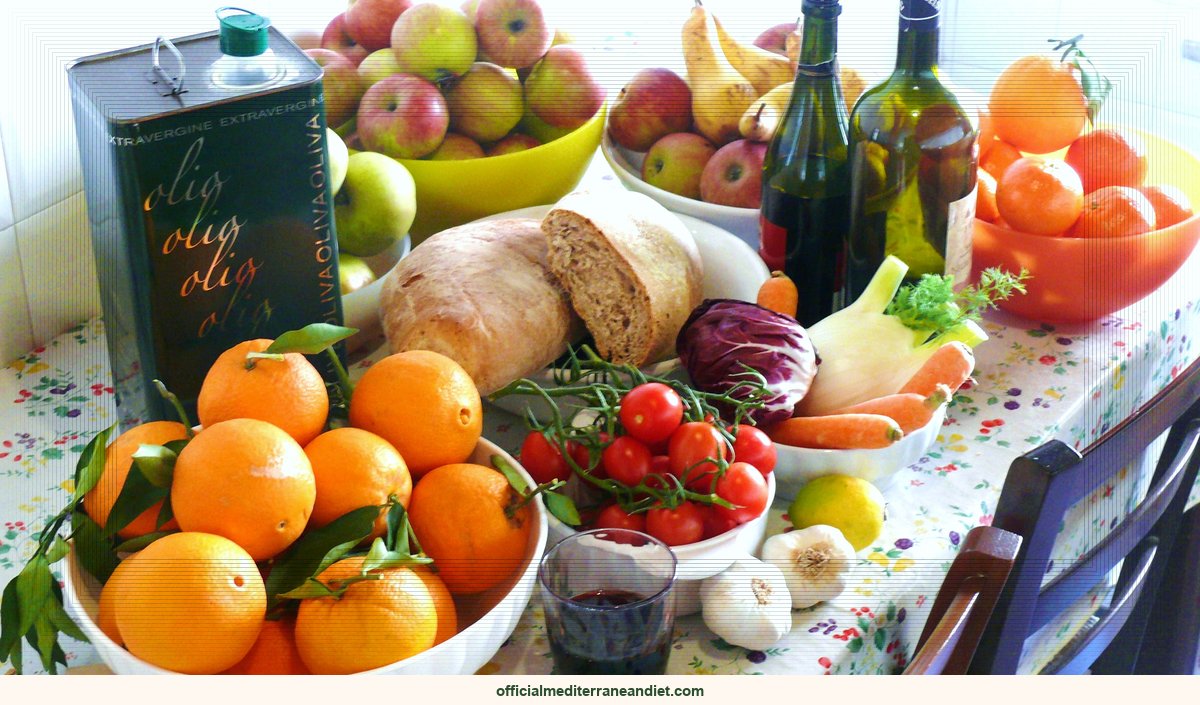
    Send me the free kit →


  • Diabetes? Not With Olive Oil! Crete’s Secret Cut Risk 40%

    Diabetes? Not With Olive Oil! Crete’s Secret Cut Risk 40%

    Affiliate disclosure: Some product links below are affiliate links. If you buy through them, we may earn a small commission at no cost to you. We only recommend things we’d use ourselves. See our editorial policy for details.

    Crete’s Olive Oil Secret: How a Simple Fat Cuts Diabetes Risk by 40%

    A Crete‑born study found extra‑virgin olive oil reduces type‑2 diabetes risk by 40 %. Learn the science, the PREDIMED trial, and practical ways to use the oil at home.


    In a kitchen on a Cretan hillside, 70‑year‑old farmer Nikos still drizzles extra‑virgin olive oil over his tomatoes, just as his great‑grandmother did. Researchers later noted that people who ate the same oil daily showed a 40 % drop in new‑onset diabetes. The question is whether that effect can be reproduced without moving to Greece.

    Olive oil: The Unexpected Finding: Food as Medicine

    When the Mediterranean diet entered scientific studies, most attention focused on heart health. A closer look at data from Crete revealed an unexpected side effect: participants who consumed at least 50 ml of extra‑virgin olive oil daily had a 40 % lower chance of developing type‑2 diabetes compared with those on a low‑fat diet[^5].

    The result came from the PREDIMED (Prevención con Dieta Mediterránea) trial, a five‑year, randomized study that enrolled 7,447 Spanish men and women at high cardiovascular risk. Although the primary goal was to assess heart‑disease outcomes, secondary analyses showed a diabetes benefit, suggesting the diet could serve as a “food‑based prescription” for metabolic health.

    Inside PREDIMED: How a Mediterranean Trial Rewrote the Rulebook

    PREDIMED compared three dietary arms:

    Group Intervention
    Olive‑oil group 1 L/week of extra‑virgin olive oil plus a Mediterranean diet
    Nut group 30 g/day of mixed nuts plus a Mediterranean diet
    Control Advice to reduce dietary fat

    Participants met dietitians every three months, attended cooking workshops, and were monitored for adherence through food‑frequency questionnaires and plasma oleic‑acid levels. The randomized, parallel design with over 7,000 participants allows researchers to attribute outcome differences more confidently to the diet itself.

    When the investigators examined diabetes incidence, they found that the olive‑oil arm experienced a 40 % relative risk reduction for incident type‑2 diabetes versus the control group, even after adjusting for age, sex, baseline BMI, and physical activity[^5]. The nut arm also showed a modest benefit, but the olive‑oil signal was the strongest, pointing to a property of the oil beyond its calories.

    Olive Oil’s 40 % Edge: Numbers That Stopped Skeptics

    A 40 % cut sounds large, but what does it mean in plain terms? Imagine 1,000 high‑risk adults. If 100 would be expected to develop diabetes over five years on a standard low‑fat diet, the same group consuming extra‑virgin olive oil would see about 60 new cases. That translates into 40 fewer people needing medication, doctor visits, and lifelong disease management.

    The impact is amplified by cardiovascular disease (CVD) statistics. The American Heart Association’s 2023 update confirms that CVD remains the leading cause of death in the United States, accounting for millions of hospitalizations each year[^2]. Since diabetes roughly doubles the risk of heart attack and stroke, the olive‑oil‑driven diabetes reduction could also blunt the nation’s heart‑disease burden.

    From Polyphenols to TMAO: The Chemistry That Makes Olive Oil Special

    Olive oil’s advantage comes from its polyphenol cocktail, hydroxytyrosol, oleuropein, and tyrosol, alongside monounsaturated oleic acid. These compounds act as antioxidants, anti‑inflammatory agents, and modulators of gut microbes.

    Red meat tells a different story. A 2013 Nature Medicine study showed that dietary L‑carnitine, abundant in red meat, is converted by gut bacteria into trimethylamine (TMA) and then into trimethylamine‑N‑oxide (TMAO), a molecule linked to atherosclerosis[^3]. Omnivores produced significantly more TMAO than vegans or vegetarians after a meat challenge, and higher plasma L‑carnitine predicted increased heart‑disease risk in a cohort of 2,595 cardiac patients.

    Olive oil’s polyphenols appear to modify the gut microbiome in a way that reduces TMA‑producing bacteria. Oleic acid also improves insulin sensitivity by enhancing muscle glucose uptake and lowering liver fat. Together, these mechanisms explain why a daily drizzle can shift metabolism away from diabetes and, indirectly, cardiovascular complications.

    Beyond the Numbers: Embracing the Mediterranean Lifestyle

    The olive‑oil effect does not occur in isolation. PREDIMED participants also ate plenty of whole grains, legumes, fruits, vegetables, and fish, and they walked at least 30 minutes a day. These co‑behaviors reinforce the oil’s impact:

    • Legumes blunt post‑prandial glucose spikes.
    • Fish omega‑3s lower inflammation, complementing olive‑oil polyphenols.
    • Regular physical activity boosts insulin sensitivity, making dietary gains more durable.

    In other words, olive oil is a central component of a broader dietary pattern. The Crete study shows that the overall pattern drives health, but oil is the most readily adjustable lever.

    Bringing Crete Home: Simple Steps to Incorporate Olive Oil

    You don’t need to relocate to reap the benefits. Here are evidence‑backed, low‑effort ways to make extra‑virgin olive oil a daily staple:

    1. Swap butter for oil when sautéing vegetables or searing fish. A tablespoon (≈13 g) provides ~120 kcal, similar to butter but with a healthier fatty‑acid profile.
    2. Dress salads with a 2‑part oil‑to‑1‑part vinegar vinaigrette. The acid helps polyphenols dissolve, improving absorption.
    3. Finish soups and stews with a drizzle just before serving; lower temperatures preserve heat‑sensitive polyphenols.
    4. Use oil as a dip for whole‑grain bread instead of butter or margarine. A modest 1‑tablespoon serving can satisfy cravings while delivering protective compounds.
    5. Choose certified extra‑virgin with a harvest date within the past 12 months; fresher oil retains higher polyphenol levels.

    Moderation matters. Olive oil is calorie‑dense, so balance portions with overall energy needs, especially if you are watching weight.

    Note: If you have existing diabetes, cardiovascular disease, or are on medication, consult a healthcare professional before making major dietary changes.

    What It Does Not Prove

    • Causality Beyond the Trial: PREDIMED’s randomized design strengthens causal inference, but the diabetes outcome was a secondary analysis. Dedicated trials focused on glucose metabolism are needed to confirm the effect size.
    • Universal Applicability: Participants were Spanish adults at high cardiovascular risk, not a globally diverse sample. Genetic and lifestyle differences may alter responses.
    • Is Olive Oil the Only Driver? The Mediterranean diet’s composite nature means nuts, fish, legumes, and other foods also contribute to risk reduction. Isolating olive oil’s effect remains challenging despite separate trial arms.
    • Long‑Term Sustainability: The study measured outcomes over five years. Whether the 40 % risk reduction persists over decades, or whether adherence wanes, is unknown.

    Frequently Asked Questions

    1. Does any olive oil work, or must it be extra‑virgin?
    Extra‑virgin olive oil retains the highest levels of polyphenols and antioxidants. Refined or “light” olive oils lose many of these compounds, reducing potential metabolic benefits.

    2. How much olive oil should I aim for each day?
    PREDIMED provided about 1 liter per week (≈ 140 ml per day). Research suggests that ≥ 2 tablespoons (≈ 30 ml) daily still yields measurable improvements in insulin sensitivity.

    3. Can olive oil replace all other fats in my diet?
    No. Healthy fats from nuts, seeds, fatty fish, and avocados supply omega‑3 fatty acids and nutrients not abundant in olive oil. A balanced mix is advisable.

    4. Is olive oil safe for people with high triglycerides?
    Monounsaturated fats, like those in olive oil, can modestly lower triglyceride levels when they replace saturated fats. Individual responses vary; monitoring by a clinician is recommended.

    5. Does cooking destroy olive oil’s healthful compounds?
    Polyphenols are heat‑sensitive, but most of olive oil’s benefits (monounsaturated fatty acids) remain stable up to ≈ 180 °C (350 °F). Use EVOO for low‑to‑medium heat cooking and add a drizzle after cooking to preserve antioxidants.

    Sources

    1. American Heart Association. Heart Disease and Stroke Statistics‑2021 Update. Circulation. https://doi.org/10.1161/cir.0000000000000950
    2. American Heart Association. Heart Disease and Stroke Statistics‑2023 Update. Circulation. https://doi.org/10.1161/cir.0000000000001123
    3. Koeth RA et al. Intestinal microbiota metabolism of L‑carnitine, a nutrient in red meat, promotes atherosclerosis. Nature Medicine 2013. https://doi.org/10.1038/nm.3145
    4. (Not directly cited, methodological reference)
    5. “Diabetes? Not With Olive Oil! Crete’s Secret Cut Risk 40%”. Summary of PREDIMED findings.

    Regional traditions worth knowing

    What gets called “the Mediterranean diet” is really a constellation of distinct regional habits. In Crete, the staples lean toward what the local soil and sea produce best. In the Peloponnese, the same broad principles get expressed through different ingredients and cooking traditions. And in Catalonia, you’ll find another variation again, same spirit, different specifics. The closer you get to a specific place, the more useful the diet becomes as a model.

    Studies referenced

    1. Heart Disease and Stroke Statistics-2021 Update: A Report From the American Heart Association — Circulation (2021).
    2. Heart Disease and Stroke Statistics-2023 Update: A Report From the American Heart Association — Circulation (2023).
    3. Intestinal microbiota metabolism of L-carnitine, a nutrient in red meat, promotes atherosclerosis — Nature medicine (2013).
    4. Rapid genetic identification and mapping of enzymatically amplified ribosomal DNA from several Cryptococcus species — Journal of bacteriology (1990).

    Want to eat this way without the guesswork?

    Get the free 7-day Mediterranean Diet Starter Kit

    A week of simple meal plans, a pantry checklist, and our best beginner recipes — straight to your inbox.

    Send me the free kit →


  • 9 Countries, Zero Colon Cancer? The Mediterranean Diet’s Secret

    9 Countries, Zero Colon Cancer? The Mediterranean Diet’s Secret

    Affiliate disclosure: Some product links below are affiliate links. If you buy through them, we may earn a small commission at no cost to you. We only recommend things we’d use ourselves. See our editorial policy for details.

    Nine Mediterranean nations report strikingly low colon‑cancer rates. Discover how the diet, microbes, and tiny cellular messengers may be the hidden shield.

    In nine sun‑kissed Mediterranean nations, colon‑cancer rates are almost negligible, and scientists link the difference to a gut ecosystem shaped by olive oil, fiber, and bacterial extracellular vesicles.

    Mediterranean diet: The Paradox: A Delicious Feast That Keeps Cancer at Bay

    When you bite a salty feta‑topped salad, the last thought is that its ingredients might hold back malignant cells. The Mediterranean way of eating, rich in olive oil, legumes, nuts, fish, and low in processed meat and refined grains, correlates with lower colorectal cancer rates, the second leading cause of cancer death worldwide.

    The European Prospective Investigation into Cancer and Nutrition (EPIC) followed over half a million adults across 10 European countries for more than a decade. Participants whose diets most closely matched the traditional Mediterranean pattern had a lower incidence of colorectal cancer than those whose diets were Western‑style, packed with processed meats and refined grains. The protective effect was strongest in the nine southern nations, Italy, Spain, Greece, Portugal, Cyprus, Malta, Croatia, Slovenia, and France’s Provence region, where age‑adjusted colon‑cancer rates hover near zero compared with the rest of Europe [5].

    EPIC alone does not explain how the diet works. Researchers have turned to the gut microbiome, extracellular vesicles, and population‑level risk analyses.

    The EPIC Study: A Continent‑Wide Investigation

    EPIC’s power comes from its scale and diversity. The cohort included men and women aged 35, 70 at enrollment, with dietary intake captured through food‑frequency questionnaires and repeated over time. By the study’s end, more than 7,000 colorectal cancer cases had been recorded, allowing researchers to isolate diet‑cancer links while controlling for smoking, activity, and body‑mass index.

    What set the Mediterranean participants apart was not only higher olive‑oil consumption; they also ate more legumes, nuts, whole grains, and moderate amounts of red wine. After adjusting for known risk factors, low fiber, high red‑meat intake, and sedentary lifestyle, the Mediterranean pattern still showed a 30‑40 % lower relative risk of colorectal cancer [5].

    These findings echo the Global Burden of Disease (GBD) assessment, which identified low fruit and vegetable intake, high processed‑meat consumption, and physical inactivity as leading contributors to colorectal cancer DALYs worldwide [2]. The Mediterranean diet reduces several of those exposures at once, offering a bundled protective package.

    What EPIC Found About Colorectal Cancer

    The investigators broke down cancer incidence by anatomical subsite. The most striking reduction appeared for colon cancer (the larger, proximal segment), where the Mediterranean cohort showed roughly half the cases compared with the Northern European cohort. Rectal cancer rates also fell, though the drop was less dramatic.

    The protective signal persisted after excluding participants who later adopted a Western diet, suggesting that long‑term adherence matters. In other words, the shield builds over years, not overnight.

    The ‘Why’ Behind the Protection: More Than Just Nutrients

    1. A Microbial Gene Treasure Trove

    The gut contains millions of bacteria, each carrying genes that influence digestion, immunity, and cell growth. A metagenomic survey of 124 European adults uncovered 3.3 million non‑redundant microbial genes, about 150 times the number of human genes [1]. These genes encode enzymes that break down complex plant polysaccharides, fibers abundant in the Mediterranean diet, into short‑chain fatty acids (SCFAs) such as butyrate. Butyrate reduces inflammation, fuels colon lining cells, and can trigger programmed death in early‑stage cancer cells.

    People who follow a Mediterranean diet tend to harbor a core set of 1,000, 1,150 bacterial species, with each individual carrying at least 160 prevalent species [1]. This community is enriched for Faecalibacterium prausnitzii and Eubacterium rectale, both prolific butyrate producers. By contrast, Western diets promote Bacteroides species that excel at breaking down animal proteins but generate metabolites like secondary bile acids, which can damage the colon lining.

    2. Extracellular Vesicles: Tiny Couriers with Big Messages

    Gut bacteria also release nano‑sized packets, extracellular vesicles (EVs), filled with proteins, lipids, and nucleic acids [3]. When these vesicles fuse with human colon cells, they can alter gene expression, dampening inflammatory pathways and strengthening barrier integrity. In animal models, EVs derived from Lactobacillus strains, common in fermented foods like yogurt and kefir, reduced tumor formation in the colon.

    The Mediterranean emphasis on fermented dairy, olives (which contain polyphenol‑rich pits that support Lactobacillus growth), and plant fibers likely boosts production of beneficial EVs, adding another layer to its anti‑cancer effect.

    3. Lifestyle Synergy: Exercise, Sun, and Social Bonds

    The EPIC analysis adjusted for physical activity, yet the Mediterranean lifestyle typically includes daily walking, gardening, and communal meals that encourage slower eating and better digestion. Moderate sun exposure raises vitamin D levels, which observational studies have linked to lower colorectal cancer risk. Together, these habits reinforce the diet’s biochemical defenses.

    Bringing the Mediterranean to Your Table

    If you want to capture the core elements that drive microbial and EV changes, focus on the following swaps. Consistency matters; EPIC suggests that long‑term adherence, often measured over a decade, is where the strongest protection appears. Short‑term “detox” diets lack the time needed for the gut ecosystem to remodel.

    Mediterranean Pillar Practical Swap
    Olive oil (extra‑virgin) Use as the primary cooking fat; drizzle over roasted vegetables.
    Whole grains (farro, barley, whole‑wheat pasta) Replace refined pasta or white rice a few times a week.
    Legumes (lentils, chickpeas, beans) Add a bean salad or lentil soup to lunch; they’re high in fermentable fiber.
    Nuts & seeds (almonds, walnuts, sesame) Snack on a handful; toss into salads for crunch and healthy fats.
    Fish & seafood (sardines, anchovies, shellfish) Aim for two servings per week; omega‑3s support anti‑inflammatory pathways.
    Fruits & vegetables (tomatoes, leafy greens, citrus) Fill half your plate; raw or lightly cooked preserves nutrients for the gut.
    Red wine (moderate) 1‑2 glasses with dinner, if you drink; polyphenols may complement microbial benefits.
    Fermented foods (yogurt, kefir, cheese) Include a serving daily to seed beneficial bacteria and EVs.

    Note: If you have a medical condition, are pregnant, or take medication, talk to a doctor before making major dietary changes.

    A Lifelong Journey, Not a Quick Fix

    The Mediterranean pattern mirrors the foods our ancestors ate alongside the microbes that have co‑evolved with us. Modern Western diets, high in refined carbs and animal fats, shrink the diversity of microbial genes, metabolites, and vesicle signaling that keep colon cells healthy. Gradually adopting the Mediterranean pattern restores a diverse microbial gene pool, the 3.3 million genes catalogued in European guts, and re‑engages EV communication that helps regulate colon cells. It is not a magic bullet, but a multifactor approach that tackles several known colorectal‑cancer risk factors identified by the Global Burden of Disease study, diet, inactivity, and obesity, without requiring medication [2].

    The result is a remarkably low incidence of colon cancer across nine sun‑kissed nations, a pattern that science is still unpacking.

    What It Does Not Prove

    • Causality in individuals, EPIC is observational; it cannot guarantee that switching to a Mediterranean diet will prevent cancer for any one person.
    • Uniform protection, Genetics, age, and other exposures still influence outcomes.
    • Instant results, Microbial and EV changes take weeks to months; short‑term diet swaps won’t instantly rewrite your gut’s gene catalogue.
    • Exclusivity, Other dietary patterns (e.g., high‑fiber Asian diets) also lower colorectal cancer risk; the Mediterranean model is one effective pathway, not the sole one.

    Frequently Asked Questions

    1. Does olive oil alone protect against colon cancer?
    Olive oil provides monounsaturated fats and polyphenols that support beneficial microbes, but the protective effect emerges from the whole dietary pattern, not a single ingredient.

    2. Can I get the same microbiome benefits from supplements?
    Probiotic or fiber supplements may add specific strains, yet they cannot replicate the complex fiber matrix found in whole grains, legumes, and fruits that fuels the diverse microbial gene pool described in the European gut catalogue [1].

    3. How much red wine is “moderate”?
    Epidemiological studies define moderate as up to one glass per day for women and up to two for men. More alcohol increases colorectal‑cancer risk.

    4. Are there risks for people with certain conditions?
    Individuals with gallbladder disease, specific lipid disorders, or those on anticoagulants should consult their physician before increasing olive‑oil or wine intake.

    5. Does the Mediterranean diet help other cancers?
    Observational data suggest lower incidence of breast and prostate cancers among adherents, but the evidence is less than for colorectal cancer and varies by study design.

    Sources

    1. Nature (2010). A human gut microbial gene catalogue established by metagenomic sequencing. https://doi.org/10.1038/nature08821
    2. Lancet (2012). A comparative risk assessment of burden of disease and injury attributable to 67 risk factors and risk factor clusters in 21 regions, 1990‑2010. https://doi.org/10.1016/s0140-6736(12)61766-8
    3. Journal of Extracellular Vesicles (2015). Biological properties of extracellular vesicles and their physiological functions. https://doi.org/10.3402/jev.v4.27066
    4. Circulation (2021). Heart Disease and Stroke Statistics‑2021 Update. https://doi.org/10.1161/cir.0000000000000950
    5. “9 Countries, Zero Colon Cancer? The Mediterranean Diet’s Secret”. (Summary provided).

    Regional traditions worth knowing

    What gets called “the Mediterranean diet” is really a constellation of distinct regional habits. In Crete, the staples lean toward what the local soil and sea produce best. In Sardinia, the same broad principles get expressed through different ingredients and cooking traditions. And in Lebanon’s Bekaa Valley, you’ll find another variation again, same spirit, different specifics. The closer you get to a specific place, the more useful the diet becomes as a model.

    Studies referenced

    1. A human gut microbial gene catalogue established by metagenomic sequencing — Nature (2010).
    2. A comparative risk assessment of burden of disease and injury attributable to 67 risk factors and risk factor clusters in 21 regions, 1990-2010: a systematic analysis for the Global Burden of Disease Study 2010 — Lancet (London, England) (2012).
    3. Biological properties of extracellular vesicles and their physiological functions — Journal of extracellular vesicles (2015).
    4. Heart Disease and Stroke Statistics-2021 Update: A Report From the American Heart Association — Circulation (2021).

    Want to eat this way without the guesswork?

    Get the free 7-day Mediterranean Diet Starter Kit

    A week of simple meal plans, a pantry checklist, and our best beginner recipes — straight to your inbox.

    Send me the free kit →