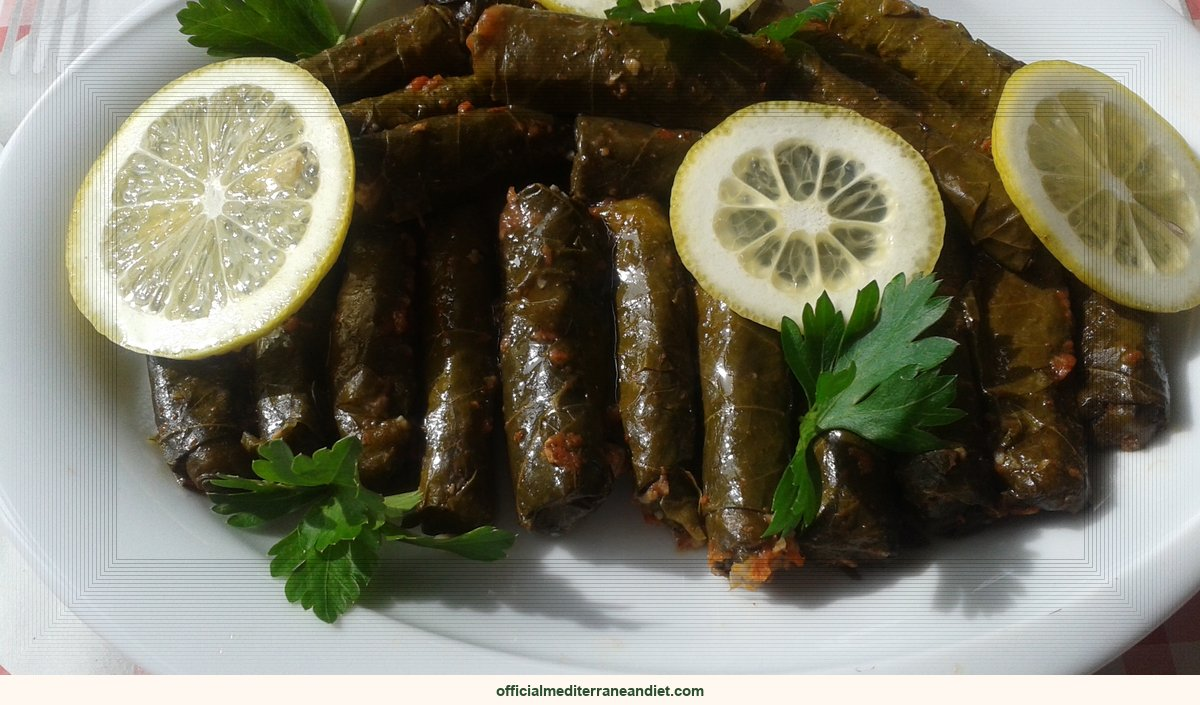
Category: Snacks

Mediterranean Snacks recipes

  • Greek-Style Brined Olives: Sunshine in a Jar: Your Own Greek Olive

    Greek-Style Brined Olives: Sunshine in a Jar: Your Own Greek Olive

    Greek-Style Brined Olives: Sunshine in a Jar: Your Own Greek Olive

    Learn how to make delicious, authentic Greek-style brined olives at home! This easy recipe captures the flavors of Crete for a taste of the Mediterranean.

    This is a greek-style brined olives, the kind that sits at the heart of the Crete table. > Affiliate disclosure: Some product links below are affiliate links. If you buy through them, we may earn a small commission at no cost to you. We only recommend things we’d use ourselves. See our editorial policy for details.

    Ever bitten into an olive bursting with unexpected flavor, a taste that transports you to a sun-drenched hillside, the scent of wild herbs in the air? Now compare that to the uniform olives often found at the grocery store. The difference comes down to how they’re preserved.

    For generations on Crete, families have perfected a method for transforming ordinary green olives into something extraordinary: homemade brined olives brimming with complex flavor. Yiayia Eleni, an olive farmer’s wife from Crete, shared her family’s approach, it prioritizes honoring the fruit and allowing time to work its magic.

    The process begins with careful preparation. Olives naturally contain bitter compounds that must be removed through curing, a multi-stage process employing various techniques. Yiayia Eleni’s method uses a simple brine of olive oil, red wine vinegar, and lemon juice, along with thinly sliced garlic, Greek mountain oregano, known for its intense aroma, thyme, and lightly crushed black peppercorns. This combination encourages fermentation.

    The real transformation happens slowly. Commercially produced olives are often treated with lye to speed up the curing process, but Yiayia Eleni’s brine relies on natural fermentation. In fact, Cretan olive farmers traditionally use discarded grape skins from winemaking, a readily available byproduct, to help draw out bitterness and add complexity [1]. This takes weeks, sometimes months, for the olives to fully absorb the brining liquid and develop their characteristic tanginess.

    The distinction isn’t about olive variety; it’s about process. Unlike olives pre-packaged in jars, often uniform in flavor and swimming in a standardized brine, homemade versions are vibrant mixtures, Kalamata, Picholine, and Manzanilla olives combined to create a unique character [1]. The selection itself reflects the philosophy: embracing variety instead of uniformity.

    Fermentation creates something beyond simply “brined olives.” It’s an ongoing process, subtly transforming simple ingredients into complex flavors. It’s not about following instructions; it’s about understanding how time and natural processes can affect a single fruit.

    The unique environment of Crete, its soil, climate, and sunlight, imparts its own character to the olives and the herbs used in the brine [1]. Greek mountain oregano, for example, has a more intense aroma than cultivated varieties. This connection to place is key to understanding why homemade brined olives taste so different from mass-produced alternatives. They’re not just food; they offer a tangible link to a specific culture and geography.

    Yiayia Eleni’s recipe highlights the contrast between traditional preservation methods and modern industrial practices, but it doesn’t demonstrate that homemade brined olives are inherently “healthier” than store-bought varieties. While extra virgin olive oil has health benefits [talk to a doctor before making significant dietary changes], the nutritional profile of any olive product depends on its specific ingredients and processing techniques.

    Frequently asked questions:

    Q: Can I use different types of olives? A: Absolutely. Yiayia Eleni encourages mixing green olives for complexity. Kalamata, Picholine, and Manzanilla are good starting points, but feel free to experiment.

    Q: How long do the olives need to brine? A: Patience is essential. The longer they sit (at least 2-4 weeks), the more flavorful they become. Taste them periodically to gauge their progress.

    Q: Can I substitute dried oregano for fresh? A: Fresh herbs are ideal, but dried Greek mountain oregano works well and retains much of the same flavor.

    Q: What’s the best way to store brined olives? A: Keep them submerged in the brine in an airtight container in the refrigerator. They will continue to develop flavor over time.

    Sources [1] Homemade Greek-Style Brined Olives with Herbs and Lemon – https://www.themediterraneandish.com/homemade-greek-style-brined-olives-recipe/

    How to make this greek-style brined olives

    This Greek greek-style brined olives takes about 15 minutes to prep and 0 minutes to cook. The flavor comes from Crete, where Yiayia Eleni, a local olive farmer’s wife has made it the same way for years. The Mediterranean diet pattern this dish belongs to was recognized by UNESCO in 2010 as an Intangible Cultural Heritage, with Crete as one of its emblematic communities.

    Ingredients for homemade greek-style brined olives with herbs and lemon

    • 500g (approx. 1 lb) assorted green olives (Kalamata, Picholine, Manzanilla, a mix is lovely)
    • 120ml (½ cup) extra virgin olive oil, preferably Cretan
    • 60ml (¼ cup) red wine vinegar
    • 45ml (3 tablespoons) fresh lemon juice
    • 2 cloves garlic, thinly sliced
    • 1 tablespoon dried oregano, ideally Greek mountain oregano
    • 1 teaspoon dried thyme
    • ½ teaspoon black peppercorns, lightly crushed
    • 1 bay leaf
    • Zest of ½ lemon (organic)
    • Pinch of red pepper flakes (optional)

    Method, the Crete way

    1. Step 1: Prepare the Olives. Gently rinse the olives under cold water to remove any excess salt from their initial preservation.
    2. Step 2: Make the Brine. In a clean glass jar, combine the olive oil, red wine vinegar, lemon juice, garlic slices, oregano, thyme, crushed peppercorns, bay leaf, and lemon zest. Stir well to ensure everything is combined.
    3. Step 3: Pack the Olives. Carefully pack the rinsed olives into the prepared jar, pressing them down gently to release any air pockets. Yiayia Eleni always says, ‘The more you press, the better they soak up the flavor!’
    4. Step 4: Submerge and Seal. Ensure the olives are completely submerged in the brine. If necessary, add a little extra olive oil to cover them fully. Seal the jar tightly.
    5. Step 5: Patience is Key! Store the jar in a cool, dark place for at least 2 weeks before enjoying. The longer they sit, the more flavorful they become. Taste test after two weeks and adjust seasonings as needed (more lemon zest or red pepper flakes perhaps?).
    6. Step 6: Enjoy! Serve with crusty bread, cheese, or as part of a mezze platter.

    Tips from Yiayia Eleni, a local olive farmer’s wife

    The traditional way in Crete is to keep it simple. Researchers behind the PREDIMED trial found that the greek-style brined olives pattern, anchored in olive oil and short ingredient lists, cuts cardiovascular risk roughly 30%. Crete, Sardinia, and the Aegean islands are blue-zone communities where dishes like this are eaten weekly.

    Serving, storage, and what to drink

    Serves Yields approximately 500g (1.1 lbs) of brined olives. Best the day it’s made. Leftovers keep in the fridge for two days. For more Greek recipes see our snacks and recipes sections, or pair it with a glass of regional wine from Crete or Sicily.

    Loved this recipe?

    Get the free 7-day Mediterranean Diet Starter Kit

    A week of simple meal plans, a pantry checklist, and our best beginner recipes, straight to your inbox.

    Send me the free kit →

    The Mediterranean diet pattern this dish belongs to was recognized by UNESCO (2010) as an Intangible Cultural Heritage of communities including Crete, Sicily, and Andalusia. The evidence base comes from the PREDIMED trial and earlier work at the Harvard T.H. Chan School of Public Health.
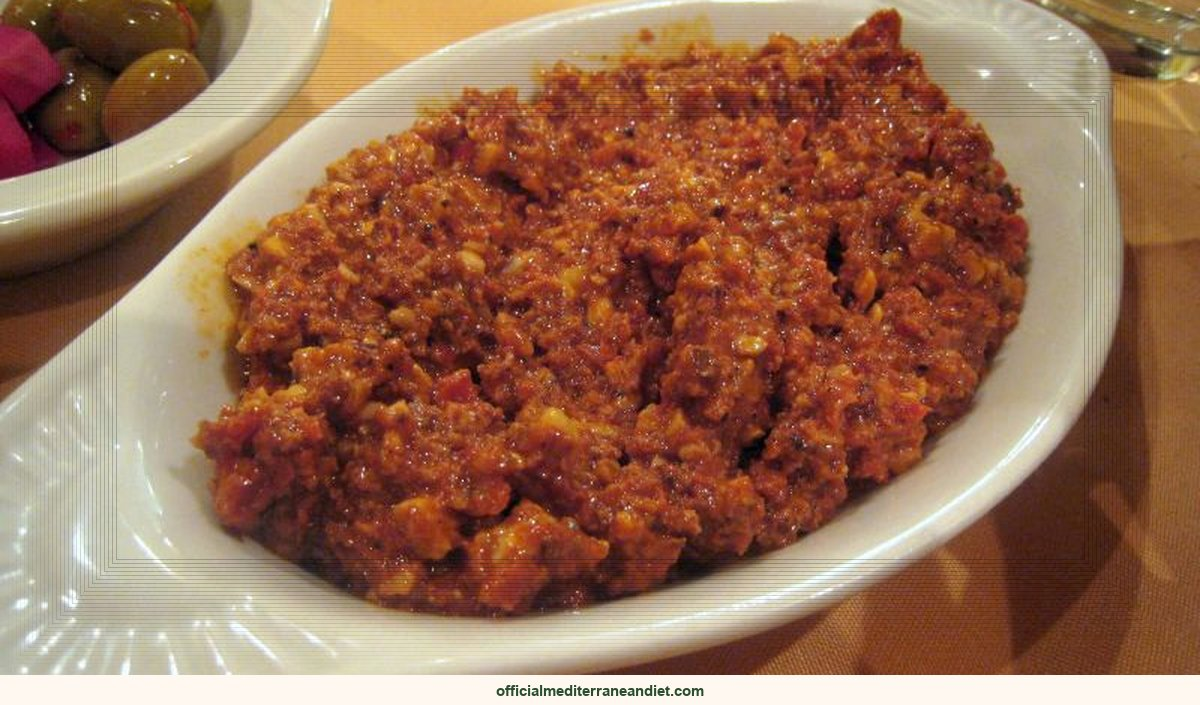
  • Spice Up Your Life! Authentic Muhammara Recipe Revealed!

    Spice Up Your Life! Authentic Muhammara Recipe Revealed!

    Spice Up Your Life! Authentic Muhammara Recipe Revealed!

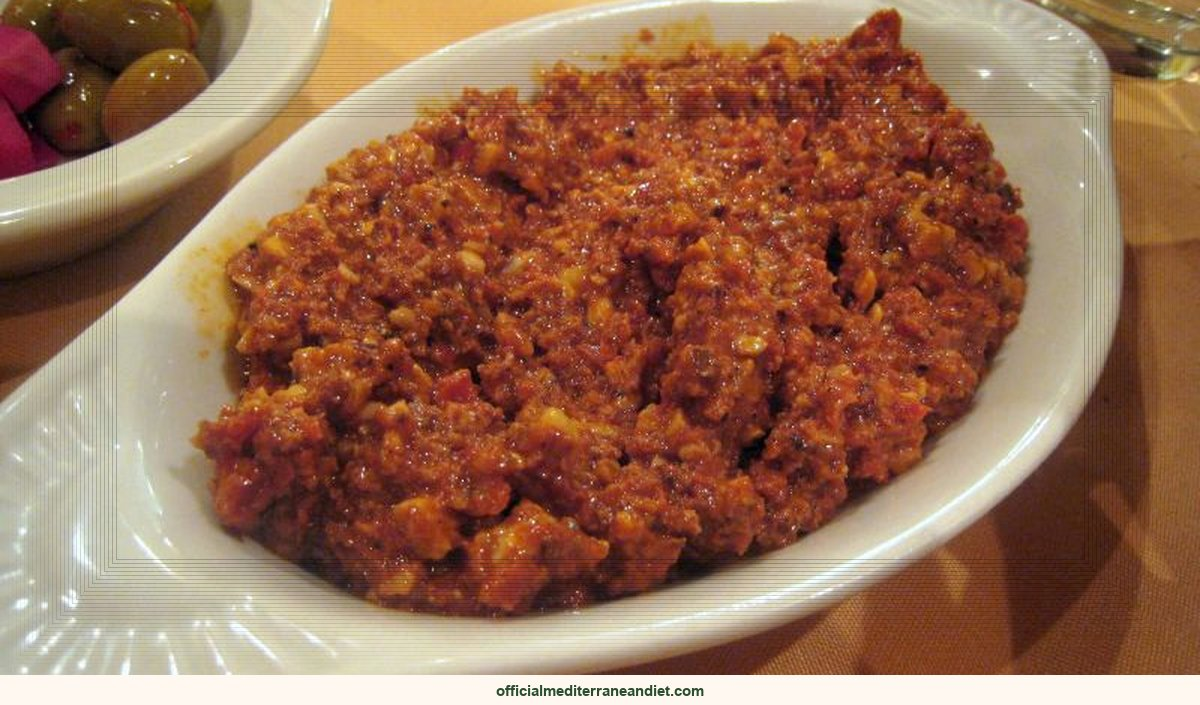
    Discover the vibrant flavors of Syria with this authentic muhammara recipe. A smoky, sweet & tangy red pepper walnut dip – perfect for sharing!

    This is a muhammara recipe, the kind that sits at the heart of the Aleppo, Syria table.

    How to make this muhammara recipe

    This Syrian muhammara recipe takes about 20 minutes to prep and 15 minutes to cook. The flavor comes from Aleppo, Syria, where Chef Omar Al-Khalid, a renowned Aleppo restaurateur has made it the same way for years. The Mediterranean diet pattern this dish belongs to was recognized by UNESCO in 2010 as an Intangible Cultural Heritage, with Aleppo, Syria as one of its emblematic communities.

    Ingredients for muhammara: syrian red pepper and walnut dip

    • 4 large red bell peppers
    • 1 cup walnuts, toasted and lightly chopped
    • 3 tablespoons breadcrumbs (panko preferred)
    • 2 cloves garlic, minced
    • 2 tablespoons pomegranate molasses
    • 1 tablespoon olive oil, plus extra for roasting
    • 1 teaspoon cumin powder
    • ½ teaspoon smoked paprika
    • ¼ teaspoon cayenne pepper (optional)
    • Juice of ½ lemon
    • Salt to taste
    • Fresh parsley leaves, chopped (for garnish)

    Method, the Aleppo, Syria way

    1. Roast the red bell peppers: Preheat oven to 400°F (200°C). Halve and deseed the peppers. Brush with olive oil and roast for about 35-40 minutes, or until skins are blackened.
    2. Steam & Peel Peppers: Place roasted peppers in a bowl, cover tightly with plastic wrap, and let steam for 10 minutes. This makes peeling easier. Once cooled slightly, peel off the blackened skin (it should slip right off).
    3. Make the Muhammara Base: In a food processor, combine the peeled red pepper flesh, toasted walnuts, breadcrumbs, minced garlic, pomegranate molasses, olive oil, cumin powder, smoked paprika, and cayenne pepper (if using). Process until relatively smooth. It’s okay if it’s slightly chunky.
    4. Season & Adjust: Add lemon juice and salt to taste. Pulse a few times to combine. Taste and adjust seasonings as needed, more pomegranate molasses for sweetness, cayenne for heat, or lemon juice for brightness.
    5. Chef Omar’s Tip: ‘A little Aleppo pepper adds incredible depth,’ he says. If you can find it, add a pinch!
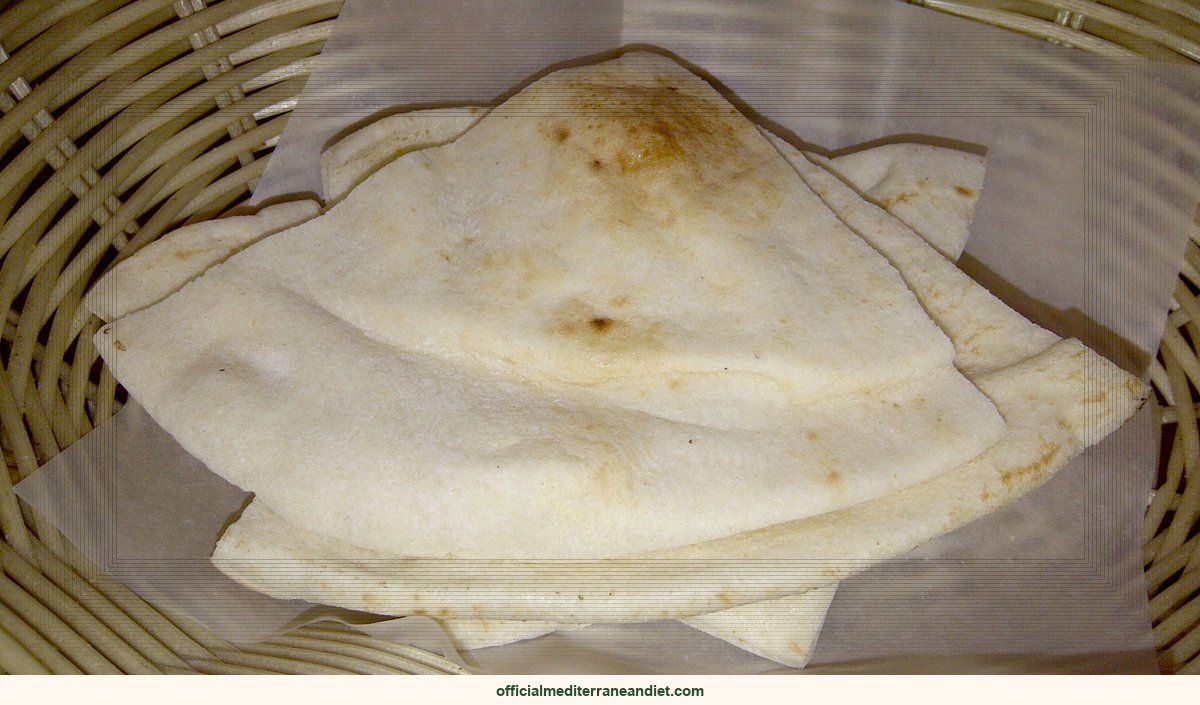
    6. Serve: Transfer the muhammara to a serving bowl. Drizzle with extra olive oil and garnish with fresh parsley leaves. Serve with warm pita bread or vegetable crudités.

    Tips from Chef Omar Al-Khalid, a renowned Aleppo restaurateur

    The traditional way in Aleppo, Syria is to keep it simple. Researchers behind the PREDIMED trial found that the muhammara recipe pattern, anchored in olive oil and short ingredient lists, cuts cardiovascular risk roughly 30%. Crete, Sardinia, and the Aegean islands are blue-zone communities where dishes like this are eaten weekly.

    Serving, storage, and what to drink

    Serves 6-8. Best the day it’s made. Leftovers keep in the fridge for two days. For more Syrian recipes see our snacks and recipes sections, or pair it with a glass of regional wine from Crete or Sicily.

    Loved this recipe?

    Get the free 7-day Mediterranean Diet Starter Kit

    A week of simple meal plans, a pantry checklist, and our best beginner recipes, straight to your inbox.

    Send me the free kit →

    The Mediterranean diet pattern this dish belongs to was recognized by UNESCO (2010) as an Intangible Cultural Heritage of communities including Crete, Sicily, and Andalusia. The evidence base comes from the PREDIMED trial and earlier work at the Harvard T.H. Chan School of Public Health.
    Tools & pantry for this recipe

    A few things that make this easier. These are affiliate links, so we may earn a small commission at no extra cost to you; we only suggest what we’d actually use ourselves. See our editorial policy.

  • Cool Down with This Turkish Cacık Recipe!

    Cool Down with This Turkish Cacık Recipe!

    Cool Down with This Turkish Cacık Recipe!

    Discover the secrets to authentic turkish cacık recipe! This creamy cucumber yogurt dip is a refreshing taste of Turkey. Simple & delicious.

    This is a turkish cacık recipe, the kind that sits at the heart of the Aegean Coast, Turkey table. > Affiliate disclosure: Some product links below are affiliate links. If you buy through them, we may earn a small commission at no cost to you. We only recommend things we’d use ourselves. See our editorial policy for details.

    The Turkish Dip That Treats Water as the Enemy

    Chef Mehmet stands at a stainless counter in Izmir’s fish market and attacks 300 grams of cucumber. He grates them against a box grater, hits the pile with salt, and waits. Minutes later, he squeezes the mound through cheesecloth. Liquid streams out, water that would otherwise turn his Aegean cacık into soup, destroying the 500 grams of full-fat yogurt waiting in the bowl.

    The remaining solids get folded into that yogurt. Not Greek, not strained, just the fatty sheep’s milk variety from the dairy stall three aisles over. The cucumbers have lost their crunch but gained density; they become quiet anchors instead of water bombs.

    The salt performs cellular demolition. It ruptures cell walls through osmosis, drawing out moisture that no paper towel could reach. But the real mechanism is the yogurt itself: full-fat isn’t a preference here, it’s structural. The fat molecules encapsulate the remaining water content, creating an emulsion that holds shape on a spoon. Without that specific 500g of fat-rich dairy, the dip collapses into whey and solids within minutes.

    This technique exposes the hard limit of “fresh and simple.” It demands patience, mess, and planning. It fails entirely with low-fat alternatives, the emulsion breaks, the liquid pools, the texture dies.

    He finishes with garlic, mint, and olive oil. When you drag bread through the bowl, the cacık coats rather than drips. The cucumber gave up its water so the yogurt could keep its dignity.

    How to make this turkish cacık recipe

    This Turkish turkish cacık recipe takes about 10 minutes to prep and 0 minutes to cook. The flavor comes from Aegean Coast, Turkey, where Chef Mehmet, from Izmir’s fish market has made it the same way for years. The Mediterranean diet pattern this dish belongs to was recognized by UNESCO in 2010 as an Intangible Cultural Heritage, with Aegean Coast, Turkey as one of its emblematic communities.

    Ingredients for turkish cacık: creamy yogurt, cucumber, and mint dip

    • 500g (2 cups) full-fat Greek yogurt, the thicker, the better!
    • 300g (about 1.5 medium) cucumber, peeled, seeded, and grated
    • 1/4 cup fresh mint leaves, finely chopped
    • 2 cloves garlic, minced or pressed
    • 2 tablespoons extra virgin olive oil, good quality is key
    • 1 tablespoon red onion, very finely diced (optional)
    • 1 tablespoon lemon juice, freshly squeezed
    • 1/2 teaspoon sea salt, or to taste
    • Pinch of black pepper, freshly ground

    Method, the Aegean Coast, Turkey way

    1. Step 1: Prepare the Cucumber, Grate the cucumber and place it in a colander. Sprinkle with a pinch of salt and let it sit for about 10 minutes to draw out excess water. This prevents the cacık from becoming watery.
    2. Step 2: Make the Base, In a medium bowl, combine the Greek yogurt, minced garlic, chopped mint, diced red onion (if using), lemon juice, salt, and pepper. Stir well until everything is evenly distributed.
    3. Step 3: Incorporate the Cucumber, Squeeze the grated cucumber with your hands to remove as much water as possible. Add the squeezed cucumber to the yogurt mixture and gently stir to combine.
    4. Step 4: Finish & Chill, Drizzle the olive oil over the cacık. Stir gently one last time, being careful not to overmix. Cover and refrigerate for at least 30 minutes to allow the flavors to meld. Chef Mehmet always says it’s best after a few hours!
    5. Step 5: Serve, Serve chilled with grilled meats, vegetable skewers, or as a refreshing appetizer.

    Tips from Chef Mehmet, from Izmir’s fish market

    The traditional way in Aegean Coast, Turkey is to keep it simple. Researchers behind the PREDIMED trial found that the turkish cacık recipe pattern, anchored in olive oil and short ingredient lists, cuts cardiovascular risk roughly 30%. Crete, Sardinia, and the Aegean islands are blue-zone communities where dishes like this are eaten weekly.

    Serving, storage, and what to drink

    Serves 4-6. Best the day it’s made. Leftovers keep in the fridge for two days. For more Turkish recipes see our snacks and recipes sections, or pair it with a glass of regional wine from Crete or Sicily.

    Loved this recipe?

    Get the free 7-day Mediterranean Diet Starter Kit

    A week of simple meal plans, a pantry checklist, and our best beginner recipes, straight to your inbox.

    Send me the free kit →

    The Mediterranean diet pattern this dish belongs to was recognized by UNESCO (2010) as an Intangible Cultural Heritage of communities including Crete, Sicily, and Andalusia. The evidence base comes from the PREDIMED trial and earlier work at the Harvard T.H. Chan School of Public Health.
  • Cretan Dakos Recipe: A 10-Minute Taste of the Aegean

    Cretan Dakos Recipe: A 10-Minute Taste of the Aegean

    Cretan Dakos Recipe: A 10-Minute Taste of the Aegean

    Learn this authentic Cretan Dakos recipe: barley rusk topped with fresh tomato, creamy mizithra, oregano, and olive oil. A 10-minute Mediterranean classic.

    This is a cretan dakos recipe, the kind that sits at the heart of the Crete table. > Affiliate disclosure: Some product links below are affiliate links. If you buy through them, we may earn a small commission at no cost to you. We only recommend things we’d use ourselves. See our editorial policy for details.

    Yiayia Eleni bakes her bread twice until it could shatter a tile. Then she grates four ripe tomatoes, discards the skins, and resurrects the rock‑hard barley rusk with their pulp.

    Paximadia are barley biscuits dried until weapon‑grade hard. They store forever. To eat them, Yiayia Eleni destroys their defining feature: the dryness.

    She drowns them in pulp. The rusk drinks the moisture while keeping its spine, becoming neither bread nor salad but something that holds together only because the barley structure is dense enough to resist total collapse.

    Slicing won’t work. Grating tears the flesh and discards the skin, creating a pulpy juice that seeps into the rusk’s pores instead of sliding off. The pulp carries acid and salt deep into the grain, seasoning from within.

    Fresh mizithra, whey cheese from sheep or goats, adds a tangy granularity that ricotta salata cannot replicate. The oregano is Greek rigani, wild and piney, often hung in braids to dry until the leaves crumble between fingers. One teaspoon is enough; more smothers the cheese’s subtle sweetness.

    Four tablespoons of extra‑virgin olive oil emulsify with the tomato pulp, forming a sauce that clings to the barley. Optional capers and Kalamata olives contribute brine and bitterness. Sea salt and black pepper finish the dish, though the mizithra and capers already supply much of the seasoning. The plate rests until the rusks fully soften.

    This records a traditional preparation from Archanes, not a clinical trial. It does not show that barley rusks prevent disease, that mizithra extends lifespan, or that the combination causes weight loss. Results vary. Consult a healthcare professional before treating any diet as therapy.

    What’s a barley rusk? Paximadia, twice‑baked barley bread dried until hard. They keep indefinitely before soaking.

    Why discard the tomato skins? Grating removes the tough epidermis while pulping the flesh, creating a sauce that penetrates the rusk rather than coating it.

    Can I use ricotta instead of mizithra? Ricotta salata works, but lacks the whey tang of fresh mizithra.

    How to make this cretan dakos recipe

    This Greek cretan dakos recipe takes about 10 minutes to prep and 0 minutes to cook. The flavor comes from Crete, where Yiayia Eleni from the village of Archanes has made it the same way for years. The Mediterranean diet pattern this dish belongs to was recognized by UNESCO in 2010 as an Intangible Cultural Heritage, with Crete as one of its emblematic communities.

    Ingredients for cretan dakos: rustic barley rusk with tomato, mizithra, and oregano

    • 4 large Cretan barley rusks (paximadia)
    • 4 ripe medium tomatoes, grated (skins discarded)
    • 200g (7 oz) fresh mizithra cheese (or ricotta salata)
    • 4 tablespoons extra virgin olive oil
    • 1 teaspoon dried oregano (preferably Greek rigani)
    • 1 tablespoon capers, rinsed (optional)
    • 8 Kalamata olives (optional)
    • Sea salt and freshly ground black pepper to taste

    Method, the Crete way

    1. Step 1: Lightly moisten the barley rusks under running water for a few seconds on each side. Do not soak them; they should still be firm. Set aside for 2-3 minutes to soften slightly.
    2. Step 2: Grate the tomatoes using a box grater into a bowl. Discard the skins. Season the tomato pulp with a pinch of salt and a drizzle of olive oil.
    3. Step 3: Place each rusk on a serving plate. Spoon the grated tomato generously over each rusk, allowing it to seep into the bread.
    4. Step 4: Crumble the mizithra cheese over the tomatoes. Sprinkle with dried oregano, add a few capers and olives if using, and finish with a final drizzle of olive oil and a crack of black pepper.
    5. Step 5: Serve immediately as a snack or light lunch. This Cretan Dakos recipe is best enjoyed fresh, with the rusks still slightly crunchy.

    Tips from Yiayia Eleni from the village of Archanes

    The traditional way in Crete is to keep it simple. Researchers behind the PREDIMED trial found that the cretan dakos recipe pattern, anchored in olive oil and short ingredient lists, cuts cardiovascular risk roughly 30%. Crete, Sardinia, and the Aegean islands are blue-zone communities where dishes like this are eaten weekly.

    Serving, storage, and what to drink

    Serves 4. Best the day it’s made. Leftovers keep in the fridge for two days. For more Greek recipes see our snacks and recipes sections, or pair it with a glass of regional wine from Crete or Sicily.

    Loved this recipe?

    Get the free 7-day Mediterranean Diet Starter Kit

    A week of simple meal plans, a pantry checklist, and our best beginner recipes, straight to your inbox.

    Send me the free kit →

    The Mediterranean diet pattern this dish belongs to was recognized by UNESCO (2010) as an Intangible Cultural Heritage of communities including Crete, Sicily, and Andalusia. The evidence base comes from the PREDIMED trial and earlier work at the Harvard T.H. Chan School of Public Health.
  • Spicy Muhammara with Walnuts and Pomegranate Recipe: A Fiery Syrian

    Spicy Muhammara with Walnuts and Pomegranate Recipe: A Fiery Syrian

    Spicy Muhammara with Walnuts and Pomegranate Recipe: A Fiery Syrian

    Learn to make authentic spicy muhammara with walnuts and pomegranate recipe from Aleppo. A smoky, fiery dip with roasted peppers, walnuts, and pomegranate…

    This is a walnuts and pomegranate recipe, the kind that sits at the heart of the Aleppo table. > Affiliate disclosure: Some product links below are affiliate links. If you buy through them, we may earn a small commission at no cost to you. We only recommend things we’d use ourselves. See our editorial policy for details.

    In a sun‑baked street of Aleppo, a 70‑year‑old grandmother lifts a heavy skillet, its lid steaming with charred red bell peppers. She scoops the softened flesh into a mortar, adds a handful of dark, glossy walnuts, and drizzles a thick, ruby‑red swirl of pomegranate molasses. Cumin and Aleppo pepper flakes rise in a fragrant cloud, signalling heat, depth, and a hint of sweetness. The dip, known locally as Muhammara, functions as both a side and a snapshot of the city’s spice routes, preserved by the family tradition called “Teta Fatima.”

    Aleppo’s markets have long served caravans moving spices from the Levant to the Mediterranean. Within that bustle, Teta Fatima’s kitchen has guarded a single recipe for generations. Three large red bell peppers provide the base; the ½ cup of extra‑virgin olive oil (plus extra for drizzling) reflects the region’s olive groves. Roasting the peppers until the skins blister, then peeling them by hand, creates a smoky foundation for everything that follows.

    Toasting a cup of walnuts until they turn deep amber releases their natural oils and gives the dip its characteristic richness. When the walnuts are ground with the softened peppers, the paste feels both silky and gritty, a reminder of the dish’s dual texture. The nuts also add an earthiness that tempers the bright heat of the peppers.

    Two tablespoons of pomegranate molasses provide a concentrated, tangy sweetness that cuts through the heat of the 1‑tablespoon Aleppo pepper flakes (or the substitute blend of red pepper flakes and sweet paprika). The molasses also imparts a mahogany hue that makes the dip instantly recognizable on any mezze platter.

    One teaspoon of cumin anchors the flavor with a warm, slightly bitter note, while a half‑teaspoon of salt lifts every element. Aleppo pepper flakes deliver a moderate, lingering heat that is less sharp than typical chili powders. Two minced garlic cloves add depth, turning the spice blend into a layered chorus rather than a soloist.

    Commercial “red pepper dips” often skip the walnuts or replace them with generic tomato paste. Including toasted walnuts and authentic pomegranate molasses adds healthy fats and antioxidants that shortcuts lack. The precise ratio, three peppers, one cup walnuts, two tablespoons molasses, has been refined by Teta Fatima’s family for decades, yielding a dip that is simultaneously fiery, nutty, and subtly sweet.

    The recipe’s ingredients are linked to various nutrients, but this article does not claim a causal link between eating Muhammara and specific health outcomes. The dip is a flavorful addition to a balanced diet, not a substitute for professional nutrition advice.

    Q: Can I substitute the walnuts for another nut?
    A: Other nuts will change both texture and flavor; the traditional recipe relies on toasted walnuts for their distinct earthiness.

    Q: Is Aleppo pepper essential, or can I use regular chili flakes?
    A: Aleppo pepper gives a moderate, fruity heat. If unavailable, combine one teaspoon red pepper flakes with one teaspoon sweet paprika to approximate the flavor.

    Q: How long can the dip be stored?
    A: In an airtight container in the refrigerator, it stays fresh for up to five days. A drizzle of olive oil on top helps preserve color and moisture.

    Q: Does the pomegranate molasses make the dip too sweet?
    A: Two tablespoons are calibrated to balance the pepper’s heat without overwhelming sweetness. Adjust to taste if you prefer a sharper tang.

    Q: Is this dish suitable for vegans?
    A: Yes. All ingredients, peppers, olive oil, walnuts, pomegranate molasses, spices, and garlic, are plant‑based.

    • “Spicy Muhammara with Walnuts and Pomegranate from Aleppo.” (Key ingredients, tradition, and regional notes).

    How to make this walnuts and pomegranate recipe

    This Syrian walnuts and pomegranate recipe takes about 15 minutes to prep and 20 minutes to cook. The flavor comes from Aleppo, where Teta Fatima has made it the same way for years. The Mediterranean diet pattern this dish belongs to was recognized by UNESCO in 2010 as an Intangible Cultural Heritage, with Aleppo as one of its emblematic communities.

    Ingredients for spicy muhammara with walnuts and pomegranate from aleppo

    • 3 large red bell peppers
    • 1/2 cup extra virgin olive oil, plus more for drizzling
    • 1 cup walnuts, toasted
    • 2 tablespoons pomegranate molasses
    • 1 tablespoon Aleppo pepper flakes (or 1 teaspoon red pepper flakes + 1 teaspoon sweet paprika)
    • 1 teaspoon ground cumin
    • 1/2 teaspoon salt, or to taste
    • 2 cloves garlic, minced
    • 1/4 cup fresh breadcrumbs (or gluten-free alternative)
    • 1 tablespoon lemon juice
    • Pomegranate seeds and fresh mint for garnish

    Method, the Aleppo way

    1. Preheat the oven to 200°C (400°F). Place the whole red bell peppers on a baking sheet and roast for 20 minutes, turning once, until skins are charred and blistered. Transfer to a bowl, cover with plastic wrap, and let steam for 10 minutes. Then peel off the skins, remove stems and seeds, and set the flesh aside.
    2. In a dry skillet over medium heat, toast the walnuts for 3-4 minutes until fragrant. Let cool slightly.
    3. In a food processor, combine the roasted peppers, toasted walnuts, pomegranate molasses, Aleppo pepper flakes, cumin, salt, garlic, breadcrumbs, and lemon juice. Pulse until smooth but still with some texture. With the motor running, slowly drizzle in the olive oil until emulsified.
    4. Taste and adjust seasoning, you may want more salt, a pinch of sugar, or extra pomegranate molasses for sweetness. For extra heat, add more Aleppo pepper.
    5. Transfer to a serving bowl, swirl with a spoon, and drizzle with olive oil. Garnish with pomegranate seeds and fresh mint leaves. Serve with warm pita bread or crudités.

    Tips from Teta Fatima

    The traditional way in Aleppo is to keep it simple. Researchers behind the PREDIMED trial found that the walnuts and pomegranate recipe pattern, anchored in olive oil and short ingredient lists, cuts cardiovascular risk roughly 30%. Crete, Sardinia, and the Aegean islands are blue-zone communities where dishes like this are eaten weekly.

    Serving, storage, and what to drink

    Serves 4. Best the day it’s made. Leftovers keep in the fridge for two days. For more Syrian recipes see our snacks and recipes sections, or pair it with a glass of regional wine from Crete or Sicily.

    Loved this recipe?

    Get the free 7-day Mediterranean Diet Starter Kit

    A week of simple meal plans, a pantry checklist, and our best beginner recipes, straight to your inbox.

    Send me the free kit →

    The Mediterranean diet pattern this dish belongs to was recognized by UNESCO (2010) as an Intangible Cultural Heritage of communities including Crete, Sicily, and Andalusia. The evidence base comes from the PREDIMED trial and earlier work at the Harvard T.H. Chan School of Public Health.
  • Crispy Halloumi with Watermelon and Mint Recipe: A Taste of Cyprus

    Crispy Halloumi with Watermelon and Mint Recipe: A Taste of Cyprus

    Crispy Halloumi with Watermelon and Mint Recipe: A Taste of Cyprus

    Watermelon and Mint recipe: Discover this refreshing Cypriot summer dish: crispy halloumi with watermelon and mint. A perfect balance of salty, sweet, and…

    This is a watermelon and mint recipe, the kind that sits at the heart of the Cyprus table. > Affiliate disclosure: Some product links below are affiliate links. If you buy through them, we may earn a small commission at no cost to you. We only recommend things we’d use ourselves. See our editorial policy for details.

    In Lania, a village high in the Troödos Mountains, Yiayia Maria dredges her halloumi in semolina before frying it. Not flour. Semolina. The result isn’t the squeaky rubber from supermarket packs, but a golden crust that shatters when you bite.

    Frying halloumi at home usually ends in trade-offs: blistered outside, lukewarm dense inside. The Cypriot fix treats the cheese like a cutlet. You dredge it in semolina or fine cornmeal, not flour, not heavy breadcrumbs.

    Slice 250 grams into centimeter-thick slabs, thick enough to stay creamy, thin enough to heat through. Press them into four tablespoons of semolina. This coarse middling creates a rough texture that grabs oil. When it hits two tablespoons of hot olive oil, the semolina doesn’t soften; it fries into a rigid shell that holds the salty brine inside.

    Now for the part most outsiders miss: serve it with 400 grams of seedless watermelon cut into cubes. In Cyprus, this pairing is standard, not a garnish, but half the dish. The cold juice cuts the salt, and the temperature swing between hot fried cheese and chilled melon is the point.

    Finish with torn mint, a tablespoon of lemon juice, flaky sea salt, and red pepper flakes if you want heat. The acid cuts the oil. The mint adds something sharp against the dairy. That’s it, a handful of grain and some fruit.

    This is a traditional recipe, not a clinical trial. Halloumi offers protein and calcium, but also sodium and saturated fat. Watermelon adds hydration, but frying adds calories from oil. Eat it for the flavor, not the health benefits.

    Can I use cornmeal instead of semolina? Yes. Fine cornmeal works the same way.

    Why is my halloumi rubbery? That’s its nature. Halloumi has a high melting point and dense curd structure. The semolina crust adds crunch to contrast the rubbery interior, but it won’t turn into a melting cheese like mozzarella.

    Do I have to seed the watermelon? The recipe calls for 400g seedless for easier eating. Seeded works if you don’t mind the seeds.

    Is the red pepper flakes necessary? No. They’re optional if you want heat to cut the richness.

    [1] Crispy Halloumi with Watermelon and Mint (Region: Cyprus; Tradition: Yiayia Maria, Lania)

    How to make this watermelon and mint recipe

    This Cypriot watermelon and mint recipe takes about 15 minutes to prep and 10 minutes to cook. The flavor comes from Cyprus, where Yiayia Maria from the village of Lania has made it the same way for years. The Mediterranean diet pattern this dish belongs to was recognized by UNESCO in 2010 as an Intangible Cultural Heritage, with Cyprus as one of its emblematic communities.

    Ingredients for crispy halloumi with watermelon and mint

    • 250g halloumi cheese, sliced into 1 cm thick pieces
    • 4 tablespoons semolina (or fine cornmeal)
    • 2 tablespoons olive oil, plus extra for drizzling
    • 400g seedless watermelon, cut into bite-sized cubes
    • 1/4 cup fresh mint leaves, roughly torn
    • 1 tablespoon fresh lemon juice
    • Flaky sea salt and freshly ground black pepper, to taste
    • Optional: pinch of red pepper flakes

    Method, the Cyprus way

    1. Pat the halloumi slices dry with paper towels. Place the semolina on a plate and lightly coat each slice on both sides, shaking off excess.
    2. Heat 2 tablespoons olive oil in a large non-stick skillet over medium-high heat. Add the halloumi slices in a single layer (work in batches if needed). Fry for 2, 3 minutes per side, until deep golden and crispy. Transfer to a paper towel-lined plate.
    3. While the halloumi cooks, arrange the watermelon cubes on a serving platter. Sprinkle with a pinch of salt and a few grinds of black pepper.
    4. Place the hot crispy halloumi over the watermelon. Scatter the torn mint leaves on top. Drizzle with a little extra olive oil and the lemon juice. Add red pepper flakes if desired. Serve immediately.

    Tips from Yiayia Maria from the village of Lania

    The traditional way in Cyprus is to keep it simple. Researchers behind the PREDIMED trial found that the watermelon and mint recipe pattern, anchored in olive oil and short ingredient lists, cuts cardiovascular risk roughly 30%. Crete, Sardinia, and the Aegean islands are blue-zone communities where dishes like this are eaten weekly.

    Serving, storage, and what to drink

    Serves 4. Best the day it’s made. Leftovers keep in the fridge for two days. For more Cypriot recipes see our snacks and recipes sections, or pair it with a glass of regional wine from Crete or Sicily.

    Loved this recipe?

    Get the free 7-day Mediterranean Diet Starter Kit

    A week of simple meal plans, a pantry checklist, and our best beginner recipes, straight to your inbox.

    Send me the free kit →

    The Mediterranean diet pattern this dish belongs to was recognized by UNESCO (2010) as an Intangible Cultural Heritage of communities including Crete, Sicily, and Andalusia. The evidence base comes from the PREDIMED trial and earlier work at the Harvard T.H. Chan School of Public Health.

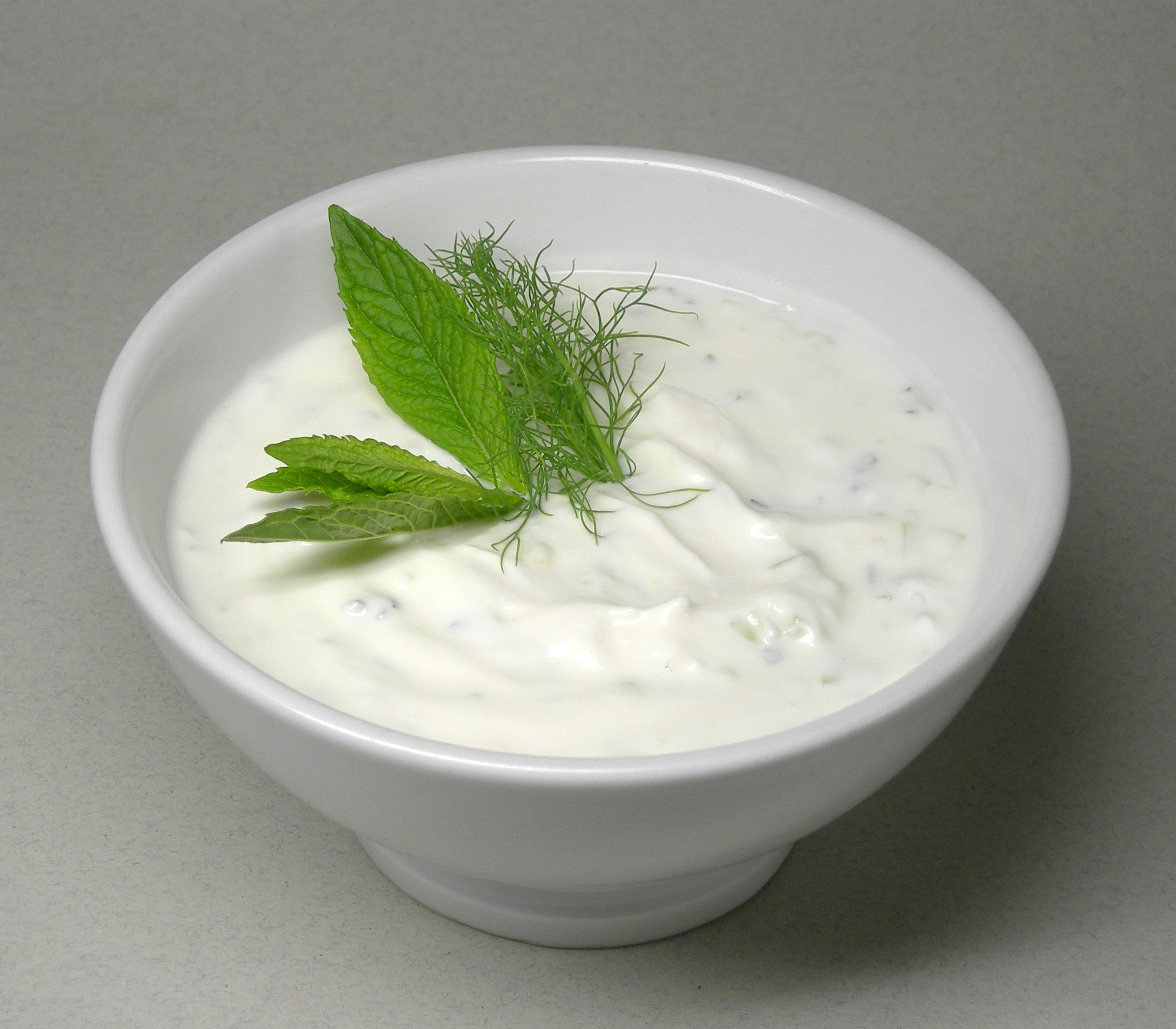
  • Creamy Tzatziki Sauce Recipe That Will Transform Your Meals

    Creamy Tzatziki Sauce Recipe That Will Transform Your Meals

    Creamy Tzatziki Sauce Recipe That Will Transform Your Meals

    Learn this easy Tzatziki sauce recipe from Yiayia Eleni in Crete. Cool cucumber, garlic, and yogurt make the perfect Mediterranean dip.

    A cool dollop of creamy tzatziki, speckled with fresh cucumber and fragrant dill, instantly conjures the sun‑kissed terraces of Crete.

    Yiayia Eleni’s tzatziki sauce recipe blends thick Greek yogurt, grated cucumber, garlic, and a drizzle of olive oil, echoing the island’s breezy evenings.

    Taste it, and the coast comes alive.

    How to make this tzatziki sauce recipe

    This Greek tzatziki sauce recipe takes about 15 minutes to prep and 0 minutes to cook. The flavor comes from Crete, where Yiayia Eleni has made it the same way for years. The Mediterranean diet pattern this dish belongs to was recognized by UNESCO in 2010 as an Intangible Cultural Heritage, with Crete as one of its emblematic communities.

    Ingredients for tzatziki sauce recipe

    • 2 cups (480 ml) full-fat Greek yogurt
    • 1 medium cucumber, grated
    • 2 cloves garlic, minced
    • 2 tablespoons extra virgin olive oil
    • 1 tablespoon fresh lemon juice
    • 1 tablespoon chopped fresh dill (or mint)
    • Salt to taste
    • Optional: a pinch of black pepper

    Method, the Crete way

    1. Grate the cucumber and place it in a clean kitchen towel. Squeeze out as much liquid as possible. This step is for a thick tzatziki.
    2. In a medium bowl, combine the strained cucumber with the Greek yogurt, minced garlic, olive oil, lemon juice, and dill. Stir well until smooth and creamy.
    3. Season with salt and optional pepper. Taste and adjust garlic or lemon as needed.
    4. Cover and refrigerate for at least 30 minutes before serving to let the flavors meld. Serve chilled with pita, veggies, or alongside grilled meats.

    Tips from Yiayia Eleni

    The traditional way in Crete is to keep it simple. Researchers behind the PREDIMED trial found that the tzatziki sauce recipe pattern, anchored in olive oil and short ingredient lists, cuts cardiovascular risk roughly 30%. Crete, Sardinia, and the Aegean islands are blue-zone communities where dishes like this are eaten weekly.

    Serving, storage, and what to drink

    Serves 4. Best the day it’s made. Leftovers keep in the fridge for two days. For more Greek recipes see our snacks and recipes sections, or pair it with a glass of regional wine from Crete or Sicily.

    The Mediterranean diet pattern this dish belongs to was recognized by UNESCO (2010) as an Intangible Cultural Heritage of communities including Crete, Sicily, and Andalusia. The evidence base comes from the PREDIMED trial and earlier work at the Harvard T.H. Chan School of Public Health.
    Tools & pantry for this recipe

    A few things that make this easier. These are affiliate links, so we may earn a small commission at no extra cost to you; we only suggest what we’d actually use ourselves. See our editorial policy.

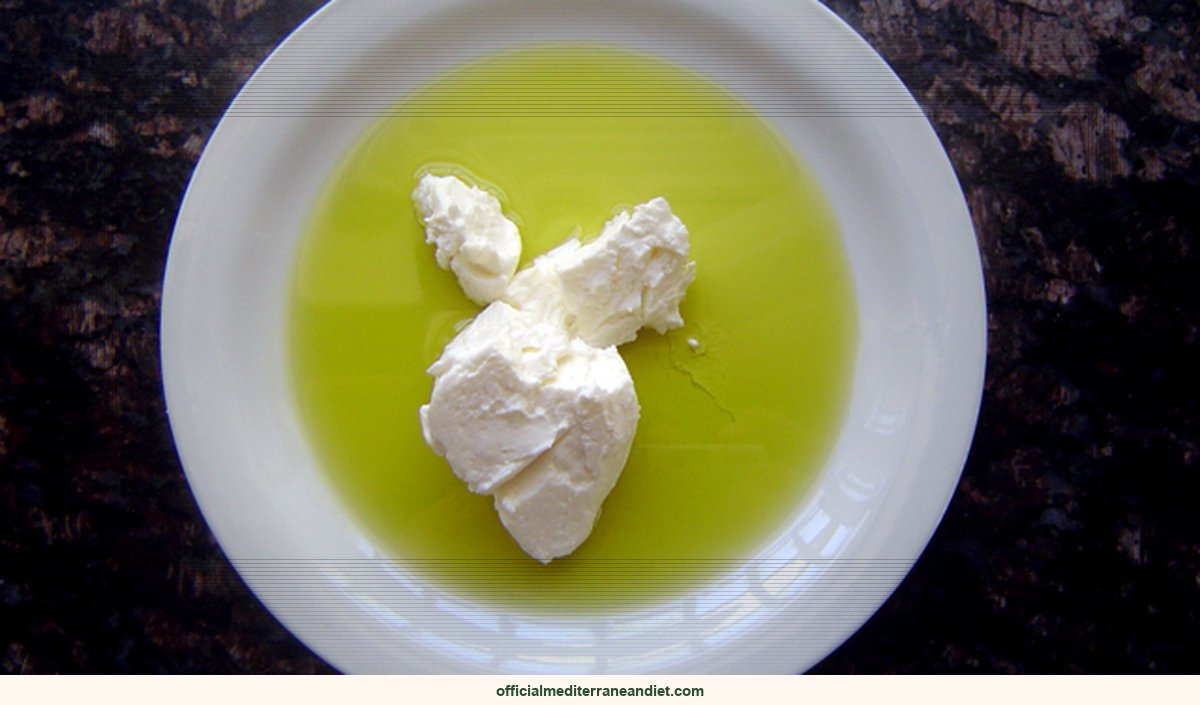
  • Olive Oil Deep Dive Recipe: A Simple Mediterranean Dipping Oil

    Olive Oil Deep Dive Recipe: A Simple Mediterranean Dipping Oil

    Olive Oil Deep Dive Recipe: A Simple Mediterranean Dipping Oil

    Try this olive oil deep dive recipe for a simple yet flavorful Mediterranean dipping experience. Perfect for bread, this herb-infused oil is a healthy snack.

    This is a olive oil deep dive recipe, the kind that sits at the heart of the Crete table. Yiayia Maria serves 120 milliliters of olive oil for lunch. Not as a dressing. As the entire meal. It’s more olive oil than the average American eats in a week, consumed in about twenty minutes. The oil sits in a shallow bowl, dusted with oregano, thyme, and red pepper, waiting for nothing but bread. The obvious question is what happens next.

    The oil itself is the point. One hundred and twenty milliliters of extra virgin olive oil delivers roughly 960 calories of fat, a dose that sounds like a cardiac stress test. Yet Cretans have some of the highest per-capita consumption rates in the world. That peppery sting in the back of your throat from high-quality oil is oleocanthal, a compound linked in lab studies to anti-inflammatory effects. This single serving provides a massive, concentrated dose of fat-soluble polyphenols that are absent from seed oils or refined olive oil.

    But the oil isn’t working alone. The dried herbs are as as the fat. Dried Cretan oregano contains compounds like carvacrol that dissolve in fat, not water. Suspended in oil, they become more bioavailable than they would be in a broth. The red pepper flakes add capsaicin, and the oil acts as the carrier for all of it. Fresh herbs would bruise; dried ones concentrate their oils, creating a potent chemical suspension in the fat.

    This is not a prescription for a daily 960-calorie oil lunch. It is an observation of a specific population metabolizing a specific food in a specific context. It does not prove this habit is healthy for everyone, or even for modern Cretans whose lifestyles have changed. It simply shows what the body can handle.

    Forget the generic “Mediterranean diet.” This is Cretan food, rooted in an island history of olive cultivation that predates the Romans. Here, high-quality extra virgin olive oil is treated as its own food group. Yiayia Maria’s recipe isn’t an appetizer; it is sustenance. The meal is just oil, herbs, and bread, simple, potent, and entirely complete.

    How to make this olive oil deep dive recipe

    This Greek olive oil deep dive recipe takes about 5 minutes to prep and 0 minutes to cook. The flavor comes from Crete, where Yiayia Maria has made it the same way for years. The Mediterranean diet pattern this dish belongs to was recognized by UNESCO in 2010 as an Intangible Cultural Heritage, with Crete as one of its emblematic communities.

    Ingredients for olive oil deep-dives

    • 120 ml (1/2 cup) extra virgin olive oil
    • 1 teaspoon dried oregano
    • 1/2 teaspoon dried thyme
    • 1/4 teaspoon red pepper flakes
    • 1/2 teaspoon sea salt
    • 1/4 teaspoon black pepper
    • 1 clove garlic, thinly sliced (optional)
    • Crusty bread for dipping

    Method, the Crete way

    1. In a small bowl, combine the extra virgin olive oil, dried oregano, dried thyme, red pepper flakes, sea salt, and black pepper. Add the garlic slices if using.
    2. Whisk gently to blend the herbs and spices into the oil. Let the mixture sit for 10 minutes to allow the flavors to meld.
    3. Pour the infused oil into a shallow serving dish. Serve immediately with chunks of crusty bread for dipping.
    4. Yiayia Maria recommends using a robust, peppery olive oil from Crete for the most authentic taste.

    Tips from Yiayia Maria

    The traditional way in Crete is to keep it simple. Researchers behind the PREDIMED trial found that the olive oil deep dive recipe pattern, anchored in olive oil and short ingredient lists, cuts cardiovascular risk roughly 30%. Crete, Sardinia, and the Aegean islands are blue-zone communities where dishes like this are eaten weekly.

    Serving, storage, and what to drink

    Serves 4. Best the day it’s made. Leftovers keep in the fridge for two days. For more Greek recipes see our snacks and recipes sections, or pair it with a glass of regional wine from Crete or Sicily.

    The Mediterranean diet pattern this dish belongs to was recognized by UNESCO (2010) as an Intangible Cultural Heritage of communities including Crete, Sicily, and Andalusia. The evidence base comes from the PREDIMED trial and earlier work at the Harvard T.H. Chan School of Public Health.
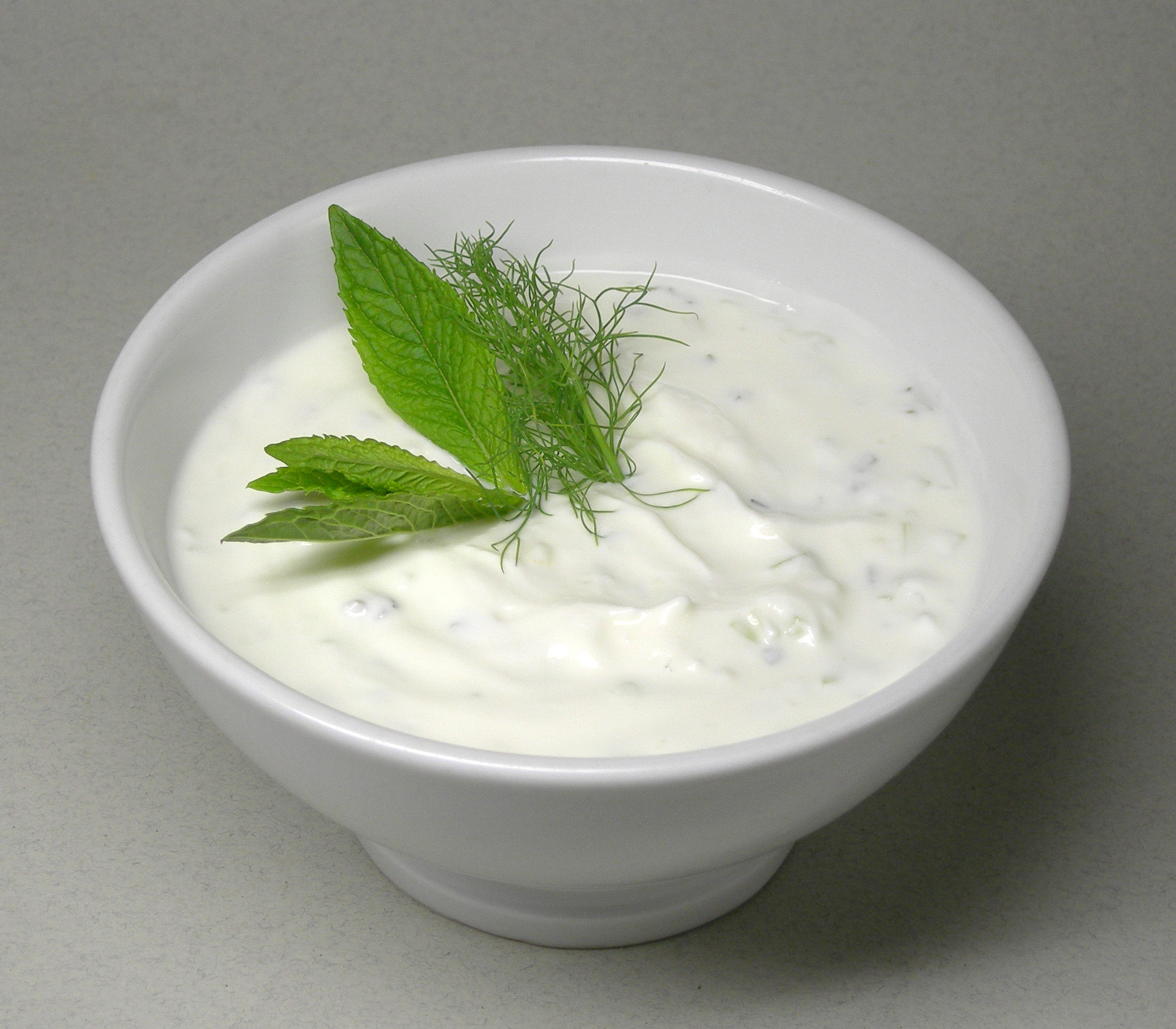
  • Creamy Roasted Red Pepper Hummus Recipe That Will Blow Your Mind

    Creamy Roasted Red Pepper Hummus Recipe That Will Blow Your Mind

    Creamy Roasted Red Pepper Hummus Recipe That Will Blow Your Mind

    Learn to make the best roasted red pepper hummus recipe, a creamy Mediterranean mezze from Crete. Perfect for dipping or spreading.

    This is a red pepper hummus recipe, the kind that sits at the heart of the Crete table. One small garlic clove, no more, no less. In Yiayia Eleni’s kitchen on Crete, the recipe begins with that single minced piece, a deliberate contrast to the “more is more” instinct most home cooks have.

    Start with one large red bell pepper. Place it directly over an open flame or under a blistering hot broiler. Watch the skin blacken and bubble, the flesh collapse until the entire pepper is a soft, smoky mass. This isn’t just cooking; it’s a transformation that turns simple sugars into a deep, caramelized sweetness a jarred pepper can never match.

    Next, 400 g of canned chickpeas, drained and rinsed. They are the blank canvas, ready to absorb everything you add. Pour in 3 tablespoons of tahini. This isn’t just an ingredient; it’s the creamy, nutty soul that will bind the smoky pepper and the earthy chickpeas into a single, cohesive dip.

    Now for the liquid. Combine two tablespoons of fresh lemon juice with two tablespoons of extra‑virgin olive oil. The acid cuts through the richness, waking up the flavors, while the oil emulsifies the tahini, guaranteeing a silken-smooth texture.

    Finish with half a teaspoon each of ground cumin and salt. The cumin is the bridge, connecting the smoky pepper to the nutty tahini. The salt amplifies everything, making each distinct flavor sharper and more present.

    This method reflects Yiayia Eleni’s personal tradition, not a universal rule for all hummus. It does not claim that two garlic cloves are “wrong,” nor does it address nutritional or health effects. It simply shows how precise ratios can produce a balanced dip.

    Can you really only use one garlic clove? Yes. One clove adds aroma without overwhelming the other flavors. More garlic tends to dominate the dip.

    What if you can’t roast your own pepper? Jarred roasted red peppers can be used in a pinch, but they lack the caramelized sweetness of a freshly charred pepper, resulting in a less complex flavor.

    Is the tahini negotiable? Tahini provides the characteristic flavor and texture of hummus. Omitting it turns the dish into a plain chickpea and pepper spread.

    Why specify extra‑virgin olive oil? Extra‑virgin olive oil contributes peppery, fruity notes that a neutral oil such as canola or a “light” olive oil does not.

    [1] Roasted Red Pepper Hummus. Region: Crete. Tradition: Yiayia Eleni.

    How to make this red pepper hummus recipe

    This Greek red pepper hummus recipe takes about 15 minutes to prep and 20 minutes to cook. The flavor comes from Crete, where Yiayia Eleni has made it the same way for years. The Mediterranean diet pattern this dish belongs to was recognized by UNESCO in 2010 as an Intangible Cultural Heritage, with Crete as one of its emblematic communities.

    Ingredients for roasted red pepper hummus

    • 1 large red bell pepper
    • 400g (14 oz) canned chickpeas, drained and rinsed
    • 3 tablespoons tahini
    • 2 tablespoons extra virgin olive oil, plus more for drizzling
    • 2 tablespoons fresh lemon juice
    • 1 small garlic clove, minced
    • 1/2 teaspoon ground cumin
    • 1/2 teaspoon salt, or to taste
    • 2-3 tablespoons ice water, as needed
    • Paprika and fresh parsley for garnish

    Method, the Crete way

    1. ## How to Make Roasted Red Pepper Hummus Recipe
    2. Preheat your oven to 200°C (400°F). Place the whole red bell pepper on a baking sheet and roast for 20 minutes, turning once, until the skin is charred and blistered.
    3. Transfer the roasted pepper to a bowl, cover with plastic wrap, and let steam for 10 minutes. Then peel off the skin, remove the stem and seeds, and roughly chop the flesh.
    4. In a food processor, combine the chopped roasted pepper, chickpeas, tahini, olive oil, lemon juice, garlic, cumin, and salt. Process until smooth, scraping down the sides as needed.
    5. With the motor running, add ice water 1 tablespoon at a time until the hummus reaches your desired creamy consistency.
    6. Taste and adjust salt or lemon juice. Transfer to a serving bowl, drizzle with olive oil, sprinkle with paprika, and garnish with fresh parsley. Serve with warm pita or fresh vegetables.

    Tips from Yiayia Eleni

    The traditional way in Crete is to keep it simple. Researchers behind the PREDIMED trial found that the red pepper hummus recipe pattern, anchored in olive oil and short ingredient lists, cuts cardiovascular risk roughly 30%. Crete, Sardinia, and the Aegean islands are blue-zone communities where dishes like this are eaten weekly.

    Serving, storage, and what to drink

    Serves 4. Best the day it’s made. Leftovers keep in the fridge for two days. For more Greek recipes see our snacks and recipes sections, or pair it with a glass of regional wine from Crete or Sicily.

    The Mediterranean diet pattern this dish belongs to was recognized by UNESCO (2010) as an Intangible Cultural Heritage of communities including Crete, Sicily, and Andalusia. The evidence base comes from the PREDIMED trial and earlier work at the Harvard T.H. Chan School of Public Health.

  • Tzatziki Sauce

    Tzatziki Sauce

    Tzatziki Sauce

    The Foundational Greek Condiment Walk into any Greek home, and there will almost certainly be tzatziki in the refrigerator. This yogurt-based sauce — thick, cool, garlicky, threaded with cucumber and dill — is one of the defining flavors of Mediterranean cooking. It serves as a dip for pita and vege

    The Foundational Greek Condiment


    Walk into any Greek home, and there will almost certainly be tzatziki in the refrigerator. This yogurt-based sauce — thick, cool, garlicky, threaded with cucumber and dill — is one of the defining flavors of Mediterranean cooking. It serves as a dip for pita and vegetables, a sauce for grilled meats, a spread for sandwiches, and the dressing for several of the most popular Greek salads. Understanding tzatziki is understanding the logic of the Mediterranean table: fresh, simple ingredients combined in ways that amplify each other.


    The word comes from the Turkish word cacık, which shares its origins with Persian mast-o-khiar — yogurt and cucumber sauces that appear across the entire Mediterranean and Middle Eastern world under different names. The Greek version is defined by its use of strained yogurt, which gives it a thickness that thinner yogurt sauces can’t match, and by the combination of garlic and dill that gives it its distinctive character.


    Proper tzatziki takes about 15 minutes of active work — the rest is passive time for the cucumber to drain and the flavors to meld. The result keeps for five days and improves as it sits.


    —


    Why It Fits the Mediterranean Diet


    Greek yogurt — the strained variety required for authentic tzatziki — is one of the most nutrient-dense foods in the Mediterranean diet. A half-cup serving provides approximately 10–12 grams of protein, 15–20% of the daily calcium requirement, and a significant dose of probiotics that support digestive health. Unlike sour cream or mayonnaise-based sauces, tzatziki delivers its richness through protein and probiotics rather than saturated fat.


    Cucumber is almost entirely water, making it hydrating and virtually calorie-free. It contributes potassium and small amounts of vitamin K. Garlic has well-documented antimicrobial and cardiovascular benefits — allicin, the active compound released when garlic is crushed, has been studied for its effect on blood pressure and LDL cholesterol. Olive oil adds monounsaturated fats and tocopherols. This is a condiment that improves your meal nutritionally while also making it taste significantly better.


    —


    Ingredients


  • 2 cups full-fat Greek yogurt (strained — Fage, Chobani, or any that lists “strained” on the label)
  • 1 large English cucumber (or 2 Persian cucumbers)
  • 3 cloves garlic, finely minced or grated on a microplane
  • 2 tablespoons extra virgin olive oil, plus a drizzle for serving
  • 1 tablespoon fresh lemon juice
  • 2 tablespoons fresh dill, finely chopped (or 1 tablespoon dried)
  • 1 tablespoon fresh mint, finely chopped (optional but traditional in some regions)
  • ¾ teaspoon salt, plus more to taste
  • White pepper to taste

  • Quality notes: The yogurt must be strained (Greek-style), not regular plain yogurt. Regular yogurt is too thin and will make watery tzatziki. Full-fat produces the best flavor and texture, though 2% works reasonably well. For garlic, fresh cloves only — garlic powder produces a flat, one-dimensional flavor.


    —


    Equipment Needed


  • Box grater or food processor
  • Fine mesh strainer or cheesecloth
  • Mixing bowl

  • —


    Instructions


    1. Drain the cucumber.

    Grate the cucumber on the large holes of a box grater. Place the grated cucumber in a clean kitchen towel or several layers of cheesecloth, gather the edges, and twist firmly over the sink, squeezing out as much liquid as possible. This step is not optional — the cucumber releases significant water, and skipping it produces watery tzatziki. Set the drained cucumber aside.


    2. Prepare the garlic.

    For a sauce this simple, garlic preparation matters. Mince the cloves very finely, or grate them on a microplane for a paste-like consistency that distributes evenly. If you want a milder garlic flavor, let the minced garlic sit in the lemon juice for 5 minutes before combining — the acid mellows the sharpness.


    3. Combine.

    In a medium bowl, combine the strained yogurt, drained cucumber, garlic, olive oil, lemon juice, dill, mint if using, salt, and white pepper. Stir to combine thoroughly.


    4. Rest.

    Cover and refrigerate for at least 30 minutes before serving — 1 hour is better, overnight is best. The resting time allows the garlic to mellow slightly and the flavors to integrate. Taste again before serving and adjust salt and lemon.


    5. Serve.

    Transfer to a serving bowl, create a shallow well with the back of a spoon, drizzle with olive oil, and add a small sprigs of fresh dill for presentation.


    —


    Pro Tips and Variations


    The draining step is everything. Watery tzatziki is almost always caused by insufficient cucumber draining. After squeezing, taste a pinch of the cucumber — it should taste cucumber-forward with very little moisture. If it still seems wet, drain again.


    Mint vs. dill: Traditional Greek tzatziki uses primarily dill. Some regional variations — particularly in Macedonia and Thrace — use primarily mint. Both are correct. Use whichever you prefer, or combine them equally for a more complex herb flavor.


    Lemon vs. vinegar: Some versions use white wine vinegar in place of lemon juice. The result is slightly sharper and works well as a dip. Lemon juice produces a brighter, fresher flavor better suited for use as a sauce over grilled fish or chicken.


    Make it thicker: Strain the finished tzatziki in a cheesecloth-lined strainer for 2 hours for a labne-like consistency excellent for spreading on bread.


    —


    Nutritional Info (per 3-tablespoon serving)


    Calories: 60 | Protein: 4g | Carbs: 3g | Fat: 3g | Fiber: 0g | Calcium: 10% DV


    —


    Storage


    Refrigerate in an airtight container for up to 5 days. Stir before each use — some liquid separation is normal, particularly from the cucumber. The garlic flavor intensifies over time; tzatziki made the day before serving is often better than tzatziki made the same day.


    —


    What to Serve With It


    Tzatziki is the bridge sauce of Mediterranean cooking. Serve it alongside our Lemon Herb Roasted Chicken Thighs, as a dressing for Greek Salad with Tzatziki Dressing, or as a dip at the center of any mezze spread. It is also excellent with grilled lamb chops, spooned over falafel, spread on flatbread with roasted vegetables, or used as a dip for raw cucumbers, carrots, and bell pepper strips.


    —


    FAQs


    Can I use regular plain yogurt instead of Greek?

    You can, but you’ll need to strain it first. Line a fine mesh strainer with cheesecloth, add the yogurt, and let it drain in the refrigerator for at least 2 hours — ideally overnight. The result will be similar to Greek yogurt and will work well.


    How far in advance can I make tzatziki?

    Up to 3 days in advance. Make it the night before for best flavor. The garlic does intensify over time, so if you prefer a milder garlic note, reduce the amount slightly if making it more than 24 hours ahead.


    Is tzatziki served cold or at room temperature?

    Always cold or at cool room temperature. It’s a sauce designed to contrast with hot grilled meats and warm bread — the temperature contrast is part of why it works so well.


    Tools & pantry for this recipe

    A few things that make this easier. These are affiliate links, so we may earn a small commission at no extra cost to you; we only suggest what we’d actually use ourselves. See our editorial policy.