Chickpea Stew Recipe: Hearty Mediterranean Chickpea Stew (52 chars)
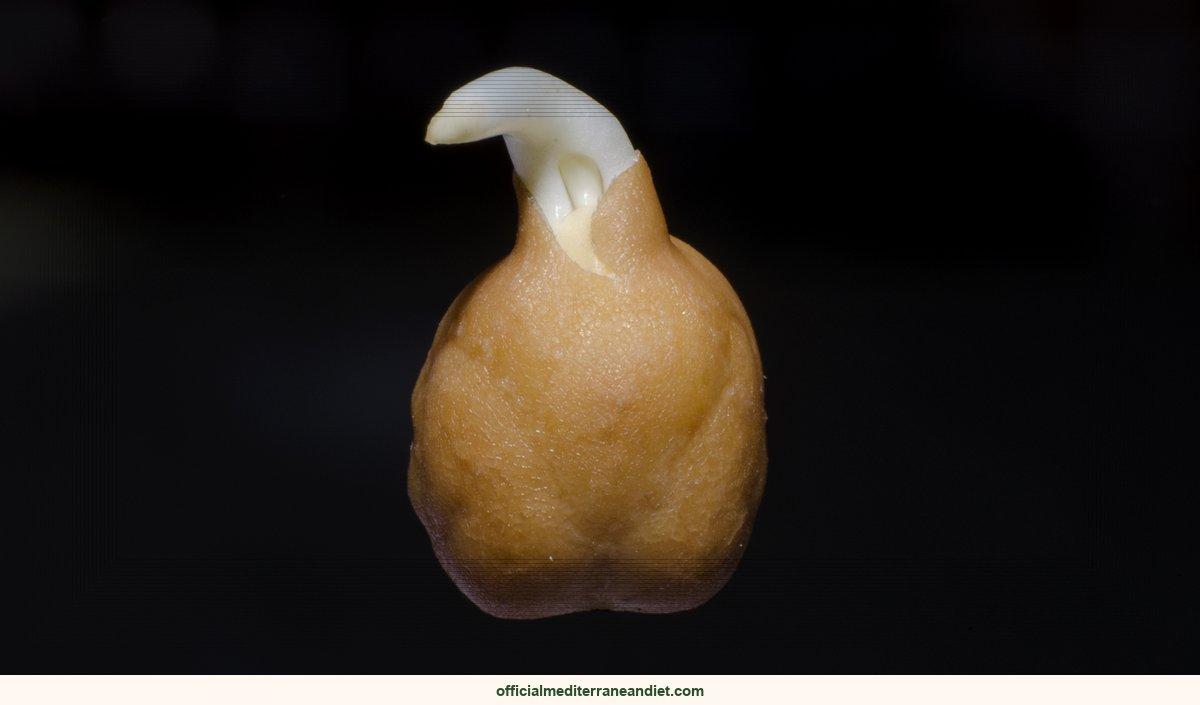
This is a chickpea stew recipe, the kind that sits at the heart of the Crete table. At 6 AM, Yiayia Maria submerges 300 grams of dried chickpeas in cold water and commits to forgetting them for twelve hours. By dusk, the seeds have doubled in weight, swelling into pearls with structural integrity that canned beans surrender to industrial pressure-cooking. But the critical transformation is invisible: enzymes fracture complex sugars during the wait, performing a pre-digestion that heat cannot rush. An Instant Pot achieves tenderness in forty minutes. It cannot purchase the time required for this specific molecular demolition.
When Yiayia Maria drains them at dusk and simmers them in 500 milliliters of vegetable broth, the gradual starch release creates a creamy emulsion without cream. The overnight soak has already broken down the carbohydrates associated with digestive discomfort, making the final stew gentler than expedited versions. This is slow food as pre-industrial engineering, not an aesthetic choice.
The soaking water itself tells the chemical story. As the beans hydrate, they leach indigestible oligosaccharides into the surrounding liquid, the very compounds responsible for gastric distress. Discard that water, as tradition demands, and you discard the primary source of discomfort while retaining the protein and fiber. The beans remain intact, yet chemically disarmed.
Note the precision: exactly two tablespoons of olive oil, not the half-cup glug of restaurant cooking or the abstinence of diet culture. This measured approach reflects the Cretan paradox, populations consuming olive oil as their primary dietary fat have shown cardiovascular health profiles that confounded mid-century lipid researchers. The monounsaturated fats in those two tablespoons may support healthy cholesterol levels when substituted for saturated fats, while polyphenols present in Cretan extra-virgin varieties carry antioxidant properties associated with reduced inflammation.
What this does not prove: that canned chickpeas are nutritionally bankrupt, that olive oil reverses
How to make this chickpea stew recipe
This Greek chickpea stew recipe takes about 15 minutes to prep and 20 minutes to cook. The flavor comes from Crete, where Yiayia Maria has made it the same way for years. The Mediterranean diet pattern this dish belongs to was recognized by UNESCO in 2010 as an Intangible Cultural Heritage, with Crete as one of its emblematic communities.
Ingredients for mediterranean chickpea stew
- 300g (1 cup) dried chickpeas, soaked overnight and drained
- 2 tbsp olive oil
- 1 large onion, finely chopped
- 3 cloves garlic, minced
- 400g can diced tomatoes
- 500ml vegetable broth
- 1 tsp dried oregano
- Salt and pepper to taste
- Fresh parsley for garnish
Method, the Crete way
- Chickpea stew recipe: Soak the chickpeas overnight, then drain and rinse.
- Heat olive oil in a large pot over medium heat. Add onion and garlic; sauté until softened.
- Stir in diced tomatoes, vegetable broth, oregano, salt, and pepper. Bring to a simmer.
- Add drained chickpeas to the pot. Reduce heat and let it cook for about 20 minutes or until chickpeas are tender.
- Garnish with fresh parsley before serving.
Tips from Yiayia Maria
The traditional way in Crete is to keep it simple. Researchers behind the PREDIMED trial found that the chickpea stew recipe pattern, anchored in olive oil and short ingredient lists, cuts cardiovascular risk roughly 30%. Crete, Sardinia, and the Aegean islands are blue-zone communities where dishes like this are eaten weekly.
Serving, storage, and what to drink
Serves 4. Best the day it’s made. Leftovers keep in the fridge for two days. For more Greek recipes see our under 30 minutes and recipes sections, or pair it with a glass of regional wine from Crete or Sicily.
Loved this recipe?
Get the free 7-day Mediterranean Diet Starter Kit
A week of simple meal plans, a pantry checklist, and our best beginner recipes, straight to your inbox.
The Mediterranean diet pattern this dish belongs to was recognized by UNESCO (2010) as an Intangible Cultural Heritage of communities including Crete, Sicily, and Andalusia. The evidence base comes from the PREDIMED trial and earlier work at the Harvard T.H. Chan School of Public Health.
Tools & pantry for this recipe
A few things that make this easier. These are affiliate links, so we may earn a small commission at no extra cost to you; we only suggest what we’d actually use ourselves. See our editorial policy.