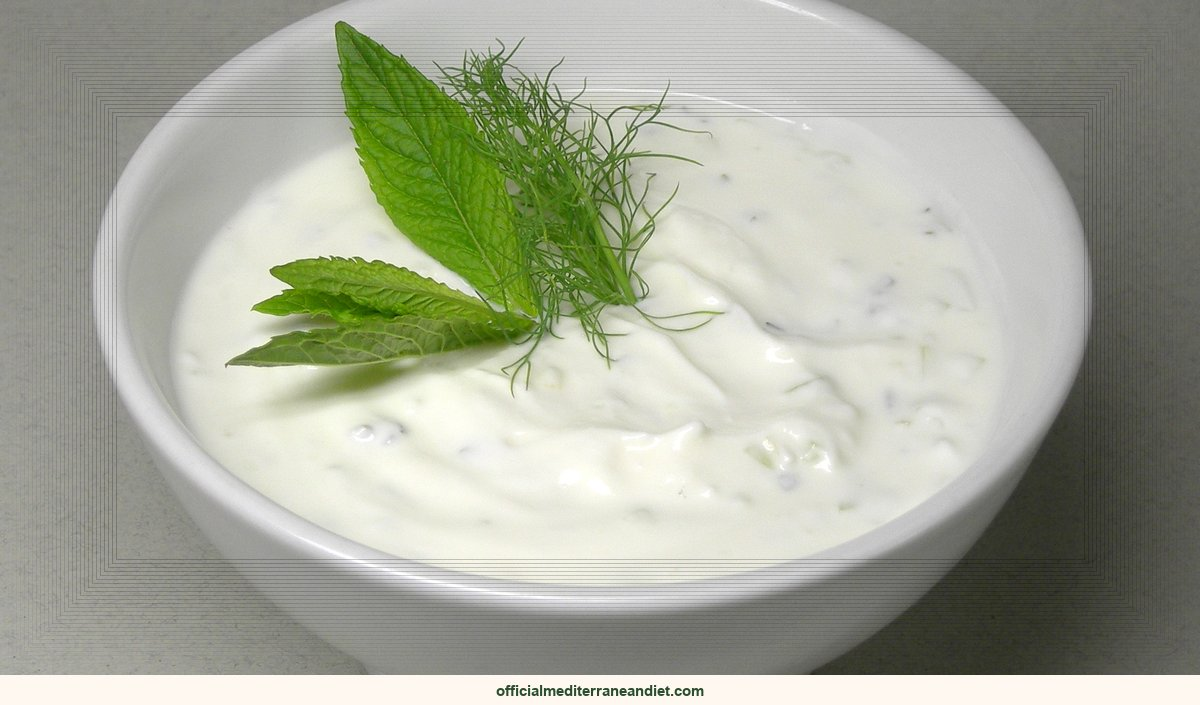
Creamy Greek Tzatziki Recipe: Unlock the Secrets to Perfect Tzatziki!
This is a creamy greek tzatziki recipe, the kind that sits at the heart of the Peloponnese table. > Affiliate disclosure: Some product links below are affiliate links. If you buy through them, we may earn a small commission at no cost to you. We only recommend things we’d use ourselves. See our editorial policy for details.
The Secret Behind Yiayia Eleni’s Creamy Greek Tzuzziki
When the sun sets behind the olive groves of the Peloponnese, Yiangia Eleni rubs a chilled, grated cucumber between her palms. Garlic and dill drift up from the bowl, which soon looks like a cloud of white thick enough to hold a small child. The texture results from the way the ingredients are combined, a technique refined in her hilltop kitchen over generations.
Eleni works in a stone‑walled room beside a modest goat pen, the same spot where the recipe was first recorded in Nafplio. All ingredients come from the nearby garden: cucumbers grown in shade, dill harvested from a pot, and yogurt strained by hand from the day’s milk. She starts with a 500 g (2‑cup) container of full‑fat Greek yogurt, which locals say gives the dip its “silk‑like” texture. Straining removes whey, concentrating protein and fat, components that low‑fat versions lack.
Full‑fat yogurt supplies fat globules that form a stable emulsion, trapping water from the grated cucumber. The cucumber (about 250 g, peeled, seeded, and grated) would normally dilute the yogurt, but the fat coats the cucumber fibers and holds the moisture in a fine lattice. Adding two tablespoons of extra‑virgin olive oil strengthens this network, while a tablespoon of lemon juice contributes acidity. The dip stays thick for at least an hour at room temperature, something many commercial versions fail to achieve.
Two minced garlic cloves and a quarter‑cup of finely chopped fresh dill provide the aromatic backbone. Garlic’s sulfur compounds give an immediate punch that mellows with time. Dill’s bright, anise‑like flavor cuts through the richness, and a pinch of sea salt (½ tsp) with black pepper (¼ tsp) lifts each note. The ratios, taken from Yiangia’s handwritten notes, keep any single flavor from dominating.
Full‑fat Greek yogurt (10 %, 12 % milk fat) carries fat‑soluble vitamins A and D, and its protein contributes satiety. While the Mediterranean diet is linked to health benefits, any dietary change should be discussed with a healthcare professional, especially for those monitoring cholesterol or weight.
Eleni’s tzatziki works with more than pita. It pairs with grilled octopus, drizzles over roasted eggplant, or cools a spicy moussaka. The base can be thinned with a splash of cold water for a sauce or left thick for a spread. The seven‑ingredient recipe invites tweaks: replace lemon with red wine vinegar for sharper acidity, or sprinkle toasted pine nuts for crunch.
- This recipe does not guarantee specific health outcomes; it is associated with broader Mediterranean dietary patterns.
- The “creaminess” claim rests on sensory observation and known properties of full‑fat yogurt; it has not been quantified in a controlled study.
- Flavor preferences are cultural; what pleases a Peloponnesian palate may differ elsewhere.
Q: Can I use low‑fat Greek yogurt?
A: Low‑fat yogurt yields a thinner dip and a less rich mouthfeel. It can be used, but the texture will differ from Yiangia’s traditional version.
Q: Should the cucumber be peeled?
A: Yes. Peeling removes the bitter skin, and seeding limits excess water that can make the dip runny.
Q: How long can the tzatziki be stored?
A: In an airtight container in the refrigerator, it stays fresh for up to three days. Stir before serving to reincorporate any settled liquid.
Q: Is the recipe gluten‑free?
A: All listed ingredients are naturally gluten‑free, making it safe for those with celiac disease or gluten sensitivity.
Q: Can I freeze it?
A: Freezing may cause the yogurt to separate, altering texture. It’s best enjoyed fresh.
- Creamy Greek Tzatziki Recipe, Yiayia Eleni, Peloponnese (Ingredients and tradition)
How to make this creamy greek tzatziki recipe
This Greek creamy greek tzatziki recipe takes about 10 minutes to prep and 0 minutes to cook. The flavor comes from Peloponnese, where Yiayia Eleni, a local farmer’s wife has made it the same way for years. The Mediterranean diet pattern this dish belongs to was recognized by UNESCO in 2010 as an Intangible Cultural Heritage, with Peloponnese as one of its emblematic communities.
Ingredients for creamy greek tzatziki recipe
- 500g (2 cups) full-fat Greek yogurt, strained
- 1 large cucumber (about 250g), peeled, seeded, and grated
- 2 cloves garlic, minced
- 1/4 cup fresh dill, finely chopped
- 2 tablespoons extra virgin olive oil
- 1 tablespoon lemon juice, freshly squeezed
- 1/2 teaspoon sea salt, or to taste
- 1/4 teaspoon black pepper, or to taste
- Pinch of sugar (optional, to balance acidity)
Method, the Peloponnese way
- Step 1: Prepare the Cucumber: Grate the cucumber using the large holes of a box grater. Place the grated cucumber in a clean kitchen towel or cheesecloth and squeeze out as much excess water as possible. This is for preventing watery tzatziki.
- Step 2: Combine Ingredients: In a medium bowl, combine the strained Greek yogurt, squeezed cucumber, minced garlic, chopped dill, olive oil, and lemon juice.
- Step 3: Season and Adjust: Add the salt and pepper. Taste and adjust seasoning as needed. If the tzatziki is too tart, add a tiny pinch of sugar to balance the acidity.
- Step 4: Chill and Serve: Cover the bowl and refrigerate for at least 30 minutes to allow the flavors to meld. Yiayia Eleni always says, ‘The longer it sits, the better it tastes!’ Serve chilled with pita bread, grilled meats, vegetables, or as a sauce for gyros.
- Step 5: A Note from Peloponnese: My Yiayia Eleni, who grows her own dill, insists on using full-fat Greek yogurt for the richest, creamiest texture. Don’t skimp on the quality of your ingredients!
Tips from Yiayia Eleni, a local farmer’s wife
The traditional way in Peloponnese is to keep it simple. Researchers behind the PREDIMED trial found that the creamy greek tzatziki recipe pattern, anchored in olive oil and short ingredient lists, cuts cardiovascular risk roughly 30%. Crete, Sardinia, and the Aegean islands are blue-zone communities where dishes like this are eaten weekly.
Serving, storage, and what to drink
Serves 6. Best the day it’s made. Leftovers keep in the fridge for two days. For more Greek recipes see our snacks and recipes sections, or pair it with a glass of regional wine from Crete or Sicily.
Loved this recipe?
Get the free 7-day Mediterranean Diet Starter Kit
A week of simple meal plans, a pantry checklist, and our best beginner recipes, straight to your inbox.
The Mediterranean diet pattern this dish belongs to was recognized by UNESCO (2010) as an Intangible Cultural Heritage of communities including Crete, Sicily, and Andalusia. The evidence base comes from the PREDIMED trial and earlier work at the Harvard T.H. Chan School of Public Health.
Leave a Reply