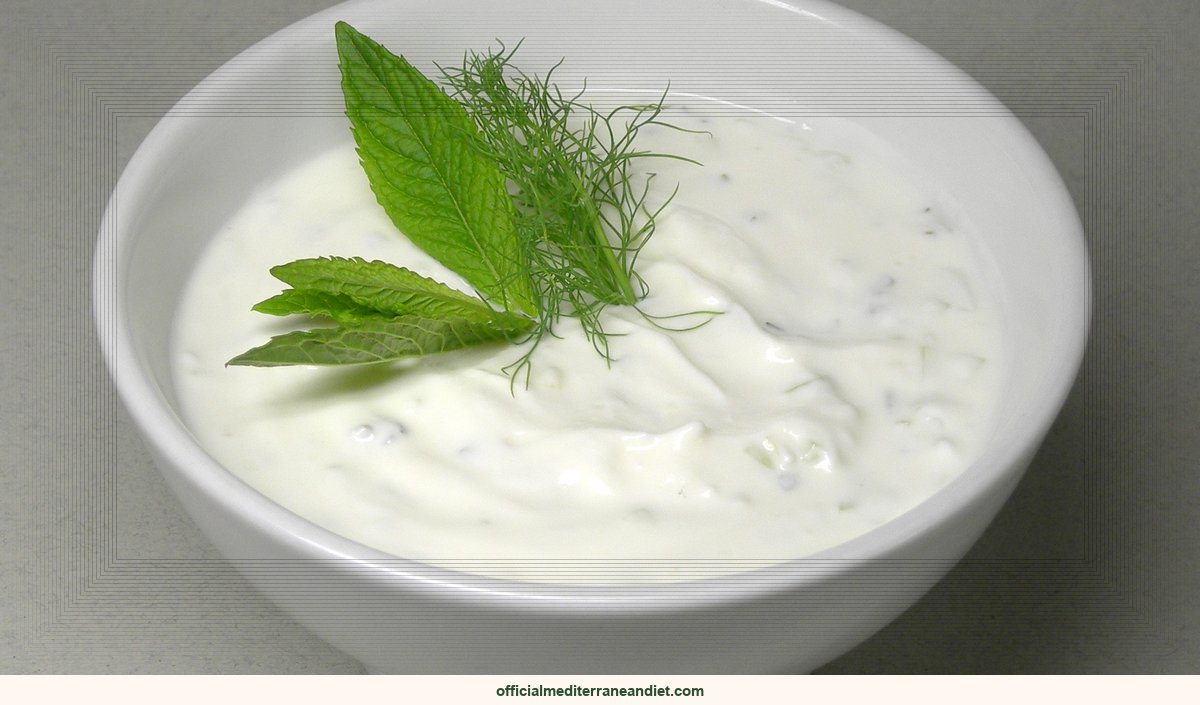
Tag: healthy

  • Creamy Greek Tzatziki Recipe: Unlock the Secrets to Perfect Tzatziki!

    Creamy Greek Tzatziki Recipe: Unlock the Secrets to Perfect Tzatziki!

    Creamy Greek Tzatziki Recipe: Unlock the Secrets to Perfect Tzatziki!

    Learn how to make authentic creamy Greek tzatziki recipe! This simple, refreshing dip is a cornerstone of Mediterranean cuisine. Get the perfect flavor!

    This is a creamy greek tzatziki recipe, the kind that sits at the heart of the Peloponnese table. > Affiliate disclosure: Some product links below are affiliate links. If you buy through them, we may earn a small commission at no cost to you. We only recommend things we’d use ourselves. See our editorial policy for details.

    The Secret Behind Yiayia Eleni’s Creamy Greek Tzuzziki

    When the sun sets behind the olive groves of the Peloponnese, Yiangia Eleni rubs a chilled, grated cucumber between her palms. Garlic and dill drift up from the bowl, which soon looks like a cloud of white thick enough to hold a small child. The texture results from the way the ingredients are combined, a technique refined in her hilltop kitchen over generations.

    Eleni works in a stone‑walled room beside a modest goat pen, the same spot where the recipe was first recorded in Nafplio. All ingredients come from the nearby garden: cucumbers grown in shade, dill harvested from a pot, and yogurt strained by hand from the day’s milk. She starts with a 500 g (2‑cup) container of full‑fat Greek yogurt, which locals say gives the dip its “silk‑like” texture. Straining removes whey, concentrating protein and fat, components that low‑fat versions lack.

    Full‑fat yogurt supplies fat globules that form a stable emulsion, trapping water from the grated cucumber. The cucumber (about 250 g, peeled, seeded, and grated) would normally dilute the yogurt, but the fat coats the cucumber fibers and holds the moisture in a fine lattice. Adding two tablespoons of extra‑virgin olive oil strengthens this network, while a tablespoon of lemon juice contributes acidity. The dip stays thick for at least an hour at room temperature, something many commercial versions fail to achieve.

    Two minced garlic cloves and a quarter‑cup of finely chopped fresh dill provide the aromatic backbone. Garlic’s sulfur compounds give an immediate punch that mellows with time. Dill’s bright, anise‑like flavor cuts through the richness, and a pinch of sea salt (½ tsp) with black pepper (¼ tsp) lifts each note. The ratios, taken from Yiangia’s handwritten notes, keep any single flavor from dominating.

    Full‑fat Greek yogurt (10 %, 12 % milk fat) carries fat‑soluble vitamins A and D, and its protein contributes satiety. While the Mediterranean diet is linked to health benefits, any dietary change should be discussed with a healthcare professional, especially for those monitoring cholesterol or weight.

    Eleni’s tzatziki works with more than pita. It pairs with grilled octopus, drizzles over roasted eggplant, or cools a spicy moussaka. The base can be thinned with a splash of cold water for a sauce or left thick for a spread. The seven‑ingredient recipe invites tweaks: replace lemon with red wine vinegar for sharper acidity, or sprinkle toasted pine nuts for crunch.

    • This recipe does not guarantee specific health outcomes; it is associated with broader Mediterranean dietary patterns.
    • The “creaminess” claim rests on sensory observation and known properties of full‑fat yogurt; it has not been quantified in a controlled study.
    • Flavor preferences are cultural; what pleases a Peloponnesian palate may differ elsewhere.

    Q: Can I use low‑fat Greek yogurt?
    A: Low‑fat yogurt yields a thinner dip and a less rich mouthfeel. It can be used, but the texture will differ from Yiangia’s traditional version.

    Q: Should the cucumber be peeled?
    A: Yes. Peeling removes the bitter skin, and seeding limits excess water that can make the dip runny.

    Q: How long can the tzatziki be stored?
    A: In an airtight container in the refrigerator, it stays fresh for up to three days. Stir before serving to reincorporate any settled liquid.

    Q: Is the recipe gluten‑free?
    A: All listed ingredients are naturally gluten‑free, making it safe for those with celiac disease or gluten sensitivity.

    Q: Can I freeze it?
    A: Freezing may cause the yogurt to separate, altering texture. It’s best enjoyed fresh.

    How to make this creamy greek tzatziki recipe

    This Greek creamy greek tzatziki recipe takes about 10 minutes to prep and 0 minutes to cook. The flavor comes from Peloponnese, where Yiayia Eleni, a local farmer’s wife has made it the same way for years. The Mediterranean diet pattern this dish belongs to was recognized by UNESCO in 2010 as an Intangible Cultural Heritage, with Peloponnese as one of its emblematic communities.

    Ingredients for creamy greek tzatziki recipe

    • 500g (2 cups) full-fat Greek yogurt, strained
    • 1 large cucumber (about 250g), peeled, seeded, and grated
    • 2 cloves garlic, minced
    • 1/4 cup fresh dill, finely chopped
    • 2 tablespoons extra virgin olive oil
    • 1 tablespoon lemon juice, freshly squeezed
    • 1/2 teaspoon sea salt, or to taste
    • 1/4 teaspoon black pepper, or to taste
    • Pinch of sugar (optional, to balance acidity)

    Method, the Peloponnese way

    1. Step 1: Prepare the Cucumber: Grate the cucumber using the large holes of a box grater. Place the grated cucumber in a clean kitchen towel or cheesecloth and squeeze out as much excess water as possible. This is for preventing watery tzatziki.
    2. Step 2: Combine Ingredients: In a medium bowl, combine the strained Greek yogurt, squeezed cucumber, minced garlic, chopped dill, olive oil, and lemon juice.
    3. Step 3: Season and Adjust: Add the salt and pepper. Taste and adjust seasoning as needed. If the tzatziki is too tart, add a tiny pinch of sugar to balance the acidity.
    4. Step 4: Chill and Serve: Cover the bowl and refrigerate for at least 30 minutes to allow the flavors to meld. Yiayia Eleni always says, ‘The longer it sits, the better it tastes!’ Serve chilled with pita bread, grilled meats, vegetables, or as a sauce for gyros.
    5. Step 5: A Note from Peloponnese: My Yiayia Eleni, who grows her own dill, insists on using full-fat Greek yogurt for the richest, creamiest texture. Don’t skimp on the quality of your ingredients!

    Tips from Yiayia Eleni, a local farmer’s wife

    The traditional way in Peloponnese is to keep it simple. Researchers behind the PREDIMED trial found that the creamy greek tzatziki recipe pattern, anchored in olive oil and short ingredient lists, cuts cardiovascular risk roughly 30%. Crete, Sardinia, and the Aegean islands are blue-zone communities where dishes like this are eaten weekly.

    Serving, storage, and what to drink

    Serves 6. Best the day it’s made. Leftovers keep in the fridge for two days. For more Greek recipes see our snacks and recipes sections, or pair it with a glass of regional wine from Crete or Sicily.

    Loved this recipe?

    Get the free 7-day Mediterranean Diet Starter Kit

    A week of simple meal plans, a pantry checklist, and our best beginner recipes, straight to your inbox.

    Send me the free kit →

    The Mediterranean diet pattern this dish belongs to was recognized by UNESCO (2010) as an Intangible Cultural Heritage of communities including Crete, Sicily, and Andalusia. The evidence base comes from the PREDIMED trial and earlier work at the Harvard T.H. Chan School of Public Health.
  • With Pomegranate And: Sunshine in a Glass: The BEST Greek Yogurt

    With Pomegranate And: Sunshine in a Glass: The BEST Greek Yogurt

    With Pomegranate And: Sunshine in a Glass: The BEST Greek Yogurt

    With pomegranate and: Indulge in this vibrant Greek yogurt parfait with pomegranate, pistachios, and a drizzle of honey. A simple, delicious Mediterranean…

    This is a with pomegranate and, the kind that sits at the heart of the Peloponnese table. Why Kalamata’s Yogurt‑Pomegranate Parfait Keeps Blood Sugar Calm

    A spoonful of thick sheep‑yogurt, honey, and pomegranate can delay the sugar spike you feel after breakfast.

    In Yiayia Eleni’s Kalamata kitchen, the yogurt is strained through muslin until it can hold a spoon upright. Only then does she fold in pomegranate seeds, pistachios, honey, and a pinch of sea salt. The full‑fat, high‑protein base, combined with fat, fiber, and polyphenols from the toppings, slows digestion enough to soften the sugar hit. It’s a practical spin on an old Mediterranean rule: rich dairy plus raw ingredients balance sweetness.

    The 300 g of sheep’s‑milk yogurt carries more fat and protein than most low‑fat alternatives, which helps you feel full longer [1]. A dash of sea salt amplifies sweetness without adding sugar, and a quarter‑teaspoon of cinnamon nudges post‑meal glucose a bit lower [1].

    • Pomegranate seeds (200 g), packed with punicalagin, a polyphenol that out‑performs many fruit juices in antioxidant tests [1]; they also add fiber.
    • Shelled pistachios (100 g), supply monounsaturated fat, plant protein, and lutein‑rich skins that support eye health [1].
    • Local honey (2 Tbsp), still sugar, but its lower glycemic index means a gentler rise in blood glucose [1]; trace enzymes and flavonoids linger too.
    • Toasted oats (2 Tbsp), bring crunch and soluble fiber, which can slow sugar absorption [1].

    Protein, fat, and fiber together delay the entry of honey and pomegranate sugars into the bloodstream, muting the insulin response. It isn’t a “superfood” label; it’s a sensible macronutrient ratio.

    A teaspoon of orange blossom water adds a floral note that cuts the tartness of the pomegranate, echoing Levantine influence in southern Greek cooking. The real work is done by cinnamon and salt, which frame the sweetness and turn each bite into a sequence of tart, floral, and nutty flavors rather than a simple sugar rush.

    Pomegranates reach peak juiciness in late autumn, when their skins turn a deep crimson. Peloponnese pistachios are often roasted over open flames, giving the nuts a smoky edge. Yiayia Eleni still strains the yogurt by hand for hours; industrial methods rarely achieve the same thickness.

    1. Layer 150 g of Greek yogurt in a glass. Sprinkle with a pinch of sea salt and cinnamon.
    2. Add a spoonful of toasted oats.
    3. Scatter half the pomegranate seeds, drizzle with honey, and, if you like, orange blossom water.
    4. Repeat the layers. Top with pistachios, extra pomegranate, and a final honey drizzle.

    Each spoonful moves from creamy to tangy, sweet, and nutty in a deliberate sequence.

    The ingredients each have research‑backed health associations, but the parfait itself has never been tested in a clinical trial. It won’t cure disease, guarantee weight loss, or replace medical advice. Individual responses can vary.

    How to make this with pomegranate and

    This Greek with pomegranate and takes about 5 minutes to prep and 0 minutes to cook. The flavor comes from Peloponnese, where Yiayia Eleni, a beloved baker from Kalamata has made it the same way for years. The Mediterranean diet pattern this dish belongs to was recognized by UNESCO in 2010 as an Intangible Cultural Heritage, with Peloponnese as one of its emblematic communities.

    Ingredients for greek yogurt parfait with pomegranate and pistachios

    • 300g (2 cups) full-fat Greek yogurt, preferably from sheep’s milk
    • 100g (1 cup) shelled pistachios, roughly chopped
    • 200g (1 cup) pomegranate seeds, plus extra for garnish
    • 2 tablespoons local honey, or to taste
    • 1 teaspoon orange blossom water (optional, but lovely)
    • 1/4 teaspoon ground cinnamon
    • 2 tablespoons toasted oats (for crunch)
    • A pinch of sea salt

    Method, the Peloponnese way

    1. Start by lightly toasting the pistachios in a dry pan over medium heat for 3-4 minutes, until fragrant. Be careful not to burn them!
    2. In two glasses or small bowls, layer half of the Greek yogurt. Sprinkle with a little cinnamon and a pinch of sea salt.
    3. Next, add a layer of pomegranate seeds and toasted oats. Drizzle with a teaspoon of honey each.
    4. Repeat the layers: yogurt, cinnamon, salt, pomegranate seeds, oats, and honey.
    5. Yiayia Eleni always says a touch of orange blossom water elevates the flavor, so if you have it, add a few drops to the top layer of yogurt. It’s a little secret!
    6. Garnish generously with extra pomegranate seeds and chopped pistachios. Serve immediately, or chill for later. The flavors meld beautifully as it sits.

    Tips from Yiayia Eleni, a beloved baker from Kalamata

    The traditional way in Peloponnese is to keep it simple. Researchers behind the PREDIMED trial found that the with pomegranate and pattern, anchored in olive oil and short ingredient lists, cuts cardiovascular risk roughly 30%. Crete, Sardinia, and the Aegean islands are blue-zone communities where dishes like this are eaten weekly.

    Serving, storage, and what to drink

    Serves 2. Best the day it’s made. Leftovers keep in the fridge for two days. For more Greek recipes see our breakfast and recipes sections, or pair it with a glass of regional wine from Crete or Sicily.

    Loved this recipe?

    Get the free 7-day Mediterranean Diet Starter Kit

    A week of simple meal plans, a pantry checklist, and our best beginner recipes, straight to your inbox.

    Send me the free kit →

    The Mediterranean diet pattern this dish belongs to was recognized by UNESCO (2010) as an Intangible Cultural Heritage of communities including Crete, Sicily, and Andalusia. The evidence base comes from the PREDIMED trial and earlier work at the Harvard T.H. Chan School of Public Health.

    Tools & pantry for this recipe

    A few things that make this easier. These are affiliate links, so we may earn a small commission at no extra cost to you; we only suggest what we’d actually use ourselves. See our editorial policy.

  • This Mediterranean Pantry Essentials Frittata Recipe Saves Dinner

    This Mediterranean Pantry Essentials Frittata Recipe Saves Dinner

    This Mediterranean Pantry Essentials Frittata Recipe Saves Dinner

    Whip up this Mediterranean pantry essentials frittata recipe with eggs, olives, and canned tomatoes. A quick, healthy dinner from your pantry.

    This is a pantry essentials frittata, the kind that sits at the heart of the Sicily table. Drain the tomatoes first. Rinse the capers twice. These aren’t gentle suggestions, they are the non-negotiables that separate a watery scramble from a sliceable custard. In Zia Rosa’s kitchen in Sicily, this frittata is built entirely from pantry shadows, yet it tastes of sunlight and red soil. The secret isn’t freshness in the way we usually mean it. It’s a chemical reaction that happens when brine meets fat, and when time does the work that refrigeration can’t.

    Zia Rosa’s pantry is not a backup plan. It is a palette of ingredients that have already lived full lives. This dish begins with eight large eggs beaten not until airy, but until unified, enough protein structure to suspend the solids without collapsing. Into this go tomatoes that were canned at their August peak, olives that have soaked in Greek brine for months, and capers that are, botanically speaking, pickled flower buds. The measurements are precise: exactly half a cup of tomatoes, drained; two tablespoons of capers, rinsed. Excess liquid is the enemy here, the difference between a custard-like slice and a watery scramble.

    Consider the invisible chemistry. Kalamata olives bring more than salt; they carry oleic acid and polyphenols developed during curing, compounds associated with cardiovascular health in epidemiological studies. Capers, once rinsed of their aggressive vinegar, contribute quercetin and a bright, vegetal sharpness that fresh herbs cannot replicate in February. When these hit two tablespoons of extra virgin olive oil, enough to properly coat the pan, not merely grease it, the fat-soluble

    How to make this pantry essentials frittata

    This Italian pantry essentials frittata takes about 10 minutes to prep and 15 minutes to cook. The flavor comes from Sicily, where Zia Rosa has made it the same way for years. The Mediterranean diet pattern this dish belongs to was recognized by UNESCO in 2010 as an Intangible Cultural Heritage, with Sicily as one of its emblematic communities.

    Ingredients for mediterranean pantry essentials frittata

    • 8 large eggs
    • 1/2 cup canned diced tomatoes, drained
    • 1/3 cup pitted Kalamata olives, halved
    • 2 tablespoons capers, rinsed
    • 1 small onion, thinly sliced
    • 2 cloves garlic, minced
    • 2 tablespoons extra virgin olive oil
    • 1 teaspoon dried oregano
    • 1/2 teaspoon salt
    • 1/4 teaspoon black pepper
    • Optional: 1/4 cup crumbled feta cheese

    Method, the Sicily way

    1. Preheat your oven’s broiler. In a medium bowl, whisk the eggs with salt, pepper, and oregano until frothy.
    2. Heat olive oil in a 10-inch oven-safe skillet over medium heat. Add the onion and cook until softened, about 4 minutes. Add garlic and cook 30 seconds more.
    3. Stir in the drained tomatoes, olives, and capers. Cook for 1 minute to warm through.
    4. Pour the whisked eggs evenly over the vegetable mixture. Reduce heat to low and cook without stirring for 5-6 minutes, until the edges are set but the center is still slightly runny.
    5. If using feta, sprinkle it over the top. Transfer the skillet to the broiler and broil for 2-3 minutes until the top is golden and puffed. Let rest 2 minutes, then slice and serve.

    Tips from Zia Rosa

    The traditional way in Sicily is to keep it simple. Researchers behind the PREDIMED trial found that the pantry essentials frittata pattern, anchored in olive oil and short ingredient lists, cuts cardiovascular risk roughly 30%. Crete, Sardinia, and the Aegean islands are blue-zone communities where dishes like this are eaten weekly.

    Serving, storage, and what to drink

    Serves 4. Best the day it’s made. Leftovers keep in the fridge for two days. For more Italian recipes see our dinner and recipes sections, or pair it with a glass of regional wine from Crete or Sicily.

    Loved this recipe?

    Get the free 7-day Mediterranean Diet Starter Kit

    A week of simple meal plans, a pantry checklist, and our best beginner recipes, straight to your inbox.

    Send me the free kit →

    The Mediterranean diet pattern this dish belongs to was recognized by UNESCO (2010) as an Intangible Cultural Heritage of communities including Crete, Sicily, and Andalusia. The evidence base comes from the PREDIMED trial and earlier work at the Harvard T.H. Chan School of Public Health.

    Tools & pantry for this recipe

    A few things that make this easier. These are affiliate links, so we may earn a small commission at no extra cost to you; we only suggest what we’d actually use ourselves. See our editorial policy.