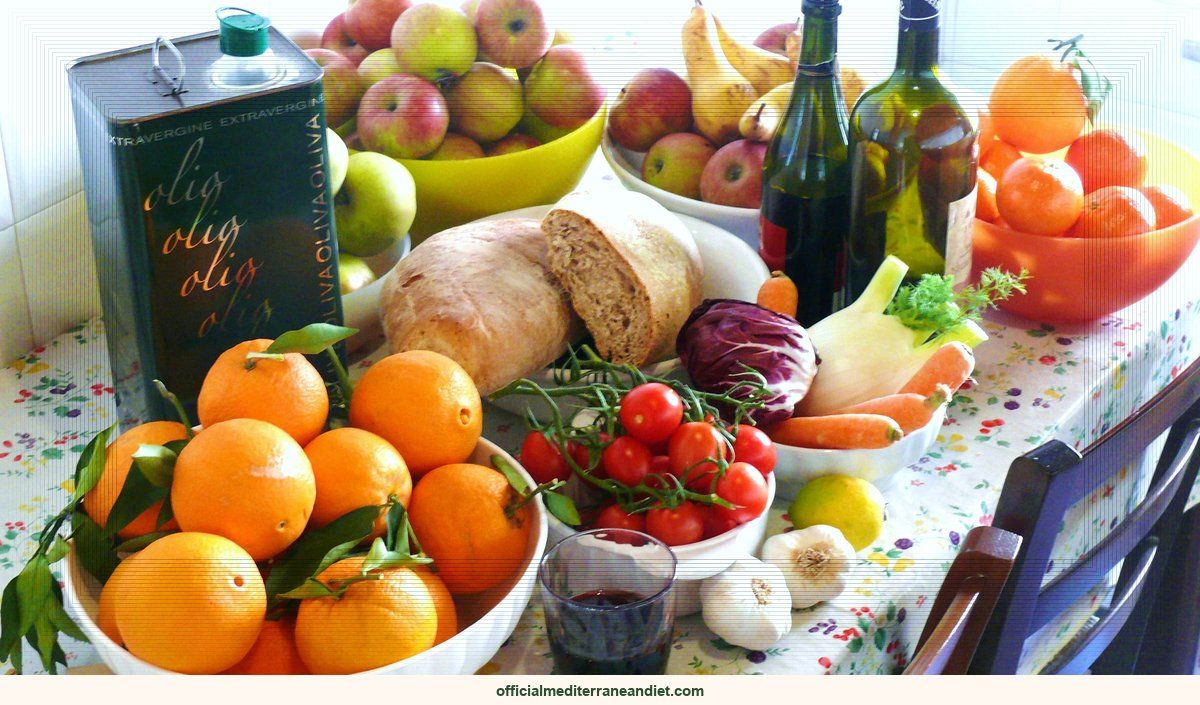
Affiliate disclosure: Some product links below are affiliate links. If you buy through them, we may earn a small commission at no cost to you. We only recommend things we’d use ourselves. See our editorial policy for details.
The Cyprus Kitchen Tricks That Scientists Link to a Longer Life
Uncover the 12 Mediterranean diet secrets from Seela’s Cyprus kitchen, science‑backed tweaks that could add years to your life, plus the lifestyle habits behind them.
A copper pot clatters on a sun‑warmed stone floor as Seela Sella drizzles golden olive oil over sizzling halloumi, unveiling the everyday swaps that can reshape gut microbes and the tiny vesicles that ferry messages between cells, processes researchers now recognize as central to healthy aging.
Choosing a different garnish can shift the trillions of bacteria in your gut toward a healthier balance, which in turn sends signals that calm inflammation. The diet behind the shift has been refined on Mediterranean islands for millennia; modern research is now catching up to the wisdom of Seela’s kitchen.
Mediterranean diet: Meet Seela: A Cyprus Kitchen’s Wisdom
Seela grew up on the outskirts of Nicosia, where meals depended on what the land gave, olive trees, figs, fresh fish, and goat cheese. “We never counted calories, we counted flavors,” she says. Her family’s table rotated seasonal produce, each dish anchored by extra‑virgin olive oil, a splash of lemon, and a generous handful of herbs.
That rhythm mirrors the broader Mediterranean tradition, which spans Greece, Italy, Spain, Lebanon, and Morocco. The common thread is plant‑forward plates, modest meat portions, and regular physical activity. Seela’s “12 secrets” are practical, culturally rooted habits any kitchen can adopt, swapping butter for olive oil, sprinkling nuts over salads, and similar moves.
In Cyprus, life expectancy hovers around 81 years, well above the European Union average. While no single recipe guarantees longevity, the pattern of modest, nutrient‑dense meals aligns with epidemiological trends that researchers link to lower disease burden.
The Core Pillars: More Than Just Olive Oil
Olive oil draws most attention, but the Mediterranean diet’s impact comes from several components:
| Pillar | Typical Cyprus Example | Why It Matters |
|---|---|---|
| Monounsaturated fats | Extra‑virgin olive oil, drizzled over vegetables | Reduces LDL cholesterol and improves endothelial function (American Heart Association, 2021) |
| Fiber‑rich plants | Whole‑grain bulgur, legumes, figs | Feeds gut microbes, expanding bacterial gene diversity (Nature, 2010) |
| Nuts & seeds | Handful of almonds or pistachios | Provide polyphenols that modulate extracellular vesicle (EV) cargo, influencing cell signaling (JEV, 2015) |
| Fish & seafood | Grilled sardines with herbs | Source of omega‑3 fatty acids, linked to lower cardiovascular risk (Lancet, 2012) |
| Herbs & spices | Oregano, mint, coriander | Antioxidant compounds that support vascular health |
Each pillar nudges a different biological pathway. Fiber, for example, fuels short‑chain fatty acid production, which alters the composition of microbial genes, over 3 million distinct genes catalogued from 124 Europeans, roughly 150 times the human genome (Nature, 2010). Those genes encode enzymes that break down complex carbohydrates, synthesize vitamins, and influence immune modulation.
Seela’s Simple Swaps: Small Changes, Big Impact
- Oil over butter, Replace a tablespoon of butter with olive oil in sautés. The switch lowers saturated fat intake, a change linked to reduced coronary heart disease rates in the AHA’s 2021 report.
- Add a handful of nuts, Toss 30 g of almonds into morning oatmeal. Nuts supply polyphenols that affect extracellular vesicle content; the 2015 JEV paper showed that a single serving of nuts altered EV cargo in ways that matched the anti‑inflammatory profile of a Mediterranean diet.
- Swap refined grains for whole grains, Use bulgur or whole‑wheat couscous instead of white rice. Whole grains increase fiber, feeding a broader spectrum of gut microbes; the 2010 gut gene catalogue found each individual harbors at least 160 prevalent bacterial species.
- Season with herbs, not salt, Replace extra salt with oregano or thyme. Lower sodium intake reduces hypertension risk, a major driver of the global disease burden attributed to diet (Lancet, 2012).
- Choose fish twice a week, Grill sardines with lemon. Omega‑3s in fish help lower triglycerides, a factor in cardiovascular disease.
Individually modest, these swaps accumulate across a week and shift the dietary risk profile. The 2012 Global Burden of Disease analysis identified poor diet as a leading risk cluster for deaths and disability‑adjusted life years (DALYs) worldwide, showing that incremental improvements can ripple through population health.
Beyond the Plate: The Mediterranean Lifestyle
Seela stresses that longevity is not cooked up in a pot alone. It is simmered in daily routines:
- Movement as a habit, Walking to the market, tending olive groves, or dancing at a village fête provides regular moderate‑intensity activity, a factor the AHA lists among core health behaviors that curb heart disease.
- Mindful meals, Shared, unhurried meals lower stress hormones, which indirectly influences inflammation pathways tied to extracellular vesicle signaling.
- Seasonal eating, Consuming what’s in season reduces reliance on processed foods, keeping added sugars and sodium low.
- Sunlight exposure, Moderate sun on the islands supports vitamin D synthesis, linked to modest improvements in gut barrier function.
When diet and lifestyle intertwine, the combined effect exceeds the sum of their parts, a principle reflected in risk assessments that found clusters of behaviors (diet, activity, smoking) together account for a larger share of global disease burden than any single factor.
A Taste of Cyprus: Seela’s Halloumi & Watermelon Salad
Ingredients, 200 g grilled halloumi, 2 cups cubed watermelon, a handful of fresh mint, 2 tbsp extra‑virgin olive oil, 1 tbsp lemon juice, 30 g toasted pistachios, pinch of sea salt.
Why it works, Halloumi supplies protein and calcium; watermelon adds hydration and lycopene; mint contributes polyphenols; olive oil delivers monounsaturated fats; pistachios bring nuts’ polyphenols and healthy fats. The mix stays low in refined carbs while covering multiple Mediterranean pillars.
The salad’s bright colors echo the diversity of the gut microbiome’s gene pool; variety fuels resilience both on the plate and within us.
The Science Behind the Slow Life
Modern molecular studies clarify why the Mediterranean pattern works:
- Gut microbiome gene richness, The 2010 Nature study showed Europeans share a core set of microbial genes involved in carbohydrate metabolism. Diets rich in fiber and polyphenols, hallmarks of the Mediterranean pattern, expand this gene pool, fostering metabolic flexibility.
- Extracellular vesicles as messengers, Research in the Journal of Extracellular Vesicles (2015) shows nutrients can alter EV cargo, which travels between gut cells and distant organs, modulating inflammation and metabolism. Polyphenol‑rich foods like olives and nuts have been observed to tweak EV content, potentially dampening chronic low‑grade inflammation, a driver of many age‑related diseases.
- Risk reduction at population scale, The Global Burden of Disease assessment (2012) quantified dietary risk factors as a substantial share of global DALYs, with suboptimal intake of fruits, vegetables, and whole grains as major culprits. Shifting populations toward Mediterranean‑type eating patterns could therefore prevent millions of years of healthy life lost each year.
Together, these strands depict a diet that feeds friendly microbes, fine‑tunes intercellular communication, and pairs with lifestyle habits that reduce stress, all converging on slower biological aging.
What it does not prove
- Causation vs. correlation, Observational studies link Mediterranean eating patterns with lower disease rates, but they cannot prove the diet alone causes longer life.
- Individual variability, Genetics, existing health conditions, and environment influence how someone responds to dietary changes.
- Exact “secret” list, The 12 secrets distilled from Seela’s practice are illustrative, not a scientifically validated prescription.
- Magnitude of effect, Population data suggest a meaningful impact, but the precise number of years added by each swap remains unquantified.
Frequently asked questions
Q: Can I get the same benefits if I’m not from the Mediterranean?
A: Yes. The core pillars, olive oil, plant‑based foods, nuts, fish, and active living, adapt to many cuisines. Emphasize whole, minimally processed ingredients.
Q: Do I need a gut‑microbiome test to follow these tips?
A: No. Benefits arise from promoting a diverse microbial community, achieved by increasing fiber and polyphenol intake regardless of baseline testing.
Q: How much olive oil is “enough”?
A: Most Mediterranean guidelines suggest 2, 4 tbsp per day, spread across meals. This replaces saturated fats without adding excess calories.
Q: Are extracellular vesicles something I should worry about?
A: Not directly. They are a research focus for understanding how diet influences cell communication. Eating polyphenol‑rich foods naturally supports healthy EV signaling.
Q: Should I talk to a doctor before changing my diet?
A: Absolutely. If you have chronic conditions, take medication, or have specific nutritional needs, a healthcare professional can tailor advice to your situation.
Sources
- A human gut microbial gene catalogue established by metagenomic sequencing, Nature (2010)
- A comparative risk assessment of burden of disease and injury attributable to 67 risk factors, Lancet (2012)
- Biological properties of extracellular vesicles and their physiological functions, J Extracell Vesicles (2015)
- Heart Disease and Stroke Statistics, 2021 Update, Circulation (2021)
- Mediterranean Diet: 12 Secrets to a Longer Life, Straight from Seela, Cyprus (source provided)
Regional traditions worth knowing
What gets called “the Mediterranean diet” is really a constellation of distinct regional habits. In Cyprus, the staples lean toward what the local soil and sea produce best. In Tuscany, the same broad principles get expressed through different ingredients and cooking traditions. And in Catalonia, you’ll find another variation again, same spirit, different specifics. The closer you get to a specific place, the more useful the diet becomes as a model.
Studies referenced
- A human gut microbial gene catalogue established by metagenomic sequencing — Nature (2010).
- A comparative risk assessment of burden of disease and injury attributable to 67 risk factors and risk factor clusters in 21 regions, 1990-2010: a systematic analysis for the Global Burden of Disease Study 2010 — Lancet (London, England) (2012).
- Biological properties of extracellular vesicles and their physiological functions — Journal of extracellular vesicles (2015).
- Heart Disease and Stroke Statistics-2021 Update: A Report From the American Heart Association — Circulation (2021).
Want to eat this way without the guesswork?
Get the free 7-day Mediterranean Diet Starter Kit
A week of simple meal plans, a pantry checklist, and our best beginner recipes — straight to your inbox.
Leave a Reply