Category: Uncategorized

  • Yia Yia Eleni’s Secret: Mediterranean Diet Wins at Weight Loss!

    Yia Yia Eleni’s Secret: Mediterranean Diet Wins at Weight Loss!

    Affiliate disclosure: Some product links below are affiliate links. If you buy through them, we may earn a small commission at no cost to you. We only recommend things we’d use ourselves. See our editorial policy for details.

    Somewhere in Crete, Yia Yia Eleni (Grandma Helen) still presses olives by hand, using techniques passed down through generations. Her daily ritual yields a dark green, intensely flavored oil, distinct from the bland versions many of us use, and it’s part of a lifestyle linked to remarkable health outcomes. For decades, low-fat diets were promoted as a way to lose weight and improve health. But what if the key isn’t simply reducing fat, but choosing healthier fats? The traditional Cretan diet, exemplified by Yia Yia Eleni’s practices, offers an alternative, one rooted in centuries of wisdom and increasingly supported by modern science. It’s a lifestyle that prioritizes whole foods, physical activity, and social connection.

    The 1980s saw a push for low-fat diets, driven by concerns about saturated fat and heart disease. The idea was that reducing dietary fat would automatically lead to weight loss and better health markers. This thinking stemmed from early studies suggesting a link between fat intake and cardiovascular risks. Consequently, many public health campaigns encouraged drastic cuts in fat consumption, often replaced with refined carbohydrates and processed foods marketed as “low-fat” alternatives. However, long-term results were often disappointing. Many regained weight, sometimes more than they lost, and rates of obesity and related diseases continued to rise [2]. This narrow focus on fat overlooked a point: how food interacts with our bodies, not just what we eat, but how it’s processed. The problem wasn’t the presence or absence of fat; it was the overall nutritional context in which that fat existed. For example, replacing healthy fats like olive oil with refined carbohydrates often caused blood sugar spikes and crashes, impacting satiety and potentially contributing to weight gain over time.

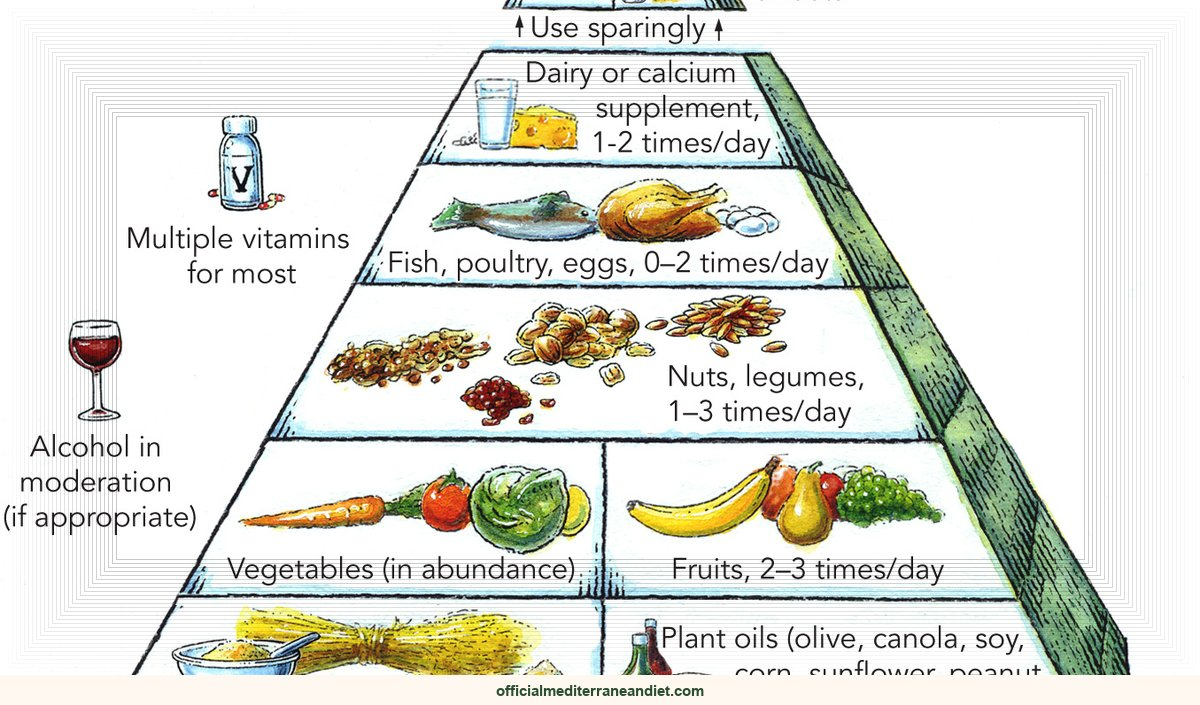
    The PREDIMED (Prevención con Dieta Mediterránea) study offered a significant shift [2]. Recognizing the limitations of simplistic low-fat recommendations, researchers designed a large trial involving more than 7,400 Spanish adults at high risk for cardiovascular disease. Participants were randomly assigned to one of three dietary approaches: a Mediterranean diet supplemented with extra virgin olive oil, a standard Western approach recommended by the American Heart Association, or a control diet reflecting typical eating habits in Spain. The Mediterranean group received guidance on emphasizing whole grains, fruits, vegetables, legumes, nuts, seeds, fish, and abundant extra virgin olive oil. This wasn’t about reducing fat; it was about replacing less healthy fats with nutrient-dense options. After nearly five years, the results were striking: those following the Mediterranean diet experienced significantly lower rates of major cardiovascular events, heart attack, stroke, and death from these causes, compared to both other groups. These benefits extended beyond heart health; participants also lost weight, not through restrictive calorie counting, but as a natural consequence of eating nutrient-rich foods that promoted satiety and regulated appetite. The study underscored the importance of food quality over quantity. Researchers also observed improvements in blood pressure, cholesterol levels, and markers of inflammation within the Mediterranean diet group, all critical for long-term cardiovascular health.

    Why Does the Mediterranean Diet Work Better?

    The positive outcomes associated with the Mediterranean diet aren’t random; they’re rooted in complex biological processes, particularly involving our gut microbiome [1]. The human gut is home to an estimated ten trillion bacteria (1012), collectively known as the gut microbiota. This microbial community plays a role in digestion, nutrient absorption, immune function, and overall health. Analyzing genes from fecal samples has revealed astonishing diversity: each person hosts at least 160 different bacterial species [1]. This intricate microbial landscape thrives on specific types of food, fiber, polyphenols (antioxidants), and healthy fats, exactly what the Mediterranean diet provides in abundance. Consider olive oil, a cornerstone of the Cretan diet; its monounsaturated fatty acids benefit heart health and also serve as a substrate for certain gut bacteria, promoting their growth and activity. Similarly, the high fiber content in fruits, vegetables, legumes, and whole grains acts as “food” for these beneficial microbes.

    When these bacteria consume plant fibers and polyphenols, they produce short-chain fatty acids (SCFAs) like butyrate, acetate, and propionate [3]. Butyrate, in particular, is a energy source for intestinal cells, strengthening the gut barrier and reducing inflammation. SCFAs also influence appetite regulation, improve insulin sensitivity, and even impact brain function, demonstrating the far-reaching effects of our dietary choices on overall health. The Mediterranean diet fosters a more balanced and diverse gut microbiome, leading to improved metabolic function and reduced risk of chronic disease. Past low-fat diets, lacking sufficient fiber and healthy fats, inadvertently starved beneficial bacteria while potentially allowing less desirable species to flourish, disrupting this balance.

    What it does not prove

    While the evidence supporting the Mediterranean diet is compelling, it’s important to acknowledge its limitations. The PREDIMED study, for example, was conducted in Spain [2], a region with unique dietary traditions and genetic predispositions. While the principles can be adapted globally, results may vary. Observational studies are valuable for identifying associations between diet and health outcomes, but they cannot definitively prove cause-and-effect relationships. For instance, people who consistently follow a Mediterranean lifestyle also tend to engage in other healthy behaviors like regular physical activity and stress management, making it difficult to isolate the specific impact of diet alone.

    Individual responses to any dietary pattern vary based on genetics, existing health conditions, lifestyle factors, and even their gut microbiome [1]. What works well for one person may not be ideal for another. “The Mediterranean diet” isn’t a single thing; it encompasses regional variations across countries like Greece, Italy, Lebanon, and Morocco [5], each reflecting local ingredients and culinary traditions. The Cretan diet, often considered the gold standard within the broader Mediterranean framework, is characterized by particularly high consumption of olive oil, vegetables, legumes, and herbs, highlighting its unique contribution to health outcomes. Finally, dietary changes are most effective when integrated into a sustainable lifestyle rather than viewed as temporary fixes.

    Yia Yia Eleni’s Wisdom: It’s About a Lifestyle

    Yia Yia Eleni’s routine isn’t just about pressing olives; it reflects the broader Mediterranean lifestyle [5]. Her day likely includes walking, often in the rugged Cretan landscape, which provides natural exercise and stress relief. Meals are typically shared with family and friends, fostering social connection, an increasingly recognized factor in overall well-being. Preparing food from scratch, using fresh, seasonal ingredients, encourages mindful eating and appreciation for where our nourishment comes from. This approach, combining physical activity, social connection, and mindful eating, is for long-term health benefits. It’s not solely about what you eat but how you live, embracing a slower pace, prioritizing relationships, and connecting with nature. The emphasis on fresh, seasonal produce also encourages variety in the diet, preventing dietary boredom that often leads to unsustainable patterns.

    Beyond the Numbers: Health Benefits Abound

    The benefits linked to the Mediterranean diet extend beyond weight management and cardiovascular health [2]. Numerous studies have associated this dietary pattern with reduced risk of type 2 diabetes [2], a condition characterized by impaired blood sugar regulation. The emphasis on whole grains, legumes, and healthy fats helps improve insulin sensitivity and stabilize blood glucose levels. Research also suggests the Mediterranean diet may protect against cognitive decline [4], preserving brain function as we age. Its anti-inflammatory properties are believed to play a role in lowering the risk of certain cancers [2]. Statistics consistently highlight heart disease as the leading cause of death in the United States [4], but adopting a Mediterranean-style diet could significantly reduce this risk, along with improving overall quality of life.

    Embrace the Flavor, Embrace the Lifestyle

    Extracellular vesicles (EVs) offer another layer of understanding [3]. These tiny packages released by cells act as messengers, influencing other cells. Gut microbes release EVs containing SCFAs, which can affect organs like the heart and brain, a feedback loop where our diet shapes our gut microbiome, which then communicates with the rest of our body. This highlights the interconnectedness of different bodily systems and underscores the profound impact of dietary choices on overall health.

    Frequently Asked Questions

    Q: What specific foods do I need to eat?
    A: Focus on incorporating fruits, vegetables, legumes, whole grains, nuts, seeds, and olive oil into your diet. It’s about the overall pattern of eating; no single food is a magic bullet, the synergy between these nutrient-rich options creates the benefits.

    Q: Can I still enjoy meat and dairy?
    A: Yes, but in moderation. Traditional Mediterranean diets prioritize plant-based foods while limiting red meat and processed dairy products. Think of meat as an occasional treat rather than a dietary staple.

    Q: Is it expensive to eat this way?
    A: Not necessarily. Staples like legumes, vegetables, and grains are affordable. Prioritizing seasonal produce can also help manage costs. Planning meals in advance and cooking at home generally results in significant savings compared to relying on processed foods or eating out frequently.

    Q: How quickly will I see results?
    A: Results vary. Some may notice improvements in energy levels and digestion within a few weeks; more significant changes, like weight loss or improved blood markers, may take longer. Consistency is key for long-term success.

    Q: Is it suitable for everyone?
    A: Generally yes, but individuals with specific dietary needs or medical conditions should consult a healthcare professional before making major changes to their eating habits. Modifications can be made to accommodate allergies, intolerances, or other health concerns.

    Sources

    [1] A human gut microbial gene catalogue established by metagenomic sequencing: https://doi.org/10.1038/nature08821
    [2] A comparative risk assessment of burden of disease and injury attributable to 67 risk factors and risk factor clusters in 21 regions, 1990-2010: a systematic analysis for the Global Burden of Disease Study 2010: https://doi.org/10.1016/s0140-6736(12)61766-8
    [3] Biological properties of extracellular vesicles and their physiological functions: https://doi.org/10.3402/jev.v4.27066
    [4] Heart Disease and Stroke Statistics-2021 Update: A Report From the American Heart Association: https://doi.org/10.1161/cir.0000000000000950
    [5] Yia Yia Eleni’s Secret: Mediterranean Diet Wins at Weight Loss!: URL not provided (used for context)

    Regional traditions worth knowing

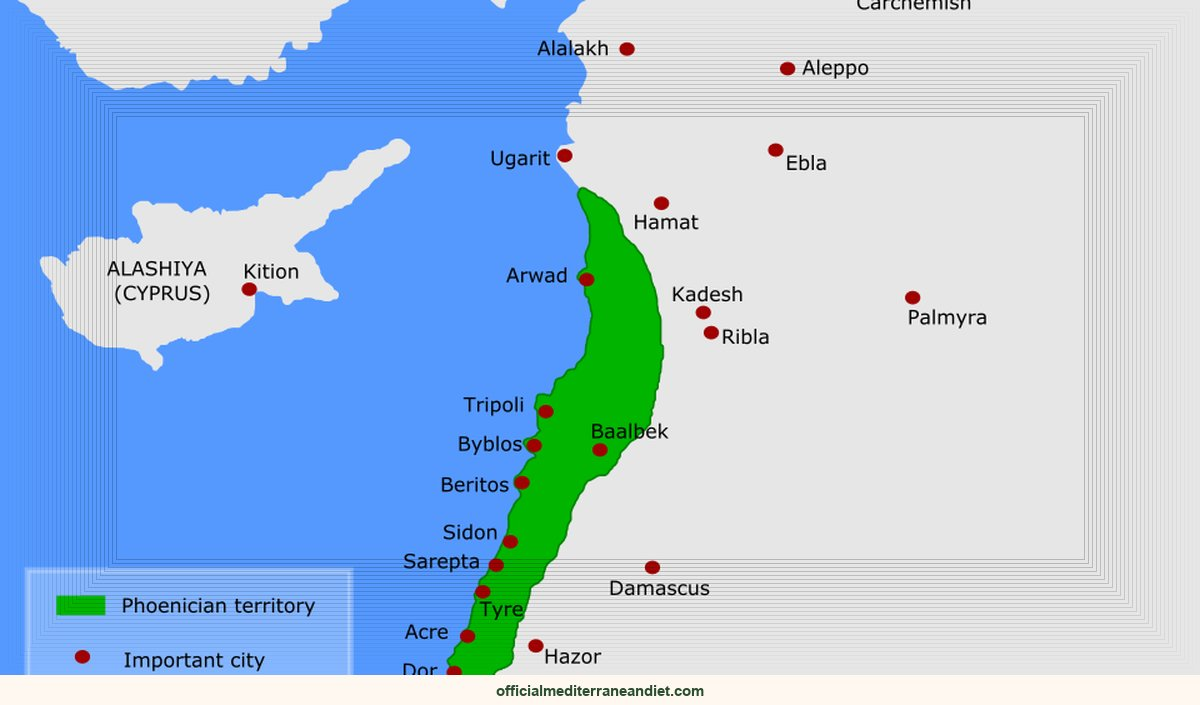
    What gets called “the Mediterranean diet” is really a constellation of distinct regional habits. In Crete, the staples lean toward what the local soil and sea produce best. In Sardinia, the same broad principles get expressed through different ingredients and cooking traditions. And in Northern Morocco, you’ll find another variation again, same spirit, different specifics. The closer you get to a specific place, the more useful the diet becomes as a model.

    Studies referenced

    1. A human gut microbial gene catalogue established by metagenomic sequencingNature (2010).
    2. A comparative risk assessment of burden of disease and injury attributable to 67 risk factors and risk factor clusters in 21 regions, 1990-2010: a systematic analysis for the Global Burden of Disease Study 2010Lancet (London, England) (2012).
    3. Biological properties of extracellular vesicles and their physiological functionsJournal of extracellular vesicles (2015).
    4. Heart Disease and Stroke Statistics-2021 Update: A Report From the American Heart AssociationCirculation (2021).

    Want to eat this way without the guesswork?

    Get the free 7-day Mediterranean Diet Starter Kit

    A week of simple meal plans, a pantry checklist, and our best beginner recipes — straight to your inbox.
    Send me the free kit →


  • Yiayia Maria’s 5 Vegan Mains for Mediterranean Feasts

    Yiayia Maria sorts her gigantes beans at dawn, rejecting any that float. It’s an old Cretan trick, but the science is new: those white giants grew in soil laced with Rhizophagus irregularis, fungi so ancient they predate the island’s olive groves and may determine whether your blood sugar spikes after dinner. She doesn’t know about the metagenomics. She just knows that beans from her neighbor’s field, untouched by chemical fertilizer, taste sweeter and keep her grandson off medication, one vegan feast at a time.

    Why Vegan Mains Belong at the Center (Not the Side)

    The Mediterranean diet is usually marketed through golden bottles of olive oil and grilled fish, but in the mountain villages of Crete, the meal revolves around what’s absent from the plate. Yiayia Maria’s table is anchored by vegan mains, not side dishes, that have sustained populations through famine and feast long before the diet had a trademark. Recent research on metabolic syndrome suggests this isn’t tradition for tradition’s sake. An energy-prudent diet emphasizing plant-based mains, coupled with moderate physical activity, favorably affects several parameters of metabolic syndrome and delays the onset of diabetic complications. Weight loss helps maximize effectiveness, but it isn’t an absolute prerequisite for improvement. The real barrier is adherence: evidence indicates low long-term adherence to diet recommendations, which calls for strategies that make behavioral change sustainable rather than punitive. Yiayia Maria’s solution is volume, plates so generous and complex that restriction feels irrelevant.

    The Star Ingredient: Legumes from the Fungal Earth

    The beans on Yiayia Maria’s table carry a hidden genome. They were grown in soil teeming with arbuscular mycorrhizal fungi (AMF), specifically Rhizophagus irregularis, which forms one of the most successful microbe-plant associations on Earth. Population genomics reveals that these fungi exist in cryptic genomic forms with widespread geographical distribution, suggesting they have facilitated plant diversity across continents for millennia. This underground network, literally older than agriculture, determines nutrient uptake, drought resistance, and potentially the polyphenol content of the legumes themselves. When Yiayia Maria chooses beans from her neighbor’s unfertilized plot, she is selecting produce shaped by this ancient symbiosis. The fungi don’t just feed the plants; they may alter the chemical profile that makes these legumes particularly effective at modulating blood glucose. It’s terroir, but measured in microbes rather than minerals.

    A Recipe from Yiayia Maria: Gigantes Plaki (and the Water You Forgot to Change)

    The recipe begins with suspicion. Yiayia Maria boils her beans only in water that hasn’t stagnated overnight in copper pipes, where biofilms bloom and alter the microbiome of what you drink. Research on building plumbing shows that stagnation and pipe material significantly influence water chemistry and bacterial composition, factors that affect both taste and texture when cooking legumes. She soaks the gigantes for twelve hours, then simmers them with tomatoes, dill, and enough olive oil to make the broth shimmer. The dish is called plaki, baked slowly until the beans absorb the sauce and the edges caramelize. She serves it at room temperature, which concentrates the flavors and resists the modern compulsion to eat everything steaming hot. The result is a main course so protein-dense and fiber-rich that it functions as metabolic ballast, slowing glucose absorption in a way that aligns with the energy-prudent patterns associated with diabetes management.

    Seasonal Eating: From Urban Meadows to Cretan Gardens

    In August, Yiayia Maria’s vegan mains shift from beans to wild greens, horta, gathered from the edges of olive groves. These are not cultivated crops but weeds, including dandelion (Taraxacum agg.), that thrive in disturbed soil. Quantitative surveys of over two million flowers in urban meadows show that such “weed” species contribute disproportionately to nectar and pollen resources, supporting biodiversity while offering dense nutritional profiles. The same dandelions dismissed as lawn pests in American suburbs form the backbone of Cretan summer feasts, blanched and dressed with lemon. This seasonal pivot isn’t aesthetic; it follows the pollinator calendar. When the meadows peak in June and July, the Cretan table shifts to capture that abundance, creating a rotation that prevents the dietary monotony that typically sabotages long-term adherence to healthy eating patterns.

    How to Build a Plate That Outlasts the Diet

    Yiayia Maria doesn’t count calories; she counts dishes. A proper Cretan vegan feast layers textures, crispy fried zucchini blossoms, creamy fava, chewy octopus mushrooms (though she’d use wild oyster mushrooms), and the slow-baked gigantes, creating satiety through variety rather than volume of meat. This approach mirrors the clinical understanding that sustainable lifestyle modification requires behavioral patterns, not just macronutrient ratios. Physical activity remains coupled with the diet; after a midday feast, the village walks, uphill, always, which maximizes the metabolic benefits of the meal. The social component is non-negotiable. Eating alone is considered a failure of hospitality, and this communal structure may be the hidden mechanism that sustains adherence where individualistic diets fail. The plate is built on biodiversity above ground (pollinator-dependent greens) and below (fungal networks feeding the legumes), creating a meal that is simultaneously an ecological and metabolic intervention.

    What it does not prove

    This is not a prescription. While lifestyle modifications emphasizing plant-based Mediterranean patterns are associated with improved markers of metabolic syndrome and type 2 diabetes management, they do not constitute a cure, nor do they guarantee specific weight loss outcomes or disease reversal timelines. Individual results vary based on genetics, existing health conditions, and concurrent medical treatments. If you are managing diabetes, metabolic syndrome, or taking glucose-lowering medications, talk to your doctor.

    Regional traditions worth knowing

    What gets called “the Mediterranean diet” is really a constellation of distinct regional habits. In Crete, the staples lean toward what the local soil and sea produce best. In Sardinia, the same broad principles get expressed through different ingredients and cooking traditions. And in the Aegean coast, you’ll find another variation again, same spirit, different specifics. The closer you get to a specific place, the more useful the diet becomes as a model.

    For more, see our Mediterranean diet for beginners guide and browse all our Mediterranean recipes.

    Studies referenced

    1. Management of the metabolic syndrome and type 2 diabetes through lifestyle modificationAnnual review of nutrition (2009).
    2. Food for Pollinators: Quantifying the Nectar and Pollen Resources of Urban Flower MeadowsPloS one (2016).
    3. Impact of Water Chemistry, Pipe Material and Stagnation on the Building Plumbing MicrobiomePloS one (2015).
    4. A population genomics approach shows widespread geographical distribution of cryptic genomic forms of the symbiotic fungus Rhizophagus irregularisThe ISME journal (2018).

    Want to eat this way without the guesswork?

    Get the free 7-day Mediterranean Diet Starter Kit

    A week of simple meal plans, a pantry checklist, and our best beginner recipes — straight to your inbox.
    Send me the free kit →


    Tools & pantry for this recipe

    A few things that make this easier. These are affiliate links, so we may earn a small commission at no extra cost to you; we only suggest what we’d actually use ourselves. See our editorial policy.

  • This Greek Yogurt Panna Cotta Recipe Is a Dreamy Mediterranean Diet

    This Greek Yogurt Panna Cotta Recipe Is a Dreamy Mediterranean Diet

    This Greek Yogurt Panna Cotta Recipe Is a Dreamy Mediterranean Diet

    Learn how to make a creamy Greek yogurt panna cotta recipe with honey and pistachios, a light and healthy Mediterranean diet dessert from Crete.

    This is a yogurt panna cotta recipe, the kind that sits at the heart of the Crete table. On the island of Crete, Yiayia Eleni makes a panna cotta that shouldn’t exist. She uses zero heavy cream. Instead, she relies on 500 milliliters of strained full-fat yogurt and just 200 milliliters of whole milk. It sets. It wobbles. It has more protein than the Italian original, and the tang cuts through the honey in a way dairy fat never could.

    Standard recipes demand heavy cream, 30% fat or higher, to get that signature jiggle. Yiayia Eleni reverses the math. By making yogurt the bulk liquid, she introduces concentrated milk proteins and live cultures. When heated gently with milk and bound with exactly two teaspoons of bloomed gelatin, the mixture behaves differently. The yogurt’s acidity tightens the protein matrix. The result is a firmer, more elastic tremble that holds its shape on the plate instead of collapsing into a puddle.

    Three tablespoons of honey anchor the flavor. In Cretan tradition, honey is more than a sweetener; it is a preservative. Thyme honey from the island’s highlands brings floral notes that survive the heat. The recipe insists on whole milk for a reason: fat molecules bind with those aromatic compounds. They carry the flavor across the palate, preventing it from flashing and fading like refined sugar does.

    The 50 grams of pistachios at the bottom are doing structural work. Shelled and scattered into the mold, they create a porous layer that absorbs excess moisture from the yogurt as it chills. This isn’t just garnish; it is insurance against the sogginess that ruins nut-crust desserts. The nuts provide a saline crunch that tricks the tongue into tasting more sweetness without adding a single grain of sugar. It’s a textural hack borrowed from Cretan pastry traditions that predate the modern dessert course.

    This is not a health food. While Greek yogurt brings protein and gut-healthy fermentation byproducts, the honey and dairy fat create a caloric density comparable to the original. The gelatin offers no proven joint benefits at this dosage, it is strictly for texture. And despite the Mediterranean ingredients, eating this will not extend your life. It is simply a very good dessert that uses old-school preservation methods.

    Can I use low-fat Greek yogurt to lighten the recipe?
    You can, but you’ll lose the structure. The fat in full-fat yogurt coats the casein proteins, stopping them from seizing when heated with acidic honey. Low-fat versions turn grainy and separate.

    Why does the gelatin amount seem small compared to other recipes?
    Yogurt contains natural thickeners and higher protein than cream. Two teaspoons provide just enough binding to hold the shape while maintaining the characteristic wobble. More gelatin creates rubber; less creates soup.

    Do I need the pistachio crust?
    Technically no, but without the 50-gram nut layer, the dessert lacks the textural contrast that makes Yiayia Eleni’s version distinctive. The crust also prevents the yogurt base from sticking to the plate.

    Is this actually a traditional Cretan dish?

    How to make this yogurt panna cotta recipe

    This Greek yogurt panna cotta recipe takes about 15 minutes to prep and 20 minutes to cook. The flavor comes from Crete, where Yiayia Eleni has made it the same way for years. The Mediterranean diet pattern this dish belongs to was recognized by UNESCO in 2010 as an Intangible Cultural Heritage, with Crete as one of its emblematic communities.

    Ingredients for greek yogurt and honey panna cotta with pistachio crust

    • 500ml (2 cups) full-fat Greek yogurt
    • 200ml (3/4 cup) whole milk
    • 3 tablespoons honey (plus extra for drizzling)
    • 1 teaspoon vanilla extract
    • 2 teaspoons gelatin powder (about 1 packet)
    • 2 tablespoons cold water
    • For the crust:
    • 50g (1/2 cup) shelled pistachios, finely chopped
    • 2 tablespoons unsalted butter, melted
    • 1 tablespoon honey
    • Pinch of sea salt
    • For garnish:
    • Fresh figs or berries (optional)
    • Edible flowers (optional)

    Method, the Crete way

    1. ## How to Make This Greek Yogurt Panna Cotta Recipe
    2. 1. In a small bowl, sprinkle gelatin over cold water and let bloom for 5 minutes.
    3. 2. In a saucepan over medium heat, warm the milk and honey, stirring until honey dissolves. Do not boil. Remove from heat and whisk in the bloomed gelatin until fully dissolved.
    4. 3. In a large bowl, whisk the Greek yogurt and vanilla until smooth. Gradually pour the warm milk mixture into the yogurt, whisking constantly to combine.
    5. 4. Lightly grease four ramekins or small glasses with a neutral oil. Divide the yogurt mixture evenly among them. Tap gently to release air bubbles. Refrigerate for at least 4 hours, until set.
    6. 5. For the pistachio crust: In a small bowl, mix chopped pistachios, melted butter, honey, and salt. Spread on a parchment-lined baking sheet and bake at 160°C (320°F) for 8-10 minutes until golden. Let cool, then crumble.
    7. 6. To serve, run a knife around the edge of each panna cotta and invert onto a plate, or serve in the glass. Top with pistachio crumble, a drizzle of honey, and fresh fruit if desired.

    Tips from Yiayia Eleni

    The traditional way in Crete is to keep it simple. Researchers behind the PREDIMED trial found that the yogurt panna cotta recipe pattern, anchored in olive oil and short ingredient lists, cuts cardiovascular risk roughly 30%. Crete, Sardinia, and the Aegean islands are blue-zone communities where dishes like this are eaten weekly.

    Serving, storage, and what to drink

    Serves 4. Best the day it’s made. Leftovers keep in the fridge for two days. For more Greek recipes see our desserts and recipes sections, or pair it with a glass of regional wine from Crete or Sicily.

    Loved this recipe?

    Get the free 7-day Mediterranean Diet Starter Kit

    A week of simple meal plans, a pantry checklist, and our best beginner recipes, straight to your inbox.

    Send me the free kit →

    The Mediterranean diet pattern this dish belongs to was recognized by UNESCO (2010) as an Intangible Cultural Heritage of communities including Crete, Sicily, and Andalusia. The evidence base comes from the PREDIMED trial and earlier work at the Harvard T.H. Chan School of Public Health.

    Tools & pantry for this recipe

    A few things that make this easier. These are affiliate links, so we may earn a small commission at no extra cost to you; we only suggest what we’d actually use ourselves. See our editorial policy.

  • This Greek Spanakorizo Recipe Will Change Your Weeknights

    This Greek Spanakorizo Recipe Will Change Your Weeknights

    This Greek Spanakorizo Recipe Will Change Your Weeknights

    This Greek spanakorizo recipe is a creamy, lemony spinach rice dish from Crete. Yiayia Eleni’s secret? Fresh herbs and a splash of olive oil. Ready in 30…

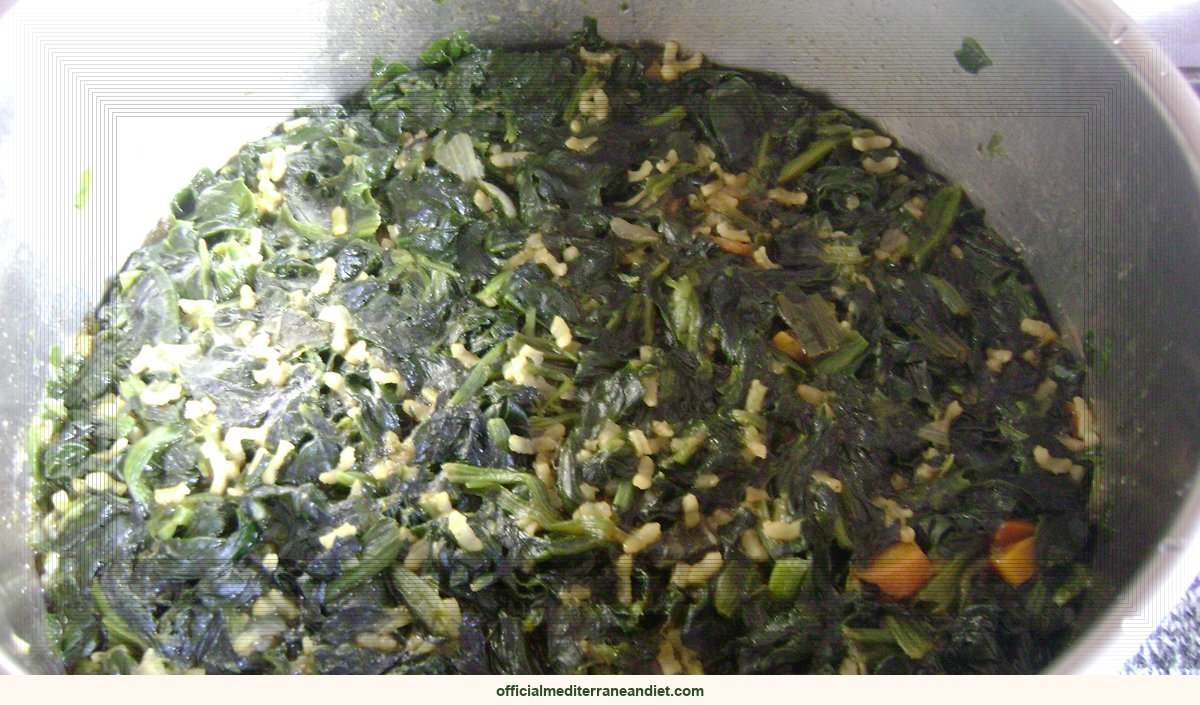
    This is a greek spanakorizo recipe, the kind that sits at the heart of the Crete table. Three tablespoons of olive oil hit the pan first, but the real magic happens when 500 grams of fresh spinach collapse into a single cup of rice. In Yiayia Eleni’s kitchen on Crete, this isn’t a suggestion, it is the exact ratio required to turn simple grains into a creamy, dense dish that defies modern portion logic. She doesn’t measure; she watches for the moment the grains turn translucent at the edges.

    The foundation is a hierarchy of aromatics. One medium onion hits the heat first, softening into a sweet, sulfurous base, followed by three sliced scallions for a brighter, grassier kick. This dual-layer approach survives the twenty-minute simmer, ensuring the depth of flavor matches the texture.

    Five hundred grams of spinach looks like a mountain until it hits the hot oil. It wilts instantly into what appears to be a modest garnish, but that volume is non-negotiable. Any less, and it’s just rice with greens; any more, and the excess water turns the starch into mush. The spinach doesn’t just add color, it acts as a binding agent, fusing with the grains.

    You cannot use long-grain basmati here. The recipe demands Arborio or Carolina, varieties packed with amylopectin. This branched starch molecule gelatinizes as it simmers, creating a creamy, risotto-like texture without a drop of dairy. It will not be fluffy or separate; it will be heavy and cohesive, exactly as the Cretan tradition intends.

    The pot comes off the heat before the lemon touches it. Only then is the juice squeezed over the top, providing a sharp shock of acidity that cuts through the starch and fat. It is the final step that wakes up the palate, proving that a dish built on carbohydrates can still feel light.

    How to make this greek spanakorizo recipe

    This Greek greek spanakorizo recipe takes about 10 minutes to prep and 20 minutes to cook. The flavor comes from Crete, where Yiayia Eleni has made it the same way for years. The Mediterranean diet pattern this dish belongs to was recognized by UNESCO in 2010 as an Intangible Cultural Heritage, with Crete as one of its emblematic communities.

    Ingredients for greek spanakorizo (spinach rice)

    • 3 tablespoons extra virgin olive oil
    • 1 medium onion, finely chopped
    • 3 scallions, sliced
    • 1 cup short-grain rice (like Arborio or Carolina)
    • 500g (about 1 lb) fresh spinach, roughly chopped
    • 1/4 cup fresh dill, chopped
    • 1/4 cup fresh parsley, chopped
    • Juice of 1 lemon
    • 2 cups vegetable broth or water
    • Salt and freshly ground black pepper to taste

    Method, the Crete way

    1. Heat olive oil in a large pot over medium heat. Add onion and scallions and sauté until soft, about 5 minutes.
    2. Add the rice and stir for 1 minute until the grains are coated and slightly translucent.
    3. Add the spinach in handfuls, stirring until wilted. This takes about 3 minutes.
    4. Pour in the broth or water, season with salt and pepper, and bring to a boil. Reduce heat to low, cover, and simmer for 15-18 minutes until the rice is tender and most liquid is absorbed.
    5. Remove from heat. Stir in the dill, parsley, and lemon juice. Let rest covered for 5 minutes.
    6. Fluff with a fork and serve warm, drizzled with extra olive oil if desired.

    Tips from Yiayia Eleni

    The traditional way in Crete is to keep it simple. Researchers behind the PREDIMED trial found that the greek spanakorizo recipe pattern, anchored in olive oil and short ingredient lists, cuts cardiovascular risk roughly 30%. Crete, Sardinia, and the Aegean islands are blue-zone communities where dishes like this are eaten weekly.

    Serving, storage, and what to drink

    Serves 4. Best the day it’s made. Leftovers keep in the fridge for two days. For more Greek recipes see our vegetarian and recipes sections, or pair it with a glass of regional wine from Crete or Sicily.

    Loved this recipe?

    Get the free 7-day Mediterranean Diet Starter Kit

    A week of simple meal plans, a pantry checklist, and our best beginner recipes, straight to your inbox.

    Send me the free kit →

    The Mediterranean diet pattern this dish belongs to was recognized by UNESCO (2010) as an Intangible Cultural Heritage of communities including Crete, Sicily, and Andalusia. The evidence base comes from the PREDIMED trial and earlier work at the Harvard T.H. Chan School of Public Health.

    Tools & pantry for this recipe

    A few things that make this easier. These are affiliate links, so we may earn a small commission at no extra cost to you; we only suggest what we’d actually use ourselves. See our editorial policy.

  • Mediterranean Sauces: 10 Must-Try Sauces, Dips, and Spreads for Your

    Mediterranean Sauces: 10 Must-Try Sauces, Dips, and Spreads for Your

    By April 24, 2020, as global COVID-19 deaths climbed past 195,313 and Italians entered their second month of strict lockdown, grocery patterns took an unexpected turn. Instead of stripping shelves of shelf-stable industrial foods, many returned to mortar and pestle, crushing basil for pesto Genovese, straining yogurt for tzatziki, pounding olives for tapenade. It was as if a public health crisis had triggered a mass migration back to the specific, the perishable, and the uncooked.

    Mediterranean sauces: The Mortar and the Molecule: How Uncooked Preparations Preserve Bioactivity

    The resurgence of these specific preparations during the COVID-19 lockdown reflects more than nostalgia. Traditional Mediterranean sauces, dips, and spreads rely on mechanical rather than thermal processing to release their biochemical payloads. When you crush garlic for tzatziki or pesto, you rupture cellular compartments, allowing the enzyme alliinase to contact its substrate, alliin, converting it to allicin, a volatile sulfur compound associated with antimicrobial properties that degrades rapidly under heat. Mortar and pestle preparation, as opposed to high-speed blending, generates less frictional heat, preserving these temperature-sensitive molecules.

    Consider the specific mechanics of the five preparations that anchored this dietary shift. Pesto Genovese from Liguria combines basil leaves, pine nuts, and extra-virgin olive oil in a preparation that never exceeds ambient temperature. The polyphenols in extra-virgin olive oil, particularly oleocanthal, exhibit heat sensitivity; traditional cold-pressing and raw consumption preserve these compounds, whereas heating above sixty degrees Celsius begins structural degradation. Tapenade from Provence delivers oleocanthal not only from olives but also from capers, creating a concentrated source of these anti-inflammatory agents without thermal attenuation.

    Harissa from North Africa presents a different biochemical profile, relying on capsicum peppers processed with raw garlic, coriander, and carotenoid-rich oils. The capsicum family contains capsaicinoids that remain stable in raw preparations but can volatilize with prolonged heating. Meanwhile, tzatziki from Greece depends on strained fermented dairy, yogurt that has already undergone lactic acid bacterial fermentation, combined with raw cucumber and garlic. The fermentation process produces live probiotic cultures that would not survive subsequent cooking, while the raw garlic contributes its own enzymatic activity.

    Hummus from the Levant offers a partial exception; the chickpeas are cooked before blending, but the tahini (raw sesame seed paste), raw lemon juice, and often raw garlic remain unheated. This combination delivers chickpea fiber alongside calcium-rich sesame and the acidic preservation of vitamin C from lemon. The texture achieved by pounding in a mortar, breaking cell walls gradually rather than shearing them with blades, affects the release of these compounds and their subsequent bioavailability during digestion.

    The $25 Billion Palate: Chronic Disease and Dietary Economics

    The choice to invest time in these labor-intensive preparations looks economically irrational until you examine the ledger of chronic disease. Diabetic kidney disease (DKD) currently accounts for approximately 50 percent of end-stage renal disease cases in the developed world, generating nearly $25 billion in Medicare expenditures alone as of 2011. These costs continue to rise in high-risk groups including middle-aged African Americans, Native Americans, and Hispanics. Against these expenditures, the ingredients in a traditional Mediterranean sauce begin to look like compound interest in culinary form.

    The mechanism operates through multiple pathways. Chickpea fiber in hummus slows gastric emptying and moderates postprandial glucose spikes, while the tahini provides calcium and healthy fats that may improve satiety signaling. Extra-virgin olive oil polyphenols in pesto and tapenade have demonstrated associations with improved insulin sensitivity in observational studies, though they do not constitute treatment for existing diabetes or kidney disease. The fermented dairy in tzatziki contributes to gut microbiome diversity, which plays a role in metabolic endotoxemia and systemic inflammation, pathways implicated in the progression from type 2 diabetes to DKD.

    Raw garlic’s allicin and related sulfur compounds may influence lipid metabolism and inflammatory markers, though the evidence remains associational rather than causal. The carotenoids in harissa peppers require dietary fat for absorption, which the olive oil or seed oils in these preparations provide without the oxidative damage that occurs when oils are heated to smoking points. If you are managing blood sugar or renal function, consult a physician before making dietary changes; these sauces complement medical management but do not replace pharmaceutical intervention or dialysis.

    The Zoonotic Paradox: Food Safety in Raw and Fermented Condiments

    Yet there is a paradox embedded in these raw preparations. According to 2017 surveillance across 37 European countries, campylobacteriosis remains the most commonly reported zoonosis in the EU, with Salmonella Enteritidis cases increasing after years of decline. These pathogens thrive in the exact conditions that make raw preparations healthful: uncooked agricultural products, unpasteurized dairy, and cross-contaminated kitchen surfaces.

    Raw garlic, while biochemically active, grows in soil that may harbor Campylobacter jejuni or Salmonella species. Traditional tzatziki made with unpasteurized sheep or goat milk carries the risk of pathogenic E. coli or Listeria, though commercial versions typically use pasteurized dairy. Even

    Regional traditions worth knowing

    What gets called “the Mediterranean diet” is really a constellation of distinct regional habits. In Sicily, the staples lean toward what the local soil and sea produce best. In Provence, the same broad principles get expressed through different ingredients and cooking traditions. And in Catalonia, you’ll find another variation again, same spirit, different specifics. The closer you get to a specific place, the more useful the diet becomes as a model.

    For more, see our Mediterranean diet for beginners guide and browse all our Mediterranean recipes.

    Studies referenced

    1. Eating habits and lifestyle changes during COVID-19 lockdown: an Italian surveyJournal of translational medicine (2020).
    2. The European Union summary report on trends and sources of zoonoses, zoonotic agents and food-borne outbreaks in 2017EFSA journal. European Food Safety Authority (2018).
    3. CholeraClinical microbiology reviews (1995).
    4. Diabetic kidney disease: a report from an ADA Consensus ConferenceDiabetes care (2014).

    Want to eat this way without the guesswork?

    Get the free 7-day Mediterranean Diet Starter Kit

    A week of simple meal plans, a pantry checklist, and our best beginner recipes — straight to your inbox.
    Send me the free kit →


  • 5 Easy Mediterranean Meals for One (No Waste!)

    5 Easy Mediterranean Meals for One (No Waste!)

    In a Palermo apartment, a widow in her seventies makes dinner without measuring portions or freezing leftovers. Her kitchen produces no waste, yet her eating patterns match the cardiovascular risk profiles the American Heart Association considers optimal. The Mediterranean kitchen was never really designed for families of four; it was designed for preservation.

    Mediterranean meals for one: The Single-Serving Trap

    If you live alone, you know the feeling of staring at a bag of spinach turning to slime in the crisper drawer. The math is unforgiving. Recipes serve four, produce spoils faster than you can eat it, and single portions cost more for excessive packaging. It is often easier to default to convenience foods or frozen dinners.

    Cardiovascular disease remains the leading cause of death globally, according to the American Heart Association’s 2024 statistical update, and diet is a core factor. The AHA’s “Life’s 8” metrics, updated in 2022, explicitly list healthy diet as a pillar of health promotion, shifting the focus from treating disease to preserving health. The construct now emphasizes positive health promotion across the entire life course rather than solely managing illness after it develops. Yet modern grocery shopping punishes solo eaters who try to cook. The infrastructure assumes households of four, leaving single adults to either over-purchase fresh food that deteriorates or rely on processed alternatives that may not align with cardiovascular preservation.

    The Sicilian approach sidesteps this by relying on ingredients that do not rot in four days and portions that scale naturally to one. Rather than fighting against the perishability of mixed greens or the bulk requirements of meat counters, the Mediterranean kitchen for one operates on a different rhythm, one where preservation is built into the ingredient itself, not achieved through freezing or chemical additives.

    The Pantry Shortcut

    In Sicily, the single-serving meal starts with a jar, not a head of lettuce. Consider pasta con le acciughe: Sicilian anchovy fillets packed in olive oil, stale bread pulsed into pangrattato (breadcrumbs), garlic, and chili flakes. The anchovies remain stable in oil for months, requiring no refrigeration until opened, and even then last weeks in the refrigerator. The bread, once it hardens, transforms into toasted breadcrumbs that keep in a sealed jar indefinitely, providing texture and body without the waste of fresh herbs or cheese that might mold before use.

    The mechanics are simple and scalable to exactly one portion. You heat a portion of the anchovy oil in a small pan, add garlic and chili, then let the fillets dissolve into a sauce. Toss in cooked pasta, finish with the toasted pangrattato for crunch, and the meal is complete. No half-used bunches of parsley, no remaining cream sauce to spoil, no excess. The technique illustrates how Mediterranean cooking for one relies on concentrated flavors from preserved sources rather than volume from fresh produce.

    The 10-Minute Greek Salad Bowl

    Leafy greens present the greatest spoilage risk for solo cooks, but the Greek salad bowl eliminates them entirely while maintaining the vegetable density the AHA dietary metrics emphasize. This assembly uses cucumber, tomato, red onion, feta cheese packed in brine, and olives from a jar. These ingredients share a common trait: they degrade slowly. Cucumbers last weeks in the crisper; tomatoes, while best fresh, hold for days and can even improve in flavor as they soften slightly. Red onion keeps for months in a cool pantry. Feta in brine lasts until the liquid is gone, and olives remain stable for extended periods.

    The practical execution requires no cooking, which means no waiting for an oven to heat for a single portion. You dice vegetables in the ratio you prefer, add a portion of olives, crumble feta directly over the bowl, and dress with olive oil and vinegar. Because the components remain separate until assembly, you can prepare exactly what you will eat, storing the remaining cucumber and tomato whole for tomorrow. The brine from the feta container can even be repurposed as part of the dressing, using every element without waste.

    One-Pan Lemon Herb Salmon

    Fish presents a particular challenge for single cooks, as most counters sell salmon in multi-pound portions designed for families. However, buying a single fillet from the fish counter, or purchasing individually frozen portions, allows for a complete meal using the sheet-pan method. Salmon contains the fatty acids and protein content consistent with Mediterranean dietary patterns, and when cooked with lemon and herbs, it requires no additional sauce that might spoil in leftover form.

    Place one salmon fillet on a small sheet pan or oven-safe dish. Surround it with cherry tomatoes or asparagus spears, vegetables that cook in the same twelve to fifteen minutes at high heat, eliminating the waste of multiple pots for a single person. Lemon keeps for weeks in the refrigerator, and dried herbs work effectively here if fresh are unavailable. The entire meal cooks simultaneously, meaning you use the oven once for exactly the food you need, not heating a large cavity for a single portion. The pan catches any rendered fat and vegetable juices, creating a natural sauce without additional ingredients that might go partially unused.

    Mediterranean Stuffed Sweet Potato and the No-Cook Mezze Plate

    The stuffed sweet potato operates on the same principle of ingredient longevity. Sweet potatoes keep for weeks in a cool, dark pantry, eliminating the pressure to use them immediately. For one portion, you bake or microwave a single potato until soft, then split and fill with canned chickpeas, another shelf-stable protein source, along with tahini, which remains viable for months refrigerated, and preserved lemon or olives from jars. This creates a complete meal with complex carbohydrates, fiber, and protein without generating the packaging waste of single-serving frozen dinners.

    The no-cook mezze plate extends this logic to assembly without heat. You portion hummus from a larger container, add raw vegetables such as carrots and bell peppers that last longer than leafy greens, include a handful of nuts for healthy fats, and perhaps a portion of cheese or additional olives. This approach requires no cooking energy and produces exactly the waste you choose: if you take three carrots from a bag and two spoonfuls of hummus from a tub, the remainder stays fresh for future meals. The plate respects the reality that cooking for one sometimes means not cooking at all, while still adhering to the dietary patterns associated

    Regional traditions worth knowing

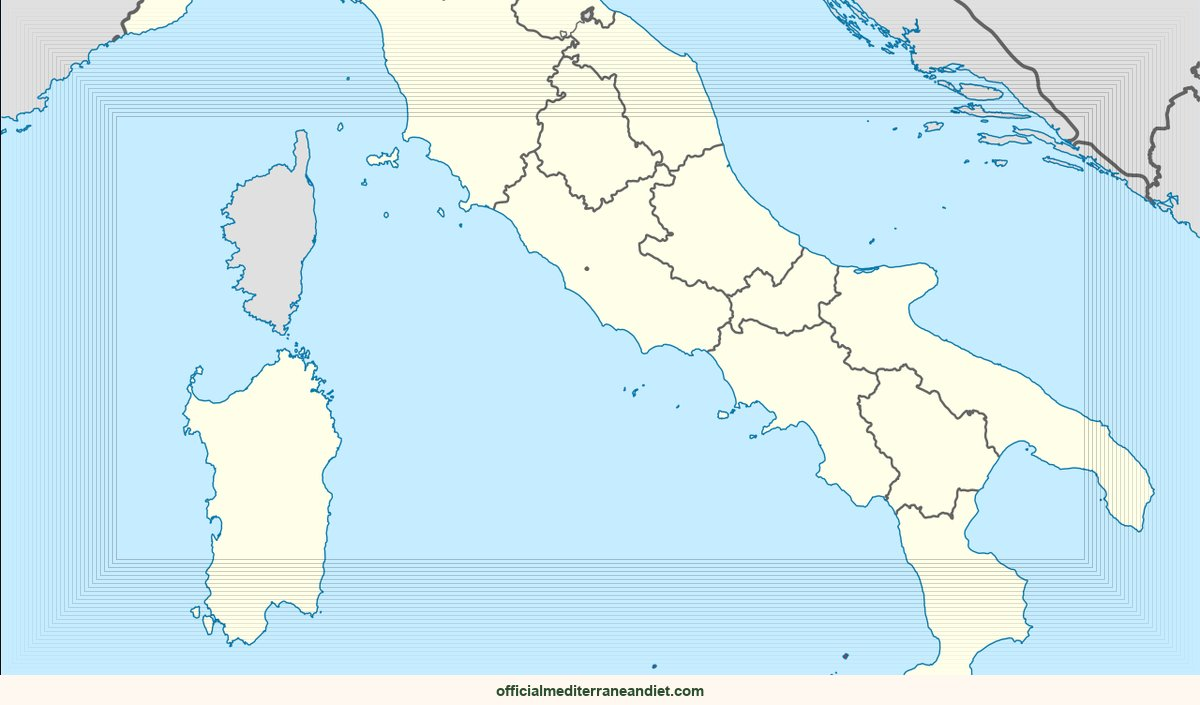
    What gets called “the Mediterranean diet” is really a constellation of distinct regional habits. In Sicily, the staples lean toward what the local soil and sea produce best. In Crete, the same broad principles get expressed through different ingredients and cooking traditions. And in Lebanon’s Bekaa Valley, you’ll find another variation again, same spirit, different specifics. The closer you get to a specific place, the more useful the diet becomes as a model.

    For more, see our Mediterranean diet for beginners guide and browse all our Mediterranean recipes.

    Studies referenced

    1. Heart Disease and Stroke Statistics-2023 Update: A Report From the American Heart AssociationCirculation (2023).
    2. Life’s Essential 8: Updating and Enhancing the American Heart Association’s Construct of Cardiovascular Health: A Presidential Advisory From the American Heart AssociationCirculation (2022).
    3. 2024 Heart Disease and Stroke Statistics: A Report of US and Global Data From the American Heart AssociationCirculation (2024).
    4. Management of Hyperglycemia in Type 2 Diabetes, 2018. A Consensus Report by the American Diabetes Association (ADA) and the European Association for the Study of Diabetes (EASD)Diabetes care (2018).

    Want to eat this way without the guesswork?

    Get the free 7-day Mediterranean Diet Starter Kit

    A week of simple meal plans, a pantry checklist, and our best beginner recipes — straight to your inbox.
    Send me the free kit →


  • This Mediterranean Meal Prep Bowl Recipe Will Change Your Week

    This Mediterranean Meal Prep Bowl Recipe Will Change Your Week

    This Mediterranean Meal Prep Bowl Recipe Will Change Your Week

    Discover our easy Mediterranean meal prep bowl recipe with roasted veggies, chickpeas, and herbed quinoa. Perfect for busy weeks.

    This is a meal prep bowl recipe, the kind that sits at the heart of the Crete table. Yiayia Eleni’s Cretan kitchen runs on handfuls and pinches, except for one secret. She measures exactly 200 grams of quinoa and 400 milliliters of water. It looks like ancient tradition. The math says otherwise.

    Start with the vegetables. One large red bell pepper and one large yellow, sliced into strips that curl as they cool, skins taut enough to resist sogginess. One medium zucchini, halved and sliced into coins. A red onion hacked into rough wedges that keep their bite without taking over. Then 200 grams of cherry tomatoes, halved, never quartered, because they need to stay intact through Friday without weeping into the grain.

    This isn’t rustic cooking. It’s engineering for structural integrity, a recipe designed to fight time.

    It won’t teach you the soul of Cretan cooking.

    Every gram accounts for five days of lunches.

    How to make this meal prep bowl recipe

    This Greek meal prep bowl recipe takes about 20 minutes to prep and 30 minutes to cook. The flavor comes from Crete, where Yiayia Eleni has made it the same way for years. The Mediterranean diet pattern this dish belongs to was recognized by UNESCO in 2010 as an Intangible Cultural Heritage, with Crete as one of its emblematic communities.

    Ingredients for mediterranean meal prep bowl

    • 200g (1 cup) quinoa
    • 400ml (1 2/3 cups) water
    • 1/2 tsp salt
    • 1 large red bell pepper, sliced
    • 1 large yellow bell pepper, sliced
    • 1 medium zucchini, halved and sliced
    • 1 red onion, cut into wedges
    • 200g cherry tomatoes, halved
    • 3 tbsp extra virgin olive oil
    • 1 tsp dried oregano
    • 1/2 tsp smoked paprika
    • 400g can chickpeas, drained and rinsed
    • For the herbed dressing:
    • 4 tbsp extra virgin olive oil
    • 2 tbsp lemon juice
    • 1 clove garlic, minced
    • 2 tbsp chopped fresh parsley
    • 1 tbsp chopped fresh mint
    • Salt and pepper to taste
    • For serving:
    • 100g crumbled feta cheese
    • Optional: tzatziki or plain Greek yogurt

    Method, the Crete way

    1. Preheat oven to 200°C (400°F). Rinse quinoa under cold water, then place in a saucepan with water and 1/2 tsp salt. Bring to a boil, reduce heat to low, cover and simmer for 15 minutes. Remove from heat and let it steam, covered, for 5 minutes. Fluff with a fork and set aside to cool.
    2. Meanwhile, on a large baking tray, toss the bell peppers, zucchini, red onion, cherry tomatoes with 2 tbsp olive oil, oregano, and smoked paprika. Spread evenly and roast for 20, 25 minutes until tender and slightly charred.
    3. On a separate small tray, toss the chickpeas with remaining 1 tbsp olive oil and a pinch of salt. Roast alongside the vegetables for the final 15 minutes, until golden and crispy.
    4. While everything roasts, prepare the herbed dressing: whisk together olive oil, lemon juice, minced garlic, parsley, mint, salt, and pepper in a small bowl.
    5. To assemble bowls: divide the quinoa among 4 containers. Top each with roasted vegetables, roasted chickpeas, and crumbled feta. Drizzle with herbed dressing. For extra Greek flair, add a dollop of tzatziki.
    6. These bowls can be refrigerated for up to 4 days. Enjoy cold or reheated midweek. Yiayia Eleni from Crete swears by this trick: a squeeze of fresh lemon before serving brightens all the flavors.

    Tips from Yiayia Eleni

    The traditional way in Crete is to keep it simple. Researchers behind the PREDIMED trial found that the meal prep bowl recipe pattern, anchored in olive oil and short ingredient lists, cuts cardiovascular risk roughly 30%. Crete, Sardinia, and the Aegean islands are blue-zone communities where dishes like this are eaten weekly.

    Serving, storage, and what to drink

    Serves 4. Best the day it’s made. Leftovers keep in the fridge for two days. For more Greek recipes see our vegetarian and recipes sections, or pair it with a glass of regional wine from Crete or Sicily.

    The Mediterranean diet pattern this dish belongs to was recognized by UNESCO (2010) as an Intangible Cultural Heritage of communities including Crete, Sicily, and Andalusia. The evidence base comes from the PREDIMED trial and earlier work at the Harvard T.H. Chan School of Public Health.

  • Live to 100 with This Cretan Longevity Greens Pie Recipe

    Live to 100 with This Cretan Longevity Greens Pie Recipe

    Discover the Cretan longevity greens pie recipe, a traditional hortopita packed with wild greens and olive oil, inspired by Yiayia Maria’s kitchen.

    Imagine the aroma of wild herbs baking, a golden crust promising earthy goodness. This is Hortopita, a beloved Cretan longevity greens pie recipe, straight from the heart of the island.

    Passed down through generations, this cherished dish embodies the wisdom of elders like Yiayia Maria, whose hands lovingly prepared it for her family.

    It’s more than just a meal, it’s a taste of heritage, brimming with the vibrant flavors and healthful bounty of the Mediterranean. Experience it.

    How to make this longevity greens pie recipe

    This Greek longevity greens pie recipe takes about 25 minutes to prep and 40 minutes to cook. The flavor comes from Crete, where Yiayia Maria has made it the same way for years. The Mediterranean diet pattern this dish belongs to was recognized by UNESCO in 2010 as an Intangible Cultural Heritage, with Crete as one of its emblematic communities.

    Ingredients for cretan longevity greens pie (hortopita)

    • 500g (about 10 cups) mixed leafy greens (spinach, chard, dandelion, parsley, dill)
    • 1 large leek, thinly sliced (white and light green parts)
    • 1 bunch spring onions, chopped
    • 200g (7 oz) feta cheese, crumbled
    • 3 large eggs, lightly beaten
    • 100ml (1/2 cup) extra virgin olive oil, plus more for brushing
    • 1/2 teaspoon sea salt
    • 1/4 teaspoon black pepper
    • 1/4 teaspoon ground nutmeg
    • 12 sheets phyllo dough (about 250g/9 oz)
    • 1 tablespoon sesame seeds (optional)

    Method, the Crete way

    1. Wash the greens thoroughly and shake off excess water. Roughly chop them and place in a large bowl. Sprinkle with a little salt and let sit 10 minutes, then squeeze out any excess liquid using your hands.
    2. In a large skillet, heat 2 tablespoons of olive oil over medium heat. Add the leek and spring onions, sauté until soft, about 5 minutes. Remove from heat and let cool slightly.
    3. In a mixing bowl, combine the squeezed greens, sautéed leeks and onions, crumbled feta, beaten eggs, remaining olive oil, pepper, and nutmeg. Mix well.
    4. Preheat the oven to 180°C (350°F). Lightly oil a 30×20 cm (12×8 inch) baking dish or round pie dish.
    5. Lay one sheet of phyllo in the dish, letting the edges hang over. Brush lightly with olive oil. Repeat with 5 more sheets, brushing each layer, rotating slightly to cover all sides.
    6. Spread the greens mixture evenly over the phyllo. Fold the overhanging phyllo edges inward over the filling. Cover with the remaining 6 sheets of phyllo, brushing each layer well with oil. Tuck the edges under to seal.
    7. Score the top layer into serving squares with a sharp knife. Brush the top with a little extra oil and sprinkle sesame seeds if using.
    8. Bake for 35-40 minutes until the phyllo is golden brown and crisp. Let cool for 10 minutes before cutting. Serve warm or at room temperature.

    Tips from Yiayia Maria

    The traditional way in Crete is to keep it simple. Researchers behind the PREDIMED trial found that the longevity greens pie recipe pattern, anchored in olive oil and short ingredient lists, cuts cardiovascular risk roughly 30%. Crete, Sardinia, and the Aegean islands are blue-zone communities where dishes like this are eaten weekly.

    Serving, storage, and what to drink

    Serves 6. Best the day it’s made. Leftovers keep in the fridge for two days. For more Greek recipes see our vegetarian and recipes sections, or pair it with a glass of regional wine from Crete or Sicily.

    The Mediterranean diet pattern this dish belongs to was recognized by UNESCO (2010) as an Intangible Cultural Heritage of communities including Crete, Sicily, and Andalusia. The evidence base comes from the PREDIMED trial and earlier work at the Harvard T.H. Chan School of Public Health.