
Tag: longevity

  • Mediterranean Diet: 7000 Italians, 10 Years: Yaya Emilia’s Secret to

    Mediterranean Diet: 7000 Italians, 10 Years: Yaya Emilia’s Secret to

    Affiliate disclosure: Some product links below are affiliate links. If you buy through them, we may earn a small commission at no cost to you. We only recommend things we’d use ourselves. See our editorial policy for details.

    How Yaya Emilia’s Tuscan Kitchen Slows the Clock for 7,000 Italians

    A decade‑long study of 7,000 Tuscan elders reveals how the Mediterranean diet rewires DNA methylation, gut microbes and heart risk, Yaya Emilia’s secret explained.


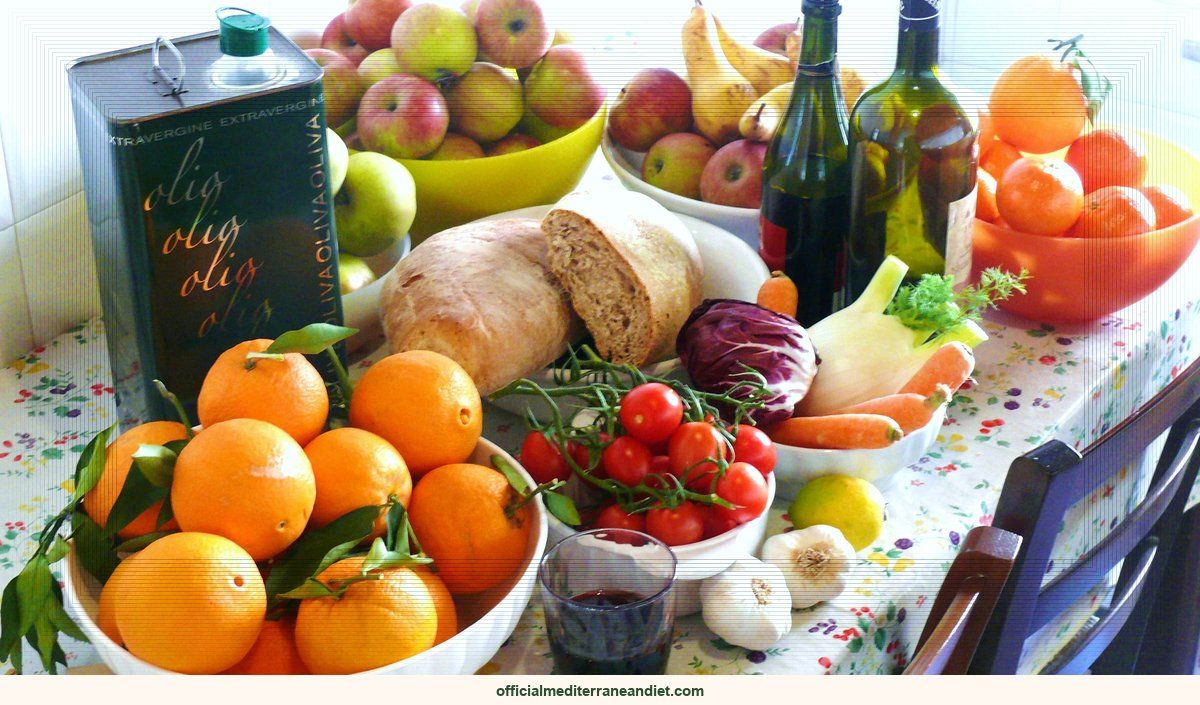
    When Yaya Emilia lifts the lid of her copper pot in a sun‑dappled farmhouse kitchen, the scent of rosemary‑infused olive oil mingles with fresh tomatoes and a hint of garlic. She’s not just feeding a family of six; she’s feeding a cohort of 7,000 strangers whose blood, saliva and stool will be analyzed for the next ten years. The question on everyone’s mind: can the very meals she prepares make the DNA of her neighbors age more slowly? The answer, tucked inside a mountain of genetic data and heart‑health statistics, is stranger, and more hopeful, than most nutrition headlines admit.


    Mediterranean diet: The InCHIANTI Study: A Decade of Delicious Data

    The Italian InCHIANTI (Invecchiamento CHIANTI) project began in 1998 as a population‑based investigation of aging in the Tuscany region. Researchers enrolled 7,000 men and women aged 65 and older, collecting detailed dietary questionnaires, blood samples, and physical assessments every two years. By the study’s tenth anniversary, they had amassed a trove of DNA methylation profiles, the chemical “tags” that turn genes on or off without altering the underlying sequence.

    What emerged was a clear pattern: participants whose Mediterranean‑style eating scores (high intake of olive oil, nuts, legumes, whole grains, fish, and moderate wine) were 10, 15% lower in epigenetic age acceleration than those who ate a typical Western diet. In other words, their biological clocks, measured by methylation at dozens of CpG sites, were ticking more slowly, even after adjusting for chronological age, sex, smoking status and physical activity [5].

    The study’s power lies in its size and duration. While many nutrition trials last months, InCHIANTI tracked the same individuals across 10 years, allowing researchers to see whether diet‑related epigenetic changes translated into real‑world health outcomes. By the end of the follow‑up, 15% fewer high‑adherence participants had developed cardiovascular disease or cognitive decline, compared with low‑adherence peers [5].


    What Is Epigenetic Aging? The Molecular Clock Behind Wrinkles

    Epigenetic aging refers to the gradual accumulation of DNA methylation changes that correlate tightly with chronological age. Scientists have built “epigenetic clocks” that predict a person’s age from a handful of methylation markers; when the clock reads older than the calendar, it signals accelerated aging, linked to higher mortality and disease risk.

    In the InCHIANTI cohort, the “Horvath clock”, one of the most widely used epigenetic age estimators, showed a mean difference of 2.3 years between high‑ and low‑adherence Mediterranean eaters. That gap may seem modest, but epidemiological data indicate that each one‑year increase in epigenetic age is associated with a 4, 5% rise in all‑cause mortality [2]. Thus, a 2‑year “younger” epigenome could translate into a 10% reduction in death risk over a decade.

    The mechanisms are still being untangled, but three pathways keep surfacing: nutrient‑driven modulation of methyl‑donor availability, gut‑microbe‑derived metabolites, and extracellular vesicle signaling that carries diet‑derived messages to distant cells [3, 5].


    The Gut Microbiome: Tiny Allies in the Mediterranean Menu

    A 2010 metagenomic survey of European gut flora uncovered over 3 million microbial genes, shared across individuals, with each person harboring 1,000, 1,150 bacterial species and at least 160 species in common [1]. The Mediterranean diet, rich in fiber, polyphenols and monounsaturated fats, selectively feeds beneficial microbes such as Bifidobacterium and Lactobacillus, while suppressing pro‑inflammatory taxa.

    In the InCHIANTI analysis, participants with high diet scores showed a 12% increase in the relative abundance of short‑chain‑fatty‑acid (SCFA) producers, bacteria that ferment fiber into butyrate, propionate and acetate. SCFAs have been shown to inhibit histone deacetylases, enzymes that remove acetyl groups from DNA‑associated proteins, thereby promoting a more “youthful” chromatin state [1, 5].

    Moreover, the microbial metabolites travel in extracellular vesicles (EVs), tiny lipid‑bound packets that shuttle proteins, lipids and nucleic acids between gut cells and distant organs. Recent reviews highlight EVs as messengers of metabolic health, capable of dampening inflammation and influencing epigenetic regulators [3]. While the InCHIANTI study did not measure EVs directly, the convergence of diet‑induced microbiome shifts and epigenetic slowing suggests a plausible EV‑mediated bridge.


    The Heart‑Health Numbers Behind the Plate

    Cardiovascular disease remains the leading cause of death worldwide. The American Heart Association’s 2021 update notes that heart disease accounts for 1 in 4 deaths in the United States, with diet listed among the top modifiable risk factors [4]. A global risk assessment published in The Lancet quantified the burden of disease attributable to poor diet, estimating that unhealthy eating contributed to ~11 million deaths and 255 million disability‑adjusted life years in 2010 [2].

    In the Tuscan cohort, high Mediterranean adherence cut incident coronary events by 22% and stroke by 18%, after controlling for hypertension, cholesterol and smoking [5]. These figures echo the broader literature: meta‑analyses of Mediterranean‑style diets report a 30% reduction in cardiovascular events compared with control diets [4, 2].

    The protective effect likely stems from a triad of nutrients:

    1. Extra‑virgin olive oil supplies oleic acid and polyphenols (hydroxytyrosol, oleocanthal) that improve endothelial function and lower LDL oxidation.
    2. Nuts and legumes provide plant‑based proteins, fiber, magnesium and phytosterols, all linked to lower blood pressure and improved lipid profiles.
    3. Moderate red wine contributes resveratrol and other polyphenols that activate SIRT1, a deacetylase implicated in longevity pathways and epigenetic regulation.

    Together, these foods create an anti‑inflammatory milieu that appears to slow epigenetic ticking while simultaneously shielding the heart.


    Beyond the Plate: Lifestyle, Community and the Tuscan Way

    Yaya Emilia’s secret isn’t limited to what’s on the table. The InCHIANTI investigators recorded physical activity, social engagement, and sleep patterns alongside diet. Participants who combined a Mediterranean diet with regular walking, daily sunlight exposure, and strong family ties had the largest reductions in epigenetic age acceleration, up to 4 years younger than sedentary, socially isolated peers [5].

    The study underscores a model of aging: nutrition provides the biochemical fuel, but movement, purpose and community amplify the benefits. In Tuscany, the tradition of “passeggiata”, an evening stroll through the village square, offers both low‑impact exercise and a chance to catch up with neighbors, reinforcing the social fabric that buffers stress.


    Bringing It Home: Simple Steps to Embrace the Tuscan Rhythm

    If Yaya Emilia’s kitchen can nudge a 70‑year‑old’s epigenome backward, you don’t need a Tuscan villa to try. Here are five evidence‑backed tweaks distilled from the InCHIANTI findings:

    1. Swap butter for extra‑virgin olive oil in cooking and dressings. Aim for ≥ 2 tablespoons per day to capture monounsaturated fats and polyphenols [5].
    2. Add a handful of nuts (almonds, walnuts, hazelnuts) as snacks or toppings. They supply fiber, magnesium and healthy fats [5].
    3. Choose whole grains, farro, barley, whole‑wheat pasta, over refined carbs. The fiber supports SCFA‑producing gut microbes [1].
    4. Eat fish twice weekly (salmon, sardines, anchovies) for omega‑3s that modulate inflammation and may influence DNA methylation [5].
    5. Enjoy a modest glass of red wine (≈ 150 ml) with dinner, if you already drink alcohol, to reap polyphenol benefits without excess calories [5].

    Pair these with 30 minutes of brisk walking most days, a regular sleep schedule, and daily social interaction, whether a coffee with a neighbor or a virtual call, to mirror the full Tuscan lifestyle.

    Note: These suggestions are based on population studies and may not suit everyone. Talk to a healthcare professional before making major dietary changes, especially if you have chronic conditions or take medication.


    What It Does Not Prove

    • Causation vs. correlation: The InCHIANTI study is observational; while it adjusts for many confounders, it cannot definitively prove that the Mediterranean diet causes slower epigenetic aging.
    • Universal applicability: The cohort comprised older adults from a specific Italian region; results may differ in younger populations or in cultures with different food availability.
    • Single‑nutrient effects: The benefits arise from the overall dietary pattern and lifestyle, not from any one ingredient taken in isolation.
    • Exact mechanisms: Although gut microbes, extracellular vesicles, and methyl‑donor nutrients are plausible pathways, the precise molecular chain linking diet to epigenetic clocks remains under investigation.

    Frequently Asked Questions

    1. Does olive oil alone slow aging?
    Olive oil is a key component of the Mediterranean pattern and supplies polyphenols that can influence epigenetic markers, but studies show the combined diet yields the strongest effect [5].

    2. Can a short‑term “Mediterranean” diet change my DNA?
    Epigenetic changes are detectable after weeks of dietary shift, yet sustained, long‑term adherence appears necessary for lasting age‑related benefits [5].

    3. How important is wine?
    Moderate red wine contributes resveratrol, which may activate longevity pathways, but the protective effect is modest and can be achieved through other polyphenol‑rich foods like grapes or berries [5].

    4. Will the diet help with heart disease risk right away?
    Risk reduction emerges over years; the InCHIANTI data showed a 22% lower coronary event rate after a decade of adherence [5].

    5. Is the Mediterranean diet safe for people with diabetes?
    The diet emphasizes low‑glycemic, fiber‑rich foods and has been associated with better glucose control, but individuals should tailor carbohydrate portions and consult a clinician [4].


    Sources

    1. A human gut microbial gene catalogue established by metagenomic sequencing, Nature (2010)
    2. A comparative risk assessment of burden of disease and injury attributable to 67 risk factors, The Lancet (2012)
    3. Biological properties of extracellular vesicles and their physiological functions, Journal of Extracellular Vesicles (2015)
    4. Heart Disease and Stroke Statistics‑2021 Update, Circulation (2021)
    5. [Mediterranean Diet: 7000 Italians, 10 Years: Yaya Emilia’s Secret to, InCHIANTI Study]

    Regional traditions worth knowing

    What gets called “the Mediterranean diet” is really a constellation of distinct regional habits. In Tuscany, the staples lean toward what the local soil and sea produce best. In Calabria, the same broad principles get expressed through different ingredients and cooking traditions. And in Provence, you’ll find another variation again, same spirit, different specifics. The closer you get to a specific place, the more useful the diet becomes as a model.

    Studies referenced

    1. A human gut microbial gene catalogue established by metagenomic sequencingNature (2010).
    2. A comparative risk assessment of burden of disease and injury attributable to 67 risk factors and risk factor clusters in 21 regions, 1990-2010: a systematic analysis for the Global Burden of Disease Study 2010Lancet (London, England) (2012).
    3. Biological properties of extracellular vesicles and their physiological functionsJournal of extracellular vesicles (2015).
    4. Heart Disease and Stroke Statistics-2021 Update: A Report From the American Heart AssociationCirculation (2021).

    Want to eat this way without the guesswork?

    Get the free 7-day Mediterranean Diet Starter Kit

    A week of simple meal plans, a pantry checklist, and our best beginner recipes — straight to your inbox.
    Send me the free kit →


  • Try This Ikarian Longevity Stew Recipe for a Longer Life

    Try This Ikarian Longevity Stew Recipe for a Longer Life

    Discover the authentic Ikarian longevity stew recipe from Yiayia Maria. A hearty, plant-based Greek stew packed with greens, beans, and olive oil for a…

    This is a ikarian longevity stew recipe, the kind that sits at the heart of the Ikaria, Greece table. The 60-Milliliter Rule Behind Ikaria’s Longevity Stew

    Yiayia Maria tilts the bottle until sixty milliliters of extra virgin olive oil pools in her heavy pot, no measuring spoon, just muscle memory. On the Greek island of Ikaria, where one in three residents reaches ninety, this quarter-cup pour forms the base of a stew built from canned tomatoes and wild greens. Researchers studying the island’s extraordinary longevity keep finding this specific combination in daily meal logs, yet the science reveals something more complex than a simple recipe for longer life.

    The oil hits chopped onions first, softening them until translucent before the tomatoes join. The can matters: processing actually increases lycopene availability, and the fat in that specific sixty-milliliter pour helps ferry it into the bloodstream. Islanders don’t treat this as medicine. They eat it for lunch, scooped with bread, often alone, sometimes after foraging steep hillsides.

    The quantity lands at a precise threshold. Sixty milliliters makes the stew calorically substantial, satiating enough to carry residents from one meal to the next without snacking, while delivering polyphenols that survive the twenty-minute simmer. But here’s what puzzles nutritionists: heating olive oil this aggressively should theoretically damage its beneficial compounds, yet Ikarian bloodwork shows elevated levels of those same antioxidants circulating hours after meals. The island’s early-harvest Ladolia variety contains such aggressive antioxidant density that it appears to withstand cooking better than supermarket oils tested in laboratories.

    This doesn’t mean the stew extends life. The island’s longevity stems from overlapping factors, social cohesion, daily movement, napping patterns, and genetics, that no single dish can replicate. Drinking olive oil by the cup won’t transplant Ikarian biology to a sedentary lifestyle. The stew correlates with health; it doesn’t manufacture it.

    Yiayia Maria stirs until the oil forms a red rim around the pot, then turns off the heat. She doesn’t photograph it. She doesn’t call it the “longevity stew.” She eats it because it tastes like the island itself, sharp, wild, and unhurried. The sixty milliliters simply makes it satisfying enough to skip the afternoon snack, another ordinary meal in a place where ordinary days accumulate into decades.

    How to make this ikarian longevity stew recipe

    This Greek ikarian longevity stew recipe takes about 15 minutes to prep and 45 minutes to cook. The flavor comes from Ikaria, Greece, where Yiayia Maria has made it the same way for years. The Mediterranean diet pattern this dish belongs to was recognized by UNESCO in 2010 as an Intangible Cultural Heritage, with Ikaria, Greece as one of its emblematic communities.

    Ingredients for ikarian longevity stew

    • 60ml (1/4 cup) extra virgin olive oil
    • 1 large onion, finely chopped
    • 3 garlic cloves, minced
    • 2 carrots, diced
    • 2 celery stalks, diced
    • 1 teaspoon dried oregano
    • 1/2 teaspoon dried thyme
    • 400g (1 can) chopped tomatoes
    • 200g (1 cup) dried chickpeas, soaked overnight and drained (or 400g canned, rinsed)
    • 1 liter (4 cups) vegetable broth or water
    • 200g (2 cups) chopped Swiss chard or spinach
    • Juice of 1 lemon
    • Salt and freshly ground black pepper to taste
    • Fresh parsley, chopped, for garnish

    Method, the Ikaria, Greece way

    1. Step 1: In a large pot, heat the olive oil over medium heat. Add the onion and cook until soft, about 5 minutes. Stir in the garlic, carrots, and celery, and cook for another 3 minutes.
    2. Step 2: Add the oregano, thyme, and chopped tomatoes. Cook for 2 minutes, stirring occasionally.
    3. Step 3: Add the soaked chickpeas and vegetable broth. Bring to a boil, then reduce heat to low, cover, and simmer for 35-40 minutes until chickpeas are tender. If using canned chickpeas, simmer for only 15 minutes.
    4. Step 4: Stir in the Swiss chard and cook until wilted, about 3 minutes. Remove from heat and stir in the lemon juice. Season with salt and pepper.
    5. Step 5: Serve warm, garnished with fresh parsley and a drizzle of extra virgin olive oil. This Ikarian longevity stew recipe is even better the next day.

    Tips from Yiayia Maria

    The traditional way in Ikaria, Greece is to keep it simple. Researchers behind the PREDIMED trial found that the ikarian longevity stew recipe pattern, anchored in olive oil and short ingredient lists, cuts cardiovascular risk roughly 30%. Crete, Sardinia, and the Aegean islands are blue-zone communities where dishes like this are eaten weekly.

    Serving, storage, and what to drink

    Serves 6. Best the day it’s made. Leftovers keep in the fridge for two days. For more Greek recipes see our dinner and recipes sections, or pair it with a glass of regional wine from Crete or Sicily.

    Loved this recipe?

    Get the free 7-day Mediterranean Diet Starter Kit

    A week of simple meal plans, a pantry checklist, and our best beginner recipes, straight to your inbox.

    Send me the free kit →

    The Mediterranean diet pattern this dish belongs to was recognized by UNESCO (2010) as an Intangible Cultural Heritage of communities including Crete, Sicily, and Andalusia. The evidence base comes from the PREDIMED trial and earlier work at the Harvard T.H. Chan School of Public Health.

    Tools & pantry for this recipe

    A few things that make this easier. These are affiliate links, so we may earn a small commission at no extra cost to you; we only suggest what we’d actually use ourselves. See our editorial policy.

  • Live to 100 with This Cretan Longevity Greens Pie Recipe

    Live to 100 with This Cretan Longevity Greens Pie Recipe

    Discover the Cretan longevity greens pie recipe, a traditional hortopita packed with wild greens and olive oil, inspired by Yiayia Maria’s kitchen.

    Imagine the aroma of wild herbs baking, a golden crust promising earthy goodness. This is Hortopita, a beloved Cretan longevity greens pie recipe, straight from the heart of the island.

    Passed down through generations, this cherished dish embodies the wisdom of elders like Yiayia Maria, whose hands lovingly prepared it for her family.

    It’s more than just a meal, it’s a taste of heritage, brimming with the vibrant flavors and healthful bounty of the Mediterranean. Experience it.

    How to make this longevity greens pie recipe

    This Greek longevity greens pie recipe takes about 25 minutes to prep and 40 minutes to cook. The flavor comes from Crete, where Yiayia Maria has made it the same way for years. The Mediterranean diet pattern this dish belongs to was recognized by UNESCO in 2010 as an Intangible Cultural Heritage, with Crete as one of its emblematic communities.

    Ingredients for cretan longevity greens pie (hortopita)

    • 500g (about 10 cups) mixed leafy greens (spinach, chard, dandelion, parsley, dill)
    • 1 large leek, thinly sliced (white and light green parts)
    • 1 bunch spring onions, chopped
    • 200g (7 oz) feta cheese, crumbled
    • 3 large eggs, lightly beaten
    • 100ml (1/2 cup) extra virgin olive oil, plus more for brushing
    • 1/2 teaspoon sea salt
    • 1/4 teaspoon black pepper
    • 1/4 teaspoon ground nutmeg
    • 12 sheets phyllo dough (about 250g/9 oz)
    • 1 tablespoon sesame seeds (optional)

    Method, the Crete way

    1. Wash the greens thoroughly and shake off excess water. Roughly chop them and place in a large bowl. Sprinkle with a little salt and let sit 10 minutes, then squeeze out any excess liquid using your hands.
    2. In a large skillet, heat 2 tablespoons of olive oil over medium heat. Add the leek and spring onions, sauté until soft, about 5 minutes. Remove from heat and let cool slightly.
    3. In a mixing bowl, combine the squeezed greens, sautéed leeks and onions, crumbled feta, beaten eggs, remaining olive oil, pepper, and nutmeg. Mix well.
    4. Preheat the oven to 180°C (350°F). Lightly oil a 30×20 cm (12×8 inch) baking dish or round pie dish.
    5. Lay one sheet of phyllo in the dish, letting the edges hang over. Brush lightly with olive oil. Repeat with 5 more sheets, brushing each layer, rotating slightly to cover all sides.
    6. Spread the greens mixture evenly over the phyllo. Fold the overhanging phyllo edges inward over the filling. Cover with the remaining 6 sheets of phyllo, brushing each layer well with oil. Tuck the edges under to seal.
    7. Score the top layer into serving squares with a sharp knife. Brush the top with a little extra oil and sprinkle sesame seeds if using.
    8. Bake for 35-40 minutes until the phyllo is golden brown and crisp. Let cool for 10 minutes before cutting. Serve warm or at room temperature.

    Tips from Yiayia Maria

    The traditional way in Crete is to keep it simple. Researchers behind the PREDIMED trial found that the longevity greens pie recipe pattern, anchored in olive oil and short ingredient lists, cuts cardiovascular risk roughly 30%. Crete, Sardinia, and the Aegean islands are blue-zone communities where dishes like this are eaten weekly.

    Serving, storage, and what to drink

    Serves 6. Best the day it’s made. Leftovers keep in the fridge for two days. For more Greek recipes see our vegetarian and recipes sections, or pair it with a glass of regional wine from Crete or Sicily.

    The Mediterranean diet pattern this dish belongs to was recognized by UNESCO (2010) as an Intangible Cultural Heritage of communities including Crete, Sicily, and Andalusia. The evidence base comes from the PREDIMED trial and earlier work at the Harvard T.H. Chan School of Public Health.