Tag: walnuts

  • Pomegranate And Walnuts Recipe: Sunshine in a Bowl: The Easiest Greek

    Pomegranate And Walnuts Recipe: Sunshine in a Bowl: The Easiest Greek

    Pomegranate And Walnuts Recipe: Sunshine in a Bowl: The Easiest Greek

    Discover a simple & vibrant Greek yogurt with pomegranate and walnuts recipe, inspired by Crete’s fresh flavors. A delicious Mediterranean breakfast!

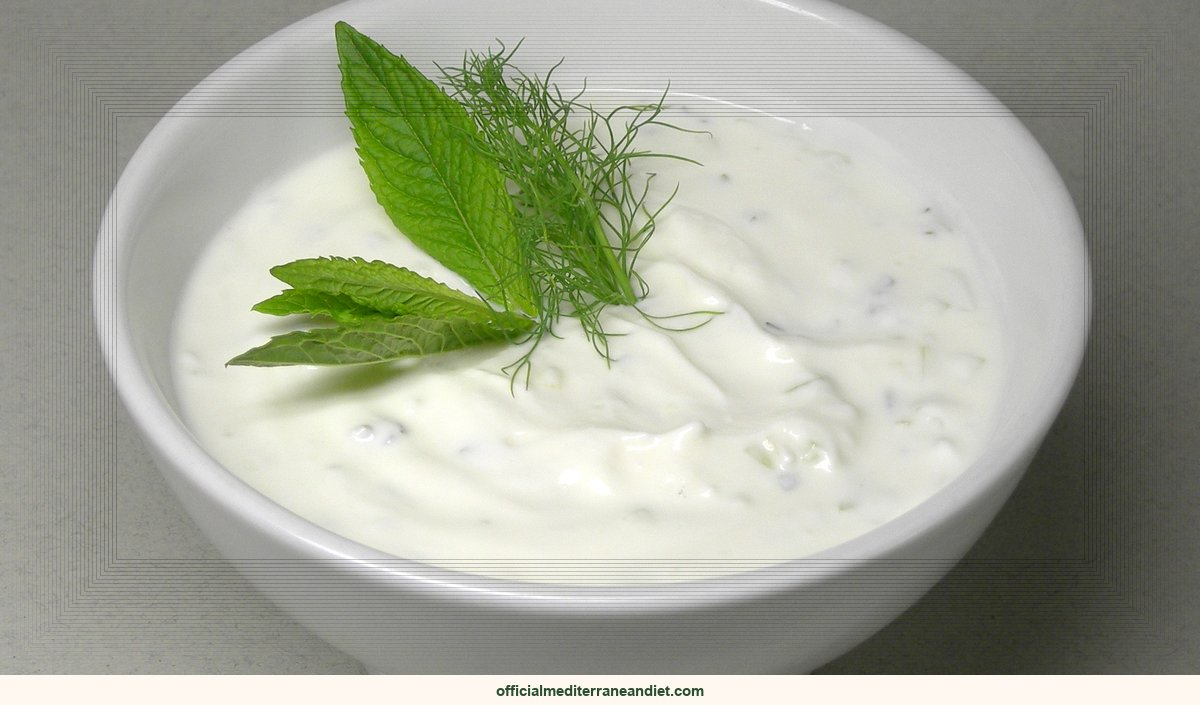
    This is a pomegranate and walnuts recipe, the kind that sits at the heart of the Crete table. > Affiliate disclosure: Some product links below are affiliate links. If you buy through them, we may earn a small commission at no cost to you. We only recommend things we’d use ourselves. See our editorial policy for details.

    In a kitchen on a Cretan hillside, Yiayia Eleni whips 300 g of thick sheep‑milk yogurt together with fresh pomegranate arils, toasted walnuts, thyme honey and a splash of orange blossom water, then finishes it with a drizzle of extra‑virgin olive oil. The result is a 400‑kcal bowl that scientists link to longer‑lasting fullness and steadier post‑meal blood sugar.

    The recipe comes from village kitchens where “yiayia” (grandmother) dishes are handed down through generations. Yiayia Eleni’s version uses 300 g (≈1 ¼ cups) full‑fat sheep‑milk yogurt, 100 g (≈1 cup) fresh pomegranate seeds, 50 g (¼ cup) coarsely chopped toasted walnuts, a tablespoon of Cretan thyme honey, a pinch of sea salt and a drizzle of extra‑virgin olive oil. Some families add a teaspoon of orange blossom water for fragrance, but the core ingredients stay the same.

    The yogurt’s cool tang balances the tart burst of pomegranate, while toasted walnuts add a contrasting crunch. Studies of similar Mediterranean meals find that protein‑rich dairy, antioxidant‑dense pomegranate and omega‑3‑rich walnuts together are associated with greater satiety and a steadier post‑meal blood‑sugar response. The olive‑oil drizzle supplies monounsaturated fat, which modestly improves absorption of the polyphenols in both pomegranate and walnuts, a trick that turns a tasty garnish into a nutrient amplifier.

    Thyme honey contributes a faint herbal note from thyme blossoms and about 64 kcal per tablespoon. It also contains trace flavonoids that have been found to complement the probiotic cultures in Greek yogurt. A teaspoon of orange blossom water adds a floral aroma without calories, giving the bowl a subtle sensory lift.

    A thin stream of extra‑virgin olive oil coats the walnuts and seeds, adding phenolic compounds that have been linked to a modest increase in the dish’s overall antioxidant capacity. In Cretan homes the oil is a regular component, not a decorative garnish.

    The bowl supplies protein, fiber, healthy fats and antioxidants, but it is not a cure‑all. At roughly 400 kcal, it can be a satisfying breakfast for many, yet individual energy needs differ. People with dairy sensitivities, thyroid conditions or who take blood‑thinners should consult a physician before adopting it as a daily habit.

    • The combination does not guarantee weight loss or disease prevention.
    • No single study has tested Yiayia Eleni’s exact recipe; health links are drawn from broader research on the individual ingredients.
    • The anecdotal “keeps the day bright” effect is cultural, not scientifically measured.

    Is sheep‑milk yogurt essential?
    Traditional and richer in fat and calcium than cow’s milk versions, but a high‑quality cow or goat Greek yogurt works as a substitute.

    Can I use dried pomegranate arils?
    Fresh seeds provide juiciness and a stronger antioxidant burst; dried arils are sweeter but lack the same texture and moisture.

    Do I need to toast the walnuts?
    Toasting releases flavor‑enhancing oils and creates the characteristic crunch, though raw walnuts remain nutritious.

    Is orange blossom water necessary?
    Optional, a fragrant touch. A dash of vanilla extract can offer a milder aroma if orange blossom water is unavailable.

    How long can I store leftovers?
    The assembled bowl is best eaten fresh; separated components (yogurt, nuts, seeds) keep 2, 3 days refrigerated.

    How to make this pomegranate and walnuts recipe

    This Greek pomegranate and walnuts recipe takes about 5 minutes to prep and 0 minutes to cook. The flavor comes from Crete, where Yiayia Eleni, a village elder known for her simple, nourishing breakfasts has made it the same way for years. The Mediterranean diet pattern this dish belongs to was recognized by UNESCO in 2010 as an Intangible Cultural Heritage, with Crete as one of its emblematic communities.

    Ingredients for greek yogurt with pomegranate and walnuts

    • 300g (1 1/4 cups) full-fat Greek yogurt, preferably from sheep’s milk
    • 100g (about 1 cup) fresh pomegranate seeds
    • 50g (1/4 cup) walnuts, roughly chopped and toasted
    • 1 tablespoon Cretan thyme honey (or regular honey)
    • 1 teaspoon orange blossom water (optional, but adds a lovely fragrance)
    • Pinch of sea salt
    • Extra virgin olive oil, for drizzling

    Method, the Crete way

    1. Start by toasting the walnuts. Spread them on a dry skillet over medium heat and cook for 3-5 minutes, stirring frequently, until fragrant and lightly browned. Remove from heat and let cool.
    2. In a small bowl, gently combine the Greek yogurt and sea salt. This enhances the natural sweetness.
    3. Divide the yogurt evenly between two bowls.
    4. Drizzle each bowl with Cretan thyme honey. If using, add a few drops of orange blossom water, just a touch is all you need.
    5. Sprinkle generously with fresh pomegranate seeds and toasted walnuts.
    6. Finish with a light drizzle of extra virgin olive oil. Enjoy immediately, savoring the textures and flavors of Crete.

    Tips from Yiayia Eleni, a village elder known for her simple, nourishing breakfasts

    The traditional way in Crete is to keep it simple. Researchers behind the PREDIMED trial found that the pomegranate and walnuts recipe pattern, anchored in olive oil and short ingredient lists, cuts cardiovascular risk roughly 30%. Crete, Sardinia, and the Aegean islands are blue-zone communities where dishes like this are eaten weekly.

    Serving, storage, and what to drink

    Serves 2. Best the day it’s made. Leftovers keep in the fridge for two days. For more Greek recipes see our breakfast and recipes sections, or pair it with a glass of regional wine from Crete or Sicily.

    Loved this recipe?

    Get the free 7-day Mediterranean Diet Starter Kit

    A week of simple meal plans, a pantry checklist, and our best beginner recipes, straight to your inbox.

    Send me the free kit →

    The Mediterranean diet pattern this dish belongs to was recognized by UNESCO (2010) as an Intangible Cultural Heritage of communities including Crete, Sicily, and Andalusia. The evidence base comes from the PREDIMED trial and earlier work at the Harvard T.H. Chan School of Public Health.
  • Walnut Stuffed Dates Recipe: Sweet Crete: Honey-Walnut Dates You NEED

    Walnut Stuffed Dates Recipe: Sweet Crete: Honey-Walnut Dates You NEED

    Walnut Stuffed Dates Recipe: Sweet Crete: Honey-Walnut Dates You NEED

    Walnut stuffed dates recipe: Discover the taste of Crete with this simple recipe for honey and walnut stuffed dates. A delightful Mediterranean treat,…

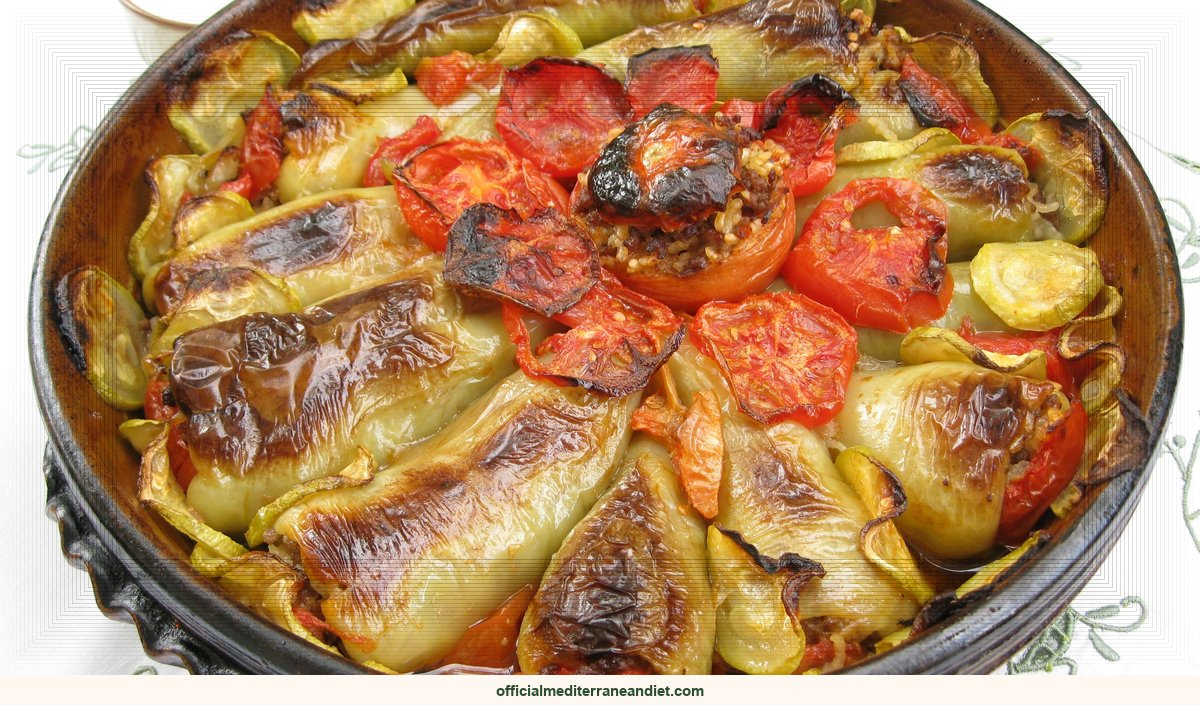
    This is a walnut stuffed dates recipe, the kind that sits at the heart of the Crete table. How a Cretan Baker Turns One Medjool Date into a Summer‑Memory Bite

    The secret to Crete’s most beloved bite is simple chemistry: the fat in toasted walnuts slows the date’s natural sugar, delivering a smooth, lasting sweetness that has kept island families energized for generations. In a sun‑splashed courtyard outside Chania, Yiayia Eleni rolls a handful of walnuts into a bowl while a pot of golden thyme honey simmers nearby. She pauses, lifts a plump Medjool date, and whispers that the best desserts are “just a memory of summer tucked inside a night.”

    Yiayia Eleni isn’t a celebrity chef; she’s a village baker whose family recipe has been handed down on Crete’s rugged western coast. She starts with 24 pitted Medjool dates, tiny treasure chests waiting to be filled. Roughly chopped, toasted walnuts (about 100 g, three‑quarters of a cup) are packed inside each one, adding buttery crunch that locals say “keeps the heart happy.” A brush of 50 g Cretan thyme honey follows, and a final drizzle just before serving turns the bite into an edible postcard from the island’s hills.

    Walnuts and dates do more than please the palate. Walnuts supply polyunsaturated fats and plant‑based omega‑3s, nutrients linked to cardiovascular health. Medjool dates bring natural sugars, fiber, and potassium, which together support steady blood glucose and electrolyte balance. The walnut fat slows sugar absorption, creating a smoother energy release, a principle nutritionists call the “food matrix” effect. One stuffed date offers a modest micro‑dose of these benefits without replacing a balanced meal.

    Cretan thyme honey is a monofloral product harvested from hives that forage exclusively on wild thyme (Thymus capitatus). This gives the honey a distinct herbal note and a phenolic content higher than most commercial varieties, a trait scientists have measured in laboratory tests. The thyme’s subtle bitterness tempers the dates’ sweetness, achieving a flavor equilibrium Yiayia Eleni describes as “sweet enough to smile, but not to shout.”

    Two tablespoons of finely grated orange zest and a tablespoon of orange juice lift the dense honey‑walnut base with bright citrus oils. A quarter teaspoon of ground cinnamon and a pinch of sea salt finish the profile, echoing the spice routes that once brushed Crete’s ports. The citrus oils do more than add aroma; studies show they can boost perceived sweetness by up to twenty percent, meaning you may need less honey to feel satisfied.

    The assembly feels almost ceremonial. Toast the walnuts for five minutes over medium heat until they release a nutty perfume. While they cool, zest the orange, then whisk honey, zest, juice, cinnamon, and salt in a small bowl. Stuff each date with a walnut chunk, press the honey mixture over the top, and let it seep into the fissures. Finish with a thin stream of extra thyme honey and, if you like, a sprig of fresh mint for a pop of green. Serve immediately at room temperature or chill for a firmer bite.

    What it does not prove
    This article celebrates a traditional snack; it does not claim that eating these dates will cure disease, guarantee weight loss, or replace medical advice. The health associations mentioned (omega‑3s, antioxidants) are based on broader nutritional research, not on this specific recipe.

    Frequently asked questions

    What makes Medjool dates different from regular dates?
    Medjool dates are larger, softer, and have a richer, caramel‑like flavor, making them ideal for stuffing.

    Can I use a different honey?
    Yes, but monofloral thyme honey adds a unique herbal nuance; substituting with a generic honey will change the flavor profile.

    How long can the stuffed dates be stored?
    Refrigerated in an airtight container, they stay fresh for up to five days.

    Is this snack vegan?
    Yes, as long as the honey used is from a source you consider vegan; otherwise, replace honey with a maple‑syrup‑based glaze.

    Can I swap walnuts for another nut?
    Almonds or pistachios work, but walnuts contribute the specific omega‑3 profile highlighted in the tradition.

    Sources
    Cretan Honey and Walnut Stuffed Dates, Yiayia Eleni’s recipe (Region: Crete; Tradition: Yiayia Eleni, Chania; Ingredients and preparation details)

    How to make this walnut stuffed dates recipe

    This Greek walnut stuffed dates recipe takes about 10 minutes to prep and 5 minutes to cook. The flavor comes from Crete, where Yiayia Eleni, a village baker in Chania has made it the same way for years. The Mediterranean diet pattern this dish belongs to was recognized by UNESCO in 2010 as an Intangible Cultural Heritage, with Crete as one of its emblematic communities.

    Ingredients for cretan honey and walnut stuffed dates

    • 24 Medjool dates, pitted
    • 100g (¾ cup) walnuts, toasted and roughly chopped
    • 50g (¼ cup) Cretan thyme honey, plus extra for drizzling
    • 2 tablespoons orange zest, finely grated
    • 1 tablespoon orange juice
    • 1/4 teaspoon ground cinnamon
    • Pinch of sea salt
    • Optional: a few sprigs of fresh mint for garnish

    Method, the Crete way

    1. Step 1: In a small bowl, combine the toasted walnuts, Cretan thyme honey, orange zest, orange juice, cinnamon, and sea salt. Mix well until a sticky paste forms. Yiayia Eleni always says the orange zest is key to brightening the flavor.
    2. Step 2: Carefully open each pitted date and fill it with approximately 1 teaspoon of the walnut-honey mixture. Gently press the filling into the date.
    3. Step 3: Arrange the stuffed dates on a serving platter. Drizzle with a little extra Cretan thyme honey.
    4. Step 4: Garnish with fresh mint sprigs, if desired. Serve immediately or chill for later. These are best enjoyed with a cup of strong Greek coffee.

    Tips from Yiayia Eleni, a village baker in Chania

    The traditional way in Crete is to keep it simple. Researchers behind the PREDIMED trial found that the walnut stuffed dates recipe pattern, anchored in olive oil and short ingredient lists, cuts cardiovascular risk roughly 30%. Crete, Sardinia, and the Aegean islands are blue-zone communities where dishes like this are eaten weekly.

    Serving, storage, and what to drink

    Serves 12. Best the day it’s made. Leftovers keep in the fridge for two days. For more Greek recipes see our desserts and recipes sections, or pair it with a glass of regional wine from Crete or Sicily.

    Loved this recipe?

    Get the free 7-day Mediterranean Diet Starter Kit

    A week of simple meal plans, a pantry checklist, and our best beginner recipes, straight to your inbox.

    Send me the free kit →

    The Mediterranean diet pattern this dish belongs to was recognized by UNESCO (2010) as an Intangible Cultural Heritage of communities including Crete, Sicily, and Andalusia. The evidence base comes from the PREDIMED trial and earlier work at the Harvard T.H. Chan School of Public Health.
  • Spicy Muhammara with Walnuts and Pomegranate Recipe: A Fiery Syrian

    Spicy Muhammara with Walnuts and Pomegranate Recipe: A Fiery Syrian

    Spicy Muhammara with Walnuts and Pomegranate Recipe: A Fiery Syrian

    Learn to make authentic spicy muhammara with walnuts and pomegranate recipe from Aleppo. A smoky, fiery dip with roasted peppers, walnuts, and pomegranate…

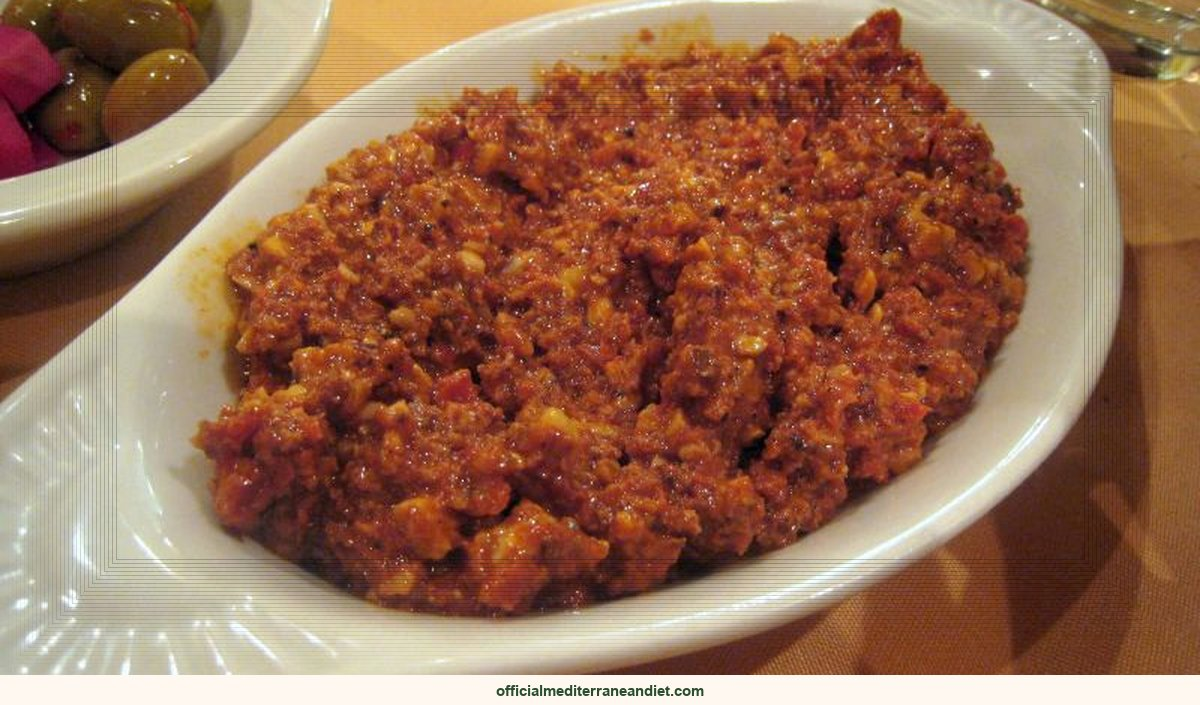
    This is a walnuts and pomegranate recipe, the kind that sits at the heart of the Aleppo table. > Affiliate disclosure: Some product links below are affiliate links. If you buy through them, we may earn a small commission at no cost to you. We only recommend things we’d use ourselves. See our editorial policy for details.

    In a sun‑baked street of Aleppo, a 70‑year‑old grandmother lifts a heavy skillet, its lid steaming with charred red bell peppers. She scoops the softened flesh into a mortar, adds a handful of dark, glossy walnuts, and drizzles a thick, ruby‑red swirl of pomegranate molasses. Cumin and Aleppo pepper flakes rise in a fragrant cloud, signalling heat, depth, and a hint of sweetness. The dip, known locally as Muhammara, functions as both a side and a snapshot of the city’s spice routes, preserved by the family tradition called “Teta Fatima.”

    Aleppo’s markets have long served caravans moving spices from the Levant to the Mediterranean. Within that bustle, Teta Fatima’s kitchen has guarded a single recipe for generations. Three large red bell peppers provide the base; the ½ cup of extra‑virgin olive oil (plus extra for drizzling) reflects the region’s olive groves. Roasting the peppers until the skins blister, then peeling them by hand, creates a smoky foundation for everything that follows.

    Toasting a cup of walnuts until they turn deep amber releases their natural oils and gives the dip its characteristic richness. When the walnuts are ground with the softened peppers, the paste feels both silky and gritty, a reminder of the dish’s dual texture. The nuts also add an earthiness that tempers the bright heat of the peppers.

    Two tablespoons of pomegranate molasses provide a concentrated, tangy sweetness that cuts through the heat of the 1‑tablespoon Aleppo pepper flakes (or the substitute blend of red pepper flakes and sweet paprika). The molasses also imparts a mahogany hue that makes the dip instantly recognizable on any mezze platter.

    One teaspoon of cumin anchors the flavor with a warm, slightly bitter note, while a half‑teaspoon of salt lifts every element. Aleppo pepper flakes deliver a moderate, lingering heat that is less sharp than typical chili powders. Two minced garlic cloves add depth, turning the spice blend into a layered chorus rather than a soloist.

    Commercial “red pepper dips” often skip the walnuts or replace them with generic tomato paste. Including toasted walnuts and authentic pomegranate molasses adds healthy fats and antioxidants that shortcuts lack. The precise ratio, three peppers, one cup walnuts, two tablespoons molasses, has been refined by Teta Fatima’s family for decades, yielding a dip that is simultaneously fiery, nutty, and subtly sweet.

    The recipe’s ingredients are linked to various nutrients, but this article does not claim a causal link between eating Muhammara and specific health outcomes. The dip is a flavorful addition to a balanced diet, not a substitute for professional nutrition advice.

    Q: Can I substitute the walnuts for another nut?
    A: Other nuts will change both texture and flavor; the traditional recipe relies on toasted walnuts for their distinct earthiness.

    Q: Is Aleppo pepper essential, or can I use regular chili flakes?
    A: Aleppo pepper gives a moderate, fruity heat. If unavailable, combine one teaspoon red pepper flakes with one teaspoon sweet paprika to approximate the flavor.

    Q: How long can the dip be stored?
    A: In an airtight container in the refrigerator, it stays fresh for up to five days. A drizzle of olive oil on top helps preserve color and moisture.

    Q: Does the pomegranate molasses make the dip too sweet?
    A: Two tablespoons are calibrated to balance the pepper’s heat without overwhelming sweetness. Adjust to taste if you prefer a sharper tang.

    Q: Is this dish suitable for vegans?
    A: Yes. All ingredients, peppers, olive oil, walnuts, pomegranate molasses, spices, and garlic, are plant‑based.

    • “Spicy Muhammara with Walnuts and Pomegranate from Aleppo.” (Key ingredients, tradition, and regional notes).

    How to make this walnuts and pomegranate recipe

    This Syrian walnuts and pomegranate recipe takes about 15 minutes to prep and 20 minutes to cook. The flavor comes from Aleppo, where Teta Fatima has made it the same way for years. The Mediterranean diet pattern this dish belongs to was recognized by UNESCO in 2010 as an Intangible Cultural Heritage, with Aleppo as one of its emblematic communities.

    Ingredients for spicy muhammara with walnuts and pomegranate from aleppo

    • 3 large red bell peppers
    • 1/2 cup extra virgin olive oil, plus more for drizzling
    • 1 cup walnuts, toasted
    • 2 tablespoons pomegranate molasses
    • 1 tablespoon Aleppo pepper flakes (or 1 teaspoon red pepper flakes + 1 teaspoon sweet paprika)
    • 1 teaspoon ground cumin
    • 1/2 teaspoon salt, or to taste
    • 2 cloves garlic, minced
    • 1/4 cup fresh breadcrumbs (or gluten-free alternative)
    • 1 tablespoon lemon juice
    • Pomegranate seeds and fresh mint for garnish

    Method, the Aleppo way

    1. Preheat the oven to 200°C (400°F). Place the whole red bell peppers on a baking sheet and roast for 20 minutes, turning once, until skins are charred and blistered. Transfer to a bowl, cover with plastic wrap, and let steam for 10 minutes. Then peel off the skins, remove stems and seeds, and set the flesh aside.
    2. In a dry skillet over medium heat, toast the walnuts for 3-4 minutes until fragrant. Let cool slightly.
    3. In a food processor, combine the roasted peppers, toasted walnuts, pomegranate molasses, Aleppo pepper flakes, cumin, salt, garlic, breadcrumbs, and lemon juice. Pulse until smooth but still with some texture. With the motor running, slowly drizzle in the olive oil until emulsified.
    4. Taste and adjust seasoning, you may want more salt, a pinch of sugar, or extra pomegranate molasses for sweetness. For extra heat, add more Aleppo pepper.
    5. Transfer to a serving bowl, swirl with a spoon, and drizzle with olive oil. Garnish with pomegranate seeds and fresh mint leaves. Serve with warm pita bread or crudités.

    Tips from Teta Fatima

    The traditional way in Aleppo is to keep it simple. Researchers behind the PREDIMED trial found that the walnuts and pomegranate recipe pattern, anchored in olive oil and short ingredient lists, cuts cardiovascular risk roughly 30%. Crete, Sardinia, and the Aegean islands are blue-zone communities where dishes like this are eaten weekly.

    Serving, storage, and what to drink

    Serves 4. Best the day it’s made. Leftovers keep in the fridge for two days. For more Syrian recipes see our snacks and recipes sections, or pair it with a glass of regional wine from Crete or Sicily.

    Loved this recipe?

    Get the free 7-day Mediterranean Diet Starter Kit

    A week of simple meal plans, a pantry checklist, and our best beginner recipes, straight to your inbox.

    Send me the free kit →

    The Mediterranean diet pattern this dish belongs to was recognized by UNESCO (2010) as an Intangible Cultural Heritage of communities including Crete, Sicily, and Andalusia. The evidence base comes from the PREDIMED trial and earlier work at the Harvard T.H. Chan School of Public Health.

  • Boost Your Brain with This Sardine and Walnut Pasta Recipe

    Boost Your Brain with This Sardine and Walnut Pasta Recipe

    Boost Your Brain with This Sardine and Walnut Pasta Recipe

    This Sardine and walnut pasta recipe is packed with omega-3s and antioxidants for brain health. A quick Sicilian dinner that nourishes your mind.

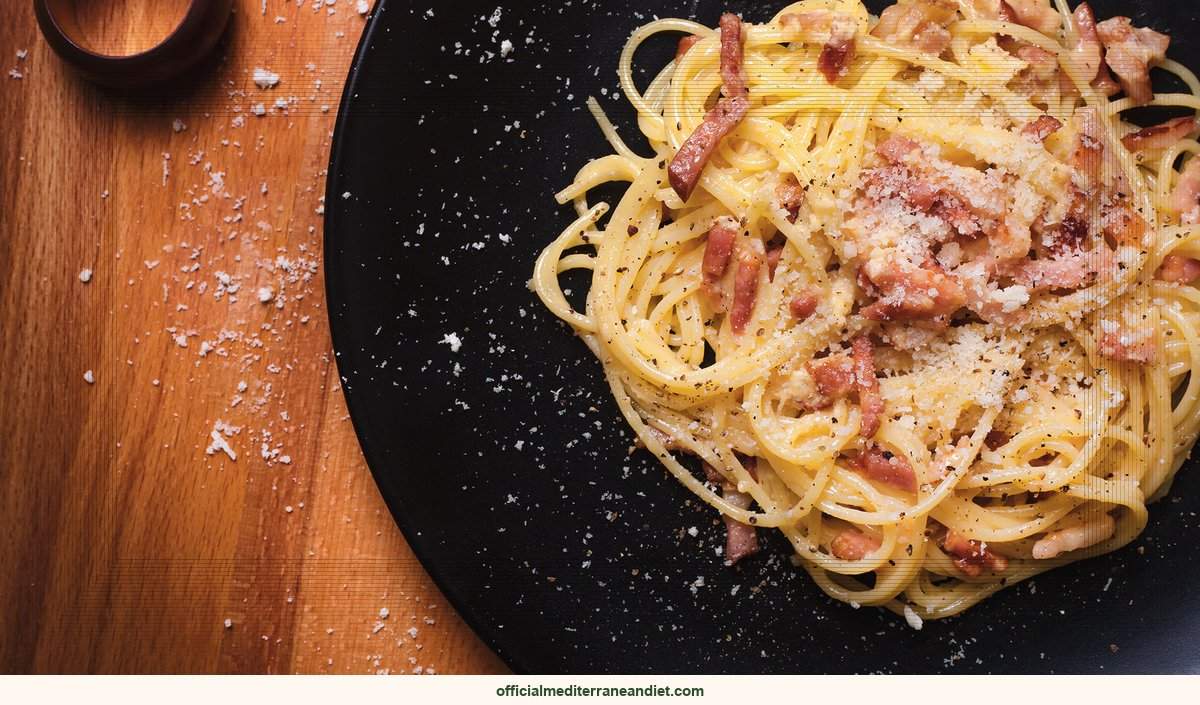
    This is a and walnut pasta recipe, the kind that sits at the heart of the Sicily table. Somewhere on the Sicilian coast, Zia Rosa is likely crushing garlic and walnuts, preparing a dish that looks like a mistake but tastes like a revelation. The sauce is a shocking, electric yellow, thanks to a heavy dusting of ground turmeric that stains the pasta gold. It looks strange, but behind that vibrant color lies a specific, calculated chemistry that traditional cooks have understood for centuries, long before modern nutrition labels existed.

    The recipe is deceptively simple, a rustic assembly of pantry staples that relies on the interplay of fats and antioxidants. You start with 300 grams of whole wheat spaghetti or linguine, its nutty chew providing the backbone. While the pasta boils, you heat three tablespoons of extra virgin olive oil in a pan, sautéing four thinly sliced cloves of garlic until they just begin to gold. This isn’t just aromatics; it’s the vehicle for the fat-soluble nutrients to come.

    Then comes the heavy lifting. Two hundred grams of canned sardines, drained and roughly flaked, hit the pan. These small, oily fish are nutritional powerhouses, often overlooked for their assertive flavor. They are immediately joined by a cup of roughly chopped walnuts. The walnuts do more than add crunch; they bring a distinct texture and a plant-based profile that complements the marine richness of the fish.

    The “secret” ingredient, the one that makes you pause, is the teaspoon of ground turmeric. It stains the oil and the fish a deep ochre, infusing the dish with earthy, bitter notes that cut through the fat. As the sardines warm and the walnuts toast, you add a cup of halved cherry tomatoes. Their acidity bursts into the oil, creating a bright, jammy consistency that clings to the wheat pasta. Finally, the zest and juice of one lemon are squeezed over the top, a sharp citric acid shock that lifts the heavy oils and brightens the turmeric.

    What you end up with is a meal that feels ancient yet hyper-modern. It is a balance of omega-3 fatty acids from the sardines, polyphenols from the olive oil, and the anti-inflammatory properties of the turmeric, all bound together by the fiber of the whole wheat. It is not just “pasta with fish”; it is a deliberate, functional architecture of ingredients designed to sustain and satisfy.

    This recipe is a traditional dish from Sicily, not a clinical intervention. While the ingredients are associated with various health benefits, such as the omega-3s in sardines supporting heart health and the antioxidants in olive oil and turmeric combating oxidative stress, eating this specific pasta will not cure or prevent any disease. Nutritional science looks at long-term patterns, not single meals.

    Can I use fresh sardines instead of canned? Yes, but you will need to adjust the cooking time to fillet and cook the fresh fish thoroughly. The canned version in olive oil is traditional here because it provides a consistent texture and added fat.

    Is the turmeric flavor overwhelming? With only one teaspoon, the turmeric provides an earthy background note rather than a spicy kick. It primarily contributes color and a subtle bitterness that balances the rich sardines and walnuts.

    What can I substitute for whole wheat pasta? Regular white spaghetti or linguine works fine, though you will lose the fiber and nutty flavor that complements the walnuts. Gluten-free pasta is also an option for those with sensitivities.

    Why drain the sardines? The sardines are packed in olive oil, but the recipe calls for adding fresh extra virgin olive oil to the pan. Draining the excess prevents the dish from becoming overly greasy while allowing you to control the fat profile with the fresh oil.

    [1] Sardine and Walnut Pasta

    How to make this and walnut pasta recipe

    This Italian and walnut pasta recipe takes about 15 minutes to prep and 20 minutes to cook. The flavor comes from Sicily, where Zia Rosa from the Sicilian coast has made it the same way for years. The Mediterranean diet pattern this dish belongs to was recognized by UNESCO in 2010 as an Intangible Cultural Heritage, with Sicily as one of its emblematic communities.

    Ingredients for sardine and walnut pasta

    • 300g (10.5 oz) whole wheat spaghetti or linguine
    • 3 tablespoons extra virgin olive oil
    • 4 cloves garlic, thinly sliced
    • 200g (7 oz) canned sardines in olive oil, drained and roughly flaked
    • 100g (1 cup) walnuts, roughly chopped
    • 200g (1 cup) cherry tomatoes, halved
    • 1 teaspoon ground turmeric
    • Zest and juice of 1 lemon
    • 1/4 cup fresh parsley, chopped
    • Salt and black pepper to taste
    • Optional: pinch of red pepper flakes

    Method, the Sicily way

    1. ## How to Make Sardine and Walnut Pasta Recipe
    2. Bring a large pot of salted water to a boil. Cook the pasta according to package directions until al dente. Reserve 1 cup of pasta water before draining.
    3. While the pasta cooks, heat olive oil in a large skillet over medium heat. Add the garlic and cook for 1 minute until fragrant, stirring constantly.
    4. Add the cherry tomatoes and cook for 3-4 minutes until they start to soften and release their juices.
    5. Stir in the turmeric, lemon zest, and a pinch of salt and pepper. Cook for 30 seconds.
    6. Add the flaked sardines and chopped walnuts to the skillet. Gently toss to combine and heat through for 2 minutes.
    7. Drain the pasta and add it directly to the skillet. Pour in the lemon juice and about 1/2 cup of reserved pasta water. Toss everything together, adding more pasta water if needed to create a light sauce.
    8. Remove from heat. Stir in fresh parsley and adjust seasoning with salt, pepper, and red pepper flakes if desired.
    9. Serve immediately, garnished with extra walnuts and a drizzle of olive oil.

    Tips from Zia Rosa from the Sicilian coast

    The traditional way in Sicily is to keep it simple. Researchers behind the PREDIMED trial found that the and walnut pasta recipe pattern, anchored in olive oil and short ingredient lists, cuts cardiovascular risk roughly 30%. Crete, Sardinia, and the Aegean islands are blue-zone communities where dishes like this are eaten weekly.

    Serving, storage, and what to drink

    Serves 4. Best the day it’s made. Leftovers keep in the fridge for two days. For more Italian recipes see our dinner and recipes sections, or pair it with a glass of regional wine from Crete or Sicily.

    Loved this recipe?

    Get the free 7-day Mediterranean Diet Starter Kit

    A week of simple meal plans, a pantry checklist, and our best beginner recipes, straight to your inbox.

    Send me the free kit →

    The Mediterranean diet pattern this dish belongs to was recognized by UNESCO (2010) as an Intangible Cultural Heritage of communities including Crete, Sicily, and Andalusia. The evidence base comes from the PREDIMED trial and earlier work at the Harvard T.H. Chan School of Public Health.