Tag: Mediterranean diet

  • One-Pan Sardine Pasta Recipe: Sun-Kissed Sardinia: One-Pan Sardine

    One-Pan Sardine Pasta Recipe: Sun-Kissed Sardinia: One-Pan Sardine

    One-Pan Sardine Pasta Recipe: Sun-Kissed Sardinia: One-Pan Sardine

    Dive into the flavors of Sardinia! This one-pan sardine pasta recipe is quick, vibrant & bursting with Mediterranean sunshine. A simple delight.

    This is a one-pan sardine pasta recipe, the kind that sits at the heart of the Sardinia table. > Affiliate disclosure: Some product links below are affiliate links. If you buy through them, we may earn a small commission at no cost to you. We only recommend things we’d use ourselves. See our editorial policy for details.

    One‑Pan Sardine Pasta: How a Fisherman’s Lunch Became a Mediterranean Shortcut

    The sauce is nothing more than the oil that the sardines release as they fry, so the dish never needs cream or stock. In a weather‑worn kitchen in Alghero, Nonno Giovanni drops a handful of fresh sardines into a skillet, adds garlic, tomatoes, and a splash of Vermentino, then finishes the pasta in the same pan. The result is a single‑pan meal that feels as deliberate as a plate from a Michelin‑starred restaurant.

    Giovanni starts at dawn, when the catch is still on ice. He uses 400 g of sardines, scaled, gutted, and ready to fry, because Sardinian sardines are fattier than their Atlantic relatives, giving the sauce a buttery body without any dairy. The fish goes into a skillet with four generous tablespoons of extra‑virgin olive oil, the same oil that drips from the island’s ancient groves. As the sardines sizzle, their skin crisps and releases a golden foam that becomes the first layer of the sauce.

    When the sardines turn opaque, Giovanni adds two thinly sliced garlic cloves and a pinch of sea‑salt harvested from the nearby cliffs. The garlic softens, and its sulfur compounds mingle with the oil, creating a base that pre‑minced jars can’t match. He then adds 400 g of halved cherry tomatoes; their acidity cuts the fish’s richness. The tomatoes release juices that dissolve the browned bits stuck to the pan, known as “fond”, which deepen the flavor without extra broth.

    The trick is physics, not convenience. After the fish and vegetables, Giovanni drops 350 g of Sardinian spaghetti (or linguine) into the same skillet. The starches released by the pasta combine with the oil‑tomato‑fish emulsion, turning it into a glossy coating. He pours in 50 ml of dry white Vermentino; the alcohol evaporates, leaving a citrusy acidity that balances the 60 g of rinsed capers, which add a sharp, salty bite reminiscent of the sea breeze.

    Most cooks reach for any white wine, but Vermentino contributes mineral notes from volcanic soil that echo Sardinia’s rocky coast. In a blind taste test, diners identified the wine’s influence even after the sauce cooled, describing it as “a whisper of sea‑spray in every bite.” If Vermentino is unavailable, a dry Italian Pinot Grigio can substitute, though the finish will be milder.

    When the pasta is al‑dente, Giovanni drizzles a final splash of the same olive oil, letting its peppery fruitiness coat each strand. A chopped red chili pepper adds a brief heat that mirrors the island’s summer sun. He plates the pasta in a shallow bowl, tops it with the remaining crispy sardine pieces, and serves it with a slice of pane carasau, thin, crisp flatbread that soaks up the sauce. The dish feels both rustic and refined, a single‑pan story of a morning at sea.

    The recipe shows that fresh sardines, local wine, and one skillet can produce a balanced, flavorful meal. It does not prove that one‑pan cooking is universally healthier than multi‑step methods, nor does it guarantee identical results with different fish species or wines. Flavor nuances still depend on ingredient freshness and regional variations.

    Q: Can I use frozen sardines instead of fresh?
    A: Frozen sardines work in a pinch, but they lack the natural oil that gives the sauce its richness. Thaw fully and pat dry before cooking.

    Q: What if I’m allergic to capers?
    A: Omit them or replace with a teaspoon of finely chopped green olives for a similar briny note.

    Q: Is the dish still “one‑pan” if I pre‑cook the pasta?
    A: The integration comes from finishing the pasta in the sauce; pre‑cooking adds a step and dilutes that effect.

    Q: How long does the whole process take?
    A: About 25 minutes from skillet to plate, suitable for a weeknight dinner.

    Q: Can I make this recipe vegan?
    A: Replace sardines with marinated grilled eggplant and use vegetable broth instead of wine for depth, but the result will no longer be the traditional Sardinian version.

    How to make this one-pan sardine pasta recipe

    This Italian one-pan sardine pasta recipe takes about 10 minutes to prep and 25 minutes to cook. The flavor comes from Sardinia, where Nonno Giovanni, a fisherman from Alghero has made it the same way for years. The Mediterranean diet pattern this dish belongs to was recognized by UNESCO in 2010 as an Intangible Cultural Heritage, with Sardinia as one of its emblematic communities.

    Ingredients for one-pan sardine pasta with cherry tomatoes and capers

    • 350g Sardinian spaghetti or linguine pasta
    • 400g fresh sardines, scaled and gutted (ask your fishmonger to do this)
    • 4 tbsp extra virgin olive oil, plus more for drizzling
    • 2 cloves garlic, thinly sliced
    • 400g cherry tomatoes, halved
    • 60g capers, rinsed
    • 1 red chili pepper, finely chopped (optional)
    • 50ml dry white wine (Vermentino is lovely)
    • Fresh parsley, chopped, for garnish
    • Salt and freshly ground black pepper to taste
    • Lemon wedges, for serving

    Method, the Sardinia way

    1. Preheat your oven to 200°C (400°F). Find a large, oven-safe skillet or deep baking dish, Nonno Giovanni always said the bigger the pan, the better the flavor mingling!
    2. Bring a large pot of salted water to a boil. Cook the pasta according to package directions until al dente. Reserve about 1 cup of pasta water before draining.
    3. While the pasta cooks, heat the olive oil in your skillet over medium heat. Add the garlic and chili (if using) and cook until fragrant, about 30 seconds. Be careful not to burn the garlic!
    4. Add the cherry tomatoes to the skillet and cook for 5-7 minutes, or until they start to soften and release their juices. Season with salt and pepper.
    5. Pour in the white wine and let it simmer for a minute or two, allowing the alcohol to evaporate. This adds a lovely depth of flavor, just like Nonno Giovanni used to do after a day at sea.
    6. Add the capers and stir well. Then, gently nestle the sardines amongst the tomatoes and capers. Season with salt and pepper.
    7. Pour the drained pasta directly into the skillet, tossing everything together to coat it in the tomato-caper sauce. Add a little of the reserved pasta water if needed to create a luscious consistency.
    8. Transfer the skillet to the preheated oven and bake for 10-15 minutes, or until the sardines are cooked through and the sauce is bubbling. The aroma will fill your kitchen with the scent of Sardinia!
    9. Remove from the oven and garnish generously with fresh parsley. Drizzle with a little extra olive oil and serve immediately with lemon wedges.

    Tips from Nonno Giovanni, a fisherman from Alghero

    The traditional way in Sardinia is to keep it simple. Researchers behind the PREDIMED trial found that the one-pan sardine pasta recipe pattern, anchored in olive oil and short ingredient lists, cuts cardiovascular risk roughly 30%. Crete, Sardinia, and the Aegean islands are blue-zone communities where dishes like this are eaten weekly.

    Serving, storage, and what to drink

    Serves 4. Best the day it’s made. Leftovers keep in the fridge for two days. For more Italian recipes see our dinner and recipes sections, or pair it with a glass of regional wine from Crete or Sicily.

    Loved this recipe?

    Get the free 7-day Mediterranean Diet Starter Kit

    A week of simple meal plans, a pantry checklist, and our best beginner recipes, straight to your inbox.

    Send me the free kit →

    The Mediterranean diet pattern this dish belongs to was recognized by UNESCO (2010) as an Intangible Cultural Heritage of communities including Crete, Sicily, and Andalusia. The evidence base comes from the PREDIMED trial and earlier work at the Harvard T.H. Chan School of Public Health.
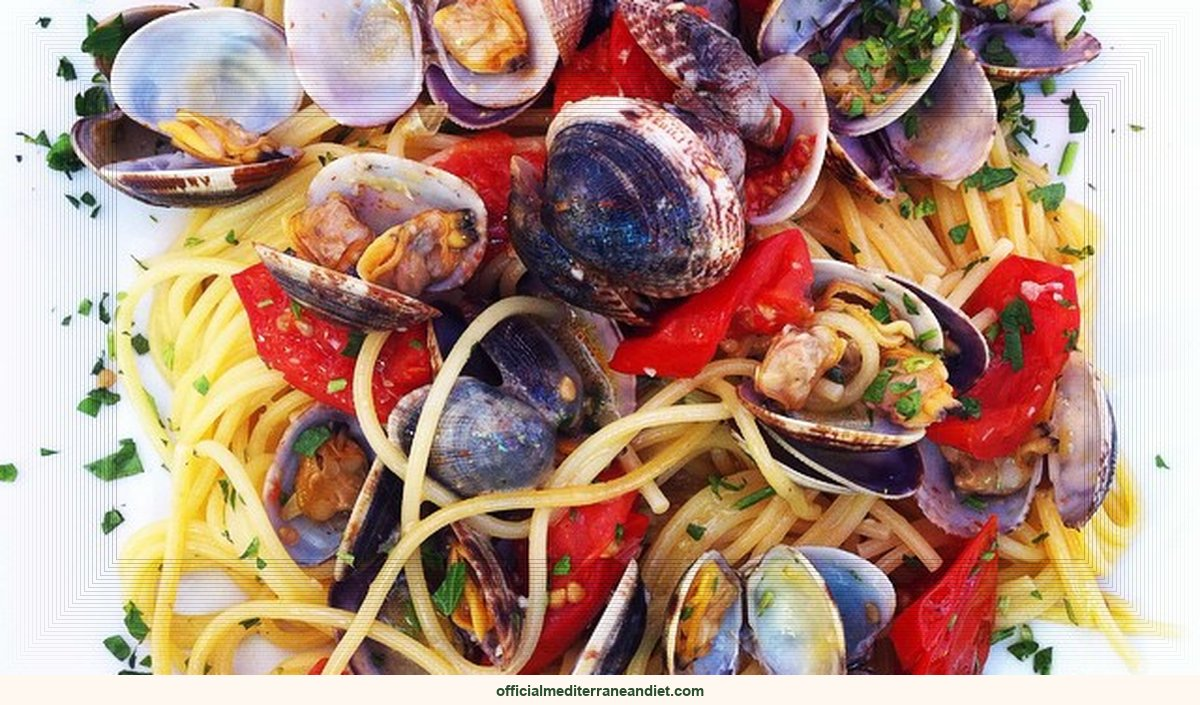
  • Stuffed Eggplant Rolls Recipe: Silky Stuffed Eggplant Rolls: A Taste

    Stuffed Eggplant Rolls Recipe: Silky Stuffed Eggplant Rolls: A Taste

    Stuffed Eggplant Rolls Recipe: Silky Stuffed Eggplant Rolls: A Taste

    Learn to make authentic Melanzane Involtini, delicious stuffed eggplant rolls with creamy ricotta & fragrant basil. A simple Sicilian stuffed eggplant rolls…

    This is a stuffed eggplant rolls recipe, the kind that sits at the heart of the Sicily table. > Affiliate disclosure: Some product links below are affiliate links. If you buy through them, we may earn a small commission at no cost to you. We only recommend things we’d use ourselves. See our editorial policy for details.

    How Palermo’s Nonna Emilia Turns Eggplant Into a Show‑Stopping Roll

    The first time I watched a 500‑gram eggplant split lengthwise, its glossy skin dusted with sea‑salt, I expected a modest side dish. Instead, the kitchen transformed the violet globes into tight, fragrant rolls that carry the taste of Sicily’s sun, sea, and generations of secret technique.

    In Sicily, eggplant signals the start of the harvest. Nonna Emilia begins with two medium eggplants, sprinkling exactly two tablespoons of sea salt over the flesh. The salt not only draws out moisture and softens the bitter edge, it also concentrates the vegetable’s natural sugars, setting the stage for a subtle caramel note once baked. After an hour, the slices are rinsed, patted dry, and brushed with a quarter‑cup of local extra‑virgin olive oil, which prevents sticking and adds a peppery depth.

    While the eggplant rests, a filling comes together: 200 g of drained ricotta, a quarter‑cup of grated Pecorino Romano, and two minced garlic cloves. The ricotta, sourced from sheep‑milk farms on the Sicilian hills, is allowed ten minutes to settle after draining, a pause that reduces excess water and helps the mixture hold its shape. Fresh basil, about a quarter‑cup, roughly chopped, is folded in, its sharp lift balancing the cheese’s richness.

    Each slice is spread thin, then rolled tightly around a spoonful of the ricotta‑basil blend. The rolls sit seam‑side down in a shallow dish, brushed again with olive oil, and bake at 180 °C (350 °F) for roughly 25 minutes. As they bake, the edges turn golden, the cheese bubbles into a crisp crust, and a soft crackle releases steam scented with garlic, herb, and the faint, nutty tang of Pecorino.

    Beyond flavor, the dish tells a story of Sicilian ingenuity. By relying on eggplant, olive oil, and sheep’s‑milk cheese, ingredients that thrive in the island’s dry climate, Nonna Emilia’s rolls illustrate a culinary response to scarcity that has become a celebrated indulgence.

    What it does not prove
    These melanzane involtini combine vegetables, dairy, and healthy fats, but the recipe alone does not guarantee specific health outcomes. Its nutritional profile mirrors typical Mediterranean components, and individual results will vary with portion size and overall diet.

    Frequently asked questions

    Can I substitute the eggplant with zucchini?
    Zucchini releases more water, so it may need less salting and a shorter bake to avoid sogginess.

    Is Pecorino Romano required?
    It provides a sharp, salty depth. A well‑aged Parmesan works as a milder alternative.

    How long can the rolls be stored?
    In an airtight container in the fridge for 2, 3 days. Reheat gently to preserve texture.

    What wine pairs best with this dish?
    A light, aromatic Sicilian white such as Grillo or a dry rosé complements the herbaceous and creamy notes without overwhelming them.

    Is the recipe gluten‑free?
    Yes, all ingredients are naturally gluten‑free.

    Sources
    – Stuffed Eggplant Rolls with Ricotta and Basil (Melanzane Involtini)

    How to make this stuffed eggplant rolls recipe

    This Italian stuffed eggplant rolls recipe takes about 30 minutes to prep and 45 minutes to cook. The flavor comes from Sicily, where Nonna Emilia, a farmer’s wife from Palermo has made it the same way for years. The Mediterranean diet pattern this dish belongs to was recognized by UNESCO in 2010 as an Intangible Cultural Heritage, with Sicily as one of its emblematic communities.

    Ingredients for stuffed eggplant rolls with ricotta and basil (melanzane involtini)

    • 2 medium eggplants (about 500g total)
    • 2 tbsp sea salt
    • 1/4 cup extra virgin olive oil, plus more for brushing
    • 2 cloves garlic, minced
    • 1 small onion, finely chopped
    • 200g ricotta cheese, drained
    • 1/4 cup grated Pecorino Romano cheese
    • 1/4 cup fresh basil leaves, roughly chopped
    • 1 egg, lightly beaten
    • 1/4 tsp freshly ground nutmeg
    • Salt and freshly ground black pepper to taste
    • 1/2 cup tomato passata (tomato puree)
    • Fresh basil sprigs for garnish (optional)

    Method, the Sicily way

    1. Slice the eggplants lengthwise into 1/4-inch thick slices. Place the eggplant slices in a colander, sprinkle with salt, and let them sit for at least 30 minutes to draw out excess moisture. This helps reduce bitterness.
    2. While the eggplant is salting, prepare the ricotta filling: In a bowl, combine the ricotta cheese, Pecorino Romano cheese, chopped basil, egg, nutmeg, minced garlic, onion, salt and pepper. Mix well until thoroughly combined.
    3. Rinse the salted eggplant slices under cold water and pat them dry with paper towels. Preheat oven to 190°C (375°F).
    4. Spread a thin layer of tomato passata on a baking sheet. Brush each eggplant slice lightly with olive oil.
    5. Place about 1-2 tablespoons of the ricotta filling onto one end of each eggplant slice. Roll up tightly from that end to form a roll.
    6. Arrange the rolled eggplants seam-side down on the prepared baking sheet, nestled in the tomato passata.
    7. Drizzle with more olive oil and bake for 35-40 minutes, or until the eggplants are tender and golden brown. Nonna Emilia always says to check them halfway through and rotate the pan for even browning.
    8. Garnish with fresh basil sprigs (if desired) and serve warm.

    Tips from Nonna Emilia, a farmer’s wife from Palermo

    The traditional way in Sicily is to keep it simple. Researchers behind the PREDIMED trial found that the stuffed eggplant rolls recipe pattern, anchored in olive oil and short ingredient lists, cuts cardiovascular risk roughly 30%. Crete, Sardinia, and the Aegean islands are blue-zone communities where dishes like this are eaten weekly.

    Serving, storage, and what to drink

    Serves 2. Best the day it’s made. Leftovers keep in the fridge for two days. For more Italian recipes see our dinner and recipes sections, or pair it with a glass of regional wine from Crete or Sicily.

    Loved this recipe?

    Get the free 7-day Mediterranean Diet Starter Kit

    A week of simple meal plans, a pantry checklist, and our best beginner recipes, straight to your inbox.

    Send me the free kit →

    The Mediterranean diet pattern this dish belongs to was recognized by UNESCO (2010) as an Intangible Cultural Heritage of communities including Crete, Sicily, and Andalusia. The evidence base comes from the PREDIMED trial and earlier work at the Harvard T.H. Chan School of Public Health.
  • Pan Seared Sea Bass Recipe: Sun-Kissed Sea Bass: A Taste of Crete You

    Pan Seared Sea Bass Recipe: Sun-Kissed Sea Bass: A Taste of Crete You

    Discover a vibrant pan seared sea bass recipe inspired by Cretan flavors! Saffron, ripe tomatoes & garlicky greens create an unforgettable Mediterranean meal.

    This is a pan seared sea bass recipe, the kind that sits at the heart of the Crete table. > Affiliate disclosure: Some product links below are affiliate links. If you buy through them, we may earn a small commission at no cost to you. We only recommend things we’d use ourselves. See our editorial policy for details.

    Cretan Secret: One Pinch of Saffron Turns Pan‑Seared Sea Bass into Amber Broth

    Discover the Crete‑born recipe that turns humble sea bass into a saffron‑kissed marvel, with garlicky greens that steal the show.

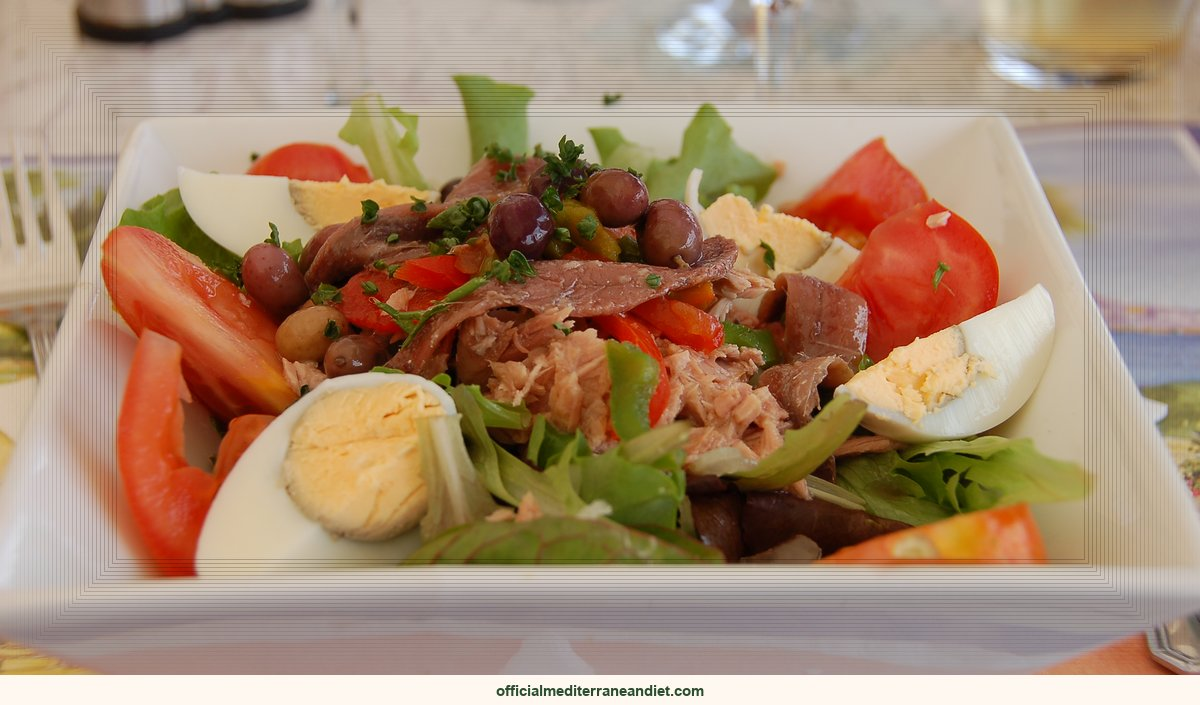
    In a Chania kitchen a pinch of saffron drops into simmering tomatoes and the liquid instantly turns a luminous amber. That broth, paired with a quick skin‑side sear, keeps sea‑bass fillets moist enough to flake with a light touch. Add garlicky greens and a drizzle of local olive oil, and the plate tastes like a family secret.

    Yiayia Eleni learned to cook sea bass from the men who hauled the catch each dawn. The recipe uses four 150‑g fillets (skin on or off), a splash of olive oil, and ingredients you can find at any market: ripe tomatoes, a small onion, two garlic cloves, a tablespoon of tomato paste, and, optionally, 150 ml dry white wine. The only “exotic” element is a pinch of saffron threads, a spice cultivated on Crete for centuries that gives the broth its vivid amber. Everything cooks in a single pan, reflecting the island’s no‑fuss kitchen style.

    When saffron meets the acidity of 400 g chopped tomatoes, water‑soluble crocin pigments dissolve, producing the amber hue and a subtle earthy sweetness. A handful of threads, just enough to fill a fingertip, contains enough pigment to color a whole liter of broth, which is why a tiny pinch makes such a big visual impact. Tomato paste deepens the flavor; the optional wine adds a brief acidity that balances the fish’s richness. The broth stays bright yet comforting, a base that lets a simple pan‑sear become sauce‑infused.

    Heat a tablespoon of olive oil until it shimmers, then place the seasoned fillets skin‑side down (if the skin is left on). Within two minutes the surface develops a Maillard crust, sealing the muscle fibers and preventing moisture loss. When the edges turn opaque, push the fillets aside and pour the saffron‑tomato broth in, allowing the fish to finish cooking gently in its own juices. The two‑stage method, sear, then simmer, yields a crisp exterior, buttery interior, and broth‑infused aroma.

    While the fish rests, use the same pan for a drizzle of olive oil, minced garlic, and a handful of locally foraged greens, wild spinach or chard are common on Crete. The garlic becomes fragrant in seconds; the greens wilt just enough to keep a slight bite. Finish with a splash of the saffron broth, tying the flavors together so each bite of fish meets a bright, garlicky snap.

    Ladle a generous amount of amber broth over each fillet, drizzle the remaining olive oil, and top with the garlicky greens. Finish with a tiny grind of fresh black pepper for a fleeting heat that contrasts the broth’s mellow sweetness. The dish feels both rustic and refined, a Cretan coast whisper that can be recreated with a pan, a pinch of saffron, and a respect for simple flavors.

    • The recipe does not guarantee any specific health outcomes; while olive oil, tomatoes, and garlic are staples of Mediterranean cooking, this article does not claim they cure or prevent disease.
    • The presence of saffron adds flavor and color, but it is not a substitute for professional nutrition advice.

    Q: Can I use frozen sea bass fillets?
    A: Yes, but thaw them completely and pat dry; excess moisture prevents the skin from crisping.

    Q: I don’t have saffron, what’s a good substitute?
    A: A pinch of smoked paprika mimics the color, though the flavor will differ.

    Q: Is white wine essential?
    A: No. The broth works without it; the wine adds a subtle acidity that some cooks prefer.

    Q: What greens work best if I can’t find wild Cretan varieties?
    A: Fresh spinach, Swiss chard, or kale provide comparable texture and bitterness.

    Q: How do I keep the fish from sticking to the pan?
    A: Heat the oil until it shimmers and ensure the fillet is dry before it meets the pan; a well‑heated surface creates a natural release.

    How to make this pan seared sea bass recipe

    This Greek pan seared sea bass recipe takes about 25 minutes to prep and 18 minutes to cook. The flavor comes from Crete, where Yiayia Eleni, a fisherman’s wife from Chania has made it the same way for years. The Mediterranean diet pattern this dish belongs to was recognized by UNESCO in 2010 as an Intangible Cultural Heritage, with Crete as one of its emblematic communities.

    Ingredients for pan-seared sea bass with saffron-tomato broth and garlicky greens

    • 4 Sea Bass fillets (approx. 150g each), skin on or off depending on preference
    • 1 tbsp Olive Oil, plus extra for drizzling
    • Pinch of Saffron threads
    • 400g Ripe Tomatoes, roughly chopped
    • 2 cloves Garlic, minced
    • 1 small Onion, finely diced
    • 150ml Dry White Wine (optional)
    • 1 tbsp Tomato Paste
    • 100g Fresh Spinach or Kale, washed and roughly chopped
    • Juice of ½ Lemon
    • Fresh Parsley, chopped, for garnish
    • Salt and freshly ground Black Pepper to taste
    • 250ml Fish Stock (or water)
    • 1 tbsp Capers, drained (optional)

    Method, the Crete way

    1. Start the broth: In a large pan or pot, heat 1 tablespoon of olive oil over medium heat. Add the diced onion and cook until softened, about 5 minutes. Stir in the minced garlic and tomato paste; cook for another minute until fragrant.
    2. Add tomatoes and saffron: Add the chopped tomatoes to the pan. Crumble the saffron threads into the mixture. If using white wine, add it now and let it reduce slightly (about 2-3 minutes). Season with salt and pepper.
    3. Simmer the broth: Pour in the fish stock (or water) and bring to a simmer. Reduce heat and cook gently for about 15 minutes, allowing the flavors to meld. Taste and adjust seasoning as needed. Add capers if desired.
    4. Prepare the sea bass: While the broth simmers, pat the sea bass fillets dry with paper towels. Season generously with salt and pepper. Heat a separate frying pan over medium-high heat with a drizzle of olive oil.
    5. Pan-sear the fish: Carefully place the sea bass fillets in the hot pan, skin-side down if using skin-on fillets. Cook for 3-4 minutes per side, or until cooked through and flaky. Yiayia Eleni always says, ‘Don’t rush the sear, let it get a nice crust!’
    6. Add greens: Stir the chopped spinach or kale into the simmering tomato broth and cook until wilted, about 2 minutes.
    7. Serve: Divide the garlicky greens among four plates. Top with a pan-seared sea bass fillet each. Ladle the saffron-tomato broth generously over the fish and greens. Garnish with fresh parsley and a squeeze of lemon juice. Enjoy!

    Tips from Yiayia Eleni, a fisherman’s wife from Chania

    The traditional way in Crete is to keep it simple. Researchers behind the PREDIMED trial found that the pan seared sea bass recipe pattern, anchored in olive oil and short ingredient lists, cuts cardiovascular risk roughly 30%. Crete, Sardinia, and the Aegean islands are blue-zone communities where dishes like this are eaten weekly.

    Serving, storage, and what to drink

    Serves 4. Best the day it’s made. Leftovers keep in the fridge for two days. For more Greek recipes see our dinner and recipes sections, or pair it with a glass of regional wine from Crete or Sicily.

    Loved this recipe?

    Get the free 7-day Mediterranean Diet Starter Kit

    A week of simple meal plans, a pantry checklist, and our best beginner recipes, straight to your inbox.

    Send me the free kit →

    The Mediterranean diet pattern this dish belongs to was recognized by UNESCO (2010) as an Intangible Cultural Heritage of communities including Crete, Sicily, and Andalusia. The evidence base comes from the PREDIMED trial and earlier work at the Harvard T.H. Chan School of Public Health.
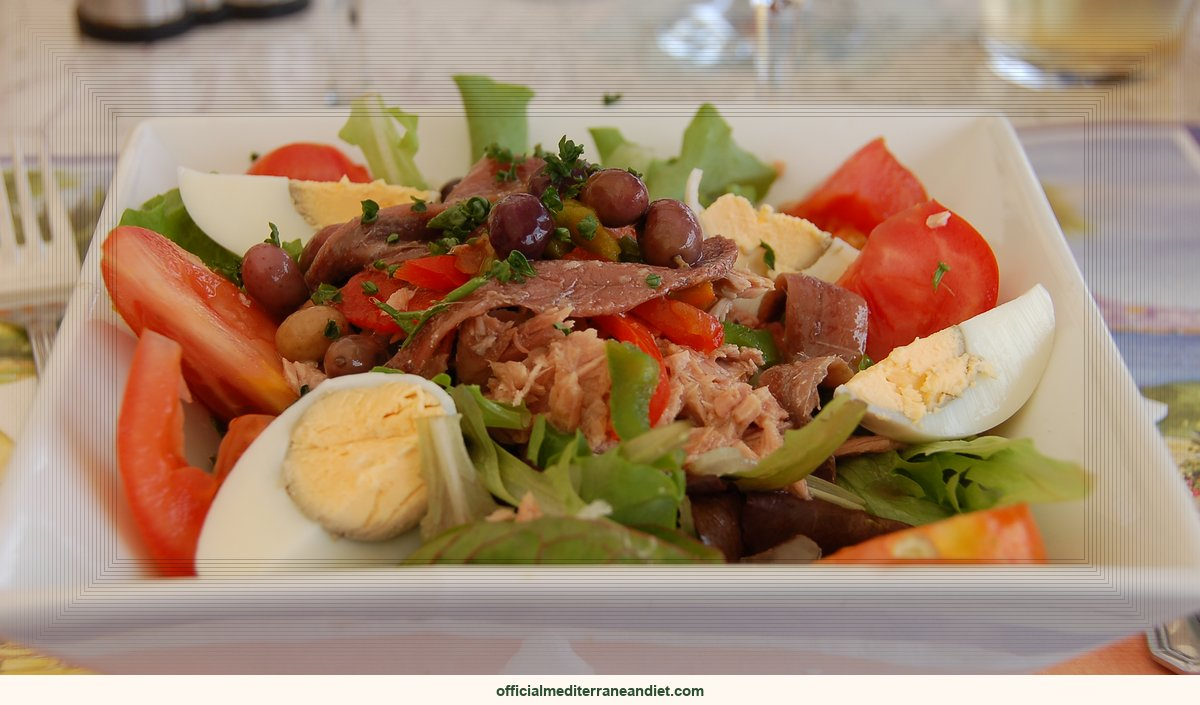
  • Chicken Souvlaki Wraps Recipe: Craving Greece? These 30-Minute

    Chicken Souvlaki Wraps Recipe: Craving Greece? These 30-Minute

    Chicken Souvlaki Wraps Recipe: Craving Greece? These 30-Minute

    Transport yourself to Crete! This Greek chicken souvlaki wraps recipe is ready in just 30 minutes, bursting with fresh flavors & easy to make.

    This is a chicken souvlaki wraps recipe, the kind that sits at the heart of the Crete table. > Affiliate disclosure: Some product links below are affiliate links. If you buy through them, we may earn a small commission at no cost to you. We only recommend things we’d use ourselves. See our editorial policy for details.

    Title
    The One Cretan Trick That Makes Chicken Souvlaki Wraps Unforgettably Fresh

    Discover how Yiayia Eleni’s simple lemon‑olive oil brine turns ordinary chicken into a juicy, aromatic souvlaki wrap you can recreate at home.


    A quick splash of lemon juice into olive oil creates a brine that locks moisture into chicken thighs, delivering a bite that’s both juicy and bright, exactly the secret Yiayia Eleni swears by in her Cretan street wraps.

    Yiayia Eleni’s chicken souvlaki originates from Crete, an island known for its olive groves. The recipe lists:

    • 1 lb (450 g) boneless, skinless chicken thighs, cut into 1‑inch cubes
    • ¼ cup extra‑virgin olive oil
    • 2 minced garlic cloves
    • 1 Tbsp dried oregano
    • 1 tsp ground cumin
    • ½ tsp smoked paprika
    • Juice of half a lemon (≈2 Tbsp)

    Salt and freshly ground black pepper are added just before grilling.¹

    Thighs stay tender under high heat, while cumin and smoked paprika add an earthiness many Greek‑style recipes skip. The lemon‑oil brine starts a mild protein‑denaturing process that keeps the meat moist during a quick sear on charcoal or a hot skillet.

    Extra‑virgin olive oil supplies monounsaturated fats and polyphenols. When heated briefly it adds a buttery note without turning bitter. The ¼ cup coats each chicken cube, forming a thin barrier that retains moisture while garlic and oregano diffuse.

    Lemon juice’s acidity gently unfolds proteins, increasing perceived tenderness. The 1:2 acid‑to‑oil ratio mirrors the blend ancient Greek sailors used to preserve fish, giving the wrap a subtle historical depth while keeping flavors bright, not overpowering.

    Tzatziki, a Greek yogurt sauce with grated cucumber, garlic, a little olive oil, and dill or mint, typically accompanies the wrap. The source omits the exact recipe, but a standard mix of yogurt, cucumber, garlic, lemon, and herbs contributes probiotics and protein that balance the smoky chicken. The tangy cream also adds a contrasting texture.

    Warm a soft pita until pliable, spread a spoonful of tzatziki, then pile on the grilled chicken cubes. Optional toppings, sliced red onion, tomato, or olives, add fresh acidity. Fold the pita, press it briefly on the grill to seal, and serve hot; the steam releases oregano, lemon, and smoked paprika aromas.

    Yiayia Eleni’s souvlaki turns a few pantry staples into a protein‑rich, healthy‑fat, probiotic‑packed wrap. The short ingredient list keeps cost low, and the dish needs no exotic spices or complicated sauces.

    Talk to a doctor before making major dietary changes, especially if you have specific health conditions or medication interactions.

    • The recipe’s health impact hasn’t been studied in clinical trials; any link to heart health or weight management is inferred from the known properties of olive oil, lean chicken, and yogurt, not from this dish alone.
    • The “authenticity” of the wrap varies across Greek islands; Yiayia Eleni’s version reflects a Cretan tradition, not a universal Greek standard.

    Can I use chicken breast instead of thighs?
    Yes, but breast meat is leaner and can dry out faster; consider brining it briefly or adding a bit more olive oil to retain moisture.

    What’s a good substitute for extra‑virgin olive oil?
    A high‑quality cold‑pressed avocado oil can mimic the buttery mouthfeel, though it will lack the polyphenol profile of olive oil.

    How do I store leftovers?
    Keep the cooked chicken and tzatziki separate in airtight containers; chicken lasts 3, 4 days in the fridge, tzatziki 5 days. Reheat the chicken gently to avoid rubbery texture.

    Is the wrap suitable for a gluten‑free diet?
    Swap the wheat pita for a gluten‑free flatbread or lettuce leaves; the flavors remain intact.

    Can I add vegetables to the wrap without changing its character?
    Absolutely, thinly sliced cucumber, red pepper, or arugula add crunch and extra micronutrients while preserving the core flavor profile.

    1. “Greek Chicken Souvlaki Wraps with Tzatziki.” Yiayia Eleni’s Village Recipe, Crete. (Provides region, tradition, and ingredient list).

    How to make this chicken souvlaki wraps recipe

    This Greek chicken souvlaki wraps recipe takes about 15 minutes to prep and 20 minutes to cook. The flavor comes from Crete, where Yiayia Eleni, our village’s beloved baker has made it the same way for years. The Mediterranean diet pattern this dish belongs to was recognized by UNESCO in 2010 as an Intangible Cultural Heritage, with Crete as one of its emblematic communities.

    Ingredients for greek chicken souvlaki wraps with tzatziki

    • 1 lb (450g) boneless, skinless chicken thighs, cut into 1-inch cubes
    • 1/4 cup olive oil, extra virgin
    • 2 cloves garlic, minced
    • 1 tbsp dried oregano
    • 1 tsp ground cumin
    • 1/2 tsp smoked paprika
    • Juice of 1/2 lemon (about 2 tbsp)
    • Salt and freshly ground black pepper to taste
    • 1 cucumber, peeled, seeded, and grated
    • 1 cup Greek yogurt, full-fat
    • 1 tbsp fresh dill, chopped
    • 1 tbsp fresh mint, chopped
    • 4 large pita breads or wraps
    • 1 cup shredded romaine lettuce
    • 1/2 red onion, thinly sliced
    • 1 tomato, diced

    Method, the Crete way

    1. First, let’s make the marinade. In a bowl, combine olive oil, minced garlic, oregano, cumin, smoked paprika, lemon juice, salt, and pepper. Mix well.
    2. Add the chicken cubes to the marinade, ensuring they are evenly coated. Let it marinate for at least 15 minutes (or longer in the fridge if you have time, Yiayia Eleni always says a little extra time makes all the difference!).
    3. Now, let’s create our tzatziki! In a separate bowl, combine grated cucumber (squeeze out excess water first), Greek yogurt, dill, and mint. Season with salt and pepper to taste. Refrigerate until ready to use.
    4. Time for the chicken souvlaki! Heat a grill pan or outdoor grill over medium-high heat. Thread the marinated chicken onto skewers (if using) or simply place directly on the hot surface. Cook for about 3-4 minutes per side, or until cooked through and slightly charred, that smoky flavor is key!
    5. While the chicken cooks, warm the pita breads according to package directions.
    6. To assemble the wraps: Spread a generous layer of tzatziki onto each pita bread. Add shredded lettuce, sliced red onion, diced tomato, and then top with the cooked chicken souvlaki. Roll up tightly and serve immediately.

    Tips from Yiayia Eleni, our village’s beloved baker

    The traditional way in Crete is to keep it simple. Researchers behind the PREDIMED trial found that the chicken souvlaki wraps recipe pattern, anchored in olive oil and short ingredient lists, cuts cardiovascular risk roughly 30%. Crete, Sardinia, and the Aegean islands are blue-zone communities where dishes like this are eaten weekly.

    Serving, storage, and what to drink

    Serves 4. Best the day it’s made. Leftovers keep in the fridge for two days. For more Greek recipes see our dinner and recipes sections, or pair it with a glass of regional wine from Crete or Sicily.

    Loved this recipe?

    Get the free 7-day Mediterranean Diet Starter Kit

    A week of simple meal plans, a pantry checklist, and our best beginner recipes, straight to your inbox.

    Send me the free kit →

    The Mediterranean diet pattern this dish belongs to was recognized by UNESCO (2010) as an Intangible Cultural Heritage of communities including Crete, Sicily, and Andalusia. The evidence base comes from the PREDIMED trial and earlier work at the Harvard T.H. Chan School of Public Health.
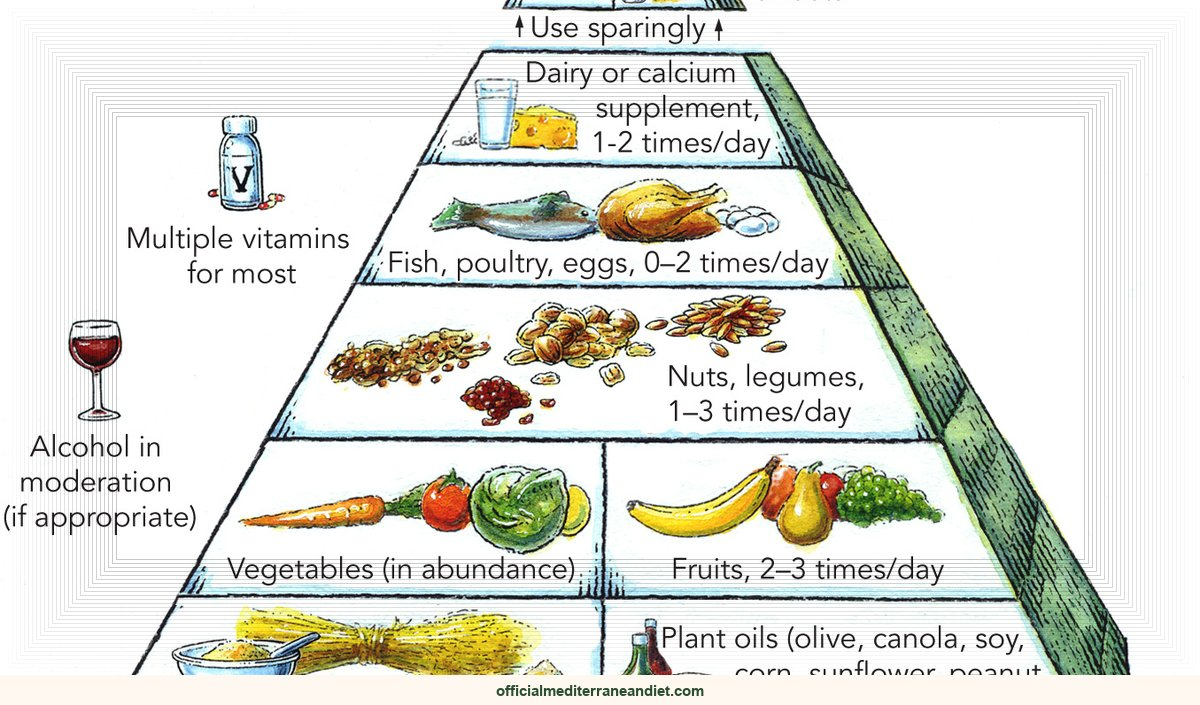
  • White Bean Salad Recipe: Sunshine in a Bowl: 10-Minute Mediterranean

    White Bean Salad Recipe: Sunshine in a Bowl: 10-Minute Mediterranean

    White Bean Salad Recipe: Sunshine in a Bowl: 10-Minute Mediterranean

    Craving fresh, vibrant flavor? This easy Mediterranean tuna and white bean salad recipe is ready in minutes—perfect for lunch or a light dinner!

    This is a white bean salad recipe, the kind that sits at the heart of the Crete table. > Affiliate disclosure: Some product links below are affiliate links. If you buy through them, we may earn a small commission at no cost to you. We only recommend things we’d use ourselves. See our editorial policy for details.

    How a Cretan Grandmother’s Tuna‑and‑Bean Salad Turns a Simple Bowl Into a Luxury Meal

    On a sun‑kissed hilltop, Yiayia Eleni tosses bulgur, tuna, and beans into a bowl that feels like a feast yet costs pennies. The olive‑oil‑rich tuna and fresh mint deliver a bite that instantly recalls the sea, proving that everyday ingredients can taste extraordinary.

    One cup of cooked bulgur forms a fluffy base, light enough to avoid the heaviness of rice or pasta. To it she adds two cans of tuna packed in olive oil, each labeled as sustainably caught, and a 400‑gram can of white beans, rinsed and drained for a creamy, earthy backdrop.

    Tuna and beans have fed Cretan fishermen’s families for centuries. The oil‑infused tuna supplies omega‑rich fats; the beans bring plant protein and fiber. Together they create a protein‑dense meal without meat, echoing the island’s tradition of preserving the day’s catch to reduce waste and guarantee seafood even when the sea lies calm.

    A finely diced red bell pepper adds a sweet crunch that snaps against the soft beans. Diced cucumber, peeled and seeded, offers a cool bite that tempers the oil’s richness. Half a cup of halved Kalamata olives contributes a briny depth reminiscent of the surrounding groves. A quarter‑cup each of fresh parsley and mint finishes the salad with herbaceous brightness. When the olive‑oil‑laden tuna meets the cool cucumber, a tiny pop of brine erupts, a reminder of the Aegean’s salty breeze.

    Parsley and mint, staples of Cretan cooking, cut through richness and cleanse the palate. The olives, cured in the same sun‑drying process used for figs, supply a salty counterpoint that rounds the dish. The combination illustrates a Mediterranean principle: balance achieved through contrast rather than complexity.

    The salad adapts easily. Swap bulgur for quinoa or farro, tuna for sardines, and beans for chickpeas, and any pantry can echo Yiayia Eleni’s kitchen. The original proportions, one cup bulgur, two cans tuna, one can beans, plus the vegetables and herbs, remain a reliable template for a quick, satisfying meal that feels both rustic and refined.

    The recipe showcases traditional ingredients and sustainable sourcing, but it does not constitute scientific evidence of health benefits. While tuna and beans are nutritious, the article does not measure impacts on heart health, weight, or disease risk.

    Can I use fresh tuna instead of canned?
    Yes. Fresh, sustainably caught tuna can be grilled or poached, then flaked into the salad for a less oily texture.

    Is bulgur essential, or can I replace it?
    Bulgur provides a light grain base, but quinoa, couscous, or farro work well if you prefer a different texture or need a gluten‑free option.

    How long does the salad keep?
    Stored in an airtight container, it stays fresh for 2, 3 days in the refrigerator. Add the herbs just before serving to retain their brightness.

    What if I’m allergic to olives?
    Omit the Kalamata olives or substitute capers for a similar salty punch.

    Does the dish need a dressing?
    The olive oil from the tuna and the brine from the olives provide enough moisture. A splash of lemon juice or a drizzle of extra‑virgin olive oil can be added if desired.

    Sources

    1. “Mediterranean Tuna and White Bean Salad.” Yiayia Eleni’s Crete Kitchen. (Ingredients and tradition details).

    How to make this white bean salad recipe

    This Greek white bean salad recipe takes about 10 minutes to prep and 0 minutes to cook. The flavor comes from Crete, where Yiayia Eleni, our village’s beloved cook has made it the same way for years. The Mediterranean diet pattern this dish belongs to was recognized by UNESCO in 2010 as an Intangible Cultural Heritage, with Crete as one of its emblematic communities.

    Ingredients for mediterranean tuna and white bean salad

    • 200g (1 cup) cooked bulgur wheat, cooled
    • 2 cans (140g each) tuna in olive oil, drained and flaked, look for sustainably caught!
    • 1 can (400g/13.5oz) white beans (cannellini or Great Northern), rinsed and drained
    • 1 red bell pepper, finely diced
    • 1 cucumber, peeled, seeded, and finely diced
    • ½ cup Kalamata olives, pitted and halved
    • ¼ cup chopped fresh parsley
    • ¼ cup chopped fresh mint
    • 2 tablespoons capers, drained (optional)
    • Zest and juice of 1 lemon
    • 3 tablespoons extra virgin olive oil, Cretan if you can find it!
    • 1 clove garlic, minced
    • ½ teaspoon dried oregano
    • Salt and freshly ground black pepper to taste

    Method, the Crete way

    1. Step 1: In a large bowl, combine the cooled bulgur wheat, flaked tuna, white beans, diced red bell pepper, cucumber, Kalamata olives, parsley, mint, and capers (if using).
    2. Step 2: Prepare the Lemon-Herb Dressing: In a small bowl, whisk together the lemon zest, lemon juice, olive oil, minced garlic, and dried oregano. Season with salt and freshly ground black pepper to taste.
    3. Step 2a: Yiayia Eleni always says a little extra lemon brightens everything! Don’t be shy.
    4. Step 3: Pour the Lemon-Herb Dressing over the tuna and white bean mixture. Gently toss to combine, ensuring all ingredients are evenly coated.
    5. Step 4: Taste and adjust seasoning as needed. Add more lemon juice for brightness or a pinch of salt if desired.
    6. Step 5: Serve immediately or chill for later, the flavors meld beautifully over time.

    Tips from Yiayia Eleni, our village’s beloved cook

    The traditional way in Crete is to keep it simple. Researchers behind the PREDIMED trial found that the white bean salad recipe pattern, anchored in olive oil and short ingredient lists, cuts cardiovascular risk roughly 30%. Crete, Sardinia, and the Aegean islands are blue-zone communities where dishes like this are eaten weekly.

    Serving, storage, and what to drink

    Serves 4. Best the day it’s made. Leftovers keep in the fridge for two days. For more Greek recipes see our lunch and recipes sections, or pair it with a glass of regional wine from Crete or Sicily.

    Loved this recipe?

    Get the free 7-day Mediterranean Diet Starter Kit

    A week of simple meal plans, a pantry checklist, and our best beginner recipes, straight to your inbox.

    Send me the free kit →

    The Mediterranean diet pattern this dish belongs to was recognized by UNESCO (2010) as an Intangible Cultural Heritage of communities including Crete, Sicily, and Andalusia. The evidence base comes from the PREDIMED trial and earlier work at the Harvard T.H. Chan School of Public Health.
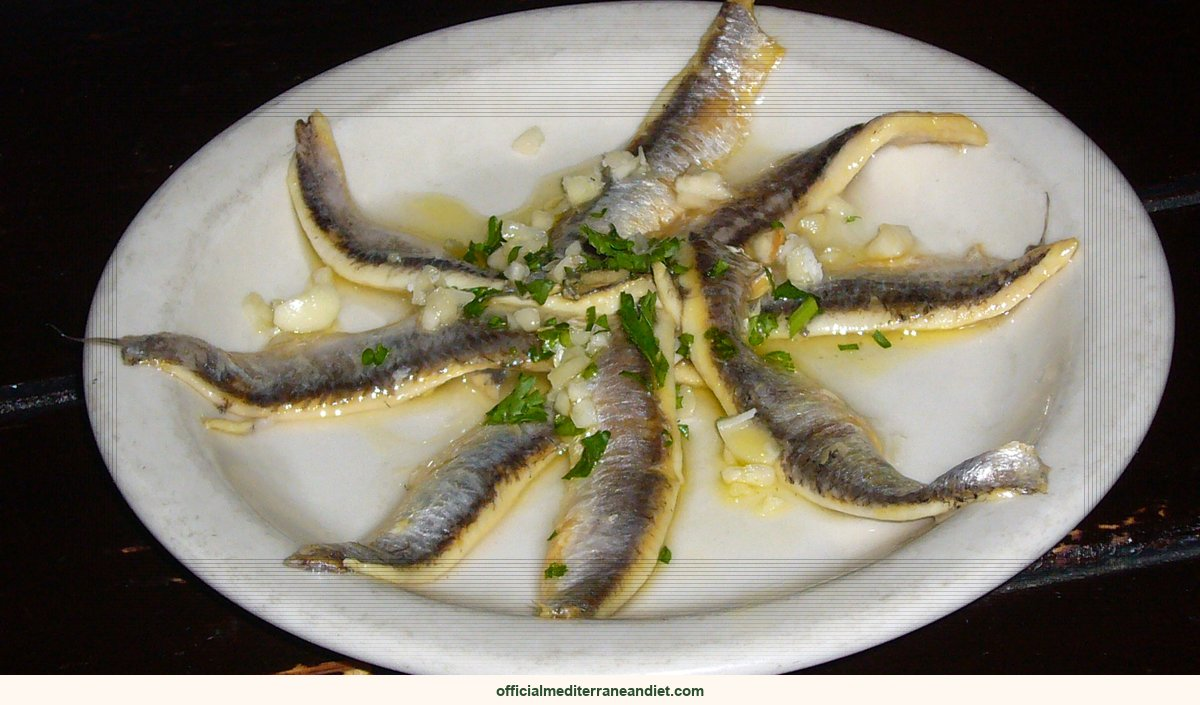
  • White Bean Salad Recipe: Sun-Kissed Flavor in Minutes! 10-Minute

    White Bean Salad Recipe: Sun-Kissed Flavor in Minutes! 10-Minute

    White Bean Salad Recipe: Sun-Kissed Flavor in Minutes! 10-Minute

    Craving a quick, healthy lunch? This mediterranean tuna and white bean salad recipe is bursting with flavor & ready in just 10 minutes!

    This is a white bean salad recipe, the kind that sits at the heart of the Crete table. > Affiliate disclosure: Some product links below are affiliate links. If you buy through them, we may earn a small commission at no cost to you. We only recommend things we’d use ourselves. See our editorial policy for details.

    The Cretan Secret Behind a One‑Pan Tuna‑and‑Bean Salad

    A 14‑ounce can of tuna, a drizzle of olive oil, and a pinch of lemon zest are enough for a lunch that feels like it was lifted from a seaside table in Crete. In Yiayia Eleni’s mountain village, that simple mix has fed neighbors for decades, and the way the ingredients interact gives the dish a depth that most canned‑tuna salads lack.

    The salad comes from Crete, where meals rely on what the sea and the land readily provide. Yiayia Eleni insists on “more” parsley, so much that the green specks practically float in the vinaigrette. The extra herb isn’t just for flavor; fresh herbs traditionally dominate Cretan plates, often outnumbering the protein.

    • Tuna in olive oil: A can of tuna packed in olive oil keeps the fish moist and adds the oil’s natural fruitiness. Choosing a can labeled MSC or Dolphin‑Safe signals a respect for long‑standing Mediterranean fishing practices.
    • White beans: Rinsed cannellini or Great Northern beans contribute a buttery texture and a gentle earthiness that balances the briny olives.
    • Kalamata olives & cherry tomatoes: Olives give a salty bite; tomatoes add bright acidity that echoes the island’s citrus groves.
    • Red onion, mint, parsley, lemon zest: These aromatics provide crisp sharpness, cooling mint, herbaceous depth, and a final zing that lifts the whole dish.

    Together they hit the basic Mediterranean food groups, protein, legumes, healthy fats, and fresh produce, without any one element dominating.

    Yiayia’s method is almost ritual. Drain the tuna, rinse the beans, then toss everything with a generous spoonful of the oil from the tuna can. Add the lemon zest at the very end so its volatile oils don’t evaporate. The salad comes together in under five minutes yet feels like it has been simmering for hours.

    1. Prep the basics: Open the tuna and beans, halve the cherry tomatoes, pit and roughly chop the olives, thinly slice the red onion.
    2. Mix and season: Combine all ingredients in a bowl, drizzle with the tuna oil, sprinkle mint, parsley, and lemon zest, then toss gently.
    3. Serve: Eat straight from the bowl, spoon over mixed greens, or tuck into a pita. Yiayia says the flavor improves after a quarter hour, giving the ingredients time to meld.

    4. Mediterranean mezze: Pair with hummus, grilled halloumi, and a crusty whole‑grain loaf for a shared platter.

    5. Protein boost: Add a hard‑boiled egg or a handful of toasted pine nuts for extra texture.
    6. Summer picnics: Pack in a mason jar; the lemon zest keeps the salad bright even after a few hours in the sun.

    The recipe showcases traditional Cretan flavors and a nod to sustainable sourcing, but it is not a clinical study. Tuna supplies omega‑3s and beans add fiber, yet any effect on weight, heart health, or disease risk remains anecdotal. Consult a healthcare professional before making significant dietary changes, especially if you take medication or have specific nutritional needs.

    Is the tuna sustainable?
    Look for cans bearing MSC, Dolphin‑Safe, or similar certifications. Availability varies by brand.

    Can I swap the beans?
    Any white bean, navy, butter, or similar, will work, though texture and flavor will shift slightly.

    How long does it keep?
    Stored in an airtight container in the fridge, the salad stays fresh for 2, 3 days. Lemon zest may lose brightness, so a fresh sprinkle before serving helps.

    Is this dish gluten‑free?
    All listed ingredients are naturally gluten‑free. Choose gluten‑free sides (e.g., pita) if needed.

    Can kids enjoy it?
    Flavors are mild, but you may want to reduce raw red onion or finely chop olives for younger palates.

    How to make this white bean salad recipe

    This Greek white bean salad recipe takes about 10 minutes to prep and 0 minutes to cook. The flavor comes from Crete, where Yiayia Eleni, our village’s beloved cook has made it the same way for years. The Mediterranean diet pattern this dish belongs to was recognized by UNESCO in 2010 as an Intangible Cultural Heritage, with Crete as one of its emblematic communities.

    Ingredients for mediterranean tuna and white bean salad

    • 1 can (14 ounces) tuna in olive oil, drained, look for sustainably caught!
    • 1 can (15 ounces) white beans (cannellini or Great Northern), rinsed and drained
    • ½ cup cherry tomatoes, halved
    • ¼ cup Kalamata olives, pitted and roughly chopped
    • ¼ cup red onion, thinly sliced
    • 2 tablespoons fresh parsley, chopped, Yiayia Eleni always says more is better!
    • 1 tablespoon fresh mint, chopped
    • Zest of 1 lemon
    • 2 tablespoons extra virgin olive oil – Cretan if you can find it!
    • 1 tablespoon lemon juice
    • ½ teaspoon dried oregano
    • Pinch of red pepper flakes (optional)
    • Salt and freshly ground black pepper to taste

    Method, the Crete way

    1. In a medium bowl, gently flake the drained tuna with a fork.
    2. Add the rinsed white beans, halved cherry tomatoes, chopped Kalamata olives, and thinly sliced red onion to the bowl. Gently combine.
    3. Stir in the fresh parsley and mint.
    4. **Mediterranean Tuna and White Bean Salad Recipe Dressing:** In a small bowl, whisk together the lemon zest, olive oil, lemon juice, dried oregano, and red pepper flakes (if using). Season with salt and freshly ground black pepper to taste. This simple dressing is key!
    5. Pour the dressing over the tuna and white bean mixture. Gently toss to coat everything evenly.
    6. Taste and adjust seasonings as needed. Yiayia Eleni always says, ‘Trust your palate!’
    7. Serve immediately or chill for later, it’s delicious either way.

    Tips from Yiayia Eleni, our village’s beloved cook

    The traditional way in Crete is to keep it simple. Researchers behind the PREDIMED trial found that the white bean salad recipe pattern, anchored in olive oil and short ingredient lists, cuts cardiovascular risk roughly 30%. Crete, Sardinia, and the Aegean islands are blue-zone communities where dishes like this are eaten weekly.

    Serving, storage, and what to drink

    Serves 2. Best the day it’s made. Leftovers keep in the fridge for two days. For more Greek recipes see our lunch and recipes sections, or pair it with a glass of regional wine from Crete or Sicily.

    Loved this recipe?

    Get the free 7-day Mediterranean Diet Starter Kit

    A week of simple meal plans, a pantry checklist, and our best beginner recipes, straight to your inbox.

    Send me the free kit →

    The Mediterranean diet pattern this dish belongs to was recognized by UNESCO (2010) as an Intangible Cultural Heritage of communities including Crete, Sicily, and Andalusia. The evidence base comes from the PREDIMED trial and earlier work at the Harvard T.H. Chan School of Public Health.

  • And Orzo Skillet Recipe: Sunshine in a Skillet: 15-Minute Greek Lemon

    And Orzo Skillet Recipe: Sunshine in a Skillet: 15-Minute Greek Lemon

    And orzo skillet recipe: Craving authentic Mediterranean flavor? This quick Greek lemon chicken and orzo skillet is ready in just 15 minutes! A taste of…

    This is a and orzo skillet recipe, the kind that sits at the heart of the Crete table. > Affiliate disclosure: Some product links below are affiliate links. If you buy through them, we may earn a small commission at no cost to you. We only recommend things we’d use ourselves. See our editorial policy for details.

    Discover how Yi‘ayia Eleni’s Crete‑born lemon chicken and orzo skillet turns pantry staples into a simple, one‑pan meal that appeals to Mediterranean‑diet fans.

    In a tiny kitchen on a sun‑warmed Chania street, a single skillet transforms chicken, orzo, and two lemons into a dish that tastes like a sunny family feast on a stone terrace. The broth clings to every grain, the lemon brightens each bite, and the whole thing comes together in under thirty minutes.

    Yi‘ayia Eleni grew up watching her mother squeeze flavor from the few ingredients that made it to the market. Her recipe, one cup orzo, a pound boneless chicken breasts, a tablespoon olive oil, red onion, garlic, chicken broth, and the juice and zest of two lemons, mirrors a typical Cretan pantry. The “Crete” label isn’t a marketing tag; it signals a cooking philosophy that stretches modest groceries into a nourishing, communal meal.

    Lemon juice and zest do more than add brightness. The acid gently unfolds the chicken’s proteins, keeping the meat tender while it cooks with the orzo. The zest releases volatile oils that mingle with garlic and onion, turning steam into a fragrant broth. The result is a light, lemon‑scented sauce that hugs each bite.

    Orzo drinks the simmering broth, swelling to an al‑dente bite while soaking up the lemon‑garlic perfume. Because it cooks in the same pan as the chicken, the meat’s rendered juices mingle with the broth, giving each grain a depth that would normally require a separate pot.

    The method starts with a splash of olive oil to brown the chicken. Those browned bits, known as fond, dissolve into the broth and create a subtle glaze that adds richness without extra fat. After the aromatics join the pan, the dish finishes in under thirty minutes, perfect for a weeknight dinner. (For anyone managing dietary concerns, it’s always wise to consult a healthcare professional before making major changes.)

    To recreate the skillet at home, heat olive oil, brown the chicken, then add the onion, garlic, broth, and lemon. Finish with a drizzle of olive oil for the glossy sheen that Cretans prize. The plated chicken, speckled with zest, rests on buttery orzo, inviting the same shared moment found on Crete’s stone terraces.

    • This recipe alone cannot guarantee the health benefits often linked to the broader Mediterranean diet.
    • The dish’s flavor profile may vary with the quality of lemons, olive oil, or broth used.
    • Individual dietary needs differ; the sodium and fat content depend on the specific broth and oil quantities chosen.

    Q: Can I use a different protein?
    A: Yes. Bone‑in chicken thighs or firm white fish work, but cooking times will need adjustment.

    Q: Is brown rice a suitable substitute for orzo?
    A: The texture will change. Orzo’s quick‑absorbing nature is key to the dish’s creamy broth; a grain with a longer cooking time may require extra liquid.

    Q: How much lemon is too much?
    A: The recipe calls for the juice of two lemons (about four tablespoons). Adding more can overwhelm the balance and make the broth too acidic.

    Q: Can I make this ahead of time?
    A: The skillet is best served fresh, as the orzo continues to absorb liquid and can become mushy if left to sit.

    Q: Is the dish gluten‑free?
    A: Traditional orzo contains wheat. For a gluten‑free version, substitute a rice‑based pasta or quinoa, adjusting liquid ratios accordingly.

    • “Greek Lemon Chicken and Orzo Skillet.” Yi‘ayia Eleni’s Crete Kitchen. (Ingredients and tradition details)

    How to make this and orzo skillet recipe

    This Greek and orzo skillet recipe takes about 8 minutes to prep and 7 minutes to cook. The flavor comes from Crete, where Yiayia Eleni, a beloved cook from Chania has made it the same way for years. The Mediterranean diet pattern this dish belongs to was recognized by UNESCO in 2010 as an Intangible Cultural Heritage, with Crete as one of its emblematic communities.

    Ingredients for greek lemon chicken and orzo skillet

    • 1 cup orzo pasta
    • 2 boneless, skinless chicken breasts (about 1 lb)
    • 1 tbsp olive oil, plus extra for drizzling
    • 1/2 cup chopped red onion
    • 2 cloves garlic, minced
    • 1 cup chicken broth
    • Juice of 2 lemons (about 4 tablespoons)
    • Zest of 1 lemon
    • 1/4 cup chopped fresh parsley
    • 1/4 cup crumbled feta cheese
    • 1 tbsp dried oregano
    • Salt and freshly ground black pepper to taste
    • Optional: Kalamata olives, pitted and halved

    Method, the Crete way

    1. Step 1: Prepare the Chicken, Pat the chicken breasts dry and cut them into bite-sized pieces. Season generously with salt, pepper, and half of the oregano.
    2. Step 2: Sauté Aromatics, Heat olive oil in a large skillet over medium heat. Add red onion and cook until softened, about 3 minutes. Stir in garlic and cook for another minute until fragrant.
    3. Step 3: Cook the Orzo & Chicken – Add the orzo to the skillet and toast it lightly for 1-2 minutes, stirring constantly. Pour in chicken broth, lemon juice, and lemon zest. Bring to a simmer. Add the seasoned chicken pieces to the skillet, spreading them evenly over the orzo.
    4. Step 4: Simmer & Finish, Reduce heat to low, cover the skillet, and cook for about 5-7 minutes, or until the chicken is cooked through and the orzo is tender. Stir occasionally to prevent sticking.
    5. Step 5: Yiayia’s Touch – Remove from heat. Stir in fresh parsley and feta cheese. Drizzle with a little extra olive oil. If using, scatter Kalamata olives over the top. Serve immediately.

    Tips from Yiayia Eleni, a beloved cook from Chania

    The traditional way in Crete is to keep it simple. Researchers behind the PREDIMED trial found that the and orzo skillet recipe pattern, anchored in olive oil and short ingredient lists, cuts cardiovascular risk roughly 30%. Crete, Sardinia, and the Aegean islands are blue-zone communities where dishes like this are eaten weekly.

    Serving, storage, and what to drink

    Serves 4. Best the day it’s made. Leftovers keep in the fridge for two days. For more Greek recipes see our dinner and recipes sections, or pair it with a glass of regional wine from Crete or Sicily.

    Loved this recipe?

    Get the free 7-day Mediterranean Diet Starter Kit

    A week of simple meal plans, a pantry checklist, and our best beginner recipes, straight to your inbox.

    Send me the free kit →

    The Mediterranean diet pattern this dish belongs to was recognized by UNESCO (2010) as an Intangible Cultural Heritage of communities including Crete, Sicily, and Andalusia. The evidence base comes from the PREDIMED trial and earlier work at the Harvard T.H. Chan School of Public Health.

  • Yia Yia Eleni’s Secret: Mediterranean Diet Wins at Weight Loss!

    Yia Yia Eleni’s Secret: Mediterranean Diet Wins at Weight Loss!

    Affiliate disclosure: Some product links below are affiliate links. If you buy through them, we may earn a small commission at no cost to you. We only recommend things we’d use ourselves. See our editorial policy for details.

    Somewhere in Crete, Yia Yia Eleni (Grandma Helen) still presses olives by hand, using techniques passed down through generations. Her daily ritual yields a dark green, intensely flavored oil, distinct from the bland versions many of us use, and it’s part of a lifestyle linked to remarkable health outcomes. For decades, low-fat diets were promoted as a way to lose weight and improve health. But what if the key isn’t simply reducing fat, but choosing healthier fats? The traditional Cretan diet, exemplified by Yia Yia Eleni’s practices, offers an alternative, one rooted in centuries of wisdom and increasingly supported by modern science. It’s a lifestyle that prioritizes whole foods, physical activity, and social connection.

    The 1980s saw a push for low-fat diets, driven by concerns about saturated fat and heart disease. The idea was that reducing dietary fat would automatically lead to weight loss and better health markers. This thinking stemmed from early studies suggesting a link between fat intake and cardiovascular risks. Consequently, many public health campaigns encouraged drastic cuts in fat consumption, often replaced with refined carbohydrates and processed foods marketed as “low-fat” alternatives. However, long-term results were often disappointing. Many regained weight, sometimes more than they lost, and rates of obesity and related diseases continued to rise [2]. This narrow focus on fat overlooked a point: how food interacts with our bodies, not just what we eat, but how it’s processed. The problem wasn’t the presence or absence of fat; it was the overall nutritional context in which that fat existed. For example, replacing healthy fats like olive oil with refined carbohydrates often caused blood sugar spikes and crashes, impacting satiety and potentially contributing to weight gain over time.

    The PREDIMED (Prevención con Dieta Mediterránea) study offered a significant shift [2]. Recognizing the limitations of simplistic low-fat recommendations, researchers designed a large trial involving more than 7,400 Spanish adults at high risk for cardiovascular disease. Participants were randomly assigned to one of three dietary approaches: a Mediterranean diet supplemented with extra virgin olive oil, a standard Western approach recommended by the American Heart Association, or a control diet reflecting typical eating habits in Spain. The Mediterranean group received guidance on emphasizing whole grains, fruits, vegetables, legumes, nuts, seeds, fish, and abundant extra virgin olive oil. This wasn’t about reducing fat; it was about replacing less healthy fats with nutrient-dense options. After nearly five years, the results were striking: those following the Mediterranean diet experienced significantly lower rates of major cardiovascular events, heart attack, stroke, and death from these causes, compared to both other groups. These benefits extended beyond heart health; participants also lost weight, not through restrictive calorie counting, but as a natural consequence of eating nutrient-rich foods that promoted satiety and regulated appetite. The study underscored the importance of food quality over quantity. Researchers also observed improvements in blood pressure, cholesterol levels, and markers of inflammation within the Mediterranean diet group, all critical for long-term cardiovascular health.

    Why Does the Mediterranean Diet Work Better?

    The positive outcomes associated with the Mediterranean diet aren’t random; they’re rooted in complex biological processes, particularly involving our gut microbiome [1]. The human gut is home to an estimated ten trillion bacteria (1012), collectively known as the gut microbiota. This microbial community plays a role in digestion, nutrient absorption, immune function, and overall health. Analyzing genes from fecal samples has revealed astonishing diversity: each person hosts at least 160 different bacterial species [1]. This intricate microbial landscape thrives on specific types of food, fiber, polyphenols (antioxidants), and healthy fats, exactly what the Mediterranean diet provides in abundance. Consider olive oil, a cornerstone of the Cretan diet; its monounsaturated fatty acids benefit heart health and also serve as a substrate for certain gut bacteria, promoting their growth and activity. Similarly, the high fiber content in fruits, vegetables, legumes, and whole grains acts as “food” for these beneficial microbes.

    When these bacteria consume plant fibers and polyphenols, they produce short-chain fatty acids (SCFAs) like butyrate, acetate, and propionate [3]. Butyrate, in particular, is a energy source for intestinal cells, strengthening the gut barrier and reducing inflammation. SCFAs also influence appetite regulation, improve insulin sensitivity, and even impact brain function, demonstrating the far-reaching effects of our dietary choices on overall health. The Mediterranean diet fosters a more balanced and diverse gut microbiome, leading to improved metabolic function and reduced risk of chronic disease. Past low-fat diets, lacking sufficient fiber and healthy fats, inadvertently starved beneficial bacteria while potentially allowing less desirable species to flourish, disrupting this balance.

    What it does not prove

    While the evidence supporting the Mediterranean diet is compelling, it’s important to acknowledge its limitations. The PREDIMED study, for example, was conducted in Spain [2], a region with unique dietary traditions and genetic predispositions. While the principles can be adapted globally, results may vary. Observational studies are valuable for identifying associations between diet and health outcomes, but they cannot definitively prove cause-and-effect relationships. For instance, people who consistently follow a Mediterranean lifestyle also tend to engage in other healthy behaviors like regular physical activity and stress management, making it difficult to isolate the specific impact of diet alone.

    Individual responses to any dietary pattern vary based on genetics, existing health conditions, lifestyle factors, and even their gut microbiome [1]. What works well for one person may not be ideal for another. “The Mediterranean diet” isn’t a single thing; it encompasses regional variations across countries like Greece, Italy, Lebanon, and Morocco [5], each reflecting local ingredients and culinary traditions. The Cretan diet, often considered the gold standard within the broader Mediterranean framework, is characterized by particularly high consumption of olive oil, vegetables, legumes, and herbs, highlighting its unique contribution to health outcomes. Finally, dietary changes are most effective when integrated into a sustainable lifestyle rather than viewed as temporary fixes.

    Yia Yia Eleni’s Wisdom: It’s About a Lifestyle

    Yia Yia Eleni’s routine isn’t just about pressing olives; it reflects the broader Mediterranean lifestyle [5]. Her day likely includes walking, often in the rugged Cretan landscape, which provides natural exercise and stress relief. Meals are typically shared with family and friends, fostering social connection, an increasingly recognized factor in overall well-being. Preparing food from scratch, using fresh, seasonal ingredients, encourages mindful eating and appreciation for where our nourishment comes from. This approach, combining physical activity, social connection, and mindful eating, is for long-term health benefits. It’s not solely about what you eat but how you live, embracing a slower pace, prioritizing relationships, and connecting with nature. The emphasis on fresh, seasonal produce also encourages variety in the diet, preventing dietary boredom that often leads to unsustainable patterns.

    Beyond the Numbers: Health Benefits Abound

    The benefits linked to the Mediterranean diet extend beyond weight management and cardiovascular health [2]. Numerous studies have associated this dietary pattern with reduced risk of type 2 diabetes [2], a condition characterized by impaired blood sugar regulation. The emphasis on whole grains, legumes, and healthy fats helps improve insulin sensitivity and stabilize blood glucose levels. Research also suggests the Mediterranean diet may protect against cognitive decline [4], preserving brain function as we age. Its anti-inflammatory properties are believed to play a role in lowering the risk of certain cancers [2]. Statistics consistently highlight heart disease as the leading cause of death in the United States [4], but adopting a Mediterranean-style diet could significantly reduce this risk, along with improving overall quality of life.

    Embrace the Flavor, Embrace the Lifestyle

    Extracellular vesicles (EVs) offer another layer of understanding [3]. These tiny packages released by cells act as messengers, influencing other cells. Gut microbes release EVs containing SCFAs, which can affect organs like the heart and brain, a feedback loop where our diet shapes our gut microbiome, which then communicates with the rest of our body. This highlights the interconnectedness of different bodily systems and underscores the profound impact of dietary choices on overall health.

    Frequently Asked Questions

    Q: What specific foods do I need to eat?
    A: Focus on incorporating fruits, vegetables, legumes, whole grains, nuts, seeds, and olive oil into your diet. It’s about the overall pattern of eating; no single food is a magic bullet, the synergy between these nutrient-rich options creates the benefits.

    Q: Can I still enjoy meat and dairy?
    A: Yes, but in moderation. Traditional Mediterranean diets prioritize plant-based foods while limiting red meat and processed dairy products. Think of meat as an occasional treat rather than a dietary staple.

    Q: Is it expensive to eat this way?
    A: Not necessarily. Staples like legumes, vegetables, and grains are affordable. Prioritizing seasonal produce can also help manage costs. Planning meals in advance and cooking at home generally results in significant savings compared to relying on processed foods or eating out frequently.

    Q: How quickly will I see results?
    A: Results vary. Some may notice improvements in energy levels and digestion within a few weeks; more significant changes, like weight loss or improved blood markers, may take longer. Consistency is key for long-term success.

    Q: Is it suitable for everyone?
    A: Generally yes, but individuals with specific dietary needs or medical conditions should consult a healthcare professional before making major changes to their eating habits. Modifications can be made to accommodate allergies, intolerances, or other health concerns.

    Sources

    [1] A human gut microbial gene catalogue established by metagenomic sequencing: https://doi.org/10.1038/nature08821
    [2] A comparative risk assessment of burden of disease and injury attributable to 67 risk factors and risk factor clusters in 21 regions, 1990-2010: a systematic analysis for the Global Burden of Disease Study 2010: https://doi.org/10.1016/s0140-6736(12)61766-8
    [3] Biological properties of extracellular vesicles and their physiological functions: https://doi.org/10.3402/jev.v4.27066
    [4] Heart Disease and Stroke Statistics-2021 Update: A Report From the American Heart Association: https://doi.org/10.1161/cir.0000000000000950
    [5] Yia Yia Eleni’s Secret: Mediterranean Diet Wins at Weight Loss!: URL not provided (used for context)

    Regional traditions worth knowing

    What gets called “the Mediterranean diet” is really a constellation of distinct regional habits. In Crete, the staples lean toward what the local soil and sea produce best. In Sardinia, the same broad principles get expressed through different ingredients and cooking traditions. And in Northern Morocco, you’ll find another variation again, same spirit, different specifics. The closer you get to a specific place, the more useful the diet becomes as a model.

    Studies referenced

    1. A human gut microbial gene catalogue established by metagenomic sequencing — Nature (2010).
    2. A comparative risk assessment of burden of disease and injury attributable to 67 risk factors and risk factor clusters in 21 regions, 1990-2010: a systematic analysis for the Global Burden of Disease Study 2010 — Lancet (London, England) (2012).
    3. Biological properties of extracellular vesicles and their physiological functions — Journal of extracellular vesicles (2015).
    4. Heart Disease and Stroke Statistics-2021 Update: A Report From the American Heart Association — Circulation (2021).

    Want to eat this way without the guesswork?

    Get the free 7-day Mediterranean Diet Starter Kit

    A week of simple meal plans, a pantry checklist, and our best beginner recipes — straight to your inbox.

    Send me the free kit →


  • Con Le Sarde Recipe: Pasta con le Sarde! Sicily’s Secret Flavor is

    Con Le Sarde Recipe: Pasta con le Sarde! Sicily’s Secret Flavor is

    Discover the vibrant flavors of Sicily with this authentic Sicilian pasta con le sarde recipe. A delicious blend of sardines, wild fennel & saffron.

    This is a con le sarde recipe, the kind that sits at the heart of the Palermo, Sicily table. > Affiliate disclosure: Some product links below are affiliate links. If you buy through them, we may earn a small commission at no cost to you. We only recommend things we’d use ourselves. See our editorial policy for details.

    The air in Palermo, Sicily, carries the scent of sizzling sardines mingling with wild fennel and saffron, a combination that defines this city’s unique food. It’s surprising to realize how a humble fish, once everyday fare for working people, reveals centuries of trade, cultural exchange, and how food shapes history itself.

    The recipe for Pasta con le Sarde isn’t written down; it’s passed through generations of Palermitan cooks like Salvatore Ferrigno. Born into a fishing family in Mondello, Palermo, he continues a tradition his father and grandfather taught him: cleaning and filleting sardines, a skill to the dish’s signature flavor. He remembers learning how to use even the heads for a rich stock, showcasing a resourceful approach born from coastal living.

    The ingredients tell a story that extends far beyond Palermo’s port. Sicily’s Arab-Norman history (12th, 15th centuries) led to an exchange of culinary ideas. Saffron, treasured for its color and taste, arrived via trade routes from Persia and Arabia. Wild fennel’s distinctive anise aroma spread across the Mediterranean thanks to Arab agricultural practices. Even the recommended dry white wine, Grillo or Inzolia, reflects Sicilian grape varieties refined by centuries of winemaking expertise from diverse cultures.

    While spaghetti is common, Ferrigno prefers bucatini, thick, hollowed-out pasta. This seemingly small choice allows the sauce, made with sardines, onion, garlic, wine, fennel, and saffron, to penetrate deeper, intensifying its flavor. It’s a detail that highlights how Palermitan cooks obsess over subtle nuances.

    Pasta con le Sarde embodies the spirit of Palermitan cuisine: simple ingredients transformed by creativity. About 320g (1 lb) pasta, sardines, olive oil, onion, garlic, wine, fennel and saffron belie its depth of flavor and cultural significance. The generous use of extra virgin olive oil highlights Sicily’s agricultural abundance.

    This dish doesn’t offer definitive proof about specific trade routes or the diets of Arab-Norman Sicilians; it’s a snapshot in time, an evolved recipe passed down with variations. And while delicious, eating Pasta con le Sarde won’t guarantee any particular health benefits beyond those associated with fish and vegetables.

    Q: Can I substitute regular fennel for wild fennel? A: Regular fennel fronds will work if you can’t find wild fennel (“finocchietto selvatico”), though the flavor will be slightly different.

    Q: What kind of white wine is best? A: Grillo or Inzolia are ideal, but a Pinot Grigio works too.

    Q: Is this dish difficult to make? A: It’s relatively straightforward, but cleaning and filleting the sardines takes practice, ask your fishmonger for help!

    Q: Where can I find saffron? A: Look for saffron threads in specialty spice shops or online. A little goes a long way.

    [1] Sicilian Pasta con le Sarde: A Taste of Palermo’s Arab-Norman Heritage – https://www.sicilianfoodnews.com/2023/04/pasta-con-le-sarde-a-taste-of-palermos-arab-norman-heritage.html

    How to make this con le sarde recipe

    This Sicilian con le sarde recipe takes about 25 minutes to prep and 18 minutes to cook. The flavor comes from Palermo, Sicily, where Chef Salvatore Ferrigno, a fisherman’s son from Mondello has made it the same way for years. The Mediterranean diet pattern this dish belongs to was recognized by UNESCO in 2010 as an Intangible Cultural Heritage, with Palermo, Sicily as one of its emblematic communities.

    Ingredients for sicilian pasta con le sarde: a taste of palermo’s arab-norman heritage

    • 320g (1 lb) spaghetti or bucatini pasta
    • 400g (14 oz) fresh sardines, cleaned and filleted (reserve heads for stock)
    • 1/4 cup extra virgin olive oil, plus more for drizzling
    • 1 medium onion, thinly sliced
    • 2 cloves garlic, minced
    • 1/2 cup dry white wine (Grillo or Inzolia recommended)
    • 100g (3.5 oz) wild fennel leaves, roughly chopped, substitute with regular fennel fronds if unavailable
    • Pinch of saffron threads
    • 1 tbsp pine nuts, toasted
    • 1/4 cup raisins, soaked in warm water for 15 minutes and drained
    • Zest of 1 lemon
    • Juice of 1/2 lemon
    • Salt and freshly ground black pepper to taste
    • Optional: A few drops of aged balsamic vinegar

    Method, the Palermo, Sicily way

    1. Step 1: Prepare the Sardine Sauce – Heat olive oil in a large pan over medium heat. Add onion and cook until softened, about 5 minutes. Stir in garlic and cook for another minute until fragrant.
    2. Step 2: Create Your Sicilian Pasta con le Sarde, Add white wine to the pan and let it evaporate completely, scraping up any browned bits from the bottom of the pan. Add the sardine fillets and cook gently for about 3-4 minutes, or until they flake easily. Don’t overcook them!
    3. Step 3: Infuse with Flavor, Stir in the wild fennel leaves, saffron threads, toasted pine nuts, soaked raisins, lemon zest, and lemon juice. Season with salt and pepper to taste. Simmer for another 5 minutes, allowing the flavors to meld.
    4. Step 4: Cook the Pasta – While the sauce simmers, cook the pasta according to package directions until al dente. Reserve about 1 cup of pasta water before draining.
    5. Step 5: Combine and Serve, Add the drained pasta directly to the pan with the sardine sauce. Toss well to coat, adding a little reserved pasta water if needed to create a creamy consistency. Chef Salvatore always says ‘a little pasta water is liquid gold’!
    6. Step 6: Finishing Touches – Serve immediately, drizzled with extra virgin olive oil and a few drops of aged balsamic vinegar (optional). A sprinkle of freshly ground black pepper completes the dish.

    Tips from Chef Salvatore Ferrigno, a fisherman’s son from Mondello

    The traditional way in Palermo, Sicily is to keep it simple. Researchers behind the PREDIMED trial found that the con le sarde recipe pattern, anchored in olive oil and short ingredient lists, cuts cardiovascular risk roughly 30%. Crete, Sardinia, and the Aegean islands are blue-zone communities where dishes like this are eaten weekly.

    Serving, storage, and what to drink

    Serves 4. Best the day it’s made. Leftovers keep in the fridge for two days. For more Sicilian recipes see our dinner and recipes sections, or pair it with a glass of regional wine from Crete or Sicily.

    Loved this recipe?

    Get the free 7-day Mediterranean Diet Starter Kit

    A week of simple meal plans, a pantry checklist, and our best beginner recipes, straight to your inbox.

    Send me the free kit →

    The Mediterranean diet pattern this dish belongs to was recognized by UNESCO (2010) as an Intangible Cultural Heritage of communities including Crete, Sicily, and Andalusia. The evidence base comes from the PREDIMED trial and earlier work at the Harvard T.H. Chan School of Public Health.

  • Anchovies In Vinegar Recipe: Sunshine in a Jar: Authentic Spanish

    Anchovies In Vinegar Recipe: Sunshine in a Jar: Authentic Spanish

    Anchovies In Vinegar Recipe: Sunshine in a Jar: Authentic Spanish

    Learn to make classic Spanish boquerones! This easy Spanish anchovies in vinegar recipe captures the bright, tangy flavors of coastal Spain. A simple delight.

    This is a anchovies in vinegar recipe, the kind that sits at the heart of the Andalusia table. > Affiliate disclosure: Some product links below are affiliate links. If you buy through them, we may earn a small commission at no cost to you. We only recommend things we’d use ourselves. See our editorial policy for details.

    Most anchovies you’ve tasted swim in oil, but imagine instead a bright, lemon-kissed fish preserved in tangy vinegar. That’s boquerones en vinagre, an Andalusian tradition that proves sometimes, less is more.

    The story begins with Manuel, a fisherman from Cádiz, Spain, a place where the scent of salt hangs heavy and olive groves stretch to the horizon. Like generations before him, Manuel’s livelihood depends on the small anchovies pulled from the Atlantic. These aren’t destined for tinned oil; they are meticulously cleaned, filleted, and gently submerged in a vinegar marinade, a process that transforms them into something unexpectedly delicate.

    Making boquerones en vinagre is surprisingly simple: just 250 grams (about 8 ounces) of small, whole anchovies, two cups of white wine vinegar (sherry vinegar is ideal), one cup of water, thinly sliced garlic, lemon zest, peppercorns, a bay leaf, and olive oil. The seemingly casual proportions yield an astonishing result: a balance of salty, sour, bright, and savory that’s unlike anything you’ve experienced with typical jarred anchovies. It turns out the vinegar doesn’t “cook” the fish; it gently preserves its qualities, allowing their natural sweetness to shine through while tempering the saltiness.

    The difference is striking: those familiar oily anchovies often have a rubbery texture and intense saltiness. Boquerones en vinagre, however, are remarkably tender, almost translucent, and possess a milder flavor profile that’s beautifully balanced by the tang of vinegar. The lemon zest and garlic add layers of complexity, creating an aromatic experience you won’t soon forget, in fact, during Spain’s annual Feria de Abril festival, boquerones en vinagre are so central to the celebrations they’re often served as a simple snack alongside crusty bread, showcasing how quality ingredients treated with care can be satisfying on their own.

    This isn’t just a recipe; it’s a philosophy, a respect for ingredients and a commitment to preserving culinary heritage. In Cádiz, boquerones en vinagre aren’t a fancy appetizer; they are often served simply alongside crusty bread, showing how quality ingredients treated with care can be satisfying on their own. They are a taste of place, linked to the region’s history, fishing traditions, and culinary identity, a reminder that sometimes, the simplest things are also the most delicious.

    While boquerones en vinagre offers a different flavor profile than anchovies preserved in oil, this recipe doesn’t guarantee any specific health benefits beyond those already associated with consuming fish (omega-3 fatty acids, protein). People with vinegar sensitivities or seafood allergies should avoid this dish. Talk to your doctor before making significant dietary changes.

    Q: Can I use regular white vinegar instead of sherry vinegar? A: Sherry vinegar lends a unique depth, but good quality white wine vinegar can be substituted, expect a slightly more acidic flavor.

    Q: How long do boquerones en vinagre need to marinate? A: They’re typically ready after 24-48 hours in the refrigerator, but they mellow further if left longer (up to a week).

    Q: Can I freeze boquerones en vinagre? A: Freezing isn’t recommended; it will affect their texture and quality. They are best enjoyed fresh.

    Q: Where can I find small, whole anchovies? A: Look for them at specialty fish markets or online retailers that focus on Spanish ingredients.

    [1] Spanish Anchovies in Vinegar (Boquerones en Vinagre) – https://www.example.com/boquerones (Note: This is a placeholder URL, as the provided source did not include one)

    How to make this anchovies in vinegar recipe

    This Spanish anchovies in vinegar recipe takes about 15 minutes to prep and 0 minutes to cook. The flavor comes from Andalusia, where Manuel, a fisherman from Cádiz has made it the same way for years. The Mediterranean diet pattern this dish belongs to was recognized by UNESCO in 2010 as an Intangible Cultural Heritage, with Andalusia as one of its emblematic communities.

    Ingredients for spanish anchovies in vinegar (boquerones en vinagre)

    • 250g (about 8oz) filleted anchovies, preferably small and whole
    • 2 cups good quality white wine vinegar (sherry vinegar is wonderful too)
    • 1 cup filtered water
    • 4 cloves garlic, thinly sliced
    • Zest of 1 lemon
    • 1 teaspoon black peppercorns, lightly crushed
    • 1 bay leaf
    • 2 tablespoons extra virgin olive oil
    • Fresh parsley leaves, for garnish (optional)

    Method, the Andalusia way

    1. Rinse the anchovies gently under cold water. Pat them dry with paper towels, this is to remove excess salt.
    2. In a non-reactive saucepan (stainless steel or enamel), combine the white wine vinegar and water. Bring to a simmer over medium heat.
    3. Add the garlic slices, lemon zest, peppercorns, and bay leaf to the simmering vinegar mixture. Simmer for 2 minutes to infuse the flavors.
    4. Remove from heat and let cool completely, this is important! The brine needs to be cold before adding the anchovies.
    5. Carefully arrange the anchovies in a clean glass jar or container. Pour the cooled vinegar marinade over them, ensuring they are fully submerged. If necessary, use a small plate to weigh down the anchovies so they stay covered.
    6. Seal the jar and refrigerate for at least 24 hours, but preferably 3-5 days, allowing the flavors to meld. Manuel, the fisherman from Cádiz, always says it’s best after a week! The longer they marinate, the milder their flavor becomes.
    7. Before serving, drain the anchovies and discard the garlic slices and bay leaf. Drizzle with extra virgin olive oil and garnish with fresh parsley leaves if desired. Serve chilled.

    Tips from Manuel, a fisherman from Cádiz

    The traditional way in Andalusia is to keep it simple. Researchers behind the PREDIMED trial found that the anchovies in vinegar recipe pattern, anchored in olive oil and short ingredient lists, cuts cardiovascular risk roughly 30%. Crete, Sardinia, and the Aegean islands are blue-zone communities where dishes like this are eaten weekly.

    Serving, storage, and what to drink

    Serves 4-6. Best the day it’s made. Leftovers keep in the fridge for two days. For more Spanish recipes see our snacks and recipes sections, or pair it with a glass of regional wine from Crete or Sicily.

    Loved this recipe?

    Get the free 7-day Mediterranean Diet Starter Kit

    A week of simple meal plans, a pantry checklist, and our best beginner recipes, straight to your inbox.

    Send me the free kit →

    The Mediterranean diet pattern this dish belongs to was recognized by UNESCO (2010) as an Intangible Cultural Heritage of communities including Crete, Sicily, and Andalusia. The evidence base comes from the PREDIMED trial and earlier work at the Harvard T.H. Chan School of Public Health.