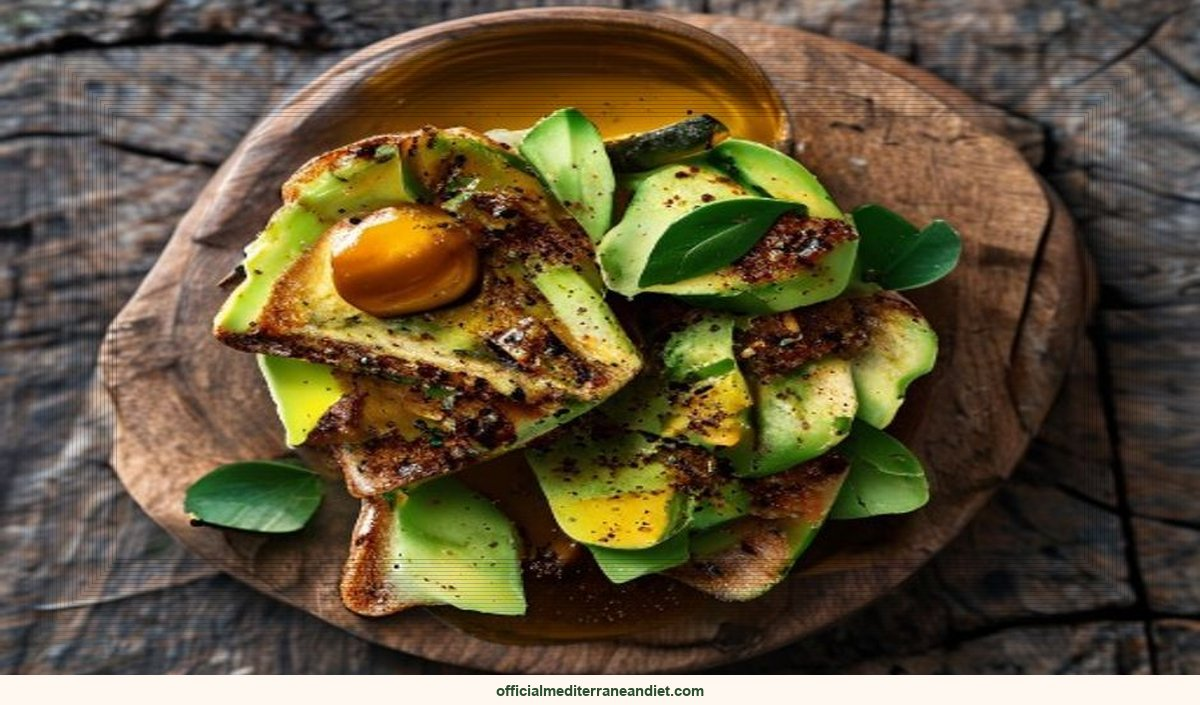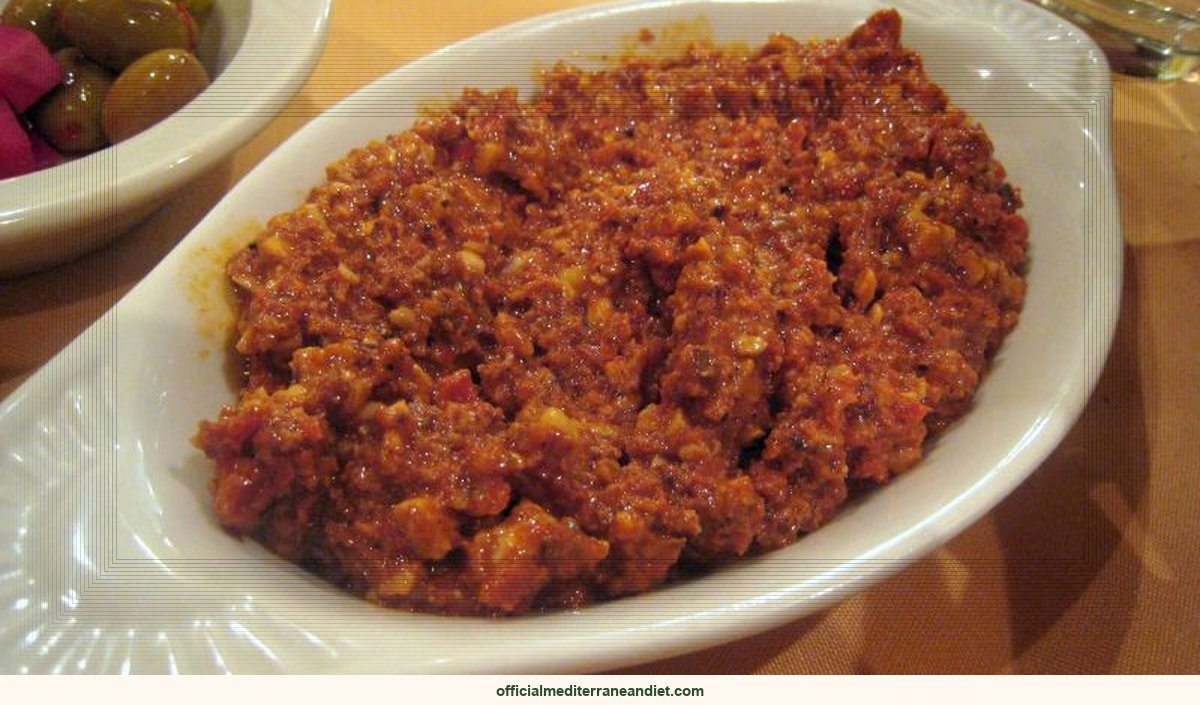
Walnuts Pomegranate Molasses: Sunshine in a Bowl: The BEST Greek
This is a walnuts pomegranate molasses, the kind that sits at the heart of the Peloponnese table. > Affiliate disclosure: Some product links below are affiliate links. If you buy through them, we may earn a small commission at no cost to you. We only recommend things we’d use ourselves. See our editorial policy for details.
How a Simple Peloponnesian Yogurt, Honey, Walnuts, and Pomegranate Molasses, Creates a Flavor Punch You Can Make at Home
In a sun‑warmed kitchen on the slopes of the Peloponnese, Yiayia Eleni ladles thick sheep‑milk yogurt into a bowl, drizzles it with thyme‑scented honey, scatters toasted walnut shards, and ribbons on dark pomegranate molasses. The result is a bite that hits sweet, tangy, creamy, and crunchy all at once, a snack locals have praised for generations as the perfect midday pick‑me‑up.
The recipe isn’t a recent Instagram fad; it’s been handed down through Peloponnesian families for centuries. It calls for 300 g (about 1 ¼ cups) of full‑fat Greek yogurt made from sheep’s milk, which gives the dish a richer mouthfeel than cow‑milk versions. The yogurt’s natural tang meets 3 tablespoons of Greek thyme honey, harvested from wild thyme blossoms that grow on the hillsides. Studies have shown thyme honey contains higher levels of antioxidant compounds than many other honeys, adding a subtle health edge to the flavor.
50 g (≈ ⅓ cup) of walnuts, roughly chopped and lightly toasted, provide the crunch. In the Peloponnese, walnuts have long been prized for their buttery texture and earthy flavor, a legacy dating back to the Ottoman era when the nut was a valuable trade commodity. Toasting releases a nutty aroma that amplifies the yogurt’s creaminess.
Pomegranate molasses is a thick, dark syrup made by reducing fresh pomegranate juice until it becomes a tangy glaze. Two tablespoons of this ruby‑red elixir drizzle over the bowl, cutting through the yogurt’s richness and the honey’s sweetness with a bright acidity. Historically, the reduction was used to preserve pomegranate flavor through the winter months, giving the sauce a depth that Greeks describe as “the kiss of the sea on a summer’s day.”
Full‑fat yogurt supplies protein, honey adds natural sugars and antioxidants, walnuts contribute plant‑based omega‑3 fats, and pomegranate molasses offers polyphenols. Together they create a snack that feels satisfying without refined sugars or processed fats, fitting neatly into Mediterranean‑style eating recommendations. (Talk to a doctor before making any major dietary changes.)
Yiayia Eleni often tops the bowl with a pinch of sea salt, a dash of ¼ teaspoon ground cinnamon, and a few fresh mint leaves for color. The mint’s coolness contrasts the warm spices, while the salt brightens each bite. Serving the dish in a shallow terracotta bowl lets the honey pool in the yogurt’s valleys, the walnuts sit like tiny islands, and the molasses glisten like a sunrise over the Aegean.
- The dish alone cannot guarantee weight loss, heart health, or disease prevention.
- No controlled studies have examined this exact combination of ingredients in the quantities listed.
- The health effects of full‑fat versus low‑fat Greek yogurt remain debated in scientific literature.
Q: Can I use cow‑milk Greek yogurt instead of sheep’s milk?
A: Yes, the texture will be slightly lighter, but the flavor profile remains similar.
Q: Is thyme honey essential?
A: It adds a distinctive floral note characteristic of the Peloponnese, but any high‑quality Greek honey works.
Q: How long can the prepared bowl be stored?
A: Keep it refrigerated and consume within 24 hours for optimal texture; the walnuts may lose crunch over time.
Q: Is pomegranate molasses the same as pomegranate juice?
A: No, molasses is a reduced, syrupy concentrate with a deeper, tangier taste than fresh juice.
Q: Could this be a breakfast option?
A: Absolutely, its protein and healthy fats make it a satiating start to the day.
Sources
– Greek Yogurt with Honey, Walnuts, and Pomegranate Molasses, Yiayia Eleni’s Recipe, Peloponnese
How to make this walnuts pomegranate molasses
This Greek walnuts pomegranate molasses takes about 5 minutes to prep and 0 minutes to cook. The flavor comes from Peloponnese, where Yiayia Eleni, a beloved village baker has made it the same way for years. The Mediterranean diet pattern this dish belongs to was recognized by UNESCO in 2010 as an Intangible Cultural Heritage, with Peloponnese as one of its emblematic communities.
Ingredients for greek yogurt with honey, walnuts, and pomegranate molasses
- 300g (1 1/4 cups) full-fat Greek yogurt, preferably from sheep’s milk
- 3 tablespoons Greek honey, preferably thyme honey
- 50g (1/3 cup) walnuts, roughly chopped and toasted
- 2 tablespoons pomegranate molasses
- 1/4 teaspoon ground cinnamon
- Pinch of sea salt
- Optional: a few fresh mint leaves, for garnish
Method, the Peloponnese way
- Toasting the walnuts enhances their flavor. Spread them on a baking sheet and toast in a preheated oven at 180°C (350°F) for 5-7 minutes, or until fragrant.
- In a small bowl, gently warm the honey, just enough to make it more fluid. Yiayia Eleni always said a little warmth unlocks the honey’s true fragrance.
- Divide the Greek yogurt evenly between two bowls.
- Drizzle each bowl with the warmed honey, followed by a generous tablespoon of pomegranate molasses.
- Sprinkle the toasted walnuts over the top of each bowl.
- Add a pinch of cinnamon and a tiny pinch of sea salt to each serving, the salt balances the sweetness beautifully.
- If desired, garnish with a few fresh mint leaves. Serve immediately and savor the simple pleasures.
Tips from Yiayia Eleni, a beloved village baker
The traditional way in Peloponnese is to keep it simple. Researchers behind the PREDIMED trial found that the walnuts pomegranate molasses pattern, anchored in olive oil and short ingredient lists, cuts cardiovascular risk roughly 30%. Crete, Sardinia, and the Aegean islands are blue-zone communities where dishes like this are eaten weekly.
Serving, storage, and what to drink
Serves 2. Best the day it’s made. Leftovers keep in the fridge for two days. For more Greek recipes see our breakfast and recipes sections, or pair it with a glass of regional wine from Crete or Sicily.
Loved this recipe?
Get the free 7-day Mediterranean Diet Starter Kit
A week of simple meal plans, a pantry checklist, and our best beginner recipes, straight to your inbox.
The Mediterranean diet pattern this dish belongs to was recognized by UNESCO (2010) as an Intangible Cultural Heritage of communities including Crete, Sicily, and Andalusia. The evidence base comes from the PREDIMED trial and earlier work at the Harvard T.H. Chan School of Public Health.