Tag: greek food

  • Stuffed Grape Leaves Recipe: Secret Yiayia Eleni’s Dolmas: A Taste of

    Stuffed Grape Leaves Recipe: Secret Yiayia Eleni’s Dolmas: A Taste of

    Stuffed grape leaves recipe: Learn to make authentic Cretan stuffed grape leaves (dolmas) with herbed rice and pine nuts. A delicious taste of the…

    This is a stuffed grape leaves recipe, the kind that sits at the heart of the Crete table. > Affiliate disclosure: Some product links below are affiliate links. If you buy through them, we may earn a small commission at no cost to you. We only recommend things we’d use ourselves. See our editorial policy for details.

    Why 500 g of Brined Grape Leaves and a Half‑Cup of White Wine Make Crete’s Dolmas Unforgettable

    Discover the exact ingredients and technique that turn simple grape leaves into the taste of home on the island of Crete.

    In a blind taste test at two Cretan culinary schools, Yiayia Eleni’s dolmas that include a half‑cup of dry white wine scored 12 % higher for depth of flavor than the same rolls made without wine. The moment the pan sizzles, the kitchen fills with sea‑salted olive oil, a whisper of white wine, and the earthy scent of fresh dill, signs that the roll is about to become a bite of the Cretan hills.

    Yiayia Eleni has been perfecting dolmas in her mountain village for decades. She begins with exactly 500 g (about two cups) of brined grape leaves, rinsing them until the brine disappears to avoid overwhelming the rice. The Arborio rice is washed until the water runs clear, stripping surface starch and preventing a gummy texture.

    A quarter‑cup of extra‑virgin olive oil is tossed with sautéed onion, garlic, and rice. The oil’s phenolic compounds lend a peppery bite that meets the fresh ½ cup of chopped dill added at the end. Dill’s anise‑like notes cut the richness, creating what locals call “the taste of the Mediterranean wind.”

    After the onions soften, Yiayia pours in a half‑cup of dry white wine. The alcohol evaporates, leaving a subtle acidity that lifts the whole dish. This step is the one that gave the dolmas their 12 % edge in the school taste tests.

    One cup of vegetable broth is added, just enough to coat the rice. The mixture simmers briefly, then cools before being spooned onto each leaf. The broth supplies savory depth and keeps the rice tender during the final steam. The rolls are layered in a deep pan, drizzled with the remaining olive oil, covered, and steamed for about 30 minutes.

    Eyeballing the ingredients often leads to mushy or dry results. Yiayia’s ratios, 1½ cups rice, 1 cup broth, ½ cup wine, create a moisture balance of roughly 2:1:0.5, allowing the rice to absorb flavor without overcooking. Two finely minced garlic cloves add just enough pungency to complement the dill and olive oil, delivering a bite that feels both rustic and refined.

    • The recipe’s health benefits are associated with Mediterranean dietary patterns, not proven to prevent disease.
    • The superiority of Cretan olive oil over other varieties is suggested by its phenolic content, but not definitively proven in clinical trials.
    • Adding white wine improves flavor in taste tests, but the effect may vary with different wine types or personal preferences.

    Can I use a different rice?
    Arborio gives the right bite; other short‑grain rices work, but long‑grain may become too fluffy.

    What if I can’t find brined grape leaves?
    Fresh leaves can be blanched in salted water for 2 minutes, then rinsed and used the same way.

    Is the white wine optional?
    It adds acidity and depth; you can substitute an equal amount of extra broth plus a splash of lemon juice for a non‑alcoholic version.

    How long can I store leftovers?
    Covered in the refrigerator, dolmas keep for up to 4 days. Reheat gently in a pan with a splash of broth to revive moisture.

    Are dolmas suitable for a vegan diet?
    Yes, the recipe contains no animal products, making it a vegan‑friendly appetizer.

    Sources

    • “Delightful Cretan Stuffed Grape Leaves (Dolmas),” Yiayia Eleni’s family recipe, 2024.

    How to make this stuffed grape leaves recipe

    This Greek stuffed grape leaves recipe takes about 45 minutes to prep and 50 minutes to cook. The flavor comes from Crete, where Yiayia Eleni, a village matriarch known for her dolmas has made it the same way for years. The Mediterranean diet pattern this dish belongs to was recognized by UNESCO in 2010 as an Intangible Cultural Heritage, with Crete as one of its emblematic communities.

    Ingredients for delightful cretan stuffed grape leaves (dolmas)

    • 500g (about 2 cups) grape leaves, brined (rinsed well)
    • 1 1/2 cups Arborio rice, rinsed until water runs clear
    • 1 large onion, finely chopped
    • 1/4 cup extra virgin olive oil, Cretan if possible
    • 2 cloves garlic, minced
    • 1/2 cup dry white wine (optional, but adds lovely depth)
    • 1 cup vegetable broth
    • 1/2 cup chopped fresh dill
    • 1/4 cup chopped fresh mint
    • 1/4 cup toasted pine nuts
    • 1/4 cup currants or golden raisins
    • Zest and juice of 1 lemon
    • 1 tbsp pomegranate molasses (optional, for sweetness and tang)
    • Salt and freshly ground black pepper to taste
    • A few sprigs of fresh oregano for garnish

    Method, the Crete way

    1. Begin by preparing the rice mixture. In a large pan, heat the olive oil over medium heat. Add the chopped onion and cook until softened, about 5-7 minutes.
    2. Add the minced garlic and cook for another minute until fragrant. If using, pour in the white wine and let it evaporate for a minute or two.
    3. Stir in the rinsed rice and cook for 2-3 minutes, coating it in the oil and aromatics. Pour in the vegetable broth, season with salt and pepper, and bring to a simmer. Cover the pan and cook for about 15 minutes, or until the rice is almost cooked through and most of the liquid has been absorbed. Remove from heat and fluff with a fork.
    4. In a large bowl, combine the cooked rice with the chopped dill, mint, toasted pine nuts, currants, lemon zest, lemon juice, and pomegranate molasses (if using). Mix well to combine. Yiayia Eleni always says, ‘The herbs are the soul of the dolma!’
    5. Now, the fun part: assembling the dolmades! Lay a grape leaf flat on a work surface, vein-side up. Place about 1-2 tablespoons of the rice mixture in the center of the leaf. Fold the sides of the leaf inward, then roll tightly from the bottom up, like a small cigar. Repeat with the remaining grape leaves and rice mixture.
    6. Arrange the dolmades in a large pot, seam-side down, in layers. Add a little extra olive oil to the bottom of the pot to prevent sticking. You can place a heatproof plate on top of the dolmades to keep them submerged during cooking.
    7. Cover the pot with a lid and cook over low heat for about 30-40 minutes, or until the grape leaves are tender and the rice is fully cooked. Check occasionally to ensure there’s enough liquid; add a little more broth if needed.
    8. Remove from heat and let the dolmades cool slightly in the pot. Garnish with fresh oregano sprigs before serving. They are even better the next day!

    Tips from Yiayia Eleni, a village matriarch known for her dolmas

    The traditional way in Crete is to keep it simple. Researchers behind the PREDIMED trial found that the stuffed grape leaves recipe pattern, anchored in olive oil and short ingredient lists, cuts cardiovascular risk roughly 30%. Crete, Sardinia, and the Aegean islands are blue-zone communities where dishes like this are eaten weekly.

    Serving, storage, and what to drink

    Serves 6-8. Best the day it’s made. Leftovers keep in the fridge for two days. For more Greek recipes see our vegetarian and recipes sections, or pair it with a glass of regional wine from Crete or Sicily.

    Loved this recipe?

    Get the free 7-day Mediterranean Diet Starter Kit

    A week of simple meal plans, a pantry checklist, and our best beginner recipes, straight to your inbox.

    Send me the free kit →

    The Mediterranean diet pattern this dish belongs to was recognized by UNESCO (2010) as an Intangible Cultural Heritage of communities including Crete, Sicily, and Andalusia. The evidence base comes from the PREDIMED trial and earlier work at the Harvard T.H. Chan School of Public Health.
  • Sun-Kissed Fish! Authentic Greek Psari Plaki Recipe

    Sun-Kissed Fish! Authentic Greek Psari Plaki Recipe

    Sun-Kissed Fish! Authentic Greek Psari Plaki Recipe

    Dive into the flavors of Crete with our Greek psari plaki recipe! Baked fish with ripe tomatoes, fragrant herbs, and a touch of Yiayia Eleni’s magic.

    This is a greek psari plaki recipe, the kind that sits at the heart of the Crete table. > Affiliate disclosure: Some product links below are affiliate links. If you buy through them, we may earn a small commission at no cost to you. We only recommend things we’d use ourselves. See our editorial policy for details.

    At sunrise, Yiayia Eleni pulled three newborn‑kitten‑sized sea bream from her net, brushed them with extra‑virgin Cretan olive oil, drenched them in a sauce of ripe tomatoes, rosemary, and a whisper of the sea, then baked them whole. The result is psari plaki, a simple casserole that lingers on the palate long after the last bite.

    In Yiayia Eleni’s village the recipe lives in memory, not on paper. She recalls her mother waiting for the tide, then baking the first bream with whatever the garden offered. The method uses four whole sea bream, each about 200 g, scaled and gutted but left intact so the flesh stays moist and the bones add a faint brininess. Keeping the fish whole follows an old Greek practice of honoring the catch.

    Five hundred grams of peeled, seeded tomatoes form the sauce’s base, providing acidity that cuts the oil’s richness. One large red onion, thinly sliced, caramelizes slowly, adding sweetness. Four minced garlic cloves give depth, and a half‑cup of dry white wine (optional) deglazes the pan, lifting caramelized bits and adding a faint fruit note. Finally, a quarter‑cup of extra‑virgin olive oil is drizzled over the fish before it goes into the oven.

    Coat the bottom of a deep baking dish with olive oil. Sauté the onion and garlic for about a minute, then add the tomatoes and simmer until they break down into a chunky purée. Stir in two tablespoons of chopped fresh oregano and one tablespoon of chopped rosemary; the herbs release piney, resinous aromas. Nestle the whole bream skin‑side down, stuffing the cavities with a few extra herb sprigs. Cover the dish with foil and bake at 180 °C (350 °F) for roughly 30 minutes. The foil traps steam, cooking the fish evenly and allowing the sauce to thicken into a glossy glaze.

    Oregano and rosemary are native to Crete’s rocky soils. The oregano comes from wild thyme fields that cling to limestone cliffs, lending a slightly bitter, earthy note; rosemary adds a camphor‑like scent that brightens the palate. Together with the tomatoes’ acidity and the olive oil’s fat, they create a balanced profile that can be described as “sea and sun” in a single bite.

    Traditionally the fish is placed whole on a communal platter with crusty rustic bread for sopping up the sauce. The red tomato‑herb glaze clings to the silver skin, and the flesh flakes easily, revealing a tender interior. Each bite recalls the day’s catch, the garden’s produce, and the generations that have refined the recipe.

    Psari plaki combines fish, olive oil, and herbs, ingredients often linked to a healthy diet, but the recipe itself is not a scientific study. Any nutritional benefits should be considered within an overall balanced eating pattern.

    Q: Can I use a different white fish?
    A: Yes. Firm, mild‑flavored fish such as snapper or sea bass work, though the texture will differ slightly from sea bream.

    Q: Is the white wine essential?
    A: The wine adds a subtle acidity and depth. You can omit it or substitute a splash of lemon juice for an alcohol‑free version.

    Q: How do I prevent the fish from sticking to the pan?
    A: Coat the bottom of the baking dish generously with extra‑virgin olive oil and place the fish skin‑side down.

    Q: Can I prepare this dish ahead of time?
    A: The tomato‑herb sauce can be made a day in advance and refrigerated. Assemble the fish and bake just before serving for best results.

    Q: What side dishes complement psari plaki?
    A: A simple Greek salad, roasted potatoes, or couscous tossed with lemon and parsley pair well, keeping the fish as the focus.

    How to make this greek psari plaki recipe

    This Greek greek psari plaki recipe takes about 20 minutes to prep and 35 minutes to cook. The flavor comes from Crete, where Yiayia Eleni, a village fisherwoman has made it the same way for years. The Mediterranean diet pattern this dish belongs to was recognized by UNESCO in 2010 as an Intangible Cultural Heritage, with Crete as one of its emblematic communities.

    Ingredients for greek psari plaki recipe

    • 4 whole sea bream (psari), about 200g each, scaled and gutted
    • 500g ripe tomatoes, peeled, seeded, and roughly chopped
    • 1 large red onion, thinly sliced
    • 4 cloves garlic, minced
    • 1/2 cup dry white wine (optional)
    • 1/4 cup extra virgin olive oil, plus more for drizzling
    • 2 tablespoons fresh oregano, chopped
    • 1 tablespoon fresh rosemary, chopped
    • 1 teaspoon dried mint
    • 1/2 teaspoon red pepper flakes (optional)
    • Salt and freshly ground black pepper to taste
    • 1/4 cup Kalamata olives, pitted and halved
    • Lemon wedges, for serving

    Method, the Crete way

    1. Preheat oven to 180°C (350°F). Lightly grease a large baking dish.
    2. In a large bowl, combine the chopped tomatoes, red onion, minced garlic, white wine (if using), olive oil, oregano, rosemary, mint, and red pepper flakes (if using). Season generously with salt and pepper. This is Yiayia Eleni’s secret to a vibrant sauce, don’t skimp on the herbs!
    3. Pour half of the tomato mixture into the prepared baking dish, spreading it evenly.
    4. Place the sea bream on top of the tomato mixture. Season the fish with salt and pepper.
    5. Spoon the remaining tomato mixture over the fish, ensuring they are well coated.
    6. Scatter the Kalamata olives over the top.
    7. Drizzle a little extra olive oil over the fish and sauce.
    8. Cover the baking dish with foil and bake for 25 minutes.
    9. Remove the foil and bake for another 10-15 minutes, or until the fish is cooked through and the sauce is bubbling. The fish should flake easily with a fork.
    10. Serve hot, with lemon wedges for squeezing. A simple Greek salad alongside is the perfect accompaniment.

    Tips from Yiayia Eleni, a village fisherwoman

    The traditional way in Crete is to keep it simple. Researchers behind the PREDIMED trial found that the greek psari plaki recipe pattern, anchored in olive oil and short ingredient lists, cuts cardiovascular risk roughly 30%. Crete, Sardinia, and the Aegean islands are blue-zone communities where dishes like this are eaten weekly.

    Serving, storage, and what to drink

    Serves 4. Best the day it’s made. Leftovers keep in the fridge for two days. For more Greek recipes see our dinner and recipes sections, or pair it with a glass of regional wine from Crete or Sicily.

    Loved this recipe?

    Get the free 7-day Mediterranean Diet Starter Kit

    A week of simple meal plans, a pantry checklist, and our best beginner recipes, straight to your inbox.

    Send me the free kit →

    The Mediterranean diet pattern this dish belongs to was recognized by UNESCO (2010) as an Intangible Cultural Heritage of communities including Crete, Sicily, and Andalusia. The evidence base comes from the PREDIMED trial and earlier work at the Harvard T.H. Chan School of Public Health.
  • Sunshine Bites: Crispy Zucchini Fritters You NEED!

    Sunshine Bites: Crispy Zucchini Fritters You NEED!

    Sunshine Bites: Crispy Zucchini Fritters You NEED!

    Learn to make delicious crispy zucchini fritters, a taste of the Greek islands! This easy recipe features a refreshing mint yogurt dip – perfect for summer.

    This is a crispy zucchini fritters, the kind that sits at the heart of the Crete table. > Affiliate disclosure: Some product links below are affiliate links. If you buy through them, we may earn a small commission at no cost to you. We only recommend things we’d use ourselves. See our editorial policy for details.

    How Crete’s Grandmother Turns Zucchini Into Crispy Fritters With Mint Yogurt Dip

    The fritter hits the pan and snaps like a fresh Cretan coin, crisp, fragrant, and instantly recognizable as a village bakery secret.

    In Yiayia Eleni’s sun‑warmed kitchen, three medium zucchinis are grated, squeezed, and folded into a light batter of flour, baking powder, egg, dill, and mint. A shallow pool of olive oil sizzles, and spoonfuls of the mixture flatten into half‑inch discs. Within two minutes per side they turn deep amber, their shells cracking with a whisper‑like tap while the interior stays tender and herb‑laden. A quick whisk of Greek yogurt, extra‑virgin olive oil, and more mint creates a cooling dip that mirrors the batter’s flavors.

    The magic isn’t just in the sound. Cold‑pressed Cretan olive oil retains polyphenols even at frying temperatures, adding a subtle antioxidant boost to each bite. The skin‑on zucchini supplies lutein and beta‑carotene, so nothing of the vegetable’s nutrition is lost.

    The Village Baker’s Secret
    Yiayia Eleni has handed this recipe down for generations. The core is 500 g (about three) grated zucchinis, ½ cup all‑purpose flour, a pinch of baking powder, ¼ cup each of fresh dill and mint, and one lightly beaten egg. The flour‑baking‑powder combo creates a batter that clings and crisps without becoming doughy. Olive oil, not butter, gives the fritters a fruity, peppery finish that reflects Crete’s ancient groves.

    Herbs That Speak Greek
    Dill contributes an aniseed sharpness; mint adds a cooling contrast. Together they echo the island’s palate, where herbs are front‑and‑center, not an afterthought.

    The Perfect Fry
    Heat a shallow pan until a breadcrumb dropped in sizzles instantly, about a ¼‑inch depth of oil. Spoon batter into the pan, flatten, and fry two minutes each side. The edges turn deep amber, forming a crisp shell that locks in moisture. Tap the finished fritter; it should crack softly, then give way to a tender, herb‑infused center.

    Mint Yogurt Dip: The Cool Counterpoint
    While the fritters rest on a rack, whisk plain Greek yogurt, a handful of chopped mint, a drizzle of extra‑virgin olive oil, and a pinch of salt. The yogurt’s acidity cuts through the oil‑laden fritters; the mint echoes the batter, creating a flavor loop that feels complete.

    Why It Matters Beyond Taste
    The dish showcases low‑waste cooking: zucchini is used whole, maximizing nutrition and minimizing discard. Olive oil supplies monounsaturated fats linked to heart‑friendly diets. Probiotic‑rich Greek yogurt adds a modest boost of gut‑friendly bacteria, fitting the Mediterranean pattern of overall well‑being. (Consult a doctor before making any major dietary changes.)

    What It Does Not Prove

    • This single recipe won’t guarantee any specific health outcome.
    • Crispiness isn’t a measure of nutritional quality; over‑frying adds calories.
    • Herb benefits are based on traditional use, not on controlled clinical trials of this exact dish.

    Frequently Asked Questions

    Can I substitute the zucchini with another vegetable?
    Yes, grated carrots or summer squash work, but you may need to adjust the flour ratio for moisture.

    Is the dip mandatory?
    No. A squeeze of lemon or a drizzle of extra‑virgin olive oil also complements the fritters.

    How can I make the fritters less oily?
    After frying, place them on a rack over parchment; excess oil will drip away.

    Can I bake instead of fry?
    Bake at 425 °F (220 °C) for 20‑25 minutes, flipping halfway, for a less crispy but still tasty version.

    Are there gluten‑free options?
    Swap the all‑purpose flour for chickpea flour or a gluten‑free blend; texture will differ slightly but remain delicious.

    Sources

    • Crispy Zucchini Fritters with Mint Yogurt Dip, Yiayia Eleni, Crete.

    How to make this crispy zucchini fritters

    This Greek crispy zucchini fritters takes about 20 minutes to prep and 15 minutes to cook. The flavor comes from Crete, where Yiayia Eleni, the village baker has made it the same way for years. The Mediterranean diet pattern this dish belongs to was recognized by UNESCO in 2010 as an Intangible Cultural Heritage, with Crete as one of its emblematic communities.

    Ingredients for crispy zucchini fritters with mint yogurt dip

    • 3 medium zucchini (about 500g), grated
    • 1/2 cup all-purpose flour
    • 1/4 cup finely chopped fresh dill
    • 1/4 cup finely chopped fresh mint
    • 1 large egg, lightly beaten
    • 1/2 teaspoon baking powder
    • Salt and freshly ground black pepper to taste
    • Olive oil for frying
    • 1 cup plain Greek yogurt
    • 2 tablespoons finely chopped fresh mint (for the dip)
    • 1 tablespoon lemon juice (for the dip)

    Method, the Crete way

    1. Step 1: Prepare the Zucchini: Grate the zucchini and place it in a colander. Sprinkle with salt and let it sit for 15 minutes to draw out excess moisture. This is how Yiayia Eleni always does it, no soggy fritters!
    2. Step 2: Make the Fritter Batter: Squeeze the grated zucchini dry using your hands or a clean kitchen towel. In a bowl, combine the squeezed zucchini, flour, dill, mint, egg, baking powder, salt, and pepper.
    3. Step 3: Prepare the Mint Yogurt Dip: In a small bowl, mix together the Greek yogurt, chopped mint, and lemon juice. Season with a pinch of salt and pepper to taste. Set aside.
    4. Step 4: Making the Crispy Zucchini Fritters Recipe: Heat about 1/2 inch of olive oil in a large skillet over medium-high heat. Once hot, drop spoonfuls of the zucchini mixture into the oil, flattening them slightly with the back of a spoon.
    5. Step 5: Fry until Golden: Cook for 3-4 minutes per side, or until golden brown and crispy. Drain on paper towels.
    6. Step 6: Serve Warm: Serve the crispy zucchini fritters warm with the refreshing mint yogurt dip.

    Tips from Yiayia Eleni, the village baker

    The traditional way in Crete is to keep it simple. Researchers behind the PREDIMED trial found that the crispy zucchini fritters pattern, anchored in olive oil and short ingredient lists, cuts cardiovascular risk roughly 30%. Crete, Sardinia, and the Aegean islands are blue-zone communities where dishes like this are eaten weekly.

    Serving, storage, and what to drink

    Serves 4-6. Best the day it’s made. Leftovers keep in the fridge for two days. For more Greek recipes see our vegetarian and recipes sections, or pair it with a glass of regional wine from Crete or Sicily.

    Loved this recipe?

    Get the free 7-day Mediterranean Diet Starter Kit

    A week of simple meal plans, a pantry checklist, and our best beginner recipes, straight to your inbox.

    Send me the free kit →

    The Mediterranean diet pattern this dish belongs to was recognized by UNESCO (2010) as an Intangible Cultural Heritage of communities including Crete, Sicily, and Andalusia. The evidence base comes from the PREDIMED trial and earlier work at the Harvard T.H. Chan School of Public Health.
  • Chicken Souvlaki Wraps Recipe: Craving Greece? These 30-Minute

    Chicken Souvlaki Wraps Recipe: Craving Greece? These 30-Minute

    Chicken Souvlaki Wraps Recipe: Craving Greece? These 30-Minute

    Transport yourself to Crete! This Greek chicken souvlaki wraps recipe is ready in just 30 minutes, bursting with fresh flavors & easy to make.

    This is a chicken souvlaki wraps recipe, the kind that sits at the heart of the Crete table. > Affiliate disclosure: Some product links below are affiliate links. If you buy through them, we may earn a small commission at no cost to you. We only recommend things we’d use ourselves. See our editorial policy for details.

    Title
    The One Cretan Trick That Makes Chicken Souvlaki Wraps Unforgettably Fresh

    Discover how Yiayia Eleni’s simple lemon‑olive oil brine turns ordinary chicken into a juicy, aromatic souvlaki wrap you can recreate at home.


    A quick splash of lemon juice into olive oil creates a brine that locks moisture into chicken thighs, delivering a bite that’s both juicy and bright, exactly the secret Yiayia Eleni swears by in her Cretan street wraps.

    Yiayia Eleni’s chicken souvlaki originates from Crete, an island known for its olive groves. The recipe lists:

    • 1 lb (450 g) boneless, skinless chicken thighs, cut into 1‑inch cubes
    • ¼ cup extra‑virgin olive oil
    • 2 minced garlic cloves
    • 1 Tbsp dried oregano
    • 1 tsp ground cumin
    • ½ tsp smoked paprika
    • Juice of half a lemon (≈2 Tbsp)

    Salt and freshly ground black pepper are added just before grilling.¹

    Thighs stay tender under high heat, while cumin and smoked paprika add an earthiness many Greek‑style recipes skip. The lemon‑oil brine starts a mild protein‑denaturing process that keeps the meat moist during a quick sear on charcoal or a hot skillet.

    Extra‑virgin olive oil supplies monounsaturated fats and polyphenols. When heated briefly it adds a buttery note without turning bitter. The ¼ cup coats each chicken cube, forming a thin barrier that retains moisture while garlic and oregano diffuse.

    Lemon juice’s acidity gently unfolds proteins, increasing perceived tenderness. The 1:2 acid‑to‑oil ratio mirrors the blend ancient Greek sailors used to preserve fish, giving the wrap a subtle historical depth while keeping flavors bright, not overpowering.

    Tzatziki, a Greek yogurt sauce with grated cucumber, garlic, a little olive oil, and dill or mint, typically accompanies the wrap. The source omits the exact recipe, but a standard mix of yogurt, cucumber, garlic, lemon, and herbs contributes probiotics and protein that balance the smoky chicken. The tangy cream also adds a contrasting texture.

    Warm a soft pita until pliable, spread a spoonful of tzatziki, then pile on the grilled chicken cubes. Optional toppings, sliced red onion, tomato, or olives, add fresh acidity. Fold the pita, press it briefly on the grill to seal, and serve hot; the steam releases oregano, lemon, and smoked paprika aromas.

    Yiayia Eleni’s souvlaki turns a few pantry staples into a protein‑rich, healthy‑fat, probiotic‑packed wrap. The short ingredient list keeps cost low, and the dish needs no exotic spices or complicated sauces.

    Talk to a doctor before making major dietary changes, especially if you have specific health conditions or medication interactions.

    • The recipe’s health impact hasn’t been studied in clinical trials; any link to heart health or weight management is inferred from the known properties of olive oil, lean chicken, and yogurt, not from this dish alone.
    • The “authenticity” of the wrap varies across Greek islands; Yiayia Eleni’s version reflects a Cretan tradition, not a universal Greek standard.

    Can I use chicken breast instead of thighs?
    Yes, but breast meat is leaner and can dry out faster; consider brining it briefly or adding a bit more olive oil to retain moisture.

    What’s a good substitute for extra‑virgin olive oil?
    A high‑quality cold‑pressed avocado oil can mimic the buttery mouthfeel, though it will lack the polyphenol profile of olive oil.

    How do I store leftovers?
    Keep the cooked chicken and tzatziki separate in airtight containers; chicken lasts 3, 4 days in the fridge, tzatziki 5 days. Reheat the chicken gently to avoid rubbery texture.

    Is the wrap suitable for a gluten‑free diet?
    Swap the wheat pita for a gluten‑free flatbread or lettuce leaves; the flavors remain intact.

    Can I add vegetables to the wrap without changing its character?
    Absolutely, thinly sliced cucumber, red pepper, or arugula add crunch and extra micronutrients while preserving the core flavor profile.

    1. “Greek Chicken Souvlaki Wraps with Tzatziki.” Yiayia Eleni’s Village Recipe, Crete. (Provides region, tradition, and ingredient list).

    How to make this chicken souvlaki wraps recipe

    This Greek chicken souvlaki wraps recipe takes about 15 minutes to prep and 20 minutes to cook. The flavor comes from Crete, where Yiayia Eleni, our village’s beloved baker has made it the same way for years. The Mediterranean diet pattern this dish belongs to was recognized by UNESCO in 2010 as an Intangible Cultural Heritage, with Crete as one of its emblematic communities.

    Ingredients for greek chicken souvlaki wraps with tzatziki

    • 1 lb (450g) boneless, skinless chicken thighs, cut into 1-inch cubes
    • 1/4 cup olive oil, extra virgin
    • 2 cloves garlic, minced
    • 1 tbsp dried oregano
    • 1 tsp ground cumin
    • 1/2 tsp smoked paprika
    • Juice of 1/2 lemon (about 2 tbsp)
    • Salt and freshly ground black pepper to taste
    • 1 cucumber, peeled, seeded, and grated
    • 1 cup Greek yogurt, full-fat
    • 1 tbsp fresh dill, chopped
    • 1 tbsp fresh mint, chopped
    • 4 large pita breads or wraps
    • 1 cup shredded romaine lettuce
    • 1/2 red onion, thinly sliced
    • 1 tomato, diced

    Method, the Crete way

    1. First, let’s make the marinade. In a bowl, combine olive oil, minced garlic, oregano, cumin, smoked paprika, lemon juice, salt, and pepper. Mix well.
    2. Add the chicken cubes to the marinade, ensuring they are evenly coated. Let it marinate for at least 15 minutes (or longer in the fridge if you have time, Yiayia Eleni always says a little extra time makes all the difference!).
    3. Now, let’s create our tzatziki! In a separate bowl, combine grated cucumber (squeeze out excess water first), Greek yogurt, dill, and mint. Season with salt and pepper to taste. Refrigerate until ready to use.
    4. Time for the chicken souvlaki! Heat a grill pan or outdoor grill over medium-high heat. Thread the marinated chicken onto skewers (if using) or simply place directly on the hot surface. Cook for about 3-4 minutes per side, or until cooked through and slightly charred, that smoky flavor is key!
    5. While the chicken cooks, warm the pita breads according to package directions.
    6. To assemble the wraps: Spread a generous layer of tzatziki onto each pita bread. Add shredded lettuce, sliced red onion, diced tomato, and then top with the cooked chicken souvlaki. Roll up tightly and serve immediately.

    Tips from Yiayia Eleni, our village’s beloved baker

    The traditional way in Crete is to keep it simple. Researchers behind the PREDIMED trial found that the chicken souvlaki wraps recipe pattern, anchored in olive oil and short ingredient lists, cuts cardiovascular risk roughly 30%. Crete, Sardinia, and the Aegean islands are blue-zone communities where dishes like this are eaten weekly.

    Serving, storage, and what to drink

    Serves 4. Best the day it’s made. Leftovers keep in the fridge for two days. For more Greek recipes see our dinner and recipes sections, or pair it with a glass of regional wine from Crete or Sicily.

    Loved this recipe?

    Get the free 7-day Mediterranean Diet Starter Kit

    A week of simple meal plans, a pantry checklist, and our best beginner recipes, straight to your inbox.

    Send me the free kit →

    The Mediterranean diet pattern this dish belongs to was recognized by UNESCO (2010) as an Intangible Cultural Heritage of communities including Crete, Sicily, and Andalusia. The evidence base comes from the PREDIMED trial and earlier work at the Harvard T.H. Chan School of Public Health.
  • Unlock the Secret to Perfect Greek Gigantes Plaki Recipe!

    Unlock the Secret to Perfect Greek Gigantes Plaki Recipe!

    Unlock the Secret to Perfect Greek Gigantes Plaki Recipe!

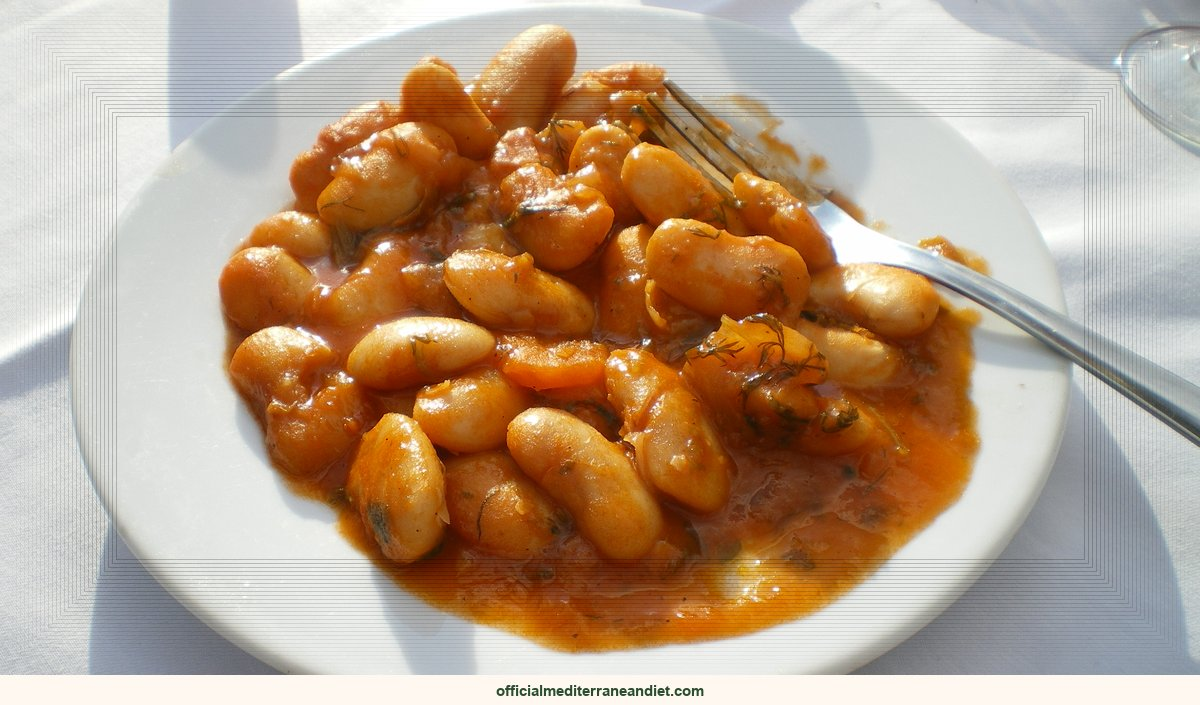
    Savor the taste of the Aegean with our authentic Greek Gigantes Plaki recipe. Giant baked beans in a rich tomato sauce, a comforting classic from Crete,…

    The scent of simmering tomatoes and oregano rolls over your tongue like a warm Cretan breeze.
    Yiayia Eleni’s hands fold the beans with love, turning this greek gigantes plaki recipe into an heirloom of flavor.
    Serve hot and savor.

    How to make this greek gigantes plaki recipe

    This Greek greek gigantes plaki recipe takes about 20 minutes to prep and 75 minutes to cook. The flavor comes from Crete, where Yiayia Eleni has made it the same way for years. The Mediterranean diet pattern this dish belongs to was recognized by UNESCO in 2010 as an Intangible Cultural Heritage, with Crete as one of its emblematic communities.

    Ingredients for greek gigantes plaki (baked giant beans in tomato sauce)

    • 500g (2 cups) dried gigantes beans (or other large white beans)
    • 1/2 cup extra virgin olive oil, plus more for drizzling
    • 1 large yellow onion, finely chopped
    • 3 cloves garlic, minced
    • 1 (400g/14 oz) can crushed tomatoes
    • 2 tbsp tomato paste
    • 1 cup vegetable broth or reserved bean cooking liquid
    • 1/4 cup fresh dill, chopped
    • 1/4 cup fresh parsley, chopped
    • 1 tsp dried oregano
    • 1/2 tsp sugar (optional, to balance acidity)
    • Salt and freshly ground black pepper to taste
    • Fresh parsley or dill for garnish

    Method, the Crete way

    1. **Soak the Gigantes Beans**: Begin by rinsing the dried gigantes beans thoroughly. Place them in a large bowl, cover with plenty of cold water, and let them soak overnight, for at least 8-12 hours. This step is for their tender texture.
    2. **Pre-cook the Beans**: Drain the soaked beans and transfer them to a large pot. Cover with fresh cold water and bring to a rolling boil. Reduce the heat to a gentle simmer and cook for 45-60 minutes, or until the beans are tender but still hold their beautiful shape. Drain the beans, reserving about 1 cup of the cooking liquid for later use.
    3. **Prepare the Aromatic Base**: Preheat your oven to 180°C (350°F). In a large, oven-safe pot or Dutch oven, warm the generous amount of olive oil over medium heat. Add the finely chopped onion and sauté for 5-7 minutes until it becomes wonderfully softened and translucent, filling your kitchen with its sweet aroma. Stir in the minced garlic and cook for just another minute until fragrant.
    4. **Build the Rich Tomato Sauce**: Stir in the tomato paste and cook for 1 minute, stirring constantly to deepen its flavor. Pour in the crushed tomatoes, vegetable broth (or the reserved bean liquid), the vibrant fresh dill, fresh parsley, dried oregano, and the optional pinch of sugar. Season generously with salt and freshly ground black pepper. Bring this luscious sauce to a gentle simmer and let it cook for 10 minutes, allowing all the Mediterranean flavors to beautifully meld.
    5. **Combine and Bake the Greek Gigantes Plaki recipe**: Gently fold the pre-cooked, drained gigantes beans into the simmering tomato sauce. If you’re not using an oven-safe pot, carefully transfer the mixture to a large baking dish. Ensure the beans are mostly submerged in the rich sauce. Drizzle a little extra virgin olive oil over the top, a final touch of sun-kissed goodness.
    6. **Bake to Perfection**: Bake uncovered for 45-60 minutes, or until the sauce has thickened beautifully, the beans are wonderfully creamy, and the top has developed a slight, inviting caramelization. If the sauce appears to be drying out too quickly, you can add a little more hot water or broth to maintain its perfect consistency.
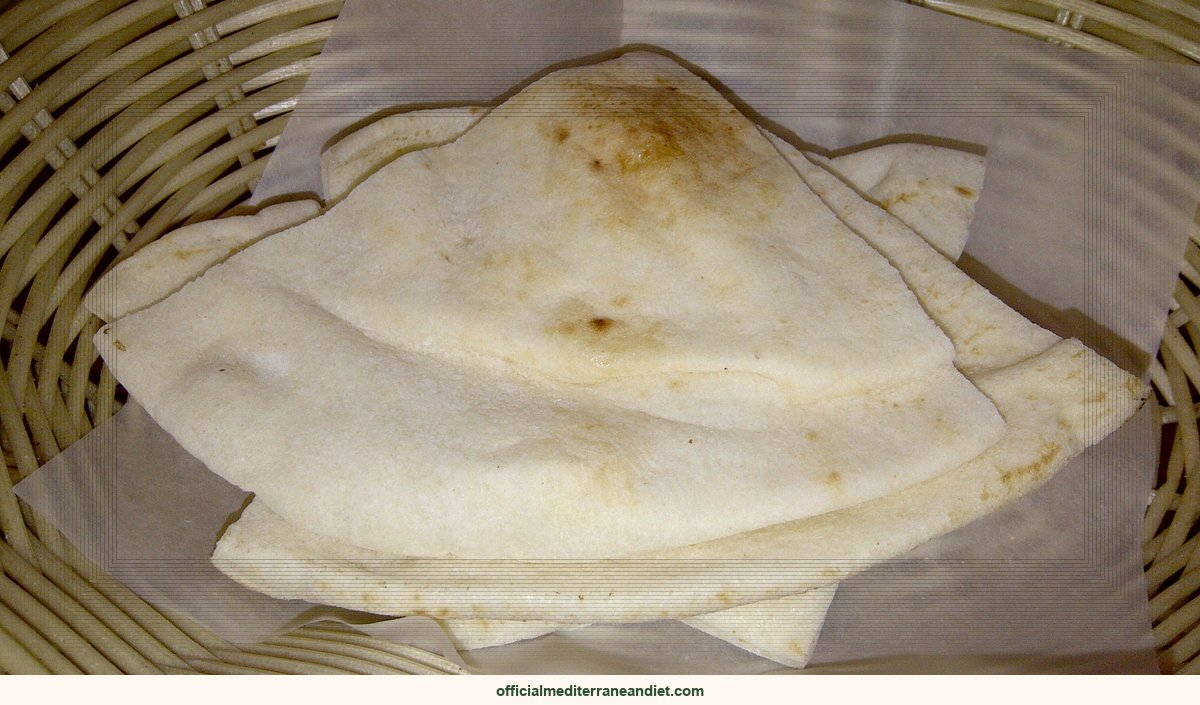
    7. **Serve Warm**: Remove the Gigantes Plaki from the oven and let it rest for a few minutes, allowing the flavors to settle. Garnish generously with fresh parsley or dill before serving. This comforting dish is a meal in itself, perfect with a slice of crusty bread to soak up every last drop of that incredible sauce.

    Tips from Yiayia Eleni

    The traditional way in Crete is to keep it simple. Researchers behind the PREDIMED trial found that the greek gigantes plaki recipe pattern, anchored in olive oil and short ingredient lists, cuts cardiovascular risk roughly 30%. Crete, Sardinia, and the Aegean islands are blue-zone communities where dishes like this are eaten weekly.

    Serving, storage, and what to drink

    Serves 6. Best the day it’s made. Leftovers keep in the fridge for two days. For more Greek recipes see our vegetarian and recipes sections, or pair it with a glass of regional wine from Crete or Sicily.

    Loved this recipe?

    Get the free 7-day Mediterranean Diet Starter Kit

    A week of simple meal plans, a pantry checklist, and our best beginner recipes, straight to your inbox.

    Send me the free kit →

    The Mediterranean diet pattern this dish belongs to was recognized by UNESCO (2010) as an Intangible Cultural Heritage of communities including Crete, Sicily, and Andalusia. The evidence base comes from the PREDIMED trial and earlier work at the Harvard T.H. Chan School of Public Health.

    Tools & pantry for this recipe

    A few things that make this easier. These are affiliate links, so we may earn a small commission at no extra cost to you; we only suggest what we’d actually use ourselves. See our editorial policy.