Category: Meal Prep

Mediterranean Meal Prep recipes

  • Tzatziki Sauce

    Tzatziki Sauce

    Tzatziki Sauce

    The Foundational Greek Condiment Walk into any Greek home, and there will almost certainly be tzatziki in the refrigerator. This yogurt-based sauce — thick, cool, garlicky, threaded with cucumber and dill — is one of the defining flavors of Mediterranean cooking. It serves as a dip for pita and vege

    The Foundational Greek Condiment


    Walk into any Greek home, and there will almost certainly be tzatziki in the refrigerator. This yogurt-based sauce — thick, cool, garlicky, threaded with cucumber and dill — is one of the defining flavors of Mediterranean cooking. It serves as a dip for pita and vegetables, a sauce for grilled meats, a spread for sandwiches, and the dressing for several of the most popular Greek salads. Understanding tzatziki is understanding the logic of the Mediterranean table: fresh, simple ingredients combined in ways that amplify each other.


    The word comes from the Turkish word cacık, which shares its origins with Persian mast-o-khiar — yogurt and cucumber sauces that appear across the entire Mediterranean and Middle Eastern world under different names. The Greek version is defined by its use of strained yogurt, which gives it a thickness that thinner yogurt sauces can’t match, and by the combination of garlic and dill that gives it its distinctive character.


    Proper tzatziki takes about 15 minutes of active work — the rest is passive time for the cucumber to drain and the flavors to meld. The result keeps for five days and improves as it sits.


    Why It Fits the Mediterranean Diet


    Greek yogurt — the strained variety required for authentic tzatziki — is one of the most nutrient-dense foods in the Mediterranean diet. A half-cup serving provides approximately 10–12 grams of protein, 15–20% of the daily calcium requirement, and a significant dose of probiotics that support digestive health. Unlike sour cream or mayonnaise-based sauces, tzatziki delivers its richness through protein and probiotics rather than saturated fat.


    Cucumber is almost entirely water, making it hydrating and virtually calorie-free. It contributes potassium and small amounts of vitamin K. Garlic has well-documented antimicrobial and cardiovascular benefits — allicin, the active compound released when garlic is crushed, has been studied for its effect on blood pressure and LDL cholesterol. Olive oil adds monounsaturated fats and tocopherols. This is a condiment that improves your meal nutritionally while also making it taste significantly better.


    Ingredients


  • 2 cups full-fat Greek yogurt (strained — Fage, Chobani, or any that lists “strained” on the label)
  • 1 large English cucumber (or 2 Persian cucumbers)
  • 3 cloves garlic, finely minced or grated on a microplane
  • 2 tablespoons extra virgin olive oil, plus a drizzle for serving
  • 1 tablespoon fresh lemon juice
  • 2 tablespoons fresh dill, finely chopped (or 1 tablespoon dried)
  • 1 tablespoon fresh mint, finely chopped (optional but traditional in some regions)
  • ¾ teaspoon salt, plus more to taste
  • White pepper to taste

  • Quality notes: The yogurt must be strained (Greek-style), not regular plain yogurt. Regular yogurt is too thin and will make watery tzatziki. Full-fat produces the best flavor and texture, though 2% works reasonably well. For garlic, fresh cloves only — garlic powder produces a flat, one-dimensional flavor.


    Equipment Needed


  • Box grater or food processor
  • Fine mesh strainer or cheesecloth
  • Mixing bowl


  • Instructions


    1. Drain the cucumber.

    Grate the cucumber on the large holes of a box grater. Place the grated cucumber in a clean kitchen towel or several layers of cheesecloth, gather the edges, and twist firmly over the sink, squeezing out as much liquid as possible. This step is not optional — the cucumber releases significant water, and skipping it produces watery tzatziki. Set the drained cucumber aside.


    2. Prepare the garlic.

    For a sauce this simple, garlic preparation matters. Mince the cloves very finely, or grate them on a microplane for a paste-like consistency that distributes evenly. If you want a milder garlic flavor, let the minced garlic sit in the lemon juice for 5 minutes before combining — the acid mellows the sharpness.


    3. Combine.

    In a medium bowl, combine the strained yogurt, drained cucumber, garlic, olive oil, lemon juice, dill, mint if using, salt, and white pepper. Stir to combine thoroughly.


    4. Rest.

    Cover and refrigerate for at least 30 minutes before serving — 1 hour is better, overnight is best. The resting time allows the garlic to mellow slightly and the flavors to integrate. Taste again before serving and adjust salt and lemon.


    5. Serve.

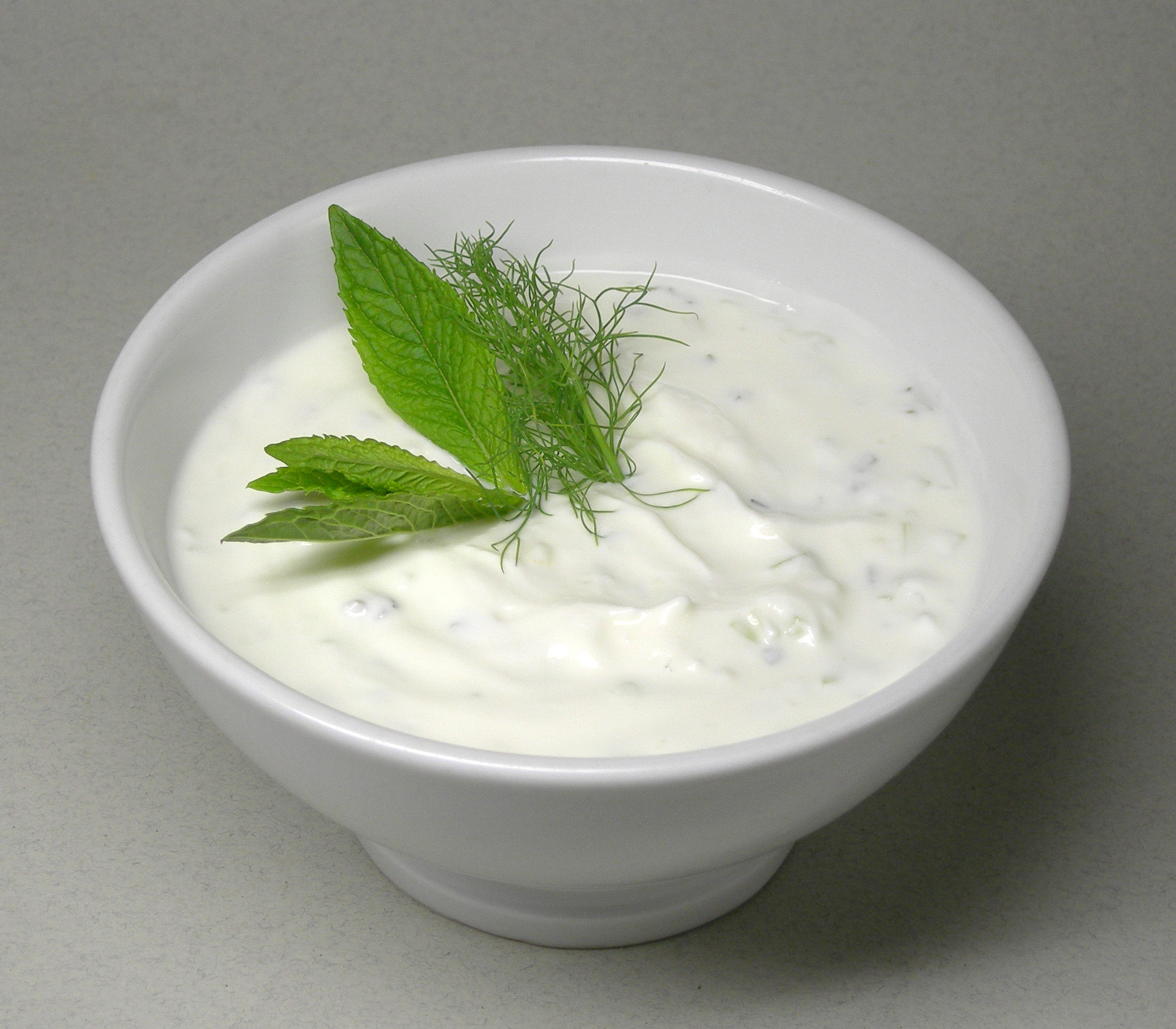
    Transfer to a serving bowl, create a shallow well with the back of a spoon, drizzle with olive oil, and add a small sprigs of fresh dill for presentation.


    Pro Tips and Variations


    The draining step is everything. Watery tzatziki is almost always caused by insufficient cucumber draining. After squeezing, taste a pinch of the cucumber — it should taste cucumber-forward with very little moisture. If it still seems wet, drain again.


    Mint vs. dill: Traditional Greek tzatziki uses primarily dill. Some regional variations — particularly in Macedonia and Thrace — use primarily mint. Both are correct. Use whichever you prefer, or combine them equally for a more complex herb flavor.


    Lemon vs. vinegar: Some versions use white wine vinegar in place of lemon juice. The result is slightly sharper and works well as a dip. Lemon juice produces a brighter, fresher flavor better suited for use as a sauce over grilled fish or chicken.


    Make it thicker: Strain the finished tzatziki in a cheesecloth-lined strainer for 2 hours for a labne-like consistency excellent for spreading on bread.


    Nutritional Info (per 3-tablespoon serving)


    Calories: 60 | Protein: 4g | Carbs: 3g | Fat: 3g | Fiber: 0g | Calcium: 10% DV


    Storage


    Refrigerate in an airtight container for up to 5 days. Stir before each use — some liquid separation is normal, particularly from the cucumber. The garlic flavor intensifies over time; tzatziki made the day before serving is often better than tzatziki made the same day.


    What to Serve With It


    Tzatziki is the bridge sauce of Mediterranean cooking. Serve it alongside our Lemon Herb Roasted Chicken Thighs, as a dressing for Greek Salad with Tzatziki Dressing, or as a dip at the center of any mezze spread. It is also excellent with grilled lamb chops, spooned over falafel, spread on flatbread with roasted vegetables, or used as a dip for raw cucumbers, carrots, and bell pepper strips.


    FAQs


    Can I use regular plain yogurt instead of Greek?

    You can, but you’ll need to strain it first. Line a fine mesh strainer with cheesecloth, add the yogurt, and let it drain in the refrigerator for at least 2 hours — ideally overnight. The result will be similar to Greek yogurt and will work well.


    How far in advance can I make tzatziki?

    Up to 3 days in advance. Make it the night before for best flavor. The garlic does intensify over time, so if you prefer a milder garlic note, reduce the amount slightly if making it more than 24 hours ahead.


    Is tzatziki served cold or at room temperature?

    Always cold or at cool room temperature. It’s a sauce designed to contrast with hot grilled meats and warm bread — the temperature contrast is part of why it works so well.


  • Roasted Red Pepper Hummus

    Roasted Red Pepper Hummus

    Roasted Red Pepper Hummus

    A Mediterranean Classic with a Smoky Twist Hummus is one of the oldest and most beloved dishes in Mediterranean cuisine, with roots stretching back thousands of years across the Levant, North Africa, and Southern Europe. This roasted red pepper version takes the classic chickpea dip into richer terr

    A Mediterranean Classic with a Smoky Twist


    Hummus is one of the oldest and most beloved dishes in Mediterranean cuisine, with roots stretching back thousands of years across the Levant, North Africa, and Southern Europe. This roasted red pepper version takes the classic chickpea dip into richer territory — the char of oven-roasted peppers brings a gentle smokiness that balances the earthiness of tahini and the brightness of lemon. It is the kind of recipe that looks impressive on a table but comes together in under 30 minutes, which makes it a staple in Mediterranean households for good reason.


    The Mediterranean diet is built around exactly this kind of food: plant-based, olive oil-forward, nutrient-dense, and genuinely satisfying. Hummus delivers protein and fiber from chickpeas, healthy monounsaturated fats from olive oil and tahini, and a range of micronutrients that processed snack foods simply cannot match. Swap out the chip bowl at your next gathering for a platter of roasted red pepper hummus with warm pita and raw vegetables, and the difference in how you feel afterward will be noticeable.


    This recipe works as an appetizer, a snack, a sandwich spread, or the center of a mezze platter. It keeps well in the refrigerator for up to a week, which means making a double batch is almost always worth it.


    Why It Fits the Mediterranean Diet


    Chickpeas are a cornerstone of the Mediterranean diet for good reason. A single cup provides approximately 15 grams of protein and 12 grams of fiber — the kind of plant-based protein that keeps blood sugar stable and hunger in check for hours. The fiber in chickpeas has been specifically studied for its effect on LDL cholesterol reduction.


    Tahini, made from ground sesame seeds, contributes calcium, iron, and healthy fats. Sesame seeds are rich in lignans — plant compounds with documented antioxidant properties. Extra virgin olive oil provides oleocanthal, a natural anti-inflammatory compound with effects comparable to ibuprofen at culinary doses.


    Roasted red peppers are an excellent source of vitamin C (a single pepper contains more than an orange) and beta-carotene, which converts to vitamin A in the body. The combination of chickpeas, olive oil, tahini, and peppers in a single dish delivers a nutritional profile that would take a dozen processed products to replicate.


    Ingredients


    For the hummus:

  • 2 cans (15 oz each) chickpeas, drained and rinsed — reserve ¼ cup of the liquid
  • 2 large red bell peppers
  • 3 tablespoons extra virgin olive oil, plus more for drizzling
  • 3 tablespoons tahini (well-stirred)
  • 2 cloves garlic
  • Juice of 1 large lemon (about 3 tablespoons)
  • 1 teaspoon ground cumin
  • ½ teaspoon smoked paprika
  • ½ teaspoon salt, plus more to taste
  • Pinch of cayenne pepper (optional)

  • For serving:

  • Drizzle of extra virgin olive oil
  • Smoked paprika for dusting
  • Fresh parsley, chopped
  • Warm pita bread, cucumber slices, carrot sticks

  • Quality notes: Use whole chickpeas from a can rather than a carton — the texture is better. For tahini, buy a brand where the only ingredient is sesame seeds; the natural oils should separate to the top (stir before using). Use the best olive oil you can for finishing — it matters more here than in cooked applications.


    Equipment Needed


  • Baking sheet lined with foil or parchment
  • Food processor or high-powered blender
  • Tongs for handling roasted peppers


  • Step-by-Step Instructions


    1. Roast the peppers.

    Preheat your oven to 450°F (230°C). Place whole red bell peppers directly on the baking sheet. Roast for 25–30 minutes, turning with tongs halfway through, until the skins are blackened and blistered on all sides. Transfer to a bowl, cover tightly with plastic wrap or a plate, and let steam for 10 minutes. The steam loosens the skin. Peel off and discard the charred skin, remove the stem and seeds, and roughly chop the flesh. Set aside.


    2. Prepare the chickpeas.

    Drain and rinse the chickpeas, reserving ¼ cup of the liquid (aquafaba). For the smoothest hummus, take 2 minutes to slip the thin skins off the chickpeas — just pinch each one between your fingers. This step is optional but noticeably improves the texture.


    3. Build the hummus.

    Add the garlic to the food processor and pulse until minced. Add the chickpeas, roasted red pepper flesh, tahini, lemon juice, cumin, smoked paprika, salt, and cayenne if using. Process for 1 full minute. Scrape down the sides. With the machine running, drizzle in the olive oil, then add the reserved chickpea liquid a tablespoon at a time until the hummus reaches your preferred consistency — smooth and creamy, not stiff. Process for another 2 minutes for the smoothest result.


    4. Taste and adjust.

    Taste for salt, lemon, and cumin. Mediterranean hummus should be distinctly lemony and well-seasoned. Add more lemon or salt if needed. If the hummus is too thick, add another tablespoon of chickpea liquid.


    5. Serve.

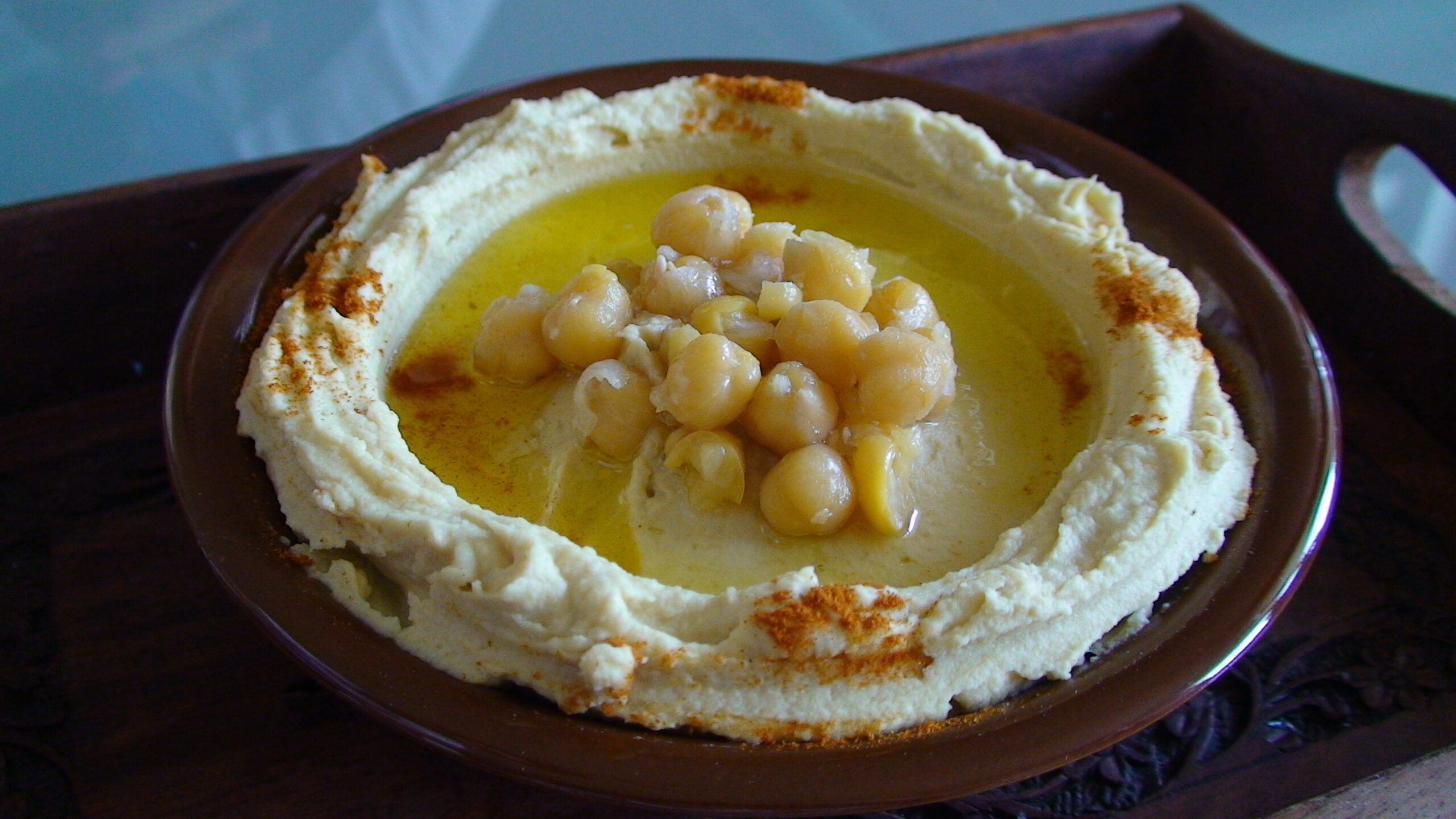
    Transfer to a wide, shallow bowl. Use the back of a spoon to create a swirl pattern. Drizzle generously with olive oil, dust with smoked paprika, and scatter chopped parsley over the top.


    Pro Tips and Variations


    Make it creamier: The secret to restaurant-quality hummus is processing longer than you think necessary — at least 3–4 full minutes total. The extended blending breaks down the cell walls of the chickpeas for a much smoother result.


    Roasting shortcut: If you need to move faster, use jarred roasted red peppers (drain and pat dry). The flavor is slightly less smoky but very close.


    Sun-dried tomato variation: Substitute half the roasted peppers with oil-packed sun-dried tomatoes for a more intense, concentrated flavor.


    Add heat: A teaspoon of harissa paste or a whole roasted jalapeño blended in gives the hummus a North African character that pairs beautifully with grilled meats.


    For a smooth surface: If serving for a gathering, refrigerate the hummus for at least 30 minutes before serving — cold hummus holds its shape better for presentation.


    Nutritional Info (per serving, approximately ¼ cup)


    Calories: 180 | Protein: 7g | Carbs: 18g | Fat: 10g | Fiber: 5g | Vitamin C: 45% DV


    Storage and Reheating


    Store in an airtight container in the refrigerator for up to 7 days. The flavor actually improves after 24 hours as the garlic mellows and the spices deepen. Keep a thin layer of olive oil on the surface to prevent the top from drying out.


    This hummus does not freeze well — the texture becomes grainy after thawing.


    What to Serve With It


    Pair with warm whole wheat pita, sliced cucumber, carrot sticks, and cherry tomatoes for a classic mezze presentation. On the Mediterranean diet, hummus is also excellent as a spread on sandwiches in place of mayonnaise, as a topping for grain bowls, or alongside grilled chicken or fish. Try it with our Grilled Eggplant and Bell Pepper Skewers for a fully plant-forward Mediterranean meal.


    FAQs


    Can I use dried chickpeas instead of canned?

    Yes, and the result will be even smoother. Soak 1½ cups dried chickpeas overnight, then simmer with ½ teaspoon baking soda for about 1 hour until very tender. The baking soda helps break down the chickpeas for a creamier texture. Reserve the cooking liquid in place of aquafaba.


    Why is my hummus grainy instead of smooth?

    Usually this means the chickpeas weren’t processed long enough, or the tahini was not properly stirred before measuring (the sesame paste separates and the dry portion makes for gritty hummus). Process for at least 3–4 minutes and use room-temperature ingredients.


    Is this recipe gluten-free?

    Yes. All ingredients are naturally gluten-free. Serve with gluten-free crackers or vegetable dippers for a fully gluten-free option.


    How much does this yield?

    This recipe makes approximately 3 cups — enough for 8–10 as an appetizer or 12 as part of a larger mezze spread.


  • Recipe: Olive Oil Tomato Paste

    Recipe: Olive Oil Tomato Paste

    Introduction

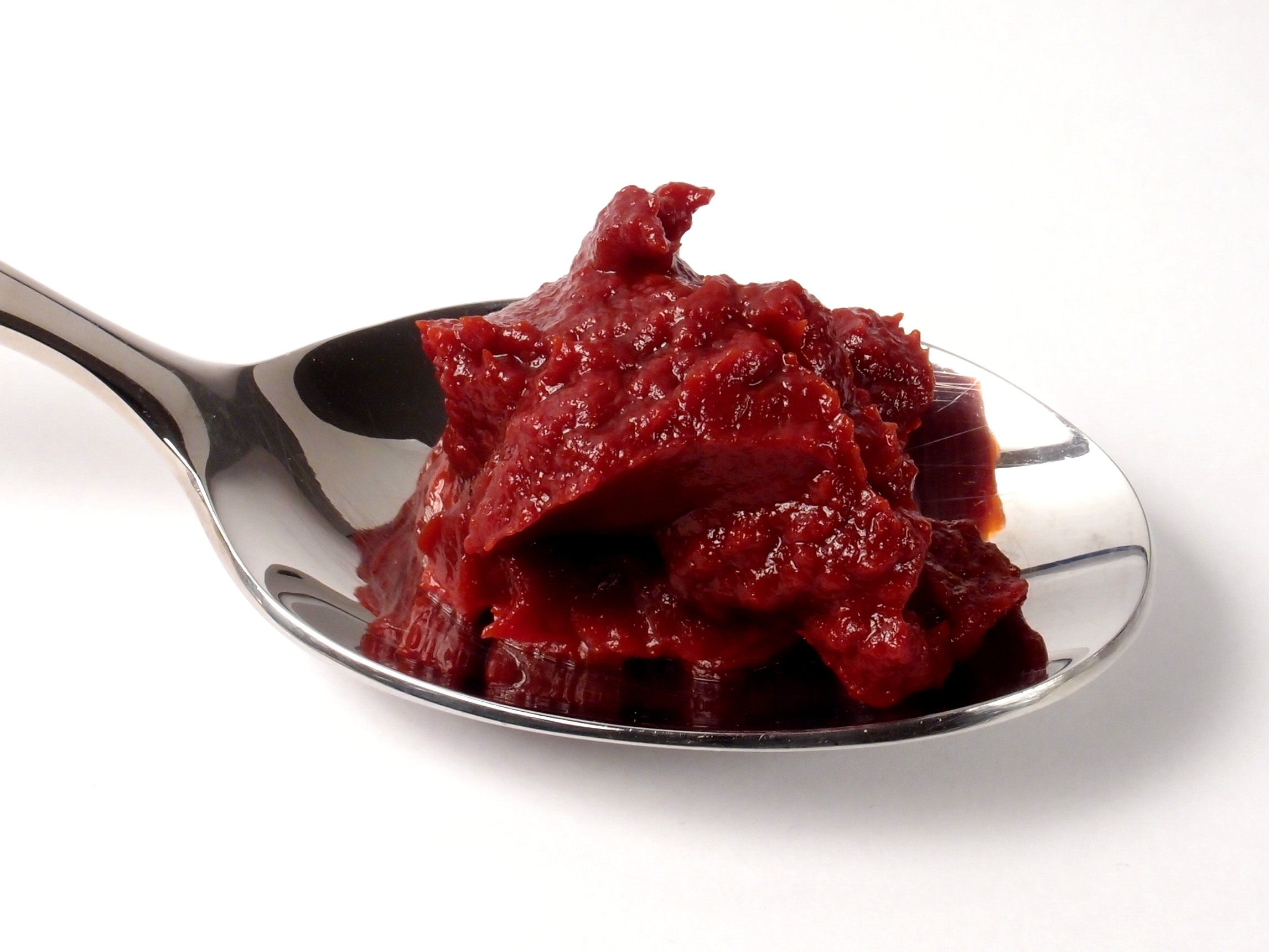
    Olive Oil Tomato Paste is a cornerstone ingredient in Mediterranean cuisine, adding a rich, sweet flavor to countless dishes. Originating from Italian culinary traditions, this paste is created by slowly cooking down ripe tomatoes into a thick, concentrated sauce brimming with umami. This versatile condiment not only complements the principles of the Mediterranean diet but also enhances various meals such as pasta sauces, soups, and stews. By using high-quality extra virgin olive oil, this paste becomes a healthy option packed with beneficial fats and antioxidants.

    Health Benefits

    Tomato Paste offers numerous health benefits thanks to its rich content of vitamins A and C, potassium, and lycopene—an antioxidant that supports heart health by reducing cholesterol levels. Additionally, the presence of beta-carotene helps in maintaining good vision and skin health. The use of extra virgin olive oil enhances these nutritional values further by providing monounsaturated fats, which support heart health through improved cholesterol levels.

    Ingredients

  • 3 lbs ripe tomatoes (about 6 large)
  • 1/4 cup high-quality extra virgin olive oil
  • Salt to taste
  • Quality Notes:

  • Look for organic or heirloom varieties of tomatoes.
  • Choose an EVOO with a robust flavor profile and low acidity.
  • Equipment Needed

  • Large pot with lid
  • Immersion blender (or regular blender)
  • Cutting board
  • Chef’s knife
  • Measuring cups
  • Step-by-Step Instructions

    1. Preparation: Wash tomatoes under cool water and cut into quarters.

    2. Cooking Process: Heat olive oil in a large pot over medium heat until shimmering. Add quartered tomatoes and season with salt to taste.

    3. Simmering & Reduction: Bring mixture to a gentle simmer, cover partially, and cook for about 1-2 hours or until the tomatoes have broken down significantly into a thick paste.

    4. Blending: Allow cooled sauce to cool slightly and blend using an immersion blender directly in pot or transfer to regular blender until smooth.

    Pro Tips & Variations

  • Substitutions: For added complexity, consider incorporating dried herbs like oregano or basil into the paste.
  • Make-Ahead Tips: This paste can be stored refrigerated for up to one week or frozen for several months.
  • Common Mistakes: Avoid over-cooking which may lead to an overly thick consistency and loss of nutrients.
  • Nutritional Information

    Calories: ~85 per serving

    Protein: ~1g per serving

    Carbs: ~9g per serving

    Fat: ~4.5g per serving

    Fiber: ~2g per serving

    Storage & Reheating

    Store in an airtight container at room temperature for up to 3 days, refrigerate for up to one week, or freeze for several months.

    Pairing Suggestions

    Perfect for enhancing the flavor of pasta sauces, stews, and soups. A great base ingredient for homemade pizza sauce or marinara.

    FAQ

    Q: What is lycopene?

    A: Lycopene is a powerful antioxidant found in tomatoes that supports heart health by reducing cholesterol levels.

    Q: Can I substitute tomato paste with ketchup?

    A: While similar, ketchup contains additional ingredients like sugar and vinegar, which alter both flavor profile and nutritional value. Stick to pure tomato paste for authenticity.

  • Moroccan Chickpea Stew

    Moroccan Chickpea Stew

    Moroccan Chickpea Stew

    North Africa Meets the Mediterranean Diet Moroccan cuisine occupies a fascinating position within Mediterranean food culture — it sits at the intersection of Berber, Arab, Andalusian, and sub-Saharan African influences, producing some of the most complex and aromatic dishes in the wider Mediterranea

    North Africa Meets the Mediterranean Diet


    Moroccan cuisine occupies a fascinating position within Mediterranean food culture — it sits at the intersection of Berber, Arab, Andalusian, and sub-Saharan African influences, producing some of the most complex and aromatic dishes in the wider Mediterranean world. This chickpea stew is one of the most accessible entry points into that tradition. It requires no special equipment, relies on pantry staples, comes together in under an hour, and demonstrates why the Mediterranean diet is not merely Greek and Italian food — it is a whole hemisphere of cooking traditions united by olive oil, legumes, grains, fresh vegetables, and spices.


    The spice profile here — cumin, coriander, cinnamon, and smoked paprika — is characteristic of Moroccan home cooking, where warm spices are used not to add heat but to add depth. The chickpeas absorb the spiced tomato broth over a long simmer, developing a richness that makes this stew feel far more substantial than its ingredient list suggests.


    This is also one of the most practical recipes on this site for weekly meal prep. It keeps for five days in the refrigerator and tastes better on day two and three than it does fresh. Serve it over couscous, with crusty bread, or alongside a simple green salad.


    Why It Fits the Mediterranean Diet


    Chickpeas are one of the most nutritionally complete legumes available. A single cup provides 15 grams of protein, 12 grams of dietary fiber, and a range of micronutrients including iron, folate, phosphorus, and manganese. The fiber in chickpeas is primarily soluble fiber, which has documented effects on cholesterol reduction and blood sugar management.


    The tomatoes in this stew provide lycopene (bioavailability enhanced by the olive oil and heat), vitamin C, and potassium. Spinach or kale — the optional greens stirred in at the end — contribute folate, magnesium, and vitamin K. The cumin, coriander, and cinnamon are not merely flavor additions; these spices have active compounds studied for their anti-inflammatory and blood sugar-modulating properties.


    This is a fully plant-based dish that provides complete nutrition without requiring animal protein — a cornerstone of the Mediterranean diet’s flexible, plant-forward approach to eating.


    Ingredients


  • 2 cans (15 oz each) chickpeas, drained and rinsed
  • 1 can (28 oz) whole peeled tomatoes, crushed by hand
  • 1 medium yellow onion, diced
  • 4 cloves garlic, minced
  • 3 tablespoons extra virgin olive oil
  • 2 teaspoons ground cumin
  • 1½ teaspoons ground coriander
  • 1 teaspoon smoked paprika
  • ½ teaspoon ground cinnamon
  • ½ teaspoon ground turmeric
  • ¼ teaspoon cayenne pepper (adjust to taste)
  • 1 teaspoon salt, plus more to taste
  • 1 cup vegetable broth or water
  • 2 cups baby spinach or roughly chopped kale (optional, stirred in at the end)
  • Juice of ½ lemon
  • Fresh cilantro or parsley for serving

  • For serving: Couscous, crusty bread, or rice; plain Greek yogurt; harissa on the side for heat


    Quality notes: Whole canned tomatoes crushed by hand give better texture and flavor than pre-crushed or diced canned tomatoes, which often contain calcium chloride that keeps them firm. For the spices, buy them whole and grind them if you can — the difference is significant. Pre-ground works fine for a weeknight, but freshly ground cumin and coriander have a brightness that pre-ground loses within months.


    Equipment Needed


  • Large heavy-bottomed pot or Dutch oven
  • Wooden spoon


  • Instructions


    1. Build the base.

    Heat the olive oil in a large pot over medium heat. Add the diced onion and cook, stirring occasionally, until softened and translucent — about 7–8 minutes. Do not rush this step; properly softened onion is the foundation of the stew’s sweetness. Add the minced garlic and cook for 1 minute until fragrant.


    2. Toast the spices.

    Add the cumin, coriander, smoked paprika, cinnamon, turmeric, and cayenne directly to the onion and garlic. Stir constantly for 60–90 seconds, until the spices are fragrant and darkened slightly. This step — blooming the spices in oil — releases their fat-soluble flavor compounds in a way that adding them to liquid never achieves.


    3. Add tomatoes and chickpeas.

    Pour in the crushed tomatoes, scraping up any spices stuck to the bottom. Add the chickpeas and vegetable broth. Stir to combine, bring to a boil, then reduce heat and simmer uncovered for 25–30 minutes, stirring occasionally. The stew should thicken noticeably — the chickpeas will absorb the liquid and the tomato sauce will concentrate.


    4. Add greens and finish.

    If using spinach or kale, stir it in during the last 2–3 minutes of cooking. Squeeze in the lemon juice. Taste for salt, cumin, and heat — adjust as needed.


    5. Serve.

    Ladle over couscous or serve with bread. Top with a spoonful of Greek yogurt (the cool creaminess against the warm spiced stew is excellent), fresh cilantro or parsley, and harissa on the side for those who want more heat.


    Pro Tips and Variations


    For deeper flavor: Brown the chickpeas before adding the other ingredients. Drain and rinse, then add to the hot oil after the onions are cooked, before the spices. Let them sit undisturbed for 2 minutes per side to develop a light golden crust. The texture holds better and the flavor is more complex.


    Add preserved lemon: A quarter of a Moroccan preserved lemon, rind only, minced and added with the garlic, gives an authentic depth that fresh lemon cannot replicate.


    Sweet potato variation: Add one medium sweet potato (½-inch dice) with the tomatoes for a heartier stew. Add 15 minutes to the cooking time.


    Make it ahead: This stew is significantly better on day two. Make a double batch on Sunday and use it throughout the week.


    Nutritional Info (per serving, serves 4)


    Calories: 340 | Protein: 14g | Carbs: 45g | Fat: 12g | Fiber: 12g | Iron: 25% DV


    Storage


    Refrigerate for up to 5 days in an airtight container. Freeze for up to 3 months — let thaw overnight in the refrigerator and reheat on the stovetop with a splash of water if it has thickened too much.


    What to Serve With It


    Serve over couscous (which requires only boiling water and 5 minutes), with warm flatbread, or alongside Roasted Red Pepper Hummus as part of a plant-based Mediterranean spread. A dollop of plain Greek yogurt and a handful of fresh herbs are not optional — they complete the dish.


    FAQs


    Can I use dried chickpeas?

    Yes. Soak 1¼ cups dried chickpeas overnight in cold water with a pinch of baking soda. Drain, cover with fresh water by 2 inches, and simmer for 60–90 minutes until tender. Use the cooking liquid in place of broth. The texture of dried chickpeas holds up better during the long simmer.


    Is this dish vegan?

    Yes, as written — all ingredients are plant-based. Serve with dairy-free yogurt to keep it fully vegan.


    How spicy is this?

    As written, it has mild background heat from the cayenne. The dish is aromatic and warm-spiced, not hot. Add more cayenne, red pepper flakes, or serve harissa on the side for those who want heat.