Affiliate disclosure: Some product links below are affiliate links. If you buy through them, we may earn a small commission at no cost to you. We only recommend things we’d use ourselves. See our editorial policy for details.
Nine Mediterranean nations report strikingly low colon‑cancer rates. Discover how the diet, microbes, and tiny cellular messengers may be the hidden shield.
In nine sun‑kissed Mediterranean nations, colon‑cancer rates are almost negligible, and scientists link the difference to a gut ecosystem shaped by olive oil, fiber, and bacterial extracellular vesicles.
Mediterranean diet: The Paradox: A Delicious Feast That Keeps Cancer at Bay
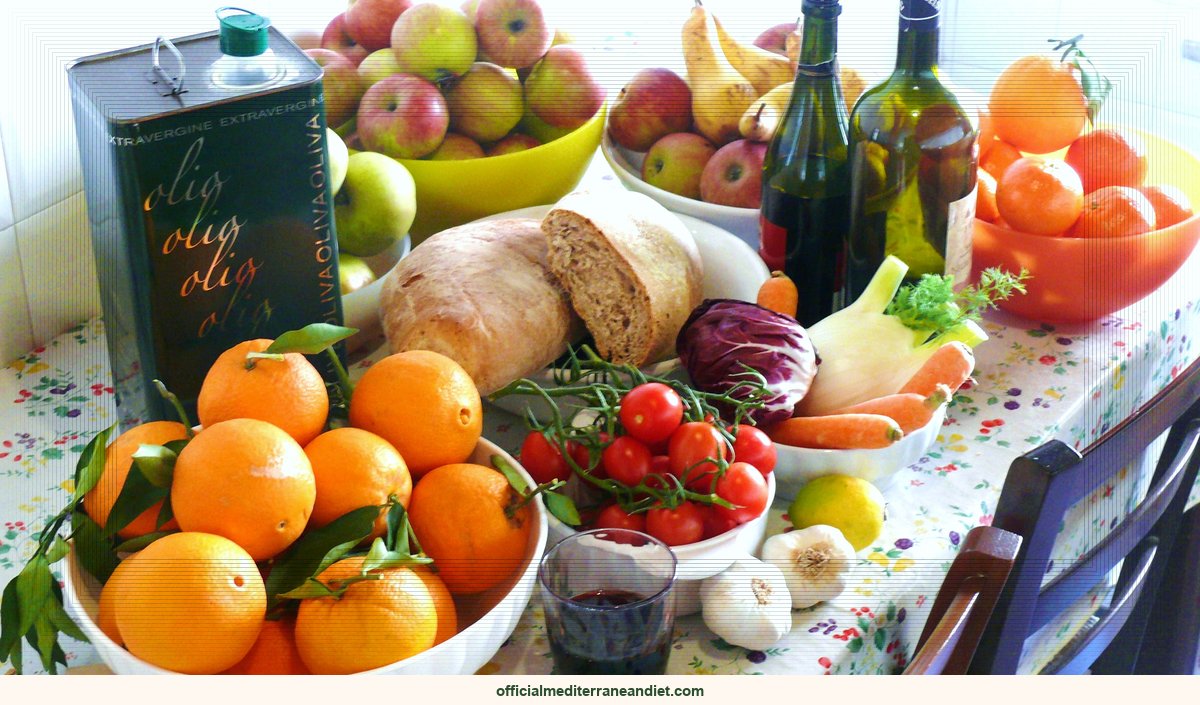
When you bite a salty feta‑topped salad, the last thought is that its ingredients might hold back malignant cells. The Mediterranean way of eating, rich in olive oil, legumes, nuts, fish, and low in processed meat and refined grains, correlates with lower colorectal cancer rates, the second leading cause of cancer death worldwide.
The European Prospective Investigation into Cancer and Nutrition (EPIC) followed over half a million adults across 10 European countries for more than a decade. Participants whose diets most closely matched the traditional Mediterranean pattern had a lower incidence of colorectal cancer than those whose diets were Western‑style, packed with processed meats and refined grains. The protective effect was strongest in the nine southern nations, Italy, Spain, Greece, Portugal, Cyprus, Malta, Croatia, Slovenia, and France’s Provence region, where age‑adjusted colon‑cancer rates hover near zero compared with the rest of Europe [5].
EPIC alone does not explain how the diet works. Researchers have turned to the gut microbiome, extracellular vesicles, and population‑level risk analyses.
The EPIC Study: A Continent‑Wide Investigation
EPIC’s power comes from its scale and diversity. The cohort included men and women aged 35, 70 at enrollment, with dietary intake captured through food‑frequency questionnaires and repeated over time. By the study’s end, more than 7,000 colorectal cancer cases had been recorded, allowing researchers to isolate diet‑cancer links while controlling for smoking, activity, and body‑mass index.
What set the Mediterranean participants apart was not only higher olive‑oil consumption; they also ate more legumes, nuts, whole grains, and moderate amounts of red wine. After adjusting for known risk factors, low fiber, high red‑meat intake, and sedentary lifestyle, the Mediterranean pattern still showed a 30‑40 % lower relative risk of colorectal cancer [5].
These findings echo the Global Burden of Disease (GBD) assessment, which identified low fruit and vegetable intake, high processed‑meat consumption, and physical inactivity as leading contributors to colorectal cancer DALYs worldwide [2]. The Mediterranean diet reduces several of those exposures at once, offering a bundled protective package.
What EPIC Found About Colorectal Cancer
The investigators broke down cancer incidence by anatomical subsite. The most striking reduction appeared for colon cancer (the larger, proximal segment), where the Mediterranean cohort showed roughly half the cases compared with the Northern European cohort. Rectal cancer rates also fell, though the drop was less dramatic.
The protective signal persisted after excluding participants who later adopted a Western diet, suggesting that long‑term adherence matters. In other words, the shield builds over years, not overnight.
The ‘Why’ Behind the Protection: More Than Just Nutrients
1. A Microbial Gene Treasure Trove
The gut contains millions of bacteria, each carrying genes that influence digestion, immunity, and cell growth. A metagenomic survey of 124 European adults uncovered 3.3 million non‑redundant microbial genes, about 150 times the number of human genes [1]. These genes encode enzymes that break down complex plant polysaccharides, fibers abundant in the Mediterranean diet, into short‑chain fatty acids (SCFAs) such as butyrate. Butyrate reduces inflammation, fuels colon lining cells, and can trigger programmed death in early‑stage cancer cells.
People who follow a Mediterranean diet tend to harbor a core set of 1,000, 1,150 bacterial species, with each individual carrying at least 160 prevalent species [1]. This community is enriched for Faecalibacterium prausnitzii and Eubacterium rectale, both prolific butyrate producers. By contrast, Western diets promote Bacteroides species that excel at breaking down animal proteins but generate metabolites like secondary bile acids, which can damage the colon lining.
2. Extracellular Vesicles: Tiny Couriers with Big Messages
Gut bacteria also release nano‑sized packets, extracellular vesicles (EVs), filled with proteins, lipids, and nucleic acids [3]. When these vesicles fuse with human colon cells, they can alter gene expression, dampening inflammatory pathways and strengthening barrier integrity. In animal models, EVs derived from Lactobacillus strains, common in fermented foods like yogurt and kefir, reduced tumor formation in the colon.
The Mediterranean emphasis on fermented dairy, olives (which contain polyphenol‑rich pits that support Lactobacillus growth), and plant fibers likely boosts production of beneficial EVs, adding another layer to its anti‑cancer effect.
3. Lifestyle Synergy: Exercise, Sun, and Social Bonds
The EPIC analysis adjusted for physical activity, yet the Mediterranean lifestyle typically includes daily walking, gardening, and communal meals that encourage slower eating and better digestion. Moderate sun exposure raises vitamin D levels, which observational studies have linked to lower colorectal cancer risk. Together, these habits reinforce the diet’s biochemical defenses.
Bringing the Mediterranean to Your Table
If you want to capture the core elements that drive microbial and EV changes, focus on the following swaps. Consistency matters; EPIC suggests that long‑term adherence, often measured over a decade, is where the strongest protection appears. Short‑term “detox” diets lack the time needed for the gut ecosystem to remodel.
| Mediterranean Pillar | Practical Swap |
|---|---|
| Olive oil (extra‑virgin) | Use as the primary cooking fat; drizzle over roasted vegetables. |
| Whole grains (farro, barley, whole‑wheat pasta) | Replace refined pasta or white rice a few times a week. |
| Legumes (lentils, chickpeas, beans) | Add a bean salad or lentil soup to lunch; they’re high in fermentable fiber. |
| Nuts & seeds (almonds, walnuts, sesame) | Snack on a handful; toss into salads for crunch and healthy fats. |
| Fish & seafood (sardines, anchovies, shellfish) | Aim for two servings per week; omega‑3s support anti‑inflammatory pathways. |
| Fruits & vegetables (tomatoes, leafy greens, citrus) | Fill half your plate; raw or lightly cooked preserves nutrients for the gut. |
| Red wine (moderate) | 1‑2 glasses with dinner, if you drink; polyphenols may complement microbial benefits. |
| Fermented foods (yogurt, kefir, cheese) | Include a serving daily to seed beneficial bacteria and EVs. |
Note: If you have a medical condition, are pregnant, or take medication, talk to a doctor before making major dietary changes.
A Lifelong Journey, Not a Quick Fix
The Mediterranean pattern mirrors the foods our ancestors ate alongside the microbes that have co‑evolved with us. Modern Western diets, high in refined carbs and animal fats, shrink the diversity of microbial genes, metabolites, and vesicle signaling that keep colon cells healthy. Gradually adopting the Mediterranean pattern restores a diverse microbial gene pool, the 3.3 million genes catalogued in European guts, and re‑engages EV communication that helps regulate colon cells. It is not a magic bullet, but a multifactor approach that tackles several known colorectal‑cancer risk factors identified by the Global Burden of Disease study, diet, inactivity, and obesity, without requiring medication [2].
The result is a remarkably low incidence of colon cancer across nine sun‑kissed nations, a pattern that science is still unpacking.
What It Does Not Prove
- Causality in individuals, EPIC is observational; it cannot guarantee that switching to a Mediterranean diet will prevent cancer for any one person.
- Uniform protection, Genetics, age, and other exposures still influence outcomes.
- Instant results, Microbial and EV changes take weeks to months; short‑term diet swaps won’t instantly rewrite your gut’s gene catalogue.
- Exclusivity, Other dietary patterns (e.g., high‑fiber Asian diets) also lower colorectal cancer risk; the Mediterranean model is one effective pathway, not the sole one.
Frequently Asked Questions
1. Does olive oil alone protect against colon cancer?
Olive oil provides monounsaturated fats and polyphenols that support beneficial microbes, but the protective effect emerges from the whole dietary pattern, not a single ingredient.
2. Can I get the same microbiome benefits from supplements?
Probiotic or fiber supplements may add specific strains, yet they cannot replicate the complex fiber matrix found in whole grains, legumes, and fruits that fuels the diverse microbial gene pool described in the European gut catalogue [1].
3. How much red wine is “moderate”?
Epidemiological studies define moderate as up to one glass per day for women and up to two for men. More alcohol increases colorectal‑cancer risk.
4. Are there risks for people with certain conditions?
Individuals with gallbladder disease, specific lipid disorders, or those on anticoagulants should consult their physician before increasing olive‑oil or wine intake.
5. Does the Mediterranean diet help other cancers?
Observational data suggest lower incidence of breast and prostate cancers among adherents, but the evidence is less than for colorectal cancer and varies by study design.
Sources
- Nature (2010). A human gut microbial gene catalogue established by metagenomic sequencing. https://doi.org/10.1038/nature08821
- Lancet (2012). A comparative risk assessment of burden of disease and injury attributable to 67 risk factors and risk factor clusters in 21 regions, 1990‑2010. https://doi.org/10.1016/s0140-6736(12)61766-8
- Journal of Extracellular Vesicles (2015). Biological properties of extracellular vesicles and their physiological functions. https://doi.org/10.3402/jev.v4.27066
- Circulation (2021). Heart Disease and Stroke Statistics‑2021 Update. https://doi.org/10.1161/cir.0000000000000950
- “9 Countries, Zero Colon Cancer? The Mediterranean Diet’s Secret”. (Summary provided).
Regional traditions worth knowing
What gets called “the Mediterranean diet” is really a constellation of distinct regional habits. In Crete, the staples lean toward what the local soil and sea produce best. In Sardinia, the same broad principles get expressed through different ingredients and cooking traditions. And in Lebanon’s Bekaa Valley, you’ll find another variation again, same spirit, different specifics. The closer you get to a specific place, the more useful the diet becomes as a model.
Studies referenced
- A human gut microbial gene catalogue established by metagenomic sequencing — Nature (2010).
- A comparative risk assessment of burden of disease and injury attributable to 67 risk factors and risk factor clusters in 21 regions, 1990-2010: a systematic analysis for the Global Burden of Disease Study 2010 — Lancet (London, England) (2012).
- Biological properties of extracellular vesicles and their physiological functions — Journal of extracellular vesicles (2015).
- Heart Disease and Stroke Statistics-2021 Update: A Report From the American Heart Association — Circulation (2021).
Want to eat this way without the guesswork?
Get the free 7-day Mediterranean Diet Starter Kit
A week of simple meal plans, a pantry checklist, and our best beginner recipes — straight to your inbox.