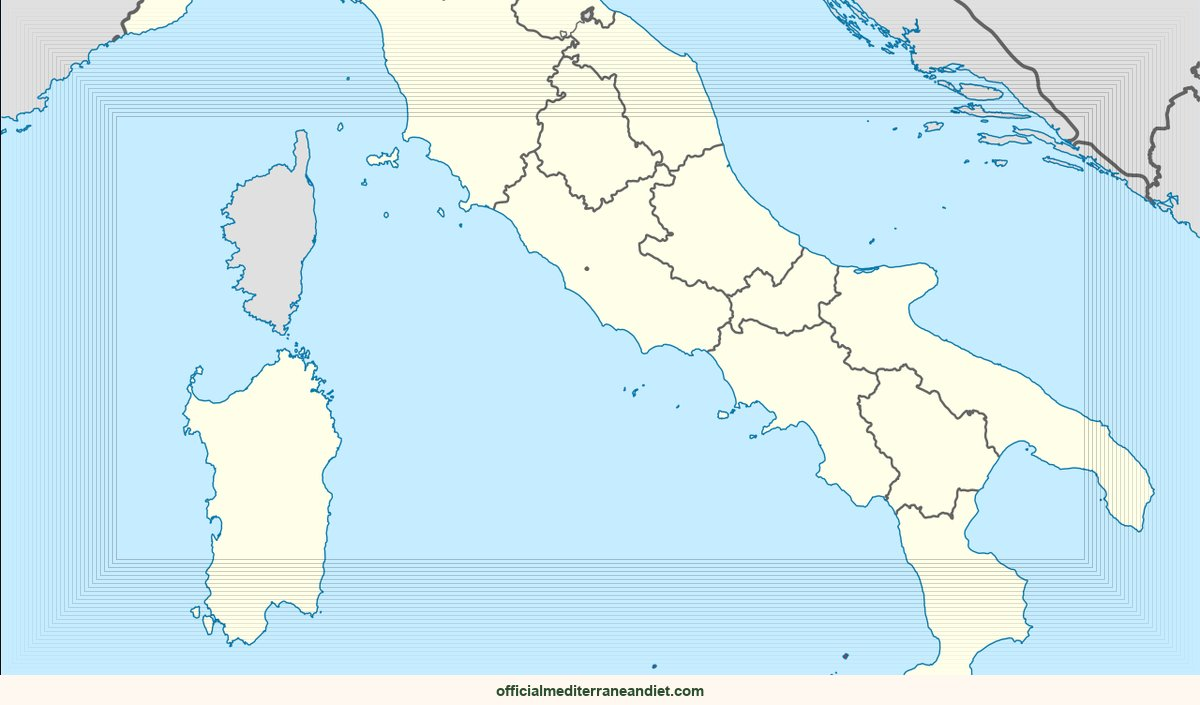
By April 24, 2020, as global COVID-19 deaths climbed past 195,313 and Italians entered their second month of strict lockdown, grocery patterns took an unexpected turn. Instead of stripping shelves of shelf-stable industrial foods, many returned to mortar and pestle, crushing basil for pesto Genovese, straining yogurt for tzatziki, pounding olives for tapenade. It was as if a public health crisis had triggered a mass migration back to the specific, the perishable, and the uncooked.
Mediterranean sauces: The Mortar and the Molecule: How Uncooked Preparations Preserve Bioactivity
The resurgence of these specific preparations during the COVID-19 lockdown reflects more than nostalgia. Traditional Mediterranean sauces, dips, and spreads rely on mechanical rather than thermal processing to release their biochemical payloads. When you crush garlic for tzatziki or pesto, you rupture cellular compartments, allowing the enzyme alliinase to contact its substrate, alliin, converting it to allicin, a volatile sulfur compound associated with antimicrobial properties that degrades rapidly under heat. Mortar and pestle preparation, as opposed to high-speed blending, generates less frictional heat, preserving these temperature-sensitive molecules.
Consider the specific mechanics of the five preparations that anchored this dietary shift. Pesto Genovese from Liguria combines basil leaves, pine nuts, and extra-virgin olive oil in a preparation that never exceeds ambient temperature. The polyphenols in extra-virgin olive oil, particularly oleocanthal, exhibit heat sensitivity; traditional cold-pressing and raw consumption preserve these compounds, whereas heating above sixty degrees Celsius begins structural degradation. Tapenade from Provence delivers oleocanthal not only from olives but also from capers, creating a concentrated source of these anti-inflammatory agents without thermal attenuation.
Harissa from North Africa presents a different biochemical profile, relying on capsicum peppers processed with raw garlic, coriander, and carotenoid-rich oils. The capsicum family contains capsaicinoids that remain stable in raw preparations but can volatilize with prolonged heating. Meanwhile, tzatziki from Greece depends on strained fermented dairy, yogurt that has already undergone lactic acid bacterial fermentation, combined with raw cucumber and garlic. The fermentation process produces live probiotic cultures that would not survive subsequent cooking, while the raw garlic contributes its own enzymatic activity.
Hummus from the Levant offers a partial exception; the chickpeas are cooked before blending, but the tahini (raw sesame seed paste), raw lemon juice, and often raw garlic remain unheated. This combination delivers chickpea fiber alongside calcium-rich sesame and the acidic preservation of vitamin C from lemon. The texture achieved by pounding in a mortar, breaking cell walls gradually rather than shearing them with blades, affects the release of these compounds and their subsequent bioavailability during digestion.
The $25 Billion Palate: Chronic Disease and Dietary Economics
The choice to invest time in these labor-intensive preparations looks economically irrational until you examine the ledger of chronic disease. Diabetic kidney disease (DKD) currently accounts for approximately 50 percent of end-stage renal disease cases in the developed world, generating nearly $25 billion in Medicare expenditures alone as of 2011. These costs continue to rise in high-risk groups including middle-aged African Americans, Native Americans, and Hispanics. Against these expenditures, the ingredients in a traditional Mediterranean sauce begin to look like compound interest in culinary form.
The mechanism operates through multiple pathways. Chickpea fiber in hummus slows gastric emptying and moderates postprandial glucose spikes, while the tahini provides calcium and healthy fats that may improve satiety signaling. Extra-virgin olive oil polyphenols in pesto and tapenade have demonstrated associations with improved insulin sensitivity in observational studies, though they do not constitute treatment for existing diabetes or kidney disease. The fermented dairy in tzatziki contributes to gut microbiome diversity, which plays a role in metabolic endotoxemia and systemic inflammation, pathways implicated in the progression from type 2 diabetes to DKD.
Raw garlic’s allicin and related sulfur compounds may influence lipid metabolism and inflammatory markers, though the evidence remains associational rather than causal. The carotenoids in harissa peppers require dietary fat for absorption, which the olive oil or seed oils in these preparations provide without the oxidative damage that occurs when oils are heated to smoking points. If you are managing blood sugar or renal function, consult a physician before making dietary changes; these sauces complement medical management but do not replace pharmaceutical intervention or dialysis.
The Zoonotic Paradox: Food Safety in Raw and Fermented Condiments
Yet there is a paradox embedded in these raw preparations. According to 2017 surveillance across 37 European countries, campylobacteriosis remains the most commonly reported zoonosis in the EU, with Salmonella Enteritidis cases increasing after years of decline. These pathogens thrive in the exact conditions that make raw preparations healthful: uncooked agricultural products, unpasteurized dairy, and cross-contaminated kitchen surfaces.
Raw garlic, while biochemically active, grows in soil that may harbor Campylobacter jejuni or Salmonella species. Traditional tzatziki made with unpasteurized sheep or goat milk carries the risk of pathogenic E. coli or Listeria, though commercial versions typically use pasteurized dairy. Even
Regional traditions worth knowing
What gets called “the Mediterranean diet” is really a constellation of distinct regional habits. In Sicily, the staples lean toward what the local soil and sea produce best. In Provence, the same broad principles get expressed through different ingredients and cooking traditions. And in Catalonia, you’ll find another variation again, same spirit, different specifics. The closer you get to a specific place, the more useful the diet becomes as a model.
For more, see our Mediterranean diet for beginners guide and browse all our Mediterranean recipes.
Studies referenced
- Eating habits and lifestyle changes during COVID-19 lockdown: an Italian survey — Journal of translational medicine (2020).
- The European Union summary report on trends and sources of zoonoses, zoonotic agents and food-borne outbreaks in 2017 — EFSA journal. European Food Safety Authority (2018).
- Cholera — Clinical microbiology reviews (1995).
- Diabetic kidney disease: a report from an ADA Consensus Conference — Diabetes care (2014).
Want to eat this way without the guesswork?
Get the free 7-day Mediterranean Diet Starter Kit
A week of simple meal plans, a pantry checklist, and our best beginner recipes — straight to your inbox.
Tools & pantry for this recipe
A few things that make this easier. These are affiliate links, so we may earn a small commission at no extra cost to you; we only suggest what we’d actually use ourselves. See our editorial policy.