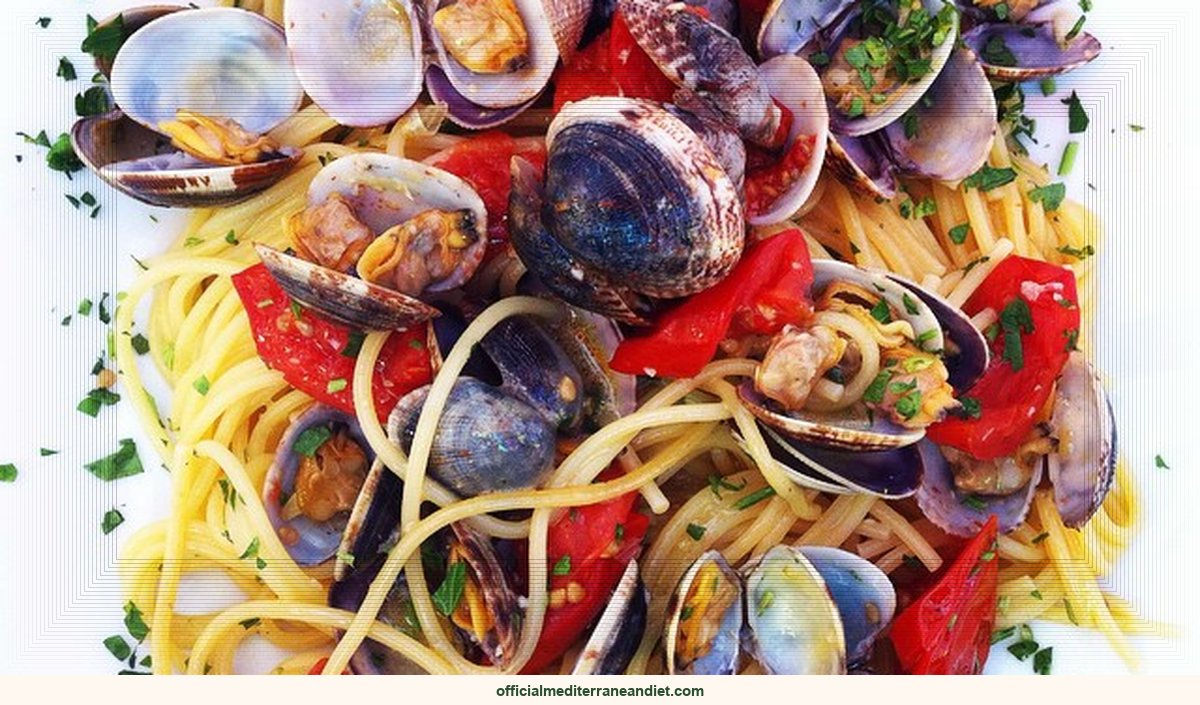
Sicilian Bottarga Pasta Recipe: Umami Bomb! Sicilian Bottarga Pasta
This is a sicilian bottarga pasta recipe, the kind that sits at the heart of the Sicily table. > Affiliate disclosure: Some product links below are affiliate links. If you buy through them, we may earn a small commission at no cost to you. We only recommend things we’d use ourselves. See our editorial policy for details.
Imagine the scent of salt and citrus hanging in a sun-drenched Sicilian kitchen. Nonna Emilia, her hands bearing the marks of decades spent by the sea, is grating a vibrant crimson ingredient over a simple tangle of pasta, something far older and more intense than Parmesan. It’s a regional specialty that might redefine how you experience umami.
Sicilian bottarga, cured fish roe, is the key. This isn’t a new trend; it’s a tradition passed down through generations of fishermen’s families, and it’s largely unknown outside a small corner of Italy. A simple pasta dish, elevated by a single, intensely flavorful ingredient? It’s surprisingly possible.
The recipe itself is straightforward: spaghetti or bucatini tossed with extra virgin olive oil, garlic, lemon, parsley, and a pinch of red pepper flakes. The magic comes from the bottarga, typically from tuna or mullet. Sicilian bottarga, specifically, is prized, originating from the Trapani region on the island’s western coast. The unique waters and curing techniques impart a distinct character you won’t find elsewhere [1].
The history of bottarga stretches back to Roman times, when it was a food source for coastal communities. The process is simple: fish roe is salted, pressed, and dried for months, concentrating its flavor. The result is firm, almost brittle, with a salty, briny, and surprisingly nutty taste, a flavor that speaks of the sea and centuries of tradition. It’s often called “poor man’s caviar,” but its texture is markedly different from the delicate, buttery richness of true caviar.
What sets Nonna Emilia’s recipe apart is the emphasis on quality. The olive oil, ideally from Trapani, contributes a fruity richness that complements the bottarga’s intensity. Lemon zest and juice add brightness, cutting through the richness, while parsley provides a fresh note. Emilia would likely advise, “Don’t mask the flavor; let the bottarga speak for itself.” A little goes a long way: just 50 grams (about ¼ cup, grated) can transform a simple pasta dish [1]. Red pepper flakes are optional, adding warmth to balance the saltiness.
Remarkably, a food with such a rich history remains relatively obscure. While Parmesan is a global staple, Sicilian bottarga is a regional treasure, largely unknown outside of Italy. This is partly due to the specialized knowledge and labor required to produce it, and partly because it’s a premium ingredient. Finding authentic Sicilian bottarga outside of specialty Italian markets can be a challenge, but the reward is a taste unlike any other. The distinct flavor of Trapani bottarga, shaped by the region’s unique currents and marine life, is unmistakable.
This recipe doesn’t offer a health shortcut. Bottarga is high in sodium and fat, so those with high blood pressure or following a low-fat diet should enjoy it sparingly. It’s a treat, not an everyday food. Always consult with a doctor before making significant dietary changes.
Finding Bottarga: Specialty Italian markets are your best bet. Online retailers specializing in imported Italian foods are another option, but check the vendor’s reputation.
Substitutions? There’s no true substitute. Parmesan offers a salty, umami flavor, but lacks bottarga’s distinct character. Dried seaweed (like nori) might offer a hint of the ocean flavor, but won’t replicate the richness.
Storage: Wrap tightly in plastic wrap and refrigerate. It will keep for several weeks.
Grating: It can be a bit tough. A Microplane zester works best, but a fine grater will do.
Sources [1] Sicilian Bottarga Pasta with Lemon and Parsley: https://www.sicilianbistrot.com/sicilian-bottarga-pasta-with-lemon-and-parsley/
How to make this sicilian bottarga pasta recipe
This Italian sicilian bottarga pasta recipe takes about 10 minutes to prep and 15 minutes to cook. The flavor comes from Sicily, where Nonna Emilia, a fisherman’s wife from Trapani has made it the same way for years. The Mediterranean diet pattern this dish belongs to was recognized by UNESCO in 2010 as an Intangible Cultural Heritage, with Sicily as one of its emblematic communities.
Ingredients for sicilian bottarga pasta with lemon and parsley
- 320g (1 lb) spaghetti or bucatini
- 50g (about 1/4 cup) Sicilian bottarga, finely grated (plus extra for garnish)
- 1/4 cup extra virgin olive oil, preferably from Trapani
- 2 cloves garlic, thinly sliced
- Zest and juice of 1 large lemon
- 1/2 cup fresh Italian parsley, finely chopped
- 1/4 teaspoon red pepper flakes (optional)
- Salt to taste (be mindful of the bottarga’s saltiness)
- Freshly ground black pepper to taste
- 1/4 cup pasta water, reserved
Method, the Sicily way
- Bring a large pot of salted water to a rolling boil. Add the pasta and cook according to package directions until al dente.
- While the pasta is cooking, heat the olive oil in a large skillet over medium heat. Add the garlic and red pepper flakes (if using) and cook until fragrant, about 30 seconds, being careful not to burn the garlic.
- Add the lemon zest and juice to the skillet and stir to combine. Reduce heat to low.
- Reserve about 1/4 cup of pasta water before draining the pasta. Drain the pasta and add it directly to the skillet with the lemon-garlic sauce.
- Add the grated bottarga to the skillet and toss the pasta vigorously to coat, adding a little of the reserved pasta water if needed to create a creamy emulsion. The pasta water helps emulsify the bottarga and olive oil.
- Stir in the chopped parsley. Season with black pepper to taste. Remember that bottarga is quite salty, so taste before adding any additional salt.
- Serve immediately, garnished with extra grated bottarga and a drizzle of olive oil. Nonna Emilia always says, ‘A little extra bottarga never hurt anyone!’
Tips from Nonna Emilia, a fisherman’s wife from Trapani
The traditional way in Sicily is to keep it simple. Researchers behind the PREDIMED trial found that the sicilian bottarga pasta recipe pattern, anchored in olive oil and short ingredient lists, cuts cardiovascular risk roughly 30%. Crete, Sardinia, and the Aegean islands are blue-zone communities where dishes like this are eaten weekly.
Serving, storage, and what to drink
Serves 4. Best the day it’s made. Leftovers keep in the fridge for two days. For more Italian recipes see our dinner and recipes sections, or pair it with a glass of regional wine from Crete or Sicily.
Loved this recipe?
Get the free 7-day Mediterranean Diet Starter Kit
A week of simple meal plans, a pantry checklist, and our best beginner recipes, straight to your inbox.
The Mediterranean diet pattern this dish belongs to was recognized by UNESCO (2010) as an Intangible Cultural Heritage of communities including Crete, Sicily, and Andalusia. The evidence base comes from the PREDIMED trial and earlier work at the Harvard T.H. Chan School of Public Health.
Leave a Reply