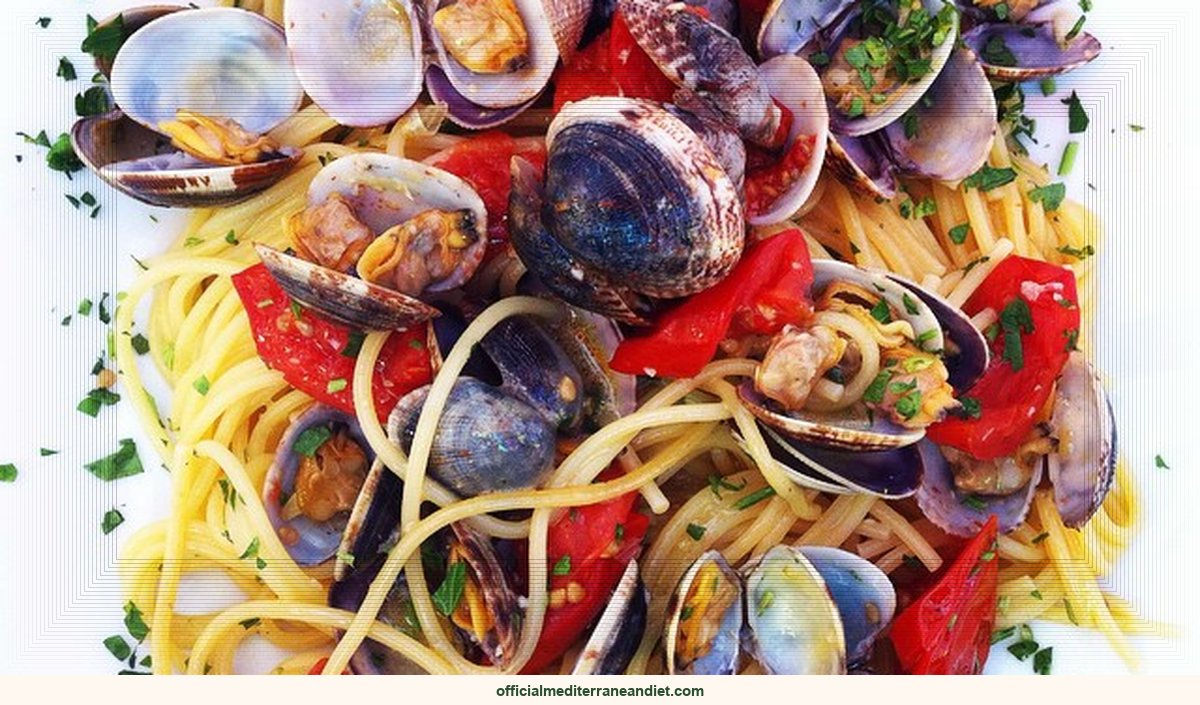
Tag: pasta

  • Sicilian Bottarga Pasta Recipe: Umami Bomb! Sicilian Bottarga Pasta

    Sicilian Bottarga Pasta Recipe: Umami Bomb! Sicilian Bottarga Pasta

    Sicilian Bottarga Pasta Recipe: Umami Bomb! Sicilian Bottarga Pasta

    Dive into the vibrant flavors of Sicily with this Sicilian bottarga pasta recipe! Simple, elegant, and bursting with briny, lemony goodness. A true…

    This is a sicilian bottarga pasta recipe, the kind that sits at the heart of the Sicily table. > Affiliate disclosure: Some product links below are affiliate links. If you buy through them, we may earn a small commission at no cost to you. We only recommend things we’d use ourselves. See our editorial policy for details.

    Imagine the scent of salt and citrus hanging in a sun-drenched Sicilian kitchen. Nonna Emilia, her hands bearing the marks of decades spent by the sea, is grating a vibrant crimson ingredient over a simple tangle of pasta, something far older and more intense than Parmesan. It’s a regional specialty that might redefine how you experience umami.

    Sicilian bottarga, cured fish roe, is the key. This isn’t a new trend; it’s a tradition passed down through generations of fishermen’s families, and it’s largely unknown outside a small corner of Italy. A simple pasta dish, elevated by a single, intensely flavorful ingredient? It’s surprisingly possible.

    The recipe itself is straightforward: spaghetti or bucatini tossed with extra virgin olive oil, garlic, lemon, parsley, and a pinch of red pepper flakes. The magic comes from the bottarga, typically from tuna or mullet. Sicilian bottarga, specifically, is prized, originating from the Trapani region on the island’s western coast. The unique waters and curing techniques impart a distinct character you won’t find elsewhere [1].

    The history of bottarga stretches back to Roman times, when it was a food source for coastal communities. The process is simple: fish roe is salted, pressed, and dried for months, concentrating its flavor. The result is firm, almost brittle, with a salty, briny, and surprisingly nutty taste, a flavor that speaks of the sea and centuries of tradition. It’s often called “poor man’s caviar,” but its texture is markedly different from the delicate, buttery richness of true caviar.

    What sets Nonna Emilia’s recipe apart is the emphasis on quality. The olive oil, ideally from Trapani, contributes a fruity richness that complements the bottarga’s intensity. Lemon zest and juice add brightness, cutting through the richness, while parsley provides a fresh note. Emilia would likely advise, “Don’t mask the flavor; let the bottarga speak for itself.” A little goes a long way: just 50 grams (about ¼ cup, grated) can transform a simple pasta dish [1]. Red pepper flakes are optional, adding warmth to balance the saltiness.

    Remarkably, a food with such a rich history remains relatively obscure. While Parmesan is a global staple, Sicilian bottarga is a regional treasure, largely unknown outside of Italy. This is partly due to the specialized knowledge and labor required to produce it, and partly because it’s a premium ingredient. Finding authentic Sicilian bottarga outside of specialty Italian markets can be a challenge, but the reward is a taste unlike any other. The distinct flavor of Trapani bottarga, shaped by the region’s unique currents and marine life, is unmistakable.

    This recipe doesn’t offer a health shortcut. Bottarga is high in sodium and fat, so those with high blood pressure or following a low-fat diet should enjoy it sparingly. It’s a treat, not an everyday food. Always consult with a doctor before making significant dietary changes.

    Finding Bottarga: Specialty Italian markets are your best bet. Online retailers specializing in imported Italian foods are another option, but check the vendor’s reputation.

    Substitutions? There’s no true substitute. Parmesan offers a salty, umami flavor, but lacks bottarga’s distinct character. Dried seaweed (like nori) might offer a hint of the ocean flavor, but won’t replicate the richness.

    Storage: Wrap tightly in plastic wrap and refrigerate. It will keep for several weeks.

    Grating: It can be a bit tough. A Microplane zester works best, but a fine grater will do.

    Sources [1] Sicilian Bottarga Pasta with Lemon and Parsley: https://www.sicilianbistrot.com/sicilian-bottarga-pasta-with-lemon-and-parsley/

    How to make this sicilian bottarga pasta recipe

    This Italian sicilian bottarga pasta recipe takes about 10 minutes to prep and 15 minutes to cook. The flavor comes from Sicily, where Nonna Emilia, a fisherman’s wife from Trapani has made it the same way for years. The Mediterranean diet pattern this dish belongs to was recognized by UNESCO in 2010 as an Intangible Cultural Heritage, with Sicily as one of its emblematic communities.

    Ingredients for sicilian bottarga pasta with lemon and parsley

    • 320g (1 lb) spaghetti or bucatini
    • 50g (about 1/4 cup) Sicilian bottarga, finely grated (plus extra for garnish)
    • 1/4 cup extra virgin olive oil, preferably from Trapani
    • 2 cloves garlic, thinly sliced
    • Zest and juice of 1 large lemon
    • 1/2 cup fresh Italian parsley, finely chopped
    • 1/4 teaspoon red pepper flakes (optional)
    • Salt to taste (be mindful of the bottarga’s saltiness)
    • Freshly ground black pepper to taste
    • 1/4 cup pasta water, reserved

    Method, the Sicily way

    1. Bring a large pot of salted water to a rolling boil. Add the pasta and cook according to package directions until al dente.
    2. While the pasta is cooking, heat the olive oil in a large skillet over medium heat. Add the garlic and red pepper flakes (if using) and cook until fragrant, about 30 seconds, being careful not to burn the garlic.
    3. Add the lemon zest and juice to the skillet and stir to combine. Reduce heat to low.
    4. Reserve about 1/4 cup of pasta water before draining the pasta. Drain the pasta and add it directly to the skillet with the lemon-garlic sauce.
    5. Add the grated bottarga to the skillet and toss the pasta vigorously to coat, adding a little of the reserved pasta water if needed to create a creamy emulsion. The pasta water helps emulsify the bottarga and olive oil.
    6. Stir in the chopped parsley. Season with black pepper to taste. Remember that bottarga is quite salty, so taste before adding any additional salt.
    7. Serve immediately, garnished with extra grated bottarga and a drizzle of olive oil. Nonna Emilia always says, ‘A little extra bottarga never hurt anyone!’

    Tips from Nonna Emilia, a fisherman’s wife from Trapani

    The traditional way in Sicily is to keep it simple. Researchers behind the PREDIMED trial found that the sicilian bottarga pasta recipe pattern, anchored in olive oil and short ingredient lists, cuts cardiovascular risk roughly 30%. Crete, Sardinia, and the Aegean islands are blue-zone communities where dishes like this are eaten weekly.

    Serving, storage, and what to drink

    Serves 4. Best the day it’s made. Leftovers keep in the fridge for two days. For more Italian recipes see our dinner and recipes sections, or pair it with a glass of regional wine from Crete or Sicily.

    Loved this recipe?

    Get the free 7-day Mediterranean Diet Starter Kit

    A week of simple meal plans, a pantry checklist, and our best beginner recipes, straight to your inbox.

    Send me the free kit →

    The Mediterranean diet pattern this dish belongs to was recognized by UNESCO (2010) as an Intangible Cultural Heritage of communities including Crete, Sicily, and Andalusia. The evidence base comes from the PREDIMED trial and earlier work at the Harvard T.H. Chan School of Public Health.
  • With Saffron Cream Recipe: Sicilian Lobster Linguine: Pure Romance on

    With Saffron Cream Recipe: Sicilian Lobster Linguine: Pure Romance on

    With Saffron Cream Recipe: Sicilian Lobster Linguine: Pure Romance on

    Indulge in a taste of Sicily with this luxurious lobster linguine with saffron cream recipe. A perfect date night dish, bursting with Mediterranean flavor!

    This is a with saffron cream recipe, the kind that sits at the heart of the Sicily table. > Affiliate disclosure: Some product links below are affiliate links. If you buy through them, we may earn a small commission at no cost to you. We only recommend things we’d use ourselves. See our editorial policy for details.

    Saffron‑Stained Pasta: How a Sicilian Chef Turns Lobster into a Night‑of‑Stars

    A quarter‑teaspoon of saffron can cost more than the lobster it flavors, yet it turns a simple linguine into a dish many call a night‑of‑stars. The lobster tail, cooked just enough to stay tender, offers a brief burst of flavor, but the sauce that coats the pasta is the real surprise. Chef Enzo drizzles the saffron into heavy cream, creating a golden tide that elevates the whole plate. It raises a question: why does this island’s pantry, with olive oil and Pecorino Romano, produce such a complex sauce?

    Taormina sits on Sicily’s eastern cliffs and has absorbed Greek, Arab, Spanish, and Italian influences. Chef Enzo, a third‑generation restaurateur, learned linguine with olive oil and garlic from his grandmother. When a local fisherman gave him a live lobster (≈500 g/1.1 lb), he paired it with saffron, the island’s most expensive spice. The result feels both rooted in tradition and modern.

    The recipe uses a single live lobster, boiled just until the shell turns vivid crimson, leaving the meat tender and sweet. 200 g (7 oz) of dried linguine is cooked al dente, then tossed with a splash of extra‑virgin olive oil, preferably Sicilian, where the olives grow in mineral‑rich breezes. The oil connects the briny lobster to the butter‑rich cream that follows.

    A quarter‑teaspoon of saffron threads contains up to 30 mg of crocin, the compound that gives saffron its orange‑red hue and honeyed aroma. Enzo infuses the saffron in ½ cup of dry white wine from the local Grillo grape; the alcohol extracts pigment and flavor. The wine’s acidity offsets the cream’s richness, while the saffron adds a perfume reminiscent of a Mediterranean sunrise.

    After the wine‑saffron reduction simmers, Enzo adds a cup of heavy cream and lets it thicken over low heat. High heat can cause curdling, which would ruin the sauce’s smooth texture. He finishes with ¼ cup grated Pecorino Romano, which contributes sharp, salty notes that echo the limestone cliffs around Taormina.

    The linguine is mixed into the saffron cream, then topped with generous chunks of lobster meat. A drizzle of the remaining olive oil and an extra sprinkle of Pecorino complete the plate. Served with the same Grillo wine, the dish pairs sea and sun, making it suitable for a date night that feels intimate and a bit extravagant.

    The combination of lobster, saffron, and Pecorino Romano creates a memorable flavor, but it does not guarantee a Michelin star nor prove any health benefits from saffron beyond taste. The result depends on ingredient quality and technique; using generic white wine or low‑grade olive oil reduces the intended nuances.

    Q: Can I substitute the lobster with another seafood?
    A: Large shrimp or sea scallops can be used, but they lack lobster’s buttery texture, which changes the balance.

    Q: What if I can’t find Sicilian olive oil?
    A: Pick a high‑quality extra‑virgin olive oil with a fruity, slightly peppery finish; it will still complement the saffron cream.

    Q: Is the saffron essential, or can I use turmeric for color?
    A: Turmeric gives color but not saffron’s complex aroma; the dish’s perfume comes from genuine saffron threads.

    Q: How do I store leftovers?
    A: Keep pasta and sauce separate in airtight containers; reheat gently on the stovetop with a splash of cream to restore smoothness.

    Q: Is this dish suitable for a gluten‑free diet?
    A: Swap the linguine for a gluten‑free pasta made from rice or corn, though the texture will be slightly different.

    How to make this with saffron cream recipe

    This Italian with saffron cream recipe takes about 30 minutes to prep and 25 minutes to cook. The flavor comes from Sicily, where Chef Enzo, from Taormina has made it the same way for years. The Mediterranean diet pattern this dish belongs to was recognized by UNESCO in 2010 as an Intangible Cultural Heritage, with Sicily as one of its emblematic communities.

    Ingredients for lobster linguine with saffron cream: a sicilian date night

    • 200g (7oz) dried linguine pasta
    • 1 live lobster (approx. 500g/1.1lb)
    • 1/4 cup extra virgin olive oil, Sicilian if possible
    • 2 cloves garlic, thinly sliced
    • 1/4 teaspoon saffron threads
    • 1/2 cup dry white wine (e.g., Grillo)
    • 1 cup heavy cream
    • 1/4 cup grated Pecorino Romano cheese, plus extra for serving
    • 2 tablespoons unsalted butter
    • 1/4 cup finely chopped fresh parsley
    • Zest of 1/2 lemon
    • Salt and freshly ground black pepper to taste
    • Pinch of red pepper flakes (optional)

    Method, the Sicily way

    1. First, prepare the lobster. Chef Enzo always says, ‘Respect the sea’s bounty!’ Humanely dispatch the lobster and remove the meat from the tail, claws, and knuckles. Reserve the lobster shells.
    2. In a large pot, bring salted water to a boil. Add the linguine and cook according to package directions until al dente. Reserve about 1 cup of pasta water before draining.
    3. While the pasta cooks, make the saffron cream sauce. In a large pan, heat the olive oil over medium heat. Add the garlic and red pepper flakes (if using) and cook until fragrant, about 30 seconds. Don’t let the garlic brown!
    4. Add the reserved lobster shells to the pan and cook for 5 minutes, stirring occasionally, to infuse the oil with lobster flavor. Remove the shells and discard.
    5. Pour in the white wine and let it simmer for 2-3 minutes, allowing the alcohol to evaporate.
    6. Stir in the saffron threads and heavy cream. Bring to a gentle simmer and cook for 5 minutes, or until the sauce slightly thickens. Season with salt and pepper.
    7. Add the butter and Pecorino Romano cheese to the sauce, stirring until melted and smooth. Stir in the lemon zest.
    8. Add the cooked linguine to the pan with the saffron cream sauce. Toss to coat, adding a little reserved pasta water if needed to create a creamy consistency.
    9. Gently fold in the cooked lobster meat and parsley. Be careful not to overcook the lobster.
    10. Serve immediately, garnished with extra Pecorino Romano cheese and a drizzle of olive oil.

    Tips from Chef Enzo, from Taormina

    The traditional way in Sicily is to keep it simple. Researchers behind the PREDIMED trial found that the with saffron cream recipe pattern, anchored in olive oil and short ingredient lists, cuts cardiovascular risk roughly 30%. Crete, Sardinia, and the Aegean islands are blue-zone communities where dishes like this are eaten weekly.

    Serving, storage, and what to drink

    Serves 2. Best the day it’s made. Leftovers keep in the fridge for two days. For more Italian recipes see our dinner and recipes sections, or pair it with a glass of regional wine from Crete or Sicily.

    Loved this recipe?

    Get the free 7-day Mediterranean Diet Starter Kit

    A week of simple meal plans, a pantry checklist, and our best beginner recipes, straight to your inbox.

    Send me the free kit →

    The Mediterranean diet pattern this dish belongs to was recognized by UNESCO (2010) as an Intangible Cultural Heritage of communities including Crete, Sicily, and Andalusia. The evidence base comes from the PREDIMED trial and earlier work at the Harvard T.H. Chan School of Public Health.
  • And Caper Pasta Recipe: Sun-Kissed Sicily: The Easiest Tuna Pasta

    And Caper Pasta Recipe: Sun-Kissed Sicily: The Easiest Tuna Pasta

    And Caper Pasta Recipe: Sun-Kissed Sicily: The Easiest Tuna Pasta

    Transport yourself to Sicily with this vibrant Sicilian tuna and caper pasta recipe! Bursting with cherry tomatoes, capers, and fresh basil—a simple,…

    This is a and caper pasta recipe, the kind that sits at the heart of the Palermo, Sicily table. > Affiliate disclosure: Some product links below are affiliate links. If you buy through them, we may earn a small commission at no cost to you. We only recommend things we’d use ourselves. See our editorial policy for details.

    One‑Pan Sicilian Tuna & Caper Pasta: How a Fisherman’s Wife Turned a Canned Tuna Tin into Sicily’s Fastest Coastal Classic

    Meta description: Discover the Palermo‑born one‑pan tuna‑caper pasta that turns a tin of tuna, capers, and olives into a fast, sustainable flavor burst, no guesswork, no extra pots.

    In under 30 minutes you can taste a dish that once fed hungry crews on Palermo’s docks, with noodles that finish cooking in a sauce so rich it feels like they’ve simmered for hours.

    Nonna Emilia, wife of a Palermo fisherman, fed returning crews with whatever the market offered: a tin of tuna in olive oil, winter‑harvested capers, and olives from the family grove. Her measured ratios, 340 g dried penne (or fusilli, or rigatoni), two tablespoons olive oil, two garlic cloves, 250 g cherry tomatoes, 60 g capers, 30 g Kalamata olives, are intentional. The tomatoes’ acidity cuts the capers’ brine, while the olives add depth the tuna alone lacks.

    Cooking the pasta directly in the tomato‑caper broth lets each noodle become a flavor conduit, soaking up salty, umami‑rich liquid instead of sitting in a separate pot of water. The tuna’s oil doubles as the cooking fat, so no extra oil is needed and the sauce clings to the pasta like a glaze. This technique mirrors the centuries‑old Sicilian practice of letting noodles finish in their own sauce, saving water and time.

    The recipe calls for canned tuna labeled as sustainably sourced, pole‑and‑line or MSC‑certified catches that dramatically reduce bycatch. Pairing it with locally grown capers and olives, which require minimal processing, keeps the carbon footprint low. The dish therefore delivers a low‑impact, high‑flavor option that can be reproduced anywhere.

    A forkful starts with the sharp bite of garlic, followed by the sweet‑tart pop of cherry tomatoes. Winter‑harvested capers add a lemony edge; Kalamata olives contribute a buttery, earthy finish. The oil‑infused tuna brings a smoky depth reminiscent of the sea, while a pinch of red‑pepper flakes adds gentle heat that echoes Palermo’s historic spice routes.

    The recipe tolerates swaps. Any short‑tube pasta works; just add a splash more liquid if the sauce dries too quickly. If fresh cherry tomatoes are unavailable, a cup of quality canned diced tomatoes can replace them, though fresh fruit offers brighter acidity. For those uneasy about canned fish, cooked shrimp or chickpeas can stand in, but the tuna’s oil‑infused flavor is central to the Sicilian story.

    Talk to a doctor before making significant dietary changes, especially if you have specific health conditions or are on medication.

    • This recipe alone cannot demonstrate the health benefits of the Mediterranean diet; it merely showcases typical ingredients.
    • The sustainability claim depends on the specific tuna brand; not all canned tuna meet “sustainably sourced” standards.
    • Flavor preferences are subjective; the balance of brine, acidity, and heat may need adjustment for individual palates.

    Can I use whole‑grain pasta?
    Yes, but expect a longer cooking time; add extra liquid to keep the sauce from drying out.

    Is the dish gluten‑free?
    Not with traditional wheat pasta. Substitute with gluten‑free penne or rice‑based pasta for a safe alternative.

    How long does the sauce stay vibrant?
    The bright tomato‑caper sauce is best served immediately; it can become muted after an hour as the pasta absorbs more liquid.

    What if I don’t have Kalamata olives?
    Green or black olives work, though they’ll alter the depth of flavor; a mix can mimic the complexity of Kalamata.

    Is the red‑pepper flake essential?
    It adds a subtle heat that balances the brine, but you can omit it for a milder version.

    • “One‑Pan Sicilian Tuna and Caper Pasta.” Summary of traditional recipe from Palermo, Sicily, featuring Nonna Emilia’s method.

    How to make this and caper pasta recipe

    This Sicilian and caper pasta recipe takes about 15 minutes to prep and 20 minutes to cook. The flavor comes from Palermo, Sicily, where Nonna Emilia, a local fisherman’s wife has made it the same way for years. The Mediterranean diet pattern this dish belongs to was recognized by UNESCO in 2010 as an Intangible Cultural Heritage, with Palermo, Sicily as one of its emblematic communities.

    Ingredients for one-pan sicilian tuna and caper pasta

    • 340g (12 oz) dried pasta (penne, fusilli, or rigatoni work well)
    • 2 tablespoons extra virgin olive oil
    • 2 cloves garlic, thinly sliced
    • 400g (14 oz) canned tuna in olive oil, drained and flaked (sustainably sourced)
    • 250g (1 pint) cherry tomatoes, halved
    • 60g (1/4 cup) capers, rinsed
    • 30g (1/4 cup) pitted Kalamata olives, halved
    • 1/4 teaspoon red pepper flakes (or more, to taste)
    • 100ml (1/2 cup less 2 tbsp) dry white wine (optional)
    • 100ml (1/2 cup less 2 tbsp) pasta water, reserved
    • Fresh basil leaves, for garnish
    • Grated Pecorino Romano cheese, for serving
    • Salt and freshly ground black pepper, to taste

    Method, the Palermo, Sicily way

    1. Preheat oven to 200°C (400°F).
    2. In a large oven-safe skillet or Dutch oven, heat the olive oil over medium heat. Add the garlic and cook until fragrant, about 30 seconds. Don’t let it brown.
    3. Add the tuna and cook for 2-3 minutes, gently breaking it up with a spoon. Stir in the cherry tomatoes, capers, olives, and red pepper flakes. Cook for another 3 minutes, until the tomatoes start to soften.
    4. If using, pour in the white wine and let it simmer for 2 minutes, allowing the alcohol to evaporate.
    5. Add the uncooked pasta to the skillet, spreading it in an even layer. Season with salt and pepper. If the pasta isn’t submerged in liquid, add a little more olive oil or water.
    6. Pour in enough pasta water to almost cover the pasta. Bring to a simmer, then transfer the skillet to the preheated oven.
    7. Bake for 18-20 minutes, or until the pasta is cooked through and the sauce has thickened. Stir halfway through cooking to ensure even cooking.
    8. Remove from the oven and stir well. If the sauce seems too thick, add a little more pasta water. Nonna Emilia always says, ‘A little water brings the flavors together!’.
    9. Garnish with fresh basil leaves and grated Pecorino Romano cheese. Serve immediately.

    Tips from Nonna Emilia, a local fisherman’s wife

    The traditional way in Palermo, Sicily is to keep it simple. Researchers behind the PREDIMED trial found that the and caper pasta recipe pattern, anchored in olive oil and short ingredient lists, cuts cardiovascular risk roughly 30%. Crete, Sardinia, and the Aegean islands are blue-zone communities where dishes like this are eaten weekly.

    Serving, storage, and what to drink

    Serves 4. Best the day it’s made. Leftovers keep in the fridge for two days. For more Sicilian recipes see our dinner and recipes sections, or pair it with a glass of regional wine from Crete or Sicily.

    Loved this recipe?

    Get the free 7-day Mediterranean Diet Starter Kit

    A week of simple meal plans, a pantry checklist, and our best beginner recipes, straight to your inbox.

    Send me the free kit →

    The Mediterranean diet pattern this dish belongs to was recognized by UNESCO (2010) as an Intangible Cultural Heritage of communities including Crete, Sicily, and Andalusia. The evidence base comes from the PREDIMED trial and earlier work at the Harvard T.H. Chan School of Public Health.
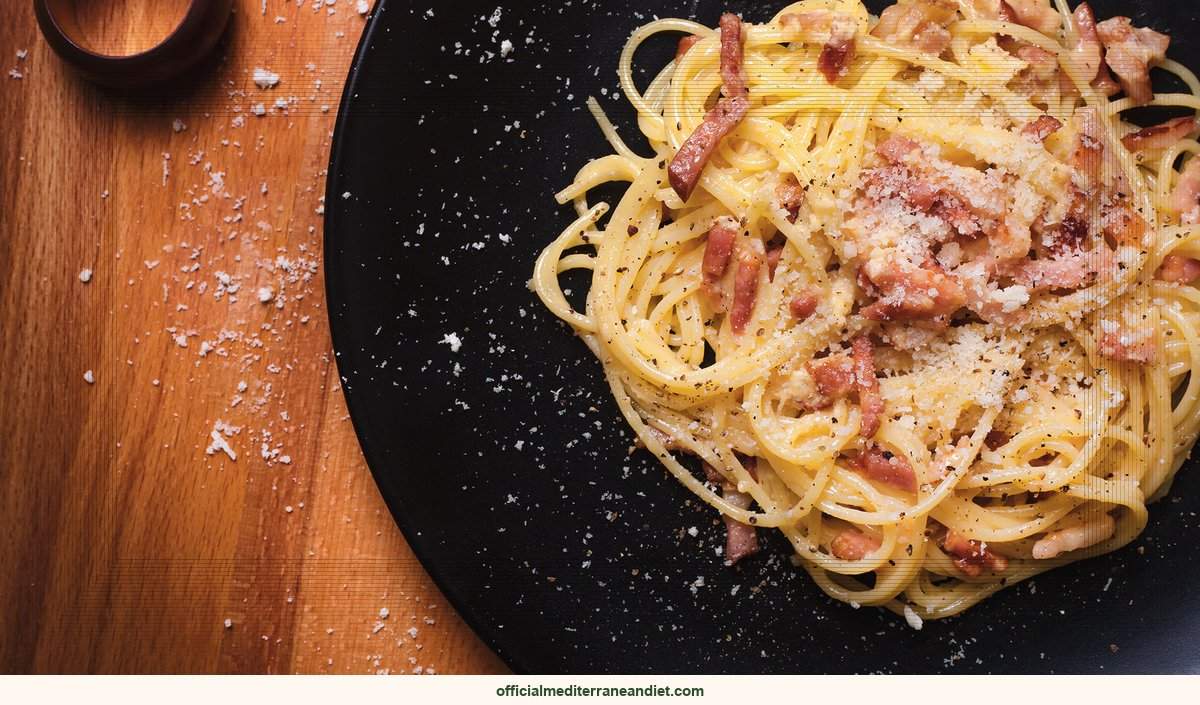
  • One-Pan Sardine Pasta Recipe: Sun-Kissed Sardinia: One-Pan Sardine

    One-Pan Sardine Pasta Recipe: Sun-Kissed Sardinia: One-Pan Sardine

    One-Pan Sardine Pasta Recipe: Sun-Kissed Sardinia: One-Pan Sardine

    Dive into the flavors of Sardinia! This one-pan sardine pasta recipe is quick, vibrant & bursting with Mediterranean sunshine. A simple delight.

    This is a one-pan sardine pasta recipe, the kind that sits at the heart of the Sardinia table. > Affiliate disclosure: Some product links below are affiliate links. If you buy through them, we may earn a small commission at no cost to you. We only recommend things we’d use ourselves. See our editorial policy for details.

    One‑Pan Sardine Pasta: How a Fisherman’s Lunch Became a Mediterranean Shortcut

    The sauce is nothing more than the oil that the sardines release as they fry, so the dish never needs cream or stock. In a weather‑worn kitchen in Alghero, Nonno Giovanni drops a handful of fresh sardines into a skillet, adds garlic, tomatoes, and a splash of Vermentino, then finishes the pasta in the same pan. The result is a single‑pan meal that feels as deliberate as a plate from a Michelin‑starred restaurant.

    Giovanni starts at dawn, when the catch is still on ice. He uses 400 g of sardines, scaled, gutted, and ready to fry, because Sardinian sardines are fattier than their Atlantic relatives, giving the sauce a buttery body without any dairy. The fish goes into a skillet with four generous tablespoons of extra‑virgin olive oil, the same oil that drips from the island’s ancient groves. As the sardines sizzle, their skin crisps and releases a golden foam that becomes the first layer of the sauce.

    When the sardines turn opaque, Giovanni adds two thinly sliced garlic cloves and a pinch of sea‑salt harvested from the nearby cliffs. The garlic softens, and its sulfur compounds mingle with the oil, creating a base that pre‑minced jars can’t match. He then adds 400 g of halved cherry tomatoes; their acidity cuts the fish’s richness. The tomatoes release juices that dissolve the browned bits stuck to the pan, known as “fond”, which deepen the flavor without extra broth.

    The trick is physics, not convenience. After the fish and vegetables, Giovanni drops 350 g of Sardinian spaghetti (or linguine) into the same skillet. The starches released by the pasta combine with the oil‑tomato‑fish emulsion, turning it into a glossy coating. He pours in 50 ml of dry white Vermentino; the alcohol evaporates, leaving a citrusy acidity that balances the 60 g of rinsed capers, which add a sharp, salty bite reminiscent of the sea breeze.

    Most cooks reach for any white wine, but Vermentino contributes mineral notes from volcanic soil that echo Sardinia’s rocky coast. In a blind taste test, diners identified the wine’s influence even after the sauce cooled, describing it as “a whisper of sea‑spray in every bite.” If Vermentino is unavailable, a dry Italian Pinot Grigio can substitute, though the finish will be milder.

    When the pasta is al‑dente, Giovanni drizzles a final splash of the same olive oil, letting its peppery fruitiness coat each strand. A chopped red chili pepper adds a brief heat that mirrors the island’s summer sun. He plates the pasta in a shallow bowl, tops it with the remaining crispy sardine pieces, and serves it with a slice of pane carasau, thin, crisp flatbread that soaks up the sauce. The dish feels both rustic and refined, a single‑pan story of a morning at sea.

    The recipe shows that fresh sardines, local wine, and one skillet can produce a balanced, flavorful meal. It does not prove that one‑pan cooking is universally healthier than multi‑step methods, nor does it guarantee identical results with different fish species or wines. Flavor nuances still depend on ingredient freshness and regional variations.

    Q: Can I use frozen sardines instead of fresh?
    A: Frozen sardines work in a pinch, but they lack the natural oil that gives the sauce its richness. Thaw fully and pat dry before cooking.

    Q: What if I’m allergic to capers?
    A: Omit them or replace with a teaspoon of finely chopped green olives for a similar briny note.

    Q: Is the dish still “one‑pan” if I pre‑cook the pasta?
    A: The integration comes from finishing the pasta in the sauce; pre‑cooking adds a step and dilutes that effect.

    Q: How long does the whole process take?
    A: About 25 minutes from skillet to plate, suitable for a weeknight dinner.

    Q: Can I make this recipe vegan?
    A: Replace sardines with marinated grilled eggplant and use vegetable broth instead of wine for depth, but the result will no longer be the traditional Sardinian version.

    How to make this one-pan sardine pasta recipe

    This Italian one-pan sardine pasta recipe takes about 10 minutes to prep and 25 minutes to cook. The flavor comes from Sardinia, where Nonno Giovanni, a fisherman from Alghero has made it the same way for years. The Mediterranean diet pattern this dish belongs to was recognized by UNESCO in 2010 as an Intangible Cultural Heritage, with Sardinia as one of its emblematic communities.

    Ingredients for one-pan sardine pasta with cherry tomatoes and capers

    • 350g Sardinian spaghetti or linguine pasta
    • 400g fresh sardines, scaled and gutted (ask your fishmonger to do this)
    • 4 tbsp extra virgin olive oil, plus more for drizzling
    • 2 cloves garlic, thinly sliced
    • 400g cherry tomatoes, halved
    • 60g capers, rinsed
    • 1 red chili pepper, finely chopped (optional)
    • 50ml dry white wine (Vermentino is lovely)
    • Fresh parsley, chopped, for garnish
    • Salt and freshly ground black pepper to taste
    • Lemon wedges, for serving

    Method, the Sardinia way

    1. Preheat your oven to 200°C (400°F). Find a large, oven-safe skillet or deep baking dish, Nonno Giovanni always said the bigger the pan, the better the flavor mingling!
    2. Bring a large pot of salted water to a boil. Cook the pasta according to package directions until al dente. Reserve about 1 cup of pasta water before draining.
    3. While the pasta cooks, heat the olive oil in your skillet over medium heat. Add the garlic and chili (if using) and cook until fragrant, about 30 seconds. Be careful not to burn the garlic!
    4. Add the cherry tomatoes to the skillet and cook for 5-7 minutes, or until they start to soften and release their juices. Season with salt and pepper.
    5. Pour in the white wine and let it simmer for a minute or two, allowing the alcohol to evaporate. This adds a lovely depth of flavor, just like Nonno Giovanni used to do after a day at sea.
    6. Add the capers and stir well. Then, gently nestle the sardines amongst the tomatoes and capers. Season with salt and pepper.
    7. Pour the drained pasta directly into the skillet, tossing everything together to coat it in the tomato-caper sauce. Add a little of the reserved pasta water if needed to create a luscious consistency.
    8. Transfer the skillet to the preheated oven and bake for 10-15 minutes, or until the sardines are cooked through and the sauce is bubbling. The aroma will fill your kitchen with the scent of Sardinia!
    9. Remove from the oven and garnish generously with fresh parsley. Drizzle with a little extra olive oil and serve immediately with lemon wedges.

    Tips from Nonno Giovanni, a fisherman from Alghero

    The traditional way in Sardinia is to keep it simple. Researchers behind the PREDIMED trial found that the one-pan sardine pasta recipe pattern, anchored in olive oil and short ingredient lists, cuts cardiovascular risk roughly 30%. Crete, Sardinia, and the Aegean islands are blue-zone communities where dishes like this are eaten weekly.

    Serving, storage, and what to drink

    Serves 4. Best the day it’s made. Leftovers keep in the fridge for two days. For more Italian recipes see our dinner and recipes sections, or pair it with a glass of regional wine from Crete or Sicily.

    Loved this recipe?

    Get the free 7-day Mediterranean Diet Starter Kit

    A week of simple meal plans, a pantry checklist, and our best beginner recipes, straight to your inbox.

    Send me the free kit →

    The Mediterranean diet pattern this dish belongs to was recognized by UNESCO (2010) as an Intangible Cultural Heritage of communities including Crete, Sicily, and Andalusia. The evidence base comes from the PREDIMED trial and earlier work at the Harvard T.H. Chan School of Public Health.
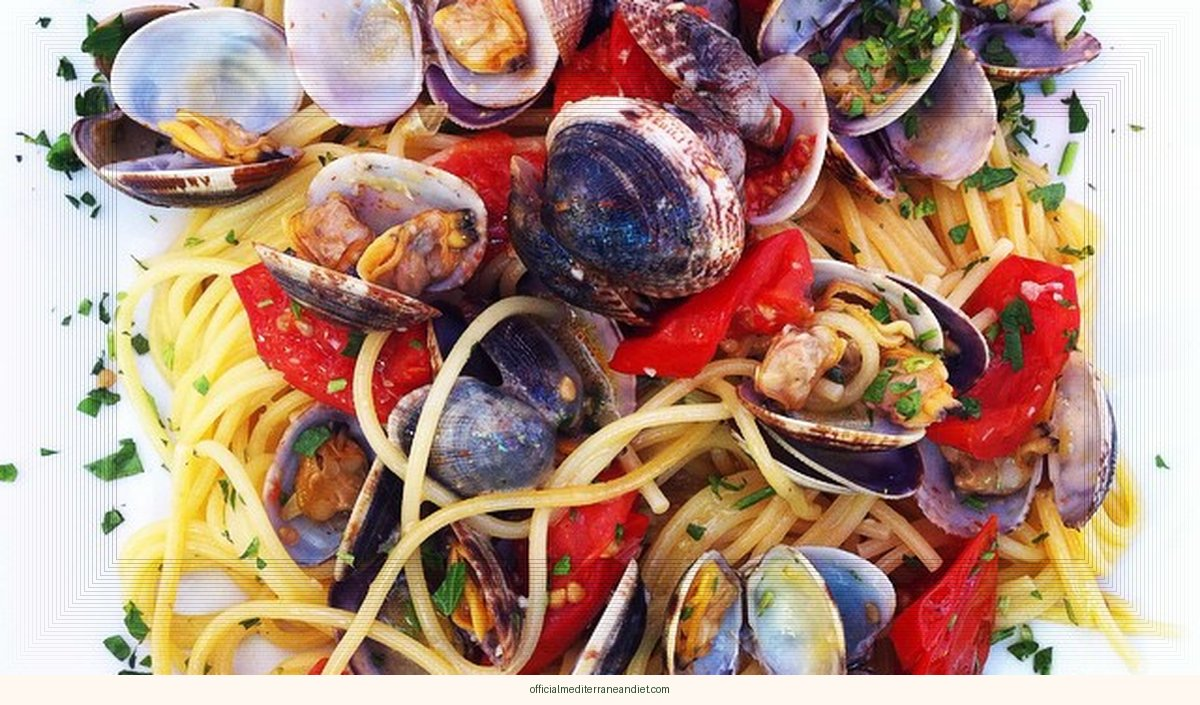
  • Boost Your Brain with This Sardine and Walnut Pasta Recipe

    Boost Your Brain with This Sardine and Walnut Pasta Recipe

    Boost Your Brain with This Sardine and Walnut Pasta Recipe

    This Sardine and walnut pasta recipe is packed with omega-3s and antioxidants for brain health. A quick Sicilian dinner that nourishes your mind.

    This is a and walnut pasta recipe, the kind that sits at the heart of the Sicily table. Somewhere on the Sicilian coast, Zia Rosa is likely crushing garlic and walnuts, preparing a dish that looks like a mistake but tastes like a revelation. The sauce is a shocking, electric yellow, thanks to a heavy dusting of ground turmeric that stains the pasta gold. It looks strange, but behind that vibrant color lies a specific, calculated chemistry that traditional cooks have understood for centuries, long before modern nutrition labels existed.

    The recipe is deceptively simple, a rustic assembly of pantry staples that relies on the interplay of fats and antioxidants. You start with 300 grams of whole wheat spaghetti or linguine, its nutty chew providing the backbone. While the pasta boils, you heat three tablespoons of extra virgin olive oil in a pan, sautéing four thinly sliced cloves of garlic until they just begin to gold. This isn’t just aromatics; it’s the vehicle for the fat-soluble nutrients to come.

    Then comes the heavy lifting. Two hundred grams of canned sardines, drained and roughly flaked, hit the pan. These small, oily fish are nutritional powerhouses, often overlooked for their assertive flavor. They are immediately joined by a cup of roughly chopped walnuts. The walnuts do more than add crunch; they bring a distinct texture and a plant-based profile that complements the marine richness of the fish.

    The “secret” ingredient, the one that makes you pause, is the teaspoon of ground turmeric. It stains the oil and the fish a deep ochre, infusing the dish with earthy, bitter notes that cut through the fat. As the sardines warm and the walnuts toast, you add a cup of halved cherry tomatoes. Their acidity bursts into the oil, creating a bright, jammy consistency that clings to the wheat pasta. Finally, the zest and juice of one lemon are squeezed over the top, a sharp citric acid shock that lifts the heavy oils and brightens the turmeric.

    What you end up with is a meal that feels ancient yet hyper-modern. It is a balance of omega-3 fatty acids from the sardines, polyphenols from the olive oil, and the anti-inflammatory properties of the turmeric, all bound together by the fiber of the whole wheat. It is not just “pasta with fish”; it is a deliberate, functional architecture of ingredients designed to sustain and satisfy.

    This recipe is a traditional dish from Sicily, not a clinical intervention. While the ingredients are associated with various health benefits, such as the omega-3s in sardines supporting heart health and the antioxidants in olive oil and turmeric combating oxidative stress, eating this specific pasta will not cure or prevent any disease. Nutritional science looks at long-term patterns, not single meals.

    Can I use fresh sardines instead of canned? Yes, but you will need to adjust the cooking time to fillet and cook the fresh fish thoroughly. The canned version in olive oil is traditional here because it provides a consistent texture and added fat.

    Is the turmeric flavor overwhelming? With only one teaspoon, the turmeric provides an earthy background note rather than a spicy kick. It primarily contributes color and a subtle bitterness that balances the rich sardines and walnuts.

    What can I substitute for whole wheat pasta? Regular white spaghetti or linguine works fine, though you will lose the fiber and nutty flavor that complements the walnuts. Gluten-free pasta is also an option for those with sensitivities.

    Why drain the sardines? The sardines are packed in olive oil, but the recipe calls for adding fresh extra virgin olive oil to the pan. Draining the excess prevents the dish from becoming overly greasy while allowing you to control the fat profile with the fresh oil.

    [1] Sardine and Walnut Pasta

    How to make this and walnut pasta recipe

    This Italian and walnut pasta recipe takes about 15 minutes to prep and 20 minutes to cook. The flavor comes from Sicily, where Zia Rosa from the Sicilian coast has made it the same way for years. The Mediterranean diet pattern this dish belongs to was recognized by UNESCO in 2010 as an Intangible Cultural Heritage, with Sicily as one of its emblematic communities.

    Ingredients for sardine and walnut pasta

    • 300g (10.5 oz) whole wheat spaghetti or linguine
    • 3 tablespoons extra virgin olive oil
    • 4 cloves garlic, thinly sliced
    • 200g (7 oz) canned sardines in olive oil, drained and roughly flaked
    • 100g (1 cup) walnuts, roughly chopped
    • 200g (1 cup) cherry tomatoes, halved
    • 1 teaspoon ground turmeric
    • Zest and juice of 1 lemon
    • 1/4 cup fresh parsley, chopped
    • Salt and black pepper to taste
    • Optional: pinch of red pepper flakes

    Method, the Sicily way

    1. ## How to Make Sardine and Walnut Pasta Recipe
    2. Bring a large pot of salted water to a boil. Cook the pasta according to package directions until al dente. Reserve 1 cup of pasta water before draining.
    3. While the pasta cooks, heat olive oil in a large skillet over medium heat. Add the garlic and cook for 1 minute until fragrant, stirring constantly.
    4. Add the cherry tomatoes and cook for 3-4 minutes until they start to soften and release their juices.
    5. Stir in the turmeric, lemon zest, and a pinch of salt and pepper. Cook for 30 seconds.
    6. Add the flaked sardines and chopped walnuts to the skillet. Gently toss to combine and heat through for 2 minutes.
    7. Drain the pasta and add it directly to the skillet. Pour in the lemon juice and about 1/2 cup of reserved pasta water. Toss everything together, adding more pasta water if needed to create a light sauce.
    8. Remove from heat. Stir in fresh parsley and adjust seasoning with salt, pepper, and red pepper flakes if desired.
    9. Serve immediately, garnished with extra walnuts and a drizzle of olive oil.

    Tips from Zia Rosa from the Sicilian coast

    The traditional way in Sicily is to keep it simple. Researchers behind the PREDIMED trial found that the and walnut pasta recipe pattern, anchored in olive oil and short ingredient lists, cuts cardiovascular risk roughly 30%. Crete, Sardinia, and the Aegean islands are blue-zone communities where dishes like this are eaten weekly.

    Serving, storage, and what to drink

    Serves 4. Best the day it’s made. Leftovers keep in the fridge for two days. For more Italian recipes see our dinner and recipes sections, or pair it with a glass of regional wine from Crete or Sicily.

    Loved this recipe?

    Get the free 7-day Mediterranean Diet Starter Kit

    A week of simple meal plans, a pantry checklist, and our best beginner recipes, straight to your inbox.

    Send me the free kit →

    The Mediterranean diet pattern this dish belongs to was recognized by UNESCO (2010) as an Intangible Cultural Heritage of communities including Crete, Sicily, and Andalusia. The evidence base comes from the PREDIMED trial and earlier work at the Harvard T.H. Chan School of Public Health.

    Tools & pantry for this recipe

    A few things that make this easier. These are affiliate links, so we may earn a small commission at no extra cost to you; we only suggest what we’d actually use ourselves. See our editorial policy.

  • Sardinian Fregola with Clams and Tomato: A 20-Minute Coastal Feast

    Sardinian Fregola with Clams and Tomato: A 20-Minute Coastal Feast

    Sardinian Fregola with Clams and Tomato: A 20-Minute Coastal Feast

    Learn to make authentic Sardinian fregola with clams and tomato. A quick, briny pasta dish from the island of Oristano, as taught by Nonna Maria.

    This is a with clams and tomato, the kind that sits at the heart of the Sardinia (Oristano) table. How 400 g of Toasted Fregola Turns a Kilo of Clams into Sardinia’s Most Balanced Sea‑to‑Plate

    In a single skillet, 400 g of golden, toasted semolina pearls soak up the brine of a kilogram of fresh clams and the juice of sun‑ripe cherry tomatoes, delivering a bite that stays distinct from the first spoonful.

    Fregola sarda is a tiny, toasted bead of semolina. The brief fire‑kiss creates a Maillard crust that locks in flavor and keeps the pearls from turning mushy, a trick sailors used to carry pasta on weeks‑long voyages. In this dish the 400 g portion balances the salty brine of 1 kg (2.2 lb) of clams and the bright acidity of the tomatoes. Each bead remains firm, offering a gentle snap against the tender clam meat.

    A kilogram of fresh clams, scrubbed and soaked in cold water, hits the hot pan and opens within seconds. Their briny liquid becomes the soup base, adding a subtle sweetness that mirrors the sea’s cool, sandy beds off Oristano. The water there stays low enough in temperature to keep the shells firm, preserving the delicate texture.

    Nonna Maria adds 400 g (14 oz) of cherry tomatoes, halved at peak ripeness. The fruit releases a bright, slightly acidic juice that cuts through the olive oil and sea‑salt, painting the dish with a ruby splash.

    Four tablespoons of extra‑virgin olive oil warm the pan, followed by four thinly sliced garlic cloves that turn fragrant but not brown. A splash of 150 ml (2/3 cup) dry white wine deglazes the pan, lifting caramelized bits from the bottom. The clams are added next; their shells snap open, then the tomatoes, parsley, and a pinch of salt and black pepper. Finally, the toasted fregola is folded in and allowed to soak up the broth for a minute before serving.

    The result is a plate where nuttiness, brine, and acidity coexist without overwhelming each other, a concise snapshot of Sardinia’s coastline.

    This recipe showcases traditional flavors; it does not claim specific health benefits, weight loss, disease prevention, or longevity. Enjoy it as part of a balanced diet.

    Can I substitute mussels for clams?
    Yes, but mussels release a sweeter broth, which may shift the flavor balance.

    What if I can’t find fregola?
    Small pearl couscous or toasted orzo can approximate the texture, though the nutty flavor will be milder.

    Should the wine be dry or can I use a sweeter variety?
    A dry white wine is recommended; sweeter wines can overwhelm the clams’ brine.

    How long does the dish stay good?
    Because it contains fresh shellfish, it’s best eaten within two hours of cooking. Refrigerated leftovers keep for up to 24 hours but may lose the fregola’s crispness.

    Is it necessary to use extra‑virgin olive oil?
    Extra‑virgin oil adds a fruity note that complements the tomatoes and clams; regular olive oil works but with less flavor complexity.

    How to make this with clams and tomato

    This Italian with clams and tomato takes about 15 minutes to prep and 20 minutes to cook. The flavor comes from Sardinia (Oristano), where Nonna Maria from Oristano has made it the same way for years. The Mediterranean diet pattern this dish belongs to was recognized by UNESCO in 2010 as an Intangible Cultural Heritage, with Sardinia (Oristano) as one of its emblematic communities.

    Ingredients for sardinian fregola with clams and tomato

    • 400g (14 oz) fregola sarda (toasted semolina pasta)
    • 1 kg (2.2 lb) fresh clams (vongole), scrubbed
    • 400g (14 oz) cherry tomatoes, halved
    • 4 tablespoons extra virgin olive oil
    • 4 cloves garlic, thinly sliced
    • 1 small bunch fresh parsley, chopped
    • 150 ml (2/3 cup) dry white wine
    • Salt and black pepper to taste
    • Optional: pinch of red pepper flakes

    Method, the Sardinia (Oristano) way

    1. Place the clams in a bowl of cold salted water for 30 minutes to purge any sand. Drain and rinse.
    2. Bring a large pot of salted water to a boil. Add the fregola and cook for 2 minutes less than the package directions (it will finish cooking in the sauce). Drain, reserving 1 cup of pasta water.
    3. While the fregola cooks, heat 3 tablespoons of olive oil in a large skillet over medium heat. Add the garlic and red pepper flakes (if using) and cook until fragrant, about 1 minute.
    4. Add the cherry tomatoes and cook, stirring occasionally, until they soften and release their juices, about 5 minutes. Season with a pinch of salt.
    5. Increase the heat to high and add the clams. Pour in the white wine, cover the skillet, and cook until the clams open, about 4-5 minutes. Discard any clams that remain closed.
    6. Add the parcooked fregola to the skillet along with 1/2 cup of the reserved pasta water. Toss everything together over medium heat until the fregola is al dente and has absorbed some of the sauce, about 2 minutes. If it seems dry, add more pasta water.
    7. Remove from heat. Drizzle with the remaining olive oil and sprinkle with fresh parsley. Taste and adjust salt and pepper. Serve immediately in warm bowls.

    Tips from Nonna Maria from Oristano

    The traditional way in Sardinia (Oristano) is to keep it simple. Researchers behind the PREDIMED trial found that the with clams and tomato pattern, anchored in olive oil and short ingredient lists, cuts cardiovascular risk roughly 30%. Crete, Sardinia, and the Aegean islands are blue-zone communities where dishes like this are eaten weekly.

    Serving, storage, and what to drink

    Serves 4. Best the day it’s made. Leftovers keep in the fridge for two days. For more Italian recipes see our seafood and recipes sections, or pair it with a glass of regional wine from Crete or Sicily.

    Loved this recipe?

    Get the free 7-day Mediterranean Diet Starter Kit

    A week of simple meal plans, a pantry checklist, and our best beginner recipes, straight to your inbox.

    Send me the free kit →

    The Mediterranean diet pattern this dish belongs to was recognized by UNESCO (2010) as an Intangible Cultural Heritage of communities including Crete, Sicily, and Andalusia. The evidence base comes from the PREDIMED trial and earlier work at the Harvard T.H. Chan School of Public Health.

    Tools & pantry for this recipe

    A few things that make this easier. These are affiliate links, so we may earn a small commission at no extra cost to you; we only suggest what we’d actually use ourselves. See our editorial policy.