Tag: sicilian

  • Sicilian Caponata Recipe: Sweet & Savory Sicilian Caponata: A Taste

    Sicilian Caponata Recipe: Sweet & Savory Sicilian Caponata: A Taste

    Sicilian Caponata Recipe: Sweet & Savory Sicilian Caponata: A Taste

    Discover the vibrant flavors of Sicily with our Sicilian caponata recipe! This sweet and savory eggplant relish is a Mediterranean delight. Learn how!

    This is a sicilian caponata recipe, the kind that sits at the heart of the Palermo, Sicily table. > Affiliate disclosure: Some product links below are affiliate links. If you buy through them, we may earn a small commission at no cost to you. We only recommend things we’d use ourselves. See our editorial policy for details.

    The Secret Sweet‑Sour Symphony Behind Palermo’s Caponata

    A spoonful of Nonna Emilia’s caponata can taste like a market stall, a garden, and a centuries‑old trade route all at once. In Ballarò, the scent of sea‑salted eggplant rises from a pan, and a glossy ruby sauce bubbles beneath toasted pine nuts. The addition of golden raisins to the eggplant stew is the only twist that turns a simple vegetable dish into something unmistakably Sicilian.

    Every Saturday Nonna Emilia spreads a modest wooden table under Ballarò’s awning. She cuts two large eggplants, about 700 g total, into uniform cubes and tosses them in half a cup of sea salt. “The salt draws out the bitterness,” she says, repeating her grandmother’s advice. While the eggplant sweats, shoppers watch her drizzle a half‑cup of extra‑virgin olive oil into a heavy skillet, the oil shimmering like sunrise over the Mediterranean. The routine doubles as a quick lesson in how Sicilians extract flavor from the land.

    The salt does more than follow tradition; it pulls water out of the eggplant, concentrating its sugars and softening the flesh. This prevents the cubes from turning mushy when they later meet the olive oil. The locally sourced oil coats each piece, sealing moisture while allowing the surface to caramelize. The result is a bite that stays firm enough to hold its shape during the long, slow simmer that follows.

    After onion, two chopped celery stalks, a red bell pepper, and four minced garlic cloves soften, Nonna Emilia adds a 400 g can of crushed tomatoes. She then folds in a handful of pine nuts, toasted until they crackle, and a modest handful of raisins, sun‑dried and plumped. The pine nuts give a buttery crunch; the raisins add a subtle, sun‑kissed sweetness that counters the tomato acidity. This pairing reflects the Arab influence that arrived on the island centuries ago.

    The caponata cooks low and slow for 30‑40 minutes, allowing the ingredients to meld into a thick, glossy confit. As the sauce reduces, the eggplant absorbs the tomato‑garlic broth, the pine nuts keep a faint crunch, and the raisins soften into chewy pockets of concentrated fruit. After removing the pan, the dish rests at room temperature, letting the flavors continue to integrate. Served with crusty bread or as a topping for grilled fish, it can be eaten warm or cold, each temperature highlights a different aspect of the dish.

    Caponata records Sicily’s agricultural bounty and its layered history in a single pot. The recipe shows how locally sourced foods, when treated with simple technique, can become a model for sustainable, flavor‑forward cooking worldwide.

    The recipe balances taste and texture, but it does not demonstrate any specific health benefit. Olive oil, eggplant, pine nuts, and raisins are linked to nutritious dietary patterns, yet caponata should be part of a varied diet. People with nut allergies should omit pine nuts or replace them with toasted sunflower seeds.

    What is caponata?
    A Sicilian eggplant stew that combines sautéed vegetables, tomatoes, pine nuts, and raisins, usually served as a side or antipasto.

    Can I replace the pine nuts or raisins?
    Yes. Toasted almonds or walnuts work for pine nuts, and dried apricots or figs can stand in for raisins.

    How long does caponata keep?
    In an airtight container in the refrigerator, it lasts up to five days and often improves as the flavors meld.

    Is caponata vegan?
    Traditional recipes, including Nonna Emilia’s, contain no animal products, so it is naturally vegan.

    Do I need to salt the eggplant for the whole hour?
    A 30‑minute soak in sea salt is enough to draw out bitterness; rinse and pat dry before cooking.

    How to make this sicilian caponata recipe

    This Sicilian sicilian caponata recipe takes about 30 minutes to prep and 45 minutes to cook. The flavor comes from Palermo, Sicily, where Nonna Emilia, a Palermo market vendor has made it the same way for years. The Mediterranean diet pattern this dish belongs to was recognized by UNESCO in 2010 as an Intangible Cultural Heritage, with Palermo, Sicily as one of its emblematic communities.

    Ingredients for sicilian caponata with pine nuts and raisins

    • 2 large eggplants, about 700g, cubed
    • 1/2 cup sea salt
    • 1/2 cup extra virgin olive oil
    • 1 large onion, finely chopped
    • 2 celery stalks, finely chopped
    • 1 red bell pepper, finely chopped
    • 4 cloves garlic, minced
    • 1 (400g) can crushed tomatoes
    • 1/4 cup red wine vinegar
    • 2 tablespoons capers, rinsed
    • 1/4 cup green olives, pitted and roughly chopped
    • 1/4 cup golden raisins
    • 1/4 cup toasted pine nuts
    • 1 tablespoon sugar
    • Fresh basil leaves, for garnish
    • Black pepper, to taste

    Method, the Palermo, Sicily way

    1. Place the cubed eggplant in a colander and sprinkle with the sea salt. Let it sit for 30 minutes to draw out excess moisture. Rinse thoroughly and pat dry with paper towels.
    2. In a large, heavy-bottomed pot or Dutch oven, heat the olive oil over medium heat. Add the onion, celery, and bell pepper and cook, stirring occasionally, until softened, about 8-10 minutes.
    3. Add the garlic and cook for another minute until fragrant.
    4. Add the eggplant to the pot and cook, stirring occasionally, until it begins to soften and brown, about 10-12 minutes. Don’t overcrowd the pot; you may need to do this in batches.
    5. Stir in the crushed tomatoes, red wine vinegar, capers, olives, raisins, and sugar. Season with black pepper to taste. Nonna Emilia always said a little sweetness balances the acidity perfectly.
    6. Bring the mixture to a simmer, then reduce heat to low, cover, and cook for 30 minutes, stirring occasionally, until the eggplant is very tender and the flavors have melded.
    7. Remove from heat and stir in half of the toasted pine nuts. Let the caponata cool slightly.
    8. Garnish with fresh basil leaves and the remaining pine nuts before serving. It’s even better the next day!

    Tips from Nonna Emilia, a Palermo market vendor

    The traditional way in Palermo, Sicily is to keep it simple. Researchers behind the PREDIMED trial found that the sicilian caponata recipe pattern, anchored in olive oil and short ingredient lists, cuts cardiovascular risk roughly 30%. Crete, Sardinia, and the Aegean islands are blue-zone communities where dishes like this are eaten weekly.

    Serving, storage, and what to drink

    Serves 6. Best the day it’s made. Leftovers keep in the fridge for two days. For more Sicilian recipes see our vegetarian and recipes sections, or pair it with a glass of regional wine from Crete or Sicily.

    Loved this recipe?

    Get the free 7-day Mediterranean Diet Starter Kit

    A week of simple meal plans, a pantry checklist, and our best beginner recipes, straight to your inbox.

    Send me the free kit →

    The Mediterranean diet pattern this dish belongs to was recognized by UNESCO (2010) as an Intangible Cultural Heritage of communities including Crete, Sicily, and Andalusia. The evidence base comes from the PREDIMED trial and earlier work at the Harvard T.H. Chan School of Public Health.
  • Sicilian Caponata with Pine Nuts and Capers Recipe: Sweet and Sour

    Sicilian Caponata with Pine Nuts and Capers Recipe: Sweet and Sour

    Sicilian Caponata with Pine Nuts and Capers Recipe: Sweet and Sour

    Discover Nonna Rosa’s authentic Sicilian caponata with pine nuts and capers recipe. A sweet and sour eggplant dish perfect for antipasti or a light meal.

    This is a nuts and capers recipe, the kind that sits at the heart of the Sicily table. > Affiliate disclosure: Some product links below are affiliate links. If you buy through them, we may earn a small commission at no cost to you. We only recommend things we’d use ourselves. See our editorial policy for details.

    The Sicilian Eggplant Dish That Depends on Exact Cubes

    Two centimeters. Not three. Not one and a half. The eggplants for Nonna Rosa’s caponata must be cut to exactly two centimeters, because at that size, the flesh softens into creamy pockets without collapsing into mush. Smaller dice dissolve into sauce; larger chunks never fully surrender to the acid. This is the geometry that separates a condiment from a puree.

    At two centimeters, the cubes absorb three tablespoons of olive oil during frying while keeping enough structure to withstand the hot vinegar. The surface area soaks up the agrodolce

    How to make this nuts and capers recipe

    This Italian nuts and capers recipe takes about 20 minutes to prep and 30 minutes to cook. The flavor comes from Sicily, where Nonna Rosa has made it the same way for years. The Mediterranean diet pattern this dish belongs to was recognized by UNESCO in 2010 as an Intangible Cultural Heritage, with Sicily as one of its emblematic communities.

    Ingredients for sicilian caponata with pine nuts and capers

    • 2 large eggplants (about 600g), cut into 2cm cubes
    • 3 tbsp extra virgin olive oil, plus more for frying
    • 1 large onion, diced
    • 2 celery stalks, diced
    • 400g (1 can) whole peeled tomatoes, crushed by hand
    • 3 tbsp red wine vinegar
    • 2 tbsp sugar
    • 3 tbsp capers, rinsed
    • 3 tbsp pine nuts
    • 100g (1 cup) green olives, pitted and halved
    • Salt and black pepper to taste
    • Fresh basil leaves for garnish

    Method, the Sicily way

    1. Place the eggplant cubes in a colander, sprinkle with salt, and let sit for 20 minutes to draw out bitterness. Pat dry with paper towels.
    2. Heat a generous layer of olive oil in a large skillet over medium-high heat. Fry the eggplant in batches until golden brown on all sides, about 5 minutes per batch. Transfer to a paper towel-lined plate.
    3. In the same skillet, reduce heat to medium and add 3 tablespoons olive oil. Sauté the onion and celery until softened, about 5 minutes.
    4. Add the crushed tomatoes, vinegar, and sugar. Stir and let simmer for 10 minutes until the sauce thickens slightly.
    5. Return the fried eggplant to the skillet. Add capers, pine nuts, and olives. Stir gently to combine. Cook for another 5 minutes, allowing flavors to meld.
    6. Season with salt and pepper to taste. Remove from heat and let cool to room temperature. Garnish with fresh basil before serving. Serve as an antipasto with crusty bread or as a side dish.

    Tips from Nonna Rosa

    The traditional way in Sicily is to keep it simple. Researchers behind the PREDIMED trial found that the nuts and capers recipe pattern, anchored in olive oil and short ingredient lists, cuts cardiovascular risk roughly 30%. Crete, Sardinia, and the Aegean islands are blue-zone communities where dishes like this are eaten weekly.

    Serving, storage, and what to drink

    Serves 4. Best the day it’s made. Leftovers keep in the fridge for two days. For more Italian recipes see our vegetarian and recipes sections, or pair it with a glass of regional wine from Crete or Sicily.

    Loved this recipe?

    Get the free 7-day Mediterranean Diet Starter Kit

    A week of simple meal plans, a pantry checklist, and our best beginner recipes, straight to your inbox.

    Send me the free kit →

    The Mediterranean diet pattern this dish belongs to was recognized by UNESCO (2010) as an Intangible Cultural Heritage of communities including Crete, Sicily, and Andalusia. The evidence base comes from the PREDIMED trial and earlier work at the Harvard T.H. Chan School of Public Health.
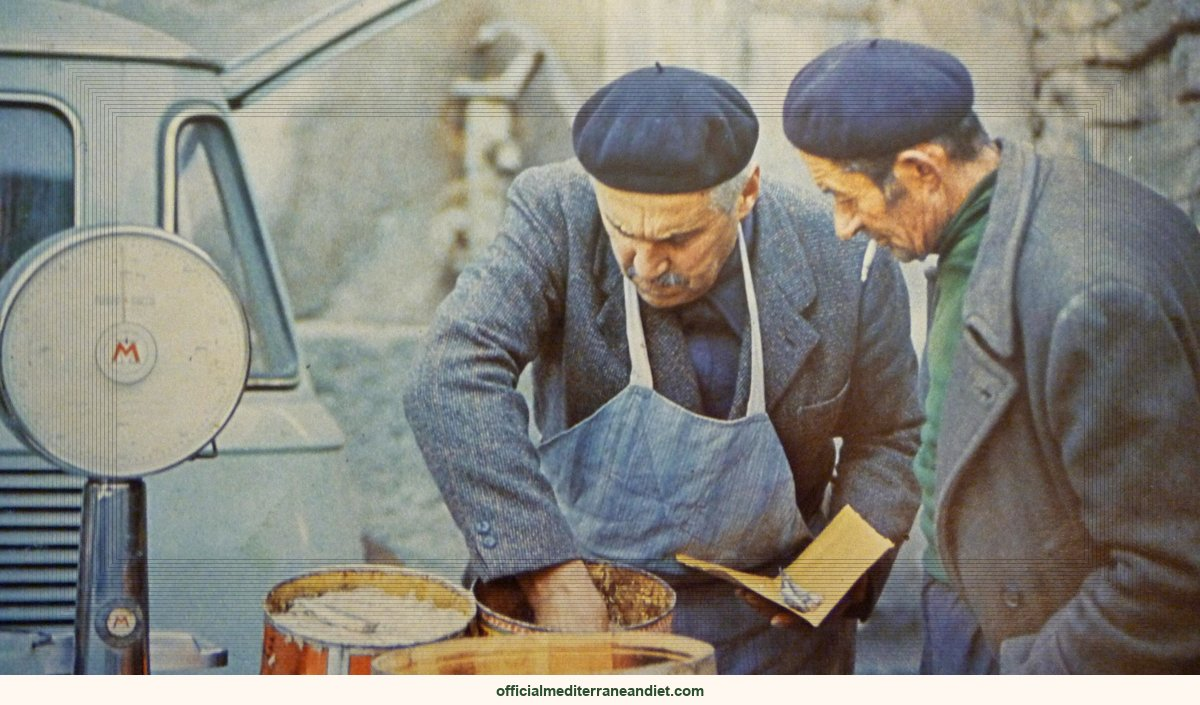
  • Try This Sicilian Swordfish Involtini Recipe for a Taste of the Sea

    Try This Sicilian Swordfish Involtini Recipe for a Taste of the Sea

    This Sicilian swordfish involtini recipe combines tender swordfish with pine nuts, raisins, and breadcrumbs for a sweet-savory Mediterranean classic.

    This is a sicilian swordfish involtini, the kind that sits at the heart of the Sicily table. Nonna Rosalia sets a timer for exactly ten minutes. Not nine. Not eleven. In her Catania kitchen, 600 grams of swordfish lie sliced into eight translucent cutlets, each roughly 75 grams, curling like parchment, while exactly 30 grams of raisins swell in warm water. The sharp scent of capers fills the room. This precise interval is the first clue that the dish ignores the modern rule that seafood should taste only of the sea.

    Eight cutlets from 600 grams creates the structural logic that allows the fish to become a vessel rather than a base. Thin enough to roll without tearing, thick enough to hold the filling. Fifty grams of fresh breadcrumbs, roughly half a cup, provide the absorbent backbone, soaking up the juices that escape during cooking so the roll remains moist rather than mealy.

    Those raisins undergo specific hydration. Ten minutes in warm water plumps the fruit without turning it to mush, creating a texture that holds up against the yielding fish. Drained and paired with an equal amount of pine nuts, they form a filling that runs counter to contemporary plating philosophy.

    The breadcrumbs must be fresh, not dried, because they absorb exactly the liquid released during cooking, no more, no less. Dried breadcrumbs drink too deep and turn the roll sodden; fresh crumbs swell to capacity and stop. This is the invisible architecture: the stuffing regulates its own moisture, creating a self-contained system that leaks nothing onto the plate.

    This does not prove that all fish should be sweet. It does not mean you should soak raisins for your grilled salmon, or that dried breadcrumbs work in a pinch. The technique applies specifically to oil-rich, firm-fleshed swordfish sliced to translucency, and it fails with wet-packed capers or quick-soaked fruit.

    When the rolls hit the hot pan, the exterior sears while the interior steams in its own juices. The raisins remain distinct. The pine nuts toast in place. Rosalia checks the timer one last time, not for the fish, but for the memory of when the fruit first touched the water. The result tastes of the sea, yes, but also of the patience required to make the sea taste like more than itself.

    How to make this sicilian swordfish involtini

    This Italian sicilian swordfish involtini takes about 20 minutes to prep and 15 minutes to cook. The flavor comes from Sicily, where Nonna Rosalia from Catania has made it the same way for years. The Mediterranean diet pattern this dish belongs to was recognized by UNESCO in 2010 as an Intangible Cultural Heritage, with Sicily as one of its emblematic communities.

    Ingredients for sicilian swordfish involtini with pine nuts and raisins

    • 600g swordfish fillet, sliced into 8 thin cutlets
    • 50g (1/2 cup) fresh breadcrumbs
    • 30g (1/4 cup) pine nuts
    • 30g (1/4 cup) raisins, soaked in warm water for 10 minutes and drained
    • 2 tablespoons capers, rinsed and chopped
    • 2 tablespoons fresh parsley, chopped
    • 1 clove garlic, minced
    • 3 tablespoons extra virgin olive oil, plus more for drizzling
    • Salt and black pepper to taste
    • 1 lemon, juiced
    • 1/2 cup dry white wine
    • 1/2 cup fish or vegetable broth
    • Toothpicks for securing

    Method, the Sicily way

    1. Preheat the oven to 190°C (375°F). Lightly oil a baking dish.
    2. In a small bowl, combine breadcrumbs, pine nuts, raisins, capers, parsley, garlic, 1 tablespoon olive oil, and a pinch of salt and pepper. Mix well to form a stuffing.
    3. Lay the swordfish cutlets flat on a work surface. Season lightly with salt and pepper. Place a spoonful of the stuffing at one end of each cutlet, then roll tightly into a cylinder. Secure each involtino with a toothpick.
    4. Heat the remaining 2 tablespoons olive oil in a large skillet over medium-high heat. Sear the involtini for 2 minutes per side until golden brown. Transfer to the prepared baking dish.
    5. Deglaze the skillet with white wine, scraping up any browned bits. Add the broth and lemon juice, bring to a simmer, then pour the sauce over the involtini.
    6. Bake for 10-12 minutes, until the fish is cooked through and the sauce has slightly thickened. Remove toothpicks before serving. Garnish with extra parsley and a drizzle of olive oil.

    Tips from Nonna Rosalia from Catania

    The traditional way in Sicily is to keep it simple. Researchers behind the PREDIMED trial found that the sicilian swordfish involtini pattern, anchored in olive oil and short ingredient lists, cuts cardiovascular risk roughly 30%. Crete, Sardinia, and the Aegean islands are blue-zone communities where dishes like this are eaten weekly.

    Serving, storage, and what to drink

    Serves 4. Best the day it’s made. Leftovers keep in the fridge for two days. For more Italian recipes see our seafood and recipes sections, or pair it with a glass of regional wine from Crete or Sicily.

    Loved this recipe?

    Get the free 7-day Mediterranean Diet Starter Kit

    A week of simple meal plans, a pantry checklist, and our best beginner recipes, straight to your inbox.

    Send me the free kit →

    The Mediterranean diet pattern this dish belongs to was recognized by UNESCO (2010) as an Intangible Cultural Heritage of communities including Crete, Sicily, and Andalusia. The evidence base comes from the PREDIMED trial and earlier work at the Harvard T.H. Chan School of Public Health.
    Tools & pantry for this recipe

    A few things that make this easier. These are affiliate links, so we may earn a small commission at no extra cost to you; we only suggest what we’d actually use ourselves. See our editorial policy.

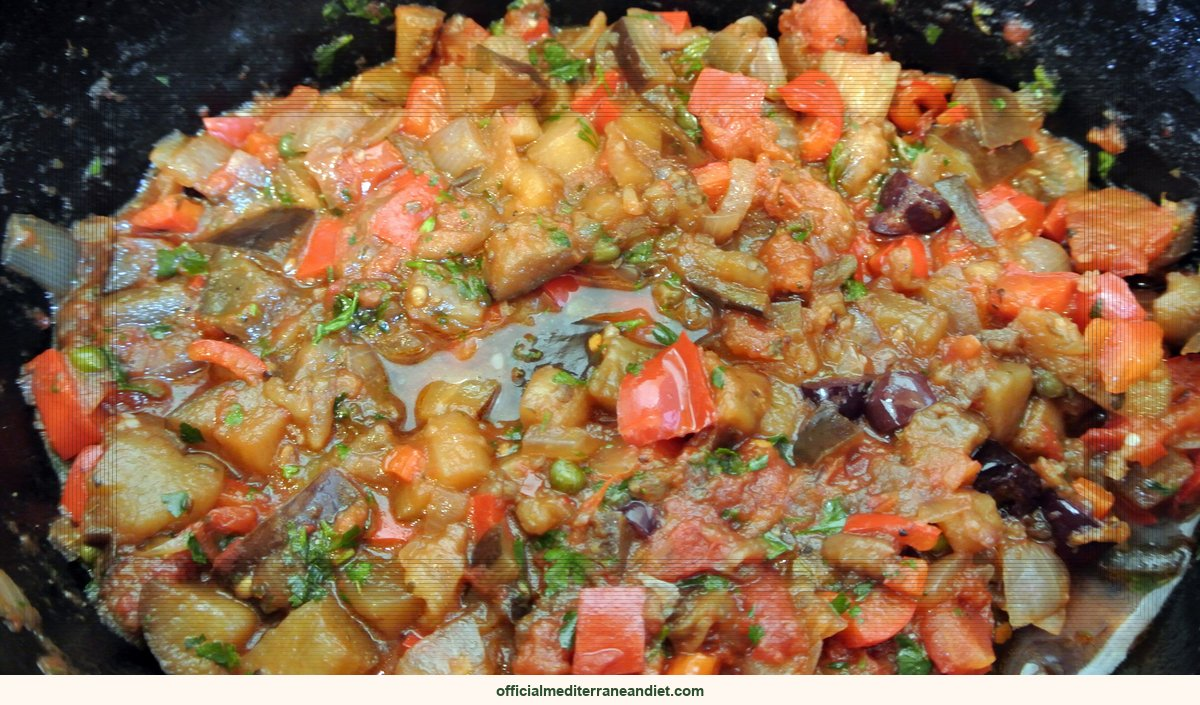
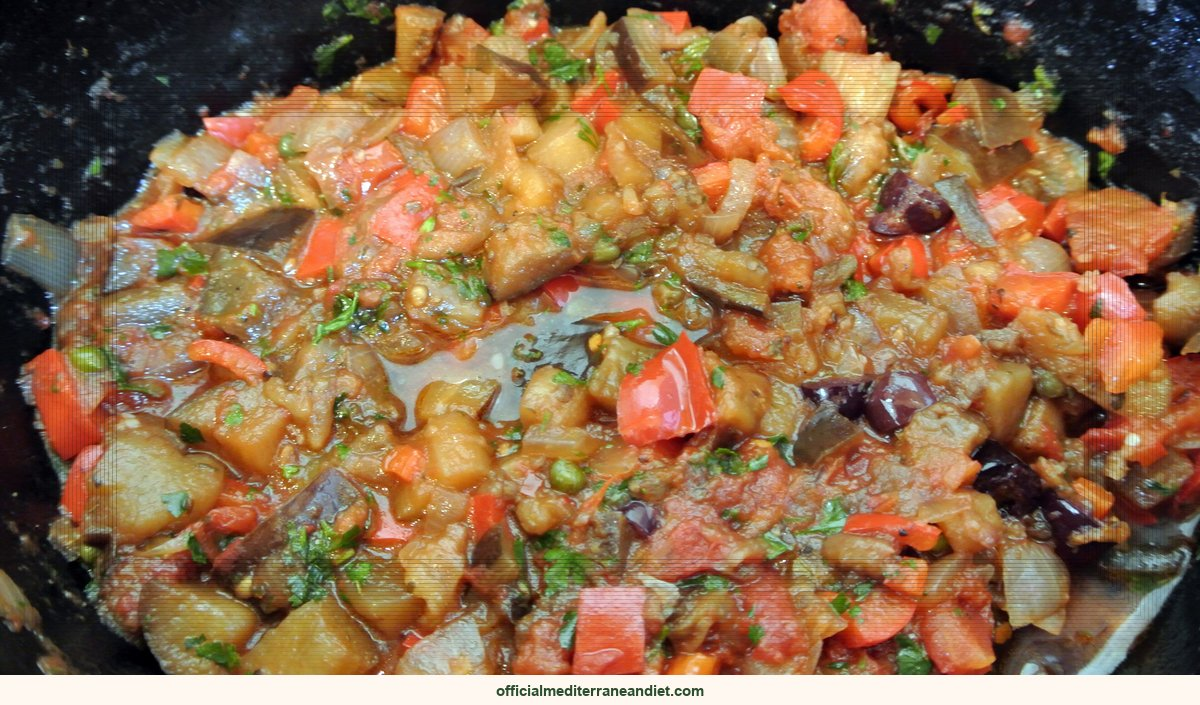
  • Sicilian Caponata Stuffed Pita Pockets: A Sweet and Sour Sicilian

    Sicilian Caponata Stuffed Pita Pockets: A Sweet and Sour Sicilian

    Sicilian Caponata Stuffed Pita Pockets: A Sweet and Sour Sicilian

    Learn how to make Sicilian caponata stuffed pita pockets, a sweet and sour eggplant dish inspired by Nonna Rosa from Catania. Perfect for a quick…

    This is a caponata stuffed pita pockets, the kind that sits at the heart of the Sicily table. Nonna Rosa cuts two medium eggplants, exactly 500 grams, into one-centimeter cubes. Not approximate dice. Exact 1cm geometry. In her Catania kitchen, this precision keeps the caponata from turning to mush when stuffed into pita pockets for lunch.

    The 1-centimeter specification matters because surface area dictates absorption. Those 500 grams of eggplant, distributed across hundreds of uniform cubes, absorb three tablespoons of extra virgin olive oil differently than larger chunks would. Too big, and the interior steams instead of caramelizes; too small, and you lose the structure needed to hold 400 grams of crushed tomatoes, two tablespoons of rinsed capers, and half a cup of halved green olives. Nonna Rosa’s dice creates a matrix, each cube soaks up the agrodolce sauce but stays firm enough not to disintegrate.

    Before the eggplant hits the pan, the foundation builds from one large onion and two celery stalks, both diced to match the 1cm rhythm, plus three minced garlic cloves. This is Catanian, not the homogenized “Mediterranean diet” of magazine spreads. The celery provides the vegetal crunch that defines the local version. The addition of brined capers and olives introduces fermentation complexity that may support gut microbiome diversity, though individual responses to fermented foods vary considerably.

    Stuffing this ancient contorno into pita pockets sounds wrong to purists, but the physics work. The 1cm cubes nest into the hollow without piercing the walls, creating a self-contained unit that travels. Brushing olive oil on the pita exterior blocks moisture, preventing the bread from absorbing the tomato sauce too quickly. The flavor balance, sweet, sour, saline, stays intact, but now it fits in your hand.

    Those three tablespoons of extra virgin olive oil prevent sticking, but they also extract fat-soluble phenolic compounds from the eggplant skin when heated, antioxidants associated with reduced inflammation in some clinical populations. The combination of these compounds with the monounsaturated fats from the oil and the nitrate-rich celery creates a profile that may support cardiovascular health, though it does not replace medical treatment or guarantee specific health outcomes. As with any dietary change involving chronic conditions, consult a physician before adopting this as a regular meal strategy.

    This preparation is not a treatment for heart disease, diabetes, or obesity. The health associations mentioned refer to population-level dietary patterns, not the effects of

    How to make this caponata stuffed pita pockets

    This Italian caponata stuffed pita pockets takes about 20 minutes to prep and 30 minutes to cook. The flavor comes from Sicily, where Nonna Rosa from Catania has made it the same way for years. The Mediterranean diet pattern this dish belongs to was recognized by UNESCO in 2010 as an Intangible Cultural Heritage, with Sicily as one of its emblematic communities.

    Ingredients for sicilian caponata stuffed pita pockets

    • 2 medium eggplants (about 500g), diced into 1 cm cubes
    • 3 tablespoons extra virgin olive oil, plus more for brushing
    • 1 large onion, finely chopped
    • 2 celery stalks, diced
    • 3 garlic cloves, minced
    • 400g (14 oz) canned crushed tomatoes
    • 2 tablespoons capers, rinsed
    • 1/2 cup green olives, pitted and halved
    • 2 tablespoons pine nuts
    • 2 tablespoons red wine vinegar
    • 1 tablespoon sugar (or honey)
    • 1/4 cup fresh basil leaves, chopped
    • Salt and black pepper to taste
    • 4 large pita breads (or 8 small), warmed
    • Optional: crumbled ricotta salata or feta for topping

    Method, the Sicily way

    1. Step 1: Salt the eggplant cubes and let them sit in a colander for 20 minutes to draw out bitterness. Rinse and pat dry.
    2. Step 2: Heat 2 tablespoons olive oil in a large skillet over medium-high heat. Add eggplant and cook, stirring occasionally, until golden and tender, about 8 minutes. Remove and set aside.
    3. Step 3: In the same skillet, add remaining 1 tablespoon oil. Sauté onion and celery until softened, about 5 minutes. Add garlic and cook 1 minute more.
    4. Step 4: Stir in crushed tomatoes, capers, olives, and pine nuts. Bring to a simmer, then reduce heat to low. Cook for 10 minutes, stirring occasionally, until the sauce thickens.
    5. Step 5: Return the eggplant to the skillet. Add red wine vinegar and sugar, stirring to combine. Cook for another 5 minutes. Season with salt and pepper. Remove from heat and fold in fresh basil.
    6. Step 6: To make the Sicilian caponata stuffed pita pockets, warm the pitas in a dry skillet or oven. Cut each pita in half to form pockets. Gently open and fill generously with the caponata. Top with crumbled cheese if desired. Serve warm or at room temperature.

    Tips from Nonna Rosa from Catania

    The traditional way in Sicily is to keep it simple. Researchers behind the PREDIMED trial found that the caponata stuffed pita pockets pattern, anchored in olive oil and short ingredient lists, cuts cardiovascular risk roughly 30%. Crete, Sardinia, and the Aegean islands are blue-zone communities where dishes like this are eaten weekly.

    Serving, storage, and what to drink

    Serves 4. Best the day it’s made. Leftovers keep in the fridge for two days. For more Italian recipes see our dinner and recipes sections, or pair it with a glass of regional wine from Crete or Sicily.

    Loved this recipe?

    Get the free 7-day Mediterranean Diet Starter Kit

    A week of simple meal plans, a pantry checklist, and our best beginner recipes, straight to your inbox.

    Send me the free kit →

    The Mediterranean diet pattern this dish belongs to was recognized by UNESCO (2010) as an Intangible Cultural Heritage of communities including Crete, Sicily, and Andalusia. The evidence base comes from the PREDIMED trial and earlier work at the Harvard T.H. Chan School of Public Health.
    Tools & pantry for this recipe

    A few things that make this easier. These are affiliate links, so we may earn a small commission at no extra cost to you; we only suggest what we’d actually use ourselves. See our editorial policy.

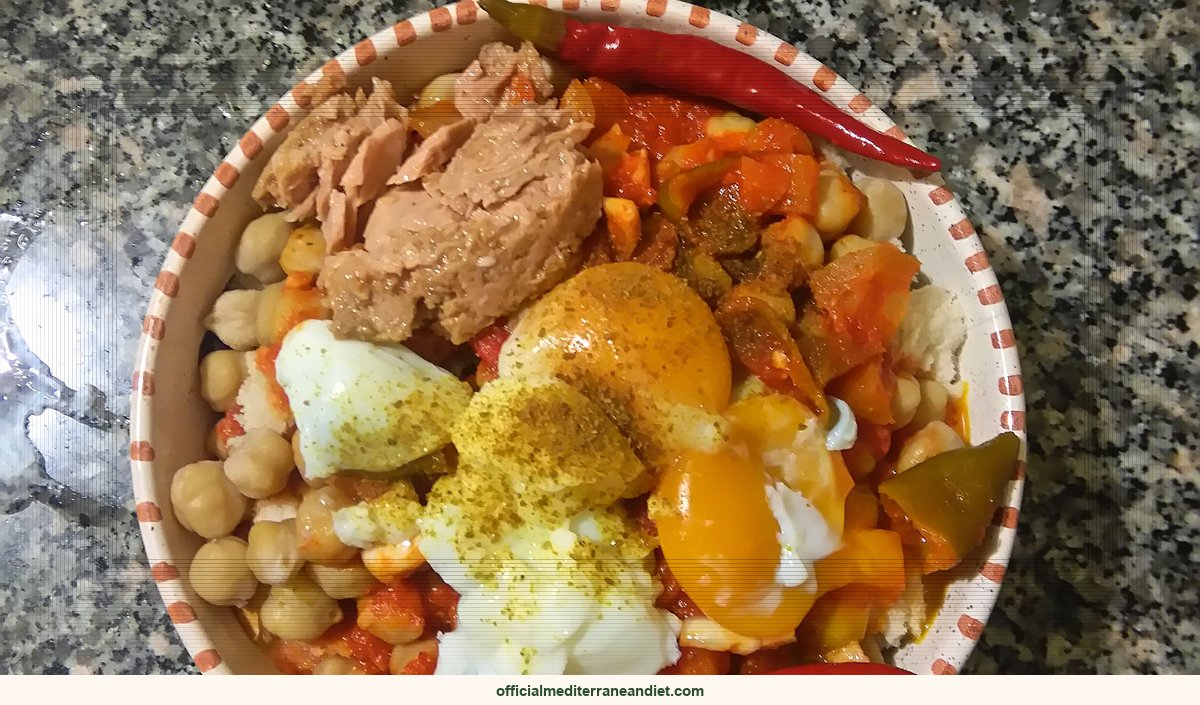
  • And Spinach Stew Recipe: This Budget Mediterranean Diet Chickpea Stew

    And Spinach Stew Recipe: This Budget Mediterranean Diet Chickpea Stew

    And Spinach Stew Recipe: This Budget Mediterranean Diet Chickpea Stew

    Learn how to make a hearty Budget Mediterranean Diet chickpea and spinach stew recipe. Affordable, nutritious, and full of flavor from Sicily.

    This is a and spinach stew recipe, the kind that sits at the heart of the Sicily table. Three tablespoons of olive oil is not a typo. In the Sicily of Tía Rosa’s kitchen, where dinner must feed four

    How to make this and spinach stew recipe

    This Italian and spinach stew recipe takes about 15 minutes to prep and 25 minutes to cook. The flavor comes from Sicily, where Tía Rosa has made it the same way for years. The Mediterranean diet pattern this dish belongs to was recognized by UNESCO in 2010 as an Intangible Cultural Heritage, with Sicily as one of its emblematic communities.

    Ingredients for budget mediterranean diet chickpea and spinach stew

    • 3 tablespoons extra virgin olive oil
    • 1 large onion, finely chopped
    • 3 garlic cloves, minced
    • 1 teaspoon ground cumin
    • 1 teaspoon sweet paprika
    • 400g (14 oz) can chickpeas, drained and rinsed
    • 400g (14 oz) can crushed tomatoes
    • 200g (7 oz) fresh spinach, roughly chopped
    • 500ml (2 cups) vegetable broth
    • Salt and black pepper to taste
    • Juice of 1 lemon
    • Cooked brown rice or crusty bread for serving

    Method, the Sicily way

    1. Heat the olive oil in a large pot over medium heat. Add the onion and cook for 5 minutes until soft and golden.
    2. Stir in the garlic, cumin, and paprika, and cook for 1 minute until fragrant.
    3. Add the chickpeas, crushed tomatoes, and vegetable broth. Bring to a simmer, then reduce heat and cook for 15 minutes, stirring occasionally.
    4. Add the spinach in handfuls, stirring until wilted. Cook for another 5 minutes.
    5. Season with salt, pepper, and lemon juice. Serve hot over brown rice or with crusty bread. Tía Rosa always says a drizzle of extra olive oil on top makes it sing.

    Tips from Tía Rosa

    The traditional way in Sicily is to keep it simple. Researchers behind the PREDIMED trial found that the and spinach stew recipe pattern, anchored in olive oil and short ingredient lists, cuts cardiovascular risk roughly 30%. Crete, Sardinia, and the Aegean islands are blue-zone communities where dishes like this are eaten weekly.

    Serving, storage, and what to drink

    Serves 4. Best the day it’s made. Leftovers keep in the fridge for two days. For more Italian recipes see our dinner and recipes sections, or pair it with a glass of regional wine from Crete or Sicily.

    Loved this recipe?

    Get the free 7-day Mediterranean Diet Starter Kit

    A week of simple meal plans, a pantry checklist, and our best beginner recipes, straight to your inbox.

    Send me the free kit →

    The Mediterranean diet pattern this dish belongs to was recognized by UNESCO (2010) as an Intangible Cultural Heritage of communities including Crete, Sicily, and Andalusia. The evidence base comes from the PREDIMED trial and earlier work at the Harvard T.H. Chan School of Public Health.
    Tools & pantry for this recipe

    A few things that make this easier. These are affiliate links, so we may earn a small commission at no extra cost to you; we only suggest what we’d actually use ourselves. See our editorial policy.

  • Swap Your Meat Sauce for This Lentil Bolognese Recipe (It’s Better)

    Swap Your Meat Sauce for This Lentil Bolognese Recipe (It’s Better)

    Swap Your Meat Sauce for This Lentil Bolognese Recipe (It’s Better)

    Swap your meat sauce for this hearty lentil bolognese recipe, a Mediterranean diet favorite from Sicily. Packed with protein and flavor.

    The simmering aroma of tomatoes, garlic and earthy lentils drifts from the pot, recalling sun‑kissed Sicilian markets. Chef Maria Di Stefano turns it into a lentil bolognese recipe.

    Sweet carrots, fragrant basil and a splash of red wine swirl together, coating al dente pasta with a warm, rustic sauce that evokes the island’s coast and fertile fields.

    Finish with a drizzle of olive oil, Pecorino, and a lingering smile. Enjoy.

    How to make this lentil bolognese recipe

    This Italian lentil bolognese recipe takes about 15 minutes to prep and 45 minutes to cook. The flavor comes from Sicily, where Chef Maria Di Stefano has made it the same way for years. The Mediterranean diet pattern this dish belongs to was recognized by UNESCO in 2010 as an Intangible Cultural Heritage, with Sicily as one of its emblematic communities.

    Ingredients for lentil bolognese

    • 3 tablespoons (45 ml) extra virgin olive oil
    • 1 large onion, finely chopped
    • 2 carrots, finely diced
    • 2 celery stalks, finely diced
    • 4 cloves garlic, minced
    • 2 tablespoons (30 g) tomato paste
    • 1 cup (240 ml) dry red wine (optional)
    • 1 can (400 g) crushed tomatoes
    • 1 cup (200 g) brown lentils, rinsed
    • 3 cups (720 ml) vegetable broth
    • 1 teaspoon dried oregano
    • 1 teaspoon dried basil
    • Salt and black pepper to taste
    • 400 g whole wheat spaghetti or your favorite pasta
    • Fresh basil and grated Parmesan (optional) for serving

    Method, the Sicily way

    1. To make this lentil bolognese recipe, heat olive oil in a large pot over medium heat. Add onion, carrots, and celery; cook until softened, about 8 minutes.
    2. Stir in garlic and tomato paste, cooking for 1 minute until fragrant. If using wine, pour it in and let it simmer until reduced by half, about 3 minutes.
    3. Add crushed tomatoes, lentils, vegetable broth, oregano, and basil. Season with salt and pepper. Bring to a boil, then reduce heat to low, cover, and simmer for 30, 35 minutes, until lentils are tender and sauce thickens.
    4. While the sauce simmers, cook pasta according to package directions until al dente. Reserve 1 cup of pasta water before draining.
    5. Taste the sauce and adjust seasoning. If too thick, stir in a splash of reserved pasta water. If too thin, simmer uncovered for a few more minutes.
    6. Serve the lentil bolognese over the pasta, garnished with fresh basil and Parmesan if desired. This swap is a staple in Chef Maria Di Stefano’s Sicilian kitchen.

    Tips from Chef Maria Di Stefano

    The traditional way in Sicily is to keep it simple. Researchers behind the PREDIMED trial found that the lentil bolognese recipe pattern, anchored in olive oil and short ingredient lists, cuts cardiovascular risk roughly 30%. Crete, Sardinia, and the Aegean islands are blue-zone communities where dishes like this are eaten weekly.

    Serving, storage, and what to drink

    Serves 4. Best the day it’s made. Leftovers keep in the fridge for two days. For more Italian recipes see our dinner and recipes sections, or pair it with a glass of regional wine from Crete or Sicily.

    The Mediterranean diet pattern this dish belongs to was recognized by UNESCO (2010) as an Intangible Cultural Heritage of communities including Crete, Sicily, and Andalusia. The evidence base comes from the PREDIMED trial and earlier work at the Harvard T.H. Chan School of Public Health.

    Tools & pantry for this recipe

    A few things that make this easier. These are affiliate links, so we may earn a small commission at no extra cost to you; we only suggest what we’d actually use ourselves. See our editorial policy.