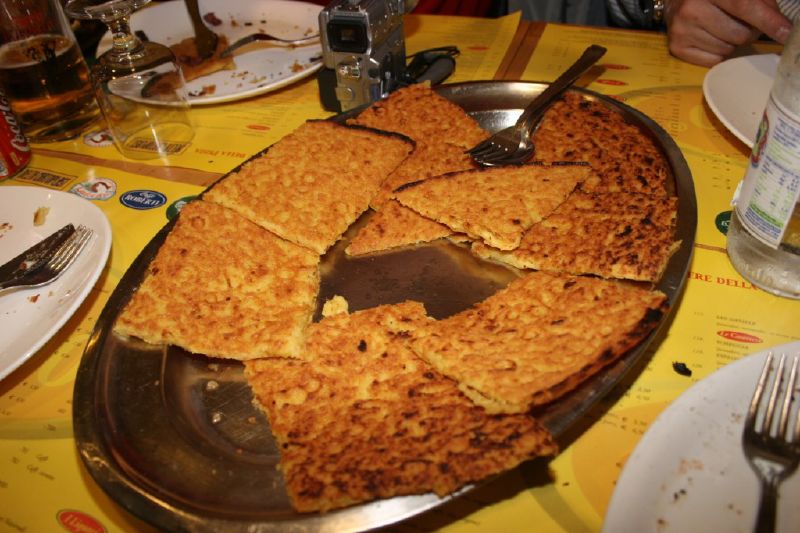
Moroccan Chickpea Stew
North Africa Meets the Mediterranean Diet
Moroccan cuisine occupies a fascinating position within Mediterranean food culture — it sits at the intersection of Berber, Arab, Andalusian, and sub-Saharan African influences, producing some of the most complex and aromatic dishes in the wider Mediterranean world. This chickpea stew is one of the most accessible entry points into that tradition. It requires no special equipment, relies on pantry staples, comes together in under an hour, and demonstrates why the Mediterranean diet is not merely Greek and Italian food — it is a whole hemisphere of cooking traditions united by olive oil, legumes, grains, fresh vegetables, and spices.
The spice profile here — cumin, coriander, cinnamon, and smoked paprika — is characteristic of Moroccan home cooking, where warm spices are used not to add heat but to add depth. The chickpeas absorb the spiced tomato broth over a long simmer, developing a richness that makes this stew feel far more substantial than its ingredient list suggests.
This is also one of the most practical recipes on this site for weekly meal prep. It keeps for five days in the refrigerator and tastes better on day two and three than it does fresh. Serve it over couscous, with crusty bread, or alongside a simple green salad.
—
Why It Fits the Mediterranean Diet
Chickpeas are one of the most nutritionally complete legumes available. A single cup provides 15 grams of protein, 12 grams of dietary fiber, and a range of micronutrients including iron, folate, phosphorus, and manganese. The fiber in chickpeas is primarily soluble fiber, which has documented effects on cholesterol reduction and blood sugar management.
The tomatoes in this stew provide lycopene (bioavailability enhanced by the olive oil and heat), vitamin C, and potassium. Spinach or kale — the optional greens stirred in at the end — contribute folate, magnesium, and vitamin K. The cumin, coriander, and cinnamon are not merely flavor additions; these spices have active compounds studied for their anti-inflammatory and blood sugar-modulating properties.
This is a fully plant-based dish that provides complete nutrition without requiring animal protein — a cornerstone of the Mediterranean diet’s flexible, plant-forward approach to eating.
—
Ingredients
For serving: Couscous, crusty bread, or rice; plain Greek yogurt; harissa on the side for heat
Quality notes: Whole canned tomatoes crushed by hand give better texture and flavor than pre-crushed or diced canned tomatoes, which often contain calcium chloride that keeps them firm. For the spices, buy them whole and grind them if you can — the difference is significant. Pre-ground works fine for a weeknight, but freshly ground cumin and coriander have a brightness that pre-ground loses within months.
—
Equipment Needed
—
Instructions
1. Build the base.
Heat the olive oil in a large pot over medium heat. Add the diced onion and cook, stirring occasionally, until softened and translucent — about 7–8 minutes. Do not rush this step; properly softened onion is the foundation of the stew’s sweetness. Add the minced garlic and cook for 1 minute until fragrant.
2. Toast the spices.
Add the cumin, coriander, smoked paprika, cinnamon, turmeric, and cayenne directly to the onion and garlic. Stir constantly for 60–90 seconds, until the spices are fragrant and darkened slightly. This step — blooming the spices in oil — releases their fat-soluble flavor compounds in a way that adding them to liquid never achieves.
3. Add tomatoes and chickpeas.
Pour in the crushed tomatoes, scraping up any spices stuck to the bottom. Add the chickpeas and vegetable broth. Stir to combine, bring to a boil, then reduce heat and simmer uncovered for 25–30 minutes, stirring occasionally. The stew should thicken noticeably — the chickpeas will absorb the liquid and the tomato sauce will concentrate.
4. Add greens and finish.
If using spinach or kale, stir it in during the last 2–3 minutes of cooking. Squeeze in the lemon juice. Taste for salt, cumin, and heat — adjust as needed.
5. Serve.
Ladle over couscous or serve with bread. Top with a spoonful of Greek yogurt (the cool creaminess against the warm spiced stew is excellent), fresh cilantro or parsley, and harissa on the side for those who want more heat.
—
Pro Tips and Variations
For deeper flavor: Brown the chickpeas before adding the other ingredients. Drain and rinse, then add to the hot oil after the onions are cooked, before the spices. Let them sit undisturbed for 2 minutes per side to develop a light golden crust. The texture holds better and the flavor is more complex.
Add preserved lemon: A quarter of a Moroccan preserved lemon, rind only, minced and added with the garlic, gives an authentic depth that fresh lemon cannot replicate.
Sweet potato variation: Add one medium sweet potato (½-inch dice) with the tomatoes for a heartier stew. Add 15 minutes to the cooking time.
Make it ahead: This stew is significantly better on day two. Make a double batch on Sunday and use it throughout the week.
—
Nutritional Info (per serving, serves 4)
Calories: 340 | Protein: 14g | Carbs: 45g | Fat: 12g | Fiber: 12g | Iron: 25% DV
—
Storage
Refrigerate for up to 5 days in an airtight container. Freeze for up to 3 months — let thaw overnight in the refrigerator and reheat on the stovetop with a splash of water if it has thickened too much.
—
What to Serve With It
Serve over couscous (which requires only boiling water and 5 minutes), with warm flatbread, or alongside Roasted Red Pepper Hummus as part of a plant-based Mediterranean spread. A dollop of plain Greek yogurt and a handful of fresh herbs are not optional — they complete the dish.
—
FAQs
Can I use dried chickpeas?
Yes. Soak 1¼ cups dried chickpeas overnight in cold water with a pinch of baking soda. Drain, cover with fresh water by 2 inches, and simmer for 60–90 minutes until tender. Use the cooking liquid in place of broth. The texture of dried chickpeas holds up better during the long simmer.
Is this dish vegan?
Yes, as written — all ingredients are plant-based. Serve with dairy-free yogurt to keep it fully vegan.
How spicy is this?
As written, it has mild background heat from the cayenne. The dish is aromatic and warm-spiced, not hot. Add more cayenne, red pepper flakes, or serve harissa on the side for those who want heat.
Tools & pantry for this recipe
A few things that make this easier. These are affiliate links, so we may earn a small commission at no extra cost to you; we only suggest what we’d actually use ourselves. See our editorial policy.