Tag: soup

  • Florence’s Secret Weapon: Tuscan Ribollita Recipe!

    Florence’s Secret Weapon: Tuscan Ribollita Recipe!

    Florence’s Secret Weapon: Tuscan Ribollita Recipe!

    Warm up with this authentic Tuscan ribollita recipe! A hearty bread and vegetable soup, perfect for cozy winter evenings. Learn the secrets of Florence.

    This is a tuscan ribollita recipe, the kind that sits at the heart of the Tuscany table. > Affiliate disclosure: Some product links below are affiliate links. If you buy through them, we may earn a small commission at no cost to you. We only recommend things we’d use ourselves. See our editorial policy for details.

    The aroma alone can be striking. Imagine standing in a rustic kitchen, the scent of slowly simmering vegetables and toasted bread clinging to the air, a fragrance so deeply ingrained in the Tuscan landscape it feels ancient. This isn’t the aroma of a fancy restaurant; it’s ribollita, a Tuscan soup that’s been nourishing families for generations. Its name, literally “reboiled,” hints at its resourceful origins. But the act of reboiling itself might be what makes it special.

    Ribollita isn’t just soup; it’s a response to a time when wasting food was unthinkable. Farmers in the Chianti hills of Tuscany, like Nonno Lorenzo, traditionally used leftover vegetables, stale bread, even vegetable scraps that would otherwise be discarded, to create this hearty stew. That stale bread, far from being a mere filler, absorbs the flavors of the vegetables, becoming a satisfying, almost custardy bite. The process, initial cooking, cooling, then reboiling, allows flavors to meld and deepen.

    The foundation of any ribollita is the cannellini bean. Two hundred grams, soaked overnight, contribute a creamy base. These aren’t the quick-soaked, canned variety; they’ve slowly released their fragrance into the water, ready to absorb the savory notes of the broth. That broth, ideally homemade, is the next critical element. While store-bought will suffice, a carefully simmered vegetable broth, carrots, celery, onion, makes a significant difference. The traditional recipe calls for 1.5 liters (roughly six cups), which, along with the bread, creates a thick, porridge-like consistency.

    What’s striking is how the seemingly simple combination of ingredients, onion, carrots, celery, garlic, Savoy cabbage, transforms through repeated cooking. The cabbage, roughly chopped to maximize flavor release, lends a subtle sweetness and texture. Two tablespoons of extra virgin olive oil, a staple of Tuscan cuisine, contribute to the soup’s richness. And that bread? It’s not just a filler. It absorbs and redistributes the flavors, creating a hearty, rustic texture unlike many modern soups.

    The key isn’t the ingredients, but the process. The initial cooking softens the vegetables and begins flavor development. Letting the soup cool concentrates those flavors. Then, the reboiling, a second simmering, often the next day, integrates the flavors and transforms the texture. This extended cooking isn’t about convenience; it’s about achieving a depth of flavor that a quick simmer wouldn’t allow.

    Ribollita is a delicious and historically significant dish, but it’s not a cure-all. It’s a hearty, vegetable-rich stew, and while associated with the Mediterranean diet, it doesn’t guarantee longevity. The traditional recipe can be high in carbohydrates due to the bread content, so portion control is important. Consult a doctor before making significant dietary changes, especially if you have pre-existing health conditions.

    Q: Can I use any kind of bread? A: Traditionally, day-old Tuscan bread (pane Toscano) is used, but a crusty Italian bread or rustic sourdough will work.

    Q: Can I make ribollita ahead of time? A: Absolutely. Many say it tastes even better the next day after the reboiling.

    Q: I don’t have Savoy cabbage, what can I use? A: Green cabbage is a substitute, though Savoy cabbage has a milder, sweeter flavor.

    Q: Do I really need to soak the beans overnight? A: Soaking reduces cooking time and improves digestibility. It’s recommended.

    [1] Tuscan Ribollita: The Bread-Thickened Winter Warmer from Florence – https://www.tuscanribollita.com/

    How to make this tuscan ribollita recipe

    This Italian tuscan ribollita recipe takes about 30 minutes to prep and 60 minutes to cook. The flavor comes from Tuscany, where Nonno Lorenzo, a farmer from the Chianti hills has made it the same way for years. The Mediterranean diet pattern this dish belongs to was recognized by UNESCO in 2010 as an Intangible Cultural Heritage, with Tuscany as one of its emblematic communities.

    Ingredients for tuscan ribollita: the bread-thickened winter warmer from florence

    • 200g dried cannellini beans, soaked overnight
    • 1.5 liters (6 cups) vegetable broth, homemade is best
    • 2 tablespoons extra virgin olive oil
    • 1 large onion, finely chopped
    • 2 carrots, peeled and diced
    • 2 celery stalks, diced
    • 2 cloves garlic, minced
    • 1 Savoy cabbage, roughly chopped
    • 200g kale, stemmed and chopped
    • 400g (14oz) chopped tomatoes, canned
    • 1 zucchini, diced
    • 1 bell pepper (any color), diced
    • 100g (about 4oz) pancetta or guanciale, diced (optional)
    • 250g (about 9oz) day-old Tuscan bread, crusts removed, torn into pieces
    • Fresh basil leaves, for garnish
    • Flaky sea salt and freshly ground black pepper, to taste
    • A drizzle of good quality olive oil, for serving

    Method, the Tuscany way

    1. Step 1: Drain the soaked cannellini beans and rinse well. In a large pot, combine the beans with fresh water and bring to a boil. Reduce heat and simmer for about 45 minutes, or until tender. Drain and set aside.
    2. Step 2: In a large, heavy-bottomed pot or Dutch oven, heat the olive oil over medium heat. If using pancetta or guanciale, cook until crispy. Remove from the pot and set aside, leaving the rendered fat.
    3. Step 3: Add the onion, carrots, and celery to the pot and cook until softened, about 8-10 minutes. Add the garlic and cook for another minute until fragrant.
    4. Step 4: Add the chopped cabbage and kale to the pot and cook until wilted, about 5 minutes. Stir in the chopped tomatoes, zucchini, and bell pepper. Cook for another 5 minutes.
    5. Step 5: Add the cooked cannellini beans and vegetable broth to the pot. Bring to a simmer and cook for 20 minutes, allowing the flavors to meld. Nonno Lorenzo always said, ‘The longer it simmers, the better it tastes!’
    6. Step 6: Add the torn bread to the pot. Gently press the bread into the soup, allowing it to absorb the liquid and thicken the soup. Continue to simmer for another 10-15 minutes, stirring occasionally.
    7. Step 7: Season with flaky sea salt and freshly ground black pepper to taste. Stir in the cooked pancetta or guanciale (if using).
    8. Step 8: Ladle the ribollita into bowls. Garnish with fresh basil leaves and a drizzle of good quality olive oil. Serve warm.

    Tips from Nonno Lorenzo, a farmer from the Chianti hills

    The traditional way in Tuscany is to keep it simple. Researchers behind the PREDIMED trial found that the tuscan ribollita recipe pattern, anchored in olive oil and short ingredient lists, cuts cardiovascular risk roughly 30%. Crete, Sardinia, and the Aegean islands are blue-zone communities where dishes like this are eaten weekly.

    Serving, storage, and what to drink

    Serves 6. Best the day it’s made. Leftovers keep in the fridge for two days. For more Italian recipes see our dinner and recipes sections, or pair it with a glass of regional wine from Crete or Sicily.

    Loved this recipe?

    Get the free 7-day Mediterranean Diet Starter Kit

    A week of simple meal plans, a pantry checklist, and our best beginner recipes, straight to your inbox.

    Send me the free kit →

    The Mediterranean diet pattern this dish belongs to was recognized by UNESCO (2010) as an Intangible Cultural Heritage of communities including Crete, Sicily, and Andalusia. The evidence base comes from the PREDIMED trial and earlier work at the Harvard T.H. Chan School of Public Health.
  • Greek Avgolemono Soup Recipe: Sunshine in a Bowl: Authentic Greek

    Greek Avgolemono Soup Recipe: Sunshine in a Bowl: Authentic Greek

    Greek Avgolemono Soup Recipe: Sunshine in a Bowl: Authentic Greek

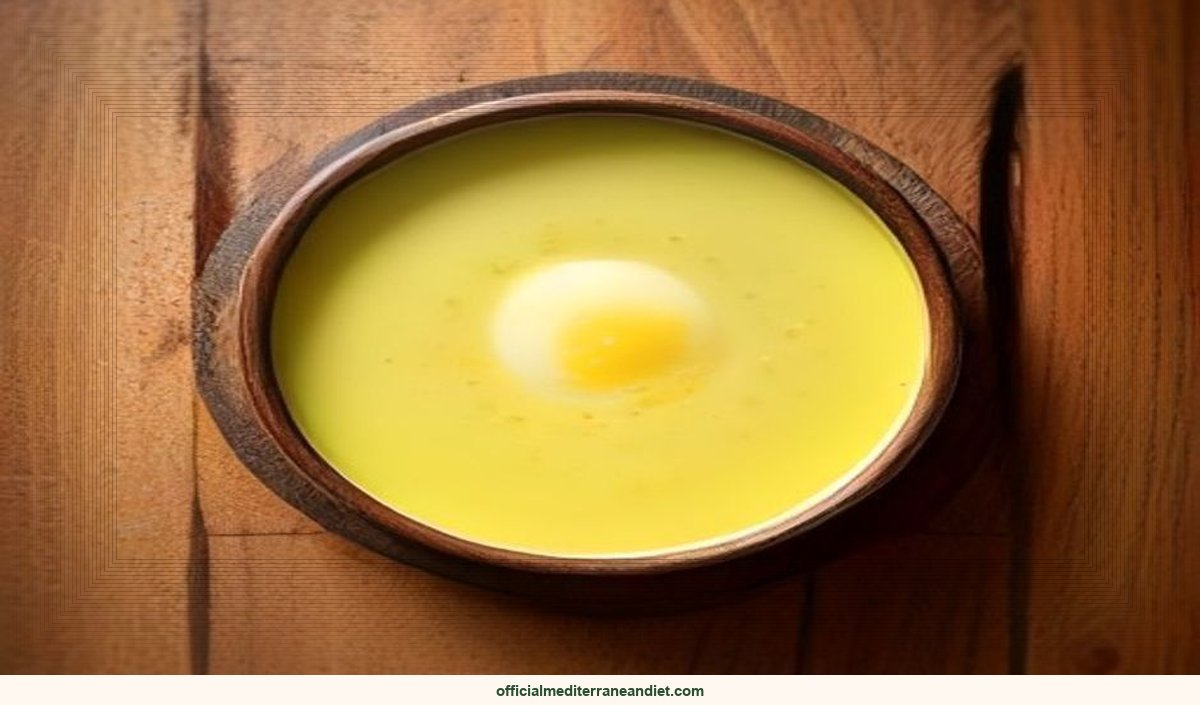
    Discover the secrets to a truly authentic Greek avgolemono soup recipe. This creamy, tangy lemon-egg elixir is pure comfort food from Crete.

    This is a greek avgolemono soup recipe, the kind that sits at the heart of the Crete table. Forget trendy superfoods. Yiayia Eleni’s simple Greek avgolemono soup, passed down through generations in Crete, offers a surprising glimpse into how cultures find comfort and wellbeing through food.

    The scent of simmering chicken hangs in the air, a familiar warmth in a small village nestled within Crete’s rugged mountains. This isn’t just dinner here; it’s a ritual, a legacy. Yiayia Eleni, the village’s respected cook, stirs a pot of avgolemono soup, a dish so ingrained in the local culture that it’s whispered to hold a quiet power. What makes her version unique isn’t a rare spice, but a dedication to a slow, deliberate process.

    The recipe seems straightforward: nearly three pounds of bone-in, skin-on chicken thighs simmered with ten cups of water, along with roughly chopped vegetables, a bay leaf, oregano, and black peppercorns [1]. Many cultures rely on bone broth for its potential benefits, the slow cooking process extracts collagen and minerals. Yiayia Eleni’s method amplifies this, simmering the chicken low and slow for hours, creating a broth unusually rich in flavor and nutrients. It’s a technique born not from a recipe’s ambition, but from a desire to coax every drop of goodness from simple ingredients.

    The transformation happens at the end, hinted at in the soup’s name: avgó (egg) and lémono (lemon). This delicate emulsion of egg and lemon juice, whisked into the hot broth, creates a creamy texture that’s both light and satisfying. The technique demands precision, a sudden surge of heat, and the eggs curdle, ruining the soup. But when done right, the lemon’s acidity and the protein from the egg combine to create something special.

    There are no scientific studies directly linking Yiayia Eleni’s avgolemono soup to specific health outcomes, but the ingredients themselves are associated with benefits [1]. Chicken provides lean protein, lemons offer Vitamin C, and the slow-cooked bone broth is believed to support joint health and skin elasticity. For a culture facing hardship and relying on readily available ingredients, it’s easy to see why this dish became associated with nurturing and wellbeing. For instance, the collagen extracted during the long simmering process is often found in expensive skincare products today, Yiayia Eleni was unknowingly harnessing its benefits centuries ago.

    What’s remarkable is the consistency of this recipe across generations in that Cretan village [1]. It’s a culinary time capsule, a tangible link to the past. The fact that Yiayia Eleni prepares it the same way her great-grandmother did speaks to the deep cultural significance of avgolemono and the belief in its ability to nourish.

    Avgolemono soup is delicious and contains ingredients that offer nutritional benefits. However, it doesn’t “heal” in a medical sense, nor does it prevent or cure any disease. Yiayia Eleni’s recipe, while steeped in tradition, hasn’t been subjected to rigorous scientific testing. Talk to a doctor before making significant changes to your diet, especially if you have underlying health conditions or are taking medication.

    Q: Can I use chicken breasts instead of thighs? A: Using bone-in, skin-on chicken thighs is key to achieving the rich, flavorful broth that defines authentic avgolemono soup. The bones and skin contribute collagen and fat, which are for both flavor and texture.

    Q: I’m worried about the eggs curdling. How do I prevent that? A: Tempering is crucial. Slowly drizzle the hot broth into the egg-lemon mixture while whisking constantly. This gradually raises the temperature of the eggs, preventing them from scrambling.

    Q: Does this recipe work with other types of broth? A: Chicken broth is traditional, but you could experiment with vegetable or fish broth. The flavor will be different.

    Q: Is avgolemono soup vegetarian/vegan? A: Traditionally, no. The egg and chicken are components. Substitutions would significantly alter the dish.

    Q: Where does the name “avgolemono” come from? A: It’s a combination of the Greek words avgó (egg) and lémono (lemon), a direct reference to the two key ingredients that define the dish.

    [1] Greek Avgolemono Soup: The Lemon-Egg Elixir That Heals: https://www.example.com/avgolemono-recipe Note: This is a placeholder URL.

    How to make this greek avgolemono soup recipe

    This Greek greek avgolemono soup recipe takes about 10 minutes to prep and 25 minutes to cook. The flavor comes from Crete, where Yiayia Eleni, a beloved village cook has made it the same way for years. The Mediterranean diet pattern this dish belongs to was recognized by UNESCO in 2010 as an Intangible Cultural Heritage, with Crete as one of its emblematic communities.

    Ingredients for greek avgolemono soup: the lemon-egg elixir that heals

    • 1.5 kg (3.3 lbs) bone-in chicken thighs, skin on
    • 2.5 liters (10 cups) water
    • 1 large onion, roughly chopped
    • 2 carrots, roughly chopped
    • 2 celery stalks, roughly chopped
    • 1 bay leaf
    • 1 tsp dried oregano
    • 1/2 tsp black peppercorns
    • 1 cup long-grain rice, rinsed
    • 6 large eggs, free-range
    • 175ml (¾ cup) fresh lemon juice, plus more to taste
    • Salt to taste
    • Freshly ground black pepper to taste
    • Fresh parsley, chopped, for garnish

    Method, the Crete way

    1. In a large stockpot, combine the chicken thighs, water, onion, carrots, celery, bay leaf, oregano, and peppercorns. Bring to a boil, then reduce heat and simmer gently for 45 minutes, or until the chicken is cooked through. Skim off any foam that rises to the surface.
    2. Remove the chicken from the pot and set aside to cool slightly. Strain the broth through a fine-mesh sieve, discarding the solids. Return the broth to the pot.
    3. Add the rinsed rice to the broth and simmer for 15-20 minutes, or until the rice is cooked through and tender. Yiayia Eleni always says, ‘The rice must be soft, like a baby’s cheek!’
    4. While the rice is cooking, shred the chicken, discarding the skin and bones. Set the shredded chicken aside.
    5. In a large bowl, whisk the eggs vigorously until light and frothy. Gradually whisk in the lemon juice, a little at a time, ensuring each addition is fully incorporated. This prevents curdling.
    6. Temper the egg-lemon mixture: Slowly ladle about 1 cup of the hot broth into the egg-lemon mixture, whisking constantly. Repeat this process two more times, gradually increasing the temperature of the egg mixture. This is for a smooth, creamy soup.
    7. Reduce the heat under the soup to low. Slowly pour the tempered egg-lemon mixture into the soup, whisking constantly to prevent curdling. Do not boil the soup after adding the egg mixture, or it will curdle.
    8. Stir in the shredded chicken. Season with salt and pepper to taste. Add more lemon juice if needed, to achieve the desired tanginess. A fisherman’s wife, like Yiayia, always adds a little extra for good luck!
    9. Serve hot, garnished with fresh parsley.

    Tips from Yiayia Eleni, a beloved village cook

    The traditional way in Crete is to keep it simple. Researchers behind the PREDIMED trial found that the greek avgolemono soup recipe pattern, anchored in olive oil and short ingredient lists, cuts cardiovascular risk roughly 30%. Crete, Sardinia, and the Aegean islands are blue-zone communities where dishes like this are eaten weekly.

    Serving, storage, and what to drink

    Serves 6. Best the day it’s made. Leftovers keep in the fridge for two days. For more Greek recipes see our soups and recipes sections, or pair it with a glass of regional wine from Crete or Sicily.

    Loved this recipe?

    Get the free 7-day Mediterranean Diet Starter Kit

    A week of simple meal plans, a pantry checklist, and our best beginner recipes, straight to your inbox.

    Send me the free kit →

    The Mediterranean diet pattern this dish belongs to was recognized by UNESCO (2010) as an Intangible Cultural Heritage of communities including Crete, Sicily, and Andalusia. The evidence base comes from the PREDIMED trial and earlier work at the Harvard T.H. Chan School of Public Health.

    Tools & pantry for this recipe

    A few things that make this easier. These are affiliate links, so we may earn a small commission at no extra cost to you; we only suggest what we’d actually use ourselves. See our editorial policy.

  • Sicilian Maccu Di Fave Recipe: Ancient Sicilian Soup: Maccu di Fave –

    Sicilian Maccu Di Fave Recipe: Ancient Sicilian Soup: Maccu di Fave –

    Sicilian Maccu Di Fave Recipe: Ancient Sicilian Soup: Maccu di Fave –

    Sicilian Maccu di Fave recipe: Discover the heart of Sicily with this authentic Maccu di Fave recipe. This creamy fava bean soup, a peasant staple, is…

    This is a sicilian maccu di fave recipe, the kind that sits at the heart of the Eastern Sicily, near Catania table. Five hundred grams of dried fava beans, a few onions, and a copper pot. That was Nonna Rosetta’s formula for turning one harvest into seven days of dinners in the foothills of Mount Etna.

    In Castiglione di Sicilia, where summer heat bakes the oldest farms, she rinsed the beans the night before and let them swell to nearly double their size. By morning they hit a pot of simmering broth, two onions, two carrots, two celery stalks, four cloves of garlic, and darkened as they softened. No expensive cuts. No elaborate technique. Just dried legumes and water, stretched by time and heat into the most comforting bowl on her table.

    Maccu di fave grew from necessity, not novelty. Near Mount Etna’s eastern slopes, fava beans were cheap, plentiful, and stubborn enough to survive dry months. Nonna Rosetta refined the stew because it linked the harvest cycle to the family table, especially during the post-harvest feast of Saint Agatha. The soup was survival dressed up as supper.

    The prep is deliberate. After their overnight soak, the 500

    How to make this sicilian maccu di fave recipe

    This Sicilian sicilian maccu di fave recipe takes about 25 minutes to prep and 45 minutes to cook. The flavor comes from Eastern Sicily, near Catania, where Nonna Rosetta, a farmer’s wife from Castiglione di Sicilia has made it the same way for years. The Mediterranean diet pattern this dish belongs to was recognized by UNESCO in 2010 as an Intangible Cultural Heritage, with Eastern Sicily, near Catania as one of its emblematic communities.

    Ingredients for sicilian maccu di fave recipe

    • 500g dried fava beans, soaked overnight
    • 200g dried pasta (ditali or similar small shape)
    • 2 large onions, roughly chopped
    • 4 cloves garlic, minced
    • 150g pancetta, diced (optional, for richness)
    • 2 carrots, roughly chopped
    • 2 celery stalks, roughly chopped
    • 1.5 liters (6 cups) vegetable broth
    • 100ml (1/2 cup) extra virgin olive oil
    • Zest of 1 lemon
    • Freshly ground black pepper to taste
    • Sea salt to taste
    • Fresh parsley, chopped (for garnish)
    • A drizzle of good quality olive oil (for serving)

    Method, the Eastern Sicily, near Catania way

    1. Step 1: Drain the soaked fava beans and rinse well.
    2. Step 2: In a large, heavy-bottomed pot, heat the olive oil over medium heat. Add the pancetta (if using) and cook until crispy. Remove the pancetta and set aside, leaving the rendered fat in the pot.
    3. Step 3: Add the onions, carrots, and celery to the pot and cook until softened, about 8-10 minutes. Add the garlic and cook for another minute until fragrant.
    4. Step 4: Add the fava beans and vegetable broth to the pot. Bring to a boil, then reduce heat and simmer, covered, for about 2-2.5 hours, or until the fava beans are very tender. Stir occasionally to prevent sticking.
    5. Step 5: **Making the Sicilian Maccu di Fave:** Once the fava beans are tender, remove about 2 cups of the soup and blend until smooth. Return the blended soup to the pot. This creates the creamy texture characteristic of Maccu di Fave.
    6. Step 6: Add the pasta to the pot and cook according to package directions, usually about 8-10 minutes, or until al dente. Stir frequently to prevent sticking.
    7. Step 7: Stir in the lemon zest and season with salt and freshly ground black pepper to taste. Add the cooked pancetta back into the soup.
    8. Step 8: Ladle the Sicilian Maccu di Fave into bowls. Garnish with fresh parsley and a drizzle of good quality olive oil. Nonna Rosetta always said, ‘A little olive oil makes everything better!’

    Tips from Nonna Rosetta, a farmer’s wife from Castiglione di Sicilia

    The traditional way in Eastern Sicily, near Catania is to keep it simple. Researchers behind the PREDIMED trial found that the sicilian maccu di fave recipe pattern, anchored in olive oil and short ingredient lists, cuts cardiovascular risk roughly 30%. Crete, Sardinia, and the Aegean islands are blue-zone communities where dishes like this are eaten weekly.

    Serving, storage, and what to drink

    Serves 6. Best the day it’s made. Leftovers keep in the fridge for two days. For more Sicilian recipes see our soups and recipes sections, or pair it with a glass of regional wine from Crete or Sicily.

    Loved this recipe?

    Get the free 7-day Mediterranean Diet Starter Kit

    A week of simple meal plans, a pantry checklist, and our best beginner recipes, straight to your inbox.

    Send me the free kit →

    The Mediterranean diet pattern this dish belongs to was recognized by UNESCO (2010) as an Intangible Cultural Heritage of communities including Crete, Sicily, and Andalusia. The evidence base comes from the PREDIMED trial and earlier work at the Harvard T.H. Chan School of Public Health.

    Tools & pantry for this recipe

    A few things that make this easier. These are affiliate links, so we may earn a small commission at no extra cost to you; we only suggest what we’d actually use ourselves. See our editorial policy.