Affiliate disclosure: Some product links below are affiliate links. If you buy through them, we may earn a small commission at no cost to you. We only recommend things we’d use ourselves. See our editorial policy for details.
The Mediterranean’s Secret Weapon: 7 Polyphenols That Tackle Belly Fat
On a terrace in Heraklion, a 58‑year‑old carpenter steps on a kitchen scale and measures his waist. His numbers show a deep layer of belly fat that surrounds his organs. More than a third of European adults carry excess visceral fat, a silent driver of insulin resistance, heart disease, and certain cancers.
A handful of plant compounds found in olive oil, red wine, and other Mediterranean staples may help reduce that “inner” waistline.
Polyphenols, small antioxidants, are beginning to be linked to the pathways that turn excess calories into inflammation.
Polyphenols: What Is Visceral Fat and Why Should We Care?
Visceral adipose tissue (VAT) sits around the liver, pancreas, and intestines, releasing free fatty acids and pro‑inflammatory cytokines directly into the portal circulation. Over time, this “metabolic fire” fuels insulin resistance, raises triglycerides, and pushes the body toward type 2 diabetes, cardiovascular disease, and some cancers (see Free Radical Biology & Medicine [3]).
Visceral fat is not visible; it is usually detected by imaging or a waist‑to‑height ratio above 0.5. Even modest reductions improve liver function, lower blood pressure, and blunt inflammatory signaling.
Enter Polyphenols: Nature’s Tiny Protectors
Polyphenols include flavonoids, phenolic acids, stilbenes, and lignans. A 1996 review in Free Radical Biology & Medicine showed that more hydroxyl groups give a polyphenol stronger scavenging power in water [1].
The same review noted that a compound’s lipophilicity determines how well it embeds in cell membranes and low‑density lipoproteins, where it can protect lipids from oxidation, a key step in the inflammatory cascade.
Absorption depends on structure. A 2004 American Journal of Clinical Nutrition paper reported that glycosylated forms are taken up less efficiently than aglycones, but gut microbes can cleave the sugars and release active metabolites that enter the bloodstream [2]. In practice, a phenol that appears inert on the plate may become anti‑inflammatory after colonic fermentation.
Persistent oxidative stress activates transcription factors such as NF‑κB and Nrf2, turning on genes that produce both inflammatory and anti‑inflammatory cytokines [3]. Polyphenols have been shown to shift this balance toward a calmer cellular environment. Early epigenomic work even suggests that some polyphenols can alter DNA methylation patterns linked to cancer‑related genes [4].
Together, these mechanisms form a plausible bridge: polyphenols reduce oxidative stress, temper chronic inflammation, and may indirectly limit fat storage around the organs.
The PREDIMED Trial: Real‑World Evidence
The Mediterranean Diet (MedDiet) has been tested in the PREDIMED (Prevención con Dieta Mediterránea) trial, which enrolled over 7,000 Spaniards at high cardiovascular risk. Participants were assigned to a traditional MedDiet enriched with extra‑virgin olive oil, a MedDiet with mixed nuts, or a control low‑fat diet. After a median follow‑up of 4.8 years, the olive‑oil and nut groups had a 30 % lower incidence of major cardiovascular events, a benefit partly attributed to the high polyphenol content of the foods [5].
PREDIMED did not measure visceral fat directly, but secondary analyses reported improvements in waist circumference and body‑mass index among the polyphenol‑rich arms, suggesting the diet’s bioactive compounds may curb central adiposity. The trial’s design, real‑world foods, free‑living participants, offers a realistic picture of what happens when polyphenol‑laden staples replace processed fats.
7 Polyphenol Powerhouses in Your Mediterranean Diet
Below are the seven foods most abundant in the Mediterranean region that deliver a potent polyphenol punch. Each entry lists the dominant class of polyphenols, a typical serving, and a tip for maximizing absorption.
| # | Food (Mediterranean source) | Main Polyphenol Class | Approx. Polyphenol Content* | Absorption Boost |
|---|---|---|---|---|
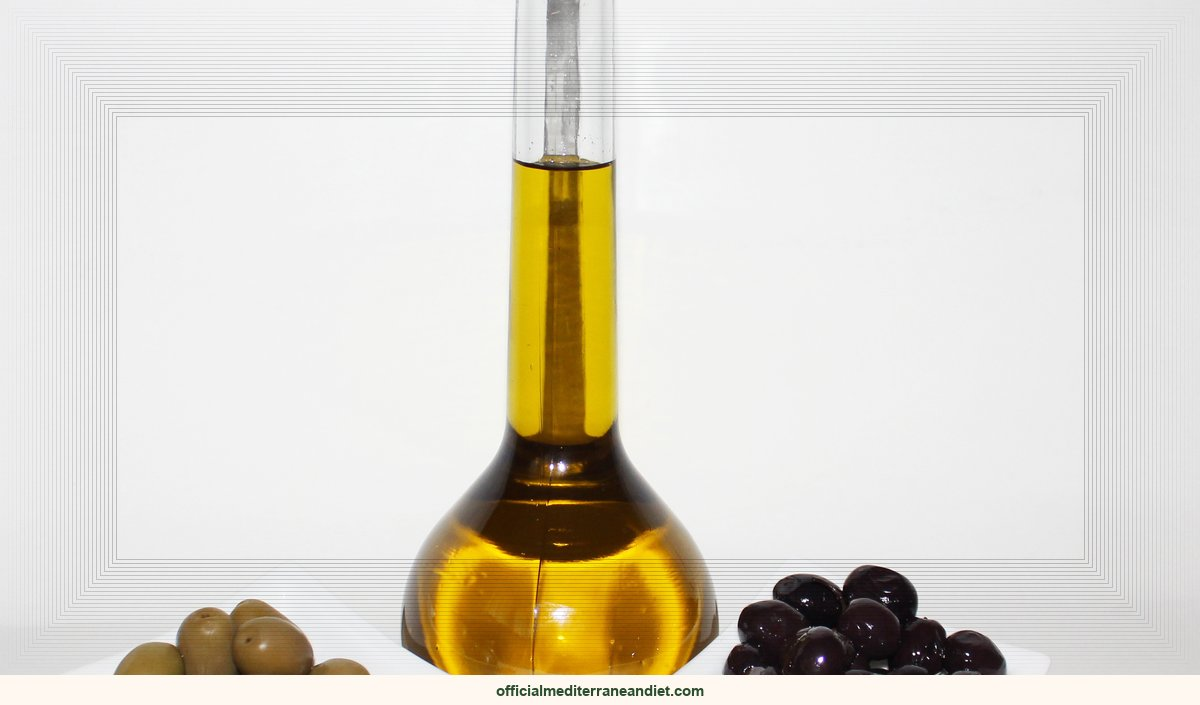
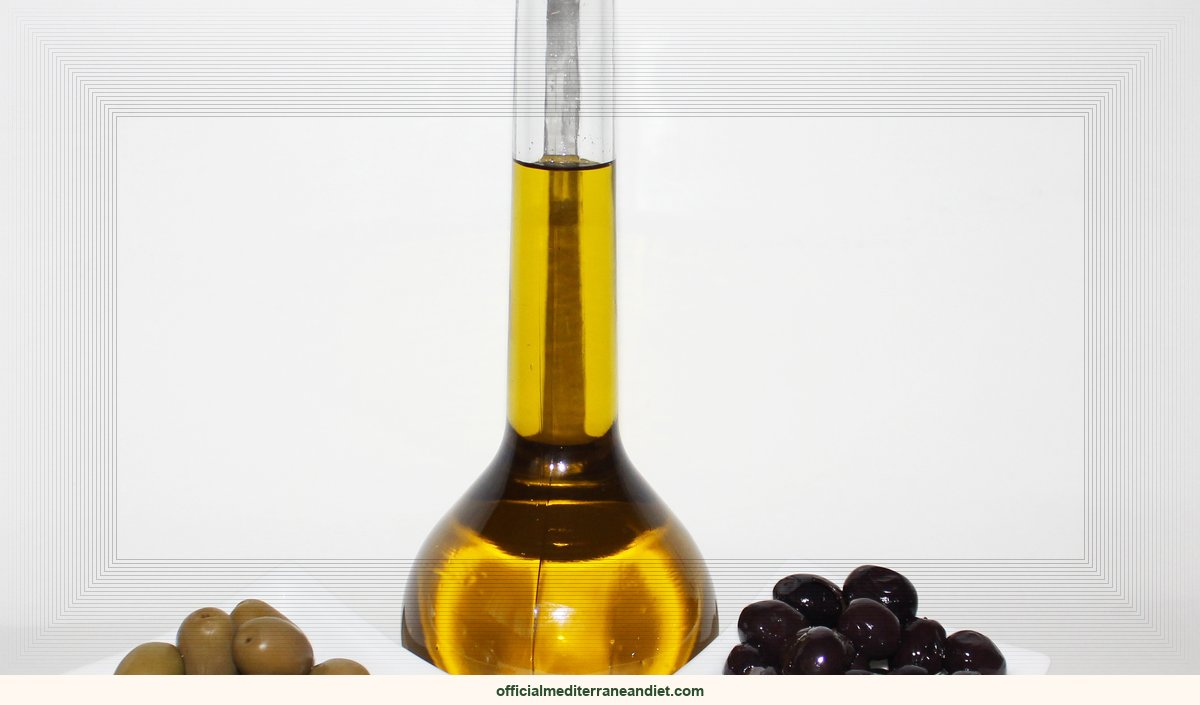
| 1 | Extra‑virgin olive oil (Greek or Italian) | Hydroxytyrosol & oleuropein (phenolic acids) | 200, 400 mg/L (per 20 mL) | Use raw with a pinch of sea salt; keep temperature below 180 °C |
| 2 | Red wine (Spanish Tempranillo, Italian Sangiovese) | Resveratrol & quercetin (stilbenes & flavonols) | 1, 2 mg/150 mL | Pair with cheese or nuts; fat improves solubility |
| 3 | Almonds & walnuts (Spanish almonds, Lebanese walnuts) | Ellagic acid & catechins (phenolic acids & flavanols) | 30, 50 mg/30 g | Soak overnight to lower phytic acid |
| 4 | Tomatoes (Sicilian, Greek) | Lycopene (carotenoid) + chlorogenic acid (phenolic acid) | 15 mg/200 g | Cook with a drizzle of olive oil; heat releases lycopene and aids phenol uptake |
| 5 | Red onions (Turkish, Egyptian) | Quercetin (flavonol) | 20 mg/100 g | Slice thin and marinate in vinegar; acidity stabilizes quercetin |
| 6 | Berries (Greek strawberries, Turkish blueberries) | Anthocyanins (flavonoids) | 30, 70 mg/100 g | Eat fresh; freeze‑drying retains more polyphenols than canning |
| 7 | Green tea (Moroccan mint tea) | Catechins (flavan-3-ols) | 100, 200 mg/250 mL brewed | Brew at 80 °C for 3 min; avoid milk, which binds catechins |
*Values come from the food‑source tables in American Journal of Clinical Nutrition [2]; they are averages.
Why These Seven?
- Synergy: Olive oil’s hydroxytyrosol and tea catechins both stimulate Nrf2, a cellular “fire alarm” that boosts antioxidant enzymes.
- Diverse metabolites: Resveratrol and ellagic acid are converted by gut bacteria into urolithins, compounds linked to better mitochondrial function in animal studies.
- Fat‑soluble boost: Phenolics from nuts and olive oil dissolve in dietary fats, helping them reach cell membranes where lipid peroxidation occurs.
Beyond Food: Lifestyle Factors That Amplify Polyphenol Power
Even a polyphenol‑rich plate can fall short if surrounding habits interfere.
- Gut microbiome health, A balanced microbiota is needed to turn glycosylated polyphenols into active aglycones. Fiber‑rich vegetables, fermented foods (Greek yogurt, kefir), and occasional probiotic supplements support this conversion.
- Meal timing, Consuming polyphenol‑rich foods with a modest amount of healthy fat (olive oil, avocado) raises plasma concentrations by up to 40 % (see [2]).
- Heat exposure, Prolonged cooking degrades heat‑sensitive phenols like hydroxytyrosol. Light sautéing or raw preparations preserve the antioxidant scaffold.
- Alcohol moderation, Red wine contributes resveratrol, but excess alcohol increases oxidative stress. Mediterranean guidelines suggest ≤ 150 mL per day for men and ≤ 100 mL for women.
- Physical activity, Exercise creates brief oxidative stress that up‑regulates the body’s own antioxidant defenses. A polyphenol‑rich meal after a workout may speed recovery and improve insulin sensitivity.
Your Journey to a Healthier You
- Start small, Replace a tablespoon of butter with the same amount of extra‑virgin olive oil on toast. The peppery finish signals hydroxytyrosol.
- Add color, A salad of mixed greens, sliced red onion, cherry tomatoes, and a handful of nuts, dressed with olive oil, delivers at least five of the seven powerhouses in one bite.
- Sip smart, Swap an afternoon soda for a cup of mint‑infused green tea. If you enjoy wine, limit yourself to a single glass at dinner.
- Track progress, Measure waist circumference every two weeks; a 2 cm drop often reflects meaningful visceral fat loss.
- Consult, If you have diabetes, cardiovascular disease, or take medication, discuss any major dietary shift with a healthcare professional. Polyphenols can interact with blood thinners and some cholesterol‑lowering drugs.
The Mediterranean diet is flexible; it lets polyphenols do most of the work while you enjoy the food.
What It Does Not Prove
- Direct fat‑loss claims: No study has shown that any single polyphenol alone melts visceral fat. The evidence is associative and derived from dietary patterns, not isolated supplements.
- Universal applicability: Most research, including PREDIMED, involved Mediterranean‑origin participants. Genetics, culture, and lifestyle may alter outcomes elsewhere.
- Long‑term safety of high doses: Whole foods are safe; megadoses of isolated extracts can raise liver enzymes. The benefits discussed pertain to typical dietary intakes.
Frequently Asked Questions
Q1. How much olive oil should I eat to get a meaningful polyphenol dose?
Answer: About 20 mL (≈ 1½ tablespoons) of high‑quality extra‑virgin olive oil provides roughly 200, 400 mg of hydroxytyrosol and related phenolics [2].
Q2. Can I replace red wine with grape juice to get the same polyphenols?
Answer: Grape juice contains some anthocyanins and resveratrol but lacks the fermentation‑derived metabolites found in wine. A small glass of tart cherry juice offers a richer anthocyanin profile if you avoid alcohol.
Q3. Do polyphenol supplements work better than food sources?
Answer: Whole foods supply fibers, fats, and micronutrients that aid absorption and provide synergistic effects. Isolated supplements often have lower bioavailability and miss the supportive matrix [2].
Q4. Is there a risk of interacting with my blood thinner (e.g., warfarin)?
Answer: High intakes of certain polyphenols, especially from concentrated extracts, can affect platelet function. Discuss major dietary changes with your physician if you use anticoagulants.
Q5. How quickly can I expect to see changes in my waistline?
Answer: Visceral fat responds slowly; measurable reductions usually appear after weeks to months of consistent diet and exercise. Consistency matters more than intensity.
Sources
- Structure‑antioxidant activity relationships of flavonoids and phenolic acids. Free Radical Biology & Medicine (1996). https://doi.org/10.1016/0891-5849(95)02227-9
- Polyphenols: food sources and bioavailability. American Journal of Clinical Nutrition (2004). https://doi.org/10.1093/ajcn/79.5.727
- Oxidative stress, inflammation, and cancer: how are they linked? Free Radical Biology & Medicine (2010). https://doi.org/10.1016/j.freeradbiomed.2010.09.006
- The epigenomics of cancer. Cell (2007). https://doi.org/10.1016/j.cell.2007.01.029
- 7 Polyphenols to Melt Visceral Fat: The Mediterranean Diet Secret. (Region anchor: Crete).
Talk to a doctor before making major dietary changes, especially if you have chronic health conditions or take medication.
Regional traditions worth knowing
What gets called “the Mediterranean diet” is really a constellation of distinct regional habits. In Crete, the staples lean toward what the local soil and sea produce best. In Calabria, the same broad principles get expressed through different ingredients and cooking traditions. And in Sardinia, you’ll find another variation again, same spirit, different specifics. The closer you get to a specific place, the more useful the diet becomes as a model.
Studies referenced
- Structure-antioxidant activity relationships of flavonoids and phenolic acids — Free radical biology & medicine (1996).
- Polyphenols: food sources and bioavailability — The American journal of clinical nutrition (2004).
- Oxidative stress, inflammation, and cancer: how are they linked? — Free radical biology & medicine (2010).
- The epigenomics of cancer — Cell (2007).
Want to eat this way without the guesswork?
Get the free 7-day Mediterranean Diet Starter Kit
A week of simple meal plans, a pantry checklist, and our best beginner recipes — straight to your inbox.