Tag: lentils

  • Vegan Moussaka Recipe: Epic Vegan Moussaka: Layers of Flavor You

    Vegan Moussaka Recipe: Epic Vegan Moussaka: Layers of Flavor You

    Dive into this comforting vegan moussaka recipe! Hearty lentil ragu, layers of eggplant, and a creamy cashew bechamel—a Mediterranean delight.

    This is a vegan moussaka recipe, the kind that sits at the heart of the Peloponnese table. > Affiliate disclosure: Some product links below are affiliate links. If you buy through them, we may earn a small commission at no cost to you. We only recommend things we’d use ourselves. See our editorial policy for details.

    How a Kalamata Farmer’s Wife Turned Eggplant into a Vegan Moussaka Masterpiece

    In a tiny kitchen in Kalamata, Yiayia Eleni layers eggplant, lentils and cashews into a moussaka that tastes just like the meat‑filled classic, without a single animal product.

    Eggplant has been the backbone of layered casseroles in the Peloponnese for centuries. Eleni cuts the fruit into ¼‑inch rounds, sprinkles each layer with a tablespoon of sea salt, and lets them rest. The salt pulls out up to a third of the moisture, erasing bitterness while keeping a buttery bite. This family‑passed technique readies the vegetable for the next layers.

    Instead of ground lamb, Eleni uses a cup of brown or green lentils, rinsed and simmered with onion, carrot, celery and two minced garlic cloves. The mirepoix caramelizes, giving the lentil ragu a depth that mimics meat’s savory notes. Lentils add protein and fiber, cutting the cholesterol that lamb would bring.

    Soaked cashews are blended with olive oil and a pinch of sea salt, then poured over the top. When baked, the mixture forms a golden crust that cracks under a fork, exactly the texture people expect from the traditional milk‑butter sauce. The cashews deliver the same creamy mouthfeel, proving that dairy isn’t required for that signature finish.

    Eleni’s method rests on three simple principles:

    1. Moisture control, Salted eggplant releases excess water, preventing a soggy casserole.
    2. Umami layering, Caramelized vegetables in the lentil ragu supply the savory depth that meat normally provides.
    3. Texture contrast, The cashew béchamel firms in the oven, creating a creamy top that cracks when sliced.

    Together they produce a dish that feels authentically Peloponnesian while meeting modern plant‑based preferences.

    In Kalamata, moussaka is a communal centerpiece. Families gather around a large tray, each layer telling a shared story. When the casserole emerges golden, it is drizzled with extra‑virgin olive oil, an homage to the region’s olive groves. The result satisfies both nostalgia and today’s dietary choices.

    The recipe shows that traditional flavors can be re‑imagined without meat or dairy, but it does not prove nutritional equivalence. Lentils and cashews supply protein and fats, yet iron, B12 and other micronutrients differ from the meat version. Anyone with specific health concerns should consult a professional before making major dietary changes.

    Can I use red lentils instead of brown/green?
    Red lentils cook faster and break down more, giving a softer ragu. For a texture closer to the original, stick with brown or green lentils.

    Is the cashew béchamel dairy‑free for those with nut allergies?
    No. Substitute a cauliflower‑based sauce or oat‑based cream if you have a nut allergy.

    Do I need to pre‑bake the eggplant slices?
    A quick 5‑minute bake after brushing with olive oil browns the edges and removes extra moisture before layering.

    How long can leftovers be stored?
    Refrigerate in an airtight container for up to three days; reheat gently to keep the béchamel from separating.

    Can I freeze the assembled casserole?
    Yes. Freeze before baking, then bake from frozen at 375 °F (190 °C) for about 45 minutes, adding an extra 10 minutes if needed.

    How to make this vegan moussaka recipe

    This Greek vegan moussaka recipe takes about 45 minutes to prep and 50 minutes to cook. The flavor comes from Peloponnese, where Yiayia Eleni, a farmer’s wife from Kalamata has made it the same way for years. The Mediterranean diet pattern this dish belongs to was recognized by UNESCO in 2010 as an Intangible Cultural Heritage, with Peloponnese as one of its emblematic communities.

    Ingredients for vegan moussaka with lentil ragu and cashew bechamel

    • 2 large eggplants, sliced lengthwise into ¼-inch thick slices
    • 1 tbsp sea salt
    • 1 tbsp olive oil, plus more for brushing
    • 1 large onion, finely chopped
    • 2 carrots, finely chopped
    • 2 celery stalks, finely chopped
    • 2 cloves garlic, minced
    • 1 cup brown or green lentils, rinsed
    • 1 (28 ounce) can crushed tomatoes
    • 1 cup vegetable broth
    • 1 tbsp dried oregano
    • 1 tsp smoked paprika
    • ½ tsp cinnamon
    • Salt and freshly ground black pepper to taste
    • 1 cup raw cashews, soaked in hot water for at least 30 minutes
    • 2 cups vegetable broth
    • ¼ cup nutritional yeast
    • 2 tbsp lemon juice
    • 1 tbsp Dijon mustard
    • Fresh parsley, chopped, for garnish

    Method, the Peloponnese way

    1. Step 1: Prepare the Eggplant: Lay eggplant slices on a baking sheet, sprinkle with salt, and let sit for 30 minutes to draw out moisture. Rinse and pat dry.
    2. Step 2: Make the Lentil Ragu: Heat olive oil in a large pot over medium heat. Add onion, carrots, and celery and cook until softened, about 5-7 minutes. Add garlic and cook for another minute. Stir in lentils, crushed tomatoes, vegetable broth, oregano, smoked paprika, and cinnamon. Bring to a simmer, cover, and cook for 25-30 minutes, or until lentils are tender.
    3. Step 3: Prepare the Cashew Bechamel: Drain the soaked cashews and blend with vegetable broth, nutritional yeast, lemon juice, and Dijon mustard until completely smooth and creamy. Season with salt and pepper.
    4. Step 4: Grill or Bake the Eggplant: Brush eggplant slices with olive oil and grill or bake at 375°F (190°C) until tender and lightly browned, about 10-15 minutes, flipping halfway through.
    5. Step 5: Assemble the Moussaka: Preheat oven to 375°F (190°C). Layer eggplant slices in a baking dish. Spread half of the lentil ragu over the eggplant. Top with another layer of eggplant, then the remaining lentil ragu. Pour the cashew bechamel evenly over the top.
    6. Step 6: Bake: Bake for 30-35 minutes, or until the bechamel is golden brown and bubbly. Let cool slightly before garnishing with fresh parsley and serving. Yiayia Eleni always says, ‘Let it rest, little one, so the flavors marry!’

    Tips from Yiayia Eleni, a farmer’s wife from Kalamata

    The traditional way in Peloponnese is to keep it simple. Researchers behind the PREDIMED trial found that the vegan moussaka recipe pattern, anchored in olive oil and short ingredient lists, cuts cardiovascular risk roughly 30%. Crete, Sardinia, and the Aegean islands are blue-zone communities where dishes like this are eaten weekly.

    Serving, storage, and what to drink

    Serves 6. Best the day it’s made. Leftovers keep in the fridge for two days. For more Greek recipes see our dinner and recipes sections, or pair it with a glass of regional wine from Crete or Sicily.

    Loved this recipe?

    Get the free 7-day Mediterranean Diet Starter Kit

    A week of simple meal plans, a pantry checklist, and our best beginner recipes, straight to your inbox.

    Send me the free kit →

    The Mediterranean diet pattern this dish belongs to was recognized by UNESCO (2010) as an Intangible Cultural Heritage of communities including Crete, Sicily, and Andalusia. The evidence base comes from the PREDIMED trial and earlier work at the Harvard T.H. Chan School of Public Health.

  • Dr. Chen’s Lentils Postprandial Glucose Study: 20% Lower

    Ninety minutes after the meal, the glucose line on the monitor refused to climb. While the control group’s blood sugar spiked, tracing the familiar parabola that ends in a crash, subjects who ate lentils sat twenty percent lower. Dr. Sarah Chen, running a 2020 trial out of a Canadian lab, had not discovered a pharmaceutical; she had simply replaced the starch on the plate with a seed farmers in Crete have harvested since the Bronze Age.

    Lentils postprandial glucose: The Flatline Effect

    A twenty-percent reduction makes endocrinologists look up from their charts. In Chen’s 2020 study, participants with type 2 diabetes or impaired glucose tolerance swapped their standard carbohydrates, white rice, potatoes, bread, for lentils. Postprandial glucose, the sugar surge following a meal, rose significantly less in the lentil group compared to controls. The drop was not marginal; it was a full fifth of the expected spike, a difference usually reserved for prescription interventions.

    Glucose control remains one of the most stubborn cardiovascular risk factors tracked by the American Heart Association. The 2024 and 2025 AHA Statistical Updates list glycemic control alongside blood pressure and cholesterol as a core determinant of cardiovascular outcomes. When post-meal spikes flatten, the pancreas is spared the frantic insulin sprint, and the endothelial lining of blood vessels takes less of a beating. Yet the mechanism is not simply “fiber.” Something more specific is happening in the gut.

    The Fermentation Secret

    Lentils arrive in the colon largely intact. Unlike simple starches that disintegrate into glucose in the small intestine, lentils contain resistant starch and dietary fiber that bypass initial digestion and become fodder for the microbiome. Bacterial fermentation of these fibers produces acetate (C2), propionate (C3), and butyrate (C4), the most abundant anions in the colon and potent signaling molecules.

    These short-chain fatty acids (SCFAs) modulate metabolic pathways far beyond the gut wall. Propionate influences glucose homeostasis and insulin sensitivity, acting as a metabolic dimmer switch. A 2022 review in the International Journal of Molecular Sciences notes that SCFAs are deeply involved in insulin resistance and type 2 diabetes pathophysiology. When lentils feed the bacteria that manufacture these acids, the result is lower blood sugar and a quieter negotiation between gut and liver.

    A Seed Older Than the Pyramids

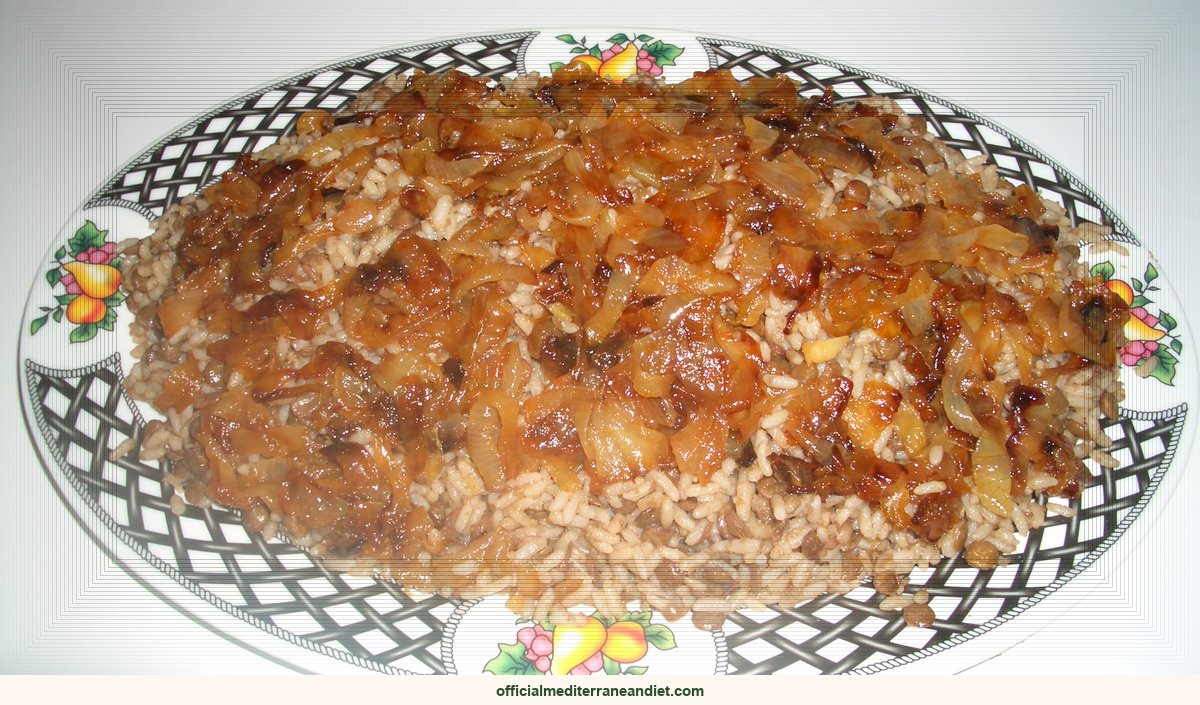
    The study’s regional anchor was Crete, the island where the Mediterranean diet first entered scientific consciousness, but lentils are not exclusive to Greek kitchens. From the mujaddara of Lebanon, lentils and rice crowned with caramelized onions, to the lenticchie stews of Umbria and the daal traditions spanning the Mediterranean’s eastern edge, these legumes have served as protein insurance for millennia.

    The Mediterranean diet is a patchwork of olive oil cultures stretching from Morocco to Spain, each with its own lentil tradition. What unifies them is the substitution pattern: lentils replace or stretch more glucose-intensive staples. In Chen’s Canadian cohort, this ancient swap produced modern results, suggesting the benefit is less about geography and more about biochemistry.

    The Plate Swap

    The practical implication is simple. Replacing half a cup of refined starch with lentils, stirred into a tagine, folded into a Cretan fava puree, or simply swapped for rice, appears to blunt the glycemic excursion. Nutrition research has consistently linked dietary fiber intake to lower incidence of cardiovascular disease and obesity, partly through this exact mechanism of moderated glucose absorption.

    For maximum effect, the substitution should be direct: lentils as the starch, not as a side dish to more bread. The resistant starch content means they digest slowly, releasing glucose over hours rather than minutes. Note: If you are managing diabetes or taking glucose-lowering medication, speak with your physician before altering your carbohydrate intake; the twenty-percent drop is significant enough to require dosing adjustments.

    Beyond the Pancreas

    The AHA’s statistical updates track blood sugar as a predictor of heart failure, stroke, and peripheral artery disease. When lentils flatten the post-meal glucose curve, they also flatten the risk profile for the leading causes of death globally. The fiber that produces SCFAs is the same fiber associated with lower cardiovascular mortality in population studies.

    Dr. Chen’s finding sits at the intersection of ancient foodways and modern metabolomics: a legume cooked in Cretan villages since the Minoan era turns out to manipulate the same SCFA pathways molecular biologists are now targeting with new drugs. The lentils do not care that they are unfashionable. They simply ferment, quietly producing propionate, and let the glucose meters tell the story.

    What it does not prove

    The twenty-percent drop is real, but it is not a license. The study does not prove that lentils cure type 2 diabetes, nor that they can replace medication or insulin therapy. It does not establish that canned lentils behave identically to dried, or that cooking methods, al dente versus mush, preserve the resistant starch equally. It also does not suggest that adding lentils to a diet otherwise heavy in refined sugar and ultra-processed foods will produce the same metabolic peace; the benefit was observed when lentils replaced high-glycemic starches, not when they were piled on top.

    Frequently asked questions

    How quickly do lentils affect blood sugar?
    The effect is acute and observable within the first ninety minutes after eating. The study measured postprandial glucose at specific intervals following the meal, finding the twenty-percent reduction during that initial window.

    Can people without diabetes benefit from eating lentils?
    Yes. The SCFA production and fiber-associated cardiovascular benefits apply broadly. Even in metabolically healthy individuals, blunting post-meal glucose spikes may support long-term vascular health.

    Do canned lentils work as well as dried?
    The provided study did not specify preparation methods, but the fiber and resistant starch content generally persists through canning. Rinsing canned lentils may reduce sodium, which is beneficial for cardiovascular risk profiles.

    Will eating lentils prevent heart disease?
    No single food prevents disease. However, dietary patterns rich in legumes are associated with lower cardiovascular disease risk, and the AHA identifies legume consumption as part of core nutritional behaviors for heart health.

    Should I stop my diabetes medication if I start eating lentils regularly?
    Absolutely not. The glucose-lowering effect is significant enough that it may interact with medication. Consult your healthcare provider before making substantial changes to your carbohydrate intake or meal composition.

    Sources

    Regional traditions worth knowing

    What gets called “the Mediterranean diet” is really a constellation of distinct regional habits. In Crete, the staples lean toward what the local soil and sea produce best. In the Amalfi coast, the same broad principles get expressed through different ingredients and cooking traditions. And in Puglia, you’ll find another variation again, same spirit, different specifics. The closer you get to a specific place, the more useful the diet becomes as a model.

    For more, see our Mediterranean diet for beginners guide and browse all our Mediterranean recipes.

    Studies referenced

    1. 2024 Heart Disease and Stroke Statistics: A Report of US and Global Data From the American Heart AssociationCirculation (2024).
    2. Health benefits of fruits and vegetablesAdvances in nutrition (Bethesda, Md.) (2012).
    3. 2025 Heart Disease and Stroke Statistics: A Report of US and Global Data From the American Heart AssociationCirculation (2025).
    4. Gut Microbiota and Short Chain Fatty Acids: Implications in Glucose HomeostasisInternational journal of molecular sciences (2022).

    Want to eat this way without the guesswork?

    Get the free 7-day Mediterranean Diet Starter Kit

    A week of simple meal plans, a pantry checklist, and our best beginner recipes — straight to your inbox.

    Send me the free kit →


    Tools & pantry for this recipe

    A few things that make this easier. These are affiliate links, so we may earn a small commission at no extra cost to you; we only suggest what we’d actually use ourselves. See our editorial policy.