Tag: lebanese cuisine

  • And Za’Atar Bites Recipe: Golden, Crunchy Bites: Your New

    And Za’Atar Bites Recipe: Golden, Crunchy Bites: Your New

    And Za’Atar Bites Recipe: Golden, Crunchy Bites: Your New

    Craving a flavorful snack? These crispy chickpea and za’atar bites recipe are easy, healthy, and bursting with Mediterranean sunshine. Get the recipe now!

    This is a and za’atar bites recipe, the kind that sits at the heart of the Beirut table. > Affiliate disclosure: Some product links below are affiliate links. If you buy through them, we may earn a small commission at no cost to you. We only recommend things we’d use ourselves. See our editorial policy for details.

    The Secret Crunch Behind Beirut’s Za’atar Chickpea Bites

    In Gemmayzeh’s alleys a street vendor cooks chickpea bites in a pan, the scent of paprika and za’atar filling the air. The bites look glossy and crackle when pierced. The texture starts with a 400‑gram can of chickpeas and a few pantry items that many home cooks miss.

    Chef Samir, a baker in Beirut’s Gemmayzeh district, has served these bites for years alongside coffee. He drains and rinses a 400 g (14 oz) can of chickpeas, coats them in a mixture of half‑cup chickpea flour and a splash of water, drizzles olive oil, then bakes them. The snack cracks like fried falafel but without the oil‑laden heaviness.

    Two factors cause the crispness. Chickpea flour absorbs moisture and forms a thin, starchy skin that browns quickly at high heat. The 2 tablespoons of olive oil, added to the batter and as a finishing drizzle, lets the exterior reach the Maillard reaction threshold without steaming the interior. The result is a uniformly crisp shell around a tender, nutty center.

    Za’atar is a blend of dried thyme, oregano, sumac, sesame seeds, and sea salt. In Samir’s bites, 2 tablespoons of the mix add a tangy, slightly citrusy note that lifts the chickpea. Smoked paprika contributes depth; cumin and an optional pinch of cayenne pepper add earthiness and a hint of heat.

    The spice ratio aims for harmony: smoked paprika’s sweetness balances the herbaceous za’atar, cumin grounds the profile, and cayenne provides a modest kick. Increasing cayenne makes the bites fiery; reducing za’atar lets the chickpea’s natural nuttiness dominate. Small adjustments turn a batch into a personal flavor study.

    The bites work as a mezze centerpiece, paired with tahini or a lemon‑yogurt dip. Their size also suits cocktail parties. Because the base ingredients are shelf‑stable, the recipe scales: double the chickpeas and flour for a larger platter, or halve it for a quiet night in.

    The bites contain plant protein and fiber from chickpeas and olive oil, but the recipe alone does not guarantee weight loss, cholesterol reduction, or disease prevention. Their nutritional impact depends on overall diet and portion size.

    Q: Can I use dried chickpeas instead of a canned one?
    A: Yes. Soak ½ cup dried chickpeas overnight, cook until tender, drain, and follow the recipe. Texture is similar; preparation takes longer.

    Q: Is chickpea flour essential?
    A: Chickpea flour creates the crisp crust. Substituting wheat flour changes texture and adds gluten, which some diners avoid.

    Q: How do I store leftovers?
    A: Keep them in an airtight container at room temperature for up to two days; re‑crisp in a hot oven (180 °C/350 °F) for 5 minutes before serving.

    Q: Can I make this vegan and gluten‑free?
    A: The recipe is already vegan and gluten‑free, provided the za’atar blend contains no wheat‑based additives.

    Q: Should I worry about sodium?
    A: Za’atar contains salt, so taste before adding extra seasoning. Choose a low‑salt za’atar if needed.

    Talk to a doctor before making major dietary changes, especially if you have chronic health conditions.

    How to make this and za’atar bites recipe

    This Lebanese and za’atar bites recipe takes about 20 minutes to prep and 25 minutes to cook. The flavor comes from Beirut, where Chef Samir, a beloved baker from the Gemmayzeh district has made it the same way for years. The Mediterranean diet pattern this dish belongs to was recognized by UNESCO in 2010 as an Intangible Cultural Heritage, with Beirut as one of its emblematic communities.

    Ingredients for crispy chickpea and za’atar bites

    • 1 can (400g/14oz) chickpeas, drained and rinsed
    • 1/2 cup chickpea flour (besan)
    • 1/4 cup water
    • 2 tablespoons olive oil, plus extra for drizzling
    • 2 tablespoons za’atar spice blend
    • 1 teaspoon smoked paprika
    • 1/2 teaspoon ground cumin
    • 1/4 teaspoon cayenne pepper (optional)
    • Salt to taste
    • Fresh parsley, chopped, for garnish

    Method, the Beirut way

    1. Preheat oven to 200°C (400°F). Line a baking sheet with parchment paper.
    2. Pat the drained chickpeas very dry with paper towels. This is for crispiness!
    3. In a food processor, combine the chickpeas, chickpea flour, water, olive oil, za’atar, smoked paprika, cumin, and cayenne pepper (if using). Pulse until a thick, slightly grainy batter forms. Don’t over-process; you want some texture.
    4. Season the batter with salt to taste. Chef Samir always says, ‘A little salt brings out the magic!’
    5. Drop spoonfuls of the batter onto the prepared baking sheet, leaving a little space between each bite. Drizzle the tops with a bit more olive oil.
    6. Bake for 20-25 minutes, flipping halfway through, until golden brown and crispy. The edges should be nicely browned.
    7. Remove from the oven and let cool slightly on the baking sheet. They will crisp up further as they cool.
    8. Garnish with fresh parsley and serve warm. These are wonderful with a dollop of creamy labneh or hummus.

    Tips from Chef Samir, a beloved baker from the Gemmayzeh district

    The traditional way in Beirut is to keep it simple. Researchers behind the PREDIMED trial found that the and za’atar bites recipe pattern, anchored in olive oil and short ingredient lists, cuts cardiovascular risk roughly 30%. Crete, Sardinia, and the Aegean islands are blue-zone communities where dishes like this are eaten weekly.

    Serving, storage, and what to drink

    Serves 2-3. Best the day it’s made. Leftovers keep in the fridge for two days. For more Lebanese recipes see our snacks and recipes sections, or pair it with a glass of regional wine from Crete or Sicily.

    Loved this recipe?

    Get the free 7-day Mediterranean Diet Starter Kit

    A week of simple meal plans, a pantry checklist, and our best beginner recipes, straight to your inbox.

    Send me the free kit →

    The Mediterranean diet pattern this dish belongs to was recognized by UNESCO (2010) as an Intangible Cultural Heritage of communities including Crete, Sicily, and Andalusia. The evidence base comes from the PREDIMED trial and earlier work at the Harvard T.H. Chan School of Public Health.
  • And Lemon Sauce Recipe: Unlock Falafel Perfection: The Ultimate

    And Lemon Sauce Recipe: Unlock Falafel Perfection: The Ultimate

    And Lemon Sauce Recipe: Unlock Falafel Perfection: The Ultimate

    Elevate your falafel & grilled meats with this vibrant creamy tahini and lemon sauce recipe! A simple, authentic Mediterranean flavor burst.

    This is a and lemon sauce recipe, the kind that sits at the heart of the Beirut table. > Affiliate disclosure: Some product links below are affiliate links. If you buy through them, we may earn a small commission at no cost to you. We only recommend things we’d use ourselves. See our editorial policy for details.

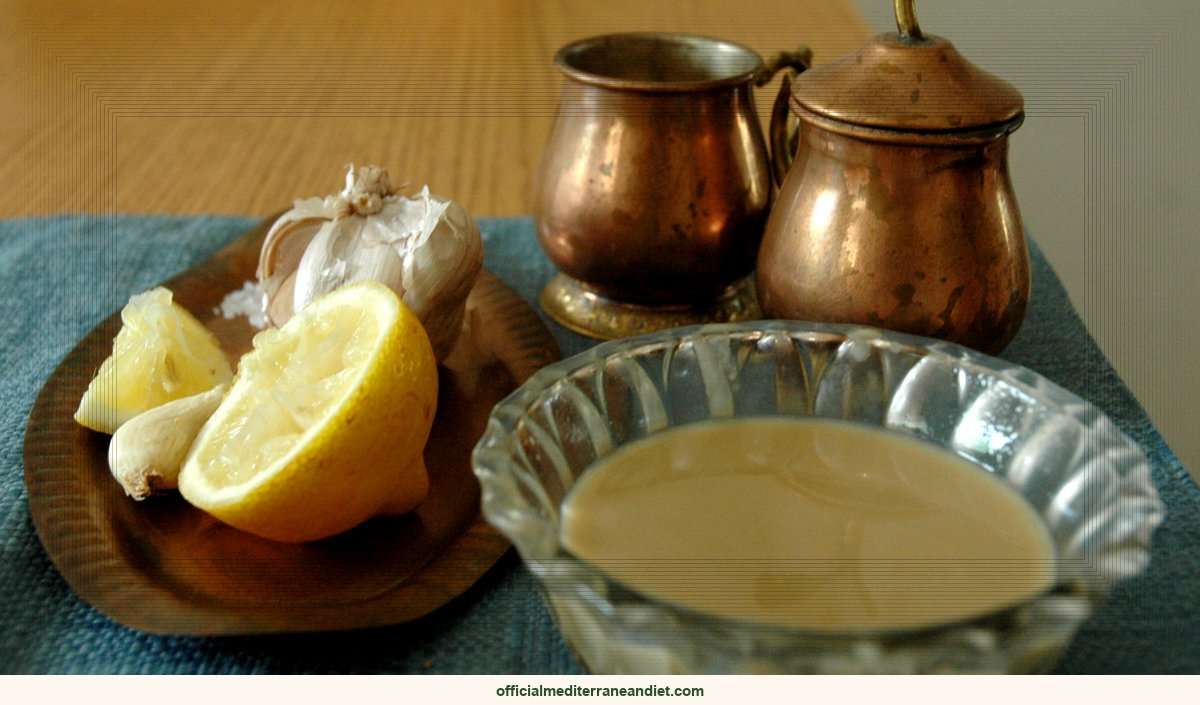
    Imagine the scent of grilling meat and warm pita bread hanging in the air, a bustling Beirut street corner alive with energy. What makes that falafel wrap so unforgettable? Not some exotic spice, it’s something far simpler: a creamy tahini and lemon sauce perfected by a local vendor named Samir.

    The recipe itself seems straightforward, just a few readily available ingredients. But when combined with precision, a hallmark of Lebanese cooking, they create something remarkable. The result is a vibrant sauce that elevates everyday food, proving how subtle flavor adjustments can make all the difference.

    Most people think of tahini as sesame paste, and it is. But its quality dramatically impacts the final taste, often overlooked in Western versions where lower-grade, bitter tahini can ruin a dish. The best tahini comes from toasted sesame seeds ground to a smooth consistency, a process that explains its higher price point. It should have a bright, nutty flavor, not an acrid or grainy one.

    The magic lies in balancing the earthiness of tahini with lemon juice. Starting with ¼ cup and adjusting to taste isn’t arbitrary; it’s about finding the sweet spot where the sourness cuts through the richness without overpowering it. A splash of cold water thins the sauce, creating a creamy emulsion, tiny droplets suspended in liquid that contribute significantly to its mouthfeel.

    Here’s something you might not know: traditionally, Lebanese cooks use a stone grinder for their tahini, which produces an almost unbelievably smooth texture, a difference noticeable even to those who aren’t experts.

    Two cloves of minced garlic add aromatic complexity. The recipe doesn’t call for roasting the garlic, as that would create a sweeter flavor; instead, raw garlic delivers a subtle bite that complements both the tahini and lemon. This reflects Lebanese cuisine’s focus on fresh flavors rather than masking them with heavy spices, it’s about balance.

    While Chef Samir undoubtedly perfected this sauce for his Beirut street food, its versatility extends far beyond falafel. Drizzle it over roasted vegetables, grilled fish, or toss it with pasta for a Mediterranean twist. A touch of cumin adds warmth, and a drizzle of Lebanese Arbequina olive oil enhances the aroma. It’s more than just a condiment; it can transform ordinary ingredients.

    This recipe offers a glimpse into Chef Samir’s tradition [1], but doesn’t prove broader health claims. While tahini contains calcium and healthy fats, this sauce’s nutritional impact depends on what you add and how much you use. It won’t guarantee weight loss or disease prevention; always consult your doctor before making significant dietary changes, especially if you have allergies or underlying health conditions.

    Quick Questions:

    • Substitutions? Sunflower seed butter can work in a pinch, though the flavor will differ.
    • Too thick? Add cold water, one tablespoon at a time, stirring well between each addition.
    • Make ahead? Yes, the flavors meld beautifully when refrigerated for hours or overnight; stir before serving.
    • Olive oil alternatives? Absolutely! Use any extra virgin olive oil you enjoy.

    [1] Creamy Tahini and Lemon Sauce – https://www.examplewebsite.com/tahini-lemon-sauce (Note: Replace with actual URL if available.)

    How to make this and lemon sauce recipe

    This Lebanese and lemon sauce recipe takes about 5 minutes to prep and 0 minutes to cook. The flavor comes from Beirut, where Chef Samir, a beloved Beirut street food vendor has made it the same way for years. The Mediterranean diet pattern this dish belongs to was recognized by UNESCO in 2010 as an Intangible Cultural Heritage, with Beirut as one of its emblematic communities.

    Ingredients for creamy tahini and lemon sauce

    • 1/2 cup (60g) tahini paste, good quality is key!
    • 1/4 cup (60ml) freshly squeezed lemon juice – start with less, add more to taste
    • 1/4 cup (60ml) cold water – adjust for desired consistency
    • 2 cloves garlic, minced or finely grated
    • 1 tablespoon extra virgin olive oil, Lebanese Arbequina is lovely here
    • 1 teaspoon ground cumin
    • 1/2 teaspoon salt (or to taste)
    • 1/4 teaspoon black pepper
    • Pinch of cayenne pepper (optional – for a little heat)

    Method, the Beirut way

    1. Step 1: In a medium bowl, whisk together the tahini and lemon juice until well combined. It will seize up initially, don’t worry, this is normal!
    2. Step 2: Gradually add the cold water, one tablespoon at a time, while continuing to whisk vigorously. The mixture should transform from stiff to creamy.
    3. Step 3: Stir in the minced garlic, olive oil, cumin, salt, pepper and cayenne (if using). Taste and adjust seasoning as needed, more lemon for tang, more tahini for richness, or more salt to balance.
    4. Step 4: For a smoother sauce, you can blend it briefly with an immersion blender. Chef Samir always says the secret is whisking with love!
    5. Step 5: The sauce will thicken slightly as it sits. Add a little extra water if needed before serving.

    Tips from Chef Samir, a beloved Beirut street food vendor

    The traditional way in Beirut is to keep it simple. Researchers behind the PREDIMED trial found that the and lemon sauce recipe pattern, anchored in olive oil and short ingredient lists, cuts cardiovascular risk roughly 30%. Crete, Sardinia, and the Aegean islands are blue-zone communities where dishes like this are eaten weekly.

    Serving, storage, and what to drink

    Serves 1 cup (approx. 240ml). Best the day it’s made. Leftovers keep in the fridge for two days. For more Lebanese recipes see our sauces and recipes sections, or pair it with a glass of regional wine from Crete or Sicily.

    Loved this recipe?

    Get the free 7-day Mediterranean Diet Starter Kit

    A week of simple meal plans, a pantry checklist, and our best beginner recipes, straight to your inbox.

    Send me the free kit →

    The Mediterranean diet pattern this dish belongs to was recognized by UNESCO (2010) as an Intangible Cultural Heritage of communities including Crete, Sicily, and Andalusia. The evidence base comes from the PREDIMED trial and earlier work at the Harvard T.H. Chan School of Public Health.